Category: Automotive

Retail News Asia is committed to providing both local and global retailers with the latest Auto and Car news throughout the Asian market. This on a daily base.

  • Chinese EV Maker Nio Cut Sales Forecast Due To Chip Supply Shortage

    Chinese EV Maker Nio Cut Sales Forecast Due To Chip Supply Shortage

    Chinese electric vehicle (EV) maker Nio Inc on Wednesday cut its delivery forecast for the third quarter this year due to uncertain and volatile semiconductor supplies. Nio cut its delivery forecast for the third quarter to around 22,500 to 23,500 vehicles from a previous 23,000-25,000 vehicles. It delivered 5,880 electric sports-utility vehicles last month, up 48% from a year earlier.

    Li Auto Inc, which sells extended-range electric vehicles, said it sold 9,433 vehicles last month, up 248% from a year earlier. It targets 10,000 units monthly sales in September. Xpeng Inc sold 7,214 cars in August, up 172% year-on-year. Its chief executive He Xiaopeng said it expects monthly deliveries to reach 15,000 units in the final quarter this year.

    A prolonged global chip shortage has caught major automakers including Ford Motor, Honda Motor, General Motors, and Volkswagen off guard, forcing many to idle or curtail production. The shortage was unlikely to resolve soon as the pandemic rages on in many parts of the world, China’s top auto industry body said last month. U.S. listed shares of Nio were down 4.3% at $37.63 in premarket trading, while Xpeng fell more than 2%. Li Auto, Nio, and Xpeng are three leading Chinese EV startups that compete with U.S. electric car maker Tesla Inc and local companies including Geely and Great Wall Motor.

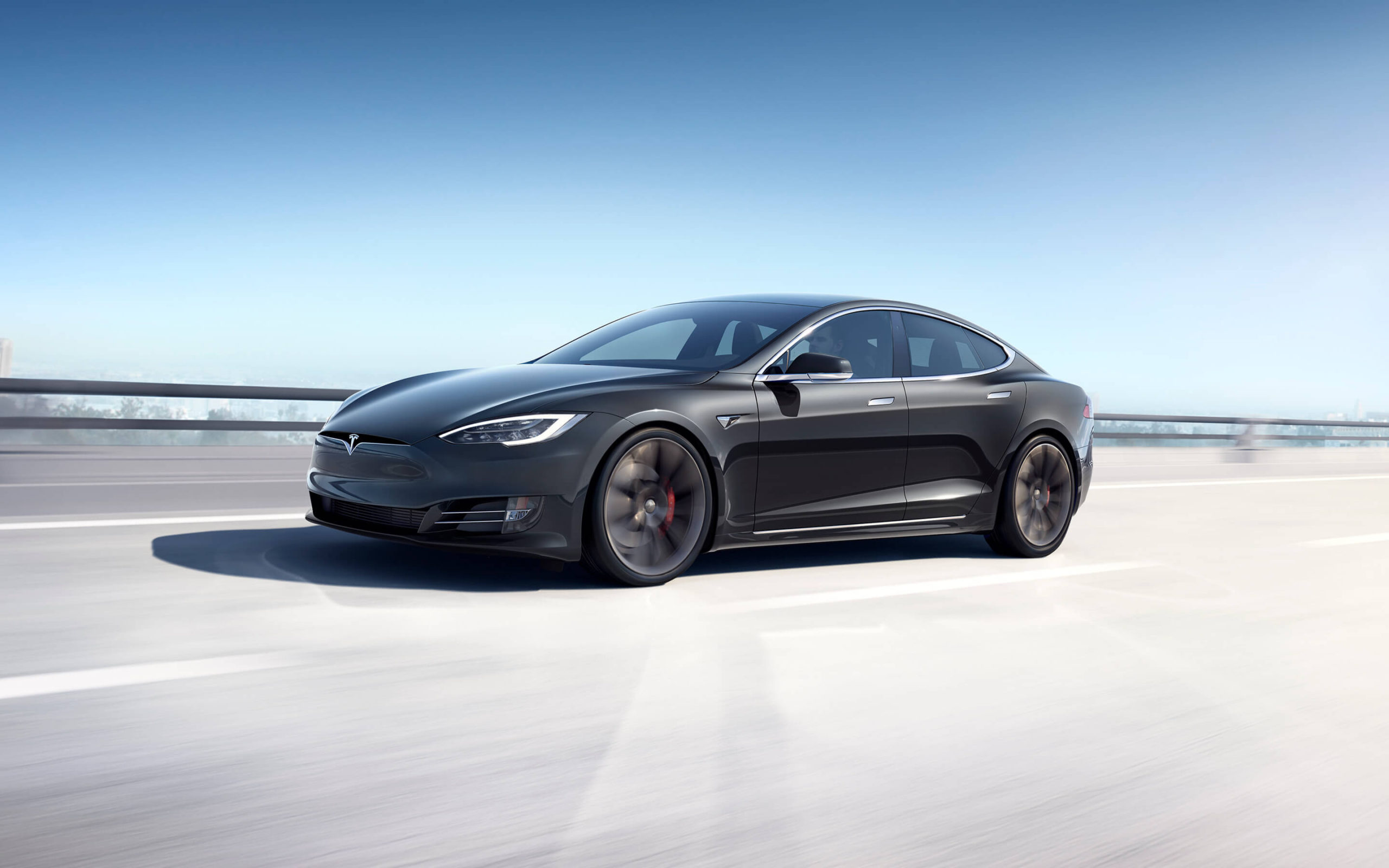
    Separately, Tesla had sold 32,968 China-made vehicles in July, including 24,347 for export, according to data from the China Passenger Car Association last month. However, local sales of China-made Tesla vehicles had plunged 69% month-over-month to 8,621 cars in July. The company makes electric Model 3 sedans and Model Y sport-utility vehicles in a Shanghai plant. China sales, which account for nearly a third of its total sales, is closely watched as a sign of the automaker’s health in its second-biggest market, where it has invested heavily.
  • China’s Xiaomi Completes Business Registration Of Electric Vehicle Unit

    China’s Xiaomi Completes Business Registration Of Electric Vehicle Unit

    Chinese smartphone giant Xiaomi Corp said on Wednesday it has completed the official business registration of its electric vehicle unit, marking the latest milestone in its push into the automotive sector. The new unit, to be called Xiaomi EV Inc, opened with registered capital of 10 billion yuan ($1.55 billion) and Xiaomi CEO Lei Jun as its legal representative, Xiaomi said in a statement. Some 300 staff have so far been employed to join the EV unit and it continues to recruit talent, it said.

    The smartphone maker, which became the world’s second top-selling brand behind Samsung in the second quarter, confirmed its foray into electric cars in March, pledging to invest $10 billion over the next 10 years.

    Lei said at the time the push into electric vehicles would mark his “last major entrepreneurial project.”

    Xaiomi said it purchased autonomous driving technology startup Deepmotion for over $77 million.

    Xiaomi said on Wednesday it has since conducted more than 2,000 interview surveys and visited over 10 industry peers and partners. However, it has revealed few details of its strategy for the automotive sector or vehicle types it intends to launch.

    Last week, the company said it purchased autonomous driving technology startup Deepmotion for over $77 million, in an effort to boost research and development.

    Earlier in August, Reuters reported that Xiaomi had entered talks with beleaguered real estate giant Evergrande Group to purchase a stake in the latter’s automotive unit.

    In response to the news, a Xiaomi spokesperson wrote on the company’s social media account that it is in touch with several automakers but has yet to decide which one to work with.

    Xiaomi’s second-quarter earnings last week beat analyst estimates, with revenues and net profits increasing 64% and 87.4% respectively. The company’s share of the global smartphone market has surged following the retreat of its chief rival, Huawei Technologies Co Ltd in the face of U.S. government sanctions.

  • Suzuki Expects 60% Drop In September Production Due To Chip Shortage

    Suzuki Expects 60% Drop In September Production Due To Chip Shortage

    India’s top carmaker Maruti Suzuki said on Tuesday that the global chip shortage will hurt production at its plants in the states of Haryana and Gujarat in September. Total production volume across both locations could be around 40% of normal output, it said in a regulatory filing.

    Top Indian carmakers, like their global peers, have been hit by semiconductor supply chain disruptions during the pandemic, which drove up demand for chips used in electronics like computers as people worked from home, and hit output at many automakers.

    Tata Motors and Mahindra and Mahindra Ltd have already warned of the impact from rising commodity prices and a global shortage of semiconductors, combined with pandemic uncertainty.

    In July, Tata Motors said it expected the chip supply crunch in the second quarter to be greater than in the first, likely resulting in wholesale volumes for its Jaguar Land Rover to be about 50% lower than planned.

    Analysts earlier said Maruti was better positioned than rivals as it was not dependent on a single vendor for chips.

    However, Maruti Chairman RC Bhargava has indicated the semiconductor crisis was not over and that it is difficult to predict what happens next.

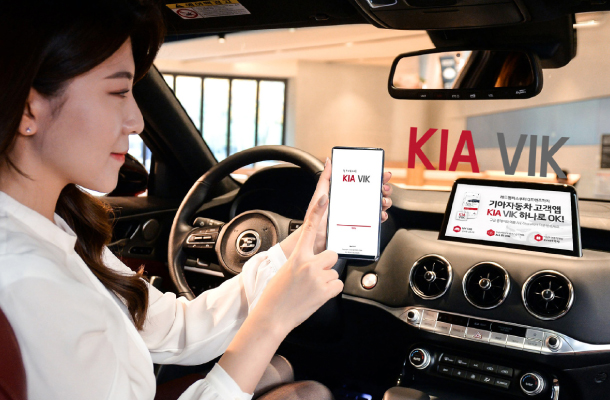
  • Kia Workers Accept Wage Deal Without Strike For The First Time In A Decade

    Kia Workers Accept Wage Deal Without Strike For The First Time In A Decade

    Workers’ Union at Kia Motors has voted to accept the company’s wage proposals without a strike for the first time in 10 years. According to a report from IANS, the carmaker said that 68 percent of 26,945 workers have voted in favor of the wage, which includes an increase of 75,000 won ($64.30) in monthly basic pay, two months of wages in performance-based pay, and cash bonuses worth 5.8 million won. The report also mentioned that over 1,600 out of the 28,604-member union abstained.

    The company has rejected the Union’s demand to extend the retirement age from current 60 to 65, however, the company reinstated fired workers.

    The automaker and the workers’ Union reached a tentative wage deal early this week without staging a strike amid the ongoing COVID-19 pandemic. This is the first time that Kia will sign a wage deal without industrial actions. They will sign the wage agreement on Monday.

    Last month, Hyundai Motor Company and its union signed this year’s wage deal without strikes for the third consecutive year.

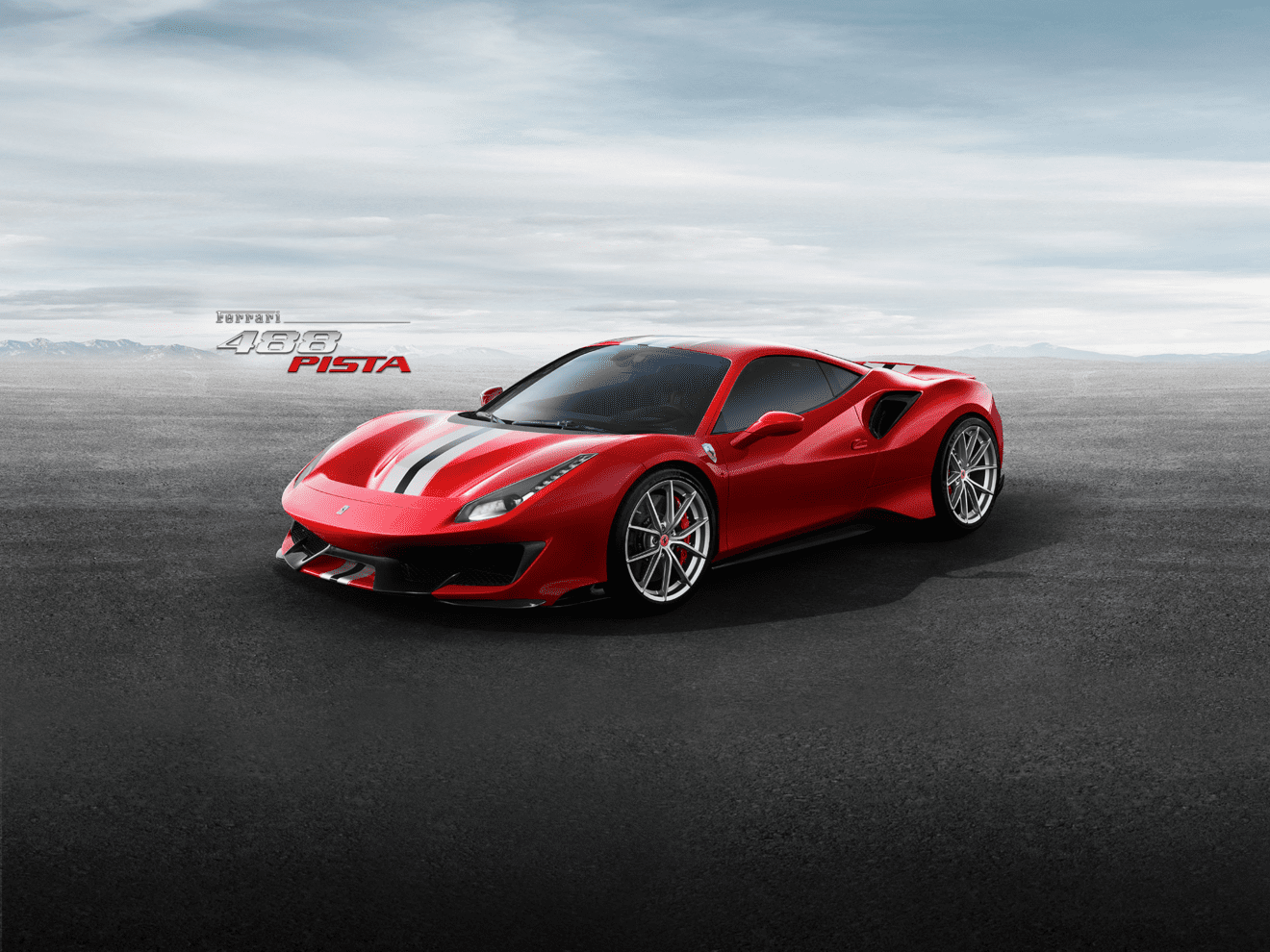
  • Ferrari Boss Has No Fears Over Electric Future

    Ferrari Boss Has No Fears Over Electric Future

    Ferrari, the sports car maker synonymous with roaring petrol engines, welcomes the shift to electric powertrains and is confident of retaining its lead in the market for high-performance cars, its chairman said on Monday.

    The European Union last month proposed an effective ban on the sale of new petrol and diesel cars from 2035 as part of its measures to combat global warming, posing a challenge to automakers that have made powerful engines a key selling point.

    But Ferrari Chairman and acting CEO John Elkann told analysts on Monday the company known for its ‘Prancing Horse’ logo saw the change in technology as an opportunity.

    “We see the regulation as welcome,” Elkann said, as Ferrari stuck to its main 2021 targets after reporting second-quarter core profits just ahead of expectations.

    “The opportunity set by electrification, electronics, and other technologies that are coming available will allow us to make even more distinct and unique products,” he said.

    Elkann, the scion of Italy’s Agnelli family which controls Ferrari through its investment company Exor, was speaking weeks before new CEO – technology industry veteran Benedetto Vigna – takes the helm on Sept. 1.

    One of Vigna’s tasks could be to forge new partnerships, along the lines of Ferrari’s existing tie-up with Britain’s Yasa, now part of Daimler, to help with the shift to an electric era, Elkann said.

  • Tesla Updates Mobile App With New User Interface & Features

    Tesla Updates Mobile App With New User Interface & Features

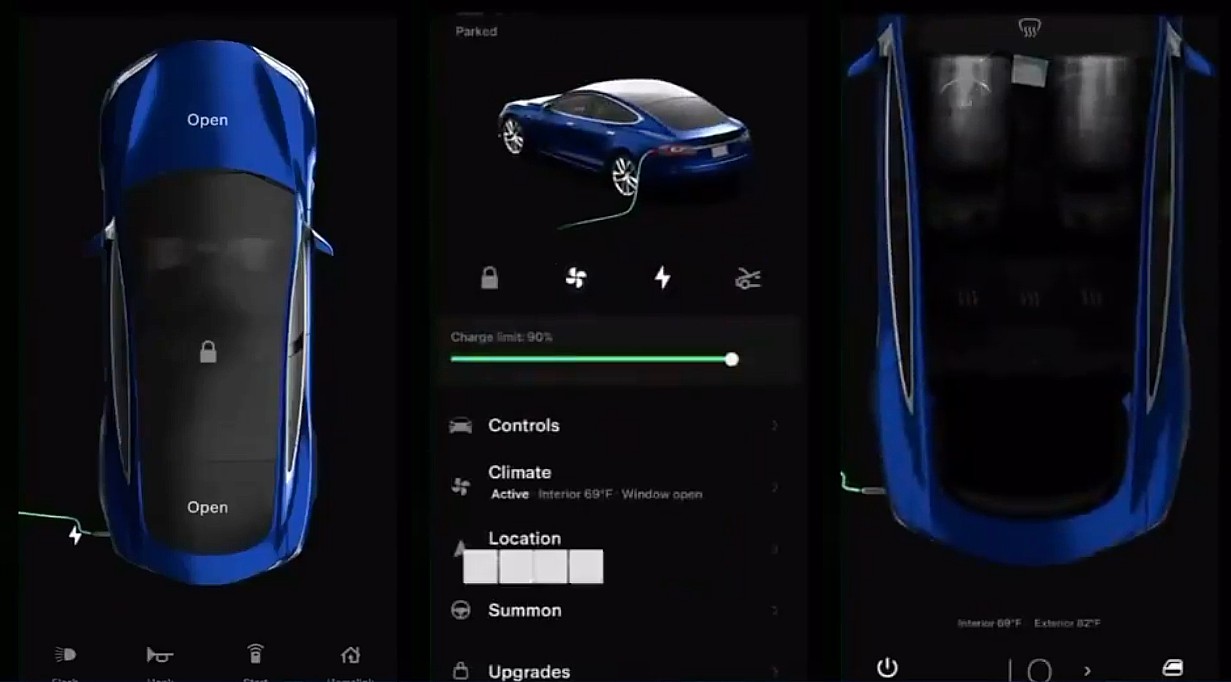
    Tesla has released version 4 of its mobile app which receives a massive overhaul of the user interface and adds a ton of new features. Users can unlock their vehicles using the app and remotely also manage the climate control system of the car apart from many other connected car functions. Version 4 is clearly the most comprehensive update to the app.

    Via the app users can also access the after-sales experience and book the car for servicing and repairs. It also lets users know the charge levels of the car remotely which is quite critical.

    Here are the new features that Tesla lists in its official release notes:

    — Refreshed vehicle and energy homepage
    — Streamlined Summon experience
    — Enhanced phone key support – vehicle no longer needs to be selected
    — Send commands to vehicle immediately upon opening app
    — Use Go Off-Grid to seamlessly disconnect your home from the Grid with Powerwall
    — Shop the Tesla catalog and view and manage your orders (available in select countries)
    — View Supercharging history and ability to pay outstanding Supercharging or service balance (available in select countries)

    Tesla is one of the first automotive companies to push over the air updates and has its own app.

    Tesla has also added support for widgets on iOS which was introduced in iOS 14 last year. Tesla has also added the supercharger billing experience in the app which comes at a time when the manufacturer is opening up the network to third-party vehicles.

    This update comes at a time when Elon Musk has said that it is close to rolling out its full self-driving software to users who opted for the package. Musk estimates after the release of the next beta, in 4 weeks the software update should be rolled out to users.

  • Tesla Plans To Deploy FSD Software To Public In Four Weeks

    Tesla Plans To Deploy FSD Software To Public In Four Weeks

    Tesla has said that it plans of releasing the final version of its full self-driving software to the public in a month’s time. As of now it is still in a beta stage being tested by internal Tesla employees and members of the beta program. This program has been ongoing for almost a year now. This software is different from AutoPilot as it allows the car to drive by itself using computer vision on highways and city streets. This, however, is still considered to be level 2 autonomous system.

    Recently, Tesla’s CEO revealed that the current beta build of the FSD software 9.2 isn’t great but he has noticed great improvements in the 9.3 software which is he already using. Elon Musk had stated that the program will come out of beta once it hits version 10. The FSD software has been promised to users who have opted for the FSD package. This release has been in limbo for a while.

    Now, Musk has announced plans to accelerate the release stating that v10 of the software will be pushed to early access members in a beta stage next week. Musk expects testing for the v10 build to last 4 weeks before a wider release.

    “We should be there with Beta 10, which goes out a week from Friday (no point release this week). It will have a completely retrained NN, so will need another few weeks after that for tuning & bug fixes. Best guess is a public beta button in less than 4 weeks,” he said.

    This release is going to be an over-the-air update for the folks who have purchased the FSD package and will be downloadable by a push of a button. Tesla has moved to a full vision-based system for its autonomous technology using cameras on its cars that ping back some data to its Dojo supercomputer which trains algorithms using a neural network. Tesla’s process the information based on these algorithms in real-time using a the FSD chip that’s present on many of its vehicles.

    Tesla will deploy the next generation of its FSD hardware next year with a new chip and camera system that Musk says will debut with the Cybertruck.

  • 95 pct made-in-Vietnam auto parts for foreign brands

    95 pct made-in-Vietnam auto parts for foreign brands

    Nearly 95 percent of auto parts produced in Vietnam are for foreign brands, showing a lack of localization in the industry.

    Of the 287 items that have been approved by the Ministry of Science and Technology as of Aug. 17, 15 were registered for VinFast cars.

    The rest were all for foreign brands. A total 226 were for Toyota, 15 for Ford and 10 for Honda.

    This means Toyota accounts for nearly 79 percent of the registered items.

    None of these items include parts for Hyundai and Mazda vehicles, although TC Motor (which assembles Hyundai cars) and Thaco (which assembles Mazda cars) have both previously affirmed they had “high” localization rates.

    TC Motor claims the rate at around 20 percent.

    Most parts are frames, chairs, and wires that are considered basic. There are no complicated parts like engines and gearboxes.

    Vietnamese officials have been calling for a higher localization rate of cars produced in the country for over two decades but the target has not been achieved.

  • Ez4EV Launches EzUrja Mobile Charging Stations

    Ez4EV Launches EzUrja Mobile Charging Stations

    Ez4EV Private Limited, a battery storage & charger development company is all set to launch its innovative mobile charging solution EzUrja for electric vehicles to mitigate the range anxiety of EV owners and to instantly up the missing infrastructure for EV charging points in the country. These mobile charging stations follows an innovative EV ‘Charging-on-Demand’ approach and is managed as an Internet of Things (IoT) device, allowing for remote condition monitoring and organization of operations. Ez4EV plans to deploy multiple EzUrja’s servicing EVs in cities and highways of the country more so as a product for smaller towns by creating better EV connectivity.

    Satinder Singh, CEO, Ez4EV said, “EV development prerequisite is the charging point availabilities. In our country where customer delight is on a door-step delivery basis, we complement the same by providing India’s first Charging-on-Demand to ease the ride of an EV owner”.

    The fully charged EzUrja Mobile guarantees a seamless energy supply for the entire range of slow or fast chargers supporting two-wheelers to commercial vehicles to premium EVs. More importantly, it ensures stabilized flow of energy with zero variables or surges 24×7 on call.

    At the core the Lithium-Ion Manganese Phosphate battery provides the element to make a robust business case, which was not possible with other comparative battery chemistries. Ez4EV is introducing an innovative battery technology from C4V/iM3 New York, for initiating localization of ‘Battery Energy Storage Systems based on their success cases in USA’. Lighter weight, green chemistry characteristics and longer cycles makes the C4V cells as the most ideal battery fulfilling the clean India mandate.

  • Honda Swings To Q1 Operating Profit

    Honda Swings To Q1 Operating Profit

    Honda Motor Co swung on Wednesday to a first-quarter operating profit of 243.21 billion yen ($2.23 billion) from a 113.7 billion loss a year ago as car sales recovered from the impact of the COVID-19 pandemic.

    Operating profit at Japan’s No.2 carmaker by sales for the three months ended June 30 was double the average profit estimate of 119.2 billion yen based on nine analysts surveyed by Refinitiv.

    Honda raised its full-year forecast by 18% and now expects an operating profit of 780 billion yen in the current financial year, having previously forecast in May a 660 billion yen operating profit.

    The new forecast is higher than an average forecast of a 764 billion yen operating profit from 19 analysts polled by Refinitiv.

  • Toyota Slashes September Output Amid Chip Crunch, COVID Resurgence

    Toyota Slashes September Output Amid Chip Crunch, COVID Resurgence

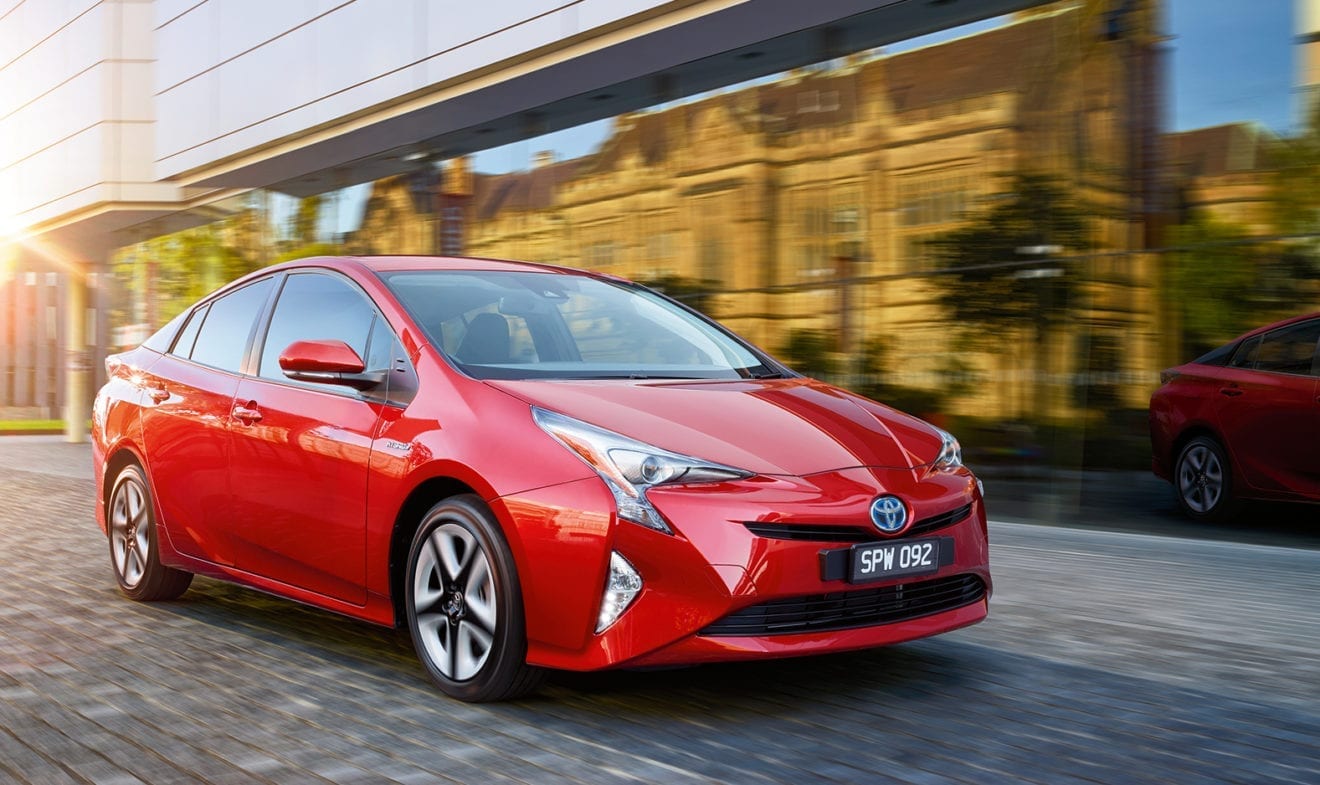
    Toyota said it will slash global production for September by 40% from its previous plan, becoming the last major automaker to cut output due to a global chip crunch, but it maintained its annual sales and production targets. Toyota’s success in navigating the chip shortage better than rivals has come down to its larger stockpile of chips under a business continuity plan adopted after the 2011 earthquake and the Fukushima nuclear disaster. The world’s largest automaker by sales volumes reiterated on Thursday its global production target of 9.3 million vehicles for the year ending in March, as well as its plan to sell 8.7 million cars in the period.

    “The 9.3 million global production plan takes into account certain risks,” executive Kazunari Kumakura told reporters. “We want to achieve the numbers.”

    Toyota said the September cuts included 14 factories in Japan and overseas plants, and that the company would reduce its planned global production that month by around 360,000 vehicles.

    Of these, 140,000 will be at Japanese plants, with the rest in the United States, China, Europe and other Asian countries.

    Car makers worldwide have been cutting production due to the months-long chip shortage, but a resurgence in COVID-19 cases in Japan, Philippines, Thailand, Vietnam and Malaysia – home to auto factories and chip plants – have led to stricter curbs and compounded the crisis.

    Germany’s Volkswagen said on Thursday it may need to cut production further and that it expected the supply of chips in the third quarter to be “very volatile and tight.”

    Ford Motor Co said Wednesday it will temporarily shut its Kansas City assembly plant that builds its best-selling F-150 pickup truck due to a semiconductor-related part shortage as a result of rising cases in Malaysia.

    Earlier this month, Toyota had flagged an unpredictable business environment due to fresh COVID-19 cases in emerging economies, the semiconductor shortage and soaring material prices.

    The carmaker had already halted assembly lines at some Japanese factories between late July and early August, including its Tahara plant, due to a surge in infections in Vietnam which had constrained the supply of parts, the Nikkei reported earlier.

    A person familiar with the matter told Reuters this month that Toyota had also suspended production at one assembly line in Guangzhou, China, which it operates with its Chinese joint-venture partner Guangzhou Automobile Group Co Ltd.

    In Thailand too, Toyota suspended production last month at three factories due to a pandemic-related parts shortage.

  • MG Motor India Partners With Microsoft And L&T For Data Security For New Astor SUV

    MG Motor India Partners With Microsoft And L&T For Data Security For New Astor SUV

    MG Motor India has announced a raft of features with the launch of the new compact SUV, the Astor, and one of the key aspects of the announcement has been the partnerships MG has closed with tech giants like Microsoft and L&T. Particularly with Microsoft, MG Motors has closed a deal for its Azure cloud computing service which has many local data centres in India – in cities like Mumbai and Noida. This means, MG’s cloud-connected features will not be pushing the data to its servers in China but will be localised.

    “With data playing such a critical part in enhancing the in-car experience, we are doing our best to ensure that it is safe and protected. All the data from the car systems that we are using to power these personalized services are securely stored on the Microsoft Azure cloud platform in India,” said MG Motor India MD, Rajeev Chaba.

    “MG Motors India is using our cloud computing service to store the data they collect from their customers within India itself. All customer driving data is stored on cloud servers which come with high levels of security so that you can rest easy,” said John Stenlake, Director, Automotive, Mobility and Transportation Industry, Microsoft, highlighting the security benefits.

    Apart from the obvious security benefits, this also is a performance boost for the cloud-connected features as they will be more responsive thanks to the geographic proximity of the servers as they are now in India which reduces latency.

    Microsoft Azure has the most localised cloud regions of any cloud computing service in the world. It has even more local regions than market leader and category inventor Amazon Web Services (AWS). Microsoft Azure trails AWS in overall global cloud compute market share but has been gaining market share over the last decade under the leadership of CEO Satya Nadella.

    Nadella was the man entrusted to start Azure in 2008 and its success propelled him to the top spot of the American giant when he replaced long time CEO Steve Ballmer in 2014. Nadella has made many partnerships in India with regards to Azure, including Flipkart.

    MG Motor India has also partnered with L&T Technology Services for the security and privacy of the data that’s parsed through the vehicles.  Chaba highlights that the best data privacy practices are being leveraged thanks to this partnership as the Astor generates troves of data.

    “In the connected world we live in, cybersecurity, privacy and data usage are questions that occur to each one of us. This also applies to connected cars. We at L&T Technology Services are happy and excited to collaborate with MG India to provide security auditing services for your vehicles. We also ensure that any communication that happens from and in-between, the vehicle, the network and the mobile app is secure,” said Nitin Jain, global head of digital products and services L&T Technology Services.

    Jain also highlighted that L&T technology services also ensure that MG Motor India complies with the latest security standards. The Astor gets level 2 autonomous driving capability and also gets a new virtual assistant which also leverages AI, apart from an assortment of unique services.

  • Government may halve registration fees for locally produced automobiles

    Government may halve registration fees for locally produced automobiles

    The government has instructed the Ministry of Finance to assess the impact of a 50-percent cut in registration fees for locally produced automobiles.

    Thanh Cong Motor Vietnam Joint Stock Company had called on the government to cut the fee to support an industry affected by Covid-19.

    The ministry has been told to complete the task this month.

    In June, the Vietnam Automobile Manufacturers Association (VAMA) had proposed a similar 50-percent cut in registration fees, but the ministry had rejected it.

    Last year too the government had cut the fee by half, and it cost VND6 trillion ($260.9 million).

    In the first six months of this year VAMA members, who account for more than 95 percent of the market, saw sales fall 30 percent year-on-year to 102,720 vehicles.

    Car manufacturers fear the global effects of Covid would have a long-term impact on people’s incomes and auto demand.

    VAMA expects sales to decline by more than 15 percent this year. Last year, they had risen by 11.7 percent to 322,322 units.

  • Ford Mustang Mach-E Production Delayed Because Of Global Semiconductor Shortage

    Ford Mustang Mach-E Production Delayed Because Of Global Semiconductor Shortage

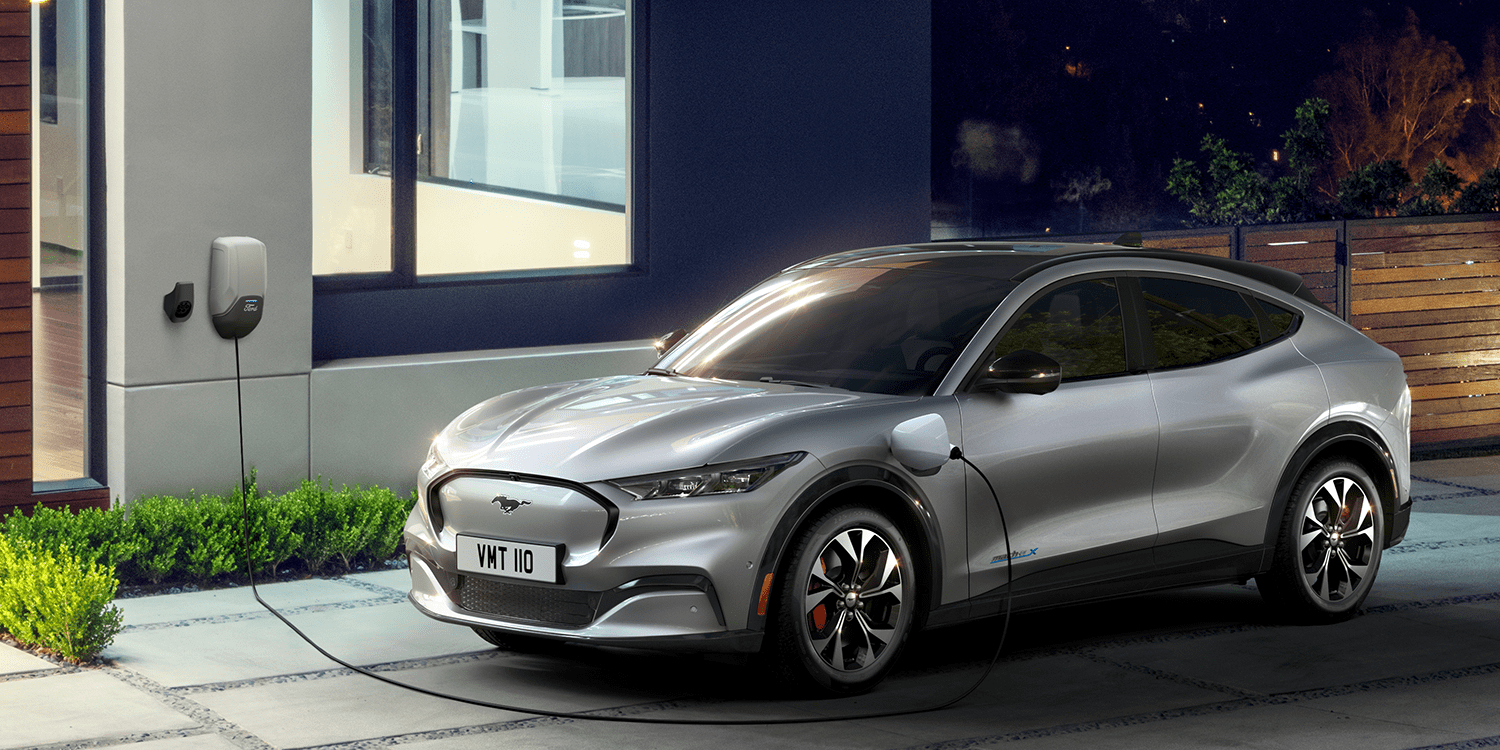
    Ford is delaying shipments of Mach-E electric vehicles due to the global chip shortage that’s causing problems across all manner of industries. The company told affected owners their deliveries will be delayed by at least six weeks.

    In an effort to make up for the delay, Ford is offering an additional 250kWh worth of charging on the house, which should be good for around 700 miles of driving. That doubles the complimentary charging Mach E owners receive with their EV. The delay affects EVs that were scheduled for production between July 5th and October 1st.

    “We’d like you to know that while we’re working nonstop to deliver your very own Mustang Mach-E vehicle, we project your vehicle delivery will be delayed by a minimum of six weeks,” Ford wrote in an email to customers. “Once your vehicle receives the required chip, your vehicle status will be updated, and you’ll receive an email with an estimated week of delivery.”

    The semiconductor shortage has impacted production of a broad range of products in recent months. Along with EVs and other vehicles, game consoles, graphics cards, smartphones, Apple products and other goods have been affected. Ford cut vehicle production earlier this year due to the problem.

  • July auto sales hit five-month low

    July auto sales hit five-month low

    Auto sales in July fell by 33 percent year-on-year to 16,035 units, the lowest in the last five months, dragged down by mobility restrictions in major cities.

    Monthly sales have experienced a downward trend since March as the fourth Covid-19 wave forced dealers to shut down during social distancing in Hanoi and Ho Chi Minh City, according to data from Vietnam Automobile Manufacturers Association (VAMA).

    But in the first seven months, sales still rose 27 percent year-on-year to over 166,500 units thanks to a surge in the first quarter.

    During this period, Thaco led with over 56,900 units, up nearly 34 percent year-on-year. Toyota followed with 32,800 units, up nearly 8 percent.

    Mitsubishi, Ford and Honda make up the rest of the top five.

    The best-selling model in July was the hatchback VinFast Fadil with over 2,928 units shifted, followed by Toyota Vios with 1,344 units and Ford Ranger, 1,310.