Category: E-Tailing

Retail News Asia is committed to providing both local and global retailers with the latest E-Commerce & Etail news throughout the Asian market. This on a daily base.

  • Amazon India, Myntra get battle ready for fashion sales this weekend

    Amazon India, Myntra get battle ready for fashion sales this weekend

    With apparel manufacturers trying to liquidate old stock ahead of the new GST tax regime, e-commerce companies like Amazon India, Myntra and Jabong are expecting blockbuster sales this weekend. Flipkart firms Myntra & Jabong will go head on with Amazon India for superiority in the fashion category with their end-of-season sales this weekend.

    Amazon India has partnered with 1500 leading fashion brands for the sale event from June 23 to 25 with exclusive tie-ups with 25 brands like GAP, Under Armour, M&S, Michael Kors and many more.

    Amazon has also said that it will open 12 temporary physical stores in the country’s biggest tech parks in Bengaluru, NCR and Mumbai to popularise its fashion sale event coming up this weekend.

    “We have tied up with the biggest tech parks in the country to promote our fashion sale and give youngsters an opportunity to step out and experience fashion at physical outlets,” Arun Sirdeshmukh, head of Amazon’s fashion business, told the Times of India.

    Flipkart which is currently the undisputed leader in the fashion category with its two fashion subsidiaries Myntra & Jabong is expecting its fashion e-tailers to dominate the sales this weekend.

    Myntra said it expects to see a 25-fold jump in daily sales during its ‘End of Reason’ sale to be held between June 24-26. Over 1,800 brands will participate in the three-day sale, offering discounts of 50-80 per cent like that of Amazon India.

    “Our ‘End of Reason Sale (EORS) gets bigger and better with each passing season. The sixth edition will be the largest yet and will see Jabong also participate,” Ananth Narayanan, CEO of Myntra and Jabong, said in a statement.

    “We expect about 45 per cent growth over last year and 25X jump in revenues from what we do on an average day,” he said.

    With GST, the taxation structure and prices will change from July 1 so the sellers are offering high discounts which will benefit the end of season sales on e-commerce firms. GST Council has decided to tax man-made apparel up to Rs 1,000 at 5 per cent, while those costing above Rs 1,000, will attract 12 per cent.

  • MSIG Insurance Continues its Digital Transformation with a Social Purpose in Singapore

    MSIG Insurance Continues its Digital Transformation with a Social Purpose in Singapore

    With its recent launch of the MSIG SpeeDi app in Thailand, MSIG Insurance continues its digital transformation in the region with the introduction of a unique telematics device for its motor customers. With the aim of encouraging safer driving in Singapore, the device tracks driver behaviour and provides feedback after each trip via a mobile app.

    Supporting traffic safety solutions in Singapore since 2007

    MSIG Insurance, in collaboration with its non-profit organisation Mitsui Sumitomo Insurance Welfare Foundation, has been offering research grants in Singapore over the last 10 years to encourage researchers to come up with novel solutions to tackle road safety issues. Some of the research that the foundation has supported in the past years include a study to design and create prototypes that improve traffic safety among secondary school students (2008), understanding an elderly driver’s perspective to determine if age affects their driving abilities (2012), and more recently, to analyse cyclists’ behaviour on roads and footpaths (2016). 

    “It is our mission to help secure a sustainable future for the community at large. Traffic safety is an important topic in Singapore where there is increasing usage of roads, by both pedestrians as well as vehicle owners. We wish to play our part in raising awareness of this issue and to also positively impact driver behaviour through the use of technology,” said Mr Alan Wilson, Regional CEO, MSIG Holdings (Asia) Pte Ltd.

     Promoting safer drivers

    The introduction of MSIG’s telematics device will contribute to this social purpose. The device aims to influence driver behaviour to create safer drivers, which will in turn lead to safer roads. A pilot study conducted with over 100 drivers in March 2016 showed that 85% of drivers agreed that the device had encouraged them to be safer drivers. The app will provide drivers with feedback on their driving behaviour once each journey ends, and an overall driving score will be assessed based on these factors: distance, speed and driving style such as cornering, acceleration and braking. Four scoring bands will indicate the driving score, with Green indicating the best (or safest), followed by Yellow, Orange, and Red.

    Introducing MSIG UMax

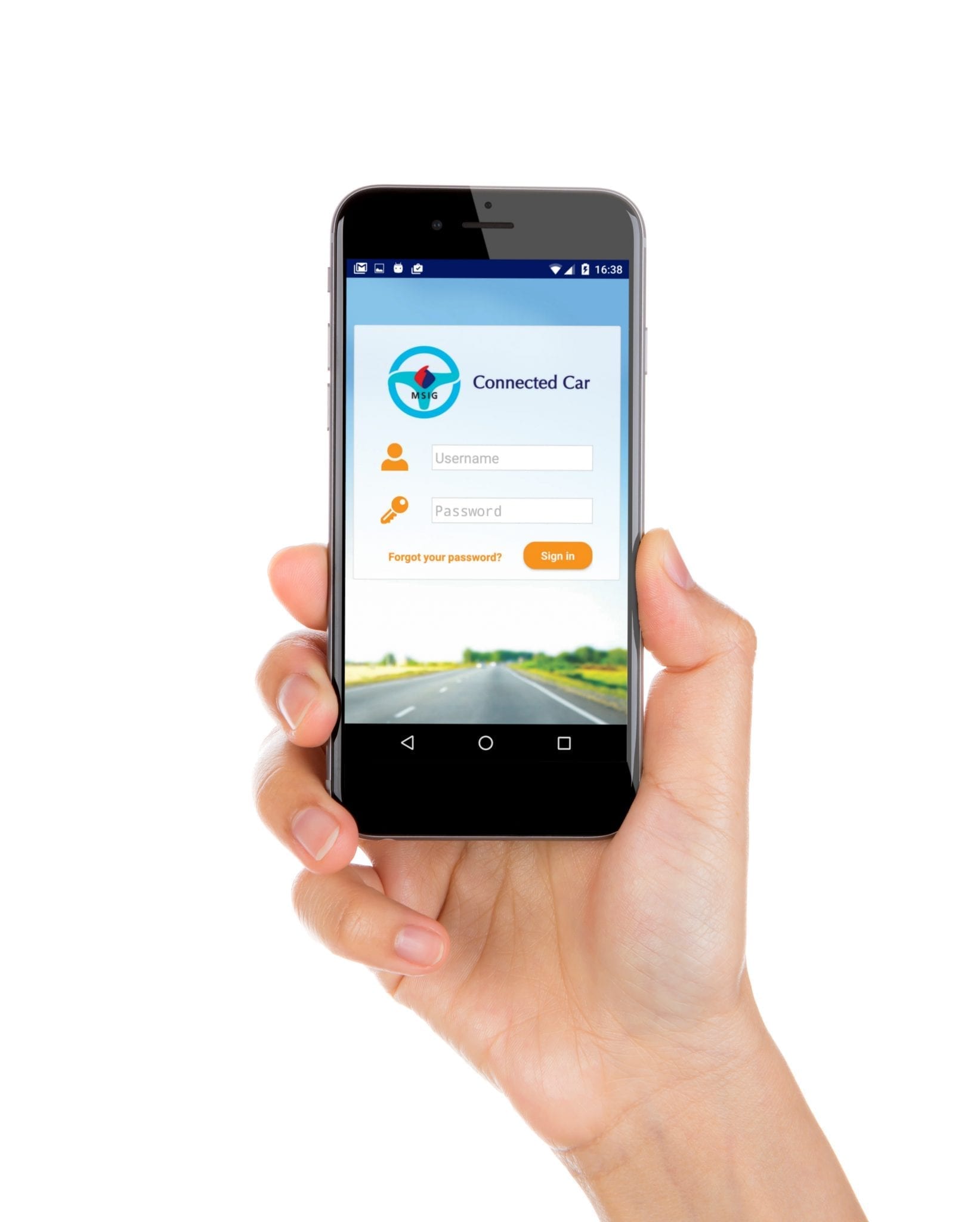
    The encouraging results from the pilot study has led to the introduction of a new product – MSIG UMax motor insurance, a ‘Pay How You Drive’ model that rewards the customer based on driving performance. Customers who sign up for MSIG UMax will have the device professionally installed without extra costs and are able to access their driving data through the free smartphone app – MSIG Connected Car.

    “We are delighted to be introducing more options to the market. As consumers become more connected than ever, ‘Pay How You Drive’ is a more intuitive model for drivers. It is also a customised system and encourages our customers to drive more safely as they get direct feedback from the app,” said Mr Michael Gourlay, CEO, MSIG Singapore.

    Locate your vehicle in Singapore and Malaysia

    Drivers with the device will also be able to use the mobile app to locate their vehicle in Singapore. A value-added option will allow the vehicle location service to be enabled in West Malaysia.

    Enjoy savings as a proven safe driver

    In the first year, the premium will still be based on the existing pricing method using a combination of factors such as the vehicle make and model, driver’s profile and claims history. Driving data will be assessed 60 days from the policy commencement date.

    In the unfortunate event of an accident, drivers can bring down their own damage excess by 50% if they have achieved a driving score within the Yellow band in a 30-day period before the accident, or even a complete waiver of the excess if their score is within the Green band.  This excess adjustment is unique to MSIG UMax’s model.

    “With the excess adjustment, drivers can literally reduce their excess to zero if they maintain an excellent driving score,” said Mr Jeremy Lian, Senior Vice President of Technical Services, MSIG Singapore.

  • 12,000 shoppers turn to GoSpree app

    12,000 shoppers turn to GoSpree app

    The Great Singapore Sale (GSS), from June 9 to Aug. 13, is going digital this year with a new mobile phone app called GoSpree. The free app will operate as a “super mall” platform, allowing customers to get their hands on various e-coupons from different categories of retailers across the island.

    Using the app, available in English and Mandarin, seems easy enough. Shoppers pick the discounts they want to enjoy and the app compiles the offers on a virtual card to be used at designated physical stores before they expire. The geo-location enabled app will also let retailers send e-coupons and flash deal alerts to shoppers nearby.

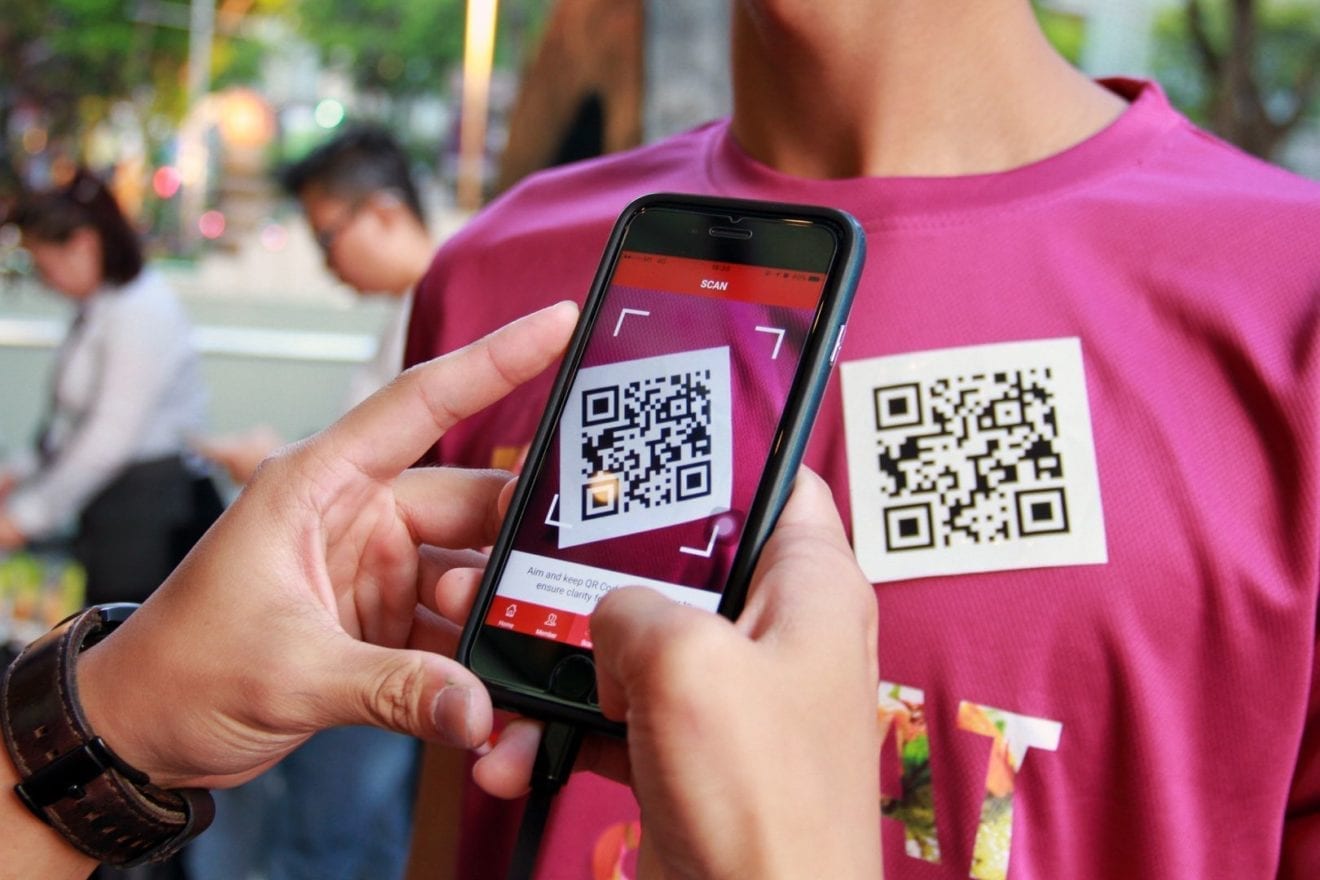
    Each GSS retailer will also get a unique QR code, which may be displayed around the island. Users can collect these codes using the app’s code scanner to unlock special deals.

    The app will also have a directory of participating retailers for users to browse through. To be launched on the first day of the nine week-long sale, the free app can be downloaded through the Apple Store and the Google Play store.

    Its aim, says the Singapore Retailers Association (SRA), which organises the annual GSS, is to reach out to younger tech-savvy shoppers, as well as to help participating retailers, especially smaller stores in the heartlands, pull in shoppers during the sale.

    Said SRA’s executive director Rose Tong: “With the GoSpree app, we are hoping to target anyone with a phone and incentivise their shopping experience.”

    “We particularly want to reach out to smaller, independent retailers who can really leverage on the platform to target new customers and get additional publicity at no cost,” she said, adding that the sale will stretch past the National Day public holiday so shops can hold themed promotions.

    Retailers will not be charged to list their offerings on the app, which is owned and copyrighted by SRA.

    One retailer already on board is local design and lifestyle store Naiise, which will be offering $5 GoSpree e-coupons as well as exclusive discounts and offers to app users.

    Said Naiise founder Dennis Tay, 32: “For us, getting on GoSpree offered us a chance to reach digital natives – many of whom are our target audience.”

    “We feel the app is a move in the right direction because it is allowing retailers to transform the offline shopping experience and take it beyond the transactionary.”

    Also on the app are retailers such as furniture and electrical giant Courts, department store Takashimaya and Millenia Walk mall – all of whom have e-coupons and special deals such as free parking vouchers that will be revealed when the app launches on June 9.

    In addition, UnionPay cardholders will get access to exclusive deals through the app. The GSS this year, supported by Singapore Tourism Board (STB) and UnionPay, is in its 24th run. The event has helped cement Singapore’s reputation as a shopping paradise and was launched by STB in 1994 to market the island as such.

    The move to digitise the sale comes in the wake of the retail industry transformation map announced last September. The map, among other things, calls for retailers to innovate and try out new technology to reach out and engage with consumers.

    So far, it seems like shoppers will bite.

  • Gaming firm Razer opens first store in Hong Kong and sets its sights firmly on mobile industry

    Gaming firm Razer opens first store in Hong Kong and sets its sights firmly on mobile industry

    Razer, the popular US gaming peripherals brand which opened its first concept store in Hong Kong on Saturday, is now hoping to take on the mobile gaming industry after successfully disrupting the PC gaming scene with devices such as its powerful gaming laptops and mice, its chief executive has told us.

    Razer, which is in partnership with Three Group – the mobile telecommunications arm of Li Ka-shing’s CK Hutchison on the development of the Hong Kong outlet – has its sights on taking on the mobile gaming landscape, too, which chief executive Tan Min-liang said “is going to be a huge part of our business”.

    “There is so much potential for Razer – we’re still growing exponentially through the PC market … we’ve shipped over US$1 billion in hardware over the last three years, and we haven’t even gotten started on the mobile gaming market yet,” said Tan, who splits his time between San Francisco, where the company is based, Singapore and Taiwan, where Razer has its design centres.

    The company on Saturday opened the doors to its sixth RazerStore worldwide, on Cannon Street in Hong Kong’s bustling Causeway Bay shopping district. Razer’s other shops are in Shanghai, Taipei, Bangkok, Manila and San Francisco in California.

    An alliance was formed last month where Razer and Three will work together to offer specific tariff plans, services and devices to electronic games players around the world.

    Tan also said Razer and Three will work together on “future mobile devices”, although he declined to elaborate on further details.

    While Razer’s current product offerings are largely PC-focused, with its array of mice, keyboards and sleek gaming laptops, the company has yet to offer any peripheral devices for mobile gaming, although Tan believes is an industry that is ripe for disruption.

    “When Razer first looked at gaming laptops, there were no products or services that really worked well for gamers. Similarly, right now I don’t see any mobile device or software platform that really fulfils the needs of the [mobile] gamer … there is a huge opportunity to disrupt the mobile market,” Tan told SCMP.

    Razer is yet to reveal its plans in the mobile space, but it has made several acquisitions in the past couple of years to suggest it is moving towards eventually developing its own mobile devices or gaming platform for the growing number of users who play games on their smartphones or mobile devices.

    In July 2015, it acquired Android gaming company Ouya for its Android TV games and online retail platform to bolster the game offerings for its Forge TV console product.

    And in January this year, it bought Nextbit, the startup headed by several ex-Google employees who worked on Android and who produced the Robin smartphone, which amassed over US$1.3 million in pledges on crowd-funding platform Kickstarter.

    “We’ve put together some of the best talent in mobile design,” Tan said.

    “With Nextbit, we now have the top tech leads of Android from Google with us, and the former lead designer for HTC who has helped design HTC phones for [years].

    “We’re bringing together the best possible talent at Razer to work on next generation devices,” he added.

    Razer already has a large following in China and Hong Kong with its gaming peripherals consistently coming top in the category on e-commerce platforms such as Tmall and JD.com, Tan said.

    A third of Razer’s business comes from Asia, a large part of which comes from China, he added, declining to provide specific numbers.

  • Japanese retailer Aeon to launch English version of AeonEshop.com

    Japanese retailer Aeon to launch English version of AeonEshop.com

    Since entering the e-commerce market in January 2017 with the site AeonEshop.com, the Japanese supermarket Aeon has quickly gained the attention of customers thanks to its unique selling point compared to other e-commerce websites – high quality Japanese goods. To better serve customers, the firm is about to release the English version of AeonEshop.com.

    Success thanks to uniqueness

    AeonEshop’s initial success stems from its products’ variety and quality. With a focus on selling high quality Japanese goods to meet customers’ demand, the site has quickly established its foothold and become customers’ favorite shopping destination, while numerous other online sales websites have to be stopped after a short time of operation.

    AeonEshop’s operation has been pretty successful. Its products are always ensured to be updated and diverse to meet Vietnamese consumers’ needs and high standards.

    Recently, the site has made a big step by expanding its reach to the northern provinces of Vietnam like Hanoi, Vinh Phuc, Bac Ninh, Hung Yen and Hai Phong to satisfy customers who enjoy using Japanese goods.

    Hanoi is usually considered a difficult market due to geographic conditions, people’s traditional consuming habits and shopping culture. However, for those who are fond of Japanese goods, this is good news and marks a new beginning in AeonEshop’s attempt to access the northern region, which has a lot of potential for development.

  • Alibaba launches new sales channels in Singapore, Malaysia

    Alibaba launches new sales channels in Singapore, Malaysia

    Chinese e-commerce giant Alibaba Group Holding Ltd on Monday said it is launching new sales channels in Singapore, Malaysia, Hong Kong and Taiwan as China’s deep-pocketed e-commerce firms vie for new users in the region. The new service, branded Tmall World, will allow overseas Chinese users to buy goods from Alibaba’s Tmall, its popular brand-to-consumer retail site, the company said in a statement.

    “Alibaba will provide end-to-end solutions including logistics, payment, and localization support catering to each local market’s needs,” the statement said.

  • Online retail giant Amazon buys a grocery chain for US$13.7 billion

    Online retail giant Amazon buys a grocery chain for US$13.7 billion

    Online retail giant Amazon is making a bold expansion into physical stores with a US$13.7 billion deal to buy Whole Foods Market, setting the stage for radical retail experiments that could revolutionise how people buy groceries and everything else.

    Amazon will be able to use automation and data analysis to draw more customers to stores while helping Whole Foods cut costs — and perhaps prices — and better tailor its offerings to customers.

    Amazon, meanwhile, will be able to use hundreds of Whole Foods stores as distribution hubs — not just for delivering groceries but as pickup centres for what customers order online.

    “The conventional grocery store should feel threatened and incapable of responding,” Wedbush Securities analyst Michael Pachter said.

    Moody’s lead retail analyst Charlie O’Shea said the deal could be “transformative, not just for food retail, but for retail in general.”

    Amazon already offers grocery-delivery services in five markets, but analysts say expansion is tough because its current distribution centres are set up for dried goods, not perishables. Just two years ago, Whole Foods CEO John Mackey predicted that Amazon’s foray into grocery delivery would be “Amazon’s Waterloo.”

    But it was Whole Foods that fell behind as shoppers found “good enough” alternatives to the organic and natural foods it helped popularise.

    Founded in 1978, Whole Foods has seen its sales slump and in February said it no longer saw the potential for expanding its flagship chain to 1,200 locations, up from about 460 in the United States, Canada and the United Kingdom. It also had announced a board shake-up and cost-cutting plan amid pressure from activist investor Jana Partners.

    Groceries are already a fiercely competitive business, with low-cost rivals like Aldi putting pressure on traditional supermarket chains and another discounter, Lidl, opening its first US stores just this week. Whole Foods itself had launched an offshoot chain named after its “365” private label brand in a nod to the popularity of no-frills chains.

    The Amazon-Whole Foods combination could put even more pressure on those chains and other big grocery sellers. Walmart, which has the largest share of the US food market, has been working on lowering prices, while Target has been struggling to turn around its grocery business.

    Amazon could have built up its groceries business without acquisitions, but that would have been costly and time-consuming, said Neil Saunders, managing director of GlobalData Retail.

    With Whole Foods, Amazon gets an established business that it can transform through its technology and supply network expertise. And it should be able to bring cost-cutting technologies, such as robots to move inventory around, while the company gets a better picture of customers by marrying data from Amazon and Whole Foods’ loyalty programmes.

    That, in turn, could help Amazon do better with pricing and promotions, branding and the overall store experience, said Robert Hetu, a retail analyst at Gartner.

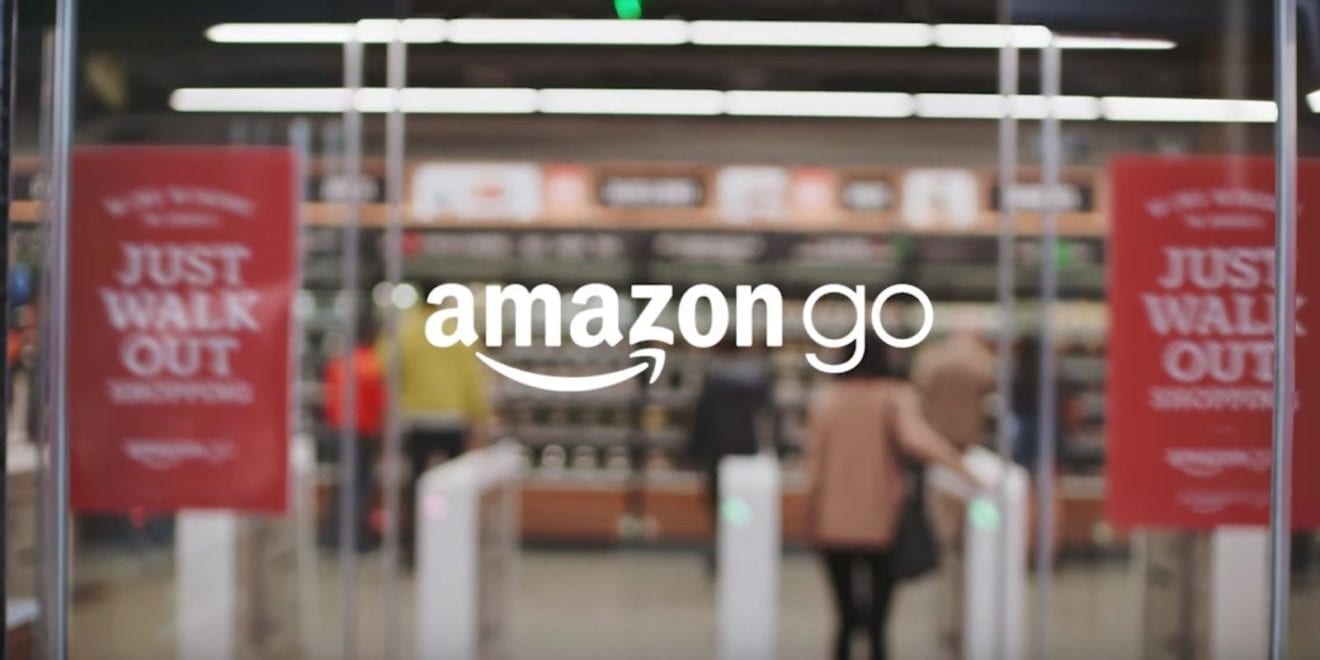
    Amazon also has been testing automation technology at a Seattle convenience store that’s currently open only to Amazon employees. The store uses sensors to track items as shoppers put them into baskets or return them to the shelf. The shopper’s Amazon account gets automatically charged.

    Whole Foods has had a reputation of high prices and has been derided sometimes as “Whole Paycheck.” That could change if Amazon not only cuts operational costs but passes those savings onto customers.

    “As Amazon has more resources, they might be able to streamline some efficiencies for Whole Foods, allowing the retailer to offer its organic and more sustainable products at more affordable prices,” said Lauren Beitelspacher, a marketing professor at Babson College. “I think that this might be an opportunity for consumers who have felt that Whole Foods is inaccessible.”

    “Dominant players like Walmart, Kroger, Costco, and Target now have to look over their shoulders at the Amazon train coming down the tracks,” O’Shea said.

    Online delivery of groceries so far has been tough for any company to pull off because of customers’ concerns about the quality of meat and produce, Wedbush Securities analyst Michael Pachter said. But if customers know that what they are getting is the same as what they’d get at the local store, they are more likely to try it out.

    Pachter said that even if Amazon gets 20 million members of its Prime loyalty programme to pay US$15 a month extra for AmazonFresh grocery-delivery service, that’s 20 million not going to traditional supermarkets. He added that these are likely the higher-income households who tend to buy more expensive brands and cuts of meat.

    And because customers can buy foods and bulk items like toilet paper from a single retailer, discount retailers such as Costco, Target and Walmart should feel threatened, too.

    Walmart has been trying to address some of those online threats, pushing harder into online to build on its strength in its stores and groceries. It announced Friday that it’s buying online men’s clothing retailer Bonobos for US$310 million in cash, following a string of online acquisitions including ModCloth and Moosejaw.

    Whole Foods, which will keep operating stores under its name, said in an email to customers, that it will maintain the same standards under Amazon, including bans on artificial flavours and colours and antibiotics in hens producing its eggs.

    Mackey will stay as CEO, and the headquarters will stay in Austin, Texas. The deal is expected to close later this year.
  • E-commerce, rural shoppers boost China’s retail sales in May

    E-commerce, rural shoppers boost China’s retail sales in May

    Retail sales in China for the month of May witnessed double-digit growth, pushed on by incredible growth in online consumer purchases and rural shoppers, according to local data released this week.

    Online sales grew 26.5% in May, accounting for 13.2% of total retail sales

    China’s retail sales jumped 10.7% last month, hitting RMB2.95 trillion (US$434.2 billion), reported the National Bureau of Statistics (NBS).

    Despite the yearly leap, China’s sales growth remained steady from April, just surpassing the median estimate of 10.6% growth from economists surveyed by Reuters.

    The biggest mover and shaker was online sales, which grew 26.5% in May, accounting for 13.2% of total retail sales. This figure compared to growth of 25.9% for the four months ended April. But sales growth at larger enterprises remained flat from April at 10.7%, said NBS.

    By location, Chinese consumption was stronger in rural areas, with retail sales increasing 12.7% last month, besting urban areas, which recorded a retail sales climb of 10.4%.

    Moreover, China’s industrial production was also steady in May, growing 6.5% year on year, and exceeding expectations it would slow to 6.3%, reported the Financial Times.

  • As Shoppers Move Online, Brand Turn To Shopee For Ecommerce

    As Shoppers Move Online, Brand Turn To Shopee For Ecommerce

    Shopee, the leading eCommerce platform in Southeast Asia and Taiwan, is partnering with major brands to offer consumers more variety and convenience. The brand partnerships will span across various categories, including health & beauty, baby care, home appliances and electronics. Over 100 major brands currently have Official Stores on Shopee, and more than 10 new Official Stores from brands including 3M, Kotex and Reckitt Benckiser will go live this June.

    Zhou Junjie, Country Head of Shopee Singapore, said: “We are thrilled to have such a wide range of brands on board as Official Stores. Given the growth of online shopping in Singapore, it is more crucial than ever for brands to adopt an omnichannel strategy. However, setting up an eCommerce platform can be complex and expensive. Shopee aims to help these brands grow their online presence by bridging the gap with the necessary payments infrastructure, access to a large base of active shoppers, and integrated delivery and logistics functions.”

    A survey conducted by Shopee in May 2017 indicated that 86 per cent of sellers enter into partnerships with Shopee with the intention to boost revenue, and 69 per cent do so to tap on Shopee’s extensive user base. Ninety-three per cent of Shopee sellers agreed that the partnership has been beneficial for their business.

    For sellers who operate both online and offline, 79 per cent identified online platforms such as Shopee as their fastest growing channel. Additionally, sellers who place a bigger focus on eCommerce tend to reap better business growth. Twenty-eight per cent of omnichannel businesses who conduct most of their business online saw a 150 per cent uplift in sales, while only 10 per cent of omnichannel businesses who operate mostly on offline channels saw the same increase.

    Maybelline, a leading cosmetics company, became an official store on Shopee in May 2017.Abigail She, Senior Key Account Manager of Maybelline said, “We will be able to reach out to a larger base of new and existing Maybelline customers online by tapping on Shopee’s user base. We have observed that a growing number of shoppers now prefer to shop online given the wide assortment of products. Shopee is one of the key platforms that we identified and we look forward to working together and building a more robust online presence.”

    Mr Chow Phee Chat, Director, Marketing Communications and Corporate Affairs, Nestlé Singapore, said: “The convenience of doorstep delivery is rising in popularity among shoppers in Singapore. Online portals which provide a wide variety of trusted brands cater to the hectic lifestyles of Singaporeans who may not have the time to visit a physical store but want to ensure that the purchases they make online are safe, authentic and delivered quickly.”

    As part of the collaboration, Maybelline and Nestlé will also offer exclusive promotions and deals on Shopee during this year’s Great Singapore Sale (GSS), as part of Shopee’s Great Shopee Sale campaign which runs from 9 June 2017 to 13 August 2017. Maybelline will host a 30 per cent storewide discount on Shopee, offering attractive discounts on everything from concealers to their popular Color Sensational Loaded Bold lipstick range. Nestlé will also be running storewide sales on Shopee during this period.

    Shopee was officially launched in November 2015. As of May 2017, it has achieved over 40 Million downloads and an annualised Gross Merchandise Value (GMV) of over US$3 Billion across its seven markets – Singapore, Malaysia, Thailand, Taiwan, Indonesia, Vietnam and the Philippines.

  • Amazon reportedly eyeing BigBasket buy in India

    Amazon reportedly eyeing BigBasket buy in India

    India’s e-commerce market, which is very much driven by mobile commerce, is growing fast and Amazon, which has been operating there for several years, is trying to stay ahead of that growth. The company recently made progress gaining on market leader Flipkart, largely by improving its mobile app engagement rate by 46% in the span of one year.

    But that’s not the only way to grow a business, and if Flipkart’s Snapdeal acquisition goes through, Amazon may move fairly quickly to take advantage of new regulations in India allowing 100% foreign ownership of native e-commerce marketplaces.

    The Bloomberg story also suggests that BigBasket could be talking to other parties, including private equity firms, about a deal, even though the company raised about $150 million from investors last year and another $7 million in venture debt just three months ago. That may be another sign of how fast the market is growing, as even a well-funded, fast-growing online grocery firm appears to need even more money help to keep up.

    Amazon is “deadly serious about Indian e-grocery,” according to Deepanshu Mandlekar, retail analyst with Planet Retail, who wrote up his opinion of the Amazon-BigBasket report. Mandlekar suggested Amazon needs to move quickly to make this acquisition if Flipkart is working on its own deal to gain greater scale and resources.

    Though most recently Amazon has been obsessed with entering the brick-and-mortar grocery market, it could also focus on international expansion of those efforts. In India, being able to absorb an established player would be a shortcut to market prominence might be too hard to ignore.

  • Flipkart fashion sale clocks 2x sales jump

    Flipkart fashion sale clocks 2x sales jump

    Running on its 3rd day, Flipkart said its Fashion Sale event has witnessed a 2x sale jump in the first 3 days of the total 9 day sale event. The ecommerce player said, it is confident about receiving similar response on the remaining 6 days of the sale event.

    Flipkart Fashion Sale which started on 10th of June’2017 is majorly offering theme based discounts including ‘Brand Stock Exchange, Late Night, Early Morning Shows, Fashion Tribes, Lucky Size Store etc.

    “The purpose of the sale isn’t to get a onetime spike but to shift the baseline itself. With learning from this sale, Flipkart will make several of these first time constructs regular engagement activities for its fashion shoppers,” said Rishi Vasudev, head-Fashion, Flipkart.

    Flipkart said, the biggest attraction for shoppers has been the Brand Stock Exchange, where over 20 brands such as Benetton, Puma, Fila, Fossil, Vero Moda, American Tourister, etc have participated.

    “Basis demand, discounts surged and prices were slashed every hour. As demand for a brand increased, discounts reduced. The construct proved to be very engaging for customers, and categories like kids, clothing & footwear spiked the maximum. Multiple editions of the Stock Exchange are expected to come again during the sale. Almost 25% of all customers who visited Flipkart for the day interacted with the Stock Exchange, thereby leading to 2X surge in sales volumes,” Vasudev added further.

    At an overall level, the sale has seen a healthy mix of repeat and new customers on the platform, with women customers again seeing a surge for both western & ethnic wear, the company said.

  • Vietnam launches first specialties e-commerce platform

    Vietnam launches first specialties e-commerce platform

    The site offers about 20,000 agro-forestry-fishery products, herbal food, beverage and handicrafts and others from 5,000 suppliers. All listed goods have clear origins and quality certificates issued by competent authorities.

    The platform sells commodities directly to customers from suppliers. The VNPOST only cooperates with reputable partners who have obtained business licences and food safety certificates.

    Prices of goods and delivery services are posted publicly, while payment for the shipment is collected at the time of delivery.

    At the launching ceremony, Deputy Minister of Information and Communications Nguyen Minh Hong asked the VNPOST to pay attention to technical infrastructure and working mechanism for safe and legal transactions.

    VNPOST General Director Pham Anh Tuan said his company wants to form links with suppliers of specialties across regions.

    Through the site, VNPOST hopes to contribute to promoting the “Vietnamese people give priority to using Vietnamese goods” campaign, Tuan added.

  • Taxi booking service via Facebook Messenger launched

    Taxi booking service via Facebook Messenger launched

    The service launched by Thanh Cong Taxi on June 13 is the first of its kind in Vietnam, allowing people to hail a cab from the company without having to download and use a taxi-hailing app.

    Nguyen Khuong Duy, representative of Thanh Cong Taxi, said that Thanh Cong Taxi is a pioneer in Vietnam using the latest Chatbot technology of Facebook to develop the service.

    Thanh Cong company takes advantage of the Facebook Messenger application installed in mobile phones of some 40 million Vietnamese people to offer services to customers in the traditional to luxury segments.

    Besides requesting a ride, people can easily leave their comments by chatting via the messenger, Duy said.

  • Apple To Open The First Retail Store Taiwan

    Apple To Open The First Retail Store Taiwan

    Apple has revealed that it will be opening its first store in Taiwan in the near future. The store will be located at the Taipei 101 skycraper and will take up space on both the basement level and the ground floor. The combined floor space will be approximately 1,322 square meters. Taipei 101 is the fourth tallest building in the world and is in the Xinyi District of Taiwan’s capital city.

    “Taiwan’s first Apple Store will soon open in Taipei! Apple Store – Taipei 101 will provide a space for people to experience Apple’s full range of products and services; At the same time, for people to come together to create, share and learn,”

    Authorized resellers

    While the specific opening date has not been set, a Taiwanese publication has speculated that it could happen as soon towards the end of this month. Currently, Apple sells its range of products such as iPhones, iPads, Apple Watch, Mac desktop and laptop computers via third-party resellers. Apple also sells to its Taiwanese customers directly online. Some of the Apple authorized resellers in Taiwan include iStore, Studio A and Youth.

    So far there are about 495 Apple stores spread across 17 countries around the globe. The United States takes the lion’s share of the stores having 270 of them while the remainder is distributed in the rest of the world. In the greater China area, Apple has more than 40 retail stores with five of them located in Hong Kong and about 41 retail stores located in Mainland China. Most of these stores are stationed in MixC and Galaxy shopping malls.

    Recruitment of employees

    Apple’s plans to open a retail store in Taiwan first came to the fore in 2016 when it posted ads for various positions include business leader, store leader, manager, expert and genius. This came at a time after Apple had raised in a bond offering approximately $1.38 billion in Taiwan. The absence of an Apple retail store in Taiwan has been ironic since majority of the key suppliers to Apple such as Foxconn are headquartered on the island.

  • Samsung Experience Store Large unveiled at The Gardens Mall

    Samsung Experience Store Large unveiled at The Gardens Mall

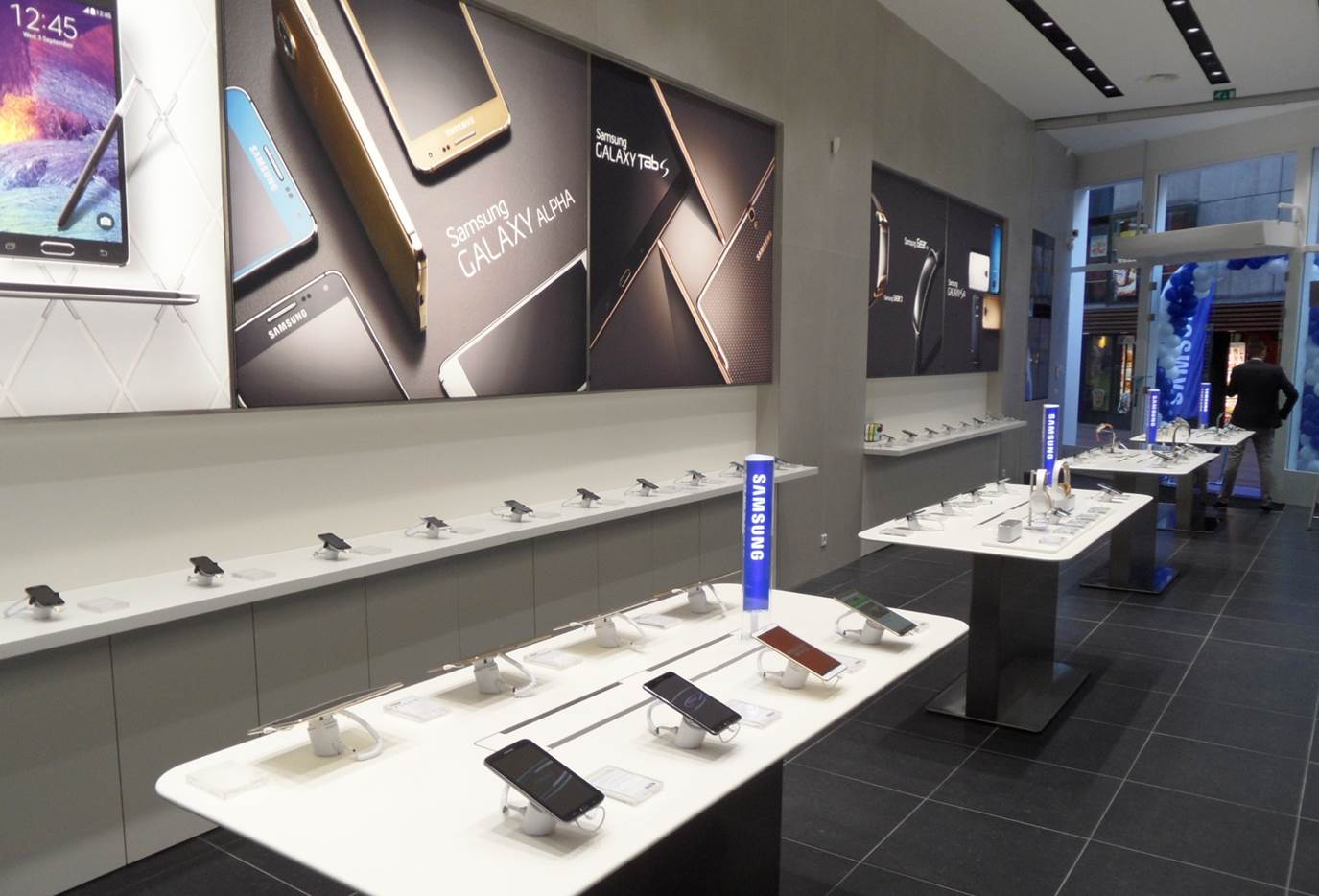
    Samsung Malaysia Electronics relaunched one of its most prominent Samsung Experience Store Large (SESLs) in Malaysia at The Gardens Mall here.

    Being only one of a handful of SESL establishments in the country with vast retail area that integrates merchandising, experiential zones and customer services, the grand reopening marked the establishment’s first major revamp since its inception in 2013.

    Samsung Malaysia Electronics said the SESL, operated by Welfon Telecommunication Sdn Bhd, is designed to be a one-stop retail solution, offering the full range of smartphones, tablets, wearables, ecosystem and genuine accessories.

    The company’s Head of Mobile Business, Hosea Heen, said the new flagship store concept is a reflection of the Samsung philosophy to provide the best costumer experience.

    “With this new SESL located at one of the prime shopping locations in the Klang Valley, we look forward to encouraging an open and welcoming (environment) that goes beyond just brick-and-mortar, and resonate with consumers from all walks of life,” he said.

    The SESL also provides the Samsung Smart Service, allowing customers to obtain after-sales care at the service centre, including full hardware repair, software upgrades, device consultation and advice.

    From June 9 to 27, in conjunction with the SESL’s grand opening, customers who spend over RM1,000 will receive a complimentary Mono Bluetooth Headset; while visitors who register their first payment via card will be entitled to a free Samsung Wireless Charger Stand worth RM279.