Category: E-Tailing

Retail News Asia is committed to providing both local and global retailers with the latest E-Commerce & Etail news throughout the Asian market. This on a daily base.

  • Singtel partners with DocuSign for digital signatures

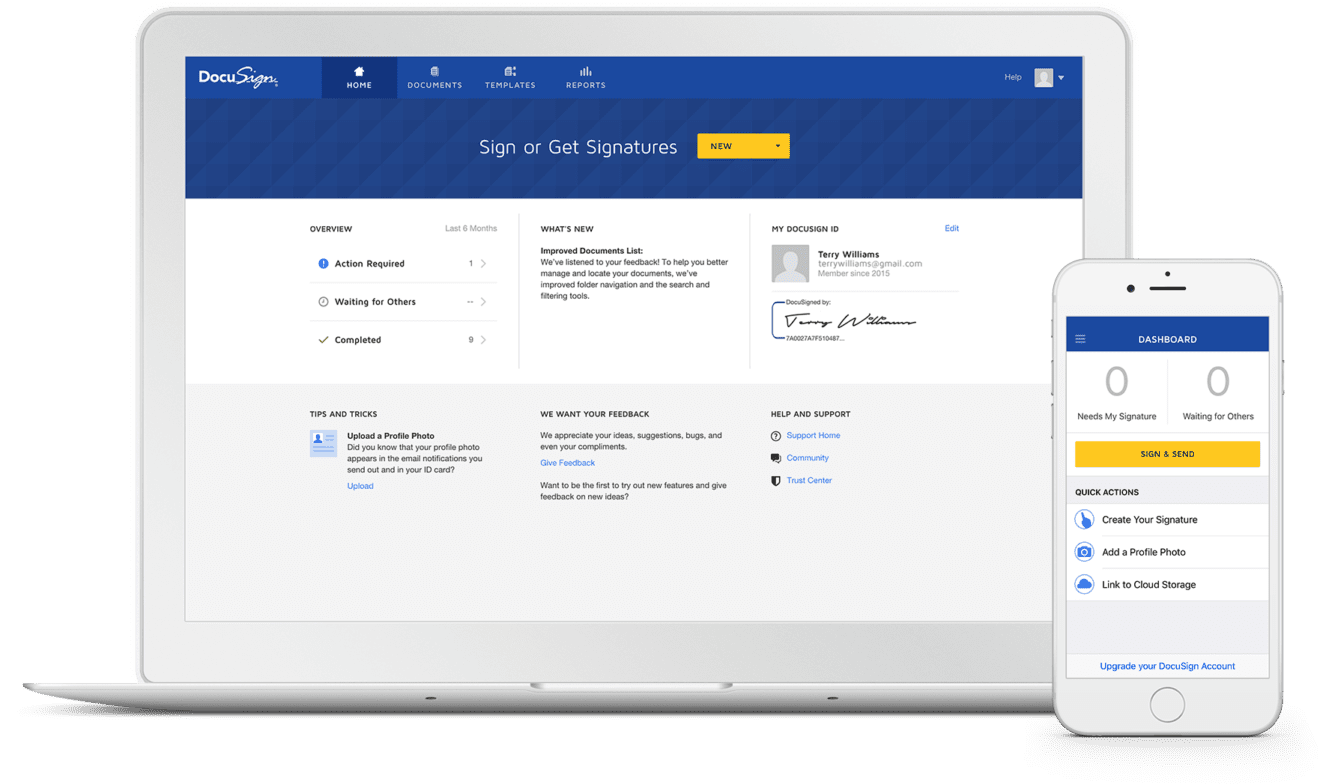
    Singtel partners with DocuSign for digital signatures

    Singtel and DocuSign have partnered to launch a cloud solution that allows for faster document authorization and more effective tracking through the use of electronic signatures.

    The solution is aimed at businesses undergoing digital transformation that need to upgrade their workflows and approval processes and keep digital records of them.

    The DocuSign solution will be available via Singtel’s SaaS portal. It aims to offer organizations the convenience of approving documents within minutes. Electronic documents and signatures can be electronically tracked from signatory to signatory, and protected against tampering.

    The solution also attaches to each document an electronic Certification of Completion seal that is admissible in court as it captures the audit trail of the signatories’ Internet Protocol addresses, time stamps and sequence of ownership.

    The passing of the Electronics Transaction Act 2010 in Singapore supports the adoption of e-documents and e-signatures.

    As the exclusive retailer reseller of DocuSign in Singapore, Singtel provides a single, dedicated local point of support to help organizations deploy the solution, with no software or hardware solution required.

    Small and medium-sized enterprises that deploy the DocuSign solution are eligible to receive tax deductions under the Government’s Productivity and Innovation Credit scheme.

    The United World College of South East Asia (UWCSEA), an international school in Singapore, has started using DocuSign to improve its staff hiring and student admission processes.

    Ben Morgan, UWCSEA’s IT Director, said, “UWCSEA is constantly exploring ways to deliver better value to families, and attracting the very best teachers from around the world. Shifting from paper-based to digital documents will reduce the time taken to complete some tasks by weeks, reduce the costs and environmental impact, as well as significantly reduce administrative workloads.”

    Industry analyst Statista estimated that the global digital transaction management market is expected to grow from $13.93 billion in 2017 to $30.66 billion in 2020.


  • Luxury fashion brands start to sell on China’s WeChat messaging app

    Luxury fashion brands start to sell on China’s WeChat messaging app

    China’s Tencent Holdings Ltd. is using its vast social-media network to attract luxury-fashion brands to its WeChat app, potentially opening a new frontier in online retail.

    France’s Longchamp and the U.K.’s Burberry Group PLC have begun selling handbags and clothes on WeChat, China’s most popular messaging app. LVMH Moët Hennessy Louis Vuitton SE’s Givenchy and Dior brands are testing demand for their goods through flash sales on the platform.

    The move signals a challenge to Alibaba Group Holding Ltd., the dominant player in e-commerce in China, where online transactions are expected to reach 6 trillion yuan ($870 billion) this year, according to consulting firm Bain & Co. Alibaba’s sites processed more than $547 billion in transactions in fiscal 2017, which analysts say is more than eBay Inc. and Amazon.com Inc. combined.

    While luxury sales on WeChat are in their infancy, Tencent’s courting of high-end fashion brands is part of a widening battle between China’s internet companies. Alibaba, Tencent and search engine Baidu Inc. are venturing beyond their traditional business lines into payments, social media and e-commerce.

    Upscale brands are rethinking their digital strategies amid a tough environment for luxury sales. Global sales of personal luxury goods were flat in 2016, at EUR239 billion ($267 billion), while global spending on luxury by Chinese consumers fell for the first time last year, according to Bain. Even so, luxury brands are seeing a pickup in mainland China as brands lower prices there and Beijing encourages consumption at home.

    In the U.S., a small number of luxury labels have tested sales on social media including chat apps. But Tencent in China is making inroads with luxury brands by taking advantage of the massive online ecosystem it has built around WeChat, whose more than 900 million users book movie tickets, hail rides, order laundry pickup and pay for utilities without leaving the app.

    The online sales are also fueling WeChat’s mobile wallet, WeChat Pay, against market leader Alipay, launched by Alibaba’s Ant Financial in 2009. Only WeChat Pay can be used on Tencent’s platform. As recently as 2014, Alipay commanded nearly 80% of China’s mobile payments market, but its share slipped to 54% by the first quarter of this year. Tencent’s payment system, including WeChat Pay, had 40% in the first quarter, according to research firm Analysys.

    Last year, Alibaba joined with Mei.com — which received a $100 million investment from Alibaba in 2015. The e-commerce giant is also relying on big data to clean up counterfeit goods listed on its platform. Alibaba is the “world’s leading fighter on counterfeits,” founder Jack Ma said last year.

    In the past year, Alibaba has reduced the number of third-party product listings of goods made by the top 10 luxury fashion brands by an average of 73%, according to L2 Inc., a digital consulting firm. Still, an average of 49,000 total product listings remained as of April on Alibaba’s Taobao site, a bazaar-like platform of small businesses and sellers.

    Affordable brands such as watchmaker Tag Heuer, jeweler Pandora and cosmetics companies have opened on Tmall, Alibaba’s platform for mostly large brands. But most luxury fashion brands remain wary of open platforms such as Alibaba and rival JD.com because they fear losing their aura of exclusivity, according to Danielle Bailey, head of research in Asia Pacific for L2. Burberry is an exception, opening a store on Tmall in 2014.

    Mr. Cassegrain, Longchamp’s CEO, said, though, that WeChat’s appeal is that it isn’t an open platform where luxury goods can be sold along with everyday products. Users must follow Longchamp’s account or scan a QR code to be taken into the brand’s site.

    Burberry, along with watch and jewelry brands Cie. Financière Richemont SA’s Cartier and IWC Schaffhausen, are among the few that have opened full stores on WeChat.

    Cartier advertises on WeChat’s news feed and sells on the platform because “China is one of the most digitalized markets in the world today, and Cartier has to adapt to it,” said Renaud Litre, chief executive of Cartier China.

  • Vietna​m urges nearly 13,500 Facebook retailers to declare tax

    Vietna​m urges nearly 13,500 Facebook retailers to declare tax

    Most online transactions in Vietnam involve cash, which is difficult to track and tax. District tax departments in Ho Chi Minh City have sent out tax demands to nearly 13,500 Facebook retailers in a move to target tax avoidance by online businesses.

    Since February, Vietnam’s tax authorities have been looking at ways to collect taxes from online businesses that use Facebook and other social media sites such as Instagram and Youtube.

    Nguyen Nam Binh, deputy director of Ho Chi Minh City’s Tax Department, told VnExpress that the law requires online retailers earning over $4,400 a year to declare tax, so authorities are only targeting long-term and unregistered businesses.

    Despite the requests, Binh Thanh District’s tax department said the response had been limited.

    “Most business owners said their business were short-term and their revenue was not high enough to warrant the tax requirements”, said a department representative.

    In February, Facebook representative Huynh Kim Tuoc said at a conference that Vietnam’s e-commerce environment is thriving, with about 50 young people having already earned millions of dollars through online businesses.

    Local businesses in HCMC also told us their revenue rose significantly after they switched online, with some reporting earnings of up to tens of thousands of dollars per month.

    Chairman of Vietnam Tax Consultant Association Nguyen Thi Cuc told us that Vietnam’s tax policy for online businesses is incomplete and therefore not yet compulsory, adding that it’s difficult to collect taxes from online retailers in Vietnam as most transactions are still in cash.

    Vietnam is also struggling to control business activities from transnational corporations like Facebook and Google, she added.

  • E-Bay Korea helps firms bolster overseas sales

    E-Bay Korea helps firms bolster overseas sales

    E-Bay Korea has been helping a number of small consumer goods makers by providing an online sales platform through which they can reach millions of buyers abroad.

    Thanks to Gmarket’s global shop, some companies have even seen their overseas sales exceed what they sell in the domestic market as Chinese, Japanese and other foreign buyers flock to the online shop for a range of made-in-Korea consumer products. Gmarket is Korea’s largest e-commerce site operated by e-Bay Korea.

    One of the beneficiaries is Coibana, a mid-tier cosmetics firm specializing in whitening cream and other skincare products, which began selling goods last August on Gmarket’s global shop.

    Following extensive exposure to the site’s main page, the sales of the firm’s items have increased sharply as more foreign shoppers pay attention to what it offers.

    In the first five months of this year, its sales through the global e-commerce site rose three times compared to its performance from August to December the previous year.

    According to Coibana officials, its products are shipped to consumers in China, Japan, the United States, Vietnam and many other countries.

    Skincare goods are popular in Ukraine, while many consumers in France and other European nations buy skin pore care items, they said. Whitening cream is the most popular item among people in the Middle East and Southeast Asia.

    “When we first decided to sell our products to foreign consumers through cyberspace, we were struggling with a language barrier,” Coibana CEO Park Shin-ae said. “We were engaged with people from many different countries and our employees had a hard time dealing with them. But when we became part of Gmarket, e-Bay Korea took care of the language problem for us.”

    Park said the company has received more inquiries from overseas buyers since its goods became available through Gmarket. “The e-commerce site has proven to be a perfect sales platform for companies likes us who want to reach both Korean and non-Korean consumers. We will continue to develop more sales channels overseas in cooperation with e-Bay.”

    Lee Eun-young, e-Bay Korea’s global sales manager, said many small and medium-sized consumer goods makers here need online sales channels through which they can offer products to foreign consumers.

    “We will continue to provide all the support we can to enable local firms to serve consumers abroad and grow into a global enterprise,” Lee said.

  • Giv Giv: Singapore’s first Build-It-Yourself Gifting Platform

    Giv Giv: Singapore’s first Build-It-Yourself Gifting Platform

    Officially launching this month, Giv Giv specializes in its simple yet fun and thoughtful gifting process via its unique web platform (www.givgiv.co). With over 300 gift items and 50 partnering brands across diverse gift categories, it is the ideal destination to customise an exclusive bundle (Giv) of mixed brand gift items or shop from pre-curated Givs for an upcoming celebration-or even, just because.

    The website, soft-launched on 28 April 2017, allows gift shoppers to create personalized Givs for scheduled dates in advance. Based on their gifting needs and shopping preferences, they can simply bui Id a Giv from the wide selection of gift items curated by the Giv Giv team . “Each and every gift item is chosen by the sender and that is certainly meaningful, if not more thoughtful than the usual gift voucher or hampers with an item or two they might not like,” shares co-founder Estee Lua. In addition to the exciting customizable options, Giv Giv is also releasing a new collection of pre-curated Givs every month to provide their shoppers with additional gift varieties.

    The pre-curated collections are hand picked to commemorate life’s various milestones and to celebrate the little moments. There are also exclusive releases of pre-curated Giv bundles with seasonal gifts and exciting looks for one-click gift shoppers. From birthday bundles to congratulatory Giv sets, these options are all about the details and provide gift inspiration for shoppers to build their own.

    Giv Giv is also using the brand as a platform to promote gift items from local and regional lifestyle and indie brands. Gift shoppers can shop their favourite and popular gift items from over 1 O featured categories; be it a pampering session of candles and blooms, or a bundle of thoughtful lifestyle goods to send your best wishes, gift shoppers are spoilt for choice. Recipients of the special gifting experience will receive a selection of gift items and a personalized gift card accompanied by the signature orange Giv packaging and door-to-door courier service that elevates the surprise. For the exciting month of June, Giv Giv will be launching new Giv bundles for Father’s Day and other seasonal editions. For all new gift shoppers, use the promo code [ FIRST10] to get 10% off your orders!

  • Malaysia’s online sales set to quintuple by 2025, fashion leads

    Malaysia’s online sales set to quintuple by 2025, fashion leads

    Online sales in Malaysia, which is currently just above 1 per cent of total retail market, is likely to quintuple by 2025, says a report. The rise is due to online outpacing store-based retail, especially fashion sales. The Malaysian government has launched a strategic roadmap for e-commerce and rolled out several initiatives in partnership with the private sector.

    According to the Malaysia B2C E-commerce Market 2017 report by yStats, more than 50 per cent of online shoppers in Malaysia are less than 29 years old. Meaning, the continued maturity and wealth growth of this demographic sits well for the increase of online sales, said yStats.

    Moreover, Malaysia’s internet penetration is one of the highest in the region with approximately one third of internet users make purchases online, said report authors. The product category with the largest share of e-commerce sales in 2016 was clothing and footwear.

    Complementing the government-backed e-commerce development projects, other factors encouraging the growth of online retail in Malaysia are the ready infrastructure and favourable demographics in the Asian nation, said the report.

    In March, Malaysian Prime Minister Najib Razak launched a digital free trade zone along with Jack Ma, founder and executive chairman of Alibaba. At the time, the Chinese e-commerce company said it would set up a logistics hub in Kuala Lumpur that will serve as a regional distribution hub.

    It will be part of a digital free trade zone set to be developed close to the Kuala Lumpur International Airport.

    The e-commerce competition landscape in Malaysia is led by online marketplaces. Lazada.com.my and 11street.my were the most visited e-commerce websites in Malaysia in February 2017, according to a ranking included in the report.

  • Longchamp and Burberry have set up store on WeChat, China’s top messenger app

    Longchamp and Burberry have set up store on WeChat, China’s top messenger app

    Longchamp and Burberry have arrange shops on WeChat, China’s prime messenger app. In addition to chatting with buddies and idly thumbing via their social feeds, now you can purchase luxurious baggage off China’s largest social app, WeChat.

    The nation’s hottest messenger app — which boasted almost 900 million day by day customers final year — is so ubiquitous that luxurious manufacturers like Longchamp and Burberry are leaping onboard.

    Massive manufacturers like Louis Vuitton, Givenchy and Dior are additionally testing demand via flash gross sales.


    Early adopter, Longchamp, has already launched two in-app shops. One permits individuals to create customised merchandise from the French maker, and the opposite permits individuals to put up their experiences with Longchamp’s bodily shops.

    The corporate discovered that WeChat pulled in a whole lot of gross sales, after earlier experiments with social media advertising and marketing in China. WeChat appeared simpler than different e-commerce platforms, Cassegrain added. “A technique or one other, WeChat will considerably contribute to our gross sales.”

    WeChat is taking on every little thing

    This validation for WeChat is a giant deal. The app began out as a messenger earlier than including a Fb-style timeline characteristic, permitting individuals to blast their lives to buddies.

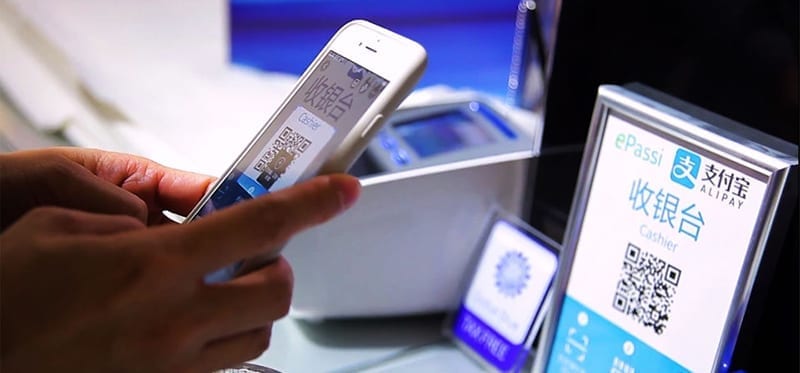
    Right now, you’d discover WeChat’s in-app pockets generally used for transferring cash to buddies, in addition to paying retailers of all sizes, from roadside stalls to massive retail shops. This cost is commonly performed by scanning a easy QR code.

    However will that spending translate to massive ticket objects from luxurious manufacturers? That continues to be to be seen, say trade watchers.

    Pablo Mauron, managing director in China for Digital Luxurious Group, a high-end digital advertising and marketing agency, stated: “For the posh trade, it’s vital to not idiot ourselves.”

    “I’m nonetheless uncertain that somebody that doesn’t have a relationship with a model will purchase a $20,000 watch on WeChat.”

    Nonetheless, manufacturers organising WeChat shops creates a singular closed loop not seen in lots of different examples outdoors of China. This loop takes customers from the preliminary contact with the model, to the acquisition, and straight via to a personalised customer support channel.

  • Amazon launches direct air freight service to China

    Amazon launches direct air freight service to China

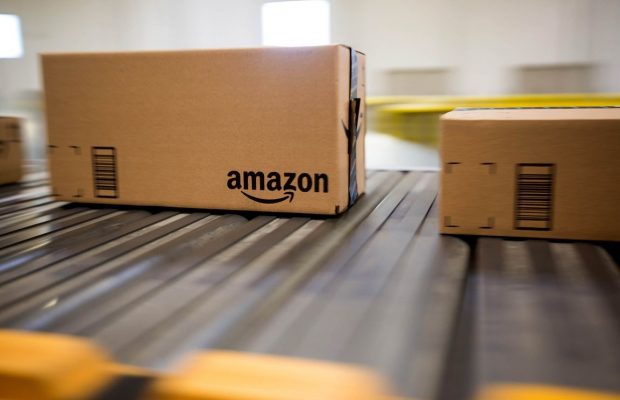
    Retail giant Amazon has launched direct cargo flights from the US to Zhengzhou, capital of central China’s Henan Province.

    The planes which were carrying products, including food, clothes and household appliances ordered by Chinese buyers, flew from New York, Chicago and Los Angels to the Chinese transportation hub, Xinhua news agency reported on Wednesday.

    Zhengzhou Xinzheng International Airport offered good logistics services to cross-border e-commerce platforms, sources with Amazon logistics services provider WherExpress.

    The airport provided swift customs clearance, and the imports will now be distributed to consumers nationwide.

    Amazon had said in March that it was “currently developing the air cargo service (for China) and will introduce it soon”.

    The airport in Zhengzhou posted 275,000 tonnes of throughput of imported cargo in 2016, which included imported fruit, aquatic products, meat and live Australian cattle.

  • YouAppi expands offices in Indonesia, the Philippines and Thailand

    YouAppi expands offices in Indonesia, the Philippines and Thailand

    YouAppi, a leading mobile growth marketing platform for premium mobile brands, today announced the expansion of the company’s Indonesia office led by Southeast Asia Country Manager Anna Mareta.

    YouAppi, founded in 2011, is a leading global growth marketing platform, enabling marketers to find the right mobile users at the right price. From brand awareness to user acquisition, brand and rewarded video, and re-engagement of inactive users, all with advanced anti-fraud functionality, YouAppi’s OneRun provides an all-inclusive mobile growth solution.

    YouAppi has been working with Indonesian marketers, agencies and publishers since early 2016, and now, with an expanded local office in Jakarta, the company will exceed expectations by an even greater amount in supporting the needs of local partners in the region.

    Anna Mareta, YouAppi’s Southeast Asia Country Manager, will lead YouAppi’s Indonesia office. She joined YouAppi in April 2016 from Adknowledge Asia Pacific. Anna’s team will also manage YouAppi’s activities in Southeast Asia, including Indonesia, Malaysia, the Philippines, Singapore, Thailand and Vietnam.

    The 700% growth rate achieved in 2016 in Southeast Asia has made the region one of YouAppi’s leading global markets in terms of app installs, made possible by premium global, Asian and Indonesian marketers. Clients in Southeast Asia include Blanja, a marketplace joint venture between eBay and Telkom Indonesia, Hooq, a video on demand streaming service backed by Sony Pictures Entertainment, Warner Bros. and Singtel, and Tokopedia, a marketplace backed by SoftBank and Sequoia Capital. Other YouAppi clients in Southeast Asia are in telecommunications, utilities, entertainment, news and other categories. YouAppi also works with leading publishers in Southeast Asia including PicMix and 8Elements.

    “Streaming service Hooq turned to YouAppi seeking qualified Android users in Indonesia, establishing a high registration rate as the target KPI for the campaign. Tapping into YouAppi’s extensive direct inventory sources utilizing OneRun’s predictive algorithms and machine learning technology, the company was able to exceed Hooq’s KPI and deliver a 130% achievement ratio,” said Sandro Simanjuntak, Head of Digital Marketing Hooq Indonesia.

    “YouAppi fulfilled our KPI, which enabled us to stay the #1 Shopping app in Indonesia on Google Play while also providing collaborative & passionate success management,” said Ignasius Igor Rendy, Internet Marketing Lead, Tokopedia.

    “What attracted me to YouAppi is the company’s commitment to Asia in general, and to me and my team in Indonesia specifically,” said Anna Mareta, the Country Manager for YouAppi Indonesia. “From a superior technology platform – YouAppi’s OneRun – to technology, media and support teams around the globe ready to answer any question 24 x 7, 365 days a year, YouAppi is the growth marketing solution for Asia.”

    “With Southeast Asia being one of YouAppi’s strongest global markets in terms of user installs, I’m thrilled with the work Anna has done, which is why we’ve expanded her team to better support this important market for YouAppi,” said Moshe Vaknin, CEO & co-founder, YouAppi. “We began 2016 by committing to Asia, and after generating over 700% growth last year, we’re supporting our commitment by re-investing revenue generated in Southeast Asia to grow our team.”

    By improving the mobile experience for marketers and publishers around the world, YouAppi is enjoying strong global revenue growth driven by the company’s success in Asia. Proof of the company’s success can be found in the 16,700 campaigns run for 485 leading advertisers via 110 billion monthly impressions served around the world over the last four years. YouAppi’s OneRun Platform offers one single point to streamline mobile media buying, combining the power of machine learning with the company’s proprietary predictive algorithms, which analyze over 250 terabytes of data every day.

  • Alipay Hong Kong Taxi Payments Could Be Its Killer App

    Alipay Hong Kong Taxi Payments Could Be Its Killer App

    It’s one country, two systems for Alipay as it focuses on retail payments in Hong Kong, a special administrative region of China, with a separate mobile app from the one it uses on the mainland.

    Alipay announced the launch of its Hong Kong version e-wallet Alipay HK, which is the first time for this Internet payment service provider to launch an overseas version app.

    Alipay started providing services in Hong Kong in 2007. In August 2016, they gained a third-party payment license issued by Hong Kong Monetary Authority and Alipay Hong Kong company is one of the first batch of payment license owners. Now Alipay HK has finally been launched after a few months of preparation.

    With the launch of Alipay HK, Hong Kong users will be able to use Alipay services by binding their credit cards of Hong Kong local banks or balance recharges, and they can use Hong Kong dollars to complete payment directly. Alipay HK provides three major services, including code-scanning payment, vendor offers, and stamp collection.

    Alipay HK will gradually launch more functions like mobile phone fee recharges; payment for water, electricity, and gas bills; online transfers; taxi payment; and insurance payments.

    The taxi payments are of special significance. Currently the Octopus payment card in Hong Kong is ubiquitous and can be used for both public transportation and retail payments. But Octopus cannot be used for paying of taxi trips. Octopus had a small, brief test of taxi payments a few years ago, but it failed to launch the service in Hong Kong. If Alipay could overcome the taxi payment obstacle, it could grab a new, underserved market.

    For global expansion, Alipay’s parent company Ant Financial has realized e-wallet cooperation with partners in India, Thailand, South Korea, Philippines, and Indonesia. With the launch of Alipay HK, Ant Financial’s services now reach six overseas countries and regions.

  • Airbnb eyes expansion in Indonesia

    Airbnb eyes expansion in Indonesia

    Global hospitality marketplace Airbnb will expand its business in Indonesia as it considers the country to be one of the most important markets in the Asia-Pacific.

    Airbnb’s country manager for Southeast Asia, Hong Kong, and Taiwan, Robin Kwok, said that Indonesia is one of the fastest growing countries in terms of inbound travel, with nearly 38,000 local homes currently listed on its rental website.

    “Indonesia is such an important country, not only in Southeast Asia, but also for the rest of APAC,” Kwok told in Jakarta on Monday.

    Kwok said her company had developed teams to educate local hosts on how to use the app.

    “We also do a lot of marketing. We want to drive more people to Indonesia,” she said.

    She said her team had also discussed with government officials about how the company could help the government gain a better understanding of the services required by visitors to Indonesia.

    Airbnb also looks forward to cooperating with local partners, Kwok said, adding that her company had high expectations for the potential partners to boost brand awareness of the company.

    Founded in 2008, Airbnb is currently present in 65,000 cities in 191 countries across the world, with 160 million guest arrivals, according to the company’s data.

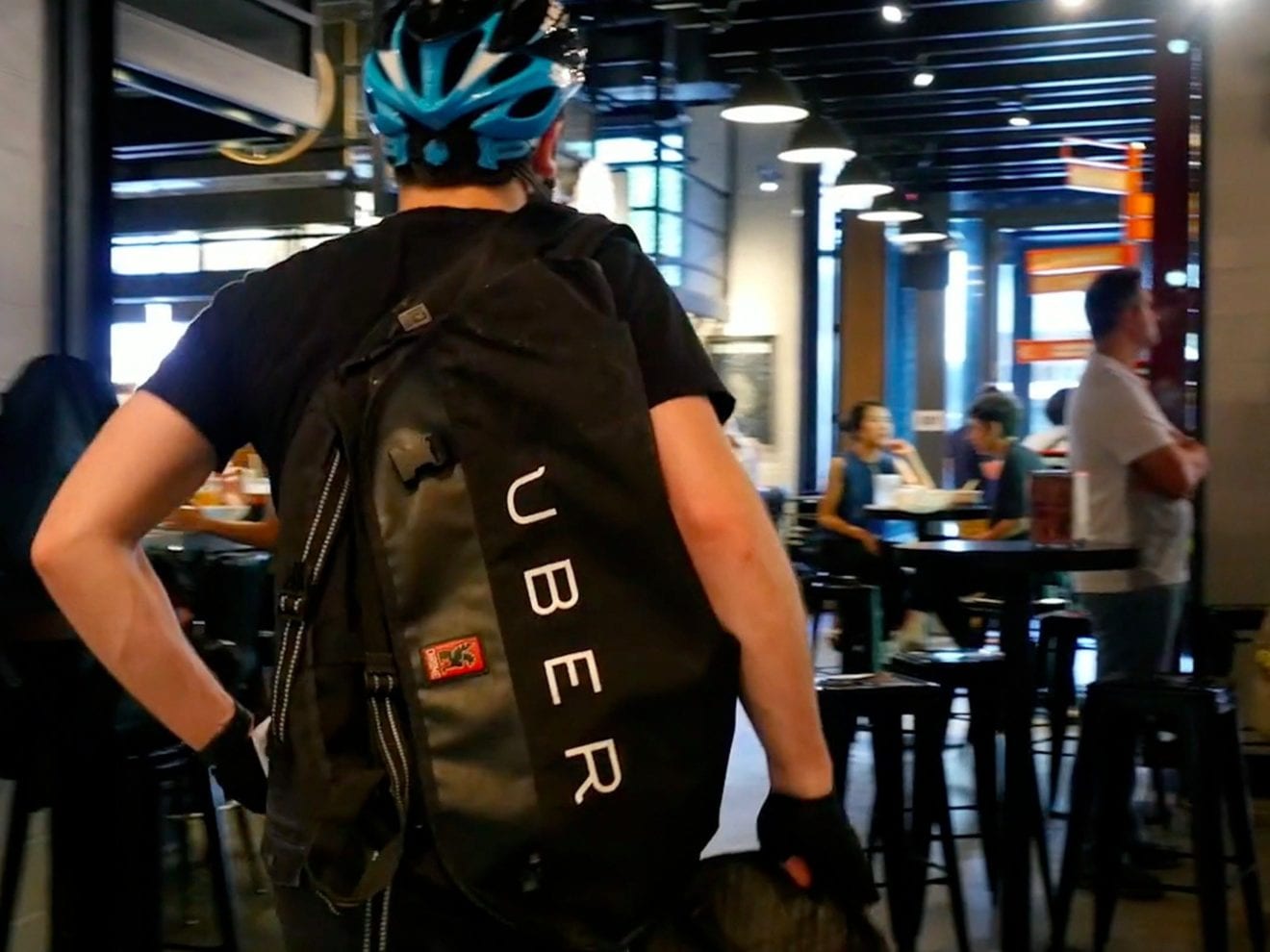
  • Over 20,000 Vietnamese work as Uber motorbike drivers

    Over 20,000 Vietnamese work as Uber motorbike drivers

    The ride hailing company releases business data for the first time, one year after launching its motorbike service in Vietnam.

    More than 20,000 Vietnamese men and women have registered to work as motorbike taxi drivers for Uber, a representative of the ride hailing company said Sunday.

    Dang Viet Dung, general manager of Uber Vietnam, did not break down the number but he seemed eager to share that the top motorbike drivers clocked in more than 5,000 rides within a year.

    This is the first time the company, since the launch of UberMOTO in April last year, has released such figures. It also has a network of cars for the traditional Uber service.

    For future plan, Uber will offer English courses for its drivers to serve foreigners in Vietnam, Dung said.

    Before Vietnam, the UberMOTO service had been launched in Thailand, India and Indonesia.

    After Uber entered Vietnam in June 2014, collecting tax from for the U.S.-based car hailing service had been a headache for local authorities.

    Then in September last year, Uber paid taxes to Vietnam for the first time.

    In April this year Uber’s car and motorbike services were finally legalized here, even though local passengers rarely paid attention to these legal formalities.

    Before Uber, Vietnam’s transport authorities approved a pilot scheme for Grab Vietnam, Uber’s main rival, which also entered Vietnam in 2014.

    The Malaysia-based Grab is operating both car and motorbike services in the country.

    Their market shares have not been disclosed but other service providers, from taxi companies to xe om drivers, have felt threatened.

    Retail News earlier this year interviewed motorcyle taxi drivers, who said they were being beaten by Uber and Grab on their own turf.

    Some even predicted that these newcomers could eventually put old-fashioned drivers, now usually referred to as “traditional” drivers, out of business.

    This month, a video spread on social media showing a group of xe om drivers in a heated conflict with Grab drivers in front of a hospital in Hanoi.

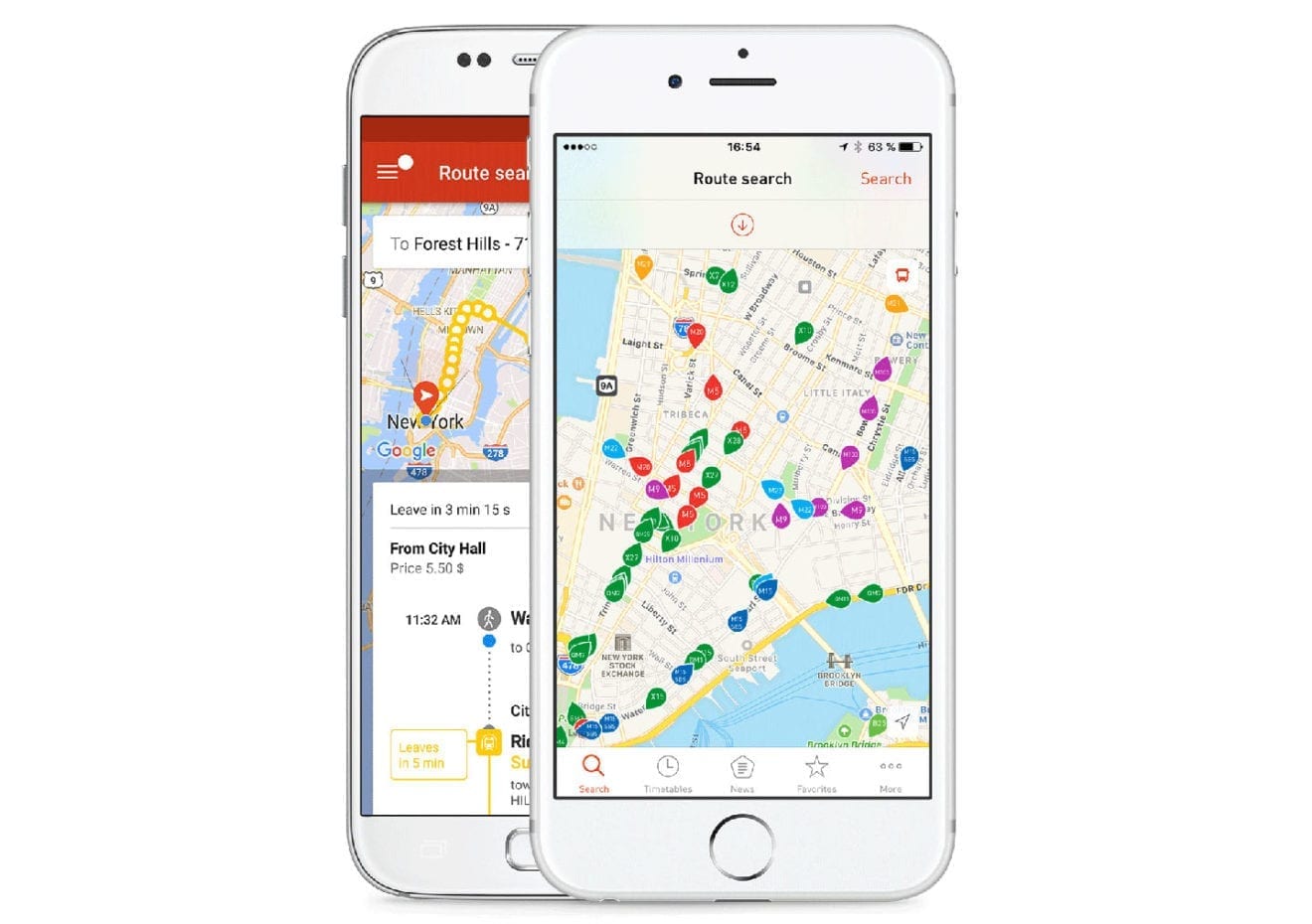
  • Uber Join Hands with Trafi App

    Uber Join Hands with Trafi App

    App-based transportation services Uber has joined hands with multimodal transport app Trafi to help residents in Greater Jakarta, or Jabodetabek, combine public transport and ridesharing services.

    Head of Public Policy and Government Affairs of Uber Indonesia John Colombo said that the partnership will allow Uber users to choose various types of public transport in Trafi app. As a result, efficiency will be greater and people will be able to pick their preferred transportation mode.

    John said yesterday, May 29, that the integration is aimed at offering more choices and comfort in travel plan and selection of transportation modes.

    John said he is confident that Uber will see an increase in the number users. However, the latest service can only be enjoyed by users around Jabodetabek.

    Trafi Indonesia Country Manager Dimas Dwilasetio said that the company has the data of 600 public transport routes across Indonesia and 95 Transjakarta routes in Jabodetabek. “We are optimistic that the partnership can provide a solution for people to get public transport services,” he said.

  • Vietnam e-commerce developing quickly

    Vietnam e-commerce developing quickly

    E-commerce in Viet Nam is more developed than some Southeast Asian countries and is poised to expand in coming years, according to a market research company.

    Ashish Kanchan, managing director of Kantar TNS Vietnam, said e-commerce is growing quite positively in Vietnam.

    He classified e-commerce development into three groups — developing customer education for e-commerce, widely prevalent e-commerce, and e-commerce as default purchase channel.

    Currently, Viet Nam is in the fledgling group together with Egypt, Turkey, Thailand, the Philippines, Greece and others. Meanwhile, in some European countries such as the UK, Germany, Demark, Sweden and Norway, and also Singapore, going online and buying online have become a default option.

    Viet Nam is already ahead of some of neighbouring countries like the Philippines, Thailand, and Indonesia and will likely join the next group within the next three years, he said.

    The United States, China, Italy, Hong Kong and Malaysia are among countries in the second group.

    Unlike countries such as Thailand, Indonesia, and India, Viet Nam is not only a mobile phone market, but tablets and laptops are still very prevalent in Viet Nam, he said. Thus, e-commerce companies must develop e-commerce platforms for multiple devices in Viet Nam.

    He urged companies to focus more on brand building as it is extremely important to gain more trust from shoppers.

    Understanding the e-commerce shopper is also very important so that businesses can provide the convenient experience for shoppers.

    Technology changes have ushered in a new era in commerce and digital branding as well as a new set of customer expectations, delegates at a recent Creative Commerce Workshop said.

    Denise Thi, managing director of Isobar Vietnam, said the customer journey has changed a lot over time.

    In the traditional marketing form, the consumer’s buying process was from attention to interest-desire to action. The process now goes from consideration to evaluate, buy, experience, advocate and bond.

    Consumers expect a lot of things, especially memorable experiences.

    To succeed in this new world, the first thing firms need to think of is to repurpose their marketing plan or sale plan to turn any point of contact into a shoppable experience, she said.

    Next, “we need to redesign, not only our campaign engagement but also our brand offerings and points of intervene”.

    The last thing is reposition. “We need to reposition what is the right thing to do first throughout the experience we want to deliver to our customers.”

    Sandipan Roy, chief strategy officer at Isobar in Asia-Pacific region, said: “People will forget what you said, people will forget what you did, but people will never forget how you made them feel.”

    Every shopping moment is an opportunity to tell a story, and every story is an opportunity to sell something, he added.

    It is key for brands to create inspirational stories and experiences through the creative use of digital and technologies, which ultimately lead to a transaction, he said.

  • Alibaba to lead $1b round into Chinese food delivery startup

    Alibaba to lead $1b round into Chinese food delivery startup

    Alibaba and its finance affiliate, Ant Financial, are in talks to lead a round of at least US$1 billion into Ele.me, one of China’s leading food delivery startups, according to anonymous sources that spoke to us.

    The fresh boost in capital will value Ele.me at US$5.5 billion to US$6 billion, and will help the startup battle against Meituan-Dianping, a competing service backed by Tencent, citing people familiar with the matter.

    “We do not comment on market speculation,” an Alibaba spokesman told us. Ant Financial declined to comment.

    China’s food delivery industry reached a heyday of activity in 2015, the year that food delivery startup Meituan and daily deals service Dianping merged into one entity. That year, both startups employed cash-burning subsidies to win market share.

    The industry quickly became a proxy war between Alibaba and Tencent, with the former backing Meituan and the latter investing in Dianping. However, after making peace over Meituan-Dianping, the fight has reignited – this time between Ele.me and Meituan-Dianping.

    Both are cornerstones of Tencent and Alibaba’s empires. In particular, the two startups fit into Tencent and Ant Financial’s mobile payment strategy, where online services, peer-to-peer payments, and purchases at brick-and-mortar retailers are conducted through the phone. By investing in Meituan-Dianping and Ele.me, both tech giants can embed their digital wallets inside the food delivery apps – and gather transaction data about customers.