Jack said the demand for diverse digital content is set to explore and UC News is at the forefront of that revolution, with an initial investment plan of Rs 2 billion and a monthly active user base of 100 million. “In his new role, Young will help us in consolidating all businesses of International Business Department, including our key overseas markets of India, Indonesia and Russia. He will also take lead in product strategy and business for our strategic products like UC News,” he added.
Category: E-Tailing
Retail News Asia is committed to providing both local and global retailers with the latest E-Commerce & Etail news throughout the Asian market. This on a daily base.
-
Young Li is Alibaba’s head of international business
Alibaba’s Mobile Business Group on Thursday said Young Li has been elevated as the head of International Business Department, and in his new role he will be in charge of the overseas business of UCWeb.Young has previously headed the UC News where he spearheaded the product in markets such as India and Indonesia. ”Young and his team have been an integral driver of our strategy of moving ‘From Tool to Content’, addressing the key challenge faced by users and partners, that is, content discovery and navigation for users and content distribution by publishers and partners,” said Jack Huang, President, Alibaba Mobile Business Group, in a statement. -
Lidl launches Chinese web shop
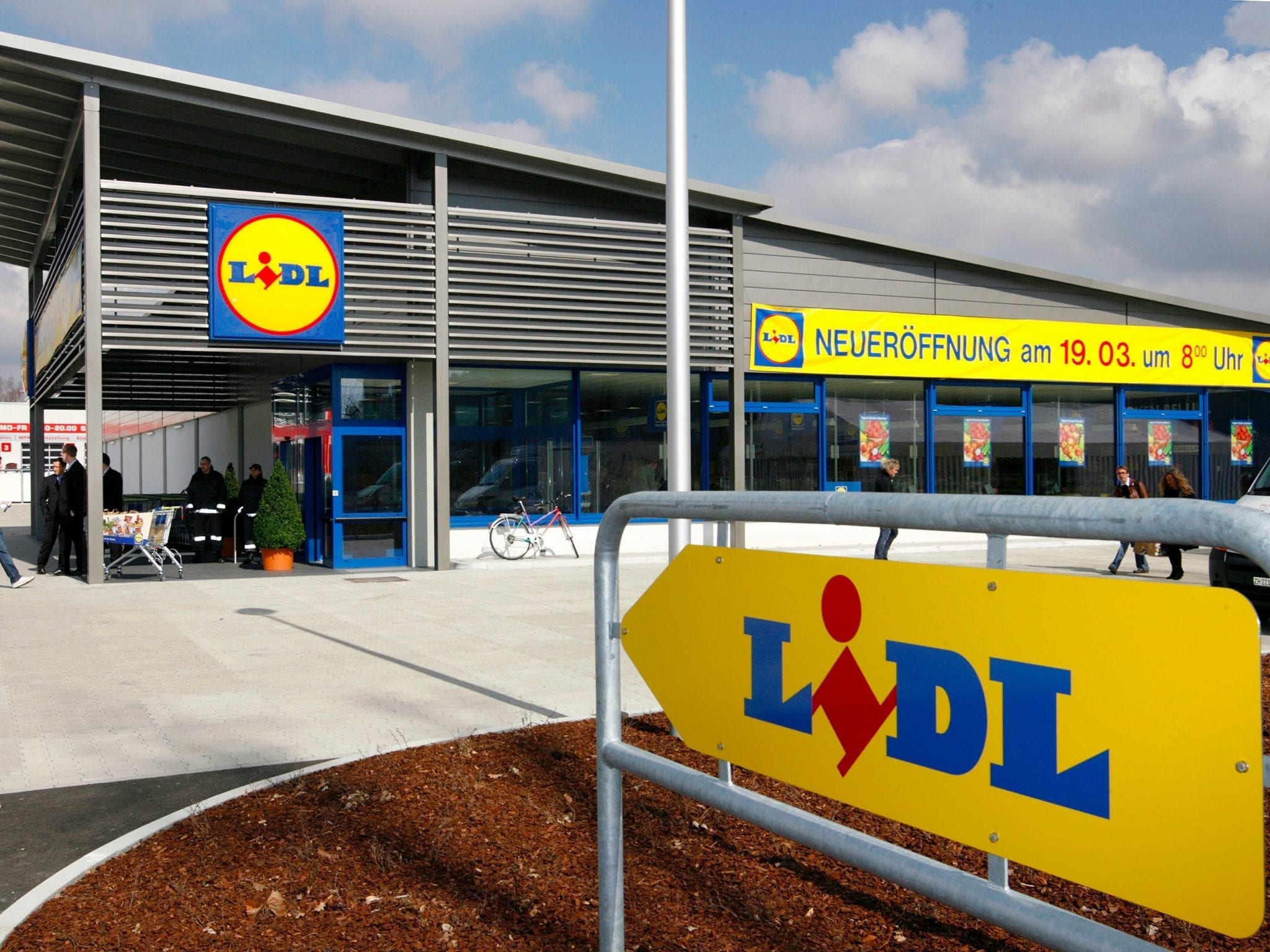
German supermarket chain lidl launched its own web shop in China on Alibaba’s online platform, Tmall Global, similar to what many other Western companies have done.
The web shop, launched this week, will offer several of Lidl’s private labels. European products have been very popular in China and Lidl therefore wants to introduce its Combino, Bellarom and Sondey brands to the nation. For the time being, it will focus on cereal and dry food brands, but the company will most likely expand its product range if the web shop is deemed a success.
Lidl will ship the products straight from Germany, imported through a subsidiary in Hong Kong. It is a different approach to competitor Aldi, which also has a shop on Tmall Global, but imports its products from Australia.
This is yet another Western company that will try to please the Chinese consumer through Tmall, thanks to Alibaba’s attempts to entice Western companies to use its platform. Chinese consumers have little faith in their own local products and are yearning for alternatives, which they now find on Tmall Global.
-

Jabong launches ‘The mood store’ – shopping innovation rooted in fashion insights
Jabong, India’s leading online fashion retailer, launches the ‘Jabong Mood Store’, which redefines how India shops for fashion online. The Mood Store is the first-ever comprehensive fashion store that allows consumers to shop the entire look per their mood. The store is based on deep consumer understanding and analytics around preferences of the Indian fashion customer.
The Mood Store will help users understand the best choices across moods like hanging out with friends, out for a road trip, stay at home pampering, and working at the office, among many others. Users will also be able to select the entire look based on different price points basis their needs. Building on Jabong’s brand philosophy of ‘Be You’, the Mood Store is the next step in Jabong innovating for growth.
The Mood Store launch is supported by a 360-degree marketing campaign across TV, outdoor, cinema, CRM and social media. The overall brand campaign will focus heavily on digital promotions where various influencers will showcase their looks in different moods and for different occasions. The commercial will be aired on leading TV channels in entertainment, music, movies, lifestyle and other genres.
The Mood Store brand campaign will feature day-to-day fashion that is easily shoppable and wearable, as against the typical industry trend of showcasing outlandish, runway fashion that the shoppers grapple to find anywhere. Digital shoppable videos on YouTube and Facebook will allow customers to buy the fashion shown in the video directly by clicking on its product card
Gunjan Soni, Head of Jabong, says, ‘We understand both fashion and our consumers really well. Jabong consumer is more affluent, well-travelled, fashion forward and likes to buy complete looks, not just apparel. Fashion shopping behaviour tells us that people buy for a specific mood or occasion, not by categories. This insight led to the mood store innovation where consumers can shop entire looks together for a specific mood. With the launch of mood store and several new brand launches we are well set for a growth momentum. Our strategy is to use ‘tailored to fashion’ innovations to attract and retain the experienced fashion shopper. ‘
Jabong is credited with launching several industry-firsts in Indian fashion ecommerce such as ramp walk video, online shoppable fashion week and the concept of online shop-in-shop. It has also brought several top global brands exclusively to the Indian market. Its high-quality product curation, top international brands, and a deep assortment that caters to the needs of a complete wardrobe make Jabong ideal to launch this unique fashion proposition as a one-stop destination for all moods and styles of a fashion shopper.
-
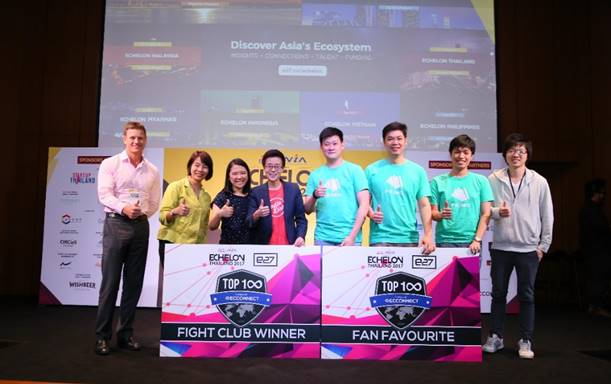
Healthy food delivery startup IndieDish announced as winner of TOP 100 Fight Club Thailand
IndieDish was announced winner of the TOP 100 Fight Club Thailand at Echelon Thailand 2017, an enriching two-day tech conference organised by e27, in collaboration with Startup Thailand and the National Innovation Agency.
Echelon Thailand 2017 is a digital insight, connections, talent, and funding platform crafted to connect people across Thailand, the gateway to Asia’s thriving tech startup community.
Thirteen Thai-based startups were shortlisted from over 100 entries to battle for the coveted prize, which includes two tickets to the Echelon Asia Summit in Singapore, access to a VIP dinner with invited investors and corporates and a free TOP 100 Exhibition booth at the event.
Founded by two ex-Amazon employees, IndieDish not only delivers healthy food at a relatively cheap price of THB 89 per meal on average, it also makes the delivery process efficient in traffic-congested Bangkok.
IndieDish optimises its logistics algorithm by using a pre-order system. Based on the pre-orders it receives, which can be made a week in advance, IndieDish will work out the most efficient route for its delivery drivers. IndieDish has delivered over 18,000 meals so far. It doesn’t offer on-demand/same day delivery services but it is working on providing this service in the future.
The judges were impressed with how thoroughly the team had thought through the delivery process and were drawn to IndieDish’s mission to broaden healthier food choices in the country.
Meanwhile, the fan favourite prize, based on a live audience poll, was awarded to Primo, an app that organises and consolidates promotions from a user’s credit cards and membership cards. The app then pushes personalised deals based on the user’s preference. Based on the user’s spending limits, Primo then recommends which deals best fit their budget.
Even though the remaining startups may not have won a prize, they will be considered for qualification into the TOP100 Finale at Echelon Asia Summit 2017 this June 28-29 in Singapore and the e27 platform will continue to support them by connecting them to various stakeholders and investors in the regional ecosystem all year around.
-

Vietnam sees rise in mobile e-commerce
By January 2017, Vietnam was home to almost 47.2 million mobile internet users, half of the country’s population, according to the report “Vietnam Digital Landscape 2017” by We Are Social.
Some 39 percent of the population have purchased products or services online, of them 29 percent have placed at least one online order via a mobile device.
The total value of the country’s e-commerce market was estimated at about 1.8 billion USD in 2016, the report said.
The 2017 Vietnam e-Business Index by the Vietnam e-Commerce Association (VECOM) shows that the internet has been a great tool for local enterprises in cross-border trade.
They can communicate with overseas partners via the internet and can access online public services, for example, e-customs and e-certificate of origin.
It also found that 45 percent of domestic enterprises own a website but only 19 percent of the websites are compatible with mobile devices, down from 26 percent in 2015.
To succeed, domestic firms must catch up with mobile e-commerce trends to maintain a competitive edge over the others, said VECOM Vice President Nguyen Ngoc Dung at the Vietnam Mobile Day last weekend.
Dung suggested that selecting a suitable domain name should be the first step in building a reliable online presence for a business as a domain name is not simply an address on the internet but is closely attached to the enterprise’s operations and branding.
A mobile-friendly website will draw more customers to the brand name and improve its competitiveness, he added.
For those who wish to reach out to the global markets, the domain name “.com” indicates credibility thanks to its popularity and stability over the past 18 years, said Executive Director of Mat Bao Corporation Huynh Ngoc Duy at the event.
Sharing this view, Nguyen Tu Hong Quan, Director of the Nhan Hoa software company, noted that many international companies, including those listed in the Fortune 500, use “.com” for their website, aiming to reach new customers outside their regions.
-
Alibaba sales beat estimates, plans $6m share buyback
Alibaba Group’s first-quarter revenues surpassed industry estimates for the three-month period ending March, as the Chinese e-commerce giant witnessed strong growth in new business lines beyond online shopping.
Total revenues for the last quarter reached 38.6 billion yuan (US$5.6bil), well above an average forecast of 36 billion yuan according to Thomson Reuters.
“Our revenue base is now more diversified,” chief financial officer Maggie Wu said. The finance head added that Alibaba’s cloud and entertainment sectors became “more meaningful growth drivers” during the quarter.
Despite the sales high, earnings fell flat for the three months, with profits adversely affected by tax increases after the expiration of a local tax reduction linked to Alibaba’s investment in Chinese electronics retailer Suning Commerce Group Co Ltd.
Alibaba’s adjusted earnings per share (EPS), therefore, came in at 4.35 yuan (US$0.63), below estimates of 4.48 yuan.
Coinciding with the results, Alibaba announced plans to buy back shares worth up to US$6bil over two years.
The operator of online market place Tmall and financial payments system Alipay said the share repurchase scheme would replace its existing buyback program.
For the last few years, Alibaba has been targeting news business lines such as cloud computing, big data, entertainment and offline retail as it expands beyond e-commerce.
However, online shopping remains the firm’s bread and butter. In March, Alibaba said it plans to open a regional distribution hub in Malaysia to cater to its fast-growing business in the region. It also launched its Alipay business in the Asian nation last week, following a debut in the US earlier in the year.
-
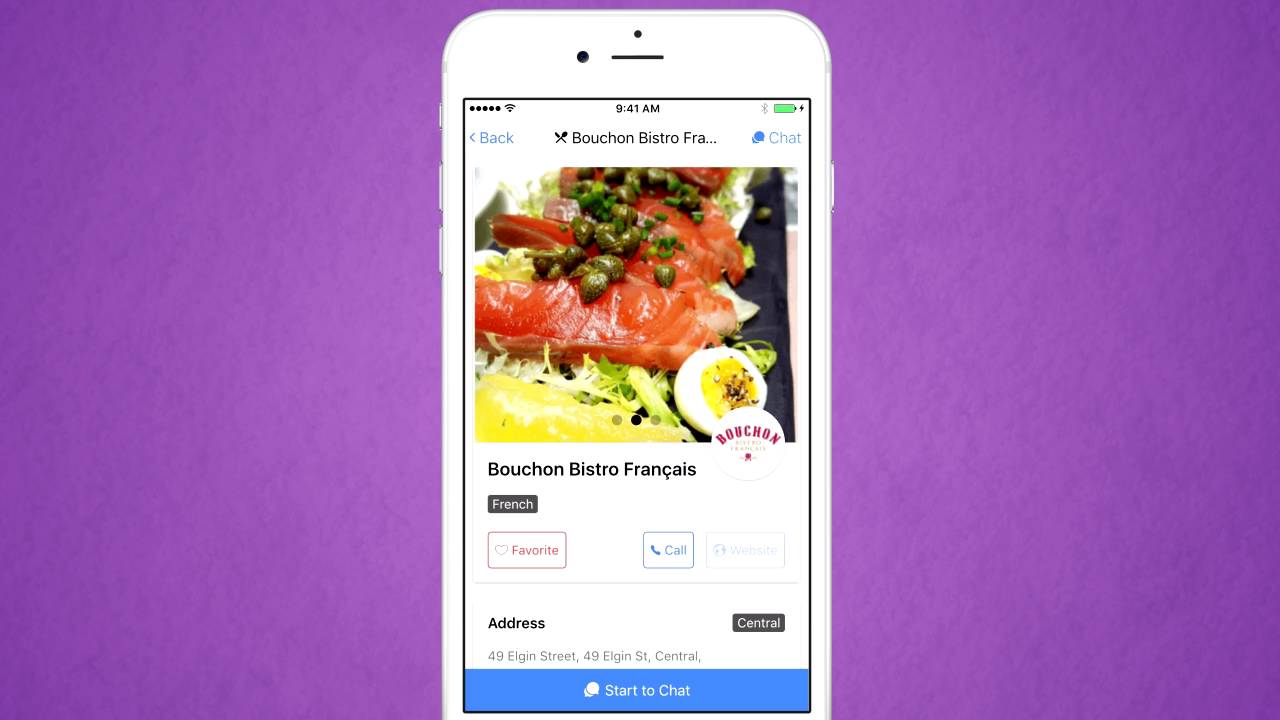
Introducing BistroChat, Hong Kong-based restaurant booking app
An innovative restaurant booking app by chat recently penetrated the Hong Kong market. Alexandre Sonier, co-founder of the application BistroChat, defines it as being similar to “having WhatsApp, but with restaurant contacts instead”. Its features let its users chat directly with the staff to make restaurant bookings easy, hence making it unique in Asia Pacific.
Today, BistroChat mainly seduces expatriates living in Hong Kong, and especially women. People aged from 25 to 40 years old with high standards of living generally use this app. According to Alexandre, settling in Hong Kong was a choice. In his vision of the industry, trends are different from a market to another. He justifies his point by saying that it is difficult to launch a new application in China, as everything is concentrated on QQ and WeChat platforms. In the same way, “the US is saturated, as the app offer is too wide”. This is in opposition with Asia Pacific, and especially Hong Kong, as BistroChat co-founder says “people buy more and more smartphones, while constantly looking for new apps. We think this it is the right time to launch a new app in this region”.
This application is the work of three men who used to work in different startups across the world for a few years. As app developers, they managed to cover all the skills needed to launch their project, making it possible to build it in-house. Raised investments led to the creation of an MVP, allowing the company to grow within the industry.
The particularity of BistroChat is that it is hassle-free. Today, two options are possible when it comes to booking a table in a restaurant: calling; or online reservation, which can take more time because of a longer process. By entering the market, BistroChat offers an instant connection between restaurants and its customers. Making a reservation via this app is done through chat, hence directly relating the client to the staff.
Furthermore, competitors send an email to the restaurant in order to notify them of a new booking. Alexandre notes that this cannot work with last minute bookings, hence justifying that chat is more convenient. According to him, instant confirmation can be made, and name and phone number spellings are no problems anymore. Those features make the app more appropriate for special requests.
It is thus with the objective of standing out from the broad app offer on the market that BistroChat maintains its efforts and innovation processes. As its co-founder states: “we don’t see an app as a one-time development but as a continuous process of improvement”. This leaves plans for building new features such as the AI, which would suggest and recommend to users new and trending restaurants, based on their preferences.
-

JD rumored to invest in Indonesian e-commerce company
China’s JD is reportedly currently negotiating with PT Tokopedia, an e-commerce company in Indonesia, for a potential investment deal.
If an agreement can be reached, it will help JD accelerate its expansion in Indonesia, one of the largest markets in Southeast Asia.
JD has implemented initial negotiation and the Chinese e-commerce giant may invest hundreds of millions of dollars into Tokopedia. The deal may value Tokopedia at over USD1 billion.
Once the investment is successful, JD will be able to compete with Alibaba in this marketplace. As China’s two leading e-commerce providers, Alibaba and JD are both exploring the Southeast Asia market. In 2016, Alibaba acquired the controlling stake in the Southeast Asia e-commerce company Lazada. In addition, with this move, JD is expected to realize deployment in this region before Amazon.
Tokopedia was established in 2009 and its business model is similar as Alibaba, which focuses on connecting consumers and vendors, instead of selling owned products. In 2014, the company gained USD100 million investments from SoftBank and Sequoia Capital, setting a record at that time.
-

E-commerce vs. traditional retailers: who’s winning and why?
Who’s winning the hearts of consumers online? Pure-play e-commerce businesses or e-tailers, traditional retailers who have entered the online area?
This analysis is based on our market reports, where we analyze over 400 popular e-commerce websites in Asia.
The traffic and engagement data you see here is sourced from a third-party, independent source called SimilarWeb. SimilarWeb uses sources such as local internet service providers, monitored devices, web crawlers, and direct measurement sources to estimate traffic data, time on site, bounce rate, and other metrics.
In our analysis, we look at Asia Pacific traffic and engagement for the following companies:
- E-tailers: Woolsworth, Coles Online, Tesco, Sephora, Watsons, Nguyen Kim, Harvey Norman, JIB, Adidas and Louis Vuitton
- E-commerce: Sociolla, Althea, Hermo, Bhinneka, Orami, Berrybenka, Sales Stock, Zalora, My Sale and Reebon.
We observe that e-commerce players tend to do better in the fashion and beauty verticals. These strengths reflect how many of these players source their goods.
Many of the biggest e-commerce firms use marketplace models where they list and aggregate brands. Most e-tailers, on the other hand, use vertically integrated models where they produce their own products.
This means that e-commerce firms tend to have more traction in verticals where they can easily collect and then sell a wider range of goods at lower prices than their e-tailer counterparts.
Industries like home, food, and luxury are more difficult for them to do well in because the goods in these verticals are either difficult for third-parties to buy and store in large quantities and range (such as in food and home) or are highly limited in quantity (such as in luxury).
E-commerce players who use marketplaces also tend to have thinner margins – because they aggregate products from third-party sellers, they make less from sales than they would have if they produced their own goods.
How do engagement metrics compare across business models?
Observation 1: E-commerce businesses are noticeably better than e-tailers at getting visitors to spend time on their websites. However, pages per view and bounce rates are broadly consistent.
This might be because e-commerce businesses, being purely focused on the online channel, invest more in making sure customers stay on their sites.
Observation 2: E-commerce players have wider variance than e-tailers in engagement metrics.
This might indicate that e-tailers have a brand and reputation that gives them solid ground for launching their online experience. Their established reputations usually guarantee them a certain level of success upon their online store’s launch.
E-commerce companies, on the other hand, must build their brand value from scratch. Their success greatly depends on their ability to provide great online customer experiences.
E-commerce businesses might also be more vulnerable to competition. These companies have had less time than e-tailers have had to build their brand and differentiate themselves from their competitors. This may mean that many of their customers are likely to switch or use their competitors platforms because they have yet to develop a strong brand attachment.
How does each vertical draw web traffic?
Observation 1: E-commerce players are more effective than e-tailers at using mail and social media to drive traffic.
In terms of mail traffic, for example, the average e-commerce firm’s share of mail traffic will be more than double the average e-tailer’s share of mail traffic. This suggests that e-commerce players are more proficient at online outreach methods.
It is interesting to note also that the % share of email traffic in Asia Pacific is significantly lower than US counterparts who can attribute up to 10% of traffic from email.
Observation 2: E-tailers receive most of their visitors from search.
This can be attributed to retailers typically being established and trusted brands in their vertical. Customers know them and will instinctively search for them online.
Observation 3: E-commerce firms receive most of their visitors from direct means.
This suggests that customers know their online addresses much like they would know that a physical store exists in a certain mall.
Visitors arriving at a site via direct means are more likely to be repeat visitors who have recognized the value of that site and are returning to access that particular value. E-commerce firms are more likely to receive this type of visitor because they typically advertise a specific form of value (niche products, lower prices etc.).
-

Walmart Is Crushing Amazon in China
Shares of Walmart gained more than 3% on Thursday after the company posted better-than-expected earnings results. Despite a brutal industry landscape, America’s largest brick-and-mortar retailer is thriving thanks to its success in key segments.
One of the biggest takeaways from Walmart’s latest report is the growth of its e-commerce unit. In an effort to catch up to internet behemoth Amazon.com, Walmart has been pouring money into e-commerce, and it seems to be working. The company said that its e-commerce business saw gross merchandise volume skyrocket 69% in the first quarter.
Of course, Walmart can never hope to overtake Amazon as the e-commerce king. Amazon has had that crown for over a decade, and although Walmart’s recent online push has been a success, it was basically a do-or-die situation if the company wanted to maintain any legitimacy as a retail giant.
However, there are still several key emerging markets for e-commerce, and Walmart may just be dominating Amazon in the biggest of them all: China.
Sure, China isn’t really an emerging market anymore, and the country is no stranger to e-commerce. If anything, its domestic online retailers, such as Alibaba, present a threat to Walmart and Amazon as they move into Western markets.
Nevertheless, China is a relatively fresh market for American online retailers, and Amazon is really just starting to get a foothold in the nation of nearly 1.4 billion. In fact, Amazon Prime debuted in the country only seven months ago. At launch, Prime members in China could expect to get there packages in about 5 to 9 days.
And after Walmart’s earnings call earlier today, it looks like Amazon’s efforts in China might be futile.
According to Walmart chief executive Doug McMillon, the company recently started offering one-hour delivery service from 80 stores in China. The service is an extension of Walmart’s existing partnership with JD.com —the two companies previously debuted a two-hour delivery service last year.
“We can see the benefits of omni-channel retail even more clearly in China than any other country where we operate. Given the urban density and automobile traffic challenges, stores serve the triple purpose of in-store shopping, pickup and delivery most effectively,” said
JD.com falls behind Alibaba in terms of size, making it the second-largest Chinese e-commerce company. The Walmart-JD partnership was announced last summer, and JD now controls all of Walmart’s e-commerce operations in the country.
Interestingly enough, Walmart does not currently offer a one-hour delivery service anywhere in the U.S. Amazon does have a pretty well-established same-day delivery network, but it will be interesting to see if Walmart’s success in China inspires the company to make a similar play here on its home turf.
-
Alibaba posts strongest sales quarter since 2014 IPO, helped by China’s online shoppers
Alibaba Group’s 2016 net profit missed analysts’ estimates, even as revenue soared to a record, as a larger tax bill and investments in cloud computing weighed on results and crimped income from China’s growing preference for online shopping.
Net income fell 42 per cent to 41.23 billion yuan in the year ended March 31, even as revenue jumped 56 per cent to 158.27 billion yuan (US$22.96 billion). Fourth-quarter profit jumped 85 per cent to 9.85 billion yuan, while sales soared 60 per cent to 38.58 billion yuan in the same period.
Alibaba’s shares fell for the second day after results were announced, dropping as much as 5.6 per cent to an intraday low of US$114 in New York trading.
“The core metrics that we care about in terms of segment results show very good momentum across the board”. “Some non-operating lines pinched the earnings and that’s likely what the stock’s reacting to, but there’s lots of variability and lack of predictability that make it difficult for analysts to understand what contributions and other income might come from ads.”
China’s embrace of the smartphone in the past decade – as well as economic activities related to the internet – has turned Alibaba, Tencent Holdings and other Chinese technology companies into some of the largest enterprises in the industry. Tencent, operator of China’s biggest social network, reported a 55 per cent jump in first-quarter sales on Wednesday.
“We reported another excellent quarter, with revenue growth accelerating to 60 per cent, the highest growth rate we’ve achieved since our IPO,” Alibaba’s chief financial officer Maggie Wu said in a phone conference announcing the Hangzhou-based company’s results.
Alibaba, which also owns the South China Morning Post, operates four major business segments, divided into e-commerce, digital media and entertainment, innovation initiatives and cloud computing.
The company, whose Singles’ Day on November 11 every year is the biggest online shopping festival on earth, reported 3.8 trillion yuan of gross merchandise volume last year. Up to 507 million customers used Alibaba’s China retail platforms on their mobile devices in March, an increase of 14 million from December.
“The traditional thinking that pits e-commerce against physical commerce no longer holds,” said Alibaba’s co-founder and executive vice chairman Joseph Tsai Chung-hsin. “The distinction between online and offline retail is going away because of the mobile phone. Traditional commerce is buying stuff on a desktop computer, but Chinese consumers now have mobile phones which allow them to buy anything, anytime, anywhere.”
The number of paying customers in cloud computing rose 14 per cent during the quarter. Still, the company made an operating loss of 505 million yuan in cloud computing during the three months.
Alibaba has been making large investments into its digital media and entertainment businesses to compete with Tencent and Baidu for a share of the digital content market.
In October 2016, Alibaba’s film production arm Alibaba Pictures invested in Hollywood director Steven Spielberg’s production company Amblin Partners to produce, distribute and market films both in China and around the world. Alibaba’s founder and chairman Jack Ma Yun has also said that the firm will invest 50 billion yuan over the next three years in Hollywood films.
The segment reported a loss of 9.9 billion yuan for the year, more than double the 4.1 billion yuan loss a year earlier.
“In the near term, there will be fierce competition for licensed content [in the entertainment market], but like other players we have moved to develop proprietary content,” Tsai said. “ Over time, the cost of content should come down.”
Alibaba’s stock has risen 52 per cent in 12 months, boosting the company’s market value to exceed US$300 billion, in the process making Ma the wealthiest man in China, according to a Forbes ranking.
The company, which operates the Taobao and Tmall platforms, announced a US$6 billion share buyback programme over two years.
“Alibaba’s Taobao platform is a clear leader in the C2C e-commerce sector, and its Tmall platform is the largest player in the B2C e-commerce sector in 2016 with a 57.5 per cent market share, followed by JD’s 26.2 per cent and VIPShop’s 3.6 per cent share,” Nomura’s analyst Shi Jialong wrote in a research note before the company released its results.
The Chinese e-commerce giant has also set its sights on expanding globally. In March, Alibaba and the Malaysian government jointly launched the first electronic world trade platform (EWTP) in Malaysia, an internet-based platform that will allow small and medium-sized businesses in Malaysia and China to trade with each other.
“Internationalisation is a core strategy [for Alibaba] for the next five to 10 years, and we are happy to see concrete progress in Southeast Asia,” said chief executive Daniel Zhang, adding that Singapore-based e-commerce platform Lazada has seen its business grow “very well” since Alibaba’s US$1 billion investment in the company last year.
Alibaba decided to focus on Southeast Asia as the first step to internationalisation because it is an “important region” with a large population, according to Zhang. “Chinese products are very popular in this market. We will continue to invest in international markets but there is still a long way to go,” he said.
-
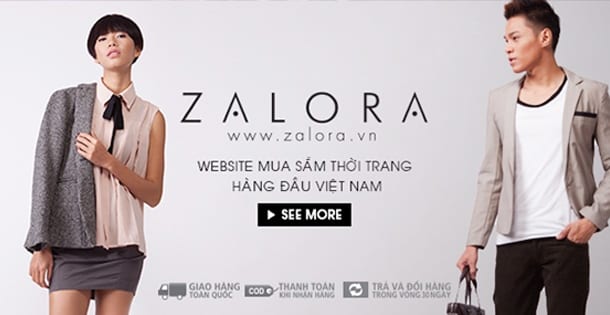
Zalora Vietnam becomes Robins after merger
Online fashion platform Zalora Vietnam has officially merged with Robins, becoming one online platform, following the pair’s merger 12 months ago.
As of May 12, Central Group-owned fashion retailer Robins and e-commerce giant Zalora Vietnam will be shopped at Robins.vn only, not on individual websites. The merger is believed to make the new platform the largest fashion e-commerce site for Vietnam.
Zalora was the largest online fashion shopping website in Vietnam, specialising in fashion, where it stocks fashion and accessories collections from more than 700 brands.
In April 2016, Zalora Vietnam was sold by Rocket Internet and bought by Thailand’s Central Group, who acquired both Zalora Vietnam and Thailand subsidiaries. At the time of the transaction, Zalora CEO Michelle Ferrario, said the move would allow Zalora to capture opportunities and strengthen its position in our markets, as we gear towards accelerating our growth.
“We are happy to have contributed to the vibrancy of Thailand and Vietnam’s e-commerce scene, and we trust that the future owners will continue to build on what we started. We remain committed to providing consumers in the region the best online and mobile shopping experience possible,” said Ferrario, early last year.
A Zalora representative told ICT News this week that with Zalora and Robins both being owned by Central Group, the group “decided to merge the two brands with the desire to bring the best shopping experience to customers.”The Zalora spokesperson said that all shopping activities at www.robins.vn would be maintained normally.
Robins arrived in Vietnam in 2014 and has two department stores – in Crescent Mall, Ho Chi Minh City, and Royal City, Hanoi.
Central Group is one of the Southeast Asia’s largest retail players with a huge footprint in Thailand and forays into Vietnam, Malaysia and Indonesia. The group’s assets, which include multiple shopping malls and national department store chains, are worth close to $10 billion and it employs some 70,000 people across its operations.
-
Amazon, channel for Vietnam’s apparel to enter EU
Amazon, leading online shopping channel, has the potential to become a window for Vietnamese textile and garment products to gain access to European Union market. This was stated in Hanoi at a seminar, organised by Vietnam Textile and Apparel Association. Vietnamese businesses got advice on e-commerce by experts from Germany’s Vorwarts company at the event.
Vorwarts CEO André M. Åslund said the quality of Vietnam’s garment products satisfied EU consumers. Many enterprises in Vietnam and Asia were selling their products to the EU via intermediaries or outlets. However, if products are sold on Amazon, intermediaries will not be needed, leading to reduction in cost and improvement in Vietnamese apparel’s competitiveness in EU markets, according to Vietnamese media reports.
Up to 76 per cent of consumers use mobile phones to shop online, and 50 per cent of mobile phone users shop via Amazon, Åslund said.
Noting that consumers’ behaviours were changing, he said instead of solely depending on products’ prestige, their interest and trust were now also framed by other factors such as product review and description, and other consumers’ assessment, the reports said.
Therefore, businesses should pay more attention to quality information provision and product quality to get good assessments. Those evaluations will encourage EU consumers to buy Vietnamese products, Åslund said.
However, businesses must comply with regulations of EU markets and improve product design to meet consumers’ taste. Once consumers are satisfied, they will introduce products to others, he said.
-
Alipay comes to Malaysia
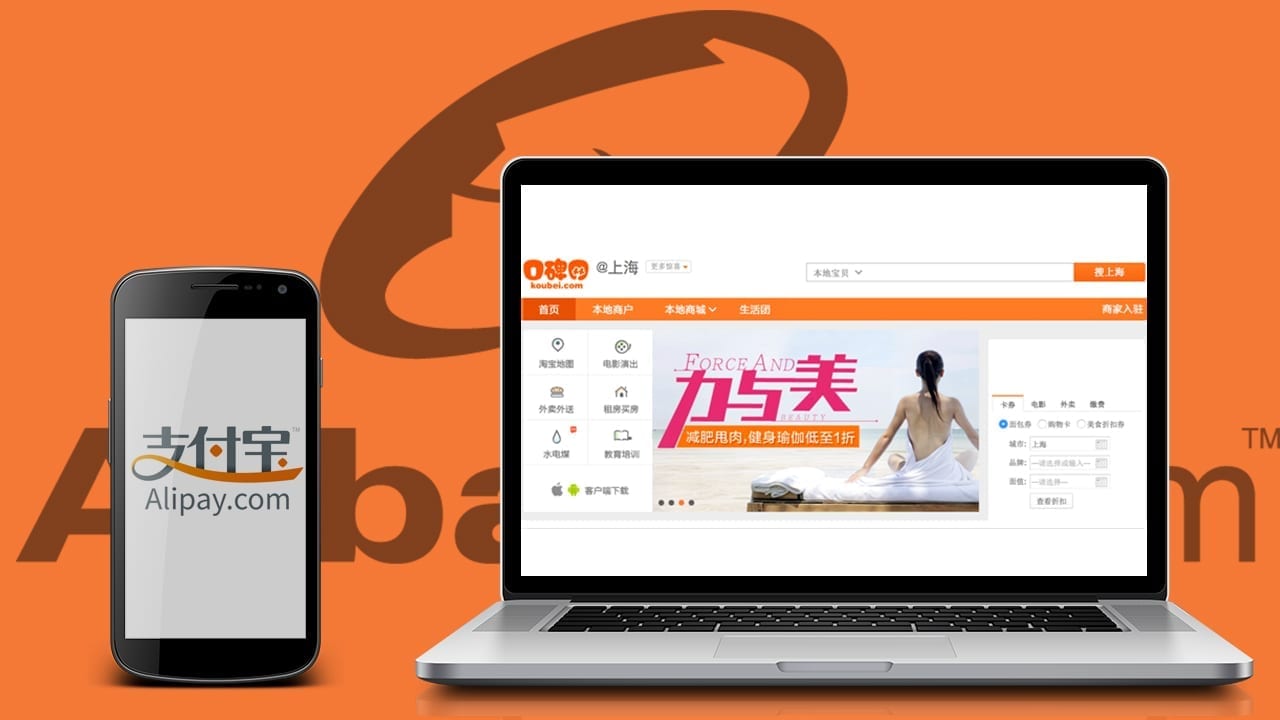
Chinese mobile wallet Alipay has arrived in Malaysia, marking the latest international push for Ant Financial Services Group, Alibaba Group’s payment affiliate and owner of Alipay.
According to Alibaba, six Malaysian banks have received regulatory approval from the Malaysian Central Bank to process Alipay settlements. Alipay is also scheduled as a payment option across the Southeast Asian nation by 2018, said the company.
Alipay has been on a rampant expansion route. It recently invested in foreign payment firms including India’s Paytm and Thailand’s Acsend Money, and is now widely accepted in 70 countries, including the United States.
At the time of entering North America last February, Alipay said it is looking to enhance the shopping and travel experience of Chinese consumers visiting the US and Canada, and is expanding its partnership with DFS Group, a luxury travel retailer.
The partnership launched Alipay in-store mobile payment at the DFS store in Honolulu International Airport store and at the DFS Hawaii store in Honolulu’s downtown T Galleria. DFS Group had previously launched Alipay in its airport stores in San Francisco and Los Angeles, and at JFK in New York City.
At the same time ahead of Chinese New Year 2017, Alipay was launched in Paris across 83 duty free outlets operated by Société de Distribution Aéroportuaire – the joint venture between Lagardère Travel Retail and airport operator Groupe ADP. Lagardère Travel Retail deployed Alipay with the support of its bank, BNP Paribas, and payment services provider Ingenico Group.
More than 450 million people use Alipay worldwide, according to the company’s website, and the introduction of the technology is part of the retailer’s efforts to meet the demands of its key Chinese consumers.
Alipay’s overseas expansion has also been creating synergies for Alibaba, whose e-commerce business, logistics networks and cloud computing services have all made inroads in Southeast Asia.
-
Rakuten first-quarter profits surge on sales promotions, new tech investments
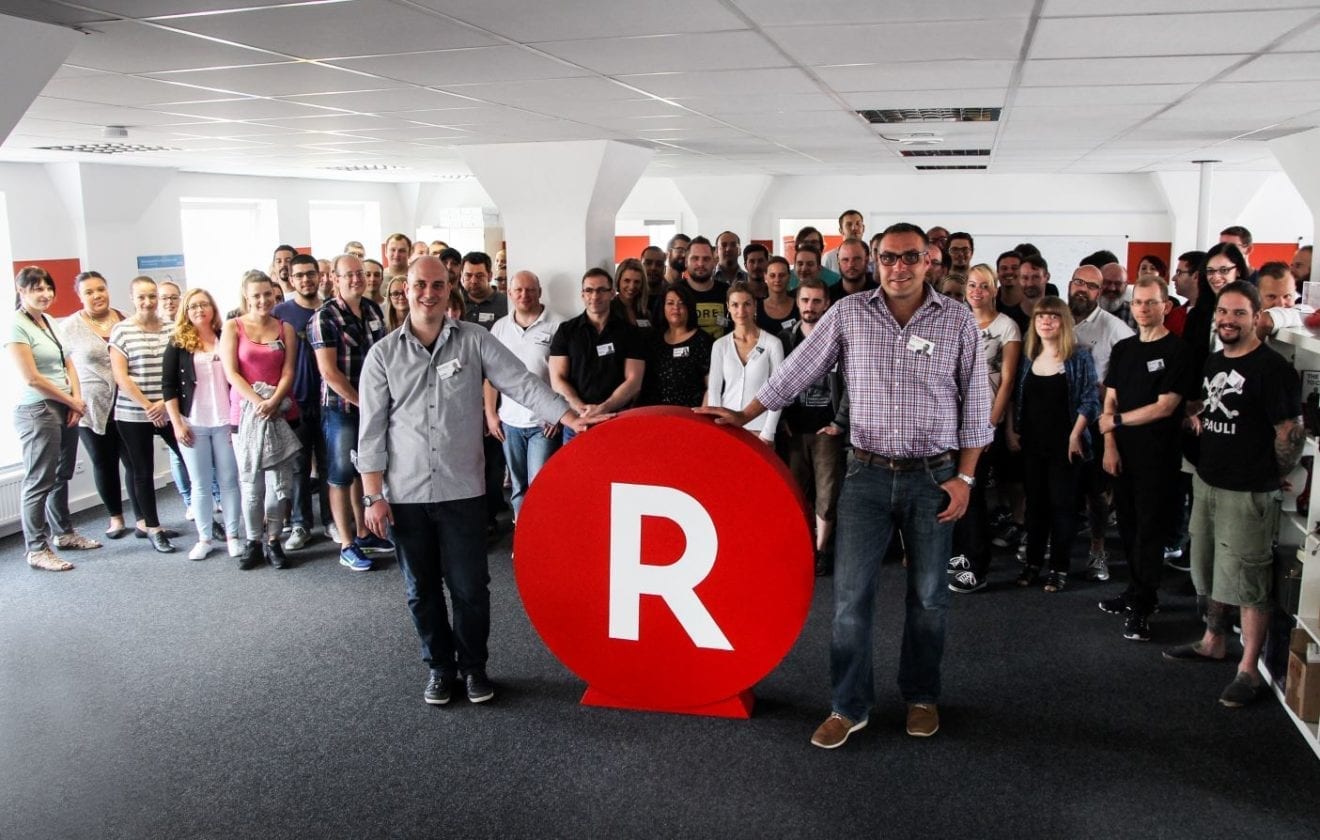
Japanese e-commerce giant Rakuten said net income for the first-quarter of fiscal 2017 more than doubled for the three months ending March 31, on the back of a positive customer response to sales promotions and new technologies.
Japan’s largest e-tailer said total quarterly net income reached 25.06 billion yen (US$220.3 million), up from 12.09 billion yen (US$104.7 million) for the same period a year earlier.
The Tokyo-based company said its operating income rose 73.2% to 40.4 billion yen (US$355.3 million), while first-quarter sales jumped 17.6%, for a total of 212.08 billion yen (US$1.86 billion).
The e-tailer currently offers customers up to seven times the typical rewards points, a bid to poach business from rivals Amazon.com and Yahoo.
According to a press release, Rakuten said it has “cultivated loyal customers and conducted sales activities in order to win new users, as well as initiatives targeting greater customer satisfaction, strengthening services for smart devices and opening up the Rakuten ecosystem,” the company said.
This incentive has increased membership in Rakuten-brand credit cards and the use of revolving balances, boosting the company’s financial business.
“Results are on track for improvement in overseas internet services, due to contributions from the steady growth in U.S. subsidiary Ebates Inc. and other factors,” it added.
In February, Rakuten invested $26 million in AirMap, a company working on a global airspace management platform for drones. Meanwhile, in September 2016, the company acquired Fablic, provider of the C2C marketplace app Fril.
In the past year, it has also invested in American bot developer Run Dexter, digital content provider getAbstract AG, cross-border payment platform Currencycloud, and Japanese fintech company Folio – investments, which look to boost revenues further in the coming fiscal year.
The firm said that for the twelve months ended December 31 it is targeting double-digit growth over the previous year.
According to a recent report produced by JapanConsuming, e-commerce will be Japan’s largest single retail channel by 2022. In 2015, Japan generated roughly $80 billion in e-commerce sales. This compares to some $350 billion of e-commerce sales in the U.S. and China’s whopping e-commerce sales result, which exceeded $650 billion in 2015.