Category: E-Tailing

Retail News Asia is committed to providing both local and global retailers with the latest E-Commerce & Etail news throughout the Asian market. This on a daily base.

  • Why retailers need to consider setting up an online shop

    2 in 3 Singaporeans prefer retailers with e-commerce and mobile app.

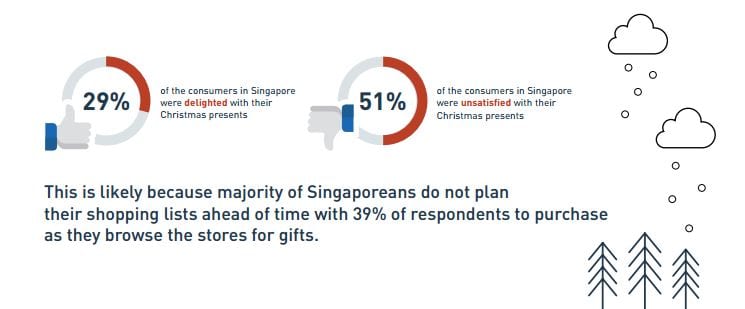
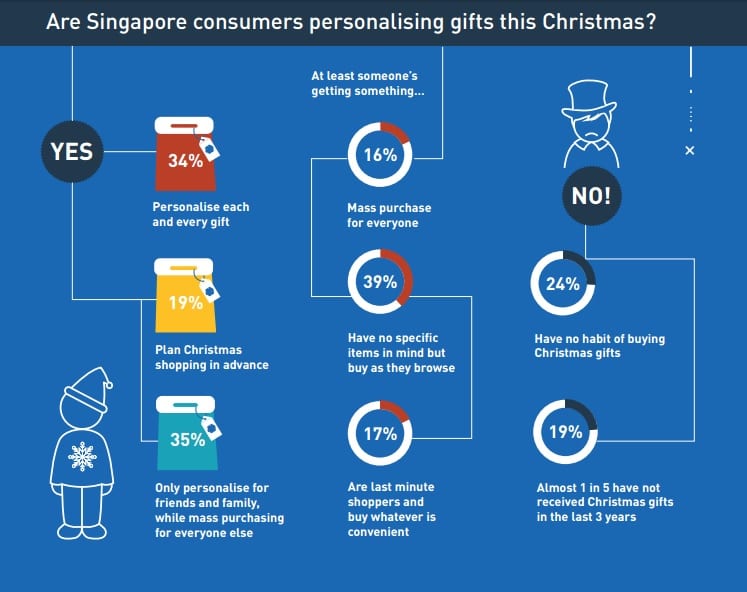
    There are only a few days before Christmas and Singaporeans are surely busy shopping around, finding the perfect gift. But what do retailers need to do to keep up with the shopping hype this festive season?

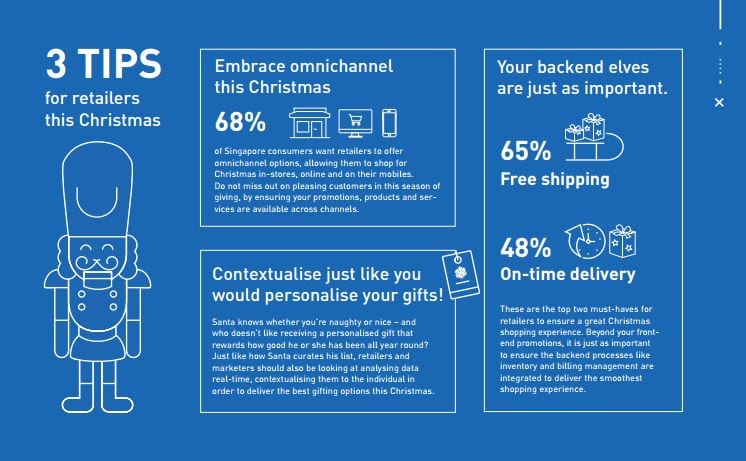
    According to the latest survey by SAP Hybris, Singapore shoppers want cross-channel options more than new-age services like digital wallets and augmented reality store experiences. Over 2 in 3 shoppers (68%) prefer retailers with a physical store coupled with both e-commerce and mobile app while more than half of consumers want retailers which offer self-pickup services as physical stores.

    “With high Internet and mobile penetration rates, it is of little wonder that Christmas online shopping is picking up among Singaporeans. The e-commerce market in Singapore is expected to be worth US$5.4 billion (S$7.46 billion) by 2025, according to a report by Temasek and Google released earlier in May this year, and is expected to make up 6.7% of all retail sales by 2025,” SAP Hybris global vice president of fast growth markets Nicholas Kontopoulos explained.

    More so, 65% of the shoppers stated that retailers can improve their Christmas shopping experience by offering free shipping. Around 48% see on-time delivery as a benefit while 41% noted that gift customization would signal yet another improvement.

    “Singaporeans are amongst the most tech-savvy spenders in Asia, and no strangers to e-commerce. Despite that and reports of Singapore’s continuously challenging retail landscape, the brick and mortar stores are definitely not dead,” Kontopoulos noted.

    He furthered, “In fact, the SAP Hybris survey found that 39 per cent of Singaporeans still enjoy browsing through stores. This reinforces what we have been telling retailers for some time: Singapore is a truly multi-channel market, where most consumers are using a combination of devices in their online and offline shopping. The findings also point us to a future where offline and online shopping are no longer two separate business models. Singaporeans are demanding a seamless omnichannel shopping experience.”

  • Turner, Snapchat ink content, ad deal

    Turner, Snapchat ink content, ad deal

    Turner and Snap are expanding their partnership by bringing new brands to Snapchat’s Discover platform, extending live coverage of Turner’s premium sports events, and working with several Turner brands to develop Snapchat shows.

    The deal encompasses content, distribution and advertising centered around Turner’s leading portfolio of networks, programming, events and brands.

    “This deal marks the latest strategic move for Turner to innovate within the digital arena and provide complementary viewing experiences for a younger, mobile-centric audience,” said David Levy, president of Turner.

    “Snapchat is a powerful outlet to directly connect with the millennial generation and perfectly aligns with our portfolio-wide strategy to engage with audiences at every touch point,” said Levy.

    As part of this deal, Turner will work with Snap to develop original shows from its series and brands such as TBS, Adult Swim, truTV, Great Big Story and Super Deluxe.

    Turner’s portfolio will create and produce original content from its popular franchises and networks specifically for Snapchat’s mobile-first audience.

    Turner’s Bleacher Report, the digital sports brand for the millennial generation, will launch a Discover Channel in the United States, comprised of videos, images, animations and graphics covering the top stories in sports each day.

    It will join the CNN Discover Channel, which will expand its offering to feature more daily content than ever before, including in-depth, global news stories hand-curated for the Snapchat community.

    The agreement continues to leverage Snapchat’s immersive Live Stories with expanded coverage of Turner’s premium sports content, including the NCAA Division I Men’s Basketball Championship and the PGA Championship.

    The exclusive access around these premium sports properties brings Snapchatters closer to the action with behind-the-scenes coverage, videos and photos from on-site correspondents.

    Turner and Snapchat will collaborate on advertising sales, developing exclusive and immersive ad experiences that provide brands the space to connect with millennials in a dynamic mobile environment within original shows and Live Stories.

    The two companies will also provide sponsors with creative advertising opportunities on the Discover Channels, offering brands a full-screen, creative canvas for mobile storytelling.

  • Express, Uber team up to tap opportunities in Indonesian market

    Express, Uber team up to tap opportunities in Indonesian market

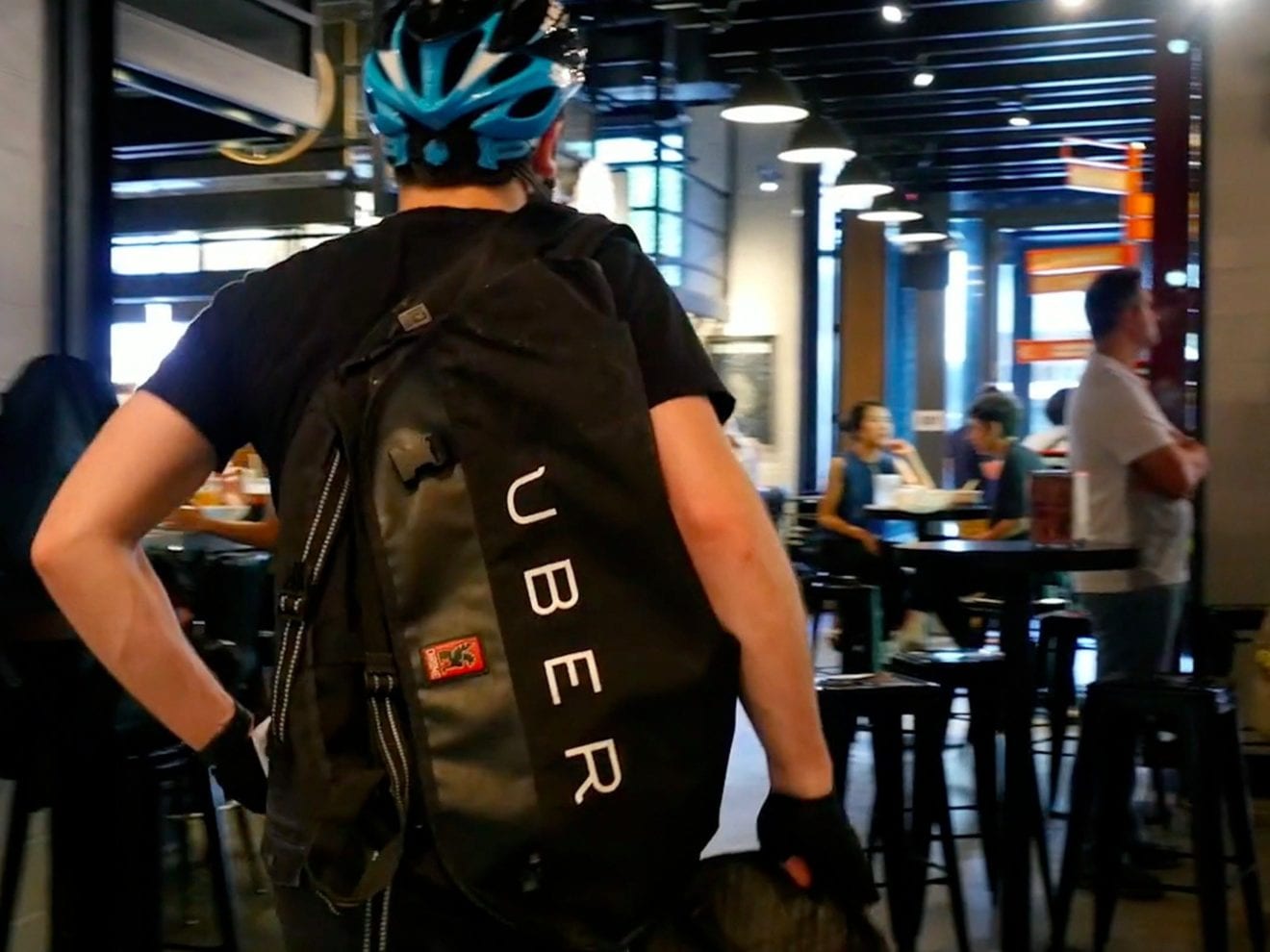
    Despite its roller coaster relationship with new competitors, publicly listed taxi operator Express Transindo Utama announced on Monday it would team up with ride-hailing application Uber for a ride-sharing integration in hope to improve services and increase revenue.

    Under the collaboration, Express drivers will be able to use Uber’s application to take uberX orders apart from running conventional services.

    “Through collaboration with Uber, we expect to improve the utilization of our fleet,” Express Group chief operating officer Benny Setiawan said in a statement.

    Express, Benny went on, was also developing a scheme that would allow Uber partner drivers to purchase cars from Express through an installment scheme.

    Uber also shared enthusiasm about its partnership with Express.

    “We are enthusiastic that Express Group, a prominent taxi operator in Indonesia, now uses ride-sharing and technology to expand its market,” Uber Asia Pacific head of business Eric Alexander said.

    On March 22, over 10,000 conventional transportation drivers—mostly Express and Blue Bird taxi drivers, as well as drivers of angkot (public minivans), buses and bajaj (three-wheeled vehicles)—took to several thoroughfares in Jakarta to stage a protest.

    The protesters accused the government of failing to regulate increasingly popular app-based transportation services, such as Grab, Uber and Go-Jek, which they say were eroding their incomes.

    During the protest, conventional taxi drivers initially targeted Go-Jek and Grab drivers, though groups of ojek (motorcycle taxi) drivers later retaliated, smashing cab windows.

  • Alibaba Group raising stake in SingPost

    Alibaba Group raising stake in SingPost

    Chinese eCommerce giant Alibaba Group has been given the go-ahead by Singapore’s stock exchange (SGX) to raise its stake in Singapore Post (SingPost).

    Alibaba Investment, a subsidiary of Alibaba Group Holding, has received in-principle approval from the bourse for the listing and quotation of about 107.6 million new shares in SingPost, says the postal group said in a filing.

    This is subject to compliance with SGX listing requirements, and SingPost shareholder approval.
    Shareholders will be sent a circular with details of the proposed share issuance, and notice of a related extraordinary general meeting.

    The deal aims to be completed by the end of February.

    As Alibaba’s second SingPost investment, it will raise its stake from 10.2 to 14.4 per cent.

  • Lazada’s 12.12 sale nets $40.5 million

    Lazada’s 12.12 sale nets $40.5 million

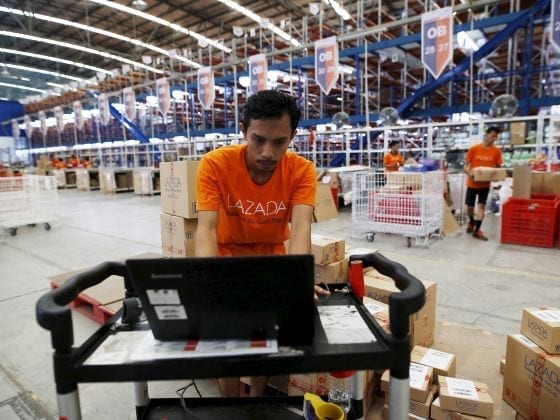
    Lazada Group’s Online Revolution, also known as 12.12, has again proven to be the biggest online shopping event in Southeast Asia, ringing up US$40.5 million in sales.

    About 60 per cent of the gross merchandise value (GMV) of the December 12 event came from mobile, with shoppers spending an average of 12 minutes on Lazada apps browsing deals from international and local brands and sellers.

    With the theme “Brands for All”, the 12.12 event featured more than 500,000 offers and flash sales from more than 1000 brands and 55,000 sellers. Best-sellers included shower gels and mascaras, tote bags and bracelets, vacuum cleaners and tableware, and virtual-reality headsets and speakers.

    Lazada Group CEO Maximilian Bittner says the sale has become highly anticipated among more consumers in Southeast Asia, who are no longer just from large cities, but also from small cities and rural areas.

    “This year, the difference was consumers clearly shopping for everyday products such diapers and groceries, as well as higher-value items from trusted brands.”

    Lazada has a presence in Indonesia, Malaysia, the Philippines, Singapore, Thailand and Vietnam.

  • Alarm for ‘fake’ Singles’ Day discounts

    Alarm for ‘fake’ Singles’ Day discounts

    About 17 per cent of discounts offered during China’s multi-billion-dollar Singles’ Day online sale event were not real, claims a state-backed consumer group.

    It is calling on the government to intervene and punish platforms and merchants for promoting fake Singles’ Day discounts.

    Alibaba and Amazon are among companies the Chinese Consumers Association (CCA) alleges are guilty of hiking prices before the annual November 11 shopping festival in an effort to lure customers with sharp “discounts”.

    “There is a large number of false discounts and other misleading behaviour about prices,” says the CCA, which has referred the cases to relevant government departments, recommending “severe punishment for price violations and price dishonesty”.

    Ahead of the shopping event, China’s top business regulator last month warned firms including Alibaba, Amazon and JD.com against falsifying figures and selling counterfeit goods.

    Alibaba recorded 120.7 billion yuan ($US17.4 billion) in Singles’ Day sales this year, and is being investigated by the US Securities and Exchange Commission over accounting practices related to its figures for the event last year. The US-listed firm has denied any wrongdoing.

    “We have strict measures in place to crack down on false sales discounting,” says an Alibaba spokeswoman. She claims the company penalises merchants, depending on the severity of the falsified discount.

    The CCA study recorded price changes on 12 platforms between October 20 and November 25. Of all the “discounted” products surveyed, 35 per cent of them on Amazon still cost more than regular retail prices, the highest of any platform. JD.com followed at 26.8 per cent, then Alibaba’s Tmall at nearly 19 per cent.

  • Harbolnas Boosts Online Shop Sales

    Harbolnas Boosts Online Shop Sales

    Hundreds of online stores are taking part in the online shopping national day (Harbolnas) held from December 12 until December 14, 2016. The Harbolnas brings profit not only to customers, but also online shop administrators.

    For example, Bukalapak.com booked a total of 400,000 transactions during the two days of Harbolnas.

    Bukalapak Brand Manager Ambrosia Tyas, said that most of the customers are attracted by the discounts and special offers presented during the Harbolnas. “The number of transactions are five times higher compared to the 2015 Harbolnas,” Ambrosia said on Wednesday, December 14, 2016.

    Not only massive discounts, Bukalapak also provided customers with chances to bargain for their goods. Products highly sought after by customers are smartphones, laptops, and cameras. “Customers are attracted to a different shopping experience,” Ambrosia said.

    In addition to Bukalapak, Lazada Indonesia also recorded massive Rp 143.4 billion revenue on the first day of Harbolnas. Most customers bought fashion items, household appliances, and health and beauty products.

  • Shop online better with upgraded Triumph e-commerce

    Shop online better with upgraded Triumph e-commerce

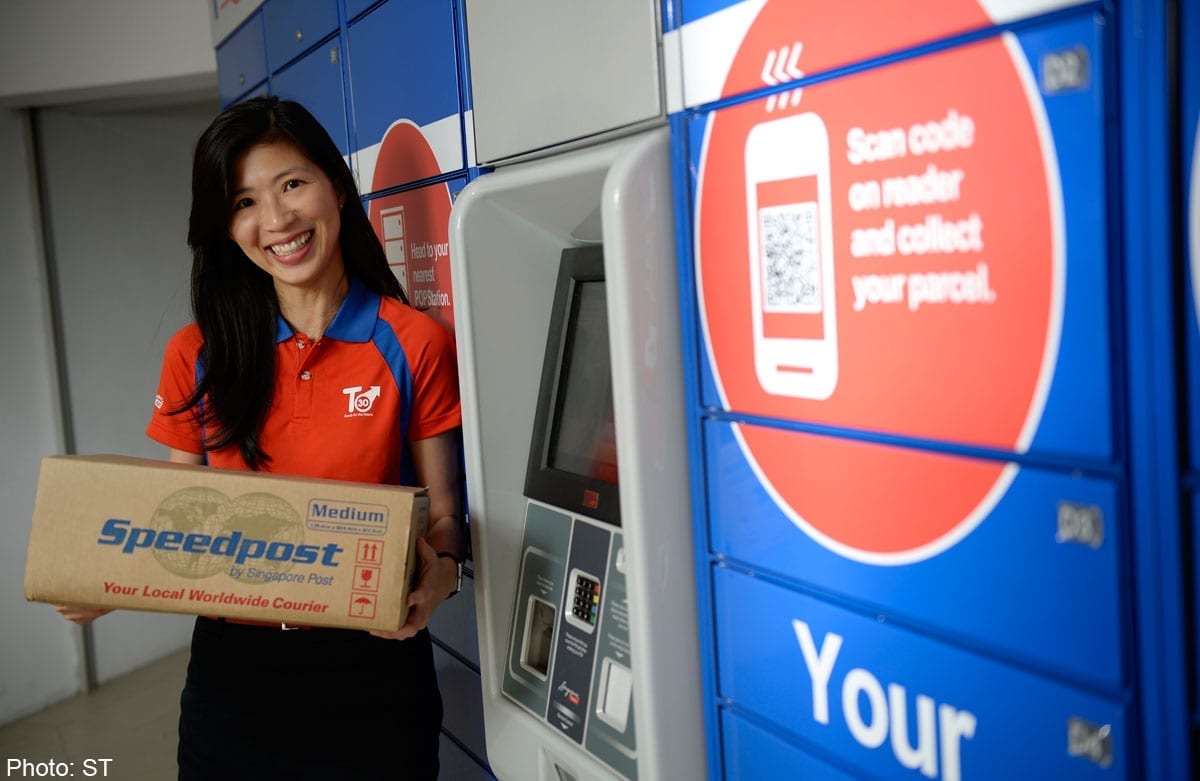
    Singapore Post subsidiary SP eCommerce has worked with lingerie brand Triumph to launch two optimised online stores, for Singapore and Malaysia.

    The online stores have been redesigned and enhanced in areas such as product categorisation and recommendation to improve the shopping experience.

    Triumph launched online shops two years ago, with the latest updates integrating the online stores with Instagram so buyers can share photos via on-site social feeds.

    With custom extensions designed by SP eCommerce – including zip-code validation, redesigned navigation and SingPost PopStation deliveries – the revamped web stores make browsing of more than 5000 styles easier and faster.

    Further improvements are about to be rolled out for the online stores’ product recommendation engine, including a wish list.

    “Customer experience is our top priority,” says Triumph International Singapore/Malaysia commercial director Sheryl Wong. “Serving up a great brand experience has always been at the core of what we do, and that is only possible with a holistic focus on our shoppers’ experience.

    “With SP eCommerce, we are pleased we are able to stay abreast with the latest digital trends, enabling us to provide our customers with an ever-enhancing online shopping experience.”

    SP eCommerce offers end-to-end services covering enterprise-grade eCommerce technology, warehousing, delivery and returns management, web-store operations, and customer-care and performance marketing.

  • E-retailers must offer personalized services to win customer trust

    E-retailers must offer personalized services to win customer trust

    With its uniquely young population, the lack of big-box retail and unmatched digital adoption rates, Southeast Asia’s e-commerce market is growing much faster than the global rate.

    A report by Google and Singapore investment company Temasek forecasts that the e-commerce market in Southeast Asia will grow from $5.5 billion in 2015 (0.8 percent of the total retail market) to US$87.8 billion in 2025 (6.4 percent of the total).

    According to the report, Singapore’s e-commerce market was valued at $1 billion in 2015, with online shopping making up 2.1 percent of retail sales. By 2025, Singapore’s e-commerce market is expected to make up 6.7 percent of all retail sales, at a value of $87.8 billion.

    Unique characteristics, unique challenges

    While digital adoption in Southeast Asia is exceptionally high, the industry has some unique characteristics and faces some unique challenges.

    Southeast Asia’s later uptake of digital technology means that e-commerce ventures in the region have the luxury to learn from others’ mistakes made in mature e-commerce markets like the US and China.

    What we are seeing is a compressed timeframe of e-commerce business model development, with the established evolution from classified sites like Craigslist through C2C (eBay, Taobao), B2C (Amazon, JD.com), B2B2C (Amazon, Tmall, Lazada) to Brand.com (Estee Lauder, Nike) happening faster and in many cases, simultaneously.

    This pattern is very much influenced by consumer preferences and online behavior. The region is a unique e-commerce market. Consumers here are leapfrogging technologies. Outside of tier-one cities, many have bypassed PCs, accessing digital platforms primarily through mobile phones.

    In Thailand for example, 85 percent of consumers not living in major metropolitan hubs use mobile devices for their online purchases.

    While in mature e-commerce markets desktop C2C still plays a pivotal role, Southeast Asia’s leapfrogging towards mobile is disrupting traditional, desktop-first marketplaces. Mobile-only C2C marketplaces like Carousell and Garena-backed Shopee are making aggressive moves against their older desktop counterparts like Tarad in Thailand and Tokopedia in Indonesia.

    Kicking the tyres on social media

    As a result of this fragmentation, shoppers are more likely to head first to search engines when looking for products as opposed to checking company websites. They show little loyalty to retailers and shop via social media. More than 80 percent of Southeast Asia’s digital consumers use social media such as Instagram to research and review products.

    Since sales via social media comprise up to 30 percent of all transactions, companies are rapidly expanding their services to attract consumers. The message to retailers is that the game changer will be the use of data to build real relationships with customers.

    Capture the data – then interpret it

    Beyond ease of purchase and the ability to consult the opinion of other consumers, e-commerce has revolutionized the way information about a retail customer’s journey to purchase is captured.

    Today, such information is captured on a more individual basis. E-commerce enables retailers to know what particular customers looked for, how they reached the site, what they bought, and even associated and abandoned purchases.

    Reconstructing the customer’s journey was difficult when the sole purchasing channel was the physical store and the only traceable element the purchase. At best, the customer was only identified at the checkout, which militated against personalized recommendations.

    Thanks to a better understanding of the journey to purchase, e-commerce has made it possible to better understand customer behaviour and react in real time. Distributors have considered applying these concepts across all sales channels – stores, call centers, etc. So, retailers today are challenged with fully understanding the customer journey across each one, while benefitting from greater accuracy.

    This is not easy. Depending on the channel chosen by the customer, the knowledge obtained by the seller is not the same: as we know, while at the checkout, the customer will only be recognized if they own a loyalty card or have already visited the store. But, in the latter case, it will be extremely complex to make the link with past purchases.

    Similarly, a website may enable the collection of data on the intention to buy but it is extremely difficult to correlate these events with the purchasing transactions if they are not made online and in the same session. The stakes are high, given that 78 percent of consumers now do their research online prior to making a purchase .

    Talend suggests that one solution is to integrate sensors into the elements that constitute a customer’s purchasing journey, then analyze and cross-reference this data to extract information from it.

    Some of our customers are already engaged in this process. It all usually begins with a detailed analysis of the customer’s online journey, to collect information on intent, cross-reference it at an aggregated level with actual purchases, at the catchment area level, for example, to determine correlations and refine segmentations.

    Then, this information is cross-referenced for a second time with transactional data from the physical stores and the website, which enables us to map the customer’s journey from intention to buy to the purchase or beyond. Thirdly, it’s a matter of developing a recommendation system in real time throughout the customer’s journey to drive increased sales and greater loyalty.

    Value-added services

    The main future challenge facing distributors lies in the value-added services that they may be able to provide to customers, to accompany their products or service offering. Consumers have learned to be wary of digital technology. More than ever, they will only be inclined to share information on their intentions and their profiles if their trust has been gained and they can perceive the benefit in it.

    How do you create this trust? Via value-added services: when consumers see that their interests are being considered, they do not feel constrained or trapped by a commercial logic that is beyond them.

    Amazon, with its “1-Click” ordering, has shown the way. In other sectors, such as the taxi industry, newcomers have gone even further, revolutionizing the customer’s journey by utilizing digital technology, from searching for a service to payment through a range of innovative services that make the customer’s life easier, such as the automated capture of expense forms.

    In a world in which advertising and tracking are increasingly present, data analysis carried out with the sole aim of commercial transformation is doomed to failure, as it is based on an imbalance between the benefits offered to the customer and those gained by the supplier. Until now, personalization in retail has tended to limit itself to marketing and measure itself in conversion rates, except for distributors, who have increasingly relied on customer loyalty.

    Multichannel is not the invention of the distributors but a reaction to consumers’ wishes. Think about it, even Amazon is going to start opening physical stores. Why? Because it has fully understood that a key element was missing in its bid to become better acquainted with its customers’ journey, while responding more effectively to their wishes.
  • Alibaba Looks to Tighten Its Hold on Thai Ecommerce

    Alibaba Looks to Tighten Its Hold on Thai Ecommerce

    Having established a dominant position in China, ecommerce giant Alibaba is setting its sights on expanding in Southeast Asia. Last week the Chinese firm inked a deal with the Thai government to speed the development of the country’s ecommerce sector.

    The agreement calls for ecommerce platform Lazada—the leading ecommerce site in Thailand—to provide ecommerce training to 30,000 small- and medium-sized Thai businesses. Alibaba acquired a controlling stake in Lazada earlier this year.

    The deal also calls for Alibaba to advise the country’s postal service, Thailand Post, on shipping and logistics.

    Ecommerce makes up just a tiny sliver of Thailand’s total retail sales (1.5%), but it is growing rapidly. eMarketer projects that ecommerce sales, excluding travel, will grow at a rate exceeding 15% annually over the next four years, reaching total $5.69 billion by 2020.

    While other large international ecommerce players like Rocket Internet and Rakuten have been pulling up stakes in Southeast Asia this year, Alibaba has dug in.

    Alibaba has the capital to outlast local competitors in order to gain market share, as well as deep experience handling payments and logistics problems in emerging markets. And it owns Lazada Thailand.

    But Alibaba faces two potentially significant challenges in Thailand. One is that Thailand still lags behind developed markets in terms of internet usage. eMarketer estimates only 49.8% of the population of Thailand uses the internet as of 2016. Markets that are still in the early stages of internet adoption tend to need time to grow into ecommerce.

    The second challenge for Alibaba is the other 800-pound gorilla in the global ecommerce sector: Amazon, the only competitor with the budget and will to battle Alibaba in a Southeast Asia turf war.

    Alibaba already competes with Amazon in India via two surrogates in which it holds sizable stakes: Paytm, a payment and ecommerce company, and marketplace Snapdeal. The battle shaping up in India is likely a harbinger of things to come in Southeast Asia, according to Pawoot (Pom) Pongvitayapanu, the CEO and founder of local Thai ecommerce marketplace Tarad.com. “I think in the next 10 years there will be a few very big ecommerce sites,” Pongvitayapanu said. “Alibaba or Amazon, they‘re going to control the world. That’s coming for sure.”

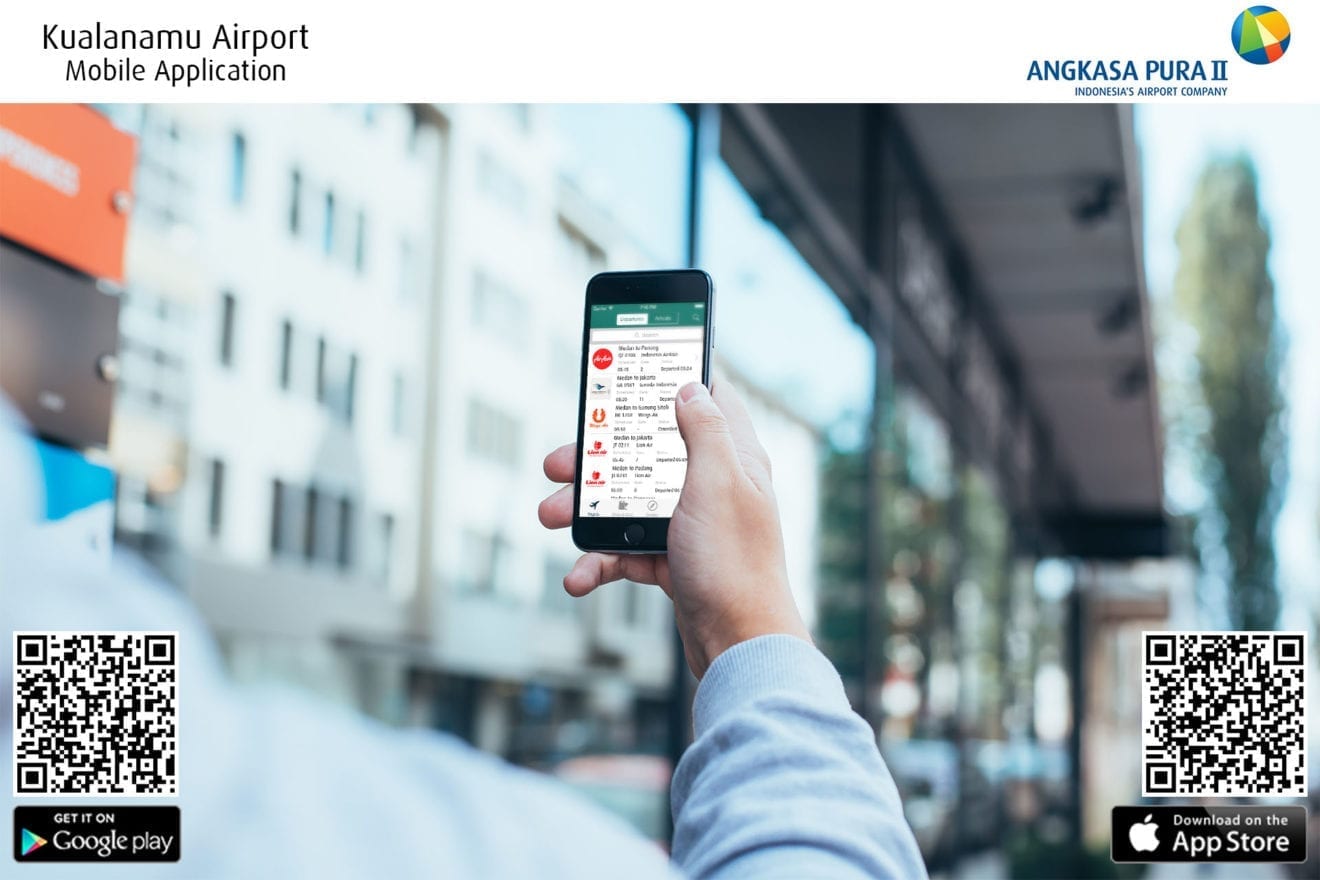
  • Angkasa Pura II Launches Airports App

    Angkasa Pura II Launches Airports App

    State-owned airport operator Angkasa Pura (AP) II president director Muhammad Awaluddin said that airports under AP II management are ready to serve passengers in this year’s holiday season. Awaluddin added that three airports have opened new terminals, namely Soekarno-Hatta International Airport in Jakarta, Husen Sastranegara Airport in Bandung, and Sultan Thaha Airport in Jambi.

    “We believed that the new terminals will improve our services for passengers, particularly in terms of capacity during peak seasons, such as this year end,” Awaluddin said on Monday, December 12, 2016, in Jakarta.

    Awaluddin revealed that passengers can now access information on flights, commercial tenants at terminals, and other important information related to airports operated by AP II via an app called Indonesia Airports.

    “The app is our new service, aimed at improving services, and a part of the smart airport campaign,” Awaluddin explained.

    Passengers at the Soekarno-Hatta International Airport can also enjoy superfast Wi Fi connection up to 50 Mbps.

    The number of passengers at 13 AP II airports during the year-end holiday season from December 22, 2016 to 4 January, 2017, is expected to reach 4.18 million, increasing by nine percent compared to that on regular days. Meanwhile, the number of flights is predicted to increase by 4.54 percent from 28,220 to 29,502.

    AP II will continue to intensify coordination with other stakeholders, such as airlines, the customs office, the immigration office, military and police to ensure smooth operation during the holiday season.

    The number of passengers is predicted to peak on December 23, 2016, while the counter-flow of passengers is expected to occur on January 1, 2016.

    AP II forecasted that the number of passengers at the 13 airports in 2016 would grow by 11 percent to 93 million passengers when compared to last year. The company expects that the number will exceed 100 million next year.

  • Rocket Internet sells Foodpanda business

    Rocket Internet sells Foodpanda business

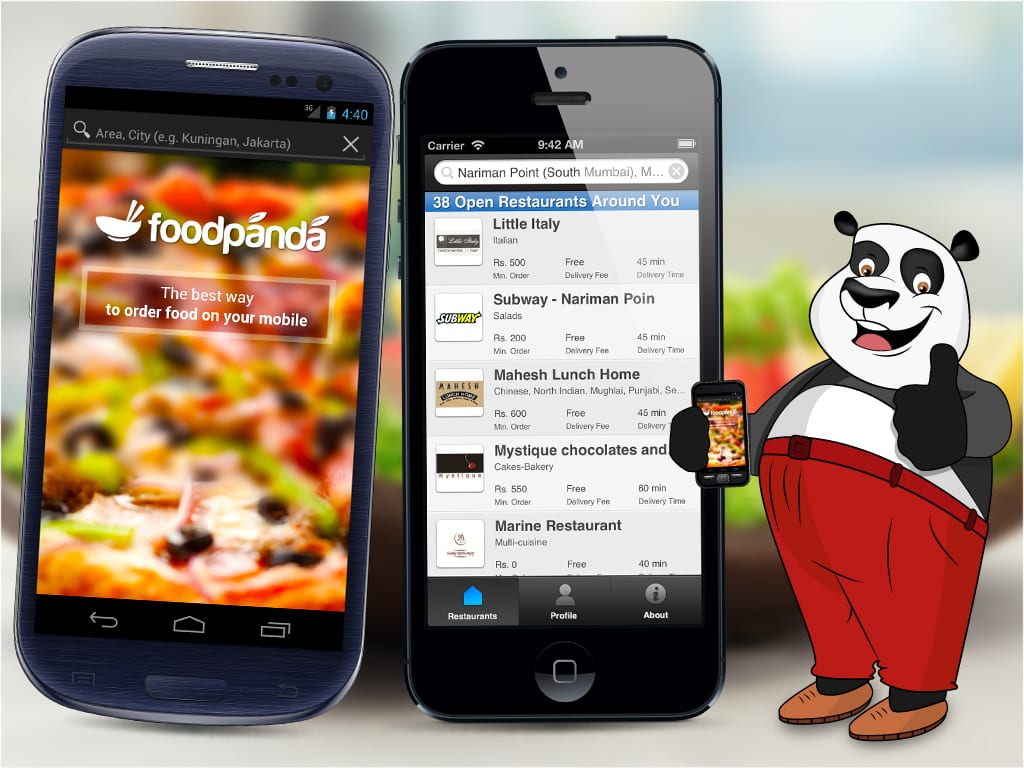
    Rocket Internet has sold its mobile and online food ordering portal foodpanda to rival Delivery Hero for an undisclosed sum.

    Berlin-based Delivery Hero was founded in 2011 by Niklas Östberg. The company said in its announcement that the purchase would increase its stake in the global online food ordering and delivery business. With the acquisition, the combined group will now be processing over 20 million orders per month across 47 countries.

    Delivery Hero will also be able consolidate its market leadership position in the Middle East and will be adding 20 new countries in Eastern Europe, MENA, and Asia to its platform. Before the acquisition, foodpanda operated in 22 countries with market leading positions in 17 of them, according to Rocket.

    In exchange for all its shares in foodpanda, Rocket Internet received newly issued shares in Delivery Hero, which effectively increases its stake in the company to 37.7% (on a fully diluted basis).

    “The combination of foodpanda and Delivery Hero, one of our most important companies, further consolidates key markets resulting in significantly improved market positions. Delivery Hero is also acquiring new markets with leading market positions further broadening its geographic footprint,” said Oliver Samwer, Rocket Internet’s CEO, in a media statement.

    The transaction is subject to customary closing conditions and is expected to close prior to December 31.

    “We look forward to working with the team to continue creating unparalleled take away experiences for our customers around the world,” Östberg said.

    In the first half of the year, Delivery Hero reported more than 83 million processed orders globally, which is up 45% compared to the same period the previous year. It said revenues during the first half of 2016 also grew by 53%.

  • Thailand signs up for eCommerce initiatives

    High-level witnesses attended the signing of a letter of intent in China that will see Thailand co-operate with Alibaba on eCommerce initiatives.

    Thailand’s deputy prime minister Somkid Jatusripitak was invited by the eCommerce giant to its headquarters in Hangzhou to witness the signing alongside Alibaba Group executive chairman Jack Ma.

    Initiatives covered by the agreement include training for SMEs and individuals, and exploring ways to enhance logistics capabilities to support digital economy strategies as well as the government’s new Thailand 4.0 economic model, aimed at steering the country toward a value-based economy.

    Other senior Thai government officials also attended the signing along with private-sector representatives. Thailand’s permanent secretary Wiboonlasana Ruamraksathe and Alibaba Group president Michael Evans signed the documents.

    “This visit to Alibaba represents a continuation of the bilateral talks between the prime minister and Jack Ma,” says Somkid Jatusripitak. “To strengthen the competitiveness of Thailand’s SMEs and help them succeed in an increasingly digital era, the prime minister earlier assigned responsibilities to a task force made up of government agencies and private enterprises to work with Alibaba in a joint effort to lift the export capabilities of Thai businesses, starting from the grassroots and community level and extending to mid-tier businesses.”

    “We are very honoured to have this opportunity to work with the Thai government,” Ma said at the signing ceremony, “and I would like to thank the Thai people for their trust, because trust is the basis of any successful partnership.”

    Long-term vision

    He said that since Alibaba was founded 17 years ago, its vision had always been about empowering small businesses and young people, particularly those in developing nations.

    “We want to partner with governments and organisations that share this vision and commitment. By working together and applying technology and innovative ideas, I believe we can make that vision a reality, and magic will happen.”

    Four key areas are covered by the Thailand agreement, the first involving eCommerce training for 30,000 Thai SMEs to help them access both domestic and international platforms. Alibaba and its majority-owned eCommerce platform in Southeast Asia, Lazada Group, will help provide the training.

    The group will also share its experience and expertise with the Thai government to help build the nation’s own national eCommerce platform.

    Secondly, Thailand and Alibaba will collaborate on creating a nationwide program to train around 10,000 individuals so they can be proficient in digital technology. The two sides will also work on nurturing software developers, who will be given access to the China market via Alibaba Cloud’s marketplace for the software apps they create.

    Training for officials

    Furthermore, senior government officials will receive training at the Thailand Digital Government Academy, initially on big data and AI technologies. Alibaba and Lazada will jointly run a train-the-trainer program to groom eCommerce business co-ordinators who will in turn help SMEs establish their own online export capabilities.

    Thirdly, Alibaba and Lazada will contribute to the development of the Thailand’s supply-chain and logistics systems by sharing their experience and expertise with Thailand Post in a bid to expand domestic delivery services to all provinces. Thailand Post will also study Alibaba’s inventory-management systems and international eCommerce fulfillment services to gain insight into the establishment of bonded warehouses and fulfillment centres.

    Finally, Alibaba and the Thai government will explore co-operation opportunities under the Eastern Economic Corridor Development (EECD) project with the aim of helping establish Thailand as a hub of digital technology and regional data centres in Southeast Asia.

    Various Thai agencies lead the taskforce in charge of building upon the bilateral talks, including the Ministry of Commerce, Ministry of Digital Economy and Society, Ministry of Science and Technology, the Office of Small and Medium Enterprises Promotion, the Small and Medium Enterprise Development Bank of Thailand, the Export-Import Bank of Thailand, the Electronic Government Agency (a public organisation), and Thailand Post.

  • Carrefour China expands to Suzhou, Wuxi

    Carrefour China expands to Suzhou, Wuxi

    French retailer Carrefour has expanded its eCommerce access in China by launching online shops and apps for Suzhou and Wuxi.

    It already covers Beijing, Chengdu, Kunming and Shanghai with plans for further expansion. Wuhan is next on the list, expected to come on line before the end of this month.

    Carrefour has rolled out its eCommerce offerings internationally, going up against such rivals as Amazon in Spain.

  • Starbucks, Tencent to launch social gifting on WeChat in China

    Starbucks, Tencent to launch social gifting on WeChat in China

    Starbucks Coffee Company and Tencent Holdings Limited has partnered  to co-create a new social gifting feature on WeChat, China’s leading mobile social communications service.

    The new service, which will be rolled out early next year, will make it easy for Starbucks China customers to gift Starbucks to a friend or a family member.

    Customers will be able to select from Starbucks-branded gifts and products and add a personalized message. Recipients of these personal gifts and messages can save their gifts and memories on their WeChat accounts and redeem their gift at Starbucks stores across China.

    Users can use WeChat Pay to pay for their goods and services from their mobile devices at Starbucks retails stores. In China, more than 300 million users (as of March 2016) have linked their bank cards with WeChat or QQ, another flagship service of Tencent.

    “Just as Starbucks cards are among the most gifted around the globe, we aspire to also become the most gifted brand digitally in China,” said Belinda Wong, Starbucks China’s newly appointed CEO.

    The online social gifting platform is part of the company’s growing digital presence focused on connecting with customers through digital channels, including the Starbucks Mobile App, the My Starbucks Rewards program and social media.

    The announcement also builds on Starbucks rapidly expanding the portfolio of digital innovations in the country, which integrates the in-store experience with the digital “Fourth Place” experience.

    Earlier this year, Starbucks also launched a mobile payment system in China aimed at providing My Starbucks Rewards (MSR) members access to a fast, seamless and convenient way to pay for purchases, using their pre-loaded Starbucks Gift Card on their mobile devices.

    Wong, who was appointed from president to CEO of Starbucks China in October, has been instrumental in Starbucks unprecedented growth in country – from 400 stores in 2011 to over 2,300 stores today.

    The company said in a news release when her appointment was announced that she will oversee Starbucks plans to double its scale to operate 5,000 stores in China by 2021.

    Aside from  focusing on the company’s overall long-term growth strategy, she will be responsible for key areas, including the vast digital and e-commerce opportunities across the market.