Category: E-Tailing

Retail News Asia is committed to providing both local and global retailers with the latest E-Commerce & Etail news throughout the Asian market. This on a daily base.

  • Azoya Launch Satisfies Chinese Shoppers’ Cravings for US Products

    Azoya Launch Satisfies Chinese Shoppers’ Cravings for US Products

    Today marks the official U.S. launch of Azoya, an integrated turnkey e-commerce solution provider, which will help U.S. retailers and manufacturers break into the Chinese market with less risk in 2017 through fully-managed cross-border e-commerce. Azoya made the announcement to open the National Retail Federation (NRF) annual Big Show, January 15-17, 2017, at Jacob K. Javits Convention Center, New York City, Booth #344.

    As the world’s largest e-commerce market, China is lucrative, growing and ravenous for U.S. products. In 2015, cross-border consumer e-commerce reached $40 billion in 2015 with an annual growth rate of 50 percent.1 Top-selling categories include cosmetics and skincare, baby and mom products, healthcare products, fashion apparel, and groceries.

    “To simplify foreign expansion and ensure long-term growth in China, we build an e-commerce ecosystem for U.S. retail companies,” says Franklin Chu, Managing Director, Azoya International. “Our behind-the-scenes work means Azoya is invisible to Chinese customers who prefer to buy products directly from the U.S. retail company.

    Established in 2013, Azoya International is a leading solutions provider in cross-border e-commerce to China. To date, over 35 retailers in 12 countries have partnered with Azoya to expand into China with ease, including French fashion retailer La Redoute and Feelunique, the largest online beauty retailer in Europe.

  • E-commerce firms face rivals from Japan, Thailand, China, South Korea

    E-commerce firms face rivals from Japan, Thailand, China, South Korea

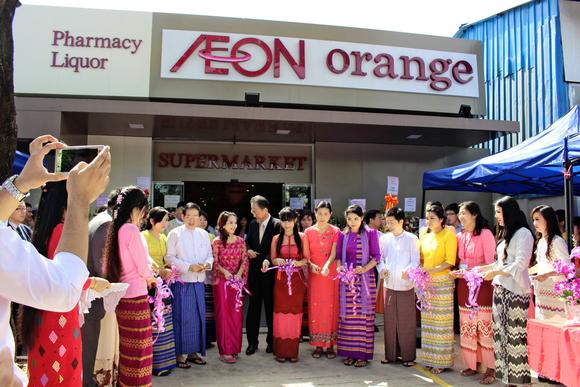
    Aeon, a Japanese e-commerce group, has launched aeoneshop. The website began its operation on January 1, 2017, mostly distributing the products from Japan and the ones bearing Topvalu, an Aeon’s private band. In Vietnam, nearly 1,000 products bear the brand.

    Of the products it distributes, Aeon hopes ‘Me va Be’ (mother and babies) products will be popular with Vietnamese mothers who like Japanese goods.

    Initially, Aeon will only delivery goods in HCMC. Like other e-commerce websites, Aeon will provide free deliveries to orders worth at least VND300,000.

    Analysts said that Aeon’s policies on goods purchases, payments and exchanges are nearly the same as other e-commerce firms.

    With Aeon in Vietnam, the market now has the most powerful rivals in the region. Two months ago, South Korean Lotte launched the Lotte.vn website, hoping for an ambitious plan to hold 20 percent of market share and become a top player in the market.

    Meanwhile, Jack Ma of China, a billionaire who owns Alibaba, has taken over Lazada in Vietnam, while Thailand’s Central Group bought Zalora Vietnam through Nguyen Kim, of which it holds a large capital stake.

    The Vietnamese e-commerce market is known as a ‘money burning machine’, meaning that investors pay big money even though profits are unpredictable.Competing against the four big players from Japan, South Korea, Thailand and China are three Vietnamese groups – Adayroi (Vingroup), Tiki (VNG) and Vuivui (The Gioi Di Dong).

    Lingo, Beyeu and Deca all have left the market because they ‘did not have enough money to burn’. Tiki has reported a loss of VND160 billion in the last eight months since it received investment from VNG.

    Analysts believe that those who have more powerful financial capability will win the battle, leaving the field to foreign companies.

    Commenting about the competitiveness of aeoneshop.com and Lotte.vn, Nhip Cau Dau Tu said they had the advantage of confidence. Lotte.vn focuses on cosmetics and fashion products because ‘South Korean cosmetics’  are popular in Vietnam.

    Aeon focuses on electronics and children’s products because products from Japan have a good reputation among Vietnamese.

    The second advantage is the large store network. Aeon, for example, besides the four shopping malls in HCMC and Hanoi, also has 18 Fivimart shops in Hanoi and 66 Ministop shops in HCMC after acquiring 30 percent of Fivimart and 49 percent of Citimart stakes.

  • Alibaba Cloud to help boost Singapore’s digital economy

    Alibaba Cloud to help boost Singapore’s digital economy

    Alibaba Cloud the National University of Singapore (NUS), and EZ-Link, Singapore’s largest issuer of Contactless e-Purse Application (CEPAS) compliant cards, have teamed up to boost Singapore’s smart computing and data-driven capabilities.

    The three organizations have signed a memorandum of understanding aimed at bolstering the University’s data science curriculum and paving the way for a pilot data analytics project with EZ-Link.

    The collaboration is also aimed at helping build local IT skillsets, meet enterprise demands and support the research and development of advanced technologies in the big data era.

    Ethan Yu, Vice President of Alibaba Group and General Manager of Alibaba Cloud Global said, “Singapore has been a pioneer in fostering innovation and technological disruption in Asia, and we are proud to contribute to the nation’s development through our partnership with NUS and EZ-Link.

    By leveraging the expertise of academia, the government and enterprises, we intend to raise the bar in nurturing talent, business and communities to reach new frontiers of the digital economy.”

    Alibaba Cloud will contribute $500,000 in cloud credits towards the use of its cloud platform and data centres by students and researchers from NUS for academic and research purposes. IT experts from Alibaba Cloud will also offer hands-on lessons on the use of Alibaba Cloud’s platform for NUS staff and students.

    In addition, Alibaba Cloud and NUS will collaborate in the areas of cloud computing, big data analytics, artificial intelligence, cybersecurity, quantum computing, and interactive digital media, as well as identifying opportunities for joint research projects and information exchange.

    “NUS contributes to Singapore’s vision of becoming a digital economy through our University’s strengths – creating value through fundamental and applied research, and training the next generation of digital talent,” NUS deputy president for research and technology  Professor Ho Teck Hua said.

    “By working with Alibaba Cloud, a global cloud leader, we can tap into its extensive ecosystem and technology capabilities for these efforts. The partnership with Alibaba Cloud and EZ-Link further demonstrates the close collaboration between academia and industry in solving real-world problems, and will help contribute towards a future, cashless Singapore.”

    Alibaba Cloud and NUS are currently working with EZ-Link to analyze card usage patterns across the EZ-Link card schemes, service touch points, and customer segments to improve customer experience and create better services via real-time insights.

  • Indian fashion platform Fynd looks to SE Asia

    Indian fashion platform Fynd looks to SE Asia

    Indian fashion eCommerce platform Fynd plans to expand in Southeast Asia from April, which could include the Philippines.

    It also plans to expand beyond clothing, footwear and accessories to childrenswear, decor and furnishing.

    Fynd is run by Shopsense Technologies, which has among its investors Facebook executive Anand Chandrasekaran, Arvind Sports chief executive Rajiv Mehta and Snapdeal founders Kunal Bahl and Rohit Bansal. It offers same- or next-day delivery in 11 cities in India, and has tied up with about 250 brands. Its platform is both app- and webpage-based.

    This month Fynd deployed an omni-channel in-store product, Fynd Store, that lets customers browse all products of a particular brand on screens inside the brand’s physical outlet. If a customer cannot find a product or a size at that outlet, it can be ordered and delivered via Fynd Store.

    It is Fynd Store that the company plans to take to international markets.

    In-store initially

    Founded by Farooq Adam, Sreeraman MG and Harsh Shah, Fynd launched in 2012 as an in-store engagement provider, then branched out to an eCommerce platform before evolving into an omni-channel or online-to-offline retail firm.

    “This model would work in the international market, primarily in the areas where the customer is brand conscious and is clear he wants a particular product, whether it be size or colour,” says Shah.

    “Many times when customers shop and cannot find products in their size they settle for something that is one level lower in their liking hierarchy. Fynd is trying to solve this problem.”

    The company’s strategy for international markets will be the opposite of what it did in India — it will first deploy its omni-channel Fynd Store product before launching its eCommerce Fynd app.

    “In India we started with eCommerce then got into omni-channel. The reasoning was that with the retailer, sales is the holy grail. With eCommerce you can immediately show sales. With omni-channel you need to build it up – there’s the training in store and things like that.

    “Internationally we’ll start with Fynd Store because we need to develop delivery infrastructure and then get on to Fynd app,” says Shah.

  • Easyship Fuels Its Growth By Expanding Into Singapore

    Easyship Fuels Its Growth By Expanding Into Singapore

    Easyship is a tech company that helps eCommerce businesses saving time and money on worldwide shipping. After a rapid growth in Hong Kong, it is now expanding its operations to Southeast Asia with Singapore as its first location. With Singapore being a major logistics hub for Southeast Asia, the company hopes to take advantage of its infrastructure and networks to aid its expansion plans in the region.

    Since launching in 2015, the company has experienced exponential growth, becoming the first choice for businesses that want to expand their sales worldwide. Easyship powerful API, allows eCommerce merchants and marketplaces to integrate a seamless shipping gateway to their shipping cart, allowing them to expand their sales worldwide seamlessly. For each order, Easyship compares all shipping couriers, and gives visibility to the buyer on delivery time, shipping cost, and taxes.

    Easyship integrates with more than 80 different shipping services including those from leading couriers such as DHL, FedEx and UPS, at prices discounted up to 70% compared to retail. This helps buyers to choose the best available option for a particular destination based on item specifications (type, weight and dimension) and provides visibility on delivery time, cost, reliability, and tracking. Easyship guarantees taxes & duties for shipments worldwide based on the type of item and its customs value – making sure that eCommerce sellers never experience unexpected costs or delays with international shipping.

    Since launching, Easyship has helped its clients to save up to $5,000 USD per month on shipping fees. It is completely free – customers pay only for their shipments and the platform generates all the necessary paperwork automatically.

  • Alibaba joins forces with counterfeited brands

    Alibaba joins forces with counterfeited brands

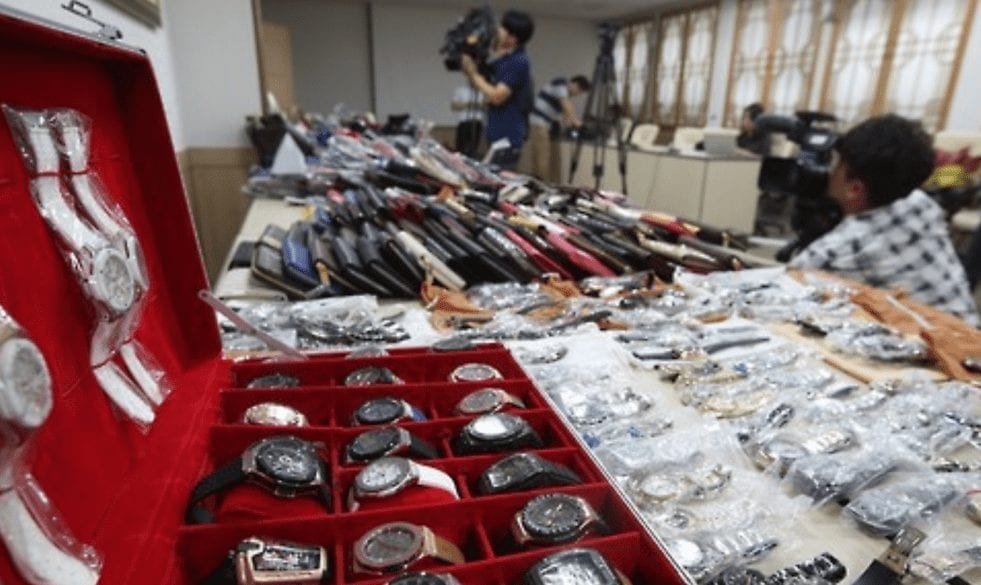
    Chinese eCommerce giant Alibaba has teamed up with some of the world’s most-counterfeited brands to fight against copycats.

    Collaborating with such global brands as Louis Vuitton, Samsung and Swarovski, Alibaba will provide its members with big data and other support to help them block, identify and even take down listings from its marketplaces such as Taobao and Tmall. Those two sites boast 1 billion product listings at any given time.

    In return, the brands have committed to share their anti-counterfeiting data with Alibaba.

    The move follows a lawsuit filed by the internet powerhouse against two vendors selling knock-off Swarovski watches from their online shopping bazaars on Taobao, claiming 1.4 million yuan (US$202,950) in losses. Taobao is the retail platform for smaller merchants.

    “The most powerful weapon against counterfeiting today is data and analytics, and the only way we can win this war is to unite,” says Alibaba’s chief platform governance officer Jessie Zheng.

    “Alibaba welcomes brands and other organisations to join us in what we believe is the world’s first ‘big-data anti-counterfeiting alliance’.”

    Taobao was returned to the US government blacklist of “notorious markets” last month for hosting fake items, four years after Alibaba lobbied American trade officials to drop the platform from the list.

    Listings removed

    Alibaba says it is disappointed by the decision, noting it has “proactively removed more than double the number of infringing product listings than in 2015”. The company employs 2000 permanent staff and 5000 volunteers devoted to spotting fake goods.

    According to the International Anti-Counterfeiting Coalition, a nonprofit watchdog overseeing piracy concerns, China is the biggest market for knockoffs globally with handbags, footwear, watches and iPhones topping the list of most-faked items.

    Louis Vuitton, Nike, Ray Ban and Rolex are among the labels that seem to be more intensely targeted by counterfeiters, says a report by the Organisation for Economic Co-operation and Development (OECD).

    Domestic brands also have fallen victim. Chinese liquor maker Kweichou Moutai has confiscated 300 tonnes of fake Moutai in a three-year drive against bootleggers, whose products can feature packaging identical to genuine products.

    Chinese authorities have also stepped up efforts to root out people involved in marketing fake goods, staging raids and arresting thousands of suspected offenders.

  • Improving outlook for online shopping

    Improving outlook for online shopping

    More shoppers seen migrating to virtual stores as economy slows down

    AS consumers hold on tighter to their wallets and purses amid a slowing economy, online shopping is expected to be more prominent in the Malaysian retail scene with more brick-and-mortar retailers offering online shopping facilities to customers.

    As in many other countries around the world, the trend of online shopping is gaining a sizeable market share in the Malaysian retail space, according to leading retail consulting firm Retail Group Malaysia (RGM).

    Commenting on this trend for 2017, its managing director Tan Hai Hsin said that although this trend is fast catching up in the country, it is not expected to replace physical stores anytime soon.

    “Malaysians are active in online shopping.

    “But the transaction amount is still low compared to the entire retail industry.

    “Online retail sales only account for less than 2% of total retail sales in Malaysia.

    “Services like telecom services, banking services, movie tickets, government services, etc account for the largest portion of online shopping.

    “More and more brick-and-mortar retailers in Malaysia offer online shopping facilities.

    “This trend covers almost all retail sectors – international luxury brands, clothes, fashion accessories, gifts, toys and books, etc.

    “At the same time, more online retailers in Malaysia are setting up physical stores. Zalora.com.my has a permanent (shop) at Mitsui Outlet Park,” he adds.

    The popular Christy Ng Shoes has set up a showroom in Damansara Utama.

    Popular Facebook Fatbaby has also set up an ice cream parlour in Subang Jaya.

    F Block and Aurora are two good examples of retailers offering both physical stores and online shopping sites at the same time, Tan notes.

    RGM provides retail research and shopping centre consultancy services to retailers, shopping centre developers and shopping centre managers in Malaysia as well as in the region.

    RGM is projecting a 5% growth rate in retail sales this year and has revised downwards the growth rate from 3.5% to 3% for last year or to RM 99.1bil in retail sales value.

    This year will remain a challenging year for Malaysian retailers as significant recovery will only be expected during the second half of 2017, according to the firm.

    As the economy is not expected to recover strongly in the immediate term, Malaysian consumers are expected to hold back on their spending during the first half of this year.

    The continued weakening of the ringgit will impact the costs of retail goods, RGM says, adding that retailers may be forced to raise prices again during the first six months of this year.

    Meanwhile, Malaysia Retail Chain Association (MRCA) president Datuk Garry Chua agrees e-commerce will be the trend to watch out for in the retail space with the government’s initiative to diversify the country’s economy in the e-commerce domain via the setting up of the Digital Free Trade Zone.

    This will help the retail industry in Malaysia to grow and towards this end, he adds MRCA has formed a committee to work closely with the Government pertaining to the Digital Free Trade Zone.

    Alibaba founder Jack Ma has been appointed as the digital economy adviser to the Government for this initiative.

    MRCA is forecasting retail sales growth to improve this year at 5% to 6% compared with about 4% growth for 2016.

    Chua says the higher growth rate in retail sales for this year can be partly attributed to arrival of tourists, especially from China.

    “This year about one million Chinese tourists are expected to arrive in Malaysia which is a boon to the retail industry.

    “Each trip to the country, RM3,500 to RM4,000 will be spent by each individual during shopping. This will lift retail sales amid some challenges in the retail arena,’’ he says.

    Chua says one of the major challenges which may impact the growth of the retail sector is the requirement for employers to pay the levies of their foreign workers under the newly introduced Employer Mandatory Commitment.

    He feels the government should do away with the payment of the levy as it will affect the cost of production and pricing.

    Another challenge for the sector is the escalation of rental rates in prime areas which has put pressure on retailers operational costs, he notes.

    Tan reckons the retail sales performance in 2017 will have a direct impact on the occupancy rates of shopping centres. Many shopping centre owners have introduced rental rebates or reduce rental rates in order to retain existing tenants, he says.

    “Shopping centres that suffered from low occupancy rates in 2016 will still face the same challenges this year. In addition, many new shopping centres will still face difficulty to secure new tenants to take up their retail shops if the purchasing power of Malaysians do not improve by the second half of this year. Numerous shopping centres in Klang Valley scheduled for opening last year have been delayed to this year,” he says.
  • Alibaba moves to privatise Intime Retail Group

    Alibaba moves to privatise Intime Retail Group

    Alibaba has announced a proposal to privatise the Intime Retail Group, an investment-holding company that manages department stores and shopping malls in China.

    Alibaba Investment, a wholly owned subsidiary of Alibaba Group Holding, together with an entity wholly owned by Shen Guo Jun, the founder of Intime Retail, have asked the board of directors of Intime to put forward to shareholders a proposal to privatise the company by way of a scheme of arrangement.

    Under the proposal, shares in Intime would be cancelled in exchange for a payment by the joint offerors at HK$10 (US$1.29) a share, representing a premium of about 53.59 per cent over the average closing price of Intime shares over the past 60 days, and 42.25 per cent over the closing price of HK$7.03 before trading was suspended on December 28.

    Intime runs 29 department stores and 17 shopping malls, mainly in first- and second-tier cities in China. It has a particularly strong footprint in Zhejiang province, where Alibaba Group is headquartered. Alibaba owns about 28 per cent of the equity interests in Intime pursuant to an initial investment in July 2014 and a conversion into equity of convertible debt securities in June last.

    Under the proposed transaction, Alibaba would become the controlling shareholder of Intime, and it is expected its shareholding in the company would increase to about 74 per cent. This reflects Alibaba Group’s strategy to transform conventional retail by leveraging its substantial consumer reach, rich data and technology.

    Dynamic shift

    The dynamic shift to mobile in China has enabled Alibaba Group to work with brick-and-mortar retailers to integrate online and offline customer data, enhance consumers’ in-store experiences as well as achieve improvements in inventory efficiency and sales turnover.

    As of the quarter ended September, 78 per cent of the gross merchandise volume on Alibaba Group’s China retail marketplaces was generated from mobile, and monthly active mobile users reached 450 million in September.

    “China’s total retail sector is a US$4.5 trillion economy and is growing at 10.7 per cent a year,” says Alibaba Group CEO Daniel Zhang. “Alibaba is working with offline retailers to transform conventional approach, create new consumer shopping experiences and use actions to embrace future opportunities under the new retail model.

    “We don’t divide the world into real or virtual economies, only the old and the new. Those who cling on to the old ways of retailing will be disrupted, and brick-and-mortar businesses will be able to create value for consumers if they are integrated with the power of mobile reach, real-time consumer insights, and technology capability to improve operating efficiency. Our combination with Intime will enable us to tap into the long-term growth potential of a new form of retail in China powered by internet technology and data.”

    Alibaba says the maximum amount of cash needed for the Intime proposal is expected to be about HK$19.8 billion. The two companies are financing the transaction through internal cash resources and/or external debt financing.

    The proposed transaction is subject to customary closing conditions, including approval from Intime’s independent shareholders and the sanction of the Grand Court of the Cayman Islands where the company is registered.

  • Chinese cross-border eCommerce rankings revealed

    Chinese cross-border eCommerce rankings revealed

    Surprisingly, Asia does not feature in the top 10 destinations of Chinese cross-border eCommerce during the holiday season.

    First to market, DHGate.com, a B2B transactional crossborder eCommerce marketplace, has released lists of the 10 destinations accounting for the largest volumes of shipments during the holiday season.

    The data includes the highest-selling product categories, the top countries for GMV (gross merchandise volume), the best-selling products, and the product categories with the largest increase in sales…

    Top 10 product categories
    1. Cell phones and accessories
    2. Consumer electronics
    3. Home and garden
    4. Health and beauty
    5. Sports and outdoors
    6. Shoes and accessories
    7. Apparel
    8. Toys and gifts
    9. Baby/children/parenting products
    10. Lights and lighting

    Top 5 products
    1. Holiday projector using LED lights to project Christmas images
    2. Baby shoes with LED lights
    3. Children’s building blocks, mini-figures
    4. Christmas-themed sequin cushion covers
    5. Nail-art stickers and tools

    Largest increase in sales
    1. Home and garden
    2. Health and beauty
    3. Shoes and accessories
    4. Apparel
    5. Baby/children/parenting products

    Top 10 countries for GMV
    1. US
    2. UK
    3. Canada
    4. Australia
    5. France
    6. Spain
    7. Italy
    8. Holland
    9. Germany
    10. Mexico

    Founded in 2004, DHgate.com services about 10 million global buyers from 230 countries and regions, with 1.4 million global sellers offering 40 million products.

  • Alipay users set spending record

    Alipay users set spending record

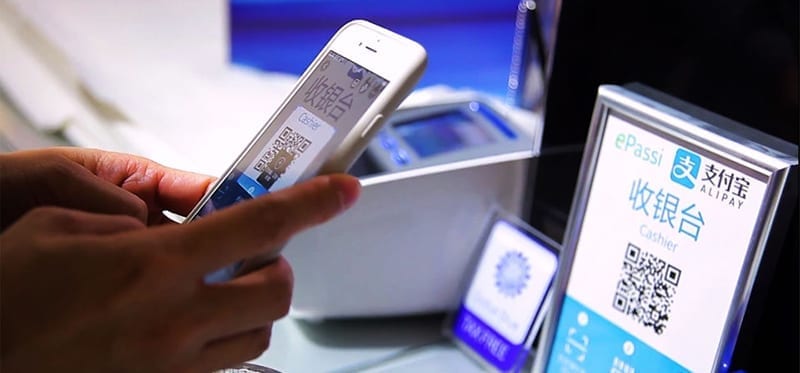
    Users of China mobile wallet app Alipay hit spending records last year both online and in stores.

    Of the app’s 450 million users, most are in Shanghai, paying out an average US$20,400 last year, says the Alibaba spin-off company. This was 1.5 times more than they spent the previous year.

    While the average middle-class wage in Shanghai is $35,000, this does not account for undisclosed income such as from rented property.

    These figures have been released just weeks after the app hit a record 1 billion transactions in a single day.
    Other highlights from Alipay’s year:

    • 71 per cent of Alipay transactions were on mobile devices, up from 2015’s 65 per cent
      Cash-strapped millennials, in China classified as those born in the 1990s, spent an average of $1080 through the app
    • Gen Y, those born in the 1990s, averaged $1590
    • The top 10 destinations outside China where Alipay was used for in-store shopping were South Korea, Hong Kong, Thailand, Macau, Taiwan, Japan, Australia, Singapore, New Zealand and Germany
    • Its single biggest overseas spender splurged $38,900.

    Meanwhile, the company has been signing up airports, major malls and top restaurants so China’s record 133 million overseas tourists can still use the app.

    About 2.3 billion Alipay transactions were chalked up using the built-in Ant Credit Pay, allowing for payment in installments, up 344 per cent from 2015.

    Alipay’s small loans service, Jiebei, issued loans worth $43.4 billion to 12 million users.

  • Flappy Bird creator lends a wing to Vietnamese startups

    Flappy Bird creator lends a wing to Vietnamese startups

    ‘Just propose those projects to me, no matter how bad it is,’ Nguyen Ha Dong writes on Facebook. The overnight success of mobile game Flappy Bird has turned its creator Nguyen Ha Dong into a star of the local startup scene.

    The game, hailed by the industry as one of the milestones of Vietnam’s startup history, has brought Dong great fame and fortune, all within a short period of time.

    Now Dong is making a pledge to pay it forward and fund Vietnamese startups in the fields of robotics, artificial intelligence, social services, community development and education.

    “Just propose those projects to me, no matter how bad it is,” he wrote on his Facebook page.

    He did not give specific details about mentoring and funding.

    Flappy Bird was released in May 2013 with little fanfare. By February 2014, the sleeper hit topped the charts in more than 100 countries and had been downloaded more than 50 million times. Dong reportedly earned an estimated $50,000 a day.

    The Vietnamese government has seen successes like Flappy Bird as an encouraging sign. It is trying hard to cultivate a startup scene where tech entrepreneurs can create products and services that will go global.

    Unlike the well-developed startup ecosystem in most other countries, where there are venture capitalists and a strong network of entrepreneurs working together, the system in Vietnam is at a fledgling stage, with many funding difficulties.

  • Chinese E-commerce Giant Suning Makes Debut Appearance at CES

    Chinese E-commerce Giant Suning Makes Debut Appearance at CES

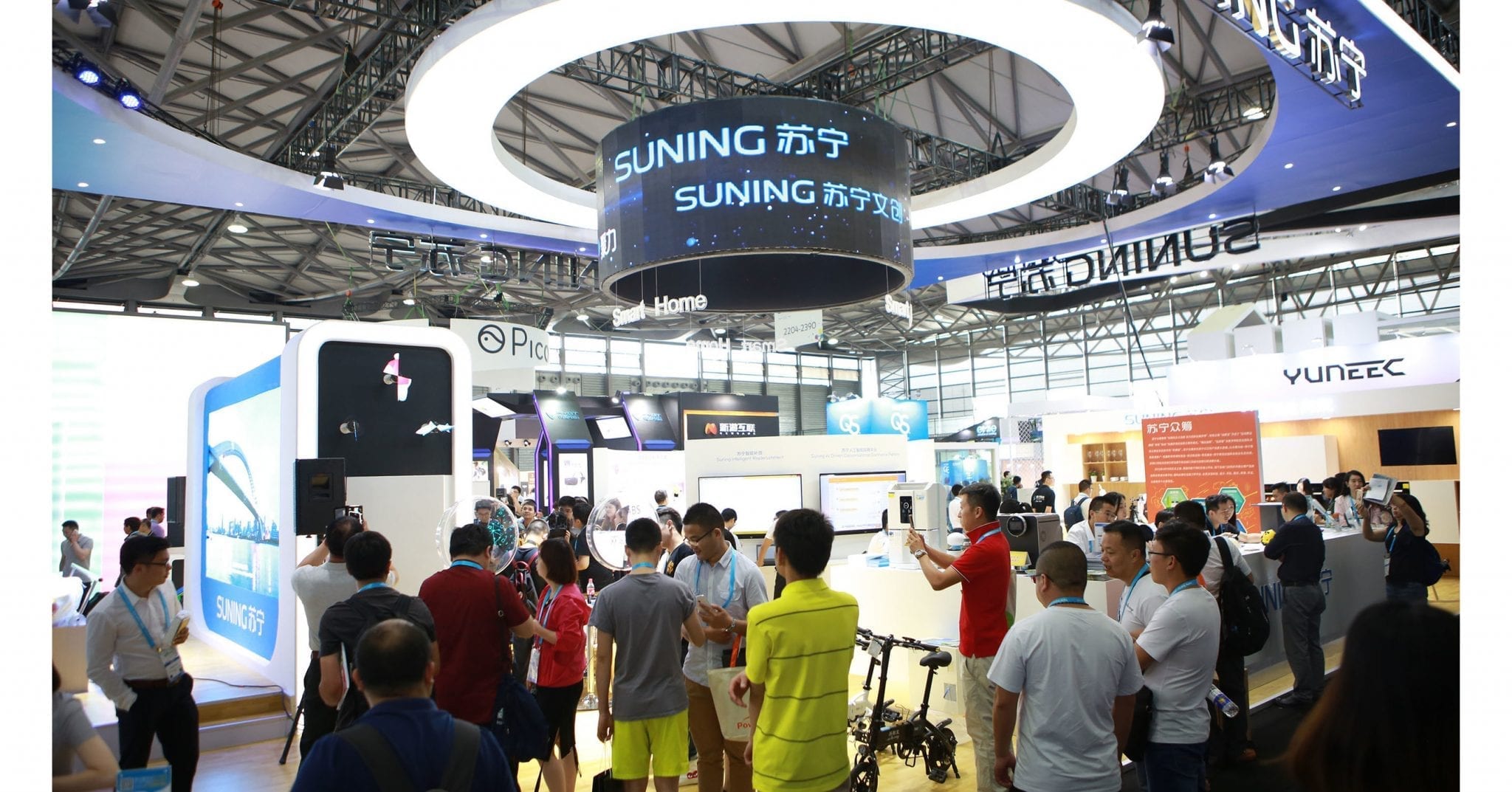
    Suning Commerce (Suning), one of China’s largest e-commerce retailers, is present for the first time when the International Consumer Electronics Show (CES), the world’s largest annual consumer technology tradeshow, throws open its doors in Las Vegas on the morning of January 5, local time.

    In line with the avalanche of “smart retail” and “smart home” products that are sweeping into the marketplace, this year’s CES highlights the technologies that have made the advent of the smart era possible and the conveniences that these newest technologies create for users. Suning showcases zc.suning.com, IT smart home products and other novel solutions in its exhibition zone. An app created by Suning enables interconnection between the Hisense intelligent air purifier, the UCON intelligent remote controller, the Blomberg intelligent refrigerator, the Whirlpool intelligent air conditioner and PPTV televisions. Joshua Xiang, executive vice president of IT at Suning Commerce and the top executive from Suning in attendance at the show, said that the firm is in the process of creating a smart home ecosystem for users by leveraging its online retail platform and bringing together brands.

    CES, the world’s largest and most influential consumer electronics tradeshow, attracts many of world’s top companies who attend annually. As a pioneer in China’s home appliance 3C retail sector, Suning, in collaboration with several of China’s home appliance manufacturers, hosts the “China Innovation” summit forum.

    The company also teams up with AVC and CHEARI to present awards to the many excellent companies and products that have contributed to the “China Innovation” transformation of the country’s economy, as the economic giant exits its earlier “Made in China” role and executes on the “Made in China 2025” initiative. Suning attends CES for the first time, with the aim of not only showcasing its “China Innovation” line of products and solutions, but also providing a model for other Chinese brands who are preparing to enter global markets.

    China Information Technology Industry Federation executive secretary-general Gao Sumei said that several Chinese manufacturers attend the tradeshow where they introduce innovative Chinese consumer electronic products to the world, giving retailers and consumers worldwide an opportunity to learn more about products created in China and paving the way for other excellent Chinese home appliance manufacturers to take their rightful place on the international stage.


  • Carousell snaps up Malaysian mobile ad startup

    Carousell snaps up Malaysian mobile ad startup

    eCommerce company Carousell has bought Duriana, the Malaysian mobile classifieds startup, to become the top mobile classifieds player in the market.

    The deal adds significant critical mass to Carousell in Philippines, where Duriana has built a credible presence, and cements Carousell’s position as the largest and fastest growing mobile classifieds marketplace in Asia-Pacific.

    Duriana is Carousell’s third acquisition in less than six months as it aims to become the world’s number one mobile classifieds marketplace. Since its launch in August 2012, Carousell has expanded to 19 major cities in seven countries, including recent launches in Hong Kong, the Philippines and Australia. This deal will add over 600,000 Duriana users to the Carousell platform, boosting its global classifieds marketplace which currently has over 57 million listings and over 23 million items sold as of the fourth quarter of 2016.

    Since Carousell’s launch in Malaysia in December 2014 and in the Philippines in October 2016, the classifieds marketplace has been growing rapidly with almost 2 million items sold in Malaysia during the last quarter, almost double the previous quarter. In the Philippines, Carousell has also enjoyed strong growth with over 80 per cent quarter-on-quarter growth in transactions.

    “A classifieds marketplace offers its users the most value when there’s a large and vibrant community of buyers and sellers on the platform,” said Quek Siu Rui, co-founder and CEO of Carousell. “We saw that Duriana users had similar demographics and interests in buying and selling fashion items, gadgets and electronics as well as home furnishing. By bringing Duriana users onto the Carousell platform, we’re helping more people buy and sell their pre-loved items quickly and easily.”

    Duriana users will join the Carousell marketplace, where they can continue buying and selling online as part of a larger global community.

    “It’s been an exciting three years with Duriana, and we’re proud to have brought the company to this stage. After this exit, we’re looking forward to pursuing a new adventure.” said Saeed Gouda, co-founder and CEO of Duriana. “Carousell is shaking up the mobile classifieds space, and we’re confident that Duriana users will enjoy buying, selling and connecting as part of the vibrant Carousell community. “

  • Lolalola closes online store

    Lolalola closes online store

    Indonesian online lingerie store Lolalola closed yesterday, but customers can still shop on its social-media platform.

    Lolalola says incoming orders will be processed “normally”.

    There has been no word yet from the startup on why it decided to close down the service, but it could be related to the increasingly tight competition among fashion eCommerce startups in Indonesia, says DailySocial. Berrybenka and SaleStock last year laid off employees in order to save their businesses, while Pink Emma temporarily shut down its service before resuming in September.

    Under CEO Donna Lesmana, Lolalola officially launched in March 2015 after being active for six months.

    Claiming to have been inspired by global lingerie brands such as Agent Provocateur and Victoria’s Secret, the startup aimed to “change the way Indonesian customers shop for lingerie” by providing products from local and international brands.

    Lolalola is backed by Ardent Capital and received logistics support from aCommerce. When the startup tested its service for Thai market, it claimed to have sold out within two weeks.

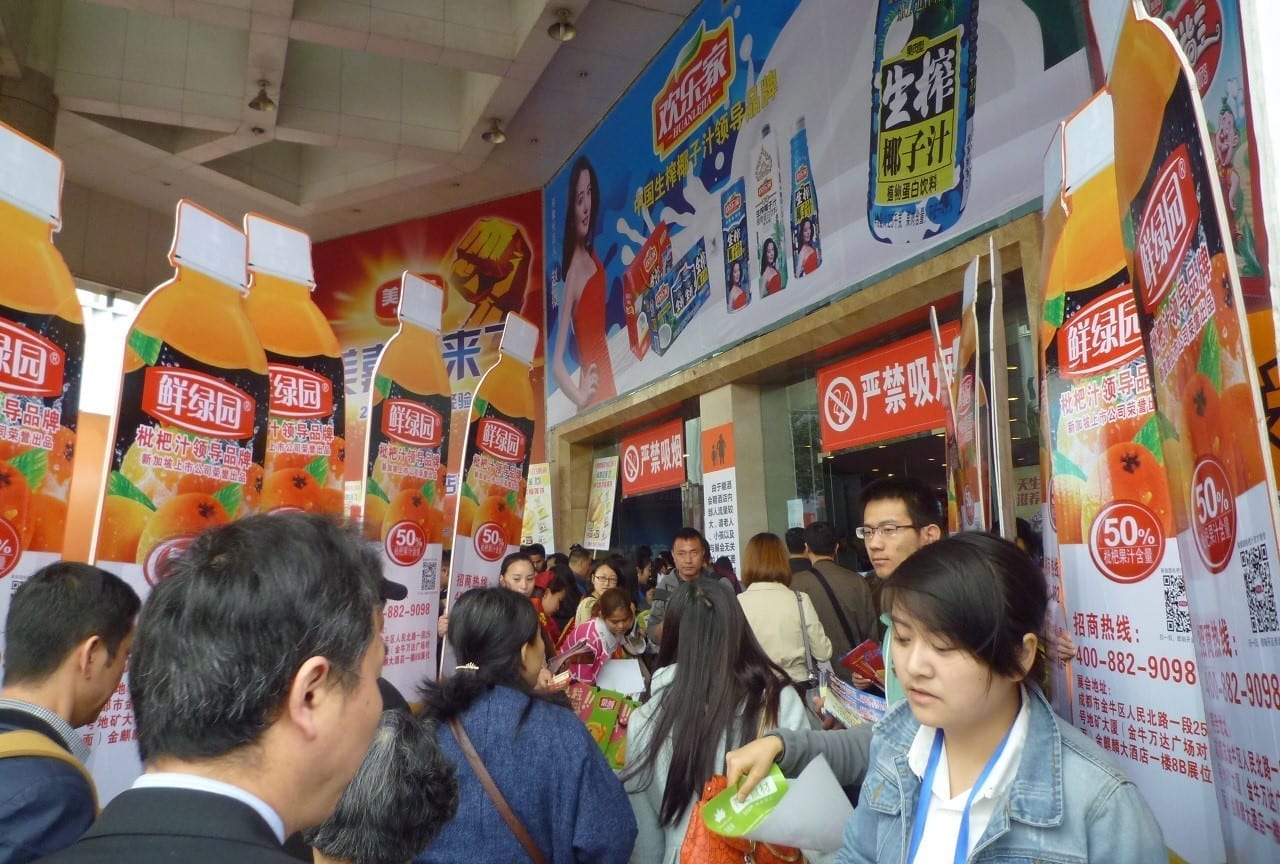
  • Sino Grandness to sell through WeChat Food

    Sino Grandness to sell through WeChat Food

    Sino Grandness Food Industry Group’s full range of own-branded products will be sold online through Wechat Food.

    A mobile platform has been developed by Wechat Food, and under the agreement products such as Garden Fresh beverages, Grandness canned food and Hao Tian Yuan snack food will be available.

    Sino Grandness chairman/CEO Huang Yupeng says the collaboration with Wechat Food is in line with government initiatives to promote the new economy with online and offline business models working together “to achieve synergies in cost savings and to generate greater turnover.”

    He says that although Sino Grandness still generates its revenue predominantly through offline transactions, he is aware of the rapid growth of retail eCommerce sales in China.

    “We are positioning for this new trend through working with partners with established platforms such as Wechat Food to connect the supply chain from the farms to the retail points.”