Category: E-Tailing

Retail News Asia is committed to providing both local and global retailers with the latest E-Commerce & Etail news throughout the Asian market. This on a daily base.

  • App makers not ready for Apple’s new ATS rules

    App makers not ready for Apple’s new ATS rules

    A month before Apple is expected to enforce stricter security requirements for app communications in iOS, enterprise developers are not ready for the changes, a new study indicates.

    The study was performed by security firm Appthority on the most common 200 apps installed on iOS devices being used within enterprise environments. The researchers looked at how well these apps conform to Apple’s App Transport Security (ATS) requirements.

    The researchers found that 97% of the analyzed apps — 193 out of 200 — used exceptions and other settings that weakened the default ATS configuration.

    ATS was first introduced and was enabled by default in iOS 9. The standard forces all apps to communicate with internet servers using encrypted HTTPS (HTTP over SSL/TLS) connections and ensures that only industry-standard encryption protocols and ciphers without known weaknesses are used. For example, SSL version 3 is not allowed and neither is the RC4 stream cipher, due to known vulnerabilities.

    Before ATS, app developers implemented HTTPS using third-party frameworks, but configuring SSL/TLS properly is hard so implementation errors were common. These weakened the protection that the protocol is supposed to provide against traffic snooping and other man-in-the-middle attacks.

    Currently iOS provides a method for apps to opt out of ATS entirely or to use it only for specific connections, but Apple wants to change that. At its Worldwide Developers’ Conference in June, the company announced that it will require all apps published on the App Store to turn on ATS by the end of this year.

    The requirement won’t be enforced at the OS level, but through the App Store review process. Using some of the ATS exceptions will still be possible, but developers will have to provide a “reasonable justification” for using them if they want their apps to be approved.

    “Among the top 200 iOS apps that we analyzed, 166 apps (83%) bypass at least some ATS requirements by setting ‘NSAllowsArbitraryLoads’ attribute to ‘true’ in their Info.plist files,” the Appthority researchers said in their report.

    “However, not all of them bypass ATS requirements for all network connections. For instance, a company can still support ATS requirements for network connections with its domain, while allowing ATS to bypass all other connections.”

    Apps that didn’t use HTTPS for all of their connections include Facebook, Twitter, LinkedIn, Facebook Messenger, Skype, Viber, WhatsApp, Fox News, CNN, BBC, Netflix, ESPN, Hulu, Pandora, Amazon Cloud Player, Word, Excel, PowerPoint, and OneNote, but also utility apps like Flashlight, QR code readers and games.

  • Alipay reaches Australian stores

    Alipay reaches Australian stores

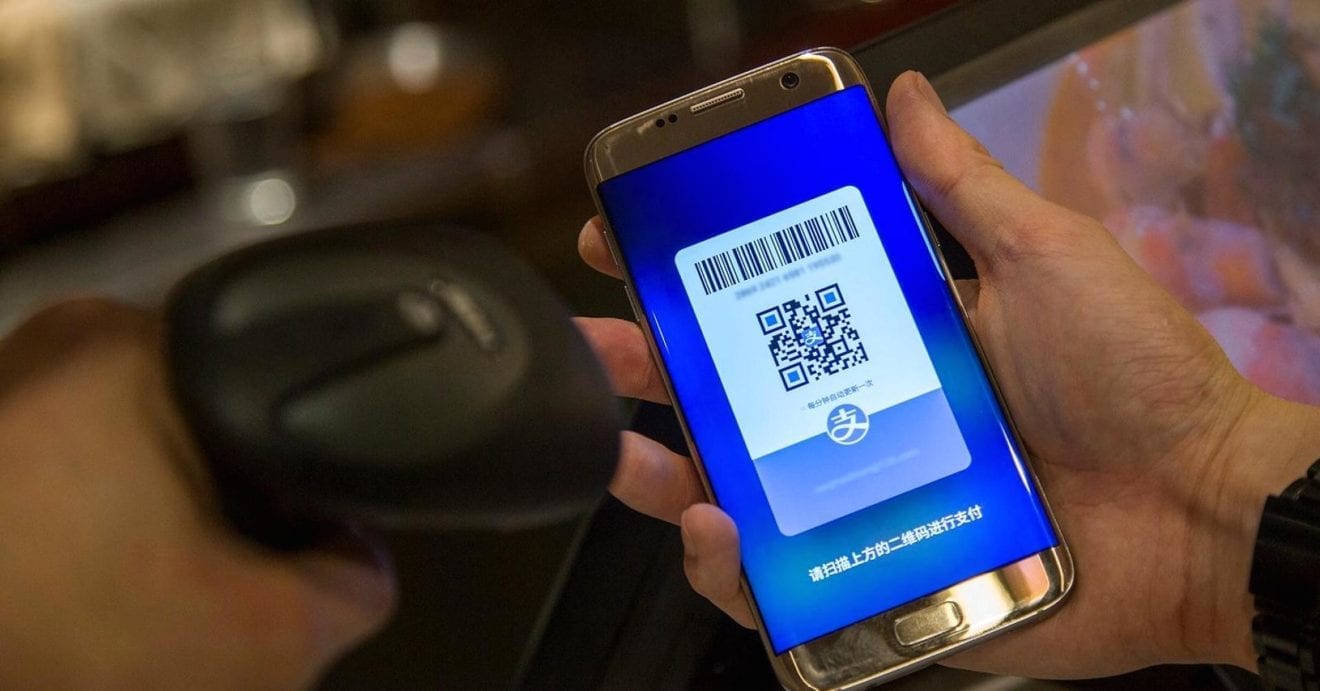
    Innovative Australian payments provider Quest Payment Systems is launching Alipay in Australian stores.

    Its collaboration with Alipay, the world’s largest mobile and online payment company, will make it easy for Chinese nationals to pay for purchases in-store using their mobile phones, and in their own currency.

    Quest has designed the software to integrate with POS systems to ensure a seamless experience for both retailers and customers.

    Tourism Australia says Chinese visitors spent a record AU$8.9 billion over the 12 months to March this year. On average, Chinese tourists spend about AU$8000 each visit to Australia.

    Quest has already enabled Alipay at select stores within The Chemist Warehouse and My Chemist pharmacy groups, with full rollout planned for early next year.

    Quest innovation manager Luke Fuller says Alipay customers in Australia simply need to scan a code displayed on a payment terminal screen in order to pay from their mobile phone. “It’s simple, intuitive and ensures the customer can see exactly what their purchase will cost in both Australian dollars and their local currency.”

  • MasterCard Myanmar issues travel card

    MasterCard Myanmar issues travel card

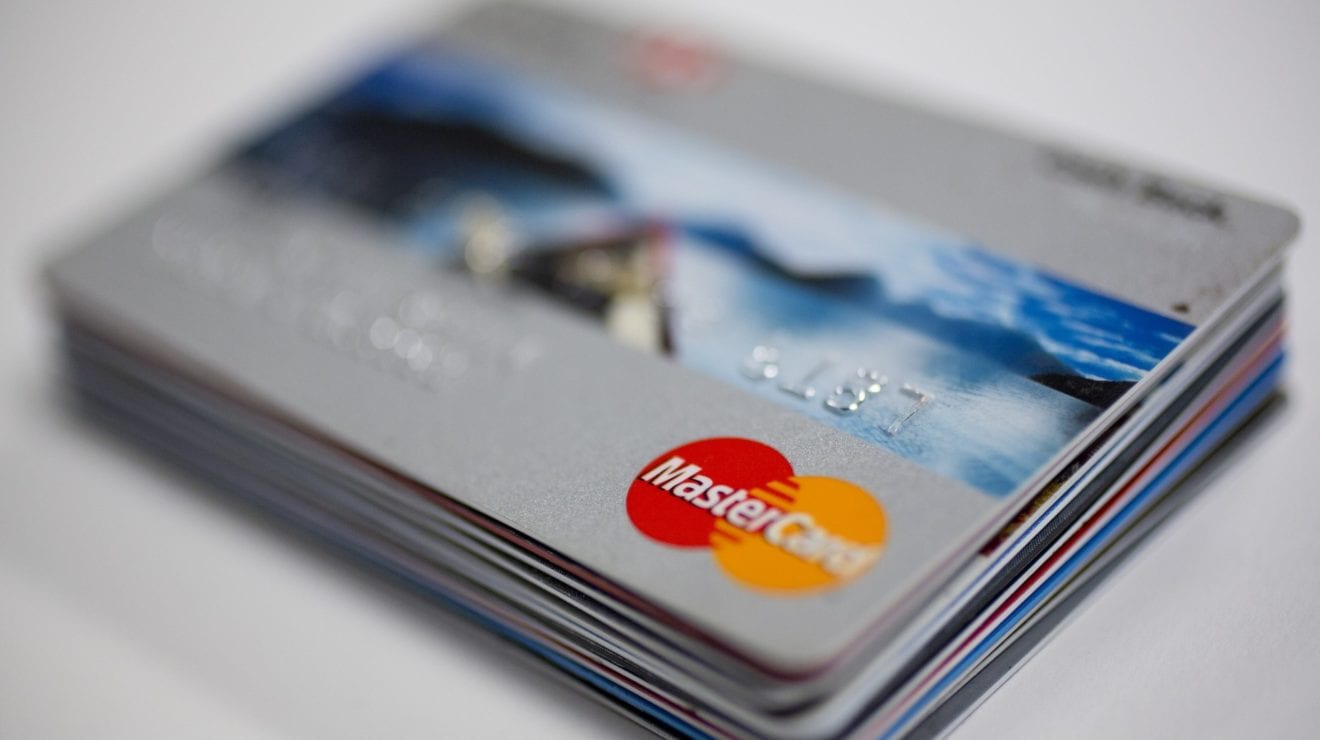
    MasterCard Myanmar and CB Bank have announced their first payment product, a prepaid travel card.

    The CB Bank Easi Travel Prepaid MasterCard is reloadable and is designed for Myanmar residents travelling outside of the country. It is the first such card product for Myanmar and is part of its evolving electronic payments ecosystem.

    CB Bank executive vice-chairman/CEO Kyaw Lynn says the bank continues to pioneer the electronic payments sector in Myanmar.

    Mastercard Southeast Asia president Matthew Driver says that part of the allure of a frontier market like Myanmar is in seeing the vital steps of financial inclusion play out. “By far, most people in Myanmar remain unbanked and don’t have access to financial services, but the payments infrastructure is rapidly developing with ATMs, POS terminals and now prepaid cards.”

    It is expected that more than 500 restaurants, retail outlets and hotels in Myanmar will be accepting payment cards by the end of the year.

    Overall consumer optimism is high in Myanmar (96 points on the latest MasterCard Index of Consumer Confidence). A MasterCard survey has shown that nearly two-thirds of people who have travelled abroad intend to do so again within the next 12 months.

  • Cross-border eCommerce ‘set to skyrocket’ in China

    Cross-border eCommerce ‘set to skyrocket’ in China

    Cross-border eCommerce (CBEC) is set to skyrocket in China according to a new report from international think tank Fung Global Retail & Technology.

    To capitalise on this, international retailers need to complement their existing expansion strategy with online sales platforms, says Fung Global MD Deborah Weinswig.

    Cross-border eCommerce is the most efficient platform to reach increasingly affluent and sophisticated Chinese shoppers seeking products from overseas, says the report, The International Retailers’ Guide to Cross-Border E-Commerce in China.

    With Chinese authorities relaxing the rules, online purchases of overseas products are expected to increase to US$285 billion in value in 2018, up from US$136 billion last year.

    As well as authenticity being less of a concern, eCommerce purchases attract less taxes so are cheaper for consumers, writes Weinswig. As a result, it is projected that a quarter of the population will shop on foreign sites or through third parties in 2020, up from 15 per cent this year.

    “We expect CBEC will drive the next leg of eCommerce growth as Chinese eCommerce companies and international retailers launch globalised versions of their portals. By selling through CBEC, international retailers can reach Chinese shoppers regardless of whether or not they have a physical presence in China.”

    China is already the largest eCommerce market in the world, with the use of CBEC via such marketplaces as JD Worldwide and Tmall Global being attributed to the continuing rise of the upper middle class with its growing use of the internet and belief that international brands are of higher quality.

    Regulations formalised

    Most shoppers seek items related to wellbeing such as cosmetics and organic foods, expensive or hard to find domestically, says the report. Many foreign eCommerce companies have launched Chinese websites, and since late 2014 authorities have been formalising regulations including tax reforms and expediting customs clearances.

    Japanese companies in particular are targeting Chinese CBEC shoppers, using mobile apps such as Rakuten and China’s Wandou.

    Choosing the right platform is crucial, writes Weinswig. Options include…

    • Online marketplaces such as Alibaba’s Tmall Global, a third-party eCommerce platform that lets brands open a storefront. International distributors using this platform include Macy’s, Metro, Shiseido and Uniqlo.
    • Online direct sales such as Amazon.cn, Jumei Global Store, Kaola.com (for smaller brands) and Vipshop. Distributors buy from the retailers to resell to consumers.
    • Hybrid eCommerce platforms such as JD Worldwide that combine elements of an online marketplace and online direct sales. JD Worldwide partners include eBay, Lotte, Rakuten and Unilever.
    • Overseas shopping platforms.

    “To succeed in the Chinese market, international retailers are advised to have a strategic plan for CBEC that complements their China strategy,” writes Weinswig. “International retailers will need to decide which cross-border channels to sell on, driven by considerations of each platform’s targeted clientele and product category, costs, track record and suite of value-added services.”

    Fung Global Retail & Technology is based in Hong Kong, London and New York.

  • Korean online shopping reaches new high

    Korean online shopping reaches new high

    South Korean online shopping reached a new record high in October, aided by a nationwide discount event, according to government sources.

    Total online transactions reached a record 5.6 trillion won (US$4.8 billion) in October, up 17.3 per cent from 4.8 trillion won a year earlier, according to the report compiled by Statistics Korea.

    Purchases made through smartphones, tablets and other mobile gadgets also soared 37.4 per cent on-year to a record 3.2 trillion won to account for 56.1 per cent of all online sales in the month, up from the 54.7 per cent share the previous month.

    In October, the Korea Sale Festa, designed to tie up the retail industry with the tourism and cultural sectors in line with the major Chinese holiday season, encouraged people to go shopping online and offline.

    During the one-month period, some 200 retailers and internet markets offered discounts and promotions to attract local and foreign shoppers.

    Demand for clothes jumped 29.5 per cent on-year to 726.8 billion won and online sales of cosmetics surged 42.1 per cent to 465.1 billion won, while online food delivery vaulted 24.8 per cent to 521.4 billion won.

    According to separate data, the combined sales of department stores, large outlets and internet shops increased 8.4 per cent on-year in October, with those of offline stores gaining 6.3 per cent and those of online retailers jumping 13.2 per cent.

  • Amazon Beijing showroom opens at Sanlitun Square

    Amazon Beijing showroom opens at Sanlitun Square

    Continuing its focus on expansion in China, online retailer Amazon has opened a showroom in Beijing’s Sanlitun Square.

    Designed to look like a giant shipping container, the Amazon Beijing showroom displays imported goods from Amazon’s UK and US websites. As well as browsing, testing and consulting experts, customers can buy items via Amazon’s Chinese site by scanning a product’s barcode with their mobile device, reports PYMNTS.com.

    A section of the showroom is dedicated to the Amazon Prime service, which had its China debut in October. Chinese Prime customers are offered free shipping on orders for overseas products with a minimum purchase of US$29.50. Goods sold in China have free shipping. Prime membership is $57 in China, compared with $99 in the US.

    Amazon is the preferred marketplace for Chinese e-tailers seeking to sell internationally, beating out AliExpress by 62 to 40 per cent.

  • Worldpay predicts credit-card decline

    Worldpay predicts credit-card decline

    Credit-card use in Singapore is set to fall by 40 per cent in less than five years, according to new research from global payment company Worldpay.

    For its Global Payments Report 2016, Worldpay analysed 30 eCommerce markets including Australia, China, Hong Kong, India, Malaysia, Singapore, South Korea and Taiwan. For Singapore, Worldpay found that although credit cards hold a 60 per cent share of the payments market, this is expected to slide to 36 per cent by 2020.

    This is described as a significant drop by Worldpay Asia Pacific GM for global eCommerce Phil Pomford. “This growing credit-wariness could be symptomatic of a wider political push to help consumers avoid debt.”

    He says the Singapore government’s total debt-servicing ratio (TDSR) rules, implemented in 2013, were designed to ensure monthly debt payments do not exceed 60 per cent of a debtor’s monthly income. “This public focus on the issue of debt helps explain why credit-card use is predicted to fall nearly a quarter in less than five years, while debit-card use is expected to rise.”

    For now, debit cards, cash on delivery and bank transfers each account for 9 per cent of the total payments market in Singapore. But Worldpay’s research indicates that all these non-credit payment options will double or nearly double by 2020.

    Debit-card use is expected to double to become 18 per cent of the total payments market, while cash on delivery and bank transfers will represent 18 and 17 per cent respectively. E-wallet growth is likely to remain relatively flat, growing from 9 to 10 per cent share by 2020.

    Growing topic

    Consumer debt has been a growing topic in Singapore over the past few years, says WorldPay, leading the government to introduce regulations to help borrowers pay down their debts and prevent further debt accumulating.

    Worldpay research indicates the government’s program to increase credit awareness and discourage too much borrowing is still resonating with consumers. They are aware of and concerned about rising household debt, and want easier access to non-credit payment options.

    “Our research strongly suggests Singaporeans will start using a wider range of payment methods in the next five years, possibly influenced by the government’s work to reduce consumer debt and encourage Singaporeans to think more carefully before they shop on credit,” says Pomford.

    “Therefore, online merchants wanting to win the hearts and wallets of shoppers in Singapore must offer a range of traditional and alternative payment methods – from debit cards to cash on delivery and bank transfers – because credit cards alone just aren’t enough.”

    Meanwhile, Singapore’s eCommerce market is set to grow by 11 per cent to US$5.8 billion by 2020.

  • Awards to recognise eCommerce merchants

    As Southeast Asia eCommerce merchants set benchmarks in a booming industry, their efforts are about to be celebrated with the launch of annual awards.

    Based in Kuala Lumpur, online shopping aggregator iPrice Group has launched the iPrice eCommerce Merchant Awards (iEMA) 2016 in partnership with eTail Asia, a service for eCommerce professionals, and Trusted Company, a review platform for eCommerce businesses in emerging markets.

    The first awards ceremony will be held in conjunction with the annual eTail Asia conference at Marina Bay Sands, Singapore, on March 8 next. The inaugural iEMA 2016 will feature country and regional winners in two categories – Most Popular eCommerce Merchant of the Year and Highest-Quality eCommerce Merchant of the Year. Merchants do not have to submit entries as all qualifying merchants are automatically enlisted.

    “Based on studies by Google and Temasek, the Southeast Asian eCommerce market is expected to see exponential growth from US$6 billion to about US$90 billion in 2025,” says iPrice Group CEO David Chmelar.

    “With new players in the eCommerce industry coming up every left, right and centre, it is imperative we highlight excellence in the sector in hopes to further inspire and encourage both existing and upcoming merchants to excel further in Southeast Asia.”

    Consumer choice

    Finalists and winners for the awards will be chosen by consumers via the iEMA 2016 microsite. People can vote only once, with January 31 the deadline.

    Meanwhile, in an effort to also recognise special initiatives by eCommerce merchants that might have escaped attention, a third category has been set up to highlight efforts by businesses that have undertaken projects to support a social or non-profit organisation. This will be judged by a panel of experts from the eCommerce sector with only one overall regional winner being chosen. The judging panel comprises Chmelar, Asia Venture Group CEO/founder Tim Marbach, Worldwide Business Research GM Danny Levy, Trusted Company co-founder/MD Frederick Krass, Google Vietnam head of marketing Anh Nguyen and 500 Startups managing partner Khailee Ng.

    Submissions for this award are being accepted from for both consumers and eCommerce merchants through the iEMA 2016 website.

    Voting is being accepted at the iEMA 2016 microsites for Hong Kong, Indonesia, Malaysia, Philippines, Singapore, Thailand and Vietnam.

    iPrice Group is a Southeast Asian metasearch engine that enables shoppers to find products, compare prices and save. It seamlessly connects them to hundreds of eCommerce merchants in the region.

  • Shopee charts rapid growth

    Shopee charts rapid growth

    Southeast Asian pure-play mCommerce operator Shopee says it has reached US$1.8 billion in annualised GMV just a year after its launch.

    App-based Shopee operates in Singapore, the Philippines, Malaysia, Indonesia, Thailand, Vietnam and and Taiwan.

    The Garena-backed company says it has achieved a month-on-month growth of 43 per cent, with 25 million downloads of its mobile app to date and 65 million product listings.

    “2016 has been great for us,” said CEO Chris Feng. “As we look forward to 2017, we expect to maintain the strong double-digit growth that we’ve experienced in the past year. We will also continue to focus our efforts on optimising the product, improving the end-to-end user experience and in empowering entrepreneurs to expand and grow their online businesses.”

    As part of Shopee’s focus on the customer experience, the company released the Consumer Behaviour Report 2016 that revealed region-wide insights around shopping patterns on the mobile app.

    “These insights have outlined a clear roadmap for consumer engagement – enabling the platform to introduce offerings such as integrated local logistics, Shopee guarantee and social-led features such as the Live Chat and hashtag functions. Shopee has also been bringing together aspiring entrepreneurs over the year, empowering them to be more effective sellers through initiatives such as Shopee University and campus initiatives such as the Shopee X NUS mCommerce Challenge,” the company said in a statement.

    The report highlighted that more than 50% of Shopee’s users access the app daily, with an average engagement period of more than 20 minutes per session. Shopee engages its customers by holding interactive contests and games for customers to win prizes, and also offers innovative social-led features such as the Live Chat and hashtag functions for users to stay ahead of trends.

  • Retail e-commerce small but growing in Vietnam

    Retail e-commerce small but growing in Vietnam

    However, growth is expected over the next few years as increasing numbers of young consumers go online for the first time, largely through smartphones, said speakers at the conference.

    Deputy Minister Ho Thi Kim Thoa of the Ministry of Industry and Trade (MOIT) told the conference participants he has set a target to grow e-commerce to reach 5% of the nation’s total retail sales by 2020.

    Which, he said, in absolute dollars equates to US$10 billion for 2020.

    Tran Thi Phuong Lan, deputy director of the Municipal Department of Industry and Trade, in turn said he estimated that retail e-commerce revenue in the capital city of Hanoi registered US$1.16 billion last year.

    Mr Lan also predicted that the e-commerce retail sector would see strong growth over the next few years.

    However, despite all the optimism and the strong growth forecasted, retail ecommerce would still account for just 5% of total retail sales by 2020, if the target were to be reached, which puts Vietnam well behind Western countries.

    Most notably Vietnam lags far behind China, where retail ecommerce has been estimated to reach 18.4% of total sales in 2016 and is anticipated to grow in the double digits through the end of 2020.

    Lai Viet Anh, deputy head of the MOITs E-commerce and Information Technology Department, said she believes the country’s population with its relatively young median age would help expand the e-commerce consumer class.

    Vietnamese youth are learning to access the internet via smartphones at a very young age, said Ms Anh, and consequently have shown much more of a willingness to make purchases on their mobile devices than the older generations.

    Ms Anh opined that the number of digital shoppers—those who browse or research products online but who haven’t necessarily completed a purchase transaction would also see their ranks grow over the coming years.

    Though Ms Anh is sanguine for the prospects of e-commerce in Vietnam she openly acknowledged that the country lags far behind others in the region in e-commerce (including m-commerce) development.

    If one just looks at the absolute dollar value of e-commerce revenue the disparity is obvious, she said, noting that while online sales reached just US$4 billion in Vietnam for 2015— in China it was US$617 billion, the Republic of Korea (US$39 billion) and India (US$14 billion).

    The growth of m-commerce over the next few years should make the US$10 billion of revenue by 2020 target readily attainable, noted Ms Anh.

    Nguyen Thanh Hung, president of the Vietnam E-Commerce Association, said most urban residents are familiar with e-commerce with the number of rural residents using it is climbing steadily.

    This, he noted would also help strengthen e-commerce usage over the next few years.

    The implementation of robust 4G networks by mobile carriers (which is already underway) would also help drive increasing digital purchases made via smartphone, particularly from the rural areas.

    In addition, the declining costs of 4G devices and service plans would make it much easier for consumers to research, browse and buy via smartphones noted Mr Hung, making the targeted US$10 billion by 2020 a realistic and achievable target.

  • Samsung Pay, partner banks launch offers for Thai customers

    Samsung Pay, partner banks launch offers for Thai customers

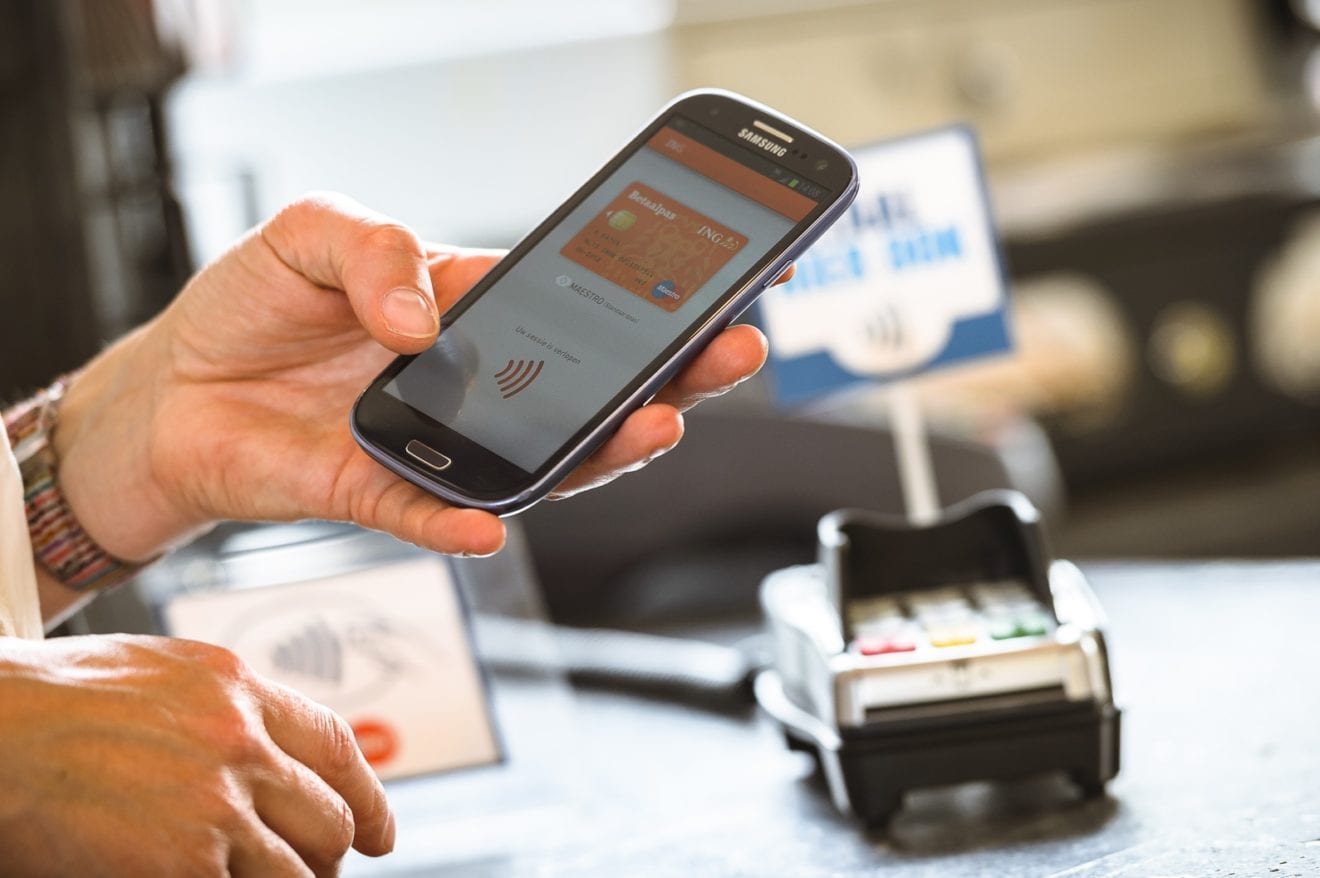
    Samsung Pay and its financial partners have introduced exclusive offers for customers who make payments using a partnered credit card via Samsung Pay, The Nation reports. The offers are provide in partnership with Citibank, Kasikornbank, KTC, and SCB.

    Citibank card owners will have access to 5-fold reward point increase for every payment transaction of THB 1,000 or more. Kasikornbank card users will receive THB 100 cash back on every payment of THB 100. KTC card holders will receive 5 percent cash back with special privileges from participating shops, while SCB users will get THB 100 cash back for payments of THB 200.

    Samsung Pay went live in Thailand on 27 October. The platform enables customers to use their smartphone as credit cards. Supported payment gateways and credit cards for Thai users are Visa and MasterCard issued by six financial institutions namely Bank of Ayudhya, Citibank, KasikornBank, KTC, Siam Commercial Bank, and soon Bangkok Bank.

    In Thailand, Samsung Pay is compatible with the Galaxy S7, Galaxy S7 edge, Galaxy S6 edge+, Galaxy Note 5, Galaxy A7 (2016) and Galaxy A5 (2016) smartphones.

  • Alibaba and ecommerce festivals: Europe’s gateway to China

    Alibaba and ecommerce festivals: Europe’s gateway to China

    This year China has moved closer to becoming the world’s largest retail market, with the total retail sales of consumer goods in the country reaching 30.1 trillion yuan (£3.39 trillion) in 2015, as cited by China Internet Watch.

    To put that into perspective, according to Retail Economics the UK’s total retail sales reached £339 billion in the same year – just 10 per cent of China’s retail figures.

    One important factor stimulating this growth has been the ability of brands outside of mainland China to connect with consumers in what is the world’s most populous country. Businesses around the globe are responding to the increasing demand for foreign brands by Chinese consumers. Indeed, in 2015 alone the number of overseas companies operating in China’s free trade zones doubled.

    In today’s highly competitive global market, the ability of a brand to gain exposure in new regions is invaluable and more essential than ever before.

    This constant search for international expansion options is why shopping festivals in China have become so important to a brand’s success in the country. Not only do the festivals expose consumers to new products and allow them to experience new brands, but they provide businesses with the ideal platform to increase trade within a new market. They are gateways to the exciting, high-potential parts of this constantly evolving country that brands want to work, and compete, within.

    One example is Tmall Global’s annual 8.8 Shopping Festival in China, focused on showcasing top-selling products from global brands to Chinese consumers. The platform, which is a subsidiary of e-commerce company Alibaba Group, offers foreign brands access to 434 million Chinese consumers. The recent 2016 event featured more than 2,000 quality products from a variety of overseas markets and include fashion, cosmetics and even nutrition supplements. A series of live broadcasts also ran to connect consumers with the brands in real-time while they were watching from home and on the Tmall mobile app.

    Major British retailer Sainsbury’s was just one of more than 100 brands to exploit the 8.8 opportunity, following an announcement earlier in the month that the British retailer was expanding its offering of branded products on the Tmall platform to over 100. A variety of new products were introduced such as their mixed nuts, Fairtrade Italian-style coffee and chargrilled vegetable pasta sauce

    Looking at the level of interaction Sainsbury’s experienced on the day clearly shows the benefits of the 8.8 festival. For example, its live stream during the day received over the 50K Weibo ‘likes’, whilst the number of customers with Sainsbury’s bookmarked in their Twitter favourites rose from 110k to 155k.

    Brands should always be exploring new growth opportunities beyond their borders. Research is just the first step – appropriately leveraging an opportunity is the key.

    Shopping days provide an ideal virtual shop window and best way to do just that, giving brands the chance to start leaving their mark on new places in the world. The growing appreciation of their modern relevance can be understood further by acknowledging the general breadth of major shopping festivals that now exist; from the Korea Grand Sale, to Black Friday and Cyber Monday in the UK and US, as well as the USA Outlet Shopping Festival.

    Take Alibaba’s 11.11, or ‘Singles’ Day’, for example – the biggest shopping festival in the world, four times the size of Black Friday and cyber Monday combined. During Singles’ Day 2015, a third (33 per cent) of all purchases were international products, with consumers from 232 regions and countries completing transactions.

    The benefits of shopping festivals are twofold – product accessibility for consumers and massive exposure for brands, enabling them to expand into previously unknown territories to grow and improve brands need new territories. Shopping festivals offer them exactly that.

  • Apple Criticized by Korean Game Developers for its App Store Refund Policy

    Apple Criticized by Korean Game Developers for its App Store Refund Policy

    It took me a while to figure out what the big deal was. It’s not that people buy a $1.99 game, then get a refund and keep playing.It’s that people buy $100 in in-game “currency” using an in-app purchase, then get a refund, and keep the $100 of in-game “currency”. Then do this again. And again. And again.

    Oh, you want to have the best fort in Clash of Clans? $100 in in-game gold, and you can do it quickly! Then get a refund on that in-game gold. Want to get good Pokemon faster? $100 in in-game gold and you can lure more Pokemon to you (for a long time.) Then get a refund on that in-game gold.

    It took me a while to figure out what the big deal was.

    It’s not that people buy a $1.99 game, then get a refund and keep playing.

    It’s that people buy $100 in in-game “currency” using an in-app purchase, then get a refund, and keep the $100 of in-game “currency”. Then do this again. And again. And again.

    Oh, you want to have the best fort in Clash of Clans? $100 in in-game gold, and you can do it quickly! Then get a refund on that in-game gold. Want to get good Pokemon faster? $100 in in-game gold and you can lure more Pokemon to you (for a long time.) Then get a refund on that in-game gold.

    Not quite true. In clash of clans, if you request a refund in $100 worth of gems, the game takes the gems spent from you and you end up with thousands of gems in debt. You can still earn gems the normal way but it goes to offset that negative gem count.

    Don’t know how clash of clans can do this but Koreans can’t figure out what the refund was for…

    So… Commenters, we don’t need to be specifying “Korean developers” or calling them out by their nationality. This is a problem to *ALL* nationality of developers, it just happens that this article was in a Korean newspaper, so the developers they interviewed are Korean. Saying things like “These Korean developers whining about…” or “I wish these Korean companies would…” is unnecessarily adding nationality (and by proxy race) in to a complaint. Would you have made the same comment if the developers had been from California? Or Texas? Would you have specified “These Californian developers…” or “I wish these Texan companies…”?If not, then leave “Korean” off the description you post. Their “Koreanness” has nothing to do with the issue.

    I hate in app purchases. I disable them from my settings.So pretty simple. Get rid of in app purchases. Than they wouldn’t have an issue tracking down people who ask for refund. One time fee payment for full game.

    A non issue really. The developer has access to the receipt for each purchase and can check if it is still valid at any point in time.
    They just need to keep track of the receipts, basic in-app programming ffs.
    To be consistent Apple should have the same policy for their stores – so I can buy an iPhone/MacBook then call to request a refund without returning it. I’m sure there’ll only be a “small” number of people abusing it 😉

    And what exactly are people “stealing” by “returning” 100 gold coins in an app – a couple bytes of database space?

    I operate my own small business, a small hardware device with an online system connected – getting in on the “smart home” craze. Manufacturing is outsourced, so we don’t have to deal with manufacturing shrink, we just pay a per-unit contracted cost. The online service, as with any of these games, is practically zero cost-per-unit. If someone cancels a service, or asks for a refund (which we always offer). Yes, hardware space and bandwidth cost money, but there is no “direct cost” per-user.

    Hardware-wise, in the past month, we’ve had $2388 which I’d classify as shrink at retail price, $912 at cost price. That includes:

    – 1 unit damaged in warehouse
    – 3 units lost by couriers shipping to customer
    – 4 “change of mind” hardware returns that couldn’t be re-sold
    – 1 unit that was bought via PayPal with a stolen credit card (we had to swallow the cost)
    – 3 units that were returned as being faulty, which we determined was fraudulent – 1 had a smashed screen which couldn’t have happened during qa/shipping (impact mark), one which was obviously dropped and cracked but otherwise seemed to work fine, and 1 which was returned because apparently only the accessories were in the box, not the unit itself (even though we could see the unit was online, and connected to our service – not for long though!)

    At cost price, for us that was around 0.9% shrink vs revenue, and around 1.4% vs per-item profit margins (not taking into account operating costs here). That’s something we have to budget for – we *know* it’s going to happen, and we take that into account. 100% of our shrink costs come from hardware, not software. Out of that, only a third of shrink was down to “fraud”.

    Saying shrink can’t happen with a digital product is silly. Of course it’s going to happen. If you’re dealing with people, at some point you’re going to deal with fraud. Fact of life. The only difference is the physical cost behind it doesn’t scale the same way as with physical products.

    Here’s two examples:

    1. Company A sells a video streaming service for $10/month. Someone purchases a subscription uses a stolen credit card, and watches 50 films. The credit card company (rightfully) does a chargeback 14 days later, and the company cancels the service. A movie averages at 1.5GB, using 75GB bandwidth. They pay AWS $0.06/GB for bandwidth, which equates to $4.50. They also have to pay the rights holders $0.10 per viewing as part of their agreement. That’s $5, meaning that the total cost of the fraud is $9.50 – that’s $9.50 worth of shrink.

    2. Company B offers a mobile video game for free on the App Store, and sells packs of “100 gold coins” for $5. When a user buys coins, they can use them to buy items in the store – the transaction is purely in the game, and the only result of buying the coins is a database entry to tell the game “hey, user X bought 100 coins”. Somebody buys 100 packs of coins for $500, buying all sorts of virtual items for their character, again, all database entries. The user claims their child accidentally bought the coins, and Apple refunds the $500. Company B hasn’t lost money, other than perhaps a couple of cent in bandwidth costs. Shrink is effectively 0.

    That’s why I don’t understand them chasing so much – unless there is a physical per-unit cost behind it, it’s really not worth it. So what if someone buys a game or coins and returns them, they’ve lost a sale, sure, but they haven’t lost money.

    you work for company A and i’m another customer. i don’t give a flying f*** if Fred next door can or can’t watch the latest Star Wars movie because of his fraudulent dealings with you. it literally has no material affect on the outside world.

    you work for company B and i’m a customer on the same server as Fred. While you haven’t lost money, what you’ve done is enabled Fred to gain an unfair advantage over me and many others who have not bought the coins and got the stuff for free. of course, we don’t know that he hasn’t paid for them – perhaps he’s just a mr moneybags. but word gets out, the big spenders get upset that people competing with them are doing so by fraud and a ********* goes down on the game’s message boards. shrink isn’t measurable in terms of lost sales – yet – but is high in terms of lost reputation and goodwill. it could well have a material effect an order of magnitude higher than company A’s issues going forward.

    comparing a video streaming service which serves one end user at a time, to a MMO game where the actions of one gamer affect the others is silly.

    But you can’t *not* have a refund policy. I have, myself, gotten a refund for a game, when the game stopped working after upgrading from iOS 6 to iOS 7. The app was still installed and could still run (well, as far as it ever did after upgrading), but couldn’t be updated or re-downloaded.IMO, the amount of money they’re going to spend chasing down and suing the small % of customers who abuse it isn’t worth it. All businesses have to deal with a small % of fraud – how many retail places have had TVs returned as faulty when a new one comes out, or people had “left” their laptop in the trunk of their stolen car, or had their iPhone suddenly develop an intermittent fault just after a small scratch appears on the screen.

    It’s a cost of doing business.

    But you can’t *not* have a refund policy.
    It’s a cost of doing business.

    Very true. I wish these Korean companies would get a life and wake up. They are probably losing far more money from employee theft and laziness than a few app users.

    Every business has shrink built into their monthly costs. Shrink is everything from stuff people return that they cannot get credit for, employee theft, customer theft, stuff that gets broken on the floor, etc. You have to expect these things to occur and build it into your costs.

    I always assumed that Apple was able to remotely delete refunded apps.

  • Amazon’s flagship India unit beats Flipkart’s in revenue

    Amazon’s flagship India unit beats Flipkart’s in revenue

    Amazon’s flagship unit in India Amazon Seller Services has more than doubled its revenues in the year ended March, leading rival Flipkart’s similar firm in terms of revenues.

    Amazon Seller Services’ turnover for the last fiscal rose 116% to Rs 2,217 crore while Flipkart Internet’s sales increased 153% to Rs 1,952 crore during the same period.

    Both units earn revenues through commissions, advertisements and shipping fees that they charge to sellers.

    While the Amazon unit outpacing Flipkart Internet is a significant development, both companies operate through a complex structure which makes total revenues of their units hard to conclusively interpret.

    Flipkart India, which runs the wholesale arm of the Singapore-registered etailer, posted 34% increase in revenues for FY16 with sales of Rs 12,818 crore, compared with Rs 9,351.7 crore a year ago.

    Amazon India’s wholesale unit has not filed its numbers for the financial year yet.

    Experts feel Flipkart’s retail sales could be at least 15-20% higher than its wholesale revenues after including margins. Flipkart didn’t disclose profit or loss figures. It made a loss of Rs 837 crore in 2014-15.

    Doubling of revenues of both the ecommerce giants indicates the rapid pace of growth in the ecommerce market aided by billions of dollars in overseas funding even as brick and mortar peers struggle.

    Flipkart India’s turnover is now nearly double the country’s organised wholesale market that has players such as Wal-Mart and Metro Cash & Carry. Experts, though, feel the numbers are minuscule compared to other markets.

    “Given the potential of the market, the numbers are still not huge and the pace of growth has come down. Even within the overall organised retail market, their contribution is just a fraction despite spending aggressively to gain market share,” said Harminder Sahni, founder of retail consultancy firm Wazir Advisors.

    “Flipkart will have a tough time going forward in terms of funding as well as competing with Amazon,” he said.

    The financial performance numbers are also reflective of the change of pace in investments by both the etailers. Amazon India has ramped up investment since 2015 as it looks to increase its market share, even as Flipkart has been focused on cutting its cash burn rate.

    Flipkart Marketplace, a Singapore-based subsidiary and investment holding company which owns 99.74% stake in Flipkart Internet, received equity infusion of Rs 1,629 crore in fiscal 2016, significantly down from Rs 5,456 crore in the preceding year.

    In comparison, Amazon Seller Services received capital infusion of Rs 7,463 crore in fiscal 2016, up from Rs 1,888 crore in the previous year.

    The rivalry will only intensify — Amazon has committed $5 billion to the Indian market, and is outspending Flipkart by 3-4 times by investing aggressively in areas like video and grocery delivery. An Amazon India spokesperson said it is now the largest as well as fastest growing online marketplace.

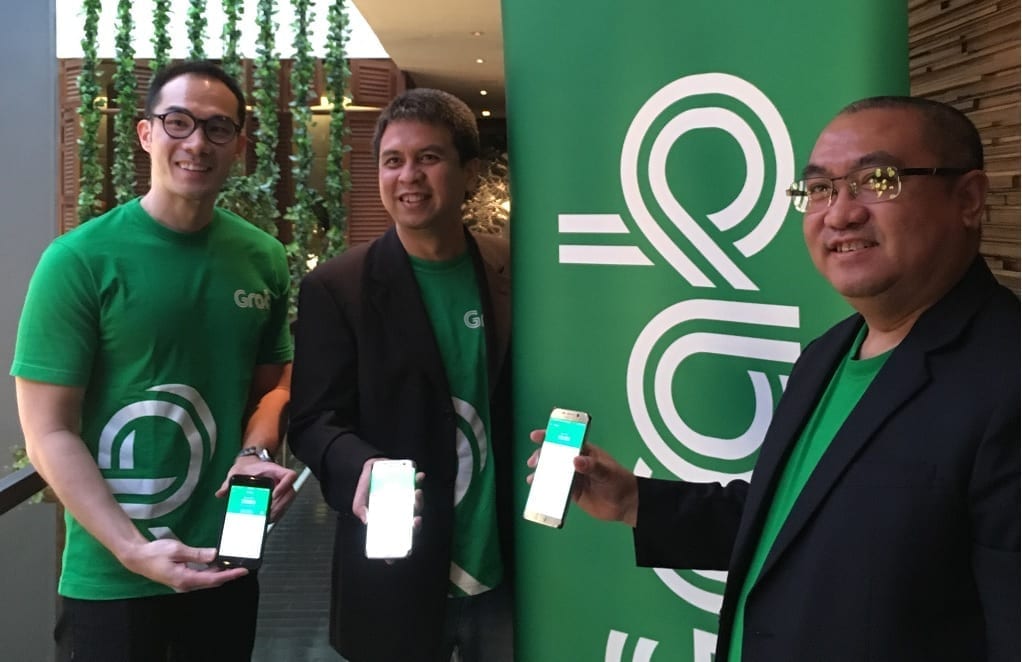
  • Grab launches e-money service GrabPay Credits

    Grab launches e-money service GrabPay Credits

    Ride-hailing app operator Grab has expanded into the e-money business in Southeast Asia.

    Singapore-based Grab this week unveiled a cashless mobile payment service called GrabPay Credits, which lets consumers store cash credits on its smartphone app.

    Singapore and Indonesia will be the initial test markets before the concept is rolled out in Malaysia, Thailand, Vietnam and the Philippines where Grabn operates its ride hailing app.

    Users will be able to top up their accounts at convenience stores or using ATMs by partner banks.

    “Working with local banks, payment providers and merchants, Grab is building one of the region’s largest cashless payment solutions for people with limited access to the banking system,” said Tan Hooi Ling, co-founder of the startup.

    GrabPay considers the move into finance as a natural extension of its ride-hailing service, making it easier and safer for customers to pay for rides and eliminating cash.