Category: E-Tailing

Retail News Asia is committed to providing both local and global retailers with the latest E-Commerce & Etail news throughout the Asian market. This on a daily base.

  • Rakuten Books expands store pickups

    Rakuten Books expands store pickups

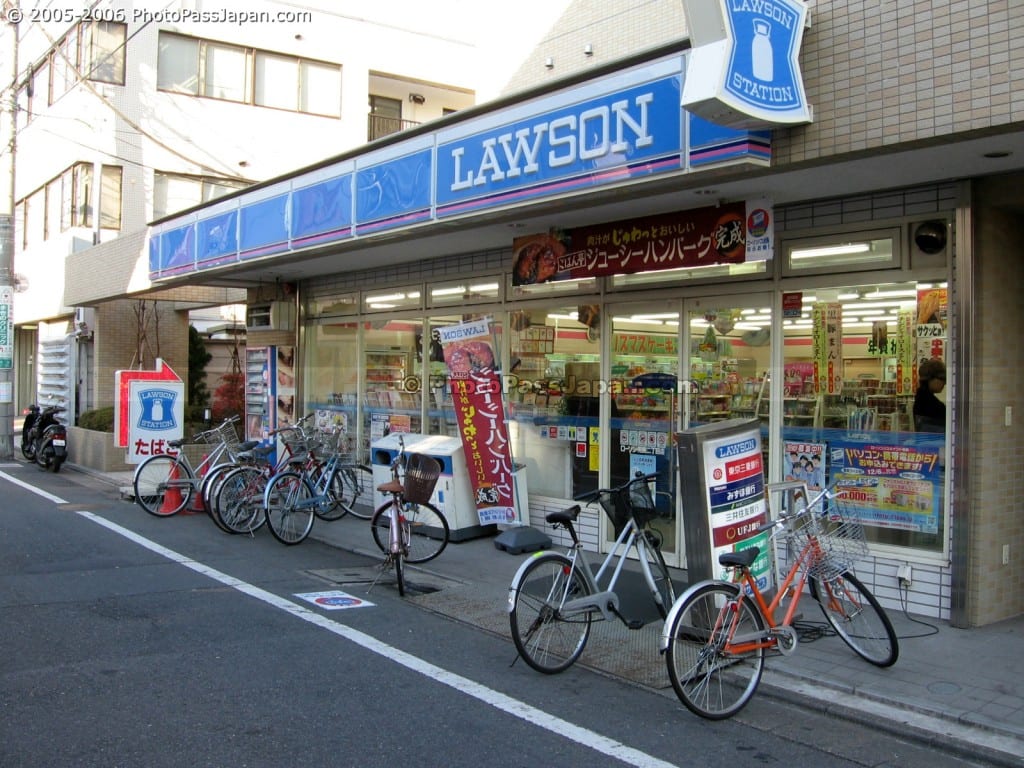
    Customers of Rakuten Books can now pick up their online purchases at Lawson convenience stores across Japan.

    This follows the forming of a collaboration between Rakuten and the Lawson chain, which has 11,922 stores around Japan, plus 100 Lawson Store outlets.

    Customers who buy products from Rakuten Books can pick up their purchases from the Lawson convenience store of their choice. The stores are open 24 hours a day, 365 days a year. Shipping is free, and customers opt to pay for their goods at the store counter.

    Rakuten Books’ pickup service launched in 2008, with next-day delivery service for certain products and regions added in 2013, broadened last year. Its latest move takes the service nationwide exclusively for Lawson stores. Goods will no longer be available for pickup at Circle K and Sunkus.

    Books, CDs and DVDs bought at Rakuten Books can be picked up from a Lawon store on the evening of the second day after the order is placed (one day longer than express home delivery), and the goods will be held in-store for one week.

  • How to generate brand love on Singles Day

    How to generate brand love on Singles Day

    Singles Day is no longer just about Alibaba. It’s more like Black Monday or Christmas, a nation-wide shopping event, covering everybody looking for great deals, not just the singletons, as it was originally conceived.

    Alibaba founder Jack Ma said last year that his dream was to extend this shopping extravaganza beyond China, and establish a carnival for the world stage. Alibaba’s data shows 235 countries participated this year, while 224 used Alipay – a 60 per cent rise year-on-year, and significant step towards this dream.

    Similarly, international brands played better this year, taking better advantage of the spending power on offer. Tmall data shows us that international brand sales grew by 47 per cent (vs 2015).  The likes of Nike, Uniqlo, Adidas, New Balance and Gap headed to Tmall’s Top 20 Sales Store this year, compared to just three brands last year – testimony to the importance placed on brands and the tangible rewards being reaped for our international players.

    There is no doubt that Singles Day has become one of the most important consumption periods for a variety of categories in China, and beyond. No one wants to miss it.

    So, what was new this year?

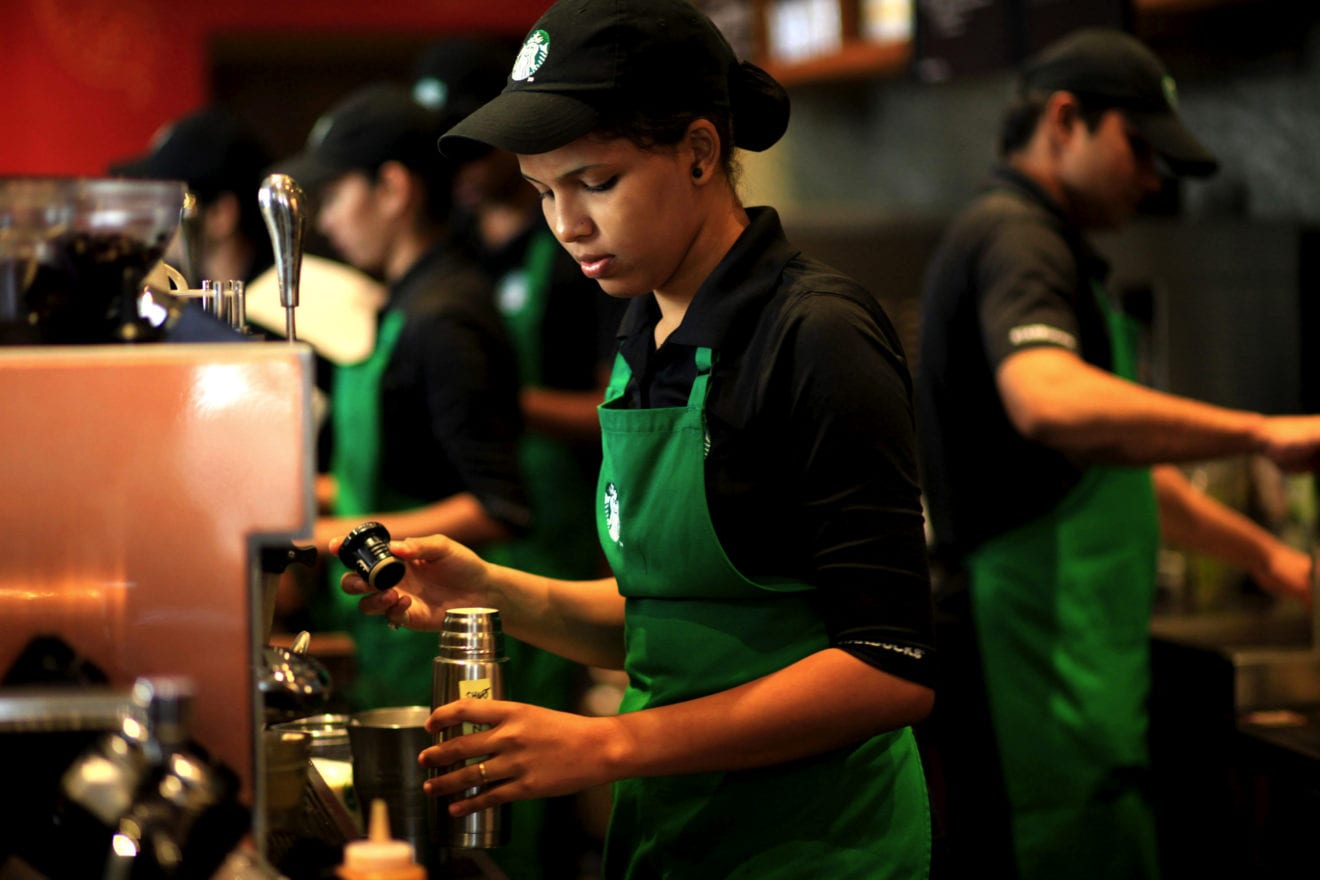
    Technology and entertainment played crucial roles in this year’s Singles Day, with brands eager to gain public attention via the very latest technology.  A great example of this is Tmall’s partnership with the likes of KFC and Starbucks to execute the ‘Catch Crazy Cat’ VR game.

    Reaching 17 billion plays, the Pokemon-Go inspired VR game allowed consumers to catch the Tmall mascot cat via their mobiles in KFC, Starbucks and even Shanghai Disneyland.

    The number of cats caught translated into ‘Hong Bao’ (luck pocket money) to be used for discounts in a variety of stores. Overall, the game connected people online to offline, while engaging those physical stores that are usually less involved in the shopping festival.

    Tmall also launched its VR virtual shopping product Buy+ on November 1, aiming to add a fancy dress element to the shopping mania and further appeal to the Chinese consumer.

    While many critics cited this experience to be less immersive, data shows 8 million engagements, among which 76 per cent were post-millennial.

    A significant trend throughout 2016, it’s no surprise to see so many brands, celebrities and shops execute live-streaming tactics to further promote product. It’s estimated that close to 60,000 different live streams took place on Singles Day. The biggest live streaming event, the Tmall Party, saw attendees span a collection of top A-list celebrities, both international and local; including the likes of David and Victoria Beckham, and Scarlett Johansson. The move to secure former Super Bowl Director, David Hill, only helped to further propel this year’s Singles Day onto the global stage.

    China has coined this year’s model as ‘Double E’ – Entertainment meets eCommerce, unleashing consumer purchase potential via the simple act of entertainment. Brand advertising potential is now enormous, and will only continue to grow year-on-year.

    How can brands leverage Singles Day?

    Singles Day is not everything. While everyone is impressed by this year’s 120.7 billion RMB sales figure, many ignore the fact that this is less than 5 per cent of Alibaba’s annual sales.

    For brands to sell, it’s important to remember that the remaining 364 days of the year count. Ogilvy believes that annual content that can be weaved naturally into omni-channel planning will ultimately connect brand with consumer and drive sales.

    As Jack Ma said in 2013, Singles Day has reached a certain momentum – it’s not only about the sales numbers anymore. This year is testament to this thinking. Increasingly, big brands have started to dominate the top sales ranking. Given the attention and hype of the day, this is a great opportunity for brand building if done well.

    Marketers should ruminate on how their brand can cut through and develop content that drives attention, and also builds the brand for engagement longevity. Singles Day is not only a selling extravagance but also a unique platform for creative brand building.

    There are also proven successes of launching a less well-known brand or promoting a less-penetrated category during this period. We also helped clients successfully orchestrate limited edition launches. For example, this year’s partnership between Budweiser and celebrity Chen Weiting saw an exclusively designed Tmall pack, live-streaming, and an invite for the highest purchasing group to attend Chen’s upcoming concert – placing Budweiser as the best selling beer brand on the day.

    Similarly, Tmall was able to demonstrate how international players can reach more remote areas of China – where spending power is rising and physical product distribution proves difficult. Brands entering China tend to believe that consumers in larger cities have the biggest spending, however, Tmall data shows us that provinces such as Qinghai and Shanxi are not to be ignored. Here, low-price is not a factor that determines spending; it’s brand value and quality that counts.

    These were all put into the wider context of making a brand matter to consumers, so as to generate long-term and loyal customers. This year’s overall sales ranking of many categories shows us that when the promotion level went down, the stronger brands play better. So, what ensured top ranking sales for Suning, Xiaomi, Haier, Uniqlo and Nike is not only a result of promotional discounting, but the current sentiment and value of the brand to consumers.

    What main e-Commerce trends do we see in China?

    China is not only the biggest eCommerce country in the world, it’s also arguably the fastest moving one. Tmall remains one of the major eCommerce channels for many brands.

    However, it only provides limited customer data to brands. We see more and more brands start to develop their own eCommerce websites in order to provide an immersive brand experience. And, more importantly, to attain better customer data that allows them to drive loyalty via CRM.

    Personalised eCommerce shopping experiences are another mega-trend. Tmall first called this out as ‘Thousand People, Thousand Faces’, and many other platforms followed suit.

    Tmall’s enormous big data capability enables brands to profile a customer and design unique shopping experiences based on their preferences. Some brands have also started to pilot this. For example, last year saw us help Nestlé tailor a unique shopping experience on its Tmall shop based on customer profiles. The results were phenomenal – engagement rates and sales close to doubled.

    It’s no secret that mobile has become the main device for consumers to purchase products.

    This year, 82 per cent of the 120.7 billion came from mobile, a big leap vs 2015’s 68.7 per cent. The trend sees brand content link seamlessly to eCommerce on mobile, enabling consumers to purchase items while absorbing brand content. A great example of this is the Tommy Hilfiger Shanghai show on October 24. Tommy Hilfiger broadcast the event live stream in high-definition and, most importantly, drove the audience to instantly purchase items on stage via a simple click.

    It’s clear that the slow-down of economics in China has not discouraged an enthusiasm to buy. Yet Chinese consumers are now more brand conscious, more design conscious, and more quality conscious. Brands clearly play a crucial role in eCommerce, now more than ever, therefore making brands matter is essential.

  • Alibaba eyes young, savvy Indonesia market

    Alibaba eyes young, savvy Indonesia market

    Chinese e-commerce giant Alibaba Group sees “huge potential” in the Indonesian market as the government, through a recent e-commerce road map, pushes efforts in developing the sector to make the country the biggest digital economy in Southeast Asia by 2020.

    Alibaba Group vice chairman Joseph Tsai said the diversified company — which has assets in e-commerce, technology, payment systems and logistics — saw “huge potential in Indonesia” for two reasons: The young population and a mobile phone savvy public.

    “We acquired (Southeast Asia e-commerce platform) Lazada so that we could be in Indonesia as well as five other Southeast Asian countries — Malaysia, the Philippines, Singapore, Thailand and Vietnam, with Indonesia obviously being the largest market,” Tsai told a press briefing on the sidelines of the 11.11 Global Shopping Festival on Nov. 11. The 11.11 Alibaba Group Global Shopping Festival, more commonly known as Singles’ Day, is the world’s largest shopping event.

    Alibaba Group acquired Lazada for US$1 billion earlier this year, its largest international investment ever. Lazada, which operates its own logistics and networks, is currently one of the fastest growing online shopping platforms in Indonesia.

    “We see that consumers in Indonesia are even younger than consumers in China. Indonesia is very much a “mobile first” e-commerce environment. People are enthusiastic about mobile phone use,” Tsai said.

    A survey of smartphone owners in Indonesia, who account for 43 percent of the population, showed that up to 57 percent of online shopping in the country is done on mobile phones, with average time spent on smartphones reaching more than two hours (136 minutes) per day, according to recent Google research.

    “They’re skipping computers and instead using mobile phones as their premier technology device. That growth is extremely fast, and we’re extremely excited about that,” Tsai said of the Indonesian market.

    Emerging Middle Class

    Indonesia’s e-commerce transactions are expected to reach US$24.6 billion this year, three times the US$8 billion recorded in 2013, thanks to emerging numbers of internet users and middle class Indonesians.

    The government even expects e-commerce transactions to reach US$130 billion in 2020 as it introduced the 14th economic stimulus package on an e-commerce roadmap covering support for funding, human resources training, logistics and telecommunication infrastructure, among other elements.

    In tapping into the growth potential in Indonesia, Alibaba Group aims to localize its operations to make them relevant in serving domestic consumption, which accounts for more than half of the country’s gross domestic product (GDP).

    “We want to be as local as possible to understand consumers locally through the Lazada platform,” Tsai said.

    In doing so, Alibaba Group may introduce the 11.11 Global Shopping Festival in local platforms to capture more transactions from Southeast Asia.

    “The service will also roll out to other markets, such as Southeast Asia, leveraging Alibaba Group’s investment in Southeast Asia e-commerce site Lazada, and markets that have a sizeable Chinese community,” the company’s press statement explained.

  • Starbucks launches mobile payment app in Indonesia

    Starbucks launches mobile payment app in Indonesia

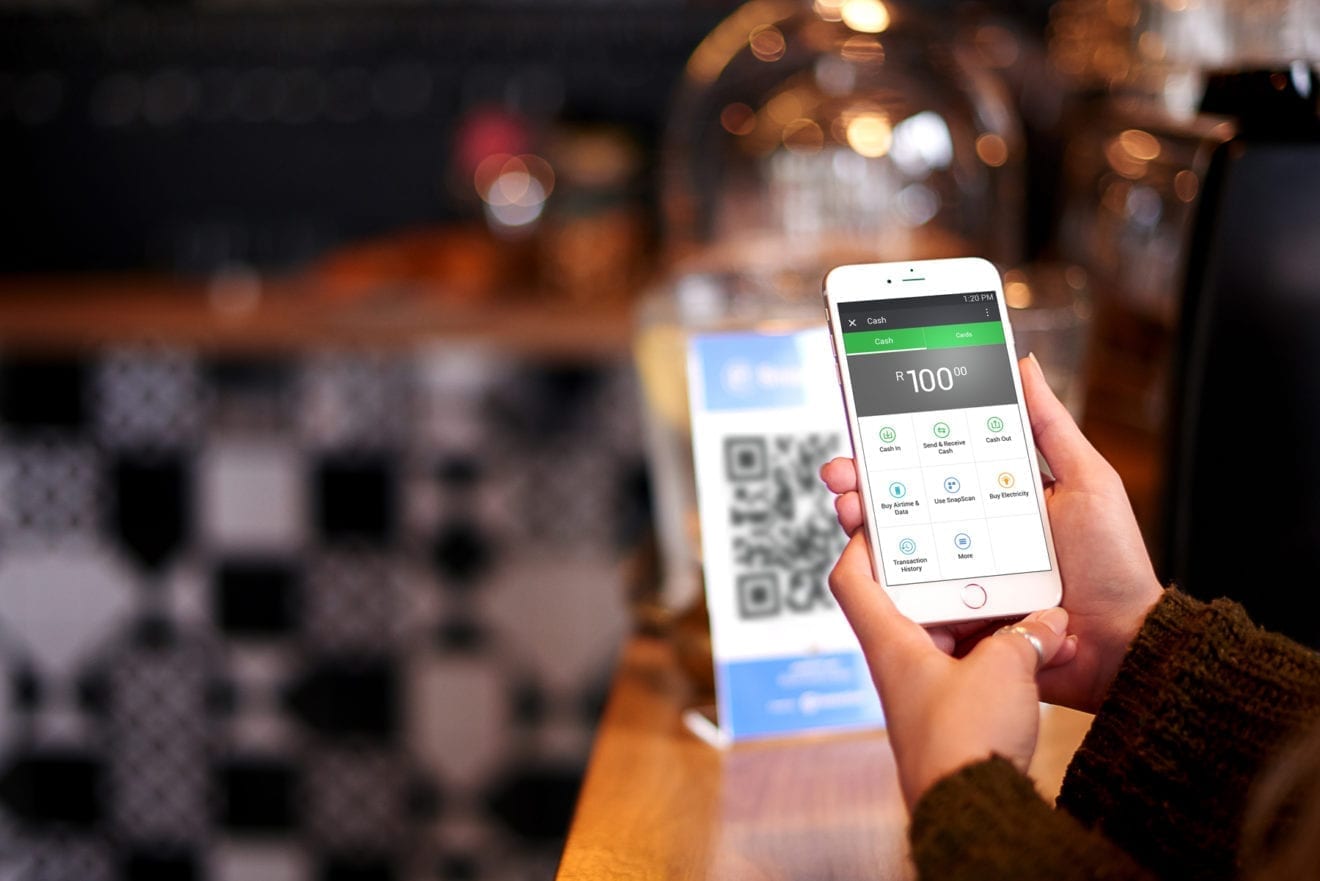
    Starbucks recently launched a mobile application in Indonesia to allow customers to pay for in-store purchases at the coffee marker’s more than 260 stores across the country.

    Building on the cashless payment system Starbucks Indonesia introduced in 2013 with Starbucks Card, the move is part of the broader plan to expand the company’s digital ecosystem.

    The new Starbucks Indonesia Mobile App for iPhone and Android allows customers to quickly pay for in-store purchases by scanning the barcode linked to a registered Starbucks Card. Customers can register multiple Starbucks Cards onto their account, which are linked to the Starbucks mobile app.

    The app also compiles the latest information on Starbucks products in a browsable menu of beverage, food, and merchandise, as well as feature a convenient store locator.

    “This is the latest Starbucks innovation which aims to provide an enhanced experience and meet customers’ needs in the digital space while continuing to provide an exceptional experience in our stores,” Starbucks Indonesia VP of marketing and operations Roger van Tongeren said.

  • Stores in China using apps to increase foot traffic

    Stores in China using apps to increase foot traffic

    A growing number of retail stores in China are using specially designed apps to track shoppers’ behavior in a bid to boost sales.

    Yo-ren, an information technology startup, has developed an app to collect information about members enrolled in reward programs offered by stores. Convenience store operator Lawson has introduced the app at select locations in China.

    The Chinese government has desire to make consumption the primary driver of growth. But spreading online shopping will bring the detriment on brick-and-mortar shops.

    Incentive programs

    In 2015, the Shanghai-based Yo-ren, which provides digital marketing services in China, began supplying Lawson stores in Shanghai with an app to manage the convenience store’s reward points program. Since the beginning of this year, the companies have expanded use of the app to other cities, including Beijing, Dalian and Wuhan.

    The app is designed to provide product information and discount coupons while giving customers reward points based on their purchases.

    Under the current plan, members earn 10 points for each yuan they spend, exchangeable for store coupons, at the rate of 1,000 points for 1 yuan (15 cents).

    Since the service was rolled out, the number of members in Shanghai increased to 350,000. About 15% of them use the app at least once a week. These active users visit Lawson stores three times per week on average.

    Lawson has invested around $900,000 in Yo-ren, which is now using the money to enhance the app’s features.

    Tailored services

    Lawson plans to analyze information collected through the app, such as customer profiles and purchase records, for consumer preferences and trends. Findings will then be used to boost traffic during slow business hours, such as by offering coupons for free cups of coffee between 3 p.m. and 5 p.m. at locations close to members’ workplaces.

    Chinese consumers are flocking to internet shopping services provided by Alibaba Group Holding and other e-commerce players. Soaring online purchases are denting earnings at brick-and-mortar retailers, especially department stores.

    Convenience stores have proved less vulnerable to the trend, but Yo-ren CEO Osamu Kaneda said there is still a lot of room for them to boost their ability to attract consumers.

    Yo-ren’s app allows stores to track members in real time. Its features enable stores to analyze customer preferences and then develop new revenue streams from makers through targeted advertising. The app will also help stores tailor their services to match customers’ needs.

    China is in the midst of an economic evolution in which consumer spending is replacing investment and exports as the main driver of economic growth. The service sector is an important link in this shift because it employs large numbers of people.

    But the decline of brick-and-mortar sales will inhibit consumption due to slower job creation in the service sector and lower wages for those jobs.

    To make consumer spending the new engine of economic growth, China needs to engineer a balance between online shopping and sales at traditional retail stores.

  • Boycott China? Dragon now angel for Indian startups

    Boycott China? Dragon now angel for Indian startups

    ‘Boycott China’ messages may have become routine on WhatsApp in India. But in the startup world, India and China are drawing closer.

    Chinese firms and funds have become big investors in Indian startups , and they are becoming particularly useful now as US funds slow down. Beijing Miteno Communication Technology, a Chinese tech conglomerate, made this year’s biggest acquisition in the technology startup space — the $900 million buyout of Media.net, a subsidiary of Mumbai-based Directi, founded by brothers Bhavin and Divyank Turakhia.

    Ecommerce giant Alibaba has made large investments in Paytm and Snapdeal. Didi Chuxing, the equivalent of Uber in China, has invested in Ola. Internet giant Tencent recently led a $175 million funding in messaging app Hike; prior to that, it led a $90 million round in healthcare solutions firm Practo and, through its joint venture with South Africa’s Naspers, invested in online travel firm Ibibo Group.

    “There are demographic similarities and both countries are seeing consumer growth for digital firms. Also, Chinese players have experience in market creation and running successful digital companies, so they can play a bigger role than being just financial investors,” says Ashish Kashyap, founder of Ibibo, which last month merged with rival MakeMyTrip. Alibaba, for instance, is seen to be actively helping Paytm in various aspects.

    Bhavin Turakhia says the Chinese understand the Indian market better than US companies do as the Indian market is on the same evolution path as that of China, but about 5 to 10 years behind.

    Chinese companies and funds have become big investors in Indian startups . Cheetah Mobile, which owns products like Clean Master, invested in fitness app GOQii late last year.

    Ctrip, one of China’s largest online travel companies, invested $180 million in MakeMyTrip in January. China-based investment firm Hillhouse Capital has invested in CarDekho. Smartphone maker Xiaomi led a $25-million funding round in content provider Hungama Digital Media Entertainment in April.

    Web services company Baidu has said it is scouting for investment opportunities in Indian startups.

    Even other Asian companies are nowhere close to investing as much as the Chinese in Indian startups. Japan’s SoftBank and Singapore’s Temasek are among the few non-Chinese ones that have made investments. Taiwan’s Foxconn has also made several investments, like in Qikpod, Hike and Snapdeal, but some see Foxconn as practically a Chinese company, given that much of its operations is in China.

    What’s pushing the Chinese tech companies to make large investments are two things: one, many of them are making big profits in their home market, thanks partly to the restrictions on foreign competition; and two, the Chinese economy is slowing down.

    So they want to use their surpluses to expand into what is potentially the world’s third largest digital market.

    “There are only two big growing markets where they can invest: India and the United States. Silicon Valley does not respect Chinese capital. So the Indian tech sector becomes attractive to them,” says Mohan Kumar, executive director at Norwest Ventures, a US-based venture fund that has operations in India. Kumar also notes that Chinese investors often value Indian startups at three to five times more than what other seasoned investors do. “So entrepreneurs naturally prefer them,” he says.

    Higher valuations mean the Chinese investors take lower stakes for the same amount of investment, and founders can hope for an even higher valuation in their next round of fund raising.

    Language and politics are a challenge. May be for that reason, the Chinese are for now preferring partnerships and not outright buys. Even investment firms are building partnerships. Chinese VC fund Incapital has tied up with Indian fund IvyCap Ventures to enable its partner investors to have a closer look at potential investment opportunities in Indian startups.

    China is showing interest in traditional industries too. In July, Chinese pharma company Shanghai Fosun Pharmaceutical Co acquired Indian injectables manufacturer Gland Pharma for $1.27 billion, and in August, Chinese conglomerate Jiangsu Longzhe Technology and Trade Development Co acquired Diamond Power Infrastructure, Vadodara-based manufacturer of cables, conductors, transformers and other power sector equipment, for $125 million. But digital technology looks to be where the biggest action is.

  • Xiaomi Mi Mix now available via Lazada in Singapore

    Xiaomi Mi Mix now available via Lazada in Singapore

    Xiaomi Mi Mix now available via Lazada in Singapore

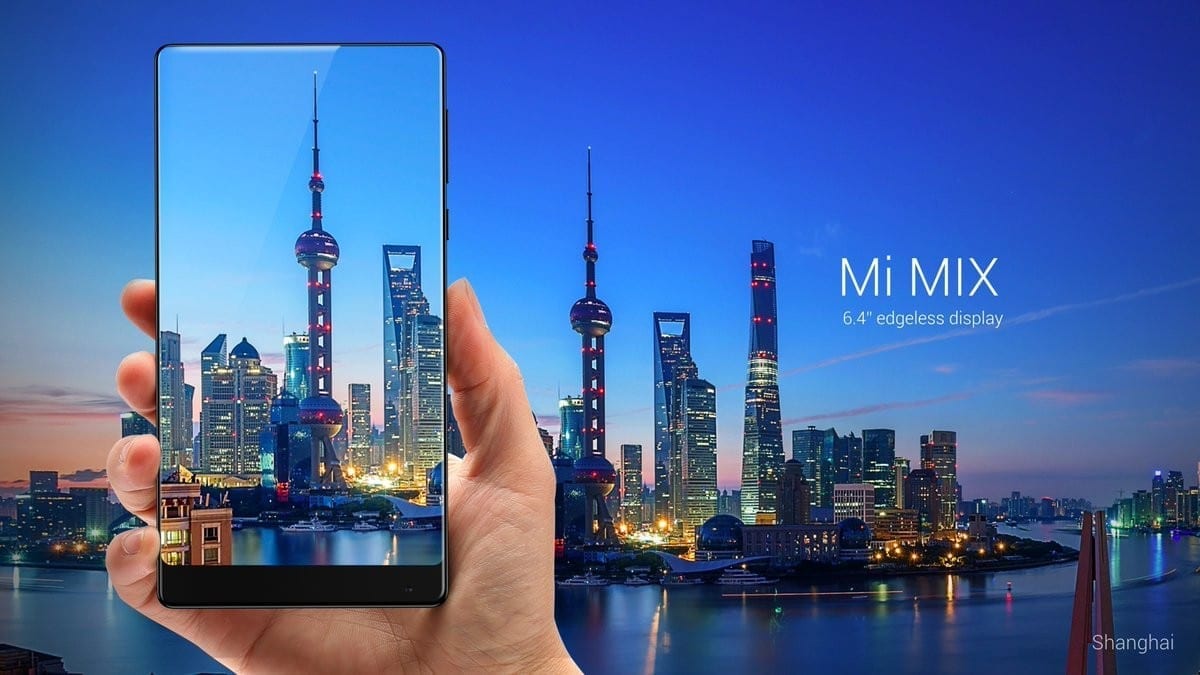
    Xiaomi fans in Singapore are in for a treat as the Mi Mix concept phone is now available for purchase via Lazada. Although the phone’s availability is officially limited to China, some enterprising stores like Lazada have come to the rescue of prospective smartphone buyers in the island state.

    The only caveat with the Lazada deal is that you will get just one month local-seller warranty at a premium price.

    The regular 4GB/128GB variant of Mi Mix retails at ¥3,499, which is the equivalent of S$720. In contrast, the Mi smartphone starts at S$1,278 in retail outlets across Singapore.

    On the other hand, the premium 6GB/256GB model is priced around ¥3,999 (S$820) in China and the same retails at a whopping S$1,639 in the island state.

    The all-screen and all-ceramic phone from Xiaomi definitely carries the premium looks of any eye-catchy phone in the market.

    It must be noted that the Xiaomi Singapore is not currently stocking the Mi Mix, despite featuring its official store on Lazada. So, your only option is to buy the phone through third-party importers and sellers via Lazada, which is too risky as it comes without the official hardware warranty.


  • Alibaba investing in Sanjiang Shopping Club

    Alibaba investing in Sanjiang Shopping Club

    Chinese eCommerce giant Alibaba Group Holding plans to invest 2.1 billion yuan (US$305 million) in supermarket chain Sanjiang Shopping Club.

    Sanjiang’s share were suspended by the Shanghai stock exchange on November 8, with trading resuming today.

    Under the terms of the deal, according to stock-exchange filings, Alibaba will subscribe to a private placement in Sanjiang, giving it about a 25 per cent stake.

    Sanjiang also plans to issue up to 188 million yuan worth of exchangeable bonds to Alibaba, which will also acquire another 9.3 per cent stake for 438.6 million yuan via a share transfer, says Sanjiang. This will take Alibaba’s stake to 32 per cent, above the 30 per cent threshold where Chinese law says a company must make a full takeover bid in China. Alibaba will need approval from Sanjiang’s shareholders to waive this requirement.

    Sanjiang said it aims to use Alibaba’s eCommerce platform as China’s economic growth slows.

  • Rakuten opens flagship store on South Korea’s e-marketplace 11STREET

    Rakuten opens flagship store on South Korea’s e-marketplace 11STREET

    Japan’s e-commerce giant Rakuten Inc. has opened an online flagship store on 11STREET, one of South Korea’s leading online marketplaces.

    It said store aims to provide South Korean consumers with popular Japanese merchandise and
    will feature a variety of fashion goods, beauty, and sports products.

    “11STREET is a vibrant and innovative online marketplace and we’re excited to be partnering with them on this new cross-border initiative,” said Ryoji Yasutome, Vice Senior Manager Cross Border Trading at Rakuten.

    The South Korean e-marketplace has a global network of 260,000 sellers, small merchants, brand names, department stores and supermarket chains serving 23 million registered members in the home market and abroad.

    Shoppers reportedly spend $6 billion annually on its sites.

    “Korean consumer demand for high quality Japanese and international goods continues to grow at a double figure rate,” said Joon Young Park, Senior VP at 11STREET. “Through our partnership with Rakuten, we are able to offer our customers a more exciting cross-border shopping experience with a larger selection of popular products from Japan.”

    Moving forward, Rakuten will introduce products to 11STREET customers from categories such as health, living, kitchen, and hobby items and will continue to expand the product line-up over the coming months.

    The two companies said they will also jointly provide support services to participating merchants such as translation, listings, merchandising advice, shipping and customer support.

  • Tencent revenues up 13pc

    Tencent revenues up 13pc

    Third-quarter revenues grew by 13 per cent to RMB40.388 billion (US$5.951 billion) for China’s Tencent Holdings, an investment holding company whose subsidiaries provide media, entertainment, internet and mobile-phone value-added services, and online advertising.

    Tencent revenues from value-added services business increased by 9 per cent to RMB27.975 billion for the quarter, while revenues from online games revenues rose by 6 per cent to RMB18.166 billion, mainly driven by positive seasonality for PC online games and by continued contributions from new smartphone games.

    Social networks revenues went up by 15 per cent to RMB9.809 billion, reflecting growth from digital content subscription services, and to a lesser extent from virtual item sales.

    Revenues from online advertising increased by 14 per cent to RMB7.449 billion, performance-based advertising revenues grew by 18 per cent to RMB4.368 billion, and brand display advertising revenues increased by 9 per cent to RMB3.081 billion, primarily driven by higher contributions from mobile platforms such as Tencent News and the positive impact of the Rio Olympic Games.

    Profit attributable to equity holders of the company eased by 1 per cent to RMB10.646 billion for the quarter.

    Strategy continues

    Tencent Holdings continued its “Connection” strategy during the quarter by strengthening its social platforms and leveraging social traffic. More interactive social and performance advertising formats were added to drive user engagement, while advertiser tools were sharpened to improve performance measurement and deliver deeper data insight.

    For digital content, the company’s CMC (China Music Corporation) and QQ Music management teams were integrated, and there was “aggressive” investment in content for its video platform, resulting in a substantial growth in subscriptions. Partly because of a healthier copyright control environment, more users paid for content on the company’s digital literature platform.

    For payment-related services, the company says it made significant progress in driving merchant adoption. Nearly 700,000 merchants participated in its Weixin Pay “Cash-free Day” promotion in August – an increase of more than seven times year-on-year. A Weixin Checkout feature was introduced for merchants to simplify onboarding procedures and minimise payment integration work.

    Cloud services revenue more than tripled year-on-year as more enterprise accounts were opened and use by key accounts increased, particularly in sectors such as online games, online video and O2O services.

    During the year the company strengthened its mobile security in such areas as virus scanning, phony base-station detection, anti-fraudulent phone-number library, phone memory optimisation and speed boosting.

    More users

    For its key platforms, the company says monthly active users (MAU) for QQ increased by 1 per cent to 647 million, with new features including SMshow, offering animated personal avatars.

    During the Rio Olympics, more than 100 million QQ users participated in a virtual torch relay campaign by building augmented reality into phone-to-phone interactions.

    For Qzone, smart-device MAU also grew by 1 per cent, to 584 million. For WeChat and Weixin together, MAU reached 846 million, representing year-on-year growth of 30 per cent.

    Revenue growth was strong for the company’s social networks business through more game-related virtual items being generated, plus digital content sales.

    There was an 87 per cent leap in revenue from smartphone games, to about RMB9.9 billion. This was mainly driven by portfolio expansion and strong performance by major titles. At the end of September, Honour of Kings surpassed  a record 40 million daily active users.

    Advertising saw robust expansion, with Weixin and the mobile news app being the key contributors to year-on-year growth. Initiatives featuring the Rio Olympics attracted about 700 million unique visitors across the news and video platforms.

  • 7-Eleven offers 24×7 e-commerce service

    7-Eleven offers 24×7 e-commerce service

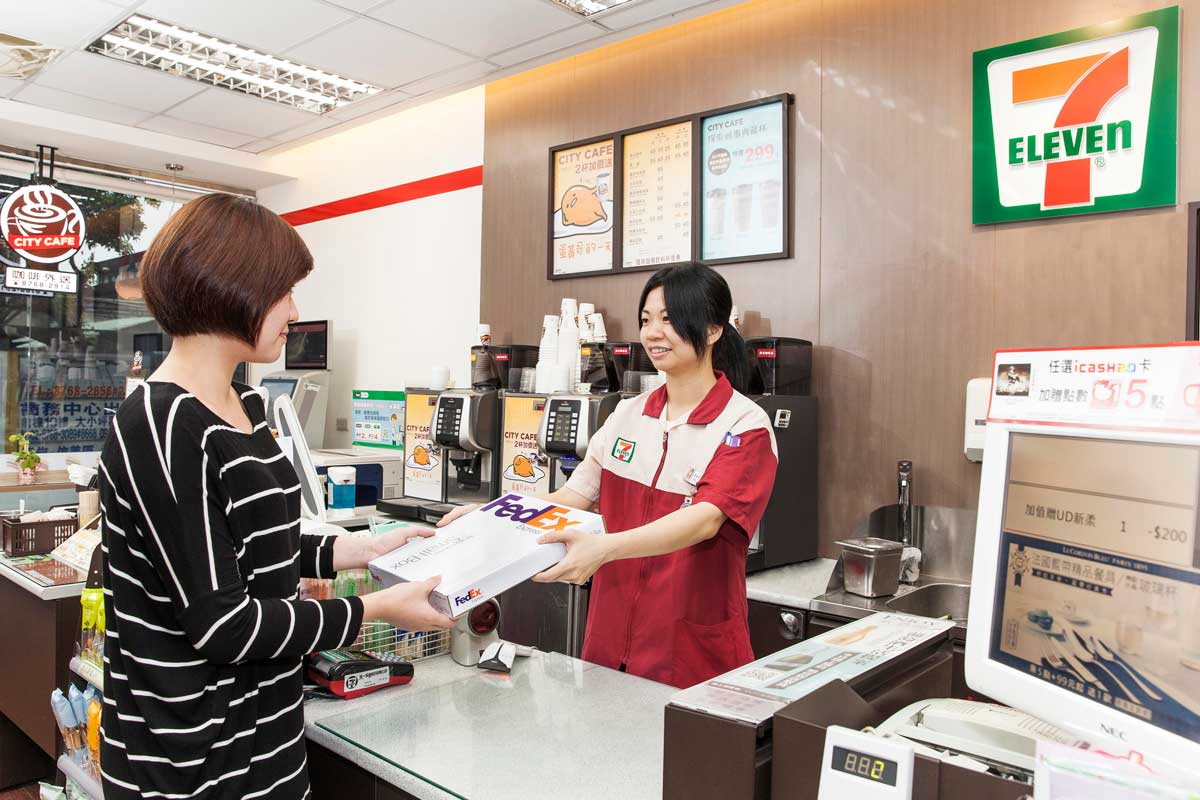
    Convenience store chain operator 7-Eleven Malaysia is jumping on the bandwagon in e-commerce by offering parcel locker services in some of its outlets to facilitate delivery for online shopping.

    The service is expected to start this month, says 7-Eleven Malaysia chief executive officer Gary Brown at the Asia Pacific Retail Congress in Kuala Lumpur recently.

    The move by 7-Eleven will be seen as a nascent but integral part of an expanding online retail eco-system that is beginning to grow in popularity in Malaysia.

    “An online shopper can choose to get his purchases delivered to a 7-Eleven store most convenient to him. Once it arrives, he will receive a text with a PIN code. Because we are a 24-hour convenience chain, we will be able to offer online shoppers the convenience to pick up their purchases 365 days, 24×7,” he says.

    Brown says the move is to make shopping as convenient as possible and is part of the chain’s evolution in the larger retail space that is not confined to bricks and mortar. It has been around since the 1980s but it was only of late that the convenience chain began went beyond retail to offer payment services.

    7-Eleven Malaysia Holdings Bhd was listed on Bursa Malaysia in 2014. The convenience store chain is controlled by Tan Sri Vincent Tan Chee Yioun, with an indirect stake of 53.59% via HQZ Credit Sdn Bhd. HQZ Credit is the ultimate holding company of Berjaya Retail Bhd – the major shareholder of 7-Eleven.

    Brown says he is seeing a lot of changes in Malaysia’s retail landscape and 7-Eleven, as part of that landscape needs to improve customer’s experience by making it convenient.

    Brown says the company plans to open 200 new stores annually for the next 10 years.

    It opened 500 new stores in the past 2½ years and at the same time, refurbished another 500. The cost of 200 new stores and refurbishing another 200 involves an investment of between RM80mil and RM90mil a year, he says.

    Brown says out of 2,050 7-Eleven outlets, close to 100 stores are located in malls and other managed facilities.

    In Publika, Solaris Dutamas, there are four 7-Eleven outlets, six in Times Square, Jalan Imbi and three in Sg Wang mall. Two out of the six in Times Square operate 24×7.

    “In a high traffic area, for example, in a mall, we need to have more density. In a mall, they operate 12 hours. But when they are outside a mall, but in a managed area, they operate 24×7,” he says.

    Brown says the company is interested to enter more malls. Having a store in a mall makes sense because consumers do not want to walk too far.

    “7-Eleven leverages on what we call impulse satisfaction, or instant gratification,” he says.

    It also offers mobile top-up services and payment of utility bills 24×7 and recently introduced sitting arrangement for that cup of coffee.

    “It is not convenient carrying a cup of hot coffee around,” he says.

    The convenience store operator reported a group revenue for the financial year ended Dec 31, 2015 of RM2.01bil, an increase of 6%, or RM113.2mil, over 2014’s revenue of RM1.89bil.

    The company reported a gross profit of RM59.9mil for 2015 financial year, which translates into a 3% gross profit margin over revenue, which is normal as margins tend to be rather thin for the retail sector. It reported operating income of RM109.7mil, an increase of 2.2% compared to 2014.

    Better merchandise mix

    Its growth in revenue was driven by new stores, an improved merchandise mix and consumer promotion activities, and was achieved despite an ongoing retail market negativity, which explains the need for the company to go into a store expansion mode as well as to offer new services at its 24-hour outlets.

    The company’s store expansion drive of about 200 new stores a year will help grow revenue. Its store count increased by 199 stores or 11.4 % from 1,745 stores to 1,944 stores in 2015.

    On the often quoted view that there is an oversupply of retail space in the Klang Valley and cities like Penang and Johor Baru, Brown disagrees.

    “There is a lot of mall space in the Klang Valley but I would not say there is an oversupply. Malaysians like malls, so they have a role to play, despite the growth in online retail,” he says.

    He says the more pertinent question is what will happen to malls which are not well located and which are not well managed.

    Those that are will continue to grow, thrive and attract tenants. A mall will survive on tenant mix, which drives customer traffic.

    “There may be some fallout if a mall does not have a good tenant mix,” he says.

  • Korean online beauty site sees payments as game changer

    Korean online beauty site sees payments as game changer

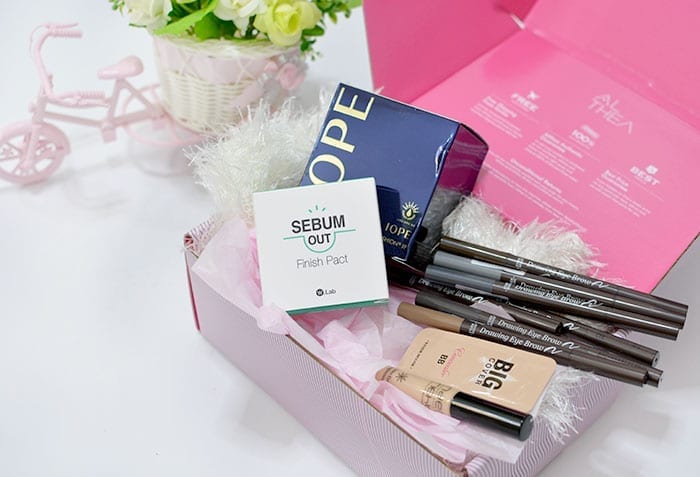
    Southeast Asia’s largest online Korean beauty site Althea has partnered with global payments company Adyen to provide its customers a frictionless payment experience.

    “We recognize that the checkout and payment process is often the most important stage in the customer journey. The journey rarely ends when the ‘buy’ button is clicked,” said Jae Kim, Co-Founder and Chief Financial Officer of Althea. “We strongly believe in having a consistent and trusted payment system across all our markets to build customer loyalty and encourage repeat purchases.”

    He cited that one of the pertinent issues in e-commerce is the abandoned card epidemic, which is usually a result of a rejection of the payment process.

    The beauty site is currently working with Adyen to enable customers in Indonesia, Malaysia, Philippines, Singapore and Thailand to pay via their desired payment method, from online banking to payments at a convenience store and ATMs.

    “With the region’s rising middle class and increasing spending power, e-commerce in Southeast Asia is a growing phenomenon. However, retailers looking to target the region need to note that when it comes to payments, there is no one preferred payment method and consumer preferences are still highly fragmented,” said Warren Hayashi, President of Adyen Asia-Pacific.

    Despite market-specific differences, the most important thing for retailers is building deep engagement with their consumers. To gain insight on payment preferences, Adyen provides Althea with daily reports on ongoing transactions. Thus, it is able to optimize authorization rates as needed to reduce payment rejection and identify other potential friction points.

    “K-beauty in Southeast Asia is already a multi-billion-dollar market, and the ongoing development of the region, especially in e-commerce, will only fuel the market’s growth going forward,” said Kim.

    K-beauty on the rise

    Founded in 2015 by former senior executives from Ticketmonster, Groupon, and Memebox, Althea strives to bring the best of Korean beauty to consumers in Southeast Asia, a region where there was a huge demand for K-beauty products.

    “K-beauty is a phenomenon that has gained in both popularity and credibility in the global beauty market. The popularity of Korean pop culture such as K-pop and K-dramas has helped shed some light on Korean beauty brands such as Laneige, Innisfree, and Tony Moly, but the rise of K-beauty has been in the works for decades,” Kim explained.

    The highly discerning and engaged consumer culture has also driven beauty brands to continue to try to innovate and develop new products, and such efforts have ultimately transformed the industry into a global beauty powerhouse.

    “Now the consensus among cosmetics experts is that the country is home to the most innovative, high-tech skincare approaches and technologies in the world. We, at Althea, strive to introduce the latest and greatest K-beauty products and regimens to the rest of the world,” Kim added.

    Thus, the company, which  is backed by a range of investors including 500 Startups, Mirae Asset Ventures, POSCO Ventures, and Tekton Ventures, has quickly grown to become the largest K-beauty e-commerce company in the region.

    “Through our cross-border distribution model from a centralized warehouse location in Korea, we help all Southeast Asian consumers gain access to the latest trendy Korean beauty brands and products,” Kim said, adding that the plan is to expand aggressively into more markets in 2017.

    Payment matters

    Payments play a crucial role in any e-commerce merchant’s growth strategy, especially for companies like Althea who have a big shopper base located across the Southeast Asia region.

    “We’ve found that regardless of where the shopper is from, everyone expects a frictionless payment experience. From offering the right payment method to enabling return transactions, the focus should be on creating an experience that moves a shopper towards building a relationship with the merchant based on trust.  When brands deliver that, they can expect to build a long-lasting engagement with their customers,” Warren said.

    Besides offering a variety of payment methods, Adyen also helps Althea offer to their customers in Indonesia, Malaysia, Philippines, Singapore and Thailand, the payment method they most trust and feel comfortable with.

    “For example, customers in Singapore are happy to use credit cards for their online transactions but customers in the rest of Southeast Asia are more comfortable with a range of online banking and convenience store/ATM options such as Mandiri Clickpay, Gcash, and Maybank2u,” he explained. “With Adyen in place, Althea can offer seamless payment experiences that remove payment barriers to the sales.”

    The Adyen executive noted that some of the most innovative payment technologies revolve around making transactions faster and seamless for such shoppers.An example would be the zero-click transaction, which takes place in the background, without any action required by the customer. This kind of frictionless connectivity brings businesses closer to their customers and allows them to easily build a wider customer base.

    “The blurring of lines between online and in-store payments is another promising segment,” he said. “Now, shoppers can make a purchase in the store without having to provide their full data, based on information stored from a previous transaction online or via their mobile. This ensures a smooth recurring payment experience for repeat customers.”

    E-commerce and beyond

    As e-commerce gain traction in the region, with Cyber Monday and Black Friday in the US and Single’s Day shopping festival in Asia,  Warren said there is a need for merchants to keep up.

    “First, merchants must optimize their websites for mobile. This means adapting the experience for a smaller screen and minimizing the number of clicks and swipes needed to complete a purchase. We have found this to be extremely helpful during these periods as shoppers are in a hurry to complete the time-sensitive deals within the timeframe,” he explained.

    “We have also seen many shoppers scoping out a site before the retail festivities begin. These customers appreciate a retailer that enables one-click or single-tap payments for returning shoppers. This helps them save valuable time and expedites their checkout process,” he added.

    Cyber Monday and Singles’ Day also comes with a higher risk of failed credit card transactions. He said on average about 5 percent of transactions globally are declined for no other reason than a glitch in the system. This can amount to significant lost revenue during these two peak days of retail activity.

    “To minimize this, retailers must prioritize the use the right payment data to measure performance, track trends and drive conversions. This ensures their payment technology suits the unique preferences of the banks they work with and maximizes their chance of transaction approval during this busy period,” he suggested.

  • Adyen supports WeChat Pay globally

    Adyen supports WeChat Pay globally

    Global payments technology provider Adyen has added WeChat Pay support to help businesses worldwide sell to customers in China and Hong Kong.

    Adyen provides the payment infrastructure for multiple major internet companies including Uber, Facebook and Neflix. With the agreement, Adyen will be the first payment service provider to support WeChat Pay on a global scale.

    Adyen CCO Roelant Prins said China is at the forefront of the digital payments revolution, with 15% of the total population expected to make a cross-border purchase in 2016.

    “We are very excited to support WeChat Pay. When combined with our existing UnionPay and Alipay integrations, it gives businesses access to the world’s biggest e-commerce market with a single partner,” he said.

    “This is the final key to unlocking full access to the Chinese shopper. This is especially appealing to travel businesses and high-end retailers.”

    According to Adyen data, despite the rapid adoption of digital payments in Hong Kong, credit cards are expected to remain the most popular payment method in the market. Visa has a significant lead over rival MasterCard.

    Because no local entity is required for cross-border transactions it is easy to accept and settle payments in Hong Kong dollars with no impact on currency conversion.

  • Google Android Pay lands in Hong Kong

    Google Android Pay lands in Hong Kong

    Google may be blocked in mainland China, but it’s Android Pay mobile payment service has just launched in the freer environs of Hong Kong.

    The mobile payment service from the American Internet company has launched in Hong Kong and is now available at thousands of retail outlets.

    Android Pay is a “one-click payment” service launched by Google. It features NFC communications technology and can be used on devices starting with the KitKat 4.4 Android system.

    Android Pay is similar with Apple Pay, which supports rapid and convenient payment functions via smartphones. Apple Pay launched in Hong Kong and mainland China earlier this year.

    Android Pay has established partnerships with the Bank of East Asia, DBS, Dah Sing Bank, Hang Seng Bank, HSBC, and Standard Chartered Bank in Hong Kong. At the same time, Android Pay gained support of over 5,000 retailers, including 7-11, Circle K, Fortress, Mannings, Maxims Cakes, MX, and McDonald’s.

  • Asia Pacific leads for mobile cross-border shopping

    Asia Pacific leads for mobile cross-border shopping

    Asia Pacific leads the world in mobile cross-border shopping, according to the third PayPal Annual Global Report, released in conjunction with global market research company Ipsos.

    With its investigation of the online domestic and cross-border shopping habits of more than 28,000 consumers in 32 countries, the report reveals international opportunities for merchants.

    Of the Asia Pacific shoppers interviewed, 68 per cent said they had made a cross-border purchase by smartphone in the past 12 months.

    There has been a marked shift to mobile purchasing in China, with an average of 35 per cent of cross-border purchases being made on a smartphone this year compared to 27 per cent last year.

    Fewer than 15 per cent of shoppers in both western and eastern European as well as North America, however, used a smartphone for cross-border purchases.

    Meanwhile, their online spending will increase in the next 12 months according to 64 per cent of internet users in China, 39 per cent in Russia and 26 per cent in the UK. This is primarily driven by convenience (76 per cent), changes in disposable income (30 per cent), faster shipping (35 per cent) and cheaper shipping (27 per cent).

    “Selling internationally is a substantial opportunity for merchants around the globe to grow their business,” says PayPal director of global initiatives Melissa O’Malley. “We’ve seen our cross-border volume grow 38 per cent in the past two years, from $14 billion in the third quarter of 2014 to $19 billion in the same quarter this year.

    Merchant benefits

    “PayPal’s mobile payment volume is also up 56 per cent over last year, so we see the direct benefits merchants can reap by optimising their mobile shopping offerings.”

    For the first time in the survey’s three years, China is the most popular online cross-border shopping destination – 21 per cent of online shoppers interviewed claimed to have shopped from Chinese websites in the past 12 months, followed by the US (17 per cent) and the UK (13 per cent).

    What is attractive about cross-border shopping? Of the global consumers in the survey, 76 per cent cited better prices, while 65 per cent said they could buy items not available in their own country.

    Factors that would make online shoppers more likely to buy from a website in another country include free shipping (46 per cent of respondents) and secure payment system (44 per cent).

    In 24 of the 32 countries surveyed, PayPal is most used for payments. Key factors for choosing particular payment methods include security (53 per cent of respondents), convenience (44 per cent) and acceptance by retailers (41 per cent).

    Of the shoppers using PayPal, 44 per cent say it is their preference as they do not need to share financial details with the seller.

    On behalf of PayPal, Ipsos interviewed a representative quota sample of about 800 to 2000 (28,012 in total) adults who use an internet-enabled device in each of 32 countries, including China, India, Japan, Singapore and Thailand. Interviews were conducted online between late August and early October.