Category: E-Tailing

Retail News Asia is committed to providing both local and global retailers with the latest E-Commerce & Etail news throughout the Asian market. This on a daily base.

  • Singapore Post launches eComm Log Hub

    Singapore Post launches eComm Log Hub

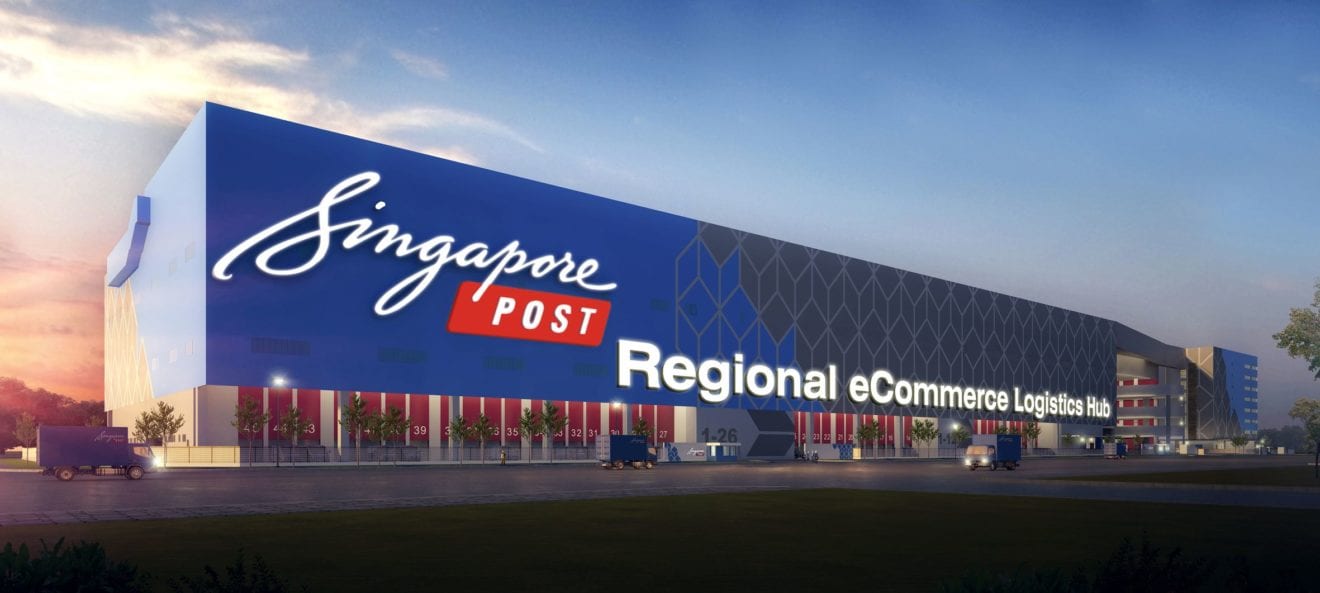
    Singapore Post has launched its Regional eCommerce Logistics Hub (eComm Log Hub) at Tampines Logistics Park.

    Costing S$182 million (US$131 million), the hub is SingPost’s largest eCommerce logistics investment in Singapore to date.
    Officially opened by Singapore’s deputy-Prime Minister and Co-ordinating Minister for Economic and Social Policies Tharman Shanmugaratnam, the three-storey hub comprises two warehousing floors, 150 simultaneous loading bays and an office block. The total built-up area covers 553,000 sqft (51,375 sqm).

    On the ground floor is a fully automated parcel-sorting unit that can handle up to 100,000 packages a day, while the second floor has the automated warehouse. End-to-end sorting, shipping and returns management capabilities enable quicker order fulfilment.
    The eComm Log Hub will process parcels for delivery within Singapore and those to be shipped internationally.
    “The opening of our Regional eCommerce Logistics Hub is another milestone in the expansion of SingPost’s eCommerce logistics network, which now spans 19 markets across Asia Pacific, Europe and the US,” says SingPost chairman Simon Israel. “Singapore’s regional connectivity makes it ideally positioned to be a centre for eCommerce.”

    He says everything in the new building is scalable, “which means we can keep upgrading it to meet the needs of the future”.
    Also at the opening ceremony, SingPost launched its Centre of Innovation (COI). This was set up last year with support from the Economic Development Board to research logistics and postal services and products, in collaboration with research institutions.
    Initiatives from the SingPost COI include:
    * Enhancements to the eCommerce logistics platform to help support smart logistics;
    * A new version of the Self-service Automated Machine (SAM) platform to enhance customer experience and provide a seamless omni-channel experience encompassing the kiosk and the digital postal office;
    * Taking the online and offline world of retail shopping to the SingPost mall, allowing retailers to experiment with customer interaction;

    • Digitally transforming the post office so customers can conduct transactions faster and easier;
    • Innovating last-mile delivery options through building next-generation PopStations and experimenting with drone delivery.
  • Lippo Group betting on e-money in digital age

    Lippo Group betting on e-money in digital age

    Indonesia’s Lippo Group is turning e-commerce, electronic money and other information technology-related enterprises into a new pillar of its business, closely monitoring spending trends to gain a better foothold in the greater Southeast Asian market.

    The next phase for the banking and real estate conglomerate “will be the fourth industrial revolution,” CEO James Riady told The Nikkei Tuesday on the sidelines of the 18th Nikkei Global Management Forum here.

    Lippo Group was founded as a banking institution by Mochtar Riady, the current CEO’s father and a former head of Bank Central Asia. It branched out into real estate in the 1990s when subsidiary Lippo Karawaci developed a plot outside Jakarta that the group collected as collateral. Lippo Group has since also developed retail and hospital operations, which help boost property value. It now has more than 20 listed subsidiaries and rings up a total of about $7 billion in annual revenue.

    But the fall in resource prices and China’s economic slowdown have dealt a blow to the Indonesian economy, including to its real estate sector. Lippo Karawaci suffered a 23% drop in sales last year to 9.19 trillion rupiah ($702 million), as well as a 79% plunge in net profit to 535.3 billion rupiah.

    Business of the future

    Meanwhile, the proportion of smartphone users in Indonesia has risen from about 20% of the population in 2014 to almost 40% — about 100 million people — in 2015. “We must have inward creative disruption so that we can be transformed into a new area of growth, which is the digital economy,” James Riady said.

    In addition to its communications and media businesses, Lippo Group launched e-commerce site MatahariMall in September 2015. One of the platform’s strengths is that it can use Lippo Group’s retail network throughout Indonesia to move and distribute products — a definite plus in the face of competition from Lazada Group, a subsidiary of Chinese titan Alibaba Group Holding, and Tokopedia, in which Japan’s SoftBank Group has a stake. It was revealed in October that Japanese trading house Mitsui & Co., bullish on MatahariMall’s growth potential, was investing in the site’s operating company.

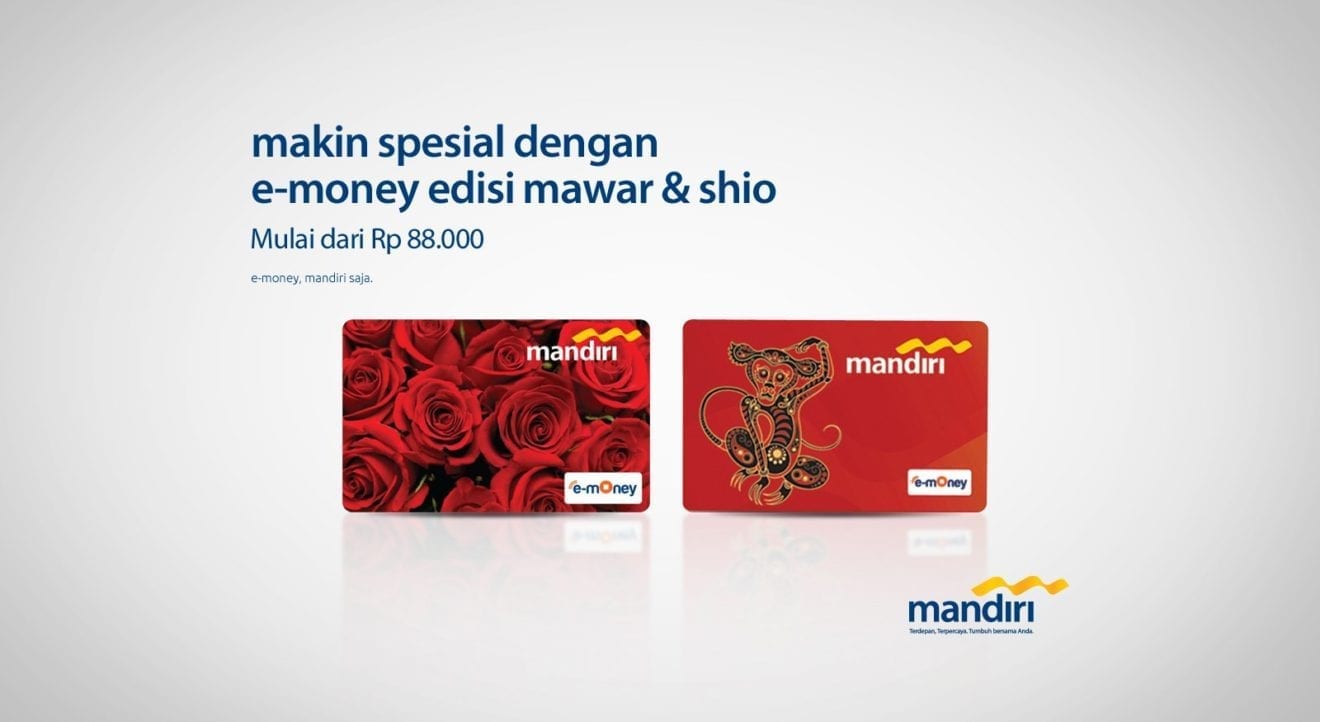
    Riady considers e-money his new focus. The goal is to get Lippo Group’s 120 million customers on board by allowing them to pay at hundreds of retail locations using the service. He plans to expand the group’s e-money offerings to other Southeast Asian countries, as well as include such services as depositing and transferring e-money. Riady sees a complete transformation in the way banks do business.

    Lippo Group and Singaporean ride-hailing company Grab agreed in July to cooperate on launching a mobile payment platform. The service will roll out in earnest at the end of the year.

    Following trends

    The spread of e-money will allow Lippo Group to closely track spending by its customers at retailers, e-commerce sites and other outlets. Riady hopes to use the service to bolster overseas expansion of the group and improve products and services associated with retail operations.

    Lippo Group is currently operating real estate businesses in Singapore and Hong Kong. But it will target Southeast Asia in the future to win over the region’s young, eager consumers. “What matters is how we can capture the [Association of Southeast Asian Nations] population of 600 million into our e-money accounts and world of services,” Riady said.

    In terms of Lippo Group’s real estate business, Riady expressed his interest not just in property development but in creating entire communities spanning retailers, hospitals and schools. The group has already built hospitals in Myanmar, and the CEO said the company is looking into Vietnam and Laos as well.

  • Indonesia wants to lead the region in e-commerce

    Indonesia wants to lead the region in e-commerce

    With other Southeast Asian countries already having prepared the ground for the digital economy to prosper, the Indonesian government has finally taken the initiative to spur the growth of e-commerce within its own boarders.

    Announced on Thursday evening, the 14th economic policy package will tackle eight issues that could determine the success of President Joko “Jokowi” Widodo’s goal of turning Indonesia into the biggest digital economy of the region by 2020 with a targeted value of US$130 billion. The eight issues are funding, taxation, consumer protection, human resources, logistics, communication infrastructure, cyber security and the establishment of a project management office.

    The government expects the new policy package, dubbed the e-commerce road map, to create 1,000 “techno-preneurs” with businesses that have a total value of $10 billion by 2020.

    Coordinating Economic Minister Darmin Nasution said the e-commerce road map, which will be translated into a presidential decree, was essential to boost connectivity and efficiency in the industry.

    The government also expects the road map to better protect national interests and give priority to small and medium-sized enterprises and start-ups.

    “We also want to boost creative innovation and invention of new economic activities, especially for youths who enjoy playing around with new things,” he said during a press conference to unveil the package on Thursday.

    Indonesia’s e-commerce market is estimated to be worth Rp 18 trillion ($1.4 billion) as of 2015, with 37 million consumers from a total population of 255 million, according to World Economic Outlook data compiled by the Internet Service Providers Association. The association expects the e-commerce market will be worth Rp 25 trillion by 2016, with 49 million consumers.

    Meanwhile, Communications and Information Minister Rudiantara presented some details of the road map, which includes grants or subsidies to help start-ups boost their chances of surviving in the tough e-commerce industry.

    The government also aims to reduce taxes for locals investing in start-ups and simplify taxation procedures for e-commerce start-ups with a turnover of less than Rp 4.8 billion a year, so that the final income tax will only come to 1 percent.

    “In terms of logistics, this is interesting, because we have already decided to reposition state-owned postal company Pos Indonesia as a logistical platform for Indonesian e-commerce,” Rudiantara said.

    Since taking office in 2014, Jokowi has issued 13 stimulus packages aimed at eliminating business hurdles.

    A recent report from management consulting firm McKinsey & Company suggested that by going digital, Indonesia would be able to unleash its next level of economic growth to the tune of $150 billion in terms of impact by the year 2025 if it were able to address the most pressing issues adequately.

    The report suggested that while Indonesia was admirable in terms of the number of internet and smartphone users, it still did not adequately embrace modern technology. Internet penetration in Indonesia has only reached 39 percent of the population, despite smartphone penetration standing at 43 percent.

    The report partly places the blame for the low penetration on Indonesia’s relatively weak information and communication technology infrastructure. Indonesia’s internet bandwidth, for instance, is still at a relatively low average rate of 6.2 kbps per user, far below Malaysia’s 27.2 kbps and the Philippines’ 27.7 kbps.

    Bank Central Asia (BCA) economist David Sumual was optimistic about the latest economic policy package, saying Indonesia’s market was large and investors had already begun to show interest in the business.

    David, however, warned the government’s digital economy dream could end if the country failed to improve infrastructure and logistics.

    “It will not reach its maximum potential if our logistics remain the same. It may be alright in the bigger cities, but how will it work in the remote areas? Weak infrastructure remains our biggest task.”

  • Internet Retailing Expo Indonesia Gears Up to Connect Indonesia’s Stakeholders

    Internet Retailing Expo Indonesia Gears Up to Connect Indonesia’s Stakeholders

    The Internet Retailing Expo (IRX) Indonesia, is gearing up to return with a loud bang. The 2ndedition of IRX Indonesia, to be held from 18 to 19 January next year at the Pullman Jakarta Central Park, will once again become the meeting place for marketplaces, multi-channel retailers and online retailers to meet their key suppliers and learn through peer knowledge sharing and best practice implementation case studies.

    IRX Indonesia was launched due to the huge potential of the internet retailing market, as it has started to grow significantly within Indonesia in the recent years.

    In 2017, IRX Indonesia is expected to attract 2000 visitors to an even more diverse exhibition with plenty of value-packed on-floor sessions and 75 leading solution providers in the areas of digital infrastructure and innovation, digital payments, last mile fulfilment and many others. More than 80 multichannel and ecommerce retailers will be sharing knowledge and experience during the six conferences sessions, workshops and clinics at IRX Indonesia 2017. All these under the themes of Connected Store of the Future, Payments & Security, Insight & Experience, Digital Sales & Marketing, Digital Merchandising, Multichannel Operations & Fulfilment.

    “IRX is the leading multichannel event in the retail calendar and takes place every March at the NEC Birmingham, United Kingdom. The UK is the most sophisticated internet retailing market globally. With over 200 exhibitors and 5000 visitors to the show, IRX welcomes retailers and technology providers from across the multichannel landscape,” said Richard Ireland, Managing Director, Asia, Clarion Events Pte Ltd. “Following its great success in 2016, IRX will be running its second show in Jakarta, Indonesia in January 2017 and plans to bring some of the expertise gained from the UK to Indonesia. Our event plans to help retailers looking to establish, along their journey to grow their online retail strategies.”

    Visitors to the event can expect industry tracks featuring a distinguished speaker panel of local and international industry who’s who, including, among others, Roy N. Mandey, Chairman, APRINDO; Ravi Kumar, COO, PT. MAP; Catherine Sutjahyo, CEO, Alfacart.com; Adrian Suherman, CEO, Lippo Digital Group; Aruni Therese Abeyesundere, Chief Marketing Officer, Pizza Hut;; Simon Torring, Regional Head of Merchandising (Digital), Sephora Digital SEA, Ankit Porwal, Business Director, L’Oreal Paris Indonesia; Ashley Amanna, Head of ECommerce, L’Oreal Indonesia; Pankaj Khushani, Head of Media Technology Solutions – SEA, India & Korea, Google; Rizkie Maulana Putra, Head of ECommerce Development, Samsung Electronics Indonesia; Tabah Yudhananto, Marketing Technologist, Digital Marketing, CRM Senior Manager, Blibli.com; and Cam Walker, CEO Indonesia, iflix.

    The conference will feature 6 streams alongside e-Commerce clinics and workshops on the exhibition floor. Special highlights for the event include SME Forum: “Building capabilities in a digital age”; CMO Forum: “The way marketers engage customers”; CEO Panel Discussion: “Omni Channel retailing: Digital Transformation, Customer First”; E-Commerce University; E-Commerce Clinics; Start-up & Innovation Zone: “Enabling Business value with Digital Transformation”; Indonesia – China Cross-Border Ecommerce Pavilion; and 3D VR Shopping Experience.

    IRX Indonesia will feature 50+ exhibitors including 8Commerce, Asian Delker Logistics, ATEX, Cashlez, Detrack, E2Pay, Egentic, ICUBE, Innovecto, Midtrans, MooCommerce, PaketID, Priceza, PT Kam and Kam, PT Kioson Komersial Indonesia, and SAP, and sponsors including BCA, Accenture, Telkom Indonesia, PT Pos Logistics Indonesia, Akamai, Anchanto, Go-Jek, Magento, Manhattan Associates, At Internet, aCommerce, Alto, FedEx, Gift Card Indonesia, Intramega Global, netCORE, Sprooki, and JNE.

  • Alibaba Singles’ Day to extend beyond mainland China

    Alibaba Singles’ Day to extend beyond mainland China

    Alibaba’s Singles’ Day – now dubbed 11.11.Global Shopping Festival – is set to expand into international territories for the first time this year.

    The online retail giant founded by Jack Ma plans to use the celebrations around the event and its catalogue of data to target shoppers in Hong Kong and Taiwan.

    Next year, Alibaba plans to target Southeast Asia too.

    The sales-shopping frenzy, which is poised to lure millions of Chinese buyers and has been extended to 24 days, commences on Friday morning.

    American singer Katy Perry and boy band One Direction have been lined up to perform at the countdown gala in Shenzhen, near Hong Kong, on Thursday.

    The biggest Singles’ Day yet

    Chinese websites are preparing to smash Singles’ Day records

    Singles’ Day began seven years ago and involved only 27 merchants, but since then the event has ballooned.

    Last year Singles’ Day raked in $14.3bn in sales, more than the combined online sales over the five-day period covering Thanksgiving, Black Friday and Cyber Monday in the US – $11.1bn.

    Chinese websites are preparing to smash singles day records

    According to global delivery firm Fastline International, Singles’ Day sales will soar by 50% this year – rocketing to $21.45bn and eclipsing Black Friday.

    “Such is the growth in China’s home shopping market,” said Fastline head of consumer research David Jinks.

    “Long gone are the days when Singles’ Day was only celebrated by single male students at Nanjing University. Today it is the biggest sales day on the planet.”

    While the event was not originally invented by Alibaba, the retailer has made it a fixture of the retail calendar.

    Based on an anti-Valentine’s concept, Singles’ Day launches on November 11 (11.11) because of its four single digits. It was historically a shopping day for singles, but is popular now with bachelors and couples alike.

    Singles’ Day and other similar events such as 8.8 have driven the growth of Alibaba, which reported a 55% sales increase in its third-quarter results last month.

  • Singaporean middle-income earners spend the most online

    Singaporean middle-income earners spend the most online

    Check out what do Singaporeans buy based on monthly income.

    On average, shoppers spend S$155 a month, or S$1,860 a year, on retail purchases and travel bookings online. Those with monthly salaries between S$4,000 and S$5,000 spend the most at S$194 a month, which is 20% more than those earning S$5,000 – S$6,000.

    These are some key findings from a study by Personal finance comparison site SingSaver.com.sg and online shopping rewards portal ShopBack.

    Together, they polled 1,979 Singaporeans aged 21 to 60 about their online shopping habits and how they save money at digital stores.

    Fashion is a number one spend category for shoppers with a monthly income under S$6,000. Electronics is the next most popular category for those earning S$3,000 – S$5,000 a month, and Health & Beauty for those earning less than S$3,000 a month. Only shoppers earning S$4,000 – S$5,000 a month count travel as part of their top 3 online expenditures.

    Meanwhile, respondents who earn over S$6,000 a month spend more on online groceries than fashion purchases and electronics.


  • E-commerce roadmap will boost Indonesian young entrepreneurs` growth

    E-commerce roadmap will boost Indonesian young entrepreneurs` growth

    The Indonesian Young Entrepreneurs Association (Hipmi) of Yogyakarta supports the governments plan to formulate an e-commerce roadmap by early 2017.

    “The e-commerce roadmap to be launched by the government is a step in the right direction as it will encourage Indonesian young entrepreneurs and help them in expanding their business,” a Yogyakarta Hipmi member, Gunarta Adibrata, said here on Wednesday.

    Also, such a roadmap will help those starting their businesses in accessing the e-commerce system.

    “Young entrepreneurs will find the e-commerce business roadmap very beneficial,” Gunarta noted.

    According to him, young entrepreneurs need such assistance in order to grow their businesses.

    In addition, the governments timely interventions and support will increase the markets confidence in the ability of the young entrepreneurs.

    “Such an e-commerce roadmap must have clarity about taxation and consumer protection. These two things will add a positive value and enhance business certainty for those using the e-commerce system,” Gunarta noted.

    Earlier, the government had stated that the e-commerce roadmap, aimed at regulating and stimulating e-commerce transactions in Indonesia, will be released in early 2017.

  • Boom quarter for Alibaba Group

    Boom quarter for Alibaba Group

    While China’s economy goes through a sluggish patch, internet shopping mall giant Alibaba Group has announced a sparkling quarter in which profit beat expectations, its fledgling cloud computing business more than doubled sales, and its entertainment income quadrupled.

    “Our results reflect our increasing ability to monetise our 450 million mobile users through new and innovative social commerce experiences,” says CEO Daniel Zhang.

    “Beyond the strong performance of our core commerce business, we are pleased with the continued rapid growth of our cloud computing business. We also see huge potential in our newly integrated digital media and entertainment unit. By combining engaging online experiences with highly relevant content, we delivered impressive financial and operational results for the quarter. ”

    CFO Maggie Wu says the group had robust revenue growth of 55 per for the quarter ended September 30.

    “Our highly profitable and cashflow-generative core commerce business enables us to invest in our future growth areas of cloud computing, digital media, and entertainment and innovation initiatives. We expect each of these businesses to drive long-term value for both our customers and shareholders.”

    At RMB34.292 billion (US$5.142 billion), revenue increased 55 per cent year-over-year, the star sector being digital media and entertainment, which ballooned 302 per cent to RMB3.608 billion. There was also an impressive 130 per cent growth in revenue from cloud computing to RMB1.493 billion, while revenue from innovation and other sources grew 78 per cent to  RMB698 million, and revenue from core commerce rose 41 per cent to RMB28.493 billion.

    Up 23 million

    Mobile monthly active users (MAUs) on its China retail marketplaces reached 450 million in September, an increase of 23 million over June, while annual active buyers reached 439 million, an increase of 5 million from the 12-month period ended in June.

    Customers for its cloud computing business grew to 651,000 from 577,000 in the previous quarter. The operating loss from cloud computing was RMB398 million for the quarter, and adjusted EBITA loss narrowed from RMB158 million in the previous quarter to RMB57 million.

    Alibaba says its Taobao app continues to be the leading social-commerce platform, serving creative content, social-engagement opportunities and personalised shopping recommendations. Livestreamed demonstrations for fashion apparel, cosmetics, maternity/baby products, sports and activewear generated millions of daily views.

    The company says it also achieved high social engagement on the mobile Taobao platform, citing more than 6 million app users sharing their shopping experience with friends each day.

    “We continue to see strength in the consumer electronics category, with robust growth in smartphones and large appliances,” says Alibaba. “In September, Apple recognised our branding reach and distribution capability by appointing Tmall the third-party online platform for the simultaneous launch of the iPhone 7 with Apple in China.”

    In the large appliance category, Alibaba is continuing to work with Haier’s logistics subsidiary RRS, with orders from its marketplaces handled by RRS growing by more than 82 per cent for the quarter.

    Triple digits

    Alibaba has also continued to make strong progress in the FMCG category, with personal care, food, and mother and baby being among the top growth categories. Its Tmall Supermarket has seen its volumes grow by triple digits year-on-year.

    “Multinational FMCG brands are working with us as the partner of choice, not only to drive their transaction volume, but also in the areas of brand building, channel expansion and product launches to grow their presence in China.”

    During the year Alibaba launched innovations around livestreaming, AR and VR to drive consumer engagement. Examples include a livestreamed “See now, buy now” fashion show watched by 7 million viewers on Taobao, Tmall and the Tudou and Youku apps. Alibaba also integrated the omni-channel shopping experience at more than 60,000 offline storefronts, including Gap, Uniqlo and Intime department store.

    A pilot program has been introduced to help global merchants sell beyond China. Hong Kong and Taiwan are the first markets outside the mainland.

    Alibaba Cloud hosts and provides security products and services for more than 35 per cent of China’s websites, says the company.

  • Kobe Bryant joins Katy Perry in 11.11 launch

    Kobe Bryant joins Katy Perry in 11.11 launch

    Legendary Los Angeles Laker Kobe Bryant will join Katy Perry as the headline celebrities in Alibaba’s 11.11 Countdown Gala Celebration on November 10.

    US pop-rock band OneRepublic has also been confirmed, likely to perform its hit song Counting Stars

    11-11

    Alibaba had earlier named Katy Perry as a “global ambassador” for the gala, which is being held in Shenzhen in the hours leading up to the eCommerce giant’s 11.11 Global Shopping Festival’s midnight kickoff. The American singer will perform a number of her chart-topping singles, including her most recent, Rise.

    Mixing sports stars, singers and actors is a variety show formula that has been long dormant in the West as broadcast entertainment, Alibaba’s eclectic event – a way to warm up online shoppers for the world’s largest online sale – drew 100 million Chinese viewers in its debut last year.

    Alibaba Group chief marketing officer Chris Tung called the gala “a global carnival, a world-class performance that involves the audience throughout the event with many touch points and is like nothing else you have experienced”.

    It’s those touch points that Alibaba is focusing on in order to make the four-hour broadcast something viewers can participate in instead of just watch. One interactive feature planned for the show will give the audience a chance to win prizes by shaking their phones with the Mobile Taobao and Tmall apps open during key moments. Alibaba will also offer a sort of “choose your own adventure” feature where viewers can vote to decide how some segments of the gala play out.

    While the Hangzhou, China-based company did not release the full roster of celebrities expected to appear on the live broadcast, choosing instead to tease out names over the coming week, Alibaba did say that Beth Behrs, star of US sitcom 2 Broke Girls, which is wildly popular in China, and German footballer Thomas Muller are on the list.

    Alibaba has recruited Hollywood talent to produce the gala. David Hill, who is known for his work on the Oscars, NFL Super Bowls and reality show American Idol, was brought on board earlier this month to oversee the event. “Combining Alibaba’s technology with my experience at other global events we are going to develop a spectacle like no other,” Hill said in the statement.

    In addition, four one-minute time slots will be awarded to those merchants, consumers and charities who submit the best advertisements or promotions to Alibaba. Those winning videos will be aired during the gala.

  • First Cross-Border Rewards Platform UTU Launches

    First Cross-Border Rewards Platform UTU Launches

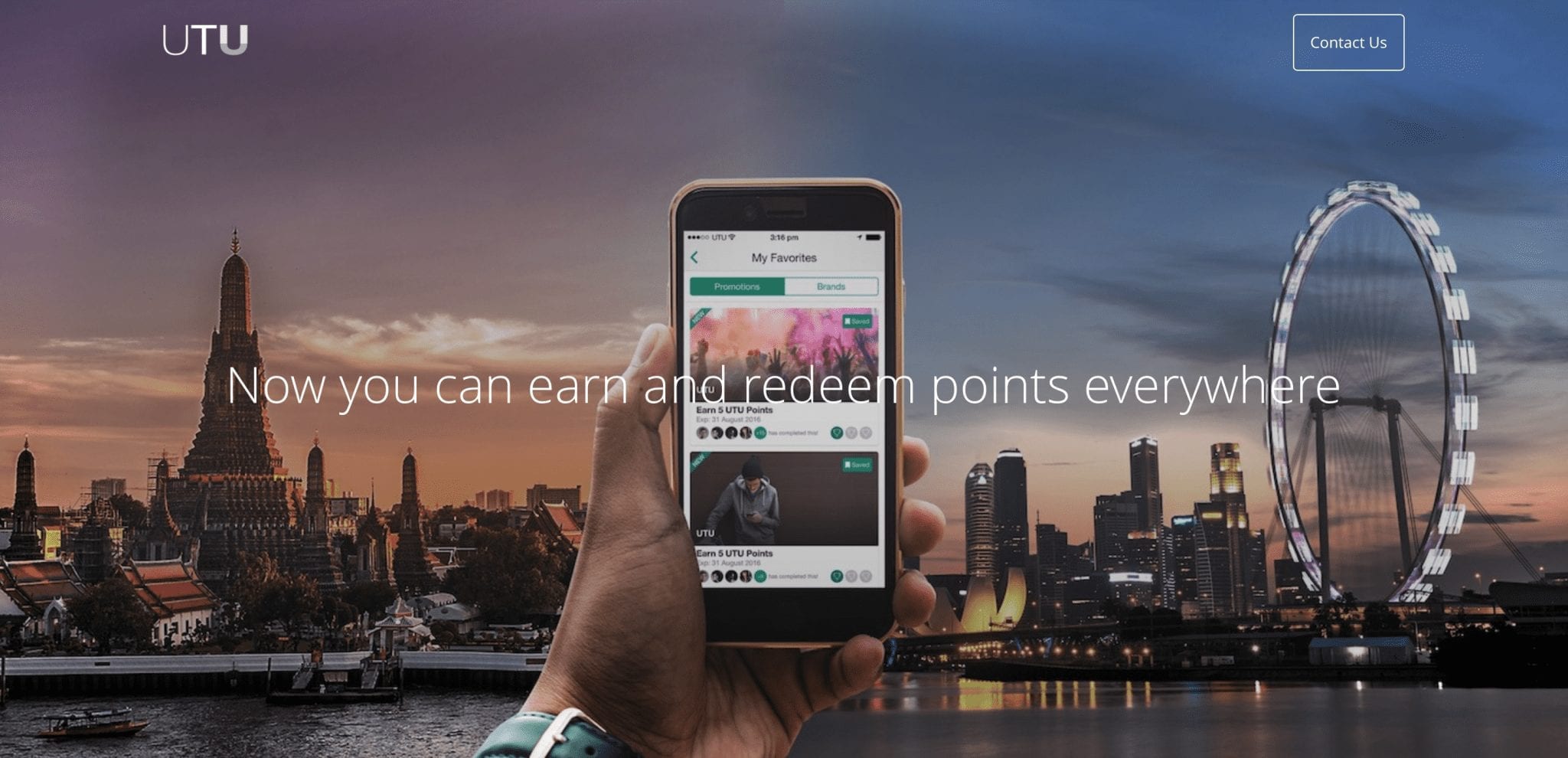
    Father and son team Asad and Ameer Jumabhoy from tourist VAT refund and payments technology company The Scotts Group, and Jeremy Tan, an expert in financial technology, mobile payments and loyalty platforms from Korvac Holdings, announce the launch of UTU, a cross-border loyalty and rewards platform that enables people to convert, earn and redeem points in real time at any UTU merchant outlet worldwide through their smartphone.

    UTU consolidates rewards points from multiple credit and debit cards; eliminates the time it takes for those points to be processed; removes the barriers to cross-border loyalty; and offers shoppers a new kind of consumer model – one that enables them to earn rewards points now and pay with them at point of sale. The platform also features a merchant portal that allows brands to set up their own promotions, optimize campaigns and track their return on engagement.

    “UTU’s potential lies in its ability to engage merchants with consumers, acquirers with merchants and issuers with their consumers on a single integrated platform,” says Asad Jumabhoy, an entrepreneur and pioneer in the digitization of global tax-free shopping. “Real innovation minimizes the gap between process and people. With UTU, we’re bringing it all together in the retail, travel and rewards space at home and away, online and instore.” 

    UTU launches in Thailand in November, with further roll out happening in Asia in 2016/2017. The choice of Thailand as a launch location is attributed to the country’s deep loyalty culture, and presents UTU the opportunity to fill an immediate need (e.g. as of August 2016 over 70 million credit and debit cards were in circulation in the country; Thais carry an average of seven loyalty cards each; and brand rewards programs are the country’s most popular Google search category). Brand partners at launch include Visa Thailand, the Tourism Authority of Thailand, RSH Limited and Singapore’s NTUC Link. Availability in the UK, Europe and US is anticipated in 2017. 

    “We are excited to be working with UTU on the expansion of the Plus! Partners network beyond Singapore and is in line with our vision to provide gratifying experiences for members of the Plus! Rewards Program,” says Tony Tan, CEO of NTUC Link. “This synergistic partnership allows Plus! Members to maximize the mileage of their overseas expenditure as points earned during their travels can be converted and redeemed for rewards when they return home. The growing number of leisure and business travelers in our membership base will definitely benefit from the enriched array of options UTU will make available around the world.”

    “UTU promises to enhance everyday retail experiences by providing greater seamlessness between customers and brands across borders,” says Indranu Hati, CEO of RSH Thailand Group. “UTU is the perfect loyalty service partner for us, given our growing footprint in nearly a dozen countries across Pan Asia.” 

    UTU is a response to the observation that the tourist today is a local tomorrow, and a local today is a tourist tomorrow. With more than one billion people travelling to foreign countries a year, locals and tourists want integrated loyalty programs, greater ease in managing their rewards points and more relevant deals from merchants. With UTU, shoppers continue to be rewarded, regardless of geography, through the one piece of technology they use every day – their mobile phone. 

    To use UTU, users download the free mobile application; register up to five credit or debit cards on to the UTU app; earn rewards points when they shop; convert those points through the UTU platform; and spend them at thousands of participating redemption outlets. Users can also gift points, select to receive promotions and earn extra points through merchant engagement.

    The global loyalty industry is estimated to reach US$20 billion by 2020. Loyalty management today is an expensive and segmented process which has resulted in a plethora of programs delivering incremental advantages to the consumer. Merchants bear the cost of loyalty systems and front line education and training. Shoppers are burdened with physical cards and are responsible for monitoring their points and merchant offers through separate portals. UTU eliminates the inconvenience for all parties and provides a streamlined experience. 

    “We congratulate UTU on launching this global loyalty rewards program and choosing Thailand as its springboard,” says Suripong Tantiyanon, Country Manager, Visa Thailand. “Through Visa Direct, UTU taps the push payment capability of Visa’s global payment system to redeem points and rewards.” 

    “Loyalty is the key to brand success in a digital world, yet we’re still limited in how we are rewarded for how we choose to spend our money,” says Ameer Jumabhoy, a second-generation student at MIT Sloan School of Management involved in MIT’s Digital Currency Initiative. “What we’re working to achieve with UTU is to remove those boundaries and give people the freedom to get more.”

  • Alibaba momentum builds ahead of Singles Day

    Alibaba momentum builds ahead of Singles Day

    Despite its already significant scale, Alibaba continues to grow rapidly, thanks in part to its acquisitions of Chinese video site Youku Tudou and e-commerce business Lazada. Much like Amazon, the e-marketplace’s success this quarter was tethered by strong support from its cloud computing operations, which increased 130% year-over-year to RMB1,493 million (US $224 million).

    “Beyond the strong performance of our core commerce business, we are pleased with the continued rapid growth of our cloud computing business,” Alibaba Group CEO Daniel Zhang said in a statement. “We also see huge potential in our newly integrated digital media and entertainment unit. By combining engaging online experiences with highly relevant content, we delivered impressive financial and operational results in the quarter across the company.”

    The company said it will continue with acquisitions that it believes will contribute to its growth, and Alibaba Group executive vice chairman Joe Tsai told investors that Alibaba’s patience with such companies will eventually pay off, according to Alibaba spokesperson Erica Matthews. Alibaba’s investment in Lazada, and Lazada’s reported acquisition of RedMart, is part and parcel of that strategy.

    “The investment cycle for incubating businesses that eventually become massive value drivers can take seven to 10 years,” Matthews said. “This is a pattern that was repeated with Taobao, Alipay and Alibaba Cloud, all of which were developed organically in-house. We believe Alibaba’s ability to remain patient and invest with a long-term view is a huge competitive advantage.”

    The conglomerate’s strong quarterly results come just ahead of its blockbuster Singles Day event. While the online shopping bonanza won’t take place until Nov. 11, the e-commerce goliath rolled out deals three weeks early, much in the same way that retailers like Amazon have launched early Black Friday promotions well ahead of the holiday.

  • Amazon coming to South-east Asia via Singapore, says report

    Amazon has plans to expand to South-east Asia, and there are signs the online retail giant is enteringhe region through Singapore, Techcrunch reported on Wednesday (Nov 2).

    Amazon is acquiring assets, and hiring new employees in Singapore, the tech news website said, citing two sources close to the company.

    There has been no official announcement by Amazon.

    The report said that Amazon may debut its Prime delivery service and its AmazonFresh grocery service, perhaps as soon as early 2017.

    Amazon’s possible South-east Asian foray comes soon after aggressive moves to enter India and China. In China, it started offering its Prime free-shipping service last month.

    Prime gives members in the US perks like free delivery and access to a growing library of videos and music.

    The US company has also pumped $3 billion more into its Indian e-commerce operation.

    Amazon’s entry to the region, if it materialises, may heat up competition in the online retail market.

    On Wednesday, Singapore-based e-commerce company Lazada announced that it will acquire Redmart, an online grocery retailer.

    Sometimes called South-east Asia’s Amazon, Lazada was started by Rocket Internet. Chinese e-commerce leader Alibaba bought a controlling stake in Lazada in April this year in a US$1 billion deal.

  • Nestlé aims to boost e-commerce contribution to revenue

    Nestlé aims to boost e-commerce contribution to revenue

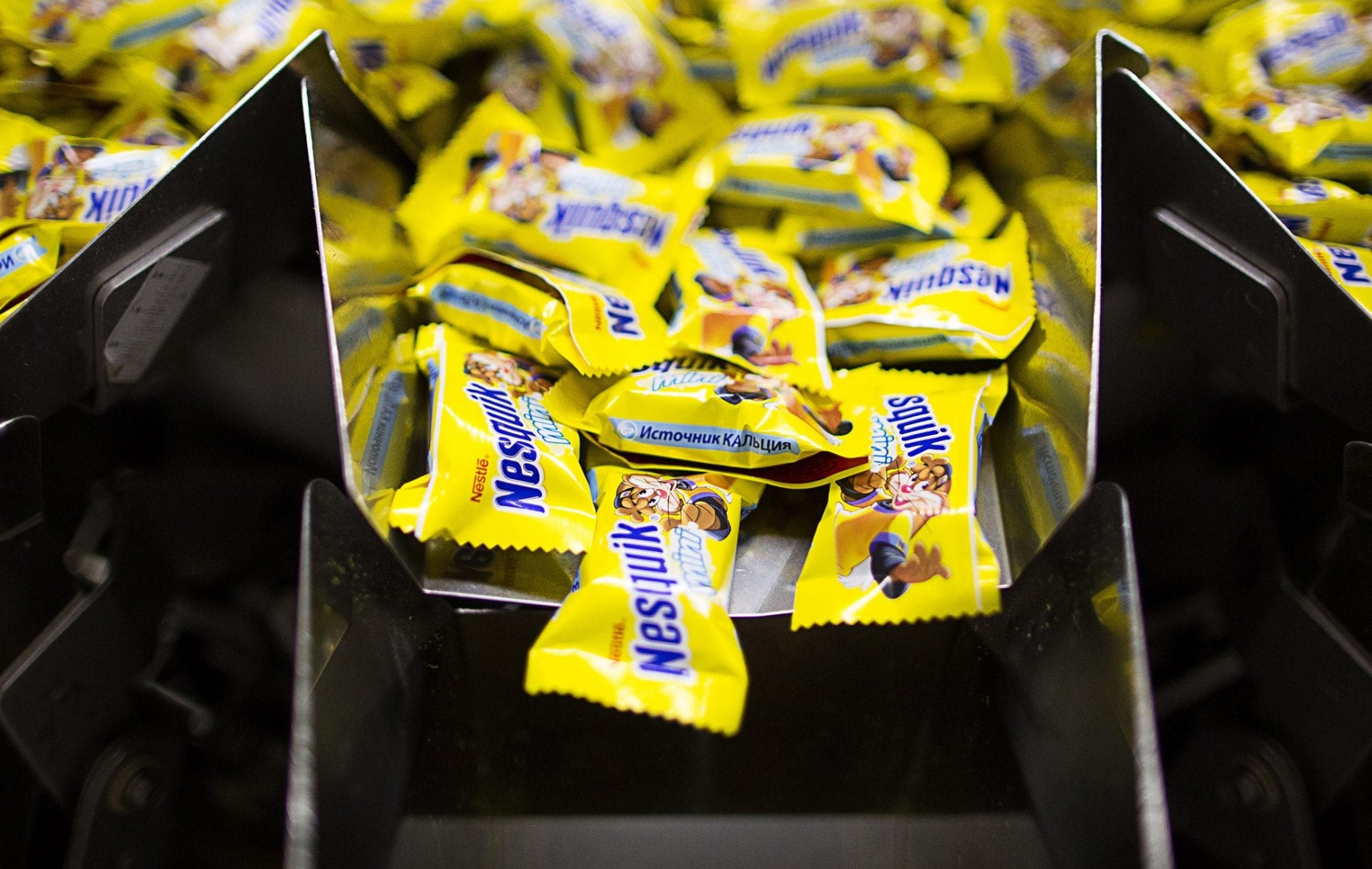
    Nestlé (Malaysia) Bhd expects to increase its e-commerce contribution to its revenue from the existing one per cent to 10 per cent within the next three to four years. This 10 per cent, according to its managing director, Alois Hofbauer would translate to some RM500 million.

    “We are already the market leader within the nutritional, health and wellness segments in this country. Right now, it is not just about expanding but continuously strengthening our position,” he told Business Times on the sidelines of Lazada’s biggest online shopping event launch, the ‘Online Revolution’, this morning. “We already have our e-commerce platform, as well as ongoing partnership with Lazada and 11street.

    Going forward, we will be increasing our partnership numbers within this space.” He explained that the Nestlé Malaysia catalogue alone amounted to the hundreds but it is difficult for physical retailers to carry all of them. “With an e-commerce platform, we will be able to offer all our products and to all corners of Malaysia. It doesn’t matter if you’re in the Klang Valley or Terengganu outskirts, we will be able to provide our products for you,” said Hofbauer.

    He also stressed that this continuous increased demand would also mean a positive impact to all its stakeholders, from farmers who supply the raw products, to shareholders and to also the government as Nestlé is here for the long term. “We have seen some minor impact given the Goods and Services Tax (GST) and otherwise subdued economic landscape, but the foods and beverages (F&B) industry is resilient and we will continue to grow.”

    The company registered a total turnover of RM4.8 billlion in its 2015 financial year and has been growing at a rate of five per cent, beating the F&B industry’s overall growth of two per cent, also in 2015. Hofbauer was earlier part of the five-person panel alongside Lazada Malaysia’s chief executive officer, Hans Peter Ressel; L’Oréal Malaysia’s business head of consumer product division, Manashi Guha; Samsung Malaysia’s head of consumer electronics, Jimmy Tan and Vinda Group’s commercial director, Tony Sperrin in discussing the impacts of e-commerce on Southeast Asia’s retail landscape.

    “The growth in Malaysia in particular has been tremendous as we have seen a triple digit growth year on year on Lazada,” said Ressel. “We expect this momentum to continue because right now we are reaching further into the outskirts of Malaysia as we see a higher demand there versus Klang Valley. That being said, Malaysia will continue to be one our key markets.” The ‘Online Revolution’ on Lazada will run for a month from November 11 to December 14 and will feature the participation of over 1,000 brands and 55,000 international and local merchants.

  • Nokia to supply Globe Telecom in the Philippines

    Nokia to supply Globe Telecom in the Philippines

    Nokia and Globe Telecom, a leading telecom operator in the Philippines, on 24 October signed two Memoranda of Confirmation frame agreements – one for wireless technologies and the other for IP, Optical and SDN technologies – under which Nokia will transform Globe Telecom’s current fixed and mobile networks into a more robust network that will help Globe meet the country’s burgeoning and future digital demands.

    This will enable Globe Telecom’s move to Cloud and IoT-ready networks and 5G.

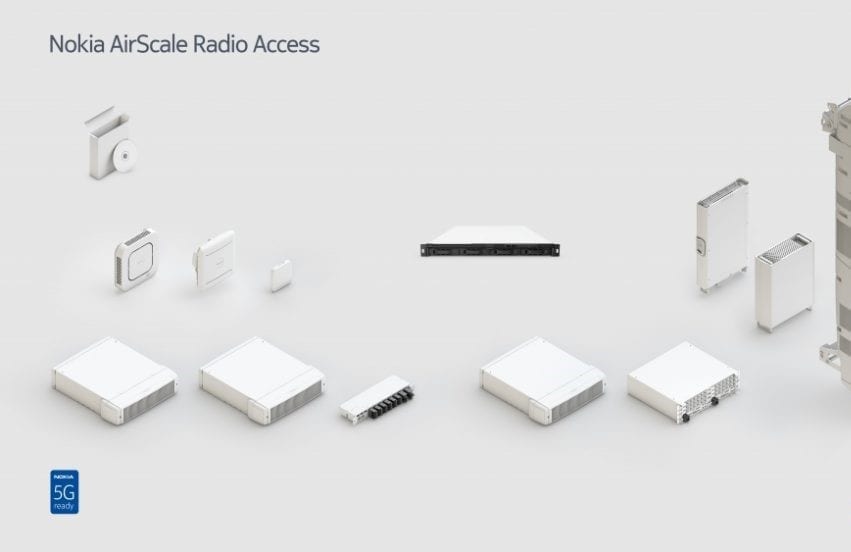
    Under the agreements, Globe Telecom will transition to a flexible cloud-based network infrastructure, with Nokia’s 5G-ready AirScale radio access and IP, optical and carrier SDN technology solutions providing seamless connectivity to consumers and enterprise customers. The modernized Globe network will also allow it to support the Philippine government’s initiative to further expand the availability of broadband services in the country.

    The mobile network frame agreement between Nokia and Globe Telecom follows the operator’s recent access to new LTE spectrum. Nokia will deploy its 4.5G Pro technology using the 5G-ready AirScale Base Station and Flexi Zone small cells, managed by NetAct, in the Visayas and Mindanao regions, providing broadband access to some areas in these regions for the first time. Globe will also be enabled to use Mobile Edge Computing and advanced carrier aggregation techniques to deliver virtually unlimited scalability and dramatic improvements in speeds and capacity that will deliver compelling new services. The technology will also enable lower power consumption, reduced operating costs, more network automation and enhanced network performance as it transforms Globe Telecom’s customer experience for a subscriber base growing at 10 percent annually, as well as meeting increasing demand from IoT devices.

    In the second frame agreement, Nokia will deliver its integrated IP and optical networking and carrier SDN technologies across the Philippines to enhance the agility, quality, performance, coverage and capacity of Globe Telecom’s enterprise data services network. This will allow Globe to deliver coverage to more regions including in the ARMM, such as Lanao del Sur, Maguindanao, Basilan, Sulu and Tawi-Tawi. Using Nokia’s carrier SDN platform, Globe will also be able to provide flexible data services such as bandwidth-on-demand nationwide, and expand its offer to thousands of enterprise customers, global service providers and local government agencies as well as those serving the Information Technology-Business Process Outsourcing (IT-BPO), hospitality, education, manufacturing, retail, healthcare, logistics and finance industries.

    “As the Philippines’ leading fixed and mobile service provider, we are devoted to improving people’s connected lives day-by-day. With Nokia’s innovative technologies, we are confident to lead the 5G and cloud network evolution,” said Ernest L. Cu, president and CEO of Globe Telecom.

    “This is a significant agreement with a longstanding technology partner, and strengthens Nokia’s position as Globe Telecom’s premier provider of end-to-end technology solutions. We are committed to delivering technologies that allow operators to transition smoothly to intelligent, future-proof networks, offering seamless connectivity and changing how people communicate and connect,” said Mike Wang, head of the joint management team in China at Nokia.

  • Samsung Pay to expand to Malaysia, Thailand

    Samsung Pay to expand to Malaysia, Thailand

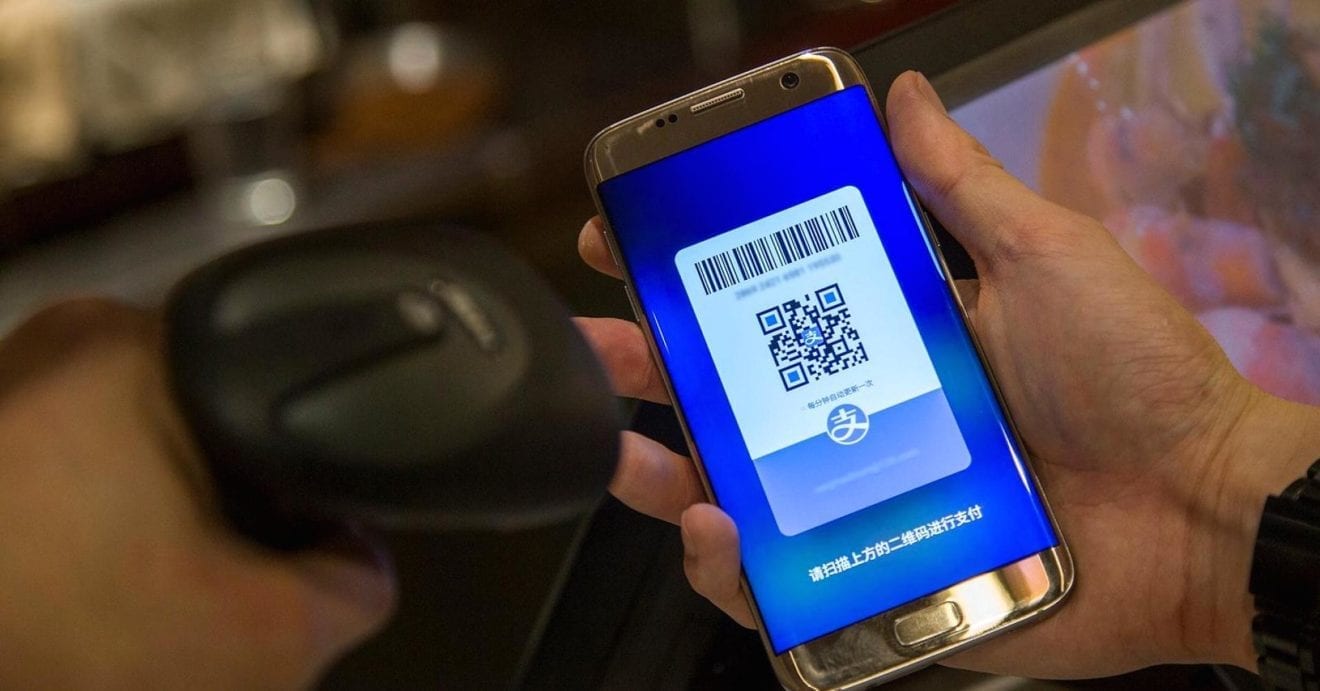
    Samsung Electronics has confirmed Samsung Pay Thailand will make its debut before the end of this year.

    Thailand, Malaysia and Russia are three of 10 new markets where the payment technology will be introduced.

    Samsung Pay has also announced a global partnership with MasterCard to offer a simplified online payment and express checkout solution through its digital payment service Masterpass, starting early next year. Hundreds of thousands of merchants in 33 countries currently accept Masterpass for online payments.

    “When we introduced online payments in South Korea last year, the service was well received by the market.

    Online payments accounted for more than 25 per cent of the 2 trillion won in processed transactions, demonstrating that consumers may be actively looking for solutions to make their online experiences faster, simpler and secure,” said Thomas Ko, VP and Global GM, Samsung Pay, Mobile Communications Business at Samsung Electronics.

    Samsung Pay will provide consumers with a seamless online payment platform with benefits including:

    • Express Checkout: Skip the process of filling out long online forms. With the express checkout solution, customers will be able use their Mastercard debit or credit cards along with the shipping information saved on their Samsung Pay account to quickly complete online transactions.
    • Make Purchases from Any Device: Customers can make online purchases from a computer, tablet or smartphone while shopping on their favorite sites or apps.
    • Secure Transactions: Security remains our top priority. When making online payments, a unique token is used in an encrypted form – not the actual debit or credit card number. Users can authenticate transactions using secure methods including a fingerprint scanner, which is built into Samsung’s mobile devices.