Category: E-Tailing

Retail News Asia is committed to providing both local and global retailers with the latest E-Commerce & Etail news throughout the Asian market. This on a daily base.

  • ShopBack Singapore enhances the “Shop-and-Save” lifestyle with mobile app launch

    ShopBack Singapore enhances the “Shop-and-Save” lifestyle with mobile app launch

    Before ShopBack Singapore hits its two-year mark, the local start-up revs up its presence with a mobile app launch today. From now onwards, shoppers are able to shop with greater convenience, at anytime, anywhere from computers and tablets to Apple iOS and Android apps.

    Expanding its move beyond desktop and mobile-optimised sites, ShopBack aims to make the “Shop-and-Save” lifestyle ubiquitous and accessible not only in Singapore, but in the rest of its markets. Currently, ShopBack is present in Singapore, Malaysia, the Philippines, Indonesia and India.

    “Today, we help consumers save on their shopping with up to 30% Cashback offering. When we give shoppers Cashback, we’re returning them some of the money that they’ve used for their purchases via ShopBack,” said Ms. Josephine K Chow, Country Head of ShopBack Singapore. “An average shopper can save about $500 a year with just an extra click on desktop.”

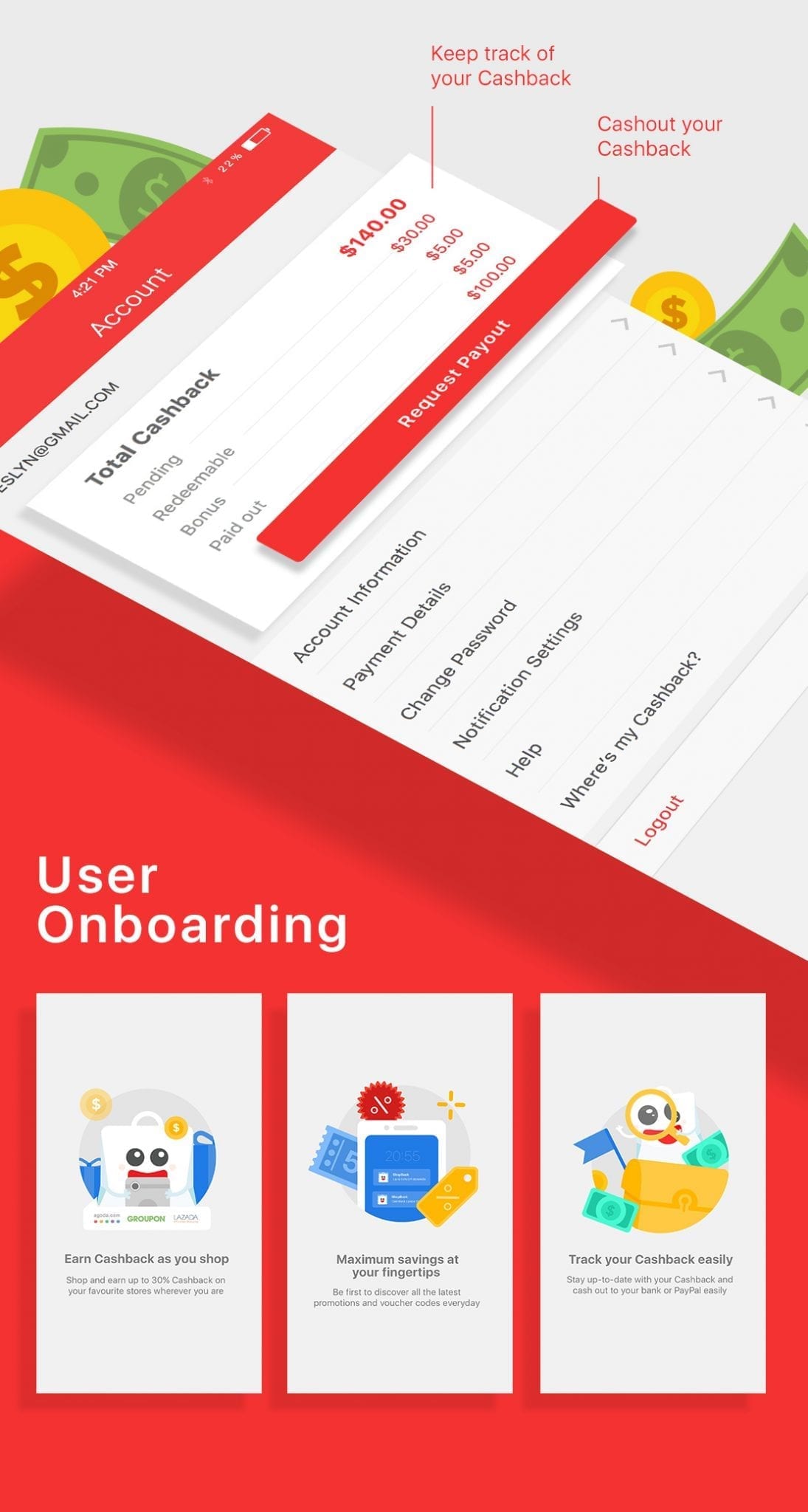
    ShopBack SG - Mobile App - Pic 2

    “With ShopBack app, shopping smart just gets simpler. Now you only need to download one app to shop and access offers at over 500 online stores like LAZADA, Groupon, ASOS and more,” said Ms. Chow.

    Key Features of ShopBack Singapore Apple iOS and Android apps

    • Cashback Shopping – Earn up to 30% Cashback at over 500 stores.
    • Upsized Cashback – View stores offering upsized Cashback to access better deals! Simply look out for the money bag icon on the top left corner of the store front.
    • Coupon Codes – Get access to unique coupon codes that can be easily copied and applied before checkout.
    • Popular Stores – Check out what other ShopBack Singapore users frequently shop at.
    • Staff Picks – Staff recommendations of the latest stores as well as latest deals served in a tab.
    • Highest Cashback – Find out the shops that offer the highest amount of Cashback to gain the most out of shopping trips.
    • My Total Cashback – Access ShopBack wallet to view the amount of savings earned. Consumer can also easily trace their Cashback using this function.
    • Notification Settings – Stay updated with trending deal, Cashback earned and payment alerts.

    To encourage user adoption of the “Shop-and-Save” lifestyle, ShopBack Singapore is offering a $5 cash bonus which can be unlocked with a minimum purchase of $25 for any necessities and niceties from 4 July 2016 (midnight onwards) to 5 July 2016 (before the clock strikes twelve).

    Topped with up to 80% in-store clearance offers as well as ShopBack’s up to 30% Cashback, users can achieve as high as 50% savings for their steals using a single app.

    Cathay Cineplexes, Guardian and Uber amidst the latest stores riding the “Shop-and-Save” wave

    With more than 250,000 ShopBack Singapore shoppers championing the “Shop-and-Save” lifestyle, the start-up begins to see more online retailers joining the league. ShopBack Singapore refreshes its store offerings with new partnerships of up to three stores per week, including the traditionally brick-and-mortar brands that are seeking effective ways to get a piece of the growing e-commerce pie.

    “Our retail partners pay us on a performance-driven commission model. If we don’t channel sales to them, they’re not required to pay us,” said Mr. Henry Chan, Co-Founder of ShopBack. “This attractive business proposition allows us to bring actual measurable value to our retail partners in the online space.”

    Apart from brands that are established in the brick-and-mortar realm, renowned online stores like Naiise and Honestbee are the latest additions to ShopBack Singapore – all signing up to provide the “Shop-and-Save” way of life to shoppers.

    Entirely developed in-house in Singapore, the mobile app has gone through several rigorous rounds of testing before its launch as a power-up to boost ShopBack’s status as The Smarter Way to Shop.

    With the app, ShopBack Singapore expects users to double their engagment with the brand and aims to achieve app downloads from at least 20% of ShopBack Singapore’s users within the first day of launch.

  • More stake for Matahari Putra Prima in MatahariMall.com

    More stake for Matahari Putra Prima in MatahariMall.com

    Matahari Putra Prima (MPPA) has doubled its stake in online Indonesian retailer MatahariMall.com.

    The multi-format retailer, which operates Hypermart, Smartclub, Foodmart, Boston and FMX chains, says it has [aid cash for an additional 5 per cent share in the fast-growing eCommerce business.

    “With the acquisition, MPPA hopes to benefit from wider access to eCommerce as its  development will remain strong this year,” MPPA said in a statement. “The company views eCommerce in Indonesia as an enormous market and will continue to grow. The investment and partnership with MatahariMall.com is a new opportunity to foster O2O eCommerce

    components that encourage sales [growth] in the future.”

    MPPA said the  relationship will improve MPPA’s position as the leading multi-format modern retailer in Indonesia, as well as contribute to a sound financial outlook going forward.

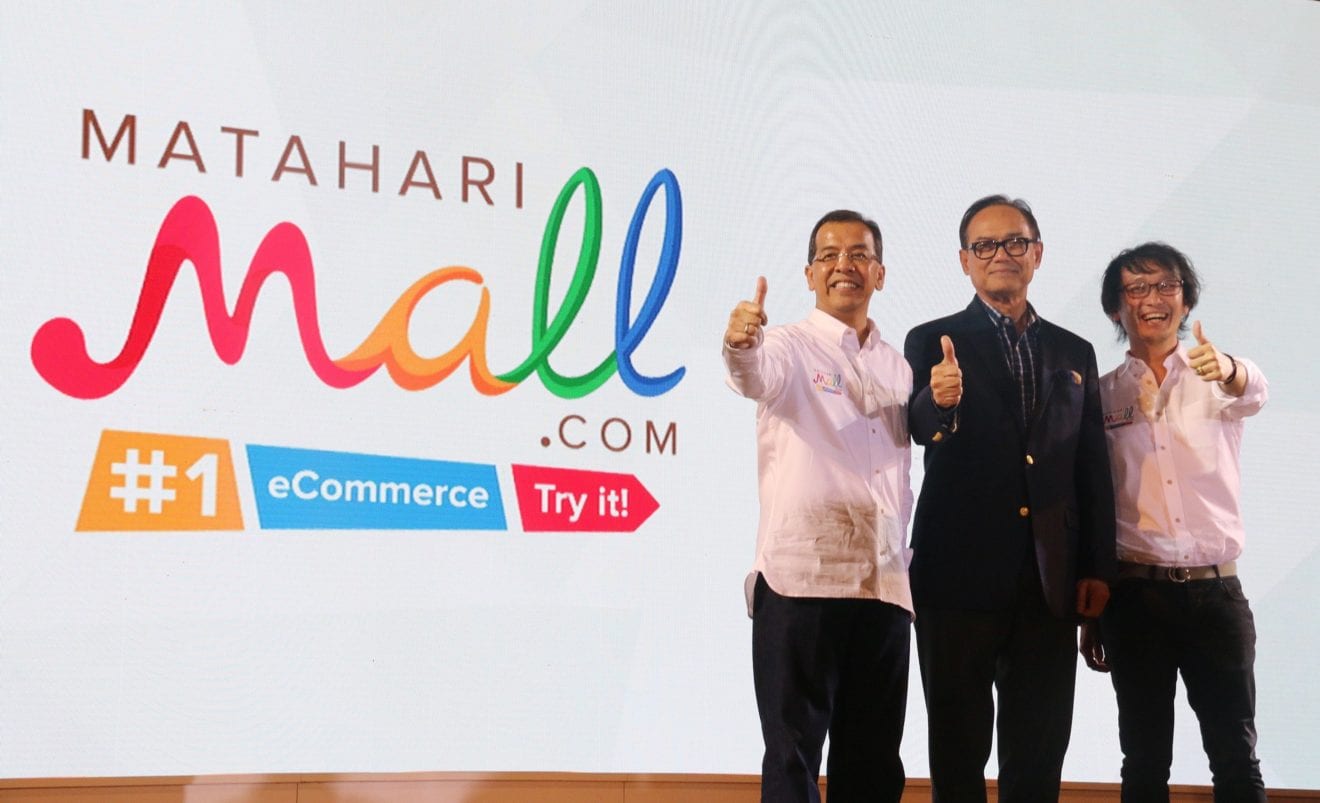
    Matahari Mall body

    New Foodmart Primo

    In other news, MPPA has opened its second upper scale supermarket format, Foodmart Primo at Lippo Mall Kuta, Bali.

    The opening of Foodmart Primo in Bali is based on the company’s studies on the upward trend of customers’ shopping behavior in the island. The store has a gross selling area of about 1510 sqm and provides a wide selection of high quality of imported and local products.

    Director of Foodmart operations, Dave Rao, says due to the nature of the location the store will cater more to tourists than residents, so the stock mix will be slightly different from a typical Foodmart Primo.

    “We have additional categories like handicrafts, souvenirs, aromatherapy, travel accessories, beach accessories, and more, specially targeted at holiday-makers. But our main feature remains the restaurant which is a ready-to-eat area offering pizzas, roasts, pastas, traditional food, fresh juices, sandwiches, salads and a boutique bakery.”

  • Tokopedia deal lets online shoppers pay in store

    Tokopedia deal lets online shoppers pay in store

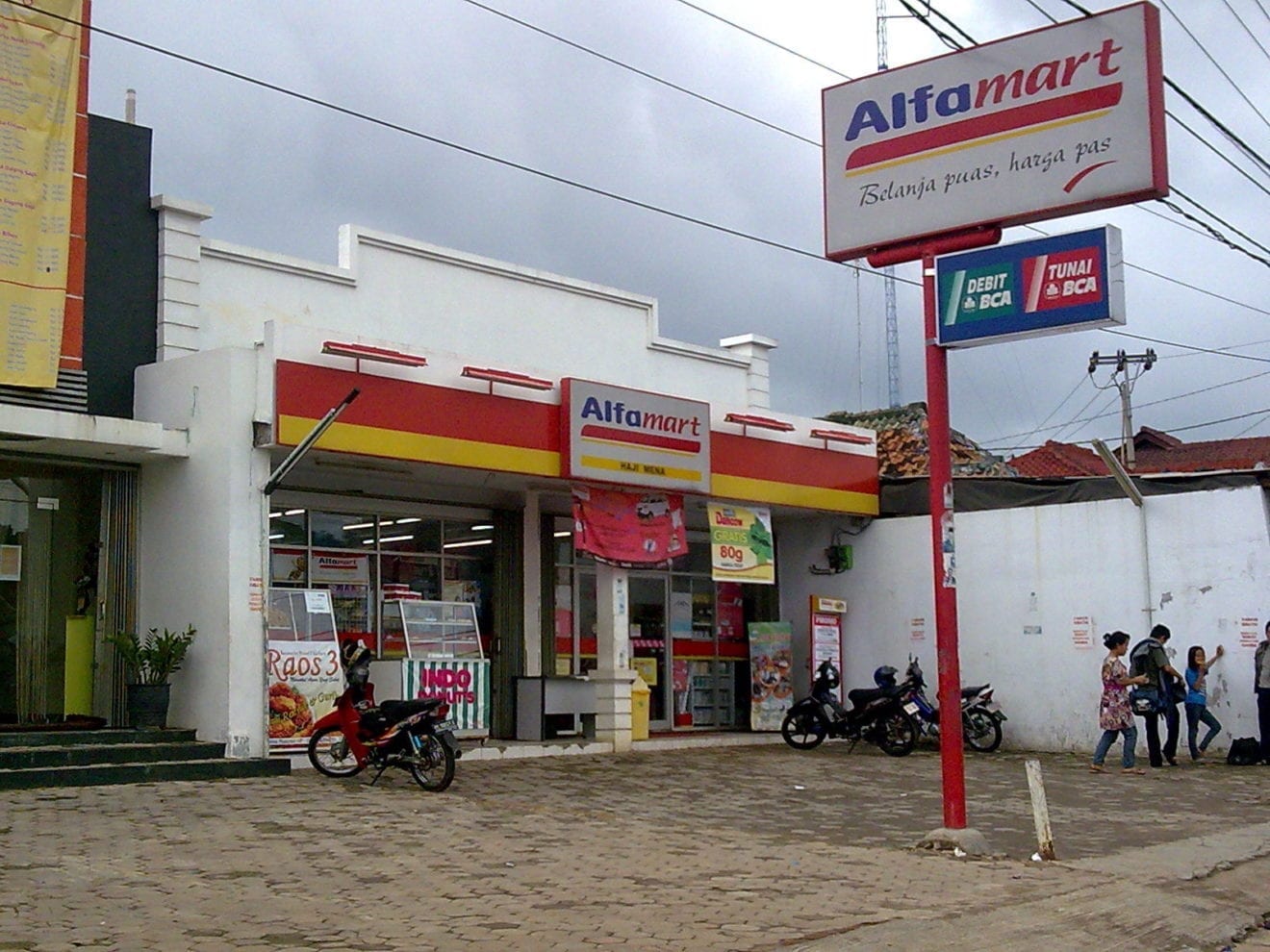
    Indonesian online platform Tokopedia has signed an agreement with retailer Alfamart allowing online shoppers to pay at their nearest convenience store branch.

    Customers do not need a special account to complete a transaction in an Alfamart store.

    “The payment will be automatically verified and the order will pass directly to the seller,” says Tokopedia VP Melissa Siska Juminto.

    “The partnership will benefit not only customers but also sellers as order processing will be faster and will boost the seller’s reputation.”

    Tokopedia has previously partnered with several other retailers such as 7-Eleven and Indomaret, and also launched the Mitra Toppers program that helps merchants access capital loans.

    Tokopedia raised US$147 million in April, bringing its total disclosed funding to $247 million, the largest so far in Indonesia.

    It now has more than 7.5 million transactions a month, with a 10-20 per cent monthly growth rate. About 69 per cent of users access the company’s site using mobile phones.

  • Mars China teams with Alibaba

    Mars China teams with Alibaba

    Mars, best known for M&M’s and Snickers candy brands, has become the latest global consumer foods brand to partner with eCommerce giant Alibaba to grow its online presence in China.

    In a joint announcement, Mars China said all of its brands, which also include Dove chocolate and Pedigree and Royal Canin pet foods, will now be available to consumers through Alibaba’s online marketplaces Tmall.com and Rural Taobao. The Virginia-based company added it would leverage Alibaba’s marketing and data capabilities to drive engagement with those consumers, while using Alibaba’s logistics network to extend its reach in the Chinese market.

    Food and beverage giants Mondelēz International and Nestle struck similar agreements with Alibaba in recent months in a bid to expand their business in China. Both companies pointed to eCommerce as an important sales channel in the market given that Chinese consumers are the world’s most prolific online shoppers. And according to market intelligence firm Kantar Health, eCommerce sales of fast-moving consumer goods are growing in China, climbing 37 per cent last year versus 34 per cent in 2013-2014.

    Wrigley China VP and MD Cecilia Li noted the importance of eCommerce in the Mars China strategy as well, but also emphasised the role that shoppers under 35 are playing in the country’s consumer economy.

    “China’s younger generation is the new driving force of consumption,” she said, and “they rely on eCommerce.” Li called the agreement with Alibaba a “significant strategic partnership for Mars.”

    Many of Mars’ products are already selling on Tmall. Wrigley opened its flagship store in 2009, and others have since followed. But the company said that in addition to now having access to all of Mars China’s products, the new tie-up will give consumers a “convenient and international ‘one-stop’ shopping experience” via Alibaba’s platforms. That includes consumers in the rural countryside, whose rising spending power has drawn the attention of companies doing business in China.

    Alibaba will also partner with Mars’ Beijing-based Global Food Safety Center “to enhance food safety management, promote consumer education and share the latest scientific research findings with industry stakeholders.” Launched last year, the center conducts food safety research and training.

  • DHL eCommerce expands presence in China

    DHL eCommerce expands presence in China

    DHL eCommerce has opened a Distribution Centre in Shenzhen as part of its effort to expand its presence in China by at least another 50 percent.

    The new centre will support the manufacturing and online retail sectors. It can handle 18 million shipments per year and will allow shipment and clearance of e-commerce exports across the globe. It will also consolidate international outbound shipments in Southern China and will provide customer service support for locally-based online merchants.

    “We see significant potential in China’s e-commerce sector, particularly between China and the U.S., where we’ve seen triple digit growth since 2015,” said Charles Brewer, CEO of DHL eCommerce in a press statement.

    “With China accounting for more than 40 percent of global retail e-commerce sales in 2015, our investments in China demonstrate our focus on developing efficient and reliable logistics services, to bring high quality e-commerce services to Chinese retailers and meet changing consumer expectations.”

    DHL eCommerce is also making serious plans to expand existing distribution centres in Shanghai and Hong Kong – the centres will be able to handle 48 million and 71 million shipments a year, respectively.

    “Since its launch last July, the DHL eCommerce Shanghai Distribution Centre has seen a 700 percent increase in the volume of e-commerce goods being shipped out of China. With our plans to expand our existing capabilities in Shanghai and Hong Kong, we are confident that this will provide our customers with the fullest support they need, in order to reach their global customer base,” said Malcolm Monteiro, CEO of DHL eCommerce in Asia Pacific.

  • Paypal now available for iPay88 merchants

    Paypal now available for iPay88 merchants

    Malaysian online payment service iPay88 has entered a collaboration with online payment company PayPal to promote and support cross-border trade for iPay88 merchants.

    For small businesses in particular, cross-border eCommerce provides a chance to sell to the world, and iPay88 believes the collaboration will enable its merchants to leverage PayPal’s 184 million active accounts and presence in more than 200 markets.

    OLYMPUS DIGITAL CAMERA

    Executive director KL Chan says iPay88 has nearly 10,000 e-merchants, including SMEs and conglomerates, but there is also a large, untapped market of businesses and companies still considering moving into eCommerce. “This collaboration with PayPal is timely as it will help capture this market effectively by offering both online banking and credit-card payment options.”

    Merchants signing up for a PayPal account can now do so through iPay88. Approvals will be sent to merchants within three working days. Aside from the quick sign-up process, iPay88’s online merchants will also be able to benefit from PayPal’s multi-currency checkout.

    Chan estimates the collaboration will drive extra revenue for iPay88 in 12 months.

    “It has always been a challenge for businesses, especially small ones, to expand and sell overseas,” says PayPal Southeast Asia GM Rahul Shinghal. “PayPal is committed to helping them grow by leveraging the power of eCommerce, which gives them a level playing field when competing with larger export houses.”

    A subsidiary of NTT Data Corporation, iPay88 was set up in Kuala Lumpur in 2006 and has an established presence in Indonesia, Singapore, Thailand, the Philippines and Vietnam.

  • China Jo-Jo Drugstore expansion drives revenue

    China Jo-Jo Drugstore expansion drives revenue

    China Jo-Jo Drugstore expansion drove revenue up 15.8 per cent in the year to March 31.

    Online sales soared 77.8 per cent year-on-year to US$26.5 million and now accounts for 29.7 per cent of the group’s sales.

    New stores helped offline retail sales rise 4.9 per cent with total group revenue reaching $89 million. Same-store sales rose 6.4 per cent.

    But net profit was down from $856,000 to $447,000, largely due to continuing expansion costs.

    US-listed China Jo-Jo Drugstores now has 58 retail pharmacies in China’s Zhejiang Province and the business also distributes drug and other healthcare products to other drugstores and vendors.

    Chairman and CEO Liu Lei described the results as “solid”.

    “We consolidated the operations of our retail drugstores and implemented key initiatives such as increasing product adaptability, providing access to mobile payments, and launching in-pharmacy virtual doctor clinics to drive sales and provide value-added services to our customers. We maintained profitability while migrating our product mix to higher margin pharmaceutical and health and wellness products.

    “At the same time, our expansion in the fast-growing online pharmacy markets in China continues to outpace the industry. Our online pharmacy sales continued to grow rapidly through both third-party eCommerce platforms and our own online pharmacy website.”

    He said moving forward, the company will focus on opening or acquiring more stores, creating deeper relationships with its customers, holding regional dominant market share in retail pharmacy, while taking a data-driven approach in identifying popular products and enhancing its abilities to promote online sales.

    “We believe we have the right strategy for succeeding as a leading online and physical retail chain pharmacy stores in China.”

  • NTT Data to support VietUnion payment service

    NTT Data to support VietUnion payment service

    Japanese payments company NTT Data Corporation has agreed to take on pioneer Vietnam fintech company VietUnion Online Services, which has an intermediary payment services licence issued by the State Bank of Vietnam.

    VietUnion, a group company of Saigon Construction Corp (SCC), mainly provides payment services through big chain retailers such as convenience stores.

    VietUnion has been expanding its payment business primarily through Payoo, which enables users to make payments to about 4000 stores, including supermarkets and in shopping centres.

    Payoo also has a smartphone app that can be used for internet banking, and it provides software for mobile POS systems, smart cards for transport and tuition fee management for more than 1700 schools in Ho Chi Minh City.

    With more than 30 years of experience in the payments business in Japan, NTT Data will help VietUnion expand its non-cash payment services and help develop Vietnam’s payment infrastructure.

    NTT Data will introduce Payoo and other payment services to its customers in global eCommerce and financial institutions in APAC regions through collaborations with its other companies – iPay88 in Malaysia, NTT Data Hong Kong, and NTT Data Thailand.

  • China’s Cross-Border E-Commerce Booming to $85.76B in 2016

    China’s Cross-Border E-Commerce Booming to $85.76B in 2016

    Cross-border e-commerce in China will hit $85.76 billion this year, up from $57.13 billion in 2015, as 40 percent of China’s online consumers buy foreign goods, according to a new analysis by digital marketing researcher eMarketer.

    EMarketer estimates that each of China’s digital shoppers this year will spend an average of $473.26 on foreign goods, up from $446.33 last year. By 2020, half of China’s digital shoppers–or more than a quarter of the country’s population of about 1.4 billion–will be buying foreign products online, eMarketer estimates, with total sales of $157.7 billion.

    This growth is part of an overall increase in online shopping in China, which soared more than 70 percent in 2015 to $672.01 billion driven in part by a higher standard of living and the advent of global digital sales platforms such as Alibaba’s Tmall Global, launched in 2014.

    ecom graphic copy

    Cross-Border Retail E-Commerce Buyers in China

    Tmall Global and other business-to-consumer, or B2C, platforms allow international brands to sell their products directly to China’s digital shoppers and break into the market. Online retail remains the easiest channel for all types of consumers to obtain products that are otherwise difficult or expensive to access within China. China’s consumers tend to prefer foreign goods in specific categories such as milk powder, diapers and pet food, perceiving them to be of higher quality and more trustworthy.

    Cross-border e-commerce remains on the rise despite April’s implementation of a new tax on overseas purchases, noted eMarketer analyst Shelleen Shum. While it increases prices slightly for some product categories such as jewelry and infant formula, “the demand for foreign goods via the cross-border e-commerce channel is still expected to remain strong due to better prices compared to offline retailers, perceived quality and better variety,” she said.

    Shum added that B2C channels are also integral to the growth of foreign goods sales in China, because they help customers feel they are getting more bang for their buck. B2C platform sales are expected to take up a growing share of the cross-border e-commerce market in 2016 as consumers shift to channels they regard as more professional and organized. “Since the merchants selling on these B2C platforms have to be authorized, they are considered more trustworthy,” noted Shum.

    Globally, cross-border e-commerce habits vary. But when it comes to China, the demand for foreign products is surging, thanks to the combination of overseas travel, increased internet usage, exposure to foreign brands and convenience of online retail. China is projected to become the largest cross-border B2C market by 2020.

  • Hong Kong-Based ePayWeb to acquire 10% stake in AW Virtual Mall

    Hong Kong-Based ePayWeb to acquire 10% stake in AW Virtual Mall

    Hong Kong-based electronic payment processing service company ePayWeb Asia has agreed to acquire 10% stake in the planned Allied Wallet (AW) Virtual Mall.

    As per the deal, ePayWeb agreed to invest $100m in exchange for a 10% stake in the company.

    The AW Virtual Mall is an online shopping experience which is expected to have over 3 million independent stores and over 1 billion shoppers per day in the next 48 months.

    In addition to creating a new experience for online shoppers, the new online shopping mall will allow consumers to find required items available at the best prices by taking a picture of it.

    Claimed to be the first of its kind, the AW Virtual Mall will enable users to find a product they are looking for, by uploading a photo of the item.

    The AW Virtual Mall users can then select the best price, which is quoted by the store owners, and checkout safely and securely.

    Allied Wallet founder and CEO Andy Khawaja boldly said: “E-commerce is projected to reach $3.5 trillion by 2019 and we’re on track to provide the most state-of-the-art shopping experience in the industry – like nothing anyone has ever seen.”

    AW Virtual Mall said that the website provides complete social media experience for users to personalize their profile, communicate, and share.

    Allied Wallet is a provider of e-commerce merchant services and online payment processing services.


  • Omnichannel model for Zalora Thailand

    Omnichannel model for Zalora Thailand

    Former Rocket Internet subsidiary Zalora Thailand is to morph into an omnichannel retail business under its new owner Central Group.

    Zalora Thailand CEO Ali Fancy said in an interview with eThailand the online store plans to become Thailand’s largest fashion retailer after its merger with Central Group subsidiary COL, a process expected to take about six months.

    By matching Zalora’s online expertise with Central’s broad-ranging brick and mortar and mall experience, the company expects to form a fashion-focused online destination with an offline offer, appealing to all type of shoppers..

    Fancy says the merged company will continue to use the Zalora website and brand.

    Under Rocket Internet ownership, the Zalora businesses in Thailand and Vietnam (which Central has also bought) failed to make money.  However Central Group believes its 69 year history in Thai retailing and its huge infrastructure will enable Zalora to scale into a profitable business.

    Central Group boasts 4400 stores and malls across many categories and a One Card loyalty program of more than 10 million members.

    Zalora brings to the new partnership a strong social media presence and marketing program, with 1.6 million followers on Facebook alone.

  • Visa and TAT launch the Amazing Thailand Grand Sale 2016

    Visa and TAT launch the Amazing Thailand Grand Sale 2016

    Mr. Suripong Tantiyanon (second from left), Visa Country Manager, Thailand and Mr. Wiboon Nimitrwanich (second from right), Executive Director, Tourism Investment Department, Tourism Authority of Thailand presided over the launch of the Amazing Thailand Grand Sale 2016 campaign. More than 15,000 shops in 110 department stores and shopping centres in seven major tourist destinations of Bangkok, Pattaya, Chiang Mai, Phuket, Hat Yai, Hua Hin and Udon Thani participating in the campaign which starts today and ends on 31 August 2016. Visa cardholders get special privileges on top of the program.

    For every 500 Baht spent with their Visa cards during the campaign period, shoppers get two tickets to enter “The Travel 365 Days in Thailand” lucky draw. The grand prize includes two sets of flight tickets and accommodation, one for international traveler and another for Thai shopper. Winners can travel with a friend to any Thai airways domestic destinations and stay at any Centara Hotels & Resorts property throughout the year and up to ten days per visit. The campaign is back for its 18th successful year. Terms and conditions apply.

  • UnionPay expands card issuance and acceptance in Thailand

    UnionPay expands card issuance and acceptance in Thailand

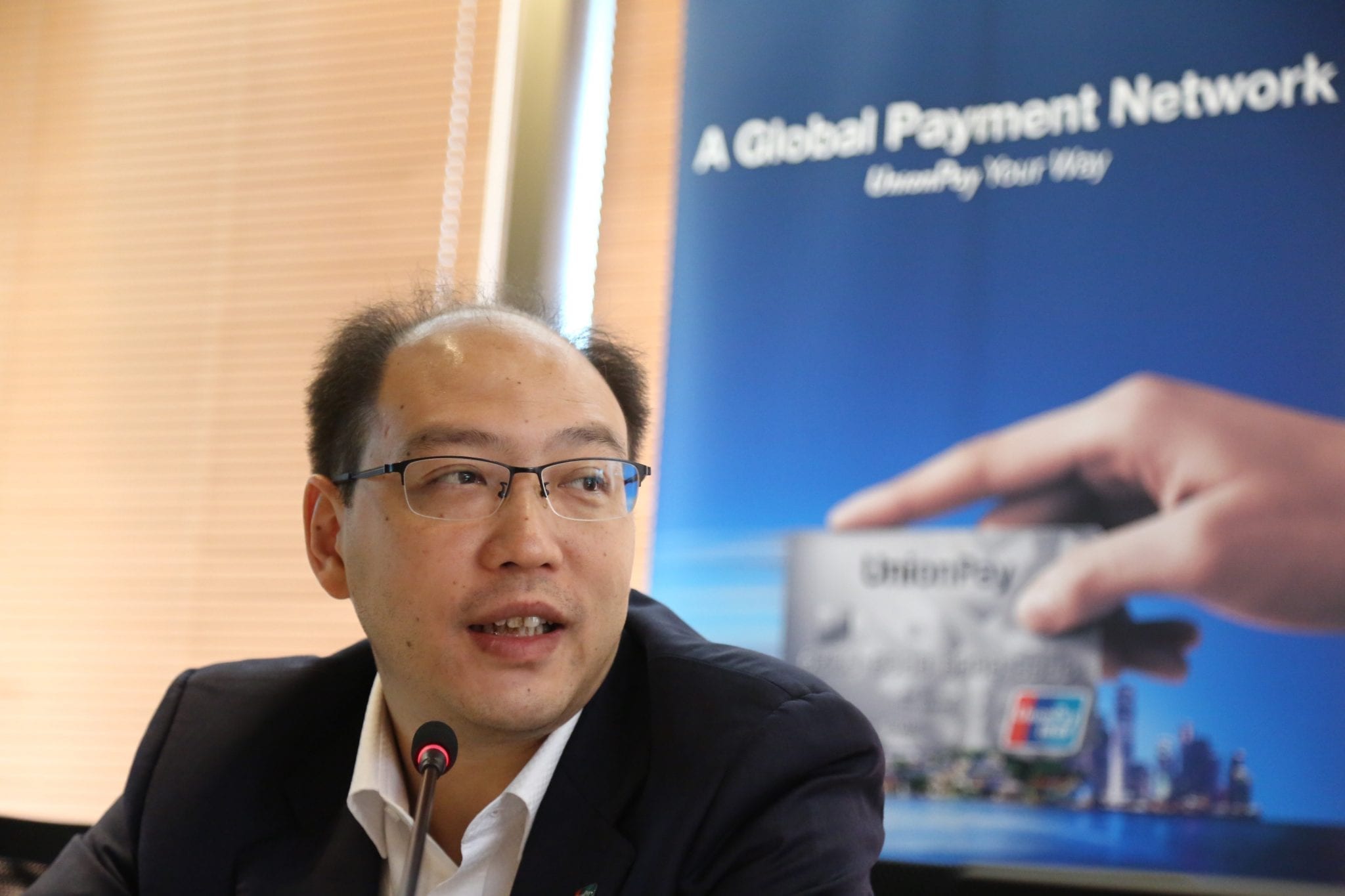
    UnionPay, an international payment network, continues its expansion in Thailand with the announcement of two new card issuing banks. From June 2016, Kiatnakin Bank and Land and House Bank will join Bangkok Bank, Bank of China (Thai), ICBC Thai, Kasikorn Bank, and Krungthai Bank in issuing UnionPay debit and credit cards.

    Acceptance of UnionPay cards is also on the increase, with near complete nationwide coverage of ATMs and almost 90% of merchants now accepting UnionPay cards. This includes a wide variety of merchants and Thai cardholders can pay using their UnionPay debit or credit card at large department stores, airports and downtown duty-free shops, hotels and tourist attractions, as well as everyday spend merchants like convenience stores, chain supermarkets, cinemas and restaurants.

    “Thailand is a very important market for UnionPay International and we are delighted to see there are increasingly more opportunities for consumers to shop and pay using their UnionPay cards. We are intensifying our efforts to meet growing demand by expanding our acceptance network and enlarging our issuance scale both locally and regionally. In Thailand, we are bolstering card issuance by expanding our debit and credit portfolios rapidly to meet the specific demands of the market, and the addition of new card issuing banks will will offer more choices to Thai consumers and businesses. We are delighted to welcome both Kiatnakin Bank and Land and House Bank as valued partners to our growing network of card issuers,” said Wenhui Yang, General Manager of UnionPay International Southeast Asia.

    “Debit card usage is growing in Thailand and it is important we are able to support our customers’ needs. The introduction of the Kiatnakin Bank UnionPay debit card addresses these needs as well as giving our customers access to a global network, meaning they can use the card when they travel as well as in Thailand. We have worked closely with UnionPay International to introduce this card and we look forward to a long and fruitful relationship,” said Mr. Aphinant Klewpatinond, President and Chairman of Commercial Banking Business, Kiatnakin Bank.

    Mrs.Sasitorn Pongsatorn, President, LH Bank Public Company Limited, commented “LH Bank is committed to continuous development of our products and services. We have joined with Union Pay to launch the LH Bank Debit Chip Card as this will help make financial transactions or bill payment services without cash easier for our customers, who will also be able to benefit from discounts or privileges around the world. We believe the new LH Bank Debit Chip Card with UnionPay will meet our client’s financial lifestyle needs. New cards can be issued free of charge and withdrawing money from any ATM will also be free of charge with unlimited access nationwide.

    For those who are interested, the bank will offer free annual fee for the first year.

    UnionPay cardholders benefit from extensive range of benefits

    UnionPay cardholders can benefit from promotions and offers from a range of businesses in Thailand. Throughout June and July, holders of the recently launched Bangkok Bank Be1st Smart TPN UnionPay card will receive a 50% discount when buying movie tickets for any seat at Major Cineplex branches around Thailand. Travelers can also benefit when using their UnionPay debit or credit card at King Power shops at airports and duty free shops in Thailand. When spending THB 15,000 or more in a single receipt between now and August 31st, Union Pay cardholders can enjoy a THB 500 discount.

    UnionPay cardholders in Thailand can also enjoy special discounts and privileges at their favourite destinations such as Singapore, Tokyo, Osaka, Seoul, Hong Kong, Taipei, Kuala Lumpur, Paris and London as part of the company’s 2016 Global Airport Campaign which features 120 participating duty-free shops at 80 airports, including 16 of the busiest airports across the world.

    In addition to extensive benefits, UnionPay card members benefit from secure and convenient cashless ATM and POS transactions in 160 countries and regions including Thailand that accept the UnionPay card.

  • ePayWeb Asia invests $100m in virtual mall

    ePayWeb Asia invests $100m in virtual mall

    Hong Kong company ePayWeb Asia has invested US$100 million in the up-and-coming AW Virtual Mall in exchange for a 10 per cent stake.

    AW Virtual Mall is forecast to have more than 3 million independent stores and more than 1 billion shoppers a day in the next four years. It will enable online shoppers to find an item they want at the best price available simply by taking a photo of it.

    Founder/CEO Andy Khawaja says that with eCommerce projected to reach $3.5 trillion by 2019 “we’re on track to provide the most state-of-the-art shopping experience in the industry”.

    Once users upload a photo of a desired item, store owners will be notified instantly. If they have a matching product, they will bid with their best price. The website creates a modern shopping-mall experience online, complete with a social-media element that lets users personalise their profile, communicate and share.

  • Alibaba Group Holding Ltd Should Stop Fooling Stakeholders on Counterfeits

    Alibaba Group Holding Ltd Should Stop Fooling Stakeholders on Counterfeits

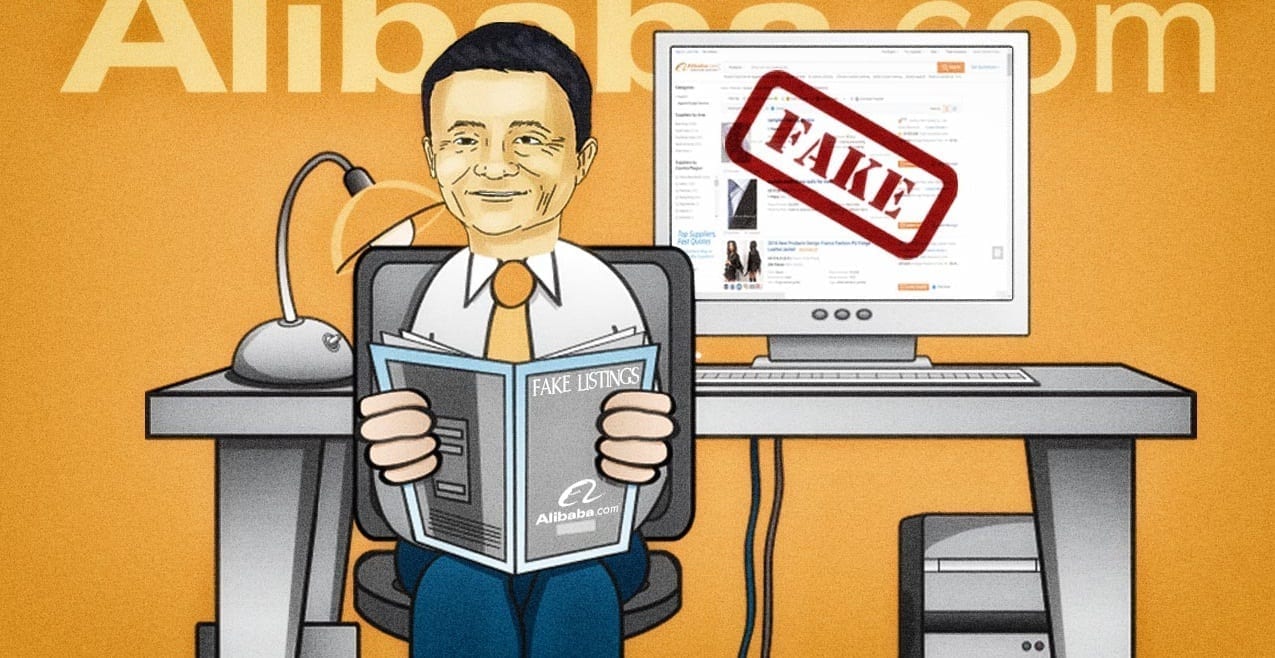
    On Tuesday, founder and chairman of Alibaba Group Holding Ltd, Jack Ma wrote to its investors, customers, and traders highlighting that his recent words about counterfeited goods was taken out of context and his company has no tolerance for fake goods trading on its e-commerce portal.

    Mr. Ma said in his article: “When Alibaba went public in 2014, I told our customers, employees and investors that what we had earned was trust—in myself, my team, and our company’s mission, vision and values.” Mr. Ma further highlighted that with trust come great responsibility and Alibaba’s responsibility is to protect all of its stakeholders.”

    Last week, Mr. Ma released a statement saying that “counterfeited goods are better than original products,” after which Alibaba came under fire and many foreign brands owners challenged the company’s credibility and its efforts to fight against fakes traded on its e-commerce platform.

    He stated: “The problem is the fake products today are of better quality and better price than the real names. They are exactly the [same] factories; exactly the same raw materials but they do not use the names.”

    Yesterday, Mr. Ma indicated that whatever he said was an observation and has nothing to with the reality. He further added that “Failing to protect original designs, trademarks, and technology is akin to thievery, and it is detrimental not only to innovation but also to the integrity of the marketplace,” and Alibaba will never forgive any act of stealing.

    Last year, several leading foreign brands filed lawsuits against the Chinese e-commerce giant, accusing it of deliberately promoting the counterfeited goods traded on its websites.

    Kering SA, a French luxury goods holding company filed a lawsuit against the Chinese e-commerce giant last year, claiming that Alibaba is directly involved in the promotion of counterfeited goods. However, the company denied all such accusations and later, the case was resolved on mutual consent. Like Kering, many other foreign brands have alleged Alibaba of doing little to stop the trading of fake goods on its leading platforms including Taobao and Tmall.com. Likewise, many of them have even shifted to other e-commerce stores including those of JD.com Inc.

    Last year, Alibaba also narrowly escaped the US black list for notorious goods; however, it received official warning from the US trade officials to quickly resolve the issue and prevent sale of counterfeited goods on its leading online platforms such as Taobao. Mr. Ma saw this escape a huge victory and assured the trade officials that his e-commerce firm is 100% committed to lead the fight against global counterfeiting, both online and offline.

    The Chinese e-commerce giant has invested heavily and devoted significant efforts to develop an unparalleled level of technology to put a stop to this counterfeiting work. The Chinese e-commerce giant takes out full-bodied data processing and analytics to enable real time scanning of nearly 10 million new products a day by looking at key features such as pricing, trademarks, and buyer and seller identity. Despite such aggressive measures the world’s second largest retail network is yet to satisfy customer, trade officials, and most importantly brand owners.

    In his write up, Mr. Ma emphasized on the fact that a cooperation spread globally is needed to fight the counterfeited goods issue. It’s a “long term crusade,” he said, a battle against human greed for which there are no short term fixes and easy way out.

    Mr. Ma’s statement was not welcomed with gratitude by investors, brand owners, and trade officials. According to some analysts by terming the case a long term crusade, Mr. Ma has indicated that the counterfeited goods is likely to continue to trade on Alibaba’s online platform. He said he expected Alibaba to become the “fifth largest global economy” after Japan by 2020. This is likely to happen because China’s middle class consumption has increased massively, and the country’s middle class holds about $4.6 trillion in savings.

    Recently, Security and Exchange Commission (SEC) have inquired Alibaba to present complete details of the company’s accounting policies and for one of its delivery affiliate, after the company was accused of using inappropriate financial measures and not disclosing complete transactions of its delivery affiliate.

    In May, the Chinese e-commerce giant was handed a suspension from International Anti-counterfeiting Coalition (IACC), a supervisory body for retail industry after several leading members threatened to step down against Alibaba’s inclusion. Those members included Tiffany, Gucci America, and Michael Kors.

    Role of Chinese Government

    Though the Chinese e-commerce giant faces tremendous international criticism and pressure from trade officials, the government has done little to tackle the counterfeited goods issue i.e. no more than a few warnings. Even Mr. Ma himself proclaimed that the Chinese government can’t even ban his company for two hours due to its significant economic importance. We believe that there are solid reasons as to why the Chinese government can do very little to take action against Alibaba.

    The following revenue table clearly depicts that Alibaba’s retail business generates significant profits, which is a vital catalyst for growth in China’s deteriorating economy. The country’s GDP growth is at its slowest in the past 25 years, and with crude oil continuously remaining on a lower side, the Chinese government is shifting to services and retail sector to inject growth in the Chinese economy, and Alibaba is the big connection to it.

    It is indicated that Alibaba’s China retail business amounted to nearly 78% of total revenue generated in the quarter, while international retail also surged 15% year-over-year (YoY).

    Its international retail segment growth also highlights the company’s eagerness to expand its footing in the international market. We depicts Alibaba’s international retail revenue for the past six years.

    Though the growth is imminent but many analysts opine that is far below the expectations. As a result of counterfeited goods scandal, the company’s international retail revenue growth has plummeted 41% on average in the past five years.

    At the recent investor’s day conference, the Chinese e-commerce giant also released its annual revenue forecast estimating a 48% YoY surge, mainly driven by the acquisitions of Youku Tudou and Lazada the Asian e-commerce giant. It said: “The Company expects to record 6 trillion yuan ($912 billion) in gross merchandise volume (GMV) in fiscal 2020, nearly double 3.09 trillion yuan in fiscal 2016.”

    Despite achieving significant success, the Chinese e-commerce giant is surrounded by controversies since the past few years. Earlier on Wednesday, it also won the dismissal of a US lawsuit accusing the company of defrauding its stakeholders by “concealing a regulator’s warning about its ability to suppress counterfeiting on its websites.”

    Overall, analysts have been keeping a mix view on whether Alibaba is right or wrong; however, Mr. Ma indicates that his company works hard each day to ensure that its stake holders are protected and its consumers are not fooled by shoddy fake products. However, he asserted that to completely eliminate the issue from the root cause, a time period is required and global assistance is necessary.

    We believe that it is high time now that Alibaba should stop fooling customers and brand owners and should work with sincerity, rather than consoling and giving false hopes. Authenticity of the product is of key importance and Alibaba should return its stakeholders a favorable response or get ready to lose customers. We also believe that the Chinese government should embrace the rule of law. The government should stop promoting double standards and treat both foreign and domestic firms at permissible level. Has it been Amazon Inc or any other foreign e-commerce retail network, the consequences and treatment would have been different.