Category: E-Tailing

Retail News Asia is committed to providing both local and global retailers with the latest E-Commerce & Etail news throughout the Asian market. This on a daily base.

  • Alibaba plans stake in China business magazine

    Alibaba plans stake in China business magazine

    The publisher of one of China’s most respected business magazines, Caixin, said today it was seeking new investors following reports e-commerce giant Alibaba plans to take a stake in the company as it looks to expand its media empire.

    Alibaba founder Jack Ma is seeking to diversify beyond the core business of providing online retail platforms and in December bought Hong Kong’s premier English-language newspaper, a move that raised concerns about media independence.

    Caixin Media provides financial and business news through its flagship magazine and several other platforms under the editorial leadership of Hu Shuli, who has received international attention for her brand of investigative journalism within the boundaries of the Communist-ruled state.

    Bloomberg News said today that Alibaba’s financial services unit Ant was in talks to invest in Caixin Media, but gave no size or price for the stake.

    China’s TMTpost, a business technology information provider, reported that the deal had already been signed.

    Caixin Media said in a statement it was about to bring in “several high-quality institutional investors”, without identifying them.

    “The new investors, like the original shareholders, respect Caixin Media’s principal of editorial independence which is not influenced by the business interests of shareholders,” it said.

    A spokesman for Alibaba declined to comment.

    The December purchase of Hong Kong’s South China Morning Post for $266 million has sparked fears the newspaper will lose its independent voice, in what analysts see as part of a gradual erosion of press freedoms after the semi-autonomous city was returned to Chinese rule in 1997.

    Others have compared Alibaba’s media push under Ma to that of Amazon founder Jeff Bezos, who bought the respected Washington Post newspaper two years ago. Ma’s net worth is now around $27.3 billion, according to Bloomberg Billionaires.

    Caixin’s biggest shareholder is China Media Capital, a Shanghai-based media and entertainment investment firm, which in December bought a $400 million stake in Premier League football giants Manchester City.

  • China to ‘completely dominate’ global eCommerce

    China to ‘completely dominate’ global eCommerce

    In the retailing business, it’s fairly common knowledge that China is home to the world’s most prolific online shoppers.

    Last year almost 419 million mainlanders made purchases via the web, more than any other country.  And they spent more online than consumers elsewhere by a wide margin (US$672 billion, nearly twice the total US online spending in 2015).

    If these facts suggest to you that eCommerce in China has matured and growth is running out of steam as the country’s economy slows, think again. China retail consumption in general continues to increase briskly and online shopping in particular continues to boom. Analysts reckon this is due to a combination of potent demographic and cultural trends that show no signs of abating: the growing spending power of upper middle class and affluent households; the coming of age of a generation of college-educated consumers; rising aspirations among hundreds of millions of people in China’s less-developed cities and rural areas; a powerful shift away from shopping at brick-and-mortar stores to mobile eCommerce driven by widespread smartphone adoption.

    Will China still be on top at the close of the decade? A recent forecast on global eCommerce sales through 2019 by independent research firm eMarketer says yes, emphatically so. Below, charts adapted from eMarketer’s report show how the country is set to become an even more dominant eCommerce force in coming years.

    In 2019, China will spend more online than any other country: nearly $2 trillion, more than 3.6 times as much as the US.

    Retail_E-comm_Sales_worldwide

    China will also have the most online shoppers.

    e-shoppers Worldwide, by country

    Yet only half of China’s population will be shopping online in four years, leaving room for more growth (it’s a very big market).

    E-Shop_Penetration_Selected_Countries

    In 2019, one out of every three of China’s retail dollars will be spent online, the highest ratio in the world.

    Retail_e-Comm_Sales_percent_total

    Still, online sales will continue to grow, and at a world-beating rate.

    Retail_Ecomm_Sales_Growth_Leaders

    Looking at eCommerce as a global market, China will account for the largest share of worldwide online shoppers in 2019. By far.

    Countries_Largest_Share_E-shoppers

    And 55 cents of every dollar spent online around the world will come from a Chinese consumer. That’s dominance.

  • Rakuten quits Thailand

    Rakuten quits Thailand

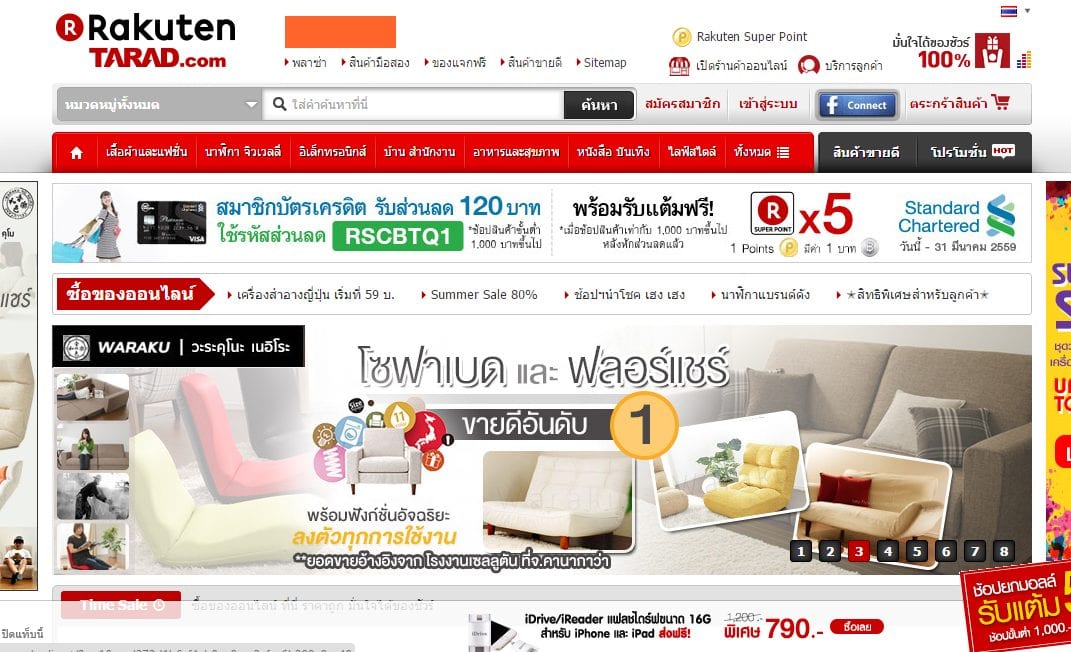
    Japanese eCommerce giant Rakuten is negotiating to sell its stake in Thailand’s largest eCommerce company Tarad.com to an undisclosed Thai company.

    Rakuten Tarad.com founder and MD Pawoot Pongvitayapanu has told the Bangkok Post the deal is expected to be sealed within a few days. Rakuten has a 67 per cent stake in Tarad.com since acquiring it in 2009 for US$35 million, and Pongvitayapanu holds the balance.
    Rakuten’s move follows a strategic overhaul of its business in Southeast Asia, Deal Street Asiareports. It had previously focused on business-to-business and business-to-consumer models, but now plans a shift to consumer-to-consumer (C2C) by launching a mobile app, Rakuma.
    Shopee, which already has a foothold in Thailand, is one of the main competitors for C2C apps in the region, along with Carousell.
    Tarad.com had an accumulated loss of 117 million baht ($3.2 million) in 2013, rising from losses of 35 million baht in 2010 and 5.6 million baht in 2009. Pongvitayapanu says business will continue business as usual as it prepares to implement a strategic shift following the new shareholding structure.
    Rakuten earlier announced it is shutting down its eCommerce marketplaces in Indonesia, Malaysia and Singapore from March 1, laying off about 150 employees. It plans to focus on eCommerce in Japan, where it is a market leader. It will also keep a presence in east Asia, Taiwan and the US.

  • VIPshop revenue grows 65 per cent

    VIPshop revenue grows 65 per cent

    Bolstered by more customers and orders, Chinese online discount retailer VIPshop Holdings (VIPS) has seen its net revenue grow by 65 per cent to RMB13.9 billion ($2.15 billion) in the latest quarter to December 31.

    During the period, its number of active customers rose to 19.8 million (a 58 per cent year-over-year increase) and total order grew 67 per cent to 64.9 million. This boosted gross profit by 60 per cent to RMB3.35 billion.

    For the year, total net revenue rose 74 per cent to RMB40.2 billion.

    “We topped RMB40 billion in annual sales and attracted nearly 37 million active customers as at the end of the year,” said chairman and CEO Eric Shen.

    “We also continued to enhance the user experience by optimising our platform for mobile interaction and purchasing, as well as expanding our product categories.”

    Founded in August 2008, the company offers quality and popular branded products online throughout China at significant discounts.

  • Sephora Malaysia goes online

    Sephora Malaysia goes online

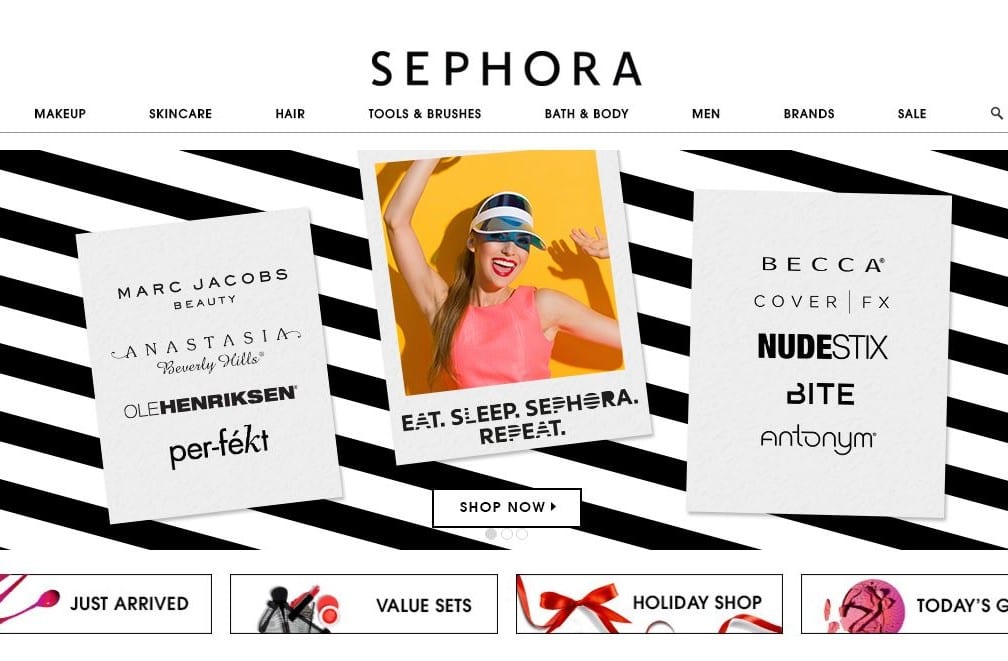
    Cosmetics company Sephora has launched a one-stop online shop in Malaysia following its acquisition of independent beauty eTailer Luxola.

    Luxola founder and CEO Alexis Horowitz-Burdick says the move allows Sephora Malaysia to offer an even larger assortment of beauty products for local customers.
    Sephora Asia president Anne-Veronique Bruel says that investing in Luxola offers a great opportunity to penetrate the online beauty market and accelerate the company’s growth in Malaysia and Southeast Asia.
    As well as a wider brand selection, including products for men, the new online shop will offer advice on beauty trends. It is also offering free delivery for orders worth RM80 or more, and there is a cash-on-delivery option for selected areas in Kuala Lumpur.

  • KerjaDulu, ‘Indonesia’s LinkedIn’ raises money from MNC Group

    KerjaDulu, ‘Indonesia’s LinkedIn’ raises money from MNC Group

    KerjaDulu, an Indonesian social recruitment portal for job seekers and employers, today announced a strategic investment from local media conglomerate MNC Group. The startup said its post-investment valuation is at $5 million, but did not disclose other terms of the deal. Following the investment, MNC plans to intensify its own use of the portal for recruitment purposes and use its media channels to help market KerjaDulu.

    “MNC itself has more than 40,000 employees and is very active with recruitment. We can utilize KerjaDulu’s innovative social recruitment platform as our priority to hire talented people,” David Audy, director of MNC Media Group, said in a statement. David will join KerjaDulu’s board of commissioners as part of the investment.

    Launched in January 2014, KerjaDulu now consists only of about ten people, CEO and co-founder Chris Liu says.
    Some of the site’s features make it resemble LinkedIn. People set up a profile page and connect with professional contacts. But unlike LinkedIn, which prioritizes a person’s CV, member pages on KerjaDulu focus on their online activities.
    Members can follow company profiles and get an alert when there are new job openings. Chris says the aim is to combine the benefits of a job portal with that of a social network.

    The site now has “somewhere in between 500,000 and 1,000,000 registered users,” according to Chris.
    So far, Chris says, 388 companies have completed the site’s sign-up procedure, where they are put through a verification process.
    KerjaDulu is free to use for companies and job seekers, explains Chris. Monetization will come at a later point, and the team is still discussing the possibilities.

  • Apple Pay gets off to a fast start in China

    Apple Pay gets off to a fast start in China

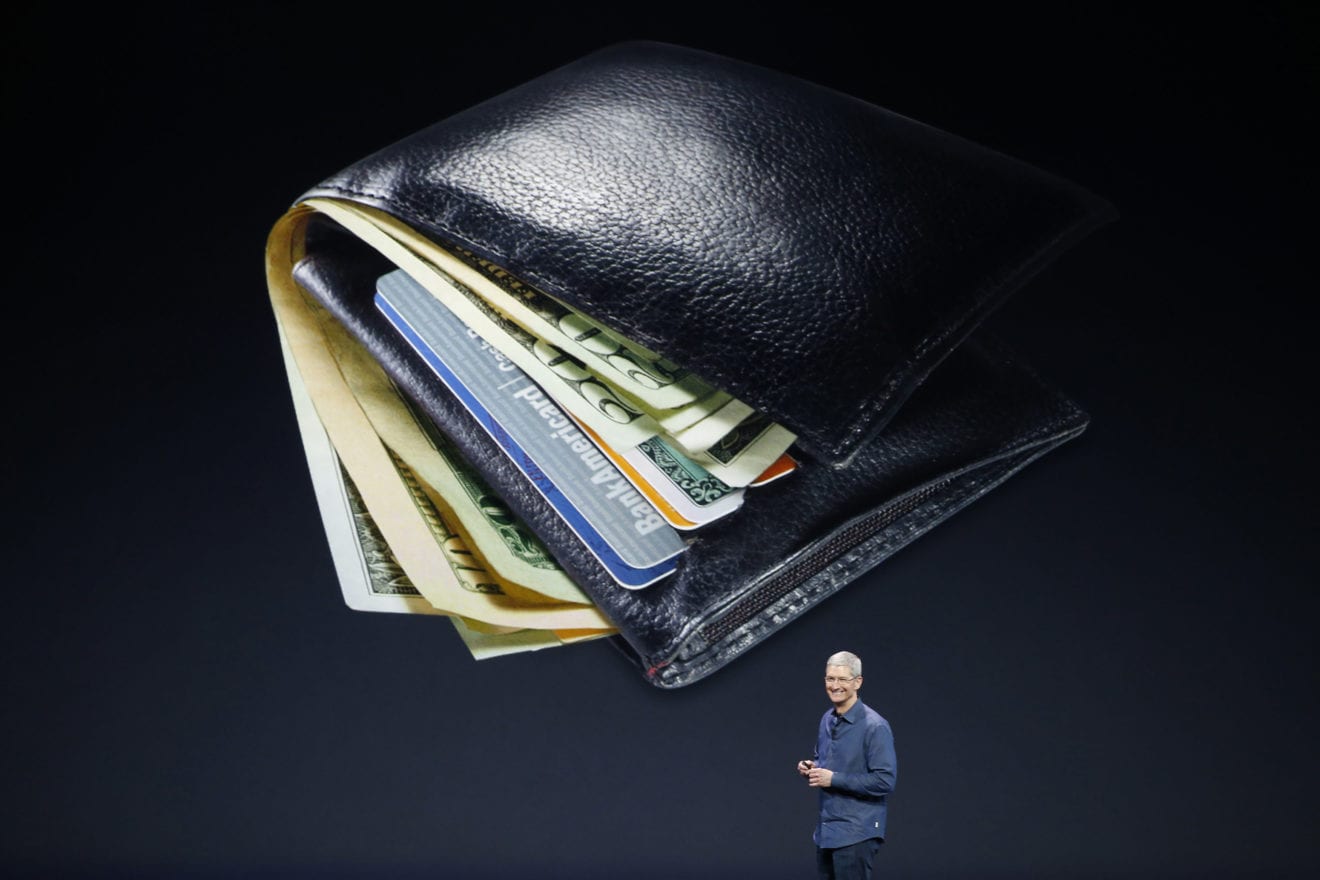
    China this month became the fifth country where consumers can use smartphones to pay with Apple Pay, and Chinese shoppers quickly embraced the Apple Inc. payment system.

    In the first two days after the Feb. 18 launch, 3 million consumers linked their bank cards to Apple Pay according to China Merchants Bank, one of 19 Chinese banks involved in the rollout. The payment method can be used to pay in stores with compatible terminals and in mobile apps that link to Apple Pay.

    Every Chinese consumer with a debit card and many with credit cards are eligible to use Apple Pay because Apple is collaborating with the country’s sole debit card network, China UnionPay. Banks have issued 5 billion cards that are accepted on the China UnionPay network, including 500 million credit cards, UnionPay says.

    China Merchants Bank says its customers connected 1 million bank cards with Apple Pay in the first two days of the launch, representing 35% of cards connected with Apple Pay in China. Apple and China UnionPay both declined to confirm this data from China Merchants Bank.

    Apple did say it is quite happy with the launch. “I would rate our first-day performance as 1,000, if the full score is 100,” Jennifer Bailey, vice president of Apple Pay, said at a mid-February press conference in China. Apple also has rolled out Apple Pay in the United States, the United Kingdom, Canada and Australia.

    Apple says the 19 Chinese banks offering Apple Pay, including such major institutions as Bank of China and the Agricultural bank of China, represent about 80% of bank cardholders in China.

    In addition, 16 retail chains, restaurants and online retailers in China have begun accepting Apple Pay. They include Starbucks, McDonald’s, Kentucky Fried Chicken, Circle K and the French department store chain Carrefour. Almost all of those merchants have launched promotions for Apple Pay users. For example, Starbucks offered a 15 yuan ($2.30) discount to Apple Pay users who spend 65 yuan ($10) or more.

    But consumers used Apple Pay the most on the first day of its introduction to pay on the mobile app of Meituan.com, a Groupon-like Chinese service in China, according to China UnionPay. Apple says the new payment method may double the conversion rate for e-commerce apps.

    Starbucks came in second in terms of Apple Pay payments on the launch day, followed by convenience store chain FamilyMart, McDonald’s and another daily-deal site, Dianping.com.

    China UnionPay reported that Apple Pay users’ spent 101 yuan ($15.5) on average on the first day of the service and about 47% of purchases were above 10 yuan ($1.5).

    Web-only e-retailer Vipshop, No. 4 in the Internet Retailer 2015 China 500, is among of retailers accepting Apple Pay in its mobile app, and says it received 10,000 Apple Pay orders on the first day. The company says Apple Pay could help Vipshop offer faster services to online shoppers.

    Apple Pay is hardly the first payment method in China based on mobile phones and wallets. Alibaba Group Holding Ltd.’s payment affiliate Alipay says there are about 300 million bankcards linked to its mobile wallet app, and Chinese online game and social media powerhouse Tencent Holdings Ltd. says the number of banking cards connected with its mobile apps has topped 200 million.

    However, Apple Pay requires fewer steps when paying in a store. An Alipay user must open the app on her phone and then click several times to generate a bar code that the cashier scans. With Apple Pay the consumer need only place her iPhone near a terminal and verify the payment by touching a finger on a button on the phone or by inputting her password. Apple Pay users don’t need to open an app or access the Internet to make a payment, Apple says.

    In stores, Apple Pay runs on China UnionPay’s Quick Pass service network, launched in 2013, which uses wireless Near Field Communication technology to establish a connection between a mobile phone and a terminal. There are 4 million NFC-compatible terminals in the Quick Pass network that can accept Apple Pay, of the 20 million payment terminals that accept UnionPay cards, according to China UnionPay.

    Besides Apple’s iPhone, other smartphones that consumers can use on the Quick Pass network include NFC-enabled phones from manufacturers like Samsung Group and Huawei Technologies Co. Ltd.

    Apple Pay works on the iPhone 6 or 6S, the Apple watch and some versions of the iPad. Consumers can use Apple Pay with an iPhone 5 and 5S if they pair the phone with an Apple Watch.

  • SM Prime sees e-commerce more as a challenge than a threat

    SM Prime sees e-commerce more as a challenge than a threat

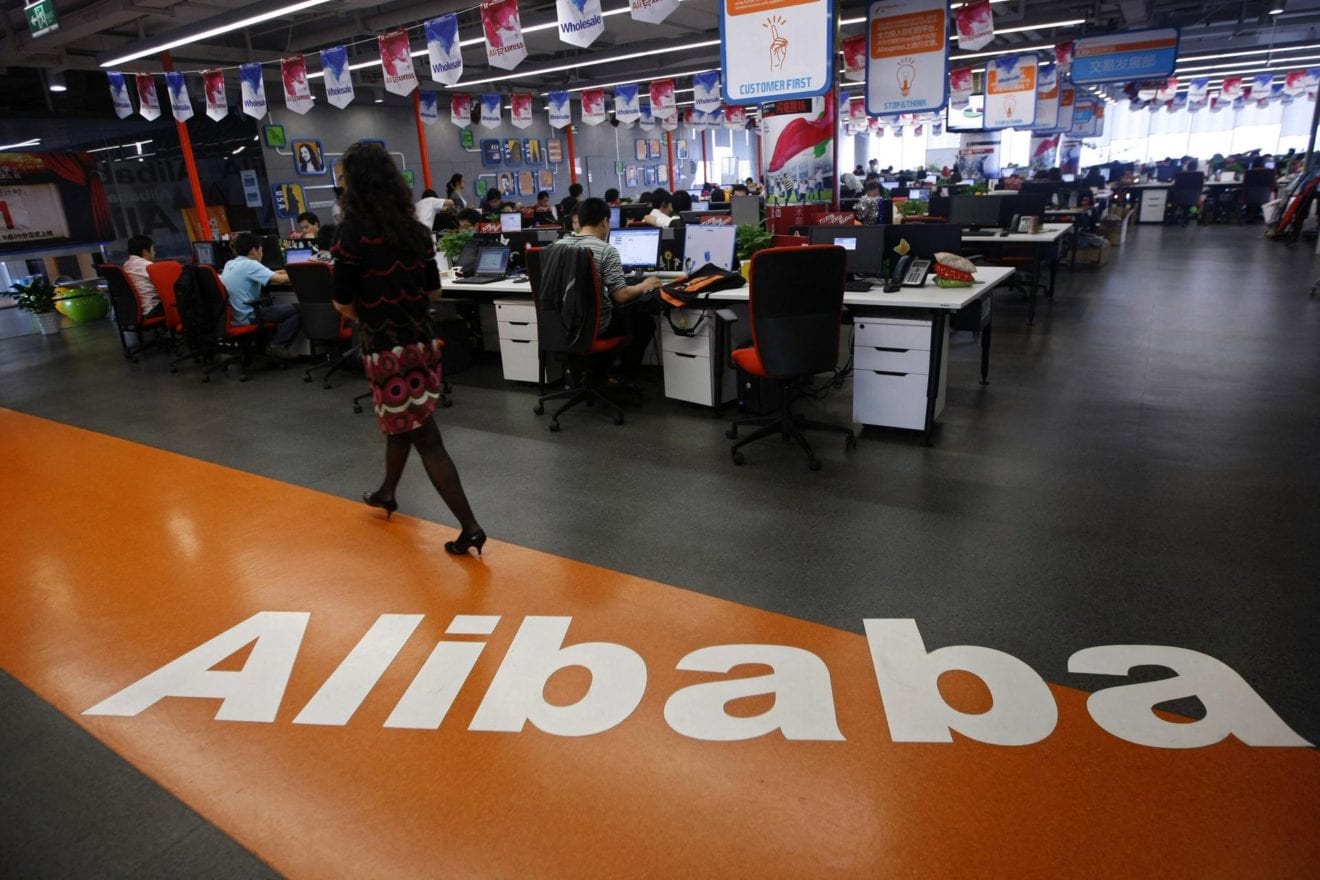
    The Philippines’ biggest retail property developer is not at all bothered by the emergent e-commerce, not even considering the latter as a latent competitor but more as a shot in the arm.

    “I am very bullish about that—I mean, SM’s commercial buildings and shopping centers,” SM Prime Holdings Inc. President Hans Sy told reporters Tuesday on a sidelines of the SM Group of Companies’ turnover of a P400-million building to the new University of the Philippines campus in the uptown Bonifacio Global City.

    SM Prime Holdings is the SM Group’s property arm, the biggest integrated property developer now in the Philippines, and the builder of about a hundred malls and shopping centers all over the Philippines.

    Sy said the SM Group had anticipated the growth of e-commerce, noting that more shops have been going online.

    In response, SM rebranded its ubiquitous SM Department Stores into SM Stores, to make its brick-and-mortar business more lifestyle-oriented, given the emergence of the now influential millennial market.

    Sy said such rebranding strategy would attract consumers to visit the malls instead of shopping online.

    “Even if there’s e-commerce, you cannot see people just staying in the house, so they definitely gotta do something and that’s what we’re trying to do,” Sy said.

    He cited the current transformation of the SM Mall of Asia as an example of the firm’s lifestyle mall initiative.

    “We are going to introduce a lot of lifestyle features,” Sy said.

    He clarified that the firm does not see e-commerce as a threat to its retail business.

    “No, we don’t look at it as a threat,” he stressed. “When we see these things, we look at it as a challenge and we find means and ways to go around the challenges. We do not let it top us or slow us down. We have to evolve into these things. That’s the reality.”

  • Alibaba Group’s Quest for China’s $100 Billion Retail Drug Market Stalls

    Alibaba Group’s Quest for China’s $100 Billion Retail Drug Market Stalls

    Alibaba Group Holding Ltd. has sailed into headwinds in its plans to conquer China’s medical market by prescribing and selling drugs through an online platform. Chinese officials shut down a government-owned drug tracking system that was created and operated in partnership with Alibaba’s health-care division, Alibaba Health Information Technology Ltd.

    The news saw the unit’s shares take a hit, falling 14% to 4.10 Hong Kong dollars (HKD) on Monday, before rising slightly to close at 4.17 HKD Tuesday.

    The system is owned by China’s Food and Drug Administration, which helps it monitor drugs’ manufacturing, regulatory, expiration and composition data. However, the FDA suspended the system due to complaints from pharmaceutical companies that are jittery over Alibaba’s involvement.

    Meanwhile, the FDA has said that it is reviewing drug-monitoring rules to accommodate the dissenting voices, reported Wall Street Journal.

    Alibaba teamed up with a private-equity startup linked with its founder, Jack Ma, known as Yunfeng Capital Ltd to purchase a controlling 54 percent share in Citic 21CN, which dealt in management of pharmaceutical products data. The new company, Ali Health, subsequently started dealing in Alibaba’s e-commerce sales of over-the-counter drugs.

    It also created an app that links patients with hospitals and community doctors.

    Cure for Country’s Ailing Healthcare Industry

    Ali Health has touted itself as the cure for most problems ailing China’s health-care industry, which is characterized by overcrowding in public hospitals and too much reliance on drugs.

    Data by management consulting firm Bain & Co. shows hospitals in mainland China rely on sales of drugs for 80 percent of their revenues, opening a loophole for corruption to thrive.

    Ali Health ensures local pharmaceutical industry players maintain standards of drug safety as it strives to gain an early market lead over potential rivals should China allow retailers to sell drugs through online platforms.

    This fact hasn’t escaped the eye of drugs firms, who have increasingly expressed dissatisfaction over Alibaba’s participation.

    A provincial pharmacy chain Yontinhe Group sued China’s FDA in January, saying it was creating an uneven playing field by co-operating with Ali Health. It cited provision of big-data view of all medicines produced by all pharmaceutical firms in China to Ali Health as one area it was favoring the latter in, among other accusations.

    Responding to Yontinhe’s claims, the FDA issued a statement on Jan. 26, saying that it backed the drug-monitoring system. Nonetheless, it appears to be responding to the complaints with its decision to seek views of all market participants concerning how to review the drug-monitoring system.

    China’s prescription drugs market is estimated to register sales valued at $100 billion, according to a study by consultancy firm Deloitte.

    Ali Health attributed its involvement in the tracking system for almost all the revenue of US$4.8m (37m HKD) it earned in the year through March 31, 2015. It says its role is to operate the system, while the FDA owns it in a partnership aimed at eliminating counterfeits in the Chinese health-care market.

  • Ecommerce is so huge in China that even the 2nd biggest store saw $71b in purchases

    Ecommerce is so huge in China that even the 2nd biggest store saw $71b in purchases

    You know ecommerce is insanely huge and fully ingrained in daily life in China when the country’s second largest online store booked US$71.6 billion in purchases in the past year. That’s the figure revealed today by JD, the closest competitor to Alibaba, in its newest earnings report.

    Alibaba, which posted financials a few weeks earlier, is well ahead with a total of about US$460 billion worth of purchases on its Chinese shopping marketplaces in 2015. JD now has 155 million active shoppers who collectively placed 1.26 billion fulfilled orders in 2015.

    JD, which differs from Alibaba in that it mostly ships items to shoppers from its own inventory rather than relying on a huge network of merchants, says that its 2015 expenditure tally was up 78 percent on 2014’s. The ecommerce firm, in which WeChat maker Tencent has a 20 percent stake, now has 155 million annual active customers, up from just over 90 million back in 2014.

    They collectively placed 1.26 billion orders that were fulfilled in 2015, which nearly doubled from the prior 12-month period.

    Trillion-dollar baby

    Ecommerce spending in China this year is expected to inch past US$900 billion, says Emarketer. The data revealed by Alibaba and JD, which together account for a very sizeable chunk of online shopping in China, seems to support that projection. By 2017, China’s appetite for buying stuff online will sail past a trillion, and it’ll be worth about US$1.57 trillion by 2018.

    Amazon does not reveal consumer expenditure figures – known in the industry as gross merchandise volume, or GMV – which makes it hard to see how Alibaba and JD stack up against the US-based ecommerce giant. Amazon operates in China, but it’s a minor player there.

  • Lotte Group in Indonesian confectionery push

    Lotte Group in Indonesian confectionery push

    South Korean confectionery manufacturer Lotte Group is planning an eCommerce joint venture with one of Indonesia’s largest conglomerates, the Salim Group, within the next few months with the aim of being up and running by early next year.

    This follows a new government policy on eCommerce that opens up a market of nearly 250 million people to foreign brands. According to the Korean media, the deal was formalised when Lotte Group chairman Shin Dong-bin met with Salim Group chairman Anthony Salim in Singapore during an Asia Business Council meeting.
    Under Shin, Lotte has been aggressively expanding its overseas businesses, and the Indonesian confectionery market is considered a key strategic opportunity, reports Deal Street Asia. The company hopes to secure a strong foothold in the eCommerce market through an omni-channel retailing strategy and establishing a stable delivery service via the partners’ offline stores.
    Also planning to introduce products popular in Korea, Lotte first became involved in the Indonesian market in 2008 when it acquired 10 stores of the Dutch discount chain Makro. Lotte has one department store in Indonesia and 41 retail outlets, while Salim Group has 11,000 Indomartconvenience stores. The Salim Group’s businesses cover such sectors as food, distribution, telecommunications, media, automobile manufacturing and property development.

    An eCommerce roadmap has been drafted by the Indonesian government as a basis for guidelines regulating the sector. It covers such aspects as funding, taxation, communication infrastructure, logistics, cyber security, consumer protection and education, with the aim of achieving eCommerce transaction value of $130 billion by 2020.

  • South Korea’s card spending jumps 16 pct in Jan.

    South Korea’s card spending jumps 16 pct in Jan.

    South Korea’s card spending rose sharply in January, data showed Friday, on the back of increased consumption for the Lunar New Year holiday and a gradual recovery in domestic demand.

    Purchases made with plastic cards reached 56.1 trillion won (US$45.4 billion) last month, up 15.9 percent from a year earlier, according to data compiled by the Credit Finance Association (CREFIA).

    The data includes transactions on credit, debit and prepaid cards. Cash advances, overseas spending and card loans were not included.

    Of the amount, credit card spending went up 15.9 percent on-year to 44.79 trillion won, while those of debit cards advanced 16.2 percent to 11.2 trillion won over the cited period, according to the data.

    “This year, the new year holiday started earlier than last year, which mainly led to the growth in January’s credit card spending,” a CREFIA official said.

    The retail sector, including department stores and big retail chains, enjoyed a 20.4 percent surge in credit spending on-year to 6.7 trillion won, the data showed.

    In particular, purchases made by credit cards in convenience stores spiked 56 percent thanks to the increase in small families and the solid growth in sales of their private-brand products, according to the association.


  • China changes the tax rules on purchases from overseas e-retailers

    China changes the tax rules on purchases from overseas e-retailers

    In some cases consumers will owe more tax, and in other cases less.

    Foreign online retailers and brands have benefited in recent years from China’s relaxed rules on purchases by Chinese consumers on overseas websites. China’s new rules on import duties and taxes will hurt some of those overseas online sellers, while helping others.

    The new rules, to take effect in April, provide an exemption from import duties for purchases from foreign websites of up to 2,000 yuan ($306) but add a sales tax of 11.9% that consumers don’t pay today. That sales tax is still less than the 17% value-added tax consumers pay when shopping in stores in China.

    The existing rules, which mirror the regulations for consumers bringing in purchases from abroad or receiving them by mail from friends overseas, allows a consumer to import up to 1,000 yuan ($153) worth of products at a time for personal use, up to 20,000 yuan in a year. Those purchases are subject to import duty—which generally vary from 10% to 50% of the purchase price, depending on the type of product—but the tax is waived if it’s under 50 yuan ($7.65.) That 50-yuan exemption will be eliminated in the new rules.

    The new policy will benefit sellers of products for which the duty is high, such as cosmetics, which are hit with a 50% duty tax, says Li Pengbo, CEO of China Cross-border E-commerce Research Center, a consulting company. But other items for which the duty is low, such as children’s products, the new rules will make it more expensive for Chinese consumers to buy from overseas websites, Li says.

    Here are some major product categories, with the duty tax percentage:

    • Food, 10%
    • Alcohol, 50%
    • Apparel, 20%
    • Cosmetics, 50%
    • Electronics, 20%

    Thus, under existing rules a Chinese consumer who buys a shirt for $50 on a foreign e-commerce site pays a fee of $10 (20% duty on a $50 purchase), whereas under the new rules he would pay only $5.95 (no duty, but a sales tax of 11.9%.) However, a consumer buying $30 of powdered milk today would pay no duty or sales tax (the duty would be $3, 10% of $30, but that is waived because no fee is charged if the duty is below 50 yuan ($7.65)), whereas under the new rules she would pay $3.57 (no duty, but a sales tax of 11.9%.)

    Both the new rules and the old ones also apply to foreign companies that sell on Chinese marketplaces under the relaxed cross-border e-commerce rules that China has adopted in recent years. Such major Chinese e-commerce operators as Alibaba Group Holding Ltd., JD.com Inc. and the Amazon China subsidiary of Amazon.com Inc. have created special sections of their online shopping sites featuring imported goods sold under the special cross-border rules. Those rules allow foreign companies to store items in 10 free-trade zones without clearing customs, and then send them through an expedited customs process when a Chinese shopper places an order.

    They also allow the sale, up to the limit for personal use—1,000 yuan today and 2,000 yuan when the new rules take effect in April—of goods that have not been authorized for sale in China, as long as they have been found safe in their home country. That’s a big deal for sellers of products like cosmetics and food that can take years to gain approval from the Chinese government for domestic sale.

    Chinese consumers have taken advantage of the cross-border e-commerce rules to buy significant quantities from foreign web merchants. China’s customs authority reported this month that the first seven of the free-trade zones established in China since late 2013 handled 100 million inbound parcels purchased from foreign e-retailers with a total value of $2 billion.

    The relaxed rules on purchases from foreign websites have drawn protests from domestic retailers who say they have to pay import duties on all goods they bring into the country and charge consumers the national 17% value-added tax.

    Gong Dingyu, founder and chief operating officer of Chinese children’s product retail chain Leyou, tells Internet Retailer, that the new rules represent of a different way to tax goods purchased from overseas e-retailers.

    “The old policy is unfair because traditional trading companies and physical stores don’t have the same favorable policy as cross-border e-commerce,” Gong says. “Also, without products being monitored and inspected by the Chinese government, online consumers could buy imported products with quality issues.”

    JD.com is No. 1 in the Internet Retailer 2015 China 500 and Amazon China No. 5. While Alibaba’s big online marketplaces Taobao and Tmall account for about three-quarters of online purchases in China, Alibaba is not ranked because it is a marketplace operator and not the merchant of record for any sales on its sites.

  • 11street collaborates with UITOX to bring in 200 brands and 150,000 products to Malaysia

    11street collaborates with UITOX to bring in 200 brands and 150,000 products to Malaysia

    11street (www.11street.my) today announced its latest collaboration with UITOX, the first ever largest online marketplace in Taiwan to introduce 200 élite brands from Taiwan along with around 150,000 products from Taiwanese sellers.

    This partnership signifies the launch of TW Street, UITOX’s official store on 11street, bringing popular fashion brands like OB Design, Pazzo, Toki Choi, and beauty brands such as 1028, Dr Wu, Forbelovedone, Dr Doruxi, and renowned Taiwanese food such as pineapple cake, Gong sugar, red bean water and more.

    11street’s chief executive officer, Hoseok Kim shared that based on observations, the demand for popular overseas products in Malaysia is increasing especially for cosmetics, accessories such as watches, clothing, electronic gadgets, jewelry and personal care goods, which is reflected in the country’s import patterns and the growing needs by consumers[1].

    According to MATRADE’s report on top major imports for 2015, Malaysia’s import just for textiles, clothing and footwear grew more than 60 percent from RM 8.48billion to RM 14.21billion compared over the same period of 2014[2].

    He highlighted, “Partnering with UITOX, 11street is able to introduce more quality international products into the local market, serving as part our commitment to better fulfill Malaysian consumers’ demands with a good mix of local and overseas products.”

    Today, 11street boasts more than five (5) million total product listings which includes a good variety of Cross Border Trading (CBT) products on the online marketplace platform. Majority of these CBT goods come from Korea, Hong Kong, Japan, and United States and the top 3 most purchased categories for CBT products are Health & Beauty, Fashion and Electronics items.

    Robert van Lith, Regional Director of UITOX expressed that this collaboration with 11street marks the debut of UITOX into Malaysia which is greatly exciting! “UITOX thrives on its ambitions to challenge not only the domestic market in Taiwan, but also expand its landscape into the fast-growing e-commerce marketplace in Malaysia. We look forward to engaging with shoppers as we offer Malaysians a taste of popular brands from diverse countries.”

    UITOX was founded in Taiwan in October 2012 and has expanded to China, Singapore, Japan, Hong Kong, Indonesia, Malaysia, Thailand, Vietnam, Philippines, USA, Canada and Netherlands. The successful launch of TW Street in 11street will push UITOX into its second phase of development which will bring more cross border products from other countries. UITOX now has over 5,000 sellers on board with more than USD 224 million of annual gross merchandising value worldwide in 2015, with year-over-year growth of 193% from 2014. 

    In conjunction with its debut on 11street, the products under UITOX will be made available to Malaysian shoppers via various special promotions. Customers can now enjoy free international shipping storewide and a 50% discount on selected items starting from 15 February 2016 onwards. To find out more, please visit TW Street

    11street and UITOX together aim to not only support the increase of quality international brands stepping into the Malaysian market, but prides itself on offering shoppers the convenience of finding affordably priced brands and products that they love.

    “We are thrilled to be partnering with UITOX to offer Malaysians more product variety to help them find what they love, whilst we enrich our product inventory on 11street. This partnership not only enhances our position as a credible partner for international brands, but enables UITOX to connect their sellers from Taiwan with Malaysian consumers that are looking for quality overseas items,” Kim ended.

  • Yahoo woos Hong Kong with new online store

    Yahoo woos Hong Kong with new online store

    Yahoo Hong Kong announced in January the official opening of the Yahoo Store, its key project for e-commerce in 2016.

    Within the year, the tech firm said it expects to feature 500 stores offering as many as 100,000 products. As it is today, Hong Kong’s online shoppers can already buy from a wide selection of over 20,000 products from more than 100 businesses on online shopping mall.

    Rico Chan, Vice President & General Manager, Yahoo Hong Kong & INSEA Sales, said the company has already made a considerable effort in the area of e-commerce for netizens to experience a new experience on Yahoo Shopping.

    These efforts include setting up a strong team to bring fashion items, mobile accessories, stationery and other articles for daily use to Hong Kong’s online shoppers.

    “The Yahoo Shopping platform provides one-stop shopping convenience and operates all day long every day, without time or geographical limits. Merchants can use innovative multimedia promotion methods to tailor marketing plans for their brands, and embrace the fast-changing opportunities,” he said.

    The site also offers original brands and entrepreneurs who are eager to join the platform advice and analyses on setting up online stores for businesses so that they can open their stores easily and quickly.

    Horace Ng, Head of E-Commerce, Yahoo Hong Kong, said they aim to turn Yahoo Hong Kong’s e-commerce platform into the strongest local online shopping mall, through integrating e-commerce service strategies, ad hoc Yahoo Deals and Auctions of rare second-hand products over the long term in the online Yahoo Store.

    “Yahoo has been working hard to drive its Mavens strategy, focusing on six major pillars: mobile, audience, video, e-commerce, native and social,” added Chan.

    The Yahoo executives said the store has a strong content base, including Product promotion using multimedia – (sellers can place multimedia files such online videos on their product introduction pages to offer richer and more concrete product information to buyers); Sellers training (classes offer guidance on sellers’ photo management and design skills) and Multi-channel exposure for sellers’ products (brand promotion and product marketing through Yahoo Shopping’s social platform).

    During the trial run the store, it offered a 25 percent purchase rebate through e-code redemptions, which attracted feedback, web traffic and customer reaction.

    Yahoo has been operating in Hong Kong for 17 years and has always been supportive of the development of local artistic creations, actively utilizing its influence to support outstanding local young artists and creators in exploring and making the most of the business opportunities.

    This year, it has collaborated with local, original illustration brand Pandaluv to launch an O2O (Online-to-Offline) experimental project.

    Pandaluv created a series of Yahoo Store X Pandaluv limited edition products for the Chinese New Year period, including cushions, a canvas bag and baggage tags, among other items, selling in advance on Yahoo Deals and allowing fans to redeem the limited-edition products at Stall No. 021 during the Lunar New Year Fair in Victoria Park.

    “Pandaluv can reach a lot of netizens who support local creations through the strong online e-commerce platform, Yahoo Shopping, and more netizens can learn about my company,” said Pandaluv Founder, Famous Cartoon Illustrator Toby Yeung.

    Last year, he said the brand published illustrations through Tumblr Creator Hub, which attracted many loyal fans to create accounts and follow the brand.

    “We made contact with quite a few partners, gaining many business opportunities, helping Pandaluv to shift from being an artistic creation success towards an art business startup,” Yeung added.