Category: E-Tailing

Retail News Asia is committed to providing both local and global retailers with the latest E-Commerce & Etail news throughout the Asian market. This on a daily base.

  • Zalora Enhances Customer Experiences Through a Single Personalization Platform from Evergage

    Zalora Enhances Customer Experiences Through a Single Personalization Platform from Evergage

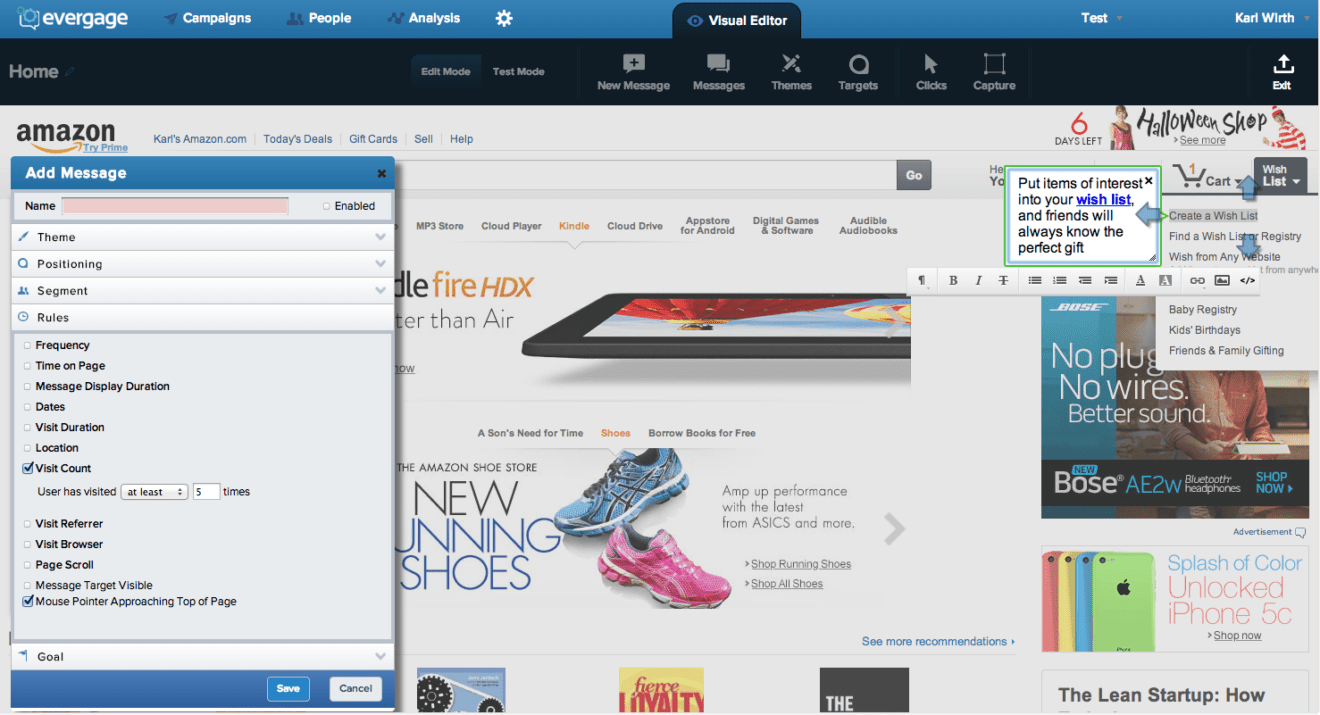
    Evergage, the real-time personalization platform company, today announced that ZALORA, Asia’s leading online fashion destination, has selected Evergage to support its real-time personalization initiatives across all the company’s digital properties. In a move to streamline its personalization efforts, which previously involved multiple vendors, ZALORA chose Evergage to easily and comprehensively manage all aspects of Web personalization for the company. 

    Established in early 2012, ZALORA has dedicated websites for fashion consumers in Southeast Asia, Hong Kong and Taiwan. Offering a wide array of items from more than 500 top international and local brands, ZALORA gives customers access to thousands of products across a variety of categories online.

    Prior to its deployment of Evergage in July 2015, ZALORA was working with multiple vendors, each providing specific elements of personalization for the company’s websites. This made tailoring the customer experience in real time a challenge for the marketing team as they could access only a fragmented view of each customer, versus a holistic perspective encompassing each interaction with the brand. By tracking and interpreting visitors’ historical preferences, in-the-moment behavior and intent across platforms and touchpoints, Evergage provides a well-rounded and actionable view of visitors – so digital marketers can deliver personalized experiences at the 1:1 level across channels.

    ZALORA’s Regional Marketing Director, Patrick Steinbrenner, said: “In line with our efforts to streamline processes and improve efficiency in ZALORA, we needed to unify our personalization program under one single solution. Evergage’s comprehensive and acclaimed platform is the perfect fit for our needs. We’re pleased with our results so far, and look forward to using Evergage to drive even deeper levels of customer engagement.”

    Within the first three months of using Evergage, ZALORA launched several personalization campaigns – to communicate and capture email addresses at optimal times during shoppers’ visits – and has already seen a significant lift in conversion rates and revenue per user for its Web-based customers. Looking ahead, as ZALORA continues to advance its efforts with Evergage, delivering real-time personalization through ZALORA’s mobile app will be a key new initiative.

    ZALORA has seen significant increases in site traffic since Q1 2015, and working with Evergage, it will be able to maximize the benefits of this influx by supporting personalized, relevant experiences to site visitors. 

    “We’re thrilled to be working with ZALORA as they take their personalization efforts to the next level,” said Karl Wirth, CEO and co-founder of Evergage. “By delivering a single platform to manage every aspect of ZALORA’s real-time personalization program, we’re able to help them better understand each individual visitor and instantaneously provide a tailored shopping experience to drive more sales.”

  • eCommerce growth a bright spot amid retail gloom

    eCommerce growth a bright spot amid retail gloom

    A combination of lower gas prices at the pump and the knock-on effects of slowing economic growth in China contributed to a global retail sales slowdown in 2015.

    But there is a bright spot in the gloom: eCommerce.

    Online sales are expanding faster than previously anticipated and are projected to increase by double-digit rates every year through 2019, according to a new forecast from independent research firmeMarketer. Led by China, the Asia Pacific region is expected to be the main engine of this growth.

    In 2015, worldwide retail sales rose by 5.6 per cent to $22.5 trillion, down from a 6.1 per cent growth rate in 2014. eCommerce sales, by contrast, jumped by 25.1 per cent, reaching nearly $1.7 trillion.

    While online spending last year made up just 7.4 per cent of global retail sales, eMarketer projects that eCommerce sales growth will outpace brick-and-mortar sales growth by a more than 3-to-1 margin from 2014 through 2019.  At this pace, eCommerce sales by 2019 are expected to more than double to nearly $3.6 trillion, accounting for 12.8 per cent of all retail spending.

    With its rising consumer class and huge population of online shoppers, China is expected to play an outsized role in that growth. The report states that eCommerce sales in China will more than quadruple between 2014 and 2019. The country already leads the world in eCommerce, but by 2019, China’s eCommerce market will reach $1.97 trillion, making it 3.5 times larger than that of the US, according to the eMarketer forecast.

  • Alipay, WeChat drive China Jo-Jo sales

    Alipay, WeChat drive China Jo-Jo sales

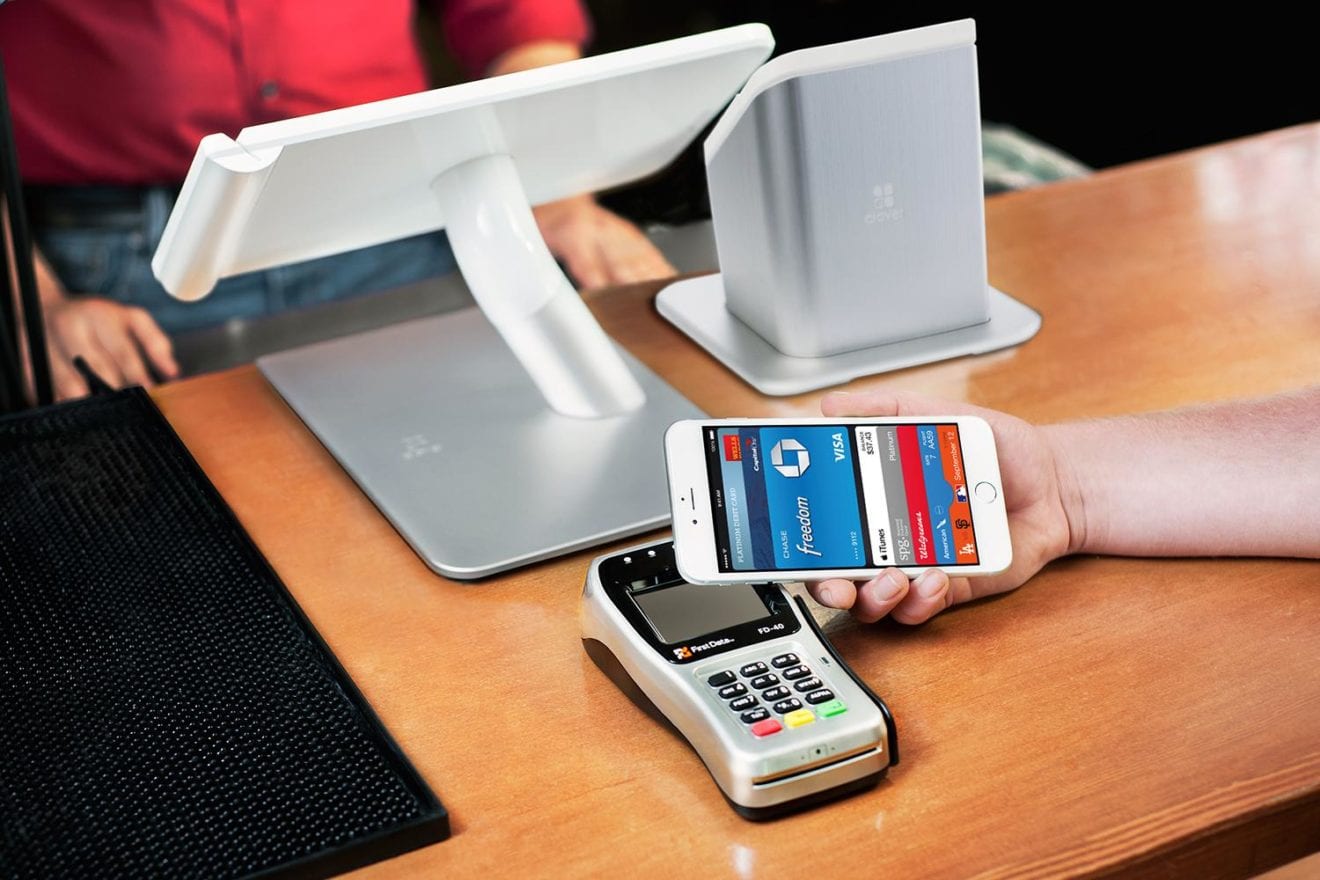
    China Jo-Jo Drugstores, the US listed, China-based multichannel pharmaceutical and healthcare retailer, says customers are embracing Tencent’s WeChat and Alibaba’s Alipay to buy its goods from mobile phones.

    In the third quarter, Alipay mobile transactions with China Jo-Jo grew 84 per cent quarter on quarter, while sequential traditional payment transactions such as City Health Insurance payment transactions grew 27 per cent.

    According to research firm Analysys, Alipay and WeChat currently dominate mobile payment in China with 45 per cent and 19 per cent of the market respectively.

    “Integrating these mobile payment platforms is an important growth initiative for China Jo-Jo as consumers in China, especially the young and growing middle-class, have been keen to actively adopt mobile payment as the method of choice for their integrated mobile and physical retail store shopping experience,” the pharmacist said in a statement.

    “Providing customers this convenient and familiar mobile payment platform is helping to drive overall transaction growth in both our retail and online pharmacies.”

    Since launching Alipay’s mobile payment service in November 2014, China Jo-Jo has been initiating novel marketing campaigns including in-store sales and bonus promotions in order to attract and customers while promoting premium branded products. Payment transactions and marketing initiatives under WeChat Payment which launched in July 2015 have also been successful in growing China Jo-Jo’s customer base and overall transactions.

    Chairman and CEO Lei Liu says mobile payment platforms have had immense success in China providing consumers with a fast, secure and novel means of paying for both online and offline pharmacy goods and services that is becoming the standard method for paying for goods and services in China.

    “Mobile payment platforms now account for more and more of China Jo-Jo’s online payment transactions and is playing an integral role in the push to drive adoption of China Jo-Jo’s business model.”

    As of December 31, China Jo-Jo had 59 retail pharmacies in Zhejiang Province, China.

  • Singapore-based ecommerce marketing startup raises $1m to enter Indonesia

    Email and digital marketing startup Ematic Solutions has raised a pre-series A round of close to US$1 million, it announced today. The funding comes from MDI Ventures, a venture capital fund backed by Telkom Indonesia, the country’s major telco.

    The pre-series A round comes just two months after Ematic raised its seed round, worth US$1.07 million, led by Wavemaker Partners and joined by 500 Startups and Convergence Ventures.

    The funding will be used to intensify the Singapore-based startup’s quest for regional expansion. Indonesia was already a priority destination for the company, and it expects MDI’s support to help it further along. It has just opened an office in Jakarta, its first outside of Singapore, and is currently recruiting there.

    Ematic’s products include HiIQ, a tool that figures out when is the best time to reach out to which customer, and ByeIQ, a method for encouraging engagement when a user is about to leave your website.

    Indonesia is a particularly attractive market for Ematic given its mammoth market size and ecommerce potential. The numbers are well known; a population of 250 million, the largest in Southeast Asia, with a recent annual GDP increase of five to six percent. A 65.6 percent growth for retail ecommerce in 2015, according to eMarketer. 73 million internet users – the highest number in Southeast Asia.

    singapore-based-ecommerce-marketing-startup-raises-1m-to-enter-indonesia

    “Indonesia has the largest internet population in Southeast Asia, which is set to grow at a blistering pace,” says Ematic founder and CEO Paul Tenney in a statement. “There has been a huge pull for us from regional and local online retailers to be in Indonesia to help these retailers capitalize on this opportunity.”

    Paul explains that the resources provided by MDI Ventures in terms of investment and market insight will help Ematic to quickly expand in the country. Telkom’s 150 million customer base and network is also an attractive prospect for the startup.

    Even in the event that market enthusiasm isn’t completely warranted, there’s enough of an incentive for ecommerce players to strike while the iron’s hot. Ematic, in turn, wants to be there to offer its services to those ecommerce players. It’s already signed up high-profile clients like fashion estore Berrybenka and lifestyle marketplace Bobobobo. Back in December, the company had more than 50 clients in Singapore, Thailand, and Indonesia.

    “Email marketing is the most important channel for digital marketers in Indonesia; we see it contributing between 25 to 35 percent of total sales for the companies we work with,” Paul adds.

    “Our approach allows us to achieve desired long term results and improve all marketing metrics within a short period. But more importantly, our solutions are much more manageable for the small marketing teams that we often see in Southeast Asia.”

  • Facebook Co-Founder Saverin Among Investors in Indonesia’s Orami

    Facebook Co-Founder Saverin Among Investors in Indonesia’s Orami

    Facebook Inc. co-founder Eduardo Saverin, who’s been stepping up his investments in Southeast Asian technology startups, joined a $15 million round of financing for Indonesian e-commerce startup Orami.

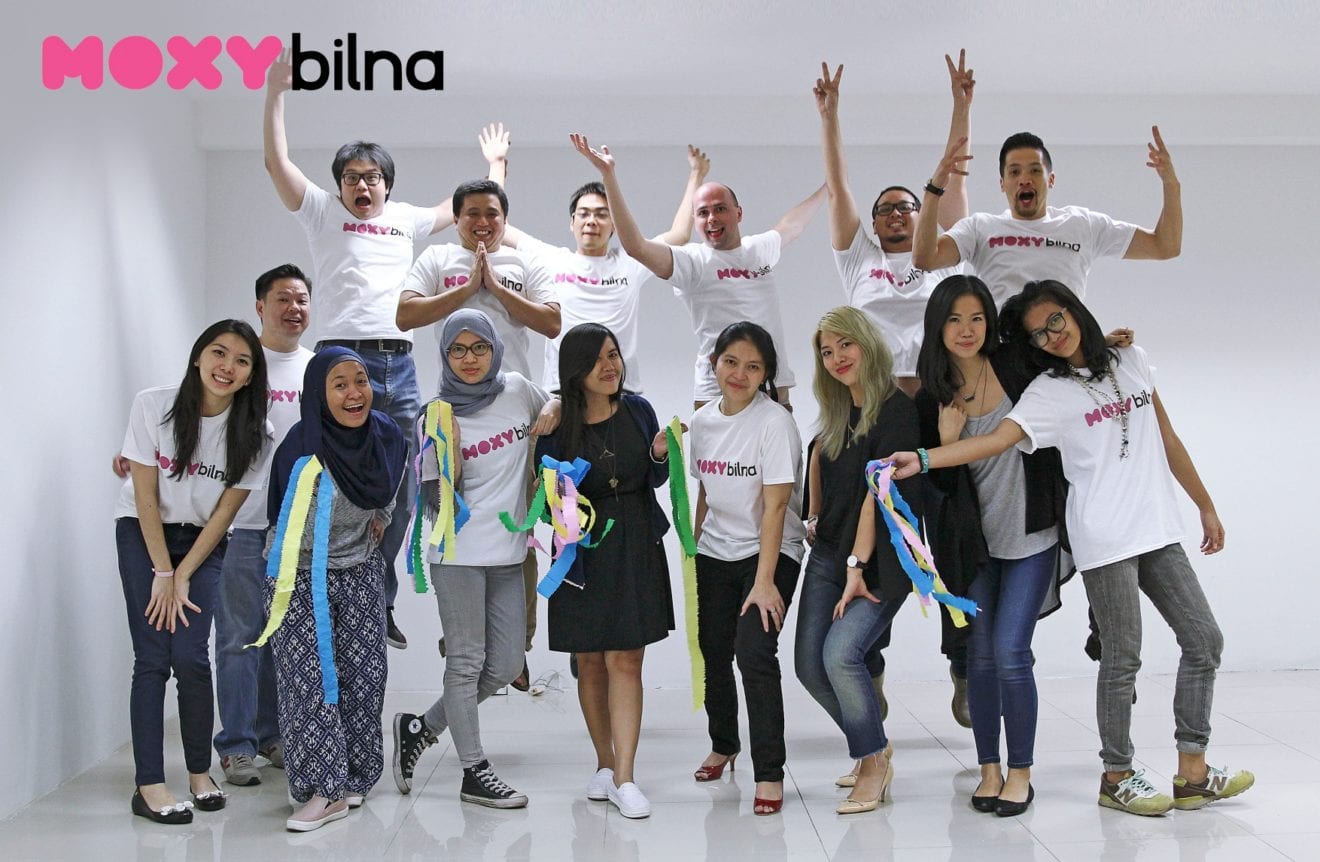
    Other investors included the technology-focused investment arm of Indonesia’s Sinar Mas Group, Shanghai-based Gobi Partners Inc., Velos Partners and Ardent Capital LLC, according to a statement Wednesday. Orami is the new brand for the female-focused business formed through the merger of Moxy and Bilna and is led by Chief Executive Officer Jeremy Fichet. It plans to expand to other countries in the region.

    “The Orami team is on top of its game with a laser focus on the intersection of social commerce, content and women,” Saverin said in the statement. “Between Thailand and Indonesia, where more than five million babies are born a year, women not only serve as the gate to the home but are the key drivers of rapidly growing economy and future generation.”

    Saverin’s recent investments include online news site Tech in Asia, car rental service Silvercar, and Hopscotch, a shopping site for Indian moms.

    Orami now has almost 500 employees in Indonesia and Thailand. Some 75 percent of its customers are women and the startup gets about three million visits a month.

  • Mitsui & Co. invests in Singapore’s analytics startup Crayon Data

    Mitsui & Co. invests in Singapore’s analytics startup Crayon Data

    Japanese conglomerate Mitsui & Co. has invested an undisclosed amount in Crayon Data, a Big Data analytics startup in Singapore, with operations in Chennai (India)

    The funds will help Crayon accelerate its global expansion, according to an official statement.

    The investment also includes a business service agreement by which Mitsui will support the launch of Crayon’s products in Japan, and the expansion of its customer assets. Crayon is looking to partner with banks, hotels, and advertising and media companies in Japan.

    Mitsui will also look to add benefits to their own subsidiaries and investee companies in retail, CRM and digital advertising.

    This announcement comes hot on the heels of Ratan Tata’s investment in Crayon Data in November last year. Crayon has previously raised approximately US$7 million in seed and Series A funding from angel investors such as Jungle Ventures and Spring Seeds.

    “We believe that personalisation, which Crayon Data brings through Big Data analysis of consumer behaviour is going to be key for every business-related to consumer interactions, across every industry and every geography,” said Noda, General Manager of IT Service Div, IT & Communication Business Unit of Mitsui & Co.

    Founded in 2012 by Srikant Sastri and Suresh Shankar, Crayon Data is an analytics startup. Unlike the conventional people-led model of analytics, Crayon builds tools that deliver real business solutions by bringing together enterprise, public, external internet and social data to a single platform.

    Its flagship product ‘Simpler Choices’ brings the power of Big Data and analytics to enterprises that enable clients increase their sales conversions and improve returns from existing accounts. The firm’s key focus verticals are hospitality, finance, retail and technology.

    The firm also offers Maya, a personalisation engine that facilitates choice delivery for the banking, hotel and digital media verticals.

  • Newly Merged MoxyBilna Lands $15M For Female-Focused E-Commerce

    Newly Merged MoxyBilna Lands $15M For Female-Focused E-Commerce

    Moxy and Bilna, the two female-focused e-commerce sites in Southeast Asia which merged last month, now have a new name and $15 million in funding to build out their game.

    The company, which has close to 400 employees, is now known as Orami, and today it announced that it has closed $15 million led by Indonesia’s SMDV, and with participation from Gobi Partners, Facebook co-founder Eduardo Saverin, Ardent Capital and Saverin’s firm Velos Partners.

    The deal propels the company forward in a major way, as it battles to become the go-to destination for women shopping online in Indonesia, a country of over 250 million people, and the wider Southeast Asia region, which has a cumulative population of 620 million.

    Orami CEO Jérémy Fichet and CMO Shannon Kalayanamitr told TechCrunch that their website sees around three million visits per month, with three-quarters of its customers women. They claim that, on peak days, the service does 12,000 orders and that the average basket size is 25 percent higher than the average for e-commerce in Southeast Asia.

    There’s plenty of competition for online sales in Indonesia, with Rocket Internet-backed Lazada, which has raised hundreds of millions, and Matarhari Mall, a service from offline retail giant Lippo, among the larger fish. Kalayanamitr, though, believes that Orami is the only one that is focused on serving women in the country.

    “I don’t think we have direct competition, but [there are other players] in some verticals. We are really the only one doing it across the board,” she said, suggesting that fast-growing Matarhari could be the biggest rival to Orami.

    Arguably offline commerce, or lack of awareness of online solutions among consumers, is the main competitor since online represents less than five percent of retail sales across Southeast Asia. But the rise in smartphone sales, which brings millions of people online for the first time, is changing things, and Indonesia, as Southeast Asia’s largest country, has the greatest potential in that respect.

    Fichet told TechCrunch that the new money raised will be put to work building out Orami’s product selection, increasing its technology team — which currently stands at 40 employees — and improving the end-to-end experience with customers, so investing in better logistics, order management, etc. Beyond that, Kalayanamitr is working to unlock the potential of ‘social commerce’ for Orami. That’s the idea that social media is intertwined with the service — so, for example, customers can easily share new purchases, wishlists, etc with friends.

    Orami is focused on Indonesia and Thailand, the market where Moxy started out, and it may expand to one more market in Southeast Asia this year. Initially though, the Oram founders said, the company needs to focus on Indonesia and build its position there.

    “Just indonesia alone is going to be crazy for us, we’ve tapped a fraction of it so far,” Kalayanamitr told TechCrunch.

    When Orami does look to expand, it is possible that it might look for an acquisition to hit the ground running. That’s not a huge surprise since Orami is the result of a merger, and Moxy itself acquired Thai startup WhatsNew when it first started out. Indonesia is the focus today, but Orami clearly harbors ambitions to be the e-commerce site of choice for women in Southeast Asia.

  • How China’s Alibaba spends $18 billion investing in companies

    How China’s Alibaba spends $18 billion investing in companies

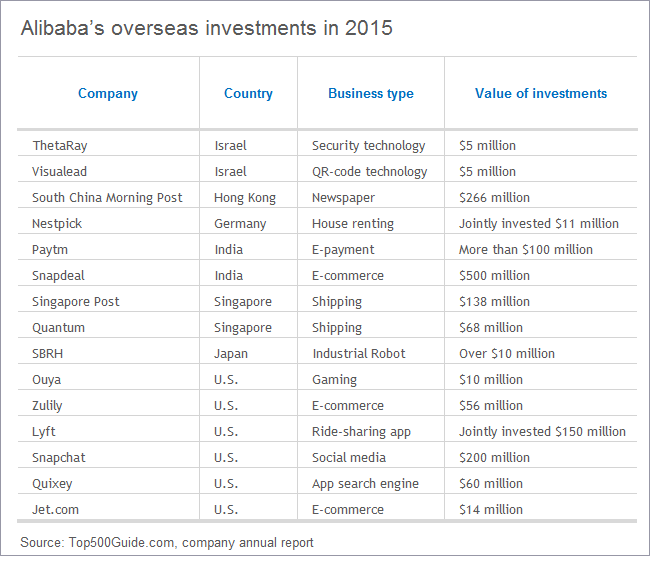
    The Chinese e-commerce giant acquired eight companies and invested in 15 overseas businesses in 2015.

    Alibaba Group Holding Ltd. is not just an e-commerce company that can create $14 billion in online sales in 24 hours. With near-constant investments, the Hangzhou-based company has evolved into a business empire, aiming to serve more consumers beyond its current 400 million active users.

    Alibaba spent about $18.3 billion to invest in 65 companies, including acquiring eight companies and investing in 15 overseas businesses, according to China-based market data company IT Orange.

    Alibaba’s major investment sectors are e-commerce, entertainment, finance, enterprise solution & technology, and online to offline, according to IT Orange. In China, O2O or online to offline, refers to a way for Internet companies to develop mobile apps that connect local services, such as a dry-cleaner, with online users.

    Alibaba continued to invest in the technology vendor sector, but total spending in this sector was still small, IT Orange says. Alibaba also reduced investments in healthcare and travel companies in 2015, compared with 2014.

    Alibaba in 2014 invested in 40 companies by spending more than $17 billion, including stakes in two healthcare companies and two travel companies, according to IT Orange.

    Those 65 companies—including Chinese ride-hailing app Kuaidi, travel site Wanzi.com, Hong Kong-based newspaper South China Morning Post, China-based shipping company YTO Express and Chinese film studio Bona Film Group—operate in various industries but could help Alibaba build a more diversified business to offer more services more efficiently.

    “Alibaba has been a giant online corporation with diversified businesses ranging from marketplaces, retail and payment to travel, entertainment, transportation and other businesses. Alibaba doesn’t need to focus (on one) as it knows all those industries from its home market,” Ralf Gladis, founder and CEO of payment firm Computop Inc., tells Internet Retailer.

    Take YTO as an example. YTO says its shipping network covers 2,300 Chinese cities and about 43% rural villages. The company says the partnership with Alibaba helps it improve efficiency and expand into rural areas and global market. The company says it delivered 3.3 billion parcels in 2015, compared to 2.1 billion in 2014. 70% parcels delivered by YTO were generated by e-commerce orders and about 70% of those e-commerce parcels came via Alibaba Group businesses.

    In 2015, YTO reduced delivery time by investing more in air transportation. The company purchased three Boeing B737-300 airplanes to further reduce some cross-province delivery times from three days to one day. YTO also worked with many regional shipping companies to build an international network that covers eight countries, including Japan, Korea and Germany.

    YTO says Alibaba’s support also includes data and information. Alibaba sends feedback from online shoppers to YTO so the shipper can find and fix the problem faster than before.

    In 2015, Alibaba increased its strategic investments in 20 large companies. Some investments have topped several hundred million dollars, including investing in The Postal Savings Bank of China; Suning Commerce Group, No.3 in the Internet Retailer 2015 China 500; and Chinese smartphone maker Meizu, No. 168.

    Alibaba also acquired eight companies, including the Chinese version of YouTube, Youku.com. Youku.com says videos played on its site have topped 600 million times per day in 2015. Alibaba bought Youku.com for $4.67 billion.

    Alibaba’s 15 overseas investments in 2015 mainly focus on e-commerce, entertainment and technology. IT Orange estimates Alibaba spent about $2.5 billion for stakes in those companies, including e-commerce companies Jet.com and Zulily.com.

    Alibaba declined to confirm the information from IT Orange but says the company may have invested in more than 65 companies in 2015 because it also invested in many small startups.

    Alibaba’s investment goal is to learn the best practices from others and then use them to improve its operations in China and global markets, according to Alibaba’s IPO filing document.

    “Alibaba is just trying to get insight into the next big thing with the goal of eventually importing the tech back home where they have the world’s largest Internet audience. They’re investing in U.S. companies because this is where tech innovation is happening,” Laura Swanson, senior consultant at omnichannel consulting firm FitForCommerce, tells Internet Retailer, “Essentially they’re giving themselves a front-row seat to watch these companies so that by the time certain products or services reach China, Alibaba will have the control.”

    Alibaba already leads in some areas. “Alibaba is not only bigger than Silicon Valley companies, it is also more innovative in many areas. Working with both PayPal and Alipay, we know by experience that Alipay is far ahead of PayPal when it comes to payment innovations. For instance, Alipay customers can use their (mobile) wallet in many bricks-and-mortar retail stores, and they get excellent services including hassle-free tax-return services when they shop abroad,” Gladis says.

    By investing in U.S. e-commerce companies like online marketplace Jet.com, Alibaba could understand consumer behavior on both ends of the world to help U.S. merchants selling to Chinese consumers as well as help Chinese merchants selling to U.S. consumers, Gladis says.

    For more Chinese e-commerce data, please click here for Internet Retailer 2015 China 500.

  • Mobile commerce to drive retail innovation in 2016

    Mobile commerce to drive retail innovation in 2016

    The pervasiveness of mobile commerce will present some of the biggest challenges that will impact retailers’ strategies during 2016, according to latest predictions from Manhattan Associates, Inc.

    In 2016, retailers will also be impacted by more personalised shopping and rapid migration to customer-centric retailing.

    Retailers should make informed choices about what is right for the consumer and what is right for the business.

    They should strive to make the shopping experience personal and frictionless, re-define the role of the store assistant and recognise the power of Millennials.

    In addition, they should embrace mobile to achieve customer-centric retailing success and deliver faster, and be more flexible with returns.

    “Growing consumer demand, expectations for a more personalised shopping experience and increased mobile use will cause retailers to make some fundamental changes in 2016,” said Richard Wright, managing director, Southeast Asia at Manhattan Associates. “We have therefore identified five key areas in which retailers can focus attention, to not only achieve customer satisfaction but also to drive business growth and profitability.”

    Digital personalisation success

    Inspired by the digital personalisation success, retailers are now eyeing in-store experience as they recognise the rise in customer expectation and the differentiation personal service can offer.

    Retailers are beginning to understand the importance of store assistant to the overall shopping experience and the business. Predictions from Manhattan Associates alsoindicate that Millennials or Generation Y treat their mobile phone like an extension of their family and are always looking for an Internet connection.

    Mobile has begun to play a more important role in browsing, buying and paying for goods.

    Price is the number one attraction for two-thirds (67%) of shoppers across both online and in-store shopping.


  • Rakuten and Gmarket announce trading partnership

    Rakuten and Gmarket announce trading partnership

    When Japanese e-commerce platform Rakuten shut offices in Singapore, Malaysia and Indonesia two weeks ago, the company stressed a renewed corporate focus on cross-border trading in East Asia.

    In a concrete result of the mandate, Rakuten announced today a partnership with South Korea’s largest e-commerce shopping mall Gmarket to boost cross-border trading amongst merchants in both countries.

    “Rakuten is delighted to announce this collaboration between the leading internet shopping mall retailers of both Japan and Korea, as another step on the path toward more active and profitable cross-border trading for merchants, small and large, of both countries,” said Masato Takahashi, Managing Executive Officer at Rakuten.

    As part of the deal, Gmarket will launch mini-stores on Rakuten Ichiba (its Japanese platform) to offer Korean fashion and beauty products in the country. At initial launch, the deal will include 200 items of women’s fashion and 100 Korean SME beauty products.

    Henry Chun, Head of Gmarket, explained his perspective as to why the deal would be beneficial for his company.

    “The deal will pave the way for Korean small fashion and cosmetic brands who have been struggling to introduce their unique, high-quality products to consumers worldwide, to increase their exports to Japan,” he said.

    In Korea, Rakuten will launch a flagship e-commerce store on Gmarket and offer products on the Korean company’s curated commerce service G9.

    The next few months will be focussed on increasing the product line on both platforms.

    During its fiscal year 2015 review, Rakuten revealed its Vision 2020 plan. The strategy was an inwards move which resulted in the Southeast Asia shutdowns. The desire to promote cross-border agreements in East Asia was part of the Vision 2020 plan.

    This is not the first deal of this nature in recent months for Rakuten. In December, the Japanese company inked a similar deal with Chinese e-commerce giant JD.com. In that instance, Rakuten opened a store on the JD.com network.

    Gmarket is owned by eBay, the American online auction company bought it for a whopping US$1.2 billion in 2009.

  • China quick to adopt digital wallets

    China quick to adopt digital wallets

    Nearly half of consumers in China who took part in a new survey shop with digital wallets.

    Overall, the study shows that digital wallets are the fastest-growing payment technology in the region, with one in five of those surveyed using the technology.

    MasterCard’s latest mobile shopping survey shows that digital wallets are used by 19.5 per cent of respondents in Asia Pacific, a two-fold increase from two years ago (9.7 per cent).

    Emerging markets are leading the way with 45 per cent of smartphone users surveyed in China using digital wallets, 36.7 per cent in India and 23.3 per cent in Singapore. The results are based on interviews with 8500 people aged between 18 and 64 years across 14 markets in October and December.
    While mobile banking apps (31.8 per cent) are still the most widely used, among new mobile technologies such as in-app shopping and mobile NFC payments, digital wallets have had the fastest uptake over the past two years.
    Also, 48.5 per cent of respondents overall have used their smartphone for shopping in the three months before the survey. India tops the region at 76.4 per cent – up 29.3 per cent from two years ago – followed by China (76.1 per cent), South Korea (62 per cent) and Thailand (61.1 per cent). After India, growth has been most marked in Vietnam (up 17.7 per cent from two years ago) and Singapore (up 17.1 per cent).
    “New forms of mobile payment technology, such as MasterCard’s digital wallet MasterPass, are making transactions easier and safer, online, in-app and in-store,” says MasterCard’s Asia Pacific group head for digital payments, Raj Dhamodharan. “As more and more merchant apps provide shopping and services, consumers need a digital wallet that provides the best balance between security and convenience.”

    For example, consumers in Singapore are using their MasterPass wallet to pay bills and book taxis.
    Across Asia Pacific, 53.9 per cent of respondents cite convenience as the key driver for shopping on their smartphone. Other motivating factors include the ability to shop on the go (42.9 per cent) and the growing availability of apps that make it easy to shop online (41.4 per cent).
    Clothing and accessories (35 per cent), personal care and beauty products (20.9 per cent) and movie tickets (20.4 per cent) are the top mobile purchases. In China, 64.6 per cent of respondents use their smartphones to buy clothing and accessories, followed by 42.5 per cent in India and 42.1 per cent in Korea.

  • BrandOutlet pushes Indonesian style

    BrandOutlet pushes Indonesian style

    Local brands are a focus of a new eCommerce fashion venture in Indonesia.

    Part of the PT Media Nusantara Citra Group (MNC), BrandOutlet features fashion and beauty collections for women, men and children, reports the Jakarta Post.

    Not to be confused with the UK’s Brand Outlet, the new site devotes 6 per cent of its offering to quality local brands such as Damn! I Love Indonesia, Ingrid Husodo and Nikicio. Its international labels include Michelle Worth, Oscar de la Renta and Ted Baker.
    “Most of the branded products are available only at offline shops and boutiques, making them inaccessible to people living outside big cities such as Jakarta and Surabaya,” says BrandOutlet COO Andry Huzain. “We aim to provide anyone anywhere with easy access to buy them affordably.”

    Andry says mobile applications for iOS and Android users will be available in April.
    The company also publishes an eMagazine offering features tips, tricks and updates on fashion trends.
    BrandOutlet’s COO, Valencia Tanoesudibjo, is the daughter of MNC Group CEO and founder Hary Tanoesudibjo.

    Meanwhile, a fashion eCommerce app has been launched in Jakarta that enables users to buy products for a range of online shops without having to open each individual site.

    Lyke showcases up to 100,000 products on such platforms as Berrybenka, Bobobobo and Local Brand, as well as smaller businesses that market through blogs or social-media platforms, reportsE27.

    Users can also “follow” their favourite shops and receive recommendations based on their preferences.
    “Lyke is the perfect partner for local fashion brands that want to reach out out their customers via mobile,” says CEO Bastian Purrer, who quit his MBA studies at Harvard Business School to launch the business. Future plans include features that enable social interaction between users, such as sharing the fashion products or celebrity styles they like.
    Online shopping via mobile site or app is starting to gain traction in Indonesia, with companies such as Zalora claiming that most of their sales during the national online shopping day Harbolnashappened on mobile sites and apps.

  • E-commerce ‘unstoppable’ as 4G rollout goes rural in Thailand

    E-commerce ‘unstoppable’ as 4G rollout goes rural in Thailand

    On The Ground: Mobile will be the catalyst for digital-focused communications and online retail—aided by a data sector in its infancy. Apart from King Bhumibol Adulyadej, there is another unifying force in Thailand: mobile.

    Thailand is the world’s leader in mobile internet usage, ahead of Saudi Arabia and Malaysia, with four hours of web time per day, about 44 percent of a Thai’s total internet time. “Thailand is a mobile-led society, as is most of Southeast Asia except Singapore,” said Grant Bertoli, CEO of Marketbuzzz.

    Thailand did not see internet adoption kick in until the end of the Web 2.0 wave in 2007, and most of the access to the internet was through mobile. “Thailand leapfrogged straight to mobile as the primary device, and as people dwell longer on it, the mobile is increasingly becoming the device,” indicated Pathamawan Sathaporn, managing director of Mindshare Thailand.

    Smartphone ownership, largely driven by lower costs, has accelerated to a point where current We Are Social numbers show that 69 percent of Thais own at least one smartphone. Mobile connections, thanks to budget packages in the competitive telco market, stand at 122 percent as a percentage of the total population.

    With the realisation of 4G service in Thailand (more of which in tomorrow’s On The Ground feature), mobile will be the catalyst for digital-focused communications and rich-media content in 2016, said Rattakorn Potharam, general manager and executive creative director of MRM Thailand.

    “This is noteworthy as rural areas are now given a better chance at mobile ubiquity.” Potharam already observes content in three prominent categories: tear-jerking dramas, Thai-humour comedies and gossipy ‘insights’ transcending above-the-line formats to digital.

    Above average social use

    As the pool of mobile internet users in Thai provinces expands, social-media users will follow suit accordingly. Thai urbanites already spend more time on social networking than the global average, with Facebook being the most popular platform. In fact, Bangkok is the number one city of Facebook users in the world with over 104 percent penetration, according to Social Bakers. And 65 percent of all locals use Facebook to search for brand information according to eMarketer—the fourth highest in APAC.

    According to TNS, 74 percent of Thais also use instant messaging daily, well above the 55 percent worldwide figure. Line is the leading app in Thailand with more than 33 million users—that is half the Thai population using Line.

    These social platforms are playgrounds of expression for Thai consumers, but they are open only in their digital lives while more conservative in person. “Whatever we are expressing on Facebook, when it comes to reality we may not do so, as rooted in the Thai culture of being accommodating,” said Yupin Muntzing, chief executive officer of McCann Thailand. This dynamic can be inspiring for future developments in brand communications.

    E-commerce opportunities abound

    Coupled with that, there are numerous implications for marketing without the burden of a PC-internet legacy. Thailand being a mobile-first market allows businesses a unique position to capitalise.

    On the commerce side, Lazada began operations only a few years ago and made a bold statement to become the Amazon of Southeast Asia. And they were one of the first e-commerce players in the region to launch both iOS and Android apps. Now, the brand claims that more than half of its traffic comes from mobile.

    New faces in the e-commerce sector include Shopee, a mobile-only discounted marketplace, Eatigo offering daily lifestyle deals, and GrabBike (rebranded to Grab) delivering urban commuting services.

    In 2015, overall internet retail recorded healthy value growth of 30 percent to stand at THB47 billion (US$1.33 billion), according to Euromonitor, with fashion and consumer electronics significant contributors.

    The Thai e-commerce market is expected to more than triple in size to THB138.86 billion (US$3.94 billion) between now and 2020, according to DHL that introduced a next-day logistics addition to its delivery infrastructure in January for this reason. At present, Thailand’s share of the market is still relatively low compared to other high-growth economies, according to DHL E-commerce Asia Pacific CEO Malcolm Monteiro. Only 1.7 percent of DHL’s total sales in Thailand are from e-commerce, compared to more than 10 percent in China.

    Anisa Ngandee, research analyst at Euromonitor, is of the view that pure internet retailers such as Lazada, WeLoveShopping and iTrueMart perform much better than multi-channel players due to the shift in buying behaviour. The provision of mobile payments, especially when facilitated offline, will be a differentiator, Marketbuzzz’s Bertoli advised.

    “Although Thai people like shopping online, they find it more convenient to pay upon delivery, especially consumers within provincial areas. Sales are still limited to younger generations,” added Ngandee.

    In the meantime, MRM’s Potharam feels e-commerce will be “unstoppable and borderless”, at least among younger buyers on social media. “Thai consumers are born social. They are yearning for relationships, rapport and chemistry. In this sense, social commerce is undergoing a makeover to match this demand for socialising, while Line, Instagram and Facebook are becoming storefronts for interaction and conversation.”

    Social and content collide

    As a result, smaller Thai brands have embraced their entrepreneurial spirit in these mobile times, selling their products and services in as many ways as possible, whether Luuk Thep dolls or clothes. Preetanjali Kukreja, strategy director at Brand New Day, has noticed local businesses “getting a lot more aggressive” on Instagram, prioritising these accounts over official websites or Facebook pages. “Somehow it feels less intrusive on Instagram compared to Facebook,” she said. “It’s simple, quick, visual, and cheap as a sales tool. People just scroll through pictures of products, click to see the price, then ‘line’ the vendor and you’re done.”

    It is of little wonder that Line is one of the go-to channels for SMEs to reach consumers, not simply for shopping, but for lifestyle solutions as well, like content. The Feb 2015 launch of Line TV, competing with digital television, provided exclusive content to customers via mobile.

    Thailand now has a “huge appetite” for content across all forms—a push factor for advertising, media and even telecoms operators, said Sunee Paripunna, CEO of Omnicom Media Group Thailand. True Digital Plus, a Thai telco, has increased its budget from US$1 million to US$3 million to buy digital content in 2016, for example.

    In the past, Thai advertisers have focused their attention on content creation in the pursuit of digital marketing, but have missed opportune moments of context now made possible by mobile technology, said MRM’s Potharam. To reap the benefits of mobile, the key is gearing towards “contextual content” that is targeted and personalised. “The context will matter a lot and unveil new spot-on insights into creativity,” he said.

    Data driving integrated marketing

    Also, mobile development will open more doors for brands to collect real-time data generated by consumers who are connected online. Big data, though in its infancy stage, will transform communications, particularly for retail, telecoms, finance and lifestyle services, said Potharam.

    For starters, Julien Chalté, co-founder and co-CEO of WearYouWant, has gathered data to identify the bulk of the online retailer’s classic customers. “In December 2015, the profile that emerged was a 36 year old woman, living in Bangkok who likes to shop on Wednesdays between 11 am and 2 pm,” he said. Half of WearYouWant purchases were made during this shopping peak of the year. Outside of Bangkok, 20 percent of customers filled shopping carts from Chiang Mai, with white shoes being the favourite purchase during December. In Nonthaburi, home to a fifth (19 percent) of shoppers, skincare and makeup products were the top category. A tenth of customers placed orders in Chonburi and was mainly looking for black outfits (79 percent of all orders).

    With more data like the above, real integrated communication—“something marketers have dreamed of”, said Potharam—has potential to blossom in 2016. In the past, marketers have “tried to be visible everywhere in the digital world but were seldom standouts”. To steal a march on their rivals, brands need a “unified ecosystem of experiences under one enriching brand story”, he said.

    That represents a new canvas for shoppable content, stated Mindshare’s Sathaporn. “People will move more quickly from seeing to shopping”.

    As Thai advertisers compete to reach multi-tasking, ad-avoidant consumers, the type of content that will stick are reality shows, singing contests and other international content formats adapted for Thailand, said Sathaporn, who expects the domestic advertising industry to grow by only three to six percent in 2016—a lower growth forecast than 2015 amid economic uncertainties.

    So, even as Thailand’s king ails and its economy slithers, advertisers may be able to rely on mobile and content for continued joy.

  • Rail option for Indian online shopping deliveries

    Rail option for Indian online shopping deliveries

    While eCommerce can go off the rails when it comes to delivery, train companies are coming to the rescue.

    Because most customers are not at home during the day when parcels are delivered, Network Rail in the UK is solving this with its Doddle mail collections points at train stations – an idea now being trialled by the Delhi Metro Rail Corporation in India, reports Springwise.

    Indian online shopping site customers will soon be able to arrange to collect their purchases from 10 Metro stations in New Delhi, including MG Road, Huda City Centre and Kashmere Gate.

    When making online purchases, users will have the option to choose “station collection” as a delivery method. They then click on their preferred station and will be given a one-time password via email or SMS. Their order will be delivered to the designated station, where they can collect it from a kiosk during their commute to or from work.

  • China’s move to curb grey market for luxury goods may have opposite effect

    China’s move to curb grey market for luxury goods may have opposite effect

    Given the still significant price gap between high-end goods inside and outside of China, parallel imports are big business. The key players in this grey market are cross-border traders known in Chinese as daigou, and they sometimes double-deal in genuine goods and fakes. While the country’s customs service has taken steps to curb the re-selling of luxury goods sourced from overseas, some evidence suggests that those measures have driven business toward daigou by making legitimate online purchases more difficult. Both trends should be considered by brands tailoring their retail and enforcement strategies to the Chinese market.

    Driven by high taxes, tariffs and the impact of different retail strategies, price differentials for luxury goods between China and developed markets like Europe and North America make buying through daigou a compelling option for many consumers. According to Fortune Character’s 2015 China Luxury Report, the average price difference last year was between 25% and 33% depending on the category of goods. For watches, certain models were nearly 90% more expensive in China.

    These disparities make it a no-brainer for Chinese consumers to look for alternatives to their local retail outlets. One result is the huge amount spent by Chinese tourists on trips abroad. But for those who are not travelling overseas in the near future, and cannot ask a friend or relative to pick up goods for them, daigou have emerged as an alternative. Often coordinating through messaging app WeChat, Chinese buyers pick up specific items for Chinese customers and ship them to China in what Bain & Company says is a 43 billion Rmb per year business in the luxury segment alone. But the introduction of this unknown third party also creates an opportunity for dishonest traders to introduce fake goods into the mix, meaning daigou customers may be getting less than they bargained for.

    Chinese shoppers do have another option – buying online direct from the brand. While only 4% of consumers told Fortune Character that e-commerce was their preferred channel for buying luxury items, more opportunities are opening up. Among these is Alipay’s ePass, introduced about a year-and-a-half ago. The service allows brands to sell directly into China through their existing online outlets by providing both Rmb payment settlement and a delivery network in China. Cutting out the middleman gives customers more confidence that the products they order are the real deal, and Bain says this option is already hurting parallel traders’ bottom line: cross-border e-commerce accounted for 48 billion Rmb in luxury sales in 2015 – a shade higher than the figure for daigou business.

    China has also introduced measures specifically aimed at curbing grey market imports and thus allowing the government to recover more tax and tariff revenue. Last summer, the Ministry of Finance cut tariffs on cosmetics, fur products and suits. It followed up in December by announcing reduced duties on sunglasses, handbags and clothing.

    So far, this sounds like good news for brand owners. But a recent report in Business of Fashion suggests that tougher customs controls – intended to check parallel traders – are instead hampering legitimate e-commerce, and may even be driving customers back to daigou sellers.

    China’s General Administration of Customs (GAC) has stepped up scrutiny of small shipments with high declared values as part of the country’s wide-ranging anti-graft campaign. That’s problematic for some consumers who prefer to buy big-ticket luxury goods directly from overseas brands. A woman named Gao described to Business of Fashion her experience of having two DHL parcels from a UK luxury retailer turned around at customs, saying: “If they’re more than 1,000 Rmb, your parcels will be returned. So I have to either order them separately and pay double DHL overseas shipping fees, or use a daigou.” Unlike legitimate sellers, daigou can attempt to get around this by not declaring an accurate value. An e-tailer who provides a legitimate platform for Chinese consumers to buy directly from brands including Chloé and Lanvin said the complaint was a common one among his customers, with many saying their parcels had been rejected “for no reason”.

    Asked why they think luxury goods cost so much more in China, 24% of people told Fortune Character it’s because “Chinese commerce channels are unduly complex”. For brands looking to sell directly into China via e-commerce, GAC may be complicating their efforts to give customers there a simple and reliable way to buy authentic products. According to Bain, the market share of luxury parallel importers contracted last year, but if cross-border e-commerce gains a reputation as unreliable and the price gap persists, the daigou could prove more resilient than brand owners would like.