Category: E-Tailing

Retail News Asia is committed to providing both local and global retailers with the latest E-Commerce & Etail news throughout the Asian market. This on a daily base.

  • Competition that hit Alibaba down

    Competition that hit Alibaba down

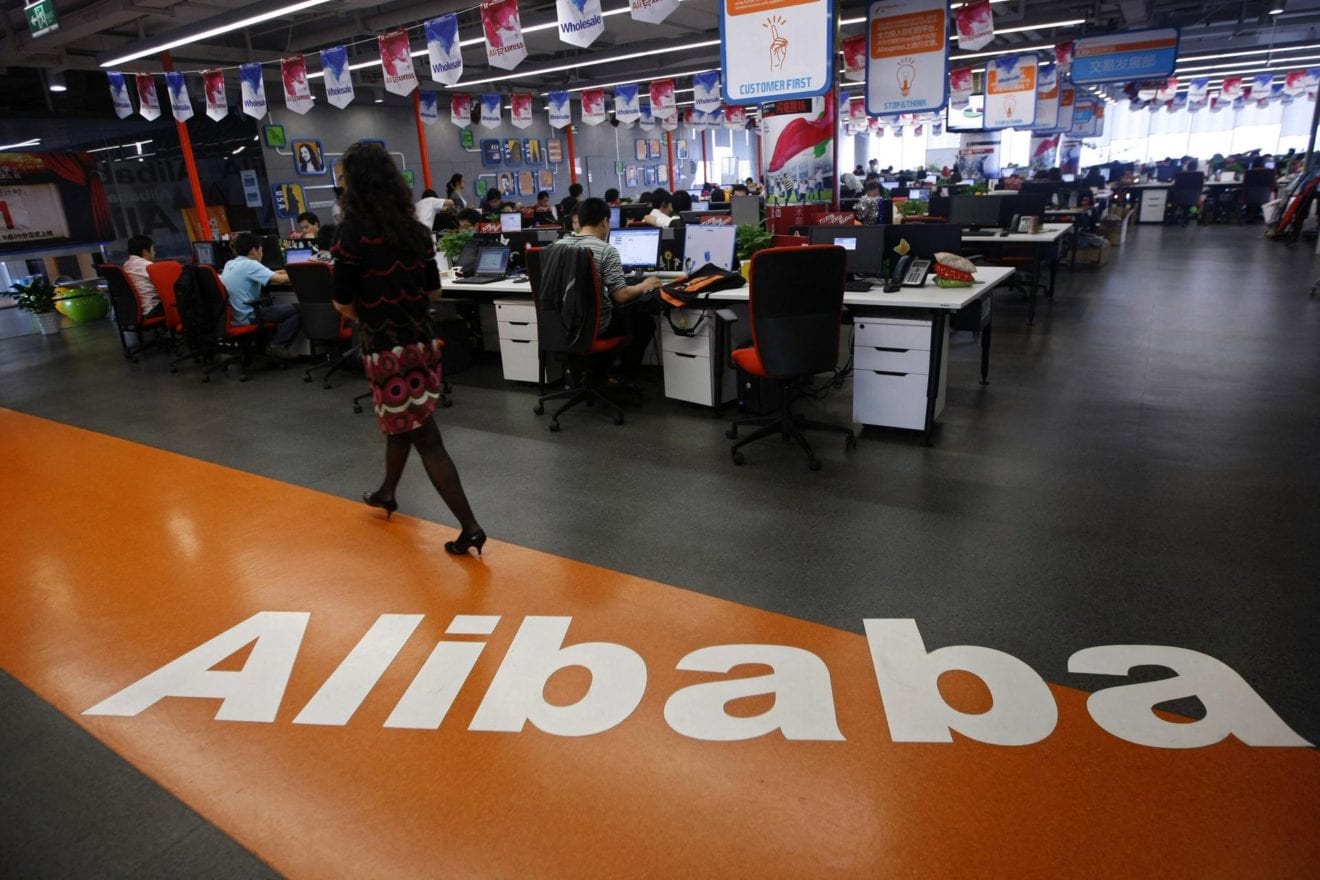
    Alibaba appears to be facing increasingly stiff competition from rival JD.com, which like Alibaba has worked to boost sales from foreign retail companies in China. While Alibaba has talked in recent months of the potential of reaching consumers in rural China, JD.com has focused on reaching the more affluent shoppers in urban areas.

    While it’s true that e-commerce is increasingly important in more remote areas of China, income there remains low, as does spending, and China’s recent economic turmoil is likely slowing down growth.

    In addition to its focus in more rural areas, Alibaba continues to face problems over sales of counterfeit items, more so than JD.com, an issue of increasing important not just to retailers abroad and the U.S. government, but also to wealthier Chinese shoppers.

    And JD.com enjoys a positive, Amazon-like reputation for fulfillment.

    “[JD] have faster shipping speeds, and the quality is more trustworthy,” Zoe Li, who works at a tech start-up in Beijing.

  • Foodpanda Hong Kong partners with OpenRice

    Foodpanda Hong Kong partners with OpenRice

    Foodpanda Hong Kong has partnered with OpenRice Hong Kong, the city’s most comprehensive platform for sharing dining experiences through reviews and ratings.

    This cross-platform collaboration will allow Hong Kongers to order directly from Foodpanda’s partnered restaurants via OpenRice’s iOS, Android App or mobile-friendly website.

    openrice foodpanda

    “The strategic partnership with OpenRice has begun in other markets in Asia and now it’s finally in Hong Kong,” said Alexander Roth, MD of Foodpanda Hong Kong.

    ‘’We hope to provide an enhanced consumer experience by leveraging the strengths of both platforms in this partnership.”

    OpenRice MD Jan Wong said with her company’s app being the most popular dining guide in Hong Kong and Foodpanda a global player in online food delivery, it was a natural marriage.

    “With Foodpanda’s extensive coverage and services, up-to-date dining info and various dining services would be all-in-one in OpenRice, which greatly enhances gourmet dining experience”, said Wong.

    Launched in June 2014, the Foodpanda app has generated over 250,000 downloads in Hong Kong across iOS and Android platforms. The majority of users are aged 20 to 40, with an even split of  male and female professionals and families in Hong Kong. Foodpanda is also planning a new app release focused on enhancing user experience and usability.

  • Indonesia launches a video portal called MeTube

    Indonesia launches a video portal called MeTube

    Major Indonesian media company MNC Group has launched a YouTube clone. It’s called MeTube. No joke.

    The site itself looks a lot like its American role model. Many elements are similar, like the logo, video layout, positioning of the comments section, and color scheme. Content-wise, MeTube is a mix of MNC’s own shows and videos uploaded by partner sites or individual users. The site lets you search for keywords or browse clips in standard categories like comedy, news, fashion, sports, or travel. Some MNC-owned talk shows and comedy series are highlighted on the landing page.

    Bumpy launch

    Indonesian content creators were not impressed. Film director Joko Anwar and Christian Sugiono, founder of the popular comedy website Malesbanget, both took to Twitter with complaints about the site.

    Sugiono said he was disappointed that a MeTube user had uploaded a number of Malesbanget clips without permission.

    “Sadly I see a lot of content from @malesbange which was uploaded without malesbanget’s approval by another user” Christian Sugionor tweeted.

    Anwar pointed out that a simple search on MeTube revealed a number of “sexy” videos. Showing nudity in images and video is considered pornographic, and thus illegal, in Indonesia.

    “Well and if [MeTube], which was created locally, contains content like this will you also block it, @rudiantara_id?” Joko Anwar tweeted to Indonesia’s tech minister.

    It’s for this reason that video portal Vimeo is blocked in the archipelago. In the eyes of the authorities, it didn’t do enough to remove videos with nude scenes. Anwar raised the question whether the same strict rule would apply to MeTube.

    MeTube meanwhile swiftly removed the videos pointed out by Anwar and Sugiono, which indicates the team is monitoring reactions to the launch closely and wants to avoid more public criticism.

    Business interests

    MeTube’s launch comes at a time when MNC should be worried about its future. MNC’s share price has been tumbling ever since on-demand-video site Netflix launched in Indonesia early this year.

    MNC’s share price has been in steady decline this year. This coincides with the launch of Netflix in the region.

    It’s possible that investors think MNC became less attractive since Netflix’ launch. The company from California offers access to a wider selection of films and TV series for a lower price than the company’s pay-TV service.

    It’s a lucky turn of events for MNC that Telkom, Indonesia’s state-owned telco and internet service provider (ISP), decided to block Netflix recently. It did so on its own initiative, without a mandate from the tech ministry.

    It’s Not You, it’s Me

    In the traditional procedure, it’s up to the tech minister and an independent committee to recommend blocking certain sites. The request is then passed down to all ISPs.

    Telkom argued that it decided to block Netflix to keep viewers safe from “inappropriate content”.

    Some observers believe Telkom’s concern over “negative content” is just a front. “This is purely business,” said Damar Juniarto of the local NGO Forum Demokrasi Digital (Digital Democracy Forum) about Telkom’s move. Like MNC, Telkom has a pay-TV channel which might be in jeopardy if viewers flock to Netflix instead.

    Lame copycat

    Telkom’s and MNC’s business concerns are reasonable, but their strategies to cope with global competition seem out of touch with reality.

    Given MNC’s resources and access to content, it could have done more to craft a unique video portal that wins over local content creators and consumers.

    Instead, it created a copycat whose name and slogan are hopelessly unoriginal.

  • Indonesia’s Elevenia marketplace gets $50 million from existing investors

    Indonesia’s Elevenia marketplace gets $50 million from existing investors

    Elevenia just raised another $50 million from its existing investors. The ecommerce marketplace is a joint venture of South Korean company SK Planet and Indonesian telco XL Axiata.

    Elevenia launched in Indonesia in early 2014 with an initial capital of $18.3 million from each partner. It has since received multiple capital injections from its parents, bringing Elevenia’s total funds – including the latest round – to about $110 million.
    The company claims to have clocked $95 million in revenue in 2015. It also says it has about 20,000 daily transactions and four million products listed from 30,000 sellers, with 40 million visitors.

    That’s double the figures it released around its first anniversary in early 2015. At that time, Elevenia announced 20 million visitors a month, 18,000 sellers, and two million product listings. It did not release revenue figures for 2014.

    Elevenia has been a steady yet somewhat quiet presence in Indonesia’s crowded ecommerce landscape. It competes alongside companies like Lazada, Bukalapak, Tokopedia, Qoo10, Rakuten, Blanja, Blibli and MatahariMall.

    With fresh funds at hand, it plans to grow its team, increase its marketing efforts, improve its product and services, and move to a new office, the company said in a statement.

  • Banks take up Visa Token Service

    Banks take up Visa Token Service

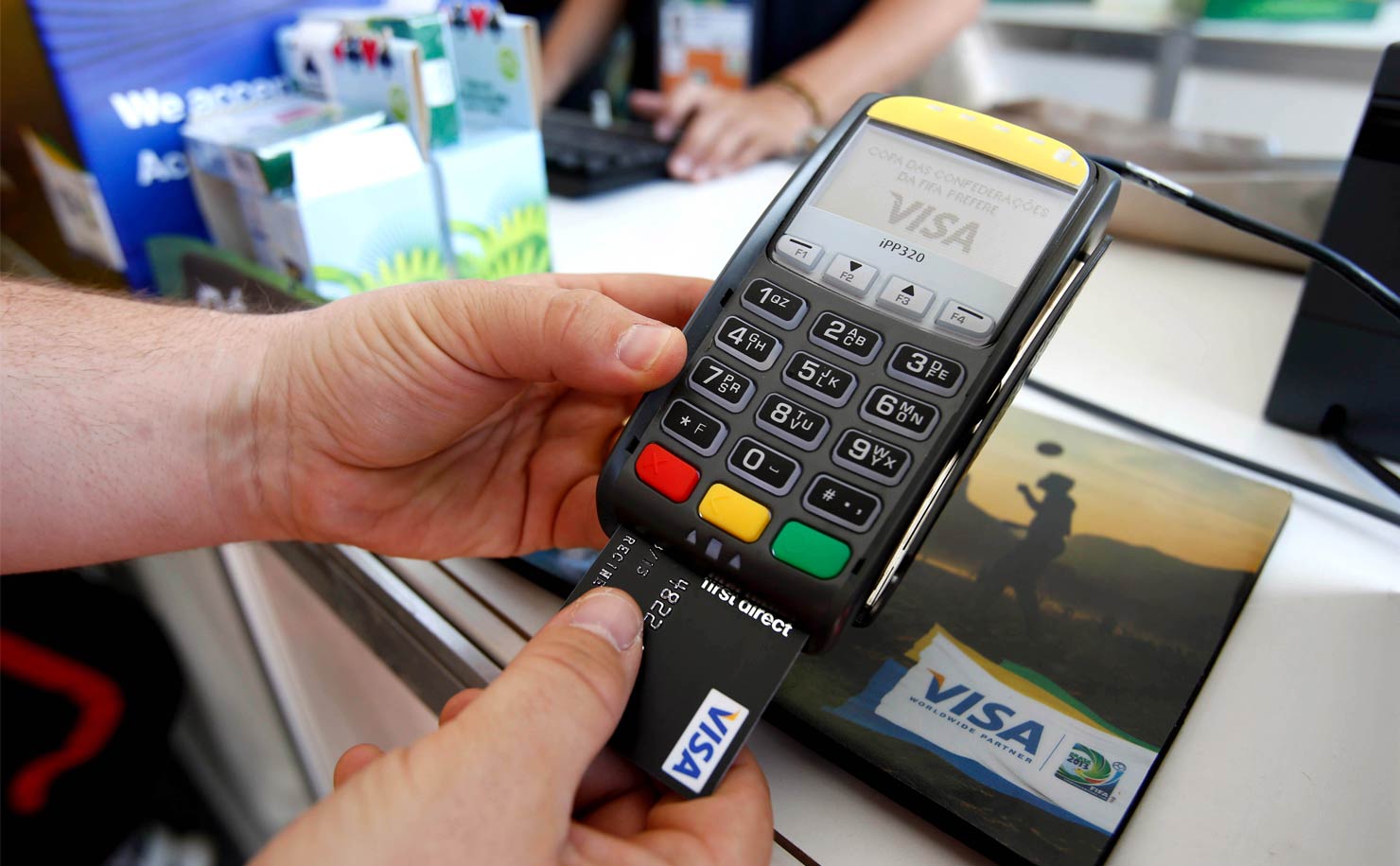
    An extra layer of security for mobile and digital payments has been introduced by Singapore’s United Overseas Bank (UOB) and Australia’s National Australia Bank (NAB).

    As well as making transactions safer, the new Visa Token Service also makes instore shopping easier.

    Credit or debit cards are no longer necessary under the Australian bank’s new mobile payment service,NAB Pay, which lets customers use their mobile phone for purchases.

    For UOB customers, the Visa Token Service has been integrated into the UOB Mighty digital wallet. It allows UOB Visa credit or debit card users to make contactless payments via an app on NFC-enabled Android smartphones at selected outlets in Singapore and overseas.

    Visa’s new technology replaces sensitive account information found on payment cards with a unique digital identifier or “token” that does not expose account details during the payment process. Tokenised cards are also domain controlled, meaning they link to the user’s phone or wallet application and are validated in real time by the global payment-processing platform VisaNet.

    Launched in the US, the Visa Token Service is being rolled out in several markets across Asia Pacific over the coming months. As payments shift from plastic to digital, Visa is working with financial institutions, merchants and technology partners to offer consumers a secure and easy way to buy.

    A key benefit of the service is that tokens do not carry the user’s primary account number, so there is less risk of storing them on mobile devices, online (eCommerce merchants) or in cloud-based mobile applications.

    Using ISO standards, the tokens can be processed and routed by merchants, acquirers and issues in the same was a traditional card payments.

    Tokens tied to lost or stolen mobile devices can be instantly reissued, and multiple tokens can be used for a single primary account, each tied to a specific device or service. Tokens can also be exclusive to specific merchants, mobile devices, transactions or transaction categories.

    VisaNet is capable of handling more than 65,000 transaction messages a second, with fraud protection for consumers and assured payment for merchants.

  • Berrybenka beefing up eCommerce

    Berrybenka beefing up eCommerce

    With demand from Hong Kong, Brunei and Malaysia, Indonesian fashion brand Berrybenka is taking steps to beef up its eCommerce services.

    It will also be opening more pop-up stores outside Jakarta, its main stronghold, The Jakarta Postreports.

    CEO Jason Lamuda says the brand is also aiming improve customer relations through digital media. It aims to step up customer interaction this year through messaging apps, improve its mobile app, and partner with convenience store ChainIndomaret on a possible new payment mechanism.

    He says this will help promote Berrybenka as a national fashion eCommerce platform. “Our goal in the end is to not only become the most notable fashion brand in Indonesia, but to also help promote the creation of local brands.”

    Berrybenka has 1.5 million subscribers in its database, with demand from Hong Kong, Brunei and Malaysia through sister company Hijabenka. Berrybenka has partnered with around 1000 small and medium enterprises.

    In Indonesia, the company plans pop-up stores in Medan, North Sumatra, Makassar in South Sulawesi, Yogyakarta, Semarang in Central Java, Manado in North Sulawesi and Balikpapan in East Kalimantan. Medan will have the first of the new outlets, opening on Thursday.

    Also being considered are eCommerce hubs for Surabaya, East Java and Bandung, West Java.

    About 90 per cent of Berrybenka sales comprise local products. Between 2013 and 2014, the company had 150 to 200 per cent revenue growth, with a further 200 per cent growth between 2014 and 2015.

  • Smartphones outpace tablets in Asian eCommerce

    Smartphones outpace tablets in Asian eCommerce

    For the first time, 34 per cent of browser-based online transactions globally are now made on a mobile device, compared to slightly more than 30 per cent last quarter.

    And smartphones are starting to outpace tablets.

    These were key findings of the fourth quarter edition of the Mobile Payments Index by Global payments technology company Adyen, which tracks mobile payment data from browser-based transactions across its client base and monitors Asian eCommerce shopping patterns.

    It also found that many consumers in Asia are increasingly using mobile devices to shop online. This is being driven particularly by such major payments methods as Alipay, JCB and UnionPay. JCB had the highest share (54 per cent) of mobile payments on the Adjen platform, up from 47 per cent the previous quarter. Alipay increased to 44 per cent (up from 35 per cent) while UnionPay reached 31 per cent (from 23 per cent).

    “The checkout stage of the shopper journey is not the end, but the beginning of an on-going relationship with the consumer,” says Adyen Asia Pacific president Warren Hayashi. “Merchants with a frictionless mobile checkout experience are driving repeat traffic, especially in Asia.”

    For the first time, the index shows that smartphones have overtaken tablets as the preferred device for online shopping – 17.5 per cent on smartphone against 16 per cent on tablet, compared to 14 per cent and 17 per cent respectively the previous quarter.

    When it comes to mobile payments globally, the trend to use smartphones rather than tablets continues for the 10th consecutive quarter. Last quarter this share was up 2 per cent to 68 per cent on smartphone versus 32 per cent on tablet.

    Smartphone use far outweighed tablet in Asia, with 29.5 per cent of online payments on a smartphone compared to 4.5 per cent on a tablet.

    In terms of average transaction value, iPad led the way for the first time at $107, edging out not just smartphones but also desktop/laptop, the traditional leader (at $106). Following were Android tablets at $86, iPhone at $83 then Android smartphones at $73.

    Adyen has been tracking the evolution of mobile payments since June 2013. The index is based on its global browser-based mobile payment transaction data. It does not track in-app mobile payments. With its headquarters in Amsterdam and San Francisco, Adyen serves more than 4500 businesses, customers including Airbnb, Booking.com, Crocs, Dropbox, Facebook, KLM, Mango, Netflix, Spotify and Yelp.

  • Korea’s Hotping fashion mall goes global

    Korea’s Hotping fashion mall goes global

    Korean women’s clothing mall Hotping entered the global market just six months ago – and already cross-border sales account for 10 per cent of its turnover.

    Monthly sales to customers outside Korea have now surpassed the 100 million won (US$84,000) mark.

    “We believed that winning new markets quickly would secure future competitiveness after we started up in 2014 and we launched the English, Chinese, and Japanese versions of our online mall through the global eCommerce platform of cafe24,” explained CEO Kim Yeo-jin.

    “We received orders from international customers even when we had the Korean site only, which also quickened our entry into the global market.”

    Established in 2014, Hotping is a Korean women’s clothing specialty mall that carries trendy products popular in the world of fashion. Like its name suggests, Hotping is a ‘portmanteau’ word mixing hot trend and lovely pink. Another notable characteristic is that Hotping satisfies customers of various body types since it carries sizes from 44 (equivalent to XS in the US) to 105 (equivalent to XXL) for most of its products.

    As a result of the company’s continued sponsorship of the wardrobes used by Korean costume dramas, Hotping has been enjoying great brand awareness, particularly in countries swept by the Hallyu, or ‘Korean Wave’, notably the US, China, and Japan. In addition, as it carries a number of elegant and exclusive clothing lines, news anchors have also been inquiring about sponsorship.

    Hotping is also winning immense popularity with its line of highly elastic Magic Pants, whcih are proving popular globally thanks to a fun marketing campaign that sees dancers posing in a number of positions that highlight their extreme elasticity.

    Kim adds: “We will continue to make efforts to win new markets and will also continue offering beautiful clothes to our customers at reasonable prices like we do now.”

  • Hong Kong Indian entrepreneur out to build ‘the next Alibaba’ in Mumbai

    Hong Kong Indian entrepreneur out to build ‘the next Alibaba’ in Mumbai

    Akanksha Hazari’s parents were relieved when she announced in 2013 that she was moving to Mumbai on her own.

    “After Palestine, India was fine,” says her mother, Anjali. “Akanksha wanted to go to Africa originally, but her father and I managed to convince her that it was probably not a good idea.”

    Home for the 32-year-old former Middle East strategist turned star technology entrepreneur is Hong Kong, the city she moved to with her Indian parents when she was eight. She attended West Island School,and became so good at squash she was selected to play for Hong Kong in her teens.

    “For me, Hong Kong is very much home … I am an Indian-Hong Kong girl,” she says.

    Hazari is the founder of m.Paani, a phone-based customer loyalty platform that helps to bring together small retailers andconsumers in emerging markets.

    It may sound esoteric, but as she explains in her parents’ Mount Davis flat, this is just the first step in building a global business that can help the world’s underserved “offline” population access important services from which they have been excluded. In short, she wants m.Paani to be the next Alibaba.

    Her ambition is matched by an iron will that has seen her take on a large American charity co-founded by Hollywood star Matt Damon, and win.

    In 2010, Hazari was studying for an MBA at Cambridge University and formed a team to enter an annual competition for business students run by the Hult Prize Foundation. That year, participants were asked to submit business plans that could help address water scarcity issues, and Damon’s Water.org was brought in as an adviser. Hazari’s team came up with m.Paani (paani means water in Hindi), a mobile phone-based customer loyalty programme that encourages the supply of clean water to low-income families in India. When they won, Hazari – the only team member who wanted to launch the start-up for real – asked for the US$1 million prize money she believed they had been promised. Water.org, however, was under the impression that the US$1 million was going to its own projects.

    Our goal was to support Hult in its efforts to teach about the urgency of this issue among students and the need for innovation,” writes Rosemary Gudelj, the charity’s senior manager, global advocacy and office of the CEO, in an email. “However, we also knew that these students only had two months to develop ideas. While we were hopeful that the winning case or other cases would be actionable by Water.org, we clearly were not comfortable committing to implementing the winning idea.

    “When [Hazari’s] team won, we offered to have her and her team work with Water.org on looking into and developing the group’s idea to probe further, and see how this concept could be applied to local needs and circumstances. However, her request was to receive the full US$1 million grant to fund the organisation she launched.”

    In the end, Water.org kept the US$1 million and the Hult family gave Hazari a separate grant of US$300,000 that allowed her to widen m.Paani’s business.

    “At the time, Hult Prize thought it a better strategy to partner with a non-government organisation to help the winners manage and deploy the prize capital, rather than to directly give the money to a young student team. But once the US$1 million was transferred to Water.org, they kept it. That’s why I couldn’t start m.Paani straight away. It took me two years to get the money, which Philip Hult privately gave me,” says Hazari.

    That tenacity helped her secure most of the funding she needed to set up the business in Mumbai around 18 months ago. Today, the loyalty point network has around 200 merchants and 10,000 customers.

    “Think of it as something like air miles or credit card points. You earn points when you buy your groceries at your neighbourhood m.Paani corner shop. The shopkeeper taps in your mobile phone number – that’s your m.Paani account number – and your point balance is updated in real time,” says Hazari. The points can be used to pay for items or to redeem practical gifts from the m.Paani gift shop: water filters, English language textbooks or small appliances, for example.

    While m.Paani has a social agenda – to leverage the often-neglected purchasing power of lower-income households and to boost the competitiveness of small, independent retailers that make up about 70 per cent of India’s US$600 billion a year retail market – it is very much a for-profit business.

    It makes money by charging shop owners a commission for each transaction recorded. In return, previously offline mom-and-pop shops get a customised website, mobile app and digital transaction histories, and a consumer database.

    The latter is key to Hazari’s ultimate goal: for m.Paani to become a “big data” player. The idea of data collection may be anathema to many internet users concerned with privacy, but she says those who do not have any data to offer get left behind.

    “These shopkeepers tend to write everything down in a notebook. They can’t get insured, or apply for a bank loan, because there is no data about their business,” she says.

    The same goes for the customers. Without any credit history, they are not likely to get bank loans or access other financial services. From this year, m.Paani will start scoring individuals and businesses on their creditworthiness, a first step in utilising their shopping records.

    Hazari says small retailers with no online presence will struggle to compete against the growing presence of international chains such as Wal-Mart and Tesco as India gradually liberalises its retail sector. Online giants such as Amazon are also expanding aggressively in India. Issuing loyalty points helps rope in their customers.

    The next step for m.Paani is to go national, and eventually spread to Africa and Southeast Asia.

    “I want to build an Indian company that’s international,” she says. “For me there’s a lot of pride in that. Why can’t the next Google come out of India? That’s why Alibaba is such an exciting company. It’s the first company to do that out of our market.”

    After earning a degree in politics and Middle Eastern studies from Princeton, Hazari worked for the Aspen Institute, encouraging Israeli and Palestinian joint business ventures as a way to promote peace. It meant living in Jerusalem and crossing the border every day to manage operations such as a hospital and a power plant in Gaza.

    “Her time in the Middle East meant months of sleeplessness for me,” says her mother. “But I’m very proud of her.”

    After two years,Hazari decided that business had a lot of power to change people’s lives and immersed herself in the corporate world, becoming a consultant in clean energy at Booz & Co. in the US and Dubai. That was followed by a year of designing environmentally sustainable services and information technology applications to help rural Indian families, and then the MBA in Cambridge.

    Hazari’s parents had settled in Hong Kong so that their children could have access to better education, and a better quality of life (dad Ajay is a director in a shipping company, and mum Anjali teaches at an international school). But for her, the opportunities lie in India and beyond.

    I think we have a desire to be a part of that story, of building our country and taking it forward.

    Akanksha Hazari

    “For my parents, or people like them in India and mainland China, the dream was to get their kids to go out. That’s not the case for us any more. These countries are no longer the same. We see so much opportunity to do something bigger than just go the West and get a job. If we come home we can actually build something of our own. And also, I think we have a desire to be a part of that story, of building our country and taking it forward. We are shaping the future of that country, and that’s a huge opportunity,” says Hazari.

    The start-up in India has yet to make her a billionaire (“We’ve been surviving by bootstrapping, she says). But it has already earned her valuable international recognition. On March 9, she is receiving an award from the Vital Voices Global Partnership, the NGO set up by Hillary Clinton and former secretary of state Madeleine Albright, at a gala celebrating women leaders around the world.

    Investors are also beginning to see m.Paani’s potential. “We’ve just closed series A [funding]. Our user numbers are growing 20-40 per cent month-on-month and investors are starting to see this as a proper business,” Hazari says. Their backers include an Indian venture capital firm and a select group of Indian angel investors.

    She is not surprised that Hong Kong – once known as a breeding ground for entrepreneurship – has failed to produce many start-ups that grab the world’s attention.

    “There’s a lot of pushback here for those who want to set up their own business. You have to be a very strong personality to do it anyway. I didn’t take any money from my parents. I knew the decision I was making meant I would not have a great lifestyle but I was OK with that. You need to be ready to deal with the negative pushbacks… and work a lot harder to prove your point and make sacrifices,” she says.

    Besides, Hong Kong is fundamentally a very small economy and very focused on financial services, which means that young people who want to pursue big ideas tend to have to go abroad, or to China. And she expects more people will.

    “Our generation is more purpose-driven than it is pay-cheque driven. The time is right – we are very educated and have the luxury of thinking about what values we want in life and not just how much money we want to make. I think it’s a fundamental shift,” she says.

  • Sales soar 32% at Alibaba Group in Q4

    Sales soar 32% at Alibaba Group in Q4

    For the three months to December 31, 2015, sales at Alibaba Group Holding Limited soared 32 per cent year over year to RMB 34,543 million or $5,333 million.

    Of this, in the fourth quarter of 2015, China retail marketplace revenue totaled RMB 28,714 million or $4,433 million, an increase of 35 per cent over the fiscal ago quarter.

    As per an Alibaba press release, in the same quarter, mobile revenue from China amounted to RMB 18,746 million or $2,894 million, up a massive 192 per cent year on year.

    “Annual active buyers on our China retail marketplaces increased to 407 million, a rise of 21 million from the prior quarter, while mobile MAUs in December reached 393 million, a growth of 47 million over the previous quarter,” it said.

    In the reporting quarter, GMV transacted on its China retail marketplaces was RMB 964 billion or $149 billion, up 23 per cent in the year ago quarter, with mobile GMV accounting for 68 per cent of total GMV.

    Alibaba further said that Koubei, the local services joint venture it recently established with Ant Financial, is gaining strong momentum and winning market share.

    The joint venture generated RMB15.8 billion or $2.4 billion in GMV transacted through Alipay during the quarter, with daily transactions averaging more than 5 million in December.

    Its cloud computing and internet infrastructure business continued its rapid expansion, with revenue surging 126 per cent over the fourth quarter to RMB 819 million or $126 million in the quarter under review.

    “In the fourth quarter of 2015, non-GAAP free cash flow totaled RMB 23,719 million or $3,662 million,” the online retail giant added in the press release.

    “Alibaba Group had an outstanding quarter, reaching a milestone of over 400 million annual active buyers and continuing our unrivaled leadership in mobile,” Daniel Zhang, CEO of Alibaba Group said.

    “Our proven ability to deliver an unparalleled consumer experience and to help merchants attract, engage and retain buyers will drive future growth in our core business,” he too added.

    “We remain focused on our top strategic priorities, including global imports, rural expansion, increasing our footprint in first-tier Chinese cities and building a world-class cloud computing business,” Zhang noted.

    “We achieved impressive revenue growth as we are increasingly monetising the user activity on our marketplaces, particularly on mobile devices,” CFO Maggie Wu also said.

    “In this quarter, revenue grew 32 per cent year over year and China retail marketplace revenue grew 35 per cent year on year,” Wu informed.

    “Meanwhile, we generated strong free cash flow of $3.7 billion this quarter and so the fundamental strength of our core business gives us the confidence to invest in our strategic priorities,” she observed.

  • Why Should Alibaba Be A China Macro Play? Nomura Sees 30% Upside

    Why Should Alibaba Be A China Macro Play? Nomura Sees 30% Upside

    Alibaba Group lost about a third of its value in the last year mainly because it is “deemed as a China proxy due to its size and high profile,” according to Nomura Securities in a new China Internet anchor report.
    But Alibaba is by no means Bank of China. Nomura sees China’s e-commerce to grow at an impressive annualized 33% over the next two years, far outpacing China’s sub-7% “crawl.”

    First, China’s retail sector is a lot resilient thanks to the growing middle class. Consulting firm BCG estimates China’s domestic consumption will grow by an annualized 9% through 2020.

    Second, and more importantly, e-commerce will grow a lot faster than physical retail, thanks to China’s vast rural population coming online. Currently, China’s online shoppers are still concentrated in the more affluent tier-1 and tier-2 cities, accounting for more than 80% of the 500 million online shoppers.

    But the rural population is huge. As of June last year, China’s rural population was 619 million, or 45% of the total. Just imagine them starting to shop on Taobao! And the rural population is getting richer, especially now that Beijing allows them to sell their land. Rural consumption expenditure rose from 32.5% of the urban total in 2013 to 42% in 2015.

    Alibaba Group knows where the growth is:

    Ali’s rural e-commerce solution is a two-way model, ie, selling to and by farmers. On the one hand, farmers are also selling local produce or handmade crafts via Taobao to customer nationwide.

    The Taobao-based entrepreneurship is thriving in some rural areas. The number of socalled “Taobao Villages” or clusters of rural online entrepreneurs who have opened shops on Taobao Marketplace has increased from three in 2009 to 211 by end- 2014, according to Alibaba.

    Alibaba will report its December quarter earnings next week, before the US market opens on January 28. Nomura’s Jialong Shi is more bullish than the street, expecting the e-commerce to report 30% revenue growth, versus the street consensus of 26%. It has a price target of $91, implying 28.7% upside to yesterday’s close.

  • Standard Chartered Korea puts wealth at center of vision

    Standard Chartered Korea puts wealth at center of vision

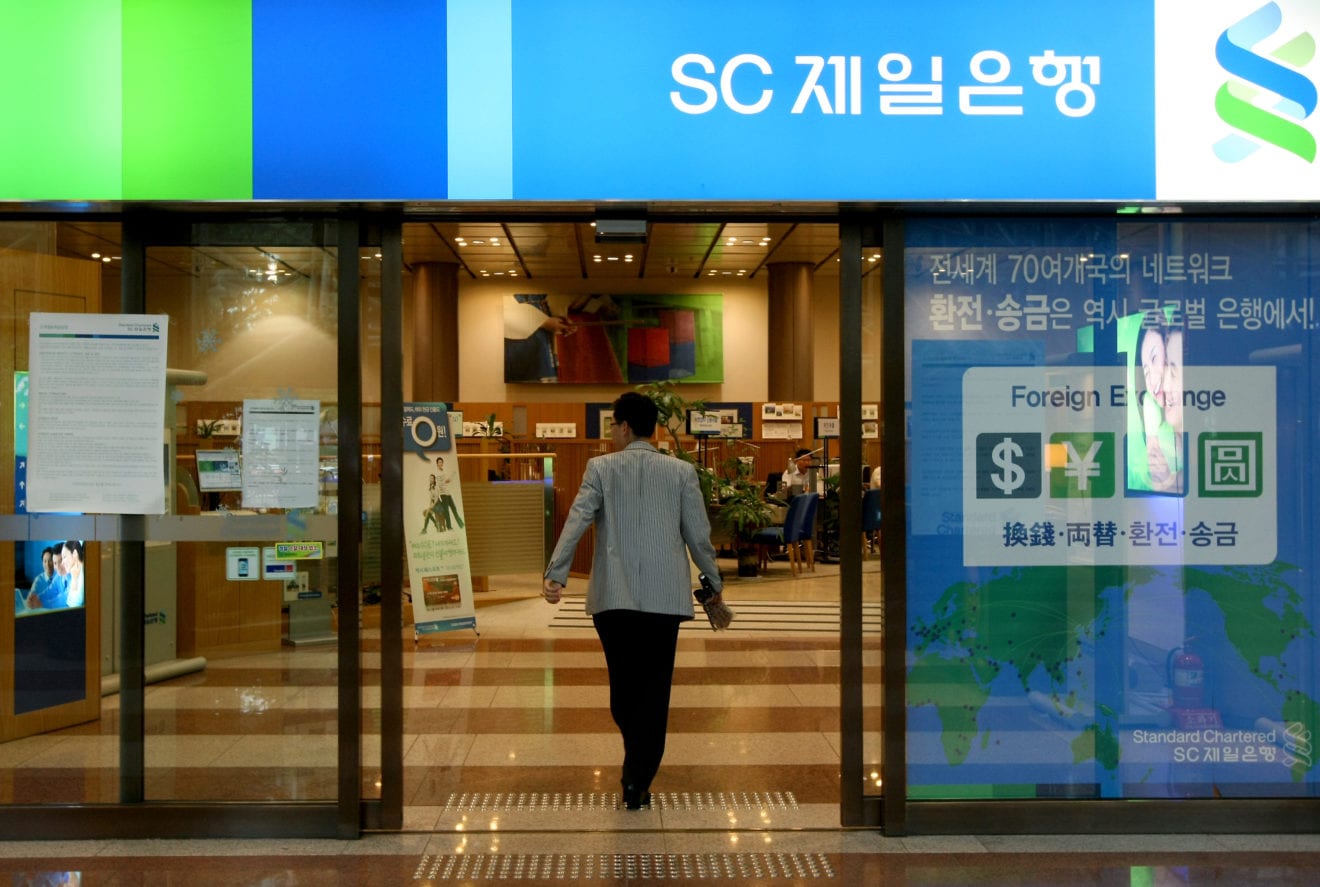
    Standard Chartered Bank Korea plans to invest 10 billion won ($8.24 million) in its wealth management, aiming to double the size of operations over the next five years, a top company executive said Thursday.

    “We have set a target of 100 percent growth in the number of clients, revenue and assets under management at our wealth business by 2020,” Chang Ho-june, head of wealth management at SC Bank Korea, said at a press conference in Seoul.

    The London-based bank has about 5 trillion won of assets under management.

    To realize the goal, the bank will invest 10 billion won to hire more specialized managers and financial experts as well as strengthen information technology infrastructure and platforms over the next two years. He said the key to this year’s wealth management business strategy lies in making strides toward greater accessibility for customers.

    The announcement comes as banks around the world are increasingly relying on wealth management as a stable revenue generator that could offset potentially volatile businesses such as trading.

    Listing the details, Chang said the bank would expand the number of mini-branches, which offer seven-day banking services at retail stores, to 62 by the end of January from the current 52.

    Last year, the bank signed a deal with Shinsegae to implant sales and marketing channels at the retail giant’s outlets including department store and discount store E-Mart.

    The bank will adopt a video consulting service in the second half of 2016 to enable Korean customers to get advice from SC Group’s global investment experts in Singapore and Hong Kong.

  • Online grocer RedMart eyes at Asian market

    Online grocer RedMart eyes at Asian market

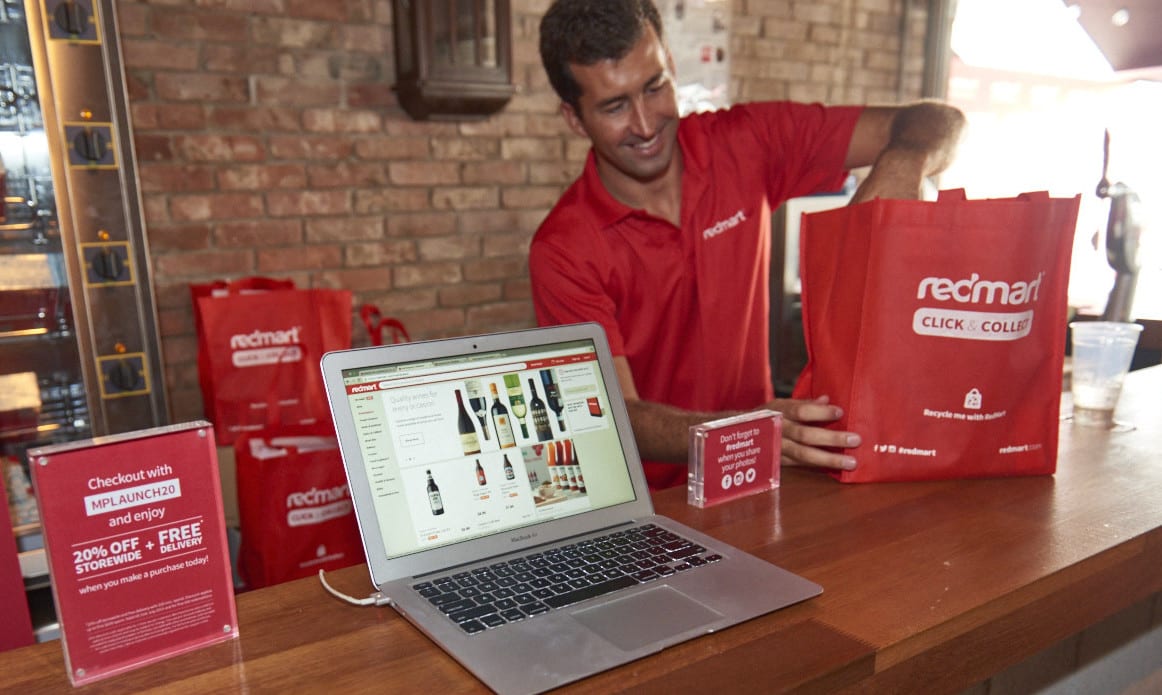
    Singapore-based online grocery organization RedMart is near raising a huge $100 million Series C round to grow its services crosswise over Asia. The new subsidizing is relied upon to shut in the following couple months. The organization was established in November 2011 to convey online and on-demand shopping to Singapore. To date, RedMart has raised over $50 million from investors such as Garena, SoftBank Ventures Korea, Visionnaire Ventures, and Facebook co­founder Eduardo Saverin, with its latest raise a $26.7 million bridge round last year.

    Given the absence of Series C stores in Southeast Asia, this new round might well incorporate institutional and vital investors, however none of the participants were not unveiled at this point. The new financing will go towards growing the organization’s services into new markets in Asia, with Hong Kong liable to be the primary port of call, conceivably took after by Jakarta, Indonesia.

    RedMart CEO Roger Egan has been open about the organization’s craving to expand abroad, yet he and his group are determined that the organization should first lockdown its plan of action in Singapore — a nation of only five million people, but with a grocery market expected to worth around $16 billion every year. RedMart’s technique is to work its own particular logistics and distribution centers, a model that it trusts gives it more control of the client service cycle and will empower it to rapidly wander into different verticals later on.

    While it was apparently the first to pioneer online grocery sales in Southeast Asia, the scene is more focused today with investment supported new companies HonestBee ($15 million) and HappyFresh ($12 million) among a emerging pack of opponents.

  • Chinese luxury spend abroad soars in 2015

    Chinese luxury spend abroad soars in 2015

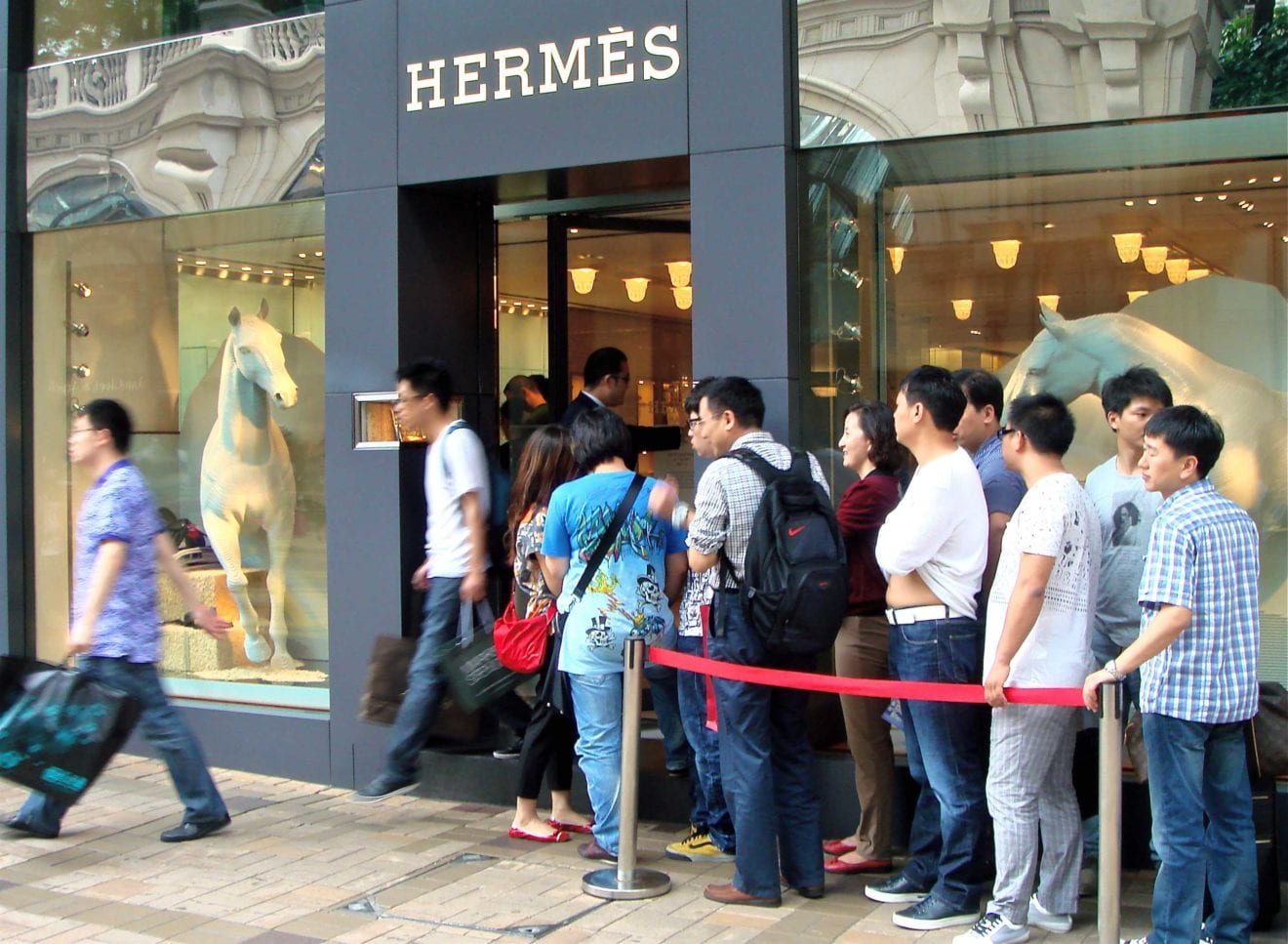
    Mainland Chinese shoppers increased their spending on luxury goods overseas by 10 per cent last year according to new research from Bain & Company.

    The increase comes as a surprise given the significant slowdown in China’s economic growth, the much-publicised clampdown on gift-giving and the struggle of Hong Kong watch and jewellery retailers over the past 12 months.

    Bain & Company’s report, the 2015 China Luxury Market Study says mainlanders are shopping more on cross-border eCommerce and travelling to new destinations to indulge.

    In 2015, they shunned Hong Kong and Macau in favour of places like Japan, where spending soared 200 per cent.

    Bain’s research, which included a survey of nearly 1500 Chinese consumers, found a sizable shift in shoppers’ geographic preferences for luxury shopping in 2015. Japan, South Korea, Europe and Australia were all popular shopping destinations, due to favourable exchange rates and competitive pricing on luxury goods in these markets.

    As overseas travel among Chinese shoppers increased – up an estimated 32 per cent from 2014 – consumer reliance on Daigou, or overseas personal shoppers who buy and send luxury goods to customers in China – contracted. The growing channel choice in 2014, Daigou decreased to an approximately 43 billion RMB market last year.

    Bain attributes the drop to several factors including price adjustments by key brands that reduced Daigou margins, government efforts to tighten control over imports, including Daigou, a weakened RMB, and an increased reliance on other purchase channels – notably cross-border and overseas websites, which accounted for 48 billion RMB of the 293 billion RMB luxury spend overseas.

    The report highlights the increasing popularity of cross-border and overseas websites as luxury shopping channels: nearly half of those surveyed said they purchased luxury goods via these sites last year.

    According to Bain, increased international tourism, and growing comfort and trust in some business-to-consumer (B2C) overseas websites among China’s shoppers helped stimulate overseas purchases. This resulted in a slowdown in China’s overall luxury market, which dipped 2 per cent to 113 billion RMB last year, driven by a decline in watches, men’s wear and leather goods.

    Luxury brands seeking to overcome the economic slump and reinvigorate consumer spending domestically must employ a more tailored, localised marketing strategy, with high fashion content and adjust their pricing to reduce disparities across geographies.

    “We saw notable changes in where and how Chinese consumers acquired luxury goods last year,” said Bruno Lannes, a Bain partner based in Shanghai and author of the report.

    “Buying overseas has been a trend for years, but destinations have changed, and Daigou is declining because of multiple and converging drivers from major industry players, including the government,” he said.

    “Our research found that the industry is quickly adapting to these challenges in an effort to drive more luxury consumption at home through strategies such as global pricing and a greater focus on fashion.”

    A corollary to the drop in domestic sales is a reduction of the store footprint by most brands, with a greater focus on fewer, larger and better located stores. Many brands realise they need to regain their exclusive image, which has been somewhat blurred by over extension.

    As in 2014, the research shows the greater importance of fashion and exclusive designs to win domestically. Brands with a strong fashion heritage and stronger emphasis on original design did well in 2015.

    The survey reveals that nearly 80 per cent of respondents said they normally get information on luxury brands from the internet or apps, and a full 60 per cent identified social media channels Weibo and WeChat as their online source for information on luxury goods. As a result, brands spend, on average, 35 per cent of their marketing budget on digital, and it is growing.

    Looking ahead, Bain expects these and other 2015 trends to continue this year, prompting further challenges, opportunities and requirements for brands:

    • Macro environment expected to remain similar while the rising middle class becomes more sophisticated and knowledgeable about luxury.
    • Overseas channels will stabilise (daigou will decline). Global pricing by leading brands and government efforts to localize consumption will spur domestic growth. Global pricing, will likely spread further to other brands.
    • Luxury brands should strengthen both digital platform building (e.g., Weibo WeChat, apps) and digital content creation, with an emphasis on localisation to reflect local market preferences.
    • Luxury brands must place greater emphasis on making their brand “younger” and more fashionable to capture the next generation of trendy customers. There will also be an increased focus on “exclusivity,” both in product design and store footprint.

    “Despite persistent macro, economic and industry challenges in China, all hope is not lost for luxury brands,” said Lannes.

    “There are plenty of growth opportunities for those with more exclusive and fashion collections, digital platform engagement and digital content creation, as well as with pricing that encourages Chinese consumers to spend locally.”

  • Dentsu Aegis Network and UnionPay Smart Announce Partnership

    Dentsu Aegis Network and UnionPay Smart Announce Partnership

    Dentsu Aegis Network China today announced a strategic partnership with UnionPay Smart, a China UnionPay company specializing in big data applications. Combining the existing big data analytics of UnionPay Smart, with advertising and user browsing behavioral insights from Dentsu Aegis Network, the two parties will co-develop and operate a precision brand marketing platform for advertising; providing data-driven marketing solutions for brands.

    It is the first ever crossover collaboration between financial data, advertising and marketing communications industries in the field of data connection. The landmark partnership has been achieved through a year-long collaborative effort between UnionPay Smart and Isobar China Group, a digital marketing agency owned by Dentsu Aegis Network. Based on research and design of business models, the project has enabled a deep integration of media and marketing data on the premise of strict privacy and data protection; creating a reciprocal ecosystem that benefits advertisers, data solution providers as well as media platforms.

    Together with UnionPay Smart, Isobar China Group will establish a data management platform (DMP) targeting online advertising, synchronizing UnionPay Smart consumer portraits with browsing and search data shared by publishers. The platform empowers advertisers to map consumer insights with decision-making and buying processes, creating more accurate target audience portraits. Specifically, the data exchange will prioritize automotive, finance, maternity and infant as well as other key sectors.

    Isobar China Group and UnionPay Smart will then co-develop and co-own a demand-side platform (DSP) for programmatic buying. Set on the key precondition of ensuring all data is safe and legal, the platform will incorporate online and offline behavioral data to optimize audience targeting across publishers to greatly enhance returns on investments.

     Isobar China Group will collaborate with UnionPay Smart to deliver customized services for brands and media owners:

    • Customer relationship management (CRM) data solutions targeting automotive, finance, maternity and infant, and other fields;
    • Optimizing advertising investment solutions for key clients;
    • Offering customized advertising for long-term media partners.

    Founded in 2012, UnionPay Smart is a subsidiary of UnionPay. Dedicated to big data innovation, UnionPay Smart is dedicated to creating and optimizing big data platforms based on consumer data and providing diversified big data application solutions, such as industry analysis, business decisions and business strategies for China UnionPay and its partners.

    Kelvin Long, Cofounder & CTO of UnionPay Smart said: “As a pioneer and advocate of enacting data privacy legislation, UnionPay Smart will push forward innovative applications of UnionPay data under relevant regulation in a safe and legal manner. This partnership is unprecedented in the history of UnionPay Smart as it’s the first time we have collaborated with a market leader in advertising that has crossover connection of big data solution at its’ core. Big data is the future of marketing, but it cannot be achieved without massive real data, cutting-edge data mining technology and expertise in data analytics. UnionPay Smart has exclusive data of tagged consumer behavior and leading big data technology; Dentsu Aegis Network has access to unparalleled data and intelligence in digital and marketing. Through the integration of our own strengths on the precondition of protecting data safety and privacy, our shared vision is to enable brands to achieve new levels of efficiency, effectiveness and customer satisfaction.”

    Commenting on the partnership with UnionPay Smart, Phil Teeman, Group Managing Director, Dentsu Aegis Network China, said: “Dentsu Aegis Network has always attached great importance to the collection and application of data. We have been continuously investing in consumer insight studies, which include the unique CCS (Consumer Connection Study), the largest consumer survey in China, and our Brand and Consumer Data Analyzing Platform- Code 1. Data integration is critical and we have been working to bring all of our data together into one platform – consumer data, ad data, and performance data. Our partnership with UnionPay Smart will further reinforce that focus on big data. As the leading integrated communications group with digital at its core, we will work with UnionPay Smart to develop more industry beneficial data products to support brands’ ‘internet plus’ strategy in China.”

    Jane Lin-Baden, CEO of Isobar China Group added: “Brand consulting has always been our focus. We are dedicated to applying real time big data to the modelling and delivery of brand commerce. The data solution with UnionPay Smart is able to meet the needs of brand commerce, incorporating brand experiences with purchasing decision making, in order to identify consumer motives more precisely in the last mile. This is a significant milestone for Isobar China Group.

    As the largest digital advertising group in China, Dentsu Aegis Network is also the first to drive integrated digital marketing communications in the industry; serving top brands spanning automotive, finance, retail, maternity and infant as well as other fields. Isobar China Group, part of the Dentsu Aegis Network, is a full service digital marketing agency, driven by the aim of delivering marketing solutions with borderless ideas enabled by technology and new media communications, to transform businesses and brands.