Category: E-Tailing

Retail News Asia is committed to providing both local and global retailers with the latest E-Commerce & Etail news throughout the Asian market. This on a daily base.

  • Young, rich, e-savvy will transform Chinese economy

    Young, rich, e-savvy will transform Chinese economy

    China has been one of the world’s fastest-growing consumer markets in recent decades and there’s no sign that is going to change anytime soon, slowing economy or not, US management advisory firm Boston Consulting Group says in a new report.

    However, the profile of Chinese consumers and the products they buy will change over the coming five years, according to BCG’s report, The New China Playbook: Young, Affluent, E-savvy Consumers Will Fuel Growth, which predicts three trends to watch in the country’s consumer market through 2020: upward mobility, a new generation of consumers and the continued rise of eCommerce.

    BCG expects China’s upper middle class and affluent households to overtake the emerging middle class as the main drivers of consumption growth. At the same time, a younger generation of sophisticated consumers will rise in prominence, and eCommerce through online marketplaces such as Alibaba Group’s Taobao and Tmall.com will play an increasingly important role in the Chinese economy.

    “The growing role of richer, younger, Internet-savvy consumers will boost demand for different kinds of products purchased through different kinds of retail channels,” BCG said in the report. “Indeed, this emerging consumer class will transform the structure of China’s economy.”

    This transformation is already underway as Chinese consumers increasingly go online to make purchases via desktop computers and smartphones, according to BCG. In 2010, eCommerce made up just three per cent of total private consumption, but that number will reach 20 per cent five years from now, generating $1.6 trillion in sales. In the US, eCommerce accounted for 7.4 per cent of total consumption in the third quarter of this year, according to the US Department of Commerce. Also, within this category, 15 per cent of Chinese eCommerce transactions will be cross-border, another burgeoning sales channel as the Chinese government takes steps to make the import and export of goods via eCommerce easier for both consumers and retailers.

    The report, which was carried out in partnership with AliResearch, the research arm of Alibaba Group, arrives as investors across the globe watch growth targets for China’s gross domestic product decline in the face of decreased exports, once the backbone of the economy. But Chinese consumers are unfazed, BCG said.

    The consultancy predicted that even if China’s economic growth slows to 5.5 per cent – well below the 6.5 per cent target – the country’s consumer economy will expand by about half to $6.5 trillion by 2020 from $4.2 trillion now. The $2.3 trillion differential over those five years is still 1.3 times larger than Germany’s entire $1.8 trillion consumer market.

    Rising incomes will help to fuel that growth. The number of upper middle class and affluent households – those with more than $24,000 and $46,000 in annual disposable income, respectively – will double to 100 million by 2020, and they’ll account for 81 per cent of total consumption growth during that period.

    Increasing affluence will also help to push shopping trends in new directions and to new locales. Where consumer goods such as personal care products once dominated sales, the next five years will see the demand for services take over, especially in areas such as healthy foods, education and travel, BCG researchers wrote. Moreover, merchants that want to reach this growing demographic will have to move beyond major cities such as Beijing, Shanghai and Guangzhou. BCG said that about half of the 46 million new upper middle class and affluent households expected by 2020 will be located in fourth-tier cities or lower, or those outside China’s top 100 cities.

    eCommerce sites such as Taobao have made moves to capture this growth in services. The report pointed to Taobao’s lifestyle service channel, which had customers in 300 cities only six months after launch. And most of those customers were 35 or younger and they were making online arrangements for home-based services such as house cleaning, with as many as 2600 maids booked in a single day at one point.

    Omnichannel retailing, where consumers are driven from online promotions to offline services accessed via smartphones, will be another key area of growth, BCG said. eCommerce purchases made on mobile devices currently generate 51 per cent of all online sales in the country – well above the global average of 35 per cent. Mobile transactions will account for nearly three out of every four online purchases by 2020, BCG predicted, as Chinese consumers increasingly rely on the internet to obtain local services and purchase products, such as organic foods, that they can’t find in local brick-and-mortar stores.

    An ability to attract a younger demographic, those born in the 1980s, ’90s and the first decade of the 2000s, will increasingly spell success or failure for companies selling into China, BCG said. The country’s up-and-coming crop of college-educated shoppers under the age of 35 are sophisticated and brand conscious in ways the previous generation was not. Their consumption is growing at 14 per cent annually, double that of consumers over 35, and they spend more than their elders – as much as 40 per cent more in many product categories. By 2020, BCG said the young generation’s share of total consumption is projected to reach 53 per cent in 2020 from 45 per cent.

    Companies that wish to remain competitive in China – or those entering for the first time – will need to adjust their strategies to fit in with these shifting demographics, BCG said, as the days of ubiquitous and insatiable Chinese demand across all product categories are over.

    “Even though overall consumption will continue to boom in China over the medium term, targeting the wrong income segment, playing in the wrong categories, and being underrepresented in the fast-growing online channels will be a formula for slow growth,” the report said.


  • Message apps pose growing risk for China securities regulator

    Message apps pose growing risk for China securities regulator

    While using mobile messaging and social media apps for trading is not unlawful in China, regulations require reliable monitoring and recording of trades to prevent activities such as insider trading or market manipulation, and to keep on top of threats to market stability such as excessive margin trading.

    China Securities Regulatory Commission (CSRC) has been clamping down on breaches, including fining four brokerages in September for failing to collect information about the identities of clients who traded stocks through external systems.

    It also shut down third-party trading software used by brokers that helped traders skirt regulations by dividing one account into many sub-accounts without the need to register a name, according to local media.

    Even so, using apps to buy and sell stocks over mobile phones is common in a country where retail investors account for 80 percent of share market volume.

    Despite closer scrutiny from China’s regulators, brokerages including large listed firms like China Galaxy Securities and smaller entities such as Great Wall Securities, started offering WeChat share trading account services last year in a bid to access the growing pool of retail traders.

    China Galaxy Securities and Great Wall Securities did not return requests for comment.

    Overall account openings swelled to around 46 million in the first half of 2015, from around 2 million over the same period in 2014, according to official data.

    For brokers, the advantages of using WeChat are obvious, since it is the preferred means of communication for many of its 600 million users.

    But a case in Hong Kong last month highlights regulators’ concerns with the trend.

    The regulator there suspended a trader for receiving a buy order on WhatsApp, a messaging app owned by Facebook Inc, in breach of the internal communication policies of the firm he then worked for, BTIG, noting that the company had no control over the recording and retention of such messages.

    GROWING RISKS

    While the Hong Kong Securities and Futures Commission code of conduct does not prohibit the use of social messaging apps, it encourages the strict recording and time stamping of all communications and says the use of mobile phones for orders is “strongly discouraged”.

    Some of China’s institutional investors are also using WeChat to instruct their brokers.

    “In practice lots of people don’t care about compliance and take orders on WeChat,” said a Hong Kong-based institutional sales trader specializing in China.

    The CSRC did not respond to requests for comment, nor did Tencent Holdings Ltd, the owner of WeChat.

    Such concerns are not limited to China.

    Clara Shih, chief executive and founder of Hearsay Social, Inc, a San Francisco-based social media compliance company, said messaging apps are also a potential gap in the compliance systems that U.S. financial services firms have spent years building.

    U.S. brokerages must monitor and store copies of employees’ electronic communications for three years and have a duty to protect clients’ personal information and confidentiality, tasks made more complicated by the proliferation of social media platforms.

    Technology has evolved in recent years to make it easier for companies to monitor employees’ activity on traditional social media platforms such as Facebook and Twitter. But WhatsApp and WeChat are not compatible with that technology, Shih said.

    Using social media for business is a growing trend but also a growing risk for compliance, said Craig Brauff, chief executive of Erado, a social media compliance company in Renton, Washington.

    “Regulations are designed to keep honest people honest. If someone really wants to be dishonest, there are lots of ways around it,” he said.

  • How China’s online retail appetite is eating our lunch

    How China’s online retail appetite is eating our lunch

    Commerce Minister Gao Hucheng (pictured) boasts online sales will reach four trillion yuan (US$16 billion) this year.

    China has attained the key targets (outlined in the 12th Five-Year Plan) by the end of 2015 to become a genuine giant trader, Gao said at a national meeting on commerce. As a result it has outpaced its global competitors.

    chinese commerce minister

    China is now home to over 80,000 trade markets and total retail sales of consumer goods would each 30 trillion yuan this year with consumption contributing to about 60 percent of total GDP growth, he added.

    In the past five years, China’s exports of goods grew at an annual average of 6.5%, with its share in the global market rising from 10.4% in 2010 to about 13.2% in 2015, faring much better than major global economies. Service trade grew over 13.6% each year,marking the world’s second largest service trader.

    China’s actual use of foreign capital during the 20102015 period is expected to reach $620billion with the tertiary sector taking over 60% of total foreign capital. Outbound direct investment grew at 14.2 % annually.

    China is expected to receive foreign direct investment worth $135 billion both in financial and non-financial sectors in 2015, according to Gao.

  • Starbucks app debuts on the Samsung Gear S2 smartwatch in Korea

    Starbucks app debuts on the Samsung Gear S2 smartwatch in Korea

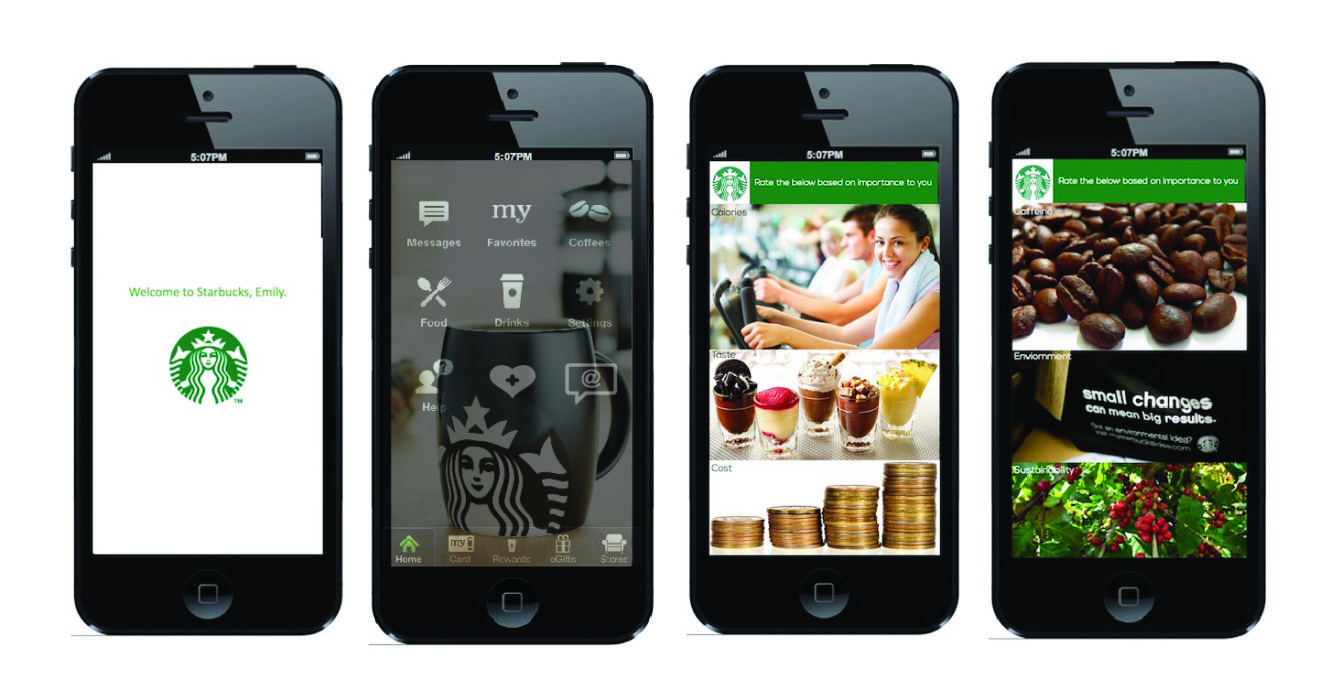
    Starbucks Coffee Korea launched in November the new Starbucks app on the Samsung Gear S2 smartwatch in South Korea. 

    Through the  app, customers can track their My Starbucks Rewards status and pay for Starbucks purchases directly from the wearable device, a first in Asia.

    “We’re pleased to make the Starbucks digital experience convenient and rewarding for our customers,” said SJ Paik, chief marketing officer, Starbucks Korea. “This new Starbucks app for the Gear S2 smartwatch reflects Starbucks continued commitment globally to lead, innovate and connect with customers using mobile technology.”

    With the circular design of the Samsung Gear S2 smartwatch, Starbucks fans can access uniquely designed Starbucks smartwatch face designs, such as the My Starbucks Rewards cup icon design.

    The Starbucks smartwatch face designs were specially created by Starbucks and it said new designs will be regularly available on the Samsung Gear S2 Manager app to bring even greater personalization to the mobile Starbucks experience.

    Samsung launched the Gear S2 smartwatch in the market last September.

  • After Indonesia, dating app Spotted eyes Malaysia and Thailand

    After Indonesia, dating app Spotted eyes Malaysia and Thailand

    The German dating app Spotted is out to woo Southeast Asian users. Dating apps have become relatively widespread in Indonesia, with Germany’s Spotted merely the latest aiming to carve out a piece of the pie.

    Having entered Indonesia in October 2015, Spotted is now eyeing Malaysia and Thailand as its next two Southeast Asian markets, its optimistic outlook fuelled by its US$14.5-million (RM62.6 million) Series A round in August 2015.

    That investment round, which involved Media Ventures, Wolfman Holdings, and a Deutsche Balaton affiliate based in Heidelberg, Germany, brought Spotted’s total funding to US$15.3 million to date.

    “Once we get the funds from our investors, we want to expand to Asia and other parts of the world,” its business development head Andre Sierek told via email.

    “However, at this moment our focus is first on Southeast Asia, especially Indonesia, as well as Malaysia and Thailand in 2016,” he added.

    After its founding in 2013, Spotted initially targeted German-speaking countries such as Austria, Switzerland and North Africa, describing its product not so much as a dating app but a “social discovery” app.

    The hyper-local app helps users meet again with others they have met before. For instance, if you met someone in a café and are interested in them, Spotted will help you meet up with them again.

    According to Sierek, Spotted currently has one million users across the world, with its app being downloaded 10,000 times daily.

    To increase its user base, it realised it could not depend on just the European market – which explains its Southeast Asian foray, and Indonesia being established as its launchpad.

    Sierek said Spotted’s internal research found that people in Southeast Asia were enthusiastic users of social and dating apps.

    Two months after launching in Indonesia, the app had been downloaded by 15,000 users.

    “Our users in Indonesia really like our app, and they mostly like our ‘anonymous love notes’ feature,” said Sierek.

    Content localisation

    Moving from a German-only market to the diverse Southeast Asian region has not been easy, Sierek admitted. It had to tweak its content to cater to the local market and local language.

    “Our main challenge would be building the local user base, as well addressing the different needs of each market in the region,” he said.

    Although it has not established an office in Indonesia yet, Spotted has formed a partnership with a local company, mainly to localise its content and conduct online promotions.

    “We will use the same approach for the Malaysian and Thai markets — that is, cooperating with local companies,” said Sierek.

    He said the company does intend to open an office in Southeast Asia, as well as one in San Francisco, sometime this year, although he did not elaborate on which Southeast Asian country would house this office.

    Not a ‘booty call’ app

    Spotted was founded by Nik Myftari, Nicolas Amann, Christian Kapp, Alexander Pelz, and Tung Nguyen, who met as students at the University of Heidelberg in Germany.

    Its goal is “revolutionise” the way people connect to others, by giving them a second chance to form a relationship.

    “Spotted is not a dating app that brings random people together,” said Sierek.

    “The concept is more like a time machine – it brings together people who have actually met before, but did not have the time or opportunity then to follow up on a relationship.

    “Our approach is unique, and focuses on establishing serious relationships and finding true love,” he declared.

    The app’s main function, called “Deja-Vu,” allows the user to “see” people who once crossed his or path – say, at a restaurant or while travelling. The user can use the “Wink” function to hail that other person, and if that person is interested, he or she can send a “Wink” back in response.

    From there, they can go on to private online chatting or messaging.

    Users can also send anonymous love letters or notes if they are looking for potential partners – but only with people they have met before and not random partners, Sierek emphasised.

    Users must turn on the location-based feature on their smartphones so that Spotted can accurately record the location and date where users might have met their potential partners.

    “The more users, the more opportunities to record people who have crossed our paths,” he added.


  • Singapore’s Migme snaps up Shopdeca Indonesia

    Singapore’s Migme snaps up Shopdeca Indonesia

    Singapore digital media company Migme is to buy Shopdeca Indonesia.

    Shopdeca sells a curated range of lifestyle products online through two websites: shopdeca.com andsportdeca.com.

    The move buys Migme a gateway into the neighbouring Indonesia market – as well as boosting the Migme executive team and Shopdeca.com founder Andreas Thamrin will joing Migme as global head of eCommerce once the deal is settled during the first half of 2016.

    Migme CEO Steven Goh said the acquisition would give the company valuable local Indonesia market expertise.

    “We look forward to the acquisition being a positive contributor to group results in 2016.”

    In January this year Migme bought Sold.sg after listing on the ASX last year. It owns the chat app LoveByte and a share in MatchMe.

  • Score Alarm Plans to Expand from Germany to Asia

    Score Alarm Plans to Expand from Germany to Asia

    Score Alarm, a start-up from Zagreb, has become the official technology platform used by mobile applications for Oddset, the most popular sports betting service in Germany. It is a service which is offered by almost all lotteries in Germany and is represented at more than 15,000 retail outlets, reports Poslovni.hr on December 26, 2015.

    Ivan Klarić, the founder and director of Score Alarm, said that he was pleased with the latest success of his company. “Now we can truly say that we do business with German lotteries, given that they are the ones which distribute the Oddset service whose mobile applications are running on our platform”, Klarić said. He added that currently they have eight large corporate clients, including Bet Live, the biggest provider of gaming services in Bosnia and Herzegovina, then the Romanian Casa Pariurilor and Hungarian state lottery Szerencsejatek. With these clients, Score Alarm has become a platform used by more than 250,000 end users. By the end of 2016, they expect the number of end users to exceed one million.

    Klarić explained that he could not go into details about his customers, but did say that the applications which are being used in Germany have been downloaded several thousand times and are achieving high growth. “The German market is one of the most valuable in the industry, and Oddset – Die Sportwette is one of the first and most recognizable sports betting games in that market. Together with new clients and technological solutions which we are going to present soon, that will enable us to reach a million end users of our platforms in 2016″, Klarić said.

    Score Alarm began its expansion in spring of 2012. A mobile application which displays results of sporting events appeared on Google Play and AppStore at a cost of two dollars. Six months later, Score Alarm already had more than 13,000 paying customers and the Croatian Lottery expressed its interest. For 250,000 kuna, it bought exclusive rights to the Croatian market for a year. Cooperation was continued in the following years, and Score Alarm in the meantime transformed from an application for end users into a platform, a specialized IT system for large national lotteries and other companies offering sports betting services.

    Klarić said that he expected that most of the growth in the sports betting industry in the next few years will switch to mobile platforms. This represents an opportunity for Score Alarm to become the market leader in this new and rapidly growing industry. He added that they are now preparing for the ICE conference in London next year, which is the largest annual gathering of gaming industry. “Once we achieve good results in the European market, we want to spread to Asia, where there are opportunities in the Far East, and to Africa, where there is also interest for our platform”, Klarić concluded.

  • Malaysia eCommerce poised for boom

    Malaysia eCommerce poised for boom

    There are 252.4 million internet users located around Southeast Asia – and Malaysia has already emerged as the country with the third highest percentage of Internet users (67 per cent) after Singapore and Brunei.

    The promising internet penetration result indicates Malaysia’s enormous potential for eCommerce market growth. Leveraging on the rise of internet usage, 2015 has been a fruitful year for all online businesses and eCommerce as Malaysia recorded one of the highest online transactions per capita in Southeast Asia.

    Nevertheless, this only represents the tip of an iceberg – Malaysia’s eCommerce market accounts for just two per cent of the total retail market and countless opportunities still remain untouched if we look at what has been accomplished in other advanced eCommerce markets such as Korea, where online now accounts for about 15 per cent of total retail sales.

    Over the past five years (2010-2014), Malaysia’s eCommerce market size has increased by 31 per cent on CAGR basis. Viewed from a logical standpoint, it should follow a similar growth rate and achieve US$3.1 billion by 2018. As for 2016, expect to see mobility, better internet connectivity and logistics and security to be the three key drivers to drive the local eCommerce development.

    The ‘mobility’ trend will continue to grow

    Mobile penetration in Malaysia reached 136 per cent in 2015, and the growth of connected devices has paved the way for a positive increase in the eCommerce sector with 47 per cent of Malaysians using their smartphones to shop online.

    Furthermore, Malaysia ranks third in the rate of growth of mobile shopping in Asia (over 20 per cent; from 25.4 per cent in 2012 to 45.6 per cent in 2014)  according to a Mobile Shopping Survey. Given these results, it is not surprising to learn that more than 50 per cent of traffic to 11street is generated on mobile devices.

    Internet penetration and improved logistics will further enhance local eCommerce activities

    The Malaysian government has allocated RM1.2 billion to the Malaysian Communications and Multimedia Commission (MCMC) to offer high-speed broadband to rural areas starting next year. This marks a crucial element to boost the eCommerce development in Malaysia.

    Driven by the progressive eCommerce landscape, the logistics industry, especially the courier segment, has experienced exponential growth over the past year. For instance, courier services contributed 60 per cent of POS Malaysia’s total earnings in 2015, compared with 41 per cent in 2014.

    These supportive initiatives will help sellers meet future demands by providing shoppers with a seamless online buying experience with more timely delivery service.

    User confidence, especially safe and secure online shopping is a priority for shoppers

    Security issues are still a barrier to many shoppers heading online. Malaysia Computer Emergency Response Team (MyCERT), a department within CyberSecurity Malaysia, has reported that the number of online scams in the country is on the rise. A total of 743 fraud cases were received in the first quarter of 2015.

    Shoppers are always urged to make transactions with only trusted platforms that offer product return policies, customer reviews on products, seller’s rate or scoreboard, as well as a trustworthy payment system. Online sellers and marketplaces have to bear this in mind and update their security measures from time to time in order to establish shoppers’ confidence.

    A budget-conscious year ahead

    Malaysians will remain budget-conscious next year, in view of the rising cost of living caused by the implementation of GST and the ringgit’s devaluation.

    Cross-border trading growth can be observed from the increasing searches for popular international products on the Internet in Malaysia. However, with the higher exchange rates and international shipping fees, today local shoppers might find it challenging to get their favorite overseas brands or items.

    Undeniably, the overall eCommerce market in Malaysia is poised to flourish positively. The next step will be to sustain the market potential and all industry players need to work together to ensure this. Sellers should stay alert to evolving mobile and purchasing trends in the market to give shoppers a satisfactory experience, as this will build upon Malaysia’s vibrancy as a profitable market for eCommerce.

    • Hoseok Kim is CEO of 11street, Malaysia. 11street launched in Malaysia in April 2015, and within eight months has expanded its product range to more than 7 million units and achieved top 29 rank at Alexa.

    Hoseok Kim, CEOof 11street (light)

  • All business based online now, says Alibaba CEO

    All business based online now, says Alibaba CEO

    The internet is no longer a business model but rather an essential piece of infrastructure on which all businesses need to operate, says Alibaba CEO Daniel Zhang.

    “All businesses are based on the Internet now,” Zhang told the World Internet Conference in China on Friday, likening it to a basic utility such as water, electricity and gas.

    “It can only transform the future of the business landscape when it’s combined with other industries.”

    About 2000 attendees including world government and business leaders were in Wuzhen, a canal city similar to Venice in eastern China’s Zhejiang Province, for the second annual conference, hosted by the Chinese government, a forum for topics such as cyber security, innovations in technology and developments in eCommerce. Chinese President Xi Jinping opened the conference on Wednesday as its keynote speaker.

    During his speech, Zhang said  the integration of the internet with other industries led to the success last month of Single’s Day, the largest one-day online shopping event in the world. The annual eCommerce bonanza, held every November 11, generated $14.3 billion in total gross merchandise volume because of the ecosystem of businesses that the company has built with its merchant, logistics and data-analysis partners. In comparison, Cyber Monday, the US equivalent of the Single’s Day, brought in just $3.1 billion this year.

    “We have formed a complete chain including a merchandise pool, payment system, membership management and data analytics tools to serve customers and partners that share common goals and standards with Alibaba,” Zhang said.

    Indeed, businesses will further transform as they use “big data” to better serve their customers. Alibaba has long touted itself not just as an eCommerce company but one of data as well. The information collected from the 40 million transactions a day on the company’s online marketplaces – demographic data of buyers, their spending habits – can benefit manufacturers when enhancing product design and help brands grow their businesses in China.

    “Data is becoming energy and blood of the new business landscape,” Zhang said.

    Other Alibaba executives were also in attendance, including executive chairman Jack Ma and Lucy Peng, the CEO of Alibaba-affiliate Ant Financial Services Group.

  • Omnichannel marketing from a Chinese perspective

    Omnichannel marketing from a Chinese perspective

    If you have been paying attention to developments in the e-commerce world, it’s unlikely that you have missed the news about the outcome of Singles’ Day.

    Chinese e-commerce giant Alibaba recorded US$14.3 billion in sales on Nov. 11, eclipsing the most recent Black Friday shopping event in the United States, which only saw US$10.4 billion in sales.

    Data from the China Internet Network Information Center shows that China has the world’s largest online population at 632 million people, and more than half of them, about 332 million, shop online.

    Business-savvy Chinese retailers have not been shy on tapping into this massive pool, and their momentum has not shown any sign of slowing down.

    According to iResearch, China’s online sales could reach 5.63 trillion yuan (US$867.1 billion) by 2017, or 15.7 percent of the country’s total retail sales.

    The massive online market, especially in China, has lured many traditional retailers into establishing their own online channels, while interestingly, many pure-click retail businesses in China have also started to establish an offline presence with brick-and-mortar stores.

    We refer to this strategy of leveraging both online and offline platforms to market a brand as “omnichannel marketing”.

    This approach is becoming increasingly popular in recent years, especially with smartphones becoming a staple of modern life.

    More and more retailers are seeking ways to unify the whole ecosystem, both technologically and logistically, with a view towards giving customers a mobile seamless interface to every service that the mall or retailer has to offer.

    With the view that an effective omnichannel marketing strategy will help boost sales, improve brand recognition and strengthen customer loyalty, here are some tips for retailers yet to devise their own strategies to get a head start:

    1. Mobile devices are your friend

    It’s safe to assume that the majority of your customers own at least one smartphone. They’re the perfect gateway for you to communicate with your customers. First and foremost, make sure your online presence is mobile-optimized so that your customers get the best experience even when they’re on the road. Other things you can do to improve your brick-and-mortar shopping experience include making available an in-store map and letting customers check for stock while they’re connected to the Wi-Fi on-premises. Explore your options to interact with your customers meaningfully on mobile.

    2. Understand your customers 

    There are many products widely available on the market to help you capture data about your customers. By analyzing the data with the right tools, you can get insights into your customers’ behavior to help you devise future sales strategies that are more attuned to your customers’ interests.

    3. Tailor your content

    Make good use of the insights gleaned from your Big Data analytics to tailor your communications content. Retailers who exploit mobile channels to disseminate generic marketing materials risk alienating their customers, while who those who make good use of their understanding towards their target audience and develop personalized content will win the hearts, and purses, of shoppers.

    While there are a lot that can be done in omnichannel retailing, retailers should also keep in mind the importance of having a robust mobile engagement solution when pursuing different omnichannel strategies.

    One of the first steps a retailer should take is to find the right technology partner. There are many successful cases across the Greater China region.

    In China, for example, Wanda Group partnered with Aruba to improve the retail shopping experience in over 50 shopping malls through improved mobility.

    Bauhaus, on the other hand, deployed Aruba’s solutions in its stores in Hong Kong and Macau to provide Wi-Fi to its customers and push out relevant, personalized content such as new arrivals and discount offers.

    All these bring unprecedented experience to customers. When you combine location services with Wi-Fi and beacon technology, customers have a magical experience while retailers gain more loyal and engaged visitors who have a higher propensity to return and spend more.

    We are entering the Mobile Engagement 2.0 era. For retailers without a sound omnichannel marketing strategy, especially those who haven’t made it online for fear that their efforts would be overshadowed by established e-commerce companies, it’s not too late to start.

  • Is E-commerce Threatening Singapore Malls?

    Is E-commerce Threatening Singapore Malls?

    With the advent of e-commerce and online shops selling anything you could ever think about buying, some fear for the safety of the shopping malls that have made Singapore the shopping haven that it is famous for.

    There have been a number of cities where e-commerce has overtaken the physical means of shopping. However, in-depth research into the shopping behaviors and statistics of Singaporean shoppers prove that the physical shopping stores’ performance has improved and that they are here to stay with e-commerce actually augmenting sales.

    There are 4 main reasons why experts think that shopping malls will still be standing strong in Singapore.

    Online and Offline Retail Worlds are not Really Competitors

    Singapore is no different from all other countries in the world. With the advent of the digital age, its e-commerce sector is booming. Boasting staggering growth of nearly 50% in the past two years, the online retail market in 2015 is estimated to be SG$4.4 billion.

    The much smaller e-commerce retail scene might be showcasing incredible growth rates, but the physical in-store sales comes out to be the champion in this matchup.

    An enormous market valued at SG$52.4 billion in 2015, in-store retail sales have shown strong CAGR growth of 8.3% over the past two years and shows no signs of stopping.

    To put things into perspective, at this moment, only 4% of household spending is done online in Singapore

    Singapore’s E-commerce is Still at a Premature Stage

    Singapore is home to a very late e-commerce scene. Relative to other countries such as US and UK, much fewer things are done online. The research looked at three key metrics to measure how advanced a country’s e-commerce is.

    First, only 49% of Singaporeans book their flights online, falling way behind the UK’s 80%.

    Secondly, the proportion of hotel bookings was examined. In comparison to the US’ 73%, only 40% of Singaporeans are using the internet to book their hotel rooms.

    Lastly, apparel purchases online are at an alarmingly low 4% of all purchases. This is a significant indicator because the majority of online shops on the market are selling apparel.

    Shopping is a Huge Part of Singaporean Culture

    According to Letty Lee, CBRE’s Retail Director and an expert on real estate in Singapore, “Singapore is a shopping nation. Shopping isn’t just about buying something, it is about socializing and experiencing.”

    Singapore as a nation has developed its shopping culture to an extent that many of its citizens prefer spending the time in malls rather than just quickly browsing on the internet. It is not only about the purchases consumers are making but the experience of “shopping” they’re after.

    85% of all Singapore denizens shop in stores at least once a month compared to 49% of those who shop online.

    In fact, to put things into perspective, Singapore has twice the retail space per person than Australia even though it is 10,000 times smaller.

    Physical Stores Have Irreplaceable Features

    There are some things that the internet and all the technology in the world will never replace. And those are the advantageous features that malls offer.

    In addition to physically being there, malls offer the shoppers the opportunity to socialize with their fellow shoppers, dine with their friends, and enjoy the atmosphere of a mall which cannot be replicated for a person just browsing through the net.

    The Omnichannel Shopping Experience

    The management of the malls themselves are aware of the fact that they will still be here to stay for some time and are looking for ways to augment the strength of the malls with the technology of the online shops to create an “omnichannel” integrating both online and offline shops.

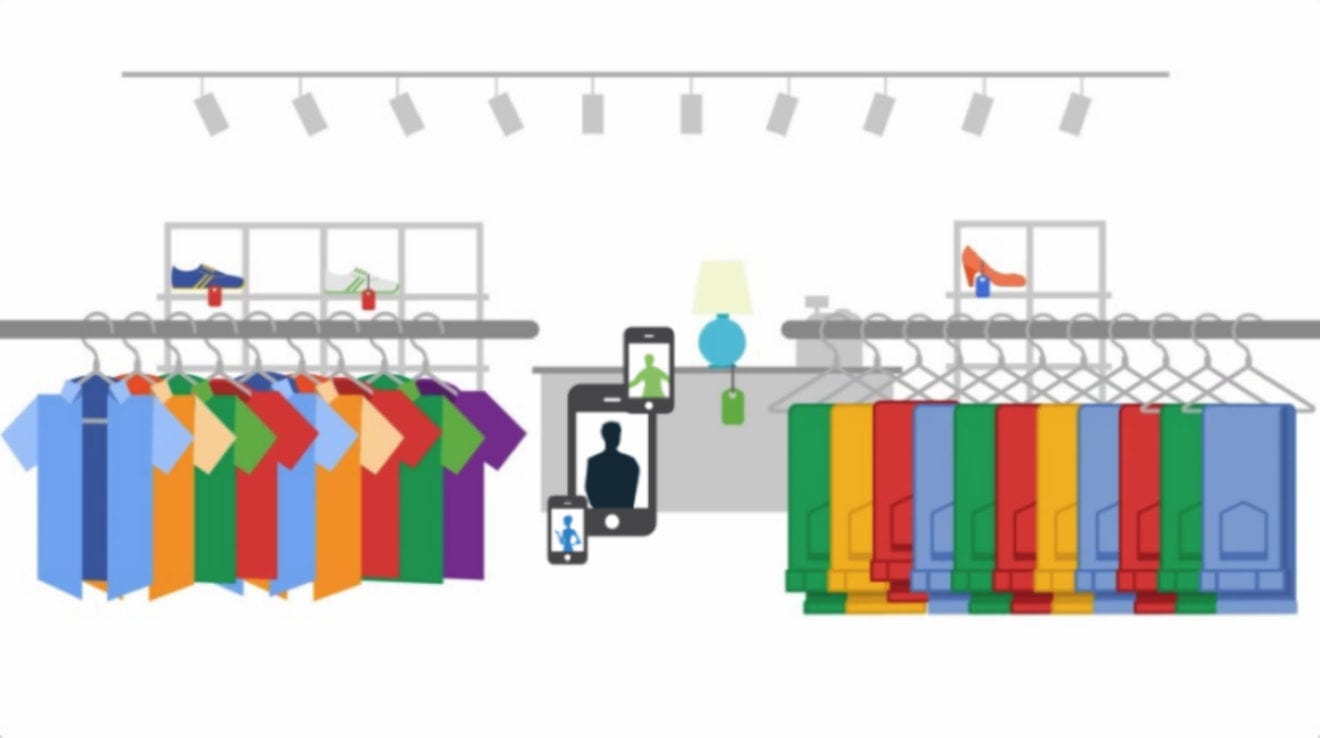
    Some of the things that they have started include but are not limited to, Magic Mirrors where a shopper can virtually try on items, and “click-and-mortar” stores in which store items are tagged with a QR code that shoppers can scan and add to their online shopping carts for later buy.

    E-commerce may be disruptive to physical stores in other places, but in Singapore it’s here to improve the shopping experience in both online and offline stores.

  • Indonesia’s E-commerce Industry to Double Its Earnings Next Year

    Indonesia’s E-commerce Industry to Double Its Earnings Next Year

    Indonesia’s e-commerce industry is projected to rake in Rp 20 trillion ($1.46 million) next year, double this year’s estimate of Rp 8 trillion to Rp 10 trillion as Internet and smartphone penetration in Southeast Asia’s largest economy continue to rise, according to an industry group.

    Daniel Tumiwa, chief of the Indonesian E-commerce Association (idEA), noted that the country’s ever-expanding pool of middle-class consumers has provided a significant boost to its e-commerce sector, estimating that the number of online shoppers could reach 10 million next year. The continued rise of smartphone usages across the country will also bolster growth, he added.

    “The e-commerce industry is already becoming one of the pillars of Indonesia’s economy,” said Daniel, who’s also chief executive of marketplace platform OLX.com.

    Indonesia is forecast to see some 34 million smartphones shipped into the country by the end of this year, up 21 percent from an initial 2015 forecast of 28 million units, according to information technology research firm International Data Corporation (IDC).

    MatahariMall.com CEO Hadi Wenas separately added that online retail has great potential in Indonesia, forecasting the industry to contribute up to 5 percent of the economy by 2020 from the current 0.7 percent.

    “Since it was first introduced in Indonesia, the industry has continued to grow and it will grow bigger going ahead,” he added.

  • Zalora Takes a Look Back to 2015

    Zalora Takes a Look Back to 2015

    With less than a few days until 2015 comes to an end, ZALORA, Asia’s Online Fashion Destination, is proud to unveil its significant milestones achieved this year that changed the online fashion retail landscape in Southeast Asia. Initiated in 2012 with a mission to redefine high-street fashion accessibility in this part of the world, ZALORA has managed to run faster, play smarter and grow bigger in less than four years. Having fostered a strong presence in eight markets, and with more than 6 million followers on social media, ZALORA will continue to grow in its product offering, brand proposition, and customer experience.

    2015 was a remarkable year for ZALORA. As a leading fashion e-commerce player in the region, innovations in mobile engagement were introduced to keep up with changing fashion consumer behaviour towards mobile shopping. In recognition of this shift, ZALORA will sustain its dedication to an ever-improving and meaningful mobile shopping experience in the markets we cover.

    The Year of Mobile for ZALORA

    In an effort to boost online retail consumption expenditure while providing reassurances about the e- commerce sector and building trust with customers in Asia, ZALORA launched the region’s version of Cyber Monday, 12.12 Online Fever, in 2014. Together with more than 300 partners across the region covering different industries from food, home, entertainment, travel, to beauty, 12.12 Online Fever grew bigger on its second run in 2015.

    On 12 December this year, ZALORA enjoyed over six times the volume of any previous day, also sparking a rise in mobile shoppers. With 78.5% of 12.12 Online Fever customers shopping on their

    mobile devices, the number of mobile customers saw a 250% increase from last year. This is in line with the growing trend of consumers within the region shopping heavily on their mobile devices.

    As a retailer, it is important that ZALORA provides a seamless mobile experience for its partners. With utmost convenience in mind, the Marketplace Seller App was launched, allowing independent sellers to run their ZALORA shop while on the move. Developed to expedite transactions and the evaluation of business performance, the app is available in five languages, catering to the culturally- diverse Southeast Asian markets.

    Winning prestigious regionally-recognised awards is a testament to ZALORA’s continued success in mobile innovation. This year, ZALORA clinched the Silver award for the MBEA Best M-commerce Mobile Application of the Year and came out on top as finalist for Mob-Ex (Mobile Excellence) Awards in the categories Best Brand Awareness Campaign, Best use of QR Code and Best Integration of Mobile.

    Fashion Consumer Insights

    ZALORA understands that consumers today are seeking more options and a wide assortment of quality products. To meet this demand, ZALORA carries over 6,000 global and local fashion brands on one single site, carefully curated to provide the best fashion offering for its customers.

    Over the year, we have noticed certain significant purchasing trends. The top three most-purchased fashion items for 2015 are: Quilted wallets, flip-flops and V-neck tees. Aside from apparel, ZALORA also offers beauty products to its customers. Lipsticks topped the list as the most purchased beauty item, followed by mascara and foundation. Aligned with the goal of filling the online fashion gap in Southeast Asia, ZALORA remains a dominant player in enabling accessibility to high-street fashion for consumers in the region,

    ZALORA Milestones

    As the company grew in the last three years, ZALORA has achieved several milestones in 2015, including entering the Taiwan’s fashion e-commerce market. Growing at a significantly rapid pace, the Taiwanese consumers are driven by high internet penetration and widespread smartphone use. With close to 100 brands initially offered, ZALORA gives fashion consumers in Taiwan the best high-street fashion brands, such as Burton Menswear, Finery London, New Look, River Island, and Miss Selfridge, in addition to ZALORA’s eponymous label, exclusively distributed in Taiwan by ZALORA on one website.

    To further strengthen its position as the fashion authority in this part of the world, ZALORA is committed to continually coming up with innovative large-scale events by pioneering omni-channel consumer engagement, through working with top partners across channels (from TV to media).

    ZALORA supports Asia’s diverse forms of beauty and talent, seeking to empower men and women through fashion. By giving them the confidence to own every moment they find themselves in, they are encouraged to be the best version of themselves. ZALORA also plays a critical role in discovering and celebrating the next fashion talent in Asia through partnerships with highly anticipated television series, namely Asia’s Next Top Model, How Do I Look? Asia, and Fit for Fashion, which will air on January 7, 2016.

    Where fashion meets e-commerce, the inaugural ZALORA Scholarship was also debuted this year to attract and nurture young talent in the tertiary student crowd, providing them with valuable industry experience and a partial grant for tuition fees.

    Furthermore, designed to increase awareness of the brand among consumers in Southeast Asia, ZALORA launched The ZALORA Shop, the first click-and-mortar shop in Asia that gives consumers a physical ZALORA experience. Following the success of the first pop-up store in Singapore launched in 2014, ZALORA launched more pop-up stores around the region this year in Hong Kong and the

    Philippines. Due to popular demand, ZALORA Hong Kong opened a second pop-up store, while ZALORA Singapore is now on its third store

    ZALORA prides itself on its commitment to provide relevant fashion choices to consumers in Asia. This is channelled through the ‘Lunar New Year’ collection and ZALIA – an exclusive label created specially for women seeking trendy, conservative styles. Designed for the fashion-conscious consumer, ZALORA launched the Lunar New Year and ZALIA collections for the third year running in 2015. Both collections successfully enable fashion fans to transform their festive wardrobe into something contemporary and fashion-forward without forgetting their local roots and Asian authenticity.

    ZALORA Looks Forward to 2016

    ZALORA celebrates a successful 2015 and its incredible achievements. Entering its fourth year, the young online fashion company aims to maintain its dominant position as market leader in the online fashion sphere. ZALORA will continue to dream big and explore new opportunities and possibilities for the future to build an e-commerce friendly environment in the region.

  • Rakuten to open on JD.com

    Rakuten to open on JD.com

    Rakuten, Japan’s largest eCommerce company, is to open an online flagship on Chinese cross-border eCommerce platform JD.com.

    The Japanese company says it aims to take “the best Japanese products to Chinese consumers”. It launched a beta version of the new marketplace on JD Worldwide earlier this month. Plans are under way to expand the merchandise range over coming months, with an initial focus on categories such as cosmetics, snacks and health food products.

    Masato Takahashi, managing executive officer of Rakuten, said the partnership between Rakuten and JD.com will promote cross-border trade by connecting Chinese consumers with authentic and popular Japanese products from a top selection of Rakuten’s merchants from around Japan, both small and large.

    “Rakuten will continue to work to expand our offering to Chinese consumers.”

    Haoyu Shen, CEO of JD Mall, said imported Japanese products have proven popular in China to date.

    “Our focus remains on partnering with the most trusted retailers in key overseas markets to meet the growing demand for premium imported products.”

    Expansion of the product line-up will continue over the coming months.

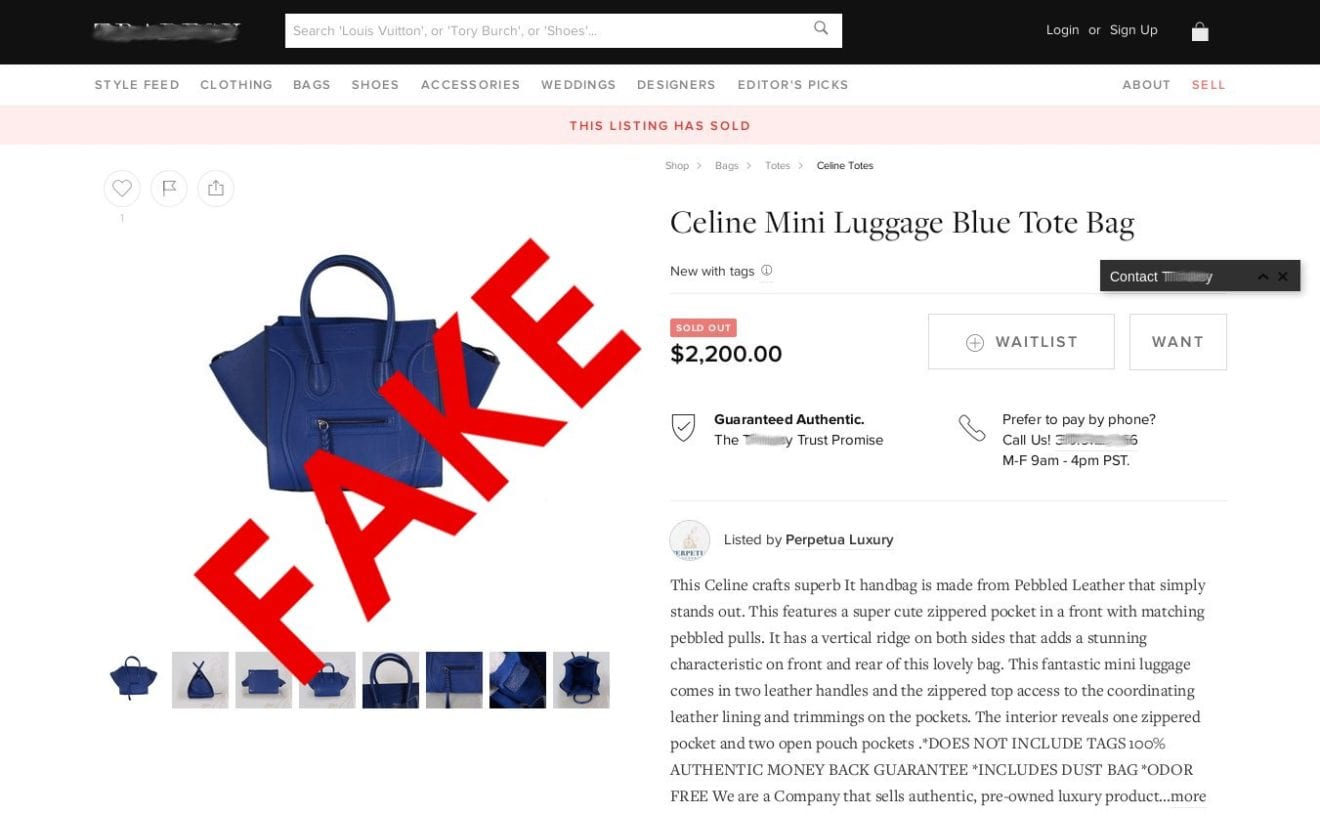
  • Boom in teenage arrests for selling counterfeit goods online

    Boom in teenage arrests for selling counterfeit goods online

    Hong Kong Customs officials report they have arrested a record number of teenagers for selling counterfeit goods online via social media.

    According to a report in the South China Morning Post, officials have arrested double the number of teenagers in the first 11 months of 2015 as in the entire previous year.

    The majority of the arrested – 54 secondary school pupils and 28 university students – were allegedly selling fake goods on social media, with Facebook an especially popular channel.

    Last year, just 41 arrested were made, according to Louise Ho, head of the intellectual property investigation bureau of the Hong Kong Customs and Excise Department.

    The 82 arrests accounted for nearly 40 per cent of all the counterfeit arrests made by customs this year.

    Ho says students seem unaware of their legal responsibilities and the criminal nature of selling counterfeit goods online, and see the trade as easy money.

    They appear unaware it is insufficient defence legally to disclose the goods are counterfeit.