Category: E-Tailing

Retail News Asia is committed to providing both local and global retailers with the latest E-Commerce & Etail news throughout the Asian market. This on a daily base.

  • Thai CP Group unit True Money Myanmar to test money transfer service soon

    Thai CP Group unit True Money Myanmar to test money transfer service soon

    The firm is currently working in Myanmar as a mobile top-up service provider for Myanmar Post and Telecommunications (MPT) and MEC since September 2015.

    In Myanmar, the money transfer service will be through True Corporation Plc, a subsidiary of the CP Group.

    True Money Myanmar Company Limited has already recruited agents around the country to enable easy access to banks.

    “We want to help people who are not able to reach banks easily. For people who have to go to another township to use the bank,” said Amara, assistant marketing manager of True Money Myanmar Company Limited.

    The firm is also aiming to expand to other payment services like bill payments and international remittance.

    The money transfer service is looking at the possibility of offering safe and easy remittance facility for the Myanmar population working in south east Asian countries.

    True Money Myanmar is targeting the retail customers for the money transfer business. It is also in talks with Aeon credit service and Gold Bus online booking company for future partnerships.

    True Corporation Plc also operates internet services operator, data centres and pay TV business.

  • Woolworths plans to sell online in China

    Woolworths plans to sell online in China

    Supermarket titan Woolworths considers taking advantage of China’s voracious interest for Australian food and grocery items.  Australia’s biggest general store chain has connected with China-based eCargo Holdings to construct and operate a Woolworths storefront on Alibaba’s Tmall business-to-customer online marketplace.

    eCargo will likewise facilitate Woolworths’ stock, packing and dissemination requirements, counsel on brand strategy and embrace an extensive variety of online and social advertising exercises for the retailer. Woolworths has a vicinity in the Chinese market after obtaining alcoholic beverages merchant Summergate a year ago for $US25 million. Rising interest among China’s well-to-do white collar class in food and dairy items delivered from abroad has opened up a substantial business sector for Australian food and dairy items.

    eCargo Chairman John Lau said in an announcement that they trust the food and grocery market will encounter enormous development in the coming years in between Australia and China, as cross-outskirt exchange limitations ease and the China Australia FTA produces results.

    Woolworths online invasion into China takes after a comparative move by smaller local opponent Metcash, which set up shop on Tmall not long ago to sell items like Weet-Bix, Tim Tams, long-life milk and newborn child formula.

    As of late, a few well known worldwide brands including Amazon, Macy’s and Germany’s Metro have set up shop in the online market place operated by Alibaba and rival JD.com, with an end goal to take into account China’s growing interest for imported customer items. The Chinese e business sector is conjecture to more than twofold throughout the following three years to $US1.5 trillion, as indicated by New York based research firm eMarketer.

    Woolworths has struggled in the domestic market over the previous year in the wake of taking a profit hit from its price war with adversary grocery store titan Coles and German discounter Aldi.

  • 1 in 4 Hong Kong consumers shop via mobile

    1 in 4 Hong Kong consumers shop via mobile

    More than one in four Hong Kongers (25.5 percent) shopped online via their mobile phones in the past six months, but the majority are concerned about security and identity theft.

    These are among the findings of a recent online survey conducted by Zogby Analytics and commissioned by TransUnion.

    The online survey of 500 adults, conducted by Zogby Analytics and commissioned by TransUnion, revealed that two in three Hong Kongers have shopped online more than three times in the past six months, including 20.9 percent who have shopped more than 10 times.

    While the far majority (76.8 percent) still preferred to make online purchases from a PC or laptop, 42.6 percent also used other devices, including mobile phones (25.5 percent) and tablets (17.1 percent). Most of them (65.3 percent) spent or would spend less than HK$1,000 on a single item.

    Even with online shopping becoming increasingly popular, 53.3 percent said security and identity theft is their main concern when shopping online, followed by 22.1 percent who worry that the item they purchase will not be as it appears on the website.

    “Hong Kongers are more and more comfortable shopping online and e-commerce offers a popular way to buy gifts during the hectic holiday period. However, our research demonstrates that consumers in Hong Kong might not be as aware of online security threats as they ought to be,” said Samuel Ho, chief executive officer for TransUnion Hong Kong.

    Ho said it is essential for holiday shoppers to protect their personal and financial data online.

    Besides creating strong passwords, setting a unique one for each shopping account and device, and only making purchases at encrypted shopping websites, consumers should also monitor their credit reports often so that unauthorized purchases won’t go unnoticed.

  • Foodpanda HK axes Foodora after just two months

    Foodpanda HK axes Foodora after just two months

    Just two months after its launch, Foodora, the upmarket sister site of Foodpanda Hong Kong has been axed.

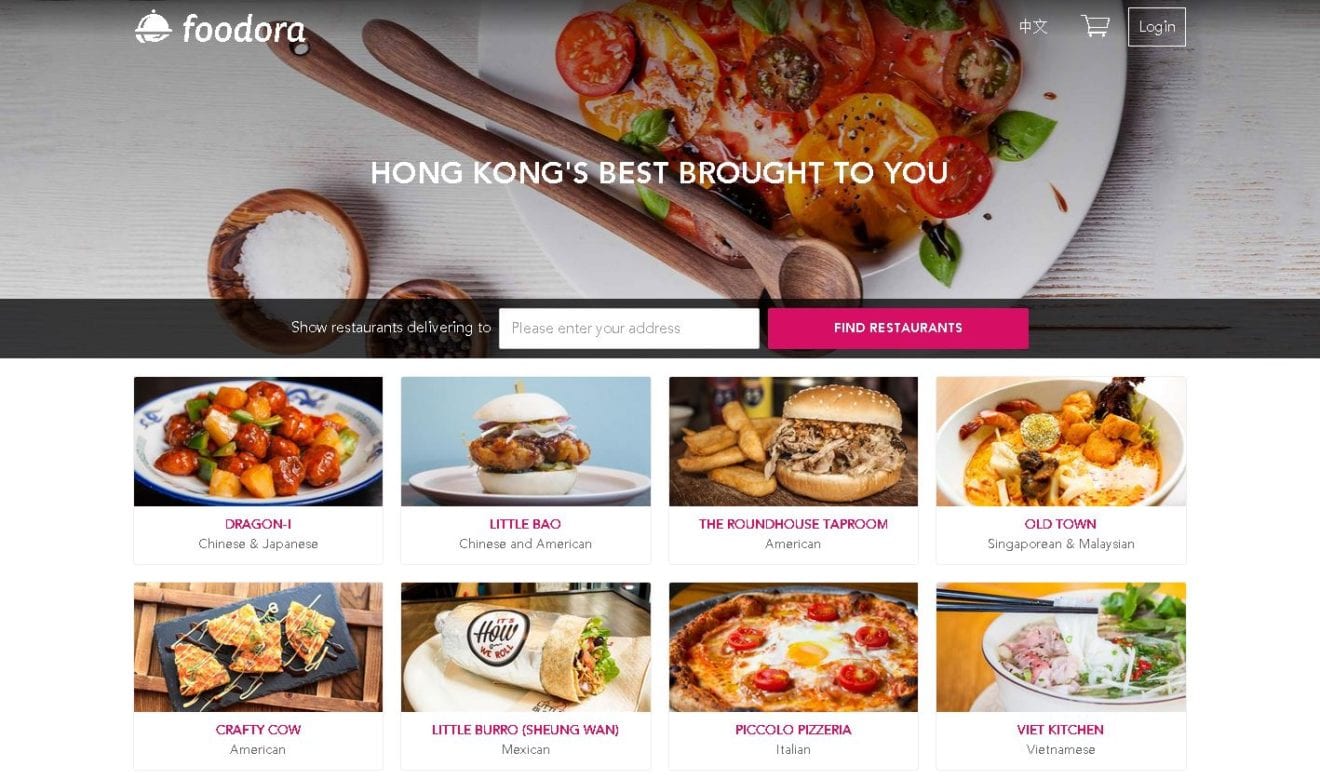
    Inside Retail Hong Kong broke news of Foodora’s launch in late September and the company officially unveiled the concept in early October, saying it had 100 restaurants signed up after a trial in two suburbs: Central and Sheung Wan.

    “The company has set itself apart from traditional delivery services by working with big names in the restaurant scene, including the likes of Dragon-i, Iberico, Check-In Taipei,The Boss and Social Place. Restaurants such as Little Bao will for the first time offer hungry Hong Kongers an alternative to waiting in a queue for superior eats,” Foodora said at the time.

    But today, Foodpanda said those restaurant brands will now be listed alongside fastfood brands like Pizza Express on the parent site.

    It disguised the axing of the two month old project in a media statement proclaiming it has “drastically reduced delivery time” of all its orders to “an average” of 30 minutes, a key marketing plank of Foodora.

    “Sister company Foodora, launched in October this year, is also now integrated into the Foodpanda business, in order to have natural synergies and premium expertise. This new integration is an additional step to reinforce Foodpanda’s philosophy and expertise on providing the best food delivery services,” the statement said.

    The company says it has developed proprietary rider and restaurant software technology, using an advanced algorithm to optimise delivery courier routes and restaurant operations.

    “The company is now able to ensure that steps in the food ordering process occur faster than ever, bringing average delivery down to 30 minutes after the order confirmation.”

    Announcing the addition of Pizza Express, Oolaa, Mana Raw and Nosh by Secret Ingredient, among others, to its offer, Foodpanda Hong Kong MD Alexander Roth said it is Foodpanda’s mission “to deliver the best meals from the best restaurants to our customers as quickly as possible”.

    Foodpanda is encountering increasing difficulties rolling out its business model in Asia. Last month it closed its Vietnam operation after failing to make a dent in the market share of more efficient, established rivals (subsequently selling its database to one of them).  In Kuala Lumpur it is struggling to win customer confidence after buying up its rivals and shutting them down and operating a monopoly widely criticised for delivery times of often more than an hour, complaints of cold food and poor customer service.

  • Alibaba and UBM to create O2O trade buying experience

    Alibaba and UBM to create O2O trade buying experience

    Alibaba’s B2B business unit, including Alibaba.com and 1688.com, has teamed with trade exhibition organiser UBM Plc to “unite the online and offline trade buying experience” initially in Asia.

    The two companies have begun exploring opportunities to link the B2B online and face-to-face trading worlds by leveraging their combined strengths, technologies and relationships. The alliance will begin with pilot programs introducing Alibaba B2B business unit’s online secure transactional platforms and business portals for companies participating in select UBM Asia trade fairs.

    Cross promotional marketing, match-making services and audience development of the two company’s brands and networks will be another key aspect in working towards the longer term goal of creating the next generation of on and offline trade experiences.

    Sophie Wu, president of the Alibaba B2B business unit, says collaborating with UBM will offer small and medium-sized enterprises a multichannel B2B trading experience.

    “They can also tap into the abundant and combined expertise of the two industry pioneers for more worldwide trading opportunities.”

    Tim Cobbold, CEO of UBM  says a fundamental element of his company’s ‘Events First’ strategy is its commitment to innovate and to deliver value for customers.

    “We are excited at the opportunity to partner with Alibaba.com, to create the next generation of trade buying experience.”

    Pilot programs for the joint collaboration will begin with UBM Asia’s Malaysia International Furniture Fair (MIFF) to be held on 1-5 March 2016 in Kuala Lumpur, Malaysia, Finefood Shanghai – part of Hotelex Shanghai – to be held 29 March to 1 April 2016 in Shanghai, China; and the co-located Materials Manufacturing & Technology (MM&T) and Fashion Access (FA) fairs to be held 30 March to 1 April 2016 in Hong Kong.

    The collaboration will commence with promotions of the UBM fairs to both parties’ respective trade audiences and Alibaba will begin offering their Trade Assurance service onsite to select exhibitors.

    Alibaba’s Trade Assurance service allows participating suppliers to offer guarantees on order quality standards and on-time shipment.

    Further pilots in the second half of 2016 will include additional business match-making components for other UBM Asia events such as Shanghai International Children Baby Maternity Industry Expo (CBME China) and Sign & LED China fairs.

    James Dong, head of B2B strategy, investment, business development and business intelligence of Alibaba.com, says the eCommerce giant sees great added values for global business traders through the collaboration.

    “Alibaba’s online trading resources and technology complements with the interaction and dialogues in the offline UBM trade shows. Such an alliance not only makes trading more cost-effective but enables higher level of trust between global buyers and sellers,” he said.

    James Dong of Alibaba, left, and Jime Essink of UBM Asia announcing the new partnership.

    Jime Essink, president and CEO of UBM Asia Ltd, says one of the challenges of the trade exhibition industry is continuing the buyer and seller dialogue and experience throughout the year.

    “Meanwhile, the limitation of a pure online trading world is the absence of the physical interaction and development of the personal relationship. With Alibaba and UBM Asia – both prominent players in our respective fields of B2B trade – working together, we see opportunities to change how online and offline trade takes place, providing improved returns and efficiencies for our customers.”

  • WearYouWant Thailand sales soar

    WearYouWant Thailand sales soar

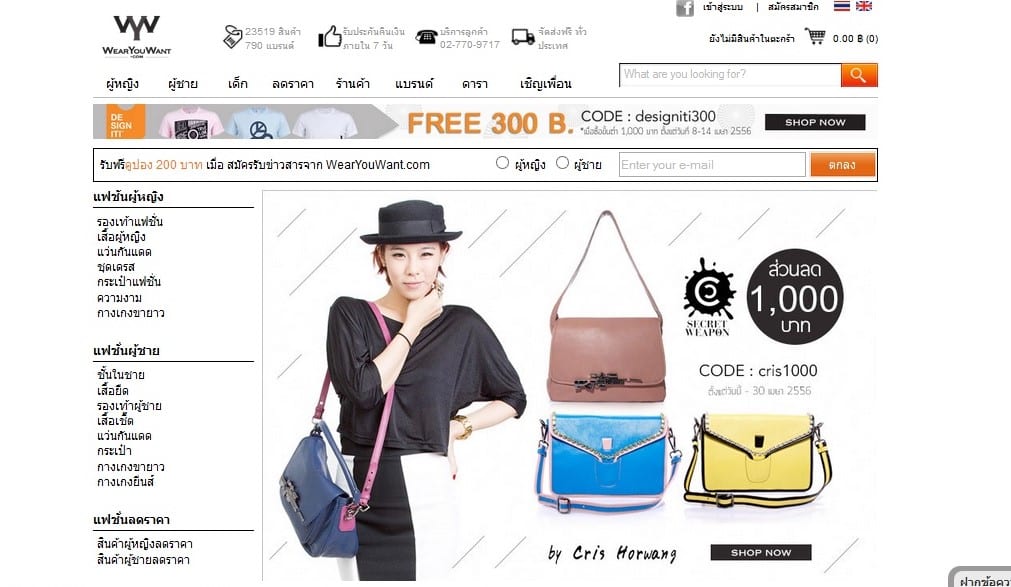
    WearYouWant Thailand – the Bangkok based online fashion marketplace – has reported a 150 per cent growth in revenue this year.

    “It has been an astounding year for WearYouWant,” says Julien Chalté, co-founder and Co-CEO.

    “We have outperformed our budget for the last 11 months and believe we will end this year on a strong note.”

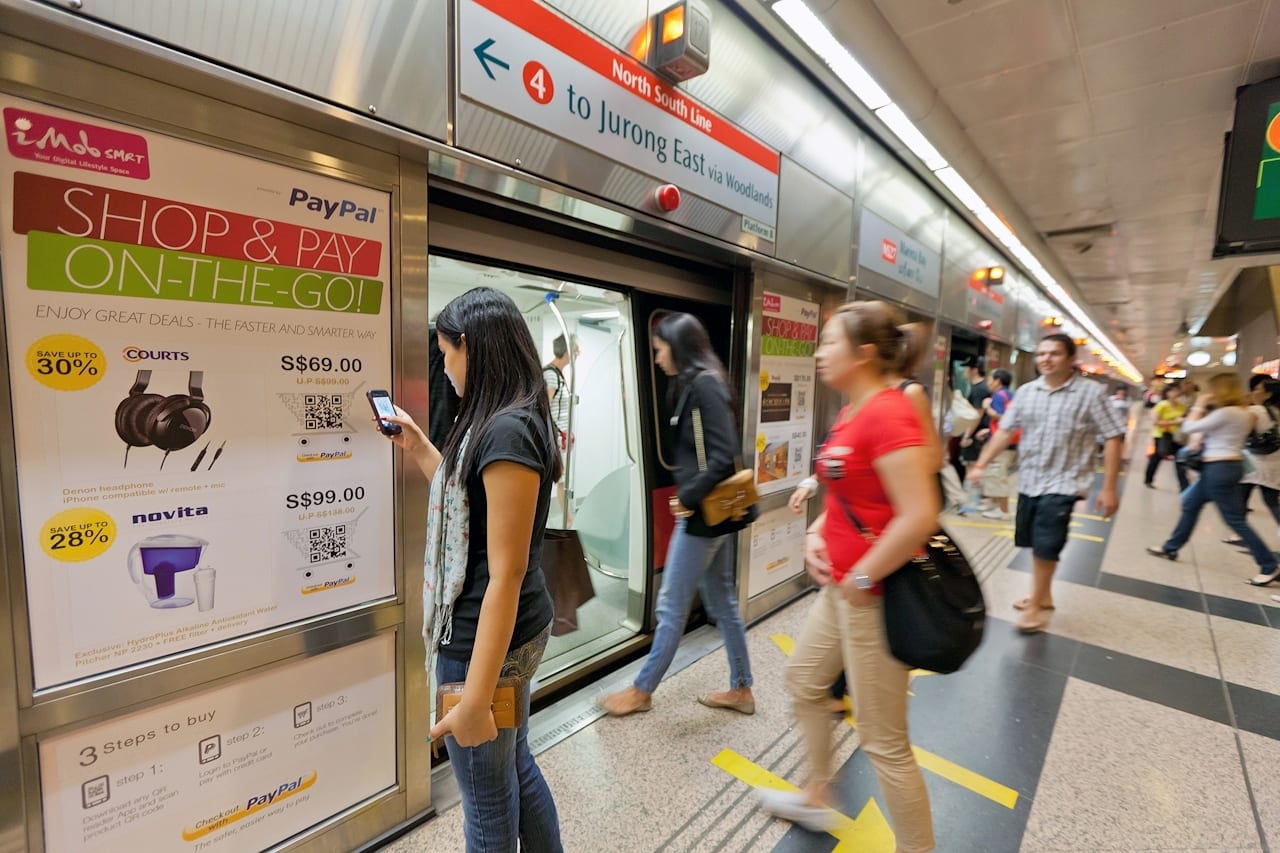
    WearYouWant Thailand has been working hard this year to build brand awareness, including an advertising campaign on the BTS Skytrain network, which has boosted site traffic by 30 per cent.

    The raised brand awareness has encouraged brands such as Mac Jeans and Aldo to supply the site.

    “Our advertising campaign has shown remarkable results in terms of visibility. In addition to generating more traffic and conversions, it has also created trust on the B2B side, which has resulted in an increase of new partners joining our platform,” Martin Sørensen, fellow co-founder and co-CEO added.

    The Thai fashion market place now boasts about 500,000 visits per month and aims to create a high-quality, brand-led seamless online retail experience, which they have achieved for the platform in 2015 on both the B2B and B2C side.

    “We have had immense growth in 2015 on the partner side and on the end user side. One of the important strategic focus points for WearYouWant will remain to continue growing our B2B market  at the same pace as we grow our B2C database; that is key for being successful in a B2B2C setup as ours,” explains Sørensen.

    A fourth anniversary birthday campaign this month has set a new sales record for the site, which has achieving nearly 50 per cent of the total sales forecast for December less than half way into the month.

    The team behind WearYouWant: from left, Christian Skoglund CFO, Julien Chalté, Martin Toft Sørensen, co-founders and co-CEOs, and Thomas Kroman, chief marketing officer.

  • Peru to have Tmall Global shopfront

    Peru to have Tmall Global shopfront

    Peru and China have signed an agreement allowing Peruvian products to be sold directly to Chinese consumers online.

    Peruvian producers will set up stores on Alibaba Group’s Tmall Global via a country shopfront, much like Tmall has created with Germany, Australia, the US, Korea, the Netherlands, Thailand and other nations.

    The agreement will take Peruvian exporters closer to Chinese consumers and the value chain of Peruvian products will be fully developed, said VP of the Peruvian Association of Exporters, Eduardo Amorrortu during Monday’s contract signing ceremony.

    “Ecommerce has been developing very rapid. It has had a great impact on the economy and traditional modes of consumption have changed,” said VP of the Association of Chinese Companies in Peru (AECP), Kong Aimin.

  • Shoppers catch Zalora online fever

    Shoppers catch Zalora online fever

    Asian online fashion retailer Zalora recorded sales six times higher than any day ever before during its December 12 Online Fever promotion last weekend.

    Zalora sells in eight Asian markets: Singapore, Malaysia, Indonesia, Philippines, Thailand, Vietnam, Hong Kong and Taiwan.

    The 12.12 Online Fever promotion was positioned as Asia’s answer to North America’s Cyber Monday, with Zalora aiming to boost eCommerce across the region, offering shoppers cut-price deals to encourage online purchasing and hoping to convert traditional consumers into e-consumers. This year, 32 per cent of 12.12 Online Fever shoppers were first-time Zalora customers.

    “12.12 Online Fever 2015 was a great success not only for Zalora, but for all the partners we worked with to make this initiative possible and for consumers who got their favourite fashion brands on great price point,” said CEO Michele Ferrario.

    As Southeast Asia, Hong Kong and Taiwan are enjoying immense economic growth, we wanted to engage consumers and help boost the growth of e-Commerce in the region. This online sales day will give them a push, sparking consumer spending by offering their favourite items at the best prices. Last year’s record sales attested that such a cyber event resonates well with consumers in the region, and we are happy that we managed to engage more consumers this year.”

    To ensure timely packing and delivery of orders, Zalora increased staffing in operations working 24/7 in order to ship 100 per cent of the packages received in its warehouses within 24 hours. This resulted to having 30 per cent of packages delivered to customers within the next day and more than 50 per cent of packages by the end of yesterday, (December 14), across the region.

    One of the big surprises from the sale was the high percentage of shoppers using their mobile devices to browse and purchase – 78.5 per cent of shoppers on Saturday were using mobiles, just 21.5 per cent desktops or laptops – the number of mobile shoppers rose 250 per cent year on year.

    Females accounted for 74 per cent of shoppers.

    The most popular categories for both males and females were apparel, footwear and accessories. Favourite brands among women include Rubi, Mango, Dorothy Perkins and Something Borrowed while Sperry, Herschel, Onitsuka Tiger and Topman were popular brands for men.

    Netizens were also talking about 12.12 Online Fever in their social media posts, a few of them commending Zalora’s quick delivery service and alerting their friends to join in. 12.12 Online Fever received more than 1.6 million of impressions on popular social media sites Facebook, Instagram and Twitter.

    This year’s 12.12 Online Fever also saw an increase in number of partners with 376 participating across the region, covering industries ranging from food, home, entertainment and travel to beauty.

  • Singapore’s Honestbee launches in Japan

    Singapore’s Honestbee launches in Japan

    Honestbee, the fast-growing on-demand grocery concierge and delivery service company founded in Singapore just last July, has launched its service in Japan.

    The first Japan stop of many to come, visiting tourists can now enjoy the convenience of grocery shopping via the online portal honestbee.jp in Niseko, Hokkaido, Japan, from now until February 29.

    Honestbee’s point of difference to other online grocery shopping services is that it partners with retailers to offer a high-quality array of products and uses concierge shoppers to fulfil orders on demand – and then deliver them. It expanded into Hong Kong in October, and its next market is Taiwan, where it launches in a fortnight.

    “Niseko is one of the most popular ski destinations in the world which sees a great amount of tourist visits every season. While these families look forward to grocery shopping, the closest supermarket in the area is an hour away,” said Joel Sng, co-founder and CEO, Honestbee.

    “With technology and software, we plan to offer our customers the same level of convenience they have back home by travelling alongside them. Now they can better spend their time skiing or sipping hot chocolate somewhere else.”

    With the launch of this service, ski-lovers and snowboarders can now spend more time skiing on the powdery slopes of Niseko and have their groceries covered by Honestbee.

    As the third-largest economy in the world, Japan presents a wealth of opportunities for Honestbee’s expansion. Niseko is a world-renowned region in the Hokkaido prefecture. With the launch of the New Chitose Airport, increased direct flights to Sapporo from neighbouring cities have contributed to the dramatic rise of international tourists to about 1.5 million throughout the year. Foreign investments in properties in the ski areas have also fuelled economic growth in Niseko.

    Maintaining its commitment to offering a one-stop shop for a range of highly curated and specialty products, customers in Niseko will be able to shop for the freshest groceries, local Hokkaido and international products at major brands well-loved by the locals.

    While the Hokkaido launch may be perceived as something of an experiment or publicity stunt, Honestbee has confirmed it will offer a permanent service in more Japanese cities next year.

  • FC Schalke opens Asian stores

    FC Schalke opens Asian stores

    German Bundesliga football team FC Schalke 04 has taken the next step in its long term process of internationalisation, opening three online stores for fans in Asia.

    The Royal Blues (as the team is nicknamed) has launched online shops to sell fans club merchandise quickly and easily online. This applies to every country in the Asia-Pacific region. For China and Japan there are separate online shops in the respective languages, while the English site reaches out to supporters in all the other countries.

    S04’s marketing director Alexander Jobst said Asia is an important target market for the team, as it has already gained a lot of support.

    “So we’re very pleased that the online shops are bringing us closer to our fans out there.”

    FC Schalke 04 is currently communicating with more than 1.2 million people in China through the club’s Chinese media channels. Schalke’s Japanese Twitter account has over 90,000 followers making S04 one of the best supported European clubs in Japan. The language-specific Facebook page is also liked by almost 40,000 Japanese fans.

    Jobst says the stores will enable faster delivery, market-specific products and country-specific payment methods.

    To begin with, the online shops will be available in four different languages: Chinese, with both traditional and simplified writing, Japanese and English. Further language options are planned to follow soon.

    FC Schalke 04 is offering a ‘welcome discount’ of 15 per cent off all products to celebrate the launch online.

    Hong Kong based company EZshopnet International  is the club’s official partner in the eCommerce project and help run the online shops of several other clubs including Chelsea, Juventus and AC Milan.

    Perhson Wong, chairman of EZshopnet said FC Schalke 04 is the company’s first partner from the German Bundesliga.

    “Most notable of all it is the first time that three parties from three different countries have collaborated to develop the online shops – a German football club, an eCommerce firm from Hong Kong and a creative web-design agency from the UK,” he said.

    As part of their internationalisation strategy, FC Schalke 04 has long been putting most of its focus on the Asia-Pacific region, and has been able to strike two partnership deals with multi-billion Chinese companies Hisense and Huawei, as well as South Korean tyre manufacturers Kumho Tyre.

  • China ranked first in the world for online retail trade

    China ranked first in the world for online retail trade

    The period from January to October, witnessed China clinching the world no 1 spot for online retail trade, according to the “Internet Development in China over the Last Two Decades” report, which was published on Tuesday.

    The report was published prior to the World Internet Conference to be held in Wuzhen, China, from 16-18 December, according to the people.cn website.

    The total number of netizens in China reached an estimated figure of 668 million — the world’s largest online population. “The four Chinese companies which made it to the list are Alibaba, Tencent, JD.Com and Baidu,” said head of Chinese Academy of Cyberspace, Yang Shuzhen.

    China’s online retail sales skyrocketed at 2.8 trillion yuan in 2014, as reported by the en.people website. But the figures have more than doubled in 2015, with total transaction reaching 2.95 trillion yuan.

    In the month of November, an online shopping sale was conducted by Alibaba which recorded a sale of 91.2 billion yuan, according to the report.

    Internet has been the biggest boon to the Chinese economy, contributing 7% to the GDP.

    According to statistics, the number of people who shop online now is 307 million.

    China’s cross-border retail transactions reached 449.2 billion yuan in 2014 alone, people.cn reported. China has 321 Internet-related companies (listed) whose market value was estimated at 7.85 trillion yuan—equivalent to 25.6% overall stock market value, according to the website.

    Since the last year, online sales in China have increased 44%.

    Mobile internet is also rapidly developing in China. According to statistics, there were 594 million phone users who accounted for 88.9% of all netizens, as reported by people.cn.

    The development of mobile internet services in China has also brought a boost to travel industry, as well as car rental and medical services.

  • Why Alibaba bought the South China Morning Post

    Why Alibaba bought the South China Morning Post

    Alibaba Group has struck a deal to buy Hong Kong’s venerable English-language newspaper, the South China Morning Post, adding a relatively small but influential content provider as the Chinese eCommerce giant expands into online entertainment and information.

    The agreement calls for Alibaba to purchase the media assets of Hong Kong-listed SCMP Group for an undisclosed amount. In addition to the daily newspaper, Alibaba is acquiring other SCMP operations including magazines, outdoor media, recruitment, events and conferences, and education and digital media businesses. Publications involved in the deal include the Sunday Morning Post; SCMP.com and related mobile apps; Chinese websites Nanzao.com and Nanzaozhinan.com; and a portfolio of magazine titles such as Esquire, Elle, Cosmopolitan, The PEAK and Harper’s Bazaar.

    Through the acquisition, Alibaba said it will “combine the heritage and editorial excellence” of the SCMP, which was founded in Hong Kong in 1903, with Alibaba’s digital capabilities “to provide comprehensive and insightful news and analysis of the big stories” in Hong Kong and China. The company plans to use technology to create content more efficiently, and provide resources to expand the SCMP’s audience beyond Hong Kong through digital distribution.

    “The South China Morning Post is unique because it focuses on coverage of China in the English language,” said Joe Tsai, executive vice chairman of Alibaba Group, in a statement. “This is a proposition that is in high demand by readers around the world who care to understand the world’s second-largest economy.”

    With the rise of the Internet, newspapers and magazines have suffered steep declines in readership and advertising revenue while struggling to make a profitable transition from print to digital distribution. In an open letter to the SCMP’s readers, Tsai said some may ask why Alibaba is buying into traditional media “considered by some (to be) a sunset industry.”

    “The simple answer is that we don’t see it that way,” Tsai wrote, calling the acquisition “the perfect opportunity to marry our technology with the deep heritage of the SCMP to create a vision of news for the digital age.”

    To enable greater access to SCMP content on computers and mobile devices anywhere in the world, Tsai said Alibaba intended to make all digital content available for free, eliminating the newspaper’s “pay wall” that requires readers to subscribe to get access to stories posted on the Internet. This change would occur “with enough preparation time after we take over operations,” Tsai wrote.

    SCMP CEO Robin Hu said Alibaba’s “proven expertise especially in mobile Internet” placed the company “in an excellent position to leverage technology to create content more efficiently and reach a global audience”.

    “We welcome Alibaba’s commitment to invest additional resources in its editorial and business operations to make the SCMP even stronger,” Hu said in a statement.

    Alibaba has been pursuing a media strategy that builds on its extensive eCommerce assets and consumer connections – the company’s China marketplaces have 386 million annual active buyers – to bring content to China’s entertainment-hungry masses. Alibaba has rapidly expanded in this area through investments in a variety of traditional and Internet businesses, including film production (Alibaba Pictures), sports (Alibaba Sports Group) and streaming video. Last month Alibaba agreed to buy Youku Tudou, A Chinese version of YouTube, in a multibillion-dollar deal.

    Tsai’s letter to SCMP readers:

    Marrying Heritage and New Technology: a Vision for the Digital Age

    Dear Readers,

    By the time you read this, you will have heard the news that Alibaba Group is acquiring the South China Morning Post.

    With an age difference between the two companies of nearly one hundred years, this is truly a mix of the old and the new. The SCMP is resonant with the history, heritage and culture of the region, just as Alibaba has its place in the new age of digital technology.

    We at Alibaba are both humbled and excited to be the new owner.

    Our Business Case

    So, you’re probably wondering why. Why is Alibaba buying into traditional media, considered by some a sunset industry? The simple answer is that we don’t see it that way.

    The SCMP has iconic status in the region, with a strong reputation internationally for the quality and credibility of its journalism over the years, thanks to its reporters and editors who have worked hard to build this heritage.  Like many print media, however, the SCMP faces challenges amid the dramatic changes in the way news is reported and distributed. But these changes play to Alibaba’s strengths, which is why we believe the two companies complement each other well.

    We see a compelling business case for the acquisition because we believe that Alibaba is best positioned to take the SCMP to the next level. The foundation for this work must be the quality of the content. And what underpins this will be editorial excellence: a clear prerequisite to maintaining readers’ trust and, ultimately, achieving commercial success. Be assured, we get that.

    Yet, the news business is in a state of flux. It has already gone digital and is now moving from online destination to other forms of distribution, in particular social media and mobile. Media now has a global audience and the challenge is to reach it in the most efficient and reader-friendly way. With proven expertise in digital distribution, especially on mobile devices, Alibaba is in an excellent position to leverage technology to create content more efficiently and expand distribution without borders.

    In other words, we see the perfect opportunity to marry our technology with the deep heritage of the SCMP to create a vision of news for the digital age.

    Our Vision

    Our vision is to grow the readership globally. We believe we can do this because the SCMP, from its base in Hong Kong, is uniquely positioned to report on China with objectivity, depth and insight, a proposition that is in high demand by readers around the English-speaking world – from New York to London to its home in Hong Kong – who care to better understand the world’s second largest economy.

    To help achieve our vision, we plan to make the SCMP more readily available. In this spirit, with enough preparation time after we take over operations, the pay wall on SCMP.com will come down, and you will be able to access its content for free on the Internet and on your mobile device.

    We will also invest to strengthen the foundation of editorial excellence. Only through additional resources will the SCMP be able to stay true to its core values of quality, integrity and trust. Further, the SCMP will stay close to its roots, with a strong China focus offering distinctive and informed analysis on trade, business, economy and society while maintaining its status as the paper of record for Hong Kong.

    Editorial Independence

    Some have suggested that ownership by Alibaba will compromise the SCMP’s editorial independence. This criticism reflects a bias of its own, as if to say newspaper owners must espouse certain views, while those that hold opposing views are “unfit.”

    In fact, that is exactly why we think the world needs a plurality of views when it comes to China coverage. China’s rise as an economic power and its importance to world stability is too important for there to be a singular thesis.

    In reporting the news, the SCMP will be objective, accurate and fair. This means having the courage to go against conventional wisdom, and taking care to verify stories, check sources and seek all viewpoints. These day-to-day editorial decisions will be driven by editors in the newsroom, not in the corporate boardroom.

    It’s humbling to assume the responsibility of ownership of such a storied newspaper. We thank the Kuok family who have been tremendous stewards of your trust; we hope Alibaba will have an opportunity to earn your trust.

    Sincerely,

    Joseph C. Tsai

    Executive Vice Chairman

    Alibaba Group Holding Limited

  • Google launches an equity-free accelerator programme in Indonesia

    Google launches an equity-free accelerator programme in Indonesia

    Up to $50,000 will be given in equity-free funding, said Roy Glasberg, Google’s global lead for its Launchpad programmes. The company will look for those startups that can have a clear impact on their home markets, while not having to worry about return on investment.

    Here’s what startups can expect, apart from the funding. Google will fly the founders down to its head-office in Mountain View, California, for a two-week bootcamp, starting January. They will meet with mentors, who comprise both people working in Google and the wider startup community, and will be given individualised tasks in areas like marketing and strategy, user experience design and others. Once this is done, they will return to their home countries, where Google will provide them space to work, and continued access to mentors and its own developer platforms.

    The new accelerator will be part of Google’s existing Launchpad programme that was started in 2013. The company plans to bring about 50 of the most promising startups each year in the accelerator programme, and do hands-off mentoring to another 200 that will not go through the bootcamp. Startups that show more promise in the latter group will be made part of the full accelerator program.

    The report mentioned that the first batch of startups include Brazil’s ProDeaf, that translates spoken language into sign language, and Jojonomic, a fintech startup from Indonesia.

  • Indonesia U-turn on taxi app ban after online fury

    Indonesia U-turn on taxi app ban after online fury

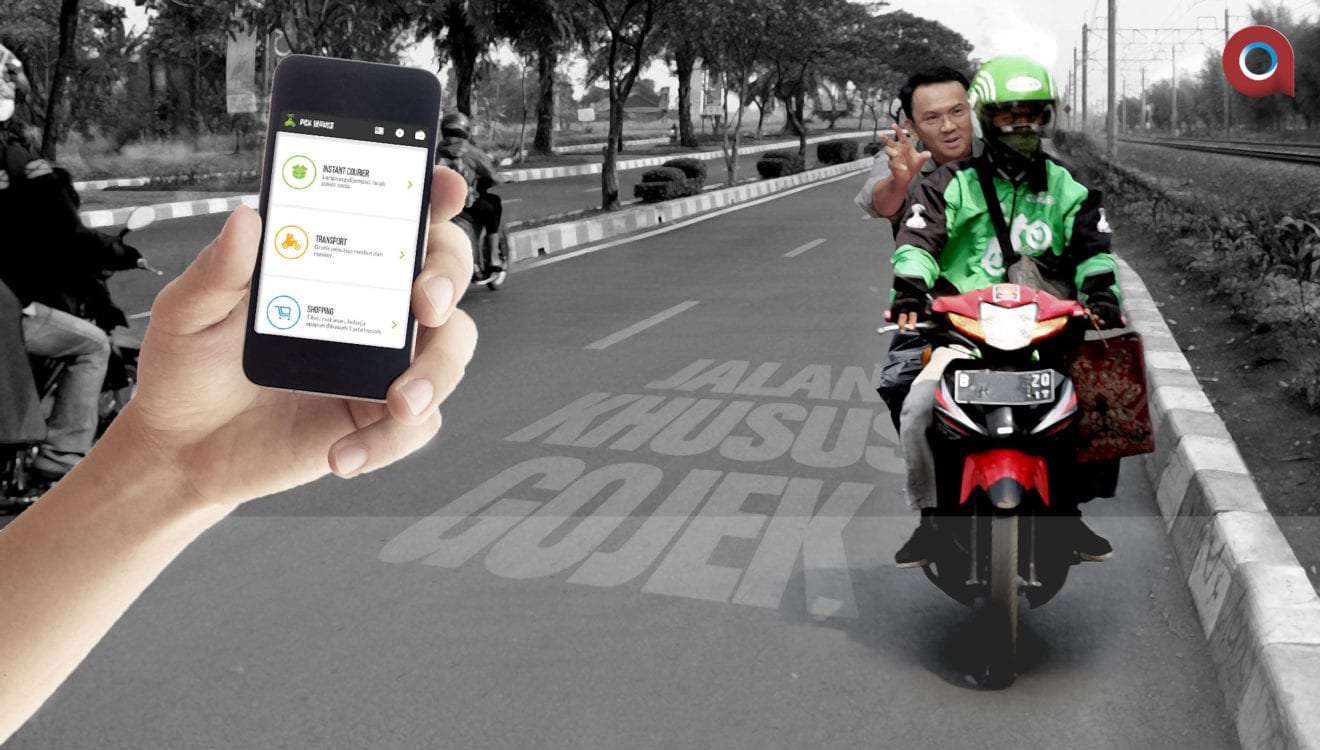
    Indonesian authorities backed down on Friday (Dec 18) from attempting to enforce a ban on ride-hailing apps and motorbike taxis after the move sparked online fury in a country where millions rely on the services.

    Transport Minister Ignasius Jonan announced on Thursday he had ordered police to properly implement an existing law that gives a narrow definition of public transport, meaning apps such as Uber and motorbike taxis known as “ojek” should be illegal.

    But as anger mounted on Friday, Jonan did a U-turn, announcing in a statement that motorbike taxis and app-based transport can continue operating “until there is decent and reliable public transport”.

    Uber and other services, including the popular motorbike taxi app Go-Jek, have been able to operate in Indonesia despite the law, becoming immensely popular in traffic-choked cities with little public transport.

    Jonan’s move, which followed pressure from traditional transport operators, triggered a flood of online anger, with #SaveGojek becoming a top trending topic on Twitter.

    He was also summoned by President Joko Widodo, who voiced his support for transport apps.

    “Hindering innovation and progress for the sake of bureaucratic red tape? Moronic,” said Twitter user Marhadiasha.

    “Our government is dumb!”, tweeted Indonesian film director Joko Anwar.

    Go-Jek has more than 200,000 drivers across the country, also providing courier, food delivery and even house-cleaning services. A flurry of other motorbike taxi-hailing apps have appeared following its success.

    Uber is also popular but has faced difficulties, with some of its cars seized in Jakarta.

    Public transport in Jakarta and other Indonesian cities is notoriously bad, with buses poorly maintained and trains old and often overcrowded.

  • Migme buys in Indonesia

    Migme buys in Indonesia

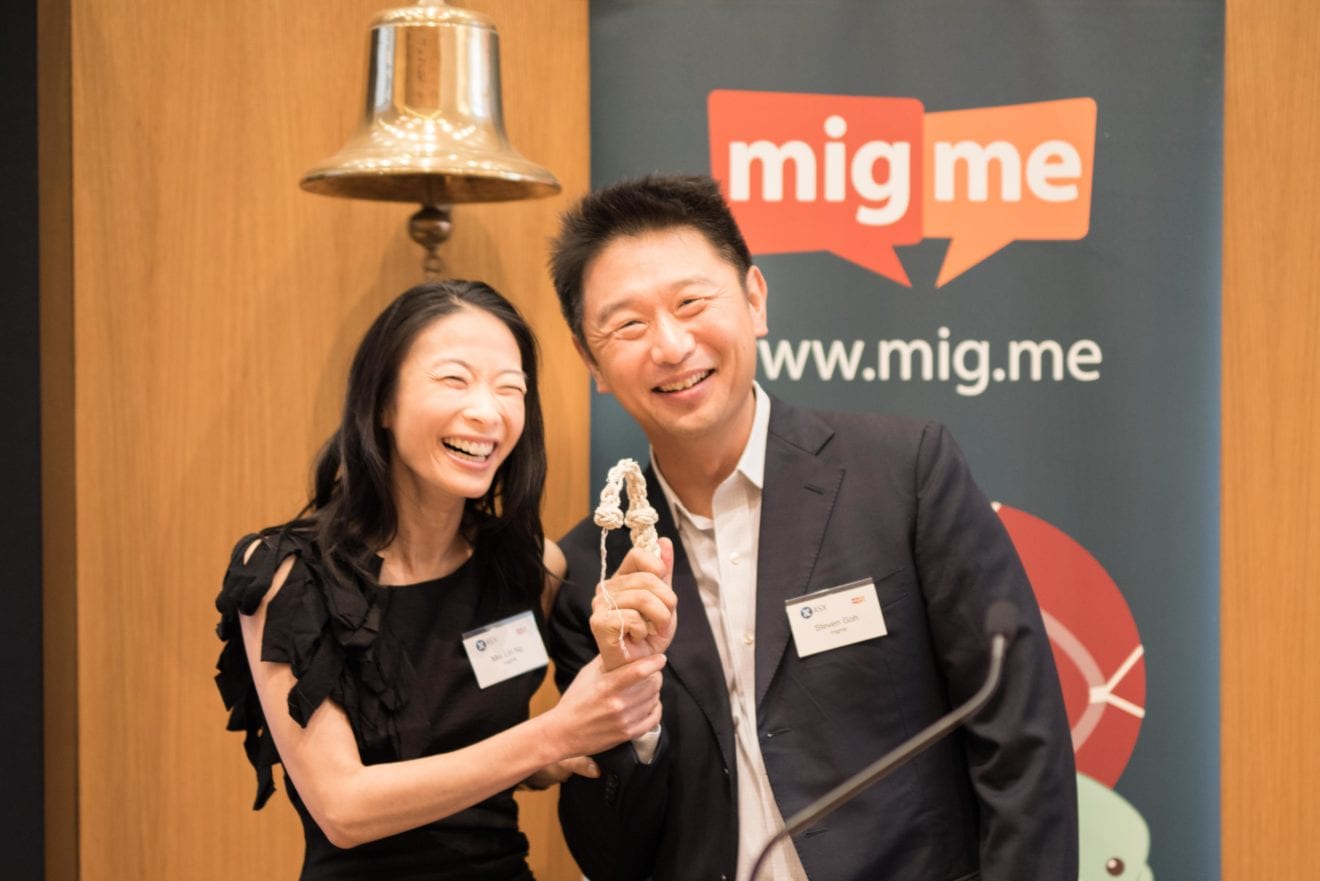
    Social networking company migme has announced the acquisition of two Indonesia-based companies, while finalising a $3.5 million convertible note issue.

    migme announced today the purchase of social news site Hipwee Media Solutions and Shopdeca, which operates two retail sites.

    The value of the acquisitions were undisclosed.

    migme chief executive Steven Goh said the Hipwee acquisition would replicate the company’s service offering in other countries, such as India and the Philippines.

    “Hipwee has always aimed to be the most influential media company for young Indonesians and joining migme will allow us to continue to pursue our mission in a whole new level,” he said.

    Hipwee delivers curated and original community generated content focused on entertainment, relationships and travel, targeting Indonesian urbanities.

    The team comprises 16 editorial and community staff, who write and curate content.

    Shopdeca, meanwhile, will enable migme to launch its ecommerce operations in Indonesia with two retail sites, which provide curated lifestyle products for Indonesian consumers.

    As part of the acquisition, Shopdeca founder Andreas Tharmin will join migme as global head of ecommerce.

    “We’re gaining valuable local market expertise and we look forward to the acquisition being a positive contributor to group results in 2016,” Mr Goh said.

    Meanwhile, migme also announced it had finalised the issue and placement of convertible notes at $1.10 per share conversion ratio and raising a total of $3.5 million.

    The price of the notes were a 22 per cent premium to migme’s opening share price.

    In a statement, the company said the proceeds would be used to fund acquisitions and accelerate market penetration in Asia.

    “The company believes raising funds via the convertible note issue is in the best interests of shareholders at this stage as it allows the business to better execute its expansion plans and achieve its stated objectives,” the company said.

    Shares in migme were 2.2 per cent higher to 90 cents each at the close.