Category: E-Tailing

Retail News Asia is committed to providing both local and global retailers with the latest E-Commerce & Etail news throughout the Asian market. This on a daily base.

  • Japanese e-retail leader Rakuten doubles its online sales in China

    Japanese e-retail leader Rakuten doubles its online sales in China

    Rakuten’s Q3 growth from China jumps 101%. The Tokyo-based company plans to open a store soon on Chinese marketplace JD.com. The falling value of the Japanese yen and China’s relaxed cross-border e-commerce policies have helped Rakuten Inc., Japan’s dominant online marketplace operator, double its web sales in China in the third quarter.

    Founded in 2007, Rakuten says it now sells about 150 million products from over 41,000 merchants on its Japanese online marketplace, Rakuten.jp.

    Rakuten operates localized sites in 13 countries, including Japan, the United States, the United Kingdom, Spain, Brazil, Germany, France, Austria, Singapore, Thailand, Malaysia, Indonesia and Taiwan. CEO Hiroshi Mikitani has pursued a global strategy that has included several e-retail acquisitions, such as of Buy.com in the U.S. and PriceMinister in France.

    Rakuten also operates the Rakuten Global Market, an online marketplace offering 1.2 million Japanese products from 10,000 merchants to consumers outside of Japan. China represents the fastest-growing country in terms of purchases on the Rakuten Global Market, the Rakuten spokesman says. “Our Q3 total cross-border trading showed 50% growth year on year,” he says. “Our Q3 growth from China showed a significant increase of 101%.”

    Japanese products have become much cheaper to Chinese consumers as the Japanese yen has depreciate about 30% over the last few year.

    In addition, China has relaxed its policies on online imports, making it easier for Chinese consumers to buy from foreign e-commerce sites. For example, the duty charged on small online purchases from abroad is lower than the tax charged on domestic purchases in China, and China has created free-trade zones in nine cities where parcels from overseas move through customs faster than before.

    Rakuten says Chinese consumers are particularly interested in unique and high-quality Japanese-made goods. “We will also continue to explore new avenues to empower Rakuten merchants in expanding their businesses in China.” the spokesman says.

    This week, Rakuten announced it will open an online store to sell Japanese products on the e-commerce site of Chinese e-retailer and marketplace operator JD.com, No. 1 in the Internet Retailer 2015 China 500.

    This is not the first time Rakuten has entered China. In 2010, Rakuten and Chinese search engine company Baidu created a joint venture to operate Rakuten.cn, aiming to sell products in China to Chinese consumers. After only 18 months, the site was closed by Rakuten in 2012, reflecting the fierce e-commerce competition in China.

    In April 2015, Rakuten also announced it had invested in a Chinese cash-back shopping site, Fanli.com, but did not disclose the investment amount.

    Rakuten is No. 20 in the Internet Retailer Asia 500. JD.com is No.1 in the Internet Retailer 2015 China 500. Rakuten is the leading online retail site in Japan, accounting for about 20% of web sales in 2014, according to Euromonitor International.

  • Apple Pay coming to China in 2016

    Apple Pay coming to China in 2016

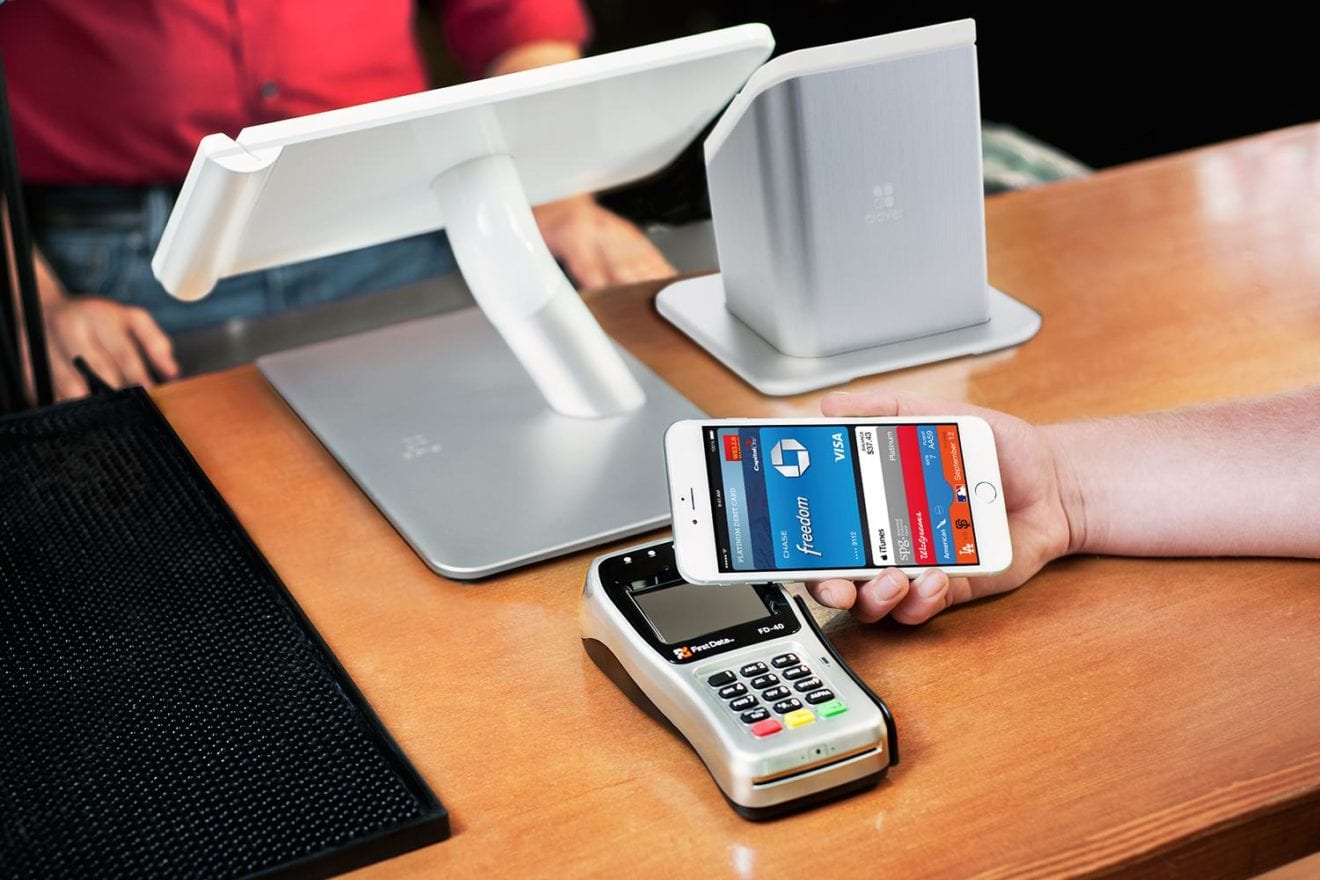
    Apple and China UnionPay Thursday announced a partnership to bring Apple Pay to China in 2016. UnionPay cardholders will be able to add their bank cards to Apple Pay on iPhone, Apple Watch and iPad, according to a press release.

    Apple Pay will roll out to UnionPay cardholders as soon as early 2016 following relevant tests and certification required by Chinese regulators, with the service itself in compliance with the applicable national mobile payment and financial industry standards in China, according to the announcement.

    “China UnionPay is dedicated to promoting payment innovations and providing secure, convenient mobile payment experiences for its hundreds of millions of cardholders, aligning multiple parties in the industry,” said Chai Hongfeng, executive vice president of China UnionPay. “We’re very excited to offer Apple Pay among a diverse set of innovative payment options that work with China UnionPay QuickPass.”

    “Apple Pay has revolutionized the way millions of people pay every day with their iPhone, Apple Watch and iPad,” said Eddy Cue, Apple’s senior vice president of Internet software and services. “China is an extremely important market for Apple and with China UnionPay and support from 15 of China’s leading banks, users will soon have a convenient, private and secure payment experience.

  • Indonesia just banned a $100 million Uber-like startup, and it is suddenly worth nothing

    Indonesia just banned a $100 million Uber-like startup, and it is suddenly worth nothing

    Go-Jek, the $100 million Indonesian start-up which provides an Uber like service with motorbikes has just been made illegal.

    Indonesian media is reporting that the Ministry of Transportation has asked local police to take action against the operators of internet based transport services as well as prohibit drivers of the service due to their effect on other forms of public transport.

    The government is claiming that their reasoning behind the bans of the services are due to the motorbikes not meeting the requirements needed for a public transport vehicle.

    Go-Jek currently has around 20,000 drivers in Indonesia across major cities such as Jakarta, Bandung and Bali, with many driving as their sole source of income.

    Just yesterday Google announced that Go-Jek was the most searched term in Indonesia in 2015.

    Uber and other local app based transport services such as Grab Taxi have also been banned in Indonesia as part of the ruling.

  • Foodpanda Vietnam gobbled up by rival

    Foodpanda Vietnam gobbled up by rival

    Days after announcing it was shutting down, Rocket Internet’s Foodpanda Vietnam has been bought by local rival Vietnammm.

    Vietnammm, the original online food delivery service in the commercial hub of Ho Chi Minh City, has paid an undisclosed amount to acquire Foodpanda’s customer base and 1000 restaurant partners.

    “This deal enables Foodpanda’s customers and listed restaurants to keep making and receiving orders online in Vietnam,” the company said in a statement sent to Tech in Asia.

    The deal also marks a consolidation in Vietnam’s online food delivery space, which now becomes a battle between homegrown brands Vietnammm and Eat.vn.

    Vietnammm, established by young expat entrpereneuers, is now a subsidiary of one of the world’s largest online food delivery websites Takeaway, and Eat.vn is backed by VC Corp, one of the most prominent Vietnamese online media companies.

    Ralf Wenzel, co-founder and CEO of Foodpanda group, said: “Foodpanda has always been in the front line of market consolidation in the online food delivery sector by establishing clear number one positions in the vast majority of its countries and by conducting a number of complementary acquisitions in the past. This time we contribute our business in Vietnam which allows us to focus instead on more attractive core markets and helps Vietnammm to become the strongest local player.”

    Vietnammm CEO Jochem Lisser added: “We welcome all new customers and restaurants and will do everything we can to ensure a smooth transition to Vietnammm.com.”

    Last week, Foodpanda global head for communications Tim Schefenacker confirmed to Tech in Asia that they closed down the business in Vietnam because “we saw a smaller and rather long-term opportunity.”

    A December 2 notice of termination Foodpanda sent its partner restaurants stated that the company was suffering from a “financial situation” and “facing many difficulties” in the country. It further said that five days following the announcement – on December 7 – the company would have ceased all business activities, primarily its website Foodpanda.vn.

    Foodpanda launched in Vietnam under the HungryPanda banner in 2012, a time when competition in this sector was already heating up around Asia. In Vietnam, the company took a beating from the strong homegrown brands, forcing it to amp up marketing and advertising spend.

    Around the globe, Foodpanda and sister site Hellofood are competing head-on with a variety of meal delivery sites and apps. Foodpanda has gobbled up competitors in Mexico, Russia, Brazil, Eastern Europe, India, and Southeast Asia, bringing its restaurant partners to more than 38,000 in 500 cities worldwide at the latest count.

  • Le Saunda sales slip

    Le Saunda sales slip

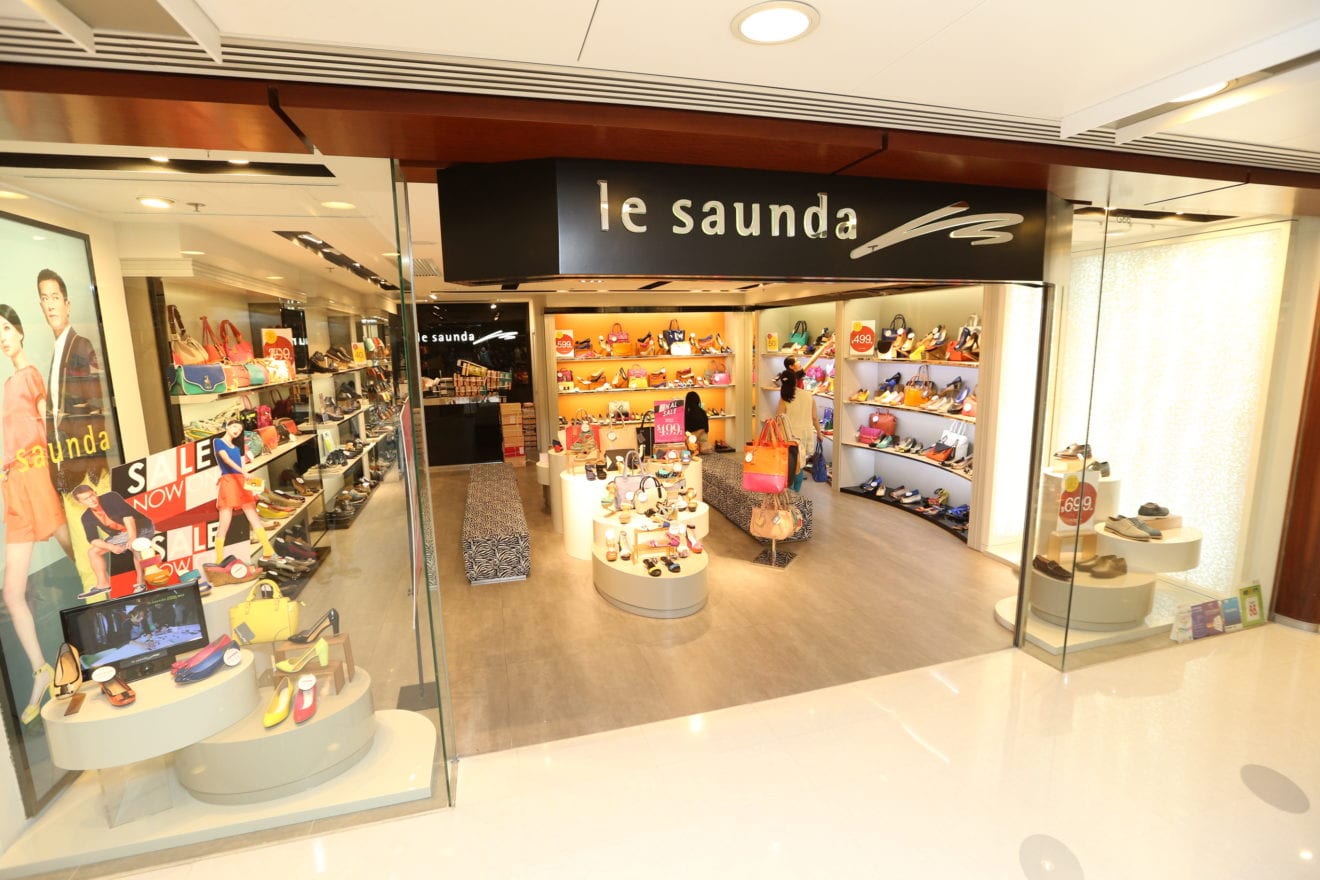
    Footwear retailer Le Saunda says same store sales in its own stores slipped eight per cent in the third quarter.

    But the company’s online turnover soared 26.7 per cent reflecting rising popularity of online shopping across Greater China.

    Total sales declined 6.1 per cent year on year.

    As at the end of November Le Saunda had 897 retail outlets in Mainland China, Hong

    Kong and Macau – 13 more than at the same time last year. These included 789 self-owned outlets in Mainland China, Hong Kong and Macau and 108 franchised outlets in Mainland China.

    Le Saunda has only released unaudited operational data for its retail business at this stage, not detailed financial data.

  • Alibaba acquires Hong Kong’s South China Morning Post

    Alibaba acquires Hong Kong’s South China Morning Post

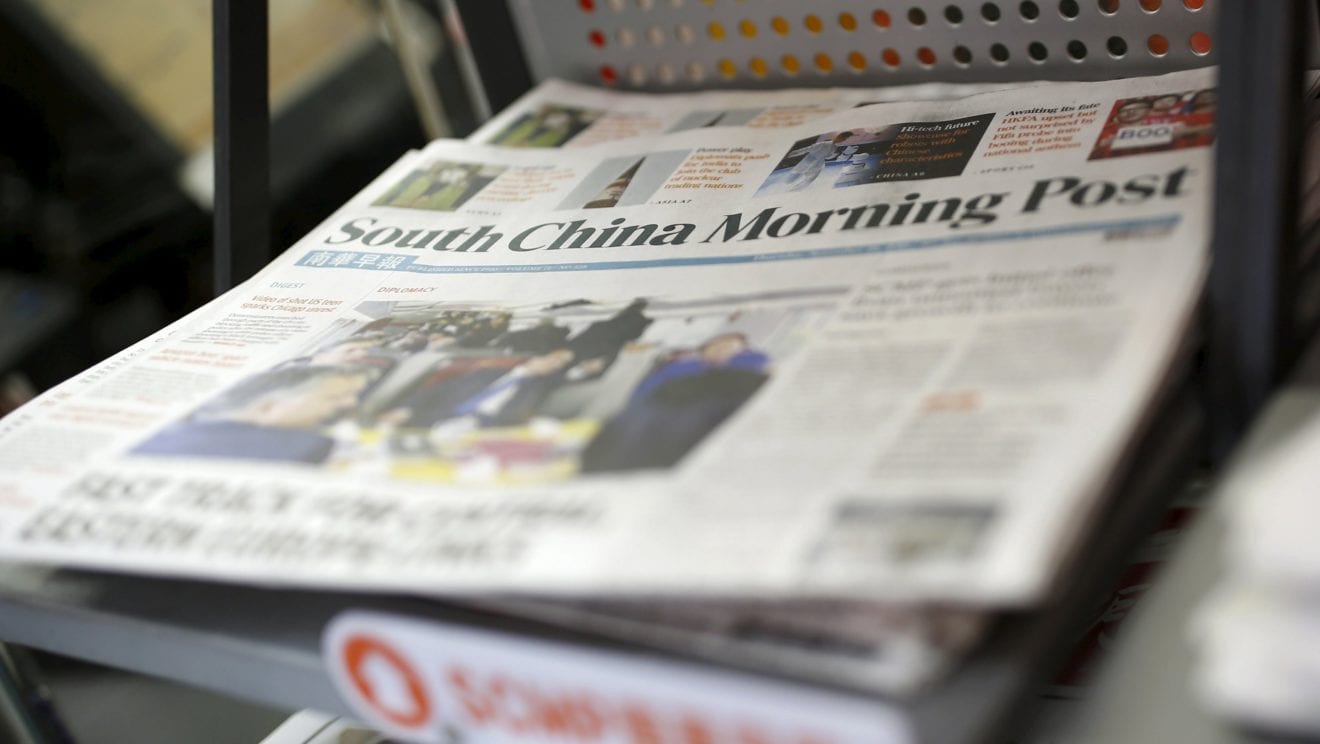
    Chinese e-commerce giant Alibaba Group announced on Friday that it is acquiring Hong Kong’s English language newspaper South China Morning Post (SCMP) and its other media assets.

    It said the agreement will see Alibaba’s digital expertise being merged with SCMP’s heritage and editorial excellence.

    “This is a proposition that is in high demand by readers around the world who care to understand the world’s second largest economy,” said Joseph Tsai, Executive Vice Chairman of Alibaba Group. “Our vision is to expand the SCMP’s readership globally through digital distribution and easier access to content.”

    Robin Hu, Chief Executive Officer of SCMP, said in a news release that the company welcomes Alibaba’s commitment to invest additional resources in its editorial and business operations to make the SCMP even stronger.

    Apart from the flagship SCMP newspaper, the agreement also includes the acquisition of the magazine, recruitment, outdoor media, events & conferences, education and digital media businesses of SCMP Group Limited.

    Other SCMP titles include the Sunday Morning Post, its digital platforms SCMP.com and related mobile apps, and the two Chinese websites Nanzao.com and Nanzaozhinan.com.

    The acquisition also includes a portfolio of magazine titles, including the Hong Kong editions of Esquire, Elle, Cosmopolitan, The PEAK and Harper’s Bazaar.

    In a letter addressed to SCMP readers, penned by Tsai, the company sought to answer questions on why the e-commerce company is buying into traditional media which many consider as a sunset industry.

    “The simple answer is that we don’t see it that way,” the letter read. “We see a compelling business case for the acquisition because we believe that Alibaba is best positioned to take the SCMP to the next level. The foundation for this work must be the quality of the content. And what underpins this will be editorial excellence: a clear pre-requisite to maintaining readers’ trust and, ultimately, achieving commercial success. Be assured, we get that.”

    The letter also addressed issues on the possible compromise that SCMP’s editorial independence may be compromised by the acquisition and the commercial interest of the new owners.

    “In reporting the news, the SCMP will be objective, accurate and fair,” Tsai assured. “This means having the courage to go against conventional wisdom and taking care to verify stories, check sources and seek all viewpoints. These day-to-day editorial decisions will be driven by editors in the newsroom, not in the corporate boardroom.”

  • Shopping tech firm Powa in major Chinese joint venture

    Shopping tech firm Powa in major Chinese joint venture

    Powa Technologies, a British e-commerce tech firm, has formed a “strategic alliance” with China’s biggest payments processor, China UnionPay. The joint venture could generate $5bn (£3.3bn) in revenues over three years, Dan Wagner, Powa’s chairman and chief executive, told the BBC.

    China UnionPay has about 4.5 billion credit and debit card users worldwide.

    Powa’s technology enables shoppers to pay for goods quickly in-store and online using their smartphones.

    “This is undoubtedly a huge deal for Powa,” said electronic payments expert, Dave Birch of Hyperion Consulting.

    The joint venture, PowaTag UnionPay, will launch first in Guangdong Province, targeting 400,000 retailers, the company says, before rolling out to one million by the end of 2016.

    “We have a target to reach at least 50 million consumers regularly using the platform within one year from launch,” said PowaTag UnionPay’s chairman, Mr Hu Jinxiong.

    China’s merchants – there are six million in total – will pay about 13p per transaction to the joint venture for access to the technology, said Mr Wagner.

    ‘We’ve trumped Apple Pay’

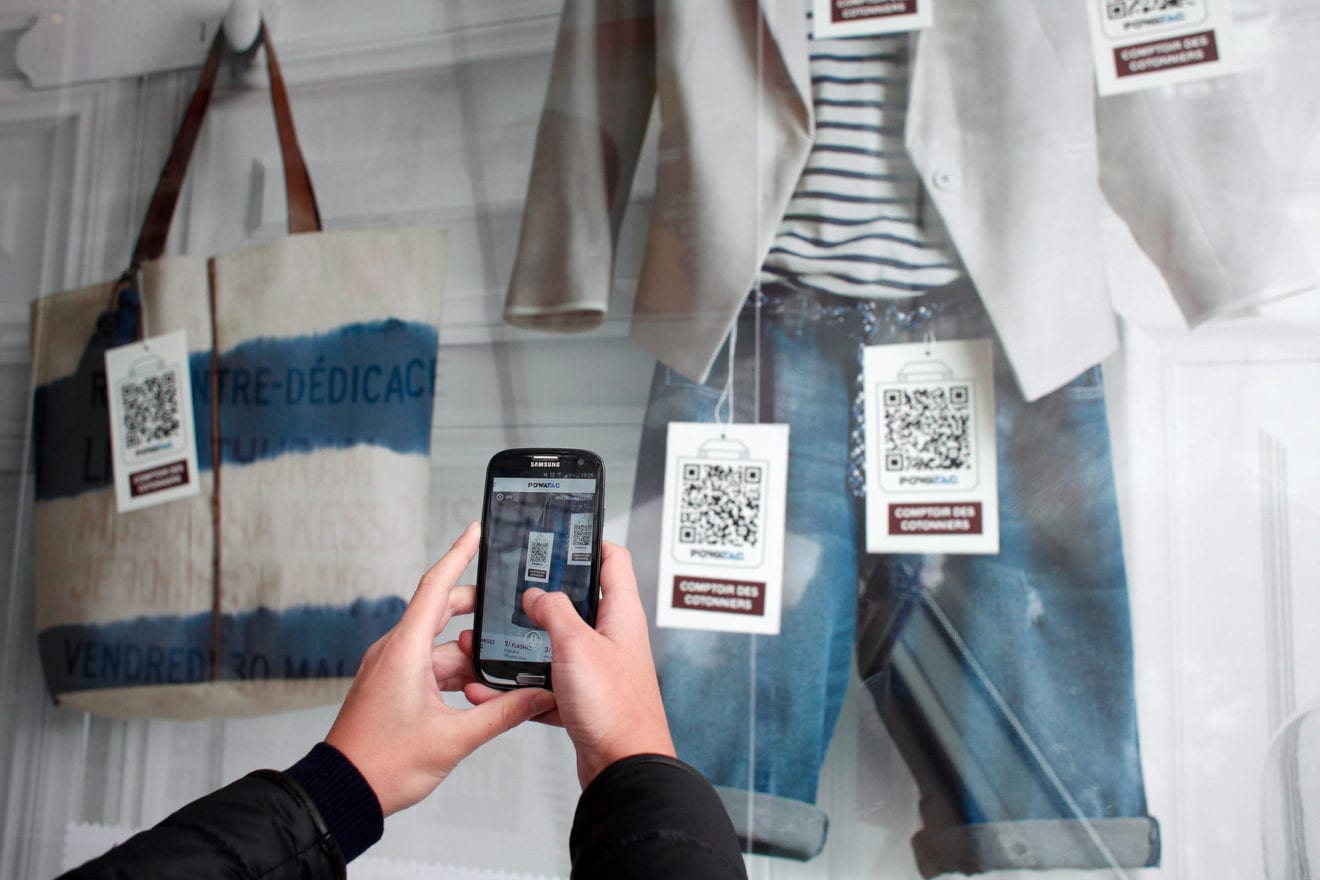
    The PowaTag system relies on digital tags – quick response (QR) codes – that can be attached to physical goods or inserted into self-service checkout screens, emails, websites, posters, images – even the audio from TV ads.

    Wherever Chinese shoppers see the PowaTag UnionPay symbol they will be able to buy products by scanning them with their phones and tapping the “buy now” button, the company says.

    US retail giant Walmart recently launched a similar quick pay system for mobiles in its stores.

    China’s Commerce Department says the “online to offline” market, whereby shoppers search for products online then complete the purchase in-store, grew 80% in the first half of 2015 and is worth about £31bn ($47bn).

    “Why did China UnionPay decide to partner with a little British technology company?” said Mr Wagner. “We’ve trumped ApplePay and the rest of the world here.”

    ‘Tap-and-go’

    State-owned China UnionPay, has been responding to the rapid take-up of smartphones across the country – about 68% of the population now has one.

    On 12 December, it launched QuickPass – a “tap-and-go” payment system for mobile phones similar to Apple Pay and other digital wallets – in co-operation with more than 20 commercial banks.

    QuickPass is already available at more than 10,000 locations in mainland China, says UnionPay, including at retailers such as Carrefour, McDonald’s, and Costa.

    “The Chinese market is going mobile very quickly,” says Mr Birch. “And the integration of payment systems and messaging platforms such as WeChat is a very interesting development.”

    This latest deal with Powa will give Chinese shoppers yet another way to shop using their mobiles.

  • Blink Digital devises a ‘confidential’ digital campaign for KFC

    Blink Digital devises a ‘confidential’ digital campaign for KFC

    Award winning digital agency, Blink Digital devices an innovative route for launching a new product by food giants KFC. Creating a departure from the usual route, they have launched KFCConfidential.com – an exclusive website which can be accessed only by one person at a time, for 30 seconds only. The website is created for the launch of KFC’s new product which is yet to be announced. 150 visitors who access the website will stand a chance to win private passes to KFC’s exclusive pre-launch event slated this week.

    The agency conceptualized this innovative approach keeping in mind the market trends and consumer engagement habits. The idea of a ‘secret supper invitation’ for something yet to be introduced was daring, innovative and found an instant connect with the consumers.

    The website has already recorded over 28,000 users waiting in line for over 5,100 hours to access the website – the maximum time spent waiting by a single user currently stands at 70 minutes at the time for drafting this release!

    Dooj Ramchandani

    We are committed to delivering campaigns that are driven by deep human truths. As experiences are becoming increasingly ubiquitous, consumers are on a constant lookout for newer ways of engagement. With KFC Confidential, we followed a philosophy of ‘less is more’. Instead of bombarding consumers with product advertisements, we decided to keep this campaign aspirational and use a pull approach rather than a push one. The website has no product images; in fact, it doesn’t even have the product name. The response it has received so far has been tremendous.” said Dooj Ramchandani, Co-Founder & Creative Director, Blink Digital.

  • Zalora Wins Big with 12.12 Online Fever 2015

    Zalora Wins Big with 12.12 Online Fever 2015

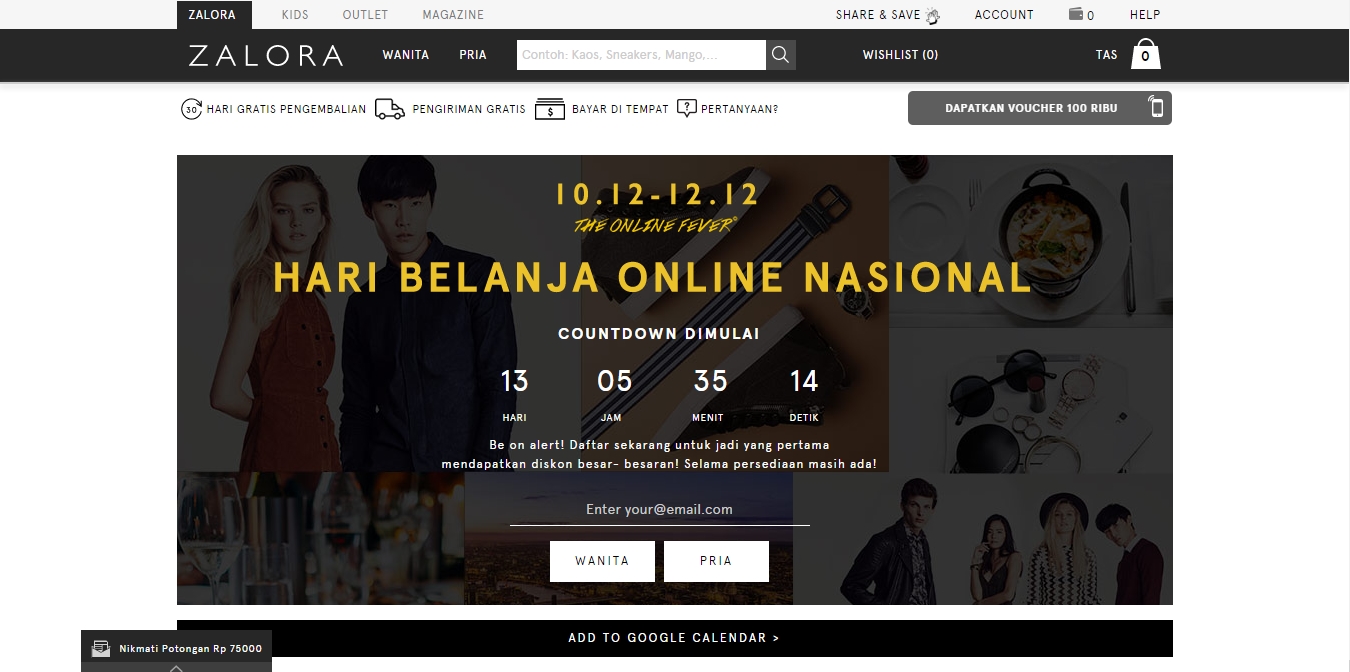
    Zalora, Asia’s online fashion destination enjoyed strong support from fashion consumers across their eight markets – Singapore, Malaysia, Indonesia, Philippines, Thailand, Vietnam, Hong Kong and Taiwan – with over six times the volume of any previous day. A Zalora-led initiative, 12.12 Online Fever aims to drive the e-commerce industry across the region, bringing to consumers some of the best deals that will encourage online purchase, hoping to convert traditional consumers into e-consumers. This year 32% of 12.12 Online Fever shoppers are first-time Zalora customers.

    As Zalora is committed to giving customers the best online shopping experience, the team prepared for the surge of volume of orders to make sure that deliveries are fulfilled within the fastest time possible. To ensure timely packing and delivery of orders, so that excited customers can get their hands on their latest fashion purchase, Zalora increased manpower in operations working 24/7 in order to ship 100% of the packages received in its warehouses within 24 hours. This resulted to having 30% of packages delivered to customers within the next day and more than 50% of packages by end of day Monday, 14 December, across the region.

    The number of fashion thumb shoppers also increased, comprising 78.5% of shoppers who shopped through their mobile devices on Saturday 12 December compared to 21.5% who shopped on their desktops. This is in line with the changing consumer behaviour and the growing trend of consumers in the region shopping heavily through their mobile devices. The number of customers who shopped on Zalora through mobile had a 250% increase from last year.

    Female consumers had a strong showing as they cover 74% of shoppers during 12.12 Online Fever

    but the men did a lot of shopping too as they contribute 26% of the shoppers. The most popular categories for both male and female are apparel, footwear and accessories. Favourite brands among women include Rubi, Mango, Dorothy Perkins and Something Borrowed while Sperry, Herschel, Onitsuka Tiger and TOPMAN were popular brands for men. Zalora’s eponymous label was popular across markets and to both male and female shoppers.

    Netizens were also talking about 12.12 Online Fever in their social media posts, a few of them commending ZALORA’s quick delivery service and alerting their friends to join in. 12.12 Online Fever received more than 1.6 million of impressions on popular social media sites Facebook, Instagram and Twitter.

    Zalora Group CEO, Michele Ferrario shared, “12.12 Online Fever 2015 was a great success not only for ZALORA but for all the partners we worked with to make this initiative possible and for consumers who got their favourite fashion brands on great price point. We thank everyone who supported us. As Southeast Asia, Hong Kong and Taiwan are enjoying immense economic growth, we wanted to engage consumers and help boost the growth of e-commerce in the region. This online sales day will give them a push, sparking consumer spending by offering their favourite items at the best prices. Last year’s record sales attested that such a cyber event resonates well with consumers in the region, and we are happy that we managed to engage more consumers this year!”

    This year’s 12.12 Online Fever also saw an increase in number of partners with a total of 376 partners across the region covering different industries from food, home, entertainment, travel to beauty. Through large-scale online sales days such as 12.12 Online Fever, ZALORA aims to boost online retail consumption expenditure, while providing reassurances about the e-commerce sector and building trust with customers.

    12.12 Online Fever is an initiative to rally e-commerce players in the region to come together on one day and create Southeast Asia’s version of Cyber Monday. Southeast Asia is experiencing rapid

    economic growth, urbanisation and technology adoption, with 12.12 Online Fever, Zalora is bringing down barriers by making it more accessible for people in this region to buy fashion online where e- commerce is still in its infancy stage in many parts of Southeast Asia.

  • Hacking of Hong Kong’s VTech may prove worst cybersecurity breach of 2015 in Asia

    Hacking of Hong Kong’s VTech may prove worst cybersecurity breach of 2015 in Asia

    The massive hacking of customer accounts at Hong Kong-based educational toy maker VTech, which left more than six million children’s profiles exposed, may have been the worst cybersecurity breach in the Asia-Pacific this year.

    “If we made a top-five list today, VTech would place first on the list for the Asia-Pacific based on the reported number of accounts affected,” Forrester Research senior analyst Heidi Shey said.

    The VTech incident last month compromised 4.8 million parent accounts and 6.4 million related children’s profiles on the company’s Learning Lodge app store customer database and Kid Connect servers.

    Also affected were 235,708 parent and 227,705 children accounts at the company’s Planet VTech online games platform.

    That was worse than the data breach at Japanese online shopping mall operator Rakuten in April, when the identification and passwords of about five million customers were stolen.

    A recently published Forrester report showed the Rakuten incident was listed as the top corporate data breach in the Asia-Pacific over the past 12 months. Details of the VTech hack were only released last week.

    VTech chairman Allan Wong Chi-yun said he blames an “orchestrated and sophisticated attack on our network” for the incident, which ranks as the largest known targeted hack on children’s data worldwide.

    Hong Kong’s privacy commissioner Stephen Wong Kai-yi last week said an investigation had been launched into VTech’s system of collecting personal data and the safeguards used to protect that information.

    The company said it was cooperating with law enforcement worldwide to investigate the incident, and has hired US cyber forensic firm Mandiant to help in that effort.

    Companies in mainland China and Hong Kong are forecast to remain under siege from growing cyberattacks as the number of data breaches in those two markets escalated this year.

    The average number of detected cybersecurity incidents on the mainland and the city increased 417 per cent to 1,245, up from 241 last year, according to a new survey by global professional services firm PwC.

    “Today, we are witnessing attacks from all angles, but the industries facing the most impact include consumer, retail and technology,” Kenneth Wong, PwC China and Hong Kong’s cybersecurity leader, said on Thursday.

    Customer data, internal records and intellectual property were the most targeted data in detected cyberattacks in mainland China and Hong Kong, according to the PwC survey.

    Respondents reported a 64 per cent rise in security incidents that compromised customer records, much steeper than the global average increase of 35 per cent.

    The average total financial loss due to cybercrime for companies on the mainland and Hong Kong was up 10 per cent to US$2.63 million, compared with US$2.4 million in the survey last year.

    Wong pointed out that the numbers from its survey will likely be conservative because many companies rarely publicise cybersecurity incidents in their operations.

    Respondents also said current and former employees were the source of half of all the detected data breaches security in the survey.

  • Online Sellers Tout Successful ‘Harbolnas’ Campaign

    Online Sellers Tout Successful ‘Harbolnas’ Campaign

    Anthony Fung, managing director of online fashion retailer Zalora Indonesia said in a statement on Monday that the company saw sales surge thirty-fold during the three-day shopping event, but did not give a figure.

    “Everything is going so well that we decided to extend this campaign one more day, until December 13, so that we can give consumers more opportunities to get their favorite fashion brands at Zalora,” Anthony added.

    MatahariMall.com, the e-commerce arm of the Lippo Group, with which the Jakarta Globe is affiliated, claimed that sales went up 10 times the daily average during Harbolnas, with electronic goods and smartphones leading sales, according to chief executive Hadi Wenas.

    Fair game

    The hefty discounts promised, including up to 99 percent from MatahariMall, have prompted concern from consumers and industry lobby groups.

    The Association of E-commerce in Indonesia, or idEA, issued a statement over the weekend urging Harbolnas participants to divulge the actual value of sales derived from the event. This is in order to “assert the potential of Indonesia’s e-commerce market from local and international perspectives,” citing similar practices by online retailers in the United States and China.

    “There is concern over the hype in huge discounts offered during Harbolnas,” said Tulus Abadi, chairman of the Indonesian Consumer Protection Foundation (YLKI), as quoted by Merdeka.com.

    He urged consumers to be cautious about wild-sounding deals online, noting that consumer protection was still largely unregulated by the government.

    Lazada Indonesia was among the companies under scrutiny for manipulating prices, after a customer spotted a seller on the online marketplace listing infant diapers at a pre-Harbolnas price of Rp 130 million ($9,210), before a discount of nearly 100 percent dropped the price to Rp 93,482.

    Lazada said in a subsequent statement that it was not the company’s policy to deceive customers and that the seller in question had been banned from the marketplace.

    Similarly, MatahariMall listed a PlayStation 4 game console at an initial Rp 10.8 million before discounting it to Rp 4.599 million. Other sellers list the price of the same item outside the Harbolnas at Rp 4.7 million.

    Faced with the rapid growth in online retail in Indonesia, the government is in the process of laying the groundwork for regulating the e-commerce industry, from foreign ownership and taxes to consumer protection and business models. A regulatory road map devised by the Communications and Information Technology Ministry is expected before the end of the year.

    At the same time, idEA said it was also currently devising an ethical code of conduct when offering promotions and discounts, which it aims to unveil in the first half of next year in a bid to boost consumer trust and satisfaction when shopping online.

  • Foodpanda Vietnam to shut down

    Foodpanda Vietnam to shut down

    Foodpanda – relentlessly marching its way across Southeast Asia, gobbling up rival food delivery businesses and creating monopolies – has shocked the online community by closing its Vietnam business.

    According to a report in online business news website Deal Street Asia the Rocket-Internet backed company has told its Vietnamese partners the operation will close on Wednesday after three years.

    “Through this notice, we would like to inform you that our company will terminate the business in Vietnam due to the difficulties in financial situation,” Foodpanda said in the letter.

    Deal Street Asia’s Vietnam-based writer was unable to reach Foodpanda Vietnam staff for further comment.

    One of the possible reasons for the market exit is that Foodpanda was a latecomer to the sector with the original, well-liked local service Vietnammm launched as long as five years ago and collaring the expat market which has the disposable income. Other rivals included Eat.vn and Deliverynow.vn.

    Furthermore, Foodpanda’s business model is to attain market dominance by buying out rivals, thus gaining insulation from poor customer service, slow delivery times and other faults – the exact situation in Malaysia which has now left it with brand reputation issues.

    Deal Street Asia says experts say Foodpanda’s business model is not relevant to Vietnamese consumers, where the younger demographic prefer to eat out and local food outlets offer their own delivery service. Others said Foodpanda had struggled with its communications strategy, which was not helped by changing its brand name within a year of launching there.

    Meanwhile, in India Foodpanda is in trouble over alleged fake listings, non-payment of money to restaurants, failure to refund customers for undelivered orders and corporate governance issues, according to website e27.co.

  • Fashion etailer SuperGurl apologises for rape gaffe

    Fashion etailer SuperGurl apologises for rape gaffe

    Singapore online fashion retailer SuperGurl has apologised online and on social media for a homepage banner inviting rape, described by at least one shopper as “absolutely vile”.

    The banner featured a young woman with her arms up in submission and a button users could click on to gain discounts inviting them to “rape us now”.

    The momentously stupid and insensitive promotion – targeting Black Friday shoppers – has received media attention internationally. UK Lifestyle news blog The Debrief referred to it as evidence that Black Friday “brings out the worst in retail brands”.

    On SuperGurl’s Facebook page one follower of the brand Wei Wei Gwee eloquently summed up community anger: “Rape isn’t an advertising angle that one can exploit when thousands of victims suffer the irreparable damage rape has caused to them every day. Not only do you make light of sexual assault, you used this really young girl in a suggestive pose which seems to be extremely inappropriate. I wonder how the model will feel if she knew her photo was being used this way.”

    SuperGurl creative director Jordus Lim posted an unqualified apology on the SuperGurl website and Facebook page claiming the brand never meant to offend anyone. He says a junior graphic designer created the promotion and uploaded it online before the image was approved.

    “I am writing this to express our sincerest apologies pertaining to our insensitive action and the choice of [the] word ‘rape’ during our ‘Black Friday’ sale. We do not mean for it to be offensive to anyone, and I extend my sincerest apology for the lack of a better word.

    “I hereby acknowledge that we have made a mistake, and that our caption does not advocate the right values to the young women community today.

    “Having regretted [sic] for what we have done, the team at Supergurl will definitely be more careful with what we will put up in future as this is also a lesson learnt for us.

    “This is an honest mistake that we have made on our side, and we do know that it is indefensible. We hope that the public will accept our apology for what we have done wrong.”

    Another follower Christina Chew responded, typing Lim’s response “is uncommon valour”.

    “Perhaps the wounds would leave some lingering scars thereafter. But I pray that the scars will heal and you will grow in increasing wisdom.”

    To be fair, as The Debrief points out, SuperGurl is not alone in its poor judgement.

    Last month, American Apparel was criticised for asking employees to wear shirts that read ‘Ask Me To Take It All Off’, while Bloomingdale’s issued an apology for their Christmas ‘date rape’ advertisement, with the caption: ‘Spike your best friend’s eggnog when they’re not looking’, the site reported.

    “When will fashion brands (or any brands for that matter) get the message that rape is not an acceptable advertising tool?”

    Indeed.

  • Indonesian eCommerce boom

    Indonesian eCommerce boom

    Indonesians are embracing online shopping at an astonishing rate.

    The Indonesian eCommerce Association expects the total online market to treble between 2014 and 2016, worth Rp 283 trillion (US$24 billion) in 2016.

    According to Bank Central Asia, Indonesia’s largest private lender, an Indonesian eCommerce boom will see spending rise an estimated 127 per cent this calendar year. And next year, growth will be as high as a further 80 per cent.

    The head of BCA’s consumer card division, Santoso, says the bank recorded Rp 4.5

    trillion (US$326.3 million) in eCommerce transactions in the first nine months of the year and he is confident it will reach Rp 5 trillion by the end of the year. Shoppers are using both credit and debit cards online.

    Despite such figures, the Indonesian eCommerce market remains in relative infancy. Online shopping still accounts for just 0.5 per cent of sales. Consumers are wary of supplying card details online and a mere six per cent of Indonesians actually possess a credit card. Unreliable logistics infrastructure is a further barrier to growth, although this week’s agreement between Zalora and Pos Indonesia to have nearly 3000 of its post offices double as delivery and return points are a step towards addressing that issue.

    Driving the current growth is the small percentage of Indonesia’s affluent consumers – especially those living in second tier cities who lack physical access to branded retail stores or range of products.

    Next week, BCA will hold a three day long e-Shopping Carnival featuring 16 online merchants. It currently works with 420 eCommerce businesses and plans to add a further 150 to those ranks next year, including hotels, travel businesses and electronics vendors.

    Meanwhile, Indonesia’s National Online Shopping Day (Harbolnas) will take place on December 12 with 140 eCommerce sites offering discounts of up to 90 per cent for one day. The online retail event is likened in magnitude to the Jakarta Great Sale.

  • Zalora Indonesia partners with postal service

    Zalora Indonesia partners with postal service

    Zalora Indonesia has signed a distribution agreement with state-owned Pos Indonesia giving its nationwide delivery services a much needed boost.

    “Pos Indonesia is the right partner for us in bringing an easier and complete online shopping experience to our customers,” said Anthony Fung, Zalora Indonesia MD.

    Under the new partnership, Pos Indonesia will expedite returns. Zalora shoppers will be able to take a purchased item back to any of 2943 post offices across the country free within 100 days if they are not satisfied with their purchase.

    “We did this to shape an easy online shopping culture. We give a comprehensive facility, not only in the shipping process,” Fung said.

    Indonesia is Zalora’s biggest market in Asia Pacific, ahead of Singapore, Malaysia, Brunei, Philippines, Thailand, Vietnam and Hong Kong.

    The e-tailer carries some 70,000 items of clothing and accessories, as well as other goods, the majority of stock from local brands.

    Pos Indonesia has 4154 post offices across the country, 24,410 points of sale and 11,835 agents.