Category: E-Tailing

Retail News Asia is committed to providing both local and global retailers with the latest E-Commerce & Etail news throughout the Asian market. This on a daily base.

  • Coca-Cola Tmall flagship opens

    Coca-Cola Tmall flagship opens

    Coca-Cola, one of the world’s most iconic beverage brands, is opening a flagship store on Alibaba Group’s Tmall online marketplace.

    The Coca-Cola Tmall store comes just in time for the Global Shopping Festival, the world’s biggest online sale, on November 11.

    Coca-Cola has designed special packaging for the 24-hour 11.11 festival and its shop, now in trial operation in preparation for an official launch in early November, is already pre-selling four-packs of Coke priced at RMB 29 yuan (US$4.60) containing bottles adorned with images of Tmall’s cat mascot or the 11.11 festival logo.

    The shop will soon sell other Coca-Cola brands including Sprite, Fanta and Minute Maid, as well as related merchandise like the beverage company’s classic polar bear dolls, according to Coca-Cola.

    Coke and Alibaba have also agreed to collaborate on branding, marketing, offline services and the launch of exclusive products, according to a Chinese language press release issued by Alibaba. The collaboration shows a commitment by both parties to “embrace change and adapt to e-retail,” said Henrique Braun, Coca-Cola president of greater China & Korea, noting that the internet “has gradually changed people’s lives and consumer behavior.”

    The addition of Coke to its roster of merchants and brands participating in the 11.11 festival is a coup for Alibaba. The company has emphasised this year’s shopping bonanza is meant to be a global event, with overseas and global retailers selling directly to Chinese consumers through Tmall and consumers all over the world buying goods on Alibaba’s AliExpress international marketplace.

    Alibaba expects more than 5000 international brands from 25 countries and regions to participate in festival this year.

    To whet shoppers’ appetites for the sale, Alibaba and Coca-Cola plan to give away five million bottles of 300ml Cokes. Starting from November 1, the bonus bevvies will be distributed randomly to consumers who order other merchandise through Tmall.

    • Original reporting by Alizila, an independent but Alibaba-funded news resource on Alibaba’s global activities.
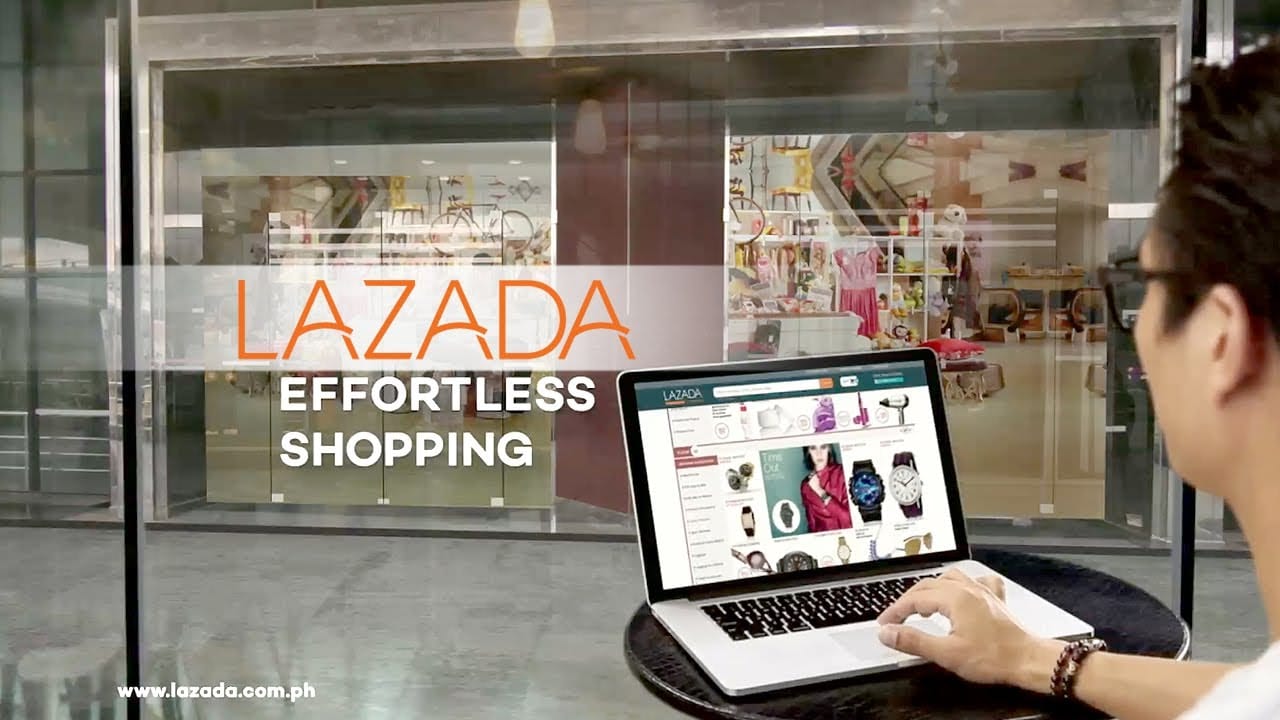
  • Lazada’s Marketplace offers merchants a wide one-stop retail gateway

    Lazada’s Marketplace offers merchants a wide one-stop retail gateway

    Lazada Marketplace in the region accounted for 80 per cent of the company’s Gross Merchandise Value (GMV) or overall sales as at the end of August 2015.

    Alessandro Piscini, CEO of Lazada Thailand, said Lazada Marketplace was the engine of the company’s growth, attracting local merchants who were reaping the rewards of partnering with Lazada.

    “We can fulfil all customer shopping needs effortlessly on their behalf, and added to our committed investments in logistics, tech development and payment solutions, no other eCommerce player can offer a similar one-stop retail gateway to Thai merchants,” said Piscini.

    As e-commerce continues to grow in Thailand, Lazada marketplace offers opportunities for both new and experienced sellers to reach new markets, benefit from Lazada’s support in advertising their goods and monitor critical data on how their store is performing. With more than 4.5 million daily visits to its sites and close to 100 per cent geographical distribution coverage, Lazada has become the clear choice for sellers throughout Southeast Asia, said Piscini.

    Since opening to local merchants, over 7,000 Thai businesses have chosen to sell their goods at Lazada Marketplace, supplementing products from established brand names such as Tesco Lotus, L’Oreal and Philips.

    Sellers are well-supported by Lazada’s end-to-end model that takes care of their needs from order to delivery, and they also benefit from having direct access to Lazada’s established customer base, infrastructure and analytics.

    The Seller Centre, for example, provides a one-stop online platform to manage inventory, pricing, promotions and orders, with a recently released Seller Centre Android app adding enhanced search, notifications of new orders and sales performance, helping marketplace sellers manage their business on-the-go.

    Small and medium business can also tap into Lazada University to equip themselves with marketing tools in order to increase their visibility online and maximise profits.

  • Indonesian fashion site Paraplou closes

    Indonesian fashion site Paraplou closes

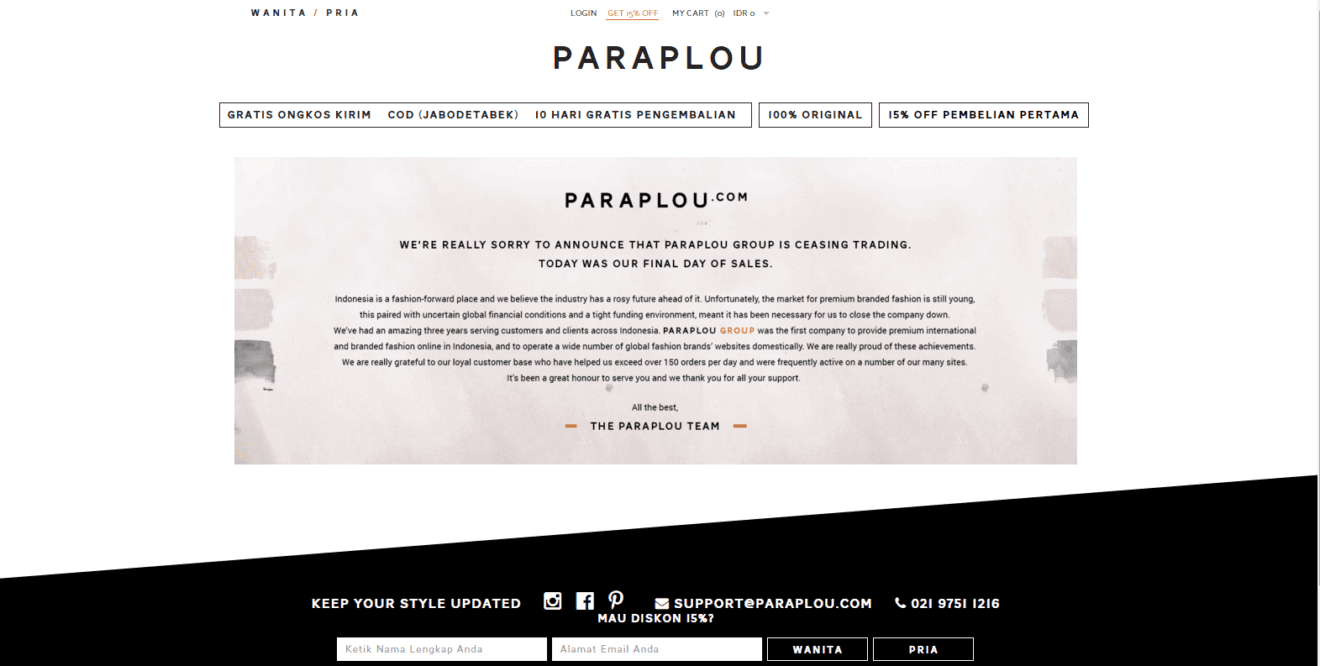
    Indonesia’s fashion eCommerce site Paraplou has shut down. The firm has posted a farewell message on its homepage, citing reasons of market immaturity, uncertain financial conditions, and a difficult funding environment as the primary reasons for its closure.

    Paraplou was headed by Bede Moore and Susie Sugden, two former Rocket Internet managing directors who worked at Lazada Indonesia in 2011 and 2012 before starting Paraplou Group, an eCommerce services provider for premium fashion brands in Indonesia. Many of the companies Paraplou Group served were foreign brands looking to enter the Indonesian market.

    Paraplou Group’s eCommerce services page is still live. However, most of its clients like Lee Cooper Indonesia, Jack Nicklaus Indonesia and G2000 Indonesia display messages on their own sites indicating they are temporarily closed. While it’s unclear whether Paraplou Group’s eCommerce services arm is also now defunct, these messages may very well indicate the entire group has closed its doors in Jakarta.

    Originally, Paraplou Group offered services under the name Vela Asia. The startup raised a US$1.5 million series A funding round from Singapore-based VC firm Majuven last February. Majuven is run by several prominent business figures in Southeast Asia, including SingPost chairman Ho Kee Lim and former SingTel CEO Lee Hsien Yang.

    At the time of funding, Vela was a two-year-old company, and claimed to have captured an “appealing section of Indonesia’s online fashion market”. The following April, after the inception of Vela Asia’s own eCommerce site Paraplou, Moore and Sugden rebranded Vela Asia as Paraplou Group. The switch, they said, was an effort to keep all of their eCommerce activities under the same company umbrella.

    “We will continue coverage on this story if more details come to light. Further, we’d like to tip our hats to Moore and Sugden for helping propel Indonesia’s fashion ecommerce awareness.”


  • Restaurant delivery startup foodora launched in Hong Kong

    Restaurant delivery startup foodora launched in Hong Kong

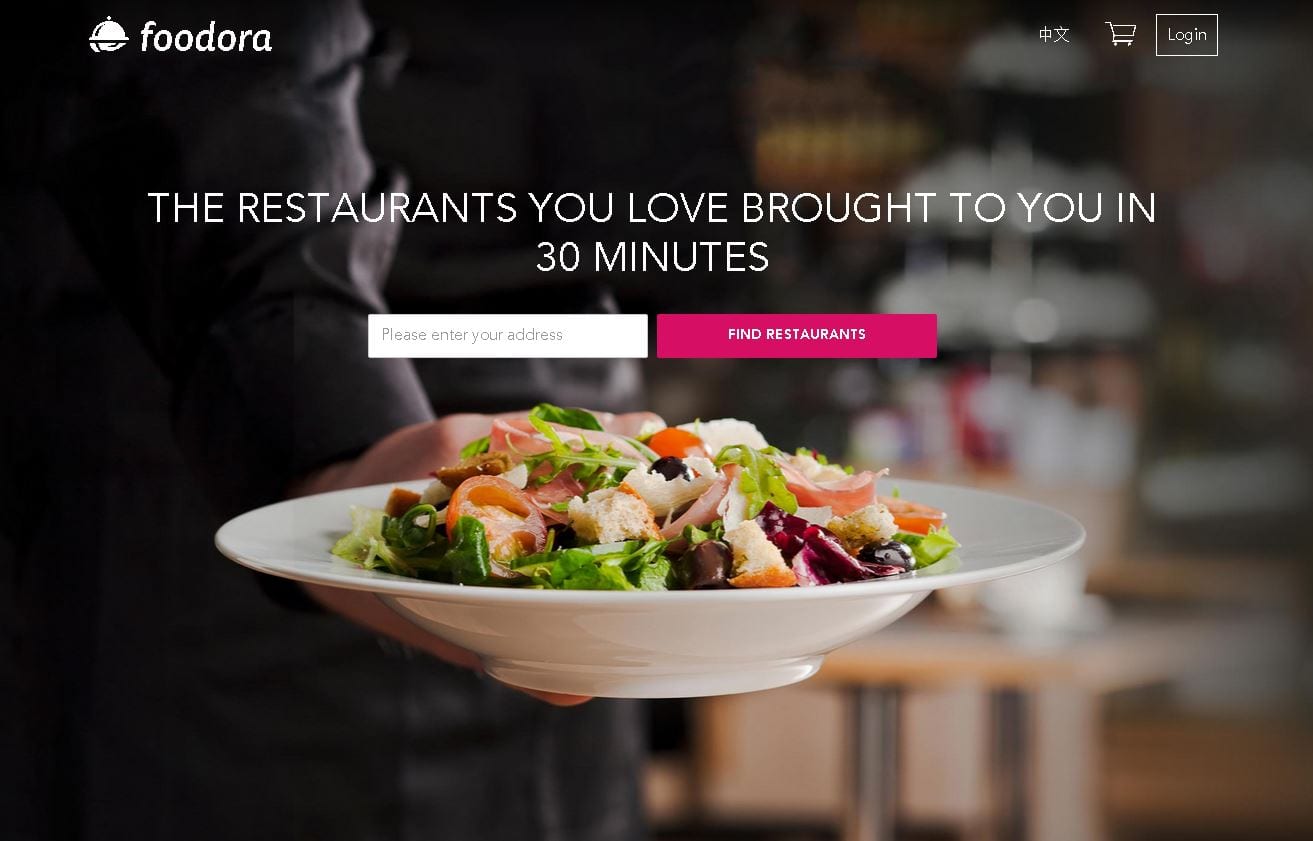
    Berlin-based premium-restaurant delivery service foodora is expanding to Hong Kong.

    The startup offers an alternative to traditional takeaway options and employs an advanced logistics algorithm to ensure that food maintains its high quality and arrives at the customer’s doorstep or office, on average, within 30-minutes.

    Founded less than one-year ago, foodora has set itself apart from traditional delivery services by working only with high-end and trendy restaurants such as Dragon-i, Iberico, Check-In Taipei, The Boss and Le Port Parfume. Exclusive delivery contracts with no-reservation restaurants such as Little Bao will offer Kongers an alternative to waiting in a queue for trendy eats. 

    Behind the scenes, foodora’s proprietary logistics system determines the optimal route between restaurants and customers to help drivers navigate the dense traffic of Hong Kong.

    “Hong Kong is one of the world’s great global cities and as such should have access to world-class food delivery services. foodora wants to introduce a new benchmark of reliability, speed, and quality, bringing Hong Kongers what other markets already enjoy,” said Mat Podesta, CEO of foodora Hong Kong, remarks: “Hong Kong is one of the world’s great global cities and as such should have access to world-class food delivery services. foodora wants to introduce a new benchmark of reliability, speed, and quality, bringing Hong Kongers what other markets already enjoy.”

    foodora Hong Kong currently delivers to Central and Sheung Wan and plans to expand their delivery area to TST, Wan Chai, and Causeway Bay with 400 restaurants by the end of 2015.

  • Ascend expands its Asean reach

    Ascend expands its Asean reach

    “The move is to drive Ascend, both iTrueMart and Weloveshopping, to be the e-commerce market leader in the AEC by 2018,” Punnamas Vichikulwongsa, president of Ascend Group, said yesterday.

    According to Euromonitor 2015, the report of Euromonitor International, a business-intelligence research house, the business-to-consumer e-commerce market in the AEC will grow by 20 per cent per year to US$7 billion (Bt249 billion) in 2017 from nearly $5 billion this year.

    Thailand’s e-commerce market is worth about Bt42 billion with annual growth of 20 per cent.

    The company will engage in operating, fulfilment including warehousing and logistics, and marketing actives in seven countries in the AEC – the Philippines, Indonesia, Malaysia, Vietnam, Singapore, Myanmar and Cambodia.

    It will start with the Philippines by the end of this year and follow with the other six countries in 2016.

    The AEC market should help double its sales to Bt6 billion next year from Bt3 billion this year, which all comes from the Thai market.

    E-commerce in Thailand and the AEC has high potential since it now accounts for only 1 per cent of total retail shopping. In five years, it will be about 7-8 per cent of the retail industry in Thailand.

    E-commerce makes up 9 per cent in the United States and 13 per cent in the United Kingdom.

    “E-commerce is a market for the big boys, since it needs huge capital. In each market, there are only one or two e-commerce players dominating the market. We want to be ‘top of mind’ in the e-commerce business in the region,” he said.

    The business model of iTrueMart is different from Weloveshopping. iTrueMart acts as an online shopping department while Weloveshopping serves as a e-commerce marketplace.

    Ascend claims itself as the e-commerce leader in Thailand with 14,000 orders per day, split evenly between the two websites.

    Seubsakol Sakolsatayadorm, general manager of the iTrueMart division at Ascend Commerce, said iTrueMart’s conversion rate of 4.2 per cent of visits was higher than the market average of only 2 per cent.

    At iTrueMart, information-technology gadgets and accessories are still the largest contributor at 70 per cent. Orders have gone up fivefold this year since product categories were diversified from hard lines to soft lines, such as personal care and beauty products, and home lines such as household appliances.

    “The latest is a mum-and-kids category, since it is one of the largest in e-commerce in many countries,” he said. ITrueMart has invested heavily in fulfilment, warehouses and logistics. It has more than a million products, or more than 20,000 stock-keeping units, stored in its warehouse. The company delivers products through its own distribution system in Greater Bangkok with a 20-vehicle fleet and outsourcing to logistics partners.

  • Online, mobile luxury spending rises in China

    Online, mobile luxury spending rises in China

    Online and mobile commerce for luxury brands in China has risen at an exponential pace while smartphone penetration continues to grow rapidly, results of a recent survey shows.

    The new study of online spending in the country was conducted by KPMG in partnership with Mei.com, a China-based online luxury flash sales retailer, and Weibo, an online social media platform in China.

    Among the key findings is that 45 percent of respondents said they purchased most of their luxury items through online options, and the maximum amount they felt comfortable paying online for a single item is RMB4,200 ($660.8), far higher than the RMB1,900 ($298.9) they indicated in a similar survey in 2014, or an increase of 121 percent.

    The average spend levels also went up about 28 percent compared to the previous 2014 survey.

    China’s consumers are spending close to one-third more on online purchases – averaging around RMB2,300 ($361.9) on each single luxury transaction.

    The top driver for purchasing online remains pricing and better deals, however, close to one-third of respondents had made luxury online purchases at the full, non-discounted price.

    “Price is becoming less of a driver. But value remains important as customers are well informed about global prices since most of them travel physically or digitally,” said Thibault Villet, CEO of Mei.com.

    The survey likewise points to an increase in the average amount spent on luxury purchases in most product categories.

    A higher amount was spent on average for popular categories such as bags (109 percent), women’s apparel (58 percent) and cosmetics (18 percent), and also noted a significant increase in spending on categories such as watches (126 percent) and jewelry (65 percent) that accounts for a relatively smaller share of total online luxury sales.

    Cosmetics is the most popular product bought online, followed by women’s shoes, bags and leather goods, women’s apparel and accessories.

    The survey finds that among the key online triggers to purchase luxury e-commerce, the most persuasive one is reading about a product on a blog or social site and seeing the product in an online shop.

    While online shops are setting up temporary or pop-up stores, most luxury brands are also increasingly developing their China websites and shops on popular e-commerce platforms.

    “The pace of change in today’s marketplace in China is taking retailers and brands by surprise. This change is unrelenting and now outrunning the company strategy in many cases,” Egidio Zarrella, Clients and Innovation Partner, KPMG China, noted.

    In addition to luxury items, the survey finds increased numbers of luxury services purchased online, including online hotel and restaurant bookings, followed by domestic and overseas trips.

    Forty-eight percent of respondents said they had bought items overseas over the previous 12 months, close to a majority. More than two-thirds of these claimed they increased their overseas online luxury purchases in the past 12 months.

    The survey sees a near doubling of Chinese luxury online consumers planning to buy overseas trips online – from 35 percent who indicated they bought an overseas trip online during the past 12 months, to a forecast 61 percent during the next 12 months, or a growth of more than 70 percent.

    “Chinese consumers have a significant propensity to spend, they are technology savvy and want the best quality. Therefore, both new and existing entrants to China must expect to compete in a dynamic and fast-paced market. They must develop the right strategies to survive and thrive in an increasingly disruptive environment,” Zarrella concluded.

  • Online retailer Daraz raises $55 M

    Online retailer Daraz raises $55 M

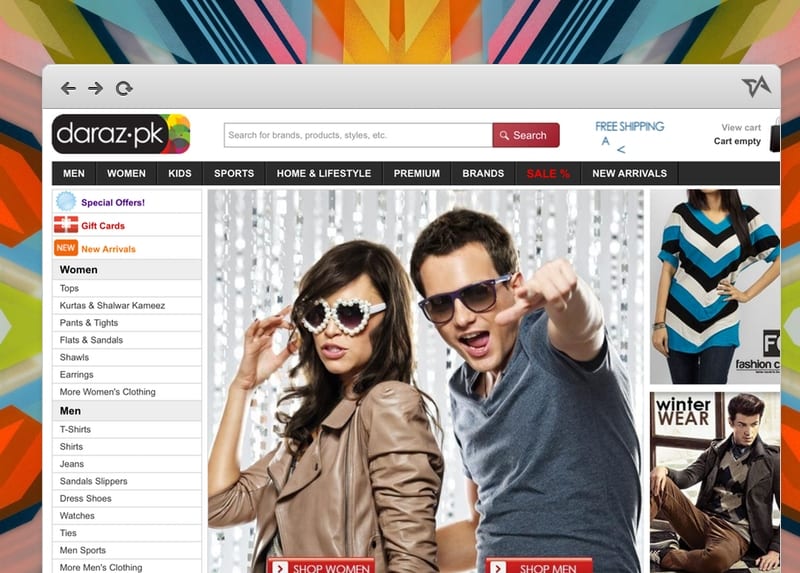
    Online retailer Daraz, which has presence in Pakistan Daraz.pk, Bangladesh Daraz.bd and Myanmar shop.com.mm, has secured EUR50 million ($55 million) in its first major financing round. 

    The investment comes from the CDC Group, the UK Government’s Development Finance Institution (DFI) focused on supporting and developing businesses in Africa and South Asia – as well as Daraz’s existing investor Asia-Pacific Internet Group (APACIG).

    Founded in Pakistan in 2012 as an online fashion business, it has since then has expanded its business model to a general marketplace for quality brands within electronics, home appliances, fashion and many other categories.

    The company said the funding will be used to continue to grow the business in existing markets and for expansion into other frontier markets in Asia.

    “Taking the e-commerce business model into these exciting markets is a fascinating journey. Although internet penetration is still relatively low, the market is developing fast and its potential is immense,” said Bjarke Mikkelsen, CEO of Daraz. “By making Daraz a success, we are not only building a great business but also creating jobs and infrastructure in the countries we operate in – that’s what makes it so exciting”.

    Daraz is part of APACIG, a joint venture between German internet platform Rocket Internet and Qatari telecommunications provider Ooredoo which began its operations in the region early in 2014.

    Today, it is one of the fastest growing internet platforms in the  region, currently 14 e-commerce companies in 15 countries.

    Hanno Stegmann, CEO of APACIG, said Daraz is one of the most promising companies in their portfolio.

    Last month, it  announced today an ambitious plan to launch one new startup company every three months, which it says is part of the strategy to build one of the largest Internet platforms in the APAC region.

    The first company to be launched as part of the  strategy will be online beauty marketplace Vaniday, starting in Australia. The marketplace offers curated selection of offers and can book treatments such as massages, hair appointments and manicures.

  • Philippines eyed as next largest market for e-commerce firm Lazada

    Philippines eyed as next largest market for e-commerce firm Lazada

    Lazada Group, an online commerce company founded by the world’s largest Internet incubator, is eyeing to keep a double-digit growth trend for its sales and customer-based in the Philippines, which is well-positioned to become the company’s largest market.

    Part of Rocket Internet, Lazada’s e-commerce websites are present in six countries including the Philippines, Indonesia, Malaysia, Thailand, Vietnam, and Singapore.

    Lazada Philippines Chief Executive Officer Inanc Balci said in an interview with Business Bulletin that the group is eyeing to make the Philippines its largest market out of the six countries it is present in.

    “I want to make it [the Philippines] the first,” Balci said.As of now, Balci said Lazada Group’s largest market is Indonesia, while the Philippines only stand at second.

    “The e-commerce is growing in the Philippines. We have the 80 percent market share in the general retail e-commerce in the Philippines. [Here] we intend to be the market leader. I would like to grow faster. Sales is growing,” he added.

    In September alone, Balci said the company had recorded 37.7 million visits, significant number of which had actually booked their orders. “This significantly increased over the years,” he further said.

    Next month, Lazada Philippines will launch its three-year-old annual online shopping event that highlights big discounts on 200 major brands, which includes Canon, Nikon, Nescafe, Epson, Microsoft, Asus, Acer, Lenova, Milo, Pampers, Chuckie, Nestle, Unilever, among others.

    As of now, 1 million brands are being sold through Lazada and this should increase before the end of the year.

    “From 100,000 in 2012, we now have 1 million brands. That’s going to increase by several times moving forward. We proactively approach the brands,” he further said.

    From November 11 until December 12, online shoppers can avail of as much as 95-percent discount from their favorite brands in Lazada through Online Revolution.

    With its increased share in mobile app users, it is expected that this year will definitely break last year’s record in terms of online traffic for Lazada in the Philippines.

  • WS Retail’s 10K crore sales offer peek into Flipkart’s performance

    WS Retail’s 10K crore sales offer peek into Flipkart’s performance

    WS Retail, the largest seller on India’s biggest online marketplace Flipkart, nearly tripled its turnover to Rs 10,163 crore in FY15 — more than the combined sales of top brickand-mortal retailers such as Shoppers Stop, Future Lifestyle, Tata’s Trent and Aditya Birla Group’s Pantaloons.

    Experts feel WS Retail’s numbers, which were submitted by the company to the ministry of corporate affairs earlier this week, offer a peek into Flipkart’s likely performance for the year to end-March 2015, given its dominant position on the e-tailer’s platform.

    Cutting dependence on WS retail

    Flipkart’s own annual revenue numbers are not known. “WS Retail numbers should be good barometer to the performance of Flipkart considering it gets a bulk of its sales from this seller,” said Ruchi Sally, director at retail consultancy Elargir.

    The six-year-old company, originally founded by Flipkart’s founders Sachin Bansal and Binny Bansal, sells nearly 80% of its merchandise to Flipkart. Three years ago, the Bansals sold their stake to former OnMobile Global chief operating officer Rajeev Kuchhal and a clutch of investors.

    WS Retail reported a net profit of Rs 67 lakh on sales of Rs 3,135 crore for fiscal year 2014, which was higher than Flipkart India’s revenue of Rs 2,846 crore for the same period, the numbers showed. Another company, Flipkart Internet, which earns commission and advertising revenues from sellers, posted total sales of Rs 179 crore last year. Both WS Retail and Flipkart didn’t respond to email queries sent by ET.

    Flipkart’s head of commerce Mukesh Bansal told ET last month that Flipkart was on course to sell goods worth $10 billion (Rs 65,000 crore) during fiscal 2016. The company has in the past said it had achieved $4 billion worth of gross merchandise value or GMV, which is industry jargon for sales, last year.

    For years, WS Retail was the mainstay seller on Flipkart, the one encountered most by customers shopping on its platform. However, in the last year and a half, Flipkart has sought to diminish its prominence as part of its shift away from an inventoryled model to a marketplace one, even though WS Retail remains its top seller even now. Indian laws also prevent foreign-owned internet retailers — Flipkart is registered in Singapore and a majority of its ownership is held by overseas entities — from only operating inventory-based models.

    While Flipkart has 60,000 sellers on the platform already, it is planning to double the count by March next year in an effort to convert itself into a pure marketplace much like the one its rival Snapdeal operates.

    “Flipkart has been reducing its dependence on WS Retail in its effort to simplify its business structure. It is expected that such a step and simultaneous addition of new vendors on its website directly shall automatically reduce the trading volume of WS Retail over time,” said Rakesh Nangia, founder and managing partner at tax and transaction advisory firm Nangia & Co.

    In fact, Flipkart informed several companies and brands, which sell on the site through WS Retail, to sell directly to consumers through its marketplace few months ago. However, WS Retail will continue to be the seller for Flipkart exclusives such as the Motorola and Xiaomi handsets.

    Snapdeal already has 2 lakh sellers listed on its marketplace while Amazon India has nearly a lakh sellers, although in its case, Clouttail, its joint venture with NR Narayana Murthy’s Catamaran Ventures, is its biggest vendor.

    A month ago, Flipkart bought back the logistics business of WS Retail, which has also seen exits of two shareholders — Meenu Gupta and Sujeet Kumar — who together held a 25.3% stake.

    According to WS Retail’s annual filings for fiscal year 2015, Rajeev Kuchhal owned 49.7% stake, while one of Flipkart’s early employees, Tapas Rudrapatna, controlled another 24.8%. In fact, Rudrapatna was given Rs 24 crore as a one-time bonus for ‘increasing sales beyond targets,’ said the filing.The latest shareholding pattern after these exits and logistics business sell-off hasn’t been filed yet.

  • Internet malwares threaten Philippines industries

    Internet malwares threaten Philippines industries

    All over the world, the threat of a digital infrastructure crashing is as valid as an earthquake decimating a 50-story building or a series of typhoons striking without any preamble, ruining everything on their path.

    For anybody who is connected to the Internet, the threat is real and the Philippines is not exempted from it, says Trend Micro Philippines director for marketing communications Myla Pilao.

    “Security is almost a buzz word. Five years ago, the issue on security doesn’t land in any of the news. The old mindset of security is that if there is no malware or infection, there is nothing to worry about. Today, I don’t think it’s true anymore. We are so much living a digital lifestyle in a digital world that being connected is native to us already,” she says.

    “Anything connected to Internet, we have to assume it is or it can be compromised. If it is connected to the Internet, then it is a target. The freedom of data coming in or out is presenting trouble when it comes to hard data,” she says.

    Trend Micro is a global leader in IT security, cloud security and small business content security. It develops innovative security solutions that make the world safe for businesses and consumers to exchange digital information.

    Pilao, who also heads Trend Micro’s TrendLabs technical marketing team, monitors the development of global materials and supporting communication plans that aim to broaden the public’s understanding on threats and security.

    “What threats do we see in the Philippines? We are seeing theft in the retail industry when do e-commerce. There are a lot of malwares online that are being introduced. Second is online banking. The Philippines ranks fourth in the Asia Pacific in terms of increased security threats via online banking,” says Pilao.

    “Because Philippine facility is readily available so access to online banking is simple. Third is the sending habits of Filipinos of going online, with the huge volume of merchandise that will enter the Philippines this holiday season. This is a very encouraging season for cyber criminals to strike against payments,” she says.

    The Philippines used to figure at the top ten list of countries that are highly susceptible to ransomware, a program used to extract and ransom data.

    But in 2014, the Philippines improved its ranking as it moved down the list to top 20.

    “Ransomeware infects corporate and company systems since 2004. There has been an increase of its activity not just in the Philippines but around world. It goes through our emails , compromises our systems and the malware open gates that compromise websites,” she says.

    “There were instances when crypto-ransomware breaks into the enterprise using legitimate source of transaction and then ask you to pay. It kidnaps data bank screen and data breach happens mostly to financial institutions,  government systems and telecommunications companies. Even now on healthcare and hospital and insurance processes,” says Pilao.

    In the Philippines, the insurance sector is the single institution that most malwares and malicious software target.

    “With just 1 percent infection by a ransomware, we are still under attack. The biggest misconception is that consumers are not connected to Internet but majority of attacks must have emanated from the operations of small and medium enterprises,” says Pilao.

    A related recent study by Trend Micro discovered that 25 percent of data breaches are caused by hacking or malware and the most affected industry is the healthcare sector, accounting for more than a fourth of all breaches at 26.9 percent this past decade

    Second was the education sector at 16.8 percent followed by government agencies at 15.9 percent, then the retail industry with 12.5 percent.

    The stake is higher for bigger multinational companies as cybercriminals increase the cost of their attack based on the capabilities of the organization. Security comes with harsher legal implications not just for the violators but for the users to reinforce a proactive approach.

    As the Internet of Things advances, smart devices or innovations that are used for public-facing technologies can be exploited, potentially causing virtual and physical destruction. Public transportation such as car and planes, and public utilities such as gas stations can become targets.

    The study, conducted in the US, revealed that smart systems in cars can be accessed remotely to interfere with its functionality including life-critical ones like the brake. It was reported that Jeep Cherokee, through the car’s public IP address, can be hacked and controlled by another person miles away. BBC reported that even data sent by digital audio radio signals can intervene with a car’s functionalities.

    In a Trend Micro’s research that involved SmartGate System which allows drivers to access their car’s data such as speed and fuel using their smartphone that was first introduced by Škoda Auto in its Fabia III cars, it was determined that any attacker can read more than 20 parameters and even lock out the owner of the car from the SmartGate system.

    All the attacker needs to do is to stay within the SmartGate’s in-car Wi-Fi range (which is wide by default), identify the car’s Wi-Fi network, and then break the password. The Wi-Fi range could be even wider if the attacker is using a superior antenna.

    Strategic partnerships prove to be vital in formulating immediate and long-term resolutions to combat cybercrimes. Trend Micro aided law enforcement agencies in taking down two notorious botnets that were heavily involved in full-scale cybercriminal operations—SIMDA.

    Trend Micro worked closely with Interpol and provided information such as the IP addresses of the affiliated servers and statistical information about the malware used, which led to the disruption of the botnet activities.

    Moving forward, organizations can stay protected on their own terms. Aside from being proactive, extra-cautious, and running information and education campaigns inside their organization, businesses can leverage on modern-day security solutions.

    Trend Micro Deep Discovery, a threat protection platform, can help organizations respond to today’s targeted attacks in real time, says Pilao.

    It provides advanced threat protection where it matters most. Deep Discovery is made up of four key solutions that will help detect, analyze, adapt, and respond to attacks.

    “Even mobile applications are vulnerable to attacks. There are reports of highly malicious applications that prey on mobile users. The magnitude of attacks globally is pretty much alarming. We are seeing that most of the attacks in the last six months are pretty much more real to us because they are affecting public utility, public infrastructures, public services that you and I are obviously consumers. The snippets of attack on critical infrastructures like power grid, are not massive but nonetheless alarming. We need to be protected and on guard always,” Pilao says.

  • Soo Kee Group plans to sell diamonds online

    Soo Kee Group plans to sell diamonds online

    Singapore listed jeweller Soo Kee Group is planning to become the first bricks and mortar store in the city to start selling gold and diamonds online.

    Soo Kee operates a network of more than 60 retail stores under the brands Soo Kee Jewellery, SK Jewellery and Love & Co in Singapore and Malaysia.

    In an interview published in the Straits Times newspaper, CEO Daniel Lim said his company has already launched the first of three planned online stores, choosing its namesake brand for the online debut. He said the site was designed to improve service to local customers by showcasing its entire range online before they visit a physical store.

    “Some of our customers live in Indonesia, Malaysia and Myanmar, and with this eCommerce platform, we can better target and attract them,” he told the newspaper.

    Sites for the other two retail brands will follow later.

    Lim acknowledged that while consumers are happily embracing online shopping in most categories, when it comes to jewellery there is a reticence to buy online due to security and the importance of trust and personal experience in selecting purchases.

    The company is strategically positioning its websites as complementary to the physical retail store experience.

    Earlier this year, Soo Kee Group executed an IPO, raising $31.6 million. Those funds are being used to expand the business via new store openings, development of eCommerce and developing new products.

  • Homelane.com India seeks $20m funding

    Homelane.com India seeks $20m funding

    Homevista Decor and Furnishing, parent of Homelane.com India, is seeking $20 million in a fresh round of capital raising.

    The cash will be used to fund an extensive advertising and marketing program to raise the online brand’s awareness and expand its market penetration.

    Homelane.com offers a furniture design and ordering service online for six Indian cities, including Mumbai, Delhi, Hyderabad and Pune.

    “We don’t have any plans to expand to new cities but to grow deeper in the existing ones,” co-founder Srikanth Iyer said in an interview.

    “We are looking at investing in creating a brand.”

    Homelane.com was founded just a year ago by Iyer and his business partner Rama Harinath. In that time it has raised funds in two rounds, the latest $4.5 million from Sequoia Capital and Arin Capital last February.

    According to Ken Research, India’s furniture market is expected to grow at around 13 per cent annually until 2018.

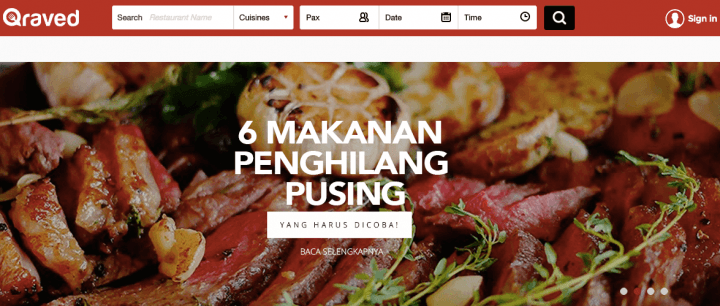
  • Indonesia’s foodtech firm Qraved gobbles up an $8M series B

    Indonesia’s foodtech firm Qraved gobbles up an $8M series B

    Jakarta-based foodtech startup Qraved announced earlier today that it has closed a US$8 million series B round of funding co-led by US-based Richmond Global Ventures and Gobi Partners from Shanghai. New investor GWC participated in the round, as did existing backers Convergence Ventures, 500 Startups, Toivo Annus, and M&Y Partners.

    Qraved’s funding round comes conveniently during the Indonesian government’s trip to Silicon Valley, and as such, Indonesia’s tech minister Rudiantara will witness Qraved sign the investment documents at 500 Startups’ Mountain View office later today. In Jakarta, Qraved competes with names like Zomato, Makanluar, and Indotable.

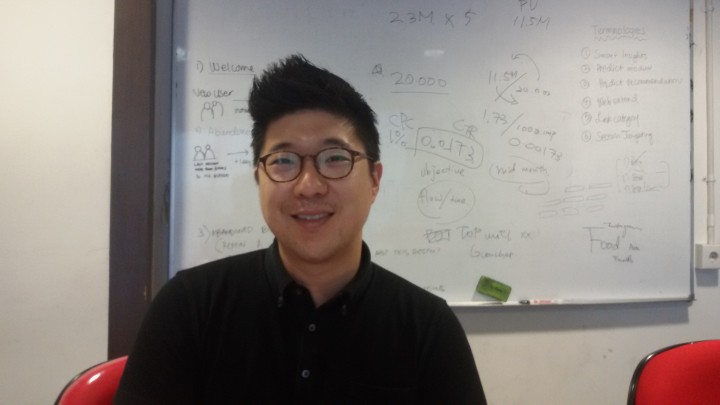
    Qraved co-founder and CEO Steven Kim tells, “In the past 18 months there has been a significant amount of news in the foodtech space, with players mentioning their expansion plans [into] Indonesia. Yet they have not been successful […] with this round, Qraved will be focusing on Indonesia, making it the largest commitment for Indonesia in the space even compared to global or regional players. It will only get more difficult for new entrants due to the uniqueness of the market.”

    Qraved’s series B round comes just weeks after local foodtech startup Abraresto went bust and couldn’t pay its employees, calling into question the future of food-driven startups in Jakarta. While Qraved has long been hailed as Indonesia’s “number one food discovery service” in the archipelago, it hasn’t been smooth sailing the entire time. In the beginning, the startup focused solely on table reservations. It later became evident to the team, however, that Qraved would need to offer more if it hoped to thrive.

    Steven Kim

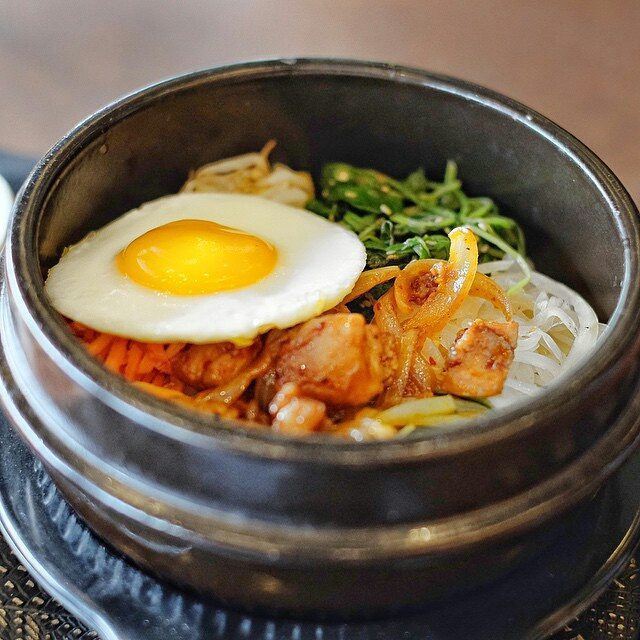
    Go ahead. It’s only food porn.

    Last June, Steven the startup was unpacking its business model to no longer focus purely on table reservations. Instead of exclusively targeting users that wanted to make restaurant bookings, Qraved would also recreate itself as more of an online community for foodies, with its own app and a regularly-updated food blog called Qraved Journal.

    The move seemed to work out in terms of traffic, as Qraved was able to clock more than 1.8 million verified monthly visits on desktop and mobile in September. Today, Steven says Qraved has more than 1 million monthly active users, which he notes are not the same as visits. The site still offers table bookings; however, subscriptions and app downloads are now also likely tools for measuring Qraved’s user activity.

    Qraved-journal-3

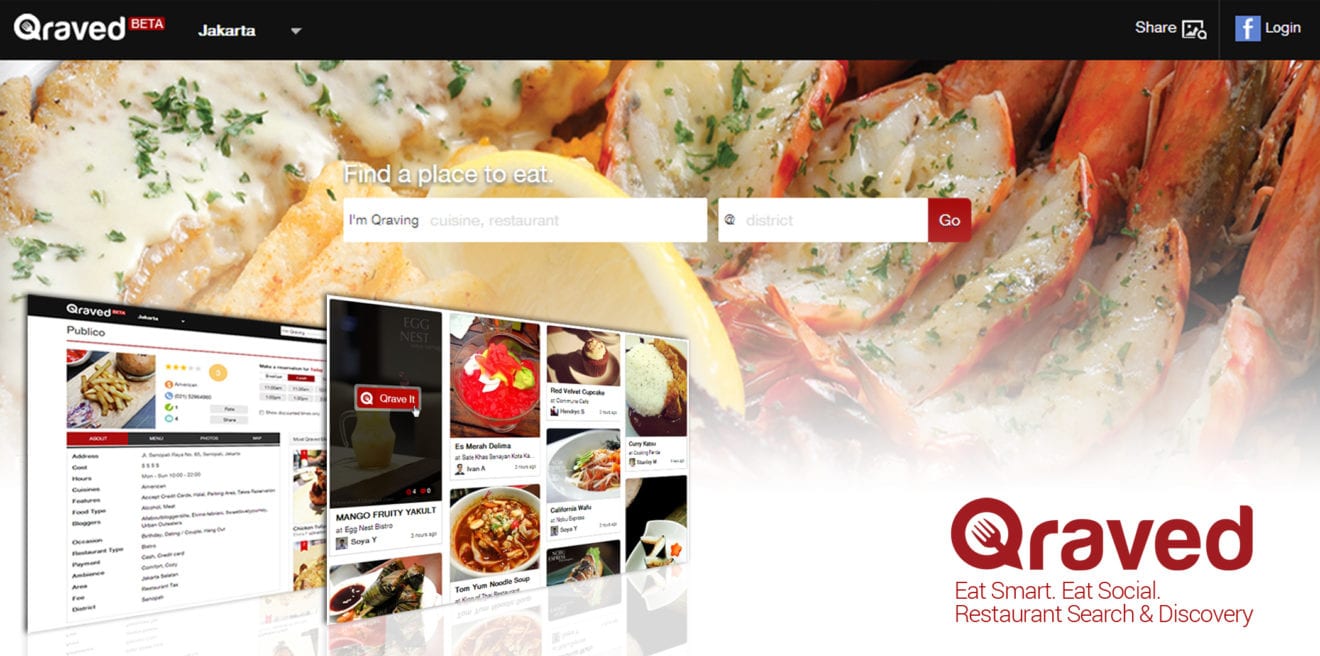
    Qraved offers a restaurant directory, which covers more than 25,000 venues in Jakarta and Bali. The app combines venue search and discovery features, user generated reviews, ratings, and photos, as well as discount offers at participating restaurants.

    Euromonitor says Indonesians spend over US$30 billion at food venues annually. In recent years, dining out and delivery services have represented the fastest growing verticals in the food and beverage categories. Restaurants have benefited from a dining boom as Indonesia’s young and increasingly affluent consumer class looks for new venues in which to socialize and enjoy life. The Qraved app aims to help restaurants attract customers and build awareness in the community.

    qraved-1

    Emerging market food smarts

    “Food related behavior is highly variable even within an individual,” says Steven. “The importance is frequent dependency on the platform. We cover all parts of the cycle from discovery and inspiration to finding information and eventually making a reservation, getting discounts or potentially making a transaction.”

    David Frazee, managing partner at Richmond Global Ventures says, “Steven impressed us with his passion and grit to build a full-stack, foodtech business for Indonesia and beyond.” Thomas Tsao, managing partner at Gobi Partners adds, “Through its leading food discovery service, Qraved has found a new way to address the timeless question of ‘What’s for dinner?’”

    qraved-journal

    Qraved is Richmond’s first investment in Southeast Asia. Steven says he is confident the firm can bring more to the table than just writing a check as Richmond has also invested Restorando, one of the largest restaurant reservation sites in Latin America.

    The fresh capital will go toward building out Qraved’s mobile and web apps with new features, expanding the firm in Indonesia, and of course, a marketing ramp-up. Steven believes this is just the beginning for Qraved. He says, “With this round, users in Indonesia, whether it be dine-in our dine-out, will be able to fully find what they want on Qraved.”

  • Internet of Things China gains momentum

    Internet of Things China gains momentum

    The Chinese are appearing quick to embrace the Internet of Things, in turn driving demand from businesses and app developers for enabling technology.

    Jasper, a global Internet of Things (IoT) platform leader, says three months after it made its enabling software available in China, more than 500 enterprises have activated trial accounts on the China Unicom Control Center IoT platform.

    The enterprises, serving a growing demand for Internet of Things China services, included retail, connected cars, theft prevention and wearables.

    A large number have already converted their trial accounts into paid accounts enabling them to deploy their IoT services to customers across China.

    “We see significant appetite across China to capitalise on the Internet of Things,” said Cindy Patterson, chief customer officer at Jasper.

    “The response and market adoption illustrate the demand for an IoT platform that can help enterprises rapidly and cost-effectively launch, manage and monetise their IoT services throughout China and globally.

    “Forward thinking companies across industries have been quick to adopt the Control Center IoT platform. These innovators are seizing the opportunity to transform their businesses with IoT services in ways that add value for their customers while growing their revenues,” she said.

    “The diversity of industries represented by these companies is remarkable and it is exciting to see this level of activity in such a short time period.”

    The combination of China Unicom’s mobile network and Jasper’s IoT service platform enable fast time-to-market for businesses, and provides a flexible, turnkey solution that can be configured to meet the specialised needs of businesses across any industry. For example:

    • Several major retailers have selected the IoT service platform from China Unicom and Jasper to deliver wireless POS and mobile payment services.
    • Jasper’s Control Center is being used to connect aftermarket theft detection devices to enable more robust theft prevention services nationwide.
    • Two of China’s 10 largest auto manufacturers are now using Control Center to cost-effectively deliver connected services in cars. One manufacturer is using Control Center to enable a new line of budget-friendly vehicles, giving more people access to value-added connected services in their cars.
    • A large provider of consumer hotspots, which wanted powerful nationwide connectivity and mobile service management, provisioning and real-time diagnostics, chose to deploy on Control Center to ensure the best service for its customers.
    • Several aftermarket telematics service providers have selected Control Center to deliver connected IoT services to vehicles in China.
    • Personal health device manufacturers are leveraging Control Center to transform their hardware-based businesses to service businesses.

    China Unicom is the only operator in China using the same 3G and 4G technologies as the majority of mobile operators worldwide, enabling seamless entry into the Chinese market for multinational enterprises. Jasper partners with 27 mobile operator groups worldwide, representing over 100 mobile operator networks – enabling enterprises to configure their services on Jasper’s platform once and easily turn on services on other operators worldwide.

    Jasper describes itself as a global Internet of Things (IoT) platform leader. It has designed a cloud-based IoT platform to enable companies of all sizes to rapidly and cost-effectively launch, manage and monetise IoT services on a global scale.

  • Asos China braces for losses

    Asos China braces for losses

    Online fashion retailer Asos is budgeting for losses as it breaks into the China market.

    Announcing a pretax profit of £47.5 million for the year to August 31, the company offered an overview of its future plans geographically, including a lessened focus on the Australian market.

    New CEO Nick Beighton said China was a “key market” for Asos moving forward but the company was still in startup mode there.

    “It’s all about planting the seeds for future growth.”

    He said Asos expects losses of £5 to £7 million over the next 12 months in China as it builds its offer.

    In the year ahead, Asos will be focusing more on the UK – which remains its biggest market, Europe, the US and China.

    Last year, global sales rose 17 per cent to £1.12 billion. UK sales rose 27 per cent while international sales were up 11 per cent.

    Beighton said the online retailer’s mission to be the number one fashion destination for twenty-somethings, remains the same. The new CEO won’t be changing the Asos culture or the way the business does things, but he acknowledged the world Asos plays in is changing fast.

    “It’s more about mobile, it’s more about social, it’s more about content,” he said.

    The online retailer’s strategy is made up of four key pillars: great fashion at a great price, be awesome on mobile and, deliver engaging content and experience, supported by best in class service (ie. a friction-free experience from logistics through to customer care).

    “This really has been another year of mobile,” Beighton said.

    “In the last 12 months mobile penetration has increased throughout our business. In August 60 per cent of our global traffic came from mobile devices alone.” He added, just in the UK in August, 50 per cent of orders – not traffic – came from mobile devices.