Category: E-Tailing

Retail News Asia is committed to providing both local and global retailers with the latest E-Commerce & Etail news throughout the Asian market. This on a daily base.

  • JD launches online pet consultation services

    JD launches online pet consultation services

    JD.com launched its biggest ever 3,000-square-meter exhibition at the China Digital Entertainment Expo & Conference, a.k.a ChinaJoy2021, which is taking place from July 30 to August 2 in Shanghai.

    The exhibit is designed to showcase the latest gaming industry trends, what motivates China’s Gen-Z consumers, as well as the tremendous marketing opportunities arising from these developments, according to JD’s planning team for ChinaJoy.

    As China’s most well-known shopping platform particularly in the area of electronics products, JD will spotlight a number of new gaming products on site to bring a fresh experience for visitors. Beyond that, brands and products ranging from fashion and cosmetics to home appliances and furniture have also joined the bandwagon to introduce their co-branded offerings or tailored-made products in JD’s exhibit and via JD’s online platform.

    China’s e-sports market is expected to reach RMB 270 billion yuan by 2022, and will be an official event for the 2022 Asian Games in Hangzhou, China. In response, JD is ramping up efforts to tap the potential of this market and associated partners to incubate a wider industry ecosystem.

    During this year’s ChinaJoy, JD announced that it will update its JD Esports plan, which was launched at ChinaJoy 2020 in collaboration with device makers like Lenovo, gaming leaders like Tencent and livestreaming platforms like Huya, to develop a one-stop e-sports service platform encompassing hardware, software, content and events.

    As Gen-Z is driving much of the growth in this market, JD is also increasing its marketing outreach to younger consumers. A lineup of live shows, games and interactions with e-sport influencers will be rolled out during the three-day event to appeal to young visitors with interest in anime culture.

    Furthermore, JD’s efforts in cultivating the market have also included two gaming teams in recent years, both of which have gained wide popularity among young gamers and wider audiences: JD E-sports (JDE) for Peacekeeper Elite League (PEL) and JDG (JD Gaming) Intel e-Sports Club for League of Legends (LoL). The latter is one of the top-performing teams in the League of Legends Pro League (LPL). Plus, JD has organized the nationwide annual e-sports tournament JD Cup since 2014, in an effort to grow awareness of JD as a one-stop platform for everything related to e-sport, from gears, content to entertainment.

    Major Zhu, head of integrated marketing of JD Retail, said during the expo that JD will continue to deepen its investment in e-sports. Basing on the company’s strength in supply chain and big data, it can leverage its deep understanding in e-sports to bring partners together, presenting more high-quality products, services and entertainments for the growing e-sports fan base, and contributing to the development of China’s e-sports industry.

  • Online only supermarket Geezy Go launches in Sydney

    Online only supermarket Geezy Go launches in Sydney

    Australia’s newest on demand ‘direct to your door’ food and grocery service launches in Sydney

    Get all of your essential items delivered in less than 20 minutes with Geezy Go, Australia’s newest ‘on demand’ food and grocery delivery service. Focused on delivering both local and big brand names in no time at all, this up-and-coming service is set to rival and conquer the giants, Woolworths and Coles.

    “We are redefining and revolutionising food and grocery shopping in Australia,” Geezy Go Vice President of Growth and Strategy, Dhruv Kohli said.

    “The big supermarket brands want you to spend more time in store, we want you to spend more time at home doing the things you love and we’ll deliver the groceries to your door.

    “After finding issues and opportunities in the grocery delivery service system as a whole, the team and I at Geezy Global decided to challenge the status quo by building Australia’s first 20 minute instant digital supermarket chain.”

    Avoiding the hassle of queues, forgotten items and slow delivery times, Geezy Go provides customers with their shopping essentials in 20 minutes or less, promising prices that are similar or lower than the supermarket chains.  Boasting a comprehensive range of food and grocery items including local content and produce as well as global brands, Geezy Go is quickly becoming a hit across Sydney with further sites being earmarked for roll out across Australia over the next six to 12 months.

    “Our average order delivery time is just 11 minutes, with no minimal spend and a delivery fee of only $3.99.  That’s $3.99 every day of the week no matter how urgently you want your groceries – you get them fast for a tiny fee every time,” Kohli said.

    “We employ our own drivers and this ensures are able to provide high quality reliable delivery services that know the local area and understand the needs of our customers.

    “Everyone is loving Geezy Go.  Our easy to use dynamic website can be used on desktop or mobile device. Ordering is simple, you just scroll through the categories and add items to your cart, check out and your groceries are on their way.

    “Our customers include working professionals, last minute shoppers, mums and others working from home and people who are looking at saving costs, but who don’t want to sacrifice the quality of their purchases.

    “With many people in lock down, Geezy Go is the ideal solution for anyone needing items that do not want to or can’t leave the house.

    “Our products are fresh, our prices competitive and our delivery is swift.  Hygiene and safety are at the forefront of everything we do and our goal is to make your life easy.


    “We have thousands of items to choose from at affordable prices and our super quick delivery time makes us unique and provides that almost instant gratification of getting your items delivered. Having our own employed drivers makes the process easier and more reliable.  At the moment we have a 99.7 percent satisfaction rating with the first few thousand orders we have fulfilled.”


    Geezy Go is currently servicing 60 plus suburbs in the CBD, inner west and upper north shore of Sydney with  plans to expand to 200 locations globally by the end of 2021.


    Part of a global company that is already present and successful in many countries including Australia, the new Geezy Go offering sits on top of an established  ecosystem of suppliers, customers and technological capabilities that makes its  immersion into the Australian market seamless.   Geezy Go falls under the Geezy Global brand, a technology start up that focuses on creating engaging brand to consumer experiences. Currently operating in five countries, including the US, UK, New Zealand, India and Australia, more expansions across other countries are on the horizon.


    Geezy Go is open 10am to 6pm every day of the week.   As the service expands, it will extend opening hours and locations.

  • Coupang Q2 revenue soars on active customer growth

    Coupang Q2 revenue soars on active customer growth

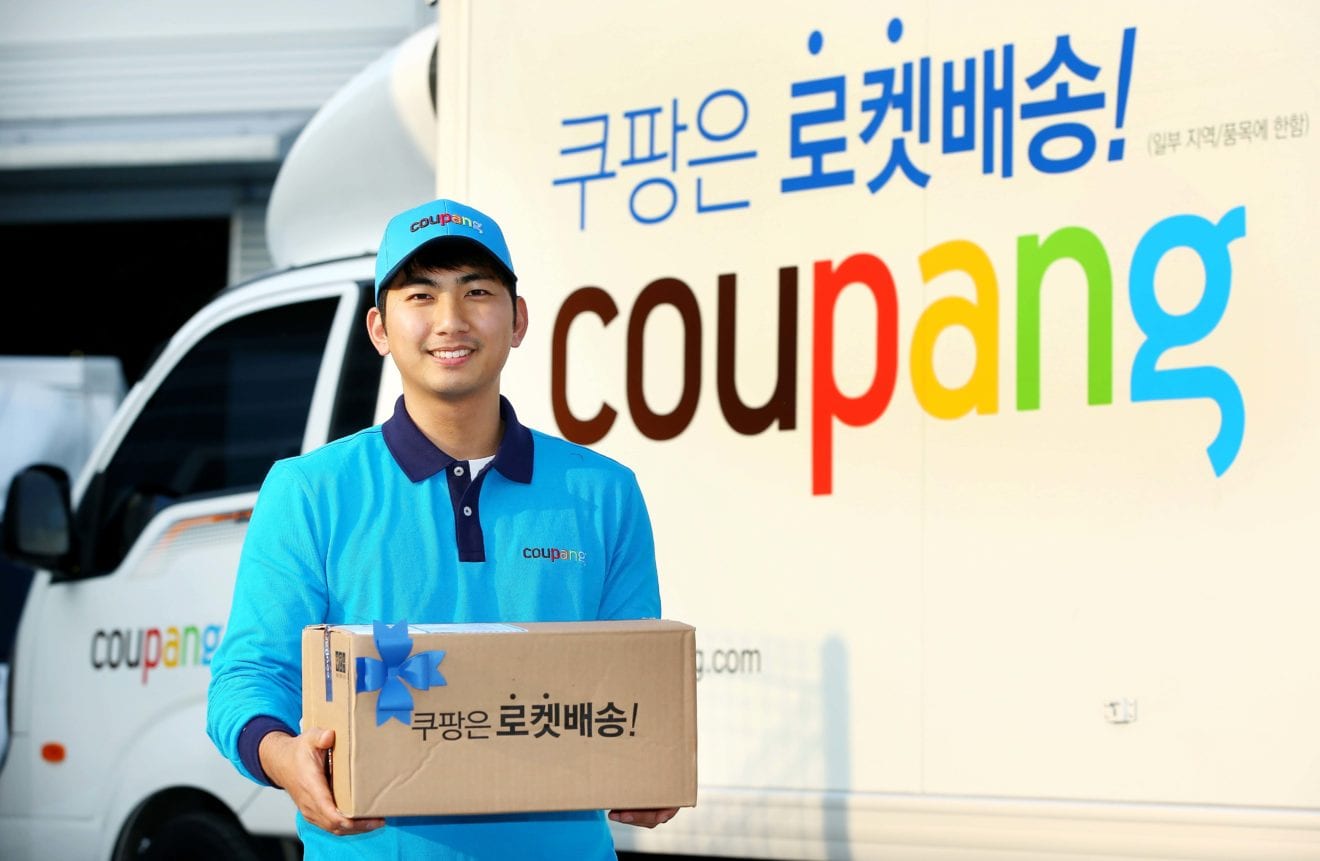
    South Korean e-commerce company Coupang has reported surging revenues and profits on higher active customers during its 15th consecutive quarter of growth above 50 percent.

    But the company is still battling to stem losses thanks to investment into new business activities.

    Total net revenues rose 71 percent on a reported basis, or 57 percent on a constant-currency basis with the number of active customers up 26 percent year over year to 17 million.

    Revenue per active customer grew 36 percent.

    Coupang reported a gross profit of US$658 million, which would have been higher but for $158 million in inventory write-offs as a result of a fire at its Deokpyeong fulfillment center in Korea.

    Revenue from its Rocket Fresh division more than doubled, exceeding $2 billion, while the company’s Eats revenue nearly tripled during the past two quarters, with the loss per order down by more than 50 per cent year on year.

    Investments in Rocket Fresh and Eats accounted for almost the entire pre-tax loss of $122 million for the quarter, which the company said highlighted the profitability of its more mature business operations.

    In March, Coupang was valued at around US$109 billion after the company raised around $4.6 billion in its US IPO.

  • Amazon, Indian seller Cloudtail end relationship amid regulatory heat

    Amazon, Indian seller Cloudtail end relationship amid regulatory heat

    Amazon and one of its biggest sellers in India, Cloudtail, have decided to end their relationship, following years of allegations from brick-and-mortar retailers that the seller received preferential treatment.

    A joint venture between Amazon and India’s Catamaran that controlled Cloudtail was coming up for renewal next May, and the two sides said in a joint statement they had mutually decided not to extend it beyond that date.

    The decision comes after a Reuters investigation in February based on Amazon documents showed the US company had given preferential treatment for years to a small group of sellers, including Cloudtail, and used them to bypass Indian laws.

    Amazon has said it does not give preferential treatment to any seller and that it complies with the law.

    In their joint statement, Amazon and Catamaran did not say why they had decided to end their joint venture, but said the partnership ran successfully for seven years and made “tremendous strides.”

    Cloudtail had been controversial, with Indian brick-and-mortar retailers for years accusing Amazon of giving it preferential treatment which hurt smaller retailers.

    It was formed when Amazon entered a joint venture with an entity formed by one of India’s most famous tech moguls, N R Narayana Murthy, which was then used to create Cloudtail, which began offering goods on Amazon.in after it was set up in August 2014.

    The Reuters investigation in February found Amazon publicly called Cloudtail an independent seller offering goods on its marketplace website, but internal company documents revealed the US company was deeply involved in expanding it and used it, among other sellers, to circumvent the country’s foreign investment laws.

    The story had triggered calls for a ban and an investigation of Amazon, and the financial crime-fighting agency was looking into its findings. The antitrust watchdog had said the story corroborated evidence it had against Amazon.

    Arvind Singhal, chairman of retail consultancy Technopak Advisors, told Reuters that Amazon and Catamaran’s decision appeared aimed at defending against any possible future scrutiny of their business models.

    “Before it comes under more scrutiny, they are basically disengaging themselves. But given the relationship has been there for years, this will still hang as a sword on their heads,” said Singhal.

    India is a key growth market for Amazon, where it has committed investment of $6.5 billion. But it’s one where it has faced several regulatory challenges, including stricter laws that apply to foreign e-commerce giants.

    The Reuters investigation in February found Amazon gave Cloudtail, and another seller named Appario, discounted fees.

    Amazon is also in talks with the parent of Appario to determine whether it wants to renew its joint venture next year, a source with direct knowledge told Reuters this week. Appario did not respond to a request for comment.

    The source added that multiple sellers in India were likely to take over Cloudtail’s share on Amazon India over time.

    “There will be challenges, but the company is fairly confident it will manage,” the source added.

    Separately, India’s Supreme Court on Monday ruled that Amazon and Walmart’s Flipkart will have to face antitrust investigations ordered against them in India, dealing a blow to the companies in their key growth market.

  • Alibaba misses revenue estimates during regulatory crackdown persists

    Alibaba misses revenue estimates during regulatory crackdown persists

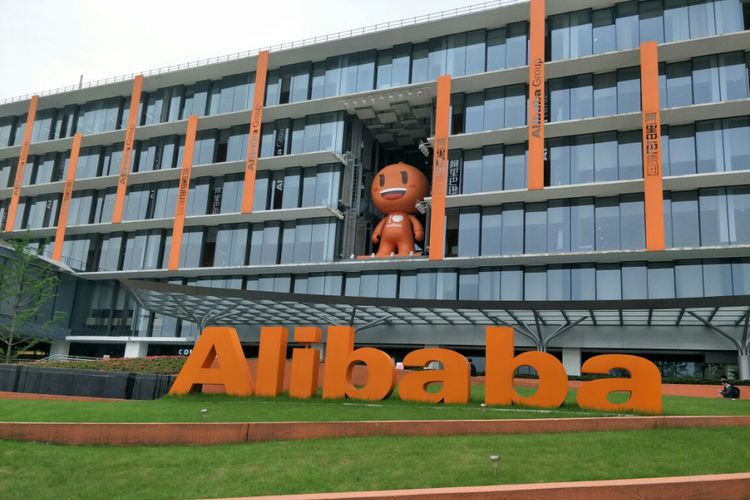
    China’s Alibaba Group Holding missed analyst estimates for first-quarter revenue on Tuesday, as its e-commerce business was hurt by rising competition from smaller players such as JD.Com and Pinduoduo I.

    Alibaba’s results mirror those of e-commerce giant Amazon.com in the United States, as the easing of pandemic-related restrictions has led to more consumers visiting physical stores rather than ordering online.

    Core commerce revenue for Alibaba rose about 35% to 180.24 billion yuan in the quarter, compared with estimates of 184.23 billion yuan. In the fourth quarter, the unit’s revenue surged more than 70%.

    Overall, revenue rose about 34% to 205.74 billion yuan ($31.83 billion) in the first quarter ended June 30, below estimates for 209.39 billion yuan, according to IBES data from Refinitiv.

    Net income attributable to shareholders fell to 45.14 billion yuan, compared with 47.59 billion yuan a year earlier.

    On an adjusted basis, the company earned 16.60 yuan per share, above estimates for 14.43 yuan.

    Ant Group, the fintech affiliate of Alibaba Group, recorded a profit of about 13.48 billion yuan in the quarter ended March, according to the Chinese e-commerce giant’s filing.

    Alibaba, which holds about a third of Ant, posted a profit of 4.49 billion yuan for the quarter ended June 30 from its investments in the financial conglomerate.

    Revenue in Alibaba’s cloud computing division grew 29% year-on-year, reaching 16.05 billion yuan ($2.49 billion)

    The results come amid an ongoing Chinese regulatory crackdown on the industry, during which Alibaba has become one of the main targets.

    Late last year, regulators halted a planned $37 billion IPO of Ant Group in Shanghai and subsequently called for a restructuring of the financial unit.

    In April, China’s anti-monopoly regulator fined Alibaba $2.75 billion for engaging in anti-competitive practices.

    During an earnings call with investors, Alibaba CEO Daniel Zhang said the company would continue to monitor the impact of ongoing regulatory changes on the company’s business.

    He cited a recent regulatory crackdown on community marketplace platforms letting sellers offer items below market price as one example of a sector the company is monitoring, in addition to the Data Security Law and an investigation from the Ministry of Industry and Information Technology into open links between rival platforms.

    “We are in the process of studying the regulatory requirements, evaluating the potential impacts on our relevant businesses and we will respond positively with actions,” Zhang said.

  • Carousell names new Hong Kong MD

    Carousell names new Hong Kong MD

    Carousell Hong Kong has appointed Hong Kong digital industry veteran Kevin Huang (pictured) as managing director. Huang, who was last CEO of Birdie for about two years, will now oversee the development of overall business strategy, managing the daily operations, marketing, branding and community engagement for Carousell Hong Kong and will report to Bryan Teo, chief operations officer. He takes over the role from William Ip, who left the role in March this year after close to two years in the role.

    Huang’s appointment comes as Carousell Hong Kong steadily builds up its presence in the market with one in seven Hong Kongers now being a Carousell user, the company confirmed. With Huang leading the charge, the company looks to grow Hong Kong as a key market to inspire more selling and buying to nurture a vibrant community for all types of users.

    Currently the team is about 40 strong in Hong Kong, and 700 strong across the region. In Hong Kong, it is also looking to fill roles such as business development and category management, amongst others.

    “What attracted me to join Carousell is the mission of inspiring everyone in the world to start selling and buying to make more possible for one another. I am passionate about helping small businesses in Hong Kong, and Carousell is a platform where anyone can find selling success. Whether you are a casual user selling preloved items, a budding entrepreneur or even a merchant running a physical shop for decades, you can find your own community and niche on Carousel,” Huang said.

    One of its key focus for this year is on CarouBiz (Carousell for Business) and supporting SMEs. In an interview, Huang and the team at Carousell explained that merchants who took their businesses online last year, were the few who managed to weather the storm but many merchants who are unfamiliar with the digital business ecosystem are struggling. As such the brand launched a premium seller tool last year to help SMEs digitalise and grow their businesses. CarouBiz includes tools such as video listings to increase clicks, premium seller badges to increase credibility, and bump scheduler for regular product promotion. It also launched the CarouBiz Booster Fund to help SMEs and aspiring entrepreneurs to kickstart their online expansion.

    Recently the company also forged a strategic partnership with Livi Bank to enable merchants to apply for a 12-month installment payment plan for their CarouBiz subscription with no extra interest or handling fees being charged throughout the period.

    Moving forward, the team will look to expand on its Home Services categories. In 2020, the number of active users who used home services through Carousell has increased by two-fold year-on-year, said the firm. This grew organically in part due to the pandemic, as movement restrictions pushed Hong Kong-ers online to search for needed services. The most popular service categories include household services, electronics and accessories repairs, beauty services and tutoring services.

    Meanwhile, with the launch of Carousell Auto Group in April 2021, the group aims to bring its experience and expertise in operating Southeast Asia’s automotive business to Hong Kong, and further expand Carousell Autos’ business to become the number one autos classifieds player in Hong Kong in the next three years.

  • Vietnam defers e-commerce tax by five months

    Vietnam defers e-commerce tax by five months

    Vietnam is set to delay an online tax on e-commerce vendors by five months to support economic recovery amid severe Covid-19 impacts.

    The Ministry of Finance has proposed to the government that the implementation of Circular 40 be postponed until January 1, 2022, Minister Ho Duc Phoc said Sunday. The circular was to take effect on August 1.

    The delay has been proposed as part of several solutions to support the recovery of businesses as the fourth Covid-19 wave spreads in Vietnam, infecting over 105,000 people, most of them in HCMC, often referred to as the nation’s locomotive.

    The circular imposes a 1.5 percent tax on e-commerce vendors with annual revenues of VND100 million ($4,354) or higher.

    E-commerce platforms are responsible for collecting this tax from vendors and paying it to the finance ministry.

    An average of 3.5 million transactions are made on e-commerce platforms each day in Vietnam, and the transaction value has been increasing steadily, according to official data.

    However, e-commerce platforms have proposed that they aren’t made responsible for paying tax on vendors’ behalf as it will create excessive costs and personnel burdens.

    Vietnam’s e-commerce market expanded by 18 percent last year to $11.8 billion, the only one in Southeast Asia to record double-digit growth amid the pandemic, according to the Vietnam e-Commerce and Digital Economy Agency.

  • India court quashes Amazon, Walmart’s Flipkart bid to stall antitrust probe

    India court quashes Amazon, Walmart’s Flipkart bid to stall antitrust probe

    An Indian court on Friday dismissed appeals by Amazon.com and Walmart’s Flipkart that sought to stall an antitrust investigation into their business practices, dealing a major setback to the U.S. firms in a key market.

    The Competition Commission of India (CCI) last year ordered an inquiry after allegations from brick-and-mortar retailers that the U.S. firms promoted select sellers on their e-commerce platforms and used to business practices that stifle competition.

    The investigation was on hold for more than a year after companies challenged it, denying wrongdoing and arguing that the CCI lacked evidence, but a court allowed it to continue in June. On Friday, the High Court in southern Karanataka state rejected the U.S. firms’ appeals.

    “By no stretch of imagination can inquiry be quashed at this stage. The appeals are nothing but an attempt to ensure that action initiated by the CCI … does not attain finality,” a two-judge bench said while reading the decision in court. “The appeals are devoid of merit, and deserve to be dismissed.-

    The two firms are likely to appeal the decision at India’s Supreme Court, according to people familiar with the case. Amazon did not immediately respond to a request for comment.

    Flipkart said in a statement it would review the court’s order, adding that it remains in compliance with Indian laws.

    Abir Roy of Sarvada Legal, which filed the antitrust case against Amazon and Flipkart on behalf of a trader group, said the court’s decision “further reinforces that the CCI investigation should continue promptly.”

    The CCI investigation is the latest setback for Amazon and Flipkart, which are grappling with prospects of tougher e-commerce regulations and accusations from brick-and-mortar retailers that the companies circumvent Indian law by creating complex business structures.

    The companies face several allegations in the case, including exclusive launches of mobile phones, promotion of select sellers on their websites and deep discounting practices that drive out competition.

    Trade minister Piyush Goyal last month lashed out at U.S. e-commerce giants for filing legal challenges and failing to comply with the CCI’s investigation, saying “if they have nothing to hide … why don’t they respond to the CCI?”

  • RangeMe opens 200,000 suppliers to Australasian retailers

    RangeMe opens 200,000 suppliers to Australasian retailers

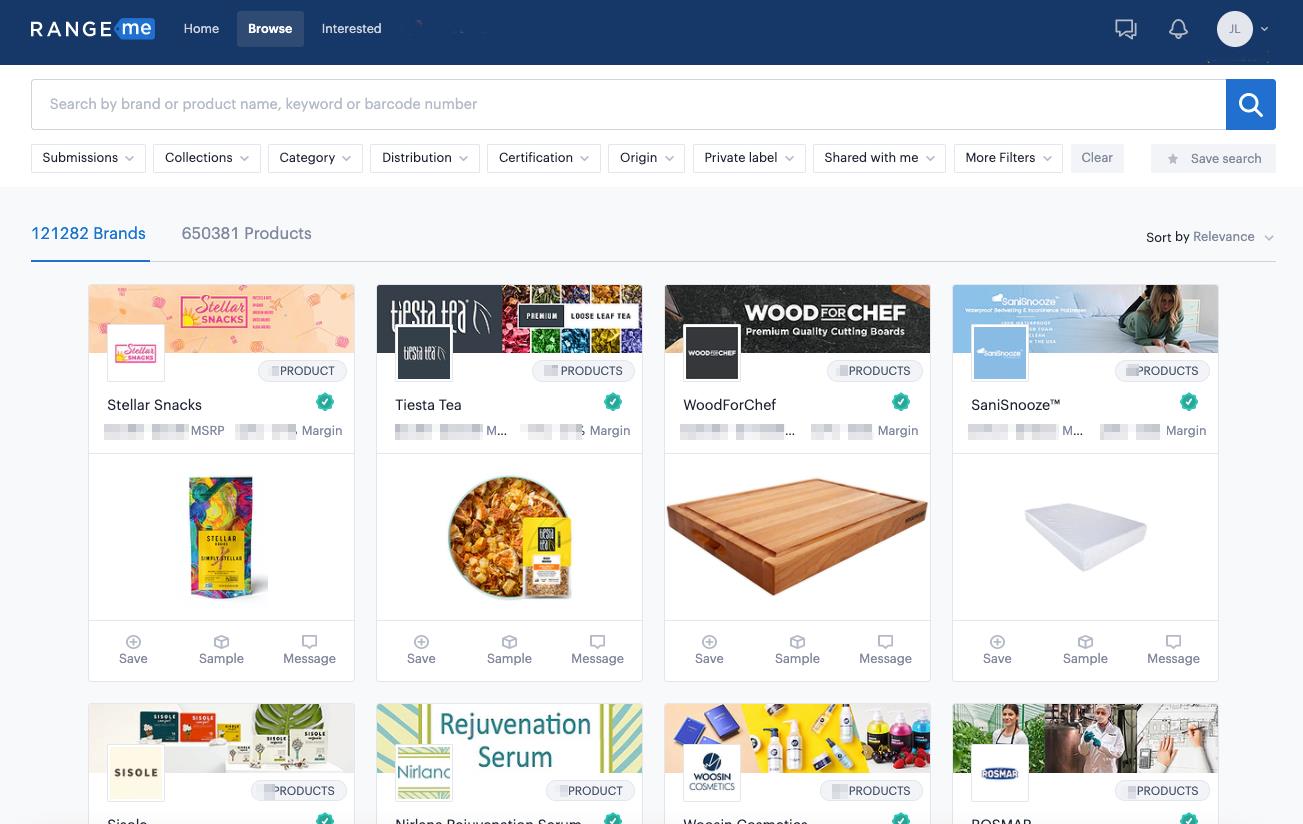
    Product discovery and sourcing platform RangeMe has fully launched its global service to retailers in Australia, New Zealand, and the wider APAC region, allowing businesses to access 200,000 international suppliers.

    A number of businesses are already using the service, such as Blooms the Chemist, Good Price Pharmacy Warehouse, Pet Circle and Pet Culture, and are now able to source new products at a time demand for a wider range of products is growing.

    “This will be a transformative experience for these retailers’ buyers,” said RangeMe chief executive Nicky Jackson.

    “Our mission has always been to empower retailers and suppliers to be productive and successful. The world has become a smaller place, but it remains distant for forging strong cross-border buyer and seller relationships

    “We built RangeMe to connect buyers and suppliers anywhere in the world.”

    RangeMe allows businesses to search and filter for products they want to sell, creating a more specific and intentional supplier relationship. The business is also open for Australian suppliers, which can sign up to be a part of the service and potentially gain new buyers from over 12,000 overseas clients – including Walmart, Sephora, Walgreens and Albertsons.

  • Thailand’s Tookdee speeding up expansion plan

    Thailand’s Tookdee speeding up expansion plan

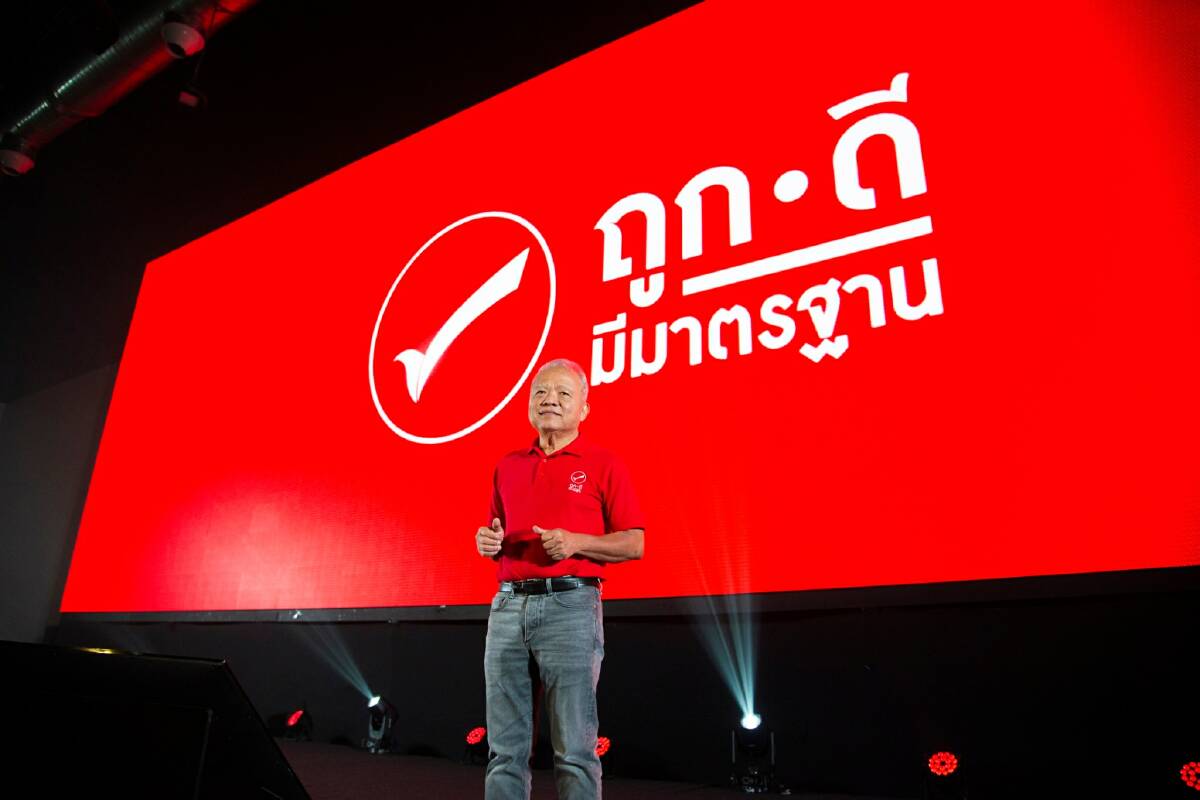
    Mr. Sathien Setthasit, Chairman of TD Tawandang, proprietor of TOOKDEE retail store, reveals that TOOKDEE brand aims to set new standard for convenience stores in local communities that are vital base of grassroots economy in Thailand. With elevated standard, knowledgeable operation and technology-based management, TOOKDEE is set to become the “community store by the community, for the community” that offers modern and friendly service to enhance living condition of the people in the communities.

    TOOKDEE’s business model allows for all benefit. Everyone can become part of the changing process to modernize local-style convenience stores and shake up the Thai retail industry, and ultimately create more business opportunity to local community businesses all over Thailand.

    Owners of local convenience stores and local business partners earn more income from sales. Local entrepreneurs have more distribution channels through TOOKDEE shops, while the consumers in the communities have access to good quality products at affordable prices. Most importantly, TOOKDEE shops created a lot of job opportunities and employment through its branch and warehouse expansion, encouraging purchase and creating economic flow from urban areas to rural communities that better and improve the lives of the local communities. TOOKDEE is another driving force for Thai economy to thrive and recover from the stalling economy caused by the COVID-19 pandemic that devastated the Thai economy, employment rate and citizens’ income. TOOKDEE is expected to elevate local trade and commerce and revitalize the country’s grassroots economy.

    Mr. Sathien states that the firm has developed the concept of TOOKDEE since 2019 with collaboration from convenience store entrepreneurs that contributed variety of products, equipment, know-how and technology to enhance the operation and beautify storefront. The company also works closely with various business partners to launch marketing activations and promotion advertisement at TOOKDEE stores to boost sales, strengthen local business, and create competitive edges to compete with big convenience store brands.

    TOOKDEE was first launched two years ago during the pilot period in Nakhon Pathom, Khon Kaen and Udon Thani, then on to the northern and central regions of Thailand. Immediately after the launch, the feedback was satisfactory. Income of local convenience stores went from 3,000-5,000 THB daily to more than 10,000 THB, allowing store owners to break through economic dead ends and build better lives for themselves. TOOKDEE is growing against the tide of economic trend that has been devasted by the COVID-19 pandemic thanks to the business model that caters specifically to the local demographic that allows TOOKDEE to thrive sustainably alongside business partners and store owners.

    TOOKDEE’s strengths include local ownership that best caters to the specific needs of the local demographic. TOOKDEE also carries local highlight products and indigenous goods of each locale to offer product diversity, boost sales and distinguish itself from other brands.

    Currently there are more than 1,000 TOOKDEE shops nationwide, with plans to expand to 8,000 shops in 2021 and 30,000 shops in 2022. Expansion will ensure accessibility even at the most remote villages, especially those that already have convenience or retail stores in place.

    To accommodate rapid expansion, TOOKDEE has established a provincial center to assist store owners in their new business venture, instill confidence and show readiness to accommodate local convenience store business in Thailand. The center allows potential store owners to immerse in TOOKDEE experience as buyer and seller, try out the equipment, browse through product selections, observe the interior design theme and test the POS system that will modernize and add efficiency to the operation. The center has dedicated TOOKDEE staff to assist and answer all questions to help store owner confidently land their first step in the TOOKDEE venture.

    TD Tawandang is offering business opportunity to store owners and interested partners all over Thailand to join TOOKDEE, the local community convenience store network, to modernize and raise the standard of the Thai retail industry to international level and better the lives of Thai communities.

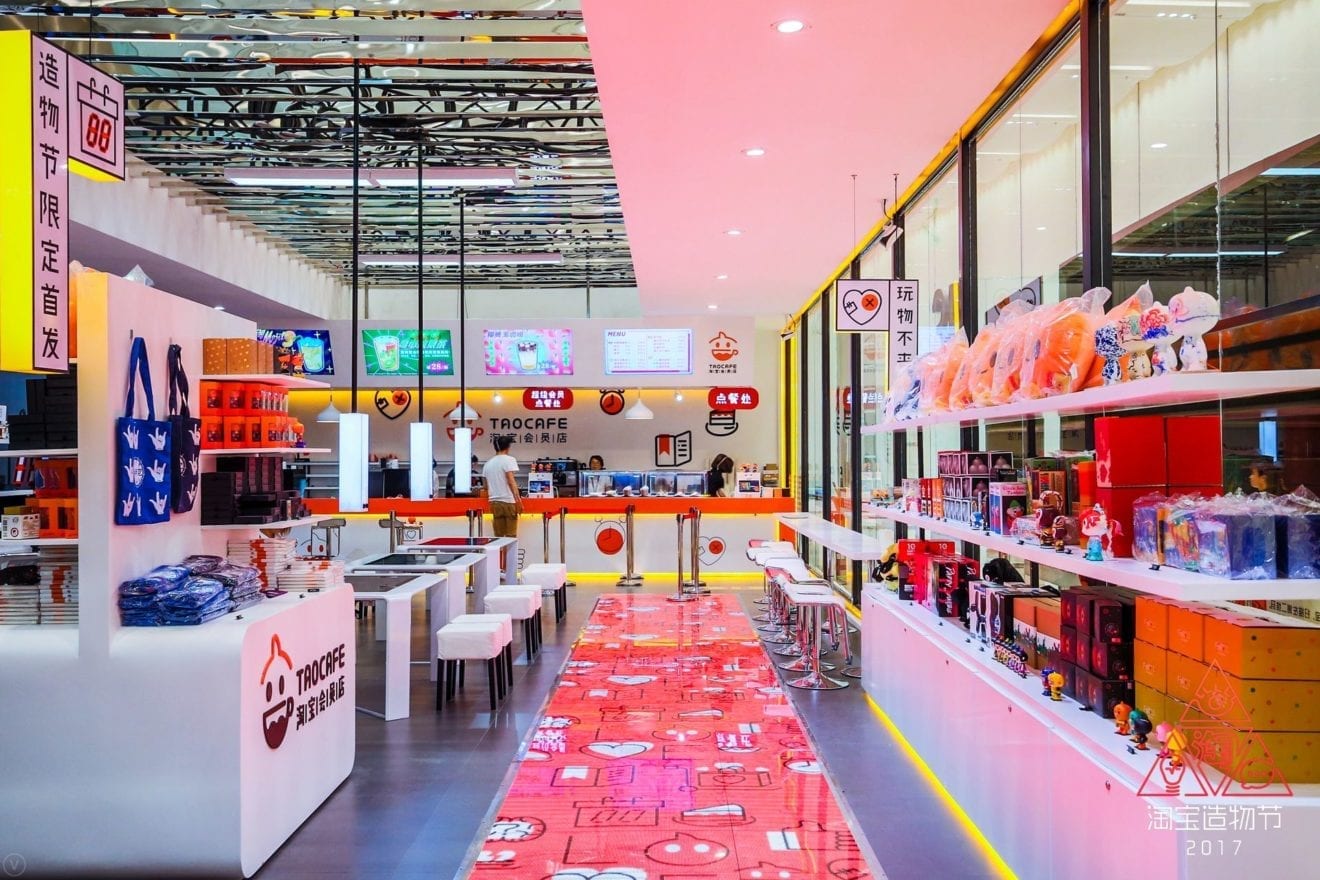
  • Alibaba apps like Idle Fish help secondhand trading boom in China

    Alibaba apps like Idle Fish help secondhand trading boom in China

    Chinese e-commerce giant Alibaba is going to invest at least 100 million yuan (US$15.4 million) this year to develop a digital flea market on the mainland, Chinese media report. The firm launched a used-goods mobile app called Xianyu (Idle Fish) in June 2014 that has since attracted more than 100 million registered users, according to news website yicai.com.So far, about 170 million used goods have been traded through the smartphone app, the report said.

    CES Asia returns to Shanghai as Alibaba heats up China’s trade show market with new event.

    The firm is planning to invest 100 million yuan to introduce a flea market into 100 urban cities across the country, where users of Xianyu can trade second-hand products in local communities, according to the report.

    Shanghai-based data analysis agency CBNData said the used-goods trade market could reach 400 billion yuan in mainland China this year.

    Xianyu’s customers can use their smartphones to run their stores, taking and uploading product photos, creating catchy product descriptions, and adding promotional voice recordings.

    Both buyers and sellers can get a sense of belonging, and recognize and assess each other, which makes the app more akin to a social network than a shopping website, the company said.

    Users’ transactions are backed by e-payments provider Alipay, a third-party online payment platform that works like a “money remittance service” as Xianyu sellers are also rated by buyers and Taobao’s customer service centre fields consumer complaints.

    Alipay is owned and operated by Ant Financial Services Group, a company separately formed by Alibaba and various private investors. Alibaba also runs Taobao, China’s biggest online e-commerce platform.

    The trading online of second-hand goods has been booming in China recently, with Ganji.com offering classified advertisements, 58.com selling used cars and Dangdang second-hand books.

    Moreover, China is rapidly embracing the sharing economy since this was endorsed by the central authorities and included in the communique of the Fifth Plenary Session of the 18th Communist Party of China Central Committee.

    Typical in forms of car-pooling and home-rental services, sharing-economy platforms in China created a market worth 1.95 trillion yuan (US$298 billion) last year, according to a report released by the Internet Society of China in February.

  • Indonesia’s Bukalapak kicks off $1.1 billion IPO

    Indonesia’s Bukalapak kicks off $1.1 billion IPO

    Indonesia’s Bukalapak launched an up to $1.13 billion IPO ahead of next month’s listing, marking the country’s biggest issue in over a decade amid rising investor appetite for tech stocks in a region boasting a growing consumer class, according to a term sheet seen by Reuters.

    The e-commerce company, which counts Singapore sovereign investor GIC and Microsoft among its backers, is set to be valued at $5.6 billion at the top end of a price range, doubling the company’s valuation from two years ago.

    Details of the IPO are currently being announced at an investor briefing.

    Reuters reported on Thursday that Bukalapak, the country’s fourth-biggest e-commerce firm, was targeting raising more than $1 billion in its IPO, 25% more than previously planned.

  • Li & Fung reveals first private-label brands created for JD

    Li & Fung reveals first private-label brands created for JD

    Li & Fung Limited, the world’s leading supply chain solutions partner for consumer brands and retailers, today announced that as part of a strategic investment made by JD.com in 2020, it is partnering with JD.com to provide end-to-end digital supply chain management services for JD.com’s private brand initiatives.

    Together, they are creating a multi-category collection that includes homeware under the brands “Made by JD” and “Best Home”, and developing a pet product brand called “Jingmeng” (“Cute Pet”) to capture China’s burgeoning pet care market.

    Building on JD.com’s investment and strategic digital supply chain partnership with Li & Fung, focusing on private brands, the joint venture’s newest initiative will leverage the emerging C2M (consumer-to-manufacturer) business model that is rapidly gaining momentum in Mainland China.

    C2M enables manufacturers to dramatically shorten the time from design to consumer from the industry average of 40 weeks to as little as two weeks, delivering high-quality, trend-responsive, products to the consumer. Products are tested in multiple SKUs of small quantities through e-commerce channels, providing more accurate data analysis of end-consumer preferences so that iterations can be made quickly and inventory can be adjusted in real-time.

    “JD.com can leverage Li & Fung’s 3D product design expertise and supply chain know-how to create and produce these new private label brands,” said Mr Wilson Zhu, newly-appointed head of C2M initiatives at Li & Fung.

    “By continuing to leverage the respective strengths of both companies we will deliver precisely what consumers are looking for – within their budget and at a much faster speed – through better forecasting, smarter production and maximum supply chain efficiency.”

    Mr Wang Xiaosong, Senior Vice President of JD.com and Head of JD.com’s private brands division said, “Li & Fung’s industry-leading 3D product design capabilities and wide-ranging product category expertise will greatly enhance our ability to create private-label brands that online consumers welcome and trust. The brand development process will also be informed by insights from our big data analysis”.

  • Coupang faces probe into unfair trade practices

    Coupang faces probe into unfair trade practices

    After stoking a series of controversies, including a fire at a logistics centre and poor working conditions, South Korean e-commerce giant Coupang is now facing a government investigation into alleged unfair trading practices.

    The Korea Fair Trade Commission (KFTC) recently noted that Coupang might have violated the Fair Trade Law and carried out a field investigation at Coupang’s headquarters in Songpa-gu in Seoul late last month.

    Coupang has allegedly manipulated its search algorithm to make its private-label products more visible than the products of other suppliers.

    The company manipulated the algorithm towards prioritizing and placing its private-label products at the top of the search results while placing other products at the bottom.

    The antitrust regulator is also investigating whether Coupang conducted ‘gapjil’ against suppliers. Gapjil is a Korean term referring to power harassment and abuse of power.

    Coupang has allegedly required suppliers to offer their products at the lowest price and penalized those who refused to supply their products at a lower price than the supply price for other platforms.

    In the field investigation, the KFTC checked the allegations that Coupang forced suppliers to purchase advertising space and excluded those who refused to do so from various benefits, including the company’s rocket delivery service.

    Another allegation was that Coupang unfairly returned products to suppliers.

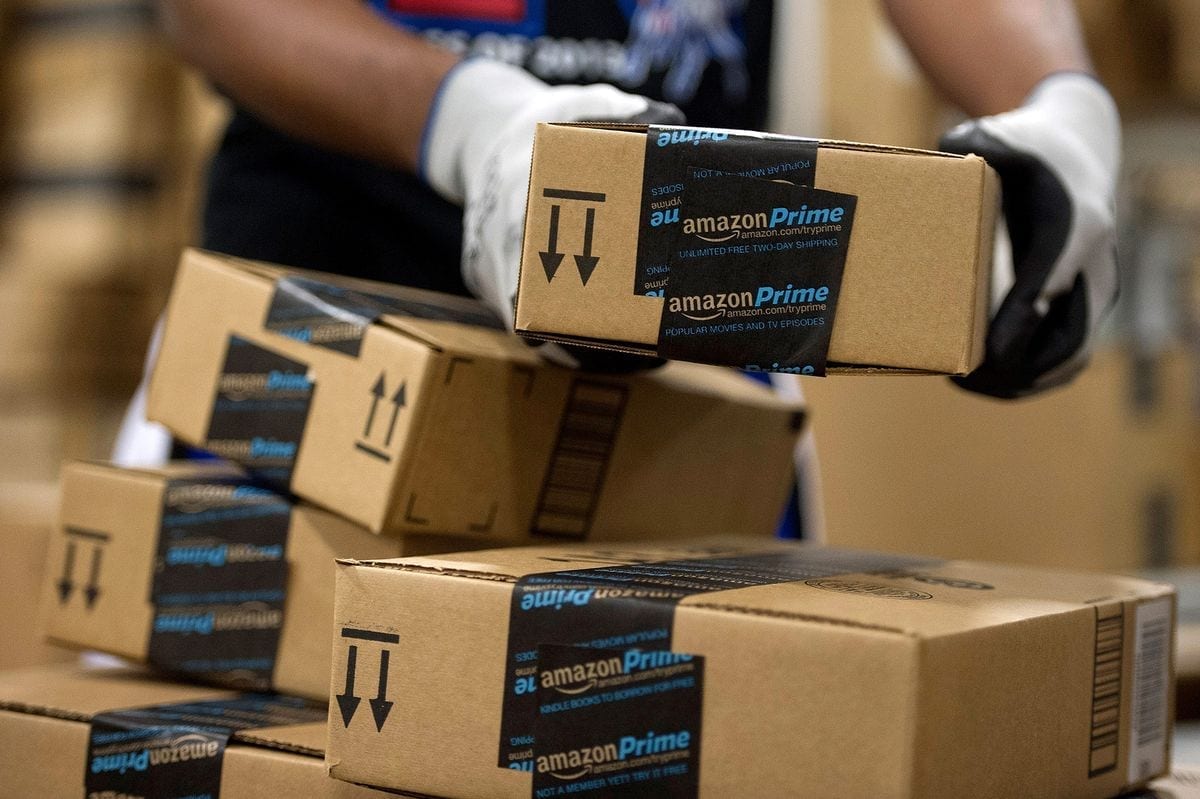
  • Amazon Australia will now service New Zealand customers as well

    Amazon Australia will now service New Zealand customers as well

    Amazon Australia has broadened its reach in the region, and is now officially offering its services to customers in New Zealand.

    While the online marketplace launched in Australia in 2017, Kiwis have long needed to purchase goods from the US marketplace, according to the business, and will now be able to access faster delivery times from Australia’s warehouses.

    “We are excited to offer Kiwis access to millions of products at great prices,” said Tony Austin, general manager for exports. Delivery will start at NZ$3.20, while parts of Auckland and Christchurch will have the option of expedited delivery for around NZ$7.49.

    This move should help New Zealand brands to access a wider range of the country, if they aren’t able to ship everywhere, by way of listing on Amazon Australia – and will allow more Australian brands to access the New Zealand market.

    It isn’t clear if New Zealand will be able to take part in certain Australian programs, such as the recently announced ‘Amazon Warehouse’ resale platform, or its on-demand paperback printing service ‘Print on Demand’, or if the New Zealand service will be limited to the business’ traditional marketplace offering.

    The service will certainly be able to take advantage of the business’ recently announced Western Sydney robotic fulfilment centre, which is set to “effectively double” Amazon’s operational footprint in Australia.