Category: E-Tailing

Retail News Asia is committed to providing both local and global retailers with the latest E-Commerce & Etail news throughout the Asian market. This on a daily base.

  • Reebonz launches buy-back guarantee Program in Thailand

    Reebonz launches buy-back guarantee Program in Thailand

    Online luxury marketplace Reebonz has launched a guaranteed buy-back program in Thailand.

    The service, which applies to leather goods and jewellery, gives customers a guaranteed price that the company will pay to buy back products initially sold on its platform.

    Customers will be offered currency, called Reebonz Credits, that can be used for future purchases on the platform.

    Pre-owned jewellery from selected brands such as Chanel, Harry Winston, Hermes, and Christian Dior, among others, will be eligible.

    Daniel Lim, Reebonz co-founder and CPO, said the company hopes to further expand its services across new geographies and categories, giving customers even more ways to engage with the brand. “We truly believe we can be a one-stop ecosystem for everyone’s luxury needs.”

    The guarantee is now available in Singapore, Hong Kong, Taiwan, Malaysia, Australia, Indonesia, and the US.

    Headquartered in Singapore, Reebonz is a C2C platform that allows customers to buy and sell their pre-owned items to a community of more than 5.5 million members.

  • Swee!’s celebration of Singaporean culture through creative branding lands RedMart global brand award recognition

    Swee!’s celebration of Singaporean culture through creative branding lands RedMart global brand award recognition

    Swee!, a hyper-local brand under the Private Label umbrella of RedMart, Singapore’s leading online grocery retailer, has been awarded Gold in the New Brand category at the 2019 Vertex Awards. The annual Vertex Awards celebrates and recognises the best in private brand packaging design across the globe.

    Other Gold Award winners this year include renowned overseas retailers such as Woolworths Supermarkets in Australia, 7-Eleven in the US, Sobeys in Canada, Albert Heijn and SPAR in the Netherlands, El Corte Inglés in Spain, and German supermarket chain Aldi.

    Launched in February 2018, the Swee! brand is a celebration of Singaporean tastes and preferences, offering entry-level, everyday groceries and household items ranging from oyster sauce and sesame oil to sausages and scourers for Singapore shoppers. It is one of three brands under RedMart’s Private Label range, along with RedMart Label and World’s Cellar. Launched in May 2015, the three brands together house more than 320 products across 13 categories, all sold exclusively on RedMart.

    Richard Ruddy, Chief Retail Officer and Head of Grocery for Lazada Singapore, said, “We launched our RedMart Private Label range in May 2015 with the aim of delivering value for money to customers with no compromise on quality or innovation. Since then, the range has grown by leaps and bounds – we have experienced 80 percent year-on-year growth and more than tripled our Private Label revenue since June 2017, and almost 50 percent of RedMart shoppers now buy RedMart Private Label products.”

    Nupur Agrawal, Private Label Lead at RedMart, said, “We are thrilled to receive this award with Anthem Singapore for RedMart’s Swee! Label, which is under our Private Label umbrella. We will continue to expand our offerings to provide Singapore grocery shoppers with the best product range and quality regardless of price point, as well as look for ways to enhance the online-to-offline experience, such as through innovative and iconic packaging designs.”

    Anthem, the global creative agency responsible for Swee!’s packaging design, was challenged by RedMart to deliver a brand story with local relevance and ultimately attract more traditional shoppers who are more comfortable buying from their regular brick-and-mortar supermarket. RedMart and Anthem’s goal was to create a brand proposition that connects with the local consumer and answers their need for a range of simple, fit-for-purpose items.

    Spencer Ball, Creative Director of Anthem Singapore, said, “It is a proud moment seeing Swee!, a brand born out of Singapore’s heartland, being honoured on the world stage. This is a perfect example of the shared belief in a simple, strong idea, from a talented creative team and a bold client.”

    As a strictly online brand, packaging presentation and branding is paramount. RedMart and Anthem collaborated to create a brand with a ‘chirpy’ personality, but with a familiar simplicity. Drawing on inspiration from Singapore’s heartland, with a nod to the utilitarian aesthetics of high-rise public housing estates and the unpretentious language of the neighborhood wet market, Anthem landed with the brand name ‘Swee!’ – a Hokkien expression that roughly translates to ‘works perfectly’. Since its debut on RedMart, the line has continued to grow with a diverse range of products.

    Anthem is known for choosing to collaborate exclusively with retailers and brand owners who share their company values in ensuring the highest quality products. The brand development partnership with RedMart was a great fit, as RedMart’s Private Label is built on stringent quality guidelines with a deep commitment to supporting sustainably and responsibly sourced products.

    Anthem, part of SGK group, had previously won Vertex awards for other projects. This year, the group has also won Gold Vertex Awards for the work developed for Woolworths Supermarkets.

    The 2019 Vertex Awards received a record number of entries from 33 countries representing the absolute best in packaging design from across the globe.

    RedMart is fully owned by Lazada Group, Southeast Asia’s leading eCommerce and shoppertainment platform.

  • Online fashion retailer Mogu reports Steep Growth Numbers

    Online fashion retailer Mogu reports Steep Growth Numbers

    Chinese online fashion and lifestyle retailer Mogu has reported an 18.7 per cent increase in gross merchandise value (GMV) for the year to March 31, to RMB17.408 billion (US$2.594 billion).

    The company’s revenue for the year reached RMB1.074 billion (US$160.1 million), an increase of 10.4 per cent year on year.

    However the number of active buyers in the year to March remained the same as the previous year, at 32.8 million.

    The company said it live-video broadcast business continued to grow strongly with associated GMV increasing 138.1 per cent year on year.

    “We delivered another quarter of solid growth,” said Qi Chen, Mogu’s chairman and CEO. “During the past quarter, we continued to expand, optimise and elevate the supply chain for our fashion ecosystem by enriching content, increasing user engagement on our live-video broadcasts, and facilitating more repeat repurchases,” he said.

    “Looking ahead, we will continue to strengthen our unique three-way fashion ecosystem by further growing our content creation community of fashion key opinion leaders and live-video broadcast hosts, elevating the fashion-product supply chain and supporting deeper collaboration between merchants and KOLs, and ultimately facilitating greater user and community engagement through rich and high-quality interactive fashion content and products.”

  • Amazon Starts to sell fresh produce online in Japan

    Amazon Starts to sell fresh produce online in Japan

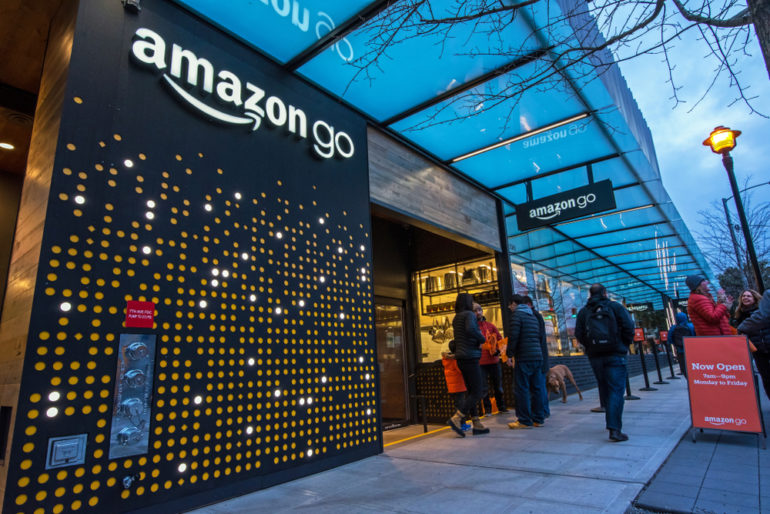
    Amazon Japan is partnering with local supermarket operator Life Corp to sell fresh foods online.

    The project will commence in parts of Tokyo later this year and provide a range of produce to Amazon’s Prime Now subscribers in Japan, offering order times as prompt as two hours for delivery. It is the first time the internet giant’s Japanese unit has partnered with a supermarket chain.

    Amazon Japan will handle all deliveries and process payments under the new venture, which targets those who face challenges leaving home to go shopping, such as the elderly or busy working professionals. The firm is hoping to use the service to meet a broader demographic for its Prime Now subscriptions.

    The arrangement is an opportunity for Life to extend its current online reach, which currently covers just over half of the Tokyo metropolitan zone. Profitability remains a limiting factor for supermarkets investing in online order infrastructure in Japan.

  • Amazon cutting prices on thousands of online items

    Amazon cutting prices on thousands of online items

    Amazon Australia is holding its second mid-year sale, slashing prices on tens of thousands of products from Friday, May 31, through the month of June. The deals include up to 50 percent off select clothing, shoes and accessories from brands such as Calvin Klein, Berlei and Bonds; discounts on select TVs, video games and books; and 15 percent off household and pantry essentials when you spend $50 or more.

    Savings are advertised across all of Amazon’s 29 product categories, including kitchen, baby and pets.

    “With tens of thousands of products available at discounted prices and new deals going live every day throughout June, we hope our Mid-Year Sale provides something for everyone,” Rocco Braeuniger, country manager of Amazon Australia, said in a statement about the sale.

    Since launching in December 2017, Amazon Australia now claims to offer over 125 million products.

    This is the second time Amazon Australia has held a mid-year sale, joining many retailers in marking down stock for End of Financial Year (EOFY) sales during the month of June.

    Recent research from PayPal shows that EOFY sales are the most popular times for Aussies to pick up a bargain online, alongside Boxing Day.

    That same report also revealed that while some retailers are starting to move away from markdowns, most shoppers are still driven to purchase by discounts.

    PayPal found that 68 percent of Australian consumers are always on the lookout for an online sale or discount, and half of the consumers have waited for an item to go on sale before buying it online. Among Gen Z and Gen Y shoppers, that figure increases to 73 percent and 65 percent, respectively.

    But this doesn’t have to be bad news for retailers. According to PayPal, online sales present an opportunity for brands to build awareness and reach new customers: 39 percent of consumers have bought a brand online they wouldn’t usually buy because it was on sale, and 39 percent of retailers said online sales increase revenue.

    But it’s necessary to take a strategic approach. For instance, Amazon’s biggest sales – including its Mid-Year Sale, Prime Day sale, and Black Friday and Cyber Monday sales – are all about driving app downloads and Prime subscriptions. In turn, this drives more frequent purchasing on the platform.

    According to Retail Dive, Amazon saw more than 1 million consumers use its app for the first time on Prime Day 2018.

  • Online Spending on local sites strengthens

    Online Spending on local sites strengthens

    Spending on local online sites has strengthened, helping boost the country’s total online retail sales over the three months to April by 7 percent over the previous corresponding period.

    Spending on New Zealand sites is continuing a recent strong run, seeing an 11 percent increase over the three months to April 30 compared to the previous corresponding period.

    Continued strong growth in the food, clothing, electronics and department store categories was seen as the driving force.

    “Growth in online spending on food is particularly strong and is emerging as a key reason for stronger growth rates at domestic sites versus international,” said Gary Baker, director of institutional research at Bank of New Zealand.

    Baker said the country is continuing to see softer growth rates for purchases from offshore sites, which over the last three months were only 2 percent higher than in the same period the previous year.

    “One influence is the NZ dollar, which is tracking around 7 percent lower versus the USD than it was a year ago, making offshore purchases more expensive for Kiwis,” Baker said.

    “This will reduce spending if a fall in purchase volumes more than offsets the effect of paying higher prices.”

    According to Baker, another influence on the softening growth rates from spending in offshore sites is the ongoing maturation of the online channel.

    “In recent years we have seen online growth rates ease from double-digit levels and slowly trend down,” he said. “Online growth rates still exceed those of physical stores, but the gap is reducing.”

    In some categories, however, purchases from offshore sites are continuing to grow very strongly, such as in computers and entertainment media.

    Total online retail spending over the three months to April 30 was 7 percent higher than the previous corresponding period.

    Annual online spending across the retail categories covered is running close to $4.6 billion, excluding GST.

  • Big Expectations for Alibaba’s IPO in Hong Kong

    Big Expectations for Alibaba’s IPO in Hong Kong

    There is growing expectation of an Alibaba IPO in Hong Kong which could raise as much as US$20 billion.

    The plan, if it proceeds, would be the sixth-biggest follow-on share sale in history and succeed the firm’s $25 billion New York float of 2014. It is likely to fuel a renewed surge in technology investment for the firm at a time of escalating trade war between China and the US.

    Spokespeople for the company have refused to provide further information on the tentative deal, which would allow investors in Hong Kong direct access to the Chinese e-commerce behemoth for the first time.

    However, there have been widespread media reports of an Alibaba IPO in Hong Kong from reputable media, with the story originally broken by Reuters.

    Alibaba was previously precluded from a Hong Kong listing due to its rules governing board appointments, however, the Hong Kong exchange has since relaxed its regulations.

    The firm’s direct competitor Tencent Holdings currently trades at 26 times expected earnings in Hong Kong, compared to Alibaba’s New York trading at 22 times expected levels.

    Some onlookers have speculated that Alibaba is looking overseas in response to a perceived maxing out of its potential user base within the mainland.

    Alibaba is expected to apply for a listing confidentially.

  • HKairportshop.com offers ‘world’s fastest airport pickup’ for Ecommerce Shoppers

    HKairportshop.com offers ‘world’s fastest airport pickup’ for Ecommerce Shoppers

    Hong Kong International Airport’s one-stop online-shopping platform HKairportshop.com is making orders purchased via the platform ready for pickup at the airport 90 minutes after the purchase is made – including duty-free hard liquor.

    The e-commerce platform brings together more than 3000 products including popular makeup and fragrances, travel exclusive collections, wines, electronic goods, souvenirs and HKIA’s exclusive smart luggage tag MyTag – which alerts passengers of their arriving bags when paired with the HKG My Flight app.

    The site is now offering travellers who spend more than HKD1000 (US$127.40) on the platform a saving of HKD200 ($25.48) when they use the promo code “UP200” from now till June 30.

  • BukaGlobal boosts its regional expansion Growth

    BukaGlobal boosts its regional expansion Growth

    Indonesian e-commerce platform BukaGlobal has launched in Singapore, Malaysia, Brunei, Hong Kong and Taiwan.

    Developed by Bukalapak, the platform will connect 4 million Indonesian sellers to the global market. At the moment, products sold on the site include health and beauty items, pantry lines and handicrafts from only qualified sellers in Jakarta and Tangerang. More sellers are set to join progressively.

    Customers in five countries can order products starting from 500gm with delivery time usually six to 11 days, depending on the destination.

    “We want to break down barriers that hinder young and small entrepreneurs from competing on a global playing field, primarily on access, infrastructure, and connectivity,” said Fajrin Rasyid, Bukalapak’s co-founder and president.

    “With BukaGlobal, Indonesian products are readily accessible by consumers anywhere in the world through a fast and reliable platform.”

    Fajrin said Bukalapak chose Singapore and the other four markets as there are many Indonesians there and the people in these countries understand Indonesian culture.

    The firm is working with Singapore startup Janio for end-to-end cross-border logistics.

  • Chinese consumers adore pre-owned shopping online

    Chinese consumers adore pre-owned shopping online

    More and more mainlanders are using apps and websites to shop for pre-owned products.

    The popularity of shopping for pre-owned products online is on the rise in China, a trend being driven by a new consumer focus on sustainability and the rise of “recommerce” super apps, which integrate all possible functions related to shopping for secondhand goods.

    China has a nascent but fast-growing secondhand market, according to the China Center for Internet Economy Research, a Beijing-based research think tank, which estimates the size of the market at RMB 500 billion (US$71.1 billion) in 2017. It predicts that number will double by 2020. And monthly active users on recommerce platforms in China grew 46.4 per cent last year, almost double the growth rate of the users in the overall e-commerce sector, according to US research firm Nielsen reported.

    Despite those big numbers, China’s recommerce boom is only beginning. Compared to mature recommerce markets in the west, where secondhand markets (including used cars) sometimes account for as much as 10 per cent of GDP, China’s second-hand market was about 0.6 per cent of GDP in 2017.

    Some factors unique to China are behind its potential to close the gap: Firstly, the purchase of pre-owned items was once a taboo – because it was seen as a sign of financial struggle and was, therefore, a source of social shame. Now, it is considered smart shopping. Secondly, improved standards of living are a recent phenomenon in China. They’re just decades old, following in line with the country’s “reform and opening” since 1979. But as the ability for Chinese consumers to accumulate more climbs with their spending power, the market for secondhand goods grows as well.

    Sustainability is the new black

    Cost-conscious shopping aside, Chinese consumers these days are increasingly focused on sustainability, and that is driving the secondhand goods market as well. A Mintel survey showed that more than half of urban Chinese consumers buy or rent second-hand products because it is good for the environment. Among a trendsetting subset of that group – well-educated, sophisticated shoppers –  the percentage climbs to 63 per cent and trumps affordability as the top reason to participate in recommerce.

    Chinese millennials, in particular, are emphasising rational consumption and sustainability in their shopping habits. According to survey data from Sootoo Institute, which researches the internet sector in China, 50 per cent of recommerce-platform users in China are under the age of 24, while 34 per cent are between 25 and 30. More than 60 per cent of the total 200 million users on Alibaba Group’s recommerce platform, Idle Fish (or Xianyu in Mandarin), the largest such platform in China, were born after 1990.

    Perhaps it is not surprising, then, that recommerce platforms such as Idle Fish have built-in features to encourage and reward sustainability. Idle Fish has partnered with Alibaba affiliate company Ant Financial to offer users access to its sustainability mini-program, “Ant Forest,” which is featured on Ant Financial’s mobile-payments platform Alipay. Users can redeem points awarded by Ant Forest for recycling to have trees planted by Ant Financial in China. The total recycling activity on Idle Fish last year translated into the planting of about 230,000 trees.

    Super apps and ‘Fish Ponds’

    Recommerce in China is unique also for the way in which Chinese consumers shop for pre-owned items. Super apps, such as Taobao and Tmall, are the preferred online destinations for commerce because they offer channels for all kinds of shopping. The same goes for Idle Fish, which allows users to buy, rent, give away or even donate their unwanted things in every conceivable product category. For consumers in the US to do the same, they would need to separately use the Rent the Runway, eBay, ThredUp, Goodwill and Facebook (marketplace) apps.

    Then there’s the community and entertainment aspects of the recommerce shopping experience in China. While secondhand shopping in the west is typically a transaction-driven experience, in China, it is a social one. For example, Idle Fish’s “Fish Ponds” are micro-communities within the app that group users by common hobbies, such as fishing, photography or fitness. Within each “pond,” users exchange information about their hobby and post used items for sale. Besides the pond, there is even a separate channel for celebrities, where they sell their personal items to followers. This is particularly popular for luxury shoppers, who trust the authenticity of items owned by celebrities and aspire to follow their fashion tastes.

    The play for brands

    Brands should not overlook the opportunity to capture loyal customers in this new generation of environmentally conscious consumers in China. Some, such as Swedish fast-fashion brand H&M, are already doing just that. H&M has partnered with Idle Fish to give shoppers credit to spend on its Tmall flagship store for each bag of used clothing or textiles they give back to the brand for recycling or repurposing.

    In the future, the “recycling-and-reward” steps will also be additional consumer-engagement points that brands can leverage to increase boost loyalty. Also, we will likely see more brands open official stores on recommerce platforms, making recycling part of the usual shopping journey. The chance to shop vintage styles could increase brand loyalty. For example, brands could offer pre-owned jeans on recommerce platforms while accepting trade-ins from customers, offering another way to maintain connection beyond the initial sale of new items.

  • Amazon helps with Deliveroo funding round

    Amazon helps with Deliveroo funding round

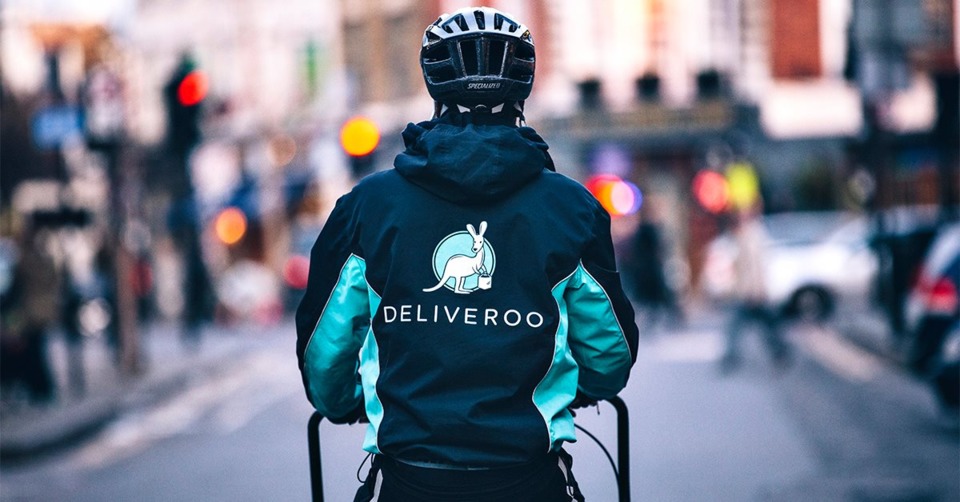
    Amazon is leading another funding round in international food-delivery startup Deliveroo.

    The US online retailer and existing shareholders including T Rowe Price, Fidelity Management and Research Company, and Greenoaks will invest US$575 million in the company, taking the cumulative total raised to date to $1.53 billion.

    “With this funding, Deliveroo will continue to build its world-class service – bringing customers the food they want whenever and wherever they want it, offering even more work for riders, and helping restaurants to grow their businesses by reaching new customers,” the company said in a statement.

    The funds will be deployed to growing Deliveroo’s London-based engineering team, expanding Deliveroo’s delivery reach, innovations such as the company’s delivery-only super kitchens called Editions and the development of new products providing customers with a more personalized experience.

    “This new investment will help Deliveroo to grow and to offer customers even more choice, tailored to their personal tastes, offer restaurants greater opportunities to grow and expand their businesses, and to create more flexible, well-paid work for riders,” said Will Shu, founder, and CEO of Deliveroo.

    “Amazon has been an inspiration to me personally and to the company, and we look forward to working with such a customer-obsessed organization. This is great news for the tech and restaurant sectors, and it will help to create jobs in all of the countries in which we operate.”

    Amazon UK country manager Doug Gurr said the company was impressed with Deliveroo’s approach and its innovation in delivery options.

    “Will and his team have built an innovative technology and service, and we’re excited to see what they do next.”

  • Alibaba Acquires 104 million monthly Active Users

    Alibaba Acquires 104 million monthly Active Users

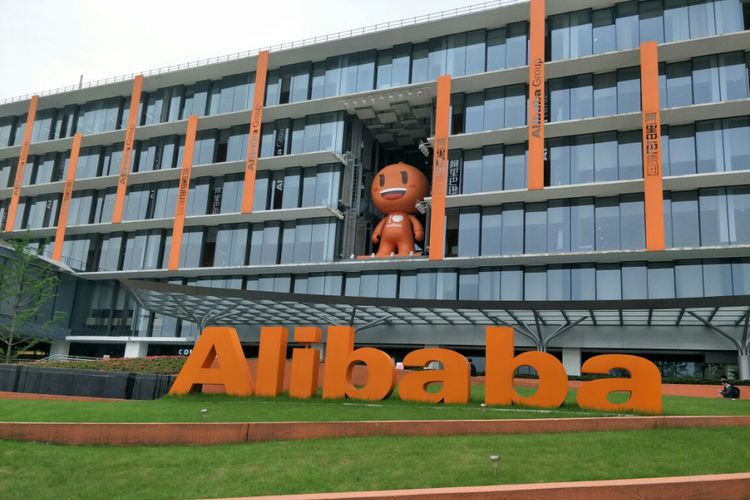
    Alibaba Group added 104 million monthly active users to its Chinese online retail marketplaces during the year to March 31.

    That stellar growth, driven by successful user-acquisition programs such as referrals through the Alipay app, took the total to 721 million. At the end of last year, the figure was 654 million, while quarter-on-quarter growth was 22 million.

    A standout feature of the growth is that Alibaba is cutting through into lower-tier, less developed cities which accounted for 70 percent of user growth last quarter.

    The figures were included in the company’s annual results, which, as reported earlier, included revenue growth of 51 percent during the year to March 31 to US$56.2 billion and net income up 31 percent to $13.1 billion.

    Chinese marketplaces recorded total gross merchandise volume (GMV) of $853 billion last year, up 19 percent on last year, which keeps the company on track to achieve its US$1 trillion total GMV target by the end of 2020.

    The company said its Taobao platform continues to grow fast. This year, a new interface was launched aimed at improving the user experience through content innovation and intelligent personalized recommendations.

    “It delivers a customized shopping experience by segmenting users based on behavior data and providing them with more recommendations to enhance product and content discovery,” the company said in a statement. “The new interface also includes Taobao’s innovative content, such as curated posts, short-form videos, and live-broadcast events. These initiatives drove strong growth in user engagement, purchase conversion, and annual active consumers.”

    Meanwhile, Alibaba’s mainstay Tmall is gaining wallet share and growing faster than the sector average, the company said.

    The growth of physical goods GMV, excluding unpaid orders, accelerated to 33 percent year-on-year in the quarter to March 31, compared to 29 percent in the previous quarter.

    “This robust growth was driven primarily by a strong performance of fast-moving consumer goods (FMCG), apparel, electronics, and home furnishing categories during the March quarter.”

    Its premium Luxury Pavilion channel boosted its brand lineup to more than 100 luxury brands, all of which have also opened Tmall flagship stores

  • Amazon Helps Deliveroo with $835m in funding round

    Amazon Helps Deliveroo with $835m in funding round

    Deliveroo on Friday announced it is looking to raise US$575 million ($835 million) in a Series G funding round, bringing its total investment to date to US$1.53 billion ($2.22 billion).

    Amazon is set to be the largest investor in the round, alongside existing investors T. Rowe Price, Fidelity Management and Research Company and Greenoaks.

    The food delivery company said it will use the capital to grow the tech team at its UK headquarters, expand its delivery reach to add new customers and continue to innovate its delivery-only kitchen concept, Deliveroo Editions.

    The company also plans to develop new products to give customers a more personalized experience, increase support for its restaurant partners and provide riders with new tools for flexible and well-paid work.

    “This new investment will help Deliveroo to grow and to offer customers even more choice, tailored to their personal tastes, offer restaurants greater opportunities to grow and expand their businesses, and to create more flexible, well-paid work for riders,” Will Shu, founder, and CEO of Deliveroo, said in a statement about the funding round.

    Shu said he was looking forward to working with Amazon.

    “Amazon has been an inspiration to me personally and to the company, and we look forward to working with such a customer-obsessed organization.

    The company said the investment will benefit restaurants, by helping them grow their business, and riders, by giving them more work. Deliveroo has been a leader in offering perks and protections in the emerging gig economy.

    Deliveroo in Australia last year partnered with Whitelion to help long-term unemployed young people to work and collaborated with Open Classrooms to give riders free access to hundreds of online courses for professional development.

    “We’re impressed with Deliveroo’s approach, and their dedication to providing customers with an ever increasing selection of great restaurants along with convenient delivery options,” said Doug Gurr, Amazon UK country manager.

    “Will and his team have built an innovative technology and service, and we’re excited to see what they do next.”

  • Alibaba buys into furniture chain Macalline

    Alibaba buys into furniture chain Macalline

    Alibaba has invested US$640 million in Red Star Macalline Group, the largest furniture retail chain in China. Signalling a renewed interest in the home improvement business, Alibaba made the investment in the form of convertible bonds issued by Macalline’s controlling shareholder. The transaction will see Alibaba taking a 10 per cent shareholding of Macalline’s Shanghai listing if fully converted. Alibaba has also taken 3.7 per cent of Macalline’s Hong Kong-traded shares.

    The investment will see emerging cooperation in the furnishings business between the two parties, a move that follows several other plays into the lucrative sector by the e-commerce giant.

    Macalline currently has 364 stores in almost 200 cities.

  • E-commerce Boom in Vietnam: The Rising Tiger

    E-commerce Boom in Vietnam: The Rising Tiger

    Vietnam can be truly called a land of opportunity for domestic and foreign e-commerce companies. Its young population, high Internet penetration rate and rising smartphone penetration rates play the key role here, making the country one of the most promising for e-commerce activities in the region.

    South-East Asia’s Surge in E-commerce

    According to the report Asia-Pacific B2C E-Commerce Market, over one half of total global online retail sales happens in the Asia-Pacific region. Based on the analyses it is concluded that over 50% of all the online shopping for retail goods and services takes place in the Asia Pacific region, and South-East Asia accounts for about 40% of the e-commerce market of the region.

    Southeast Asia is definitely a new big e-commerce hit, and the region is currently a very attractive market for big players involved globally in the e-commerce sector and smaller local companies. At a reflection point of Internet penetration and mobile devices rapid spread, the population of Southeast Asia is quickly adapting its behaviors to take advantage of new purchasing products and services online opportunities.

    According to the latest e-Conomy Southeast Asia 2018 report from Google and Singapore-based Temasek, the digital economy in Southeast Asia is on track to hit $240 billion by 2025, which is $40 billion more than previous estimates. The key factors are the most engaged mobile internet users in the world, as well as industries like ecommerce, online media, online travel and ride-sharing, which grew at never-before-seen rates.

    Flourishing Market

    There are currently 35.4 million e-commerce users in Vietnam, with an additional 6.6 million users to be shopping online by 2021. These 42 million e-commerce users will represent 58% of the total population. That’s why there is no wonder that throughout the last 5 years Vietnam is showing a constant rise in percentage of online shopping transactions.

    E-commerce market value in Vietnam from 2014 to 2020 (in billion U.S. dollars)

    Vietnam e-commerce Association (VECOM) reported that Vietnam’s e-commerce

    growth rate of some specific areas is explosive. For the online retail area, information from thousands of e-commerce websites showed that revenue growth rate in 2017 increased by 35%. For the payment area, the national Payment Corporation of Vietnam (NAPAS), in 2017, the volume of online domestic card transactions increased about 50% compared to 2016, while transaction value increased to 75%. For the online marketing area, the growth rate of some affiliate marketing companies in 2017 reached from 100% -200%.

    Vietnam’s e-commerce market has witnessed high growth rate since 2013, with online sales increasing from US$2.2 billion in 2013 to US$6.2 billion in 2017, averaging an annual growth rate of 20%. Little surprise there, as affiliate marketing sales constituted about 15% of the total sales, which sounds quite intriguing. About 80% of local brands rely on affiliate programs.

    The most popular products sold online included clothing, footwear and domestic (59%), electronic devices (47%), and household appliances (47%), among others, while payment and delivery methods have been used flexibly by enterprises.

    Moreover, the government has stepped in to try and usher in a new era of commerce. Vietnam’s legal framework and policies, especially Decree No.52 on e-commerce, have played a key role in creating favorable conditions for high growth rate of the retail e-commerce market.

    The decree aims to ensure fairness between e-commerce and traditional commerce, of which enterprises operating in e-commerce must comply with laws and regulations in equal to that of traditional one.

    Local Players Hit It Big

    Vietnamese e-commerce platforms Tiki, Thegioididong and Sendo entered the list of ten most visited sites in Southeast Asia by iPrice Group. Tiki, Thegioididong and Sendo ranked sixth, seventh and eighth, respectively, by average monthly web traffic. The top two leading positions took international corporations Lazada and Shopee, respectively.

    According to iPrice’s data on the Vietnamese market, Tiki, Thegioididong and Sendo made huge improvements in 2018 leading to attracting both user traffic and investment.

    Tiki is the fastest-growing retail company in Vietnam and has all the chances to be an industry winner. Their monthly website traffic increased by 80% within only six months, which took them from the fourth highest position among e-commerce websites in Vietnam to second place by December and the first place by monthly visits in April 2019, leaving international corporation Lazada on the second place.

    Similarly, Sendo.vn also grew by 55% in monthly website traffic within a period of six months and maintained a healthy fifth place in Vietnam, one rank behind Thegioididong. No wonder, it’s affiliate program is also one of the most rewarding in terms of revenue for the publishers.

    The most surprising entry to this list was Thegioididong. With focus on only one product category – electronic devices, the retail company still managed to gain an average of 29 million visits per month, according to the report.

    Although the leaders of the market are still Lazada and Shopee, which operate successfully in multiple markets, the three Vietnamese e-commerce companies’ inclusion is very remarkable, and is definitely a strong evidence of the size and potential of e-commerce in Vietnam.

    Affiliate Marketing Opportunities

    E-commerce success brings also a bunch of great affiliate-marketing offers. Sendo is definitely one of the most attractive ones. Up to now, more than 80,000 shops have been operating on Sendo.vn, offering a diverse range of products with over 5 million products from clothes to tech accessories. In 2018, Sendo.vn, the e-commerce subsidiary of FPT Corporation, also received $51 million from the Japanese SBI Holdings and other investors. After several effective improvements backed by investments, it is not hard to assume the retail will keep growing for sure.

    Besides from solely local market players, big international companies such as Lazada or Shopee are definitely still in the top in terms of revenue.

    Lazada is the pioneer e-commerce store in Southeast Asia. Present in Indonesia, Malaysia, Philippines, Singapore, Thailand and Vietnam it brings over 135,000 local and international sellers and more than 3000 brands online to serve more than 560 million customers which are increasing by the day. To counter Shopee’s expansion in Southeast Asia, Alibaba decided to invest another US$2 billion in Lazada to improve the company’s competitiveness, which actually gained the goal.

    Anyone who wants to eat a piece of pie and promote the Vientamese e-commerce giants like Lazada, Shopee, and Sendo, can join their official affiliate programs at Indoleads.com, one of the leading affiliate networks in Asia-Pacific.

    Investing paradise

    Vietnam is a true hotspot for investors from around the world. The burgeoning eCommerce market in Vietnam has attracted major investors from Japan, Germany, the United States, Korea, China, and Singapore. With six companies invested in Vietnam’s eCommerce market (BEENOS, CyberAgent Ventures, econtext Asia, SBI Holdings, Sumitomo Corporation, Trancosmos), Japan tops the list of foreign countries with the highest number of investors in Vietnam. In 2017, Japan invested a total of $9.1 billion in Vietnam, taking over Korea ($8.5 billion) and ranked as the largest foreign direct investment (FDI) country in Vietnam. The largest investors in Vietnam’s eCommerce market also include tech giants, venture capital firms and investment companies such as Alibaba, Tencent, Temasek Holdings, Dragon Capital and IDG Ventures Vietnam. Besides, Germany and the US are two countries outside of Asia that are actively invested in Vietnam’s eCommerce market.

    Forecasts

    With an explosive 33% compounded annual growth rate over the past two years, Vietnam ranks high among the fastest-growing e-commerce markets in the region. Its market has a great potential and it has already proved it within the last couple of years, so there is definitely no point in being skeptical. Based in the US Frost & Sullivan consulting firm forecasted that the E-Commerce market in Vietnam will reach a value of $3.7 billion by 2030. According to the Department of E-Commerce and Digital Economy, by 2020 an average online spending per person will reach US$350 annually.

    This e-commerce surge might be a great opportunity for many international and local players, as well as affiliate marketers. Indoleads.com, one of the leading affiliate platforms in South-East Asia, has an access to 500+ direct affiliate programs from over 60 countries around the globe that opens up a geography for local players to Asian, Brazil, US, UK markets.

    The key point of success of such worldwide e-commerce leaders like Zalora, Americanas, Amazon, Shein, Ssence, AliExpress, Lazada, Shein, Tokopedia, is affiliate sales. Register at Indoleads.com as a publisher to be a part of these top affiliate programs.