Category: E-Tailing

Retail News Asia is committed to providing both local and global retailers with the latest E-Commerce & Etail news throughout the Asian market. This on a daily base.

  • Amazon accelerates Australian Online Fashion Offerings

    Amazon accelerates Australian Online Fashion Offerings

    Amazon Australia has been connecting with fashionistas in Sydney this week, where thousands of designers, retailers, celebrities and fans have gathered to see the latest looks at the Mercedes-Benz Fashion Week Australia (MBFWA).

    As an official sponsor of the event, along with the likes of Moet & Chandon, Swarovski and Superga, Amazon has built an Instagram-worthy pop-up at Carriageworks.

    Visitors can try on some of the local brands available on Amazon and capture the perfect ‘selfie moment’ against four different backdrops, including a mint green oasis based on the products available through Amazon’s Travel range, a Bonds jungle, and a resort-style changing room.

    Amazon said the activation is designed to provide a memorable and educational experience for both industry and consumer guests.

    “We are really excited to be a part of the Mercedes Benz Fashion Week, alongside established and emerging brands,” Angela Langmann, head of Amazon Fashion, said in a statement.

    Since launching in December 2017, Amazon Fashion has rapidly grown its range. It now has tens of millions of products across clothing, shoes and accessories from over 1000 brands.

    In addition, the number of Australian brands on the platform has quadrupled from 33 to 150, with that number continuing to grow, according to Langmann.

    “At Amazon Fashion we celebrate local Aussie brands and build a shopping experience that helps our customers discover emerging and established Australian brands,” she said.

    Some of the more established Australian fashion brands on the platform include Talulah, Stevie May, Senso, Oroton, Three of Something, Finders, Bendon, Review and Lorna Jane, alongside small and medium-sized local businesses like sunglasses brand Local Supply, hat brand Will & Bear and footwear brand Wild Rhino.

    “One of the most powerful things about Amazon Fashion is that a customer can shop from major brands like Calvin Klein and Levis, buy from small and medium-sized local businesses like Local Supply, Will & Bear and Wild Rhino and from more established Aussie brands like Talulah, Stevie May, Senso, Oroton, Three of Something, Finders, Bendon, Review and Lorna Jane,” Langmann said.

    In terms of what’s next for Amazon Fashion in Australia, Langmann said the company is constantly looking for new ways to innovate within the fashion space and is exploring various avenues.

    In the US, the e-commerce giant has launched services like Prime Wardrobe, which gives customers seven days to order clothes and shoes and try them on at home, before they need to pay for the items they want to keep.

    This service so far is not available in Australia.
  • Alibaba not affected by the Trade War

    Alibaba not affected by the Trade War

    Alibaba executive chairman Joe Tsai told analysts the company’s position as “China’s number-one platform for overseas brands” puts it on the right side of the trade war between the US and China.

    While discussing the group’s recent full-year results, which saw Alibaba grow revenue 51 per cent during the year to March 31, 2019, to US$56.2 billion (RMB376.8 billion) and net income 31 per cent to $13.1 billion (RMB80.2 billion), Tsai said he wanted to address the “elephant in the room”.

    “First, the reduction of the US trade deficit. China’s commitment to purchase more American products means China will over the next several years become a net importing country,” Tsai said.

    “We are the platform of choice for global producers of products and brands selling into China because we have the reach and deep insights on over 650 million active Chinese consumers on our platform. The scale and effectiveness of our access to Chinese consumers is simply unrivaled.”

    Alibaba’s active customers grew to 654 million over the year to March 31- an increase of 104 million year on year.

    Tsai said the ongoing trade negotiations also create an opportunity for other markets to do more foreign business within China, satisfying growing demand from the Chinese public as the country’s economy shifts from an “export economy to a domestic consumption economy”.

    “As we look at the evolution of the Chinese economy, Alibaba is on the right side of all of the issues,” Tsai said.

    Alibaba was recently ranked as the world’s most valuable retail brand outside of the US by research firm Kantar earlier this week, which valued the brand at US$131.2 billion, up 48 per cent on last year.

    Partly, this was due to the group’s New Retail strategy, which this year saw Alibaba partner with Starbucks to enable on-demand coffee delivery across 35 cities throughout China.

    “If you want to see the future of retail, look to China,” the report said.

    “In many ways, it is leading the world… Chinese consumers are using mobile in every aspect of their lives.”

  • Suning invests in Jack Ma-backed retail Fund

    Suning invests in Jack Ma-backed retail Fund

    Chinese retailer Suning has invested US$129 million into Jack Ma-backed Yunfeng Capital’s third fund.

    The funding represents 61.41 per cent of a committed $210 million to the private equity firm, which is set to raise $2.5 billion and has so far received commitments from 51 limited partners (LPs).

    The company stated that the funding will give it the opportunity to “deepen its smart retail strategy, further enrich the Suning ecosystem as well as achieve financial returns”.

    The firm is a current shareholder in Jack Ma’s e-commerce giant Alibaba, and vice versa.

    The Yunfeng Capital equity firm makes calculated investments in technology, media and communications, as well as a range of other consumer sectors.

  • Uber announces major Black and Black SUV enhancements

    Uber announces major Black and Black SUV enhancements

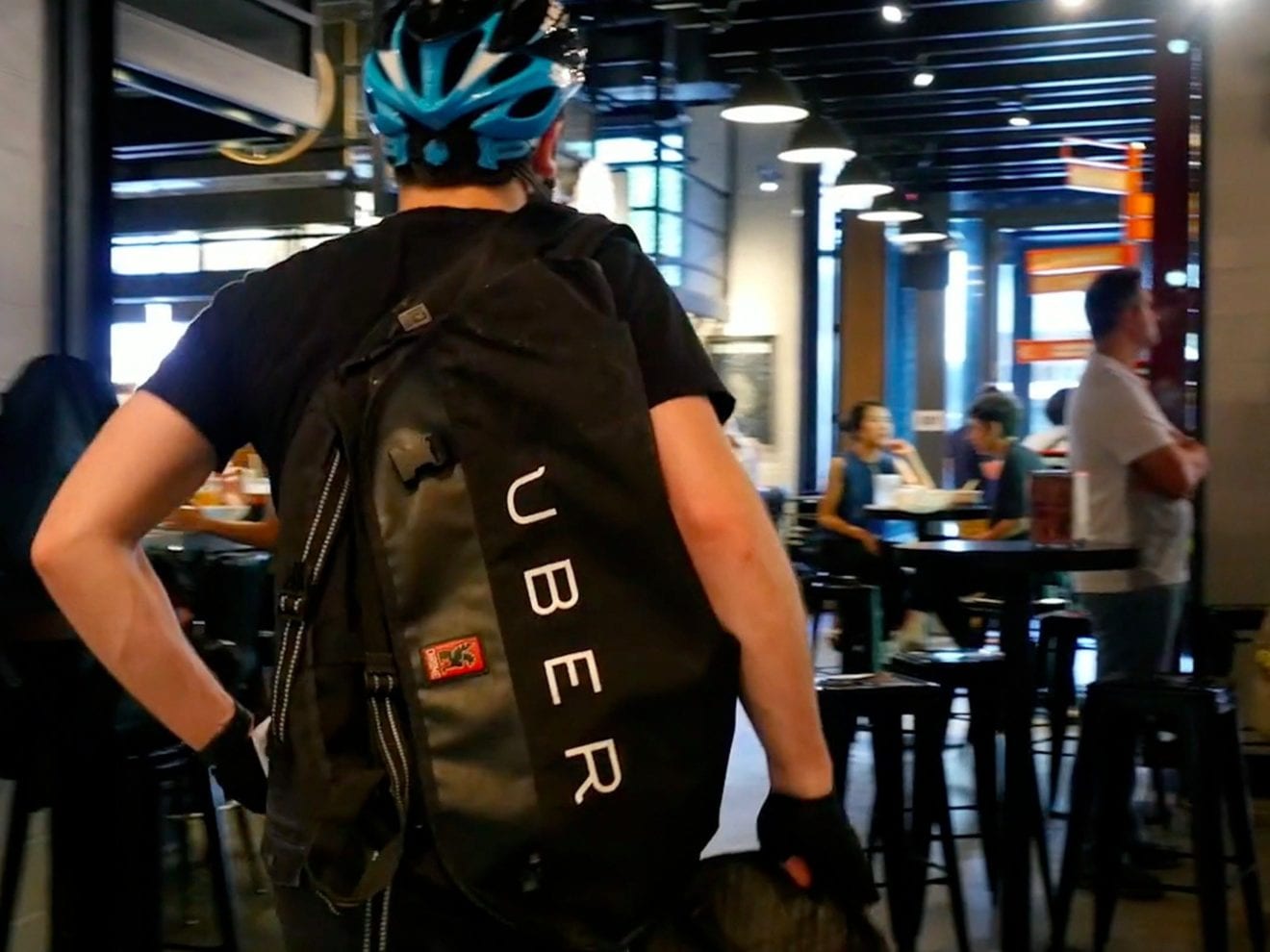
    Uber Black and Uber Black SUV, the original luxury experiences, are getting consistent improvements in the United States this week. Apparently, many customers have requested top-notch service and premium comfort when using these experiences, and Uber has decided to finally deliver.

    When you request an Uber Black or Black SUV, you will now be able to access premium phone support with live agents in case you need something else. Also, these luxury services will now offer a little bit more extra time to get to the car when unexpected delays emerge.

    A brand new Quiet Mode is now available as well, which means that if you need to respond to emails or want to simply take a nap (?!), you can select that from within the Uber app and the driver won’t bother you. However, if you’re in the mood to chat, you can select that option too.

    Furthermore, a new Temperature Control feature will communicate your optimal temperature to the driver before you enter the vehicle. Also, if you need help with your luggage, you can let your driver know via the Uber app.

    According to the ride-sharing company, all the premium features including Quiet Mode, help with luggage, temperature control, extended pickup periods and premium support will be available to 100% of US Uber Black and Uber Black SUV riders on May 15.

  • JD Sports celebrates mums on Mums Day

    JD Sports celebrates mums on Mums Day

    JD Sports marked Mother’s Day with a heart-warming video and a social media contest.

    The retailer launched #JDCelebratesMums campaign across Singapore with an “undisputed message; that jobs can come and go, but a mother is irreplaceable”.

    In the 3-minute video on JD Sports’ Instagram account, Atieqa, a JD senior sales advisor, took her mum to her workplace at JD Ion Orchard, where she shared her daily work routine.

    Under the video’s comment section, there was a contest in which participants should share their most memorable moments with their mum.

    One winner won an S$500 JD gift card.

  • AllGoods marketplace reaches 1 million listings

    AllGoods marketplace reaches 1 million listings

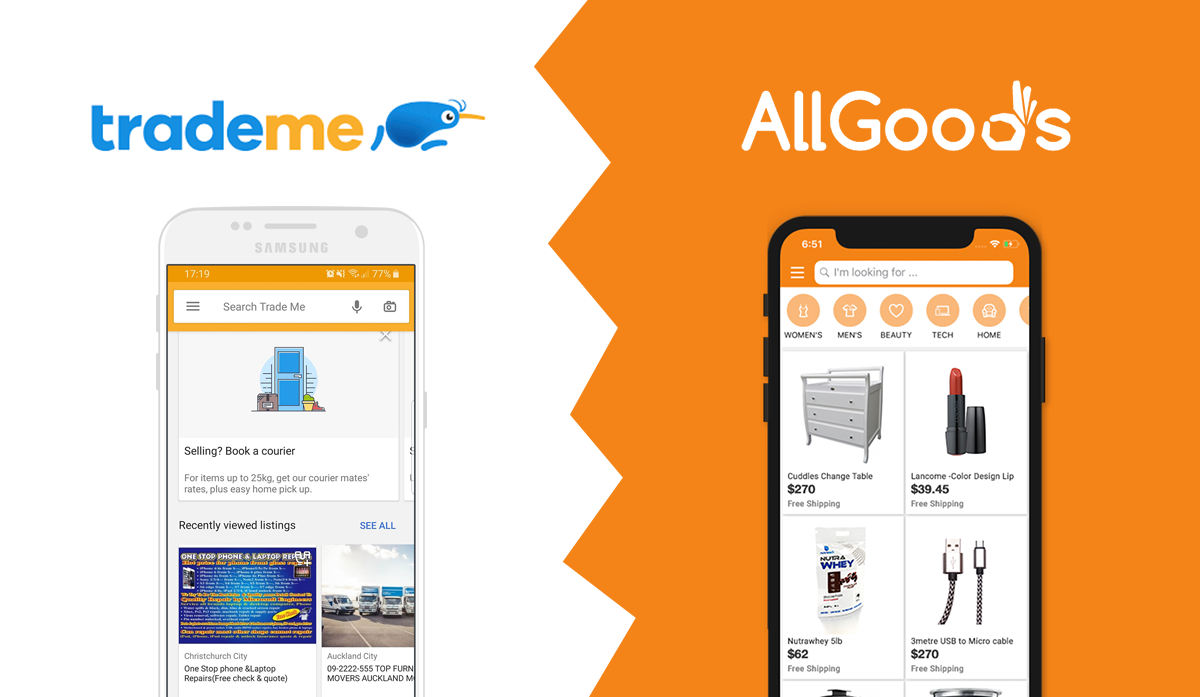
    AllGoods, a free marketplace for Kiwi buyers and sellers, has announced it has reached its one-millionth listing, 12 months after launching.

    The TradeMe competitor said it has maintained steady growth over the past few months. Its app has also become the top New Zealand shopping app since it was released late last year, it said.

    “We’ve worked extremely hard over the past year to get where we are today,” said Levi Fawcett, AllGoods CEO. “We’ve talked with thousands of our users to make sure the platform provides a truly amazing buying and selling experience. Plus, it’s free.”

    The Christchurch-based startup said it already supports over 700 New Zealand businesses who sell through the online website and app. The company said it is their vision to use e-commerce as a sustainable means to support local businesses and give back to the community.

    “We’re offering a fresh spin on the classic online marketplace and while we have only just begun this journey, we look forward to the years to come,” Fawcett said.

    With Trade Me’s recent sale to British equity firm Apax Partners, AllGoods is now considered the largest Kiwi-owned marketplace in New Zealand.

    In October last year, AllGoods launched a new app for iOS and Android mobile devices.

    Features of the new app include easy listings and browsing, allowing users to post items in less than 30 seconds, and a built-in chat tab to get faster answers to questions on the site.

    “The team has tried to keep the platform as easy to use as possible, for both the everyday Kiwi and the average New Zealand business,” Fawcett said. “I think this has been fundamental to our success.”

  • Two million Shoppers to receive first eBay catalogue

    Two million Shoppers to receive first eBay catalogue

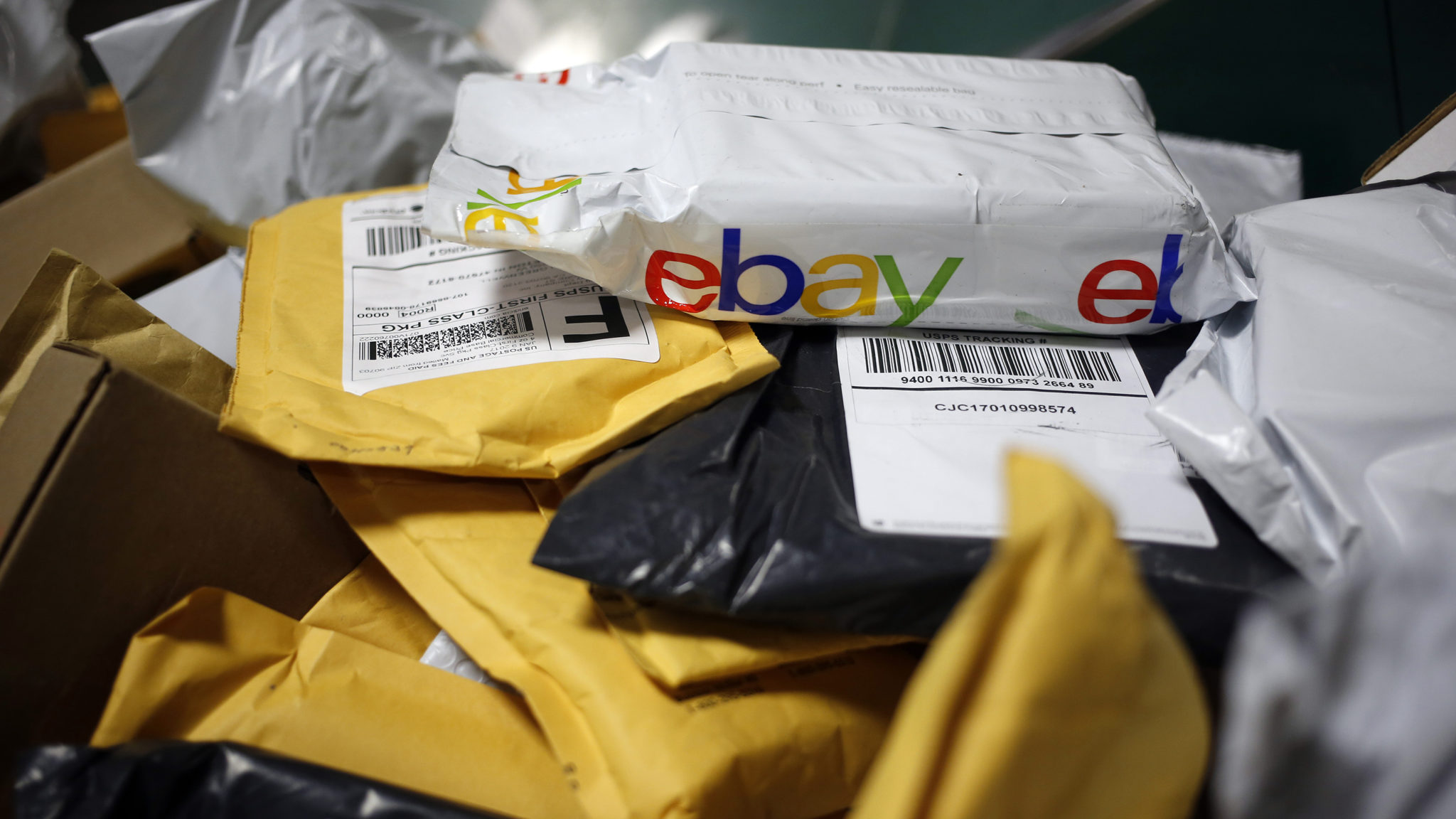
    EBay Australia is mailing its first-ever printed catalog to two million Australian households on Tuesday to remind customers that 90 percent of the products on its platform is brand new.

    The 16-page catalog contains over 100 items from the 40,000 Australian retailers that sell on the online marketplace, which is by far the most visited e-commerce site in the country.

    It features items from a range of categories, including electronics and technology, men’s and women’s fashion, heating, bedding, kitchen and cleaning, appliances, liquor, glassware, toys and gaming, entertainment, backyard, and garage.

    EBay selected items to reflect the range and value it offers compared to bricks-and-mortar retailers.

    “We partnered with our sellers to get the best deals on a variety of items including brands like Dyson, KitchenAid, and Apple – reflecting the unbeatable range and value on eBay,” Julie Nestor, chief marketing officer at eBay Australia said.

    “The product selection is also seasonal, showcasing our top picks for the winter months,” she said, hinting at the possibility of more seasonal catalogs to come.

    The catalog provides a way for eBay to reach customers offline. It’s another example of the growing trend of pure-play retailers branching out into the physical world, as they come to understand that shoppers don’t stick to a single channel.

    “We’re adopting a similar strategy many traditional bricks-and-mortar retailers have – by having both a physical and online presence,” Nestor said in an email announcing the catalog.

    EBay is also launching a shoppable digital catalog from May 21.

    Nestor declined to say whether the printed catalog is a precursor to other offline initiatives, such as a pop-up or bricks-and-mortar store, in future.

    “As Australia’s number one online shopping destination, eBay is always looking for new ways to engage with buyers and empower its seller community,” she said.

    “Both online and physical channels will continue to be important. “

    The two million households receiving the catalog are located across metro Sydney, Melbourne, Brisbane, and Perth and include existing buyers as well as those who may not have considered eBay before, Nestor said.

  • Boomtime ahead for chatbots in E-commerce

    Boomtime ahead for chatbots in E-commerce

    New data from Juniper Research predicts consumer interaction with chatbots in retail will reach 22 billion by 2023.

    The figure represents a sharp increase over an estimated 2.6 billion interactions this year.

    According to the new research report “AI in Retail: Segment Analysis, Vendor Positioning & Market Forecasts 2019-2023”, chatbots in retail will enable effectively automated customer interactions for both online and offline vendors.

    A crucial enabler of this development will be improvements in NLP (Natural Language Processing), which will dramatically reduce the failure rate of chatbot interactions, by making them more natural and valuable for customers.

    Juniper anticipates that retailers who do not adopt chatbots will face strong challenges from more technologically-adept disruptors, who will use chatbots as an extension to the crucial omnichannel retail experience.

    The research also found that chatbots used for customer service have a strong potential to reduce costs; with deployments realizing annual savings for retailers of US$439 million globally by 2023, up from just $7 million this year.

    These potential savings will act as a key “pull” factor, given the margin pressure that many retailers are presently feeling.

    “By embracing automated customer service with chatbots, retailers can act in a more flexible and efficient way,” explained research author Nick Maynard. “The wider retail market means that chatbots are no longer a luxury, they are essential.”

    Meanwhile, sales resulting from interaction with chatbots in retail will reach $112 billion by 2023, up from $7.3 billion this year; representing an annual growth rate of 98 percent.

    The research found these sales will largely be a result of migration from other channels, rather than a new revenue stream. Accordingly, the research emphasized that while retailers must adopt chatbots for ease of use (and to reduce consumer churn), their return on investment will come from efficiencies, rather than new income.

  • EBay still dominates online shopping in Australia

    EBay still dominates online shopping in Australia

    Australian consumers largely prefer to use international online marketplaces, despite increasing investment by local retailers in the space, according to new data from discounts platform CupoNation.

    According to the data, four out of the top five most visited retail websites in Australia were dominated by international and domestic offers by US-based retailers eBay and Amazon.

    EBay Australia was the most used retail website in Australia during the period between January and March 2019, with 194.9 million users, while its global site brought in another 36.6 million users.

    Amazon’s global site outpaced its local offering, with the US site enjoying 58.1 million users in Australia over the period, compared with 35.5 million who utilised the Australian variant.

    Sitting in between these four online-only offerings, hardware chain Bunnings brought in the most users of any Australian-owned retailer – with 41.26 million users utilising its online platform, 65 per cent of which utilised mobile to do so.

    “We want to rush slowly into this,” Bunnings managing director Michael Schneider previously told, regarding the hardware chain’s comparatively late adoption of online retail.

    “There’s no hard date or obligation… We just want to be a great place customers choose to shop at, and we recognise that customers have more choice than ever before, but selling online is just one string in a bow.”

    The next most visited websites were Woolworths, which saw 33.7 million users over the period, Coles, which saw 22.5 million, Jb Hi-Fi (29.1 million), Kmart (22.4 million), and Kogan (20.9 million).

    CupoNation collected this data through SimilarWeb and Alexa tools, compiling traffic information from the period between January and March 2019. The number of visits represented in the data is not tied to unique users, meaning a user can have use a site multiple times and it will count as multiple visits.

  • Holidays boost Chinese e-commerce Numbers

    Holidays boost Chinese e-commerce Numbers

    An extended May Day holiday has proved a boon for Chinese e-commerce, especially among millennial consumers and high-end brands.

    Food orders among the generation group rose 112.4 per cent during the holiday period compared to last year, according to figures recorded at online delivery platform Eleme. Alibaba tourism platform Fliggy recorded a 500 per cent increase in the purchase of tourism products among people born after 2000, while online hotel orders from young parents with children under the age of three increased 77 per cent.

    Additionally, quality home appliances are now among the most highly sought-after products purchased on e-commerce sites.

    “This year’s May Day Holiday showed that people have stronger high-quality consumption demands, reflected not only in high-quality products but also in services,” said the Academy of China Council for the Promotion of International Trade’s head of international commerce Zhao Ping.

    “The growth has been driven by a surge in disposable incomes and the middle-income population,” she added.

    Millennials have now surpassed Gen-X consumers as the biggest e-commerce spenders, according to a report by market consultancy CBNData.

    “The younger generation, especially those born after 1990 and 1995, are more used to ‘fingertip’ consumption and are fast becoming disrupters in the e-commerce sector,” said CBNData business analyst Yang Qin.

  • JD.com Closes Australian branch Store

    JD.com Closes Australian branch Store

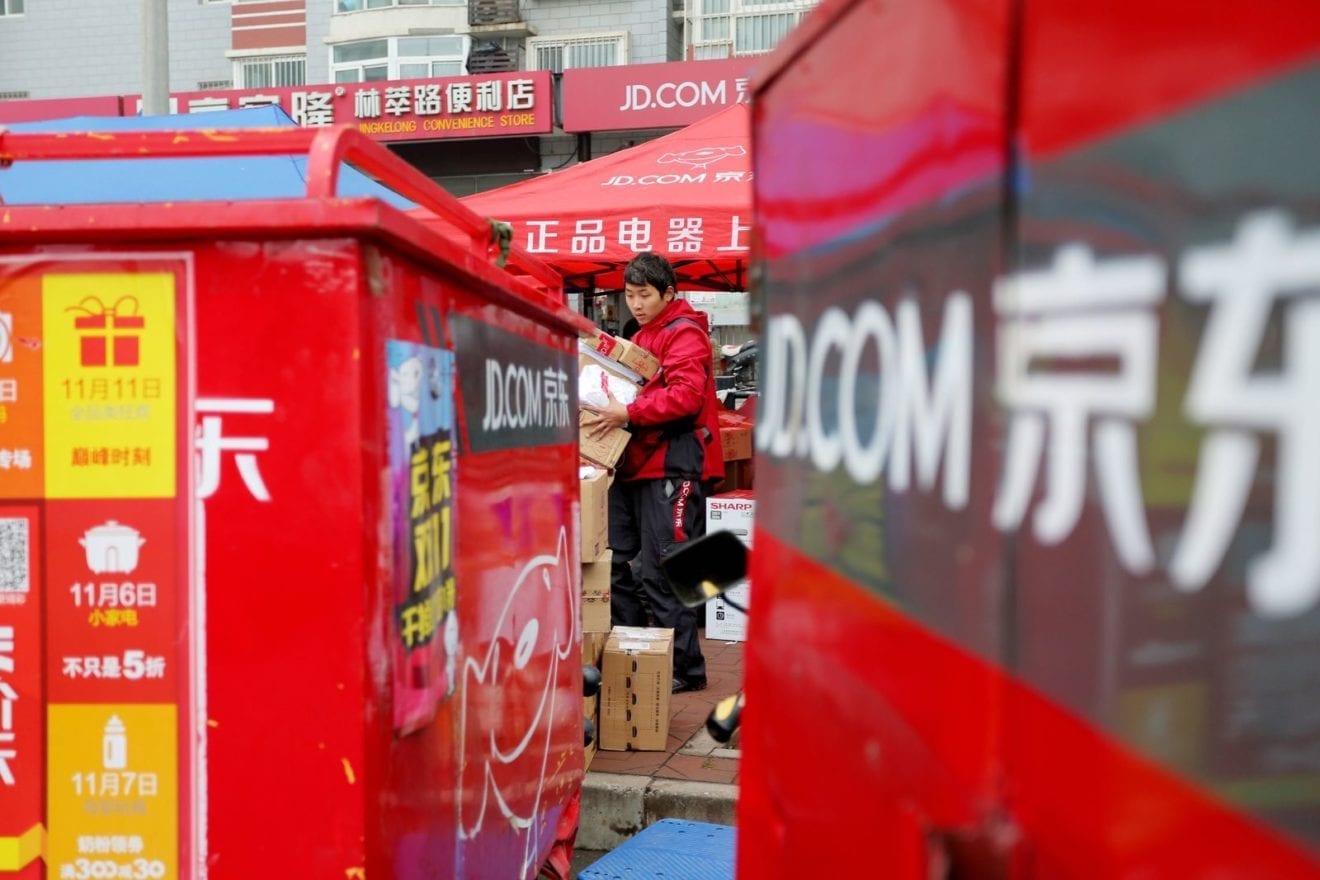
    Chinese online marketplace JD.com has closed its local branch after only 15 months in the market.

    The e-commerce giant launched its Australian office in Melbourne in February 2018, after its competitor Alibaba opened an office in Melbourne in 2017.

    At the time, the opening was seen as a way for JD.com to work more closely with the Australian and New Zealand brands on its platform, and to pitch its business to new brands looking to expand into China.

    A JD.com spokesperson confirmed that the online marketplace is integrating its Australian office into the business in China. The spokesperson said the move didn’t reflect the business’s performance in Australia, nor the region’s importance.

    The retailer’s head of Australian operations Patrick Nestrel is no longer with the business, likely in an effort to ensure management in China is able to fully integrate Australian operations.

    The online retailer is set to report its first-quarter sales results on May 10. It has had a difficult few months recently after founder Richard Liu was arrested in September 2018 in the US for sexual misconduct. He was not charged.

    In April, the Chinese university student who accused Liu of misconduct filed a civil lawsuit against him.

  • Alibaba and Bailian JV Ego stores Debut

    Alibaba and Bailian JV Ego stores Debut

    Take a look inside the first of 500 fresh-food and convenience stores planned by Alibaba and Bailian, which has opened in Shanghai. The fruits of Alibaba’s joint venture with Bailian Group are on show in Shanghai where the first of 500 Ego stores planned this year is now trading.

    According to mainland media reports, the joint venture has leased space for up to 30 outlets under the Ego brand already. Two formats are planned – larger central stores with footprints of between 300sqm and 500sqm, and smaller satellite stores of about 100sqm.

    Analysts say the Ego format – the stores are bannered Ego 逸刻 (which translates to Escape) – will bring together the back-end expertise of Alibaba Group with Bailian’s brick-and-mortar convenience experience.

    Bailian and Alibaba announced their strategic cooperation in February 2017 jointly creating what they described as a “New Retail, new consumption, new future” concept. They pledged to work together to use big data and internet technologies in areas including efficient supply chain integration, customer membership systems, seamless payment interconnections, and logistics synergy.

    “More than two years after Alibaba’s RMB1 billion deal with Bailian Group, we can finally see some fruits of this collaboration,” observed China-based entrepreneur, speaker, coach, and author Dr Mirko Wormuth, who posted these accompanying photos on LinkedIn.

    About two-thirds of the Ego store area is dedicated to fresh or hot products, including coffee, baked bread, and hot meals. The remaining space sells bottled and packaged foods.

    The first store in Shanghai is equipped with three self-checkout machines, in addition to Alipay checkout, and encourages consumers to pay by Bailian wallet.

    The fruits of Alibaba’s joint venture with Bailian Group are on show in Shanghai where the first of 500 Ego stores planned this year is now trading.

    According to mainland media reports, the joint venture has leased space for up to 30 outlets under the Ego brand already. Two formats are planned – larger central stores with footprints of between 300sqm and 500sqm, and smaller satellite stores of about 100sqm.

    Analysts say the Ego format – the stores are bannered Ego 逸刻 (which translates to Escape) – will bring together the back-end expertise of Alibaba Group with Bailian’s brick-and-mortar convenience experience.

    Bailian and Alibaba announced their strategic cooperation in February 2017 jointly creating what they described as a “New Retail, new consumption, new future” concept. They pledged to work together to use big data and internet technologies in areas including efficient supply chain integration, customer membership systems, seamless payment interconnections, and logistics synergy.

    “More than two years after Alibaba’s RMB1 billion deal with Bailian Group, we can finally see some fruits of this collaboration,” observed China-based entrepreneur, speaker, coach, and author Dr Mirko Wormuth, who posted these accompanying photos on LinkedIn.

    About two-thirds of the Ego store area is dedicated to fresh or hot products, including coffee, baked bread, and hot meals. The remaining space sells bottled and packaged foods.

    The first store in Shanghai is equipped with three self-checkout machines, in addition to Alipay checkout, and encourages consumers to pay by Bailian wallet.

  • EBay orders Shipped Faster

    EBay orders Shipped Faster

    New data from Juniper Research predicts consumer interaction with chatbots in retail will reach 22 billion by 2023.

    The figure represents a sharp increase over an estimated 2.6 billion interactions this year.

    According to the new research report “AI in Retail: Segment Analysis, Vendor Positioning & Market Forecasts 2019-2023”, chatbots in retail will enable effectively automated customer interactions for both online and offline vendors.

    A crucial enabler of this development will be improvements in NLP (Natural Language Processing), which will dramatically reduce the failure rate of chatbot interactions, by making them more natural and valuable for customers.

    Juniper anticipates that retailers who do not adopt chatbots will face strong challenges from more technologically-adept disruptors, who will use chatbots as an extension to the crucial omnichannel retail experience.

    The research also found that chatbots used for customer service have a strong potential to reduce costs; with deployments realizing annual savings for retailers of US$439 million globally by 2023, up from just $7 million this year.

    These potential savings will act as a key “pull” factor, given the margin pressure that many retailers are presently feeling.

    “By embracing automated customer service with chatbots, retailers can act in a more flexible and efficient way,” explained research author Nick Maynard. “The wider retail market means that chatbots are no longer a luxury, they are essential.”

    Meanwhile, sales resulting from interaction with chatbots in retail will reach $112 billion by 2023, up from $7.3 billion this year; representing an annual growth rate of 98 percent.

    The research found these sales will largely be a result of migration from other channels, rather than a new revenue stream. Accordingly, the research emphasized that while retailers must adopt chatbots for ease of use (and to reduce consumer churn), their return on investment will come from efficiencies, rather than net income.

  • Tigerlily launches local e-commerce Platform

    Tigerlily launches local e-commerce Platform

    Resortwear brand Tigerlily is expanding further into New Zealand. It has just unveiled a New Zealand-specific e-commerce site, and will soon open a new store at the upmarket Newmarket precinct, which is currently undergoing redevelopment.

    The Newmarket Tigerlily physical store will feature the brand’s new store design, which came into play around six months ago.

    “Our stores used to be a real habitat, almost like lifestyle stores in that they were created to look like a bazaar – there was lots of furniture and loads of things on the walls,” explained Gareth Connolly, merchandise and supply chain director at Tigerlily.

    “Now we’ve done some decluttering – we wanted the product to be a hero. The Sydney Westfield store is a lot cleaner than what you may have seen before. Now, we embellish stores with just a beautiful living palm tree, instead of a bird cage and map of the world. It’s got a cleaner atmosphere … you’re not distracted by the rug, cushions and maps. It’s just about telling people that this is what we sell – not furniture.”

    Capturing the customer

    Meanwhile, the brand is also working on increasing its omnichannel presence in Australia, with plans to introduce several new services to customers, including click-and-collect, ship-from-store, endless aisles and floor-to-door.

    According to Connelly, floor-to-door is available for customers who enter a Tigerlily shop but find that the item they want is not available in-store in their size. It can be sent to them instead.

    “I don’t think Australians have done click-and-collect that well yet, but that’s the next thing we’re working on. We want to make sure there’s no reason for a customer to not get a product tomorrow,” he said.

    “If there’s not a particular item in our Bondi store for our customer, we’ll get it to her somehow. That’s an expectation created internationally and we’re not that good at it because we’re such a big country. Getting something from Sydney to someone to Perth is hard, but doing floor-to-door or ship-from-store will make things easier for us.”

  • Taobao helps Brands with Omni Channel Sales

    Taobao helps Brands with Omni Channel Sales

    Taobao has teamed up with local retailers to launch a brick-and-mortar, multi-label store to host independent clothing brands that sell on the Alibaba Group-owned online marketplace.

    Piloting at the Hangzhou Kerry Center shopping mall, the “Taostyle” store currently offers about 350 items from a rotating selection of 20-plus brands. The first batch of partners features some of the most popular and fastest-growing brands on the e-commerce site, such as Lamps, Roaringwild, Ayuko, and Thessnce.

    Taostyle’s fashion buyers determine which brands and products to sell based on a mix of market knowledge and consumers insights drawn from Alibaba’s platforms, refreshing offerings and introducing new products at least twice a month.

    Frequent product reshuffling is only one of the ways that Taostyle is bringing e-commerce shopping experiences offline. Each garment has a unique QR code, which customers can scan with their phones to access its product page on Taobao, find out the price, get detailed product descriptions and customer reviews. The store even allows consumers to place orders online in addition to buying in-store, as it receives the same commission for both online and offline transactions made through Taostyle.

    “We don’t just want to open a traditional shop to sell clothes. We want to explore a new way of merging online with offline,” said Xia Yu, GM of Hangzhou Shunhong, which operates Taostyle.

    Xia said rich visual content, also a common feature when shopping on Taobao, sets Taostyle apart from traditional stores. Large LED screens showcase featured brands, while across every clothing rack, there are smaller screens for brands to display their product images and videos. Xia also built a booth inside the store, where livestreamers, merchants and Taostyle staff promote and sell their products via live streaming.

    “For us, the business doesn’t stop when the mall closes. Using live stream, we’re able to interact with consumers all day, especially between 8pm and 2am when young people are most actively shopping online,” Xia said.

    Jingjing Liu, leasing director at the Hangzhou Kerry Center, said partnering with the experimental store helps the department store engage young, trendy female shoppers, who make up the majority of its customers.

    “We have high hopes for Taostyle,” Liu said. “There has been a lot of buzz around online-to-offline and New Retail, but as a veteran in the retail business, I haven’t been fully convinced by any models before working with Taostyle. This is the closest to the concept that we’ve seen.”

    From Online to Offline

    Most of the showcased brands either got their start on Taobao or scaled up thanks to the platform. Taostyle offers them an offline channel to improve the experience for existing fans and reach new customers, as well as the chance to test the waters before committing to their own brick-and-mortar stores, said Xia.

    “Without strong interactions, it is difficult for brands to build emotional connections with consumers through a screen,” he said, adding that merchants are interested because physical stores complement the limitations of an online store, satisfying the consumer need for immediacy and to check the feel and try on products before they buy.

    Cathy Xu, the founder of indie menswear label Thessnce, said she wants to leverage Taostyle to reach the brand’s target consumers — men that like high-quality, minimalistic styles — who don’t shop on Taobao that often.

    “There are some experiences we can only give consumers through an offline channel, like saving them the wait [for shipments to arrive], so they could instantly try on and feel our designs,” she said.

    The current trend for online shops is to expand offline, Xu noted. But the right tools, such as payments and inventory technology, can be hard for small businesses to attain.

    “Alibaba provides that tech infrastructure here, which would have been very difficult to build on our own,” she said.

    Her brand launched in March last year, and by year-end had totaled RMB20 million in sales. The annual sales goal for this year is 70 million, Xu said.