Category: E-Tailing

Retail News Asia is committed to providing both local and global retailers with the latest E-Commerce & Etail news throughout the Asian market. This on a daily base.

  • Shopee Philippines assigns a new brand ambassador

    Shopee Philippines assigns a new brand ambassador

    E-commerce platform Shopee Philippines has appointed Filipina-Australian superstar Anne Curtis as its first brand ambassador, timed to coincide with its 5.5 Shopee Super Sale.

    Running until May 5, the sale offers discounts of up to 90 per cent on thousands of products, as well as daily flash sales.

    Shopee COO Terence Pang says Curtis will star in the platform’s first-ever television commercial.

    The 5.5 Shopee Super Sale is the lead-up to the mega 24-hour shopping fiesta on May 5, which will have special deals, daily in-app vouchers and surprises, as well as discounts of up to 90 per cent. There will also be giveaways of Shopee merchandise autographed by Anne Curtis.

    Exclusive deals will be offered from new Shopee Mall brands including Aveeno, Coca-Cola, Coleman, Colgate-Palmolive, Equal, Faber-Castell, Nescafe, Samsung and Unilever.

    Curtis has also launched her own cosmetics line on Shopee via BLK Cosmetics, and has been giving away limited-edition autographed mirrors to qualifying customers.

  • Online retail sales growth stagnates in Philippines

    Online retail sales growth stagnates in Philippines

    The Philippines is lagging behind its neighbours in online retail sales growth, says a new report.

    Despite having the second-largest population of Southeast Asia, the Philippines has turned in the lowest B2C e-commerce sales growth figures, according to Research & Markets’ Philippines B2C E-Commerce Market 2018 report.

    Among hurdles to overcome to foster growth in the online retail sector are comparatively low internet use, few credit card holders and restricted consumer confidence in online shopping.

    Online retail sales in the Philippines are expected to rise at a double-digit rate for the next few years even in the face of challenges, says the report. An increasing share of the large population is connecting to the internet, many though mobile devices.

    M-commerce is contributing to the rise in online retail, with mobile making up about three-quarters of connections to e-commerce websites. The Philippine government has done its part to help expand online retail sales by aiming to create a favourable administrative environment.

    Leading online merchants in the Philippines include Lazada and Shopee, both with headquarters in Singapore. Local companies Ayala Group and JG Summit are expanding their online presence.

  • Amazon opens another fulfilment centre in Sydney

    Amazon opens another fulfilment centre in Sydney

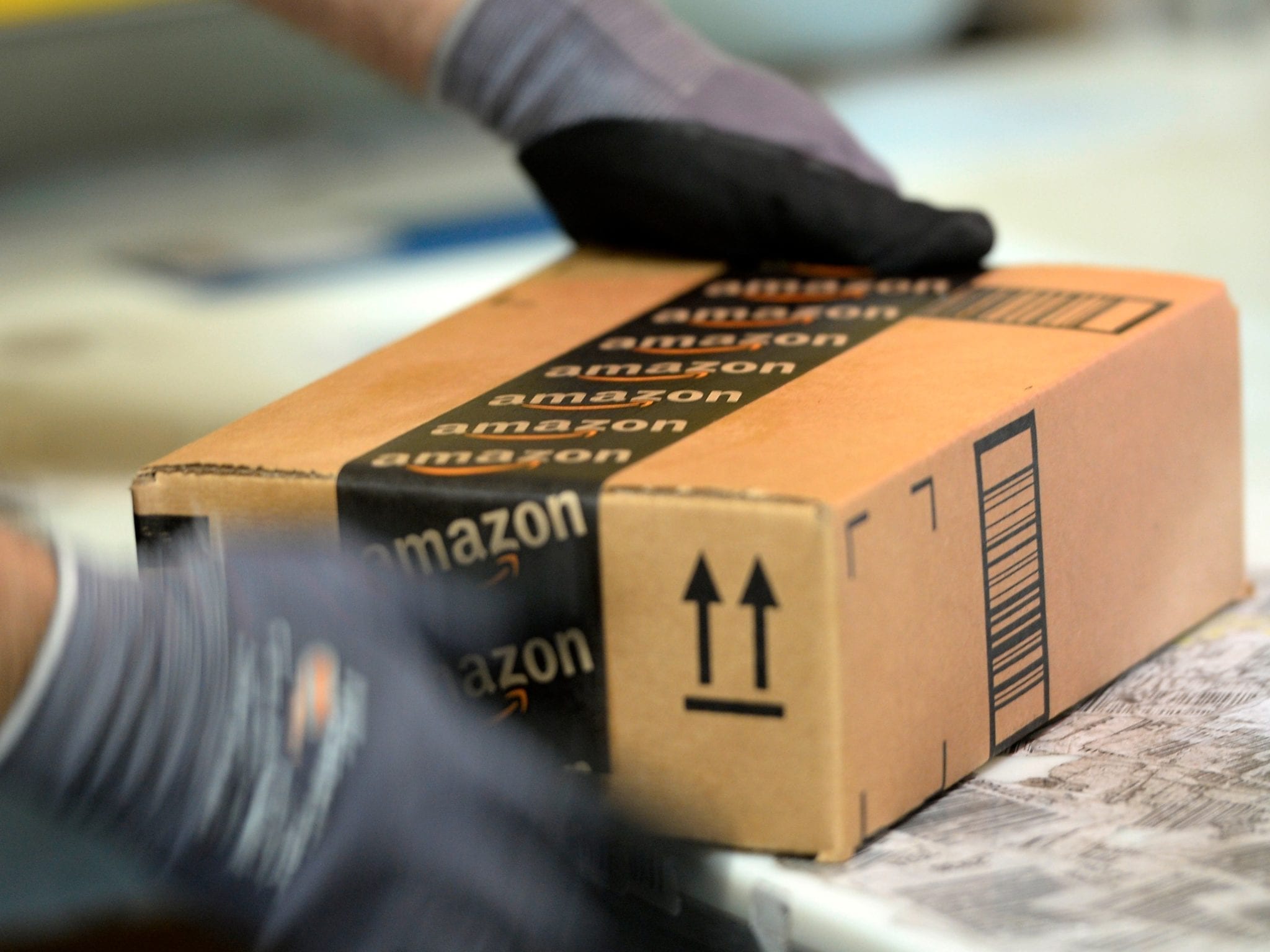
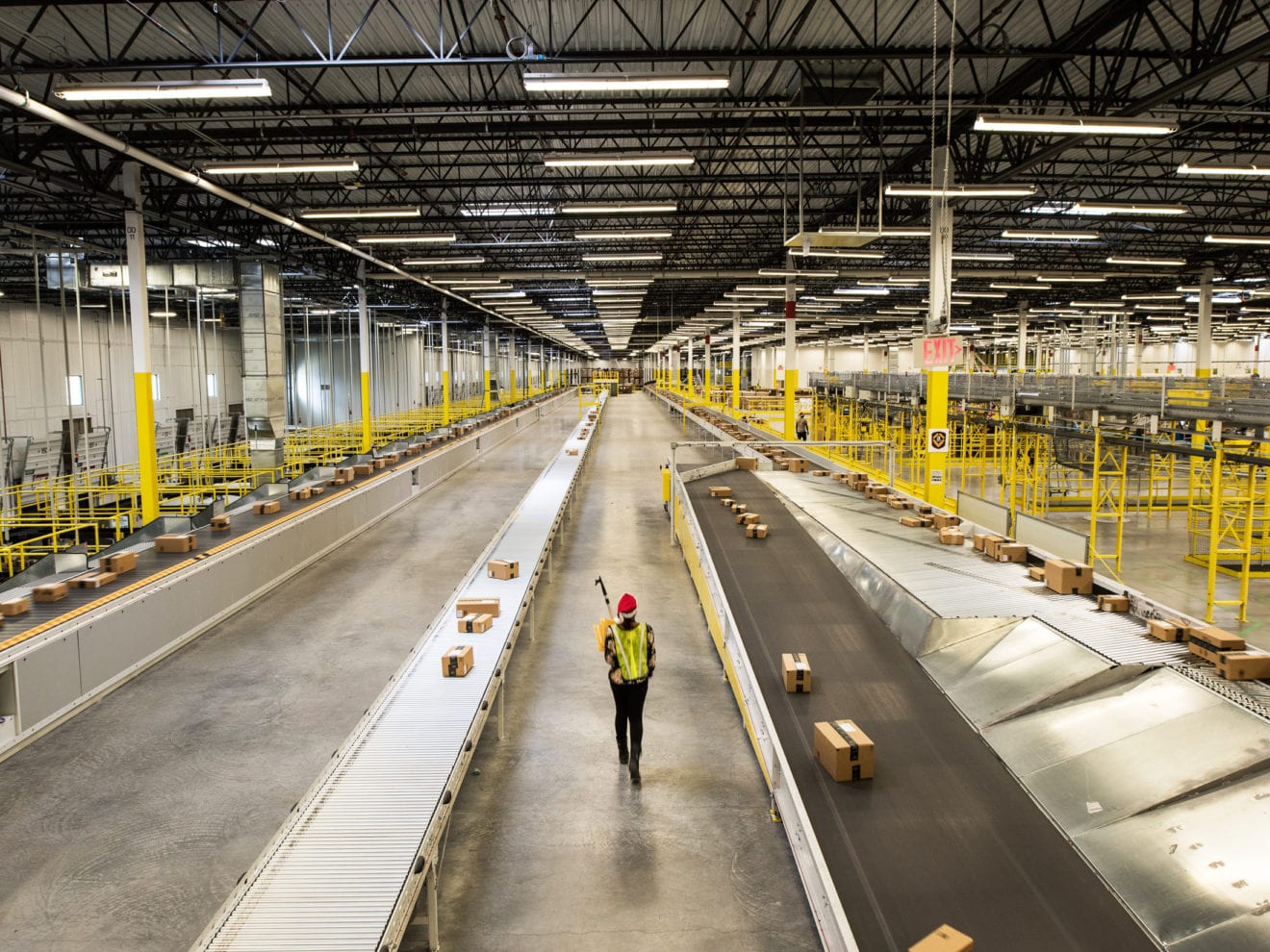
    Amazon is opening a second fulfilment centre to speed up delivery to customers across Australia, as the US-based company expands its e-commerce business Down Under.

    The 43,000sqm fulfilment centre in Moorebank, South West Sydney, is planned to start operations in the second half of 2018.

    “We are thrilled to be establishing our next fulfilment centre in Sydney and working with incredible people in the local community around Moorebank,” said Robert Bruce, Amazon Australia’s operations director.

    “Sydney represents another important development for our growth strategy in Australia, following a steady and progressive increase in customer demand.”

    Together with Amazon’s Dandenong South fulfilment centre, which opened in December 2017, the second warehouse, located within easy access to the M5 and M7 motorways, will allow Amazon to handle current and future customer demand and speed up delivery to customers across the country.

    “This investment will benefit both customers and the local economy by generating new jobs and providing small and medium sized Australian businesses who sell on amazon.com.au and use our Fulfilment by Amazon program, with an opportunity to more easily access millions of customers across the country,” Bruce said.

    Amazon will begin recruiting immediately for a range of roles including operations, support and technical specialists, adding to the more than 1,200 people it currently employs in Australia.

    Since launching its online retail offering in Australia late last year, Amazon has since released new products into the market, including Alexa and Amazon Echo, Amazon Music Unlimited as well as Fulfilment by Amazon, which allows Australian sellers to outsource their pick, pack and shipping process to Amazon logistics.

    Amazon Prime is expected to launch in Australia in mid-2018.

  • Amazon expands tech hub

    Amazon expands tech hub

    Amazon is creating an additional 2,000 technology jobs in fields such as machine learning, speech science, cloud computing and robotics engineering, as it looks to ramp up its Alexa offering.

    The new jobs will be based in the company’s Boston technology hub, one of more than a dozen Amazon tech hubs in the US, where 1,200 software developers and scientists primarily focus on Alexa, Audible and Amazon Web Services.

    In particular, the Boston team contributes to the Alexa customer experience, leading the industry in its shift toward conversational artificial intelligence through cutting-edge research and development in machine learning.

    “Amazon is excited to create 2,000 more jobs in greater Boston,” said Amazon’s vice president and head scientist of Amazon Alexa, Rohit Prasad, who is based in the Boston area.

    “In just a few years, we’ve grown from a handful of software developers and scientists to a team of more than 1,200, inventing new capabilities and products on behalf of millions of customers around the world.”

    To accommodate the new job creation, Amazon will be expanding into 430,000 square feet (approximately 40,000sqm) in the WS Development in Boston’s waterfront Seaport district. The new space, which will open in 2021, will allow the company to double its tech workforce in the region.

    Amazon is committed to strengthening the talent pipeline for careers in the technology sector, and the construction of the facility is expected to generate additional funding for job training programs in Boston.

    The company offers a wide range of programs to support job seekers in gaining skills for jobs of the future, from paid cloud computing apprenticeships specifically designed for military veterans, to a technical academy that helps employees gain fundamental coding and problem skills for software engineering roles.

    Amazon’s customer fulfilment associates can also take advantage of its Career Choice initiative, which prepays 95 percent of the cost of tuition to pursue continuing education courses in certain in-demand fields. To date, more than 16,000 of Amazon’s 566,000 employees worldwide have taken advantage of its job-retraining programs.

  • Kinofy app opens door to 1 billion Chinese consumers on WeChat

    Kinofy app opens door to 1 billion Chinese consumers on WeChat

    Singaporean brands have been promised access to more than 1 billion Chinese consumers through a new cross-border e-commerce app which runs on the WeChat ecosystem.

    Kinofy Group has launched its plug-and-play, cloud-based, platform which is designed to allow international brand owners and small- and medium-sized businesses to sell goods and services in China.

    The platform offers merchants a single view of their business and customers across sales channels and enables them to manage products and inventory, process orders and payments, build customer relationships and leverage WeChat’s analytics and reporting. From a legal perspective, the Kinofy platform enables merchants to export and sell their products seamlessly across different sales channels through an official product registration and importation channel. The platform integrates multiple channels: e-commerce, social selling tools and operational management of product registration, importation, warehousing and logistics, last-mile delivery and overseas-payment settlement into a single platform, allowing brands to enter the Chinese market faster and more efficiently. Kinofy also offers warehousing and logistics solutions at the Ningbo Free Trade Zone (NFTZ) giving businesses infrastructure to reach China’s 613 cities.

    Leveraging the platform, brands can accelerate their entry into the fast-growing Chinese market – reducing entry time to three months with official product registration approval.

    Singapore trade and industry minister S Iswaran officially launched the platform to an audience of 300 guests including some of Singapore’s top brand owners.

    Kawee Chong, CEO of Kino Biotech Group and co-founder of Kinofy Group, said the opportunity for Singaporean brands in China is immense – and Kinofy being smart, simple and seamless makes market entry frictionless.

    “We are proud to welcome brands like Naturext, Health Domain, Yohmo Tonic, GreenLife, Lipaddict, SkinSoul, SWANZ, Kinohimitsu, Fitwhey and Esthemedica to the Kinofy family and look forward to inviting more of our fellow Singaporean brands to join us on this exciting journey.”

    Kinofy is a pre-approved solution supported by the SkillsFuture Singapore grant. The partnership enables local companies to construct digital business channels and grow sales plus revenue through cross border trade. Local small and medium enterprises will enjoy a 70 per cent subsidy for their first year subscription to the Kinofy platform through SkillsFuture Singapore. Training is also provided at 90 per cent subsidy from SkillsFuture Singapore. The Kinofy Group also works extensively with Enterprise Singapore to conduct outreach efforts in markets like the US, Germany, Korea, and Thailand.

  • Earlier Spike in Travel Expenses Due to GE14

    Earlier Spike in Travel Expenses Due to GE14

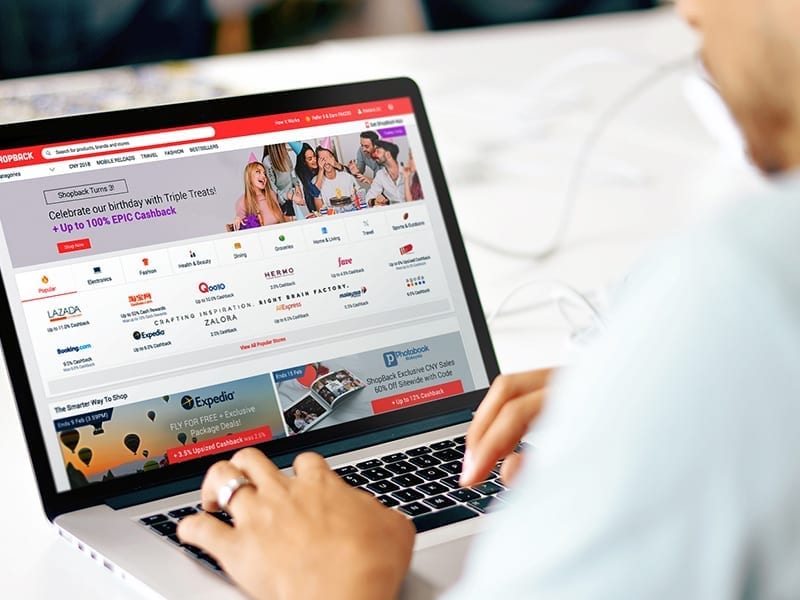
    ShopBack, the leading online Cashback platform that partners majority of transportation and accommodation booking sites in Malaysia, observes a 26% increase in travel purchases among its local users since the unveiling of the 14th General Election’s voting day (May 9th).

    “The next peak period for travel booking after March’s MATTA fair is supposed to be two weeks to a month prior to Hari Raya, but the purchasing trend came sooner this year as GE14 falls before Ramadhan,” says Alvin Gill, Country General Manager of ShopBack Malaysia.

    According to ShopBack Malaysia’s data, partners that offered a discount in flight and bus tickets, as well as reloadable petrol card, are the most sought-after stores under travel category on ShopBack’s web and app.

    “The daily average sales of our travel merchants has got a 26% increment since the voting day announcement. The demand remained strong in the past weeks, and we reckon part of the contributing factors was that AirAsia introduced fixed fares for all voters. ShopBack Malaysia’s users could purchase AirAsia’s tickets via Traveloka and Expedia; at the same time obtain cashback savings from every transaction made. In addition, bus tickets, Petronas gift cards from Lazada and 11street were also among the best-selling products in April,” Alvin explained.

    To cater for those who haven’t got transportation bookings sorted out yet, ShopBack Malaysia will organise a Mid-Year Travel Fair from April 30th to May 6thand offer up to 7.5% cashback together with its travel partners including Malaysia Airlines, Traveloka, Expedia, BusOnlineTicket, Booking.com, Hotels.com, etc. Malaysians could seize the chance and optimise their spending by visiting ShopBack’s website or download its mobile app.

    Malaysia is the No.1 Travel Destination for Locals, Not Overseas

    On the other hand, ShopBack Malaysia’s data also shows Malaysians frequently visits domestic destinations, especially Kuala Lumpur, Malacca, and Johor Bahru. Japan is the second most popular country, followed by Taiwan, Indonesia and Thailand.

    “Malaysians love to travel, and they didn’t stop travelling due to the economy challenges. Instead of flying out, many of them chose to travel within Malaysia and spent on better accommodation, such as 4-star hotel i.e. KSL Hotel & Resort and Hatten Hotel Melaka. Even so, the daily average spending for domestic travel is still significantly lower than Japan and Taiwan (four times lower than Japan and about half of Taiwan’s expenses).”

    Delving into customer purchasing pattern, he said if there’s no special occasion, travel transactions usually happens on Monday and Wednesday, between 3 pm – 6 pm. The year-end holiday season makes the heaviest travel months throughout the entire year, and Malaysians’ online travel spending also tends to spike before every festive period, and during MATTA Fair.

    “Although MATTA fair is an offline event, online booking sites such as Malaysia Airlines, Traveloka, Expedia will jump on the bandwagon and as the platform that empowers shoppers to shop and save smart, ShopBack Malaysia works closely with them to tailor-make best deals and upsized cashback for our users. It is a win-win situation as the result usually is very encouraging – for example, we noticed local airlines achieved 2.5 times more bookings during the past MATTA fair,” Alvin said.

    To date, ShopBack has more than 1 million users in Malaysia and it has rewarded them with more than RM25 million worth of cashback.  What’s better is users are able to stack this on top of their credit card’s cashback, and transfer the money to their bank account once it gets validated. Other than Malaysia, ShopBack is also available in Singapore, Thailand, Taiwan, Indonesia and the Philippines.


  • Amazon’s profit doubles

    Amazon’s profit doubles

    Amazon has reported a 43 per cent increase in net sales in the first quarter to US$51 billion, compared with $35.7 billion in the first quarter 2017, topping analysts’ expectations of $49.8 billion and boosting its share price 6 per cent in extended trading.

    Excluding the $1.6 billion favourable impact from year-over-year changes in foreign exchange rates throughout the quarter, the e-commerce giant’s revenue increased 39 per cent compared with first quarter 2017.

    The results were driven by Amazon’s profitable cloud computing business, strong advertising sales and better-than-expected retail performance, particularly in the US, where the acquisition of Whole Foods boosted sales in that segment 46 per cent year-on-year to $30.7 billion in the quarter, according to Brian Olsavsky, Amazon’s chief financial officer, on a call with analysts.

    The company could see further gains from its US retail business, after announcing Thursday that it plans to increase the annual price of Prime memberships from $99 to $119 in May. Amazon CEO Jeff Bezos recently revealed there are more than 100 million Prime members worldwide.

    The e-commerce giant increased its operating cash flow 4 per cent to $18.2 billion for the trailing twelve months, compared with $17.5 billion for the trailing twelve months ended March 31, 2017.

    Operating income increased 92 per cent to $1.9 billion in the first quarter, compared with operating income of $1 billion in first quarter 2017. And net income was $1.6 billion in the first quarter, or $3.27 per diluted share, compared with net income of $724 million, or $1.48 per diluted share, in first quarter 2017.

    Looking ahead, the retail giant expects net sales in the current quarter to be between $51 billion and $54 billion, which would be 34 to 42 per cent higher than net sales in the second quarter 2017. This guidance anticipates a favorable impact of approximately $1.2 billion or 320 basis points from foreign exchange rates.

    Operating income is expected to be between $1.1 billion and $1.9 billion, compared with $628 million in second quarter 2017, assuming, among other things, that no additional business acquisitions, investments, restructurings, or legal settlements are concluded.
  • Ezbuy Announces Dollar Deals With Huge Savings – For Two Days Only

    Ezbuy Announces Dollar Deals With Huge Savings – For Two Days Only

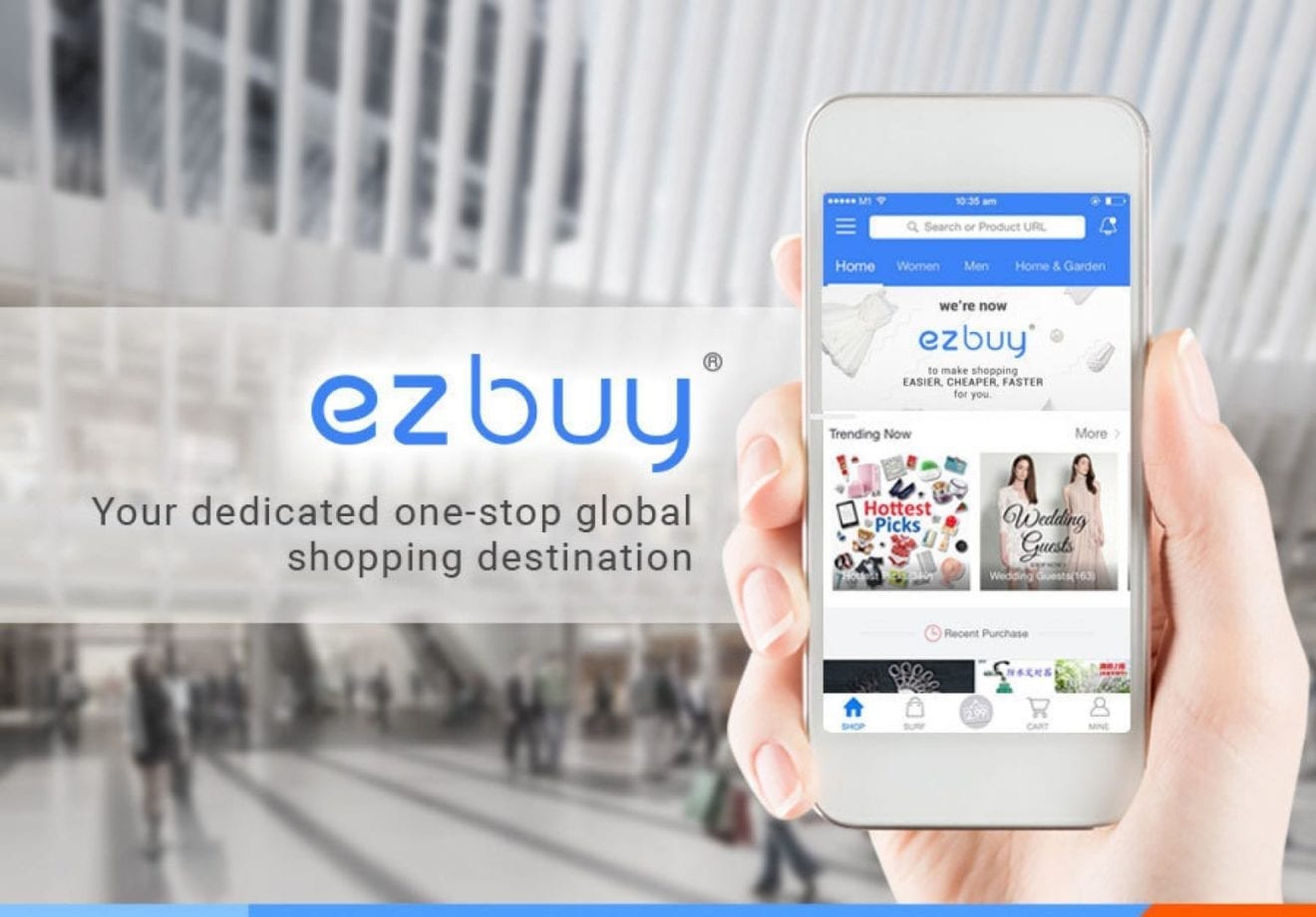
    ezbuy.sg, Singapore’s first and largest global shopping platform, today announced their ezbuy Dollar Deals,offering a variety of the lowest prices, on some of the most popular product categories. Happening for two days only from 29th to 30th April 2018, the ezbuy Dollar Deals will offer heavily discounted prices for customers looking to jump start their shopping spree, with deals going on sale at $1, $3, and $5respectively.

    Customers can look forward to huge savings from over 2,000 products across numerous categories, including men and women’s fashion, accessories, home and living, beauty, food and more. Explore ezbuy’s shopping platform for your favourite products including mobile accessories, jewellery pieces, Bluetooth speakers, patterned tees, dresses, handbags and many more. Products under the ezbuy Dollar Deals will also be at nett prices, with no shipping and agent fee for the entire campaign period.

    To date, ezbuy has not only expanded their suite of product offerings, they have also more sellers on board from China as well as on their various marketplaces including Singapore, Korea, Taiwan and USA. This means that customers now have greater access to their favourite brands and products from these countries with the ease of purchasing them from ezbuy.

  • Amazon offering deliveries to parked vehicles

    Amazon offering deliveries to parked vehicles

    Expanding on its Amazon Key, which enables access for in-home deliveries, Amazon has started offering deliveries to vehicles.

    With Amazon Key-in-Car, Prime members with compatible vehicles can have packages delivered to the boots and back seats of their cars when parked at home or in public areas.

    Customers need to have a compatible vehicle from Buick, Cadillac, Chevrolet, GMC or Volvo, reports The Verge.

    Free for Prime members, the service is so far available in 37 US cities following beta tests in California and Washington State for the past six months. Amazon is using multiple layers of verification to secure the in-car deliveries.

    The Amazon Key app also shares notifications with users throughout the four-hour delivery-time window, such as when the delivery is on its way, when the package was delivered and when the car was relocked.

    The service expands on the Amazon Key program, a lock-and-camera service that enables Prime members to receive packages directly inside their homes.

  • Alibaba brings ‘New Retail Concept’

    Alibaba brings ‘New Retail Concept’

    E-commerce powerhouse, Alibaba Group, has given Aussie consumers a glimpse of its ‘New Retail’ strategy via pop-up launches in Australia this week.

    Set in an apartment style store space at Westfield Chatswood in Sydney’s north, Alibaba’s first Aussie pop-up featured technologies that the e-commerce giant thinks are the future of online and offline shopping.

    With the location only operating for less than a week – ahead of another temporary location launching later this week at QV Melbourne – Alibaba is using the stores to demonstrate where it thinks the retail industry is headed.

    “We’re driving this new retail strategy in China where we believe payments, entertainment, online and offline are going to merge into one seamless experience for the consumer,” said James Hudson, Alibaba Group director of corporate affairs and marketing, on a walk-through tour of the pop-up. “It is extraordinary how fast this is happening in China.”

    Alibaba is also using the pop-ups to show various CTOs and technology teams from local retailers the ways in which it is pushing away the “either-or” retail equation, in favour of a model that melds both in-shop and online experiences.

    The store features augmented reality, AI mirrors and virtual, cloud-enabled shelf technologies. All products in the pop-up have QR codes that are scanned using the app from Alibaba’s subsidiary shopping website,Taobao, which is immediately linked to its online merchandise.

    Hudson said the ‘cloud shelf’ enables retailers to showcase a whole range of products that they wouldn’t be able to stock in their store otherwise. Geotag technology on products also allows consumers to scan and find out more information or buy products.

    Using video recognition, consumers can also have product recommendations supplied by staring into digital screens that find products based on a customer’s mood.

    Raymond Ma, head of ASEAN and ANZ for Alibaba Cloud said while the cloud supports all infrastructure requirements, the most important aspect is the big data analysis that AI offers.

    Entertainment, according to Hudson, is also a major component of New Retail.

    “We want to drive consumers to want to visit offline stores because it gives them more choice and allows retailers to do a whole range of different merchandising solutions.”

    With the majority of Alibaba shoppers falling under the age of 30, the pop-up incorporates a gaming element  – with consumers able to play online games to accrue points for shopping discounts or win coupons.

    Only Chinese migrants or those with a Chinese bank account are able to shop at the locations.

    More partnerships, not store fronts in Oz

    Hudson said there are no plans for Alibaba to roll-out store fronts in Australia, with the company instead focusing on building partnerships with local retailers.

    Alipay is also on the rise locally, with 8,000 retailers now accepting Alipay – the company’s payments platform – from Chinese consumers.

    While online sales penetration in China the highest in the world, brick-and-mortar retail still accounts for more than 80 percent of total retail sales.

    Alibaba’s Hema supermarkets have also continued to roll-out in China, with 38 opened in 18 months and 100 more to open over the next year.

    The supermarkets sell groceries, fruits, vegetables and fresh seafood. Consumers are able to take fresh products, including seafood, raw or cooked, or have it prepared to eat in-store.

    For consumers who live within three kilometres of the market, Hema supermarkets deliver goods within 30 minutes. Each store serves as its own warehouse and logistics centre that collects, fulfils and delivers customer orders as fast as they come in, online or offline.

    Other initiatives that Alibaba is rolling out include auto vending machines, with the first launched in partnership with Ford in the southern city of Guangzhou.

    The Ford auto vending machine lets customers browse makes and models inside their app, choose one they want to test drive, pick it up from an unmanned vending machine and drive it for up to three days, before making an appointment to visit a dealer when they’re ready to buy.

  • Lazada’s Birthday Sale Reveals Singaporeans are Spontaneous Shoppers

    Lazada’s Birthday Sale Reveals Singaporeans are Spontaneous Shoppers

    At the stroke of midnight yesterday, droves of Singapore shoppers clicked “Add to Cart” and checked out their purchases. On the first day of Lazada’s Birthday Sale, 24 April, traffic to the online marketplace surged and it saw a 10x spike in orders in comparison to a regular day.

    The items flying off the shelves first were Lazada’s surprise boxes, worth $100 but available on Lazada.SG at $29 each. The catch – shoppers only knew which brand they were buying from while the contents inside remained a mystery. At midnight, the first 1,300 surprise boxes went on sale, with all boxes running out of stock within the hour. The trend continued throughout the day, with subsequent surprise boxes from household and premium brands consistently selling out within seconds.

    The buying frenzy resulted from Lazada’s 6th Birthday Sale which kicked off yesterday at midnight and runs until 26th April. Across the days, 74 brands are selling the coveted surprise boxes iconic to Lazada’s mega campaigns.

    “Our surprise boxes have been overwhelmingly popular since we introduced them at our last Birthday Sale. To mark our sixth anniversary, we have up to 16,000 boxes from brands and sellers that are available every two hours to satiate the customer demand. These sell out in minutes, so shoppers need to be quick to purchase,” said Mr. Alexis Lanternier, CEO and Head of New Retail, Lazada Singapore. “Beauty brands now form the largest representation of surprise boxes, to cater to the meteoric growth in female shoppers on Lazada,” he added.

    Lazada’s Birthday Sale is a three-day shopping festival with discounts of up to 90% off across 300 official brands and more than 10,000 local sellers, over 600 flash deals and new vouchers up for grabs at 9am daily. Besides the surprise boxes, the top five purchases are:

    1. Tsum Tsum EZ-Link Charm

    2. Apple iPhone X Space Grey 256GB

    3. Dumex Mamil Gold Step 3 Milk Formula

    4. A-Jays Five Earphones

    5. Laneige Multi Cleanser

  • Justice about to launch online in Indonesia

    Justice about to launch online in Indonesia

    American girls fashionwear brand Justice, distributed by Kanmo Group, has launched an e-commerce store in Indonesia, Shopjustice.co.id.

    Kanmo has partnered with e-commerce agency SmartOSC to design and launch a user-centric experience. The new omnichannel feature enables customers to research and shop online with shipping to their homes or their nearest store for pick-up.

    The “Get a Look” feature enables customers to try experiment with different styles and share the results with their friends. There are also options to book a fitting or special consultation in-store. A blog has also been developed for users.

    With offices in Australia, Japan, Singapore, the UK, The US and Vietnam, SmartOSC is a strategic partner to such companies as Club 21, Courts, Nestle, Lotte, PayPal and Priceline Pharmacy.

    Formed in 2005, Kanmo Group has nearly 200 stores in Indonesia, mainly in the children and  baby segment, and has extended its retail portfolio to include fashion and accessories.

  • Lazada Malaysia links up with Singapore

    Lazada Malaysia links up with Singapore

    In the pilot phase, more than 50,000 products from such categories as fashion, health and beauty, home and lifestyle, and sports and travel are being made available to Lazada Singapore shoppers. They include items from such Malaysian brands as Carlo Rino, Pensonic and Swan.

    The move comes on the eve of Lazada’s annual birthday campaign, which offers special promotions and giveaways.
    The DFTZ is the first e-hub outside of China under the Electronic World Trade Platform. Under this roll-out, a single contract grants access to Singapore. Other Southeast Asian countries will be added later.

    The DFTZ provides a centralised bonded warehouse at KL International Airport Aeropolis, which features advanced technology for sorting, shelving, packing and logistics.

  • Massive Power switch in Celcom Planet deal

    Massive Power switch in Celcom Planet deal

    Malaysian investment holding company PUC will invest RM90 million (US$23 million) in Celcom Planet (CPSB), which owns and runs e-commerce platform 11Street Malaysia.

    PUC, which provides integrated media, e-commerce and technology services, says the deal will give it management control of 11Street Malaysia.

    Meanwhile, CPSB claims to be one of the largest e-commerce companies in Malaysia.

    It is a JV between Axiata Digital Services and Korean-owned SK Planet Global Holdings

    “The investment paves the way for the company to increase potential revenue streams in advertising and media, and financial services from the synergistic collaboration for the company and its subsidiaries,” PUC says in a Bursa Malaysia filing.

    As part of the terms of the deal, PUC will have the right to nominate and appoint the CEO and chief marketing officer of 11Street Malaysia.

    For last year, 11Street Malaysia recorded a GMV of about RM427 million, selling more than 13 million products from 40,000-plus sellers.

  • Blackstone and Sky Internasional CEO Aldi Sky Wungkana Reported for Tax Fraud and Scam

    Blackstone and Sky Internasional CEO Aldi Sky Wungkana Reported for Tax Fraud and Scam

    Blackstone Indonesia and Sky Internasional a self-claimed digital strategic marketing agency in Indonesia with premium services in interactive communications, digital strategy, brand identity, social media and online advertising are to be considered as digital fraud masterminds solely to enrich themselves with personal benefits and to fund their luxury lifestyles. 

    The last few days we already reported about this gentlemen. A self-esteemed CEO of both companies has an explanation for everything, but not for all above topics we’re writing up ; also not even why the money of the company is wired without tax straight into an employees bank account.

    He is now searched by the police for a variety of criminal cases such as digital fraud, tax evasion, misuse of company assets as well as contract fraud. This gentlemen has gathered a long list of criminal activities the last few years. Many companies have lost money which he spend in expensive cars, diamond rings and acting as a superstars in the many clubs Jakarta hosts.

    Aldi Sky Wungkana, and Felix Valentino are using a variety of business cards with different phone numbers ; after another criminal event they switch the phone of and start using other numbers ; they use fake social media profiles and connect with different social profiles. They are leading a double life.

    This has come to an end now Retail News has listed all cases, connected all impacted companies and reported this with the police.