Category: E-Tailing

Retail News Asia is committed to providing both local and global retailers with the latest E-Commerce & Etail news throughout the Asian market. This on a daily base.

  • Global Savings Group is bringing Cuponation to New Zealand

    Global Savings Group is bringing Cuponation to New Zealand

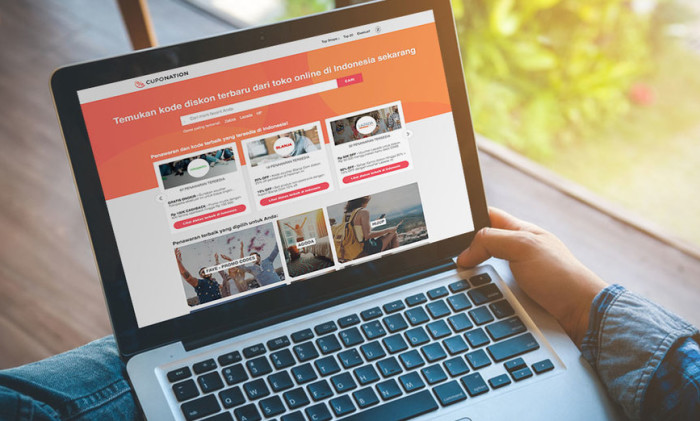
    The Global Savings Group (GSG), a leading global provider of Commerce Content Solutions, launches its premium discount code portal CupoNation in New Zealand.

    The Global Savings Group, founded in Munich in 2012, is currently operating over 100 digital portals and tools in 23 countries around the world. Its portals connect commerce to content, offering product discovery, recommendations, deals, and discounts, which, in turn, help consumers to make smarter shopping decisions by connecting them to relevant offerings, provided by their favorite retailers and brands.

    The CupoNation brand is already present in 20 markets around the globe. In Asia Pacific it has already been launched in Singapore (2013), Australia (2014), Malaysia (2016), and in Indonesia (2018). By launching in New Zealand, the GSG is continuing its growth strategy in Asia Pacific, Oceania, and beyond.

    Igor Shapiro, Managing Director Asia Pacific and Oceania, says “We are constantly exploring growth opportunities that allow us to offer savvy shoppers worldwide the best deals and discounts, helping them to save on purchases from their favourite retailers. New Zealand has a rapidly growing economy with a fast-growing e-commerce market. Thus bringing our service to New Zealand, and adding a globally proven commerce content solution to the local ecosystem, is a logical step for us.”

    The Google Consumer Barometer Survey shows that 86 percent of New Zealand’s population accesses the internet daily for private reasons, spending on average about 6 hours a day online via any device. Almost every tenth online shopper in New Zealand searched for coupons and promotions, helping to make their online purchase decision, the Google Consumer Barometer Survey reveals.

    Marko Stricevic, Operational Lead Asia Pacific and Oceania adds, “CupoNation is gaining popularity in the Pacific markets. We will not only bring value to the local online shoppers but also retailers and brands will profit. We see promising market potential and high spending potential. Our aim is to generate significant value by attracting savvy shoppers to their portals, thereby increasing consumer base and revenues. We are confident about becoming the leading discount code portal in New Zealand in the next months.”

    Although online shopping is still only a small proportion of the retail market, making up roughly 7.6 percent of total retail, online retail is growing rapidly in New Zealand. According to BNZ’s Online Retail Index, annual national online spending is estimated at $4.2 billion (excl GST) (US$ 2.96 billion). Last month New Zealanders spent about $200 million (US$ 140 million) on domestic retailers and $150 million (US$ 105 million) on international retailers.

    A recent survey of the International Post Corporation found that China (32%), USA (24%), and Australia (20%) are the leading countries for New Zealanders to purchase abroad. Spending on overseas sites was especially strong in November 2017, particularly in electronics, reflecting a greater awareness of international retail events like Black Friday and Singles Day, that are heavily penetrating local retail markets.

    Andreas Fruth, Managing Director and Co-Founder of the Global Savings Group, adds “We want to create connections to transform global digital commerce. Our aim is to help millions of consumers around the world to make better shopping decisions and advertisers to establish direct links to their consumers, by providing aggregated access to audiences across portals and markets. By launching CupoNation in New Zealand, we are strengthening our position in the Asian Pacific markets as well as further improving our position as a global leading provider of commerce content solutions.”


  • Mobile payment firms struggle to dethrone cash in Southeast Asia

    Mobile payment firms struggle to dethrone cash in Southeast Asia

    Bui Mai Phuong is an avid online shopper, ordering anything from clothing to personal-care products from her smartphone. But she prefers to pay with cash.

    She is among hundreds of millions of people whom firms such as Softbank Group-backed Grab and China’s Tencent want to win over as they try to tap into Southeast Asia’s burgeoning internet sector.

    More than 70 percent of the region’s 600 million-plus people do not use banks – higher than the global average of about 30 percent – and e-commerce is projected to hit $88 billion by 2025.

    But convincing consumers like Phuong, who lives in Hanoi, could be tricky.

    “I have never tried using mobile payments because I don’t know how to use it and it seems a bit complicated to use,” said Phuong, 36, a manager at a construction material supplier in Vietnam.

    Mobile payments are ubiquitous in China; a consumer can spend a day without using cash at all in Beijing or Shanghai, and even some beggars accept mobile payments. But cash remains king in Southeast Asia.

    Hard currency, paid on delivery, accounted for 44 percent of total e-commerce transactions last year and is likely to remain the most popular payment option for at least the next three years, according to data by research firm IDC.

    “The biggest challenge for users and merchants to adopt cashless is the fact that cash remains ubiquitous, easy to use and inexpensive,” said ride-hailing firm Grab, which has ventured into e-wallets.

    And the mobile payment marketplace in Southeast Asia remains wide open, with no dominant players.

    Indonesia’s ride-hailing firm Go-Jek’s Go-Pay, Singapore-based Grab’s GrabPay, Japan’s messaging app Line’s Line Pay, Momo e-wallet owner M_Service in Vietnam and Voyager Innovations, which operates Paymaya in the Philippines, have all entered the fray. The gaming company Razer Inc has also indicated it is eager to play a role.

    Cash on delivery costs e-commerce businesses more than other payment methods, said Alibaba Group Holding-backed e-retailer Lazada Group.

    For example, sometimes a customer does not have enough cash on hand, or is not home to pay for the delivery. In those cases, the product must be sent back to the seller, adding logistical costs, Lazada said.

    Mobile payments address some of those problems. They can also benefit buyers by keeping payment in escrow and releasing it only on delivery.

    But it can be difficult to persuade users to switch from cash when they earn about $200 on average a month in economies like Vietnam and Indonesia, according to economic data provider CEIC.

    “To break habits of using cash, Grab is creating more daily use cases for cashless payment – commuting, food delivery, paying at food and retail stalls – to drive more usage of the GrabPay e-wallet,” Grab said in an email.

    Mobile payment companies bet they can transform their platforms into financial supermarkets, offering everything from loans to insurance on top of payment options.

    Slow going

    At the moment, usage is spotty. E-wallets will account for 16 percent of total e-commerce transactions in Southeast Asia by 2021, up from last year’s 9 percent, according to IDC.

    In countries like Vietnam, where the informal economy has long been a key part of the social fabric, many consumers do not bother to get a bank account.

    Some want to stay under the taxman’s radar or, like Quang Thi Si, simply do not see the need for a bank.

    Si, a 48-year-old scrap collector near Ho Chi Minh City, said her business is all cash.

    “Sometimes I need to send money to my relatives at home, and I often send in cash through my friends,” she said. “I don’t think I will have a bank account in the future because I don’t think I need it.”

    But Si does have a smartphone. More than 90 percent of Southeast Asia’s internet access comes through mobile devices, according to a Google-Temasek study.

    Even so, in countries like the Philippines, which is known for having some of the slowest Internet speeds in Asia-Pacific, connectivity is a major hurdle for digital payments to clear.

    ‘Late to the party’ 

    Such challenges are likely to pose a setback to Ant Financial and Tencent, which are looking outside China for growth.

    Ant, which has 600 million customers and aims to reach 2 billion worldwide in the next decade, has stepped up investments in the region, including a stake in Thai financial technology firm Ascend Money.

    But its services are largely limited to Chinese tourists.

    “Most of our customers are from China and they are usually very happy to know that we accept AliPay and WeChat Pay. This makes them more willing to spend money too,” said Daphne Tan, a staff member at a shop selling durian-flavored coffee and snacks in Singapore’s Chinatown.

    Tencent plans to make its first foray outside China with an e-payment license in Malaysia for local transactions.

    The Chinese players are “kind of late to the party,” said Michael Yeo, research manager for IDC.

    “By the time they come in with a local version, if they do, the local players will have a significant advantage,” said Yeo.

    Razer, which said last month it would buy the remaining stake in payments processor MOL Global that it did not already own, also signed a deal with Singtel to link its e-payments network with that of the telco.

    Other recent deals in the sector include Go-Jek’s acquisition of three financial technology businesses, while Grab’s purchase of a handful of companies as well.

    “It’s a highly fragmented market. Later on, there will be acquisitions, there will be shutdowns, there will be mergers,” IDC’s Yeo said. “The market will consolidate.”

  • Following Amazon’s Footsteps, China’s JD.com Launches In-Car Delivery

    Following Amazon’s Footsteps, China’s JD.com Launches In-Car Delivery

    JD is launching a service in China where online shoppers can have their purchases delivered to anywhere they can park their cars.

    The Chinese e-commerce giant has launched an ‘in-car delivery service’ in partnership with electric vehicle maker NIO, a similar concept to that unveiled by Amazon in the US in April.

    The JD In-Car Delivery Service will use connected car technology that automatically locates customers’ cars, then enables JD’s delivery personnel to pop the trunk of  the car using a Personal Digital Assistant to the car, deposit the consumer’s order, and lock the trunk again.

    To maximise security, the device is programmed so only the specifically authorised JD delivery person will be able to open the car trunk, while the entire delivery process can be monitored using in-car cameras.

    JD, which boasts 90 per cent of its orders can be delivered same- or next-day, will deliver to vehicles parked at home, at the office, or in a range of other approved areas.

    “The offering adds a new, convenient option for consumers with cars who may not be available to accept deliveries in person, such as office workers who park their cars in the company lot during the day, or commuters who leave their cars in their driveways while they are out,” said Bing Fu, head of planning and development, with JD Logistics.

    “Imagine the convenience of finishing work for the day and knowing that your orders are already waiting in your car for you, ready to drive home. You can have the peace of mind that, even when you’re not at home, your JD orders have been stored securely in your trunk. JD In-Car Delivery makes that possible.”

    The company plans to partner with other leading automakers in China to expand the service across connected car models in coming months.

    To use in-car delivery, JD consumers who own compatible car models can link their JD account with their account on the automakers’ connected car platforms.

  • Singapore’s e-commerce veteran ezbuy raises US$17.6M in pre-Series C funding round

    Singapore’s e-commerce veteran ezbuy raises US$17.6M in pre-Series C funding round

    Singapore’s global shopping platform EZbuy.sg has raised US$17.6 million in pre-series C funding co-led by several regional venture capitalist firms.

    Founded in 2010, EZbuy says it will use the funding to offer quicker and more reliable modes of localised services while further enhancing its product offerings. The capital investment will also be allocated for its expansion plans in the region as well as countries outside of Southeast Asia.

    EZbuy co-founder/CEO He Jian says the company’s core mission has always been to provide customers with convenient access to shop for their favourite products from all over the world.

    “The investment will enable us to continue strengthening our core verticals and pave the way to achieve this objective faster,” he says.

  • Flont and Adrian Cheng to launch Asia’s jewellery rental service

    Flont and Adrian Cheng to launch Asia’s jewellery rental service

    Chow Tai Fook has partnered with Flont and Adrian Cheng’s venture capital firm C Ventures to launch a jewellery rental service in Asia.

    Flont, which touts itself as the pioneer of the ‘Jewellery as a Service’ concept, describes the deal as a “massive expansion” of its jewellery-sharing platform creating an “unparalleled luxury network” across Asia, including 2500 Chow Tai Fook stores and Cheng’s growing network of K11 art malls.

    Flont, headquartered in New York, enables consumers to discover and wear high-end jewellery they may not be able to afford to buy. Its sharing model targets millennials and Gen Zers, and has been likened to the Uber or Airbnb concepts merged with e-commerce. Consumers can borrow, experience and even buy fine jewellery, with insurance and shipping included, through rental or membership subscription services.

    Cheng, who is executive director of Chow Tai Fook, orchestrated the partnership through C Ventures, which he co-founded with Clive Ng. Besides the retail and mall networks, Flont gains a gateway to more than 9 million VIP members of the Chow Tai Fook and K11 organisations.

    Flont will open a standalone lounge in Hong Kong’s in Victoria Dockside, where customers can view new pieces added to the catalogue, return rented pieces or exchange them for new ones.

    “In our first year, Flont surpassed 10,000 members in the US, by forging meaningful partnerships with brands and businesses in the fashion, beauty, travel and retail industries,” said Cormac Kinney, founder and CEO.

    He describes C Ventures and Chow Tai Fook as the best-possible partners in the region. “Their consumer relationships, retail network, logistics and luxury heritage, will enable Flont to grow rapidly, and provide exceptional service.”

    Cheng says Flont’s jewellery-as-a-service offer has “amazing potential in China and the rest of Asia, where luxury rental is still at its infancy”.

    Through Chow Tai Fook, Flont will gain rapid access to consumers in China, Hong Kong, Macau, Singapore and Taiwan.

  • Qoo10 commits to tighten counterfeit security

    Qoo10 commits to tighten counterfeit security

    Singapore e-commerce platform Qoo10 has stepped up its measures against counterfeit items.

    As well as internal systemic protocols to check and deter the sale of counterfeit items, it has a red-flag system for its security team.

    “Where a listing is flagged for potentially infringing intellectual property (IP) rights or selling counterfeit products, our dedicated compliance team steps in to investigate and take any necessary action,” says Qoo10 Singapore country manager HyunWook Cho.

    Secondly, the website’s compliance team also actively responds and reacts to claims by customers, sellers and businesses or brands. Customers who suspect they may have bought a counterfeit item from a Qoo10 seller may alert the compliance team, which will then investigate and issue a refund.

    Anyone who suspects a listed product is counterfeit may also report the issue.

    The compliance team also works with businesses and brands under its Brand Protection Program to take down infringing listings. Errant sellers with repeat offences may also be restricted from selling their items on Qoo10.

  • Alibaba supports Thailand’s TrueMoney

    Alibaba supports Thailand’s TrueMoney

    Chinese e-commerce giant Alibaba Group Holding is backing Thai conglomerate Charoen Pokphand’s TrueMoney payment service, which will expand to Bangkok’s train services as early as September.

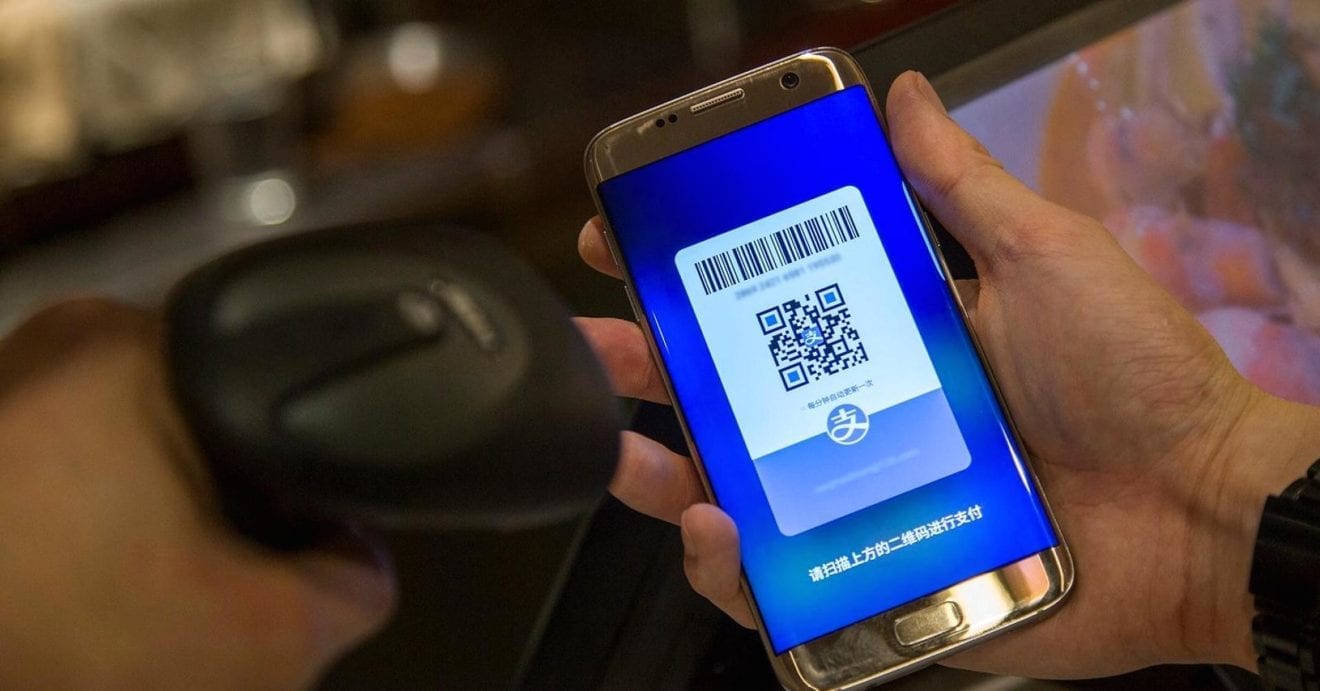
    Passengers will be able to pay fares and shop at station kiosks by scanning a QR code on their smartphone screen.

    Alibaba’s Ant Financial owns about 20 per cent of TrueMoney, which aims to expand its network 10-fold to 100,000 locations by the end of this year. Users can charge their accounts at Thailand’s more than 10,000 7-Eleven convenience stores, which are run by the Charoen Pokphand group in Thailand, or link them to a credit card or bank account. The group also has 27 million subscribers of its telecom company True.

    Next, say industry observers, cafes and fast-food chains, including KFC, are on the radar for TrueMoney, which aims to overtake Rabbit Line Pay, the market-leading service from Japanese messaging app provider Line and elevated train service BTS Group Holdings. About 60 per cent of Thailand’s population uses the Line chat app, with users of the mobile pay service now numbering about 3 million.

    Alibaba partnered with Philippine conglomerate Ayala last year and launched mobile payments mainly at shopping malls and supermarkets.

  • Raya Online Sales Will Likely Peak inEarly June With 0% GST

    Raya Online Sales Will Likely Peak inEarly June With 0% GST

    ShopBack, the leading online Cashback platform that partners more than 500 online shops in Malaysia, foresees Raya sales will reach its peak in the first week of June, given the 0% GST implementation from June 1st onwards.

    “Our partners have started to prepare for an early June promotion as that will likely be the week when consumers rush into Raya preparation. For example, Lazada is planning for a Mega Sale from June 1st until June 4th with onsite games, flash sales, and up to 11% cashback for ShopBack users. Around 40 partners are joining our Raya campaign and we are looking to have at least 100% growth this year,” says Alvin Gill, Country General Manager of ShopBack Malaysia.

    Other online partners that are joining the campaign include Traveloka, 11street, foodpanda, FashionValet, Booking.com, Senheng, Hermo, Expedia, Sephora, ASOS, JD sports, PappaDelivery etc. and the highest Cashback on offer is 30%.

    “There was a 25% drop in sales during the 14th General Election week and it was expected. As people resume working and Ramadan begins, the number of online sales has started to recover to the previous level. According to ShopBack data, the number of sales powered by ShopBack during Ramadan 2017 VS 2016 grew by 100%. We are confident to achieve beyond this number as the market sentiment looks very positive after GE14.

    “The 0% GST may allow Malaysians to have better purchasing power when spending for their Raya needs. Based on our historical data, sales normally surge at the second week of Ramadan but for this year, it may start after the 0% GST takes effect and will prolong to the fourth week,” Alvin says.

    Malaysians Spent More Compared to Indonesians

    ShopBack regional’s data also hows that in a comparison with Indonesians, Malaysians’ average spending during Ramadan 2017 was USD 54.54. Indonesians instead spent USD 49.04 on average. Overall, Fashion appeared as one of the top selling categories in both countries. Malaysians spent more on Health & Beauty and Electronic items while Groceries, Toys & Games had a great demand among Indonesians.

    “Larger electronic items, for example, household appliances could be the reason of higher spending found among Malaysians,” Alvin explains.

    Both Malaysia and Indonesia experienced a dip in traffic during Iftar hour. Website and app traffic during peak hour remained unchanged except for an increase of 15% during Ramadan month.

    “This year, ShopBack has integrated its app with regional partners like Lazada, especially Lazada app users can get better cashback when they shop through our app during Ramadan. We aim to integrate with more partners’ apps in the future to enhance our user experience. It will continue to propel our growth in the next half of 2018 together with the implementation of 0% GST,” Alvin adds.

    Currently, more than 1 million Malaysians are using ShopBack for their daily purchases. ShopBack has given over RM25 million worth of cashback since 2015. The cashback savings can be transferred out to a user’s bank account upon validation. Other than Malaysia, ShopBack also operates in Singapore, Thailand, Indonesia, the Philippines, Taiwan and Australia.

  • Indonesian ride-hailing app revs up to join Vietnam’s transport market

    Indonesian ride-hailing app revs up to join Vietnam’s transport market

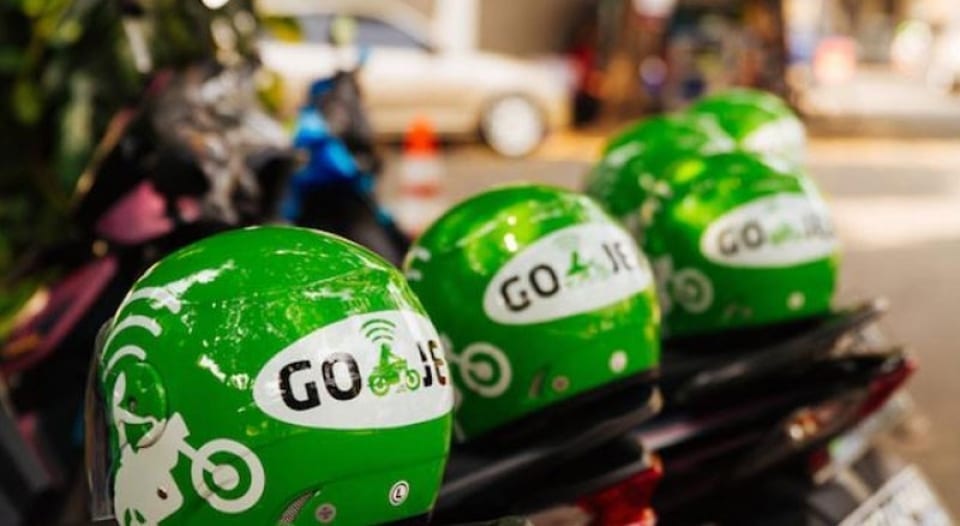
    Indonesian ride-hailing app Go-Jek will officially launch in Vietnam this July, bringing more competition to the market currently dominated by Grab after it had acquired Uber’s Southeast Asia operations in March.

    Founded in 2010, the Indonesian transport startup has since raised over $1.5 billion from investors such as Google or China’s Tencent Holdings, as reported by Reuters.

    Starting out as a phone-based motorbike ride-hailing app, Go-Jek is now a digital platform which offers transportation, logistics and delivery services.

    To attract Vietnamese drivers, Go-Jek won’t initially charge drivers 20 percent commission fee and is offering free installation of its geographical positioning system.

    “This looks like an attractive offer, as I currently have to pay a commission fee of 28 percent for Grab,” Tuan, a Vietnamese Grab driver said.

    Singapore-based blockchain-powered ride-hailing app MVL is also reported to be entering Vietnam’s market in July.

    MVL would not require its driver to pay any commission, but instead generate a profit through selling data generated from its daily operations to insurance and market survey companies, said its CEO Kay Woo during a conference in HCMC earlier this month.

    Ever since Uber left the Vietnamese market last month, Grab has raised suspicions about creating a monopoly in Vietnam, now that one of its biggest rivals is gone.

    An investigation conducted by Vietnamese authorities has said that the deal between Grab and Uber showed signs of breaching Vietnam’s antitrust laws, as reported by local media on Wednesday.

    Preliminary investigation results showed that Grab’s share in Vietnam exceeds 50 percent of Vietnamese market after acquiring Uber, which is a potential sign of violating Vietnam’s regulation on economic concentration.

    Vietnam’s Competition and Consumer Protection Department is considering opening an official investigation into the deal.

  • Walmart sales boosted by new website

    Walmart sales boosted by new website

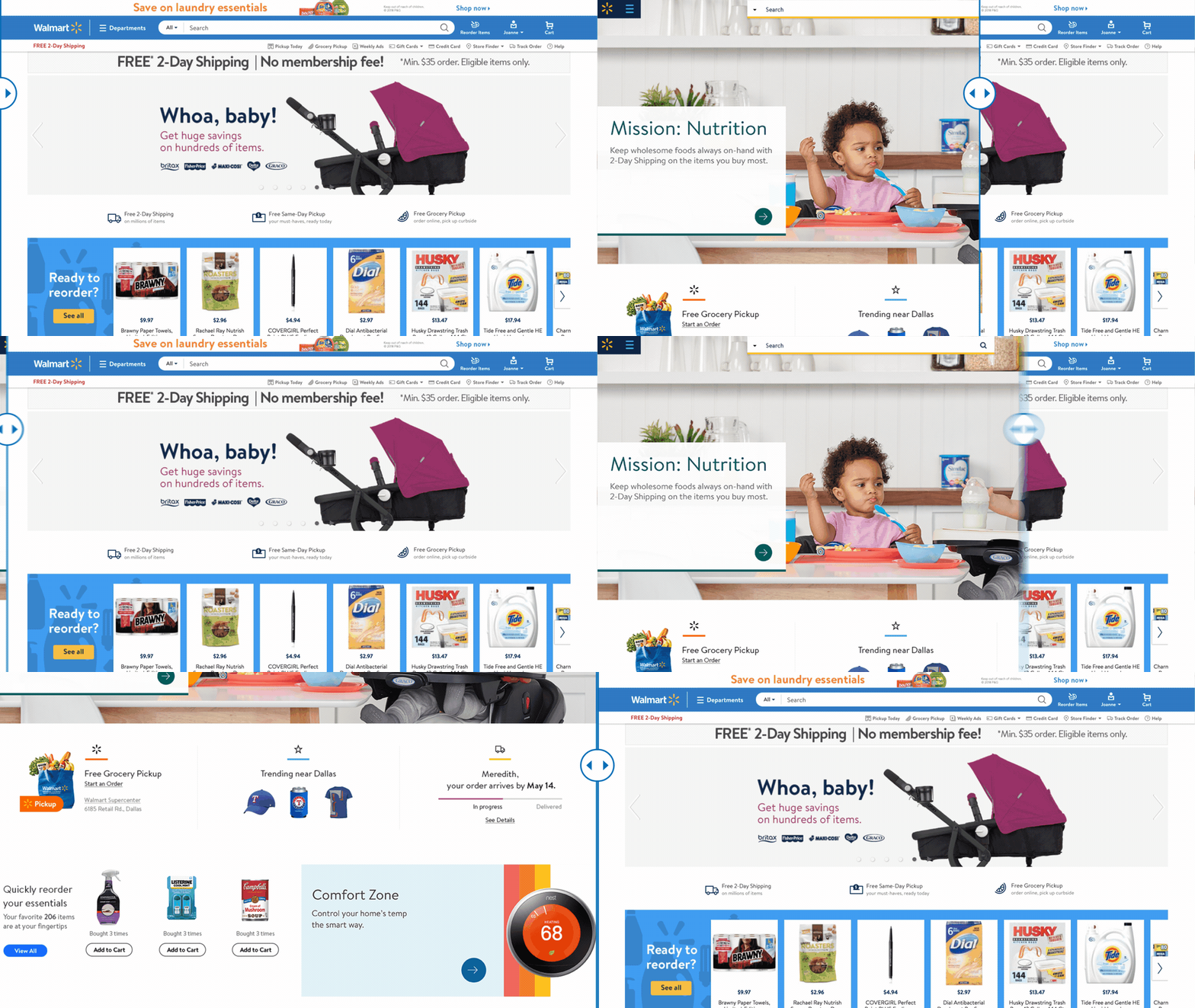
    A new website has delivered a rebound in e-commerce sales for the world’s largest retailer Walmart, but falling margins have crimped first quarter earnings, with operating income down four per cent on a constant currency basis.

    Delivering its figures for the 13-weeks ended 28 April in the US overnight, Walmart said price cuts and higher shipping costs weighed on gross margin, down 23 basis points.

    Despite that sales, up 2.7 per cent on a constant currency basis to US$120 billion, and earnings came in above market expectations – helped along by a rebound in e-commerce sales, up 33 per cent.

    Comparable sales (excluding fuel) increased by 2.1 per cent, compared to 1.4 per cent in the prior corresponding period.

    Walmart launched a new website during the quarter after online sales experienced a slowdown over the holidays, with growth down to 23 per cent compared to 50 per cent in Q317.

    Walmart president and chief executive Doug McMillion said it was a solid first quarter with momentum building across the business.

    “We’re transforming to better serve customers, we are changing from within to be faster and more digital, while shaping our portfolio of businesses for the future,” he said.

    Walmart made a number of large corporate moves in the first quarter, including a US$16 billion deal for a 77 per cent stake of Indian marketplace Flipkart and a circa £10 billion on the merger of its UK supermarket business Asda with Sainsbury’s.

    Walmart also revealed on Thursday that it had sold its banking operations in Canada and Chile in line with its focus on retail.

    Neil Saunders said the first quarter figures were impressive in that, for a company of its size, Walmart has shown an ability to make dramatic changes to its business model in a relatively short time frame.

    “Today’s results are proof not only that Walmart is making gains in its day-to-day business, but that it is now a company firmly in the midst of a dramatic transition. As much as the structural changes are disruptive and, in some cases, profit-eroding, we believe they are necessary in order for Walmart to thrive in a new era of retail,” Saunders said.

    “Too many legacy retailers fail to make the bold moves needed to maintain their relevance. Walmart is not one of them. It has both the will and financial muscle to ensure it remains a retail leader for many years to come. Indeed, we think it is one of the few companies that can truly take on Amazon in a serious and meaningful way.”

  • Lotte Group plans US$2.8 billion e-commerce spend

    Lotte Group plans US$2.8 billion e-commerce spend

    Korea’s Lotte Group plans to invest KRW3 trillion (US$2.8 billion) into its e-commerce business.

    Lotte Shopping CEO Kang Hee-tae says a comprehensive online shopping platform will integrate all eight of its online stores by 2020. Lotte Group will form a business department in August dedicated to developing its e-commerce business. Its various retail businesses, including its discount chain Lotte Mart and electronics outlet Hi-Mart, each run separate online shopping platforms.

    “Lotte plans to dedicate KRW500 billion to developing the online and mobile service platform,” says Kang. “It will invest KRW1 trillion in systematising distribution and logistics and KRW1.5 trillion for marketing.”

    Lotte Shopping and Lotte Group will each invest KRW1.5 trillion in the project.

    Meanwhile, Lotte Shopping, which runs Lotte Mart, Lotte Department Store and Lotte Cinema, has already announced it will merge with Lotte.com, the retail giant’s first online shopping platform, which sells goods from the department store.

    Lotte.com, which was the first e-commerce site from a Korean conglomerate when it launched in 2000, has fallen behind industry rival Shinsegae’s SSG.com, which offers products from its discount chain Emart and Shinsegae Department Store.

    Lotte’s plan follows a January announcement by Shinsegae that it would invest more than KRW1 trillion in a company to oversee Shinsegae’s entire e-commerce business.

    Lotte is banking on its large number of registered customers and offline stores to strengthen its e-commerce business. It has 11,000 retail outlets in Korea, and also has data on more than 38 million registered customers across its online and offline stores.

  • Overseas Alipay transactions grew fivefold over Labor Day

    Overseas Alipay transactions grew fivefold over Labor Day

    Transaction volumes in Hong Kong grew sevenfold over the previous year, Alipay said.

    Asian markets dominated the list of the top destinations by transaction volumes during the year, accounting for nine of the top ten spots. Thailand, South Korea, Japan, and Macau rounded out the top five. This was followed by Taiwan, Australia, Singapore, Malaysia and the US.

    But the fastest growth was recorded in Canada (16 times), the Netherlands (12 times) and the Czech Republic (11 times).

    Meanwhile average total spend per user increased by 59% over last year to 1,508 yuan ($237), with European destinations accounting for half of the top 10 countries in terms of total per user spend. The highest average was in Spain (7,965 yuan), followed by France and Italy.

    Alipay’s data also show that just over two thirds of users of Alipay overseas were female, while 85% were born in the 1980s or the 1990s.

    Finally, among the 29 countries that support tax refunds via Alipay, South Korea recorded the highest amount in RMB terms, followed by France and Germany.

  • Alibaba buys Pakistani online retailer Daraz

    Alibaba buys Pakistani online retailer Daraz

    Alibaba has bought Pakistani e-commerce firm Daraz, as the Chinese tech giant looks to increase its presence in South Asia.

    Financial details of the transaction, which was announced on Tuesday, were undisclosed.

    Daraz, founded in 2012, is backed by European tech incubator Rocket Internet. It operates in Bangladesh, Myanmar, Sri Lanka and Nepal as well as Pakistan.

    The deal marks another foray for billionaire entrepreneur Jack Ma’s Alibaba into the South Asian market. The e-commerce titan invested in India’s popular payment app Paytm in 2015.

    “Together with Daraz, we can now empower entrepreneurs to better serve consumers in the region through our technology and expertise,” Alibaba CEO Daniel Zhang said in a statement Tuesday.

    Daraz will continue to operate under the same brand, Rocket Internet said in a statement.

  • E-commerce giants struggle to find profit in Vietnamese market

    E-commerce giants struggle to find profit in Vietnamese market

    Some companies have been forced to shut down due to prolonged losses. Multiple online retailers in Vietnam have been struggling to gain profits for years due to high operational costs in a competitive market.

    Tiki.vn, one of the most popular e-commerce firms in Vietnam, recently reported a VND322 billion ($14 million) loss in two years.

    The loss in 2017 of the online retailer, which sells a variety of products including clothes, household items and electronic devices, has tripled its charter capital and is seven times its loss in 2016.

    Tiki.vn is not the only e-commerce company in Vietnam that has been suffering from losses in recent years.

    Before being acquired by the Chinese giant retailer Alibaba in 2016, Lazada Group said that it has lost $334 million in 2015 the Southeast Asia market, including Vietnam. This lost is double what it posted in 2014, according to TechCrunch.

    Some local e-commerce companies like Lingo.vn, Deca.vn and Beyeu.com have also been forced to shut down due to prolonged losses.

    Challenges for online retailers

    According to experts, e-commerce is an industry which requires a long time to recover capital and gain profit, therefore the losses of these giants in the Vietnamese market is understandable. Big brands in the field such as U.S.-based Amazon and Alibaba has to go for 10 years before having profit.

    Operating cost, especially logistics costs, is one of the main reasons for the losses. As large e-commerce firms often require massive warehouses covering thousands of square meters and hundreds of staff to work in them, logistics costs account for 60-70 percent of online retailers’ revenues, said trade expert Vu Vinh Phu.

    This enormous cost can be seen from the case of Tiki and Lazada Vietnam, each has a storage of over 4,000 square meters (about 1 acres) with 300 staff in Ho Chi Minh City. It is estimated that the operating cost of one of these storages is VND1 billion (about $44,000) a month. With three warehouses in operation, the two companies spend about $2 million a year, according to local media.

    In addition, marketing also plays a part in the high costs of e-commerce companies in Vietnam. When entering the market, Lazada Vietnam invested heavily in television and online advertising to attract users and gain market share. This company used to spend up to $2 million per month for advertising programs, local media said.

    The popularity of shopping on social networks such as Facebook or Zalo is also creating challenges for big online retailers. “There is an unbalanced competition between e-commerce giants such as Lazada, Tiki and Shopee with social network sellers,” said Pham Thai Binh, head of retails at property consultancy Savills Ho Chi Minh City.

    As businesses on social networks don’t have to pay high costs of investment, item price range is lower which in turn attracts the majority of Vietnamese people, Binh said. On the other hand, famous brands have to invest a great deal in terms of staff, operating system and other relating costs, he added.

    As Vietnamese has a habit of physically “touching” a product, they often surf the Internet for prices without actually ordering from the online retailers. The lack of information and customer service tools also plays apart in the problem.

    To compete in the market, retail giants in Vietnam are under pressure of price competition which leads to a loss of profit. Under pressure from investors, many businesses sometimes accept to sell 10 or 20 percent below market price, local media said.

    Potential market

    Despite those difficulties, experts believe that there is still great potential for e-commerce in Vietnam in the future.

    In a survey of about 1,000 participants conducted by CBRE Vietnam, a commercial real estate services and investment firm, 25 percent said that they will reduce the frequency of shopping at stores. About half of participants said that they will shop online more in the future.

    In the annual survey of Vietnam’s Business Studies and Assistance Center (BSA), the number of people shopping online has tripled from 0.9 percent in last year to 2.7 this year. As young people start to participate more in online shopping, e-commerce is a potential area for retailers to exploit, which will bring many benefits to customers, said a representative of BSA.

    E-commerce is a fast growing industry as customers’ behavior change every day, said Tran Tuan Anh, CEO of the online retailer Shopee Vietnam. “This year will be the year of e-commerce as Vietnamese people are now very familiar with online shopping,” he said.

    Price will continue to be an important factor for Vietnamese customers, but product quality and service are becoming more important, he said. As more and more consumers are aware of e-commerce, the brand, service, technology and value added services such as shipping and payment will need to be improved, Anh said.

    Tran Ngoc Thai Son, CEO of Tiki, also believes that the transition from traditional to online shopping is inevitable. E-commerce, now accounts for 3 percent of the $90-billion revenue of Vietnamese retail market, will grow to a 5 or 10 percent segment in the future, Son said. However, online shopping will not be able to replace brick and mortar businesses, he said.

    “The growth rate of Vietnam’s e-commerce market is estimated at about 35 percent, which is 2.5 times higher than Japan,” said industry expert Duc Tam at the Vietnam Online Business Forum 2017.

    According to one estimate, about 30 percent of the population will be buying goods and services over the internet in 2020, with each shopper spending an average of $350 per year.

  • China’s online shoppers expected to spend US$1 trillion in purchases

    China’s online shoppers expected to spend US$1 trillion in purchases

    China has more than 500 million online shoppers whose spending is set to exceed US$1 trillion this year.

    Of this, cross-border e-commerce purchases are about to reach $125 billion, according to new research by consultancy Frost & Sullivan. In partnership with China retail strategy expert Azoya Consulting, it has released the report The Cross-border e-Commerce (haitao) Opportunity in China.

    This includes research among more than 1000 online shoppers in China, together with findings from interviews with more than 100 international retailers and brand owners.

    Frost & Sullivan Asia-Pacific consulting director Mark Dougan says the average online shopper in China spends almost $850 a year on purchases from overseas retailers. “Chinese consumers are significantly motivated by the perceived higher quality overseas retailers offer, while the risk of buying fake goods is lower.”

    The research also shows that cross-border online shopping is growing strongly, with 63 per cent of Chinese shoppers planning to increase their spending this year. Fashion is the top category bought from overseas retailers (22 per cent of online shoppers in the past month), beauty and cosmetics (20 per cent) and mother and baby (15 per cent).

    As a country of origin, Japan gains the most confidence from Chinese online shoppers (72 per cent), followed by South Korea (60 per cent).

    Women are higher cross-border online shoppers than men, spending $976 on average annually, which is 20 per cent more than men. Men seek fast delivery, while women seek Chinese-language customer support. Women are more likely to use an overseas supplier’s standalone direct-to-consumer website (21 vs. 18 per cent of men).

    More than 80 per cent of global retailers see China as an attractive market opportunity yet only 30 per cent are satisfied with their current level of sales in China. This is particularly the case for those using Chinese marketplaces as their online channel, where only 21 per cent of retailers are satisfied with their sales levels.

    “To build a brand that Chinese consumers trust, that commands a healthy profit margin and repeat buyers, retailers need to approach customers through multiple touchpoints,” says Azoya International co-founder Don Zhao.