Category: Electronics

Retail News Asia is committed to providing both local and global retailers with the latest Electronics news throughout the Asian market. This on a daily base.

  • Garmin brings the ECG app to more smartwatches

    Garmin brings the ECG app to more smartwatches

    Garmin’s smartwatches are pretty popular in the United States and Europe, so the multinational company is trying to keep them updated. One of the features that most of Garmin’s smartwatches have been lacking in comparison with the competition is ECG support.

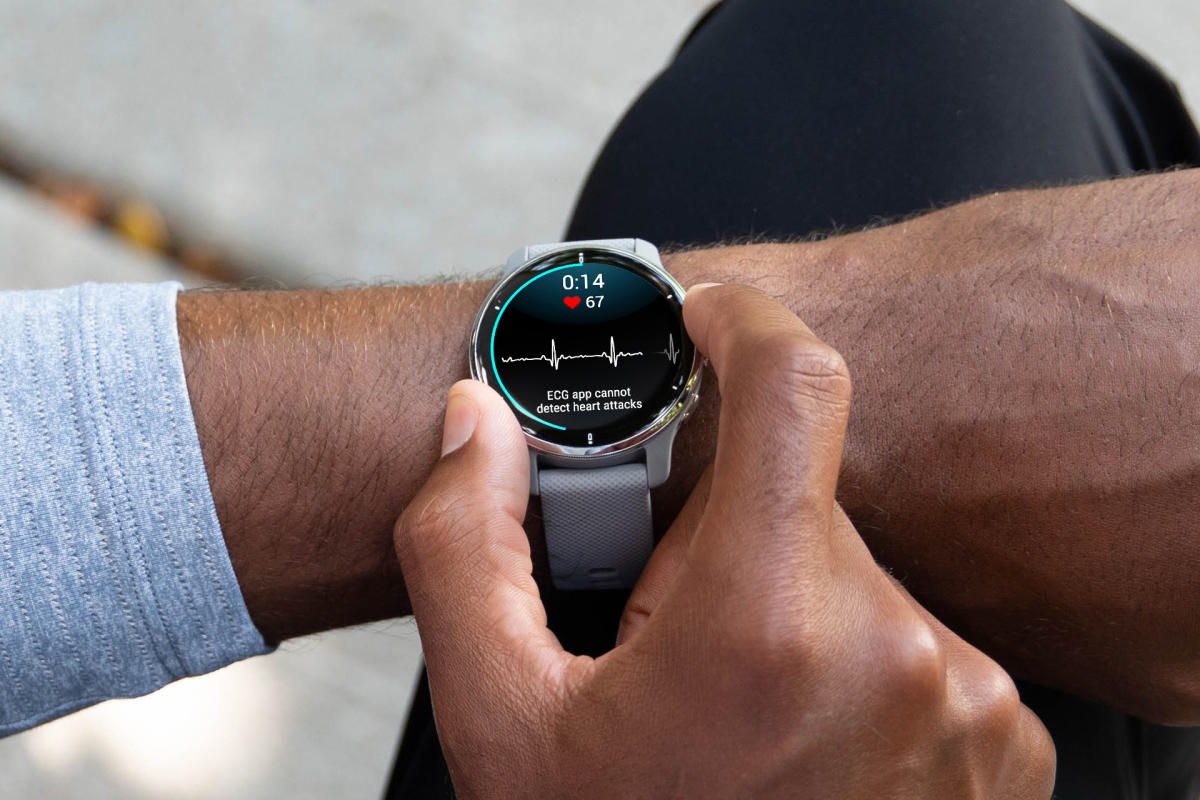
    The ability to measure atrial fibrillation was only available on Garmin Venu 2 Plus, but that’s about to change. The company has just confirmed that the ECG app is coming to more Garmin smartwatches, so if you own any mode from the list below, look for an update that will bring this new feature.

    In a post on Twitter, Garmin revealed that the ECG app is now available for epix Pro, Venu 3, and Fenix 7 Pro smartwatches. Yes, there are a bunch of other Garmin smartwatches that have yet to get the app, but the company told Android Central that “it intends to continue to expand its portfolio of products supporting the ECG app and launch it in new regions in-line with necessary regulatory approval.

  • Apple hints update is coming to fix flickering Watch display issues and more

    Apple hints update is coming to fix flickering Watch display issues and more

    Complaints from the Apple Community webpage and Reddit indicate that some Apple Watch users are having issues with the displays on their timepieces. Judging from the posts, it would appear that the screens on the affected units are flickering when the user raises his/her wrist to fully light up the display when in Always On mode. Another issue being investigated by Apple is one where complications on certain Apple Watch models turn pink when the user’s wrist is raised.
    One Reddit subscriber noted that the flickering issue occurs when a timer is running or the Modular Ultra face is being used. Other complaints sound like this one from an Apple Community subscriber who wrote, “It’s not just you. Series 9 on 10.0.2 here, I’m experiencing the same issue. Split second of screen flickering when raising to wake from AOD. It only happens sometimes, but enough to the point that it bugs me.”

    Based on the posts, it would seem that the flickering issue and the pink complications have been spotted on the new Series 9 watches as well as the Apple Watch Ultra 2. The bug continues to appear even after the latest version of watchOS, 10.0.2, is installed. Apple is expected to release the public version of watchOS 10.1 next week, which might contain a fix that exterminates the bugs.

    In fact, Apple even hinted that an update to fix the problem is on the way. In a memo, Apple told service providers not to repair impacted watches and instead, tell customers that they should keep the software on their Apple Watch up to date. That certainly sounds like Apple is expecting to release a software update soon that will fix the flickering on the Apple Watch screens as well as the color change to the complications on certain watch faces.

    Apple says that users can disable the Always On display as a temporary workaround to fix the flickering. Press the Digital Crown until you see the home screen. From there, go to Settings > Display & Brightness and toggle off the Always On mode. With the Always On display enabled, the screen dims when the user’s wrist is down and gets brighter when the wrist is raised. This is the point when the flickering shows up.

  • Apple could be introducing three new iPad models this coming Tuesday

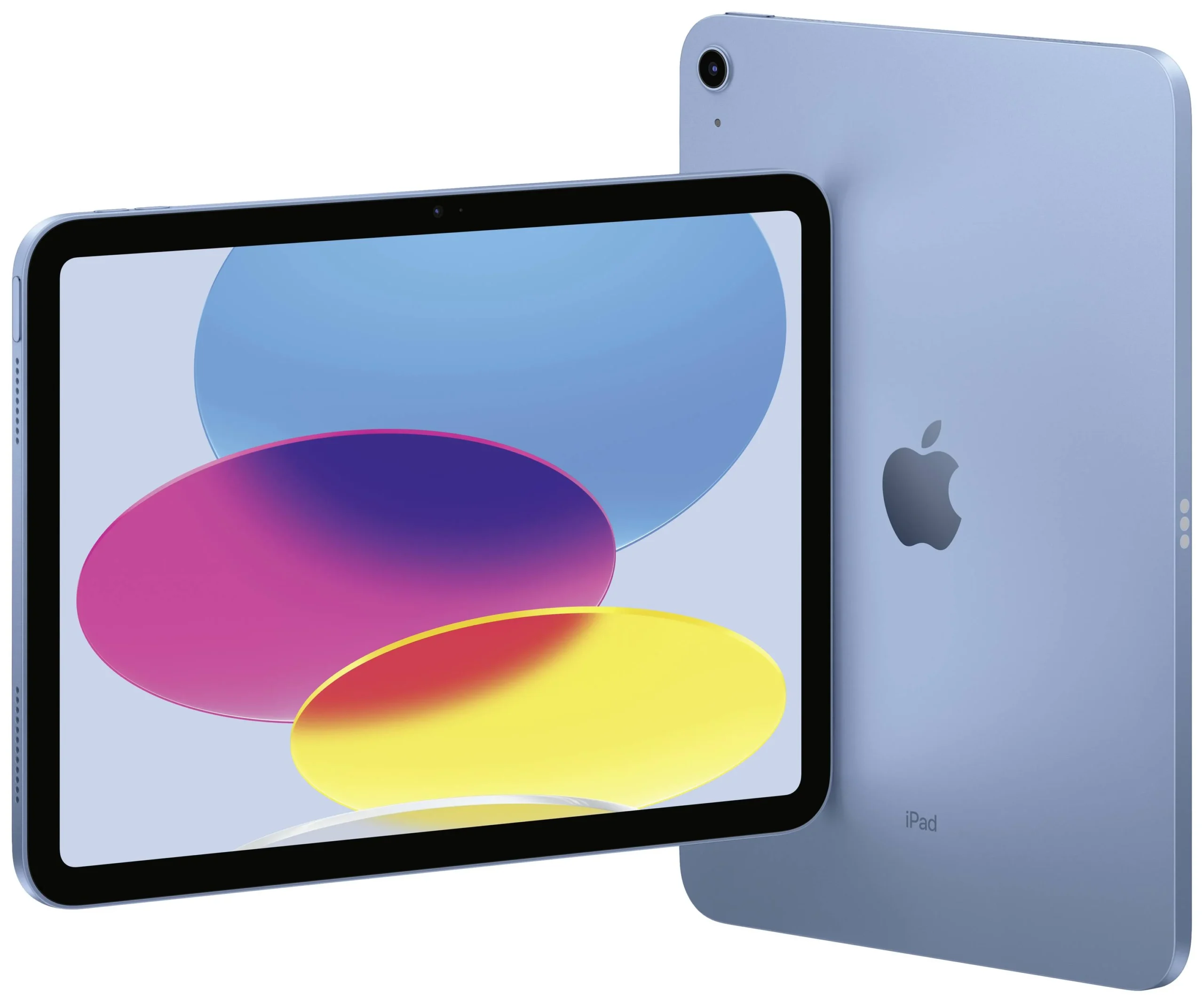
    Apple could be introducing three new iPad models this coming Tuesday

    Many assumed that after unveiling the new iPhone 15 series, the Apple Watch Series 9, and the Apple Watch Ultra 2 last month, we wouldn’t be seeing Apple release any more hardware in 2023. But there could be one last squeeze of the toothpaste tube left by the gang in Cupertino resulting in an announcement that would reveal three new iPad tablets, according to Supercharged. We could also see a new Apple Pencil with USB-C charging.

    The report cites a source “familiar with Apple’s media plans” who says that this Tuesday, October 17th, Apple will introduce a new entry-level iPad, an M2-powered iPad Air, and a new iPad mini. The entry-level iPad would be the 11th generation model replacing the 10th generation iPad which was announced in October 2022. The new iPad Air should come with an upgrade in the form of a faster M2 chip. The previous iPad Air, the first to use an M-series chip, was announced in March 2022.

    The new iPad Air, rumored to be announced this Tuesday, will supposedly be powered by a powerful M2 Apple Silicon chip.

    Also rumored to be announced on Tuesday is the iPad mini 7 which could be powered by the A16 Bionic chipset, the same one that currently is used to run the iPhone 15 and iPhone 15 Plus models. Additionally, the new iPad mini 7 will do away with the “jelly scrolling” flaw that causes the left side of the screen to lag while the right side moves at a normal pace. All three tablets are expected to receive minor boosts in specs.

    Apple is not expected to put on a big show for the release of the new iPads as an announcement will be made by the company on YouTube and through its newsroom site. If you hope the announcement will include a new iPad Pro, you’re early. The OLED iPad Pro models are expected to become official during the second half of 2024.

    This makes sense since Apple’s Vision Pro spatial computer will dominate the first half of the year. We expect the new iPad Pro model to be offered with an 11-inch and a 13-inch display.

    Ever since the pandemic ended, tablet sales have dropped. Apple saw a surge in iPad sales when many worked from home and students attended virtual classes. Perhaps an injection of fresh new iPad models will stimulate Apple’s tablet sales.

  • iPhone 15 sales top $42M on opening day

    iPhone 15 sales top $42M on opening day

    Sales of the newly released iPhone model surpassed the VND1-trillion (US$42 million) mark for a second year in a row, despite the economic downturn.

    The iPhone 15 came to Vietnam on Sept. 29, the first time the country was included in Apple’s second round of sales a week after starting in markets like the U.S., India, Singapore, Japan, and Thailand.

    Most Vietnamese retailers said sales were “much better than expected” in what has been a gloomy year for the phone market.

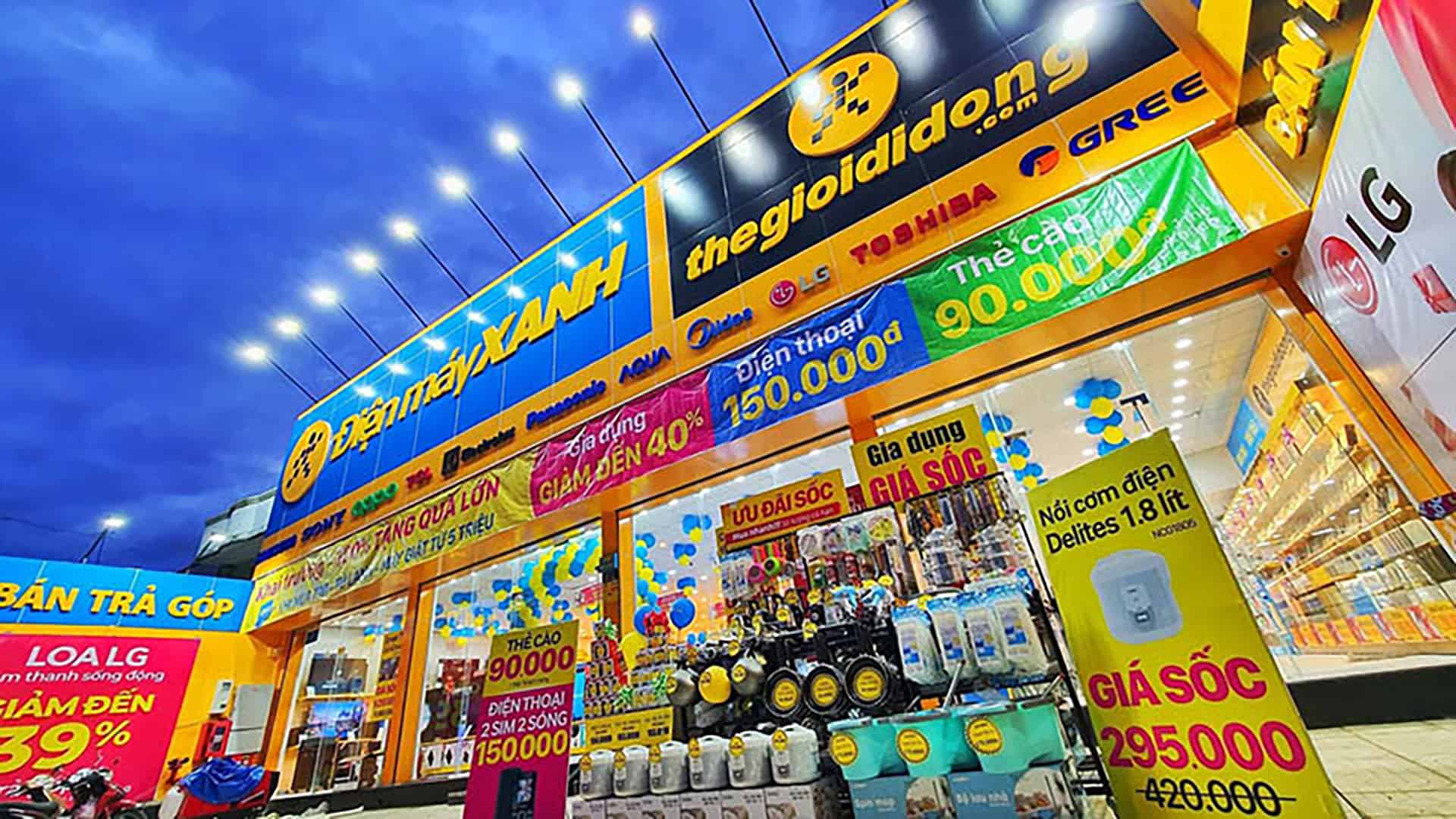
    The Gioi Di Dong sold more than 15,000 for worth VND500 billion, accounting for nearly 50% of the market.

    Other retailers such as FPT Shop, CellPhoneS, ShopDunk, and Hoang Ha Mobile reported sales of 2,000-7,000 each.

    In all, according to statistics from an importer, on Sept. 29 alone, 35,000 iPhone 15s worth more than VND1 trillion were delivered to customers. The phones were sold out within hours.

    FPT Shop did not disclose revenues for the full day, but merely said over 5,000 devices worth VND150 billion were delivered just after midnight.

    CellphoneS delivered 1,500 phones in the first two hours.

    The most popular variant, also the most expensive, has been the Pro Max, which accounted for 50-70% of sales.

    But their sales were 10-20% from last year due to the smaller supply but also because consumers have started to pay more attention to the two regular versions with their eye-catching colors and nearly similar features, according to a CellPhoneS executive.

    Most retailers sold out the 15 Pro and 15 Pro Max in natural titanium color.

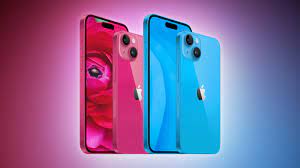
    Users only have a choice between blue and black for the 1 TB version. Meanwhile, the 15 and 15 Plus had better sales than their predecessors though the most popular color, pink, is also in short supply.

    Overall, sales on the first day were lower than last year, when the iPhone 14 fetched VND1.5 trillion.

    A Hoang Ha Mobile executive said the number of devices allocated to the country by Apple was not as high as last year.

    The color options were also low, leading to the most popular models soon selling out, he said.

    Retailers still have iPhone 15 devices in stock, mostly the regular versions and less popular colors like black.

  • Dutch competition regulator rejects Apple’s objections to $53 million in fines

    Dutch competition regulator rejects Apple’s objections to $53 million in fines

    Apple may be the favorite phone brand in the Netherlands, but the Dutch regulators lately think little of the iPhone makers.

    The Cupertino giant has faced rejection from the Dutch competition regulator ACM (Authority for Consumers and Markets). Apple objected to fines that currently add up to $53 million, but the Dutch ACM is adamant on the issue.

    Internally, this “objection-rejection” thing has been known from July 13, 2023, when ACM decided to say “No!” to Apple’s objections, but it has only now been published.

    Apple is ready to take this to court: “We disagree with the ACM’s original order, which degrades investment incentives and is not in the best interests of our users’ privacy or data security. As the ACM has denied our administrative appeal, we will appeal to the Netherlands courts”, Apple told Reuters.

    The ACM vs. Apple beef in the Netherlands is a long-standing dispute over… dating apps in the App Store. The problem Dutch authorities saw in the way Apple was conducting its business was due to it not allowing alternative payment systems for Dutch dating apps. That’s all they wanted – an alternative payment system to be allowed on the App Store, because Dutch people were not happy with the commission fee that the App Store takes on purchases.

    The ACM says that Apple has now complied with “most of its demands”, but there’s an additional – undisclosed one – that they haven’t complied with.

    It’s still unknown what’s the character of that final order that Apple failed to comply with, but the ACM regulator has promised to publish details should it win in court.

  • iPhone 15 prices plunge 20% in three days

    iPhone 15 prices plunge 20% in three days

    An iPhone 15 Pro Max brought from overseas is now sold at around VND40 million (US$1,650) in Vietnam, down 20% in three days.

    Smartphone shops in Hanoi and Ho Chi Minh City on September 26 offered the VND40 million price for 256GB storage option. Higher storage options of 512GB and 1TB cost VND45 million and VND58 million, respectively.

    Traders queued up to buy the product at Apple stores in Singapore and Thailand and brought them to Vietnam unofficially.

    The first ones were available on Friday last week, one week before they are sold officially in Vietnam, at prices around VND70 million, or nearly 50% higher than official prices in Vietnam.

    Nguyen Hieu, owner of an unofficial Apple shop in Hanoi, said that he had anticipated the drop in prices this year as the iPhone is sold in Vietnam only one week later than Apple’s tier-1 markets, compared to several weeks in previous years.

    He only bought 20 iPhone 15s to sell in the last three days.

    Retail chains are reporting a shortage of the most expensive option, the iPhone 15 Pro Max, due to high demand from preorders.

    Customers will have to wait until the end of October for more supply, retailers said.

  • Vietnamese struggle to buy iPhones in Singapore, Thailand

    Vietnamese struggle to buy iPhones in Singapore, Thailand

    As Thailand was selected to be among Apple’s tier-1 markets for the second year, many Vietnamese traders chose the country, believing that there would be less competition in line. But it turned out that too many people had the same idea. Dinh Cong, a tech connoisseur in Ho Chi Minh City, said that things were “chaos” as too many people showed up at Thailand’s Apple Stores.

    Apple Stores at Bangkok’s Central World and Iconsiam gave the top queuers wrist bands on Thursday afternoon and then cleared the crowd. Trader Tuan Anh said that this was an organizational improvement from, last year, showing that early queuers and customers who pre-ordered would be prioritized.

    But Thanh Tung in the northern province of Quang Ninh said that even though he was the 20th queuer, the store said there were no iPhone 15 Pro Max models available after the few first customers. Vietnamese traders most hunt the Pro Max option as they can sell them in Vietnam at up to VND70 million ($2,872), 49% higher than Apple’s official prices.

    “Many had to leave empty-handed due to the limited stock,” Tung said.

    In Singapore, many people showed up from 5 a.m. at the Apple Store on Orchard Road.

    “Most were from Vietnam,” said trader Minh Khoi, who was among the queuers. By opening time, hundreds were seen at the store. Khoi said that supply could not meet demand, and the Pro Max option ran out after the first 50 customers.

    “Traders were willing to pay a VND10 million ($410.3) difference whenever someone came out of the store with a Pro Max.”

    Tuan Thanh, an iPhone seller in HCMC, said that his group was divided into three to gather enough iPhone 15s for customers who have pre-ordered.

    Although the earliest iPhone 15 Pro Max models in Vietnam were sold at VND60-70 million, their prices quickly dropped,.

  • Foxconn workers earn more building the Mate 60 Pro than the iPhone 15 line

    Foxconn workers earn more building the Mate 60 Pro than the iPhone 15 line

    The Huawei Mate 60 Pro is getting a serious look from U.S. government officials who are trying to figure out how Huawei and SMIC (China’s largest foundry) created 7nm Kirin 9000S 5G chipsets in the face of U.S. sanctions. Huawei is not allowed to be shipped any cutting-edge chips made by any chip foundry that uses American technology to produce chips.

    As a result, Huawei’s flagship Mate 50 series and P60 series used Qualcomm’s Snapdragon 8+ Gen 1 application processor after the company obtained a license to import the components. However, Qualcomm was forced to tweak these chips so that they would not work with 5G networks. But out of nowhere, the Mate 60 Pro uses chips produced by SMIC using its second-gen 7nm process node and these chips support 5G.

    The other phone under intense scrutiny, but for a different reason, is the iPhone 15. Apple just unveiled the four new models in the series and worldwide phone buyers are taking a hard look at the new handsets to see which models they want to buy. They also want to see the new USB-C port on the devices.

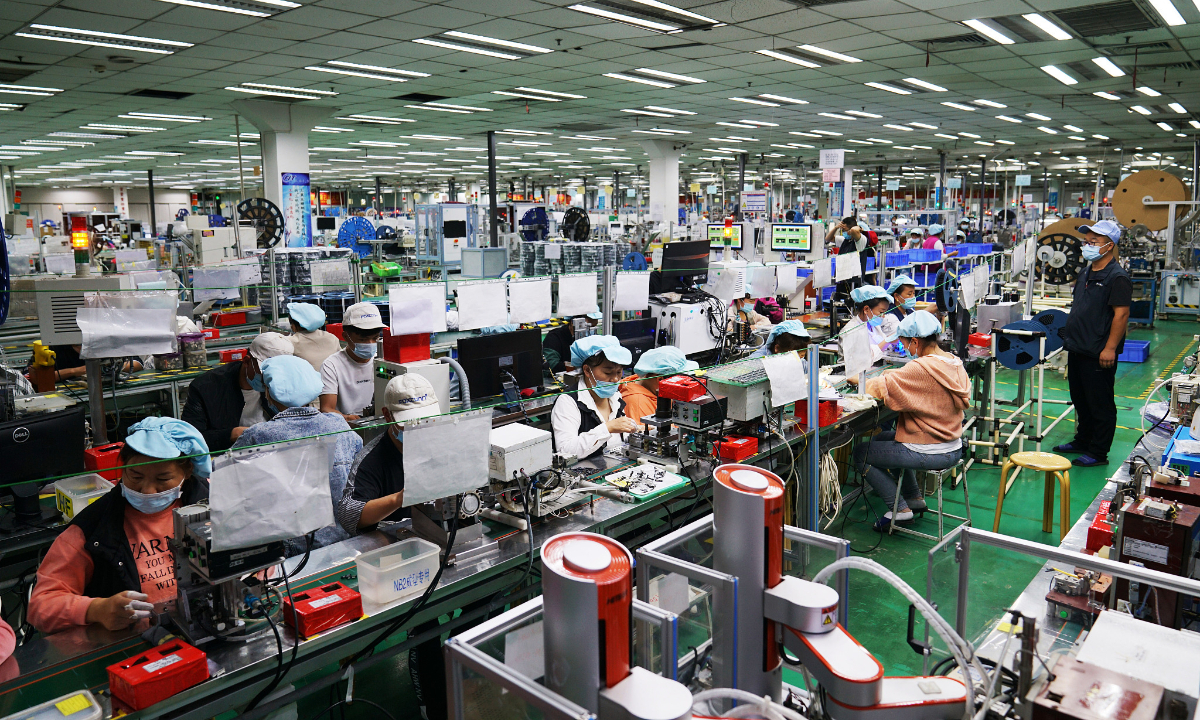
    Interestingly, in China, both the Mate 60 Pro and iPhone are assembled by the same contract manufacturer, Foxconn. And the Foxconn unit that assembles Huawei phones is paying its workers more than the unit that assembles the iPhone.

    Two recruitment agents told SCMP that Foxconn’s FIH division, a subsidiary that used to be known as Foxconn International Holdings, was offering new workers last week 26 yuan an hour ($3.60) to help assemble the Mate 60 Pro at the Foxconn factory in Shenzhen’s Longhua district. Meanwhile, workers helping to assemble the iPhone at Foxconn’s integrated Digital Product Business Group (iDPBG) are making 21 yuan an hour ($2.88), or 19.2% less than those building the Mate 60 Pro.

    A recruitment agent with the surname Xu in Shenzhen said, “The new hires will know what phone they are making after the factory allocates them to different teams based on current demand, but these days they have a higher chance of making handsets for Huawei.” The agent went on to say that those making the iPhone make less than those working for Foxconn’s FIH unit because the iPhone production unit offers more welfare benefits for workers.

    In Zhengzhou, home to the largest iPhone factory in the world, Foxconn is offering workers a peak signing bonus of 6,480 yuan ($888.35). Meanwhile, this year could be one of the toughest launches for the iPhone in China. Not only did the introduction of the Huawei Mate 60 Pro unleash a wave of nationalistic pride in the country, but the CCP banned the iPhone from being used in government offices citing security issues with the phone.

    Just the other day, reliable analyst Ming-Chi Kuo pointed out that Apple doesn’t market the iPhone to those working in government offices and stated that people in China who buy Huawei phones do not buy the iPhone. As a result, he didn’t change his estimate of iPhone shipments for the rest of this year.

  • Electronic retailer Mobile World grows revenues in Indonesia

    Electronic retailer Mobile World grows revenues in Indonesia

    Erablue, the electronics retail chain of The Gioi Di Dong (Mobile World ) in Indonesia, has increased its monthly sales to VND30 billion from VND17.5 billion (US$0.7 million) in the latter part of 2022.

    With five stores, it reported monthly revenues of VND25 billion ($1.05 million) in the first half of this year.

    The VND5 billion ($0.2 million) per store represents higher sales than in Vietnam, Doan Van Hieu Em, CEO of two of the country’s leading electronics retailers, The Gioi Di Dong and Dien May Xanh, said. The latter also sells home appliances.

    While the amount is only equivalent to 0.5% of that of a Dien May Xanh store, it is enough to achieve positive EBITDA (earnings before interest, tax, depreciation, and amortization), he noted.

    Erablue is a joint venture between The Gioi Di Dong and Erafone Artha Retailindo, a subsidiary of Indonesia’s largest technology product retailer.

    It opened its first store in Jarkata late last year before expanding to Tangerang, an area considered a new economic driver.

    Erablue, which opened its sixth store this month, targets 25 more by the end of this year, halving the plan it made at the beginning of the year.

    Em said it is very hard to find showroom-sized properties in Indonesia, and the joint venture has to rent five to seven adjacent buildings and turn them into a big enough place for an Erablue store.

    But the potential of Indonesia’s electronics market is double or even triple that of Vietnam, he added.

    The Vietnamese electronics retailer has determined that sales and after-sales services, especially delivery and installation, will be a strong point of Erablue stores.

  • iPhone 15 to cost up to $1,950

    iPhone 15 to cost up to $1,950

    The iPhone 15 will be sold in Vietnam from Sep. 29 with the highest-priced model costing VND46.99 million (US$1,950).

    Apple Store Online Vietnam and other authorized resellers listed the prices of four models soon after U.S. tech giant Apple unveiled its latest smartphones early Wednesday.

    The lineup includes iPhone 15, 15 Plus, 15 Pro, and 15 Pro Max, and they range from VND22.99 million (iPhone 15 with 128 GB of storage) to VND46.99 million (Pro Max, 1 TB).

    For the first time Vietnamese can buy an iPhone the same month it is released. In the past they had to wait for one or two months before the phone made its official way into the country.

    Preorders start on Sep. 22 and first deliveries will be on Sep. 29.

    Apple Store Online buyers can only preorder a maximum of two per model.

    The fact that Apple has started early sales in Vietnam shows that it considers the country a key market, Doan Viet Dung, a media representative at electronics retail chain ShopDunk, said.

    “We predict that the iPhone 15 Pro Max will lead in sales like in previous years.”

    FPT Shop expects sales to exceed that of the previous model, the iPhone 14, by 20%.

    Retailers plan to offer promotions and discounts to compete with the official Apple store.

    Hoang Ha Mobile and Di Dong Viet plan to sell the phones at VND500,000-1.5 million lower than the Apple Store prices.

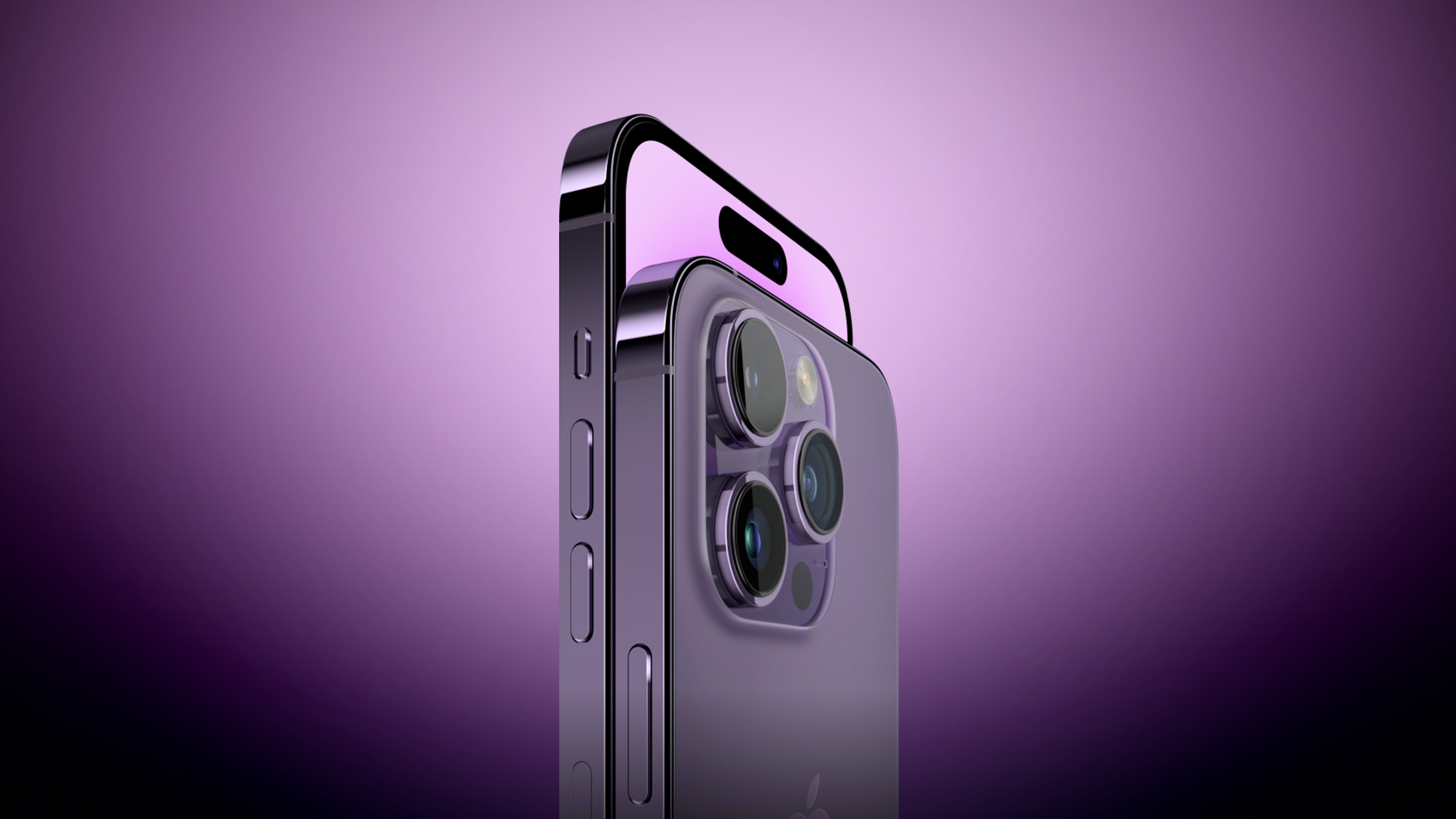
    The iPhone 15 is made of titanium, not aluminum and steel like previous models. It also has a USB-C connection instead of the traditional Lightning port.

  • The EU will decide whether Apple will have to support RCS messaging

    The EU will decide whether Apple will have to support RCS messaging

    Thanks to the EU, the iPhone 15 series will have a USB-C port instead of the proprietary Lightning port. The EU’s Digital Markets Act (DMA), passed by its 27 member countries, might force Apple to allow developers to promote third-party in-app payment platforms that would allow developers to avoid the 15% to 30% cut of in-app transactions that Apple keeps.

    Apple will soon hear about another change that the DMA might force on it. Depending on whether the EU says that Apple’s iMessage platform is a “gatekeeper” or not, Apple could be forced to add support for Rich Communication Service (RCS). The latter is the platform used by Google’s Android messaging app and Google has been trying to get Apple to add iOS support for it.

    What is interesting is that RCS gives Android users many of the same features that iMessage gives iOS users such as end-to-end encryption, support for longer texts, high-quality images and videos, read receipts, typing indicators, and more. And here’s the thing. Like with iMessage, all of the extra goodies we just listed go away if an iOS user joins a group chat of Android users. Since Apple believes that iMessage is a unique feature that attracts iPhone buyers, Apple wants nothing to do with adding support for RCS.

    However, the features found on iMessage that you won’t get on RCS, such as Animojis, Memojis, and the capability of sending handwritten notes really shouldn’t be enough to make a consumer choose an iPhone over an Android device. And RCS has features that are unique too, such as suggested replies and the capability to share your location with family and friends.

    But let’s get back to the issue at hand. Per BGR, If the EU says that iMessage is a gatekeeper, Apple will be forced to support rival messaging platforms such as RCS. A company is considered a gatekeeper in the EU if had an average turnover of at least €7.5 billion in the last three financial years, or had a fair market value of at least €75 billion in the last financial year.

    A gatekeeper also has to operate in at least three Member States, and help over “45 million monthly active users and more than 10,000 yearly active business users in the EU during the last three years on a number of core platform services, such as search engines, social networking services, and operating systems.” Apple is arguing that it doesn’t have the 45 million iMessage users in the EU required to be a gatekeeper.

    Under the DMA definitions, the EU said back in July that seven tech firms qualify as gatekeepers including Apple, Google, Amazon, Meta, Microsoft, Samsung, and ByteDance. Booking.com said that it will join the group next year. Tomorrow, September 6th, the EU will announce exactly which firms are gatekeepers and will also list services, like iMessage, that are gatekeepers. So even though Apple is a gatekeeper in the eyes of the DMA, iMessages might not be. And this is important.

    Apple argues that iMessage, by itself, is not big enough to be a gatekeeper. Apple is hoping that the EU agrees in which case, Apple will not have to add support for RCS in the EU. If iMessage is considered a gatekeeper, Apple will have until March 24th to support RCS in the economic union.

    Unlike changing the iPhone’s port from Lightning to USB-C, which Apple is doing worldwide, the company would probably decide to offer RCS support, if forced to do so, only in the 27 EU member countries. The same thing would probably happen if Apple is forced to support third-party app stores and sideloading.

    So don’t forget to check back tomorrow to see if we have any news about whether the EU considers iMessage a gateway. For Tim Cook, it could be a sleepless night.

  • Electronics retailers bank on iPhone 15 to boost sales

    Electronics retailers bank on iPhone 15 to boost sales

    Electronics retailers are hoping that the iPhone 15, which is set to be launched in a week, will help stimulate demand amid a challenging year.

    As the smartphone market in Vietnam saw sales plunging 25% year-on-year in the first six months, major retail chains are preparing to compensate for the drop with the iPhone 15, which Apple will introduce on Sept. 12.

    “The market really needs a boost this year, and that is why we hope the new iPhone will help stimulate spending,” said Nguyen Lac Huy, a representative of retail chain CellphoneS.

    A representative of a different chain, who asked not be identified, said that smartphone sales in the last quarter often accounted for 30-40% of the year’s total and therefore there was a lot of expectation for sales to surge in the last three months.

    Some chains said that they had completed 80% of the preparation work needed for the iPhone launch. Their sales and media team are now only waiting for Apple to reveal its product.

    Last year, iPhone 14 made a new record in Vietnam with 55,000 units sold on the first day, equivalent to revenue of VND1.5 trillion ($62.27 million). The iPhone 14 Pro Max accounted for 80% of the sale.

    However, retailers do not expect the iPhone 15 to exceed its predecessor in sales this year.

    There will likely be less people willing to pay up to VND30 million for a smartphone this year due to tightened spending, said Nguyen Van Cong, a seller of Apple products with many years of experience in the industry.

    Retailers already had to lower the price of the iPhone 14 early this year due to falling demand, he added.

    The establishment of Apple Store Online in Vietnam also allows customers to make orders directly from Apple and retailers will have to compete in terms of prices and promotions.

    FPT Shop, however, is confident that the new iPhone will help improve the financial figures of the chain.

    “We expect the number of units sold will slightly exceed that of last year as we do not have any supply issues and our prices are better than Apple Store Online.”

  • Report says to expect iOS 17 and iPadOS 17 to be released together unlike last year

    Report says to expect iOS 17 and iPadOS 17 to be released together unlike last year

    Writing about tech is like having a large family. There are so many dates to remember. But instead of remembering the birthdate of that weird Aunt with the three nostrils and the wedding anniversary of the Uncle who won’t say any word beginning with the letter “T,” you have to remember that Apple will introduce the new iPhone 15 line on September 12th and Google will unveil the Pixel 8 series on October 4th.

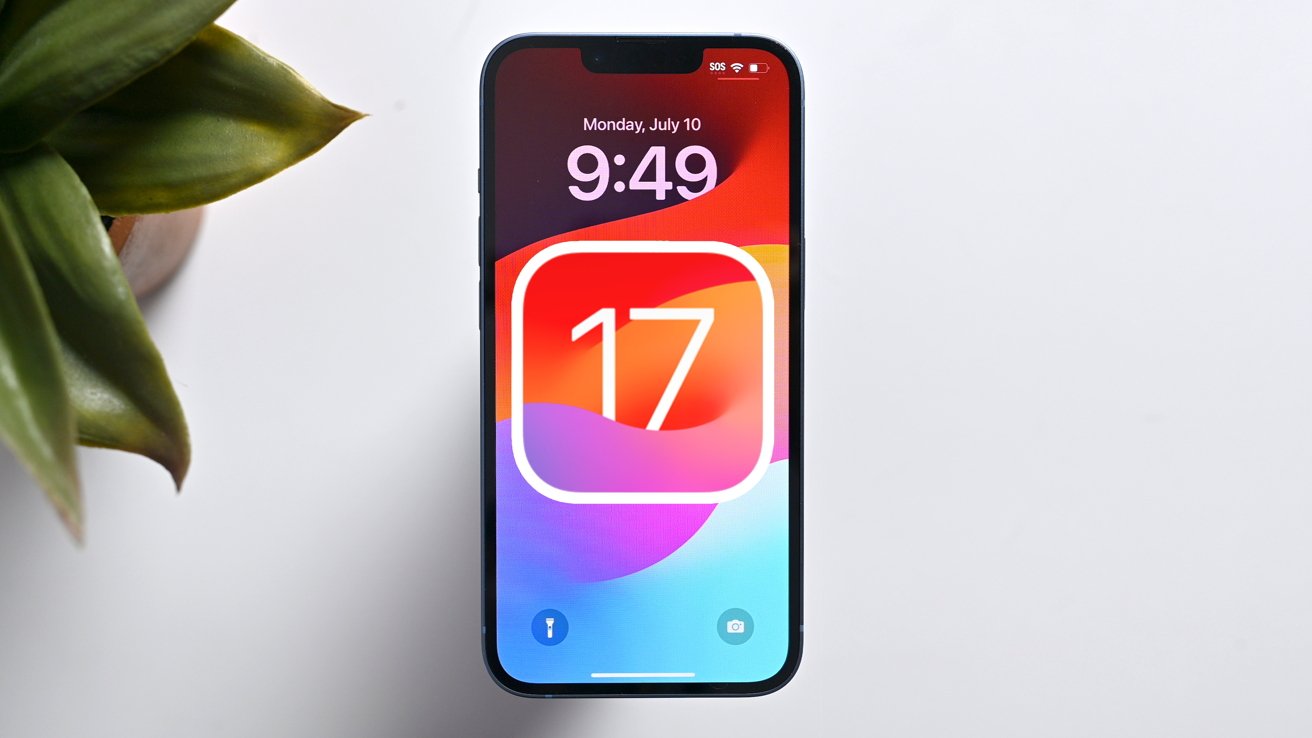
    Apple is doing its part to make life a little easier for us writers this year by setting up its release schedule to allow for the simultaneous release of iOS 17 and iPadOS 17. Last year, iOS 16 was dropped by Apple on September 12, five days after the introduction of the iPhone 14 line. The release of iPadOS 16 didn’t take place until October 24th. The delay was caused by changes Apple needed to make to its multitasking Stage Manager apps and Windows organizer.

    Gurman writes that he has been told that the recently released eighth beta of iOS will be considered by Apple to be the final beta test before the release of the final public version unless something unexpected shows up. So if you are interested in being the first in your family with an iPhone that runs iOS 17, or if you want to impress your friends by telling them about new features like StandBy Mode (which essentially turns the iPhone into a smart display when it is charged in landscape orientation) now might be the most low-risk time to install the iOS 17 beta.

    To join the beta, direct your browser to beta.apple.com or click on this link. Tap on the name of the software release you’re interested in installing (for example, iOS 17) and follow the directions.

    Other features coming to iOS 17 include the ability to create a personalized Contact Poster which is what another iPhone user sees when you call them. An exciting feature will allow you to send a call to voicemail and read the transcript of the message being left in real-time. If you want to take the call after all, you can cut in and start talking to the caller.

    And if you have helicopter parents, a new iOS 17 feature will alert your Mom, Dad, other family members, and friends when you arrive at your destination. Of course, all of them must have an iPhone that is running iOS 17.

    If you don’t want to risk loading a beta on your daily driver, you might as well wait it out; the release of iOS 17 and iPadOS 17 is just days away.

  • Intel gets confidence boost from anonymous customer pre-paying for 18A production

    Intel gets confidence boost from anonymous customer pre-paying for 18A production

    Last week, Intel CEO Pat Gelsinger reiterated his goal for Intel to take foundry leadership from TSMC by 2025. The executive said, “We’re 2.5 years into the transformation. Now, it’s gone the way I would have expected at the time in terms of rebuilding the company. You have to be much less skeptical about our ability to pull this off.” Intel not only had to watch as TSMC took its foundry leadership away, but it also saw TSMC’s largest customer, Apple, replace its Intel chips with M-series chips built by TSMC.
    During last week’s Deutsche Bank conference, Gelsinger stated that the 18A node will return process leadership to Intel. That node would be considered 1.8nm while TSMC and Samsung would be shipping at 2nm during the same time. The CEO also let it be known that Intel has received a large prepayment from a customer for Intel’s 18A capacity. This gives Intel the confidence to believe it is on the right track and will lead the company to speed up the build-out of 18A fabs.
    In the long term, Intel sees the contract foundry business as its biggest opportunity. One interesting comment made by Gelsinger is that Intel knows TSMC’s wafer costs, ASPs, and targets. With this knowledge, he says that Intel wants lower costs than TSMC to win business from the global foundry leader. He says that Intel is trying to get its internal cost structure in line with TSMC. To this end, Intel will study its metrics such as headcount per wafer start, and use more AI/Machine Learning to improve efficiency.
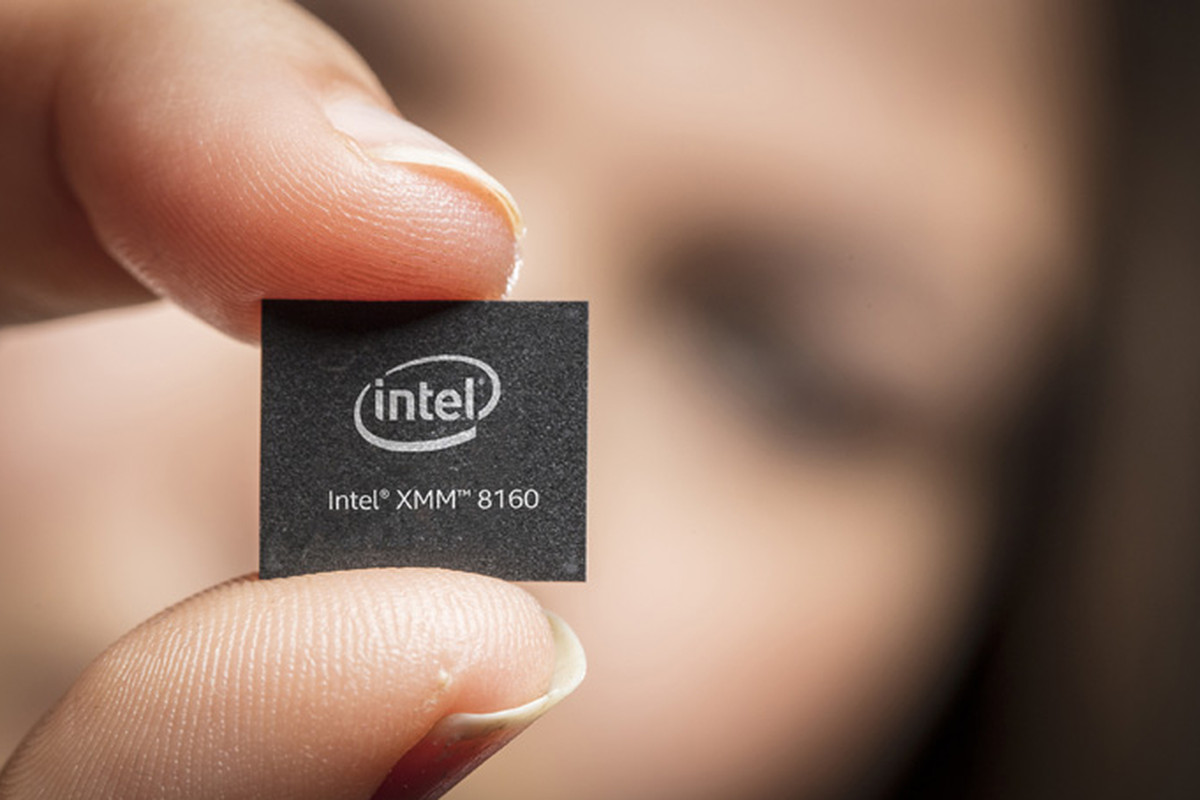
    Intel is still relying on TSMC to build parts of its next-generation ‘Meteor Lake’ chips. While Intel will use its Intel 4 node (7nm) to build the chip’s CPU tile, the GPU tile will use TSMC’s 5nm node. The chip’s SoC tile, an ultra-low-power tile that supports media, imaging, display, and the connection to memory, will be built on TSMC’s 6nm node as will the chip’s I/O Extender tile.
    As Tech journalist Leo Waldock notes in a post on X, “All that could be correct yet it still seems weird to me that Intel is buying tiles from TSMC for its own products while touting foundry services to 3rd parties. Eat your own dog food, no?”
    Will Intel make TSMC and Samsung Foundry squirm? Will Apple stay loyal to TSMC? Will geopolitical rumblings make TSMC customers worried enough to bring their business to another foundry? These are questions that we will have to wait to answer.
  • Wear OS 4 now rolling out to the Galaxy Watch 5 series while Pixel Watch users continue to wait

    Wear OS 4 now rolling out to the Galaxy Watch 5 series while Pixel Watch users continue to wait

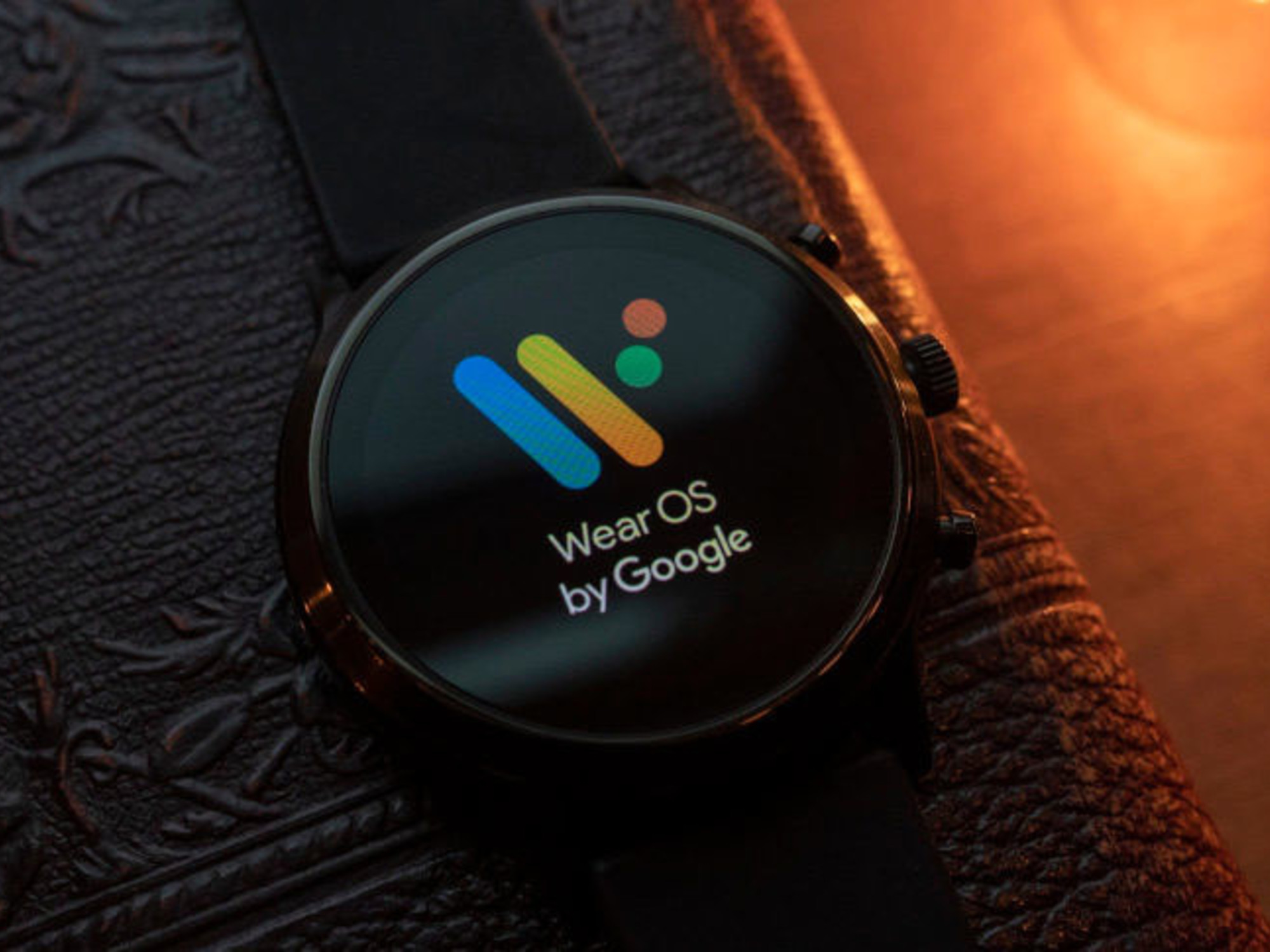
    Google’s highly-anticipated Wear OS 4 update, unveiled in back in May, is now making its way to yet another one of Samsung’s smartwatches. While it was originally released with the launch of the Galaxy Watch 6, it is now also headed to the Galaxy Watch 5 and Watch 5 Pro.

    The update is rolling out in the U.S. and can be identified by the build number ending in BWH3. The Wear OS update for the Galaxy Watch 5 is based on Android 13, just like it was when it originally rolled out to the Galaxy Watch 6.

    Wear OS 4, or “One UI 5 Watch” as named by Samsung, brings a range of exciting features. Samsung’s enhancements include improved controls for connected Galaxy Buds, making it easier to manage audio devices. A handy widget also displays battery levels across all connected devices, simplifying device management. Several Samsung Health upgrades also support users in their pursuit of a healthier lifestyle.

    However, the standout feature of this update is the ability to pair your watch with a different phone without having to reset the smartwatch entirely. This flexibility is a game-changer for users who want to switch devices while keeping their settings and data intact.

    Meanwhile, users of Google’s first-generation smart watch, the Pixel Watch, are still waiting for Wear OS 4 to become available on their devices. There were reports last month that Google was readying a beta program for the Pixel Watch and Wear OS 4, according to some leaked info, however no further info has surfaced on this. At this rate, we expect Wear OS 4 for the Pixel Watch to be unveiled with the second-gen Pixel Watch 2 possibly in October.

    This means that by the time the Pixel Watch gets to enjoy the benefits of the update, Samsung Galaxy watches such as the Watch 6, Watch 5, Watch 5 Pro — and Watch 4 and 4 Classic, which are also on the list to get this update in the future — will have benefitted from the update for over four months. So much for Pixel devices getting software updates first.