Category: Electronics

Retail News Asia is committed to providing both local and global retailers with the latest Electronics news throughout the Asian market. This on a daily base.

  • TV prices hit record lows due to high inventory

    TV prices hit record lows due to high inventory

    The current market sees 65-inch LED TVs priced at just over VND10 million ($420), and OLED TVs dropping below VND20 million for the first time, a result of high inventory and decreased demand.

    “It’s normal for TV prices to go down year after year, especially for older models. However, the high inventory pressure and the sharp drop in demand this year has forced many chain stores to cut profits, break even or even cut losses,” said Ngoc Chung, owner of an electronics store on Nguyen Trai Street in Hanoi.

    “TV prices have hit the floor this year. We are selling them to maintain cash flows to wait for a better year in 2024,” he added.

    Many TV models, with the two most popular sizes of 55 and 65 inches, currently cost around VND10 million, 15-20% lower in previous years.

    Major dealers and manufacturers regularly offer 30-50% discounts, even for new models released in 2023.

    LG’s latest lines currently have discounts of 15-30%. Meanwhile, some OLED TV models with sizes of 43 and 50 inches released in 2021 or 2022 are currently priced at less than VND20 million.

    Previously, prices of OLED TVs had never fell to below VND30 million.

    Ha Minh Tuan, manager of an electronics warehouse specializing in online sales, said his business’ revenue this year is down 15-20% compared to last year.

    “TVs are also in a difficult situation like other consumer electronics products, but TVs are not an essential item, so users often choose not to upgrade or buy more,” Tuan said.

    Weaker demand and changing consumer needs have also made the low-cost TV segment with sizes from 32 to 43 inches vibrant again.

    In 2021, 32-inch TVs gradually disappeared when most firms stopped selling them, but this year these models are back.

    Samsung, Toshiba andXiaomi all have 32-inch TVsat selling prices of VND 4-6 million.Prices of 40- and 50-inch versions are VND1-2 million higher.

    In addition to discounts, electronics companies set lower list prices for some models.In April, the list prices of some LG’s OLED TVs were 20-30% lower than last year.

    Among TVs this year, backlit LEDs are the most popular, followed by miniLED and OLED. Newer technologies like Samsung’s microLED are still expensive.

    Regarding operating systems, only Samsung and LG use their own operating systems. Brands such as Sony, Xiaomi, TCL, Casper and Toshiba have all switched to Google TV.
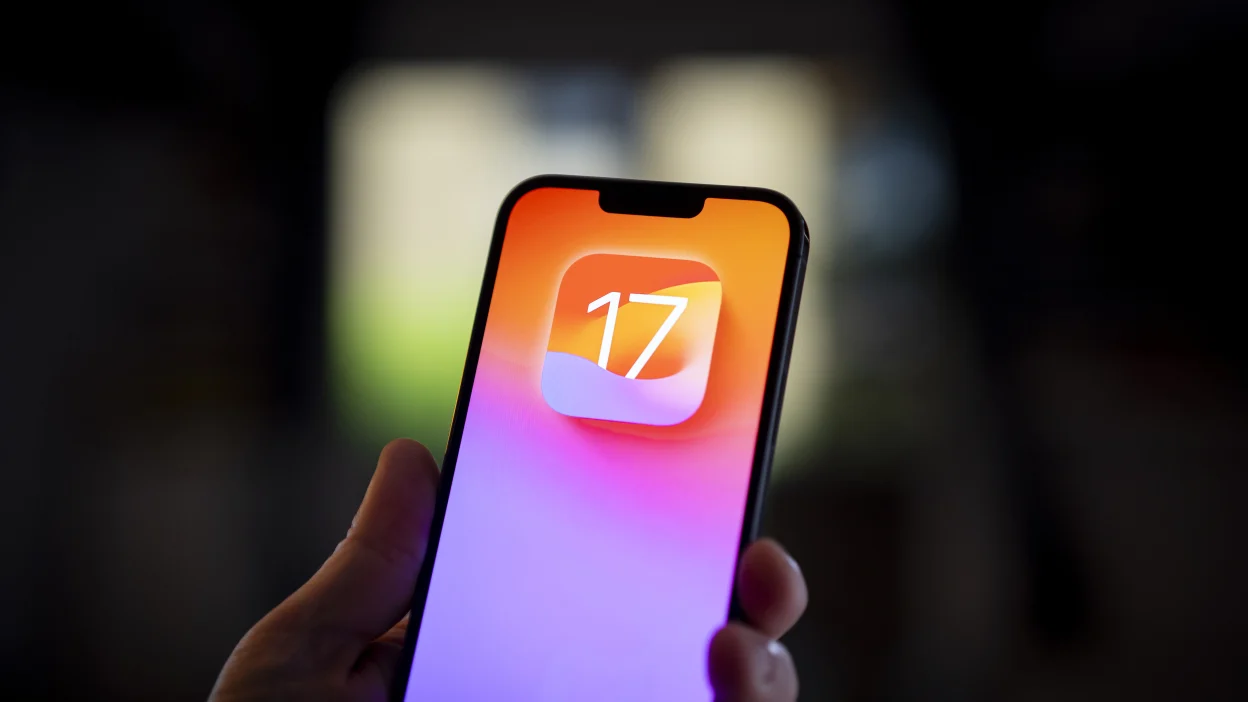
  • TSMC shows off 2nm chip prototype to Apple

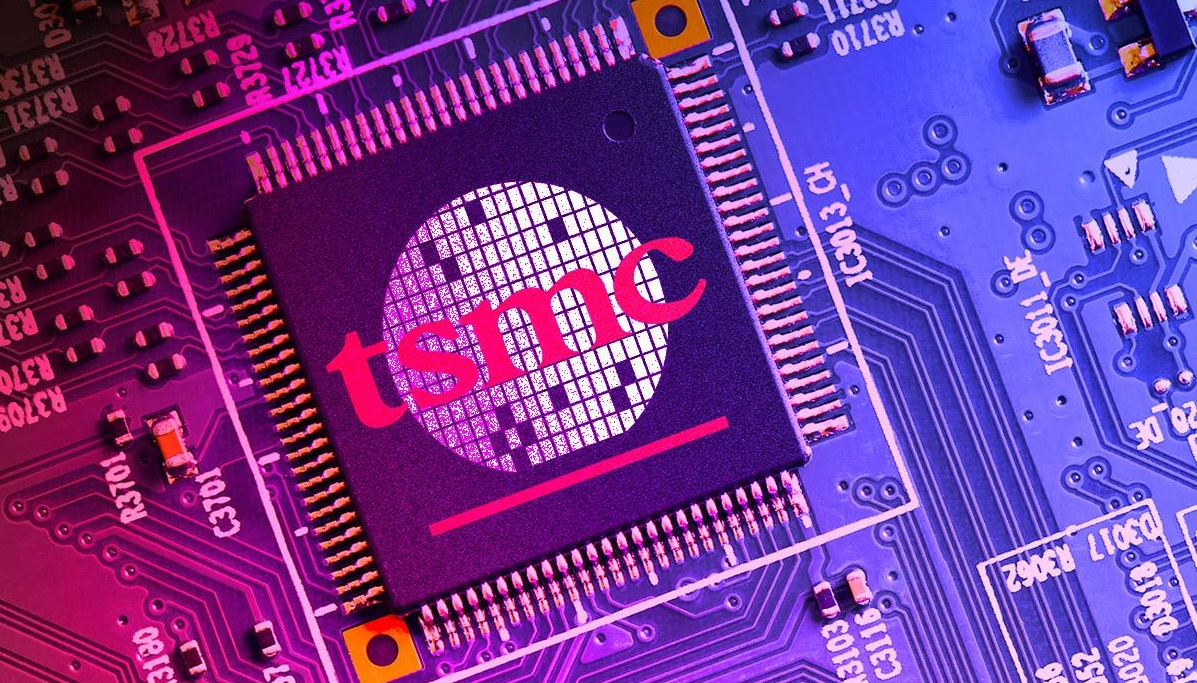
    TSMC shows off 2nm chip prototype to Apple

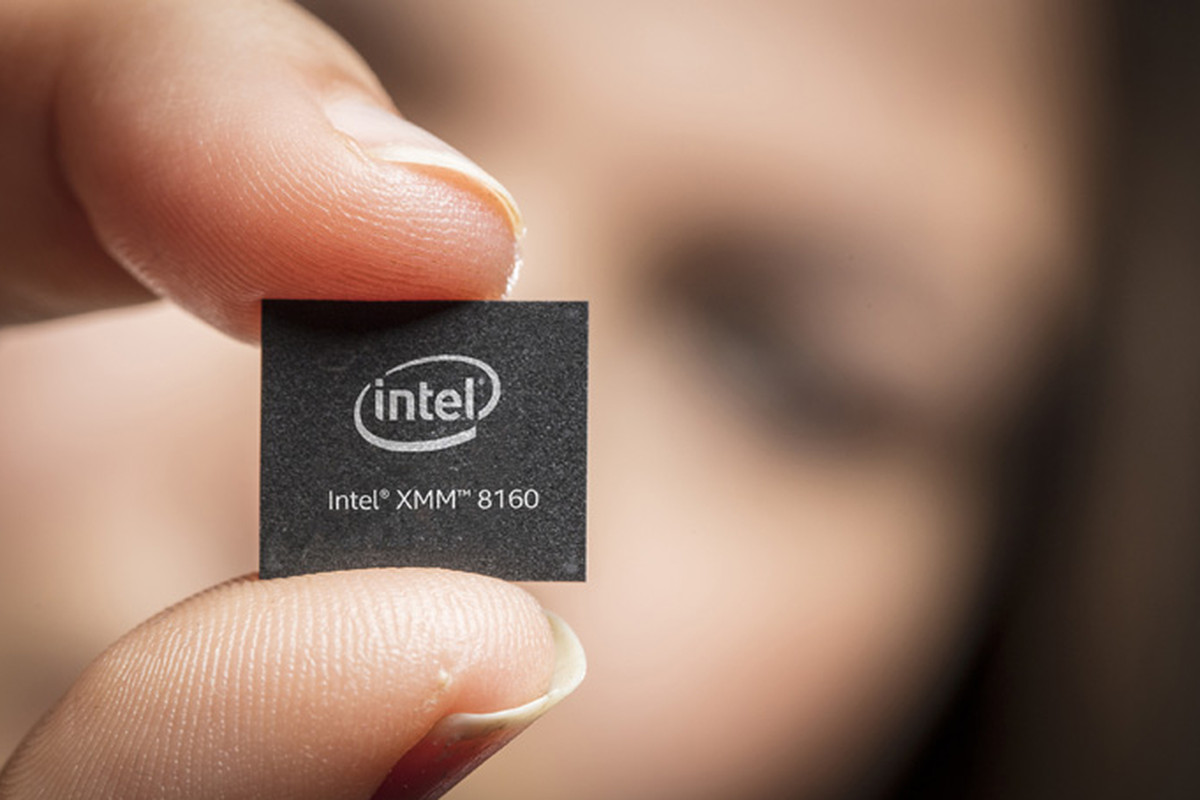
    TSMC is the largest foundry in the world and Apple is its biggest customer. Apple was able to reserve most of TSMC’s initial 3nm production for the A17 Pro chipset which is being used to power the iPhone 15 Pro and iPhone 15 Pro Max. To keep things simple, just remember that as the process node number gets lower, the transistors used by a chip get smaller in size which means that more of them can fit into the small space inside an SoC. The higher a chip’s transistor count, the more powerful and/or energy-efficient it is.

    Looking at the iPhone as an example, the iPhone 11 series was powered by the 7nm A13 Bionic which carried 8.5 billion transistors. The 3nm A17 Pro has 19 billion transistors. And since it takes a few years to build the fabs and order the machinery needed, we’ve known for some time that TSMC is working toward 2nm chip production. Apple has already had a chance to check out 2nm prototypes built on TSMC’s N2 node. The report noted that another huge TSMC customer, NVIDIA, also was able to view the 2nm prototype chip.

    TSMC previously said that it would start 2nm volume production in 2025 and in a statement to The Financial Times, the company said that it is “progressing well and on track for volume production in 2025, and will be the most advanced semiconductor technology in the industry in both density and energy efficiency when it is introduced.” Assuming that there are no delays, the iPhone 17 Pro and iPhone 17 Pro Max could be the first Apple handsets to be powered by a 2nm application processor (AP), possibly the A19 Pro.

    At 2nm, TSMC will debut its new Gate-all-around (GAA) transistors which cover the channel on all four sides reducing current leaks and delivering gains in power efficiency. Samsung Foundry already uses GAA with its 3nm production.

    Speaking of Samsung Foundry, the latest word is that Qualcomm will be switching from TSMC to Samsung to produce the 3nm Snapdragon 8 Gen 5 AP in 2025. Qualcomm left Samsung Foundry in 2022 after the latter reported low yields building the Snapdragon 8 Gen 1. TSMC took over to produce the Snapdragon 8+ Gen 1 and has had the business ever since, although that seems likely to change in 2025. Samsung Foundry’s yield is about 60% for the most basic of 3nm production. The yield is expected to drop when building APs for smartphone.

    At a 60% yield, 40 out of every 100 dies cut from a wafer fails to meet quality control. And since the foundry’s customers are usually responsible for the cost, yield is a major factor when determining which foundry a chip designer does business with.

    Samsung says that it is ready for 2nm production. “We are well-equipped to set up for SF2 mass production by 2025,” Samsung said. “Since we were the first to take the leap and transition to GAA architecture, we are hoping the progress from SF3 to SF2 will be relatively seamless.” While Apple and NVIDIA were able to get a look at their future, TSMC is putting together the final list of its 3nm and 2nm clients according to DigiTimes.

    Intel is also looking to grab some contract business away from TSMC and Samsung Foundry. Intel’s next-gen 18A node (1.8nm) could take process leadership away from the pair and it is offering chip design firms free test production. Intel could shake up the market. Longtime TSMC customer AMD said in July that it would “consider other manufacturing capabilities.”

    Leslie Wu, chief executive of consulting firm RHCC, said that companies looking to manufacture their chip designs using a 2nm node might start having their chip production spread across multiple foundries. With the concern about China invading Taiwan always something to worry about, Wu said, “It’s too risky to rely on TSMC solely.” Yet Apple has been relying solely on TSMC for years.

  • New iOS 17.3 feature will keep a thief out of your iPhone and your banking apps

    New iOS 17.3 feature will keep a thief out of your iPhone and your banking apps

    Now that Apple released iOS 17.2, the first iOS 17.3 developer beta has been released and includes a new feature that might frustrate iPhone thieves. Stolen Device Protection uses certain tools to prevent criminals from employing a stolen iPhone passcode to have the run of an iPhone that is at a location normally not associated with the owner of the device. If an iPhone is at such a location and Stolen Device Protection is enabled, the handset will require that Face ID or Touch ID be used before allowing certain actions to be made.

    Actions that require either Face ID or Touch ID when an iPhone is in an unusual location include viewing passwords stored on the device and wiping the phone. A one-hour delay will be called for when creating a new Apple ID password. After the hour, Face ID or Touch ID will still be required to change the password. The delay is essentially buying time for the owner to report his phone stolen.

    Apple adds another layer of biometric protection to the iPhone in iOS 17.3; Image Credit Beta Profiles.

    Other actions that require biometric approval when Stolen Device Protection is enabled and an iPhone is away from the user’s usual locations include applying for an Apple Card, turning off Lost Mode, and accessing and using payment methods stored in Safari. If Face ID or Touch ID fails and Stolen Device Protection is enabled, the user cannot use his/her passcode to sign in.

    The following actions will require Face ID or Touch ID when Stolen Device Protection is enabled:

    • Viewing/using passwords or passkeys saved in iCloud Keychain
    • Applying for a new Apple Card
    • Viewing an Apple Card virtual card
    • Turning off Lost Mode
    • Erasing all content and settings
    • Taking certain Apple Cash and Savings actions in Wallet
    • Using payment methods saved in Safari
    • Using your iPhone to set up a new device

    The following actions require Face ID or Touch ID and the final action is delayed by one hour:

    • Changing your Apple ID password
    • Updating select Apple ID account security settings, including adding or removing a trusted device, trusted phone number, Recovery Key, or Recovery Contact
    • Changing your iPhone passcode
    • Adding or removing Face ID or Touch ID
    • Turning off Find My
    • Turning off Stolen Device Protection

    Stolen Device Protection is supposed to prevent a scam that starts when someone makes friends with an iPhone user or spies on one in order to obtain his/her passcode. Sometimes this is done by looking over the shoulder of the iPhone user or by asking to see a photograph and watching as the iPhone user unlocks his handset using his/her passcode.

    The thief then steals the iPhone, enters the purloined passcode, resets the Apple ID password, disables Find My, performs a factory reset, and sells the device. A working iPhone is more valuable in the black market than one that is locked down; the latter device is generally sold for parts. Alternately, the thief could use the passcode to steal passwords for banking and other financial apps, email passwords, and more that are stored in the iCloud Keychain.

    If Apple keeps the new feature in the final version of iOS 17.3, most iPhone users won’t get this feature until sometime early next year. If you installed the first developer beta of iOS 17.3, you can enable Stolen Device Protection by going to Settings > Face ID & Passcode > Stolen Device Protection.

  • Apple to move key iPad engineering resources to Vietnam

    Apple to move key iPad engineering resources to Vietnam

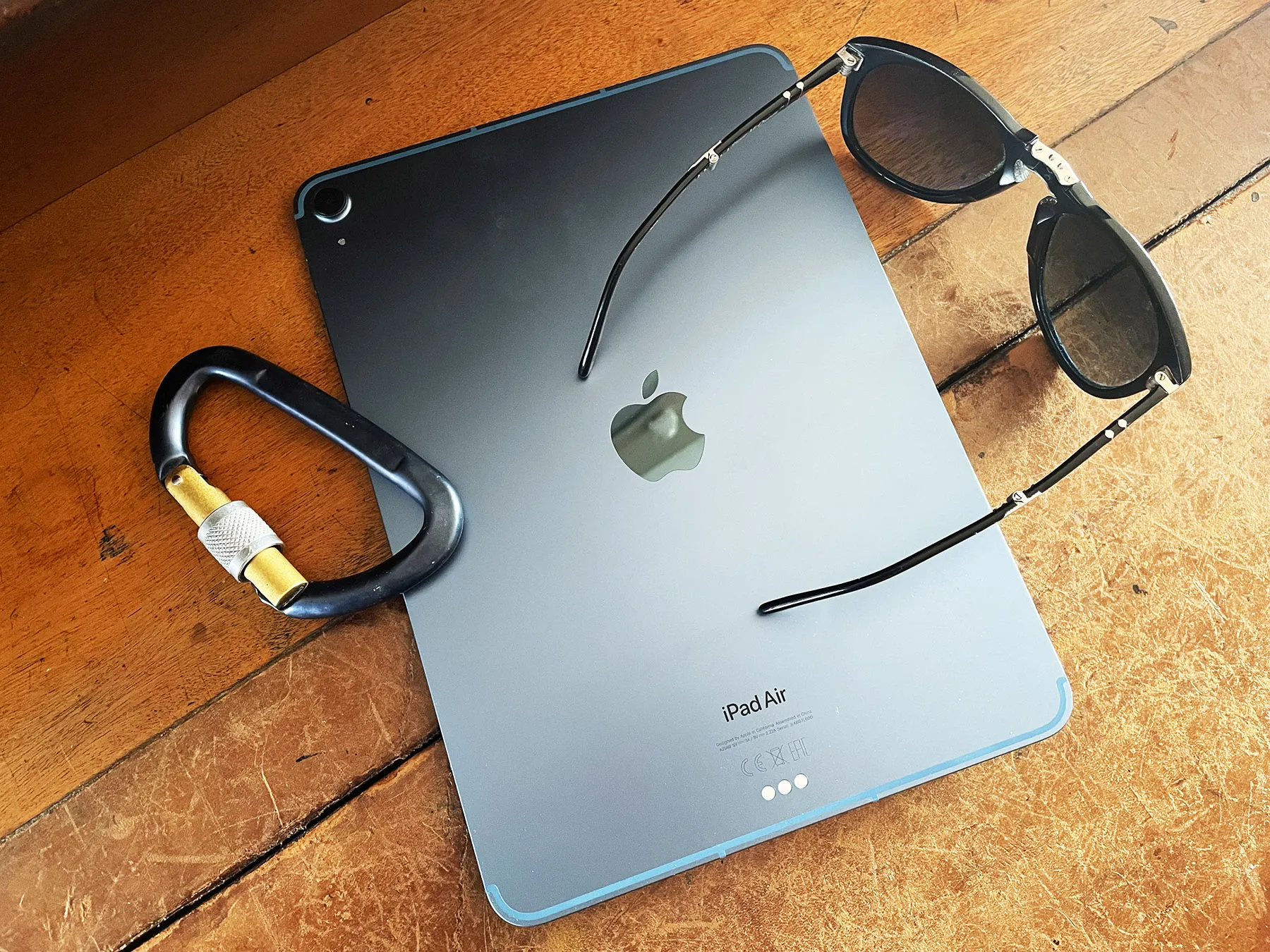
    Apple is allocating product development resources for iPad to Vietnam, Nikkei reported on Friday, citing sources briefed on the matter.

    Apple is working with China’s BYD, a key iPad assembler, to move new product introduction (NPI) resources to Vietnam, the report said, adding that this is the first time the company has shifted NPI resources to Vietnam for such a core device.

    Engineering verification for test production of an iPad model will start around mid-February and the model will be available in the second half of next year, it said.

    Apple and BYD did not immediately respond to Reuters’s request for comment.

    Apple suppliers including Luxshare and Foxconn also invested in the Southeast Asian country earlier this year to further diversify production away from China.

  • Apple could be forced to use USB-C ports on older iPhone models in India

    Apple could be forced to use USB-C ports on older iPhone models in India

    Just as the EU did with its common charger rule that led Apple to equip the iPhone 15 series with USB-C ports replacing the company’s proprietary Lightning ports, India added a similar rule of its own. But Reuters reports that Apple met with the country’s IT Ministry at the end of last month and during the closed-door meeting, Apple requested that some exemptions be added to the new common charger rules in the country. India’s new rule requires all electronic devices to charge USB-C by June 2025.

    One part of the new rules would force Apple to replace the Lightning port on older iPhone models with a USB-C port and that is the issue that has Apple meeting with India’s IT Ministry. While the EU’s rule change only affected new iPhone models released after the rule takes effect in 2024, Apple decided that instead of having to change things up in the middle of the iPhone 15 release cycle, it would switch to USB-C starting with the release of the 2023 iPhone models last September.

    India’s new rules, on the other hand, must be followed for all electronic devices sold in the country regardless of when a specific device was originally released. This would require Apple to change the charging and data transfer ports on older models it sells in India including the iPhone 14, iPhone 14 Plus, and the iPhone 13. To Apple, this would be a hardship and would probably raise the prices of these models which would be a problem in a developing country like India.

    Since the majority of iPhones sold in India are older models (again, due to India being a developing country), the common charger rule in India could hit Apple hard in India. Apple says that if it must make the changes to older iPhone models, the company won’t meet targets for India’s Production-Linked Incentive scheme (PLI). A pet project of Indian Prime Minister Narendra Modi, PLI gives manufacturers financial incentives for increasing production in India and making investments in the country.

  • Mobile World to close 200 unprofitable stores in Q4

    Mobile World to close 200 unprofitable stores in Q4

    Leading electronics retailer The Gioi Di Dong (Mobile World – MWG) has said it might close 200 stores with moderate sales this quarter.

    Its October income statement reveals plans to close the underperforming stores to optimize costs.

    It said: “These are stores that have low sales and profit. We will be closely monitoring their performances to adjust appropriately.”

    The company currently has over 5,600 stores, 1,158 of them belonging to electronic goods seller The Gioi Di Dong, 2,281 of them to appliances seller Dien May Xanh, 1,700 to supermarket chain Bach Hoa Xanh, and 540 to An Khang Pharmacy stores.

    Mobile World chairman Nguyen Duc Tai mentioned the possibility of reducing the sizes of the The Gioi Di Dong and Dien May Xanh chains at a recent meeting with shareholders,

    With demand expected to remain low until the economy recovers, it cannot afford to keep underperforming stores open, he told them.

    “Many of MWG’s stores cannot even break even, their performance is much poorer than before.”

    However, he claimed revenues would not be affected since they will merely “move from one store to another.”

    Mobile World’s stores are densely distributed with some situated only a few hundred meters away from each other, he said.

    Gross revenues for October were VND11,190 billion (US$446.3 million), the only month this year in which there saw year-on-year growth.

    The Gioi Di Dong and Dien May Xanh contributed over VND7,800 billion, a 5% decline from a year ago.

    But it was 8% higher than September sales thanks to the launch of the iPhone 15.

    In the year to date the two chains’ revenues totaled VND70,200 billion, 21% down year-on-year.

    But Bach Hoa Xanh’s revenues rose 13% to VND25,300 billion.

    Its October, sales jumped 29% from the previous month to VND3,000 billion, or an average of VND1.7 billion per store.

  • iPhone users should expect to receive iOS 17.1.2 next week

    iPhone users should expect to receive iOS 17.1.2 next week

    Get ready iPhone users because iOS 17.1.2 is coming your way. MacRumors says that it has seen evidence of the update in its website’s analytics logs. Some of the higher profile bugs that still need to be exterminated include one that has prevented iPhone users running iOS 17.1 and later from wirelessly charging using the in-car charging pad of their General Motors vehicle. Apple had previously disseminated iOS 17.1.1 to eliminate a bug that broke NFC on iPhone 15 series handsets that charged using BMW’s in-vehicle charging system.

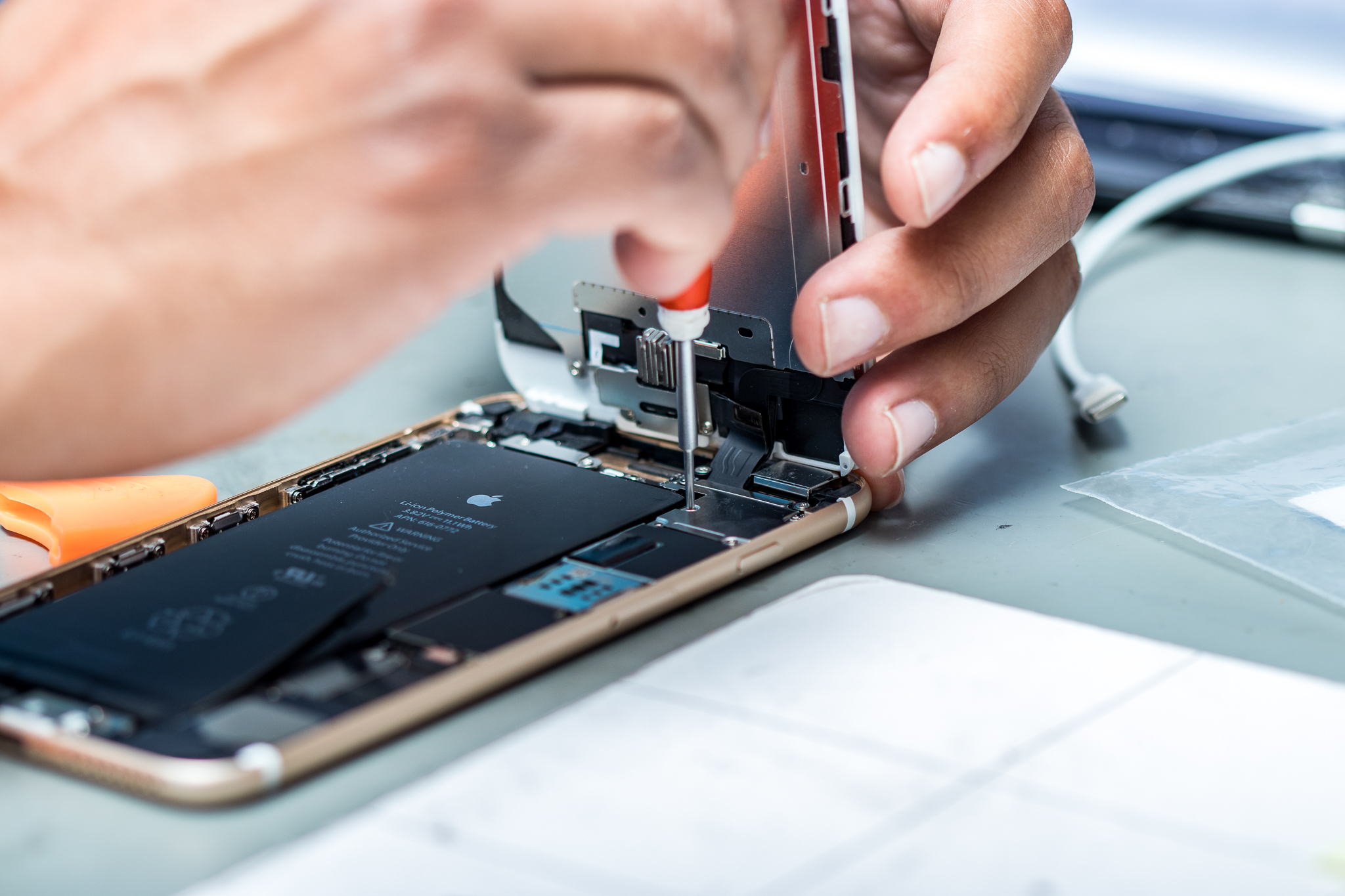
    Without NFC, the damaged iPhone units could not use Apple Pay and some received an error message saying that Apple Pay could not be set up on their devices even if the feature had already been used on these phones. Apple-certified techs were told to use Apple Service Toolkit 2 software in order to revive the NFC chip on damaged units, while some were told that their iPhones had to be opened up to repair or replace some of the hardware. While BMW warned iPhone 15 series users not to use the in-vehicle charger on new vehicles, Apple did push out iOS 17.1.1 to fix the issue at the beginning of this month.

    The iOS 17.1.2 update will probably be released next week since Apple traditionally stays away from releasing any new software builds during the week of Thanksgiving in the U.S. That’s because many of Apple’s employees are given the week off. Last year, a similar situation occurred with iOS 16.1.2 and the latter was finally released on November 30.

    As for iOS 17.2, Apple has been pushing out beta builds of the update with the final version expected in the middle of next month. The update will add support for spatial video recording for the iPhone 15 Pro models; these videos will be viewable with the Apple Vision Pro headset once it is launched. The iPhone’s new Journal feature will be available once iOS 17.2 is installed along with new Clock and Weather widgets, and an option that will allow iPhone 15 Pro series users to have the Translate app open when the Action button is long-pressed on the phone.

    But before iOS 17.2 arrives, iOS 17.1.2 will be released possibly to fix the GM wireless charging bug and any other annoying issues that iPhone users are currently dealing with.

  • Apple Watch will get back a popular and useful feature in watchOS 10.2

    Apple Watch will get back a popular and useful feature in watchOS 10.2

    When Apple released watchOS 10 it got rid of a handy feature that Apple Watch wearers loved. This feature allowed a user to switch the watch face on his timepiece by swiping on the display. The removal of this feature seemingly upset Apple Watch owners enough that Apple felt compelled to return it to the watchOS 10.2 beta 3. This comes from an “X” subscriber @aaronp613 who posted some code strings from the beta, including one that reads “Swipe to Switch Watch Face.”

    To use this feature, once you have watchOS 10.2 beta 3 installed or once Apple releases watchOS 10.2, go to Settings > Clock. From there you can set which method of changing watch faces you prefer. So if you have watchOS 10.2 beta 3 on your Apple Watch, you can return this feature. If you don’t have the beta installed, you’ll have to wait until the release of the final version of watchOS 10.2, which will be pushed out later this year.

    You can set up watch faces to swipe to by going to the Watch app on your iPhone, tapping the Face Gallery tab, and creating alternate watch faces. You can make several different watch faces for various occasions, including some functional faces with plenty of complications for the workday, a more formal watch face for upcoming holiday parties, and other watch faces for other events, including your workouts.

    With a quick swipe, you can change your watch face to have a watch to fit any occasion without having to own more than on timepiece. By setting your Apple Watch to enable “Swipe to Switch Watch Face,” you can quickly go through the watch faces you’ve set up by swiping your Apple Watch display.

    It isn’t clear why Apple decided to do away with the feature in the first place since swiping the screen in watchOS 10 doesn’t do anything. However, the company must have received enough feedback from Apple Watch users who are missing this quick and easy way to change the watch face on their smartwatch.

  • Upgraded version of Siri with AI capabilities rumored to debut at WWDC 2024

    Upgraded version of Siri with AI capabilities rumored to debut at WWDC 2024

    Looking to play catch up with Google, Apple is expected to unveil some new AI-based features in iOS 18. “X” tipster @Tech_Reve recently posted a tweet in which he said that Apple will use an LLM (Large Language Model) to make Siri “the ultimate virtual assistant and is preparing to develop it into Apple’s most powerful killer AI app.” LLM, used on chatbots like ChatGPT, is a language model with a huge amount of data, allowing it to understand a broad range of conversations and respond correctly to them.

    We said yesterday that based on the weekly Power On newsletter written by Bloomberg’s Mark Gurman, Apple plans on adding new features and designs to iOS 18hoping that the software can help sell the iPhone 16 series which will feature very small hardware changes compared to this year’s models. This dovetails perfectly with @Tech_Reve’s tweet in which he says that the new Siri, using Apple’s own in-house LLM, will debut at the Worldwide Developers Conference (WWDC) next June and will be available on the iPhone 16 series and future models.

    This might be how Apple plans on selling uninspired hardware using iOS 18. The new version of Siri should be able to understand natural language and patterns of speech better. Whether the virtual assistant will ecome more of a challenger to the Google Assistant in terms of giving correct answers is unknown.

    Siri has disappointed many Apple device users since the virtual assistant was first introduced with the iPhone 4s in 2011. If I may digress, I find that using the iOS Google Assistant app will give you more direct answers to your queries instead of making you read a paragraph from Wikipedia. You can also set alarms and timers using the ios Google Assistant app.

    Gurman says that other areas where Apple could introduce AI functionality include the Pages app by helping users write letters, the Keynote app by helping users construct their presentation decks, and Apple Music by creating AI-generated playlists. To make this happen, Apple will need to beef up the AI capabilities of the A18 Pro chipset. When you think about it, this could explain why Apple is rumored to be packing all four 2024 iPhone models with the latest A18 Pro application processor (AP) next year.

    One big question is whether Apple plans on offering new AI features to older models that will be compatible with iOS 18. Apple is in a tough situation here since it wants to include as much on-device processing as possible. And adding new AI features only for the iPhone 16 line and up might improve hardware sales. But it also could leave many angry iPhone users who can’t easily upgrade next year or even the year after.

    Apple might have to allow some of the new features to be processed off-device. However, it might wait for a few months after the 2024 iPhones are released to give iPhone 15 Pro and other older Pro units some of the same AI functionality that we could see with the iPhone 16 series. This is what Google does with its Pixel phones. The Magic Eraser is a good example.

    The Magic Eraser debuted on the Pixel 6 line and helps erase unwanted and distracting items (including people and pets) from processed photos using AI. Earlier this year, Google added the feature to older Pixel models, other Android devices, and even iOS phones that are subscribed to Google One cloud storage.

    For those wondering how Apple would use a game-changing upgrade in iOS 18 to help sell the iPhone 16 line with its uninspiring changes, improving Siri and adding new AI capabilities tot he new phones is the answer.

  • Qualcomm and Iridium end Snapdragon Satellite because of one key factor

    Introduced this past January, Qualcomm and Iridium surprised the mobile industry at the end of last week by announcing the end of Snapdragon Satellite without having one Android phone manufacturer sign on the dotted line. Snapdragon Satellite was expected to be used by Android manufacturers as a way to match the iPhone 14 and iPhone 15’s Emergency SOS via Satellite feature.
    Announced last year one day after Huawei unveiled a similar feature for its Mate 50 series, Emergency SOS via Satellite allows someone with a compatible iPhone model to report an emergency even in areas where there is no cellular connectivity. The iPhone screen helps show the user where to position the device to connect with a satellite; information about the emergency is texted to emergency services who dispatch first responders. The feature has already been credited with saving some lives.
    Snapdragon Satellite was set to work with Iridum’s satellite constellation and both Qualcomm and Iridium have announced the end of their partnership starting on December 3rd. This action effectively ends Snapdragon Satellite, at least for now. In its press release, Iridium notes that the decision to end the partnership is due to one huge factor: no business. As the satellite firm wrote, “The companies successfully developed and demonstrated the technology; however, notwithstanding this technical success, smartphone manufacturers have not included the technology in their devices.”

    Where this leaves Samsung is unclear. Last month, John Yong-In Park, head of Samsung Electronics SLSI Business Division, said during the 2023 Semiconductor Expo (SEDEX) keynote that 2024 Samsung Galaxy phones will offer satellite connectivity. He did not mention any specific models, but it was believed that the Galaxy S24 line might be Samsung’s first phones to offer emergency satellite connectivity.

    Last February, chipmaker MediaTek announced its MT6825 chipset that offers satellite connectivity for Android smartphones through Bullitt’s Satellite Connect platform. The chipset supports two-way satellite messaging, location sharing, and emergency SOS. Last year, T-Mobile announced that it would team up with Elon Musk’s Starlink to cover areas with no cellular coverage with satellite connectivity allowing users to send and receive SMS and MMS messages.
    Iridium CEO Iridium Matt Desch, talking about the end of his firm’s partnership with Qualcomm, said, “While I’m disappointed that this partnership didn’t bear immediate fruit, we believe the direction of the industry is clear toward increased satellite connectivity in consumer devices. Led by Apple today, MNOs and device manufacturers still plan, over time, to provide their customers with expanded coverage and new satellite-based features, and our global coverage and regulatory certainty make us well-suited to be a key player in this emerging market. User experience will be critical to their success, and we’ve proven that we can provide a reliable, global capability to mobile users.”
    Qualcomm also commented by stating that the lack of Snapdragon Satellite to sign a deal with any Android manufacturers “indicated a preference towards standards-based solutions” to be used to support smartphone-to-satellite connectivity. “We expect to continue to collaborate with Iridium on standards-based solutions while discontinuing efforts on the proprietary solution that was introduced earlier this year,” Qualcomm said.
    With a standards-based solution, several companies could create the technology to allow Android handsets to offer emergency satellite connectivity.
    As we noted earlier in the story, Huawei last year became the first phone manufacturer to offer satellite connectivity for emergencies and beat out Apple by one day. This year, the new Mate 60 line reportedly offers users the opportunity to make satellite calls using the new flagship phones. This could be considered an improvement over the technology used by Apple, which is limited to text-based communications.
  • Intel denies new investment in Vietnam

    Intel denies new investment in Vietnam

    U.S. chip giant Intel has said that it had never announced any additional investment in Vietnam apart from the $1.5 billion investment it has already made so far.

    “After raising our investment to $1.5 billion in 2021, we have never made any official announcement of a new investment,” a representative said Wednesday.

    The U.S. chipmaker had shelved a plan to invest $1 billion more in Vietnam, citing anonymous sources. The news outlet first reported about the plan in February.

    Intel began its operation in Vietnam in 2006 with a chip manufacturing and testing factory in Ho Chi Minh City.

    The factory, Intel Products Vietnam, is one of 10 manufacturing hubs of the company globally.

    The facility, which employs 2,800 people, has shipped over 3 billion product units over 15 years of operation.
    Intel leaders committed to long-term investment in Vietnam in a meeting with Deputy Prime Minister Tran Luu Quang in October.

    Intel CEO Patrick Gelsinger told Prime Minister Pham Minh Chinh in May that the company would invest several more times in Vietnam in the future.

    The company is expanding its investment in chip packaging in Malaysia, one of Vietnam’s main competitors in attracting foreign direct investment.

  • Apple might be working on a custom battery

    Apple might be working on a custom battery

    Battery life on the iPhone has been gradually improving since the iPhone 13 series, despite the latest iPhone 15 series not bringing significant upgrades in the battery department, as you can see in our dedicated piece about iPhone 15 and iPhone 15 Pro Max battery life and charging speeds. However, Apple might have something in mind, as new rumors suggest.

    Apple is rumored to be working on a custom in-house battery design. The company is exploring alternative cathode materials to enhance the overall performance of the battery module, to extend the battery life of its future products released after 2025.

    The report suggests that Apple is actively considering increasing the silicon content inside the battery, moving away from the conventional use of graphite as the anode material in lithium-ion batteries. Graphite’s unique properties make it an ideal choice, efficiently storing and releasing electrical energy, ensuring reliable and long-lasting battery performance in mobile devices.

    While a silicon-based approach could potentially improve overall battery capacity and reduce charging times, there is a challenge—silicon tends to expand during the charging process. However, Apple seems to have found a solution to mitigate this issue.

    Rumors about Apple developing its own next-gen batteries date back to 2019. In fact, even before that, the company has been collaborating with suppliers to introduce innovative battery solutions, such as the space-saving, L-shaped battery in the iPhone XS.

    By bringing battery development in-house, Apple gains more control over the design and construction of its products. The company claims that it regularly audits its suppliers to ensure they are meeting its high standards.

    And what are its high standards, you may wonder? Apple has ambitious environmental goals, aiming to make every Apple product with 100% clean energy by 2030. This commitment requires all suppliers to transition to electricity generated from solar, wind, and other renewable sources. Additionally, Apple envisions creating products using only recycled and renewable materials. In a recent pledge, the company aims to use 100% recycled cobalt in all ‘Apple-designed’ batteries by 2025.

    Whether the rumored custom Apple battery will actually happen and whether the company will stick to its goals is still up in the air.

  • Samsung rolls out free cloud backups for Galaxy flagships, but there is a catch

    Samsung rolls out free cloud backups for Galaxy flagships, but there is a catch

    Samsung is simplifying the challenge of finding sufficient storage for smartphone backups with its new free solution. Named Temporary Cloud Backup, this service is designed for Galaxy smartphone and tablet users, providing them with access to as much temporary storage as needed.

    Samsung’s Temporary Cloud Backup provides users with complimentary file storage in the cloud for 30 days. There is a file size restriction of 100 GB each; however, users can store an unlimited number of files through their Samsung device running One UI 6.0 or higher, which is another stipulation.

    “This upgraded switching experience based on Samsung Cloud aims to provide peace of mind to Samsung Galaxy users that precious data will not be lost, thanks to the connected power of Galaxy’s ecosystem,” said Chiyoung Seo, VP & Head of Cloud Team, Mobile eXperience Business at Samsung Electronics.

    Temporary Cloud Backup would be particularly useful for scenarios where users may fear data loss, such as when getting a smartphone repaired. Samsung has integrated Temporary Cloud Backup into Maintenance Mode, ensuring the secure backup of personal data, including files within the Secure Folder, for recovery after repairs.

    Samsung released Maintenance Mode a year ago to give its users more security. Maintenance Mode creates a separate user account for repairs, keeping your private stuff safe. To use it, just go to Battery and device-care in Settings, hit Maintenance Mode, and reboot. Your personal info, like photos and messages, stays off-limits after the restart.
    When using Temporary Cloud Backup, users should note that a notification will be sent when the 30-day storage period concludes, and files stored for the full period will be automatically deleted. The 30-day limit applies to each file individually, and the countdown starts upon file upload.

    Initially, this feature is rolling out to Galaxy S models running One UI 6.0 or higher for users in South Korea. Global availability is expected to expand gradually from this fall.

  • Apple releases watchOS 10.1 to fix the Weather app

    Apple releases watchOS 10.1 to fix the Weather app

    If you’re one of those people who have multiple weather apps installed on your phone and smartwatch and love to tell others when a warming trend is on the way (“It’s going to be 78 tomorrow. 78! In late October! Can you believe it!!!”), then you might be my twin. Seriously though, Apple Watch owners who use their timepieces to check on the weather were having an issue in watchOS 10 that came out of nowhere like a mid-afternoon rain shower.

    The issue prevented a complication (which is any function on a watch that does something other than tell you the time) from showing you any weather-related data when the app is set to your current location instead of a specific city. For example, let’s say you live in Kalamazoo, Michigan and you set your Apple Watch to show you the weather in whatever city you’re currently at. With watchOS 10, the bug will prevent you from seeing any weather data from the current location setting. But if you set the weather app to give you the weather specifically in Kalamazoo, it works perfectly.

    We can understand setting the weather for the current location because it would normally show you the weather conditions for any place you might travel to without having to add a location to the settings. Even if you drive a few miles to the next city over, the weather could be different and with that setting enabled, the Apple Watch will automatically adjust. Or at least it will once you exterminate the bug by installing watchOS 10.1 which was disseminated by Apple yesterday.

    To install the app, connect your watch to Wi-Fi and the charger. From the watch go to Settings > General > Software Update. If the update is available, make sure your watch is charged to at least 50% and tap on Install.

    Apple says that if the update does not solve the issue, from your phone go to Settings > Weather and disable Location Access and then enable it. again. And if that doesn’t work, you will need to reset all location data by going from your phone to Settings > General > Transfer or Reset iPhone. Tap on Reset and then Reset Location & Privacy. Enter your passcode and reset. Hopefully, one of these steps will take care of the problem.

    The update also adds support for the double tap gesture on the Apple Watch Series 9 and the Apple Watch Ultra 2. Tapping your index finger with your thumb twice will answer a call, play and pause streaming music, stop a timer and more.

    NameDrop is now available to the Apple Watch with the update. Bring your Apple Watch near an iPhone running iOS 17 or an Apple Watch SE 2, Apple Watch Series 7 or later, or an Apple Watch Ultra, and you’ll exchange contact information with someone new. My Card is a complication on the Apple Watch that will give users quick access to NameDrop.

  • Lenovo reveals new MotoAI personal assistant for Motorola smartphones

    Lenovo reveals new MotoAI personal assistant for Motorola smartphones

    At the Lenovo Tech World ’23, the Chinese company revealed a bunch of new AI features and flexible hardware that are already in development or in the concept phase.

    Among the many interesting technologies announced by Lenovo earlier today such as foldable and rollable devices in both the smartphone and PC categories, there’s one that seems to be almost ready for primetime, the MotoAI.

    The newly revealed MotoAI is a personal assistant already in development at Lenovo. Aimed at both PCs and smartphones, the MotoAI is supposed to never stop learning and features a foundational model personalized to the user, yet it still protects privacy.

    More importantly, Lenovo’s MotoAI has a large knowledge base that adapts continuously to patterns and usage with natural voice or text interaction capabilities.

    According to Lenovo, users will be able to engage with their personal MotoAI assistant to answer questions, draft messages, schedule tasks, and do other activities that can involve the use of such an AI-powered tool.

    Another interesting aspect about Lenovo’s MotoAI is that unlike other similar products that run cloud-based operations, this one can process data and run tasks locally on-device, which should translate into enhanced data privacy for the user.

    Promising to be a more dynamic, personal and helpful over time personal assistant, MotoAI is supposed to power all Motorola smartphones in the not-so-distant future, so we’ll probably be hearing more about Lenovo’s AI-powered tool in the coming months.