Retail News CRM

Category: Electronics

Retail News Asia is committed to providing both local and global retailers with the latest Electronics news throughout the Asian market. This on a daily base.

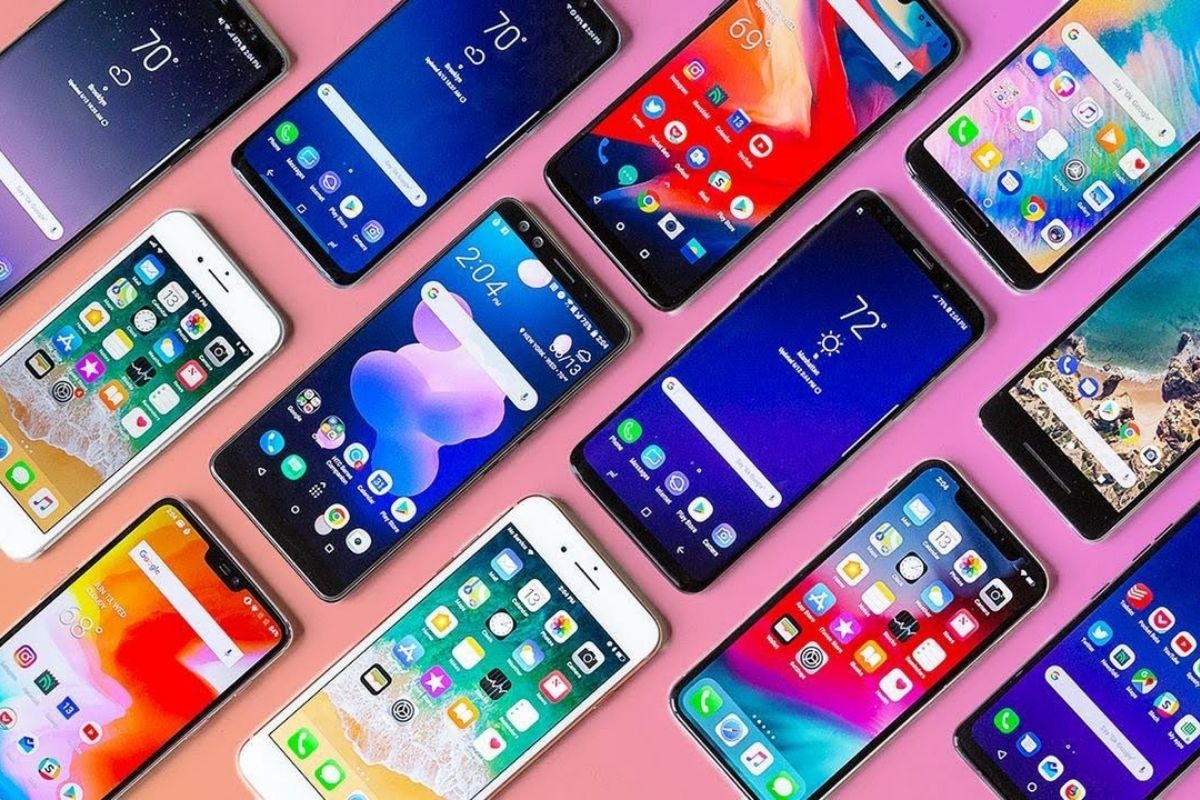
  • High-end Android smartphones sell at steep discount

    High-end Android smartphones sell at steep discount

    After visiting electronics stores, Minh Quan was surprised to see Xiaomi 13 Pro smartphones costing nearly VND7 million (US$297) less than their listed price of VND30 million.

    Besides offering discounts of VND4-5 million, most stores – in his native Da Nang — also had promotions like trade-in programs and to further reduce the price by VND1-2 million.

    “The discounts and promotions make me wonder if other stores offer even lower prices,” he said.

    Other Android phone makers too are selling at much below list prices.

    The Samsung Galaxy S23 Ultra has a list price of VND32 million, but is sold at is around VND24 million.

    Last year Oppo, another Chinese consumer electronics company, listed its Find X5 Pro smartphone in Vietnam at VND33 million, but sold it at less than VND25 million.

    “It is normal to buy a phone cheaper than the list price, but a difference of more than 20% only applies to some high-end Android smartphone models,” Truong Xuan, the manager of a phone shop on Pham Tuan Tai Street in Hanoi, said.

    However, the plethora of offers for a product confuses buyers, and it takes buyers a lot of time to compare prices and find the best one, he said.

    Nguyen Lac Huy, manager of electronics retail chain CellphoneS, said some phone makers have high list prices as a means of enhancing their brand value and placing their products in the high-end segment.

    Information about gifts and big promotions in soon after a product’s release also helps attract buyers, he said.

    But technology analyst Minh Tien said selling phones at much below list prices shows manufacturers are under pressure.

    “Listing a product at VND30 million is understandable because it is gradually becoming a benchmark for high-end smartphones. However, big promotions indicate that firms are desperate for sales in a slowing market.”

    Vietnamese are reducing their spending on smartphones sharply. Sales in the first two months of the year were 2.5 million units, down 30% year-on-year.
  • Tim Cook pushes to get this device shipped against the wishes of Apple engineers

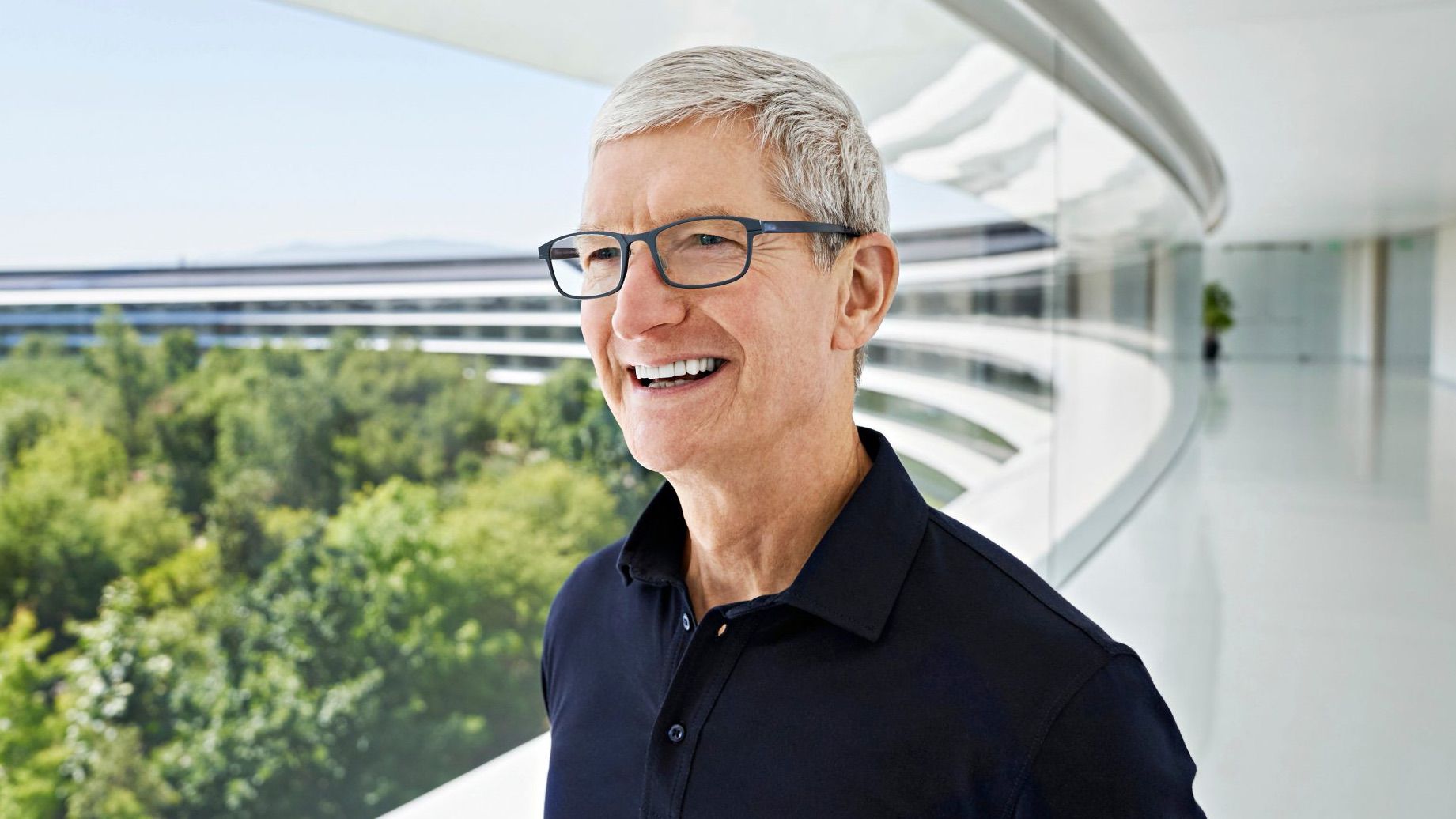
    Tim Cook pushes to get this device shipped against the wishes of Apple engineers

    Apple CEO Tim Cook and COO Jeff Williams have been pushing to release the Reality Pro mixed-reality headset this year. However, Apple’s industrial design team feels the product is not ready for prime time. The team wanted to hold off on releasing the Reality Pro until Apple first released its AR spectacles dubbed Apple Glasses. That release has reportedly been pushed back to 2025 or 2026.

    Meanwhile, Apple’s operation team wanted the company to release a headset resembling ski goggles with limited capabilities. For example, this device would allow users to make FaceTime calls using virtual avatars, something discussed for the Reality Pro, watch 3D videos, and exercise with interactive workouts. Apple engineers who worked on the mixed reality headset said that they were under “huge pressure to ship” the Reality Pro.

    The mixed-reality headset has been under development by Apple for seven years and is supposedly the most complex product Apple has ever made. The product is expected to carry a price tag as high as $3,000 and could be outfitted with as many as 12 cameras and a 4K micro-LED display for each eye. Manipulating the Digital Crown, like the one on the Apple Watch, will take the user from VR (which creates immersive environments for the user) to AR.

    The Reality Pro is expected to be powered by a 5nm Apple M2 chipset containing close to 20 billion transistors. Apple will supposedly introduce the Reality Pro at this June’s WWDC developers conference with a release expected later this year. The tech giant is reportedly devising an expensive ad campaign for the headset. Apple is also said to be working on a less-expensive second-generation headset that could be called the Reality One. The price for this headset will be in the range of $799 to $1,599 and will not have all of the capabilities of the pricier Reality Pro.

  • MacBook prices drop with new model launch

    MacBook prices drop with new model launch

    The price of MacBook Pro 2021 laptops has decreased by 11.2% leading into the launch of the new model next week.

    Apple authorized resellers in Vietnam said a MacBook Pro 2021 sells for VND42.9 million ($1,813), down 11.2% since January and 18.9% from December 2021 when it was officially distributed in the Vietnamese market for the first time.

    They will start selling MacBook Pro 2023 laptops and Mac minis in mid-March.

    According to Pham Tuan Anh, a manager of electronics retail chain ShopDunk, the MacBook Pro 2021’s market share is less than 10% at the moment.

    Consumers with over VND40 million to spend on a computer tend to buy MacBook Pros or Airmodels running the M2 chip with higher configurations, instead of picking up a 2021 MacBook Pro without the M2 chip.

  • Microsoft is testing an app that will allow the iMessage platform to be used on your PC

    Microsoft is testing an app that will allow the iMessage platform to be used on your PC

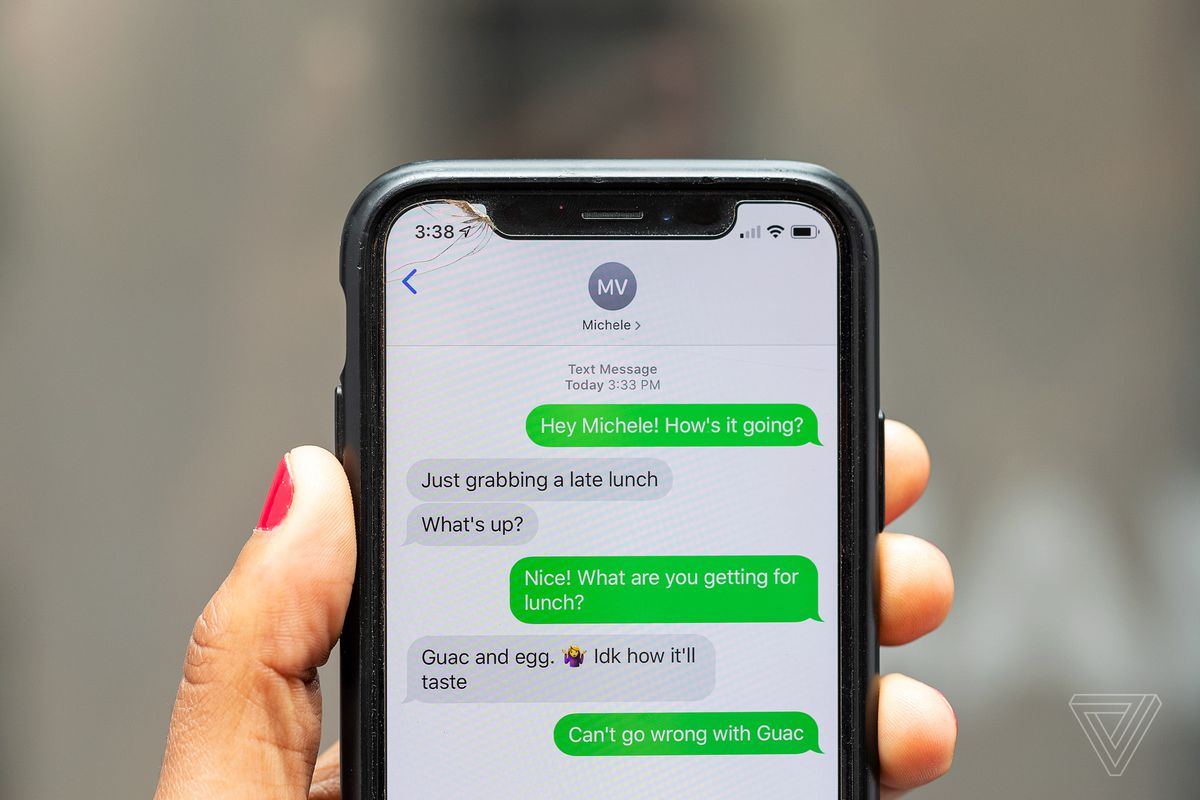
    Imagine using Apple’s highly-regarded iMessage messaging platform on your Windows computer. Microsoft is making this happen via an update to its Phone Link app, which will allow you to send messages to your PC contacts (who also use an iPhone) through your Windows computer although there are some caveats. Phone Link cannot enable group messaging nor allow photos or videos to be sent.
    Yusuf Mehdi, Microsoft’s head of consumer marketing, said, “We send the messages back and forth via Bluetooth, Apple, I think in turn, sends those as iMessage once it gets onto their system.” The version of the iOS Messages app that is brought to your Windows computer is basic and you won’t see the entire history of a conversation. Only messages sent or received using the Phone Link app will appear.
    Because Phone Link can’t tell the difference between a regular text message and one sent using iMessage, there are no blue or green text bubbles. On an iPhone, blue bubbles indicate a conversation where everyone is using an iPhone and thus it is handled on the iMessage platform. A green bubble reveals that at least one of the parties in the conversation is using an Android phone and all of those great iMessage features (like higher-quality images, read receipts, typing indicators, and more) are not available.
    But as we said, group messaging is not allowed using the Phone Link app and with no difference between texting and sending an iMessage, there is no reason to use different colored text bubbles. While on the subject of Android, the version of Phone Link for this platform has more capabilities. With the Phone Link app on your PC and an Android phone, you can get “instant access to everything you love on your phone, right from your PC,” says Microsoft.
    Linking your Android phone and your PC with this app will allow you to read and reply to text messages, make and receive calls (requires a Windows 10 computer with Bluetooth connectivity), view your notifications, and more. Instead of sending emails to yourself to save content, you can easily share content between your PC and phone. “Copy, edit, and even drag and drop photos without ever touching your phone.” You can even see your phone apps on your PC with a Surface Duo phone, certain Samsung handsets, and some Honor devices.
    Phone Link is bundled with Windows 11 and the new support for the app comes with a major Windows 11 update that includes the new AI-powered version of Bing on the taskbar, improved touch capabilities, and a new feature that records the screen.
    The version of Phone Link with iOS support will be available for Windows Insiders in the Dev, Beta, and Release Preview channels, but only for a small percentage of users. Microsoft says, “We will increase the availability of the preview to more Insiders over time and based on feedback we receive with this first set of Insiders.”
    Microsoft’s Medi explains why Microsoft has added iPhone support for the Phone Link app. He says, “It’s something we’ve been wanting to do for a long time. The experience with Android is quite good, and we felt like we needed to get something out [for iPhone].”
  • Huawei is expected to make some noise in Barcelona

    Huawei is expected to make some noise in Barcelona

    It’s like old times in Barcelona where the MWC exhibition means something again. Manufacturers are showing off prototypes of future handsets, some with amazing form factors. Other firms are unveiling new phones at the event just like in the good old days. One company expected to announce its new flagship phone in Barcelona is Huawei as the P60 series is rumored to see the light of day very soon.
    According to MyDrivers, the Austrian Gax blog wrote that the Huawei P60 series could be unveiled at MWC 2023. Huawei’s P-series phones are focused on photography (don’t mind the pun since it won’t bite) and the P60 models will feature Huawei’s own XMAGE photography platform (as did last year’s Mate 50 line).
    The P60 Pro will be the first smartphone to carry the 50MP Sony IMX888 sensor (for the primary camera), and a 50MP Sony IMX858 sensor will be employed for the ultra-wide-angle camera.  We expect Huawei to use Omnivision’s 64MP OV64B sensor for the telephoto camera that delivers 3.5x optical zoom.
    The non-Pro P60 could sport the 48MP Sony IMX789 sensor for its primary camera. Both the P60 Pro and P60 should feature the 10-speed adjustable variable aperture feature that debuted on last year’s Mate 50 Pro and allows the aperture to change between f/1.4 and f/4.
    The Huawei P60 Pro could be powered by the Snapdragon 8 Gen 2 chipset modified to work with 4G signals only. The P60 might be equipped with the Snapdragon 8+ Gen 1 SoC which also would be tweaked not to support 5G signals. All things considered, these are not a bad pair of chips to employ.
    Huawei launched its emergency satellite communication service last year on the Mate 50 series. The firm’s second-gen satellite system will be featured on the P60 line and reportedly Huawei has added voice text capabilities and support for short-term voice calls to the ability to send and receive two-way text messages via satellite. Huawei beat out Apple last year by one day to become the first smartphone manufacturer to announce emergency satellite connectivity for its smartphones.
    The P60 line will have HarmonyOS 3.1 pre-installed. This could be a minor upgrade from HarmonyOS 3.0 that will focus on exterminating bugs, and improving the stability of the software.
    Keep your eyes peeled. MWC 2023 ends on March 2nd so we could see the Huawei P60 series introduced sometime soon. Huawei, returning to two flagship series a year, is expected to unveil the Mate 60 line in September. The Mate series usually comes out late in the year and focuses on innovative new technology and features. In 2021 and 2022, Huawei released only one flagship model each year with the P50 series launched in 2021 and the Mate 50 line released late last year.
  • Apple has paid $12.12 million to Russia for antitrust practices, another fine is pending

    Apple has paid $12.12 million to Russia for antitrust practices, another fine is pending

    Apple’s decision to stop product sales in Russia over the war in Ukraine has not saved the company expenses, stemming from the multiple antitrust investigations that are going on. One of them has reportedly concluded with a $12.12 million fine over the Cupertino Company breaking monopoly legislation.

    This particular case goes back to 2020, when the Russian Federal Antimonopoly Service (FAS) concluded that Apple is receiving an unfair advantage through its dedicated AppStore. The case has taken years to revolve, but the competition regulator finally concluded that Apple owes Russia a massive amount of money. Naturally, Apple “respectfully disagrees” and plans to appeal this decision, even though reports from Reuters point to the fine being already paid out.

    All of this was initiated through Kaspersky Labs — a company renowned for its antivirus software — when its Safe Kids app was rejected as per AppStore internal regulations. Anton Gorelkin — a committee member on information and communications — went on record stating that the fine isn’t meant to be damaging to Apple, but to be noticeable enough to send a message to Big Tech.

    But as we all know, sometimes, when it rains — it pours. Russia’s Federal Antimonopoly Service (FAS) is gaining on Apple with another fine, this time for $17.4 million. This one is related to the AppStore’s way of processing payments and more specifically, the lack of options that developers have when it comes to choosing how they bill their customers.

    As per Reuters’ report, Russia sees Apple’s rules as abuse over its dominant position on the iOS market. Furthermore, the big, red, flashing light is related to Apple’s prohibition of developers to point users to payment solutions outside of the AppStore itself.

    This is yet another instance of Apple being pursued by legislators worldwide over the way it runs its AppStore. This isn’t something unique to Apple either, as Google was recently forced through law to open up Android to third-party stores in India. As more and more lawsuits are being won against Big Tech companies, one cant help but wonder what the future of mobile digital goods will look like.

  • MacBook Air M2 price falls to record low

    MacBook Air M2 price falls to record low

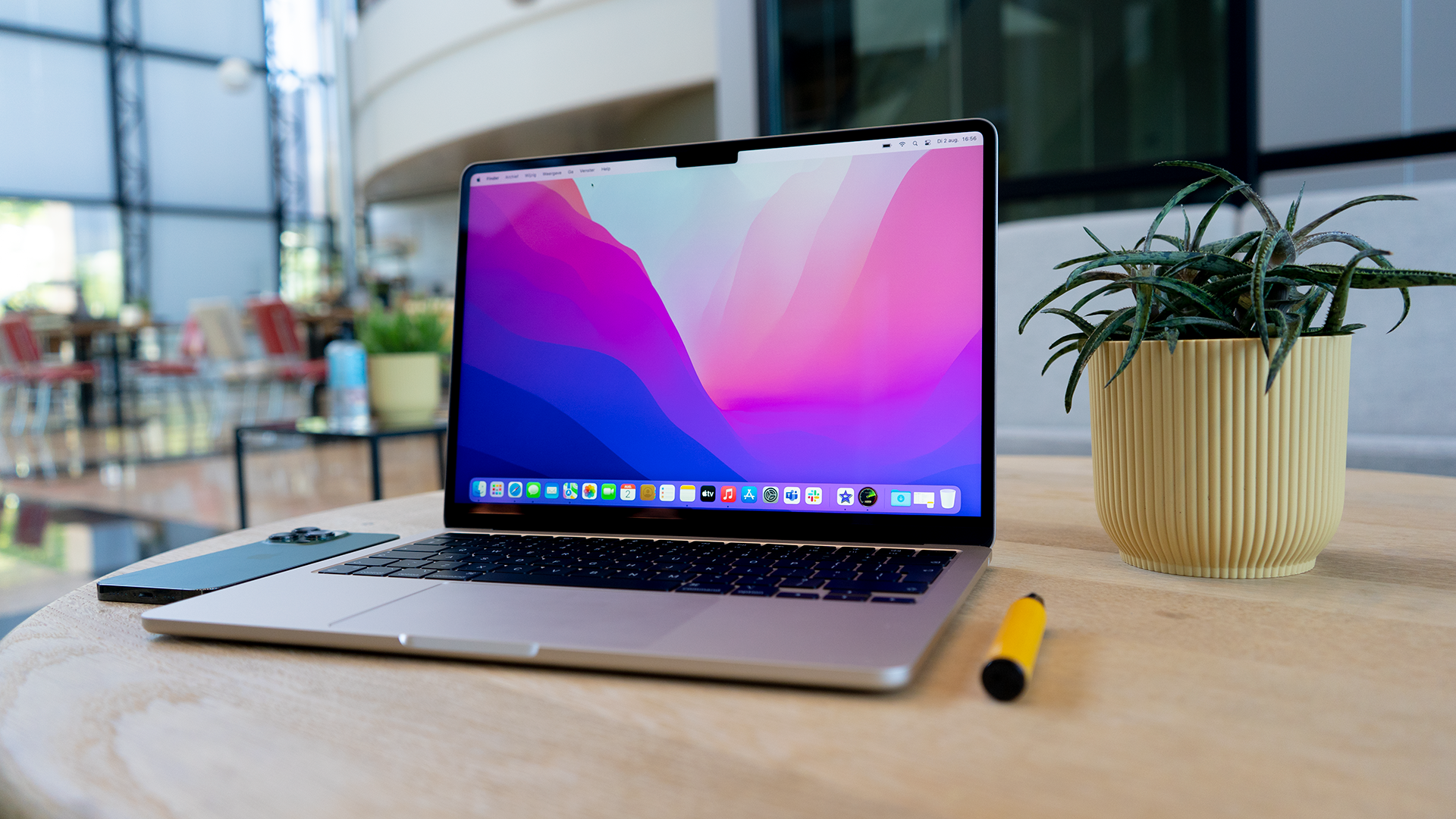
    Seven months after the MacBook Air M2 went on sale in Vietnam, its price has plummeted 20.1% to VND26.4 million, the lowest price for an Apple laptop ever sold in the country.

    The MacBook Air M2 was officially distributed in the Vietnamese market for the first time in July 2022 with the price of VND32.99 million for the 8 GB RAM model with a 256 GB internal memory.

    Vietnamese electronics retailers said the MacBook Air line has accounted for 80% of total sales of MacBook models using the Apple M2 chip.

    After remaining stable last year, the price of the Macbook Air M2 began to fall sharply at the beginning of this year.

    “Sales of laptops using the M2 chip have not been as high as expected, so Apple has decided to adjust their prices,” a reseller explained. “As the market is low, authorized resellers are slashing prices further to stimulate demand.”

    A manager of electronics retailer CellphoneS added: “Another reason for the decrease in the MacBook Air M2 price is that the inventory is too big, forcing retailers to lower the price to recover their cash flow.”

    Earlier, the price of the MacBook Air M1 had declined by VND6 million from VND29 million in November 2020 to VND23 million two years later.

  • Price of foldable Samsung smartphone plummets

    Price of foldable Samsung smartphone plummets

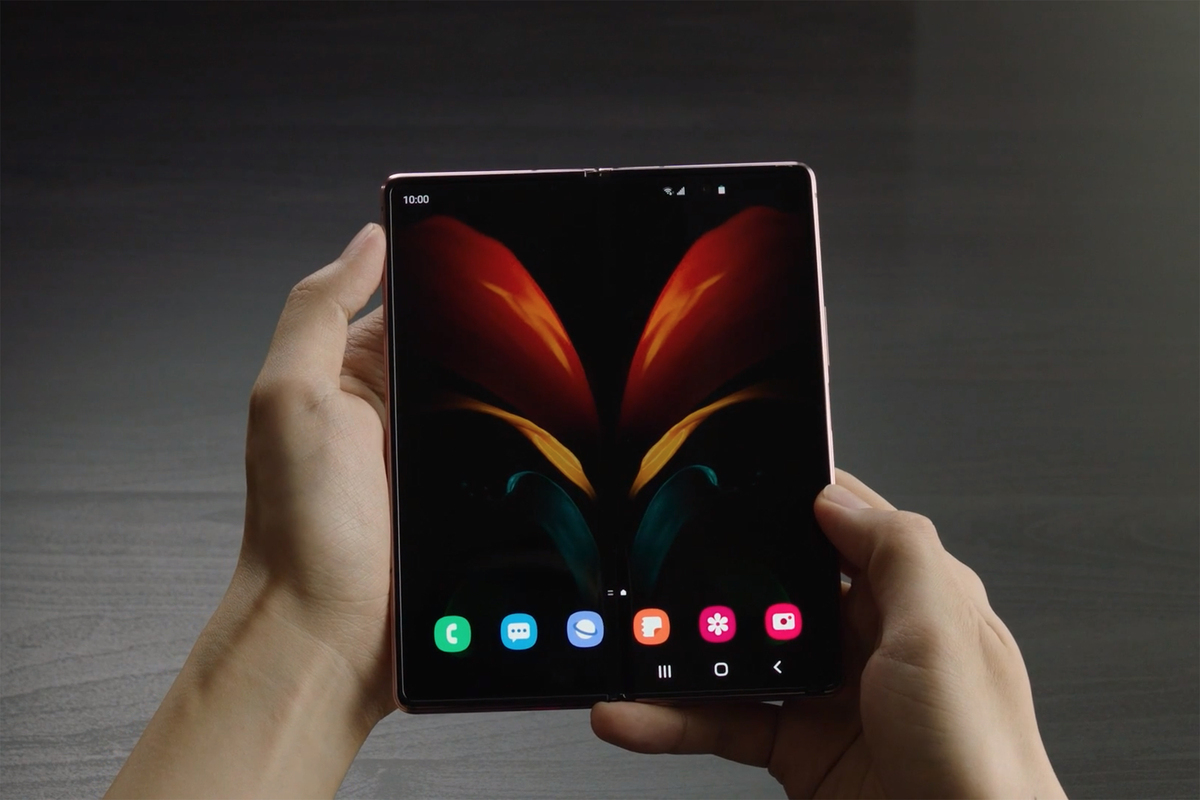
    Vietnamese electronics retailers are buying back the Galaxy Z Fold, which sold for VND50 million (US$2.092) when it was launched in 2019, at an 88% reduction from the original price.

    Ever since Samsung’s new Galaxy S23 went on sale in Vietnam on Feb. 17, retailers have launched trade-in programs, encouraging users to buy the new model.

    Galaxy Z Fold phones are being bought back at prices of VND0.43-6.1 million per unit depending on their condition.

    The Galaxy S10+, another high-end Samsung model which went on sale in 2019 with a price tag of VND28.9 million, is being bought back for VND2.9 million.

    According to Nguyen Lac Huy, manager of electronics chain CellphoneS, prices of most Android smartphones fall faster than those of iPhone models. After six months of use, the price of an Android phone plunges by 40-50%.

    The main reason is that manufacturers often offer discounts on Android phones after launch, while the cost of repairing them is high.

  • Apple working on bringing glucose monitoring to the Apple Watch

    Apple working on bringing glucose monitoring to the Apple Watch

    It is hardly a secret that health-related features are one of the main selling points of the Apple Watch. From monitoring heart rate, though blood oxygen, to sleeping time, Apple’s wearable can be an indispensable ally for health-conscious users.

    The Cupertino company understands this very well, which is why it is continuously working on improving said functionality and implementing more health-related features. According to Bloomberg’s Mark Gurman, Apple has hit ‘major milestones’ in the development of a blood glucose monitoring technology that could eventually make its way to the Apple Watch.

    Through a process called optical absorption spectroscopy a precise measurement of glucose levels is possible even without a blood sample. Currently, the prototype device is ‘about the size of an iPhone’ according to Gurman, so more work will be needed before the technology becomes usable in wearables.

    Nevertheless, Apple is determined to ‘eventually bring glucose monitoring to the market’. Such a feature would be a game changer and could make the Apple Watch invaluable to many suffering from diabetes and other related conditions.

    By now, the Apple Watch has existed for the better part of a decade and, during this lengthy time frame, its purpose has been redefined on a number of occasions. Initially, the Cupertino company wanted to design an ‘iPhone-killer’, a device that could replace your smartphone.

    Subsequently, they attempted to transform the Apple Watch into a luxury piece, similar to conventional jewelry. Now, the Apple Watch is officially a health-oriented device above all else. Tim Cook has mentioned that Apple’s greatest contribution to mankind could end up being digital health.

    It seems Apple’s CEO had something in mind when he made that statement. It is precisely through such technologies that Apple could consolidate its place in history. It will take time, but, with such vast resources, the Cupertino company might well succeed.

  • Chinese smartphones locked in Vietnam

    Chinese smartphones locked in Vietnam

    Several Chinese smartphone models that have been activated in Vietnam remain unusable due to network locks.

    Minh Khoi in Hanoi’s Cau Giay District said he had bought a Realme GT Neo 5 via an unofficial channel (smartphones carried to Vietnam by individuals, not by official distributors), but most of its functions had been disabled.

    He said the store that sold the phone to him was also surprised by the system lock and had to stop selling the model.

    The GT Neo 5 is currently only officially available in China, but its low price has attracted users in Vietnam.
    Two other Chinese phone models, the Realme 10 Pro + and OnePlus 11, have also been displaying a network lock when activated in Vietnam recently. However, with OnePlus 11, users have been able to fix the problem by resetting the phone.

    Khoi contacted Realme customer service in China, but they asked for a genuine purchase receipt. Therefore, he had to pay a service to unlock the phone for VND500,000 (US$21).

    “The device is currently usable, but I’m still worried about whether it will get locked again in the near future,” he said.

    Realme Vietnam has not yet responded to the incident.

    According to technology expert Tuan Ngoc, Chinese phone makers such as Oppo, Realme and OnePlus can use the network lock feature to protect their products in a specific country.

    The price of a smartphone carried home from abroad by travelers can be 20-30% lower than the price offered by authorized resellers, he noted.

  • Apple has sharply reduced the size of the order it has with TSMC

    Apple has sharply reduced the size of the order it has with TSMC

    Taiwan Semiconductor Manufacturing Co. Ltd., better known as TSMC, is the world’s largest foundry. Only TSMC and Samsung currently mass-produce chips using their respective 3nm process nodes (which use different types of transistors, as we will explain later). Apple is TSMC’s largest customer and is believed to account for a quarter of the company’s revenue (that’s 25% for you numerical types).

    With the overall weakness of the global economy and the hangover from last year’s chip shortage, some major brands have been canceling orders placed earlier with TSMC. And believe it or not, that goes for Apple as well. You know that we often cite Twitter tipsters and check out social media posts from Weibo writers for the sake of alliteration. Weibo is a Chinese social media site and one subscriber, whose user name translates to something like @CellPhoneChipExpert posted some big Apple news.

    The tipster, who allegedly gets news directly from the semiconductor industry, says that Apple has reduced its orders with TSMC by as many as 120,000 wafers. The canceled orders were for chips that would be made using TSMC’s N7, N5, N4, and even some N3 nodes. Rumors call for the A17 Bionic, which is expected to be found under the hoods of the iPhone 15 Pro and iPhone 15 Ultra, to be produced using TSMC’s N3 (3nm) process node. Apple’s M2 Ultra and M3 chips might also use the same node.

    Digitimes reports that TSMC has been able to beat out Samsung Foundry when it comes to signing up customers. Samsung’s 3nm node uses Gate-All-Around (GAA) transistors that allow the gate to come into contact with the channel on all sides resulting in less current leakage and higher drive current compared to the FinFET transistors used by TSMC for its 3nm node. GAA features vertically placed horizontal nanosheets while FinFET uses horizontally placed vertical “fins.” TSMC is expected to go to GAA for its 2nm production in 2025-2026.

    Despite sticking with FinFET for 3nm production, TSMC still has a pretty full-order book with big names like Qualcomm, MediaTek, and Nvidia reserving production capacity for 2023 and 2024. Samsung, though, has been handicapped in its efforts to secure more business due to low yields. That means that a higher percentage of the chips it cuts from wafers fail to pass quality control.

    The report says that in order to give Apple most of the 3nm production capacity later this year, Intel agreed to change its roadmap and delay receipt of its 3nm orders. TSMC’s enhanced 3nm process node (N3E) could be launched this year even though there might not be a big rush for orders considering the cost.

    Digitimes points out that wafer prices have skyrocketed with 90nm wafers selling for about $2,000 in 2004. By 2016, 10nm wafers cost $6,000 and that price hit $16,000 for 5nm which debuted on consumer electronics in 2020. Wafer prices for 3nm chips are priced in the $20,000 area.

    Intel has said that it will take process leadership from TSMC and Samsung by 2025 thanks to two developments. It will use RibbonFET transistors which is another term for the Gate-All-Around (GAA) transistors already employed by Samsung. And it will use a feature known as PowerVia or backside power delivery. This allows transistors to obtain power from one side of a chip while using the other side to connect to data communication links.

    Today’s chip designs have transistors trying to handle both functions from the same side which makes the process more complicated and limits the use of miniaturization. Intel will also be the first to use high numeric aperture Extreme Ultraviolet Lithography (EUV). This machine will etch higher-resolution circuitry patterns on wafers which could reduce the time it takes to add additional features to a pattern.

  • Apple releases software updates for three mobile devices

    Apple releases software updates for three mobile devices

    Apple released updates for some of its mobile devices today including iOS 16.3.1 for the iPhone, iPadOS 16.3.1 for the iPad, and watchOS 9.3.1 for the Apple Watch. Which should we start with? Let’s begin with iOS 16.3.1. Apple’s release notes indicate that the update will exterminate a bug that caused iCloud settings to be unresponsive. Another issue fixed by the update is one that prevented Siri users requesting the Find My app from having that app open on the screen.

    The iOS 16.3.1 update also adds some optimizations to Car Crash Detection on the iPhone 14 Pro and iPhone 14 Pro Max. Hopefully, this will stop the feature from getting set off by roller coaster riders, skiers, and others experiencing sharp movements unrelated to a car accident. Car Crash Detection uses sensors in the iPhone to detect when there has been an accident and rings an alarm. If the user fails to respond to the alert, Emergency SOS is triggered and emergency help is summoned.

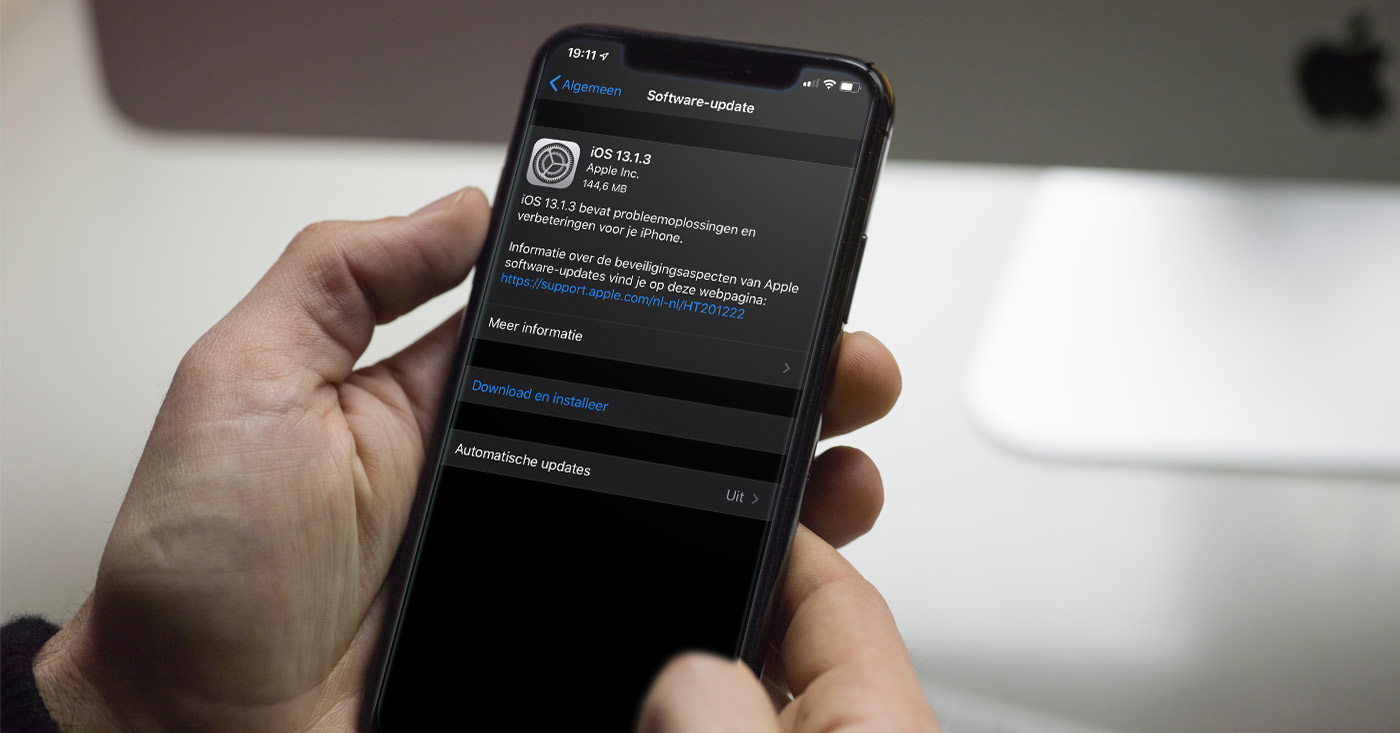
    To download and install iOS 16.3.1, go to Settings > General > Software Update and follow the directions.
    Next, let’s take a look at the iPadOS 16.3.1 update. The changelist here includes a couple of the bug fixes included in iOS 16.3.1:
    • A bug that caused iCloud settings to be unresponsive is exterminated.
    • An issue that prevented Safari from opening the Find My app is fixed.
    To download and install the update on your compatible iPad, go to Settings > General > Software Update.

    Lastly, we now take a look at the watchOS 9.3.1 update for the Apple Watch. There isn’t much to discuss since the changelist merely says, “bug fixes and important security updates for your Apple Watch.” What bug fixes? Apple doesn’t say. What security vulnerabilities were patched? Again, we don’t know.

    To download and install the update directly from your timepiece, go to Settings > General > Software Update. If a software update is available, tap install and then follow the  instructions on-screen.
    Or, you can open the Apple Watch app on your phone. Tap My Watch, go to General > Software Update, then, if an update is available, tap Download and Install.
    Even though there aren’t any amazing features being added to your iPhone, iPad, and Apple Watch, it’s always good to have the latest versions of the appropriate operating system installed.
  • Major upgrades to the Apple Watch Ultra postponed for 2025

    Major upgrades to the Apple Watch Ultra postponed for 2025

    Screens seem to be a touchy subject when it comes to Apple devices. For some reason, the Cupertino company is notoriously slow in adopting new display technologies. The iPhone received an OLED panel for the first time in 2017, while most iPad models are still stuck with LED displays.

    Now, the adoption of yet another display technology is being delayed. According to prominent display industry insider Ross Young, the transition of the Apple Watch Ultra to microLED will be postponed for 2025.

    For reference, previous reports claimed that the first microLED Apple Watch Ultra would be released as soon as 2024. This new leak, however, indicates that more substantial changes to the Apple Watch Ultra are not in the immediate future. It should be noted that microLED technology offers a number of benefits which make it ideal for a sport-oriented wearable like the Ultra.

    Namely, this includes improved power efficiency and durability. Given that exceptional battery life and an ability to withstand the test of the elements are major selling points of the pricey Apple Watch Ultra, it makes sense to be excited for MicroLED.

    Additionally, previous rumors suggested that the new microLED panel would also be slightly larger. A bigger screen could further differentiate the Ultra and make it even more appealing to athletes and outdoor adventurers, which seem to be the primary target audience of the wearable.

    Unfortunately, the Apple Watch Ultra seems to be the latest victim of Apple’s decision to place an emphasis on the company’s upcoming VR/AR headset, the Reality Pro. Just like the iPad, which is stuck in limbo because of necessary upgrades being pushed back for 2024, the Apple Watch lineup is also being put on hold. Luckily, the Apple Watch Ultra is impressive enough as it is.

  • iPhone 15 Ultra looks so chic in fan-made renders

    iPhone 15 Ultra looks so chic in fan-made renders

    The highest-end iPhone 15 model is expected to be a huge step up from the iPhone 14 Pro Max and to reflect those changes, Apple may call it the iPhone 15 Ultra. The company already uses this moniker for some premium products, including the Apple Watch Ultra. A digital artist has whipped up some renders to show us what the phone may look like.

    The iPhone 15 Ultra will have curved edges, titanium chassis, and thinner bezels than the iPhone 14 Pro Max, per rumors.

    Designer Jonas Daehnert has made some iPhone 15 Ultra renders. He says that the images are not based on leaks and he created them just for fun. The design crosse the iPhone 14 Pro and the Apple Watch Ultra.

    One rumor has already hinted that the iPhone 15 series will have an Apple Watch-like flat display and curved edges, so it’s not outlandish to assume that the iPhone 15 Ultra could have some elements of the Watch Ultra.

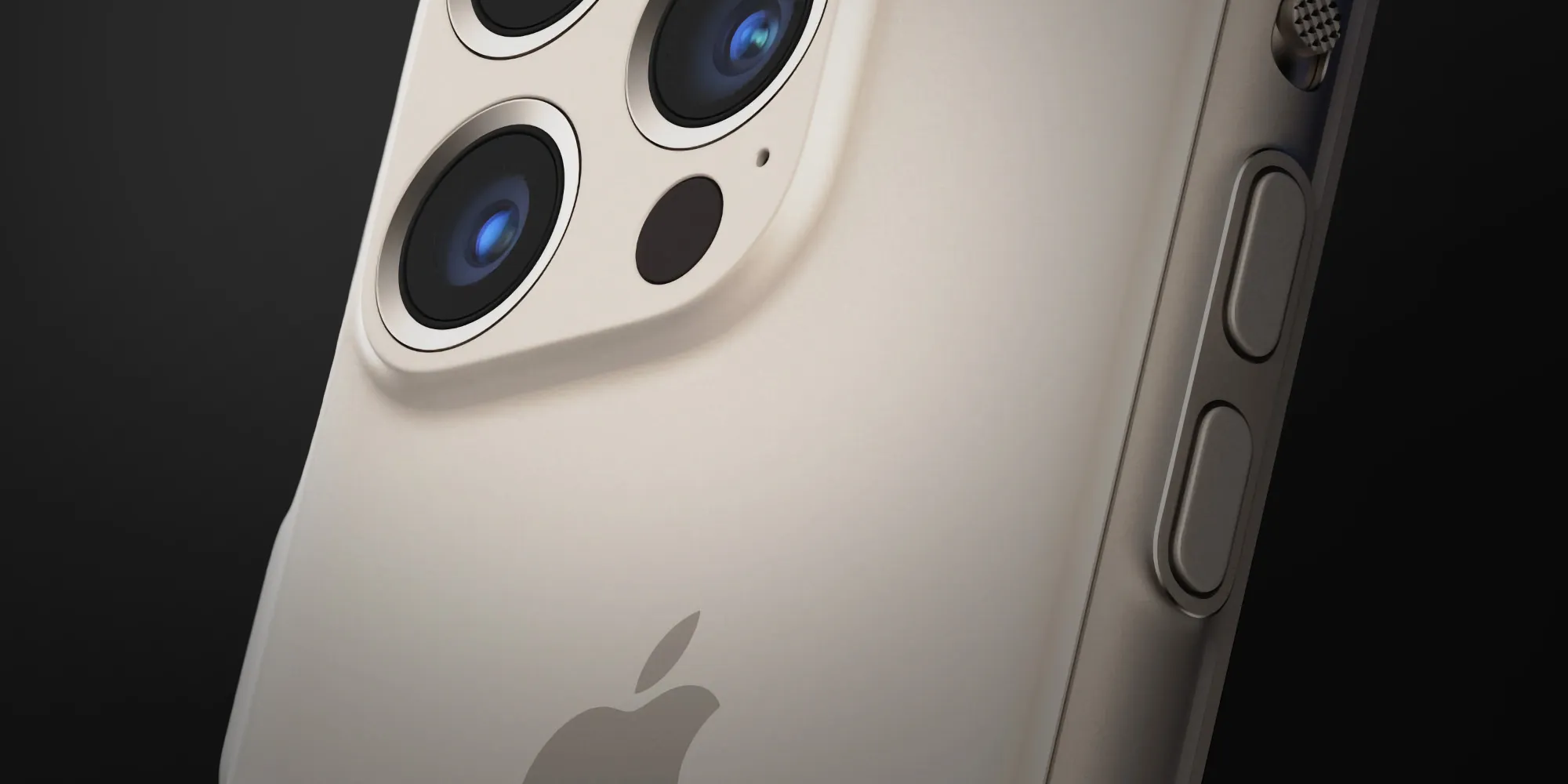
    The renders, as shown in the header and below, look gorgeous and envision an iPhone 15 Ultra with an Apple Watch Ultra-like orange button and port with orange accents. The volume, ringer, and side buttons are more raised than ones on the iPhone 14 Pro and the screen has raised rims and rounded corners.

    Although this design is unlikely to materialize, it looks very cool and the little touches give the phone more of a personality than just a boxy, bland iPhone.

    The iPhone 15 Ultra is highly likely to feature a periscope camera with 6x optical zoom. It’s expected to have the rumored A17 Bionic under the hood and a USB port instead of the lightning jack. The device could also feature solid-state buttons.

    Apple is also said to be working on an ultra-premium model for 2024 that might be a lot pricier than the iPhone 14 Pro Max.

  • Samsung announces that it will soon compete with Apple in another product category

    Samsung announces that it will soon compete with Apple in another product category

    Apple is expected to release its Reality Pro mixed reality headset later this year with virtual reality (VR) and augmented reality (AR) features. According to SamMobile, during today’s Unpacked event, Samsung announced that it will also build a Mixed-Reality headset with help from partners Google and Qualcomm. Samsung did hint that the device will be arriving soon. Samsung referred to the wearable as an Extended Reality (XR) device.
    Virtual Reality immerses the user in an environment that can range from the batter’s box at Yankee Stadium to a lounge with a giant screen that will show streaming content. Augmented Reality takes a live feed and places computer-generated data on top of it. A good example of AR is the “Live View” feature on Google Maps for those walking. The display shows a live feed from the rear camera and computer-generated arrows are superimposed over the feed to show the user which way to go.

    The Samsung XR headset will use a specialty Qualcomm chipset and the Korean manufacturer told The Washington Post that Meta and Microsoft are also partnering with Samsung to produce the XR headset. The Post reported that the head of the project said that the platform and the software need to be only “somewhat ready for the device to be a success.” The company is looking to avoid the mistakes made by other firms who entered this space but didn’t have the software ready in time.

    While no possible price tag was mentioned for Samsung’s XR wearable device, Apple’s Reality Pro will reportedly cost $3,000 and will be able to quickly switch between VR and AR. It is believed to be the most complicated product that Apple has ever made.
    Samsung has been in the headset business before as it introduced the Gear VR headset in 2015 powered by the Galaxy Note 4’s 5.7-inch QHD SuperAMOLED display. After a few years, production of the device came to a halt. Samsung then tried its hand at manufacturing a standalone Mixed Reality headset for PCs which also was discontinued by the company.
    Hiroshi Lockheimer, Google’s SVP in charge of Platforms and Ecosystem, said, “An exciting space where Google has been investing in for a long time across both experiences and technology is AR and VR. These technologies are integral to the new phase of computing as it can change the way we interact with people and information to get things done in the real world.”
    So now the Apple-Samsung rivalry will go beyond smartphones, tablets, and smartwatches to include Mixed Reality headsets.