Retail News CRM

Category: Electronics

Retail News Asia is committed to providing both local and global retailers with the latest Electronics news throughout the Asian market. This on a daily base.

  • Intel exec lauds Vietnam chip autonomy ambition

    Intel exec lauds Vietnam chip autonomy ambition

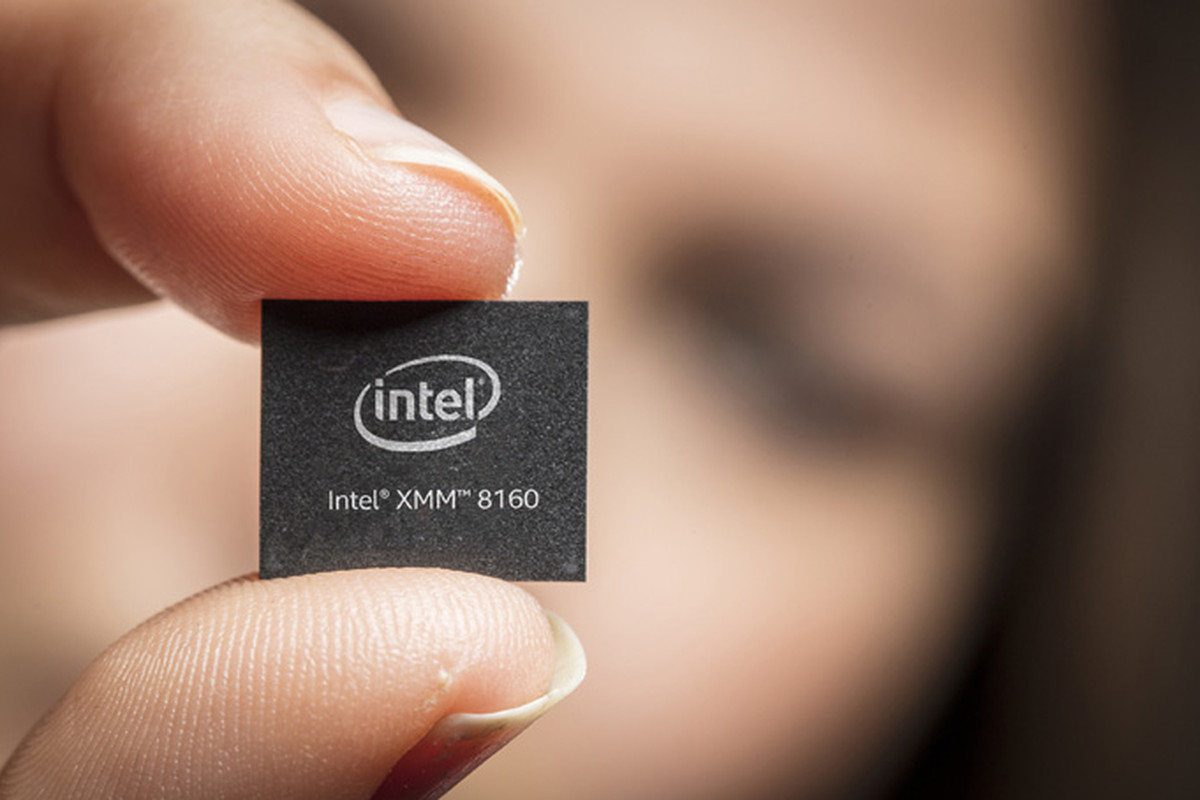
    Chip autonomy is an ideal aspiration but it is advisable to avoid setting too big goals in the immediate future, an Intel Products Vietnam executive has told the government.

    In 2006, the U.S. chipmaker became the first foreign high-tech investor in Ho Chi Minh City.

    “The past 17 years have been a miraculous journey,” Kim Huat Ooi, vice president and general manager of Intel Products Vietnam, said.

    “Vietnam has transformed and become much more prosperous. Foreign investors coming here all want to have a foothold and a solid launch pad in Vietnam.”

    A number of other major chip manufacturers too have set up plants in Vietnam, forming an open semiconductor supply chain.

    Some local technology companies such as FPT and Viettel are also investing in the sector, and hope to export large volumes of “Made in Vietnam” chips.

    Advertisement

    In April Prime Minister Pham Minh Chinh assigned the Ministry of Planning and Investment with developing a program for electronic chip production.

    Vietnam’s advantage

    Kim, who has nearly 40 years of experience in the semiconductor field, said when Intel entered Vietnam it had to import most raw materials, but now over 200 local suppliers were working with the plant, helping create a closed process for chip autonomy.

    “It is completely right that the Vietnamese Government and companies think big and are ambitious to be self-sufficient in chip sources. Some companies have designed very good microcontrollers for specific applications. Vietnam will have a big opportunity to make more chips.”

    Before it set up the plant in Vietnam, Intel was invited by many other countries in the neighborhood. One of the important reasons for Intel choosing to build the plant in Ho Chi Minh City was the stability of the Vietnamese political system.

    During the Covid pandemic, many supply chains around the world were broken, but the Intel Vietnam factory was still operating smoothly.

    In 2021, its exports surged by 25% from the pre-pandemic period.

    Vietnam remained stable even in the most challenging periods.

    “It can be seen that in future local supply chains will gradually form and be able to operate independently. As the amount of high-tech investment increases, production costs will decrease, bringing more opportunities for domestic enterprises.

    “The Vietnamese government can use this to accelerate its ambition to produce chips.”

    It was right to dream big but it was also necessary to avoid being too ambitious to invest in non-optimal areas and waste money.

    Each country should focus on areas where it had an advantage instead of spreading itself too thin. Chip production was resource-intensive.

    Local companies also needed to design chips appropriate for their actual capabilities and needs, he said.

    Another challenge was human resources since the chip industry required great technical and technological capability to cope with new problems.

    “If we look at the current education system in Vietnam, we are seeing that resources are mainly focused on bachelor’s training. To enter the chip industry, more researchers in post-graduate programs are needed.

    “To design chips, engineers need a lot of R&D skills.”

    However, though investing in human resources required time and money, it was definitely profitable in the long run.

    For this, Vietnam needed the right talent, and for this tertiary education should have new curriculums.

    Intel and other large foreign enterprises in Vietnam also paid special attention to linking up with universities to improve curriculums and foster talent.

    “Seventeen years ago we entered Vietnam and started looking for the first basic workers. Now our plant has continuously sent Vietnamese engineers to the U.S. to work and develop specialized technologies. Initiatives by local talent have been patented in the U.S., making an important contribution to improving the plant’s performance.”

    Besides manpower, special attention should be paid to infrastructure and traffic, like dealing with the electricity shortages in some parts in June.

    The shortage had been solved, but in the long term investors would need specific plans to ensure reliable power availability.

    After the pandemic many neighboring countries had come up with incentives to get major international investors to come and set up supply chains.

    Vietnam too should have appropriate policies to retain existing investors and attract new ones.

    “The world is changing. Many countries are emerging, attracting large investors back. In Vietnam, we are doing well. Intel wants to continue to invest and contribute to Vietnamese society.”

  • Vertu’s first duty-free store opens in Sanya ahead of global roll-out

    Vertu’s first duty-free store opens in Sanya ahead of global roll-out

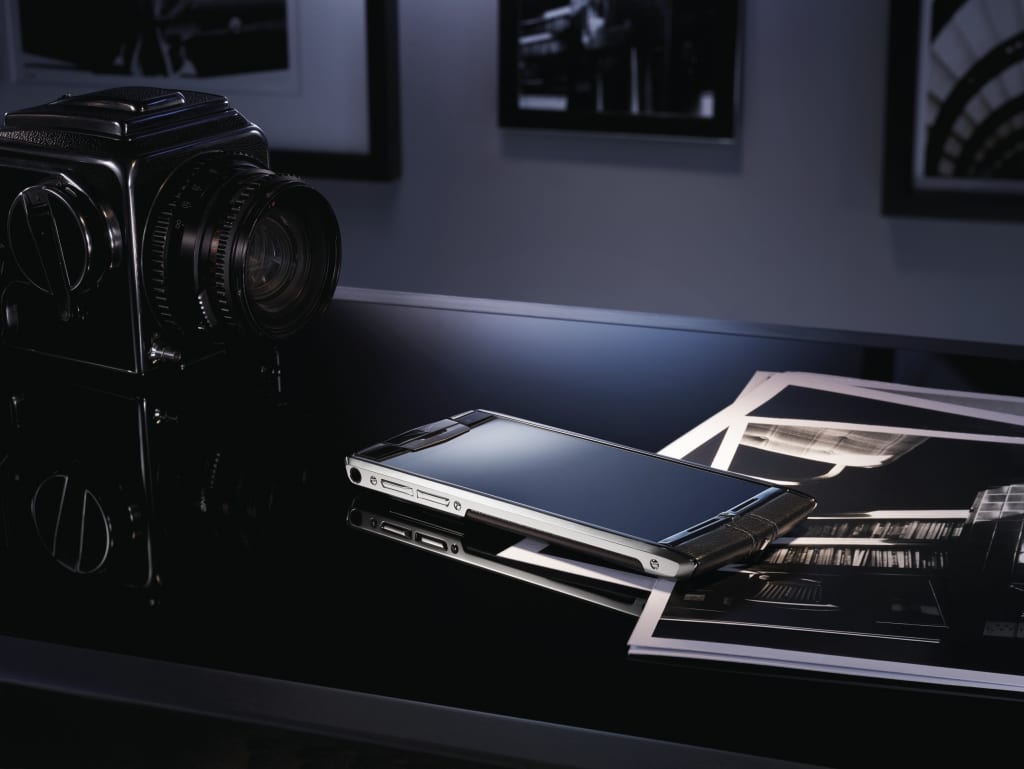
    VERTU, the world’s premier luxury mobile phone brand, has unveiled its strategic plan to establish duty-free stores worldwide. Following the recent opening of their duty-free store in Sanya, VERTU is set to revolutionize the duty-free shopping experience for global travelers.

    VERTU’s duty-free store, located at Sanya International Duty Free Complex, is scheduled to open its doors on July 1, 2023. Positioned at B Zone, Ground Floor, next to Tiffany, this store will serve as a hallmark destination for discerning travelers seeking the finest in luxury mobile devices.

    In line with their commitment to providing unparalleled service and exclusivity, VERTU offers a range of key features and highlights that make them stand out in the market. Let’s take a closer look:
    VERTU- Brand debuts its pop-up store with CDFG in duty free channel.

    VERTU’s duty-free stores serve as a platform to showcase the brand’s commitment to excellence and luxury as well as cater to the unique needs of luxury travelers.The stores provide a captivating environment for customers to immerse themselves in the world of VERTU, surrounded by the finest craftsmanship and cutting-edge technology.

    VERTU prides itself as the world’s only luxury mobile phone brand to offer a dedicated British private butler concierge service. Customers can enjoy a truly unique experience with their own personal assistant, catering to their every need and ensuring an extraordinary level of service.

    VERTU’s duty-free store introduces the highly anticipated METAVERTU, the world’s first WEB3 phone. Combining the power of blockchain and decentralized applications, this revolutionary device offers unparalleled security, privacy, and connectivity.

    VERTU’s duty-free store presents the exclusive IVERTU collection, a range of limited edition devices available only through duty-free channels. These meticulously crafted phones showcase VERTU’s dedication to creating unique and unforgettable luxury experiences. IVERTU, as the one of the most popular models, has undergone updates in hardware, software, and aesthetics. The metallic V logo has been upgraded to a sleek black finish, enhancing its tactile appeal, and the leather components have been enhanced for a fuller and better feel.

    In a groundbreaking move, VERTU unveils its first AI experience store within the duty-free outlet. Customers can explore the fusion of technology and luxury as they interact with VERTU’s cutting-edge AI assistant V-GPT.Unlike Apple’s App Store version, METAVERTU allows free and unlimited usage of ChatGPT without paying a subscription fee. Accessible via MetaSpace, METAVERTU grants users a comprehensive set of functionalities, including seamless one-click login, unlimited conversations at no cost (in contrast to the paid model on other platforms), and voice input for user queries.

    With its Global Duty-Free And Travel Retail market strategy, VERTU aims to establish a strong presence in key travel hubs worldwide. By offering unparalleled luxury, personalized service, and exclusive products, VERTU continues to redefine the mobile phone industry and elevate the standards of luxury living.

  • Samsung TV Plus adds seven new channels in the United States

    Samsung TV Plus adds seven new channels in the United States

    Initially launched eight years ago as a video rental service, Samsung TV Plus quickly pivoted to an ad-supported streaming service format. Although it started with a limited number of channels available to watch for free, Samsung TV Plus now provides access to more than 250 channels.

    The most recent additions to the streaming service’s offering include channels from ABC, CBS and other networks. The new channels are already available in the United States, so if you have a compatible Samsung smart TV, Galaxy phone or tablet, you can watch these right now.

    The seven channels that have been added to Samsung TV Plus in June include 6ABC Philadelphia, ABC7 New York, ALLBLK Gems, Billiard TV, CBS News Explore, Get TV, and Vevo 2010s.

    In addition, Samsung TV Plus gained several movies in June and a few others are expected to drop in July: The Tree That Saved Christmas, Songs of Mistletoe, A Christmas Cruise, Angels in the Snow, An En Vogue Christmas, A Holiday for Love, Christmas Comes Home, and A Dogwalker’s Christmas. These movies will be available via the company’s first-party channel, Holiday Movies Channel.

    If you didn’t know, Samsung TV Plus is available for free on 2016 – 2022 Samsung smart TVs and select Galaxy mobile and tablet devices. Simply turn on your Samsung smart TV, open the Samsung TV Plus app, and you can start watching your favorite channels or movies.

  • Samsung Electronics to open flagship store in Gangnam to target Gen Z

    Samsung Electronics to open flagship store in Gangnam to target Gen Z

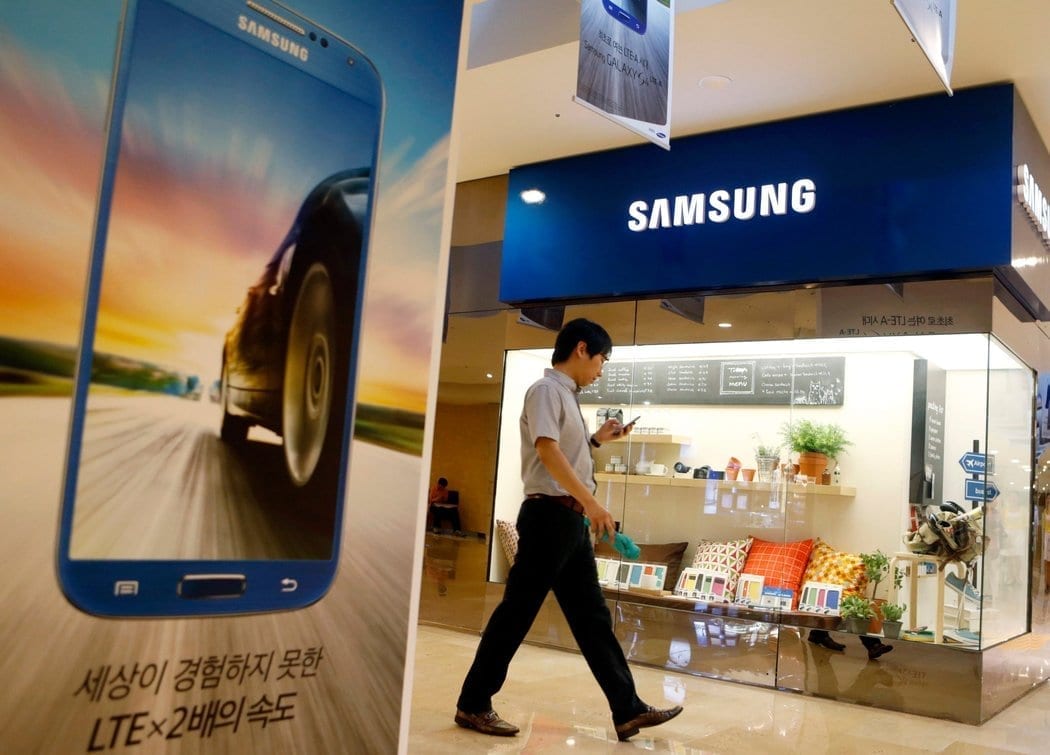
    Samsung Electronics said Wednesday it will open a six-story flagship store in Gangnam, southern Seoul, to offer customers, especially the Gen Z population, more personalized services and experiences.

    In a media event, one day prior to the public opening, the tech giant said it expected the Samsung Gangnam store to serve as a “playground” for young users where they can learn and experience the cutting-edge technologies and innovation Samsung has to offer.

    “The area near Gangnam Station has always been a place for young people to gather and spend time together,” Jung Ho-jin, vice president of Samsung’s mobile experience division, said when asked why the company chose the area to open its first such store.

    The 2,000-square-foot venue, 10 minutes away on foot from its rival Apple’s Gangnam store, felt more like a brand experience center than a retail outlet. Located on Gangnam Boulevard, one of Seoul’s main shopping and business districts, it comes with an after-sales service center, a seminar and lecture space, a small Galaxy museum, a coffee shop and Instagrammable photo zones filled with artworks.

    “We would like to see people freely come visit here, even for just a quick bathroom run,” Jung added.

    The opening came amid continued headwinds from global economic uncertainties, slow consumer demand and muted brand loyalty for Samsung’s Galaxy smartphones among young people.

    A survey released early this year by the Seoul-based Vinu Labs showed Apple’s iPhones are more popular than Samsung’s Galaxy phones among South Koreans in their 20s, who chose “trendy” and “upscale” as the two words that describe Apple’s brand image. The words for Samsung were “friendly” and “practical.”

    The opening also took place about a month prior to Samsung’s scheduled first Galaxy Unpacked event in South Korea, where it is set to unveil its latest foldable phones, watches and other innovative products.

    “The store is designed to target not only young customers but also anyone with open and young minds,” Jung said.

    “I believe Samsung has its own know-how to deliver unique benefits and color to customers through a variety of products,” Jung said, while avoiding answering directly how the tech giant plans to address lower adoption rates than those of rival Apple among Gen Z.

    “At Samsung Gangnam, people can feel Samsung Galaxy products have never stopped evolving,” he said. “We will continue to run our business with such pride in mind going forward.”

  • Apple tests faster haptic duration speed in the latest iOS 17 Beta

    Apple tests faster haptic duration speed in the latest iOS 17 Beta

    The release of the second iOS 17 Beta to developers on Wednesday includes a new setting that will make iPhone users feel the phone’s haptic feedback kick in faster than on iOS 16. Haptic feedback is considered an Accessibility feature which means that the settings can be found by going to Settings > Accessibility > Touch > Haptic Touch. There you will see a box with two options: Fast and Slow. You can adjust how soon after you long-press on the screen you’ll see a content preview, action, or a contextual menu.

    On iOS 16, as we said, there are just two options, Fast and Slow. The latest iOS 17 Beta release adds a third setting so the options are Fast, Default, and Slow. Tap the setting you want and an arrow will appear on it. The new Default setting is equivalent to the Fast setting in iOS 16. In the iOS 17 Beta, selecting Fast gives you an even faster duration for the haptic feedback compared to the same setting in iOS 16 which means that things take place at a faster pace.

    Whether you change the duration speed in iOS 16 or the iOS 17 Beta, you can test out the duration of the haptic speed you choose by long-pressing on the image of a flower under the heading  “Touch Duration Test.” Note the difference in each setting with the time it takes the image of the flower to reach its full size after you feel the haptic feedback.
    To reiterate, there are currently two haptic feedback duration options in iOS 16 which are Fast and Slow. The latest iOS 17 Beta has three: Fast, Default, and Slow. The Fast in the iOS 17 Beta is faster than the Fast available in iOS 16 and the Default in the iOS 17 Beta is equivalent to the Fast setting in iOS 16. Got it?

    Of course, some changes that are made during a Beta are tested and rejected before reaching the final version of the software. So there is no guarantee that Apple will keep the new faster haptic duration speed in the final version of iOS 17. If it does, you’ll have to test it out for yourself to see whether it gives you a faster and improved iPhone experience.

  • 15-inch MacBook Air to be launched in Vietnam in mid-July

    15-inch MacBook Air to be launched in Vietnam in mid-July

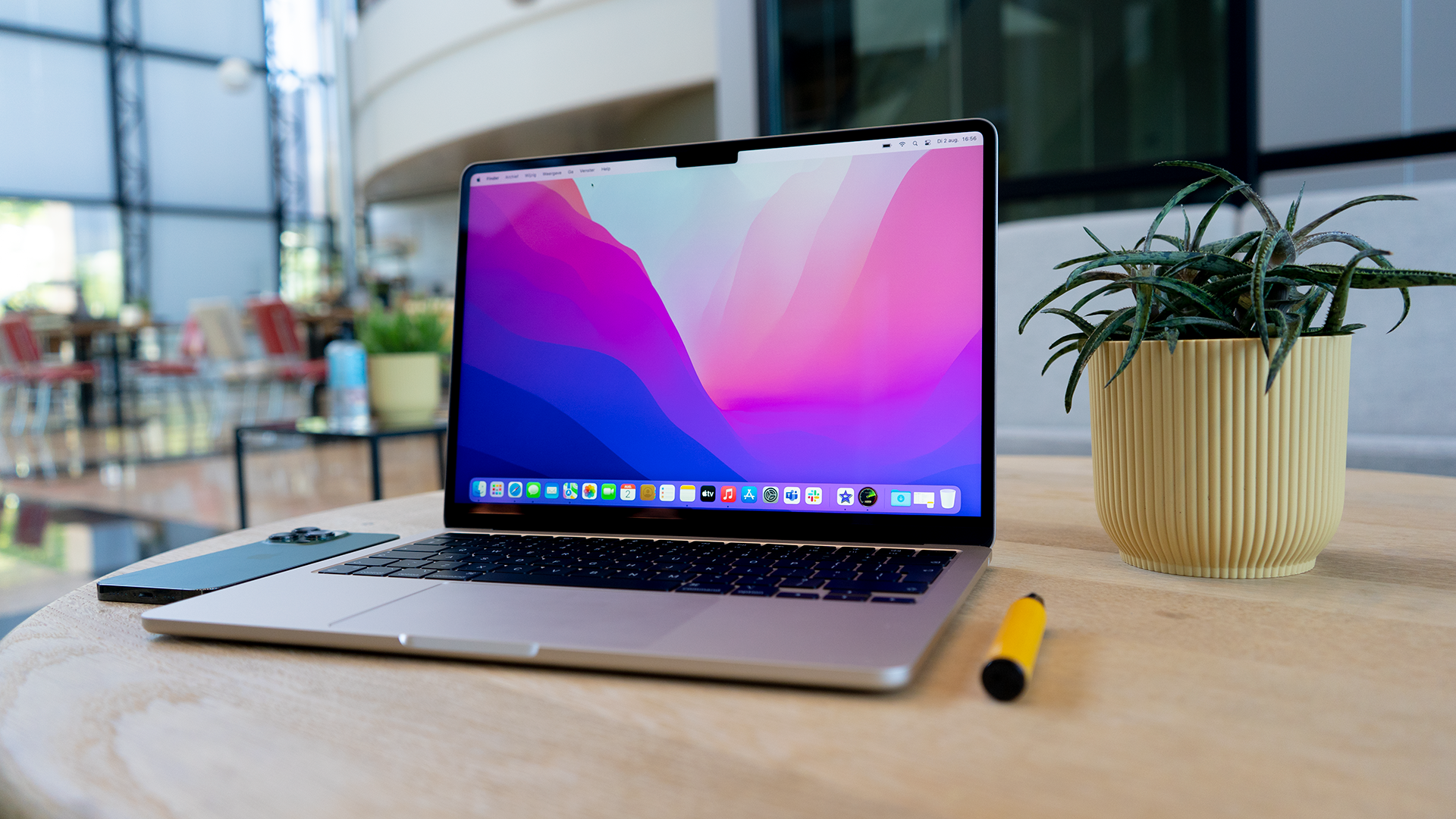
    First MacBook Air laptops with 15-inch screens will be officially sold in Vietnam in the second or third week of July at a starting price of VND32.99 million (US$1,398), some Apple authorized resellers said.

    Vietnam will be the second group of markets selling the latest laptop model of Apple.

    In the U.S. market, 15-inch MacBook Air laptops were pre-ordered right after its launching ceremony on June 6 and delivered to users one week later.

    15-inch MacBook Air is like the enlarged 13-inch version with no design changes. But many people has been waiting for this model because it is Apple’s only thin and light laptop with a large screen and good prices.

    Four configuration versions of 15-inch MacBook Air will be sold in Vietnam, with the 8-GB RAM, 256-GB memory version costing VND32.99 million, and the 512- GB memory version costing VND37.99 million.

    The device is available in four colors: blue, black, silver, gray and gold.

  • The Apple Watch Ultra gets an automatic “eye-saving” feature in watchOS 10

    The Apple Watch Ultra gets an automatic “eye-saving” feature in watchOS 10

    The watchOS 10 update will bring widgets to the Apple Watch that will be controlled via the timepiece’s Digital Crown. And with Smart Stack, Apple Watch widgets will bundle together based on the user’s typical schedule. For example, when the Apple Watch user gets up first thing in the morning, the weather widget will be on the top of the stack. The calendar widget could be on the top of the stack when a previously recorded appointment is drawing near.

    Another cool feature that watchOS 10 will bring to the premium Apple Watch Ultra is Auto Night Mode. Using the ambient light sensor, the watch will know when light levels are low enough to automatically warrant turning on Night Mode. In Night Mode, the Apple Watch Ultra removes the blue light that negatively affects your eyes by straining them and turns the entire interface red and black to make it more visible at night and less irritating to your eyes.

    The Night Mode currently is enabled manually by swiping to Apple Watch Ultra’s Wayfinder screen which shows elevations, location coordinates, and more. With the Wayfinder face on the watch, turn the Digital Crown to turn on Night Mode and turn it the other way to turn it off. Again, with watchOS 10, the Apple Watch Ultra will use ambient light sensors to automatically determine whether to activate the feature.
    It is important to note that the Night Mode feature works only with the Wayfinder watch face on the Apple Watch Ultra so if you plan on using Night Mode manually or automatically, you are going to need to have this watch face selected for the timepiece. It isn’t known whether having Auto Night Mode enabled will be the default setting for watchOS 10 on the Apple Watch Ultra although it probably should be. That’s because enabling Night Mode in watchOS 10 on Apple’s premium smartwatch might be more of a pain since spinning the Digital Crown in that build will control the new widgets.
    To make things easier, Apple Watch Ultra users will probably want to ensure that Night Mode using the Wayfinder face is enabled if it isn’t activated by watchOS 10.
  • MacBook Air 15 sold for $1,400 in Vietnam

    MacBook Air 15 sold for $1,400 in Vietnam

    MacBook Air 15 M2 2023 is sold for VND32.9 million (US$1,394) for internal memory of 256 GB on Apple Store Vietnam.

    Apple Store Vietnam and local electronics retailers have also announced selling prices of MacBook Studio Ultra and Mac Pro 2023 at VND109 million and VND194 million or more, respectively.

    The prices were announced right after Apple unveiled new devices at the 2023 Apple Worldwide Developers Conference in California on Tuesday morning (Vietnamese time).

    The most advanced Mac Pro 2023 is sold on Apple Store Online Vietnam for VND306.5 million

    Selling prices at local electronics chain Di Dong Viet are similar to those at Apple Store Online Vietnam; and those at FPT Shop are VND100,000 lower, and those at Hoang Ha Mobile VND1 million lower than those at Apple Store Online Vietnam.

    According to Tuan Minh, manager of Hoang Ha Mobile, the 15-inch MacBook Air M2 is attracting attention thanks to its large screen, and it is suitable to people who like compact devices, large screens for entertainment and basic tasks with at a reasonable price.

    Nguyen The Kha, mobile telecommunications division director at FPT Shop, said Apple’s new devices are expected to reach Vietnamese users in early July.

    Local retailers can deliver Apple devices within one hour, change faulty products within 30 days, and offer direct support on technical issues and warranty, the services have not been provided yet by Apple Store Online Vietnam, he said.

  • Smartphone exports to Vietnam plunge in deepest fall in Southeast Asia

    Smartphone exports to Vietnam plunge in deepest fall in Southeast Asia

    Shipments of smartphones to Vietnam plunged 30% year-on-year in the first quarter, the deepest decline among the five major Southeast Asian markets, according to a new report.

    Malaysia came second from bottom in terms of negative growth, down 29% year-on-year. Thailand saw shipments drop 1%, according to market research company Counterpoint.

    The five main Southeast Asian markets, including Indonesia and the Philippines, saw an overall drop in shipments of 13%.

    Counterpoint analyst Glen Cardoza said that consumer sentiment has not fully recovered in Vietnam.

    He added that inflation in Southeast Asia has affected buyer sentiment, leading to a decrease in demand for new phones.

    A report by another market research company showed that 2.5 million smartphones were sold in Vietnam in the first two months, down 30% year-on-year.

    “This year, people started to tighten their spending right from January,” said a representative of a smartphone retail chain.

    Cardoza said that another reason for the first quarter decline was that Vietnam had received many shipments in the last quarter of last year.

    Counterpoint data also shows that economic challenges have not affected the high-end segment.

    Samsung posted the biggest sales in Vietnam in the first quarter and claimed 21% of the market, followed by Oppo at 20%, Vivo with 14%, Xiaomi 14%, Realme 12% and Apple 7%.

    However, all brands saw a decline compared to the same period last year, except for Apple which posted growth of 18%.

  • China bans shipments from U.S. memory chipmaker Micron Technology

    China bans shipments from U.S. memory chipmaker Micron Technology

    The U.S. has banned phones and networking equipment from Huawei and ZTE due to fears that these companies’ products have backdoors that send information to Beijing. This weekend, China went on the attack against U.S. memory chip maker Micron Technology by banning its chips from the country. According to the South China Morning Post (SCMP), Micron is considered a “national security risk” which is exactly what the U.S. calls Huawei and ZTE.
    The U.S. Commerce Department said it “firmly opposes restrictions that have no basis in fact.” Besides getting back at the U.S. for banning products made by Huawei and ZTE, the move against Micron is retaliation for U.S Export rules that were put into place in 2020 that prevent certain chips made using American technology from being shipped to China.
    The U.S. Commerce Department added that “We will engage directly with PRC (People’s Republic of China) authorities to detail our position and clarify their action. We also will engage with key allies and partners to ensure we are closely coordinated to address distortions of the memory chip market caused by China’s actions.”
    Micron Technology, located in the heart of potato country in Boise, Idaho, released its own statement early Monday morning which said that it was aware of the decision made by Beijing and was examining its next steps. It also said, “We look forward to continuing to engage in discussions with Chinese authorities.” Last year Micron generated 11% of its $30.8 billion in revenue from China selling DRAM, NAND flash memory, and solid-state drives.
    China’s Cyber Security Review Office under the Cyberspace Administration of China (CAC) had said back in March that it was investigating Micron and on Monday China said that Micron failed to pass a cybersecurity review. As a result, Micron’s chips cannot be used by telecom operators, banks, water utilities, and other companies. The CAC said that its review of Micron revealed “severe cybersecurity risks, posing significant security risks to China’s critical information infrastructure supply chain and to our national security.”
    We’re sure to hear more about this in the coming days.
  • Poor demand drags MacBook prices down

    Poor demand drags MacBook prices down

    Apple’s MacBook Pro laptops have seen their prices tumble by tens of millions of dong (VND1 million = $42.6) in the two months amid underwhelming demand.

    Quy Thien, a video editor, said when the MacBook Pro 16-inch was released in Vietnam at the end of March, he ordered a high-end model with an M2 Max chip, 96 GB RAM, and 4 TB storage for VND149 million (US$6,400).

    But Apple dealers told him the model was not available, but would arrive in two months. When his device arrived, he checked the prices and found it had fallen to VND133 million.

    “In two months, I lost VND16 million when I hadn’t even received my device,” he said.

    A retailer explained that the MacBook Pro is a niche product due to its high price. Dealers do not stock some high-end models, and users have to order and wait for six to 12 weeks. Thus, early buyers got a bad break since prices started to fall as they waited, he said. Even the standard version has become cheaper.

    At the time of launch the 14-inch version with 16 GB RAM, 512 GB storage and an M2 Pro chip cost VND52.9 million, and the 16-inch version cost VND65.9 million. If they had M2 Max chips, the prices were VND81.9 million and VND92.9 million.

    In the next two months retailers slashed the prices of the 14-inch model by VND5 million if it had an M2 Pro chip and VND8 million if it had an M2 Max chip.

    VND million (VND1 million = $42.63)MacBook pricesMarchMayMacBook Pro 14 inch M2 ProMacBook Pro 14 inch M2 MaxMacBook Pro 16 inch M2 ProMacBook Pro 16 inch M2 Max0255075100

    However, it has not worked and sales have not picked up, and the MacBook Pro only accounts for 2-3% of total laptop sales.

    Hoang Ha Mobile said the high prices are the biggest dampener of demand.

    Other Apple laptops have also become cheaper.

    The MacBook Air M1, which used to be the best-selling laptop in Vietnam, currently costs VND17.9 million, VND11 million down since its launch in January 2021.

    The MacBook Air M2’s prices have fluctuated. At the end of April its price briefly went down from VND28 million to VND25.9 million before climbing back up at the beginning of May.

  • MacBook Air M2 laptop price falls then rises

    MacBook Air M2 laptop price falls then rises

    The retail price of the MacBook Air M2 laptop dropped by VND2.1-3 million (US$89-127) to VND25 million in April and has risen back to VND28 million in May.

    The manager of an Apple distributor in Vietnam said retailers might have hiked the price because currently Air M2 inventories in the country are very low.

    “If the demand … surges retailers … will have to wait for eight to 10 weeks for the product to be shipped to Vietnam.”

    Large retailers such as The Gioi Di Dong, FPT Shop, and CellPhoneS had sold the Air M2 with the minimum configuration, the best-selling version, for VND28 million in early April, VND25.9 million in mid-April, and VND25 million in late April.

    The laptop first sold for VND32.9 million when launched in Vietnam in July last year, but its price declined sharply partly due to competition among retailers to get a larger share of the pie, according to a manager of a The Gioi Di Dong store.

    “Prices of technological products always tend to decrease gradually after launch. However, the continuous up and down with a large amplitude of several million dong in a short period of time shows the instability of the market,” said Nguyen Van Cong, a veteran trader of Apple products.

    According to the manager of The Gioi Di Dong, the big discount of MacBook Air M2 is part of its price competition campaign.

    In early April, during a shareholder meeting, Nguyen Duc Tai, Chairman of The Gioi Di Dong (Mobile World), said: “The price at The Gioi Di Dong was sometimes million dong higher than that at other retailers. However, this phenomenon will stop. We will not let the price difference become an advantage for competitors.”

    Refusing to give the reason for their price fluctuations, managers of CellPhoneS and FPT Shop said MacBook prices have been “actively updated by the stores based on business strategies and the general situation in the market.”

    In fact, the top three Apple device retailers in Vietnam, The Gioi Di Dong, FPT Shop and CellPhoneS, have changed the laptop’s prices frequently in recent days and the prices are almost the same.

    At some Apple stores, it is one of the two best-selling laptops along with the MacBook Air with the M1 chip.

  • Meta is pulling the Facebook Messenger app from the Apple Watch

    Meta is pulling the Facebook Messenger app from the Apple Watch

    After this month is over, Meta is pulling the Facebook Messenger app from the Apple Watch. Starting on June 1st, Apple Watch users can no longer send or receive messages using the app. The news got out after some users of the wearable spotted a notification on the Apple Watch Messenger app titled “Changes to Messenger on Apple Watch.” The notification said, “After May 31st, Messenger won’t be available as an Apple Watch app, but you can still get Messenger notifications on your watch.”
    A Facebook spokesperson confirmed the news and pointed out that those who want to send and receive messages using Facebook Messenger can still do so via the iPhone app, through their desktop, or by using the website. For some reason, Meta hasn’t shared this decision with many and it has yet to release a public statement. Apple is expected to release watchOS 10 in September, focusing on widgets instead of third-party apps.
    I also remember back in the day when Facebook had special integration so that you could make posts and upload photos directly without having to open the app. Obviously this meant people didn’t need to open the app as much, and that meant less ads, so they removed it.”
    If you use the Facebook Messenger app on your Apple Watch, you have less than three weeks to enjoy using it unless Meta changes your heart. Since its decision to eliminate the Apple Watch app might have to do with money, please don’t hold your breath hoping for Meta to reverse its decision.
  • Vietnam third top chip exporter to the US

    Vietnam third top chip exporter to the US

    Vietnam accounted for 10% of semiconductor chip exports to the U.S. in the 12 months ending this February, ranking third after Malaysia and Taiwan.

    The Vietnam chip industry’s revenue from the U.S. market rose by 74.9% during the period, from $321.7 million in February 2022 to $562.5 million this February, according to a report by the Ministry of Information and Communications.

    Vietnam is also among the countries with the highest growth rate of chip exports to the U.S., alongside Thailand, India and Cambodia.

    Cambodian chip exports to the U.S. grew in value 7-fold over the period, from $20.8 million to $166.3 million, while Indian revenues from the market grew 34-fold to $152 million in February.

    In February, semiconductor chip export orders to the U.S. reached $4.86 billion, up 17% year-on-year. Among those, chips made in Asia accounted for 83%.

    Bloomberg reported that the U.S. is diversifying its electronics supply chain by reducing the share of chip imports from Malaysia, a longtime powerhouse in chip packaging, alongside moving its iPhone production chain out of China.

    At a government meeting in April, Prime Minister Pham Minh Chinh assigned the Ministry of Planning and Investment the tasks of improving the National Innovation Center, and developing a chip production program.

    Experts believe Vietnam has the potential to be a global center of chip production if it can utilize its advantages and implement effective strategies, policies, and incentives for the sector.

    Intel’s Asia Pacific and Japan General Manager Steve Long told VnExpress last year: “Vietnam can establish the necessary infrastructure and policies to support cutting-edge chip manufacturing.”

  • Apple co-founder Wozniak fears that AI will be used to scam the public

    Apple co-founder Wozniak fears that AI will be used to scam the public

    Apple co-founder Steve Wozniak, affectionately known as “The Woz,” says that artificial intelligence could make it harder to spot scams. Wozniak says that content created by AI should clearly be labeled as such and that regulation is needed or else bad actors will take control of the technology. Wozniak talked to the BBC about this issue two months after he and other tech leaders, including Elon Musk, signed an open letter asking for a slowdown in developing powerful AI models.
    Speaking to BBC Technology Editor Zoe Kleinman, Wozniak said, “AI is so intelligent it’s open to the bad players, the ones that want to trick you about who they are.” While The Woz thinks that the lack of emotion will prevent AI from replacing humans in the workforce, he fears that it will make bad actors seem more convincing when they are trying to scam the public. That’s because conversational AI chatbots like ChatGPT can create text that sounds convincing to the layman.
    As a result, Wozniak says that those who publish text written by AI are responsible for labeling it as AI-generated. “A human really has to take responsibility for what is generated by AI,” Wozniak says. He wants regulation to hold big tech firms accountable. The Woz didn’t mention any particular firm but said these are the tech companies that “feel they can kind of get away with anything.”
    Not that Wozniak was specifically talking about the company he helped create, but Apple CEO Tim Cook said to investors during a conference call last week that when it comes to AI, Apple would be “”deliberate and thoughtful. Cook added, “We view AI as huge, and we’ll continue weaving it in our products on a very thoughtful basis.”
    The Woz was not optimistic that regulators will be able to oversee the use of artificial intelligence. “I think the forces that drive for money usually win out, which is sort of sad,” he said. While he doesn’t believe that the development of AI can be stopped, he thinks that people can be educated to help them find situations where their personal data is at risk due to fraud.