Retail News CRM

Category: Electronics

Retail News Asia is committed to providing both local and global retailers with the latest Electronics news throughout the Asian market. This on a daily base.

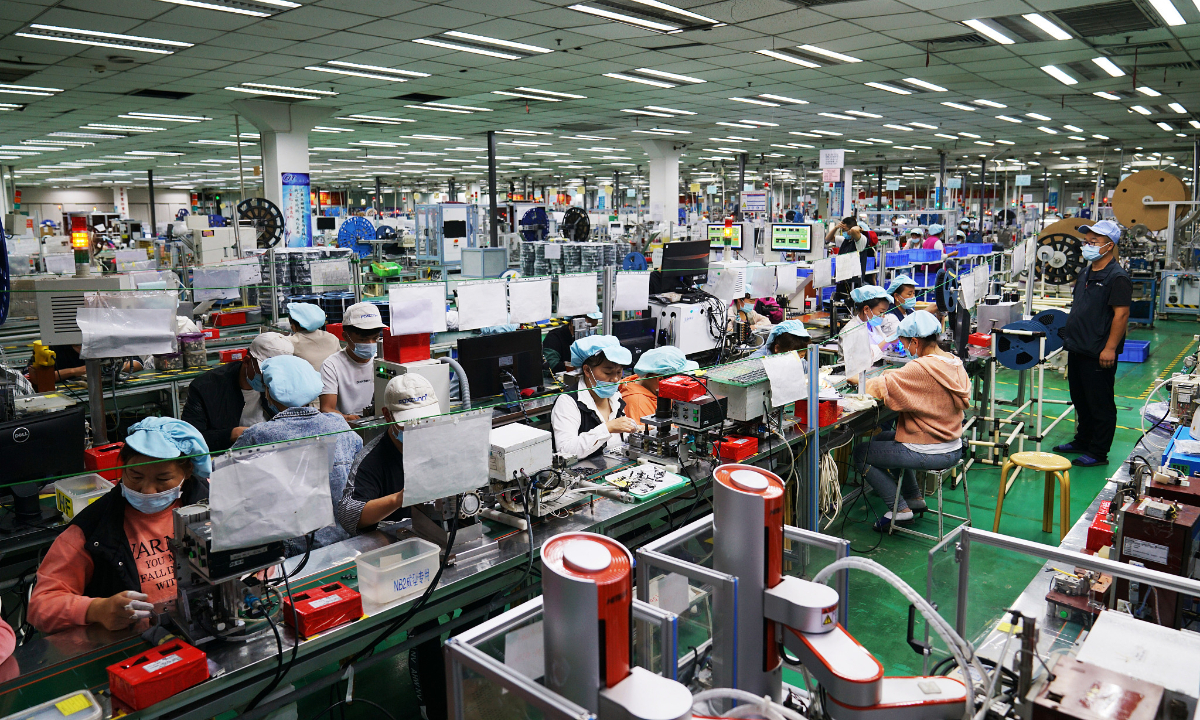
  • Foxconn workers earn more building the Mate 60 Pro than the iPhone 15 line

    Foxconn workers earn more building the Mate 60 Pro than the iPhone 15 line

    The Huawei Mate 60 Pro is getting a serious look from U.S. government officials who are trying to figure out how Huawei and SMIC (China’s largest foundry) created 7nm Kirin 9000S 5G chipsets in the face of U.S. sanctions. Huawei is not allowed to be shipped any cutting-edge chips made by any chip foundry that uses American technology to produce chips.

    As a result, Huawei’s flagship Mate 50 series and P60 series used Qualcomm’s Snapdragon 8+ Gen 1 application processor after the company obtained a license to import the components. However, Qualcomm was forced to tweak these chips so that they would not work with 5G networks. But out of nowhere, the Mate 60 Pro uses chips produced by SMIC using its second-gen 7nm process node and these chips support 5G.

    The other phone under intense scrutiny, but for a different reason, is the iPhone 15. Apple just unveiled the four new models in the series and worldwide phone buyers are taking a hard look at the new handsets to see which models they want to buy. They also want to see the new USB-C port on the devices.

    Interestingly, in China, both the Mate 60 Pro and iPhone are assembled by the same contract manufacturer, Foxconn. And the Foxconn unit that assembles Huawei phones is paying its workers more than the unit that assembles the iPhone.

    Two recruitment agents told SCMP that Foxconn’s FIH division, a subsidiary that used to be known as Foxconn International Holdings, was offering new workers last week 26 yuan an hour ($3.60) to help assemble the Mate 60 Pro at the Foxconn factory in Shenzhen’s Longhua district. Meanwhile, workers helping to assemble the iPhone at Foxconn’s integrated Digital Product Business Group (iDPBG) are making 21 yuan an hour ($2.88), or 19.2% less than those building the Mate 60 Pro.

    A recruitment agent with the surname Xu in Shenzhen said, “The new hires will know what phone they are making after the factory allocates them to different teams based on current demand, but these days they have a higher chance of making handsets for Huawei.” The agent went on to say that those making the iPhone make less than those working for Foxconn’s FIH unit because the iPhone production unit offers more welfare benefits for workers.

    In Zhengzhou, home to the largest iPhone factory in the world, Foxconn is offering workers a peak signing bonus of 6,480 yuan ($888.35). Meanwhile, this year could be one of the toughest launches for the iPhone in China. Not only did the introduction of the Huawei Mate 60 Pro unleash a wave of nationalistic pride in the country, but the CCP banned the iPhone from being used in government offices citing security issues with the phone.

    Just the other day, reliable analyst Ming-Chi Kuo pointed out that Apple doesn’t market the iPhone to those working in government offices and stated that people in China who buy Huawei phones do not buy the iPhone. As a result, he didn’t change his estimate of iPhone shipments for the rest of this year.

  • Electronic retailer Mobile World grows revenues in Indonesia

    Electronic retailer Mobile World grows revenues in Indonesia

    Erablue, the electronics retail chain of The Gioi Di Dong (Mobile World ) in Indonesia, has increased its monthly sales to VND30 billion from VND17.5 billion (US$0.7 million) in the latter part of 2022.

    With five stores, it reported monthly revenues of VND25 billion ($1.05 million) in the first half of this year.

    The VND5 billion ($0.2 million) per store represents higher sales than in Vietnam, Doan Van Hieu Em, CEO of two of the country’s leading electronics retailers, The Gioi Di Dong and Dien May Xanh, said. The latter also sells home appliances.

    While the amount is only equivalent to 0.5% of that of a Dien May Xanh store, it is enough to achieve positive EBITDA (earnings before interest, tax, depreciation, and amortization), he noted.

    Erablue is a joint venture between The Gioi Di Dong and Erafone Artha Retailindo, a subsidiary of Indonesia’s largest technology product retailer.

    It opened its first store in Jarkata late last year before expanding to Tangerang, an area considered a new economic driver.

    Erablue, which opened its sixth store this month, targets 25 more by the end of this year, halving the plan it made at the beginning of the year.

    Em said it is very hard to find showroom-sized properties in Indonesia, and the joint venture has to rent five to seven adjacent buildings and turn them into a big enough place for an Erablue store.

    But the potential of Indonesia’s electronics market is double or even triple that of Vietnam, he added.

    The Vietnamese electronics retailer has determined that sales and after-sales services, especially delivery and installation, will be a strong point of Erablue stores.

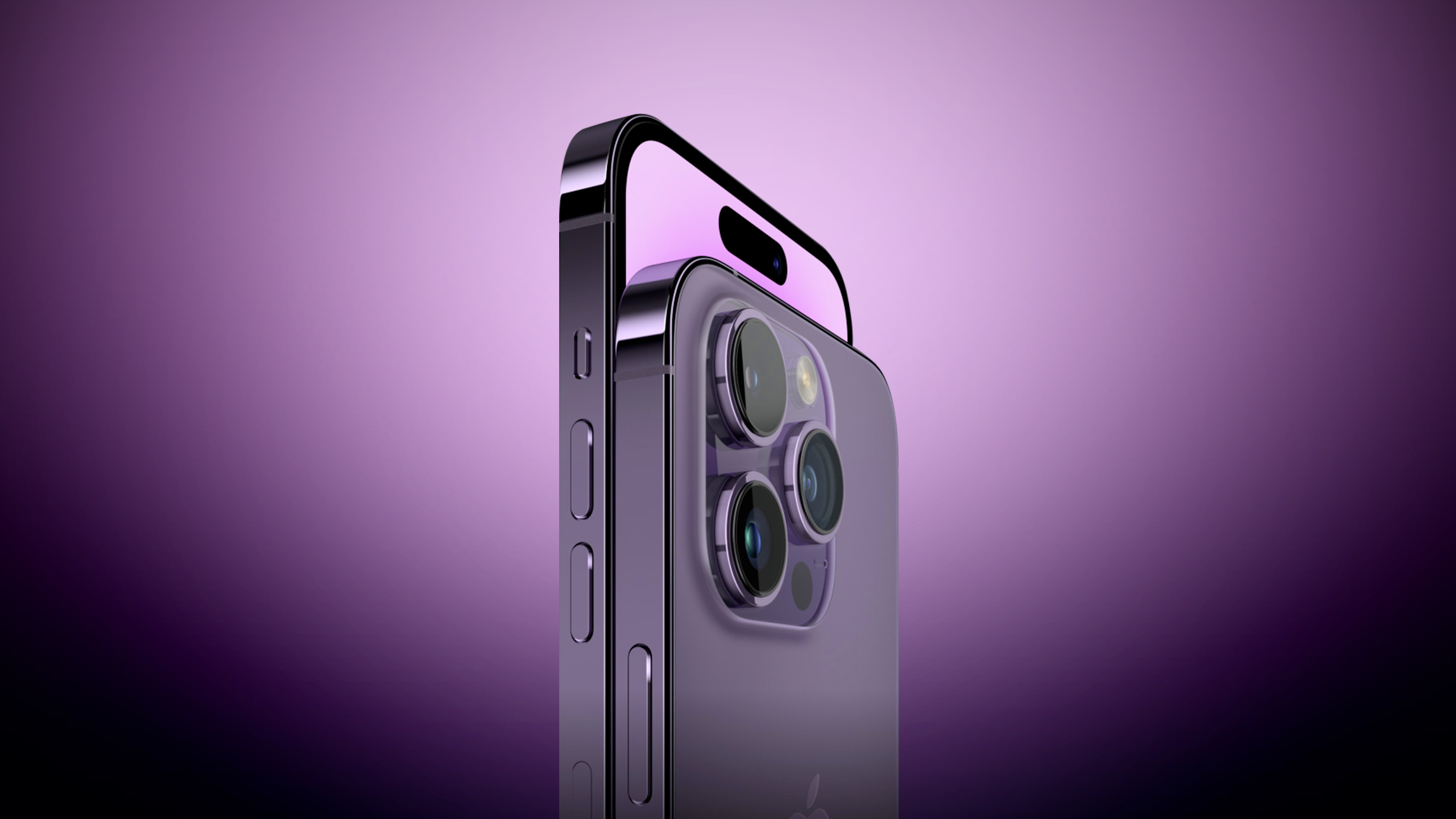
  • iPhone 15 to cost up to $1,950

    iPhone 15 to cost up to $1,950

    The iPhone 15 will be sold in Vietnam from Sep. 29 with the highest-priced model costing VND46.99 million (US$1,950).

    Apple Store Online Vietnam and other authorized resellers listed the prices of four models soon after U.S. tech giant Apple unveiled its latest smartphones early Wednesday.

    The lineup includes iPhone 15, 15 Plus, 15 Pro, and 15 Pro Max, and they range from VND22.99 million (iPhone 15 with 128 GB of storage) to VND46.99 million (Pro Max, 1 TB).

    For the first time Vietnamese can buy an iPhone the same month it is released. In the past they had to wait for one or two months before the phone made its official way into the country.

    Preorders start on Sep. 22 and first deliveries will be on Sep. 29.

    Apple Store Online buyers can only preorder a maximum of two per model.

    The fact that Apple has started early sales in Vietnam shows that it considers the country a key market, Doan Viet Dung, a media representative at electronics retail chain ShopDunk, said.

    “We predict that the iPhone 15 Pro Max will lead in sales like in previous years.”

    FPT Shop expects sales to exceed that of the previous model, the iPhone 14, by 20%.

    Retailers plan to offer promotions and discounts to compete with the official Apple store.

    Hoang Ha Mobile and Di Dong Viet plan to sell the phones at VND500,000-1.5 million lower than the Apple Store prices.

    The iPhone 15 is made of titanium, not aluminum and steel like previous models. It also has a USB-C connection instead of the traditional Lightning port.

  • The EU will decide whether Apple will have to support RCS messaging

    The EU will decide whether Apple will have to support RCS messaging

    Thanks to the EU, the iPhone 15 series will have a USB-C port instead of the proprietary Lightning port. The EU’s Digital Markets Act (DMA), passed by its 27 member countries, might force Apple to allow developers to promote third-party in-app payment platforms that would allow developers to avoid the 15% to 30% cut of in-app transactions that Apple keeps.

    Apple will soon hear about another change that the DMA might force on it. Depending on whether the EU says that Apple’s iMessage platform is a “gatekeeper” or not, Apple could be forced to add support for Rich Communication Service (RCS). The latter is the platform used by Google’s Android messaging app and Google has been trying to get Apple to add iOS support for it.

    What is interesting is that RCS gives Android users many of the same features that iMessage gives iOS users such as end-to-end encryption, support for longer texts, high-quality images and videos, read receipts, typing indicators, and more. And here’s the thing. Like with iMessage, all of the extra goodies we just listed go away if an iOS user joins a group chat of Android users. Since Apple believes that iMessage is a unique feature that attracts iPhone buyers, Apple wants nothing to do with adding support for RCS.

    However, the features found on iMessage that you won’t get on RCS, such as Animojis, Memojis, and the capability of sending handwritten notes really shouldn’t be enough to make a consumer choose an iPhone over an Android device. And RCS has features that are unique too, such as suggested replies and the capability to share your location with family and friends.

    But let’s get back to the issue at hand. Per BGR, If the EU says that iMessage is a gatekeeper, Apple will be forced to support rival messaging platforms such as RCS. A company is considered a gatekeeper in the EU if had an average turnover of at least €7.5 billion in the last three financial years, or had a fair market value of at least €75 billion in the last financial year.

    A gatekeeper also has to operate in at least three Member States, and help over “45 million monthly active users and more than 10,000 yearly active business users in the EU during the last three years on a number of core platform services, such as search engines, social networking services, and operating systems.” Apple is arguing that it doesn’t have the 45 million iMessage users in the EU required to be a gatekeeper.

    Under the DMA definitions, the EU said back in July that seven tech firms qualify as gatekeepers including Apple, Google, Amazon, Meta, Microsoft, Samsung, and ByteDance. Booking.com said that it will join the group next year. Tomorrow, September 6th, the EU will announce exactly which firms are gatekeepers and will also list services, like iMessage, that are gatekeepers. So even though Apple is a gatekeeper in the eyes of the DMA, iMessages might not be. And this is important.

    Apple argues that iMessage, by itself, is not big enough to be a gatekeeper. Apple is hoping that the EU agrees in which case, Apple will not have to add support for RCS in the EU. If iMessage is considered a gatekeeper, Apple will have until March 24th to support RCS in the economic union.

    Unlike changing the iPhone’s port from Lightning to USB-C, which Apple is doing worldwide, the company would probably decide to offer RCS support, if forced to do so, only in the 27 EU member countries. The same thing would probably happen if Apple is forced to support third-party app stores and sideloading.

    So don’t forget to check back tomorrow to see if we have any news about whether the EU considers iMessage a gateway. For Tim Cook, it could be a sleepless night.

  • Electronics retailers bank on iPhone 15 to boost sales

    Electronics retailers bank on iPhone 15 to boost sales

    Electronics retailers are hoping that the iPhone 15, which is set to be launched in a week, will help stimulate demand amid a challenging year.

    As the smartphone market in Vietnam saw sales plunging 25% year-on-year in the first six months, major retail chains are preparing to compensate for the drop with the iPhone 15, which Apple will introduce on Sept. 12.

    “The market really needs a boost this year, and that is why we hope the new iPhone will help stimulate spending,” said Nguyen Lac Huy, a representative of retail chain CellphoneS.

    A representative of a different chain, who asked not be identified, said that smartphone sales in the last quarter often accounted for 30-40% of the year’s total and therefore there was a lot of expectation for sales to surge in the last three months.

    Some chains said that they had completed 80% of the preparation work needed for the iPhone launch. Their sales and media team are now only waiting for Apple to reveal its product.

    Last year, iPhone 14 made a new record in Vietnam with 55,000 units sold on the first day, equivalent to revenue of VND1.5 trillion ($62.27 million). The iPhone 14 Pro Max accounted for 80% of the sale.

    However, retailers do not expect the iPhone 15 to exceed its predecessor in sales this year.

    There will likely be less people willing to pay up to VND30 million for a smartphone this year due to tightened spending, said Nguyen Van Cong, a seller of Apple products with many years of experience in the industry.

    Retailers already had to lower the price of the iPhone 14 early this year due to falling demand, he added.

    The establishment of Apple Store Online in Vietnam also allows customers to make orders directly from Apple and retailers will have to compete in terms of prices and promotions.

    FPT Shop, however, is confident that the new iPhone will help improve the financial figures of the chain.

    “We expect the number of units sold will slightly exceed that of last year as we do not have any supply issues and our prices are better than Apple Store Online.”

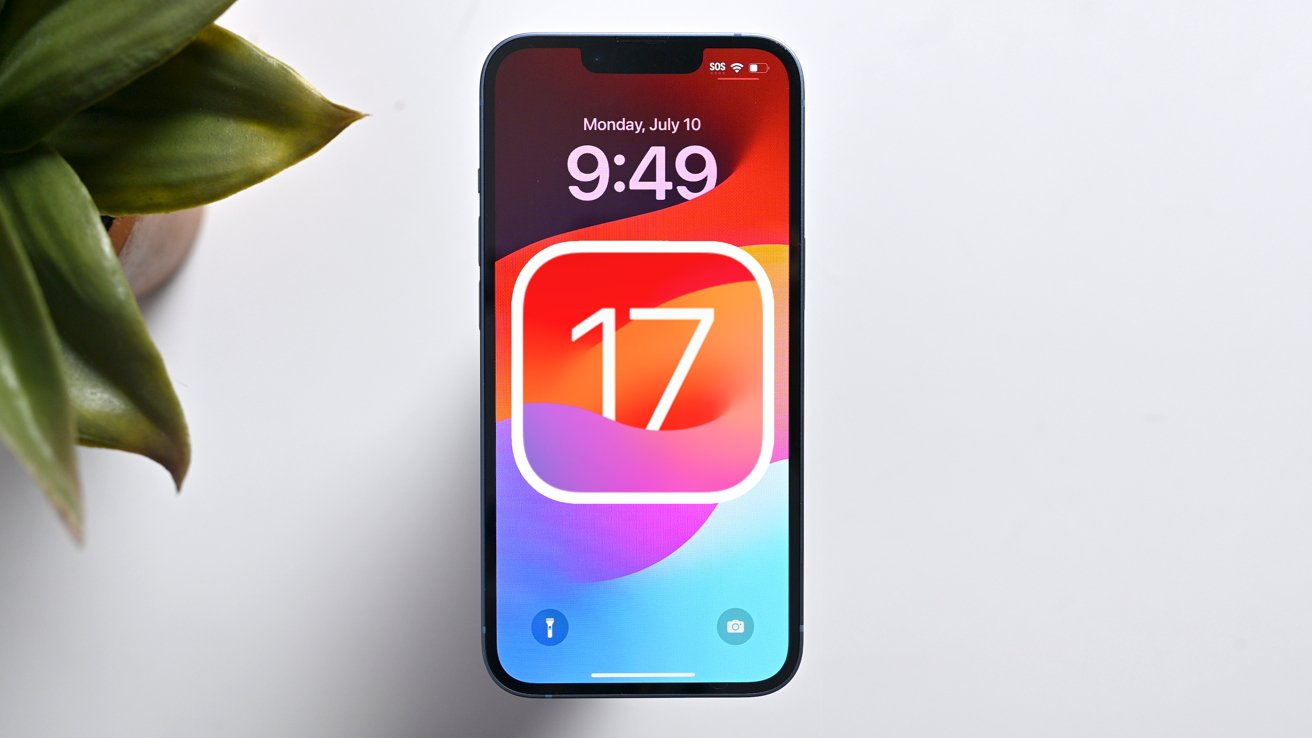
  • Report says to expect iOS 17 and iPadOS 17 to be released together unlike last year

    Report says to expect iOS 17 and iPadOS 17 to be released together unlike last year

    Writing about tech is like having a large family. There are so many dates to remember. But instead of remembering the birthdate of that weird Aunt with the three nostrils and the wedding anniversary of the Uncle who won’t say any word beginning with the letter “T,” you have to remember that Apple will introduce the new iPhone 15 line on September 12th and Google will unveil the Pixel 8 series on October 4th.

    Apple is doing its part to make life a little easier for us writers this year by setting up its release schedule to allow for the simultaneous release of iOS 17 and iPadOS 17. Last year, iOS 16 was dropped by Apple on September 12, five days after the introduction of the iPhone 14 line. The release of iPadOS 16 didn’t take place until October 24th. The delay was caused by changes Apple needed to make to its multitasking Stage Manager apps and Windows organizer.

    Gurman writes that he has been told that the recently released eighth beta of iOS will be considered by Apple to be the final beta test before the release of the final public version unless something unexpected shows up. So if you are interested in being the first in your family with an iPhone that runs iOS 17, or if you want to impress your friends by telling them about new features like StandBy Mode (which essentially turns the iPhone into a smart display when it is charged in landscape orientation) now might be the most low-risk time to install the iOS 17 beta.

    To join the beta, direct your browser to beta.apple.com or click on this link. Tap on the name of the software release you’re interested in installing (for example, iOS 17) and follow the directions.

    Other features coming to iOS 17 include the ability to create a personalized Contact Poster which is what another iPhone user sees when you call them. An exciting feature will allow you to send a call to voicemail and read the transcript of the message being left in real-time. If you want to take the call after all, you can cut in and start talking to the caller.

    And if you have helicopter parents, a new iOS 17 feature will alert your Mom, Dad, other family members, and friends when you arrive at your destination. Of course, all of them must have an iPhone that is running iOS 17.

    If you don’t want to risk loading a beta on your daily driver, you might as well wait it out; the release of iOS 17 and iPadOS 17 is just days away.

  • Intel gets confidence boost from anonymous customer pre-paying for 18A production

    Intel gets confidence boost from anonymous customer pre-paying for 18A production

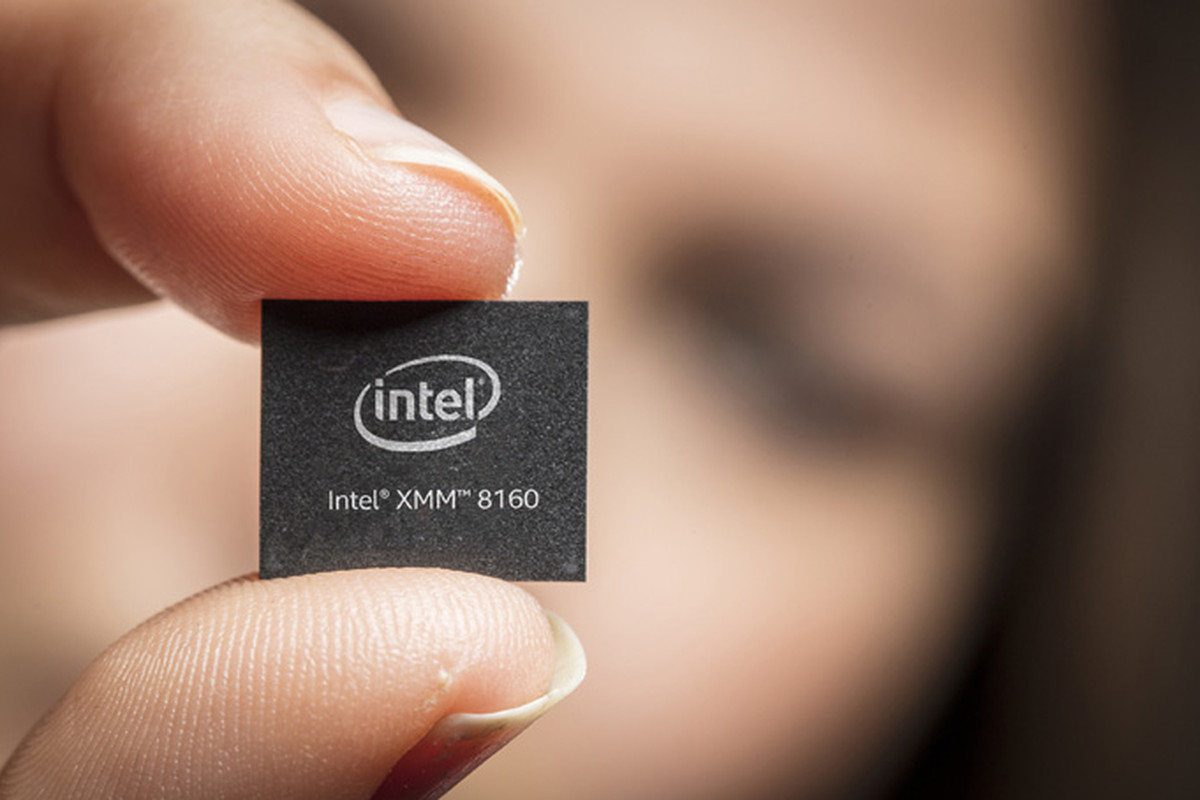
    Last week, Intel CEO Pat Gelsinger reiterated his goal for Intel to take foundry leadership from TSMC by 2025. The executive said, “We’re 2.5 years into the transformation. Now, it’s gone the way I would have expected at the time in terms of rebuilding the company. You have to be much less skeptical about our ability to pull this off.” Intel not only had to watch as TSMC took its foundry leadership away, but it also saw TSMC’s largest customer, Apple, replace its Intel chips with M-series chips built by TSMC.
    During last week’s Deutsche Bank conference, Gelsinger stated that the 18A node will return process leadership to Intel. That node would be considered 1.8nm while TSMC and Samsung would be shipping at 2nm during the same time. The CEO also let it be known that Intel has received a large prepayment from a customer for Intel’s 18A capacity. This gives Intel the confidence to believe it is on the right track and will lead the company to speed up the build-out of 18A fabs.
    In the long term, Intel sees the contract foundry business as its biggest opportunity. One interesting comment made by Gelsinger is that Intel knows TSMC’s wafer costs, ASPs, and targets. With this knowledge, he says that Intel wants lower costs than TSMC to win business from the global foundry leader. He says that Intel is trying to get its internal cost structure in line with TSMC. To this end, Intel will study its metrics such as headcount per wafer start, and use more AI/Machine Learning to improve efficiency.
    Intel is still relying on TSMC to build parts of its next-generation ‘Meteor Lake’ chips. While Intel will use its Intel 4 node (7nm) to build the chip’s CPU tile, the GPU tile will use TSMC’s 5nm node. The chip’s SoC tile, an ultra-low-power tile that supports media, imaging, display, and the connection to memory, will be built on TSMC’s 6nm node as will the chip’s I/O Extender tile.
    As Tech journalist Leo Waldock notes in a post on X, “All that could be correct yet it still seems weird to me that Intel is buying tiles from TSMC for its own products while touting foundry services to 3rd parties. Eat your own dog food, no?”
    Will Intel make TSMC and Samsung Foundry squirm? Will Apple stay loyal to TSMC? Will geopolitical rumblings make TSMC customers worried enough to bring their business to another foundry? These are questions that we will have to wait to answer.
  • Wear OS 4 now rolling out to the Galaxy Watch 5 series while Pixel Watch users continue to wait

    Wear OS 4 now rolling out to the Galaxy Watch 5 series while Pixel Watch users continue to wait

    Google’s highly-anticipated Wear OS 4 update, unveiled in back in May, is now making its way to yet another one of Samsung’s smartwatches. While it was originally released with the launch of the Galaxy Watch 6, it is now also headed to the Galaxy Watch 5 and Watch 5 Pro.

    The update is rolling out in the U.S. and can be identified by the build number ending in BWH3. The Wear OS update for the Galaxy Watch 5 is based on Android 13, just like it was when it originally rolled out to the Galaxy Watch 6.

    Wear OS 4, or “One UI 5 Watch” as named by Samsung, brings a range of exciting features. Samsung’s enhancements include improved controls for connected Galaxy Buds, making it easier to manage audio devices. A handy widget also displays battery levels across all connected devices, simplifying device management. Several Samsung Health upgrades also support users in their pursuit of a healthier lifestyle.

    However, the standout feature of this update is the ability to pair your watch with a different phone without having to reset the smartwatch entirely. This flexibility is a game-changer for users who want to switch devices while keeping their settings and data intact.

    Meanwhile, users of Google’s first-generation smart watch, the Pixel Watch, are still waiting for Wear OS 4 to become available on their devices. There were reports last month that Google was readying a beta program for the Pixel Watch and Wear OS 4, according to some leaked info, however no further info has surfaced on this. At this rate, we expect Wear OS 4 for the Pixel Watch to be unveiled with the second-gen Pixel Watch 2 possibly in October.

    This means that by the time the Pixel Watch gets to enjoy the benefits of the update, Samsung Galaxy watches such as the Watch 6, Watch 5, Watch 5 Pro — and Watch 4 and 4 Classic, which are also on the list to get this update in the future — will have benefitted from the update for over four months. So much for Pixel devices getting software updates first.

  • Apple announces the date for iPhone 15 ‘Wonderlust’ event

    Apple announces the date for iPhone 15 ‘Wonderlust’ event

    Apple has now confirmed that its next event for 2023, where it will apparently announce its new smartphone lineup, the iPhone 15, and new watches, will take place next month.

    The company’s website says that the event will take place on September 12 at Apple Park and will begin at 10 a.m. PT. It will be live-streamed on apple.com as well as the Apple TV app.

    The Pros will also likely feature a new 3nm chipset, which should make them faster and more power-efficient than the current models. The iPhone 15 Pro Max may feature a new periscope camera for a greater zooming range and this could make it the best camera phone of 2023.

    The iPhone 15 and 15 Plus will purportedly feature the Dynamic Island and a 48MP main camera.

    The entire lineup will likely have USB-C ports, slimmer bezels, softer corners, and bigger camera bumps. The standard models will probably stick to last year’s pricing but the premium variants could be up to $200 more expensive.

    The phones will reportedly hit the shelves on September 22.

    Coming to the watches, we will probably also get to see the Watch Series 9 and the second Watch Ultra during the Apple 2023 event. The new wearables are sounding like incremental upgrades and the most interesting new feature is seemingly a new chip.

  • Android’s emergency satellite service could work in over 150 countries

    Android’s emergency satellite service could work in over 150 countries

    By a show of hands, let’s see how many of you think that the iPhone was the first smartphone offering emergency services via satellite connectivity. Wow, it’s going to be interesting to tell all of you with your hands up that you’re wrong. Actually, Huawei’s Mate 50 series introduced its version of this feature one day before Apple did. And now there is talk that Huawei’s Mate 60 line, due out later this year, will offer voice and image transmissions by satellite.

    With iOS and Harmony ahead of the pack, Google is supposed to dip its toes in the satellite water with the release of Android 14. One rumor last month said that the release of Android 14 was going to bring satellite connectivity to Pixel and Galaxy handsets at first. The rumor said that the Android 14 update will add the necessary software while phone manufacturers will have to deal with the hardware requirements.

    The Team Pixel FanClub, while not affiliated with Google, said that Pixel and Galaxy models will be the first Android devices to sport the necessary hardware required for satellite connectivity to work. And on Sunday, Neïl Rahmouni, who was nominated as a Top Google Developer Online Contributor in June, posted on X that it “Looks like Google Messages may use Garmin Response for the Satellite Emergency SOS. If true it could mean that Emergency Satellite messages would be available in 150+ countries.”
    This would instantly top Apple’s Satellite connectivity service which is available in only a handful of countries at the moment. Not that it hasn’t proven its worth as Apple’s Emergency SOS via Satellite has already saved numerous lives.
    Despite having his name all over the X message proclaiming that Garmin’s service might be used by Google Messages for its satellite connectivity feature, Rahmouni believes that we shouldn’t assume that the Google-Garmin tie-up is happening until Google makes the official announcement. At this point, we don’t know when the feature is expected to launch and more importantly, which Android devices will support it.
  • Apple iPhone users can move Chrome’s URL address bar to the bottom of the screen

    Apple iPhone users can move Chrome’s URL address bar to the bottom of the screen

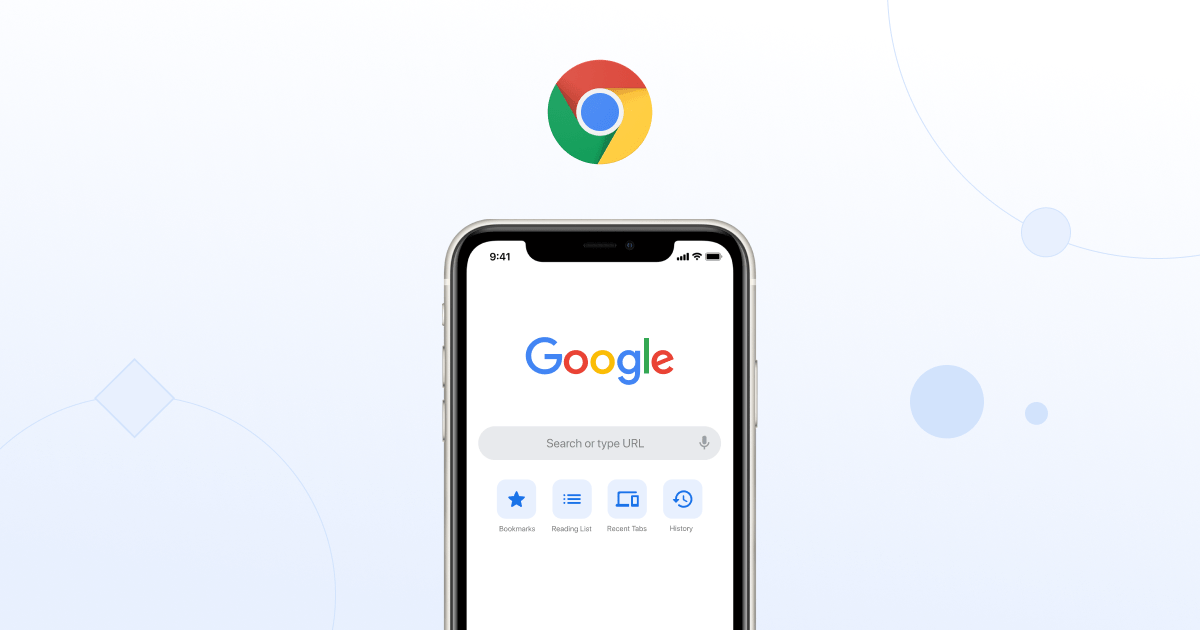
    Google is about to offer iPhone users the option to move the URL address bar (also known as the Omnibox) on Chrome to the bottom of the screen. Currently available only to iPhone users who enable a flag, a future update should allow all iOS users to move the bar on Chrome. By moving the URL address bar near the bottom of the display, users can more easily navigate the browser using one hand.
    If you want to move the Omnibox on the iOS version of Chrome to the bottom of the display, here is what you do. Open the Chrome app on your iPhone. From the URL field (AKA Omnibox) enter  chrome://flags. When the next page opens, in the rectangular search bar type in bottom-omnibox-steady-state. That should take you directly to the correct flag. Press the pill-shaped button that says “Default.”  Tap on “Enable,” close Chrome and re-open it.
    Once you’re back in Chrome, tap the three-line Hamburger icon in the lower right corner and then tap Settings (the gear icon) at the top of the screen. You’ll see a menu; scroll down to the listing Bottom Omnibox and toggle it on. And that is it. Your URL address bar, AKA your Omnibox, will now be on the bottom of the screen whenever you use Chrome on your iPhone.
    You might recall that when iOS 15 was in beta, Apple moved the URL address bar to the bottom of the screen on the Safari mobile browser. This created an uproar among iPhone fans who, while loyal, aren’t known for their flexibility. Those complaining said that moving the bar to the bottom of the screen made Reader Mode and the refresh button hard to find. So in iOS 15 Public Beta 4, Apple did away with the changes to Safari. However, Safari users on iPhone now have the choice between placing the mobile browser’s Unibox at the top or the bottom of the display.
    To make your selection, go to Settings > Safari and scroll down to the Tabs heading. You can choose between having the URL address bar/Omnibox at the top of the screen, or at the bottom. Remember, having it at the bottom might make it easier to use the browser one-handed.
  • Apple may sell iPhone 15 in Vietnam next month

    Apple may sell iPhone 15 in Vietnam next month

    Apple may sell its new iPhone 15 in Vietnam in September, a month earlier than last year as the company considers adjusting the country’s “priority level” from 3 to 2.

    According to a local electronics retail chain, Apple is considering adjusting the priority level of the Vietnamese market from three to two.

    Priority level two means Vietnam retailers could be authorized to sell the new iPhone 15 in its second phase of release.

    Last year, iPhone 14 was launched on September 7 and sold from September 16 in markets with Apple Store shops. The second phase started on September 23 in 20 countries and territories. The product was officially distributed in Vietnam from October 14, the release’s third phase.

    “The final decision has not been made, but it is a remarkable signal that Apple is more interested in Vietnam and iPhone 15 may be sold a few weeks earlier than previous years,” said the chain’s manager.

    The launch date of the iPhone 15 is likely to be announced on September 13 and the new model will be on sale from September 22. These timelines are about one week later than the iPhone 14’s schedule last year, but the sale to second-tier priority markets could still be as early as September.

    Some electronics retail chains said that although Apple wants to raise the Vietnamese market’s priority level, thin iPhone 15 supplies could push the release of the model past its expected date in early October.

    Vietnam does not have an Apple Store like neighboring countries Singapore and Thailand. However, in recent years, the growth of the iPhone’s presence in Vietnam has been significantly faster than in some international markets.

    Vietnam was the sixth country in Southeast Asia to open an Apple Store Online in May, and just two months later became the third country in the region to have Apple Pay.

    According to analysts, Vietnam, Thailand, Indonesia and India are becoming more important to Apple as growth in other key regions is slowing.

    “Apple is further consolidating its presence in emerging markets,” Chiew Le Xuan, an analyst at Singapore-based technology market analyst firm Canalys, said when Apple opened its online store in Vietnam on May 18.

    “In recent months, Apple has also increased their distribution and network of Apple authorized resellers (AARs) in Southeast Asia,” he said.

    During the coming September launch ceremony, in addition to the iPhone 15 series with four models, the Watch Series 9 and Watch Ultra 2 models are likely to be released. New operating system versions such as iOS 17 and PadOS17 will also be officially released.

  • Apple releases watchOS 9.6.1 with a big medical fix

    Apple releases watchOS 9.6.1 with a big medical fix

    Apple today released an update to watchOS 9.6.1 which is available for the Apple Watch Series 4 and later. That model was released on September 21st, 2018. This means that those with the Series 4 Apple Watch running through the Series 8, the two Apple Watch SE models, and the Apple Watch Ultra, will be able to download and install the update which is the first for the device since watchOS 9.6 was released on July 24th of this year.
    Next month, Apple will release watchOS 10, including a new widget-based UI for compatible Apple Watch models. Obviously a minor update, Apple says that watchOS 9.6.1 update “includes a fix for an issue that prevents access to motion data for apps that use the Movement Disorder API to track tremors and symptoms associated with Parkinson’s Disease.
    For example, H20 Therapeutics offers an app for the Apple Watch that tracks tremors and dyskinesia for Parkinson’s patients between visits to the doctor. This is accomplished by allowing the app to tap into Apple’s movement disorder API and the device’s inertial sensors.

    Dyskinesia is the involuntary movements that affect people with Parkinson’s disease. In 94% of cases, the smartwatch app was able to capture changes to the symptoms of a Parkinson’s patient that matched the expectations of the clinicians based on the patient’s current treatment. The clinicians look at the data for the remaining 6% of Parkinson’s patients to come up with a strategy to improve their treatment.

    Before the update was released, Parkinson’s apps could not access the Movement Disorder API preventing them from giving doctors information about whether their treatment plan was working for a specific patient wearing an Apple Watch. H20’s app, called Parky, captures 288 data points from Parkinson’s patients every day assuming that the watch is worn continuously. A color-based UI uses green to show that the patient has fewer symptoms.
    To update your Apple Watch, make sure your timepiece is on its charger and is within range of your iPhone connected to a Wi-Fi signal. Once the Apple Watch is charged to at least 50%, the installation process will commence. Do not restart or remove the Apple Watch from the charger until the update is complete.
  • Samsung tax refund delayed for two years in HCMC

    Samsung tax refund delayed for two years in HCMC

    A Samsung subsidiary based in Ho Chi Minh City has not received a VAT refund of US$44 million for two years due to red tape.

    Samsung Electronics HCMC CE Complex (SEHC), which exports around 90% of its products, formally became an export-processing company in May 2021, making it eligible for value-added tax incentives.

    But the VAT refund for before and after the transition it was supposed to receive never arrived, Youn Chel Woon, its CEO, said at a meeting between South Korean companies and HCMC authorities Wednesday.

    Vietnam offers a number of tax incentives to foreign enterprises and exporters, including VAT breaks.

    SEHC became eligible for a refund of $24 million from the time before it became an export-processing enterprise, and $20 million from the period between June 2021 and December 2022.

    The city tax department has been examining the situation since July and recently submitted a report to the General Department of Taxation.

    Woon urged city authorities to be more proactive in refunding taxes, saying some of his company’s suppliers are also having difficulty getting tax refunds promised by the government.

    Another South Korean firm, CJ Foods Vietnam, has not received tax refunds for lacking the title deeds for the land on which its factory is built.

    It was supposed to receive the documents in 2019.

    Issues with tax refunds are among the main problems South Korean companies face in Vietnam, Choi Bundo, chairman of the Korea Chamber of Business in Vietnam, said.

    “Resolving tax refund problems is taking longer and longer. We seek a solution from the authorities.”

    Nguyen Tien Dung, deputy head of the city tax department, referring to the SEHC case, said the reason for the delay is that the Ministry of Finance is yet to decide whether the refund would be made by the tax or customs department.

    As for the CJ Foods delay, he said some changes are occurring at the Hiep Phuoc Industrial Park where the company has its factory, and once they are complete it would receive the title deeds.

    The city government has instructed relevant authorities to resolve this issue by September this year, he added.

    South Korea is the fourth biggest investor in HCMC with $5.5 billion in 2,135 projects.

  • iPhone 14 Pro Max price down 24%

    iPhone 14 Pro Max price down 24%

    After 10 months of being sold in Vietnam, iPhone 14 Pro Max has seen its selling price fall by 24% to VND25.7 million (US$1,089).

    In early August, some Apple authorized resellers (AARs) in Vietnam lowered the price of iPhone 14 Pro Max to less than VND26 million, the lowest since its launch in October 2022.

    Di Dong Viet is selling iPhone 14 Pro Max for VND25.7 million, Hoang Ha Mobile for VND25.9 million, CellphoneS and FPT Shop for VND26.4 million, and The Gioi Di Dong (Mobile World) for VND26.7 million.

    The current price of iPhone 14 Pro Max at AARs is some VND5 million lower than the smartphone sold at Apple Store Online Vietnam.

    Phung Phuong, a manager of Di Dong Viet, said the price decline stemmed from both Apple’s assistance given to AARs and their own efforts.

    Besides iPhone 14 Pro Max, other models of Apple have seen selling prices drop by VND300,000-500,000 per unit. The prices of iPhone 14, iPhone 14 Plus, and iPhone 14 Pro currently are at least VND18.5 million, VND21 million and VND23.6 million, respectively.

    The manager of a big AAR said the prices of iPhone 14 models have decreased the most drastically.

    After 10 months of being sold in Vietnam, the price of iPhone 13 Pro Max declined by 15.7% to VND26.9 million from VND31.9 million.

    The third quarter is always a quiet period for the market as users wait for a new model of iPhone, usually launched in September and sold in October in Vietnam.

    However, this year the price competition has become more intense, forcing AARs to offer big discounts to attract users.

    “This may be the bottom price of iPhone 14 Pro Max, and the price race is showing signs of ending,” a manager of Hoang Ha Mobile said.

    In addition to smartphones, AARs have lowered selling prices of other Apple products by VND0.5-1 million per unit to lure customers before the new school year starts in September.

    This year, AARs in Vietnam not only compete with each other but also with Apple when its online store is offering students many incentives and promotions.