Retail News CRM

Category: Electronics

Retail News Asia is committed to providing both local and global retailers with the latest Electronics news throughout the Asian market. This on a daily base.

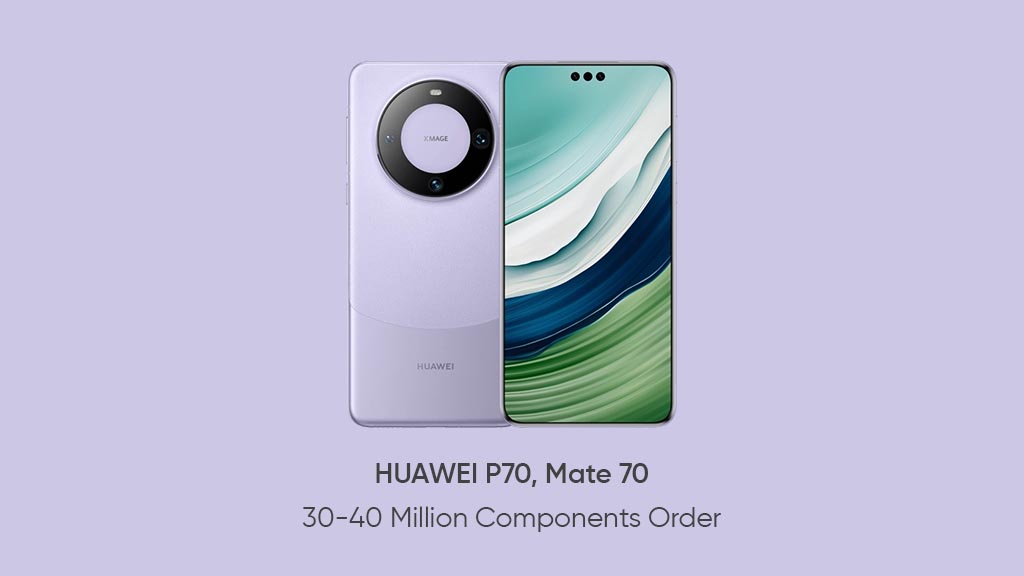
  • Huawei to take on iPhone 16 line in China with the Mate 70 series this coming September

    Huawei to take on iPhone 16 line in China with the Mate 70 series this coming September

    Huawei shocked everyone last August when it announced the Mate 60 series, powered by the first 5G Kirin chipset in over three years. The component was produced by China’s largest foundry, SMIC, using its dated 7nm process node. Chinese consumers took the announcement as a sign that somehow Huawei and SMIC were able to defeat the sanctions placed on Huawei by the U.S. and this nationalism helped Huawei sell 30 million units of the series.

    The Mate 70 series will be released next September, timed to go up head-to-head with the iPhone 16 line, at least in China. Back in October, the iPhone 15 Pro Max was the best-selling smartphone in China with a 5% share of the market compared with the 4% share earned by the Mate 60 Pro and the iPhone 15 Pro. For the entire fourth quarter of 2023, Apple owned a leading 20.2% of the Chinese smartphone market while Huawei was third at 15.2% following a 71.1% year-over-year hike thanks to the Mate 60 series.

    For the whole year, Apple led with 17.3% of smartphone sales in the world’s top smartphone-buying country. Former Huawei sub-brand Honor was second with a 17.1% share. Huawei was not in the top five. Weibo blogger @SmartPikachu says that the Mate 70 line could be the most powerful handset series in the market later this year. That seems impossible unless Huawei is able to get access to cutting-edge application processors built using a 3nm process node. Currently, SMIC isn’t able to produce chips with a node under 7nm.

    Lower process nodes mean smaller transistors, meaning more can fit inside a chip. The higher a chip’s transistor count, the more powerful and/or energy-efficient a chip is. We could see a new Kirin chip power the Mate 70 line, but with SMIC unable to buy an extreme ultraviolet lithography machine from ASML, breaking the 7nm barrier will be extremely difficult for SMIC and Huawei.

    The next flagship series due from Huawei is the photography-based P70 line. Huawei is also said to be working on the Pocket S2, the second-generation clamshell foldable from the company. As for the Mate 70, @SmartPikachu says that the Mate 70 could sport a quad-curved display. It could also debut 5.5G technology and include a 1-inch type camera sensor, and a display with thinner and more uniform bezels.

  • The iOS stopwatch gets Live Activities support in iOS 17.4

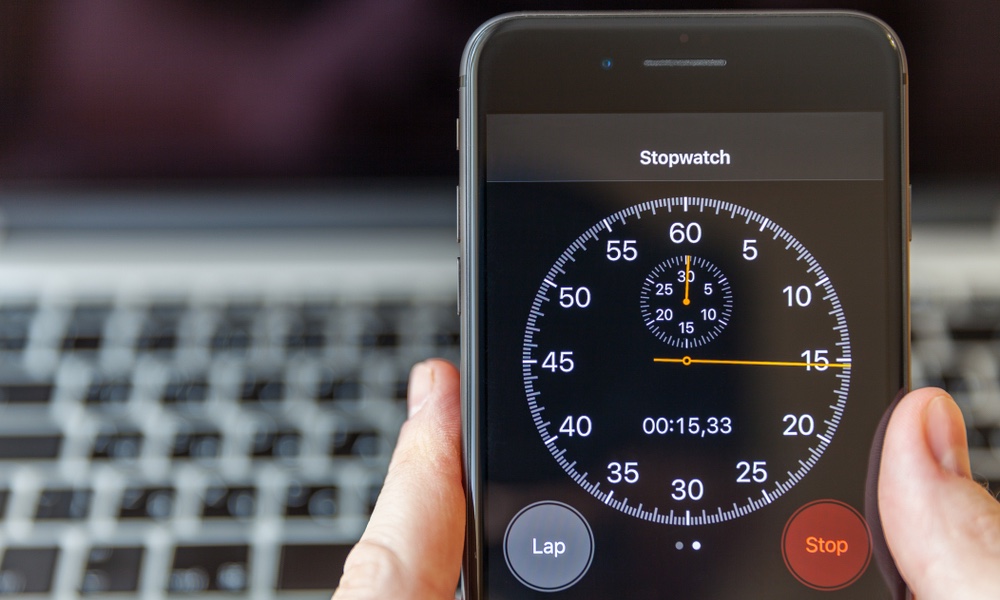
    The iOS stopwatch gets Live Activities support in iOS 17.4

    The iOS 17.4 beta update that was recently released by Apple includes a new feature for the Clock app’s Stopwatch. Once iOS 17.4 is installed on your iPhone, (we expect the update to be released as soon as March 4th), you’ll be able to start the Stopwatch from the clock app and watch it count the seconds, minutes, and hours on the Dynamic Island and the Lock Screen.

    The Dynamic Island will display an up-to-the-second look at the Stopwatch and tapping on it will give the user an option to pause the timer, or start a new lap. The same controls are all available for the Stopwatch on the Lock Screen. After pausing the Stopwatch on the Dynamic Island, you can clear it by tapping on the “X” button. On the Lock Screen, you can clear the Stopwatch by pausing it and swiping it off the screen.

    While timers have worked with Live Activities since the feature was introduced with iOS 16, the Stopwatch could only be viewed in the Clock app. But with iOS 17.4, that is going to change. And with an active Stopwatch running on the iPhone showing up front and center, you will no longer forget that you have one running.

    Because iOS 17.4 will bring major changes to iOS, Safari, and the App Store in the EU thanks to the Digital Markets Act (DMA). The DMA mandates that Apple make these changes by March 8th which is why we expect the update to arrive on Monday, March 4th. As we noted the other day, iOS 17.4 will also add a switch to the Stolen Device Protection feature allowing users to have the feature work everywhere. Currently, users can arrange to have the feature work at unfamiliar locations or they can disable it.

    Stolen Device Protection requests that Face ID and Touch ID verify your identity to complete certain actions. More sensitive tasks, such as changing your iPhone passcode, changing your Apple ID password, resetting Face ID or Touch ID, and disabling the Find My app, require that an hour pass before the requested changes take place. And even then, after an hour, you must verify your identity via Face ID or Touch ID.

  • Apple supplier Goertek to set up $280M Vietnam subsidiary

    Apple supplier Goertek to set up $280M Vietnam subsidiary

    Apple supplier Goertek plans to invest US$280 million to set up a new subsidiary in Vietnam as it seeks to expand in the Southeast Asian market.

    To be based in the northern province of Bac Ninh, it is likely to manufacture headphones, smart watches and virtual reality and augmented reality electronics products, the Chinese company said in a recent filing with the Shenzhen Stock Exchange.

    It hopes to “use local resources in Vietnam to enhance the company’s overall competitiveness.”

    It has been in Vietnam for 10 years with subsidiaries Goertek Vina and Goertek Technology Vina.

    In 2022 the latter reported revenues of $2.5 billion and a net profit of $191 million.

  • Samsung family members sell $2B worth of shares to pay inheritance taxes

    Samsung family members sell $2B worth of shares to pay inheritance taxes

    Family members of Samsung Electronics chairman Jay Y. Lee have sold 2.8 trillion won (US$2.12 billion) worth of shares in the company and its affiliates to pay inheritance taxes.

    The sale of about 29.8 million shares, or a 0.5% stake in Samsung Electronics, was at a discount of 1.2% to 2.0% from Samsung shares’ Wednesday closing price of 73,600 won, citing unnamed investment banking sources.

    Shares in affiliates Samsung C&T, Samsung SDS and Samsung Life Insurance were also offered simultaneously in block deals worth around 644 billion won for the same purpose, the report said.

    The shares were sold by Hong Ra-hee, the widow of late Samsung Group chairman Lee Kun-hee, and her children, including Jay Y. Lee.

    Korea’s top inheritance tax rate of 50% is considerably greater than the OECD’s typical rate of 25% and is second only to Japan’s 55%. It is therefore not uncommon for members of Korea’s chaebol families to sell company shares or secure bank loans using those shares as collateral to cover their inheritance tax obligations.

  • Newest version of Fitbit on Android allows you to manually log your body temperature

    Newest version of Fitbit on Android allows you to manually log your body temperature

    Fitbit has recently rolled out an update for its Android app, bringing it to version 4.06. This latest update introduces a new feature that enables users to manually record their body temperature readings using their thermometer.

    Users will now be able to tap the floating action button and find a new option for “Temperature” alongside Activity, Sleep, Food, Water, and Weight. The “Body temperature” card under “Health” in the Today feed will take you to a stats page that follows the new design style.

    Additionally, Fitbit has introduced a new feature that allows users to manage their manually logged entries easily. Now, you can specify a precise time for these entries and even delete them if needed. Users will also have the option to completely disable the card by accessing the “Customize Today” toggles page.

    This feature is a recent addition to the revamped Fitbit app. However, it is possible that it might have already been accessible in the previous version of the app if you owned a Fitbit tracker or smartwatch capable of measuring nightly skin temperature variations.

    Google Pixel 8 Pro is equipped with a temperature sensor that will soon be equipped with this functionality to measure body temperature — as soon as the US Food and Drug Administration grants the regulatory approval. Once the feature is available, users will be able to take a reading from the app and effortlessly save it to the Fitbit app. This could be extremely helpful to recognize ahead of time the onset of a possible illness or to track female reproductive health.

    The app can be downloaded or updated on Android from the Google Play Store, while iOS is currently on version 4.08. This latest addition to the Fitbit app is a welcome feature that empowers users to closely track their health and make well-informed decisions regarding their health.

  • Wi-Fi 7 is introduced with five times faster transfer speeds and less interference

    Wi-Fi 7 is introduced with five times faster transfer speeds and less interference

    Earlier this week the Wi-Fi Alliance unveiled Wi-Fi 7 which brings faster transfer speeds and lower latency, a couple of things that will be tailor-made for a device like Apple’s Vision Pro. Let’s take a deeper look at the numbers. The current standard is Wi-Fi 6E which is essentially Wi-Fi 6 with additional support for the 6GHz band. But check out how much faster Wi-Fi 7 will be compared to Wi-Fi 6E.

    While Wi-Fi 6E has a maximum transfer speed of 9Gbps, Wi-Fi 7 supports a maximum transfer speed of up to 46Gbps. That makes Wi-Fi 7 five times faster than current Wi-Fi. In countries where Wi-Fi has access to the 6GHz band, Wi-Fi 7 will double the channel size meaning support for more traffic leading to less interference. 4K QAM means that transmissions carry 20% more bits than they can with the 1024 QAM currently being used with Wi-Fi 6E. In other words, more data can be transmitted at one time.

    Kevin Robinson, president and CEO of Wi-Fi Alliance, said, “The introduction of Wi-Fi CERTIFIED 7 marks the emergence of the latest generation of Wi-Fi and will be an accelerant to mass adoption of Wi-Fi 7. This certification underscores our relentless commitment to delivering cutting-edge technology that redefines the way users experience Wi-Fi, providing faster speeds, improved efficiency, and increased reliability which expand the horizons of what is possible through Wi-Fi.”

    It will take some time before you see smartphones support the new Wi-Fi standard. Haitung Securities analyst Jeff Pu told clients a few months ago that the iPhone 16 Pro and the iPhone 16 Pro Max will be the first Apple devices to work with Wi-Fi 7 in 2024. Those phones should be released this coming September. But as we pointed out earlier, Wi-Fi 7 is perfect for mixed reality devices like the Vision Pro which makes us wonder whether Apple will be able to have its $3,499 spatial computer ready to support Wi-Fi 7 in time for its February 2nd launch.

    Considering that there is speculation that the Samsung Galaxy S24 Ultra will support Wi-Fi 7, we could see Vision Pro do the same.

  • Apple celebrates the New Year in Japan with free gift card promo and engraved AirTag trackers

    Apple celebrates the New Year in Japan with free gift card promo and engraved AirTag trackers

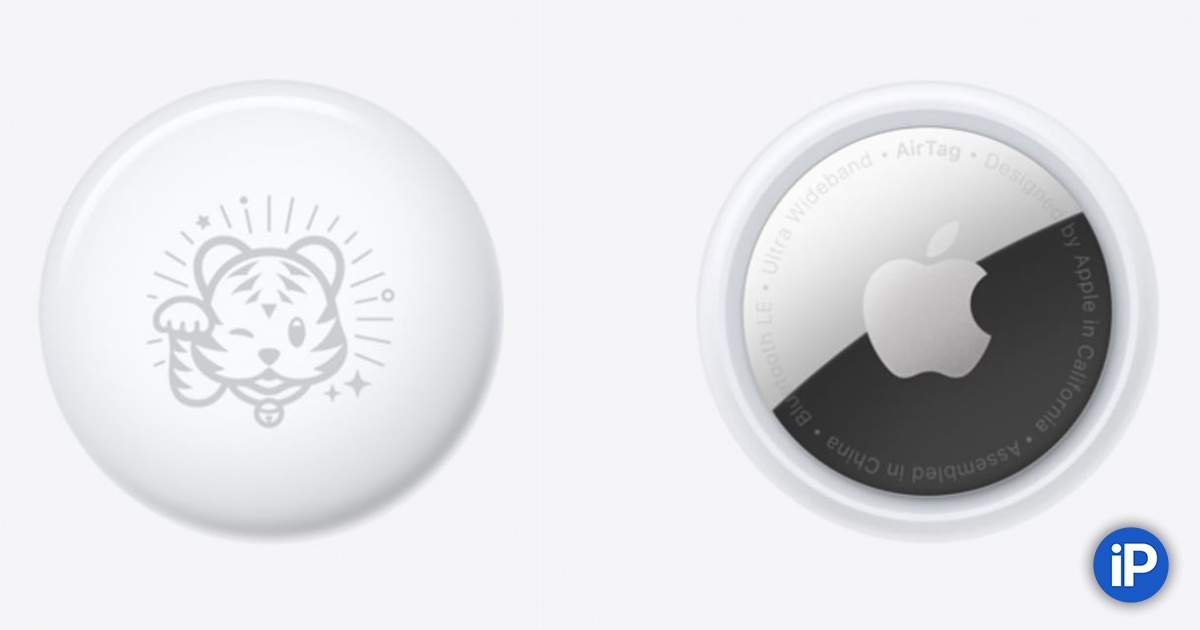
    Apple is currently running a gift card promotion in Japan while also offering a specially engraved AirTag that celebrates the upcoming Year of the Dragon. Celebrating the New Year is always a big deal in the country with businesses shutting down for a few days and some firms, like Apple, offering special promotions on their products. Like it did last year, Apple plans on rewarding purchasers of its devices in Japan with a free gift card. Last year, the value of the gift cards ranged between $30 and $240 depending on the item purchased.

    This year, the length of the New Year promotion in Japan is being doubled to four days from two days previously. The promo will be running in Japan from January 2, 2024, to January 5, 2024. The typical gift card is valued at 11,000 Yen and will be handed out to buyers of the latest third-generation iPhone SE, iPhone 13, and iPhone 14 models. Keep in mind that 11,000 Yen sounds like a huge chunk of cash but converts into $77 US only.

    The first 50,000 AirTag purchasers will get a special “Year of the Dragon” AirTag. If you want one, you’re going to have to visit an Apple Store since buyers using the Apple Store app will not be able to receive a “Year of the Dragon” AirTag item tracker. Last year’s AirTag deal delivered an engraved “Year of the Rabbit” item tracker for the first 30,000 units purchased.

    Apple used to have a cool promotion in Japan during this time of the year called “The Lucky Bag.” The company would stuff a few bags with products and slap a greatly discounted price tag on them. Consumers spent $300 for their bag and didn’t know which one of the four available they would receive. The value of these bags ranged from $640 to $1,280 in the 2015 promotion.

    That year each Lucky Bag had an Apple TV, a special New Year’s edition of the mophie powerstation, a pair of Beats PowerBeats2, an iTunes gift card valued at $8, and an Incase ICON Slim Pack backpack. The most desired bag also featured an 11-inch Apple MacBook Air and other accessories, including a limited edition Power Support Air Jacket. Another bag, believed to be worth $1,070, replaced the MacBook Air with a 16GB Apple iPad Air 2. Another bag worth approximately $814 had a 16GB Apple iPad mini 3 inside while the most widely received bag carried a 16GB Apple iPod touch inside.

  • Nothing OS 2.5 Beta 1 lands on Phone, bringing Android 14 goodies and customization tweaks

    Nothing OS 2.5 Beta 1 lands on Phone, bringing Android 14 goodies and customization tweaks

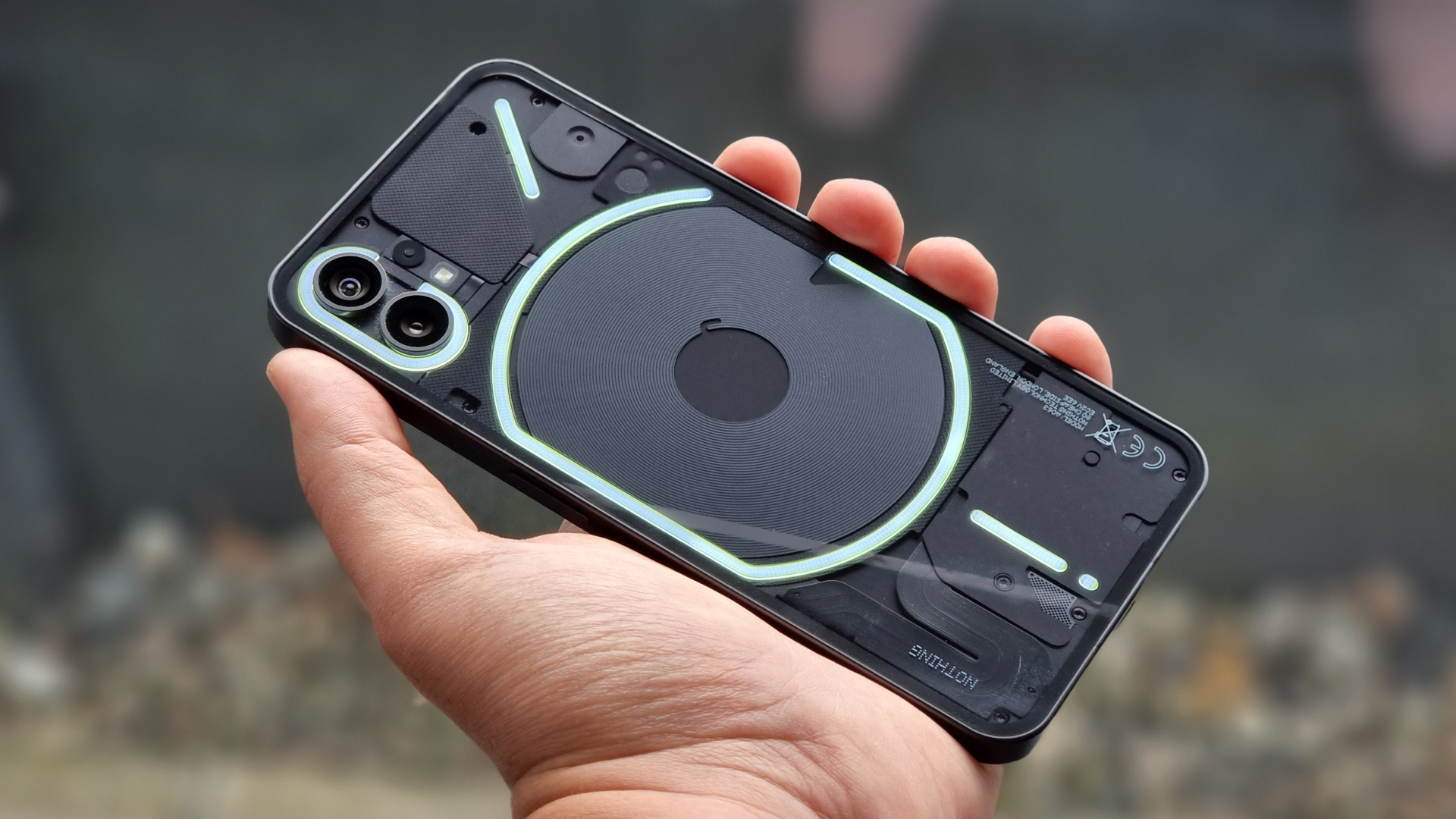
    Get ready, Nothing Phone (1) users! It’s finally your turn to experience the latest Android has to offer on your devices with the arrival of Nothing OS 2.5 Beta. This update, powered by Android 14, promises a plethora of exciting new features and improvements that will enhance your smartphone experience.

    One of the key highlights of Nothing OS 2.5 is the revamped customization options. Users can now access a combined Home Screen and Lock Screen customization page, offering a comprehensive view of all available wallpaper and theme options.

    A new “Atmosphere” wallpaper effect breathes life into your background photos, transforming them into dynamic visuals that react to your phone’s movements. For those who prefer a minimalist look, solid color wallpapers are now available, and a monochrome color theme adds a touch of elegance.

    Additionally, Nothing OS 2.5 introduces a customizable double-press power button gesture, allowing you to quickly access your favorite feature with a simple tap. Lock Screen shortcuts have also been expanded, offering convenient one-tap access to Do Not Disturb, Mute, QR code scanner, and video camera. And for those who love screenshots, a new three-finger swipe gesture makes capturing the screen easier than ever. A dedicated screenshot editor and menu further enhance the experience, providing advanced editing tools and quick deletion options.

    There is also a new Pedometer Widget, which displays your progress directly on your home screen. Music lovers will appreciate the Media Player Widget, while the Screen Time Widget helps you monitor and manage your digital habits. Remember, to use these widgets, you’ll need to update your Nothing Launcher and Nothing Widgets apps to the latest versions.

    Nothing OS 2.5 goes beyond aesthetics, offering a range of under-the-hood improvements. A new Glyph animation greets you when using NFC, and the Flip to Glyph experience has been optimized for smoother transitions. The Weather app has been refreshed, with improved notification of weather alerts. Even small details like the back gesture arrow and volume control interface have been redesigned for a more consistent and user-friendly experience.

    If you’re a Phone (1) user eager to experience Nothing OS 2.5 and Android 14, note that the update process is not as straightforward as when done over-the-air (OTA). To update, you will first need to make sure you have the latest version of Nothing OS and then download and install the Beta APK that can be accessed from the Nothing Community site. Once installed, you will then need to head over to Settings > System, and select “Update to Beta version,” then “Check for new version” and follow the on-screen instructions.We always make sure to include a warning when it comes to installing Beta software, and this isn’t an exception, so here it goes: Remember, this is a Beta version, so there’s a small chance of encountering bugs or issues that might require a factory reset. It’s strongly recommended to back up all your data before installing the update. However, if issues should arise, Nothing has created a rollback package that can be used to return your phone to factory settings.

  • TV prices hit record lows due to high inventory

    TV prices hit record lows due to high inventory

    The current market sees 65-inch LED TVs priced at just over VND10 million ($420), and OLED TVs dropping below VND20 million for the first time, a result of high inventory and decreased demand.

    “It’s normal for TV prices to go down year after year, especially for older models. However, the high inventory pressure and the sharp drop in demand this year has forced many chain stores to cut profits, break even or even cut losses,” said Ngoc Chung, owner of an electronics store on Nguyen Trai Street in Hanoi.

    “TV prices have hit the floor this year. We are selling them to maintain cash flows to wait for a better year in 2024,” he added.

    Many TV models, with the two most popular sizes of 55 and 65 inches, currently cost around VND10 million, 15-20% lower in previous years.

    Major dealers and manufacturers regularly offer 30-50% discounts, even for new models released in 2023.

    LG’s latest lines currently have discounts of 15-30%. Meanwhile, some OLED TV models with sizes of 43 and 50 inches released in 2021 or 2022 are currently priced at less than VND20 million.

    Previously, prices of OLED TVs had never fell to below VND30 million.

    Ha Minh Tuan, manager of an electronics warehouse specializing in online sales, said his business’ revenue this year is down 15-20% compared to last year.

    “TVs are also in a difficult situation like other consumer electronics products, but TVs are not an essential item, so users often choose not to upgrade or buy more,” Tuan said.

    Weaker demand and changing consumer needs have also made the low-cost TV segment with sizes from 32 to 43 inches vibrant again.

    In 2021, 32-inch TVs gradually disappeared when most firms stopped selling them, but this year these models are back.

    Samsung, Toshiba andXiaomi all have 32-inch TVsat selling prices of VND 4-6 million.Prices of 40- and 50-inch versions are VND1-2 million higher.

    In addition to discounts, electronics companies set lower list prices for some models.In April, the list prices of some LG’s OLED TVs were 20-30% lower than last year.

    Among TVs this year, backlit LEDs are the most popular, followed by miniLED and OLED. Newer technologies like Samsung’s microLED are still expensive.

    Regarding operating systems, only Samsung and LG use their own operating systems. Brands such as Sony, Xiaomi, TCL, Casper and Toshiba have all switched to Google TV.

  • TSMC shows off 2nm chip prototype to Apple

    TSMC shows off 2nm chip prototype to Apple

    TSMC is the largest foundry in the world and Apple is its biggest customer. Apple was able to reserve most of TSMC’s initial 3nm production for the A17 Pro chipset which is being used to power the iPhone 15 Pro and iPhone 15 Pro Max. To keep things simple, just remember that as the process node number gets lower, the transistors used by a chip get smaller in size which means that more of them can fit into the small space inside an SoC. The higher a chip’s transistor count, the more powerful and/or energy-efficient it is.

    Looking at the iPhone as an example, the iPhone 11 series was powered by the 7nm A13 Bionic which carried 8.5 billion transistors. The 3nm A17 Pro has 19 billion transistors. And since it takes a few years to build the fabs and order the machinery needed, we’ve known for some time that TSMC is working toward 2nm chip production. Apple has already had a chance to check out 2nm prototypes built on TSMC’s N2 node. The report noted that another huge TSMC customer, NVIDIA, also was able to view the 2nm prototype chip.

    TSMC previously said that it would start 2nm volume production in 2025 and in a statement to The Financial Times, the company said that it is “progressing well and on track for volume production in 2025, and will be the most advanced semiconductor technology in the industry in both density and energy efficiency when it is introduced.” Assuming that there are no delays, the iPhone 17 Pro and iPhone 17 Pro Max could be the first Apple handsets to be powered by a 2nm application processor (AP), possibly the A19 Pro.

    At 2nm, TSMC will debut its new Gate-all-around (GAA) transistors which cover the channel on all four sides reducing current leaks and delivering gains in power efficiency. Samsung Foundry already uses GAA with its 3nm production.

    Speaking of Samsung Foundry, the latest word is that Qualcomm will be switching from TSMC to Samsung to produce the 3nm Snapdragon 8 Gen 5 AP in 2025. Qualcomm left Samsung Foundry in 2022 after the latter reported low yields building the Snapdragon 8 Gen 1. TSMC took over to produce the Snapdragon 8+ Gen 1 and has had the business ever since, although that seems likely to change in 2025. Samsung Foundry’s yield is about 60% for the most basic of 3nm production. The yield is expected to drop when building APs for smartphone.

    At a 60% yield, 40 out of every 100 dies cut from a wafer fails to meet quality control. And since the foundry’s customers are usually responsible for the cost, yield is a major factor when determining which foundry a chip designer does business with.

    Samsung says that it is ready for 2nm production. “We are well-equipped to set up for SF2 mass production by 2025,” Samsung said. “Since we were the first to take the leap and transition to GAA architecture, we are hoping the progress from SF3 to SF2 will be relatively seamless.” While Apple and NVIDIA were able to get a look at their future, TSMC is putting together the final list of its 3nm and 2nm clients according to DigiTimes.

    Intel is also looking to grab some contract business away from TSMC and Samsung Foundry. Intel’s next-gen 18A node (1.8nm) could take process leadership away from the pair and it is offering chip design firms free test production. Intel could shake up the market. Longtime TSMC customer AMD said in July that it would “consider other manufacturing capabilities.”

    Leslie Wu, chief executive of consulting firm RHCC, said that companies looking to manufacture their chip designs using a 2nm node might start having their chip production spread across multiple foundries. With the concern about China invading Taiwan always something to worry about, Wu said, “It’s too risky to rely on TSMC solely.” Yet Apple has been relying solely on TSMC for years.

  • New iOS 17.3 feature will keep a thief out of your iPhone and your banking apps

    New iOS 17.3 feature will keep a thief out of your iPhone and your banking apps

    Now that Apple released iOS 17.2, the first iOS 17.3 developer beta has been released and includes a new feature that might frustrate iPhone thieves. Stolen Device Protection uses certain tools to prevent criminals from employing a stolen iPhone passcode to have the run of an iPhone that is at a location normally not associated with the owner of the device. If an iPhone is at such a location and Stolen Device Protection is enabled, the handset will require that Face ID or Touch ID be used before allowing certain actions to be made.

    Actions that require either Face ID or Touch ID when an iPhone is in an unusual location include viewing passwords stored on the device and wiping the phone. A one-hour delay will be called for when creating a new Apple ID password. After the hour, Face ID or Touch ID will still be required to change the password. The delay is essentially buying time for the owner to report his phone stolen.

    Apple adds another layer of biometric protection to the iPhone in iOS 17.3; Image Credit Beta Profiles.

    Other actions that require biometric approval when Stolen Device Protection is enabled and an iPhone is away from the user’s usual locations include applying for an Apple Card, turning off Lost Mode, and accessing and using payment methods stored in Safari. If Face ID or Touch ID fails and Stolen Device Protection is enabled, the user cannot use his/her passcode to sign in.

    The following actions will require Face ID or Touch ID when Stolen Device Protection is enabled:

    • Viewing/using passwords or passkeys saved in iCloud Keychain
    • Applying for a new Apple Card
    • Viewing an Apple Card virtual card
    • Turning off Lost Mode
    • Erasing all content and settings
    • Taking certain Apple Cash and Savings actions in Wallet
    • Using payment methods saved in Safari
    • Using your iPhone to set up a new device

    The following actions require Face ID or Touch ID and the final action is delayed by one hour:

    • Changing your Apple ID password
    • Updating select Apple ID account security settings, including adding or removing a trusted device, trusted phone number, Recovery Key, or Recovery Contact
    • Changing your iPhone passcode
    • Adding or removing Face ID or Touch ID
    • Turning off Find My
    • Turning off Stolen Device Protection

    Stolen Device Protection is supposed to prevent a scam that starts when someone makes friends with an iPhone user or spies on one in order to obtain his/her passcode. Sometimes this is done by looking over the shoulder of the iPhone user or by asking to see a photograph and watching as the iPhone user unlocks his handset using his/her passcode.

    The thief then steals the iPhone, enters the purloined passcode, resets the Apple ID password, disables Find My, performs a factory reset, and sells the device. A working iPhone is more valuable in the black market than one that is locked down; the latter device is generally sold for parts. Alternately, the thief could use the passcode to steal passwords for banking and other financial apps, email passwords, and more that are stored in the iCloud Keychain.

    If Apple keeps the new feature in the final version of iOS 17.3, most iPhone users won’t get this feature until sometime early next year. If you installed the first developer beta of iOS 17.3, you can enable Stolen Device Protection by going to Settings > Face ID & Passcode > Stolen Device Protection.

  • Apple to move key iPad engineering resources to Vietnam

    Apple to move key iPad engineering resources to Vietnam

    Apple is allocating product development resources for iPad to Vietnam, Nikkei reported on Friday, citing sources briefed on the matter.

    Apple is working with China’s BYD, a key iPad assembler, to move new product introduction (NPI) resources to Vietnam, the report said, adding that this is the first time the company has shifted NPI resources to Vietnam for such a core device.

    Engineering verification for test production of an iPad model will start around mid-February and the model will be available in the second half of next year, it said.

    Apple and BYD did not immediately respond to Reuters’s request for comment.

    Apple suppliers including Luxshare and Foxconn also invested in the Southeast Asian country earlier this year to further diversify production away from China.

  • Apple could be forced to use USB-C ports on older iPhone models in India

    Apple could be forced to use USB-C ports on older iPhone models in India

    Just as the EU did with its common charger rule that led Apple to equip the iPhone 15 series with USB-C ports replacing the company’s proprietary Lightning ports, India added a similar rule of its own. But Reuters reports that Apple met with the country’s IT Ministry at the end of last month and during the closed-door meeting, Apple requested that some exemptions be added to the new common charger rules in the country. India’s new rule requires all electronic devices to charge USB-C by June 2025.

    One part of the new rules would force Apple to replace the Lightning port on older iPhone models with a USB-C port and that is the issue that has Apple meeting with India’s IT Ministry. While the EU’s rule change only affected new iPhone models released after the rule takes effect in 2024, Apple decided that instead of having to change things up in the middle of the iPhone 15 release cycle, it would switch to USB-C starting with the release of the 2023 iPhone models last September.

    India’s new rules, on the other hand, must be followed for all electronic devices sold in the country regardless of when a specific device was originally released. This would require Apple to change the charging and data transfer ports on older models it sells in India including the iPhone 14, iPhone 14 Plus, and the iPhone 13. To Apple, this would be a hardship and would probably raise the prices of these models which would be a problem in a developing country like India.

    Since the majority of iPhones sold in India are older models (again, due to India being a developing country), the common charger rule in India could hit Apple hard in India. Apple says that if it must make the changes to older iPhone models, the company won’t meet targets for India’s Production-Linked Incentive scheme (PLI). A pet project of Indian Prime Minister Narendra Modi, PLI gives manufacturers financial incentives for increasing production in India and making investments in the country.

  • Mobile World to close 200 unprofitable stores in Q4

    Mobile World to close 200 unprofitable stores in Q4

    Leading electronics retailer The Gioi Di Dong (Mobile World – MWG) has said it might close 200 stores with moderate sales this quarter.

    Its October income statement reveals plans to close the underperforming stores to optimize costs.

    It said: “These are stores that have low sales and profit. We will be closely monitoring their performances to adjust appropriately.”

    The company currently has over 5,600 stores, 1,158 of them belonging to electronic goods seller The Gioi Di Dong, 2,281 of them to appliances seller Dien May Xanh, 1,700 to supermarket chain Bach Hoa Xanh, and 540 to An Khang Pharmacy stores.

    Mobile World chairman Nguyen Duc Tai mentioned the possibility of reducing the sizes of the The Gioi Di Dong and Dien May Xanh chains at a recent meeting with shareholders,

    With demand expected to remain low until the economy recovers, it cannot afford to keep underperforming stores open, he told them.

    “Many of MWG’s stores cannot even break even, their performance is much poorer than before.”

    However, he claimed revenues would not be affected since they will merely “move from one store to another.”

    Mobile World’s stores are densely distributed with some situated only a few hundred meters away from each other, he said.

    Gross revenues for October were VND11,190 billion (US$446.3 million), the only month this year in which there saw year-on-year growth.

    The Gioi Di Dong and Dien May Xanh contributed over VND7,800 billion, a 5% decline from a year ago.

    But it was 8% higher than September sales thanks to the launch of the iPhone 15.

    In the year to date the two chains’ revenues totaled VND70,200 billion, 21% down year-on-year.

    But Bach Hoa Xanh’s revenues rose 13% to VND25,300 billion.

    Its October, sales jumped 29% from the previous month to VND3,000 billion, or an average of VND1.7 billion per store.

  • iPhone users should expect to receive iOS 17.1.2 next week

    iPhone users should expect to receive iOS 17.1.2 next week

    Get ready iPhone users because iOS 17.1.2 is coming your way. MacRumors says that it has seen evidence of the update in its website’s analytics logs. Some of the higher profile bugs that still need to be exterminated include one that has prevented iPhone users running iOS 17.1 and later from wirelessly charging using the in-car charging pad of their General Motors vehicle. Apple had previously disseminated iOS 17.1.1 to eliminate a bug that broke NFC on iPhone 15 series handsets that charged using BMW’s in-vehicle charging system.

    Without NFC, the damaged iPhone units could not use Apple Pay and some received an error message saying that Apple Pay could not be set up on their devices even if the feature had already been used on these phones. Apple-certified techs were told to use Apple Service Toolkit 2 software in order to revive the NFC chip on damaged units, while some were told that their iPhones had to be opened up to repair or replace some of the hardware. While BMW warned iPhone 15 series users not to use the in-vehicle charger on new vehicles, Apple did push out iOS 17.1.1 to fix the issue at the beginning of this month.

    The iOS 17.1.2 update will probably be released next week since Apple traditionally stays away from releasing any new software builds during the week of Thanksgiving in the U.S. That’s because many of Apple’s employees are given the week off. Last year, a similar situation occurred with iOS 16.1.2 and the latter was finally released on November 30.

    As for iOS 17.2, Apple has been pushing out beta builds of the update with the final version expected in the middle of next month. The update will add support for spatial video recording for the iPhone 15 Pro models; these videos will be viewable with the Apple Vision Pro headset once it is launched. The iPhone’s new Journal feature will be available once iOS 17.2 is installed along with new Clock and Weather widgets, and an option that will allow iPhone 15 Pro series users to have the Translate app open when the Action button is long-pressed on the phone.

    But before iOS 17.2 arrives, iOS 17.1.2 will be released possibly to fix the GM wireless charging bug and any other annoying issues that iPhone users are currently dealing with.