Retail News CRM

Category: Electronics

Retail News Asia is committed to providing both local and global retailers with the latest Electronics news throughout the Asian market. This on a daily base.

  • iPhone sales on TikTok quadruples to $3.3M

    iPhone sales on TikTok quadruples to $3.3M

    iPhone sales on TikTok Shop in Vietnam quadrupled between April and May to VND84.8 billion (US$3.33 million) before Apple shut down the distribution channel without explanation.

    According to YouNet ECI, a Ho Chi Minh City-based e-commerce data provider, FPT Shop had led in sales on TikTok until the shutdown, followed by Viettel Store and Di Dong Viet.

    The three accounted for nearly 87% of all iPhone sales on the platform. FPT, Viettel and Di Dong Viet sold 1,922, 576 and 453.

    YouNet ECI head of market research analysis Nguyen Phuong Lam said many iPhones were sold through livestreaming, which has proven to be an effective sales method on TikTok.

    According to data provider Metric, revenues from Apple products on TikTok Shop reached VND203 billion in the first five months, up 955% year over year.

    But on May 31 many authorized Apple retailers in Vietnam removed their products from it.

    A Di Dong Viet spokesperson told VnExpress that Apple requested the retailers to go off TikTok without any explanation.

    Lam conjectured that Apple was concerned that sales on TikTok Shop could cause conflict with offline distribution channels.

    Metric analysts said the fact that iPhone was sold together with many other products and used to attract buyers has caused severe damage to the brand.

    On many livestream sessions iPhones were sold along with clothes, diapers and other products, many of unknown origin.
  • Samsung factories in Vietnam back in the black after losing quarter

    Samsung factories in Vietnam back in the black after losing quarter

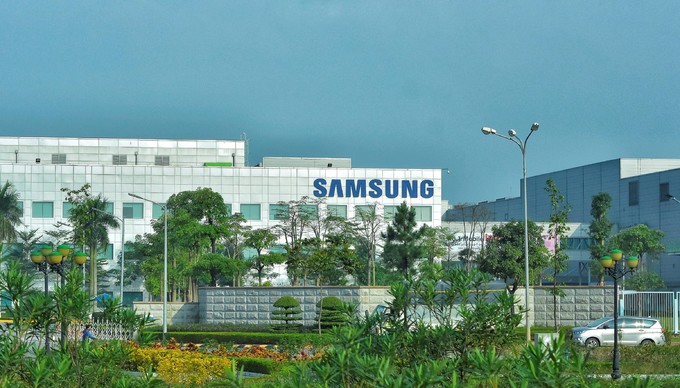
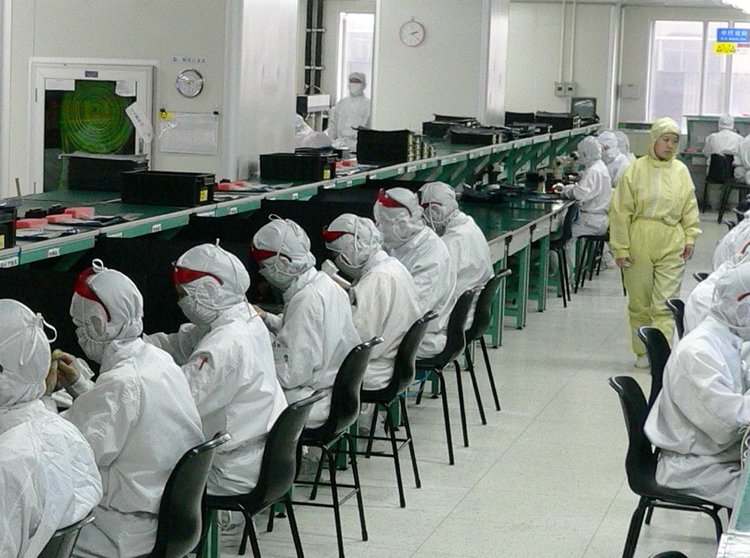
    Samsung’s four factories in Vietnam made a combined profit of US$1.2 billion last quarter after losing $181 million in the fourth quarter of 2023. Samsung Thai Nguyen (SEVT), the Korean conglomerate’s best-performing plant in Vietnam, accounted for $707 million.

    The two plants in Bac Ninh Province, Samsung Electronics Vietnam (SEV) and Samsung Display Vietnam (SDV), contributed $300 million and $123 million. Samsung Electronics HCMC CE Complex (SEHC) was $40.7 million in the black.

    They accounted for 23% of their parent’s quarterly profit. Their revenues totaled $16.25 billion, up nearly $2 billion from the previous quarter.

    In the final quarter of 2023 SEV, SEVT and SEHC reported combined losses of nearly $221 million, with SDV being the only profitable operation.

    Last quarter Samsung achieved global revenues of 71.92 trillion won ($54 billion), up 13% year-on-year.

    It said revenues increased thanks to the sales of the Galaxy S24 smartphone series and higher semiconductor prices.

    The depreciation of the won against major currencies had a positive impact on profits, it said.

    During a meeting with Prime Minister Pham Minh Chinh last month, the company’s CFO, Park Hark Kyu, said it plans to invest a further $1 billion annually in Vietnam to add to its existing $22 billion.

    It also plans to increase its number of local suppliers and enhance training for its workforce, he said. Since 2014 the number of Vietnamese businesses involved in Samsung’s supply chain has increased 12-fold to 309 now. It is the largest foreign direct investor in Vietnam, where it currently produces over 50% of all its mobile phones.

  • Oppo details AI pivot that brings innovative features to all phones

    Oppo details AI pivot that brings innovative features to all phones

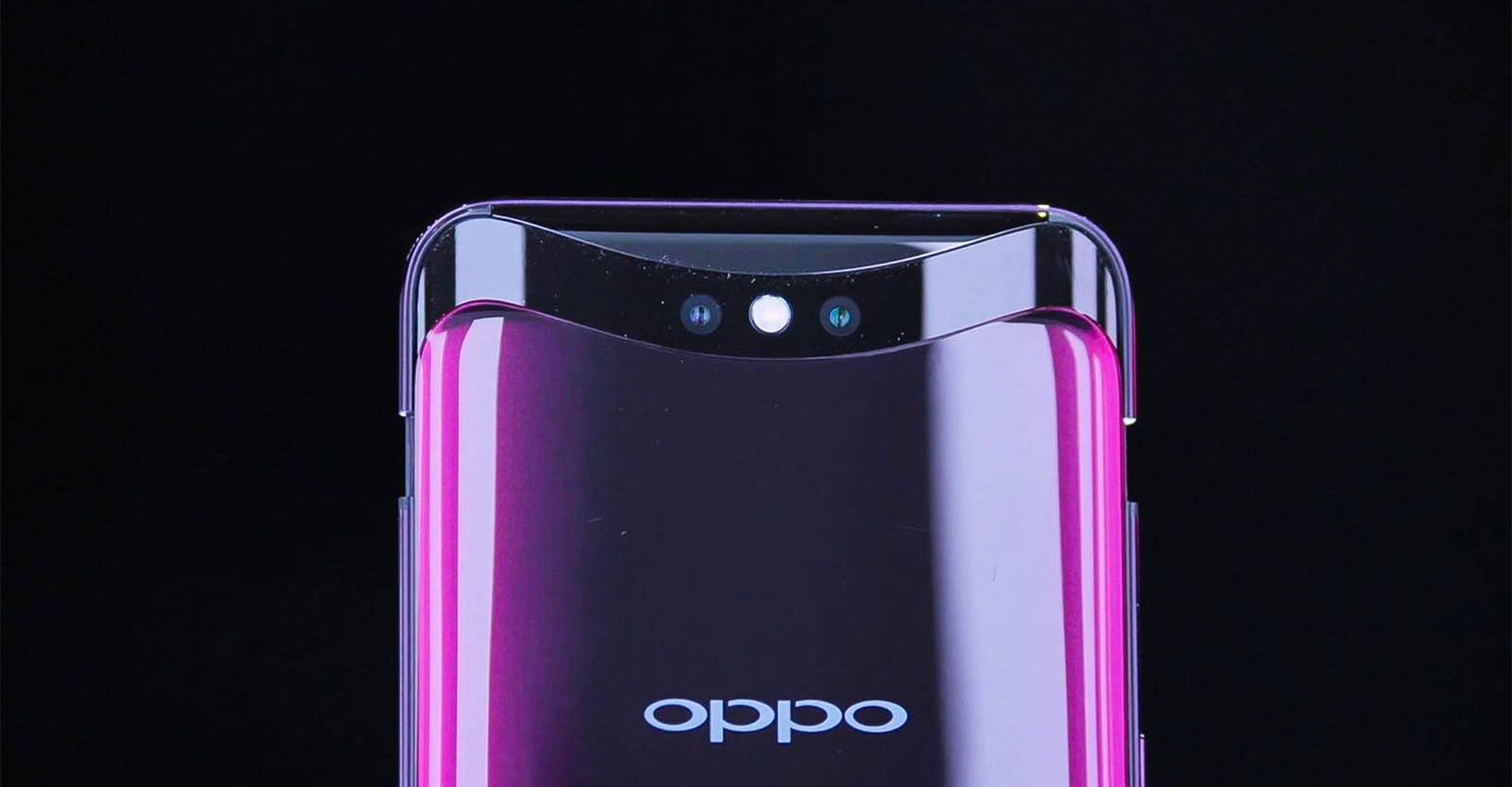
    Oppo will be democratizing the access to the most suitable device to take advantage of the AI era – the phone – by bringing its productivity and creativity features downmarket to virtually all of its handsets.

    The company behind the excellent Find X7 Ultra and foldable Find N3 phones used the festivities around its sponsorship of the UEFA Champions League and its Bouissia Dortmund – Real Madrid final to present its vision for artificial intelligence that it simply calls the AI Phone.

    However, the abovementioned flagships won’t be the only ones getting Oppo’s AI Summary, real-time Translation, or the popular AI Eraser function, which removes unwanted objects and areas in your photo with the flick of a finger.

    In fact, Oppo plans to release a coordinated set of AI features created in a partnership with juggernauts like Google, Microsoft, or MediaTek, by year’s end. These, however, won’t be reserved only for Oppo’s flagship Find- and N-series, but will trickle down to the Reno midrangers and even to the budget A- and F-series.

    According to Billy Zhang, Oppo’s President of Overseas Marketing, Sales and Services during the dedicated presentation at London’s beautiful Renaissance St. Pancras:

    OPPO is bringing generative AI to all product lines for the first time in the industry. By the end of this year, we expect to bring generative AI features to about 50 million users. That is 50 million people that may get their first glimpse of an AI-induced function or feature on their Oppo phone, no matter its price range, and the best that the industry can offer at that, like chatbots, large language models, and productivity or entertainment suites.

    Alongside its own innovation, OPPO is working closely with other industry leaders to bring better AI phone experiences based on an on-device and cloud Hybrid AI Architecture. In partnership with Google, OPPO’s Reno12 series and the next-generation Find X Flagship will feature the Google Gemini family LLMs, bringing OPPO users even more innovative and convenient AI features such as AI Toolbox including AI Writer and AI Recording Summary features. In collaboration with MediaTek, both parties are tuning chips to enhance chip storage and computational efficiency on future OPPO flagship models. And through its partnership with Microsoft, the next-generation OPPO phones will be equipped with Microsoft capabilities to bring a more efficient, accurate, and natural voice and text conversion experience and improved connectivity between desktop AI and phones.

  • Apple accelerates Southeast Asia expansion with Malaysia debut

    Apple accelerates Southeast Asia expansion with Malaysia debut

    Apple will open its first store in Malaysia next month as part of its expansion plans in Southeast Asia.

    Trevor Hill, the mall’s GM, confirmed on LinkedIn that the store will be located at the Exchange TRX shopping centre in Kuala Lumpur and will open its doors to customers on June 22 at 10 a.m.

    This will be Apple’s sixth store in the region, after three in Singapore and two in Thailand.

    According to the New Straits Times, the store will be much bigger than the existing Apple Premium Resellers in the country, such as Machines and Switch. It will also feature activities such as free learning sessions and sections like the Genius Bar, where users can get expert service and support for their products.

    Apple has been accelerating its Asian expansion outside of China, where it has faced rising competition from local players. The company opened its first stores in India last year.

  • Apple reveals Beats Solo Buds’ launch date

    Apple reveals Beats Solo Buds’ launch date

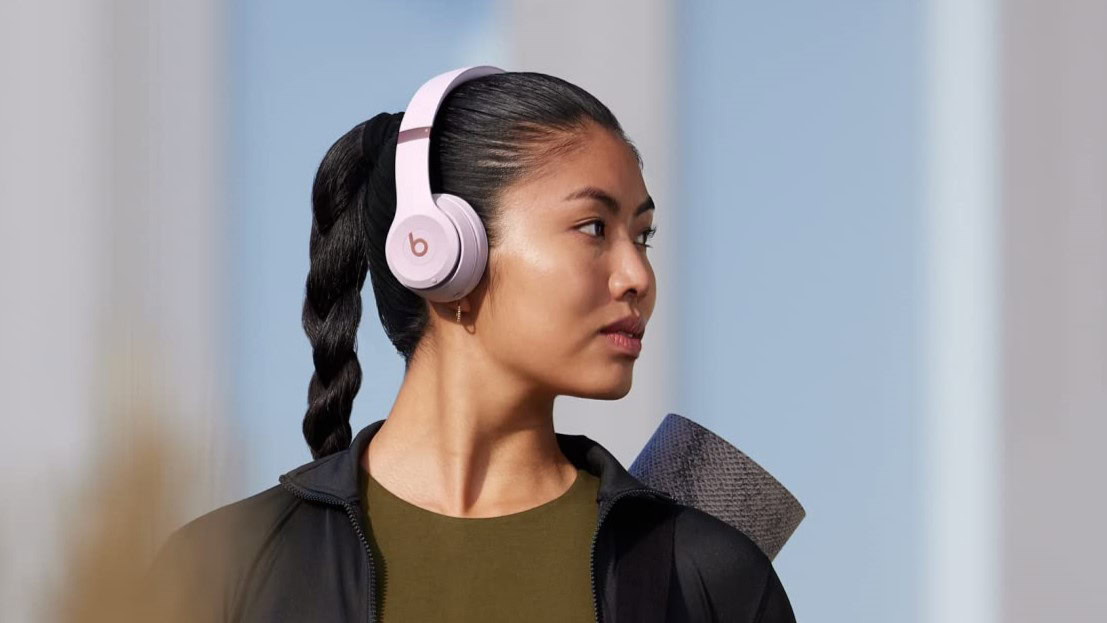
    Apple introduced the Beats Solo Buds back in April but failed to provide fans with an actual launch date. Thankfully, that’s no longer the case, as the Cupertino-based giant revealed this week that the Beats Solo Buds will hit shelves on June 20.

    In fact, customers can order the Beats Solo Buds starting on June 18 for $79.99, but the earbuds won’t ship until two days later. It’s also worth mentioning that the earbuds will be available in four colors: Matte Black, Storm Gray, Arctic Purple and Transparent Red. Remember that if you want the Arctic Purple version, you’ll only find those at Apple and Target.

    The Beats Solo Buds have a custom Beats chip inside that makes it much easier to pair them across iOS and Android with just one touch. The earbuds also feature both Apple and Google “find my device” functionality.

    Both buds have a button that allows users to control playback, answer calls and enable Siri, but it can be customized to offer other uses too. The Beats Solo Buds promise to “minimize micro-distortions across the frequency curve” thanks to the dual-layer transducers design.

    As far as battery life goes, Apple says the Beats Solo Buds should provide up to 18 hours of playback, which is hard to believe considering that similar earbuds offer around 6-8 hours of battery life.

    On the downside, the Beats Solo Buds doesn’t come with a charging case. The one that comes with the earbuds doesn’t feature a battery, so you’ll have to charge these the traditional way by plugging a USB-C cable into the case after you place the earbuds inside.

  • Phone users will be able to customize the color of each app icon in iOS 18

    Phone users will be able to customize the color of each app icon in iOS 18

    We are getting closer to the June 10th Keynote at WWDC 2024 during which Apple will preview its AI initiative. Today, Bloomberg’s Mark Gurman revealed some more details about what we should expect from Apple in his latest Power On newsletter. Gurman says that Apple is calling part of its new AI strategy Project Greymatter which encompasses AI tools that will be added to core system apps such as Notes, Photos, and Safari and also includes enhanced notifications.
    As previously discussed, Apple would prefer to have AI features run on-device for speedier results and to protect users’ privacy. More complex tasks will run through the cloud and get worked on by data center servers powered by the M2 Ultra chip. The goal here is to create AI features that will make life a little easier for iPhone users. One new feature in the works will allow a user’s iPhone to create custom emoji based on what the user is texting. This will allow the iPhone user to have a custom emoji ready at his fingertips for any situation in addition to the regular lineup of emojis.
    If that doesn’t excite you, perhaps this will. Apple will allow iPhone users to not only change the color of app icons but also (better be sitting down) put them wherever they want on the screen. You’ll be able to quickly find all your social media apps if you make them a certain color, find all of your health-related apps, which you can make another color, etc.
    Another cool AI feature, one that I’m looking forward to seeing, adds AI-created summaries of notifications, messages, websites, news articles, and more. Additionally, users will be able to have more natural-sounding conversations with Siri as the virtual digital assistant receives a long-needed upgrade. The version of Siri that lives on the Apple Watch will also be very much improved to handle tasks and queries while on the go.
    The soon-to-be-formed partnership between OpenAI and Apple, which will bring the ChatGPT generative AI chatbot to iOS 18, will also be acknowledged at WWDC as Apple doesn’t want to appear that it is out of the loop during the year of AI. Apple’s own in-house chatbot is said to fall short of ChatGPT and Google’s Gemini which is why the company has been meeting with OpenAI and Google. Even though the latest word is that Apple and OpenAI are close to a deal, Apple still plans on inking one with Google as well just in case OpenAI’s controversial CEO Sam Altman does something, well, controversial.
    Back in January, Gurman said that the iOS 18 update will be one of the biggest updates in iOS history. Now, we are approximately two weeks away from what could be quite an exciting day for iPhone users.
  • For complex iPhone AI tasks, Apple will use cloud-based servers running M-series chips

    For complex iPhone AI tasks, Apple will use cloud-based servers running M-series chips

    Apple is planning on having more complex AI tasks for iPhones, iPads, and Macs get sent through the cloud to data centers using servers powered by Apple’s powerful in-house chips. Less complicated AI tasks will be handled directly on-device which will make them faster and more secure. According to a report in Bloomberg written by the news agency’s chief Apple correspondent Mark Gurman, the first chips to be used to power the servers in the data centers will be the M2 Ultra. That chip is currently used to run the Mac Pro and Mac Studio.
    The scuttlebutt calls for Apple to eventually develop an M4 Ultra chip to power the servers in the data centers. Apparently Apple had come up with a plan to use its own chips and cloud-based servers to run complex AI tasks three years ago but decided to accelerate the timeline once OpenAI kicked off the latest AI craze with the ChatGPT chatbot. In December 2022, when ChatGPT first started to become known to the public, Gmail developer Paul Buchheit said that AI will do to internet search what Google did to the Yellow Pages. Namely, make the older technology obsolete.
    On June 10th Apple will kick off WWDC 2024 and the keynote held on that day will preview the AI changes that Apple is planning for iOS 18 and Siri. It is being billed as the largest iOS update ever and we could see things like text summarization, AI-based search options, and document analysis on Safari, Siri, Messages, Mail, and Spotlight Search.
    If you’re like me, you can’t wait to see how Siri is affected by Apple’s AI initiative. The virtual digital assistant, originally launched with the iPhone 4s in 2011, soon found itself not as useful as Google Assistant with too many responses consisting of excepts from three websites. Hopefully the use of AI will help Siri deliver more precise responses to queries.
  • Samsung plans to add $1B to Vietnam investment annually

    Samsung plans to add $1B to Vietnam investment annually

    Samsung plans to add about US$1 billion to its investment in Vietnam annually, Chief Financial Officer (CFO) of Samsung Electronics Park Hark-kyu said as he met with Prime Minister Pham Minh Chinh in Hanoi Thursday.

    PM Chinh applauded Samsung’s efforts and determination while doing business in Vietnam, calling on the firm to view Vietnam as a strategic manufacturing and export base.

    He affirmed that the Vietnamese government always attaches importance to improving the investment climate and pledges to create favourable conditions for long-term operations of foreign enterprises.

    It will continue providing optimal conditions for the projects of Samsung to operate fruitfully and develop sustainably in Vietnam in the spirit of harmonising interests and sharing risks, he said.

    Park noted Samsung has invested $22.4 billion in Vietnam so far and plans to add about $1 billion to its investment in the Southeast Asian country annually.

    Aside from research, development, manufacturing, and export of electronic and high-technology products, the group has also been investing in supporting industries and manpower training for Vietnamese companies, and helping local firms to engage in its production and supply chain, he said.

    Samsung hopes to continue developing to contribute to Vietnam’s foreign trade and economic growth, the CFO added.

    He spoke highly of Vietnam’s investment and business climate as well as the PM’s readiness to listen to and assist enterprises, adding Samsung will continue standing side by side with the country on the development path.

    Appreciating Samsung’s building of an R&D center and participation in manpower training in Vietnam, Chinh asked the group to coordinate closely to effectively run the training centers based at the National Innovation Centre (NIC), step up cooperation to turn digital technology enterprises of Vietnam into partners in its ecosystem, increase investment in and expand the R&D center, and boost assistance for startup, innovation, and manpower training in the country.

    He also welcomed Samsung’s production and business plan, calling on it to continue helping Vietnam further improve domestic companies’ capacity so that they can join in Samsung’s supply chain more effectively.

    Samsung should continue seeing Vietnam as a strategic base for manufacturing and exporting its key products to international markets, particularly when the Comprehensive and Progressive Agreement for Trans-Pacific Partnership (CPTPP), the EU – Vietnam Free Trade Agreement (EVFTA), and the Regional Comprehensive Economic Partnership (RCEP) already took effect, Chinh suggested.

  • Apple’s iPhone production shift leaves ghost town in China

    Apple’s iPhone production shift leaves ghost town in China

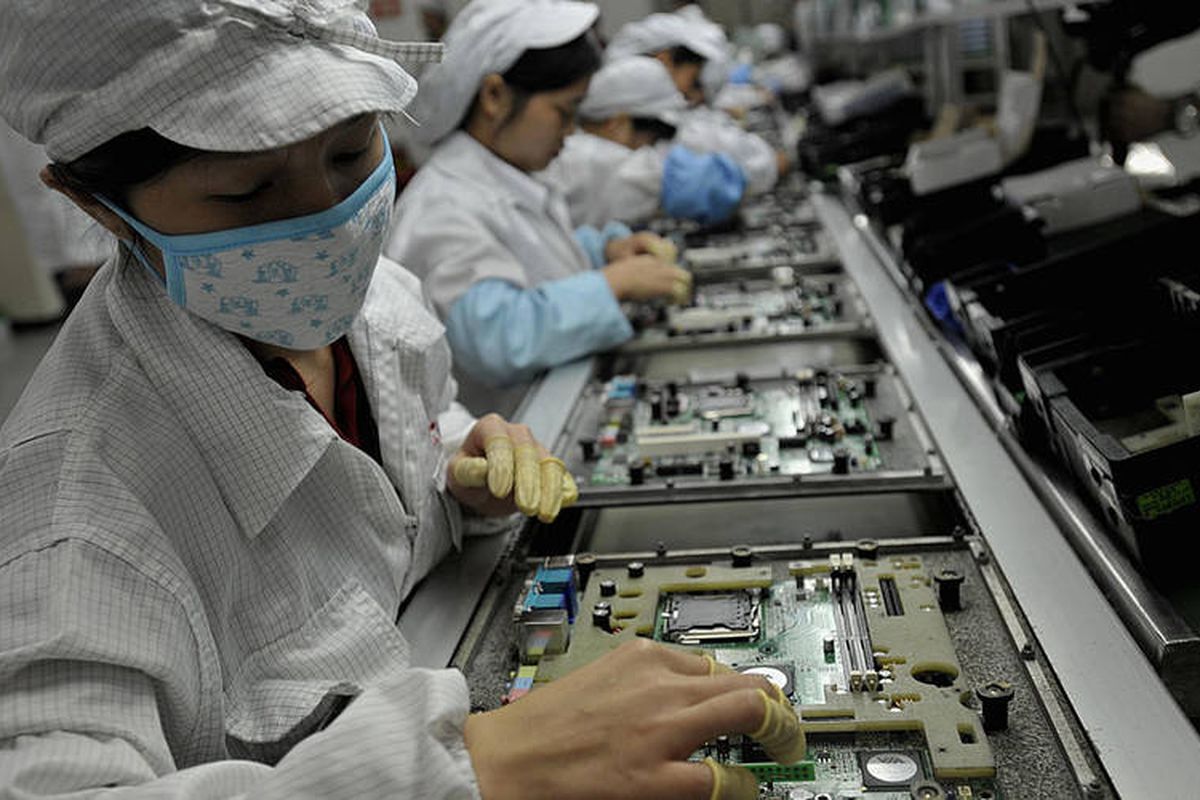
    Apple supplier Foxconn’s industrial park in Nanning, Guangxi, has been deserted, heavily impacting the local economy, as production of the iPhone is being moved away from China.

    The facility, once the centerpiece of Nanning’s economy, now stands empty, while its surrounding streets and residential buildings remain largely vacant, as depicted in a video shared by news channel China Observer last Friday.

    Although some nearby apartments are available for occupancy, they have struggled to attract buyers despite offering discounts, as the area has lost its appeal now that most of the facility’s employees having left.

    During its heyday a few years ago, the complex boasted a workforce of 50,000 and consumed vast resources to sustain them.

    However, with Apple’s strategic decision to shift production away from China, the Nanning complex was among the first to face downsizing as it was deemed under-utilized by Foxconn.

    Foxconn, Apple’s primary supplier, has been shifting its production lines to other Asian nations in recent years amid tensions between the U.S. and China.

    One of these destinations is India, whose iPhone production has doubled from 2022 to $14 billion last year, accounting for 14% of the Apple’s total iPhone output.

    Meanwhile, iPhone production in Zhengzhou, Henan, where the largest iPhone factory is located, plummeted by 60.1% year-on-year to 6.65 million units in the first quarter, citing data from Zhengzhou’s local customs authority.

  • Vietnam tops Southeast Asia in number of Apple suppliers

    Vietnam tops Southeast Asia in number of Apple suppliers

    U.S. company Apple had Southeast Asia’s highest number of suppliers in Vietnam last year and fourth highest globally.

    There were 35 suppliers as of the 2023 financial year (which ended on Sep. 30), according to the Supplier List announced by Apple recently.

    In Southeast Asia, Thailand (24 suppliers), Malaysia (19) and the Philippines (17) followed Vietnam.

    Globally Vietnam was behind China (158), Taiwan (49) and Japan (44).

    In 2016-23 Vietnam saw the strongest increase in the number of suppliers with the entry of Foxconn, Luxshare and others.

    There are factories in Vietnam that produce parts for Apple’s AirPods, iPad and Apple Watch.

    Analysts expect Vietnam to account for 65% of Apple’s Airpods, 20% of iPad and Apple Watch and 5% of Macbook by 2025.

    Apple CEO Tim Cook last week visited Vietnam and met Prime Minister Pham Minh Chinh.

    The company said it would buy more parts produced by suppliers in Vietnam and promised to support the country’s innovation efforts.

    China remains at the top of Apple’s supply chain, accounting for 42% of its production.

  • FPT and Nvidia to build $200M AI factory in Vietnam

    FPT and Nvidia to build $200M AI factory in Vietnam

    Vietnam IT giant FPT Corp will spend $200 million building an AI Factory that incorporates technology from U.S. chipmaker Nvidia.

    The factory, which will serve as a sovereign cloud, will not produce hardware but instead will focus on AI research and development using Nvidia’s latest technologies, including Nvidia AI Enterprise software and frameworks and Nvidia H100 Tensor Core Graphic Processing Units, FPT said in an press release Tuesday as its leaders sign the partnership with their Nvidia counterparts in Hanoi.

    The factory will create applications and solutions on generative AI (a type of AI that can create new content and ideas), autonomous driving and green transformation.

    “This empowers FPT to realize the vision of transforming Vietnam into an AI nation and accelerating the adoption of AI applications in Asia, including but not limited to Vietnam, Japan, and Korea.”

    FPT chairman Truong Gia Binh said that the company’s vision is to “turn Vietnam into an AI hub of the world.”

    Nvidia vice president of worldwide AI Initiative Keith Strier said: “By accelerating innovation in healthcare, agriculture, climate, manufacturing, and more, AI has the potential to improve lives and strengthen the economies of every nation.”

    “FPT is working with Nvidia to empower organizations across Vietnam to drive transformation, helping the country become an AI nation,” he added.

    FPT plans to incorporate Nvidia’s training content into university and high school curricula to develop high-tech human resources. The corporation wants to have at least 30,000 students in the program within five years.

    As part of the collaboration, FPT has joined the Nvidia Partner Network as a Service Delivery Partner and aims to become a Global Systems Integrator, leveraging the full potential of Nvidia’s cutting-edge products and technologies to develop bespoke cloud services, hardware, software, and most importantly, generative AI solutions.

    The two companies will develop cloud gamming in Vietnam through Nvidia’s service GeForce Now.

    Strier on Monday had a meeting with the Minister of Planning and Investment, Nguyen Chi Dung, which reinforced the efforts in building and developing Vietnam’s semiconductor and AI ecosystem.

    A source said that Nvidia’s purpose for this visit to Vietnam is to work with parties to establish a research, development, and training center for AI, install supercomputers, and possibly relocate a portion of graphic processing units production for supercomputers to Vietnam.

    Nvidia CEO Jensen Huang in December last year visited Japan, Singapore, Malaysia and Vietnam to look for potential partners. He emphasized that Asia is the new global tech hub and wants to expand his company’s presence here.

  • EU set to approve Apple’s plan to open its NFC technology for rivals

    EU set to approve Apple’s plan to open its NFC technology for rivals

    Apple is gradually opening its ecosystem to competitors in the European Union. Just last week, the first third-party app store became officially available. Now, it appears that it’s time for Apple to open up its mobile wallet.

    The EU Commission is poised to greenlight Apple’s previously announced policy changes regarding access to the NFC chip on the iPhone. This move aims to foster competition in the contactless payments market. The commission’s decision is expected to be officially announced in the coming weeks.
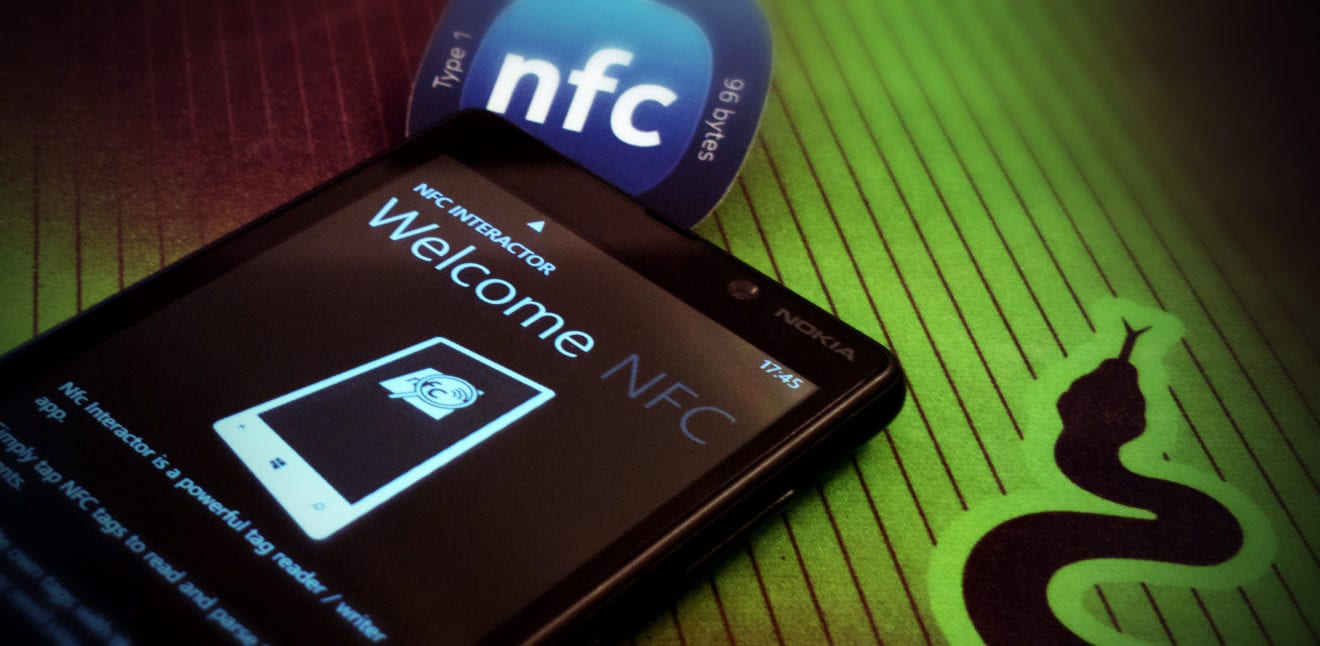
    These changes mean that third-party apps can be the default wallet app that pops up when users double-click the side button and hold their phone near a payment terminal. Apple’s tap-and-go technology, called near-field communication (NFC), lets you make contactless payments with mobile wallets.

    Until now, Apple has tightly controlled access to the NFC contactless chip on the iPhone, citing concerns about user experience, privacy, and security. This has made Apple Pay the dominant contactless payment option on the iPhone, with virtually no competition.

    Two years ago, the European Commission accused Apple of stifling competition for its Apple Pay mobile wallet by blocking rival mobile wallet app developers from accessing its tap-and-go technology.

    Apple’s attempt to settle the investigation by altering its policies would enable it to avoid a finding of wrongdoing and fend off a potential significant fine, which could amount to as much as 10% of its global annual turnover.

    And the Cupertino tech giant likely wants to avoid further fines, especially considering that just last month, the company received a hefty €1.84 billion (around $2 billion directly converted) fine, its first EU antitrust penalty. This fine was imposed for hindering competition from Spotify and other music streaming rivals through restrictions on its App Store.

    That being said, the inclusion of alternative contactless payment apps won’t be a completely unrestricted free-for-all. App developers will need to request entitlement from Apple to gain these privileges. They’ll also need to adhere to various industry standards and possess the necessary licenses to handle consumer payments to qualify.

  • Apple CEO Tim Cook says it is considering a manufacturing facility in Indonesia

    Apple CEO Tim Cook says it is considering a manufacturing facility in Indonesia

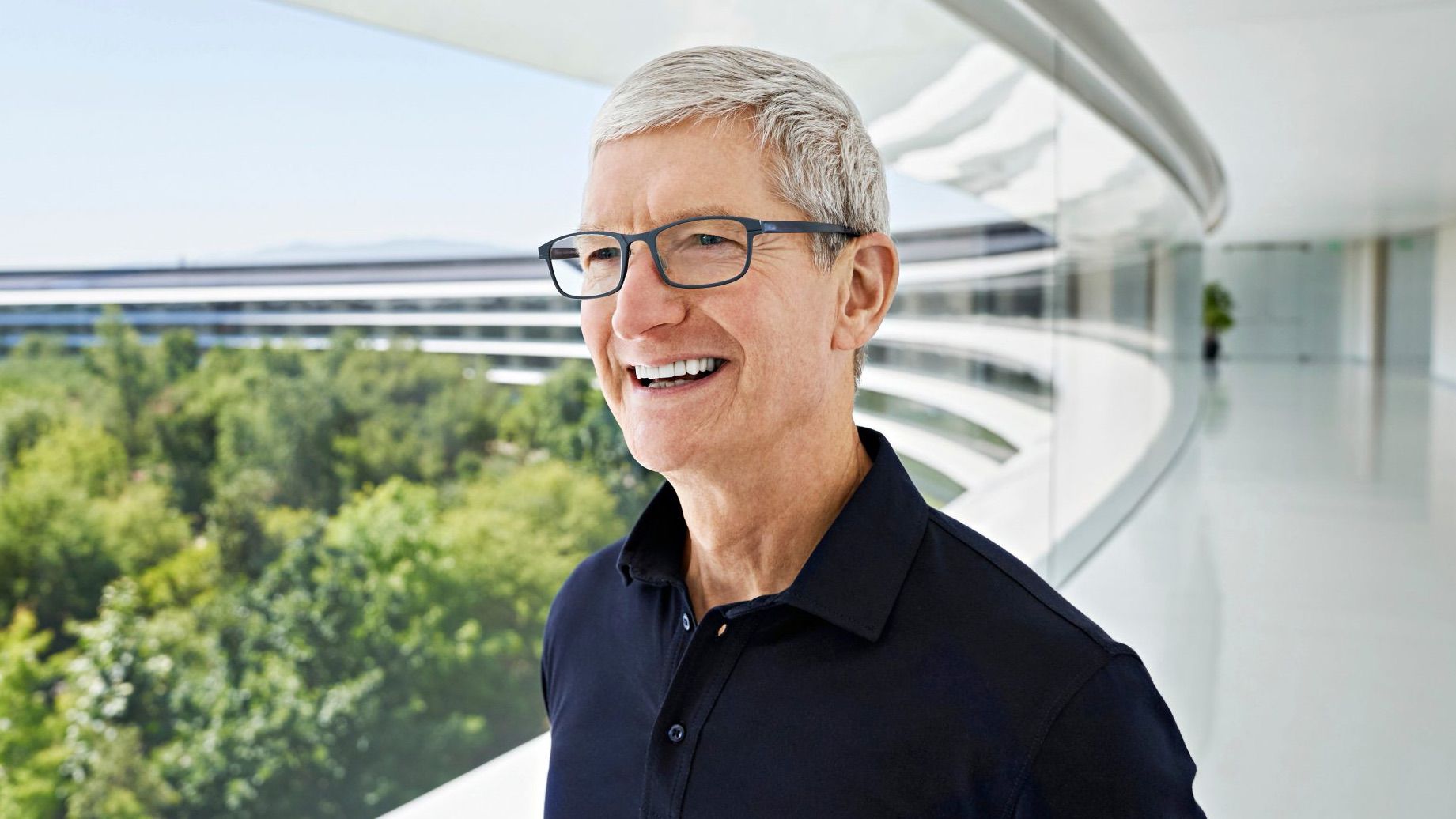
    Apple will look into building a manufacturing facility in Indonesia, its CEO said on Wednesday after meeting President Joko Widodo, who hoped the tech giant would increase its local content by partnering with domestic firms.

    Apple chief executive Tim Cook arrived in Jakarta on Tuesday after visiting Vietnam. He met with Jokowi, as the president is popularly known, and will inaugurate its fourth developer academy on the island of Bali.

    “We talked about the president’s desire to see manufacturing in the country, and it is something that we will look at,” Cook told reporters after the meeting.

    Apple has no manufacturing facilities in Indonesia, but since 2018 it has been setting up app developer academies, which including the new academy have a total cost of 1.6 trillion rupiah ($99 million).Indonesia’s industry minister, Agus Gumiwang Kartasasmita, who also attended the meeting, told reporters that if Apple decided to build manufacturing facility in Indonesia, it would have the capacity to produce for export.

    “We will discuss how Apple’s facility in Indonesia could become a global supply chain,” he said, adding that the government said that even if Apple didn’t built a factory, it could partner with Indonesian companies to obtain components.

    Apple has met Indonesia’s 35% local content requirement to sell its products by investing in developer academies, Agus said, but the government hoped that number could be pushed higher with a manufacturing facility.

    Apple has based much of its key manufacturing of iPads, AirPods and Apple Watches in Vietnam; suppliers for MacBooks are also investing in the country.

    Indonesia has a huge, tech-savvy population, making the Southeast Asian nation a key target market for tech-related investment.

  • Tim Cook arrives in Vietnam

    Tim Cook arrives in Vietnam

    Apple CEO Tim Cook arrived in Hanoi Monday morning for a two-day business trip to meet notable content creators and app developers on App Store.

    Cook said upon arrival he was excited to meet with content creators, students and customers in Vietnam and learn about the way they use Apple’s products.

    Apple has unveiled plans to strengthen its commitments to Vietnam during his visit, including increasing spending for suppliers and fund a clean water initiative at schools.

    Since last year the company has been launching new major services in Vietnam.

    It opened the Apple Store Online in May and launched payment service Apple Pay in August, is taking pictures of Vietnamese streets to develop its Apple Maps and expanding recruitment to hire engineers to develop its Siri voice assistant in Vietnamese.

    Cook, 64, became CEO in 2011, and doubled the company’s revenues and profits by 2020. Under him, new products like Apple Watch and Apple Vision Pro, a virtual reality headset, were developed.

    In 2023 it became the first company in the world to achieve market cap of $3 trillion.

  • Samsung adds more language availability within Galaxy AI

    Samsung adds more language availability within Galaxy AI

    Samsung is taking a big leap forward today in its AI ambitions. Galaxy AI, the company’s on-device intelligence engine, just got closer to overcoming language limitations across the world with a huge expansion in language support.

    This spring, Arabic, Indonesian, and Russian support will be added to the thirteen available languages. Additionally, Australian English, Cantonese, and Canadian French dialects are now supported.

    But Samsung is not stopping there as later this year the company plans to bring Romanian, Turkish, Dutch, Swedish, and both traditional Chinese and European Portuguese support as well to Galaxy AI. This is a huge step in bringing AI capabilities to everyone globally, just like TM Roh, President and Head of Mobile eXperience Business at Samung, said: “Committed to democratizing mobile AI for all, Galaxy AI’s language expansion this year will allow even more Galaxy users to communicate beyond language barriers on a scale that is completely unique to Samsung.”

    As a reminder, these are the things that Galaxy AI can do for you:

    • Live Translate: If you make phone calls to another country or to someone who speaks another language, Galaxy AI can act as your own interpreter.
    • Interpreter: In-person chats can now be a breeze, even when they take place in different languages, with split-screen translations.
    • Chat Assist: Helps you tone down work emails and write snappy social posts with grammar and tone check.
    • Note Assist and Transcript Assist: Get summaries, formats, and even translations for those long meeting notes.

    You’ll be able to add these additional languages to your Galaxy device by downloading the new language packs that can be grabbed right from the Settings app. Right now, newer devices such as the Galaxy S24 series, Galaxy S23 series, Galaxy S23 FE, Galaxy Z Flip 5, and Galaxy Tab S9 series. However, more devices will be joining the Galaxy AI family soon.