Category: Electronics

Retail News Asia is committed to providing both local and global retailers with the latest Electronics news throughout the Asian market. This on a daily base.

  • Apple To Revolutionize Mixed Reality With Next-gen Vision Pro 2: New Chip, Enhanced Performance

    Apple To Revolutionize Mixed Reality With Next-gen Vision Pro 2: New Chip, Enhanced Performance

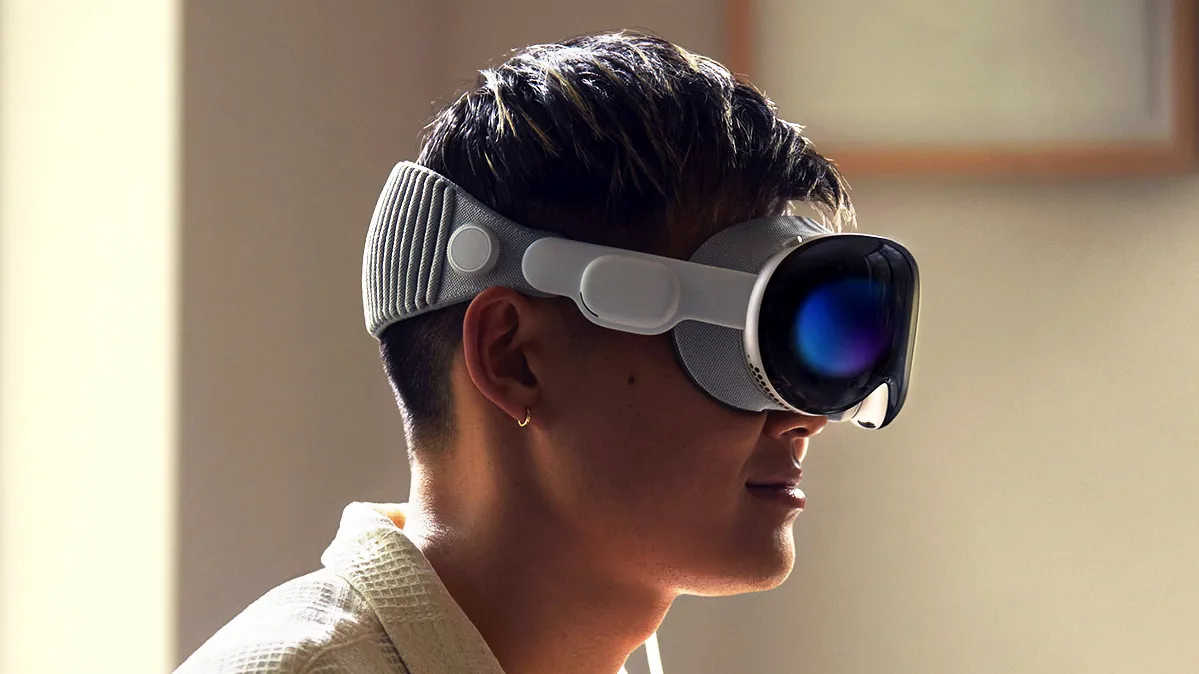
    Apple’s Vision Pro, rather than relying solely on one chip for power, utilizes both the M2 and the R1 chips. In a recent development, reports suggest that Apple plans to incorporate the R2 chip in the next iteration of its premium Mixed Reality (MR) headset, adding a new feature to the device’s already impressive specifications.

    Delayed Announcement

    The successor to the Vision Pro was initially anticipated to be unveiled this month, along with the iPhone 17 series. To the disappointment of many MR aficionados, this did not occur, as the event was exclusively dedicated to the launch of the newly redesigned phones. Many speculate that the delay in the headset’s announcement is due to the incorporation of the R2 chip, pushing the launch to next year.

    Towards A More Capable Headset

    The new R2 chip is said to be created using TSMC’s 2 nm process, a significant advancement from the R1 chip. Combined with the M4 processor — speculated to be part of the new headset — the Vision Pro 2 promises to deliver significantly enhanced performance. The R-series chips are designed to work in sync with the M-series processor, managing the input from the headset’s numerous sensors and cameras. This functionality made the Vision Pro a feature-packed device, a contributing factor to its steep price tag of $3,499.

    The 2 nm R2 chip is expected to process these inputs even quicker, thereby enabling the new Vision Pro to support more complex applications. However, this improvement might not be noticeable for an average user. The general performance will be significantly improved, but not necessarily in a discernible manner.

    Staying Relevant in the XR Industry

    The new Vision Pro headset is primarily intended to ensure Apple’s relevance in the Extended Reality (XR) industry. The key ambition for the company is the development of AR smart glasses, with the aim to outpace Meta in the market. Recently, the new Meta Ray-Ban Display smart glasses were unveiled. While these glasses don’t offer true AR, they mark the company’s entry into the AR market, reminding Apple to reiterate its commitment to XR devices.

    Questions & Answers

    What significant changes are expected in the successor to the Apple Vision Pro?
    The successor is expected to incorporate the R2 chip, which is a significant enhancement from the R1 chip used in the current model.

    What is the speculated release date for the successor to the Vision Pro?
    The release is projected to be delayed till next year, due to the proposed incorporation of the new R2 chip.

    Why is Apple developing the new Vision Pro headset?
    The new Vision Pro headset is primarily a measure to maintain Apple’s presence and relevance in the rapidly growing Extended Reality (XR) industry.

  • Google Phone App’s Landscape Mode: Convenient Feature Or Nuisance?

    Google Phone App’s Landscape Mode: Convenient Feature Or Nuisance?

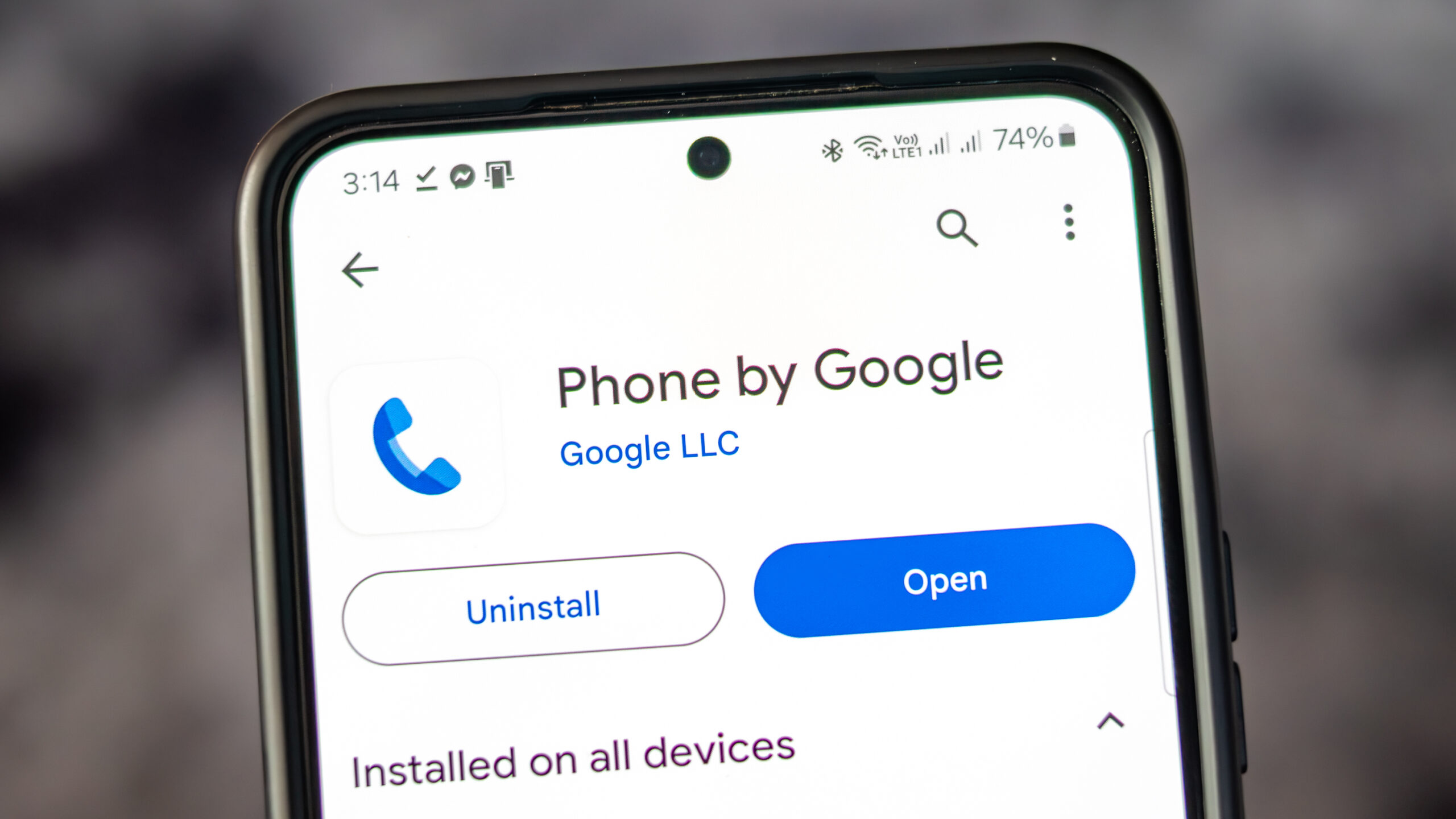
    The Google Phone application, available on all Pixel phones as well as select Motorola and OnePlus devices, provides users with a variety of convenient features. Alongside the standard dial pad, it includes access to contacts and call history. The app also has a call screening feature, filtering out unwanted robocalls and even waiting on hold on behalf of users.

    Former Features

    You may remember that earlier Pixel home screens had a feature which allowed for screen rotation into landscape mode when the phone was held horizontally. This was first seen in Android 7.1.2 in 2017 and was enabled via Home Settings. It allowed the home screen, app drawer, and overview screen to rotate into landscape orientation. However, Google began to phase out this feature with Android 10, removing it completely by Android 12.

    Although the Pixel home screens no longer support landscape orientation, the Google Phone application still allows for it. Users can turn their phones sideways before or during a call to rotate the screen. However, this feature has been met with mixed reactions, as some users find the changing screen orientation during calls inconvenient.

    A Reddit user voiced their frustration over this issue, stating that the app has been switching to landscape mode during calls, which is inconvenient when ending a call as the button is moved to the side. They expressed their desire to turn off this feature within the app settings, rather than disabling it for the entire device.

    Screen Appearance in Landscape Mode

    When using the Google Phone app in landscape mode, the dial pad is situated on the right side of the screen, with a green call button at the bottom. To the left of the dial pad are call suggestions, and on the far left are three icons for home, keypad, and voicemail.

    When a call is initiated and the app is in landscape mode, the Wi-Fi icon at the top indicates the use of a Wi-Fi call. The name and phone number of the person being called are displayed, along with their avatar or profile icon. Four buttons for keypad, mute, speaker, and additional options are to the right of the profile icon.

    Should Google Remove This Feature?

    There is some debate over whether Google should remove the landscape feature from their phone app. Some users have reported their screen being forced into portrait mode when initiating a call, which is not the universal experience. It is suggested that Google should consider providing an option for users to disable landscape mode within the app settings to accommodate those who find it inconvenient.

    As for myself, I find the landscape mode useful on my Pixel 6 Pro and would like its continuation in future Pixel phones. What needs to be addressed is the issue of accidental screen rotation during calls.

    Iconic Phones Project

    In other news, we are excited to announce the upcoming release of our passion project, “Iconic Phones: Revolution at Your Fingertips”. This coffee table book is a must-have for any technology enthusiast, chronicling the most significant technological advancements of the 21st century.

    Questions & Answers

    What features does the Google Phone app offer?
    The Google Phone app provides a dialer, contacts, call history, call screening, robocall filtering, and a hold feature.

    Does the Google Phone app still support landscape mode during calls?
    Yes, the Google Phone app does support landscape mode during calls, but the feature has received mixed reviews.

    Will the landscape mode be removed from the Google Phone app?
    While some users have expressed their preference for this feature to be removed or given an option to disable it, no official statement from Google regarding changes to this feature has been made.

  • Ios 26 Update Revolutionizes Apple Wallet With Enhanced Card Information Storage

    Ios 26 Update Revolutionizes Apple Wallet With Enhanced Card Information Storage

    The recent iOS 26 update has unveiled a host of minor enhancements, including a significant upgrade to the Apple Wallet. The digital wallet can now store detailed information about all your credit and debit cards, enhancing the user experience and accessibility.

    Storing Card Details in the Wallet App

    The iOS 26 iteration of Apple Wallet now allows detailed storage of physical card information alongside their digital counterparts within the app. This empowers users to access essential information such as the card number, expiry date, and other specifics, even in the absence of the physical card.

    Previously, the Wallet was somewhat limiting, offering no option to store comprehensive physical card information for debit and credit cards—a feature exclusive to the Apple Card. This update simplifies and enhances the user experience, positioning the Wallet app as a comprehensive replacement for a physical wallet—a functionality competitor apps like 1Password have been offering for a while.

    Manual Data Entry

    However, while this feature enhances convenience, Apple Wallet does not automatically store all card details. Users must manually input the information into the app. This can be done through a straightforward process:

    1. Open Wallet and select a card.
    2. Click on the ‘123’ button in the upper right corner and authenticate with FaceID or a passcode.
    3. Select “Add Physical Card information.”
    4. Scan the card or manually input the details to be saved.
    5. Confirm by tapping ‘Done.’

    Users can store the card number, expiration date, security code, cardholder’s name, and even add a specific description. Aside from the card number, all other details are optional, allowing users to customize what gets stored. This feature is particularly useful for cards with dynamic security codes.

    Apple has assured users that the saved data is both encrypted and stored in the user’s iCloud Keychain, accessible only by the particular user. Importantly, this information does not get used for Apple Pay transactions.

    A Competitive Edge

    The addition of detailed card information storage to Apple Wallet effectively eliminates the need for many users to stick with 1Password instead of transitioning to Apple’s own Passwords app. This development underlines Apple’s strategy of integrating features of utility apps into its operating systems, rendering separate apps superfluous.

    Questions & Answers

    What new features does the iOS 26 update bring to the Apple Wallet?
    The iOS 26 update allows users to store detailed information about their physical credit and debit cards within the Wallet app.

    How does one add physical card details to the Apple Wallet?
    Physical card details can be added manually by selecting a card within the Wallet app, clicking on the ‘123’ button, selecting “Add Physical Card information,” scanning the card or manually entering the details, and confirming the action.

    Is the card information stored in Apple Wallet secure?
    Yes, Apple assures users that all stored data is encrypted and kept in the user’s iCloud Keychain, accessible only to the user. The stored card information is not used for Apple Pay transactions.

  • It’s about time! Apple releases watchOS 26

    It’s about time! Apple releases watchOS 26

    Apple has unveiled watchOS 26, the first iteration of the product’s operating system to feature Apple’s new naming approach, excluding beta versions. The significant update in the software is the introduction of the Liquid Glass design language, which adds a semi-transparent appearance to the display. As a result of Liquid Glass numerals, more of the backdrop will be visible. Users will also encounter Liquid Glass while looking at widgets and hints.

    The New Apple iPhone Series

    Apple is now taking pre-orders for the new iPhone 17 series which boasts an enhanced design, superior battery life, and top-tier performance. Interested customers can pre-order the device for a monthly fee of $0.00 with eligible iPhone trade-in (regardless of condition) and a qualifying plan.

    For customers seeking a sleek appearance, the iPhone Air is now available for pre-order at a monthly price of $4.73 with an eligible iPhone trade-in and a qualifying plan. The phone is expected to be shipped by September 19.

    In the professional range, customers can pre-order the powerful iPhone 17 Pro, featuring an upgraded design and a brilliant display for as low as $0.00 monthly at AT&T. To avail this deal, customers must trade in an eligible iPhone in any condition and possess a suitable plan. The offer is accessible for both new and existing customers.

    The impressive iPhone 17 Pro Max is available for pre-order at a monthly rate of $2.78. If customers trade in an eligible iPhone in any condition and set up a new line on a qualifying AT&T plan or upgrade their current one, they can avail a significant discount on the iPhone 17 Pro Max. This can save them up to $1,100 after 36 monthly bill credits.

    Liquid Glass and Other watchOS 26 Features

    Liquid Glass will be visible when viewing notifications, Control Center, controls, and in-app navigation. The key takeaway is that users will have the sensation of a glass panel between the content that appears layered on top of the watch display and the background.

    Notable features of watchOS 26 include Workout Buddy, a text-to-voice feature that serves as your workout companion, inspiring and motivating you. Live Translation, using AI, translates texts into your preferred language, expanding your communication possibilities.

    Another functional tool is Smart Actions which guides you on what steps to take when a friend requests information via text. For example, if a friend wants to know your location, the Find My app will appear on the display so you can share your location with a single tap.

    Call screening, another addition, asks callers for their name and reason for calling, allowing you to decide if you want to take the call. The iPhone’s Hold Assist also comes to the Apple Watch with watchOS 26. While you’re on hold, the Apple Watch will monitor your call and alert you when a live agent returns to talk with you.

    Apple has also improved the prediction algorithm used with Smart Stack to provide timely suggestions. Additionally, new watch faces are available with watchOS 26, and users can install the update on their Apple Watch through the Watch app on iPhone 11 or iPhone SE 2 or later.

    Questions & Answers

    What are the significant updates in watchOS 26?
    The major updates in watchOS 26 include the introduction of the Liquid Glass design language, a semi-transparent appearance to the display, and functionalities like Workout Buddy, Live Translation, and Smart Actions.

    What are the pre-order details for the iPhone 17 series?
    The iPhone 17 series can be pre-ordered for a monthly fee of $0.00 with an eligible iPhone trade-in and a qualifying plan. The iPhone Air is available for a monthly price of $4.73, and the iPhone 17 Pro and Pro Max are available for as low as $0.00 and $2.78 per month respectively with eligible trade-ins and plans.

    How can one install the watchOS 26 update?
    The watchOS 26 update can be installed by opening the Watch app on iPhone 11 or iPhone SE 2 or later, going to the ‘My Watch’ tab, tapping on ‘General > Software Update’, and if the update appears, tapping on ‘Download and Install’.

  • Apple’s Possible Shift To Esim-only Iphones: Impact On Global Connectivity And Travel

    Apple’s Possible Shift To Esim-only Iphones: Impact On Global Connectivity And Travel

    Apple’s smartphones in the United States have not had a SIM card slot since the release of the iPhone 14. Instead, these devices have supported a mix of physical and eSIM technology. However, a recent rumor implies that Apple may soon discontinue the physical SIM card tray for the iPhone 17 in additional countries.

    Retail staff at Apple Authorized Resellers throughout the European Union are required to undergo training related to eSIM technology. Those in the know have disclosed that the deadline for course completion is Friday, September 5.

    Significant Event on the Horizon

    Just four days after this deadline, Apple is set to host its “Awe dropping.” event on Tuesday, September 9. The tech giant is anticipated to unveil the iPhone 17, iPhone 17 Pro, and iPhone 17 Pro Max, along with a new slim model potentially dubbed the iPhone 17 Air.

    Yet, this shift may not be confined to the European Union. The training material is accessible to European retail staff via Apple’s SEED app. This platform is utilized by employees of official Apple Stores and Apple Authorized Resellers globally, and it is not exclusive to Europe.

    Adapting to New Technologies

    It would be logical for Apple to roll out this change to other countries, particularly given the rumors circulating over the past year. Speculation that the iPhone 17 Air may be too thin to accommodate a SIM card slot began as early as last October. There have also been suggestions that the change could apply to the entire iPhone 17 range across all markets.

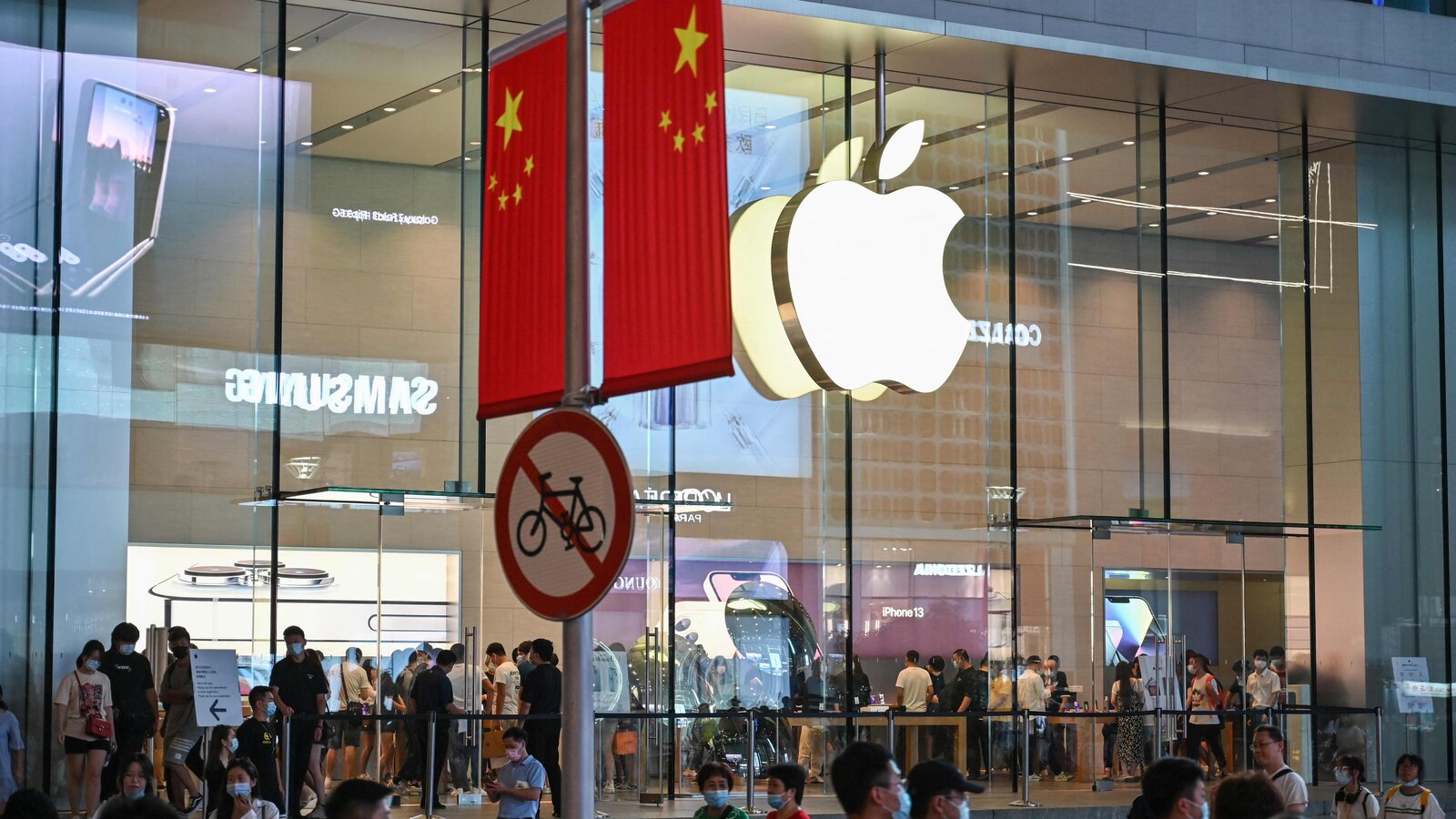
    However, it is probable that Apple will maintain the physical SIM option in certain countries, including China. Although iPhones in most countries support both eSIM and physical SIM, in China and a few other markets, they offer dual SIM with two physical cards.

    Notably, other tech companies are also following this trend. Google recently launched the eSIM-only Pixel 10 in the US, while Samsung’s Galaxy S25 offers a mix of eSIM and physical SIM support, including in the US. However, in some regions outside of the US, Samsung’s phones feature dual physical SIMs, and the Pixel 10 integrates both physical and eSIM technologies.

    Travel and Connectivity

    As a global traveler, having a variety of connectivity options is beneficial, therefore losing the physical SIM slot could be disappointing. While purchasing a local SIM can be cheaper and more convenient, there are a variety of international eSIM services that can sometimes offer more affordable and convenient options for travelers. Here’s hoping that Apple will continue to offer both options in my region.

    Questions & Answers

    Why is Apple potentially moving away from physical SIM cards?
    It is rumored that Apple may be entertaining this notion in order to make devices thinner and more streamlined, thereby improving the user experience.

    Will all countries lose the physical SIM option on the iPhone 17?
    While it seems likely that more countries will be affected by this change, it is currently unclear if this will be a global shift. Some regions, such as China, may continue to have the physical SIM option.

    How will the lack of a physical SIM card impact travelers?
    While the absence of a physical SIM card could initially prove inconvenient, the rise of international eSIM services could provide an alternative, and potentially more affordable, option for travelers.

  • Microsoft Unveils Ambitious Multimodal AI Vision for Windows 2030 Experience

    Microsoft Unveils Ambitious Multimodal AI Vision for Windows 2030 Experience

    Microsoft’s ambitious Windows 2030 Vision unveils a future where artificial intelligence (AI) is woven into the very fabric of its operating system, dramatically reshaping the user experience. Imagine a world where AI agents tackle mundane tasks, freeing users to focus on creativity, innovation, and collaboration—sounds like a sci-fi plot, right? But this is what Microsoft envisions for the coming decade.

    AI: The New Driving Force

    In this forward-thinking landscape, interaction with the operating system will evolve into a seamless, multimodal experience. The OS will not only “see” and “hear” but also respond empathetically to user inputs, making computing more intuitive and human-like. Users will be able to execute complex requests simply by speaking or gesturing, thanks to advanced voice and visual commands.

    Revolutionizing Security

    Security features are also set to see a significant overhaul. Microsoft plans to transition from traditional app and OS-level protection to a more holistic appliance-level security system. Picture this: one-click, comprehensive device security, designed to keep your digital life safe without the usual hassle. This all-encompassing approach promises to redefine how users protect their sensitive information.

    A Blueprint for Tomorrow

    The union of intuitive computing and robust security within the Windows ecosystem highlights Microsoft’s determination to blend human creativity with AI-driven efficiency. As we look ahead to 2030, it’s clear that Microsoft is not just dreaming about the future of work; it’s designing it. With these innovations on the horizon, the way we work, communicate, and safeguard our digital assets will likely be transformed forever.

    Questions & Answers

    What is the primary goal of Microsoft’s Windows 2030 Vision?
    The goal is to integrate artificial intelligence deeply into the operating system to enhance user experience by automating routine tasks and facilitating a more intuitive interaction with technology.

    How will security change with the new Windows vision?
    Windows aims to shift from traditional security measures to a more comprehensive appliance-level protection model, allowing users to secure their devices with a single click.

    What is the anticipated impact of these changes on users?
    Users can expect to have more time for creative and innovative pursuits as AI manages everyday tasks, making computing not only more efficient but also more engaging.

  • Xiaomi Triumphs, Reclaims Leadership in Southeast Asia’s Smartphone Market After Four-Year Battle

    Xiaomi Triumphs, Reclaims Leadership in Southeast Asia’s Smartphone Market After Four-Year Battle

    Xiaomi has positioned itself as a dominant player in Southeast Asia’s smartphone market, capturing 19% market share, bolstered by impressive sales of its Redmi series and a robust expansion into direct-to-consumer and operator channels. The findings from Canalys, a U.S.-based market research firm, highlight the brand’s strategic moves to cement its foothold in the region.

    Le Xuan Chiew, a research manager at Canalys, attributed Xiaomi’s strong performance to its ability to scale sub-brands effectively. In a surprising twist, shipments for Poco, a Xiaomi sub-brand, more than doubled, while the premium Xiaomi 15 series experienced a phenomenal 54% growth year on year. This marks a significant shift for a brand that has historically been seen as a budget-friendly option.

    Transsion Rises with New Offerings

    Second place in the rankings went to China’s Transsion, which sold 4.5 million units as it enjoyed a robust 17% increase, thanks to recent launches in its budget-friendly entry-level portfolio. With 18% of the market share, Transsion is proving that affordability can still captivate consumers.

    Samsung Expands 5G Presence

    Samsung secured third place with 4.3 million units, reflecting a slight 3% dip from the previous year. However, its 5G-capable devices are gaining traction, particularly in Vietnam and Singapore, backed by the attractive value proposition of its Galaxy A06 5G and A16 5G models. “Samsung is not just selling phones; it’s crafting a legacy of reliability, especially in the enterprise sector,” Chew noted.

    Competition Heats Up for Oppo and Vivo

    Following close behind is Oppo, claiming fourth place with 3.5 million units sold, despite a 19% decline as competition intensifies at the entry-level. Holding a 14% market share, Oppo’s challenges reflect the shifting dynamics in the smartphone landscape. Vivo rounded out the top five with 2.8 million units, suffering a steeper 21% drop as it pivots strategically towards profitability, representing an 11% market share.

    Market Outlook Faces Uncertain Currents

    The overall Southeast Asian smartphone market saw a 1% decline, totaling 25 million units sold in the second quarter. A significant factor in this downturn is ongoing tariff uncertainties that continue to cast shadows over the region’s economic outlook. Chew emphasized that the ongoing U.S.–China trade tensions are reshaping supply chains, compelling vendors to reallocate resources away from China in favor of U.S. shipments. This situation has disrupted inventory planning across manufacturing hubs, particularly in China and Vietnam.

    Moreover, currency volatility—especially the weakening of the U.S. dollar—is affecting local purchasing power and retail pricing strategies, pressuring vendors to reconsider pricing and promotions to stay viable in the market. While shipment volumes have remained relatively steady, rising tariff concerns and persistent macroeconomic challenges are dampening consumer enthusiasm, particularly within the mass market segment.

    Questions & Answers

    What factors contributed to Xiaomi’s market leadership in Southeast Asia?
    Xiaomi’s market leadership is attributed to strong sales from its Redmi series and an effective expansion into direct-to-consumer and operator channels, which have helped scale its sub-brands, particularly Poco.

    How did Transsion manage to increase its market share?
    Transsion’s market share increase can be traced back to successful launches within its entry-level portfolio, appealing to budget-conscious consumers and allowing it to capture 18% of the market.

    What challenges are impacting the overall smartphone market in Southeast Asia?
    The smartphone market is facing challenges due to ongoing tariff uncertainties, U.S.–China trade tensions affecting supply chains, currency volatility impacting prices, and shifting consumer sentiment, especially in the mass market sector.

  • Hanoi’s Electric Vehicle Shift Requires More Time, Warns Motorbike Makers Association

    Hanoi’s Electric Vehicle Shift Requires More Time, Warns Motorbike Makers Association

    This month, Hanoi’s government announced a bold initiative to ban fossil-fueled motorbikes from the city’s Ring Road 1, an area that encompasses much of the bustling downtown, with the prohibition set to take effect by mid-2026. However, the Motorbike Manufacturers Association, which includes industry giants like Honda, Yamaha, Suzuki, Piaggio, and SYM, believes the timeline is unrealistic and should be extended.

    While the association recognizes the necessity of reducing emissions, it underscored the significant challenges posed by such an aggressive plan. “Residents, businesses, and regulators need at least two to three years to prepare for this shift,” the group recently communicated to government officials. They proposed a more gradual approach that starts with banning older, high-emission vehicles, then progressively targets commercial bikes, delaying the ban on personal vehicles.

    Their concern centers on the financial strain this abrupt transition could place on low-income residents who may struggle to afford new electric vehicles. Manufacturers echoed these sentiments, warning that the costs associated with shifting to electric production could lead to substantial financial losses.

    Hanoi is a crucial market for Honda, which holds the largest market share in Vietnam’s two-wheeler sector. In the previous year alone, Honda sold 2.15 million two-wheelers in Vietnam, with 190,000 of those sales happening in Hanoi. The association further highlighted the complex web of suppliers—around 200 firms primarily focused on internal combustion engine components—who could be jeopardized if the transition to electric bikes occurs too swiftly. The lack of adequate public charging infrastructure is another pressing concern.

    Currently, Vietnam’s power grid is ill-equipped to handle widespread electric vehicle charging, especially during peak usage times in populous areas. Moreover, home charging poses risks of fire and explosion, particularly in older apartment complexes. Although VinFast has established a nationwide charging network, it primarily serves electric cars. Other players like Dat Bike have set up a few stations in Ho Chi Minh City, while Selex Motors has opted for a battery-swapping model at 90 locations across Hanoi, Da Nang, and Ho Chi Minh City.

    In Ho Chi Minh City, ride-hailing and delivery drivers are expected to make the switch to electric motorbikes by 2026, with a complete phase-out of gasoline models to follow by the end of 2028. As the largest cities in Vietnam, Hanoi and Ho Chi Minh City lead the way in motorbike usage.

    A CEO from a Vietnamese motorbike brand noted that once government decisions are made, adaptation is no longer a matter of choice but an obligation. He emphasized the need for a realistic roadmap that considers the interests of all stakeholders involved. Experts advocate for additional financial support for private users and comprehensive public transport planning to ease this transition.

    To that end, Hanoi is exploring initiatives to assist the 450,000 residents within Ring Road 1 who currently rely on gas-powered motorbikes, potentially by subsidizing the registration fees of new vehicles.

    Questions & Answers

    What prompted Hanoi’s government to ban fossil-fueled motorbikes?
    The ban is part of Hanoi’s initiative to reduce emissions within the city, aiming to phase out gasoline-powered motorbikes from the densely populated Ring Road 1 by mid-2026.

    What concerns has the Motorbike Manufacturers Association raised regarding the ban?
    The association argues that the current timeline is too aggressive, urging for a phased approach that provides residents and manufacturers more preparation time, particularly to mitigate financial burdens on low-income individuals.

    How is the current charging infrastructure in Vietnam supporting the transition to electric motorbikes?
    The existing public charging infrastructure is limited, with Vietnam’s power grid unprepared for mass electric vehicle charging, especially in peak hours, and home charging posing safety risks in older apartment buildings.

  • MagSafe Accessories Market Set to Surge to $16.14 Billion by 2031—What’s Driving the Growth?

    MagSafe Accessories Market Set to Surge to $16.14 Billion by 2031—What’s Driving the Growth?

    The global MagSafe accessories market is poised for impressive growth, projected to reach $16.14 billion by 2031, with an annual growth rate of 4.7%, as detailed in a report by Valuates Reports. This expansion is primarily fueled by a rising demand for wireless charging solutions, alongside the allure of minimalist design and seamless integration with Apple products.

    At the forefront of this trend are MagSafe wireless chargers, celebrated for their magnetic alignment that enables faster and more reliable charging. As smartphone usage surges and the need for quick charging solutions intensifies, these chargers stand out as a clean and efficient means of powering devices, catering to users who crave convenience without sacrificing performance.

    In addition, MagSafe phone mounts are becoming increasingly popular for hands-free use in both vehicles and at desks. Their robust magnets ensure devices stay put, allowing for easy adjustments. This capability resonates with a diverse audience, from drivers and content creators to professionals seeking stylish yet practical mounting solutions. Who knew magnets could have such a magnetic allure?

    E-commerce platforms, particularly giants like Amazon and the Apple Store, are integral to this market’s expansion. These online channels provide consumers with global access to product comparisons and user reviews, significantly boosting sales. The shift toward digital shopping has paved the way for easier access to a broad spectrum of MagSafe accessories.

    MagSafe products are intricately designed to pair with Apple devices, including iPhones, AirPods, and Apple Watches, fostering user trust and encouraging ongoing investment in the Apple ecosystem. Their forward and backward compatibility ensures that users can enjoy these accessories over the long haul.

    As more consumers opt for flagship iPhones, their willingness to invest in high-end accessories has grown. MagSafe products not only align with Apple’s distinguished design and performance standards but also cater to a discerning group of premium buyers.

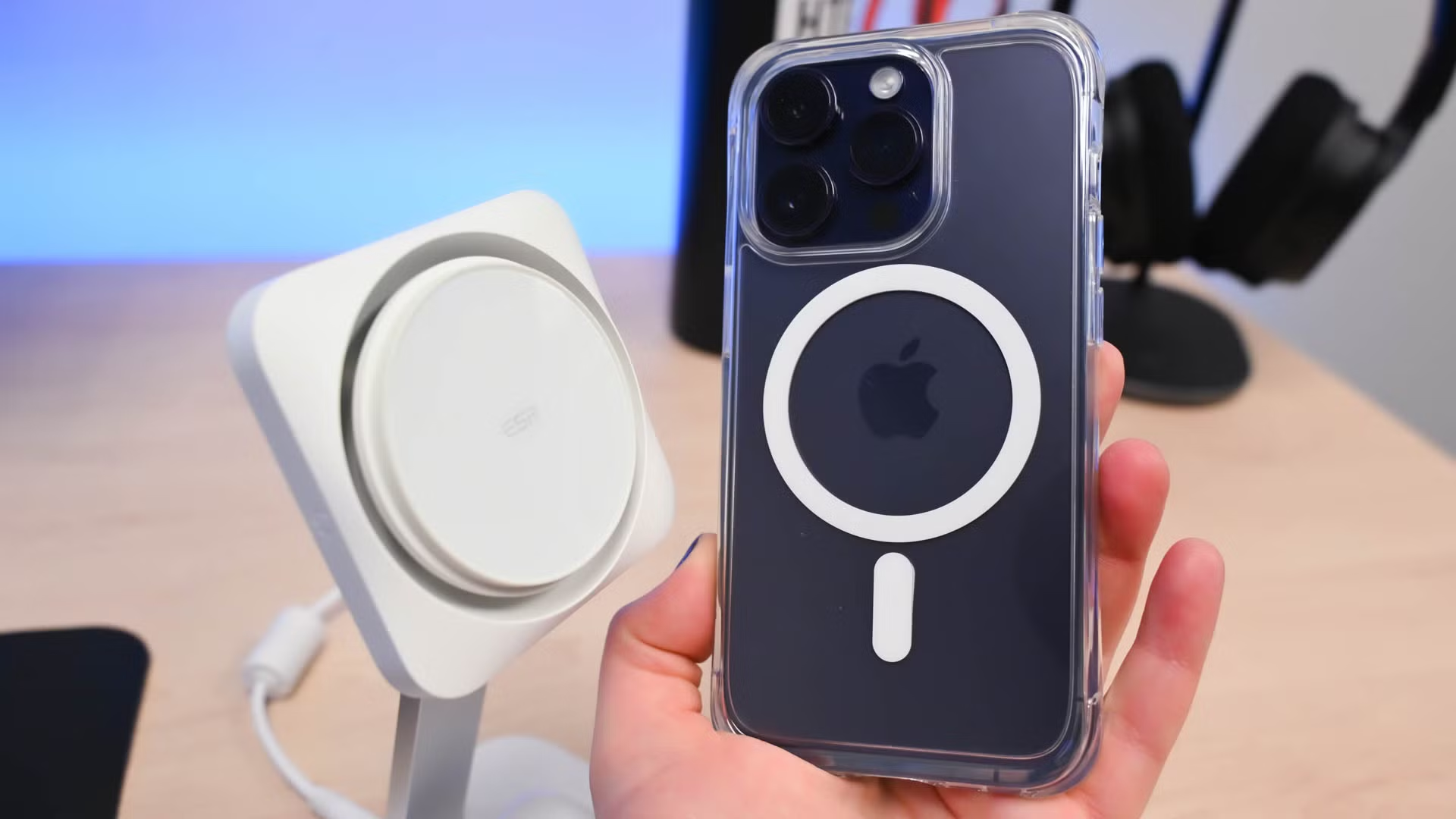
    Further enhancing the market landscape, Apple’s strategic move to open the MagSafe standard to third-party manufacturers has broadened the product range. Brands such as Belkin, Anker, and ESR have stepped in, offering certified accessories at varying price points, sparking healthy competition that drives innovation and increases accessibility.

    With both Apple and third-party brands vying to push the boundaries of what’s possible, the MagSafe accessories market is on a promising trajectory, set to achieve a remarkable $16.14 billion by 2031.

    Questions & Answers

    What are the main drivers of growth in the MagSafe accessories market?
    The growth is largely driven by the increasing demand for wireless charging, minimalist designs, and the seamless integration of these accessories with Apple products, particularly smartphones.

    How has the competitive landscape changed with the introduction of third-party manufacturers?
    Apple’s decision to open the MagSafe standard to third-party manufacturers has led to a wider variety of products on the market, with brands like Belkin and Anker offering certified accessories that are both innovative and affordable.

    What advantages do MagSafe chargers offer over traditional charging methods?
    MagSafe chargers provide faster and more reliable charging due to their magnetic alignment, promoting convenience and efficiency for users in an increasingly fast-paced world.

  • Electric Bike Market Accelerates Growth Amid Rising Gasoline Motorbike Restrictions

    Electric Bike Market Accelerates Growth Amid Rising Gasoline Motorbike Restrictions

    Starting July 1, 2024, Hanoi will usher in a significant shift in urban mobility by banning all gasoline-powered two-wheel vehicles within the confines of Ring Road 1, effectively covering much of the city’s downtown. This move is not a standalone initiative; the ban is set to expand to Ring Road 2 in 2028, targeting fossil fuel-powered personal cars alongside motorcycles. By 2030, the restrictions will reach the outermost Ring Road 3, marking a decisive step towards cleaner urban transport.

    Meanwhile, Ho Chi Minh City (HCMC) is pondering similar measures, contemplating designated zones that favor green vehicles while restricting access to gasoline and diesel motorcycles, particularly in the bustling downtown and environmentally sensitive regions like Can Gio and the Con Dao Special Zone. With the stakes this high, one could speculate that the electric scooter has officially become the new “it” vehicle in Vietnam.

    These impending restrictions promise to reshape the landscape of Vietnam’s motorcycle market. As the country’s largest urban centers, Hanoi and HCMC are at the forefront of motorcycle consumption, standing as hubs of economic activity. Electric bikes made their debut in the early 2000s, catering primarily to students who can ride them without a license, thus developing an early market for electric vehicle (EV) adoption.

    Historically, these e-bikes were largely imports from China, providing an affordable alternative in a competitive market. Until recently, Detech was the lone domestic manufacturer based in Hung Yen. However, after 2010, the industry witnessed a surge of local brands, with Dibao emerging in 2011, Pega in 2012, DK Bike in 2014, and Anbico in 2015. Enter VinFast in 2018, the ambitious brand backed by Vingroup, along with Selex Motors and Dat Bike, which also launched in the following year.

    The Chinese brand Yadea, now the dominant electric two-wheeler manufacturer globally, set up two large factories in Bac Giang in 2019 with plans to produce up to two million vehicles annually. Following suit, Tailg, another Chinese heavyweight, planted roots in Hung Yen in 2024, with a yearly production capacity of 350,000 vehicles. Traditional gasoline motorbike makers see the winds of change, with Yamaha unveiling its first electric motorcycle, the Neo’s, in 2022, while Honda — holding over 80% of the market share — debuted its electric models in 2024, the ICON e: and the premium CUV e:.

    Despite the flurry of activity in the electric segment, Suzuki, SYM, and Piaggio, who remain members of the Vietnam Association of Motorcycle Manufacturers (VAMM), have yet to release fully electric options. VinFast, uniquely positioned as a transparent player, revealed sales of nearly 71,000 units in the last year, representing a modest 3% of the gasoline motorcycle market, which totaled 2.65 million units. However, the lack of official statistics on annual electric motorcycle sales poses a challenge for comprehensive market analysis.

    Policy Shifts and Industry Reactions

    Industry experts believe that Hanoi’s gradual ban on gasoline-powered motorcycles — and HCMC’s possible follow-up — will dramatically transform Vietnam’s motorcycle landscape. The two-wheel vehicle continues to be the primary mode of transport due to its affordability, flexibility, and infrastructure support. According to the International Council on Clean Transportation (ICCT), two-wheelers fulfill 72.6% of transport needs in Hanoi and 82% in HCMC.

    For Honda, which sells nearly 2.15 million units annually, Hanoi represents a critical market, contributing around 8-9% of its total sales. The company’s spokesperson acknowledged the profound implications of these policy changes, emphasizing both logistical and financial challenges in transitioning to eco-friendly vehicles in such dense urban settings. “Replacing a significant number of internal combustion vehicles swiftly could impose substantial pressures,” they noted, highlighting insufficient charging infrastructure and fire safety concerns.

    While Honda advocates for a delay to allow more time for technical standards and infrastructure development, the responses from other manufacturers remain unclear. A spokesperson from Suzuki Vietnam confirmed that VAMM members would convene to devise strategies for a potential transition to green vehicles. Currently, there are no government incentives for purchasing electric motorcycles unlike electric cars, which enjoy waivers on registration fees until February 2027. Hanoi is looking at supporting the replacement of approximately 450,000 gasoline motorcycles, potentially covering most costs for new electric options, alongside the establishment of charging zones for electric and clean-energy vehicles.

    Leading the charge on infrastructure investment, VinFast is paving the way with extensive charging facilities across the country, while most other EV brands predominantly rely on home charging. Exceptionally, Dat Bike has made investments in charging stations, although currently focused in HCMC, further underlining the emerging dynamics of Vietnam’s electric vehicle ecosystem.

    Questions & Answers

    What are the main areas impacted by Hanoi’s electric vehicle ban?
    The ban initially affects areas within Ring Road 1, which encompasses most of downtown Hanoi, with plans to extend to Ring Road 2 in 2028 and to Ring Road 3 by 2030.

    How will traditional motorcycle manufacturers adapt to the upcoming policy changes?
    Manufacturers like Honda and Yamaha are exploring strategies to transition towards electric vehicles, but face challenges related to infrastructure and the rapid pace of required changes.

    What incentives are currently available for purchasing electric motorcycles in Vietnam?
    As of now, there are no government incentives for electric motorcycles, unlike electric cars, which benefit from waived registration fees until February 2027.

  • Indian Apple Reseller Ample Announces Ambitious Growth Plan, Aims For 35% Revenue Surge By 2026

    Indian Apple Reseller Ample Announces Ambitious Growth Plan, Aims For 35% Revenue Surge By 2026

    Ample, an Indian reseller of Apple products, has outlined ambitious growth plans aimed at achieving a 35 percent surge in revenue by the fiscal year 2026, according to the company’s Chief Executive Officer (CEO).

    Expanding Footprint and Brand Portfolio

    Based in Bengaluru, Ample supplies a variety of tech products, including Apple computers, to a large and diverse client base of over 1500 entities. Key clients include high-profile names such as SAP, Broadcom, Infosys, and Wipro. Currently, the firm operates more than 120 stores across India, with nearly 50 of these outlets dedicated to Apple products. Other brands, such as Under Armour and Asics, are also showcased in the company’s stores.

    CEO Rajesh Narang revealed plans to increase the company’s footprint to around 175 stores across various brands within the next three years. However, no specific target for the expansion of Apple-only stores was provided.

    Financial Performance and Growth Strategy

    As of the fiscal year that ended on March 31, Ample reported a revenue of 17 billion rupees (equivalent to US$197.33 million). Going forward, the company plans to focus on forging partnerships with global capability centers. These centers are operational hubs that manage various aspects such as operations, finance, and research for large multinational companies.

    Notably, Apple, which itself reported nearly $8 billion in sales in India for the year ending March 2024, operates its own stores in New Delhi and Mumbai. Despite this, Narang believes that Apple’s plans to further expand its presence in India will be beneficial for partners like Ample, as the market tends to expand in line with the brand’s presence.

    Future Plans and Investment Needs

    To fund its ambitious growth strategy, Ample plans to list on stock exchanges within the next five years. “Considering our growth ambition, there will be a requirement for capital,” Narang stated.

    Questions & Answers

    What is Ample’s future growth strategy?
    Ample plans to expand its store footprint to around 175 outlets across various brands within the next three years. The company also intends to forge partnerships with global capability centers to drive growth.

    How will Ample fund its growth plan?
    Ample plans to list on stock exchanges within the next five years to raise the necessary capital to fund its growth strategy.

    What is the anticipated impact of Apple’s expansion in India on Ample’s business?
    Ample’s CEO, Rajesh Narang, believes that Apple’s expansion in India will be beneficial for partners like Ample, as the market often grows in tandem with the brand’s presence.

  • Reliance Industries Expands Consumer Durables Reach With Electrolux’s Kelvinator Acquisition

    Reliance Industries Expands Consumer Durables Reach With Electrolux’s Kelvinator Acquisition

    Reliance Industries, a prominent Indian retailer, has recently acquired Swedish firm Electrolux’s Kelvinator, which is known for selling electronics such as refrigerators, washing machines, and air conditioners. This acquisition was carried out by the retail division of Reliance, demonstrating its ongoing expansion in the rapidly growing consumer durables market.

    Boosting Presence in Home Electronics and Appliances

    Reliance Retail is not only widening its presence in the consumer durables market but also extending its private-label portfolio of home electronics and appliances. This growth has been propelled by increased income levels, urbanisation, and sharpening competition in the market.

    The Background of Kelvinator

    Kelvinator, originating in the United States, had a significant international presence during the 1970s and 1980s, including a strong foothold in India. However, the brand experienced a downturn around the 1990s due to increased global competition and shifts in consumer preferences.

    Electrolux’s Profit from the Divestment

    Electrolux, in its latest quarterly report, disclosed that it had realised a profit of US$18.5 million from the sale of the Kelvinator brand.

    Questions & Answers

    What is the significance of Reliance Industries’ acquisition of Kelvinator?
    The acquisition signifies Reliance Industries’ commitment to expanding its presence in the burgeoning consumer durables market.

    What contributed to the expansion of Reliance Retail’s private-label portfolio?
    The expansion of Reliance Retail’s private-label portfolio has been driven by rising incomes, urbanisation, and increased competition in the market.

    What led to the decline of Kelvinator’s prominence in the market?
    Kelvinator’s market prominence declined around the 1990s due to heightened global competition and shifts in consumer preferences.

  • China’s Smartphone Market Sees Contraction; Huawei Reclaims Top Spot Amidst Decreased Shipments

    China’s Smartphone Market Sees Contraction; Huawei Reclaims Top Spot Amidst Decreased Shipments

    After six consecutive quarters of growth, China’s smartphone market showed signs of contraction during the second quarter of this year. The International Data Corporation (IDC) reported a decrease in shipments from the top four out of five brands, attributing this to a dip in consumer demand.

    Apple, which holds the fifth position in China’s smartphone market, experienced a 1.3% year-on-year decrease in shipments in the second quarter, equating to a shipment of 9.6 million units. While still marking a decline, this represents a notably smaller decrease than the 9% drop witnessed in the first quarter of the year. This is believed to be due in part to adjustments in the pricing of specific iPhone 16 and 16 Pro models, which are eligible for government subsidies.

    Despite this, Apple’s share of the market increased, growing from 13.7% in the March quarter to 13.9% in the June quarter. However, this still marks the eighth consecutive quarter in which Apple’s market share has declined.

    Huawei, the Shenzhen-based technological powerhouse, regained its position at the top of the market after more than four years, seizing an 18.1% market share. Huawei shipped approximately 12.5 million phones during the second quarter, a 3.4% year-on-year decrease.

    Xiaomi, holding the fourth position in the market, was the only smartphone manufacturer to record an increase in shipments during the last quarter. Vivo, standing at second place, witnessed the most significant decline in the top five brands, with shipments decreasing by 10.1%.

    Overall, China’s smartphone shipments fell by 4.0% year-on-year to 69 million units in the second quarter. This decline came as the momentum spurred by government subsidies began to falter amid more wide-ranging economic weaknesses.

    Senior research analyst at IDC, Arthur Guo, commented on the broader economic challenges faced by the industry, stating that consumer confidence remains low. Guo suggested that a significant boost in smartphone demand is unlikely in the near future and projected a more multifaceted landscape for the market in the second half of the year.

    Questions & Answers

    What was the rate of decline in China’s smartphone market during the second quarter?
    The rate of decline in China’s smartphone market during the second quarter was 4.0%.

    Which brand reclaimed the top spot in China’s smartphone market?
    Huawei regained the top position in China’s smartphone market after over four years.

    What was the only brand among the top five to record growth in shipments during the last quarter?
    Xiaomi was the only brand among the top five to record growth in shipments during the last quarter.

  • Xiaomi Opens Its First Offline Store in Korea: A New Era for Retail Enthusiasts!

    Xiaomi Opens Its First Offline Store in Korea: A New Era for Retail Enthusiasts!

    Retail giants across Asia are diving deep into the realm of experiential shopping, and the recent emergence of live-streaming commerce is reshaping the retail landscape. As consumer preferences evolve, companies are jostling to innovate and offer a more immersive shopping experience that transcends traditional retail boundaries.

    Live-Streaming Commerce: A Game Changer

    Powered by the meteoric rise of social media platforms, live-streaming commerce is captivating audiences and transforming how consumers shop. Countries like China are at the forefront of this trend, with live-streaming events racking up billions of dollars in sales within just hours. This format combines entertainment with commerce, allowing brands to showcase products while engaging viewers in real time. One moment shoppers are catching a glimpse of a trendy handbag, and the next they’re in on a lively Q&A about its features—not your average shopping experience!

    Asia’s Retail Arena: A Feast for Innovation

    Retailers throughout Asia are seizing this opportunity to enrich customer engagement. Brands are harnessing influencers and charismatic presenters to enhance the entertainment factor, driving traffic and sales through these events. For instance, in Hong Kong, a popular cosmetics brand recently hosted a live-streaming session that not only showcased new products but also featured well-known beauty experts, pulling in thousands of views and a considerable spike in sales.

    Bridging Online and Offline Experiences

    As online and offline retail environments blend, brands are increasingly focused on creating seamless shopping experiences. Retailers are integrating technology, such as augmented reality and AI, to offer personalized recommendations. Imagine trying on clothes virtually through your smartphone — a prospect that’s no longer just a futuristic concept but a reality for many retailers.

    The Impact on Supply Chains and Beyond

    However, this shift isn’t without its challenges. As retailers amplify their online strategies, supply chains must adapt to cope with the swift transitions between virtual engagement and real-world purchases. The pressure is on to optimize inventory and logistics to prevent the dreaded “out of stock” message from surfacing during high-demand live-streams.

    The interplay of technology and retail is indeed a delicate dance, and Asia is falling in step with aplomb. With shoppers eager for more engaging experiences, as they say, “the best is yet to come.”

    Questions & Answers

    What is live-streaming commerce?
    Live-streaming commerce combines entertainment and e-commerce, allowing brands to showcase products while engaging live with viewers, often resulting in immediate sales boosts.

    How are retailers in Asia adapting to this trend?
    Retailers in Asia are enhancing customer engagement by utilizing influencers, interactive features, and integrating technology like augmented reality to create richer shopping experiences.

    What challenges do retailers face with the growth of live-streaming?
    The rapid shift to online sales has put pressure on supply chains, requiring retailers to optimize logistics and inventory to meet heightened demand during live-stream events.

  • JB Hi-Fi partners with cyber-security firm to educate Students

    JB Hi-Fi partners with cyber-security firm to educate Students

    Leading electronics retailer JB Hi-Fi has partnered with cyber-security firm Family Zone to offer cyber-safe hardware, solutions, and training to schools across Australia.

    The mission is to give Australian students the opportunity to learn about the dangers of a technologically driven world in a safe, collaborative way.

    “Our Education customers play an important part in the future of Australia, as they shape the youth of today for the responsibilities of tomorrow,” JB Hi-Fi Solutions head of practices Jordan Barry said.

    “Today, more than ever, the rapid adoption of mobile and cloud-based technologies is creating an environment open to a cyber attack.

    “JB Hi-Fi Solutions believe that it is our role to guide our education client to help protect against this threat. Our exciting partnership with Family Zone allows us to rapidly expand our capability and capacity, reaching more education clients than ever before.”

    The partnership allows JB Hi-Fi to offer Family Zone products and services to its Solutions customers, including cyber-safe hardware, monitoring tools for parents, as well as the ability to deliver cybersecurity solutions to schools.

    “Our mission is to allow schools, parents, cyber safety experts and ultimately children to seamlessly collaborate; to set and agree to boundaries, to test them, to learn and prepare for a world of technology,” Family Zone managing director Tim Levy said.

    “Our exciting partnership with JB Hi-Fi progresses us rapidly down this path allowing us to expand our reach and streamline sales, deployment, and management of our solutions.”

    Family Zone also partnered with supermarket Woolworths in late 2018 to sell its cyber-safe and child-friendly mobile phone – a partnership that later expanded to include the ability to sell Family Zone solution services as well.