Category: Electronics

Retail News Asia is committed to providing both local and global retailers with the latest Electronics news throughout the Asian market. This on a daily base.

  • Samsung ‘shock’ as profits start to droop

    Samsung ‘shock’ as profits start to droop

    Samsung Electronics announced sharply lower earnings for the fourth quarter, an earnings “shock” that suggested that the “supercycle” in the global semiconductor market is nearing an end. Preliminary 2018 performance numbers released Tuesday predicted the local IT giant’s operating profit between October and December of last year would be 10.8 trillion won ($9.6 billion), down 28.71 percent year on year.

    This is the lowest figure since the first quarter of 2017’s 9.9 trillion won. Between those two quarters, operating profit had consistently stayed in the 14 to 17 trillion won range.
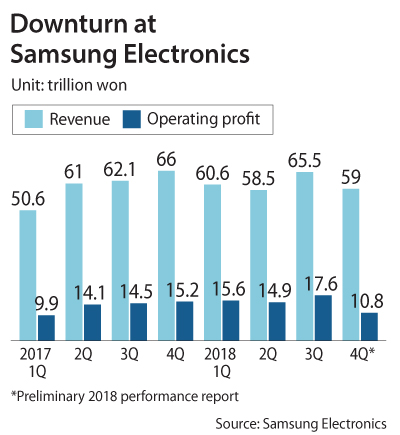
    Revenue for last year’s fourth quarter slumped 10.58 percent year on year to 59 trillion won. Last year’s third quarter saw record quarterly highs of 65.5 trillion won in revenue and 17.6 trillion won in operating profit.

    Local analysts had expected 13.4 trillion won in operating profit for the fourth quarter and 63.2 trillion won in revenue, according to the stock information provider FnGuide.

    Samsung did not reveal performance figures for different business divisions, but the company cited “slow demand” in semiconductors as a major factor in a public announcement the same day. The IT giant has three major business divisions: chips, smartphones and home electronics.

    The results for all of 2018 showed that the company had a record high operating profit of 58.89 trillion won, a 9.77 percent jump from last year, and 243.5 trillion won in revenue, up 1.64 percent year on year.

    Before starting to slow, semiconductors were the main contributors to Samsung’s high performance over the last two years.

    In the announcement, the company added that demand from data center clients in the fourth quarter had fallen short of expectations.

    “Shipping of memory chips retreated from the third quarter, and the price decline turned out to be bigger than what we expected earlier this year,” it said.

    One reason is because companies with data centers such as Amazon, Facebook and Microsoft bought large amounts of dynamic random-access memory (DRAM) chips during the last two years, which are now piling up.

    DRAM prices started to fall after more than a year of increases – another factor that is affecting demand as companies anticipate more price cuts.

    Slow growth in smartphone sales and one-off expenses including the company’s offering of incentives to staff at the year’s end also affected the profit level.

    Worries that the semiconductor supercycle was ending have surfaced for years, but Samsung and other chipmakers have reported strong earnings – until the fourth quarter.

    December’s chip exports from Korea retreated for the first time in 27 months. The general consensus among local analysts is that Samsung’s revenue will continue to shrink in the first half of this year.

    But they have a more positive outlook for the second half.

    “Memory chip prices will bounce back in the second half of 2019,” said analyst Lee Jae-yun of Yuanta Securities. “Because the supply growth rate of major chipmakers in 2019 will be 19 percent [year on year], whereas demand growth is expected to reach 20 percent.”

  • Apple India aims 5,000 employees eventually for Hyderabad facility

    Apple India aims 5,000 employees eventually for Hyderabad facility

    Apple has hired 3,500 people for their development centre here and is expected to take the number to 5,000 eventually, said a senior Telangana Government official.

    “Apple has taken 3,500 people so far for their development centre in Hyderabad. They will totally hire 5000 people eventually. There is no time frame for that (to achieve 5000 headcount),” Jayesh Ranjan Principal Secretary IT and Industries said.

    According to a report: The Cupertino, California-based tech giant in May last year opened it development centre here that will focus on development of Maps for its products, including iPhone, iPad, Mac and Apple Watch.

    The Californian firm had then said the investment in the facility will accelerate Maps development and create up to 4,000 jobs.

    Meanwhile, Jayesh Ranjan today inaugurated Pactera Technologies’ first office in India here.

    The Hyderabad office of Pactera Technologies reflects its strategic focus on becoming an industry leading provider of IT services on a global scale, a press release from the company said.

    The new office can seat 150 people in Phase 1 and additional 300 people in Phase 2.

    The abundant talent that is currently part of Pactera would help contribute much more to the digital and innovation world, which would also help them grow to 3,000 people organization in the next 2-3 years, it added.

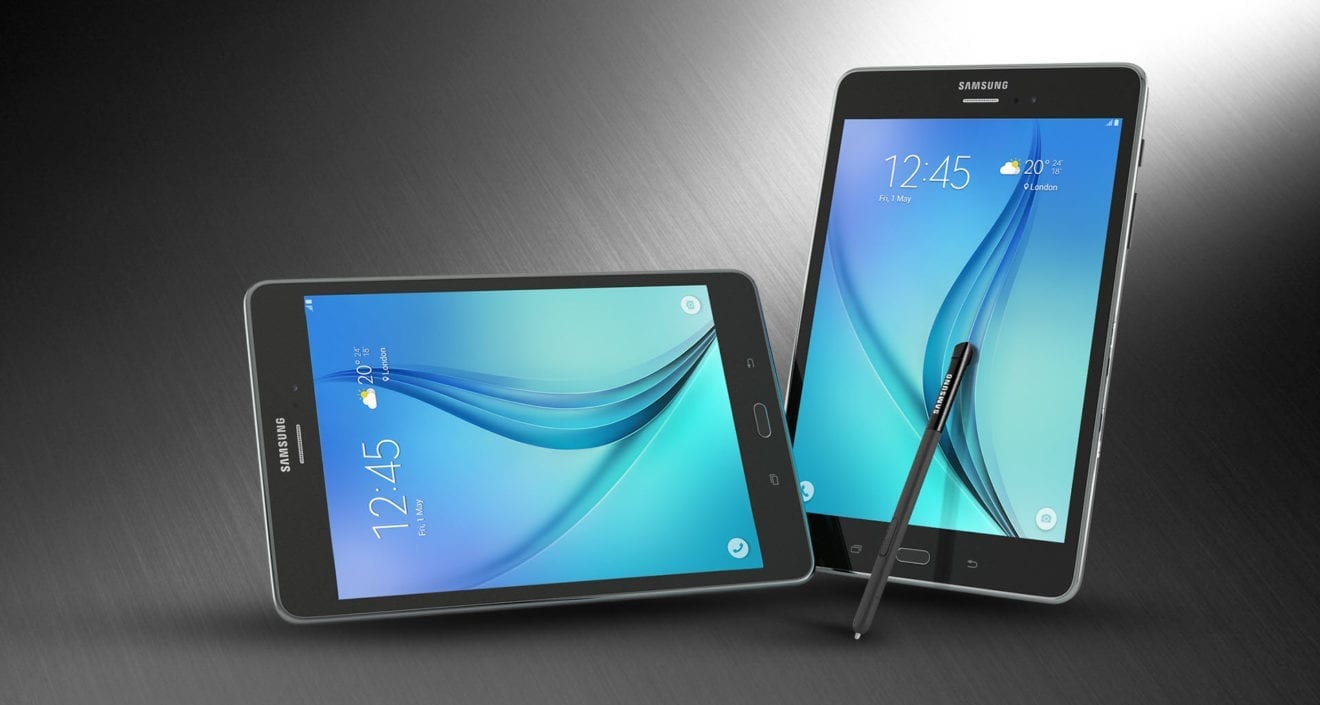
  • Samsung Galaxy Tab A (2016) Makes it to Home Market in South Korea

    Samsung Galaxy Tab A (2016) Makes it to Home Market in South Korea

    A few days ago, the mid-range tablet of the Korean tech giant, the Samsung Galaxy Tab A (2016), officially made it to its home market in South Korea with a retail price of $430.
    While the tablet has a lot of market and sales potentials outside of South Korea, reports have it that its international release is still up in the air. Although it seems likely to happen, the Korean tech giant has not given an official word as of yet.

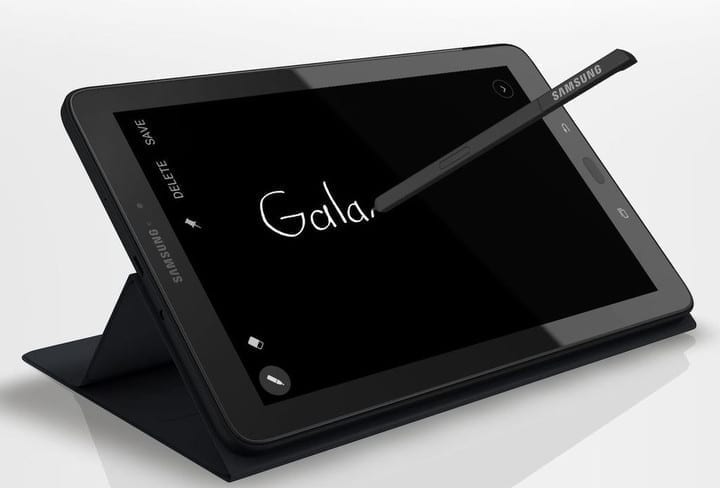
    One of the most interesting features of the Samsung Galaxy Tab A (2016) is the S Pen stylus, which previously comes only with its flagship tablets or phablets.

    The S Pen is actually what separates the new Galaxy Tab A (2016) from its predecessor models, which all came out without any stylus, reports Digital Trends.

    Samsung’s new S Pen has a thinner and more precise tip compared to its previous models. It also operates a revised menu system on the display and can be used to scribble notes on the lock screen and has various new features too.

    It also includes a translation mode, where hovering the pen over a foreign word will bring up a Google translation.

    More than commensurate to its price

    Launched in March 2016, the Samsung Galaxy Tab A (2016) tablet features a 7-inch display with a resolution of 800 pixels by 1280 pixels. For a mid-range tablet, its features are more than commensurate with its retail price.

    The Samsung Galaxy Tab A (2016) is powered by 1.3GHz quad-core and it comes with 1.5GB of RAM. The tablet packs 8GB of internal storage that can be expanded up to 200GB via a microSD card.

    As far as the cameras are concerned, the Samsung Galaxy Tab A (2016) packs a 5-megapixel primary camera on the rear and a 2-megapixel front shooter for selfies, details NDTV Gadgets.

    The Samsung Galaxy Tab A (2016) runs on Android 5.1 Lollipop out of the box and is powered by a 4000mAh nonremovable battery. It measures 186.90 x 108.80 x 8.70 (height x width x thickness) and weighs 283 grams. It is likely that it shall be readily upgradeable to Android 6.0.1 Marshmallow or the Android 7.0 Nougat.

    Connectivity options of the tablet include Wi-Fi, GPS, and Bluetooth. The various sensors on the tablet include a proximity sensor, an ambient light sensor, an accelerometer, and a gyroscope.

    A higher-end variant

    Despite its flagship features, the Samsung Galaxy Tab A (2016) is retaining its mid-range lineup category because its design and specifications, and most importantly its price, are quite similar to that of the Samsung Galaxy Tab A launched in April last year.

    There has been a report of a higher-end variant of the Samsung Galaxy Tab A (2016) which shall reportedly feature a 10.1-inch display, an Exynos 7870 processor, paired with 2GB of RAM.

    It shall also have 16GB of internal storage with an option to expand because of its microSD support.

    It shall feature an 8-megapixel rear camera, a 2-megapixel front-facing camera, a 7,300 mAh battery, and shall reportedly come laden with Android 6.0.1 Marshmallow already. Though with the official release last month of the Android 7.0 Nougat, it seems likely that the 10.1-inc version of the Samsung Galaxy Tab A (2016) shall have a free upgrade to the latest Google mobile operating system.

    samsung galaxy tab a

    It has also been said that the Samsung Galaxy Tab A (2016) shall have a widescreen ratio of 16:10, which is far better than the 4:3 ratio found on last year’s models.

    As far as the design of the device is concerned, the Samsung Galaxy Tab A (2016) looks very much like its predecessor but it will have a more rectangular shape because its display is going to be widescreen. The device shall reportedly be offered in black and white color options.

    The signature home button and capacitive buttons for back and tasks shall also be featured.

    Prior to its official roll out a few days ago, there have been reports saying that the Galaxy Tab A (2016) will come out of the market next year. The rumors are quite absurd considering the 2016 in the name of the tablet. It is likely that the 10.1-inch variant of the Samsung Galaxy Tab A (2016) and its international release shall happen before the end of the year.

    It should be worth noting that the flagship tablet line of Samsung, the Galaxy Tab S has 8-inch and 9.7-inch variants, and is quite different from the Galaxy Tab A (2016) which shall have a 10.1-inch and 7-inch models.

    However, only the 7-inch model of the Samsung Galaxy Tab A (2016) has been released to the Korean market thus far., It could be that the 10.1-inch version is meant for the international market. If the 7-inch version has a $430 price, then it is likely that the bigger variant shall come out with a higher price.

    The pricing seems more realistic now compared to reports before the official release of the 7-inch Samsung Galaxy Tab A (2016) this month indicating that the two variants of the mid-range tablet from the South Korean tech giant shall have a price range from only $190 to $240, which seems more like the prices of tablet made by manufacturers from China rather than Samsung.

  • Pandora support now available on Apple’s HomePod

    Pandora support now available on Apple’s HomePod

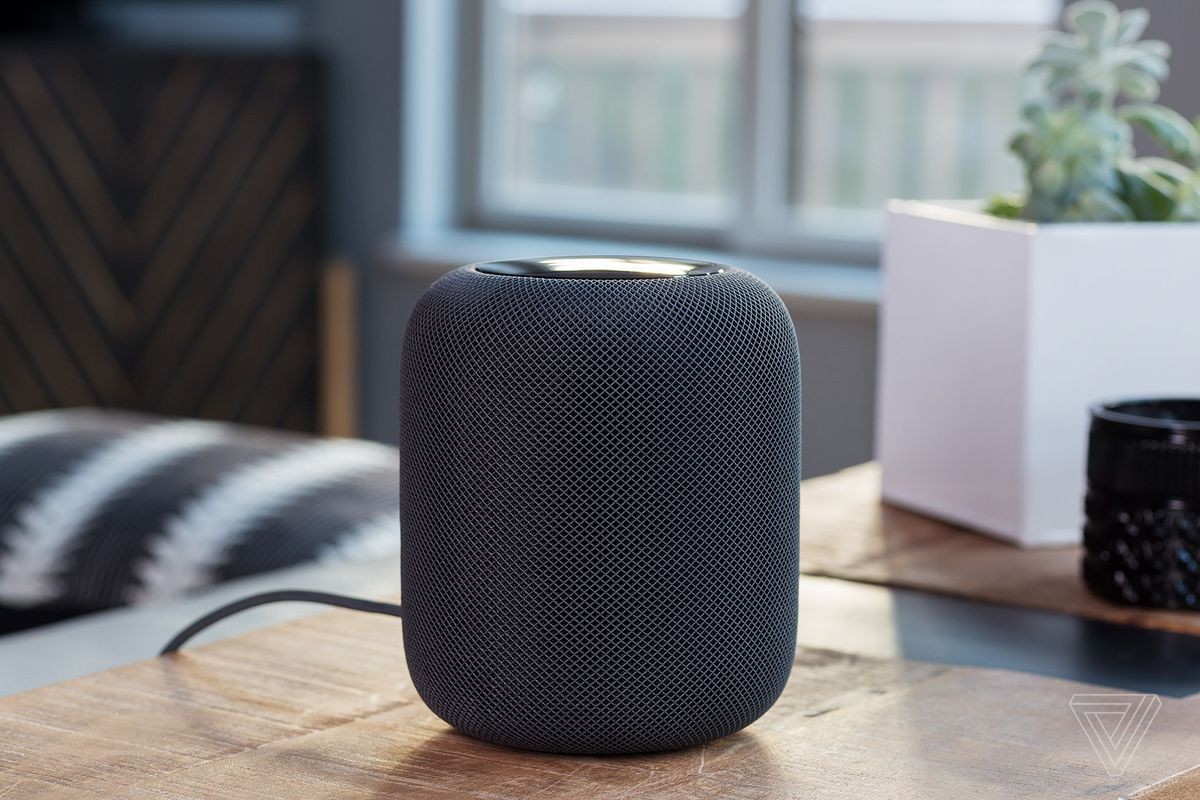
    It’s no surprise that Pandora integration is now available on the HomePod, as Apple announced last month it will bring support for the music streaming service to both its smart speakers. However, at that time, the Cupertino giant didn’t mention when exactly Pandora integration for HomePod will arrive, so the fact that it’s now available is what’s really important.

    Although we’re still a few weeks away from the HomePod Mini’s market launch, Apple decided to make Pandora integration available to HomePod users before Mini’s release. When HomePod Mini launches later this month, it will be fully compatible with Pandora integration. Until then, HomePod users can start taking advantage of the new features by following the steps described below:

    • Download the latest version of Pandora’s iOS app
    • Open the Pandora app on your iOS device
    • Select Profile > Settings (gear icon) > “Connect with HomePod” > “Use in Home”

    Once the steps above are completed, you’ll be able to use your voice to control Pandora on your Apple HomePod. You can start asking Siri to play your favorite tunes and customize your listening experience without having to use your hands.

  • Asian smartphone sales still lead world

    Asian smartphone sales still lead world

    Asian smartphone sales still lead the world market, with Asia Pacific tipped to remain the fastest-growing region this year.

    Handsets are the main consumer electronic product bought both online and in stores across the region, according to a new study by market research company GFK.

    The study shows 85 per cent of consumers polled across Asia Pacific have bought a consumer electronic item in the past 12 months, half of these purchases made over the internet. Across the 10 markets surveyed, a smartphone was the leading purchase.

    India, Vietnam and Indonesia had the highest incidence of smartphone purchases during the period.

    GFK head of retail, APAC, Jake Shepherd, says developing countries in the region have been strong drivers of consumer electronic sales.

    “The huge, yet largely untapped, potential of the eCommerce industry in these markets is growing rapidly with deepening internet penetration and adoption of connected technology.”

    While all product categories report online sales, offline sales still tend to dominate, says the report. For instance, while 69 per cent of Vietnamese consumers bought a consumer electronic product in the past 12 months, only 20 made the purchase online.

    Shepherd says the consumer purchase journey generally involves seeking information to help with making decisions. In APAC, 44 per cent of consumers do online research before buying a smartphone, with most people checking customer review sites and the manufacturer or brand’s website. Talking to family, friends or colleagues ranks next on the list as an influential information source, especially in Hong Kong and Taiwan where one in four consumers say this helps them make their decision.

    Only 19 per cent of consumers make their decisions based on in-store experiences, and Shepherd says it is important for businesses have a good understanding of the entire path to purchase to effectively formulate shopper strategies.

    For the online survey, during February and March, GFK questioned nearly 6500 regular internet users between 18 and 55 years across 10 Asia Pacific countries – Australia, Hong Kong, India, Indonesia, Malaysia, Philippines, Singapore, Taiwan, Thailand and Vietnam.

    GFK has more than 13,000 researchers and market intelligence from more than 100 countries.

  • Apple to open (mini) India stores

    Apple to open (mini) India stores

    Apple is about to open its first retail stores in India.

    But unlike in other international markets, the Apple India stores will be a joint venture with local electronics chain, Croma. And they’ll be considerably smaller than elsewhere.

    India has strict laws regulating single brand foreign retailing, which would require Apple to source a percentage of its products’ components within India.

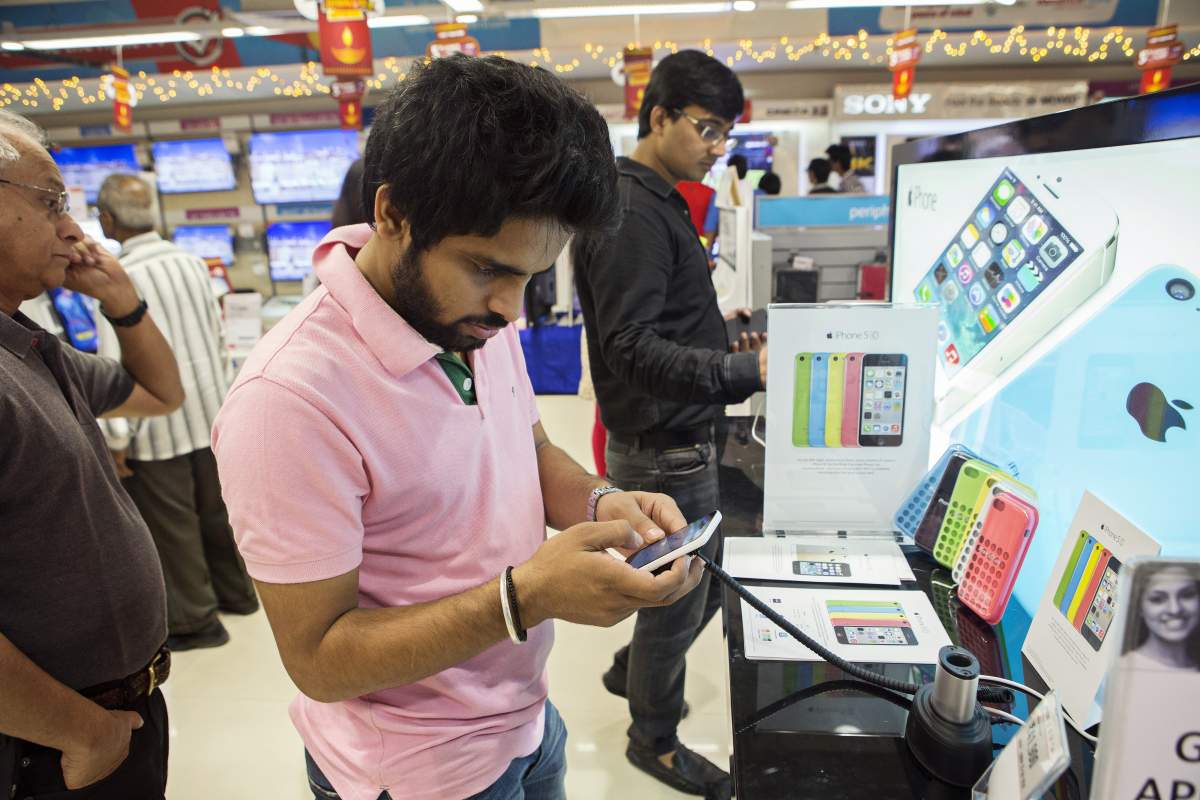
    Media sources in India say the new stores – the first of which will open around the time of next month’s Diwali Festival – will feature the same signature wooden tables and counters of full scale Apple stores elsewhere in the world and staff will be trained in the US.

    Croma, a subsidiary of Infiniti Retail, in turn owned by industrial giant Tata, will open six stores in an initial trial, all in greater Mumbai.

    Infiniti Retail CEO Avijit Mitra said in a statement: “We are proud to partner [with] Apple to launch the Apple Store in India and extremely bullish about it.

    “These stores will be modelled on the global design and will offer the best experience to consumers, showcasing the entire range of Apple products,” he said.

    The first stores will comprise a mere 46 sqm, a fraction of the size of the tech giant’s global flagships, in reality resembling little more than a concession. But it marks a significant strategic step from Apple’s previous india strategy of selling through authorised resellers or mobile phone networks.

    Apple’s iPhone 6s model goes on sale in India this week, with the 16GB version priced at 62,000 rupees, about US$960).

  • Major smartphone chipmaker says new Huawei OS could impact its sales

    Major smartphone chipmaker says new Huawei OS could impact its sales

    The company that manufacturers many of the chips used in smartphones, Taiwan Semiconductor Manufacturing Company (TSMC) is going to be impacted in the short term by the ban that prevents Huawei from sourcing parts and software in the U.S. The company previously had stated that Huawei’s placement on the Commerce Department’s Entity List would not affect it; the company has already announced that it would continue to manufacture chips for Huawei and its HiSilicon unit.

    It appears that TSMC has reevaluated the situation. TSMC Chairman Mark Liu, speaking to reporters today, said that sales of Huawei phones will slow down as consumers decide whether they can live with the phone manufacturer’s Android replacement. As a result, Huawei might need fewer chips to be assembled, which would affect TSMC’s revenue in the short term.

    “It certainly will have some impact in the short term. When there’s no Android system in a smartphone, many people might have doubts on whether the market will accept it.”-Mark Liu, chairman, TSMC

    Liu did add that demand for both 5G smartphones and newer handsets coming to market in the second half of this year will help TSMC stay on track for 2019. The executive says that his company’s outlook remains unchanged for the calendar year. Back in January, Liu said that TSMC’s 2019 revenue would grow 1% to 3% over last year’s figure of $1.03 trillion NT ($32.8 billion USD). Last year, the firm earned net profits of $351.13 billion NT ($11.4 billion USD).

    While Huawei’s in-house HiSilicon unit designs the chips used in Huawei’s high-end phones, the company has lost the support of U.K. chip designer ARM Holdings. This is a big blow to the company as it will need to search for an alternative architecture for its SoCs. Meanwhile, Huawei says that it has stockpiled a year’s worth of chip parts and components.

  • Nokia Philippines launches new concept stores

    Nokia Philippines launches new concept stores

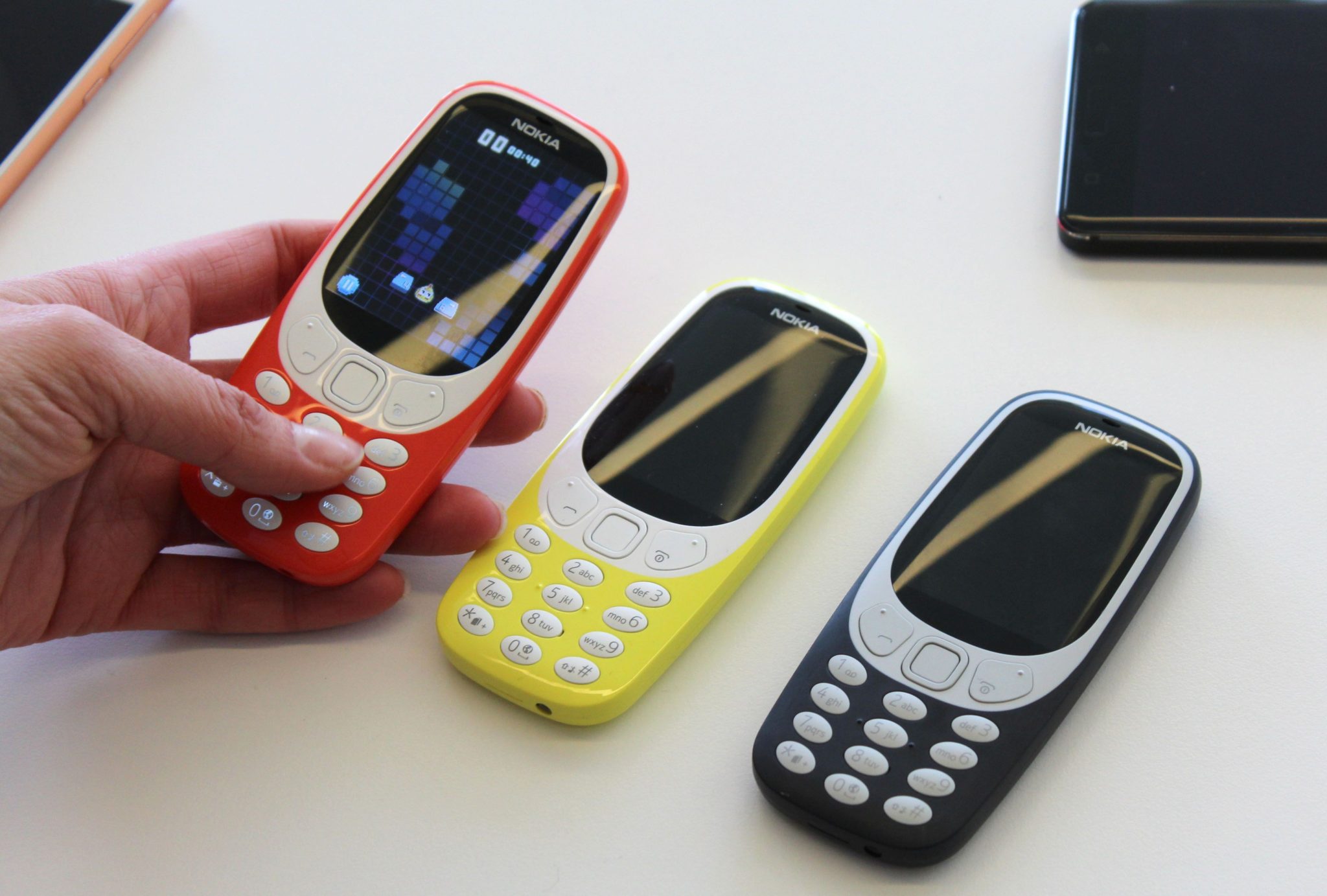
    Nokia Philippines has launched a new concept store in Iloilo City.

    HMD Global, the home of the smartphone brand, says the move aims to further boost Filipinos’ awareness of Nokia’s return to the local market.

    At SM Iloilo’s Cyberzone area, the new outlet adds to the 14 Nokia stores and kiosks in SM malls across the nation.

    “We are dedicated to making Nokia phones more accessible to the market,” says HMD Global Philippines country manager Shannon Mead.

    While last year marked Nokia’s comeback in the Philippine market, HMD Global teamed up earlier with e-commerce firms Argomall and Lazada Philippines. And last week, HMD Global secured $100 million in new investment to boost Nokia’s brand reach and portfolio.

  • Hanwha gets smart about solar cell production

    Hanwha gets smart about solar cell production

    Hanwha Group has been striving to make the solar business its future growth engine since it first entered the industry in 2010, and that hard work is starting to pay off. Hanwha Q Cells, the group’s solar cell producer, is now one of the largest manufacturers in the industry, but competition is getting much tougher. Even some of the more established companies in Europe and the United States are struggling due to fast-growing Chinese manufacturers, according to Hanwha. As a result, the United States imposed tariffs on solar cell and module imports earlier this year.

    In a bid to tackle fierce competition and fortify its leadership, the group invested in making its new solar cell plant smarter using wearable gadgets, big data and robots.

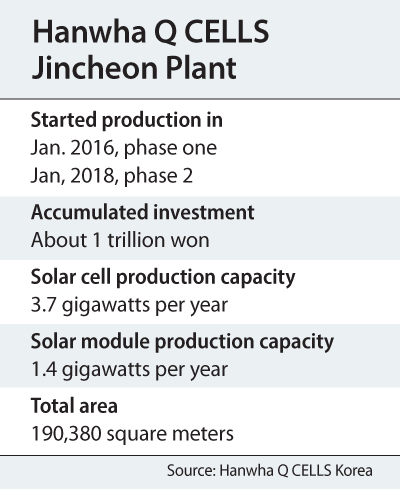
    The Jincheon 2 plant, which started mass production of solar cells and modules in January, is an addition to the original complex built in 2016. With the first and second plant combined, the Jincheon facility is the largest single solar cell production site in the world, according to Hanwha, with 3.7 gigawatt production capacity.

    When we visited the solar cell production line on the third and fourth floor of the newly-built plant on Tuesday, some workers were moving busily from machine to machine wearing what looked like a smart watch.

    “It looks like a smart watch because we took the hardware from electronics companies like Samsung,” a spokesperson from Hanwha said. “But we applied our own software so that workers receive alarms when there are problems with the machines.”

    According to the solar cell maker, the watch does not provide a detailed cause or explanation of the problems, but it makes workers respond immediately to issues by alarming them with notices categorized into four stages – S, A, B and C – depending on the severity and complexity of the problem.

    The system means that just 40 workers are required to manage 220 machines lined-up horizontally in five production lines in the 330-meter-long (1082 feet) solar cell production room, according to Hanwha.

    Another unusual scene inside the plant was a huge stack of 200 solar cells moving around over workers’ heads.

    “We call it a cassette,” said Yang Byung-ki, a manager of cell production at Hanwha Q Cells Korea, the company in charge of cell production in Korea. “This automated overhead logistics system delivers solar cells quickly and safely to the next destination.”

    The automated delivery system moves cells through the 10 stages of production.


  • Revox Reimagines Tomorrow: The Triumphant Return of the Swiss Audio Legend

    Revox Reimagines Tomorrow: The Triumphant Return of the Swiss Audio Legend

    With roots firmly planted in high-quality audio engineering, Revox is shaking off a subdued past to reclaim its prominence on the global stage. Based in Dietikon, the Swiss brand is transforming its rich legacy into a vibrant future, aiming for a bold resurgence in the audio world.

    Much like Patek Philippe represents excellence in timepieces, Revox stands as a bastion of quality in audio. Founded in 1948 near Zurich by the visionary Willi Studer (1906–1996), the names Revox and Studer quickly ascended to international renown, with Revox known for its iconic tape recorders and Studer becoming the industry benchmark for professional recording studios worldwide.

    Harmony in Design

    Revox has long been a favored choice among music-savvy interior designers and custom installation experts, with its devices gracing high-end venues like The Chedi in Andermatt. Yet, in recent decades, the brand seemed to fade into the background, leaving many aficionados longing for its revival.

    A Symphony of Sound

    Enter Beat Frischknecht, the current owner of Revox, who is orchestrating a comeback like none other. On a balmy summer evening, he welcomed guests to the opening of the new Revox World location. The expansive atrium buzzed with energy as the reels of a legendary tape machine whirred to life, filling the 600-square-meter space with the captivating sound that defined a generation.

    History Comes Alive

    Among more than 400 exhibits, visitors can find a Studer mixing console that served in Switzerland’s own federal parliament, courtesy of passionate collector Walti Stutz, who has lovingly restored it to its former glory. This blending of nostalgia with modernity is exactly what Frischknecht hopes to achieve with Revox.

    Charting a New Course

    Just a stone’s throw away, Revox is unveiling its future. Proudly presenting his vision, Frischknecht shared, “With the opening of our center, we’re demonstrating what Revox stands for: Swiss quality, technical innovation, and a passion for music.” This commitment to reinvention is part of a unique strategy to engage a younger demographic.

    From Shareholder to Visionary

    Frischknecht’s journey to ownership was anything but ordinary. Initially a real estate entrepreneur, he became captivated by Revox 25 years ago when the brand sought investors. “The quality and design fascinated me,” he recalled. Now, he holds 99.9 percent of the company, confidently declaring himself “an owner, investor, and a fan of Revox.”

    Innovative Product Lines

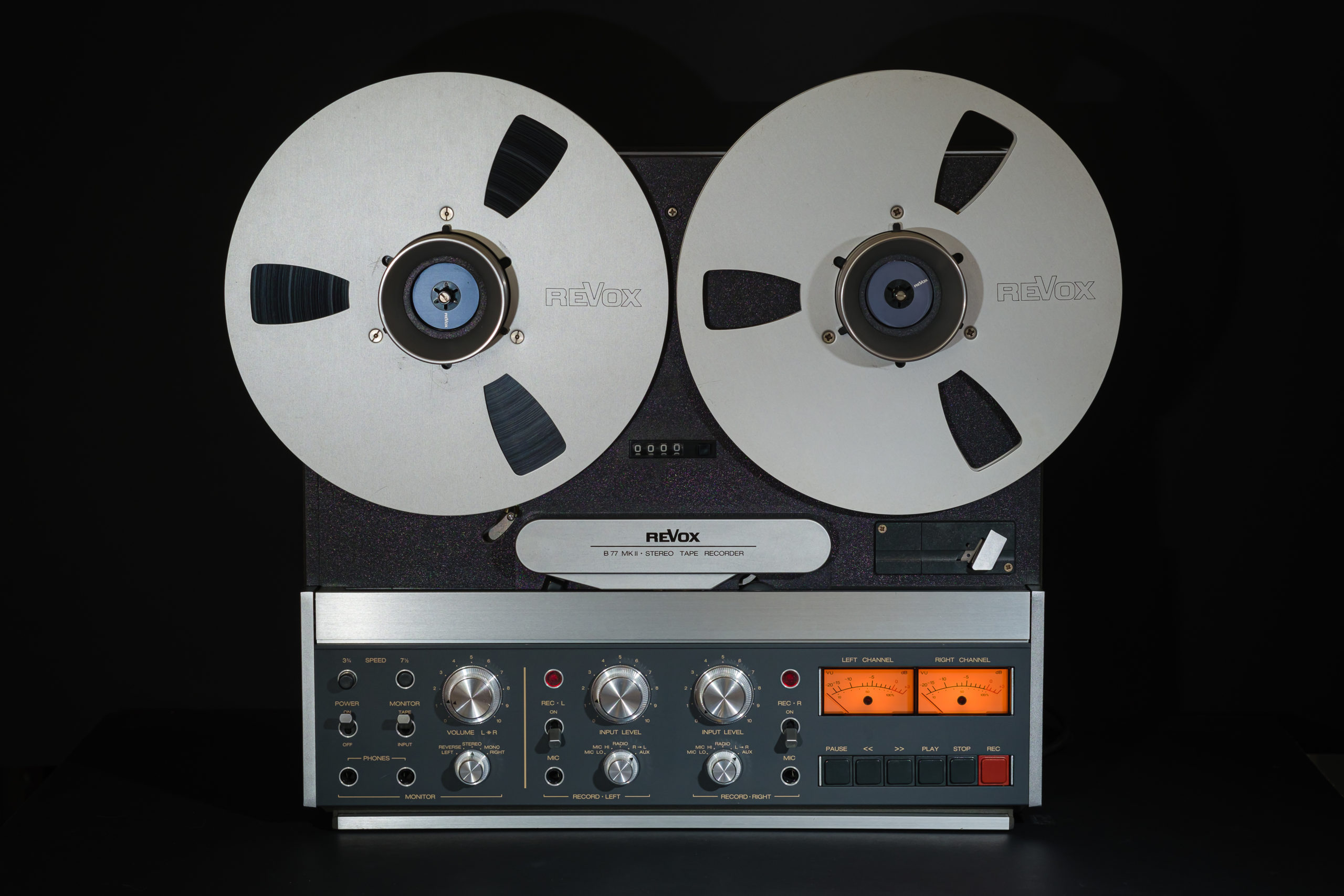
    The brand is now embarking on a transformative journey, structuring itself around three primary product categories: multiroom systems, compact streaming speakers, and a groundbreaking return of analog tape recorders. For the tech-savvy crowd, the Studiomaster A200—a portable speaker with Bluetooth capabilities and app control—has been introduced. And for the nostalgic at heart, the revamped B77 MK III promises a fresh experience for traditional tape enthusiasts, integrating seamlessly with modern systems.

    The Sound of Analog

    With an eye on filling the shelves with quality music, Revox has acquired Vienna’s Horch House, a master tape specialist, and begun collaborations with labels like Ear Music and Warner to produce new master tapes from original recordings. Already offering around 130 tapes—classics and contemporary music alike—Revox is set to expand its selections monthly. “Even young people want to own something again. A tape provides the ultimate-quality experience,” Frischknecht noted, highlighting the allure of analog in a digital age.

    Back on Track

    Frischknecht is optimistic and driven, declaring, “Back to the top—that’s our mantra.” With a robust development focus and a commitment to premium quality, Revox is ready to reignite its legacy. Production has been rooted in Villingen, Germany, since the 1960s, yet the essence of the brand thrives in Switzerland—a blend of Swiss ingenuity and German engineering poised to restore Revox to its rightful place on the world stage.

    Questions & Answers

    What types of products is Revox focusing on for its future?
    Revox is promoting three main product categories: multiroom systems, compact speakers aimed at streaming users, and a revival of analog tape recorders.

    What notable partnership has Revox recently entered into?
    Revox has acquired the Vienna-based master tape specialist Horch House and teamed up with music labels like Ear Music and Warner to create new master tapes derived from original studio recordings.

    How is Revox appealing to younger audiences?
    The brand has launched products like the Studiomaster A200, a portable speaker designed for modern convenience with Bluetooth and app control features, aiming to attract a younger customer base.

  • Switch 2 Debuts as Nintendo Takes Strong Stance Against Scalpers to Protect Fans

    Switch 2 Debuts as Nintendo Takes Strong Stance Against Scalpers to Protect Fans

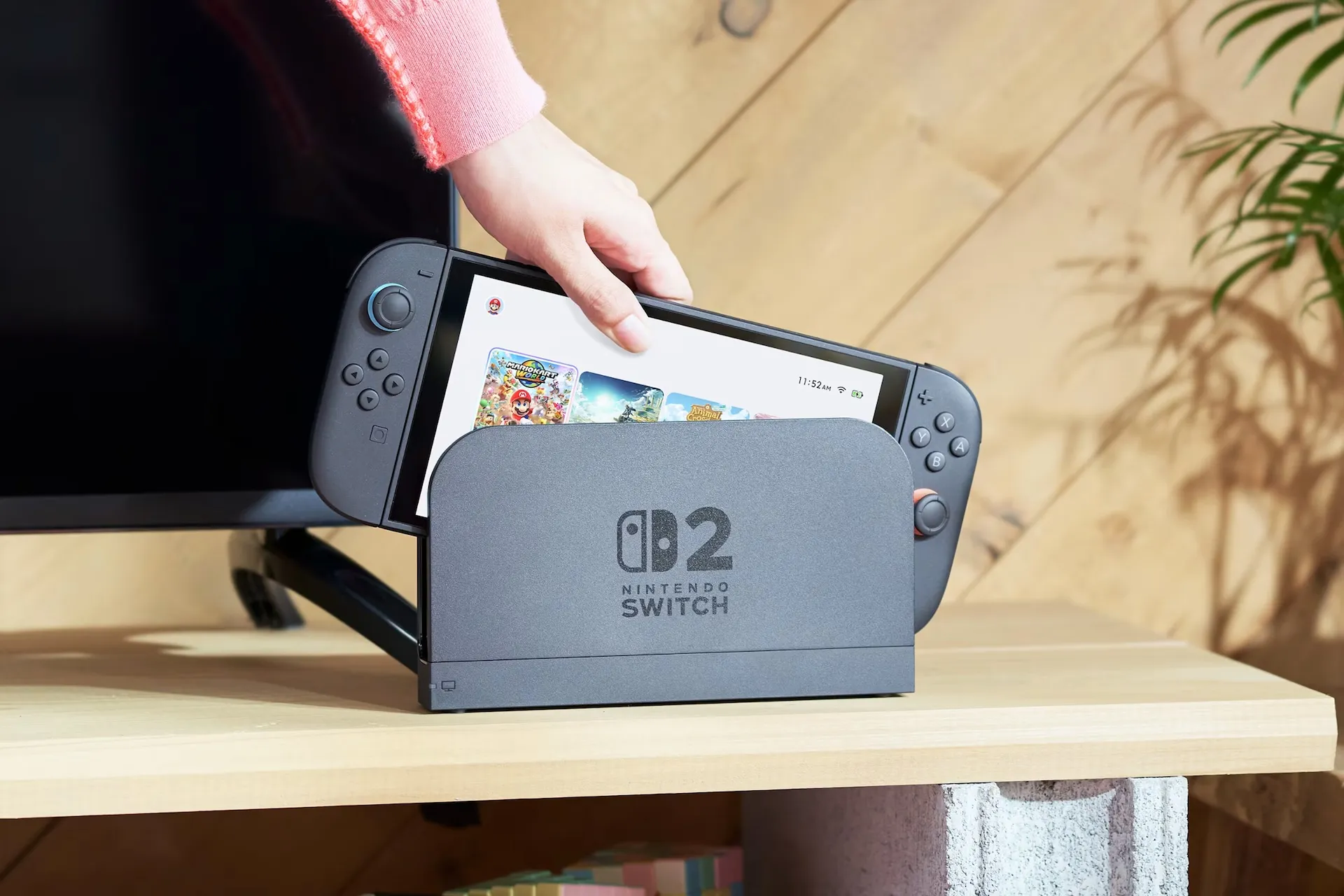
    The long-awaited Switch 2 made its debut on Thursday, capturing the attention of gamers and tech enthusiasts alike. Unable to keep up with the surge in demand, Nintendo has devised clever strategies to ensure that only genuine players can snag this coveted console.

    In the weeks leading up to the launch, Nintendo, alongside retailers throughout Japan, implemented measures to fend off scalpers who typically flood the market, snatching up units only to resell them at inflated prices. By securing a fair distribution, they’re ensuring the joy of gaming remains in the hands of true fans rather than opportunistic resellers.

    With this proactive approach, Nintendo aims not just to protect its customers, but also to maintain the excitement surrounding the Switch 2. It’s a bold move in an era where gaming gear has become the new gold standard for scalping. Who would have thought gaming consoles could be treated like rare collectibles?

    As the Switch 2 makes its way into the hands of avid players, the anticipation is palpable. Will this innovative gaming system meet the hype? Only time will tell, but one thing is certain: the battle against unscrupulous resellers has sparked a new level of excitement in the gaming community.

    Questions & Answers

    What measures did Nintendo take to prevent scalping?
    Nintendo implemented strategies alongside retail partners in Japan to ensure that only genuine gamers could purchase the Switch 2, aiming to curb scalping practices.

    Is the Switch 2 expected to be in high demand?
    Yes, demand is extremely high, and given the limited supply, it is likely that the Switch 2 will be sought after for quite some time.

    How has the gaming community reacted to the launch?
    The excitement is palpable, with many gamers eager to experience the new features of the Switch 2 while expressing appreciation for Nintendo’s efforts to limit scalper activity.

  • Schneider Electric Expands Home Electrical Portfolio to Meet Homeowners’ Aspirations for Smarter Living

    Schneider Electric Expands Home Electrical Portfolio to Meet Homeowners’ Aspirations for Smarter Living

    Schneider Electric, the global leader in digital transformation of energy management and automation, has reaffirmed its commitment to the home electricals market with a wide range of innovative new products to communicate the differentiated value proposition to homeowners, retailers, electricians, home builders, architects and more.

    With a sharp focus on innovation, localization, and category leadership, the company has identified homes as an important growth engine for its overall business. India’s residential market is projected to grow at a CAGR of over 10%[1], driven by rising incomes and greater demand for smarter living. Schneider Electric is leveraging this growth by expanding its consumer-focused portfolio and enhancing brand visibility, positioning itself to lead the smart home revolution in India.

    The company has unveiled its new integrated marketing campaign “Bring Home the Smart.” to communicate with the homeowners. The high-octane marketing campaign forges a deeper emotional connection with homeowners and other key stakeholders like retailers, builders, architects, and electricians. Rooted in the cultural shift where homes have become sanctuaries of peace, convenience, and care, the campaign redefines smart living as a source of ease, intelligence, and reliability. The campaign, thus, moves beyond the functional messaging to highlight Schneider Electric’s global strengths in technology and innovation to create meaningful offers for the Indian market.

    Schneider Electric’s direct engagement strategy is built on three core pillars: strengthening channel partnerships, launching differentiated products, and investing in consumer awareness and brand-building. At the heart of this strategy is a new campaign that highlights the company’s innovative home automation range. Key offerings include the Miluz Zeta switches with an industry-first Air Quality Indicator (AQI)—a unique feature that monitors indoor air quality in real time; Miluz Zeta motion-sensing LED foot lamps, designed to enhance safety and convenience throughout the home, lighting the way to safer nights where every step is guided; and the Wiser Smart Home Automation solution, which seamlessly adapts to diverse lifestyles. Wiser offers advanced features such as GPS-enabled appliance control and an energy management system, enabling smarter, more efficient living. These innovations exemplify Schneider Electric’s commitment to blending intuitive technology with everyday usability and elegant design.

    Ms. Sumati Sahgal, Vice President – Home & Distribution, Schneider Electric India, added: “This is a defining moment in our journey to build stronger brand affinity with Indian consumers. Our switches and home automation range are thoughtfully designed to meet the evolving needs of today’s households—where design, convenience, safety, and sustainability go hand in hand. With ‘Bring Home the Smart’ campaign we aim to make smart living more accessible, intuitive, and delightful for every Indian home.”

    Mr. Rajat Abbi, Vice President – Marketing, Greater India, Schneider Electric, said “With our new ‘Bring Home the Smart Campaign’, we’re redefining smart living by shifting the narrative from complexity to intuitive comfort — where intelligent technology seamlessly integrates into everyday life, empowering consumers to focus on what truly matters. Through this integrated marketing campaign, our aim is to creatively communicate the differentiated value proposition of our innovative offers to our customers.”

  • Hanoi Authorities Seize Thousands of Counterfeit Marshall Speakers and Smartwatches in Facebook Scam Bust

    Hanoi Authorities Seize Thousands of Counterfeit Marshall Speakers and Smartwatches in Facebook Scam Bust

    The streets of Hanoi have witnessed a significant crackdown on counterfeit products as local authorities recently dismantled a network that expertly peddled fake goods via Facebook. Among the impressive haul are 25,500 fraudulent items, including well-known products such as counterfeit Marshall speakers, smartwatches, and vacuum cleaners, all of which have led to a staggering seizure valued at around VND22 billion (approximately US$844,000).

    Operating under the leadership of 30-year-old Le Huu Minh, the group ingeniously set up a social media presence to promote their goods, mostly highlighting audio equipment falsely attributed to the renowned U.K. brand Marshall. Their marketing tactics included elaborate fake promotional campaigns celebrating the fictitious “10 years of establishment” of the Marshall brand, with eye-catching discounts reaching a jaw-dropping 70% on speakers, headphones, and amplifiers.

    To further deceive unsuspecting customers, the group launched a counterfeit website, marshall-store.com, designed to mirror the official Marshall site closely. Once the orders were placed, buyers received their goods through various delivery services, a strategy that morphologically shifted as the sellers often changed logistics companies to evade authorities.

    The prices of these knock-off items were irresistibly low, generally under VND1 million (around $38), making them an enticing option compared to their authentic counterparts. In addition to the impressive volume of fake technology, the police discovered a treasure trove of fashion products and accessories lacking valid proof of authenticity, inclusion in the grand sweep of the counterfeit operation.

    As this crackdown brings to light the extent of brand infringement, it also leaves us to wonder: just how savvy can counterfeiters get? Will online shoppers become more vigilant in their purchasing behaviors? And could this be the beginning of a larger wave of actions against online fraud in the retail sector?

    Questions & Answers

    What prompted the police raid on this counterfeit operation?
    The police acted on reports of a network selling counterfeit products on Facebook, leading to the discovery of a massive inventory of fake goods in Hanoi.

    Who was leading the counterfeiting group?
    The group was led by 30-year-old Le Huu Minh, who is currently under investigation alongside four other members.

    What types of products were seized during the operation?
    The police confiscated a wide array of items, including 12,200 smartwatches, 6,000 fake Marshall earbuds, 1,700 Marshall Emberton speakers, and 2,550 Fujisu vacuum cleaners, among other counterfeit fashion products.

  • Private Banks Surge as Client Assets Shatter Milestone Barrier

    Private Banks Surge as Client Assets Shatter Milestone Barrier

    Last year proved to be a remarkable period for Swiss private banks, as they reveled in impressive results bolstered by favorable financial markets and substantial net new money inflows. This surge in assets under management (AuM) occurred amid a backdrop of shrinking institutions.

    Double-Digit Gains Across the Board

    A recent study by consultancy PwC reveals that in 2024, all segments of Swiss and Liechtenstein private banks enjoyed double-digit growth in their assets under management. PwC’s analysis covered 74 banks, categorizing them into small (AuM 50 billion francs).

    Market Optimism Fuels Growth

    So what fueled this growth? It was a combination of robust markets and an uptick in investor confidence, particularly in the United States. All banks reaped the benefits of favorable market shifts, with several even hitting record highs in client assets. This wave of market confidence also spurred strong net new money inflows.

    Large Private Banks Struggle to Keep Up

    In a notable twist, while large private banks collectively surpassed the 3 trillion francs mark with a total of 3,025 billion francs, their contribution to overall net new money growth was relatively tepid at just 2.2 percent. In contrast, their smaller and mid-sized counterparts showcased impressive inflow rates of 4.5 percent and 4.9 percent, respectively.

    PwC attributes the standout performance of specific banks to their consistent strategic execution, successful client transitions from major competitors, sharp business positioning, and targeted geographical strategies. However, PwC cautions that early market turbulence in 2025 may cloud these promising figures.

    Net New Money Inflows Projected to Slow

    Looking ahead, while private banks are likely to continue attracting net new money, PwC anticipates a moderation in inflow rates due to intensifying competition. 2024 marked a pivotal moment as interest income, which surged in 2023 due to rising interest rates, began to decline by March 2024, putting pressure on margins.

    The traditionally strong revenue driver for private banks—fee- and commission-based income (Net Fee and Commission Income, NFCI)—has returned to the forefront. NFCI margins on assets held steady, and overall NFCI saw an increase of 7-9 percent across all peer groups, helping to compensate for lower interest income.

    Small Banks Feel Interest Rate Pinch

    An average look over three years reveals that client deposits constituted about 16 percent of AuM at small banks, 11 percent at mid-sized banks, and 10 percent at large ones. This dependency on interest income is underscored by loan exposure, with loans typically representing 8 percent of volumes at small and mid-sized banks and 5 percent at large institutions.

    Facing Margin Pressures

    Since 2022, NFCI margins have flattened, reflecting heightened price sensitivity among clients and fierce competition. The industry also faces structural challenges: increased IT expenditures, shifting client expectations, ongoing digitalization, and new regulatory demands are putting traditional business models to the test and driving up operational costs.

    Embracing Consolidation

    The landscape of wealth management banks has shrunk dramatically, dropping from over 150 to fewer than 90 in recent years, with expectations that it may soon dip below 60. Yet, this consolidation isn’t all doom and gloom. PwC suggests that “fewer but stronger banks will shape the market,” as those that remain are proving their adaptability in this ever-evolving environment.

    Questions & Answers

    Which sectors of Swiss private banks saw the most growth in assets last year? All customer segments, including small, mid-sized, and large banks, recorded double-digit growth in assets under management.

    What was a key factor driving net new money inflows in 2024? Investor optimism, particularly in the U.S., alongside positive market developments, greatly contributed to net new money inflows.

    What challenges do private banks face heading into 2025? Intensifying competition and declining interest margins pose significant challenges, with higher operational costs further complicating traditional business models.

  • JD Super Boosts Meat Imports with Dynamic New Global Partnerships

    JD Super Boosts Meat Imports with Dynamic New Global Partnerships

    Bringing Premier International Meat Brands to Chinese Consumers

    JD Super, the supermarket arm of JD.com, is stepping up its game by forming strategic alliances with Argentina’s Beef Promotion Institute (IPCVA) and the influential frozen meat importer, Linking Fresh. This initiative aims to broaden the supply of high-quality imported meat throughout China.

    The partnership with IPCVA will enhance the distribution of Argentine grass-fed beef on JD’s platform, capitalizing on its expansive logistics network and a loyal customer base of over 600 million.

    In addition, JD Super’s collaboration with Linking Fresh, which boasts ties to over 300 global meat suppliers and annual imports surpassing RMB15 billion, will usher in a selection of notable international brands, including Brazil’s BRF and Marfrig, Australia’s Kilcoy, Argentina’s Arre Beef, and Chile’s Agrosuper.

    To raise awareness and stimulate sales, JD Super and Linking Fresh will launch vibrant marketing campaigns, featuring special events like “Argentine Beef Week.” After all, who could resist a week dedicated to delectable beef?

    Questions & Answers

    What is JD Super’s recent initiative focused on?
    JD Super’s initiative is aimed at expanding the supply of high-quality imported meat into China through partnerships with the Argentine Beef Promotion Institute and Linking Fresh.

    What international brands will be introduced to the Chinese market?
    The partnership will bring prominent brands such as BRF and Marfrig from Brazil, Kilcoy from Australia, Arre Beef from Argentina, and Agrosuper from Chile.

    How does JD Super plan to promote these products?
    JD Super will employ targeted marketing campaigns, including themed events like “Argentine Beef Week,” to enhance consumer awareness and drive sales.