Category: Electronics

Retail News Asia is committed to providing both local and global retailers with the latest Electronics news throughout the Asian market. This on a daily base.

  • Apple’s Subtle Strategy: Unveiling New Ipad Pro Amidst Rising Competition And Foldable Tech Future

    Apple’s Subtle Strategy: Unveiling New Ipad Pro Amidst Rising Competition And Foldable Tech Future

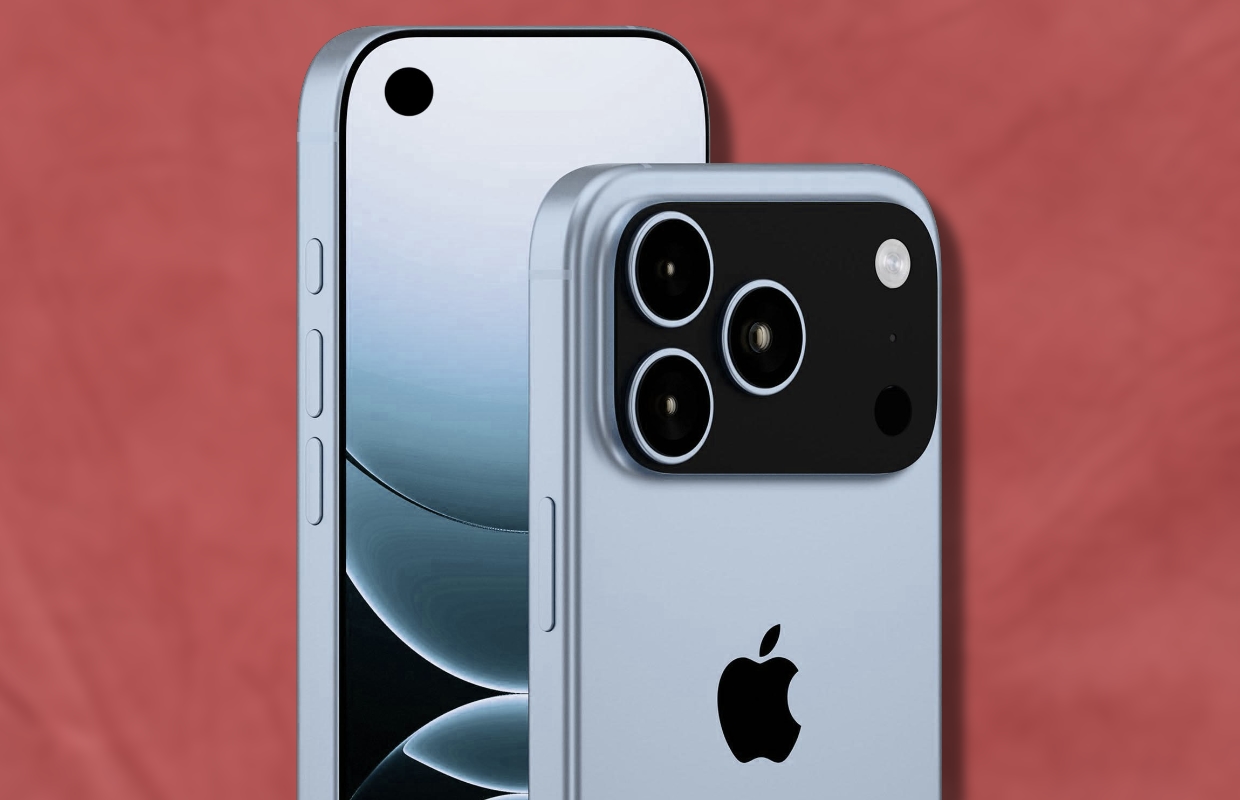
    While there might not be any flashy Apple product launch event in the offing, it seems a new collection of Cupertino’s devices are set for a low-key announcement in the following days. This subtle approach to unveiling a new generation of iPad Pro via a simple press release, though not entirely unheard of, sparks the question: does Apple still have faith in its tablet line?

    Apple’s Shift in Focus: iPad or Not?

    Considering Apple’s current range of iPads, including the 11-inch iPad, two 2025 iPad Air models with M3 power, a seventh-generation iPad mini only around a year old, and the May 2024-released 11 and 13-inch iPad Pros with M4 power expected to be succeeded this month, the answer seems to be a resounding yes.

    However, some might argue that iPads have been relegated to the background in Apple’s product lineup in recent years. This wasn’t always the case; recall the buzz surrounding the release of the 2020 iPad Pro (4th Generation) with its “breakthrough LiDAR” technology.

    While the iPad might not have been the apple of the company’s eye as much as the iPhone family, it does seem that the gap between the two product lines is widening. For instance, when was the last time you saw an iPad advertisement on TV, on YouTube, or elsewhere? If Apple’s marketing budget is anything to go by, AirPods and Apple Watches have taken precedence, making iPads feel like third-class citizens in the product hierarchy.

    The Puzzle of Market Leadership

    Despite this, iPads still dominate the tablet industry. So, why is the new M5-powered iPad Pro edition not receiving the grand launch it deserves? In the second quarter of 2025, Apple sold around a third of the world’s tablets. Moreover, during the same period the previous year, when the predecessor of the iPad Pro debuted on the market, Apple’s market share stood at an even more remarkable 36.6 percent, beating out competitors Samsung and Lenovo.

    Indeed, competition might be part of the problem. With competitors like Samsung, Lenovo, Amazon, Xiaomi, Huawei, and Microsoft stepping up their game in the tablet market, one would expect Apple to follow suit and increase both advertising efforts and innovation for the iPad line.

    The Innovation and Marketing Conundrum

    However, iPads have an apparent problem with innovation and marketing. Consider, for instance, the 60Hz refresh rate-limited iPad Air (2025) screens, the largely unchanged iPad Pro design over the years, or the outdated Apple A16 Bionic processor in the 2025 “vanilla” iPad.

    Despite these issues, it’s challenging to criticize the potentially familiar-looking iPad Pro (M5) edition, especially when competitors like the Galaxy Tab S11 Ultra have their own flaws and a high starting price of $1,200.

    The Age of Foldables

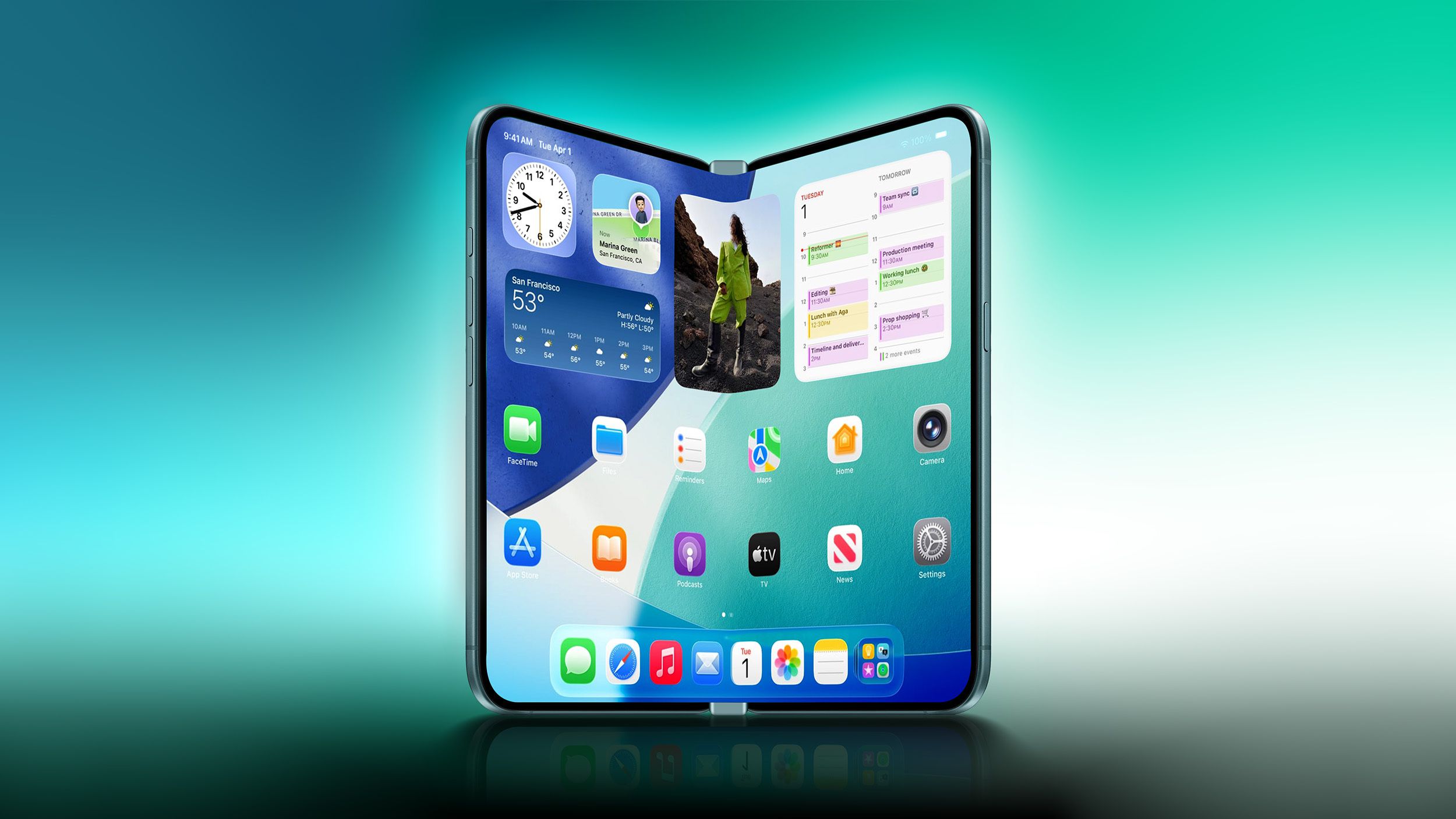
    In recent years, Apple seems to be focusing on more than just enhancing the iPad Pro. The tech giant appears to be investing in the development of foldable devices. Rumors of the first-ever foldable iPhone, likely to be launched next year, and the first foldable iPad, which may follow soon after, are making the rounds. The latter is anticipated to be a hybrid between a tablet and a full-scale Mac computer, potentially carrying a hefty price tag.

    Questions & Answers

    Does Apple still believe in tablets?
    Given their current lineup of iPads and upcoming releases, it appears that Apple still has faith in its tablet line.

    Why isn’t the new M5-powered iPad Pro receiving a grand launch?
    While iPads are still market leaders, it seems that Apple has shifted its marketing focus towards other products like the iPhone, AirPods, and Apple Watches.

    What are the upcoming innovations expected from Apple?
    Apple appears to be focusing on the development of foldable devices, with rumors suggesting the launch of the first-ever foldable iPhone and iPad in the near future.


  • VR is dead! And even Apple and Samsung can’t save it

    VR is dead! And even Apple and Samsung can’t save it

    My Decade-Long Journey with Virtual Reality

    Nearly a decade ago, I was struck by the potential of virtual reality (VR) technology when I had my first experience with an early prototype of the HTC Vive. The dynamics of VR were expected to dominate the tech industry and influence lifestyle on a global scale. However, the present scenario seems to paint a different picture with growing rumors of Apple’s plans to transform the Vision Pro headset into a lighter, more affordable, augmented reality system. This has made me question the success trajectory of VR, a technology that was expected to revolutionize our world.

    The Limitations of Virtual Reality

    As time went on, some of the issues that initially seemed like minor growing pains have turned out to be significant drawbacks. The most persistent of these is the discomfort associated with VR headsets. The first generation HTC Vive, weighing 470 grams, proved to be quite tiresome to use after just fifteen minutes. This discomfort has only increased with the Apple Vision Pro headset, which weighs between 600 and 650 grams. This weight does not include the additional 350 grams of the battery pack that’s meant to be carried in your pocket.

    Another deterring factor is motion sickness, commonly referred to as VR sickness, characterized by symptoms such as sweating and eye strain. Although one can adjust to these physical discomforts over time, the sense of disconnect from the real world remains a significant negative factor.

    The Challenge of Affordability

    The high cost of VR technology has been a significant barrier to its widespread adoption. The Apple Vision Pro comes with a hefty price tag of $3,500, whereas the HTC Vive retails for $799. These are not price points that would encourage mass adoption of the technology. To add to this, a report from analyst firm Omdia indicated a 10% decrease in sales of consumer VR headsets in 2024.

    Developers’ Skepticism Towards VR

    Interestingly, there’s a growing skepticism towards VR even among developers. A recent study found that only 13% of developers, who do not currently work in VR, envision shifting their focus to this technology in the next 5 years. This is not a promising figure for the future of VR. The software scene also seems to lack innovative advancements that could make VR indispensable.

    The Future: Augmented Reality?

    The Samsung Galaxy XR headset, which has been leaked extensively, shows the Korean company’s attempt to mainstream the headset Apple Vision Pro couldn’t. However, the Galaxy XR does not seem to offer anything significantly different. On the other hand, Augmented Reality (AR) seems to be making its mark by offering features that are more user-friendly and essential. AR glasses enhance users’ interaction with their environment without the physical discomforts associated with VR.

    Questions & Answers

    What is one of the biggest challenges VR technology faces?
    One of the biggest challenges VR technology faces is the physical discomfort users experience when using VR headsets for extended periods. This includes motion sickness and the heavy weight of the headsets.

    How has the cost of VR technology affected its adoption?
    The high cost of VR headsets has been a significant barrier to its widespread adoption. With price points in the hundreds or even thousands of dollars, many potential users are discouraged from purchasing these devices.

    What is the outlook for VR according to developers?
    A recent study showed that only 13% of developers who do not currently work in VR can see themselves shifting focus to this technology in the next 5 years, pointing to a bleak outlook for the future of VR.

  • Samsung Challenges Apple’s Dominance: Unveils Project Moohan, Its First XR Headset

    Samsung Challenges Apple’s Dominance: Unveils Project Moohan, Its First XR Headset

    Samsung has officially entered the extended reality (XR) market with the announcement of its “Worlds Wide Open” Virtual Galaxy Event. The event, which will live-stream on October 21st at 10 p.m. ET, will reveal “Project Moohan,” the company’s first XR headset.

    A New Entrant in the XR Arena

    Samsung’s “Project Moohan” is the first device to be officially unveiled as a product of the collaboration between Samsung, Google, and Qualcomm in the XR space. The headset is built on the new Android XR platform and marks the dawn of “multi-modal AI.” The design of the product has been kept under wraps until its official reveal at the event. To create excitement among customers, Samsung is offering a $100 reservation credit on its official website.

    Why This is a Significant Development

    The XR space has been primarily dominated by Apple’s expensive Vision Pro, which is priced at $3,499. However, due to its high cost and closed ecosystem, there has been a significant gap in the market for a rival product. The Samsung-Google-Qualcomm alliance is set to fill this gap, leading to a classic Android vs. iOS competition in spatial computing. The open platform of the new product encourages developers to create a variety of apps, potentially leading to faster innovation and increased consumer choice. For those seeking an alternative to Apple’s XR vision, Samsung’s “Project Moohan” could be the ideal solution.

    The Battle for the XR Market is On

    The launch of “Project Moohan” brings a much-needed heavyweight competitor to challenge Apple in the XR space and potentially drive down prices. While Apple’s Vision Pro is a remarkable piece of technology, its high price tag makes it inaccessible for most people. The alliance between the tech giants has the potential to offer a compelling alternative that is more affordable. The hope is that “Project Moohan” will be released at a more consumer-friendly price point. If Samsung can deliver a premium experience without the high cost, it could be the device that finally brings XR into the mainstream, promoting an open ecosystem over Apple’s polished, closed one.

    Questions & Answers

    What is “Project Moohan”?
    “Project Moohan” is Samsung’s first XR headset, unveiled at the “Worlds Wide Open” Virtual Galaxy Event.

    Who is involved in the creation of “Project Moohan”?
    The headset is a product of the collaboration between Samsung, Google, and Qualcomm.

    How does “Project Moohan” compare to Apple’s Vision Pro?
    Unlike the expensive and closed ecosystem of Apple’s Vision Pro, “Project Moohan” operates on an open platform, encouraging faster innovation and increased consumer choice due to its more affordable price point.

  • Apple’s First Foldable Iphone: Predicted Lower Hinge Costs May Impact Retail Price

    Apple’s First Foldable Iphone: Predicted Lower Hinge Costs May Impact Retail Price

    Apple is reportedly developing its first foldable iPhone, a topic that has been garnering significant interest in recent months. The latest inside information comes from industry analyst Ming-Chi Kuo, who has offered some insight into the potential cost of the phone’s integral component, the hinge.

    Predictions on Hinge Cost for the Foldable iPhone

    Ming-Chi Kuo suggests that the hinge for Apple’s foldable iPhone might be more cost-effective than currently expected, potentially by $20 to $40. The hinge is a crucial component in a foldable phone as it supports the flexible display, enabling it to open and close.

    Creating the ideal hinge for such devices can be challenging, often leading to high production costs. However, Kuo proposes that Apple’s choice of hinge design could reduce these costs significantly.

    Kuo predicts that when the hinge enters mass production, the average cost could be around $70 to $80 per piece. This estimation is considerably lower than the current market expectation of $100 to $120 or even more.

    Partnership for Hinge Production

    It is reported that the task of producing the hinge will be shared between two companies. Foxconn, a long-standing partner in Apple’s supply chain, and Shin Zu Shing are expected to jointly undertake the manufacturing process.

    This partnership is believed to have secured a significant portion of hinge orders from Apple, accounting for around 65% of the total. The remaining orders are anticipated to be fulfilled by Amphenol.

    There are rumors of a potential third manufacturer, Luxshare, joining the production chain. However, this is contingent on the success of the initial foldable iPhone and may not occur until after 2027.

    Expectations for the Foldable iPhone

    Earlier speculations suggested that the foldable iPhone might feature a frame composed of titanium and aluminum, enabling the phone to be both thin and robust. This contradicts Kuo’s previous assertions that stainless steel might be used.

    The launch of the first foldable iPhone is currently projected for late 2026. It remains uncertain whether the potential lower cost of hinge production might lead to a reduction in the retail price of the foldable iPhone. Apple considers various factors when pricing its products, and this approach will likely apply to the new foldable iPhone as well. Current estimates suggest the foldable iPhone could cost around $2,000 to $2,500.

    Questions & Answers

    What is the estimated cost for the hinge of the foldable iPhone?
    The estimated cost of the hinge, when it enters mass production, is around $70 to $80 per piece. This is considerably lower than the current market expectation of $100 to $120 or more.

    Which companies are rumored to produce the hinge for the foldable iPhone?
    Foxconn and Shin Zu Shing are expected to jointly produce the hinge, securing about 65% of the total orders from Apple. The remaining orders are likely to be fulfilled by Amphenol. There is also speculation about a third manufacturer, Luxshare, joining the production later.

    When is the foldable iPhone expected to be launched?
    The launch of the first foldable iPhone is currently projected for late 2026.

  • Google Unveils Eye-catching Farsight Faces For Nest Thermostat: Aesthetic Appeal Meets Functionality

    Google Unveils Eye-catching Farsight Faces For Nest Thermostat: Aesthetic Appeal Meets Functionality

    Google recently released an aesthetically pleasing update for its 4th Gen Nest Learning Thermostat, debuting four new “Farsight” faces. The innovative designs are intended to transform the smart thermostat’s sleek, borderless screen into an eye-catching feature, allowing it to blend more seamlessly into home interiors.

    New Designs for Nest

    The refreshing update introduces four new Farsight faces:

    1. Mathilde Loubes Seasonal Face: A “living canvas” that changes every month, this face displays 12 unique, animated illustrations of flowers and fruits. The design is a collaboration with animated film artist Mathilde Loubes.

    2. Classic Nest Face: This design harks back to the original Nest face, serving as a nostalgic reminder for those who prefer the traditional look.

    3. Minimalist Face: An understated and elegant option for homeowners looking for a clean, minimalistic look.

    4. Temperature Controller: A straightforward, easy-to-read face that allows for quick temperature adjustments.

    More Than Just an Aesthetic Upgrade

    Google’s move to introduce these new faces is seen as a strategic step to leverage design, its key strength against competitors such as the Ecobee Smart Thermostat. While both thermostats excel at regulating home climates, they adopt fundamentally different design philosophies.

    The Ecobee is designed for data enthusiasts, featuring a utilitarian touchscreen that displays temperature, humidity, and readings from various remote sensors. It functions like a compact command center on your wall.

    On the contrary, the Nest has always emphasized its aesthetic appeal, prioritizing design over functionality. These new faces, particularly the artistic Mathilde Loubes Seasonal Face, further reinforce this positioning. Google believes that a smart thermostat should be discreet or aesthetically pleasing. For those who value aesthetics and want their technology to blend into their home decor, the Nest is the obvious choice.

    Personal Reflection

    The direction Google is taking with these thermostat faces is commendable. We invest significant time and effort in curating our home interiors, so it is counterproductive to clutter the walls with plastic gadgets. These updates make the Nest feel more like a tastefully designed piece of decor that also happens to be technologically advanced. The collaboration with an artist is especially noteworthy.

    Being a part of the Google Home and Nest ecosystem, it is heartening to see Google continuously improving its product line. If one were to consider investing in a smart thermostat, the Nest, with these updates, would be a strong contender.

    Questions & Answers

    What are the new features in the 4th Gen Nest Learning Thermostat?
    Google has introduced four new Farsight faces in the latest update to the Nest Learning Thermostat, enhancing its aesthetic appeal.

    What makes the new designs unique?
    The new faces are not just visually appealing but are also functional. The unique designs range from animated seasonal illustrations to clean and minimalistic interfaces, catering to diverse aesthetic preferences.

    How does the Nest Learning Thermostat compare to its competitors?
    While the Nest Learning Thermostat and its competitors, like the Ecobee, are equally efficient in managing home climates, they differ in design philosophy. The Nest emphasizes aesthetic appeal and aims to blend into home decor, while the Ecobee focuses on providing detailed data through a utilitarian interface.

  • Google’s Pixel Watch 4: The Game Changer In Smartwatch Industry

    Google’s Pixel Watch 4: The Game Changer In Smartwatch Industry

    Google’s Pixel Watch has been a topic of discussion for several years now, but it has always fallen short of expectations. With each new iteration, the brand seemed to be on the brink of a breakthrough, yet something was always missing, preventing it from realizing its full potential. Issues ranged from incomplete features and charging discrepancies to battery drain problems. However, the Pixel Watch 4 is set to redefine the narrative.

    The Dawn of a New Era

    With the debut of the Pixel Watch 4, it’s clear that Google has transcended the teething troubles that marred its former models. This is the first Pixel Watch that exudes a sense of completion, thereby providing users with a comprehensive smartwatch experience. It is also the first model that could potentially ruffle the feathers of Apple Watch wearers.

    A Detailed Look

    At first glance, the Pixel Watch 4 retains the aesthetic charm of its predecessors. Its glass dome design and rounded body mimic the form of a smooth pebble, which is a signature style of the Pixel Watch line. However, a closer inspection reveals that this model is more than just a clone of its antecedents. It’s a true progression, a marked departure from mere replication.

    Features and Performance

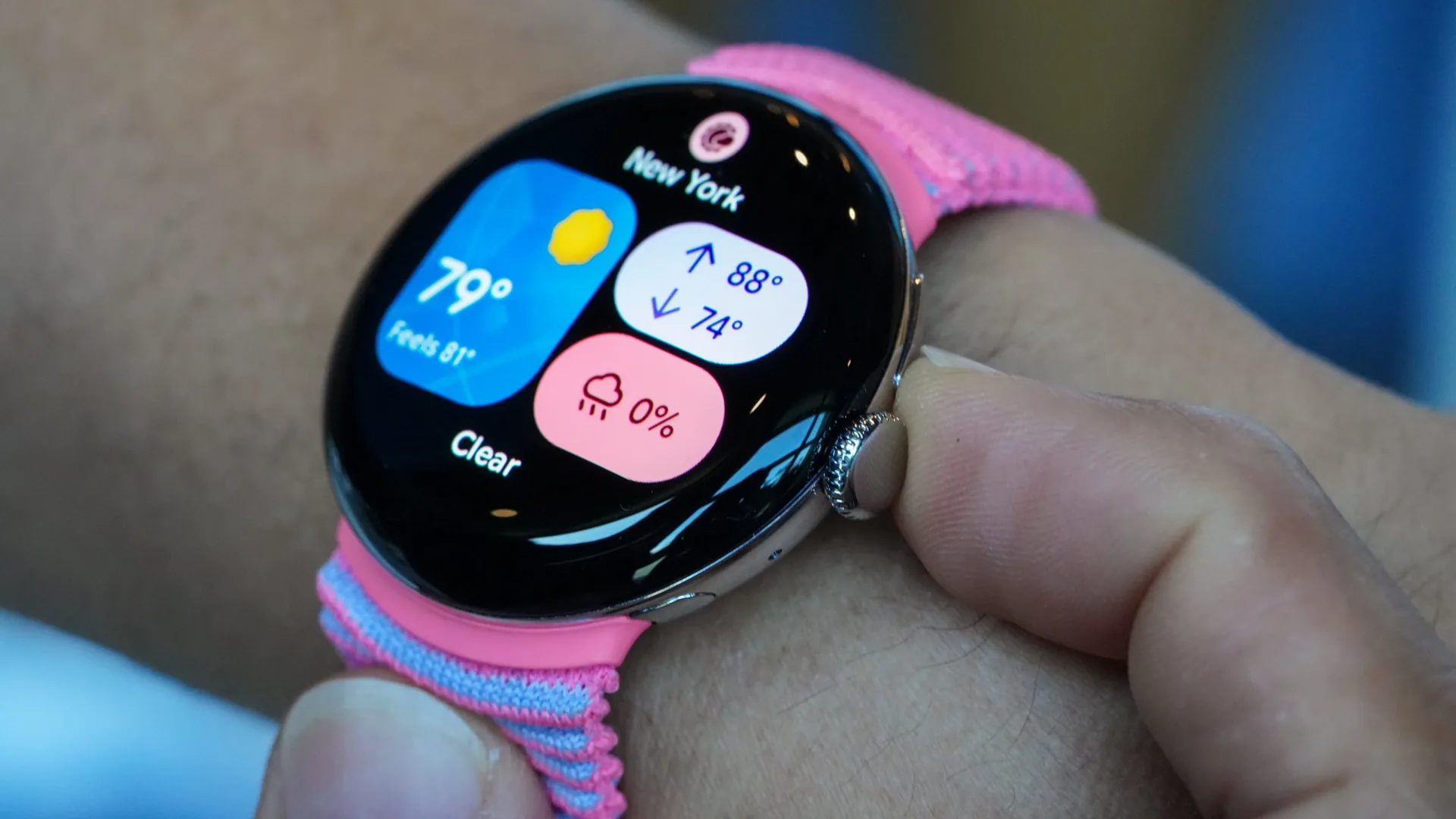
    The Pixel Watch 4’s display boasts an output of 3,000 nits, a figure that matches the luminosity of the premium Apple Watch Ultra 3, but at a lower cost. The display renders vibrant hues and lucid text in any lighting situation, making the animated Wear OS interface and colorful tiles look exceptionally lively.

    Under the hood, the Snapdragon W5 Gen 2 processor works in tandem with Google’s new AI co-processor. The resulting combination powers a smartwatch that delivers remarkable speed. Whether it’s navigating the menu system, launching applications, or scrolling, the Pixel Watch 4 offers a fluid and seamless user experience. This level of consistent performance was previously unattainable in older Pixel Watch models.

    Battery Life and Charging

    The Pixel Watch 4 also boasts an improved battery life. The 45mm model can function for up to 40 hours with the display on and needs just 15 minutes of charging to reach 50% capacity. The smartwatch supports full-day operation, complete sleep tracking, and still manages to keep some power in reserve for the next day. This has finally resolved the panic that often ensued when users forgot to charge their devices.

    Questions & Answers

    What sets the Pixel Watch 4 apart from its predecessors?
    The Pixel Watch 4 stands out due to its complete features, improved battery life, high-speed performance, and an enhanced user experience that feels fully developed.

    How does the Pixel Watch 4 compare to the Apple Watch Ultra 3 in terms of display?
    The Pixel Watch 4 matches the Apple Watch Ultra 3’s display output of 3,000 nits, delivering vibrant colors and clear text in all lighting conditions.

    How long does it take to charge the Pixel Watch 4?
    It takes only 15 minutes of charging for the Pixel Watch 4 to reach 50% capacity, making it a convenient choice for those on the go.

  • Apple’s Supply Chain At Risk As China Tightens Rare Earth Materials Regulations

    Apple’s Supply Chain At Risk As China Tightens Rare Earth Materials Regulations

    Apple’s CEO, Tim Cook, has expressed serious concerns about the potential implications of a Chinese invasion of Taiwan on the company’s supply chain, particularly for the electronic chips vital to Apple’s devices. This fear has been sparked by recent satellite images showing China’s mock-up of Taipei, including Taiwan’s Presidential Office. In response, Taiwan’s President Lai Ching-te has accelerated the development of an aerial defence shield for Taiwan.

    Apple’s Close Call

    China’s announcement last week regarding stricter regulations on the export of rare earth materials almost led to a significant predicament for Apple. The new regulations would necessitate licensing for end products made from Chinese materials. Considering China produces 90% of the world’s rare earth materials, which are essential for chip production, this could have spelled disaster. These materials are used to enhance chips’ electrical, optical, and magnetic properties and are also critical as a polishing agent in chip manufacturing. Notably, samarium, a material uniquely found in China, is used by the U.S. to build F-35 fighter jets and missiles.

    Amid Beijing’s crackdown on rare earth materials, there were concerns that China could force chip manufacturers like TSMC, Samsung, and SK hynix to obtain a license. This move could have allowed China to gain control over the advanced chips produced by these foundries. In a worst-case scenario, Apple may not have been able to rely on TSMC and Samsung Foundry for the manufacture of the essential chips for the iPhone and other products.

    The Relief

    However, the situation might not be as severe as initially feared. Taiwan has assured that China’s crackdown on rare earth materials does not affect the materials necessary for chip production. According to Taiwan’s Economy Ministry, China’s restrictions apply to metals that are not required by TSMC, Samsung, or SK hynix. Instead, the production of drones and electric vehicles could be impacted by China’s new policy. China justified its stricter stance, expressing concerns about the materials’ use in “military applications” amid an atmosphere of “frequent military conflict.” These new rules are set to come into effect on November 8th.

    Meanwhile, even though most of TSMC’s suppliers get their metals from China, the company has various sources for its rare earth materials. However, the future could see China imposing restrictions on the materials used for the production of advanced chips, affecting not only Apple but also other major TSMC customers like Nvidia, AMD, and Qualcomm.

    US Efforts and Futures Concerns

    As tensions rise, the U.S. has been stepping up efforts to find alternatives to rare earth materials. Domestic mining has been explored, and significant funding has been allocated for finding alternate sources. The Department of War has granted hundreds of millions of dollars to U.S. firms in this pursuit.

    While the current situation is under control, should China choose to escalate matters, it could expand the crackdown on rare earth materials to include metals used by foundries. This potential move underscores how crucial it is to find alternative sources of rare earth materials outside China.

    Questions & Answers

    What are the implications of China’s restrictions on the export of rare earth materials?
    The restrictions could disrupt the manufacturing processes of major tech firms, as these materials are integral to chip production.

    How could China’s crackdown affect Apple’s supply chain?
    China’s crackdown could potentially affect Apple’s ability to source the necessary materials for chip production, directly impacting their product supply.

    What measures are being taken to mitigate the impact of China’s new restrictions?
    The U.S. is actively seeking alternatives to rare earth materials, with efforts focused on domestic mining and finding other sources. The Department of War has also awarded significant funding to U.S. firms to aid in this endeavour.

  • Apple Vision Pro 2: Familiar Design, Powerful Chip, But Reduced Features – Analysts Predict Market Challenges

    Apple Vision Pro 2: Familiar Design, Powerful Chip, But Reduced Features – Analysts Predict Market Challenges

    The much-awaited Apple Vision Pro 2 has recently made an appearance through FCC filings, potentially dampening the enthusiasm of many Apple enthusiasts. The disclosure confirms Apple’s plans for a second iteration of their mixed-reality headset but also hints that the device might bear a striking resemblance to its earlier version.

    Conservative Alterations, Recognizable Aesthetics

    The FCC documents reveal that Apple has kept the design of the Vision Pro 2 largely in line with the original model. Initial reports suggest that the company may even maintain the substantial $3,499 price point, a price that previously set the first Vision Pro significantly above most of its rivals.

    Under-the-Hood Enhancements

    The most significant development appears to be in the internal workings of the device: the Vision Pro 2 is anticipated to house Apple’s M4 chip, constructed on a 2-nanometer process. This advancement should result in swifter functionality and improved efficiency, but these enhancements might not be sufficient to compensate for the absence of other novel features.

    Potential Reductions in Features

    In a surprising turn of events, Apple might decide to scale back on certain components, including the EyeSight display – the external screen that digitally displays the user’s eyes to onlookers. While removing such features could reduce costs, it also risks making the already high-priced device less attractive.

    Upcoming Market Hurdles

    Given the limited availability of mixed-reality content and the competitively priced Meta Quest 3 offering a much more affordable entry point, Apple’s latest headset could face considerable challenges. Analysts believe the Vision Pro 2 might serve more as an interim product, allowing Apple to maintain its presence in the XR space until it is prepared to launch genuine AR smart glasses targeted at the mainstream market.

    Questions & Answers

    What changes can be expected in Apple’s Vision Pro 2?
    The Vision Pro 2 is expected to feature Apple’s M4 chip promising faster performance and better efficiency. However, the device might maintain a design and price tag similar to its predecessor.

    What features might Apple reduce in the Vision Pro 2?
    Apple might decide to scale back on certain elements, like the EyeSight display, which digitally projects the wearer’s eyes for bystanders, as a cost-saving measure.

    What are the market challenges for the Vision Pro 2?
    The limited availability of mixed-reality content and the competitively priced rivals like Meta Quest 3 could pose considerable challenges for Apple’s latest headset.

  • Apple Unveils Spectacular Redesign Of Ginza Store, Showcasing Commitment To Japanese Market

    Apple Unveils Spectacular Redesign Of Ginza Store, Showcasing Commitment To Japanese Market

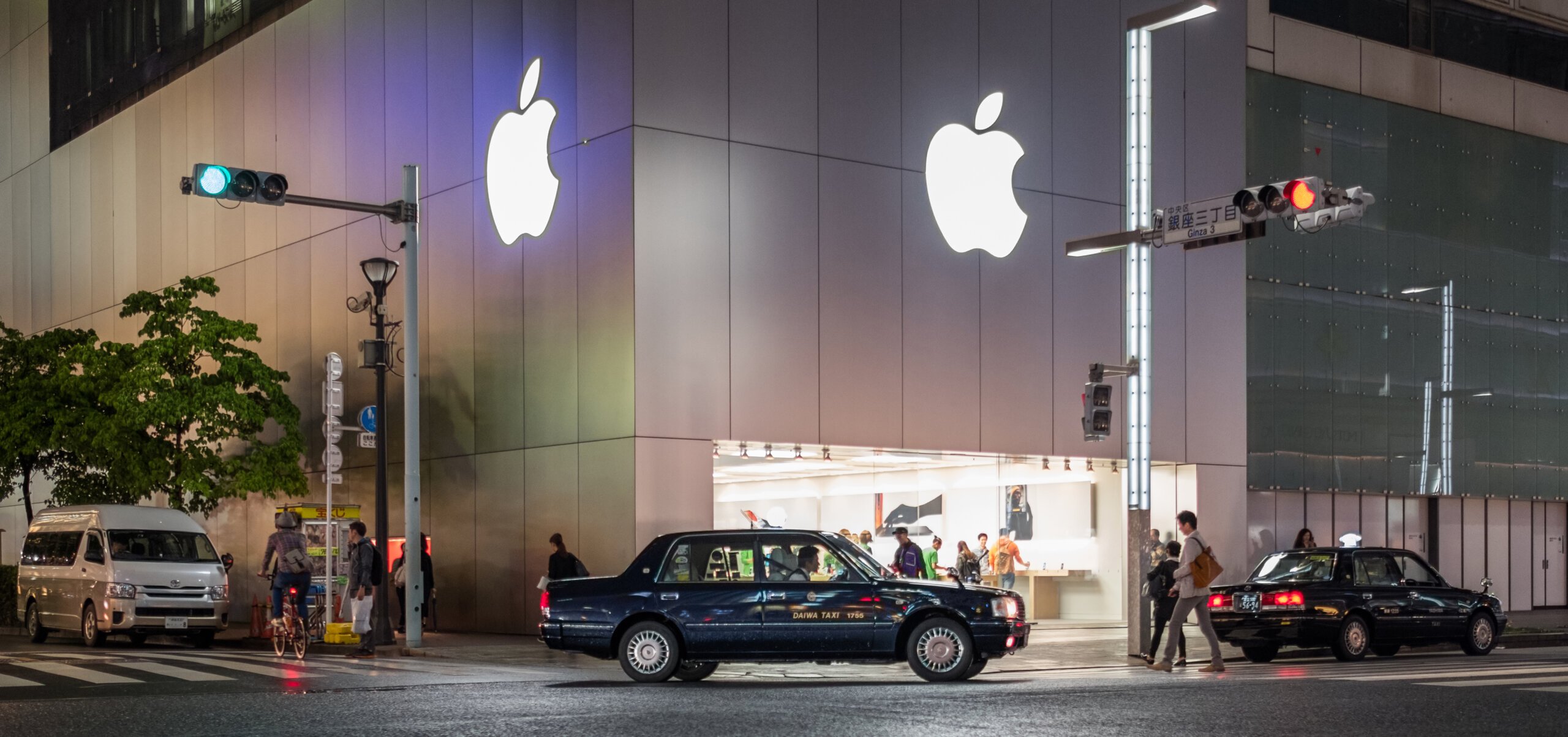
    Apple has unveiled a comprehensive redesign of its Ginza store, a stunning transformation two decades after first establishing its retail footprint in Japan.

    New Design Features

    The four-level retail property exhibits a contemporary layout, seamlessly integrating regionally procured materials into its structure. The use of warm wooden interiors adds an inviting ambiance to the space, while a double-layer glass exterior features adjustable louvres to control light and temperature. The store’s open design allows for abundant natural light to filter through the entire building, with balcony-like spaces adding to its spacious feel.

    Product Availability

    The redesigned store offers customers access to Apple’s complete product portfolio. This includes the latest iPhone 17 series, iPhone Air, Apple Watch Series 11, and AirPods Pro 3. A range of accessories like the iPhone Air Case with MagSafe and the newly released Crossbody Strap are also available for purchase.

    CEO’s Thoughts on Reopening

    Tim Cook, Apple’s CEO, shared his thoughts on the store’s reopening, hailing it as a beacon of the company’s enduring relationship with its Japanese clientele. He expressed his excitement to unveil the strikingly redesigned space and showcase Apple’s latest product offerings. Cook highlighted the significance of this move as a continuation of the remarkable shared history between Apple and its customers.

    Questions & Answers

    What is the significance of the Ginza store reopening?
    The reopening symbolizes the enduring bond between Apple and its Japanese customers and marks a new chapter in their shared history. It also showcases Apple’s commitment to providing an enhanced retail experience.

    What are the features of the redesigned store?
    The store boasts a modern layout, combining regionally sourced materials and warm wood interiors. A double-skin glass facade with adjustable louvres controls light and temperature, while balcony-like spaces and an open design promote natural light flow throughout the building.

    What products are available at the redesigned store?
    The store offers the complete range of Apple products, including the iPhone 17 series, iPhone Air, Apple Watch Series 11, and AirPods Pro 3. Additionally, accessories such as the iPhone Air Case with MagSafe and the new Crossbody Strap are available.

  • Samsung Strengthens Global Audio Dominance With Strategic Acquisition Of Prominent Audiophile Brands

    Samsung Strengthens Global Audio Dominance With Strategic Acquisition Of Prominent Audiophile Brands

    Samsung, through its subsidiary Harman, has further solidified its standing in the global audio market following the acquisition of a number of prominent audiophile brands. This move builds on the Korean corporation’s already robust audio portfolio, which was boosted by an $8 billion deal to acquire Harman in 2016.

    Notable Acquisitions

    Samsung has significantly deepened its footing in the global audio industry by acquiring a host of legendary brands, including Bowers & Wilkins, Denon, Marantz, Polk, and others. These brands were acquired when Harman purchased Sound United, previously the consumer audio wing of Masimo. This move follows a significant legal payout by Masimo to Apple, amounting to $250.

    The acquisition, valued at $350 million and initially announced in May, is set to further enhance Samsung’s already impressive audio brand offerings. Prior to this deal, Samsung, via Harman, owned such popular brands as Harman Kardon, JBL, and AKG. The purchase of Sound United is referred to as a “strategic milestone” by Harman.

    Impacts on Samsung’s Products Line

    While the acquisition of Sound United is undoubtedly significant, it is unlikely to bear immediate changes in Samsung’s product line. For instance, consumers shouldn’t expect to find a Bowers & Wilkins speaker or headphones included with the Galaxy S26. Sound United will continue to function as a standalone business within Harman’s lifestyle division. The intent behind this arrangement is to allow each audio brand to maintain its distinct identity.

    Despite the preservation of individual brand identities, the newly acquired brands will have access to Harman’s resources to facilitate growth and expansion. Concurrently, Harman anticipates leveraging the expertise and talent that will be introduced via Sound United. This approach mirrors Samsung’s strategy with Harman, which operates autonomously.

    The Preference for Convenience Over High Fidelity

    While there is potential for Samsung to enhance its phone audio capabilities and dive deeper into mobile hi-fi, the overall market trend leans towards convenience. The majority of consumers prefer the comfort and ease of listening to compressed audio from streaming services via Bluetooth. This trend, which appears to have overcome the demand for high fidelity audio, is unlikely to change in the foreseeable future.

    Questions & Answers

    What brands did Samsung recently acquire?
    Samsung’s subsidiary, Harman, recently acquired several prominent audio brands, including Bowers & Wilkins, Denon, Marantz, Polk, and others through the purchase of Sound United.

    What impact will this acquisition have on Samsung’s product line?
    The acquisition is not expected to bring immediate changes to Samsung’s product line. Sound United will operate as a separate business under Harman’s lifestyle division, and each audio brand will retain its unique identity.

    What is the current trend in the audio market?
    The current trend in the audio market leans towards convenience, with most consumers preferring to listen to compressed audio from streaming services via Bluetooth. This trend seems to have overtaken the demand for high fidelity audio.

  • Apple Set To Extend Proprietary 5g Modem Use To Iphone 18 Series: A Strategic Shift

    Apple Set To Extend Proprietary 5g Modem Use To Iphone 18 Series: A Strategic Shift

    Apple has been known to use its proprietary C1X 5G modem specifically in the iPhone Air, while still utilizing a Qualcomm modem for the iPhone 17 and iPhone 17 Pro. However, indications are emerging that the tech giant is set to alter this approach with the forthcoming iPhone 18.

    Expansion of Apple-Branded Cellular Modems

    In a recent move towards an increased use of Apple-manufactured cellular modems across a broader product range, indications are strong that the iPhone 18 and its Pro version will be the next items on the list. Arun Mathias, Apple’s Vice President of Wireless Software Technologies and Ecosystems, hinted at this ambition during a recent dialogue with CNBC.

    Mathias responded to queries about the lack of Apple modems in the iPhone 17, 17 Pro, and 17 Pro Max by explaining that the company’s focus had been on meeting the requirements for the iPhone Air. Nevertheless, Mathias added that the iPhone 17 and 17 Pro remain excellent products, and Apple’s proprietary cellular solutions will feature more prominently in future devices. Mathias said, “While our concentration has been primarily on the iPhone Air, we acknowledge the excellence of our iPhone 17 and iPhone 17 Pro. Over time, we anticipate seeing more products equipped with Apple’s cellular solutions.”

    Apple’s Move Towards Greater Control

    Mathias’ statement aligns with emerging speculations that the upcoming iPhone 18 Pro will feature Apple’s 5G modem. This shift presents Apple with an opportunity to gain further control over their devices, potentially leading to multiple enhancements.

    Apple has previously used its in-house C1 modem in the iPhone 16e, symbolizing a departure from Qualcomm’s modems. In a curious parallel, Samsung has been providing cellular modems for the Pixel 10 devices, while relying on Qualcomm’s modems for its own Galaxy S25. This might also change with the anticipated Galaxy S26 if Samsung decides to incorporate the Exynos 2600.

    Perceptible Differences for Users

    While Apple’s move away from Qualcomm is noteworthy, the typical user may not observe a significant difference in connectivity unless there is a major technological advance or failure. This does not render the change insignificant; rather, it suggests that it may not result in any noticeable improvements for the average iPhone user.

    Questions & Answers

    Why has Apple not used its own modems in the iPhone 17 and 17 Pro?
    Apple’s focus was on the needs of the iPhone Air. However, the company plans to use its own cellular solutions in more devices in the future.

    What change can we expect in the iPhone 18 and iPhone 18 Pro?
    It is highly likely that Apple’s 5G modem will be used in the iPhone 18 and iPhone 18 Pro, giving Apple more control over its devices.

    Will users notice a difference in connectivity with the use of Apple’s own cellular modems?
    Unless there’s a major technological development or failure, most users may not notice any significant changes in connectivity.

  • iPhone 17 Pro: Price Tags Reveal 6 Work Days in Singapore, 60 in Hanoi

    iPhone 17 Pro: Price Tags Reveal 6 Work Days in Singapore, 60 in Hanoi

    An average worker in Singapore needs just six workdays to afford an iPhone 17 Pro, compared to a staggering 60 days in Hanoi, according to a recent study.

    Singapore tops a list of 11 Southeast Asian cities regarding the affordability of the iPhone 17 Pro, thanks to its high average income. The study, conducted by Seasia, combines insights from cost of living platform Numbeo and recruitment service Talentnet.

    A Closer Look at the Numbers

    Following Singapore is Brunei’s Bandar Seri Begawan, where it takes 13 workdays for locals to purchase the iPhone. In Malaysia’s Kuala Lumpur, workers need about 20 days, while those in Indonesia’s Jakarta require 30 days. The gap widens further in Thailand’s Bangkok at 32 days and the Philippines’ Manila at 50 days. Meanwhile, Hanoi finds itself among the bottom five, with workers needing two full months of their salaries to afford the iPhone 17 Pro, priced at approximately VND35 million (US$1,325).

    Vietnam’s Position in the Market

    In terms of pricing, Vietnam ranks as the 12th cheapest market for the iPhone 17 Pro globally, trailing the United States, Hong Kong, and Canada, which hold the top spots in affordability. In a striking display of enthusiasm, buyers in Hanoi camped out overnight on September 18 for the new releases, showcasing a particular craving for the ultra-premium Pro Max model, fetching up to VND64 million for the 2TB version. Talk about a case of retail therapy!

    The Broader Regional Context

    The affordability analysis also considers cities in Cambodia, Timor-Leste, Laos, and Myanmar, where the iPhone can cost workers between 63 and 111 days of their paychecks. It’s clear that the smartphone market varies widely across the region, reflecting differing economic landscapes and spending power among consumers.

    Questions & Answers

    What can buyers in Singapore expect when purchasing the iPhone 17 Pro?
    In Singapore, buyers can acquire an iPhone 17 Pro after just six days of work, making it the most accessible smartphone market in Southeast Asia.

    How does Hanoi compare in terms of consumer affordability for the iPhone?
    Hanoi stands out as one of the less affordable markets, with the average worker needing 60 days to buy the iPhone 17 Pro. This highlights significant economic differences within the region.

    What trends were observed during the iPhone launch in Hanoi?
    During the recent launch, several eager customers camped overnight to be among the first to buy the new iPhones, reflecting a robust demand, particularly for the pricier Pro Max model.

  • Nvidia’s $100 Billion Investment In Openai: A Game-changer For Ai Development And Market Dynamics

    Nvidia’s $100 Billion Investment In Openai: A Game-changer For Ai Development And Market Dynamics

    On Tuesday, Nvidia’s shares fell by $5.18 or 2.82%, closing the regular trading session at $178.43. The stock retreated, losing more than half of the 4% increase it saw on Monday. This came after the technology company announced its plans to invest up to $100 billion in ChatGPT parent company, OpenAI. The partnership will enable OpenAI to construct data centers powered by 10 gigawatts of “compute capacity” from Nvidia’s AI systems.

    The Advantage of GPUs in AI Systems

    Nvidia’s AI systems run on the company’s GPU (Graphics Processing Unit) chips. The reason GPUs are favored over CPUs (Central Processing Units) in AI systems is due to their proficiency in parallel processing. This means that GPUs can have multiple cores working on the same data simultaneously. On the other hand, a CPU processes data sequentially, handling tasks one at a time.

    Future Developments

    The first phase of this partnership is expected to begin implementation in the latter half of 2026 using the Nvidia Vera Rubin platform. This represents Nvidia’s next iteration of AI and data center platform, set to replace the existing Blackwell architecture. Named after a pioneer in the field of astronomy, the Vera Rubin platform is designed for large rack systems as opposed to single-chip options. The platform’s design allows it to manage and process vast amounts of data concurrently.

    The Excitement Surrounding the Partnership

    Jensen Huang, Nvidia’s founder and CEO, expressed his enthusiasm about the partnership, asserting that Nvidia and OpenAI have been challenging and pushing each other forward for a decade. He believes that this investment and infrastructure partnership marks a significant leap forward by deploying 10 gigawatts to enable the next era of intelligence.

    Echoing Huang’s sentiments, OpenAI cofounder and president Greg Brockman stated that the organization had been closely collaborating with Nvidia since OpenAI’s early days. They have utilized Nvidia’s platform to develop AI systems that hundreds of millions of people use every day. The deployment of ten gigawatts of compute with Nvidia signifies an exciting phase in extending the frontier of AI and scaling its benefits to everyone.

    The AI Landscape

    OpenAI currently boasts over 700 million weekly active users, and its partnership with Nvidia is set to benefit humanity by developing innovative AI solutions. The deal is expected to be finalized in the coming weeks.

    In the tech sector, AI continues to be a prevalent topic, and as a result, Nvidia’s shares have become a new standard for the industry. Nvidia’s market value now stands at $4.34 trillion, surpassing the likes of Apple ($3.78 trillion) and Microsoft ($3.79 trillion).

    Microsoft has invested $13 billion in OpenAI, but instead of acquiring a specific percentage of ownership, Microsoft entered into a profit-sharing agreement, receiving 49% of OpenAI Global, LLC’s profits annually until a certain limit is reached.

    Additionally, Alphabet, the parent company of Google, has also established itself as a leader in AI with a market value of $3.06 trillion. Over the past year, Alphabet’s shares have seen a 55% increase, even outpacing Nvidia’s 47% year-on-year gain.

    Questions & Answers

    Why are GPUs preferred over CPUs in AI systems?
    GPUs excel at parallel processing, which allows multiple cores to work on the same data simultaneously. In contrast, CPUs handle tasks one at a time, processing data sequentially.

    What is the significance of Nvidia’s partnership with OpenAI?
    The partnership marks a significant progression in the field of AI. With Nvidia’s investment, OpenAI can build data centers powered by 10 gigawatts of compute capacity, extending the frontier of intelligence and scaling the benefits of AI to everyone.

    How does the Nvidia-OpenAI deal impact the AI landscape?
    The deal, among others, signifies a change in leadership within the AI industry. It further cements Nvidia’s position as a market leader, with its shares now emerging as the new standard for the sector, surpassing even tech giants such as Apple and Microsoft.

  • Microsoft Appoints Chia Wee Luen as New Managing Director for Singapore’s Dynamic Market

    Microsoft Appoints Chia Wee Luen as New Managing Director for Singapore’s Dynamic Market

    In a significant move for its Singapore operations, Microsoft has appointed Chia Wee Luen as the new managing director, stepping into the role previously held by Lee Hui Li. This appointment comes at a crucial time as the tech giant aims to drive Singapore’s digital ambitions forward, especially in cloud services and artificial intelligence.

    Pioneering Singapore’s Tech Landscape

    Wee Luen will be at the forefront of Microsoft’s initiatives in Singapore, focusing on fostering innovation and inclusive transformation among customers, partners, and government entities. He brings a wealth of experience from his recent position as managing director for Asia at ServiceNow, a role that has equipped him with a deep understanding of the regional tech landscape.

    Mayank Wadhwa, Microsoft’s ASEAN president, emphasized the strategic importance of Singapore to the company’s global operations. “Under Wee Luen’s leadership, we will empower our customers to harness the full power of technology to drive meaningful impact and unlock the region’s extraordinary potential,” Wadhwa said, hinting at a promise of innovative collaborations ahead.

    A Visionary Leader with Deep Roots

    With over 20 years in enterprise technology, Wee Luen expressed his enthusiasm for the role. “I’m honoured to join Microsoft Singapore at this pivotal moment. I look forward to working with the team, our partner ecosystem, and visionary customers to capitalise on this transformative era of AI and continue shaping Singapore’s future together,” he remarked, echoing a sentiment of collective advancement.

    His impressive background began in Singapore’s public sector and unfolded through senior leadership roles at noted firms such as Red Hat, Qlik, and Oracle. Notably, Wee Luen is dedicated to community engagement, serving on the Digital & Technology Committee of the Children’s Cancer Foundation and chairing the Tech for Good Committee at the Singapore Computer Society, reinforcing his commitment to social responsibility.

    Anticipating a Bright Future

    As Microsoft embarks on this new chapter, the industry watches with keen interest. Will the savvy digital strategist manage to capture the zeitgeist of technological advancement in Singapore? Only time will tell, but if the past is any guide, his leadership could very well ignite a new era of innovation.

    Questions & Answers

    What are Chia Wee Luen’s main responsibilities as managing director of Microsoft Singapore?
    He is tasked with leading Singapore’s operations, focusing on advancing digital ambitions through cloud services and AI while fostering innovation and collaboration with customers and stakeholders.

    What was Chia Wee Luen’s role before joining Microsoft?
    Prior to his current appointment, Wee Luen served as managing director for Asia at ServiceNow, where he gained valuable experience in enterprise technology.

    How is Wee Luen involved in community initiatives?
    He participates actively in the community through his roles on the Digital & Technology Committee of the Children’s Cancer Foundation and as chair of the Tech for Good Committee at the Singapore Computer Society.

  • Meta Unveils New Ray-ban Display: A Leap Forward In Smart Glasses Technology

    Meta Unveils New Ray-ban Display: A Leap Forward In Smart Glasses Technology

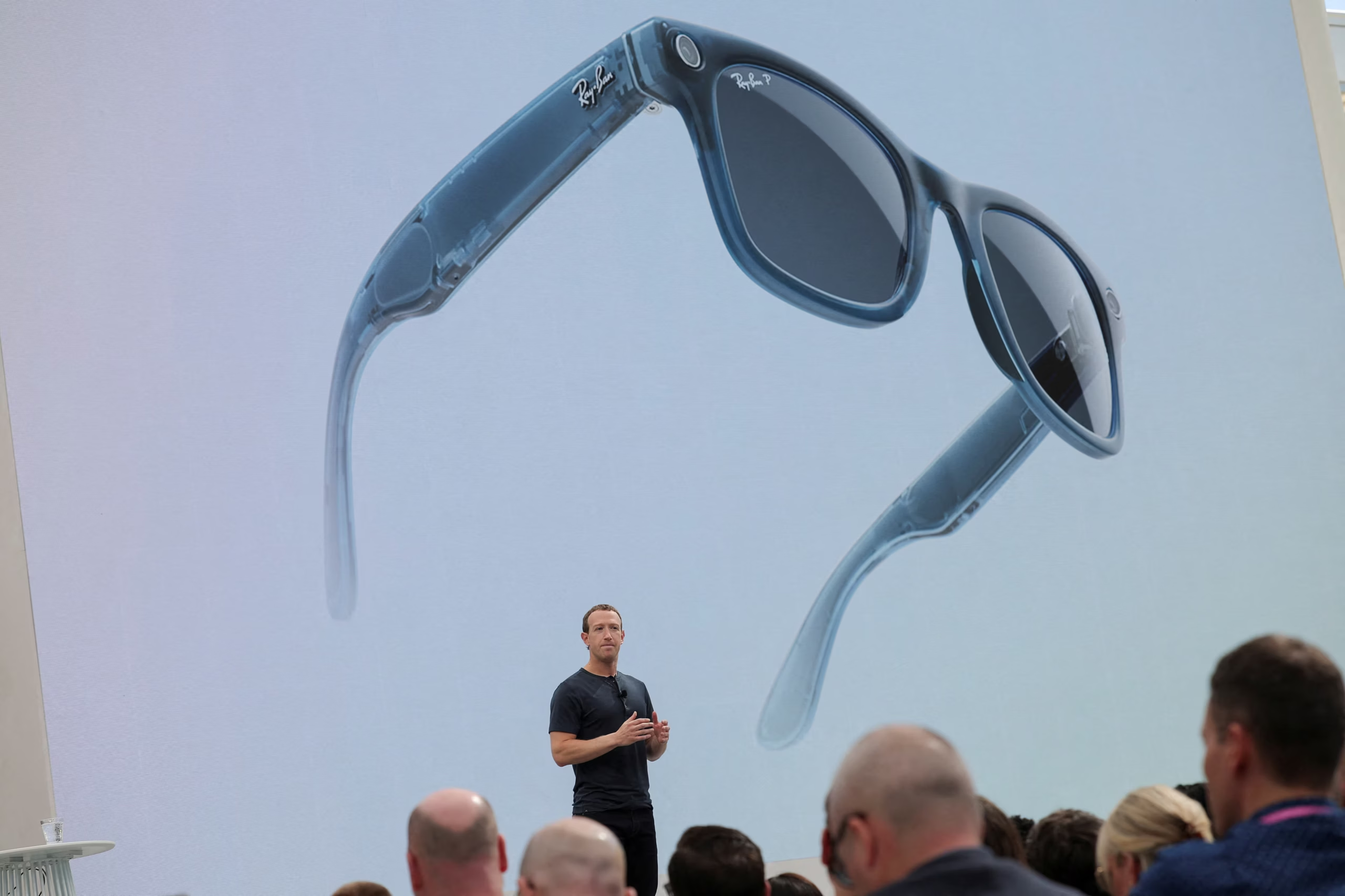
    During the recent Meta Connect event, CEO Mark Zuckerberg unveiled the Meta Ray-Ban Display, their latest innovation in smart glasses technology. This newly introduced product, featuring an integrated display, is not classified as an Augmented Reality (AR) device; however, Meta is fully engaged in the development of AR technology. There is speculation that the company might unveil another unexpected product before launching a comprehensive AR glass.

    The Potential of Smart Glasses

    Mark Gurman, a notable figure in the tech industry, disclosed his impression of the Ray-Ban Display in a recent newsletter. According to Gurman, this is the first instance where he recognized the considerable potential of smart glasses technology. He also revealed that Meta is in the process of designing another pair of smart glasses equipped with dual displays.

    Interestingly, the upcoming model, despite being non-AR, will be launched during the same year as the consumer-oriented Orion AR smart glasses. Although it may seem unusual, the company is presumably aware that the AR smart glasses will carry a hefty price tag. The Ray-Ban Display, retailing at $799, is currently incurring losses for Meta. Despite a decade of financial investment into its XR (Extended Reality) division, Reality Labs, Meta continues to face financial losses in its drive to become a leader in the future of computing technology.

    The Functionality of Ray-Ban Display

    The existing Ray-Ban Display projects a screen to one side of the user’s vision. It is expected that the forthcoming dual-display model will expand upon this feature, potentially projecting two screens on either side and possibly granting the user the ability to operate two or more apps concurrently.

    Even though XR enthusiasts are eagerly awaiting the release of the AR glasses set for 2027, the current Meta Ray-Ban Display serves as an effective tool for practice.

    A Dual Display Smart Glasses in the Pipeline

    In other news, a beautifully illustrated book titled “Iconic Phones: Revolution at Your Fingertips” is set to release this fall. The book promises to offer a unique insight into some of the most distinctive and unforgettable phones from the past two decades. It is expected to be a must-have for tech enthusiasts, chronicling the stories of over 20 fan-favorite phones and their contribution to the technological revolution.

    Questions & Answers

    What is the Meta Ray-Ban Display?
    The Meta Ray-Ban Display is the latest innovation in smart glasses technology from Meta. It features an integrated display.

    What does the future hold for Meta’s smart glasses?
    Meta is reportedly working on another pair of smart glasses that will feature two displays. In addition, the company plans to release the Orion AR smart glasses in 2027.

    What is the “Iconic Phones: Revolution at Your Fingertips” book about?
    “Iconic Phones: Revolution at Your Fingertips” is an illustrated book that details the stories of more than 20 fan-favorite phones from the past two decades, highlighting their impact on the technological revolution.