Category: Electronics

Retail News Asia is committed to providing both local and global retailers with the latest Electronics news throughout the Asian market. This on a daily base.

  • Siri Gets a Major AI Boost: Leaked Features from Future iOS 26.4 to 28 Promise Exciting Updates

    Siri Gets a Major AI Boost: Leaked Features from Future iOS 26.4 to 28 Promise Exciting Updates

    Apple’s release of iOS 26.2 last week brought several helpful updates, as discussed in a previous article. Now, anticipation is building for iOS 26.4, which promises significant artificial intelligence (AI) enhancements to Siri. Recently, an extensive leak has provided insights into what to expect from iOS 26.4 through iOS 28, thanks to a version of iOS 26 currently in use by Apple’s engineers.

    Insights from the Internal Build of iOS 26

    The said internal build of iOS 26 contains “feature flags,” which engineers can use to enable or disable specific features while they are under development. Unique to this iOS build are notes detailing the features and the corresponding iOS versions they will debut with.

    For instance, the internal build highlights multiple feature flags related to new additions to the Health app. These allude to a user-friendly interface for categories and a simpler method for manual data entry, such as body measurements, symptoms, and medication intake. This has led to speculation about a possible Health+ subscription service from Apple, providing answers based on user-provided data in the Health app. The revamped interface could be a part of Apple’s preparation for this potential paid service.

    Anticipated Changes to Siri and Other Features

    According to the leaked data, Apple is also testing a feature that recognizes when a new credit or debit card is added to a third-party app, offering to save it to the iCloud Keychain. This feature works similarly to the Autofill function in Safari and could be launched with iOS 26.4. The leak also suggests a more premium Sports subscription package for Apple TV+ users, probably available with the iOS 26.4 update.

    The much-awaited upgrades for Siri are also slated for the spring release of iOS 26.4. In addition to facilitating more natural conversations, Siri will be integrated with Google’s Gemini Large Language Model (LLM). This will enable Siri to comprehend the context of the user’s display and assist with task execution. The updated Siri will also be capable of browsing a user’s emails, messages, calendars, and photos to locate specific information and perform tasks with certain apps using voice commands.

    Additional Security and Other Updates

    iOS 26.4 will also introduce a new layer of security to ensure that an iPhone logging into Apple ID and iCloud hasn’t undergone any unauthorized modifications, like jailbreaking.

    The feature flags also hint at possible new collections for the Photos app in iOS 27. This version will bring improved pairing for AirPods with an iPhone. In iOS 28, sleep tracking will feature new metrics, such as “Time in bed.”

    Questions & Answers

    What are the main features expected in iOS 26.4?
    The iOS 26.4 update is expected to bring significant improvements to Siri, including more natural conversations and integration with Google’s Gemini Large Language Model (LLM). Other features include a new credit or debit card saving feature and possibly a premium Sports subscription package for Apple TV+ users.

    What changes are expected for the Health app?
    The Health app is likely to see a new user-friendly interface for categories and a simpler method for manual data entry. There is also speculation surrounding the introduction of a Health+ subscription service that provides answers based on user-provided data.

    What additional security will be introduced with iOS 26.4?
    An additional security feature is set to ensure that an iPhone logging into Apple ID and iCloud hasn’t undergone any unauthorized changes, such as jailbreaking.

  • App Lock Security Coming to Android 17: A Much-Anticipated Upgrade for User Privacy

    App Lock Security Coming to Android 17: A Much-Anticipated Upgrade for User Privacy

    In a rapidly digitalizing world, smartphones have become the vaults of our sensitive data, often stored within various applications. These applications, at times, require an additional layer of security for optimal safeguarding. Android, despite its Private Space feature, lacks a user-friendly method to secure these apps. However, this could potentially change with the forthcoming major update of Google’s mobile operating system (OS).

    App Lock Feature in Android 17

    In a bid to enhance the security on its platform, Google might finally incorporate a native app lock feature in its Android 17 update. This function is expected to operate at the system level of the OS. Recent investigations into the code of an Android Canary release revealed indications of this feature.

    The code introduced a fresh App Lock Application Programming Interface (API), compatible with any default launcher. This implies that the function will not be exclusive to Pixel phones but will be available across all Android devices.

    Bridging the Gap

    Android users may already be using app locks and might be puzzled by this update. However, it’s essential to note that these locks are not native to the OS. Instead, they are solutions developed independently by Original Equipment Manufacturers (OEMs), such as OnePlus.

    Google’s indigenous solution, known as Private Space, differs significantly from elementary app locking. Apps within Private Space are entirely segregated from the rest of the OS, function under a separate user profile, and are challenging to access.

    On the contrary, an app lock feature merely secures apps, necessitating face unlock, fingerprint authentication, or a passcode for access. Apart from this, the apps stay connected to the rest of the operating system and can be placed on the home screen. Google already provides a similar feature with its Google Photos app.

    Tech giant Apple was one of the first major brands to introduce an app lock feature with its iOS 18. In contrast, Samsung, Google, and Motorola don’t have this feature. Samsung supports a Secure Folder, and Motorola has its own Moto Secure menu containing folders, both of which function similarly to Google’s Private Space.

    A Much-needed Feature

    The introduction of an app lock feature is a move many find surprising it wasn’t implemented earlier in more devices. It strikes the ideal balance between security and convenience, potentially serving a broader user base than any isolated space.

    Questions & Answers

    What is the new feature expected in Android 17?
    There are indications that Android 17 may include a native app lock feature.

    How does the app lock feature differ from Google’s Private Space?
    Unlike the Private Space, which completely isolates certain apps from the rest of the OS, an app lock merely requires face unlock, fingerprint authentication, or a passcode for access, while the apps remain connected to the rest of the operating system.

    Which other major brand has an app lock feature?
    Apple was one of the first major brands that introduced an app lock feature with iOS 18.

  • Singapore’s Electronics Giants, Courts and Prism+, Face Legal Action for Misleading Consumers: Unfair Trading Exposed

    Singapore’s Electronics Giants, Courts and Prism+, Face Legal Action for Misleading Consumers: Unfair Trading Exposed

    Two Singapore-based electronics and home appliance retailers, Courts and Prism+, are currently facing legal action. This action is being brought by the country’s consumer protection agency, the Competition and Consumer Commission of Singapore (CCS), due to allegations of misleading online customers.

    Alleged Misleading Practices

    The CCS has determined that both Courts and Prism+ have violated trading laws. The retailers are accused of either charging consumers for items they did not select or implementing website features that falsely encourage immediate purchasing decisions.

    In particular, Courts’ website was reported to automatically add certain items to consumers’ carts during promotional periods, without the shoppers’ approval. This practice risks consumers unintentionally paying for additional, unwanted items. An instance of this was when a consumer chose an Apple iPad for purchase, and an Acer vacuum cleaner was subsequently added to their cart without their knowledge.

    Despite receiving customer complaints about these issues early last year, Courts did not amend their practices until the CCS intervened in June.

    Generating False Urgency

    In a separate investigation, the CCS discovered numerous design features on Prism+’s website that pressured customers into making rushed buying decisions.

    The features identified included unauthentic countdown timers for product discounts, which would reset once they reached zero. Additionally, deceptive stock indicators were used, falsely stating that certain products were ‘running low’. Overstated discounts were also observed.

    According to the CCS, these practices by Courts and Prism+ are considered to be unfair trade practices under Singapore’s fair trading laws.

    Corrective Measures

    Courts has pledged to immediately halt these deceptive practices, make adjustments to its website, and provide refunds to affected customers. Similarly, Prism+ has rectified its website’s issues and has promised not to engage in any unfair trade practices in the future.

    “COURTS confirms that it had been contacted by the Competition and Consumer Commission of Singapore (“CCS”) regarding design features on its website that may have misled consumers.

    The issue resulted from legacy marketing practices, which are aligned with COURTS’ promotions in its physical stores, where consumers were offered the option to purchase an additional item at a discounted rate after their purchase of an item.

    After being made aware of the issue, COURTS had given an undertaking to CCS to cease this practice immediately. Following which, we have made changes to our website to rectify the issue and processed refunds to all affected customers.

    COURTS had been working closely with CCS since June 2025 to resolve the issue. Since September 2025, the issue had been fully rectified, and we have not received any recent customer complaints. We have also reviewed our website thoroughly to ensure all information are accurately displayed, so as to deliver a transparent shopping experience for customers and to minimise confusion.

    We regret the impact this incident may have had on our customers and are fully committed to enhancing our consumer protection policies to prevent similar occurrences in the future.”

    Questions & Answers

    What actions are Singapore-based retailers Courts and Prism+ facing?
    They are facing legal action from the country’s consumer watchdog, the Competition and Consumer Commission of Singapore (CCS), for allegedly misleading online customers.

    What practices led to these legal actions?
    Courts is accused of automatically adding items to consumers’ shopping carts without their consent, and Prism+ is alleged to have used various website features to pressure consumers into hasty purchases.

    What measures are Courts and Prism+ taking in response to these allegations?
    Courts has pledged to halt these practices, update its website, and refund affected customers. Prism+ has also committed to making necessary changes to its website and not engaging in any unfair trade practices in the future.

  • Coupang Executives Under Scrutiny for Stock Sales Post-Major Data Breach: A Potential Insider Trading Scandal?

    Coupang Executives Under Scrutiny for Stock Sales Post-Major Data Breach: A Potential Insider Trading Scandal?

    Concern is mounting over potential insider trading at Coupang, following the sale of company stock by two senior executives occurring after a massive data breach and before its public acknowledgment.

    Executives Sell Shares After Data Breach

    On November 10, Coupang’s Chief Financial Officer, Gaurav Anand, sold 75,350 shares at $29.0195 each, a transaction that reached approximately $2.19 million (around 3.2 billion won). Pranam Kholari, a former senior vice president with responsibilities for search and recommendations, also sold shares. On November 17, Kholari offloaded 27,388 shares for about $772,000 (1.13 billion won). Noteworthy to mention, Kholari resigned from his position just three days prior, on November 14.

    Interestingly, both transactions occurred after the unauthorized access to user accounts took place, but before the company went public with the extent of the breach. This timing has intensified scrutiny over the possibility of executives acting on nonpublic information.

    Massive Data Breach at Coupang

    Coupang, on November 29, announced that around 33.7 million customer accounts had been compromised in the data breach. The affected information included names, emails, phone numbers, addresses, and selected order details. Prior to this, on November 18, the company had reported a smaller breach affecting about 4,500 users.

    A report submitted to the Korea Internet & Security Agency reveals that Coupang detected the unauthorized access on November 6 at 6:38 p.m. However, the company did not identify the data breach until November 18, a 12-day delay that has invited questions from lawmakers and regulators.

    The timing of the stock sales and the subsequent delay in acknowledging the breach are expected to be a focal point of investigations into the data leak, which has been one of the largest in Korea’s e-commerce sector.

    Questions & Answers

    What are the implications of the stock sales by Coupang’s executives?
    The stock sales, given their timing, have raised concerns over potential insider trading, with both transactions occurring after the data breach but before its public acknowledgment.

    What information was compromised in the Coupang data breach?
    The compromised information includes customers’ names, emails, phone numbers, addresses, and selected order details, with approximately 33.7 million customer accounts affected.

    What prompted questions from lawmakers and regulators regarding the data breach?
    The company’s delay in identifying and disclosing the data breach, which was detected on November 6 but not formally acknowledged until November 18, has led to queries from regulatory bodies and lawmakers.

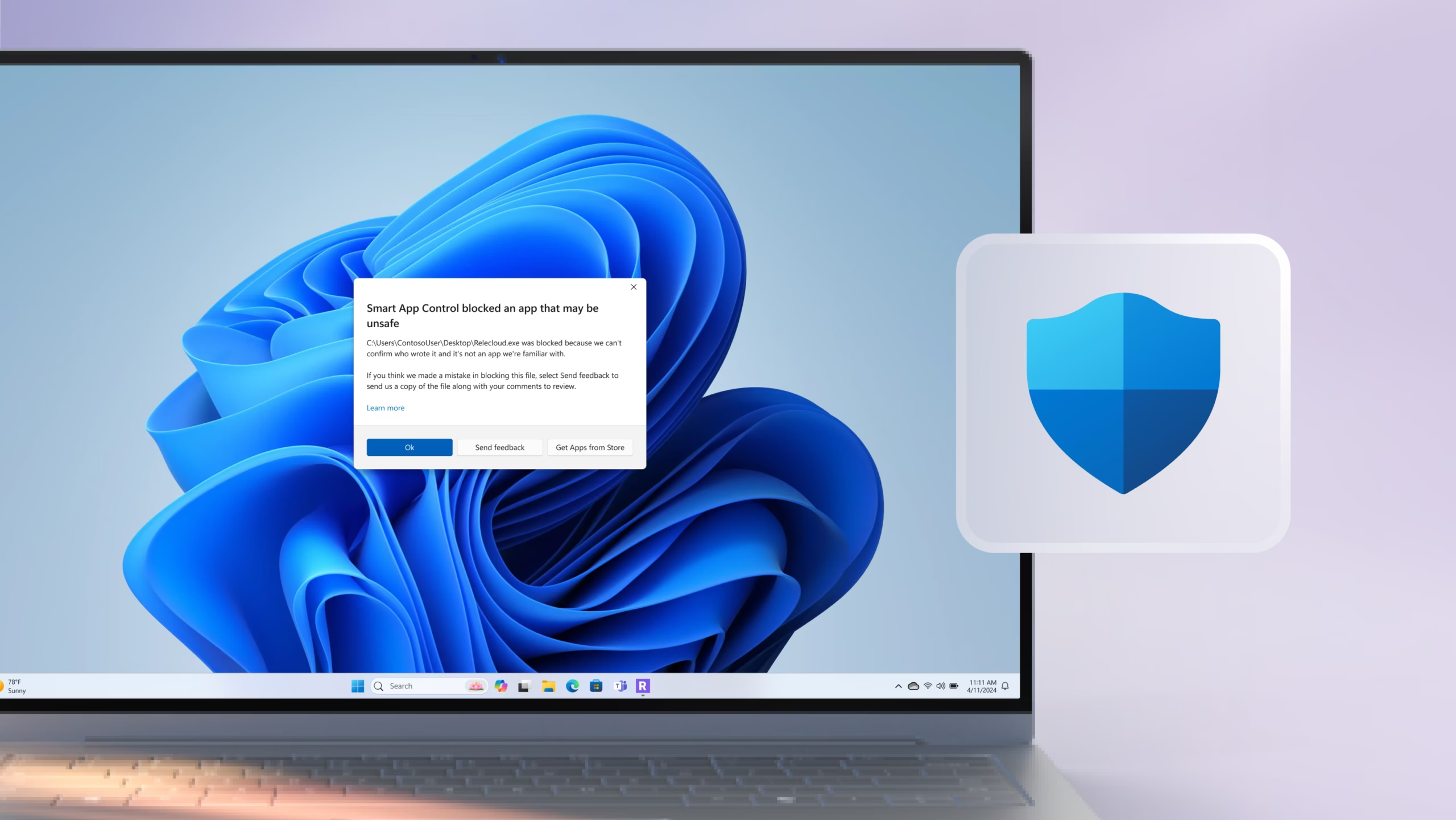
  • Microsoft Bridges Android-Windows Gap: Seamless Transition across Devices Now Possible with Windows 11

    Microsoft Bridges Android-Windows Gap: Seamless Transition across Devices Now Possible with Windows 11

    Microsoft continues its quest to enhance Android compatibility with Windows 11, introducing exciting updates that aim to facilitate a smoother interaction between the two platforms.

    Expanded App Integration

    Previously, Microsoft had introduced the capability to resume playing Spotify tracks on Windows 11 from the exact point where users had paused on their Android phones. Now, this functionality is being expanded to include a wider range of applications. The integration is currently being rolled out incrementally, starting with the Windows 11 Insider Preview Build 26220.7271 (KB5070307). While it remains in its beta stage, with positive user feedback, it is expected to become available to all Windows 11 users in the near future.

    This expanded feature means integration is no longer limited to Spotify alone. For instance, users of vivo Android phones can now pick up their web browsing on their PC from where they left off on their mobile’s vivo browser.

    Moreover, owners of Samsung, Oppo, Huawei, Honor, or vivo devices can open files from the M365 Copilot apps, including Word, Excel, and PowerPoint, on their PCs. Depending on whether the app is installed, the files will either open within the app or in the user’s default browser. However, it is important to note that offline files stored on the phone are currently not supported.

    Closing the Android-Windows Gap

    The integration also allows users to resume using other applications on their PCs from where they left off on their Android devices, similar to the Spotify feature. This is a significant step forward in bridging the gap between Android and Windows, a challenge that has long been frustrating due to the numerous variations of Android and different device manufacturers involved.

    The challenge is further amplified when compared to the seamless cross-device continuity enjoyed by Apple users, who can start a task on an iPhone and continue on a MacBook or iPad. However, Microsoft’s recent efforts to emulate this seamless transition, albeit across different brands within the ecosystem, are quite promising and could prove to be a game changer for both Windows and Android users.

    Improved Mobile Experience

    Once this feature is accessible to all, it is expected to significantly enhance the user experience. The ability to transition seamlessly between an Android phone and a Windows laptop without losing one’s progress is a minor convenience that could make a major impact.

    Questions & Answers

    What is the main update provided by Microsoft for Windows 11?
    The key update allows users to resume their activities on Windows 11 from where they left off on their Android phones across a wider range of apps, not just Spotify.

    What are the M365 Copilot apps and how are they integrated into this feature?
    The M365 Copilot apps include Word, Excel, and PowerPoint. Users with certain Android devices can now open files from these apps on their PCs.

    What does this update mean for Android and Windows users?
    This update signifies a major step towards bridging the gap between Android and Windows, offering users the potential for a more seamless cross-device experience.

  • Key iPhone Air Designer Abidur Chowdhury Exits Apple for AI Startup: An Unexpected Twist in Tech

    Key iPhone Air Designer Abidur Chowdhury Exits Apple for AI Startup: An Unexpected Twist in Tech

    Abidur Chowdhury, one of Apple’s pivotal figures in the design process of the iPhone Air, has recently left the corporation. The move was unexpected, as Chowdhury had just been promoted to a key role within the company, hinting at an extended future collaboration.

    Unexpected Departure from Apple

    Chowdhury’s decision to leave Apple reportedly took the tech giant by surprise. His upward trajectory within the company’s design team suggested a bright future and the potential for an even more significant role in the years to come.

    Chowdhury was instrumental in the development of the iPhone Air, with his departure marking another loss for Apple from its ranks to AI-centric firms.

    Key Contribution to the iPhone Air

    In a break from tradition, Apple selected Chowdhury to introduce the iPhone Air this year, prior to Ternus delving into a more comprehensive presentation. This clear signal of Chowdhury’s prominence during the Apple event underscored the company’s recognition of his value.

    Chowdhury, known for his modesty, has never publicly championed his contributions at Apple. His decision to leave after taking center stage suggests either a lack of confidence in Apple’s direction or the opportunity of a more lucrative offer.

    Preference for AI Over iPhone Air?

    Artificial Intelligence (AI) is currently the most buzzed-about topic in the tech world. Several of Apple’s top employees have recently transitioned to companies with a stronger focus on AI. Considering Apple’s issues with Siri, this trend isn’t surprising.

    However, Chowdhury, to public knowledge, wasn’t involved with Siri. Speculation suggests that he may envision a brighter future in AI than with the iPhone Air, prompting his decision to depart.

    Questions & Answers

    Why did Abidur Chowdhury leave Apple?
    Although Chowdhury has not publicly stated a reason, speculation suggests that he may see a more promising future in AI than with Apple or have received a more attractive offer elsewhere.

    What was Abidur Chowdhury’s role at Apple?
    Chowdhury was a key figure in Apple’s design team and played a significant role in the development of the iPhone Air.

    What impact might Chowdhury’s departure have on Apple?
    Given Chowdhury’s instrumental role in the design and introduction of the iPhone Air, his departure may be a notable loss for Apple. His decision to leave may also potentially influence others within the company to consider opportunities outside Apple.

  • Fitbit’s Exciting Redesign: An Exclusive Peek at the Modern Look and AI Coach for Premium Users

    Fitbit’s Exciting Redesign: An Exclusive Peek at the Modern Look and AI Coach for Premium Users

    The Fitbit application is undergoing a significant transformation, a move that has been anticipated by many. Some users are already experiencing the new updates, indicating that Google’s aim to give Fitbit a comprehensive Material 3 makeover is finally coming to fruition.

    Fitbit Receives a Visual Overhaul

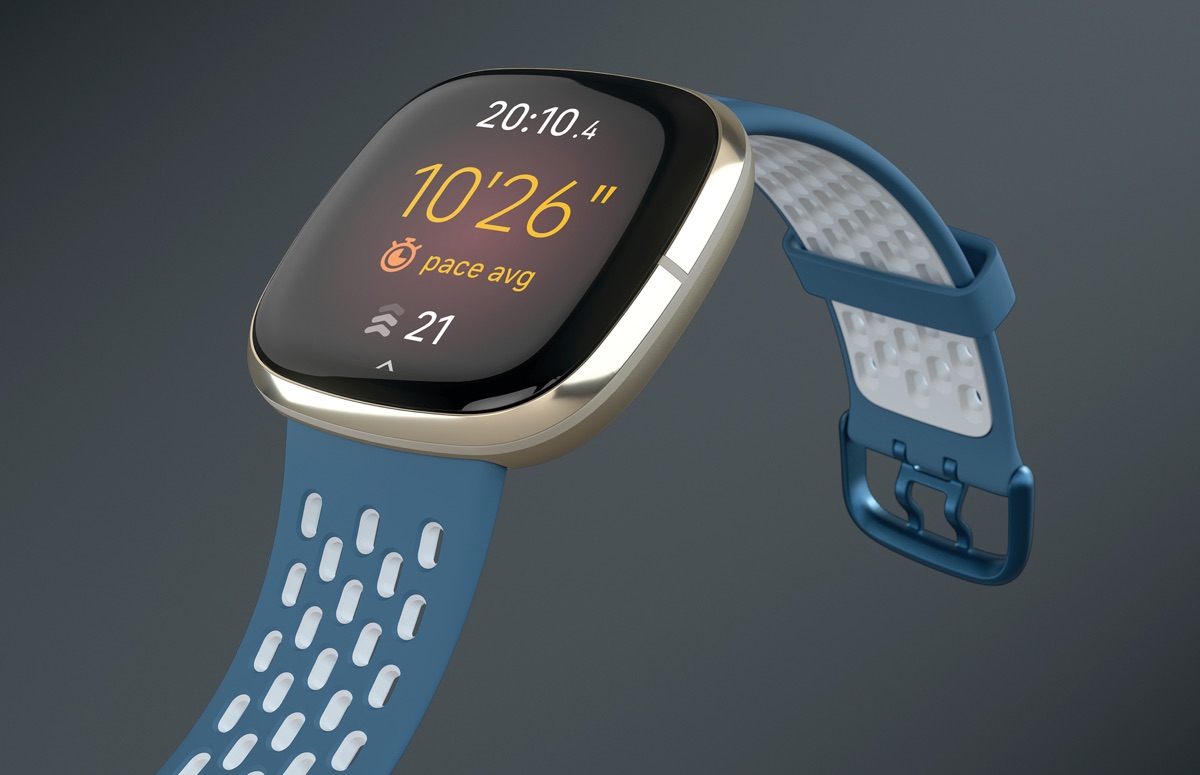
    Last month, Google launched the Gemini-powered AI coach as a preview feature. Now, it has been reported that Fitbit Premium users in the US have gained access to the Material 3 Expressive redesign as part of a public preview. The new AI coach and the visual revamp are expected to be officially available to all users next year.

    The redesign incorporates Google’s Material 3 Expressive (M3E) style into the Android app, along with several navigation adjustments. The bottom bar has been made shorter, and synchronizing your Pixel Watch or Fitbit device is as simple as swiping down from any of the four tabs.

    When you do this, you’ll notice a circular loading animation cycling through the distinctive M3E shapes. Once the synchronization is complete, the “Fitbit Premium” label vanishes from the app bar and is replaced by a linear progress indicator.

    The new expressive shapes are also noticeable in various sections of the app, such as the checkmark animation that appears when you achieve a goal. Each metric view now features a floating toolbar with a floating action button (FAB) to switch between time frames. For statistics such as Steps and Sleep, you can switch between Day, Week, Month, 3 Months, or Year.

    Every pill-shaped bar includes a floating button that opens the personal health coach. The Today, Fitness, and Sleep sections now utilize a layered sheet-style design. The top statistics are displayed on a themed background, while the remaining content appears on a card layer that expands as you scroll. The distinct color themes – teal for fitness and purple for sleep – provide aesthetic separation.

    However, Dynamic Color is still absent. The bottom bar, toolbar, and FAB currently rely on Fitbit’s default blue accent.

    Google Delivers on its Promise

    Despite the redesign still being in preview stage, it’s encouraging to see Google fulfilling its promise to revamp Fitbit. The app plays a crucial role in the entire Fitbit experience. Whether using a tracker or smartwatch, it’s the hub for all health and fitness data. As such, giving it a design that aligns with other Google products is a positive development.

    From the preview screenshots, the layout appears a bit cluttered at the moment. However, this is an issue that can be easily resolved before the full release. For Fitbit Premium subscribers, it’s certainly worth exploring the update in its early stages. While it’s not perfect yet, it’s evident that Google is committed to making Fitbit more cohesive and modern.

    Questions & Answers

    What is the main aim of Fitbit’s redesign?
    The main goal is to modernize the Fitbit app, giving it a design that matches other Google products. This is part of Google’s effort to make Fitbit more cohesive and modern.

    What new features have been added as part of the redesign?
    The redesign incorporates Google’s Material 3 Expressive (M3E) style into the Fitbit app, along with several navigation adjustments. There’s a new AI coach, a shorter bottom bar, unique color themes for different sections, and new expressive shapes throughout the app.

    When can all Fitbit users expect to access these new features?
    The new AI coach and the visual revamp are currently in the preview stage but are expected to roll out officially to all users next year.

  • Apple’s iPhone Sales Skyrocket, Setting Record Revenues for Q4 2025 and Optimistic Outlook for 2026

    Apple’s iPhone Sales Skyrocket, Setting Record Revenues for Q4 2025 and Optimistic Outlook for 2026

    Apple has unveiled its fiscal results for the fourth quarter of 2025, alongside its complete annual figures for the same year. The primary focus of interest is the iPhone’s performance during this period. From July to September, iPhone sales raked in a revenue of $49.03 billion, marking a 6.1% increase from the $46.22 billion generated in the fiscal fourth quarter of the preceding year. Although this figure fell short of Wall Street’s projections for the quarter, it established a new record for iPhone revenue in the company’s fiscal Q4.

    Expectations for Record iPhone Revenue

    Apple CEO, Tim Cook, announced that the company anticipates the iPhone to generate record revenue for the current quarter (fiscal Q1 2026) as well. In the fiscal year of 2025, iPhone sales reached $209.59 billion, a 4.2% jump from the $201.18 billion generated in 2024.

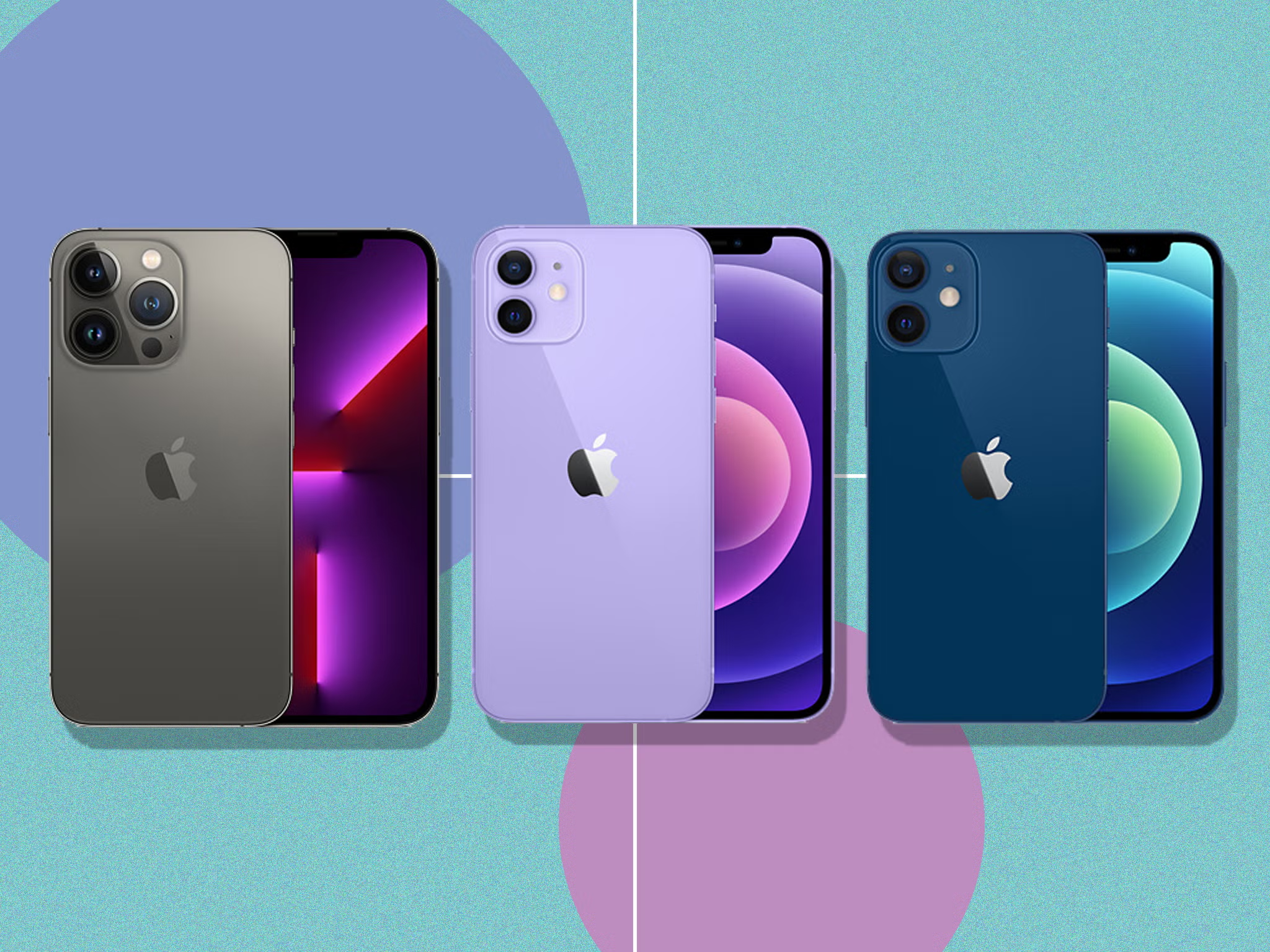
    The iPhone 17 range has been off to a positive start. Despite a reduction in production of the iPhone Air, the remaining three models—iPhone 17, iPhone 17 Pro, and iPhone 17 Pro Max—are reportedly outperforming their iPhone 16 counterparts in terms of sales.

    Performance of Other Products and Services

    The iPad demonstrated a stable fiscal Q4, generating $6.95 billion in revenue. Throughout the fiscal year 2025, the iPad’s revenue amounted to $28.02 billion, reflecting a modest year-on-year growth of 5%. Apple’s second-largest business segment after the iPhone is its Services division, which saw a robust fiscal Q4 with revenue amounting to $28.75 billion, an impressive annual growth of 15.1%. The Services unit generated revenue of $109.16 billion for Apple during the fiscal year 2025, marking a 13.5% increase year-over-year.

    The Services unit holds significant value for Apple as its success is not solely dependent on new iPhone sales. With 1.56 billion active iPhone units globally, the Services unit remains a critical component of the company’s operations.

    The company’s Wearables, Home, and Accessories division, which includes products like the Apple Watch, AirPods, and HomePods, reported Q4 sales of $9.01 billion. Despite a slight dip from last year’s Q4 revenue of $9.04 billion, the division generated $35.69 billion in revenue during fiscal 2025, down 3.6% from the previous year’s figures.

    Regional Performance and Earnings Per Share

    Apple saw increased revenue in nearly every region during the fiscal year 2025, with growth in the Americas, Europe, Japan, and the rest of Asia Pacific. However, sales in Greater China were slightly lower during the fiscal Q4.

    In the fiscal Q4, Apple reported a record $102.47 billion in revenue, a 7.9% increase from the previous year’s Q4 revenue of $94.93 billion. Throughout fiscal 2025, revenue reached a record $416.16 billion, a 6.4% increase compared to the $391.04 billion accumulated in fiscal 2024. The net earnings for fiscal Q4 were $27.47 billion, or $1.85 per share, a significant 90.7% increase from the previous year’s $14.74 billion or 97 cents per share.

    For the entire fiscal year 2025, net earnings amounted to $112.01 billion, or $7.49 per diluted share, compared to fiscal 2024’s $93.74 billion, or $6.08 per diluted share. This indicates a year-over-year net profit increase of 23.2% for Apple in fiscal 2025.

    Questions & Answers

    How did the iPhone perform in terms of revenue during the fiscal fourth quarter of 2025?
    The iPhone generated a revenue of $49.03 billion in the fiscal fourth quarter of 2025, a 6.1% increase from the $46.22 billion generated during the same quarter of the previous year.

    What are the expectations for iPhone revenue in the fiscal Q1 of 2026?
    Apple CEO, Tim Cook, expects the iPhone to generate record-breaking revenue in the fiscal first quarter of 2026.

    How did Apple’s other products and services perform in the fiscal year 2025?
    Apple’s iPad generated a stable fiscal fourth quarter revenue of $6.95 billion and $28.02 billion for the entire fiscal year, marking a 5% year-on-year increase. The Services unit showed a robust fiscal Q4 with revenue of $28.75 billion, a 15.1% year-on-year increase, and $109.16 billion for the entire fiscal year, a 13.5% increase year-over-year. The Wearables, Home, and Accessories division reported Q4 sales of $9.01 billion, and $35.69 billion for the fiscal year 2025, down 3.6% from the previous year.

  • Revolutionize Your Fitness Journey with Fitbit’s Innovative AI-Powered Personal Health Coach

    Revolutionize Your Fitness Journey with Fitbit’s Innovative AI-Powered Personal Health Coach

    Fitbit Introduces Public Preview of Gemini-Powered Personal Health Coach

    The wearable device company, Fitbit, is unveiling a public preview of its new, Gemini-powered personalized health coach. This rollout serves as an intriguing introduction to the future of personalized fitness, and it will be available for eligible users to test from this week.

    The Launch of Fitbit’s AI-Powered Personal Coach

    Fitbit’s new artificial intelligence (AI)-powered coach, developed using Google’s Gemini technology, is set to revolutionize health and wellness practices. This AI coach is designed to function as a comprehensive fitness trainer, sleep counselor, and health advisor. Users can interact with the coach to establish goals or seek advice on their health-related queries. Examples of prompts that can be used include “Devise a 30-minute upper body workout I can do in my hotel room” or “Why did I wake up tired today?”. This AI can even assist you in framing questions for your next doctor’s consultation.

    However, it’s important to note that this AI coach is currently in its “preview” stage. It is being developed and modified based on active public feedback to improve its efficacy and user experience.

    Missing Features and Workarounds

    Since the AI coach is in its preview phase, it currently lacks some features that are standard in the traditional Fitbit app. Important elements such as health logging (including menstrual health, nutrition, and water logging), key metrics (the stress management score and cardio fitness score), and social features (friends, groups, leaderboards, and badges) are not included in the preview version.

    Recognizing these limitations, Google has designed a mechanism that allows users to switch between the new preview and the standard Fitbit app experience, providing the opportunity to test the AI coach while still being able to access the complete features of the traditional app.

    The Future of Health and Wellness

    This preview stands as a significant step towards Google’s grand vision of AI-driven health and wellness. The potential of a Gemini-powered coach to analyze user data and yield profound, actionable insights is phenomenal. Google emphasizes that the development of this AI coach is being conducted responsibly, backed by scientific evidence, and ensuring user data security and personalization. Early access for dedicated Premium users will enable them to test these potent features and provide valuable feedback.

    This development indicates the direction health and fitness technology is taking, with competitors such as Apple also rumored to be heading in a similar direction with their Health application. While it cannot replace professional medical advice or personalized gym training, this technology can assist in addressing quick health-related queries.

    The current version may be lacking some core features, but the objective of this preview is to provide a hands-on experience of the future of fitness technology, inviting users to be part of this exciting journey.

    Fitbit Premium users are encouraged to explore this new feature. Its easily toggled nature means users can try it with no downside. The updated experience will be available for Fitbit tracker and Pixel Watch owners, starting from October 28th.

    Questions & Answers

    What is the new Fitbit AI coach?
    The AI coach is a new personalized health guide developed by Fitbit, powered by Google’s Gemini technology. It acts as a fitness trainer, sleep counselor, and wellness advisor.

    What features are missing in the AI coach’s preview version?
    The preview version currently lacks certain features such as health logging (including menstrual health, nutrition, and water logging), key metrics, and social features.

    When will the updated experience be available?
    The updated experience will be available for Fitbit tracker and Pixel Watch owners from October 28th.

  • Apple’s Mac Sales Double, Yet Lenovo Leads: Future Market Growth Hinges On Ai-enabled Pcs

    Apple’s Mac Sales Double, Yet Lenovo Leads: Future Market Growth Hinges On Ai-enabled Pcs

    The American multinational technology company, Apple, is experiencing a significant surge in iPhone sales. However, what’s particularly noteworthy is the increasing popularity of their laptops. Indeed, in the third quarter of the year, sales of Macs have doubled, outpacing the growth rate of the overall PC market. Despite such impressive strides, Apple is yet to lead in either volume or growth in this market.

    The PC Market Leaders

    Although Apple’s growth rate surpasses that of the overall PC market, it still trails Lenovo in sales growth. According to a recent study, Apple saw a 14.9% increase in shipments during the third quarter of 2025. In contrast, Lenovo, the global leader in PC manufacturing, experienced a growth rate of 17.4%, while the overall market saw an increase of 8.1%.

    Apple currently ranks fourth in terms of global PC manufacturing, while Lenovo maintains its leading position. The third-ranked Dell is the only major brand to experience a slight decline, with a 0.9% drop in growth. On the other hand, the second-largest PC manufacturer, HP, grew by 10%. ASUS saw a 14% rise in growth, securing its position as the fifth in overall shipments.

    The Role of AI in the PC Market

    The study suggests that the overall growth of PC shipments has primarily been influenced by two factors. The first is the imminent retirement of Windows 10, and the second, adjustments made in inventory due to tariffs imposed in the US. However, looking ahead, the study anticipates that the future growth of the market will be driven by the AI PC boom.

    This new wave of AI-enabled PCs is expected to begin influencing growth from next year, and fully come into effect after 2026. It is projected that this “real AI PC boom” could propel the entire PC market to unprecedented heights.

    The Importance of Quality Products

    Apple’s recent success with the iPhone 17, as well as Samsung’s success with the Galaxy Z Fold 7, underlines the role that high-quality products play in driving sales. Apple’s Mac lineup has remained robust for several years, which explains the strong sales performance of their computers. While Lenovo’s broader range of products has helped them maintain their leading position, it does not appear that Apple is necessarily aiming to compete for this title.

    Questions & Answers

    Which company leads the PC market in terms of sales growth?
    Lenovo currently leads the PC market in sales growth, with a rise of 17.4% in the third quarter of 2025.

    What are the two main factors driving the overall growth of PC shipments?
    The overall growth of PC shipments is primarily driven by the imminent retirement of Windows 10 and the adjustments made in inventory due to tariffs imposed in the US.

    What will be the major driver of growth in the PC market in the future?
    The major driver of growth in the PC market in the future is expected to be the boom of AI-enabled PCs. This is predicted to start influencing growth from next year and fully come into effect after 2026.

  • Apple Faces Accusations Of Monopoly And Restrictive Practices From Chinese Users

    Apple Faces Accusations Of Monopoly And Restrictive Practices From Chinese Users

    A collective of 55 Chinese iPhone and iPad users submitted a grievance to China’s market regulation body on Monday, as per a lawyer representing the group. They assert that Apple is leveraging its market dominance to impose restrictive app distribution and payment systems, while also levying significant commissions.

    Allegations Against Apple

    The claimants, under the leadership of lawyer Wang Qiongfei, accuse Apple of monopolizing iOS app distribution in China. They contend that the company allows alternative payment methods and app stores in other regions due to regulatory pressures from the European Union and the United States. However, they believe this flexibility is not extended to the Chinese market.

    The complaint points out three key infringing practices by Apple that are believed to contravene China’s Anti-Monopoly Law. The first is the alleged compulsion for consumers to buy digital goods exclusively through Apple’s In-App Purchase system. The second is the purported restriction of iOS app downloads to the App Store. Lastly, the plaintiffs accuse Apple of imposing commissions of up to 30 percent on in-app purchases.

    Apple has yet to provide a comment in response to these accusations.

    Previous Legal Endeavors

    This represents the second time Wang has spearheaded a complaint against Apple. A similar lawsuit was filed in 2021, but it was ultimately dismissed by a Shanghai court the following year.

    Wang anticipates that this administrative complaint will progress more rapidly through the regulatory system compared to the preceding civil lawsuit. He is currently appealing the verdict of the previous lawsuit to China’s Supreme People’s Court. The court heard the arguments for the appeal in December, and a decision is still forthcoming.

    Recent tensions between China and Washington have prompted China to initiate a series of antitrust investigations aimed at US tech companies. This includes chipmaker Qualcomm, which is currently under scrutiny for its acquisition of Israeli firm Autotalks.

    Questions & Answers

    What are the main allegations against Apple?
    The main allegations against Apple are that it is forcing consumers to buy digital goods exclusively through its In-App Purchase system, restricting iOS app downloads to the App Store, and imposing up to 30 percent commissions on in-app purchases.

    Who is leading the complaint against Apple?
    The complaint against Apple is being led by lawyer Wang Qiongfei on behalf of 55 Chinese iPhone and iPad users.

    What precedent exists for this type of complaint against Apple in China?
    A similar case was filed by Wang Qiongfei against Apple in 2021, but it was dismissed by a Shanghai court. Wang is currently appealing this decision to China’s Supreme People’s Court.

  • Apple And Microsoft Challenge Chrome’s Dominance: Unveiling The Privacy Controversy

    Apple And Microsoft Challenge Chrome’s Dominance: Unveiling The Privacy Controversy

    Apple has recently cautioned iPhone users against employing the Chrome browser, citing security risks. This situation may remind one of a previous advertising scenario in 2024 where the tech giant, through creative visuals, illustrated Android users exploring the Chrome Browser in public and being surveilled by transforming cameras. These cameras symbolized internet user trackers, which failed when attempting to spy on users of Apple’s own Safari browser. The underlying message being that Safari provides superior protection of users’ personal information than its counterparts, specifically pointing out the Chrome browser.

    Google’s Privacy Sandbox: A Failed Attempt at Privacy

    In a parallel move, Microsoft attempted to dissuade Windows users from using Chrome. They promoted their own browser, Microsoft Edge, as a trustworthy alternative that operates on the same technology as Chrome. Despite these concerted efforts by Microsoft and Apple to dethrone Chrome, the browser boasts a massive user base of over 3 billion worldwide. However, Google recently dropped a bombshell by announcing the end of its Privacy Sandbox project, its proposed alternative to third-party cookies for the web and Android applications.

    Back in January 2024, Google initiated the process of phasing out third-party cookies from Chrome. The agenda was to replace them with the Privacy Sandbox, aiming to gauge a consumer’s interests without resorting to widespread internet tracking to push personalized advertisements. Such targeted ads typically command higher prices from the advertisers due to their increased effectiveness, thereby contributing to Google’s revenue.

    The Privacy Sandbox was intended to shift ad selection and data processing tasks directly to the user’s browser and device, eliminating the need for third-party trackers to transmit individual user data across the web. Despite initial plans, Google resolved not to discontinue the use of third-party cookies last year, culminating in the current halt to the six-year-old Privacy Sandbox initiative.

    The Future of Chrome Amidst Privacy Concerns

    Although Chrome users may once again be subjected to tracking and personalized advertising, Chrome’s substantial market share is anticipated to remain unaffected. Currently, the browser dominates over 70% of the market, both in mobile and desktop segments. However, emerging competition from AI browsers like Perplexity’s Comet and an upcoming AI browser from Open AI’s parent ChatGPT could potentially pose a threat to Chrome.

    The Privacy Sandbox tools that Google has decided to withdraw include a host of features such as Attribution Reporting API for both Chrome and Android, IP Protection, On-Device Personalization, Private Aggregation, and more.

    An API, or Application Programming Interface, serves as an intermediary enabling two distinct software interfaces to communicate and exchange data. This process can be likened to the functioning of a restaurant, where an app seeking data is the customer, the API is the waiter relaying the order to the kitchen (the server), and then serving the prepared food (data) back to the customer.

    Google’s cancellation of the Privacy Sandbox was attributed to its “low levels of adoption”, indicating that it failed to provide sufficient value to its users.

    Questions & Answers

    Why did Apple caution its users against using Chrome?
    Apple cited security risks as the primary reason for advising its users against using the Chrome browser. The company highlighted through a past advertisement that its own Safari browser offers better protection of personal data.

    What was the purpose of Google’s Privacy Sandbox?
    Google’s Privacy Sandbox was intended to replace third-party cookies in Chrome. It sought to understand consumer interests without having to track user behavior across the internet, facilitating the delivery of personalized ads.

    Why did Google decide to cancel the Privacy Sandbox?
    Google stated that the Privacy Sandbox had not been adopted widely and that it wasn’t providing enough value to its users, which led to its decision to discontinue the project.

  • Apple Reconsidering Steve Jobs’s Stance: Touchscreen Macbook In The Horizon?

    Apple Reconsidering Steve Jobs’s Stance: Touchscreen Macbook In The Horizon?

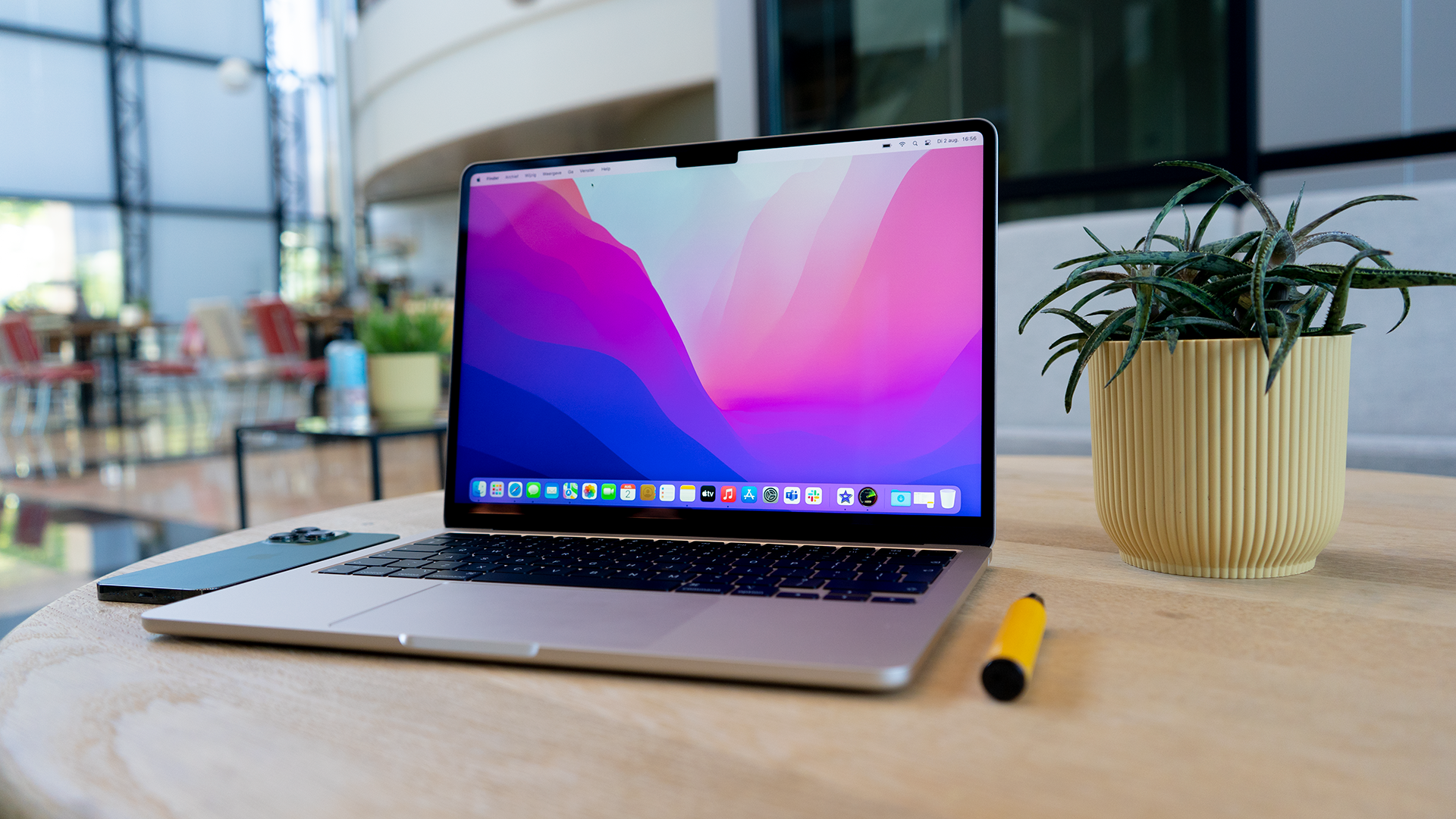
    In 2010, Steve Jobs, the co-founder of Apple Inc., openly criticized the concept of a touchscreen MacBook, labeling the idea as ‘ergonomically terrible.’ However, Apple, one of the few mainstream laptop producers sans a touchscreen device, appears to be reconsidering this viewpoint. Recent reports suggest that the company may introduce a revamped MacBook with a touchscreen feature by late 2026 or early 2027.

    The Gospel of Steve Jobs vs. Financial Pragmatism

    The era of Steve Jobs, characterized by strong personal viewpoints and bold product design, is long gone. Today, Apple’s primary motivation in producing new devices and features is financial viability. While this might contradict Jobs’s initial perspective, it isn’t surprising to see the company considering the adoption of touchscreen technology in the MacBook lineup. After all, Jobs had once dismissed the idea of large-screen smartphones, yet Apple’s 6.9-inch iPhone 17 Pro Max is now a bestseller.

    The Touchscreen Debate

    Steve Jobs’s argument against touch surfaces being vertical, which explains his preference for trackpads over touchscreens, has largely stood the test of time. The past decade and a half have seen other laptop manufacturers experimenting with touchscreen technology, with varying degrees of success.

    Using a touchscreen on a laptop often proves to be awkward, with the need to reach over the keyboard making the experience uncomfortable and not particularly enhancing the user experience. In the early 2010s, when Windows laptops had subpar trackpads, touchscreens provided a much-needed alternative. However, this scenario is increasingly rare today as many of Apple’s competitors have caught up, and their laptop trackpads are no longer deficient in comparison to Apple’s.

    The Case for Convertible Devices

    Convertible laptops such as Lenovo’s Yoga series, which transition into a tablet-like form, are exceptions to the argument against laptop touchscreens. When the laptop transforms into a ‘tablet,’ the touchscreen becomes a primary mode of interaction, similar to an iPad or a Galaxy Tab. The introduction of a touchscreen makes sense in these devices as they differ fundamentally from traditional laptops.

    Questions & Answers

    What was Steve Jobs’s viewpoint on touchscreen MacBooks?
    Steve Jobs was strongly against the concept of a touchscreen MacBook. He considered the idea to be ‘ergonomically terrible’ and stated that touch surfaces don’t want to be vertical.

    Is Apple planning to release a touchscreen MacBook?
    Based on recent reports, Apple is said to be considering the release of redesigned MacBooks with touchscreen features by late 2026 or early 2027.

    What has been the experience with touchscreen laptops so far?
    The experience with touchscreen laptops has been mixed. While they provided a valuable alternative when laptop trackpads were inefficient, the need to reach over the keyboard to use the touchscreen often makes the experience awkward and does not significantly enhance the user experience. However, touchscreen technology proves useful in convertible devices that can transition into a tablet-like form.

  • Apple Challenges Qualcomm With In-house Modem In New M5 Ipad Pro

    Apple Challenges Qualcomm With In-house Modem In New M5 Ipad Pro

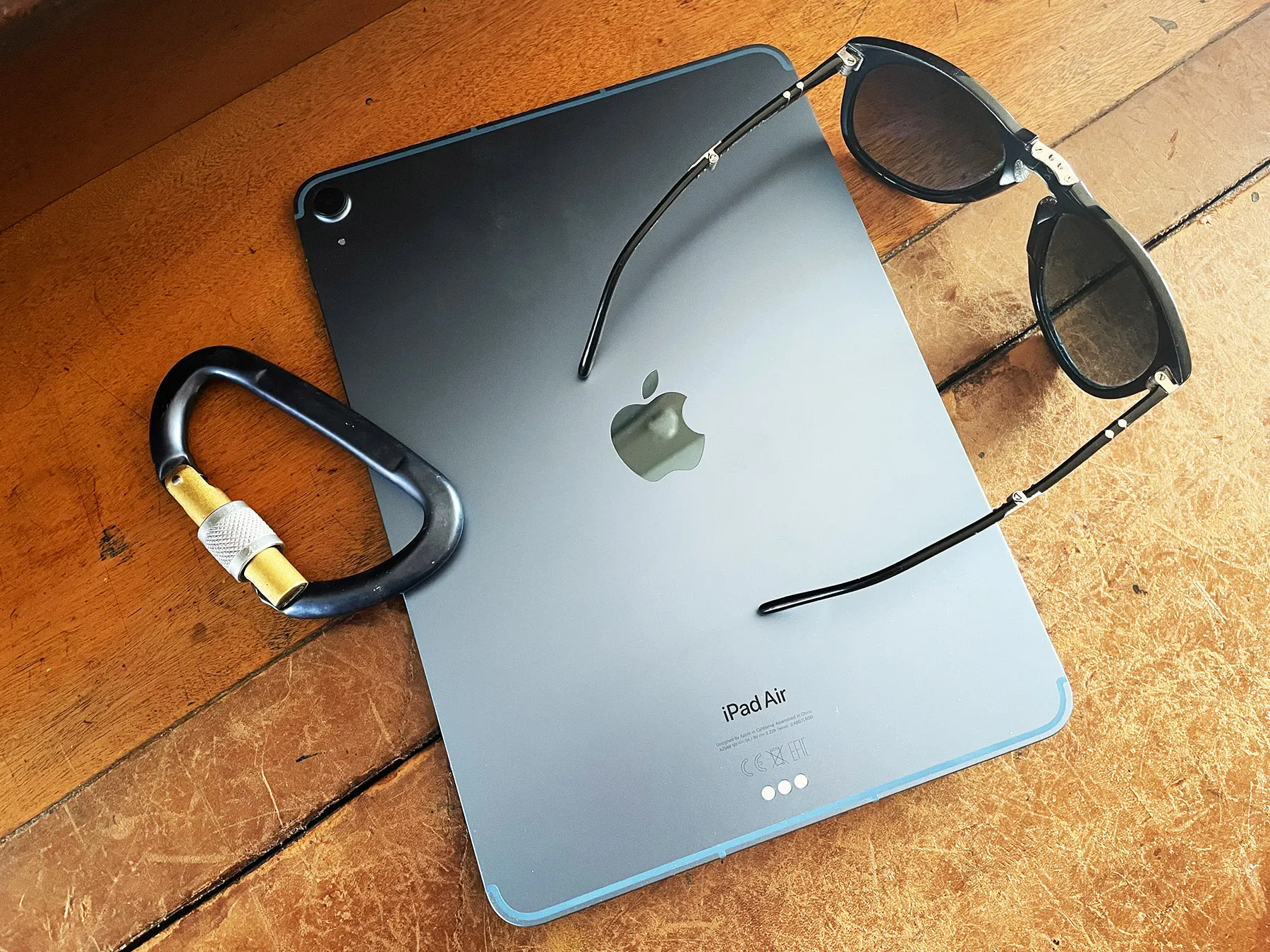
    Apple’s most recent M5 iPad Pro has been unveiled, exhibiting yet another relatively insignificant, ‘chip-and-ship’ upgrade that most users are likely to bypass. However, the real point of interest is the modest addition of an in-house cellular chip, marking a critical step in Apple’s ongoing rivalry with Qualcomm.

    What’s New in the M5 iPad Pro?

    Similar to the latest MacBook releases, the M5 iPad Pro was launched without much fanfare, primarily featuring a processor enhancement. According to expert observations, the device only boasts ‘modest improvements’ beyond the M5. The preceding M4 iPad Pro is already a powerful tool, and as such, the day-to-day experience for M4 iPad Pro users is unlikely to differ significantly with this update.

    The most notable adjustment, certainly for those within the industry, is not the M5 itself. Instead, the focus is on the newly incorporated C1X cellular modem, an in-house development replacing the third-party component previously utilized by Apple. Additional features include a new N1 chip for Wi-Fi 7 and faster external display support, though these are generally considered minor, specialized upgrades.

    The Importance of the Modem

    On the surface, the average consumer may not be particularly concerned with a modem. However, for Apple, it is of significant importance. The ‘third-party component’ that Apple has recently abandoned was supplied by Qualcomm. Those well-versed in the tech industry are likely aware of the protracted and complicated legal battles between Apple and Qualcomm over patents and licensing fees.

    Beneficial for Apple, not the Consumer

    This update is a quintessential ‘Apple’ move. It represents an enormous business and technical victory for the company, but it offers little to no benefit to the average consumer. Switching to in-house components is a strategic business decision for Apple, but it has yet to noticeably impact the user experience.

    Moreover, it should be noted that the majority of iPad purchasers opt for the Wi-Fi only model, rendering this new chip inconsequential for most customers. The introduction of this chip does not affect the purchasing decision in any significant way. The real test will come when these in-house modems are incorporated into iPhones. That’s when performance must be flawless, and when Qualcomm will truly start to feel the pressure. For the time being, this is just a subtle, strategic move by Apple.

    Questions & Answers

    What is the most significant upgrade in the M5 iPad Pro?

    The most significant upgrade in the M5 iPad Pro is the addition of an in-house C1X cellular modem, replacing the third-party component previously supplied by Qualcomm.

    Does the new in-house C1X cellular modem affect the consumer experience?

    No, the switch to in-house components, including the new modem, has not yet led to a noticeable change in the user experience.

    What is the potential impact of the in-house modem on Apple’s relationship with Qualcomm?

    The introduction of an in-house modem indicates a strategic move by Apple that could put pressure on Qualcomm, particularly when in-house modems begin to be incorporated into iPhones.

  • Iphone Air: A Revolutionary Design With Unmet Sales Expectations

    Iphone Air: A Revolutionary Design With Unmet Sales Expectations

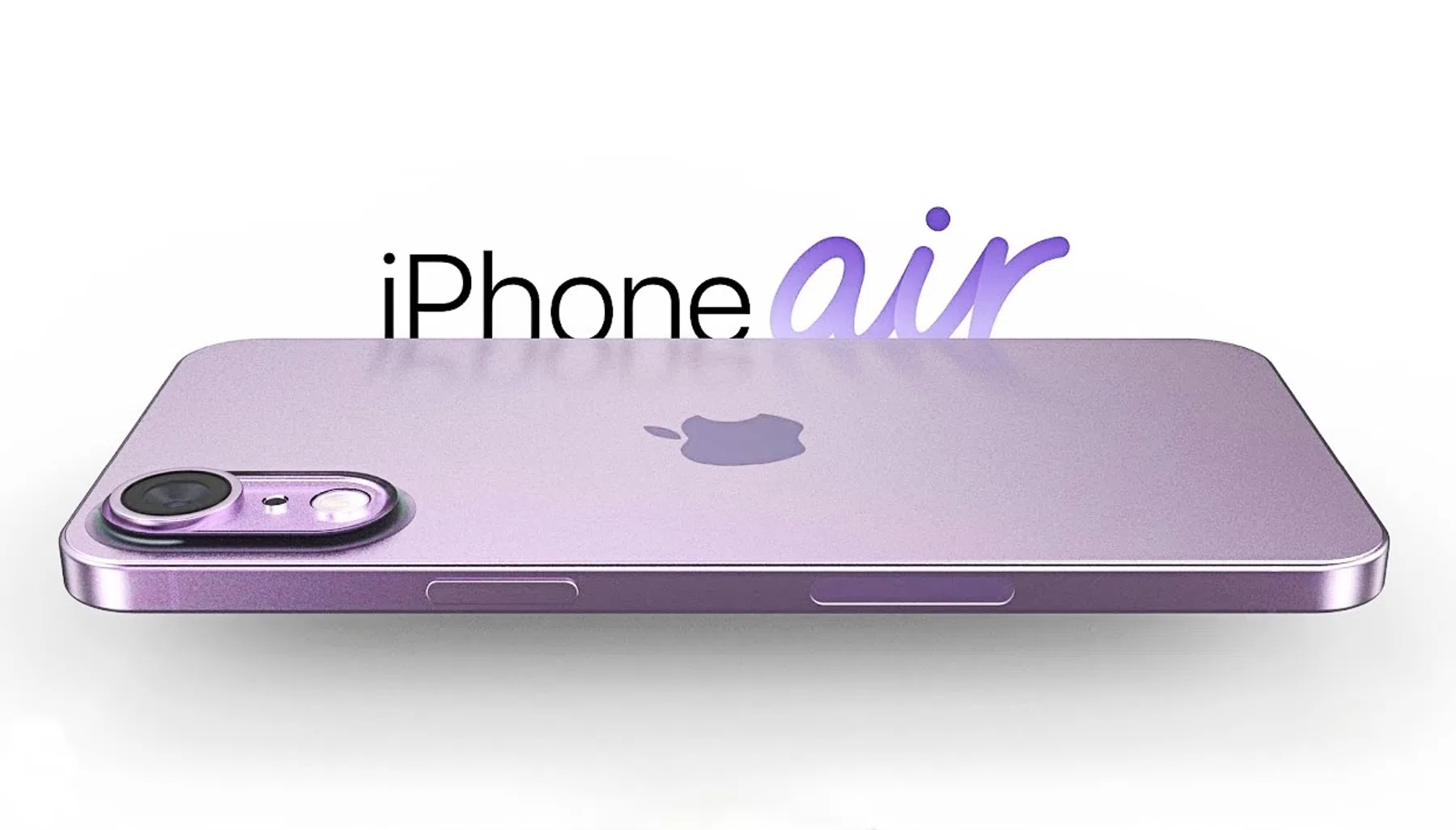
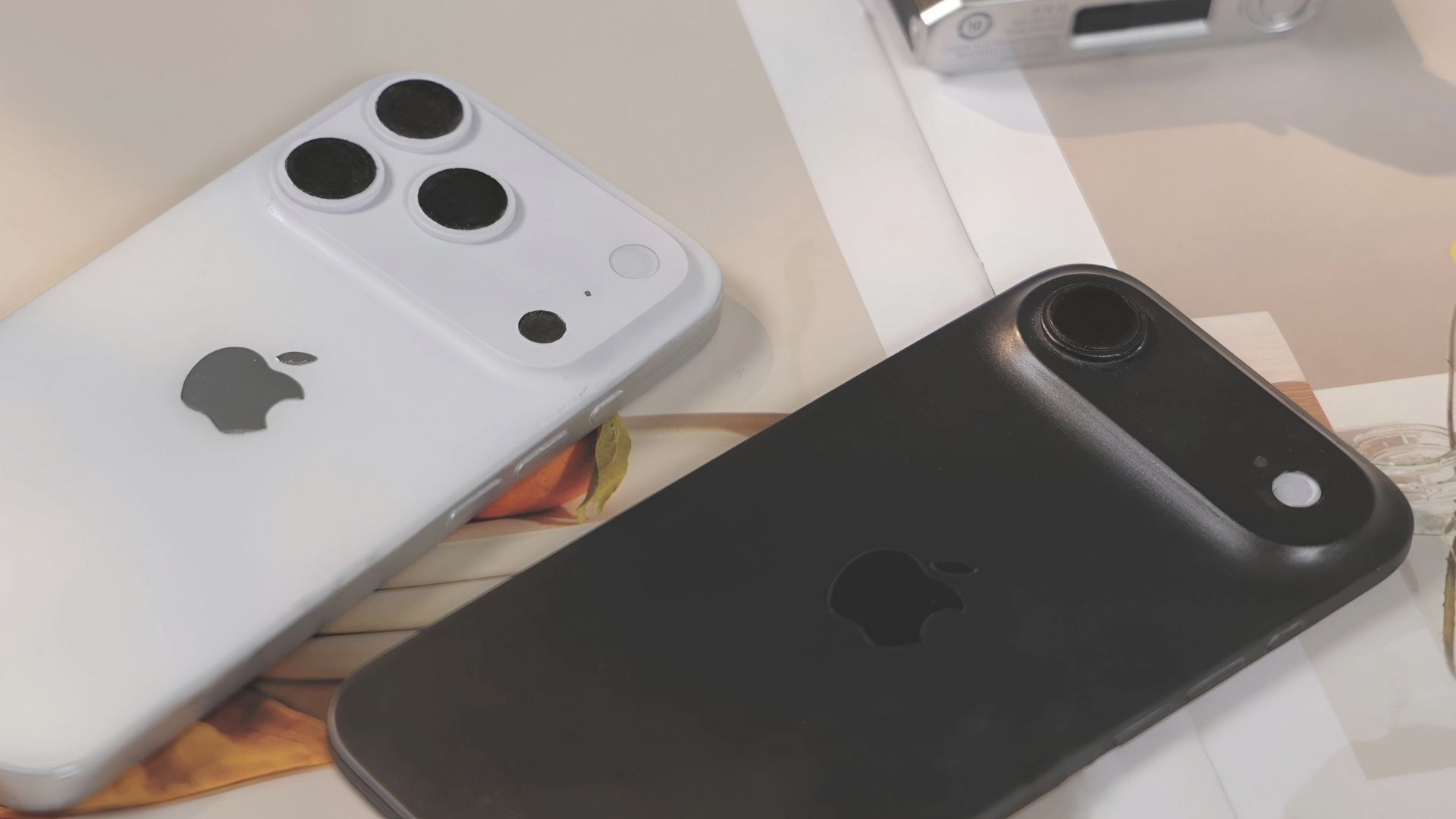
    Apple had high hopes for this year, setting its sights on capturing the admiration of customers with its ultra-thin iPhone, named the iPhone Air. This model was primed to break away from the pack and shine amongst Apple’s other releases. Interestingly, you don’t necessarily have to be a die-hard iPhone aficionado to appreciate the revolutionary design of the iPhone Air.

    The Thinnest iPhone Ever

    Breaking down the specifics, the iPhone Air comes in at a mere 5.6mm in thickness, making it about 19% thinner than the iPhone 6, which at 6.9mm was previously the thinnest iPhone model. Launched alongside the iPhone 6 Plus in 2014, the iPhone 6 had set a benchmark for slim design. However, the iPhone Air pushes the boundary even further. The device is powered by a 3149 mAh battery for eSIM-only models, and a 3036 mAh battery for models with a physical eSIM, providing an all-day battery life as claimed by Apple.

    Revamped Camera and Pricing

    Apple has also included a cutting-edge 48MP Fusion camera in the iPhone Air. However, unlike the iPhone Pro models, it doesn’t come with separate Ultra Wide or Telephoto lenses. This means the device doesn’t offer ultra wide-angle shots and telephoto pictures are limited to a 2x optical zoom. As for the pricing, the iPhone Air starts at $999. Alternatively, Apple offers a financing option allowing customers to pay off the phone over 24 months at a rate of $41.62 per month.

    Production Cut Due to Lower Demand

    Despite the innovative design and features, the iPhone Air has faced lower than anticipated demand, prompting Apple to reportedly reduce its production. This cutback might result in the production of one million fewer iPhone Air units. Although this model hasn’t quite hit the mark in sales, Apple’s three other models have garnered considerable attention from consumers.

    Rise in Production of Other Models

    On the other hand, Apple is said to be ramping up the production of the iPhone 17 by an additional two million units. Similarly, the iPhone 17 Pro and iPhone 17 Pro Max are expected to see production increases of one million and four million units, respectively. Industry observers speculate that iPhone customers are more inclined towards familiar models, rather than the new iPhone Air.

    The iPhone Air’s Silver Lining

    Interestingly, what has been a drawback for the iPhone Air in sales, has actually been an advantage in terms of engineering. Apple’s base iPhone 17 model has seen significant improvements this year, including the addition of the ProMotion display which provides a variable refresh rate from 1-120Hz. The iPhone 17 also boasts a battery life of up to 30 hours for video playback, a substantial increase from the 22 hours offered by the iPhone 16.

    While the iPhone Air may not have met Apple’s sales expectations, its importance should not be undermined. The device could be a significant stepping stone for Apple, serving as a proof of concept for the upcoming foldable iPhone, often referred to as the iPhone Fold. The foldable iPhone is rumored to resemble two iPhone Air units placed side-by-side. Although initially anticipated for release next year, reports suggest a potential 2027 launch, as Apple is yet to finalize the design of the foldable’s hinge and other components.

    Questions & Answers

    What is unique about the iPhone Air?

    The iPhone Air stands out as the thinnest iPhone ever created, with a thickness of only 5.6mm, which is almost 19% thinner than the previous thinnest model, the iPhone 6.

    What is the starting price for the iPhone Air?

    The iPhone Air is priced at $999. However, Apple offers a finance option allowing customers to pay off the phone over 24 months at $41.62 per month.

    Why might the iPhone Air be considered a significant development for Apple, despite lower sales?

    While the iPhone Air may not have met sales expectations, it may serve as a proof of concept for future developments, specifically in relation to the rumored foldable iPhone, referred to as the iPhone Fold.