Category: Electronics

Retail News Asia is committed to providing both local and global retailers with the latest Electronics news throughout the Asian market. This on a daily base.

  • Apple Passes $10 Billion in India Sales as Made-In-India Pro Models Ship Worldwide

    Apple Passes $10 Billion in India Sales as Made-In-India Pro Models Ship Worldwide

    Apple crossed $10 billion in annual revenue in India in fiscal 2026 as local production lines began supplying flagship devices directly to overseas store shelves.

    Revenue rose at a double-digit rate from roughly $9 billion a year earlier, driven by premium handset upgrades and larger contributions from MacBooks and iPads.

    The milestone coincided with the retail rollout of the iPhone 18 Pro and Pro Max, which started selling on Friday from Rs 164,900 ($1,970) and Rs 179,900 respectively. Foxconn and Tata Electronics assembled the devices locally around the clock, exporting launch-day inventory to the United States and other international markets ahead of the retail debut. Last year, Indian factories assembled only the standard iPhone 17 variants for worldwide launch day, while Pro assembly followed months later.

    Value Gains Defy Falling Shipment Volumes

    Consumer demand in India continues to tilt toward higher price brackets even as overall unit volume contracts. Handset shipments fell 4.1 per cent year-on-year to 31 million units in the first quarter of 2026, according to IDC data. Market value rose 5.8 per cent over the same period as average selling prices climbed 10.4 per cent to a record $302.

    Counterpoint Research data recorded premium devices accounting for 29 per cent of the total Indian smartphone market by volume during the first half of 2026. Apple captured 28 per cent of total market revenue in the first quarter despite accounting for only 9 per cent of unit volume, according to IDC. Samsung and Apple together took the vast majority of premium sales.

    Retailers across major metro markets reported steady traffic driven by structured financing, trade-in allowances, and multi-year credit card instalments that offset upfront list prices. Reliance Digital and Apple’s six company-owned flagship stores saw pre-dawn queues across Mumbai, Delhi, and Bengaluru as shoppers traded in older handsets.

    Contract Manufacturers Expand Pro Production

    For electronics manufacturers across Asia, the shift alters the operational playbook. Apple is no longer using Indian assembly plants solely to bypass local import tariffs or serve domestic buyers with older models. Placing day-one global manufacturing of flagship Pro hardware in Tamil Nadu and Karnataka shifts industrial weight away from mainland China’s assembly clusters.

    Suppliers face tighter technical requirements. Assembling top-tier hardware demands tighter tolerances, specialized cleanroom environments, and faster component turnaround times than entry-level lines require. Foxconn and Tata Electronics have absorbed those requirements, forcing second-tier domestic component suppliers to upgrade production quality or lose supply allocations to global tier-one vendors.

    Industrial Policy Drives Supply Chain Deepening

    The transition reflects years of targeted state incentives designed to build a domestic tech manufacturing base. Total mobile phone production in India climbed from Rs 18,900 crore in fiscal 2015 to Rs 6.27 lakh crore in fiscal 2026. Handset exports rose from Rs 1,566 crore to Rs 2.60 lakh crore over the same decade, making mobile phones the country’s largest single export category.

    Federal support through the Production Linked Incentive program drew more than Rs 20,600 crore in cumulative capital investment by March 31, 2026. Cumulative production under that program reached Rs 11.62 lakh crore, with exports topping Rs 6.53 lakh crore.

    New Delhi is now pushing beyond surface-mount assembly into core components through the Electronics Component Manufacturing Scheme. Ashwini Vaishnaw, the electronics and information technology minister, described the initiative as a deliberate step to build domestic supply lines for precision parts and raw materials. Regulators approved 106 component projects representing Rs 69,548 crore in pledged investment, with 38 factories operational as of August.

    Imported Foldable Tests Peak Price Ceilings

    Apple will test the upper limit of domestic purchasing power next month with the launch of its first foldable handset, the iPhone Duo. That model starts at Rs 299,900 for the 256GB version and rises to Rs 444,900 for the 2TB configuration. Unlike the Pro line, the foldable device will arrive as a fully imported unit assembled outside India.

    Retail networks will monitor inventory turnover for the ultra-premium foldable closely to assess whether local credit appetite can absorb handsets priced above Rs 300,000 without dedicated manufacturing subsidies.

  • China Tech Boom Fuels August Factory Output as Domestic Spending Stalls

    China Tech Boom Fuels August Factory Output as Domestic Spending Stalls

    China’s industrial sector showed renewed strength in August as an AI-driven tech boom fuelled factory output, according to data reported by Reuters this week.

    The readings highlighted deepening imbalances in the world’s second-largest economy, where resilient manufacturing and exports are sustaining growth even as sluggish consumption and a worsening investment slump weigh on domestic demand.

    Factory gains split from retail demand

    Industrial production accelerated through August on higher orders for computing equipment, semiconductors, and automated factory machinery. Tech supply chains absorbed high component volumes, keeping coastal industrial belts busy throughout the month.

    Consumer-facing businesses saw none of that momentum. Retail cash registers recorded sluggish turnover across apparel, home furnishings, and department stores, extending a pattern where consumers withhold discretionary spending while property values slide.

    Property drag hits consumer sentiment

    Household wealth remains tied up in residential real estate, where falling prices continue to deter family spending on non-essential goods. Shoppers in major metropolitan areas have shifted budgets toward essentials and discounted product lines rather than big-ticket purchases.

    For retail landlords and store operators across tier-one and tier-two cities, this split complicates leasing and store expansion plans. Brand owners face rising warehouse inventories because finished goods leave assembly lines faster than domestic retail networks can clear them.

    The export reliance risk

    The gap between manufacturing capability and domestic retail absorption leaves consumer goods makers dependent on overseas shipments to balance their books. That trade balance face headwinds if external import demand slows or overseas tariffs tighten on Chinese-made goods.

    Retailers across the country now look to third-quarter national retail sales totals and upcoming autumn trade figures to gauge whether household demand will stabilize before the year-end shopping season.

  • Eastman Kodak Overtakes Canon as Japan’s No. 1 Camera Brand in Fiscal 2025

    Eastman Kodak Overtakes Canon as Japan’s No. 1 Camera Brand in Fiscal 2025

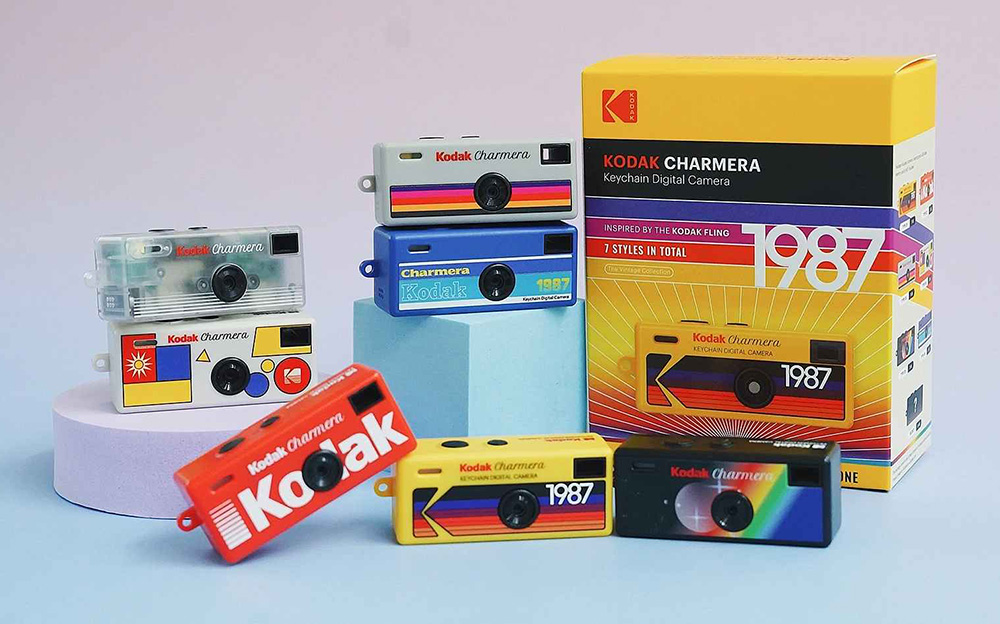
    Eastman Kodak overtook Canon as the No. 1 camera brand in Japan by sales volume in fiscal 2025. The result ended the Japanese company’s 20-plus-year streak at the top of the market.

    American digital cameras captured the top spot after striking a chord with Gen Z and boosting appeal among young buyers.

    Budget compacts challenge high-end mirrorless

    Distributed by Maspro Denkoh in Japan, the Kodak Pixpro FZ55 led the surge while affordably priced below 30,000 yen.

    That price point separated Kodak from legacy domestic rivals. Over the past decade, Japanese camera makers largely abandoned budget compacts. They focused instead on high-margin mirrorless bodies costing well over 100,000 yen.

    Canon loses unit leadership after 20 years

    For over two decades, Canon dominated Japanese sales tables with both entry-level compacts and interchangeable-lens systems. Domestic makers then shifted production capacity toward premium gear and video tools. That shift left the sub-30,000 yen tier bare.

    Electronics chains stocked the Pixpro line to fill that opening. Younger buyers snapped them up, wanting dedicated point-and-shoot cameras without flagship smartphone price tags.

    Demographic shifts alter store assortments

    Demand in Japan has split along demographic lines. Older hobbyists and commercial creators still buy premium mirrorless systems. Younger shoppers choose pocket digital cameras for everyday snapshots.

    Fujifilm broke into Japan’s top three digital camera makers on strong interest from female shoppers. Combined gains by Kodak and Fujifilm show demand for standalone cameras reaching beyond traditional photo enthusiasts.

    Distribution networks realign for budget hardware

    Store buyers across Tokyo and regional hubs handle a starkly different product mix today. High-end camera counters still produce substantial revenue per ticket. Unit volume, however, belongs to lower-cost lines.

    Maintaining steady inventory across retail chains will test distributor Maspro Denkoh and Kodak as demand persists. Japanese camera brands must now decide whether to contest the budget category again or permanently yield volume to protect high margins.

  • Global Memory Shortage to Squeeze Device Makers Through 2027

    Global Memory Shortage to Squeeze Device Makers Through 2027

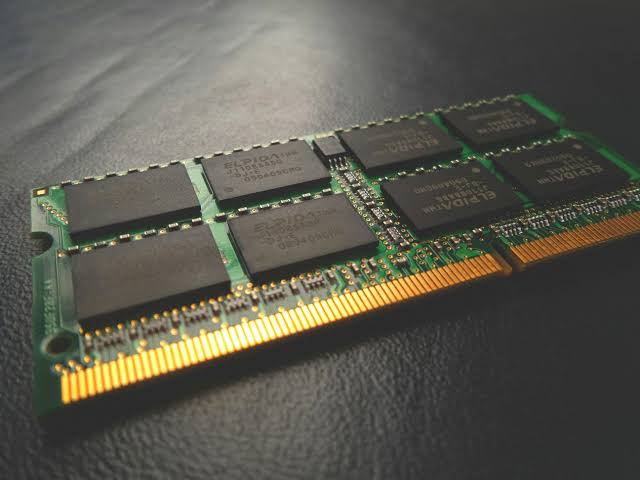
    A global memory chip shortage will squeeze independent phone and laptop makers through 2027, forcing product redesigns and price increases across entry-level consumer electronics.

    Counterpoint Research forecasts worldwide smartphone shipments will drop 13.9 per cent this year to 1.08 billion units, marking the steepest annual decline on record as memory costs make low-cost handsets uneconomical to produce.

    Memory now accounts for almost 60 per cent of the bill of materials on handsets priced around $400, according to Raymond van Eck, chief executive of Dutch repairable-phone maker Fairphone. Component availability rather than unit price has become the primary operational bottleneck for smaller manufacturers.

    Surging Prices and Supply Bottlenecks

    Market researcher TrendForce expects conventional volatile memory (DRAM) contract prices to climb 13 to 18 per cent this quarter, following a 93 to 98 per cent surge in the first quarter. The prolonged imbalance stems from severe production limits at major Asian fabricators.

    In July, the chief executive of South Korea’s SK Hynix warned that 2027 would be the worst year in industry history for supply availability, projecting that demand will exceed fab capacity past 2030.

    If you don’t have allocation, you’re out of the game anyhow.

    Smaller hardware makers are taking defensive operational measures to secure volume. Framework, a US-based modular laptop producer, now submits noncancelable purchase orders without confirmed delivery schedules, prices or volumes to maintain supplier allocation.

    Engineering Workarounds on the Factory Floor

    Hardware teams are altering board layouts to bypass supply chokepoints. Finnish handset maker Jolla created two distinct motherboard configurations so production lines can switch between integrated memory packages and discrete silicon chips.

    Counterfeit risks have mounted alongside component costs. Jolla now runs stress tests on sample components from every incoming batch to confirm shipments contain new silicon rather than recycled parts repackaged as firsthand inventory.

    Retail pricing strategies differ across hardware brands. Framework reprices machines immediately as raw component invoices arrive, Jolla introduced a standalone paid tier for memory upgrades, and Fairphone has held retail prices steady to protect volume.

    Shifting Inventory Dynamics

    Supply hoarding accelerated late last year when hardware makers realised the severity of Asian fabrication deficits. Companies attempted to build inventory buffers simultaneously, pulling forward chip volumes and compounding market tight spots.

    Jolla executives noted that combined storage and DRAM module costs peaked in late March and held flat through summer, averting earlier projections that component prices would double by autumn. Supply parity across mobile and personal computing memory lines is not projected to return until 2028.

  • ChatGPT Directs Online Shoppers to Fraudulent Websites and Scams

    ChatGPT Directs Online Shoppers to Fraudulent Websites and Scams

    Generative artificial intelligence tools like ChatGPT are directing users to fraudulent websites and malicious online schemes, cybersecurity firm Eset warned on September 16, 2026.

    Eset NZ country manager Scott Leman reported that large language models are surfacing high-risk links, including fake online stores, cryptocurrency scams, and imitation login pages designed to steal user information.

    Unlike traditional search engines that rely on domain authority and indexing algorithms to filter out malicious content, AI search assistants summarise vast amounts of web data, occasionally prioritising compromised sources that contain phishing links.

    How Scammers Manipulate Scrapers

    Attackers generate mass quantities of keyword-stuffed copy to catch automated scraping cycles. This content funnels shoppers to malicious domains. Common traps include direct links, fake downloads, QR codes, and clone booking portals.

    Scammers also plant fake phone numbers and links inside forum threads and press releases. AI crawlers sweep up these entries, presenting them to users as verified customer support contacts.

    “Someone asks an AI tool for help, follows the link it provides and ends up on a fake login page, scam website or malicious download,” says Scott Leman, Eset NZ country manager.

    The Threat to Smaller Operators

    These routing errors create two commercial headaches for independent brands across the region. Authentic merchants lose customer traffic to copycat storefronts. Defrauded shoppers then direct their anger at the real brand.

    Risk falls hardest downstream. Big marketplaces maintain dedicated threat intelligence units. Smaller regional merchants run lean IT teams that cannot audit scrapers around the clock.

    Accelerating Exploitation Cycles

    Faster attack cycles make defense harder. Threat actors use automation to reverse-engineer software patches on the day developers release them. That shrinks the defensive window for digital storefronts.

    Brands that rely on passive domain registration and basic search optimisation now face clone sites within hours of launching new campaigns.

    Security teams are monitoring how OpenAI and rival search providers upgrade their link verification filters ahead of the peak holiday trading rush.

  • Wego Scraps My Hero Academia Line After Backlash in China

    Wego Scraps My Hero Academia Line After Backlash in China

    Tokyo-based fashion brand WEGO has scrapped plans to launch an exclusive apparel range in collaboration with hit anime and manga franchise My Hero Academia in September 2026 following an angry backlash from Chinese consumers.

    Shoppers across Chinese social media condemned the planned launch, prompting the Japanese apparel retailer to cancel the release immediately.

    Controversy Over Wartime References

    WEGO had announced an exclusive clothing line based on the popular franchise, but Chinese users quickly cited a 2020 controversy involving a character linked to lethal human experiments that killed thousands of prisoners.

    Chinese audiences previously condemned the anime in 2020 over a storyline featuring a character who conducted lethal human experiments. Viewers linked the narrative to Unit 731. That covert Japanese military medical unit ran fatal biological warfare experiments on thousands of prisoners, most of whom were Chinese.

    Outrage centered on the character’s original name, Maruta Shiga. In Japanese, the word maruta means log. It served as the wartime code name for human subjects used in the unit’s experiments. Social media users also connected the surname Shiga to bacteriologist Kiyoshi Shiga.

    Brand Risk in Cross-Border Retailing

    Licensing domestic intellectual property carries acute reputational risks for Japanese apparel brands selling into Greater China. Fast-fashion chains rely heavily on anime collaborations to draw younger demographics. Even so, historical sensitivities in China frequently cut through commercial campaigns.

    Retailers that misjudge consumer sentiment in mainland China face rapid boycotts and online delisting. WEGO pulled the entire collection early to limit commercial fallout before production and distribution expanded.

    Previous Franchise Fallout

    Distribution for the My Hero Academia franchise previously broke down in China after the 2020 character name dispute. Chinese streaming platforms and digital manga distributors removed the series from their catalogues once that controversy emerged.

    WEGO has halted marketing for the collection across its retail network while clearing out promotional materials.

  • China Accounts for 97% of Global Humanoid Robot Shipments

    China Accounts for 97% of Global Humanoid Robot Shipments

    Chinese manufacturers now account for 97 per cent of global humanoid robot shipments, establishing near-total supply chain dominance over the emerging hardware category.

    The concentration reflects rapid assembly scaling across mainland manufacturing hubs after Beijing designated humanoid robotics an official priority sector in late 2023, even as commercial deployment remains heavily concentrated in domestic test environments and state-backed pilot facilities.

    Where the Hardware Goes

    Domestic electronics assembly plants, automotive factories, and automated fulfillment warehouses absorb the vast majority of current production. Factory operators deploy the bipedal units for repetitive handling, parts transfer, and precision testing tasks where fixed automation arms cannot easily maneuver.

    Hardware pricing runs from 15,000 to 50,000 dollars per unit depending on sensor arrays and dexterity capabilities. Chinese assemblers maintain a structural cost edge through local sourcing of actuators, harmonic reducers, and lithium power packs.

    Western competitors face higher component costs and longer assembly timelines. That gap mirrors earlier hardware buildouts in consumer drones and commercial service bots, where Chinese component density squeezed foreign assemblers out of entry-level price tiers.

    The Deployment Bottleneck

    Supply chain supremacy does not instantly create sustainable commercial demand. Most delivered units operate in controlled trial environments rather than fully automated commercial workflows.

    Retailers, logistics operators, and facility managers hesitate to replace standard wheeled automated guided vehicles with expensive bipedal robots. Wheeled units cost a fraction of the price and execute warehouse transport without balancing risks.

    Earlier Manufacturing Milestones

    Beijing designated humanoid robotics an official priority sector in late 2023, setting targets for mass production and supply chain independence by 2025. That policy push directed subsidies and venture capital into domestic component makers, accelerating prototype development into commercial runs.

    Commercial viability now depends on software reliability and real-world task completion rates rather than shipment volumes. Factory trials scheduled across Chinese automotive plants throughout the final quarter will determine whether large-scale enterprise purchase orders materialize.

  • Cellboy Deploys Anchanto Software Across More Than 200 Stores

    Cellboy Deploys Anchanto Software Across More Than 200 Stores

    In September 2026, Philippine mobile phone and gadget retailer Cellboy announced the deployment of Anchanto’s cloud-based Order Management System across its network of more than 200 stores nationwide. The 17-year-old retail brand previously faced operational challenges with manual store-level tracking that delayed inventory and financial reporting.

    The roll-out links Cellboy’s warehouse operations directly to its physical storefronts and online platforms. While the Quezon City-based retailer already utilized a warehouse management system for internal hub operations, the new integration automates transactions from purchase to delivery with real-time updates.

    Connecting Warehouses to Store Shelves

    Under the partnership, Singapore-based commerce technology provider Anchanto supplies a unified system architecture that synchronises online and offline data. The platform provides store teams with real-time inventory visibility across every sales touchpoint, eliminating after-the-fact processing and reducing manual reconciliation work.

    “One of our biggest challenges was the lack of real-time visibility,” said Alvin Teng, chief executive officer of Cellboy. “Transaction data was only updated after processing, making it hard to get an accurate view of inventory and act quickly.”

    The Omnichannel Hurdle for Philippine Retail

    Consumer electronics chains across the Philippines face margin pressure from both organised mall-based competitors and digital marketplaces like Shopee and Lazada. For multi-store operators, carrying excess stock in backrooms to prevent stockouts ties up working capital, while running lean without live data leads to missed sales when shoppers cross between physical counters and online listings.

    By removing batch processing at the branch counter, Cellboy reduces the labour hours spent on nightly reconciliations. The risk now shifts to store-level compliance, where cashiers and stock clerks must maintain disciplined system entry to keep the live data stream accurate across 200 locations.

    Software Consolidation Across Southeast Asia

    Anchanto has built its footprint by targeting regional merchants that outgrow disparate legacy software. The Singaporean software vendor currently operates across 12 countries in Southeast Asia, the Middle East and Europe, maintaining direct integration links with more than 200 third-party logistics firms and marketplace platforms.

    Cellboy started operations 17 years ago as a mobile phone and accessories seller before expanding into wider gadget retail across Philippine shopping malls. The operational test now turns to how fast the retailer cuts order fulfilment lag as holiday device buying ramps up across its nationwide store footprint.

  • Thailand Water Heater Sales Face 10% Drop as Property Market Slows

    Thailand Water Heater Sales Face 10% Drop as Property Market Slows

    Thailand’s water heater market will shrink by 10 per cent this year. Weak consumer spending and a property glut have stalled home equipment purchases.

    The drop follows a 2025 market valuation of 3.3 billion baht. Regional appliance makers must now lean harder on overseas shipments and replacement fittings. High household debt and tighter urban budgets have pushed shoppers to delay non-essential bathroom upgrades. Meanwhile, an oversupply of unsold homes across Bangkok and neighbouring provinces has choked off bulk orders from residential developers.

    Property Slump Curbs Domestic Demand

    Stiebel Eltron Asia runs three production facilities in Thailand and targets 1.4 billion baht in sales revenue this year despite the slump. Domestic sales make up 77 per cent of that target. Exports provide 21 per cent, while original equipment manufacturing accounts for the remaining 2 per cent. The German manufacturer aims for 2 per cent annual revenue growth by redirecting commercial teams toward home renovations, online retail and new product launches.

    Rising costs have compounded the domestic slowdown. Industrial copper prices climbed alongside electricity tariffs tied to Middle East tensions, driving up per-unit manufacturing costs at local assembly plants. Retail suppliers across Southeast Asia face similar margin squeezes. In response, hardware distributors are trimming inventory holding times and demanding faster stock turnarounds from brand owners.

    Export Buffer Across Southeast Asia

    Foreign markets offer vital relief for factories based in Thailand. Stiebel Eltron ships appliances across the Asia-Pacific region, led by volume shipments to Indonesia, Vietnam and the Philippines. Expanding distribution agreements across ASEAN helps protect regional production lines when domestic housing absorption stalls.

    Competitors in Southeast Asia have taken a similar approach. They balance domestic factory capacity against export demand to keep plant utilisation rates high. Weak Thai consumer credit drove the shift. Brands that once relied on Bangkok condominium handovers must now compete directly for retail shelf space and e-commerce baskets in faster-growing developing markets.

    Weather Takes a Back Seat to Debt

    Climate patterns are also playing a role. In August, the Thai Meteorological Department warned that developing El Nino patterns would drive temperatures above normal through November. Hotter weather traditionally dampens water heater adoption in tropical markets. Even so, factory chiefs view macroeconomics as the real drag on consumer behaviour.

    “In general, I worry more about the economy than the weather,” said Roland Hoehn, chief executive of Stiebel Eltron Asia.

    Manufacturers are now rolling out revised product catalogues for the final quarter, testing whether renovation demand can deliver the 1.4 billion baht revenue benchmark before year-end.

  • Samsung Fights Apple Foldable Push as Counterpoint Projects 25 per Cent Duo Share

    Samsung Fights Apple Foldable Push as Counterpoint Projects 25 per Cent Duo Share

    Samsung launched a marketing blitz across Asia and Europe on Wednesday to protect its premium smartphone business. The campaign follows Apple’s release of its first folding handset, the $1,999 iPhone Duo.

    Apple’s entry puts it in direct competition with the $1,899 Galaxy Z Fold 8. Counterpoint Research expects Apple to capture a 25 per cent global market share this year, cutting into Samsung’s projected 38 per cent share.

    Cupertino designed the Duo with a passport-style layout similar to Samsung’s latest flagship, which runs Alphabet’s Gemini artificial intelligence. Samsung fought back by booking billboards across Seoul, Tokyo and London with slogans like “Welcome to Foldables” and “The World’s Lightest Fold”. It also posted technical notes on its consumer website detailing its hinge and weight reductions.

    The Margin Fight at Two Thousand Dollars

    A narrow $100 price gap shifts the fight to hardware refinement and software ecosystems. For telecom carriers and electronics retailers across Asia, having two players at the $2,000 price point turns foldables from a show into a high-volume margin driver.

    Heavy risks sit with Samsung’s mobile division, which faces margin erosion if affluent buyers in South Korea, Japan and Greater China defect to iOS. Samsung Display supplies the folding screens for the iPhone Duo and collects component revenue on every unit sold. Even so, the handset division loses its most profitable hardware moat.

    Rivalry in Component Supply and Social Media

    Online, Samsung went on the offensive. It ran posts on X describing the Duo as “reheating our leftovers” and “So far, so same”. Apple chief executive John Ternus fired back, calling earlier foldables “like two phones awkwardly stuck together.”

    Industry analysts note that Apple waited for screen mechanics to stabilize before entering the segment. “Apple is good at getting its timing right and entering the market when a product reaches a certain level of maturity,” said Ben Wood, chief analyst at CCS Insight.

    Seven Years of Category Building

    Samsung created the commercial category in 2019 after display failures delayed the original Galaxy Fold release by several months. Over the next eight device generations, the Suwon-based company improved screen durability and expanded global distribution while battling Chinese rivals like Huawei in domestic and regional markets.

    Stores begin stocking the iPhone Duo later this month. That starts the first direct quarterly sales clash between Apple and Samsung during the peak year-end shopping season.

  • India’s Fraud Agency Recommends Detailed Probe into Xiaomi

    India’s Fraud Agency Recommends Detailed Probe into Xiaomi

    India’s Serious Fraud Investigation Office has recommended a full probe into Xiaomi over alleged foreign investment breaches and fund transfers. The inquiry intensifies pressure on the Chinese phone maker.

    The Beijing-based company has seen its local market share fall from 19 per cent to 13 per cent. Its India revenue dropped 40 per cent over three years to $2.52 billion in 2025.

    A draft memorandum prepared by the SFIO in May recommends examining fund movements. It asks investigators to verify whether Xiaomi Technology India Private Limited and its affiliated entities secured mandatory government approvals. The document also calls for a review of foreign investor and parent group beneficial ownership to confirm whether changes in corporate control were declared.

    Investigators also proposed testing financial statements and auditor reports filed with the Indian government for material misstatement. They seek authority to record formal statements from current and former directors, chief financial officers, and compliance leads under a 21-point investigative framework.

    The Squeeze on Online Distribution

    This proposed probe places Xiaomi’s core sales model under fresh scrutiny. The brand built its early dominance in India on flash sales hosted on Amazon and Walmart-owned Flipkart. Offline shopkeepers have long argued that those arrangements violate foreign direct investment rules by giving preferential terms to selected online merchants.

    Under the proposal, the SFIO instructs investigators to determine whether Xiaomi exercised de facto control over Indian retail sellers and launch partners while presenting them as independent businesses. Any formal finding against these distribution structures would force hardware vendors across the region to rework online retail partnerships, raising distribution costs and limiting promotional pricing flexibility.

    Rivals Gain Ground as Legal Pressure Mounts

    Regulatory scrutiny is accelerating a commercial shift across India’s handset market. Samsung and Apple have captured premium and mid-tier demand as legal battles occupy management attention. Xiaomi has now dropped to fourth place in national shipments.

    Suppliers and channel partners face uncertainty around contract terms and inventory financing. For cross-border consumer brands operating in India, the agency’s focus on ultimate beneficial ownership signals that holding company layers and offshore licensing pacts face direct exposure.

    Unresolved Assets and Stalled Clearances

    Tensions between New Delhi and Chinese consumer brands have built since 2020 border clashes prompted tighter screening of Chinese capital. Xiaomi has already failed to overturn a separate 55.51 billion rupee ($584 million) bank asset freeze imposed by India’s financial crime agency in 2022 over contested royalty transfers.

    The corporate affairs ministry must now decide whether to authorise the probe, reject it, or refer specific points to other enforcement agencies. The ministerial review carries no statutory deadline, leaving the 21-point inquiry pending as officials assess the file.

  • Apple to Unveil First Foldable iPhone as Sector Shipments Grow 30%

    Apple to Unveil First Foldable iPhone as Sector Shipments Grow 30%

    Apple is expected to unveil its maiden foldable iPhone at its Cupertino headquarters later on Wednesday, entering a product category where Asian rivals hold a combined 70 per cent share.

    Samsung leads the global foldable smartphone sector with a share of about 40 per cent, followed by Huawei with 30 per cent, according to research firm Counterpoint.

    The new handset is expected to adopt a wider passport-style aspect ratio geared toward video and media consumption, arriving as supply-chain advances make flexible displays more durable and less prone to creasing.

    Asian Rivals Defend Premium Dominance

    For Samsung and Huawei, Apple’s entry turns a high-margin hardware niche into an open battleground across Asian retail channels. Both manufacturers spent years refining flexible hardware, using early technical missteps to improve hinge durability and lock down premium market share in China, South Korea and Southeast Asia.

    Asian component suppliers and display manufacturers stand to gain volume as Apple scales production. The primary risk sits with Android hardware makers in the upper price tiers, who lose their sole hardware differentiator once iOS software is available on a flexible screen.

    The Long March from Early Hinges

    Chinese display maker Royole shipped the first commercial foldable device in 2018 with its outward-folding FlexPai. Samsung launched the US$2,000 Galaxy Fold in 2019, withdrawing initial review units to redesign the display before releasing refined models such as the Fold 8. Huawei followed with the Mate X in 2019, before pushing hardware boundaries further in September 2024 with a US$2,800 tri-fold model.

    Apple’s entry will surely increase competition at the premium end. However, foldables are still a very small part of the overall smartphone market, so there is room for the category to grow well beyond current volumes.

    Growth Divergence in Handset Shipments

    Foldable devices account for a single-digit percentage of total handset sales, constrained by high retail pricing and consumer doubts over long-term screen durability. Google entered the segment in 2023 with the US$1,799 Pixel Fold, while Microsoft discontinued its dual-screen Surface Duo line.

    Research firm IDC expects global foldable shipments to grow nearly 30 per cent this year, outpacing an estimated 1.4 per cent decline in standard smartphone sales as Apple unveils its device later on Wednesday.

  • Foreign Tech Investors Pay up to US$15,000 for Access to Chinese Factory Floors

    Foreign Tech Investors Pay up to US$15,000 for Access to Chinese Factory Floors

    Foreign investors and tech executives are paying up to US$15,000 each to tour Chinese manufacturing plants. The visits cover robotics, electric vehicle and artificial intelligence facilities across five industrial hubs.

    Western and regional boardrooms face pressure to see if Chinese automation has pulled ahead of global rivals. These paid delegations offer a direct look at mainland hardware supply chains.

    Programmes span Beijing, Shenzhen, Shanghai, Hangzhou and Hefei. Shanghai-based data research firm Baiguan charges up to US$15,000 for a five-day itinerary. Around half its participants come from Southeast Asia. Tech tour agency Glopen reported a 50 per cent jump in enquiries during 2026, mostly from European and Singaporean clients. It now operates more than 100 single-day corporate visits every month. Tech Buzz China founder Rui Ma has organised 11 delegations since 2019, including an April tour through three cities focusing on robotics.

    The Business Behind Factory Tourism

    State backing has turned industrial site visits into commercial business across the mainland. Beijing has designated more than 140 demonstration sites for industrial tourism. The sector generated US$17.8 billion last year and is projected to reach 300 billion yuan (US$44.6 billion) by 2029.

    Public rates for individual factory visits usually run around US$60, but premium access commands steep markups. Xiaomi’s electric vehicle assembly plant in Beijing has recorded more than 250,000 visitors since March 2024. Entry slots from Xiaomi’s official lottery system have been scalped on secondary platforms for up to 2,000 yuan (US$300), despite company rules barring transfers.

    Institutional investors have quietly joined the circuit. US firms Dimension, Capital Group and Thrive Capital have all sent representatives to inspect mainland production setups. European corporate delegations have also toured sites to study state-backed technology coordination.

    Hardware Dependence and Supply Realities

    Consumer hardware and robotics brands see that physical supply chains remain tethered to southern China. Geopolitical posturing has not changed that reality. Western developers still depend on mainland ecosystems for sensors, battery cells, structural frames and precision actuators. Replicating those supplier clusters outside the Pearl River Delta remains slow and capital intensive.

    Visitors risk mistaking demonstration speed for total commercial dominance. Non-Chinese technology firms still hold most global market share, high-margin software profits and core intellectual property. In sectors like autonomous robotaxis, Chinese domestic deployment continues to move cautiously. Regulators remain concerned about urban transport employment.

    Shenzhen Emerges as the Focal Point

    Years of infrastructure spending transformed Shenzhen from a contract assembly zone into an integrated hardware design centre. The current tour rush builds on that base. Foreign visitor arrivals in Shenzhen jumped 70 per cent last year and rose another 30 per cent in the first quarter. Total entries topped 5 million through August.

    Founders use 10-day visa-free entry policies to test prototypes directly with component suppliers. Local operators have opened communal hacker houses for visiting robotics and AI engineers. Informal network groups coordinate factory access across Shenzhen and Silicon Valley.

    Next up is the Asia-Pacific Economic Cooperation forum in November, which Shenzhen will host. Municipal officials plan to show automated assembly plants and urban drone networks to pitch the city’s hardware infrastructure to visiting regional trade delegations.

  • TCL Affiliate RayNeo Launches GT and iO Smart Glasses Across 40 Markets

    TCL Affiliate RayNeo Launches GT and iO Smart Glasses Across 40 Markets

    RayNeo launched its GT Series and iO smart glasses across 40 retail markets on September 4, 2026. Pricing ranges from US$329 to US$549.

    The Chinese hardware maker held a 23.7 per cent global market share in the first quarter of 2026. That made it the world’s largest consumer augmented reality vendor.

    Hardware Pricing and Regional Distribution

    Sales started immediately through Amazon and the company’s direct web store. Distribution spans 40 countries and territories, including Singapore, Malaysia, Thailand, Vietnam, Japan, Australia, New Zealand, Saudi Arabia, the United Arab Emirates, the United States, Canada, Mexico, the United Kingdom and the European Union.

    Products fall into two distinct hardware tiers. The 33-gram RayNeo iO operates as a heads-up display for navigation, teleprompting, live translation and voice recording summaries. It costs US$499 with a standard case, or US$549 with a charging case bundle. For entertainment, the RayNeo GT retails at US$329, and the GT Max costs US$429. Both GT models feature audio co-tuned with Danish specialist Bang & Olufsen. They also support Dolby Vision playback when paired with the companion RayNeo Pocket TV Pro accessory.

    Competitive Shift in Consumer Wearables

    For electronics retailers and distributors in Southeast Asia, the rollout signals a shift from crowdfunding campaigns to volume consumer retail. At an entry price of US$329, the TCL-backed company takes direct aim at portable monitors and external displays rather than bulky mixed-reality headsets.

    Hardware margins in this segment stay tight. That puts pressure on companion accessories, such as the Pocket TV Pro and optical prescription inserts, to generate operating profit. Ecosystem lock-in presents the main commercial risk. Smart glasses still rely heavily on external host processing and content partnerships to attract buyers beyond early adopters.

    From Domestic Lead to Global Retail Footprint

    RayNeo built up to the Berlin release with several hardware announcements earlier in 2026. It debuted eSIM-enabled glasses at CES in January and introduced the Air 4 Pro at Mobile World Congress in March. Tracking databases from IDC, RUNTO, CINNO Research and AVC all ranked the company first for shipments in China.

    Demonstrations and executive interviews run through September 8 at Hall 21A at IFA 2026 in Berlin. Buyers can access introductory promotional discounts of US$30 during this opening sales window.

  • Taiwan Targets Silicon Photonics to Cut AI Chip Power Use by 50 Percent

    Taiwan Targets Silicon Photonics to Cut AI Chip Power Use by 50 Percent

    Taiwan is mobilising its chipmaking sector to commercialise silicon photonics and copackaged optics, with the Ministry of Economic Affairs backing efforts to overcome artificial intelligence computing bottlenecks.

    The island holds over 90 percent of global manufacturing capacity for chips at 7 nanometers or below, while more than 30 firms including Taiwan Semiconductor Manufacturing Co and MediaTek Inc formed an industry alliance in 2024.

    Silicon photonics replaces conventional copper wiring between chips with optical signals. Because optical transmission generates negligible heat, the technology cuts device power consumption by 30 to 50 percent, according to the Ministry of Economic Affairs. That saving eases cooling limits in high-density AI data centres. It also clears the 1.6-terabit-per-second bandwidth ceiling that hampers electronic links.

    Optics Replace Copper Interconnects

    Heavy capital is pouring across the hardware supply chain. Nvidia invested US$4 billion into silicon photonics development in March. The chipmaker needs architectures that sustain real-time AI workloads and high-definition streaming without overheating server racks.

    Taiwanese authorities have folded the technology into their New 10 Major AI Infrastructure Projects. Funding flows through the government’s A+ Enterprise Innovation research programme. The scheme subsidises domestic research teams and equipment developers building local manufacturing tooling.

    Alliance Mobilises Heavyweights

    Execution on the ground rests on the Silicon Photonics Industry Alliance, a consortium established in 2024 with industry group SEMI. The group brings together more than 30 technology suppliers. Members include Taiwan Semiconductor Manufacturing Co, ASE Technology Holding, MediaTek and Hon Hai Precision Industry.

    Asian hardware vendors and server assemblers face shifting procurement cycles. Traditional printed circuit board layouts will yield to integrated optical packaging. As a result, component suppliers must retool production lines for optical transceivers and precision glass substrates.

    Manufacturing risks centre on packaging yields and costs. Integrating laser sources and optical waveguides directly alongside silicon dies requires packaging tolerances tighter than standard wire bonding. These yield hurdles could delay volume delivery.

    Race for Next-Generation Packaging

    Foundry and packaging operators have spent years researching optics to counter the slowdown of traditional transistor scaling. Physical node shrinking now delivers diminishing returns. Advanced packaging formats like copackaged optics have become the primary path to computing efficiency.

    Prototype lines are now running across alliance members to finalise copackaged optics standards before volume production begins for 2026 data centre hardware cycles.