Retail News CRM

Category: Electronics

Retail News Asia is committed to providing both local and global retailers with the latest Electronics news throughout the Asian market. This on a daily base.

  • Apple Watch will get back a popular and useful feature in watchOS 10.2

    Apple Watch will get back a popular and useful feature in watchOS 10.2

    When Apple released watchOS 10 it got rid of a handy feature that Apple Watch wearers loved. This feature allowed a user to switch the watch face on his timepiece by swiping on the display. The removal of this feature seemingly upset Apple Watch owners enough that Apple felt compelled to return it to the watchOS 10.2 beta 3. This comes from an “X” subscriber @aaronp613 who posted some code strings from the beta, including one that reads “Swipe to Switch Watch Face.”

    To use this feature, once you have watchOS 10.2 beta 3 installed or once Apple releases watchOS 10.2, go to Settings > Clock. From there you can set which method of changing watch faces you prefer. So if you have watchOS 10.2 beta 3 on your Apple Watch, you can return this feature. If you don’t have the beta installed, you’ll have to wait until the release of the final version of watchOS 10.2, which will be pushed out later this year.

    You can set up watch faces to swipe to by going to the Watch app on your iPhone, tapping the Face Gallery tab, and creating alternate watch faces. You can make several different watch faces for various occasions, including some functional faces with plenty of complications for the workday, a more formal watch face for upcoming holiday parties, and other watch faces for other events, including your workouts.

    With a quick swipe, you can change your watch face to have a watch to fit any occasion without having to own more than on timepiece. By setting your Apple Watch to enable “Swipe to Switch Watch Face,” you can quickly go through the watch faces you’ve set up by swiping your Apple Watch display.

    It isn’t clear why Apple decided to do away with the feature in the first place since swiping the screen in watchOS 10 doesn’t do anything. However, the company must have received enough feedback from Apple Watch users who are missing this quick and easy way to change the watch face on their smartwatch.

  • Upgraded version of Siri with AI capabilities rumored to debut at WWDC 2024

    Upgraded version of Siri with AI capabilities rumored to debut at WWDC 2024

    Looking to play catch up with Google, Apple is expected to unveil some new AI-based features in iOS 18. “X” tipster @Tech_Reve recently posted a tweet in which he said that Apple will use an LLM (Large Language Model) to make Siri “the ultimate virtual assistant and is preparing to develop it into Apple’s most powerful killer AI app.” LLM, used on chatbots like ChatGPT, is a language model with a huge amount of data, allowing it to understand a broad range of conversations and respond correctly to them.

    We said yesterday that based on the weekly Power On newsletter written by Bloomberg’s Mark Gurman, Apple plans on adding new features and designs to iOS 18hoping that the software can help sell the iPhone 16 series which will feature very small hardware changes compared to this year’s models. This dovetails perfectly with @Tech_Reve’s tweet in which he says that the new Siri, using Apple’s own in-house LLM, will debut at the Worldwide Developers Conference (WWDC) next June and will be available on the iPhone 16 series and future models.

    This might be how Apple plans on selling uninspired hardware using iOS 18. The new version of Siri should be able to understand natural language and patterns of speech better. Whether the virtual assistant will ecome more of a challenger to the Google Assistant in terms of giving correct answers is unknown.

    Siri has disappointed many Apple device users since the virtual assistant was first introduced with the iPhone 4s in 2011. If I may digress, I find that using the iOS Google Assistant app will give you more direct answers to your queries instead of making you read a paragraph from Wikipedia. You can also set alarms and timers using the ios Google Assistant app.

    Gurman says that other areas where Apple could introduce AI functionality include the Pages app by helping users write letters, the Keynote app by helping users construct their presentation decks, and Apple Music by creating AI-generated playlists. To make this happen, Apple will need to beef up the AI capabilities of the A18 Pro chipset. When you think about it, this could explain why Apple is rumored to be packing all four 2024 iPhone models with the latest A18 Pro application processor (AP) next year.

    One big question is whether Apple plans on offering new AI features to older models that will be compatible with iOS 18. Apple is in a tough situation here since it wants to include as much on-device processing as possible. And adding new AI features only for the iPhone 16 line and up might improve hardware sales. But it also could leave many angry iPhone users who can’t easily upgrade next year or even the year after.

    Apple might have to allow some of the new features to be processed off-device. However, it might wait for a few months after the 2024 iPhones are released to give iPhone 15 Pro and other older Pro units some of the same AI functionality that we could see with the iPhone 16 series. This is what Google does with its Pixel phones. The Magic Eraser is a good example.

    The Magic Eraser debuted on the Pixel 6 line and helps erase unwanted and distracting items (including people and pets) from processed photos using AI. Earlier this year, Google added the feature to older Pixel models, other Android devices, and even iOS phones that are subscribed to Google One cloud storage.

    For those wondering how Apple would use a game-changing upgrade in iOS 18 to help sell the iPhone 16 line with its uninspiring changes, improving Siri and adding new AI capabilities tot he new phones is the answer.

  • Qualcomm and Iridium end Snapdragon Satellite because of one key factor

    Introduced this past January, Qualcomm and Iridium surprised the mobile industry at the end of last week by announcing the end of Snapdragon Satellite without having one Android phone manufacturer sign on the dotted line. Snapdragon Satellite was expected to be used by Android manufacturers as a way to match the iPhone 14 and iPhone 15’s Emergency SOS via Satellite feature.
    Announced last year one day after Huawei unveiled a similar feature for its Mate 50 series, Emergency SOS via Satellite allows someone with a compatible iPhone model to report an emergency even in areas where there is no cellular connectivity. The iPhone screen helps show the user where to position the device to connect with a satellite; information about the emergency is texted to emergency services who dispatch first responders. The feature has already been credited with saving some lives.
    Snapdragon Satellite was set to work with Iridum’s satellite constellation and both Qualcomm and Iridium have announced the end of their partnership starting on December 3rd. This action effectively ends Snapdragon Satellite, at least for now. In its press release, Iridium notes that the decision to end the partnership is due to one huge factor: no business. As the satellite firm wrote, “The companies successfully developed and demonstrated the technology; however, notwithstanding this technical success, smartphone manufacturers have not included the technology in their devices.”

    Where this leaves Samsung is unclear. Last month, John Yong-In Park, head of Samsung Electronics SLSI Business Division, said during the 2023 Semiconductor Expo (SEDEX) keynote that 2024 Samsung Galaxy phones will offer satellite connectivity. He did not mention any specific models, but it was believed that the Galaxy S24 line might be Samsung’s first phones to offer emergency satellite connectivity.

    Last February, chipmaker MediaTek announced its MT6825 chipset that offers satellite connectivity for Android smartphones through Bullitt’s Satellite Connect platform. The chipset supports two-way satellite messaging, location sharing, and emergency SOS. Last year, T-Mobile announced that it would team up with Elon Musk’s Starlink to cover areas with no cellular coverage with satellite connectivity allowing users to send and receive SMS and MMS messages.
    Iridium CEO Iridium Matt Desch, talking about the end of his firm’s partnership with Qualcomm, said, “While I’m disappointed that this partnership didn’t bear immediate fruit, we believe the direction of the industry is clear toward increased satellite connectivity in consumer devices. Led by Apple today, MNOs and device manufacturers still plan, over time, to provide their customers with expanded coverage and new satellite-based features, and our global coverage and regulatory certainty make us well-suited to be a key player in this emerging market. User experience will be critical to their success, and we’ve proven that we can provide a reliable, global capability to mobile users.”
    Qualcomm also commented by stating that the lack of Snapdragon Satellite to sign a deal with any Android manufacturers “indicated a preference towards standards-based solutions” to be used to support smartphone-to-satellite connectivity. “We expect to continue to collaborate with Iridium on standards-based solutions while discontinuing efforts on the proprietary solution that was introduced earlier this year,” Qualcomm said.
    With a standards-based solution, several companies could create the technology to allow Android handsets to offer emergency satellite connectivity.
    As we noted earlier in the story, Huawei last year became the first phone manufacturer to offer satellite connectivity for emergencies and beat out Apple by one day. This year, the new Mate 60 line reportedly offers users the opportunity to make satellite calls using the new flagship phones. This could be considered an improvement over the technology used by Apple, which is limited to text-based communications.
  • Intel denies new investment in Vietnam

    Intel denies new investment in Vietnam

    U.S. chip giant Intel has said that it had never announced any additional investment in Vietnam apart from the $1.5 billion investment it has already made so far.

    “After raising our investment to $1.5 billion in 2021, we have never made any official announcement of a new investment,” a representative said Wednesday.

    The U.S. chipmaker had shelved a plan to invest $1 billion more in Vietnam, citing anonymous sources. The news outlet first reported about the plan in February.

    Intel began its operation in Vietnam in 2006 with a chip manufacturing and testing factory in Ho Chi Minh City.

    The factory, Intel Products Vietnam, is one of 10 manufacturing hubs of the company globally.

    The facility, which employs 2,800 people, has shipped over 3 billion product units over 15 years of operation.
    Intel leaders committed to long-term investment in Vietnam in a meeting with Deputy Prime Minister Tran Luu Quang in October.

    Intel CEO Patrick Gelsinger told Prime Minister Pham Minh Chinh in May that the company would invest several more times in Vietnam in the future.

    The company is expanding its investment in chip packaging in Malaysia, one of Vietnam’s main competitors in attracting foreign direct investment.

  • Apple might be working on a custom battery

    Apple might be working on a custom battery

    Battery life on the iPhone has been gradually improving since the iPhone 13 series, despite the latest iPhone 15 series not bringing significant upgrades in the battery department, as you can see in our dedicated piece about iPhone 15 and iPhone 15 Pro Max battery life and charging speeds. However, Apple might have something in mind, as new rumors suggest.

    Apple is rumored to be working on a custom in-house battery design. The company is exploring alternative cathode materials to enhance the overall performance of the battery module, to extend the battery life of its future products released after 2025.

    The report suggests that Apple is actively considering increasing the silicon content inside the battery, moving away from the conventional use of graphite as the anode material in lithium-ion batteries. Graphite’s unique properties make it an ideal choice, efficiently storing and releasing electrical energy, ensuring reliable and long-lasting battery performance in mobile devices.

    While a silicon-based approach could potentially improve overall battery capacity and reduce charging times, there is a challenge—silicon tends to expand during the charging process. However, Apple seems to have found a solution to mitigate this issue.

    Rumors about Apple developing its own next-gen batteries date back to 2019. In fact, even before that, the company has been collaborating with suppliers to introduce innovative battery solutions, such as the space-saving, L-shaped battery in the iPhone XS.

    By bringing battery development in-house, Apple gains more control over the design and construction of its products. The company claims that it regularly audits its suppliers to ensure they are meeting its high standards.

    And what are its high standards, you may wonder? Apple has ambitious environmental goals, aiming to make every Apple product with 100% clean energy by 2030. This commitment requires all suppliers to transition to electricity generated from solar, wind, and other renewable sources. Additionally, Apple envisions creating products using only recycled and renewable materials. In a recent pledge, the company aims to use 100% recycled cobalt in all ‘Apple-designed’ batteries by 2025.

    Whether the rumored custom Apple battery will actually happen and whether the company will stick to its goals is still up in the air.

  • Samsung rolls out free cloud backups for Galaxy flagships, but there is a catch

    Samsung rolls out free cloud backups for Galaxy flagships, but there is a catch

    Samsung is simplifying the challenge of finding sufficient storage for smartphone backups with its new free solution. Named Temporary Cloud Backup, this service is designed for Galaxy smartphone and tablet users, providing them with access to as much temporary storage as needed.

    Samsung’s Temporary Cloud Backup provides users with complimentary file storage in the cloud for 30 days. There is a file size restriction of 100 GB each; however, users can store an unlimited number of files through their Samsung device running One UI 6.0 or higher, which is another stipulation.

    “This upgraded switching experience based on Samsung Cloud aims to provide peace of mind to Samsung Galaxy users that precious data will not be lost, thanks to the connected power of Galaxy’s ecosystem,” said Chiyoung Seo, VP & Head of Cloud Team, Mobile eXperience Business at Samsung Electronics.

    Temporary Cloud Backup would be particularly useful for scenarios where users may fear data loss, such as when getting a smartphone repaired. Samsung has integrated Temporary Cloud Backup into Maintenance Mode, ensuring the secure backup of personal data, including files within the Secure Folder, for recovery after repairs.

    Samsung released Maintenance Mode a year ago to give its users more security. Maintenance Mode creates a separate user account for repairs, keeping your private stuff safe. To use it, just go to Battery and device-care in Settings, hit Maintenance Mode, and reboot. Your personal info, like photos and messages, stays off-limits after the restart.
    When using Temporary Cloud Backup, users should note that a notification will be sent when the 30-day storage period concludes, and files stored for the full period will be automatically deleted. The 30-day limit applies to each file individually, and the countdown starts upon file upload.

    Initially, this feature is rolling out to Galaxy S models running One UI 6.0 or higher for users in South Korea. Global availability is expected to expand gradually from this fall.

  • Apple releases watchOS 10.1 to fix the Weather app

    Apple releases watchOS 10.1 to fix the Weather app

    If you’re one of those people who have multiple weather apps installed on your phone and smartwatch and love to tell others when a warming trend is on the way (“It’s going to be 78 tomorrow. 78! In late October! Can you believe it!!!”), then you might be my twin. Seriously though, Apple Watch owners who use their timepieces to check on the weather were having an issue in watchOS 10 that came out of nowhere like a mid-afternoon rain shower.

    The issue prevented a complication (which is any function on a watch that does something other than tell you the time) from showing you any weather-related data when the app is set to your current location instead of a specific city. For example, let’s say you live in Kalamazoo, Michigan and you set your Apple Watch to show you the weather in whatever city you’re currently at. With watchOS 10, the bug will prevent you from seeing any weather data from the current location setting. But if you set the weather app to give you the weather specifically in Kalamazoo, it works perfectly.

    We can understand setting the weather for the current location because it would normally show you the weather conditions for any place you might travel to without having to add a location to the settings. Even if you drive a few miles to the next city over, the weather could be different and with that setting enabled, the Apple Watch will automatically adjust. Or at least it will once you exterminate the bug by installing watchOS 10.1 which was disseminated by Apple yesterday.

    To install the app, connect your watch to Wi-Fi and the charger. From the watch go to Settings > General > Software Update. If the update is available, make sure your watch is charged to at least 50% and tap on Install.

    Apple says that if the update does not solve the issue, from your phone go to Settings > Weather and disable Location Access and then enable it. again. And if that doesn’t work, you will need to reset all location data by going from your phone to Settings > General > Transfer or Reset iPhone. Tap on Reset and then Reset Location & Privacy. Enter your passcode and reset. Hopefully, one of these steps will take care of the problem.

    The update also adds support for the double tap gesture on the Apple Watch Series 9 and the Apple Watch Ultra 2. Tapping your index finger with your thumb twice will answer a call, play and pause streaming music, stop a timer and more.

    NameDrop is now available to the Apple Watch with the update. Bring your Apple Watch near an iPhone running iOS 17 or an Apple Watch SE 2, Apple Watch Series 7 or later, or an Apple Watch Ultra, and you’ll exchange contact information with someone new. My Card is a complication on the Apple Watch that will give users quick access to NameDrop.

  • Lenovo reveals new MotoAI personal assistant for Motorola smartphones

    Lenovo reveals new MotoAI personal assistant for Motorola smartphones

    At the Lenovo Tech World ’23, the Chinese company revealed a bunch of new AI features and flexible hardware that are already in development or in the concept phase.

    Among the many interesting technologies announced by Lenovo earlier today such as foldable and rollable devices in both the smartphone and PC categories, there’s one that seems to be almost ready for primetime, the MotoAI.

    The newly revealed MotoAI is a personal assistant already in development at Lenovo. Aimed at both PCs and smartphones, the MotoAI is supposed to never stop learning and features a foundational model personalized to the user, yet it still protects privacy.

    More importantly, Lenovo’s MotoAI has a large knowledge base that adapts continuously to patterns and usage with natural voice or text interaction capabilities.

    According to Lenovo, users will be able to engage with their personal MotoAI assistant to answer questions, draft messages, schedule tasks, and do other activities that can involve the use of such an AI-powered tool.

    Another interesting aspect about Lenovo’s MotoAI is that unlike other similar products that run cloud-based operations, this one can process data and run tasks locally on-device, which should translate into enhanced data privacy for the user.

    Promising to be a more dynamic, personal and helpful over time personal assistant, MotoAI is supposed to power all Motorola smartphones in the not-so-distant future, so we’ll probably be hearing more about Lenovo’s AI-powered tool in the coming months.

  • Garmin brings the ECG app to more smartwatches

    Garmin brings the ECG app to more smartwatches

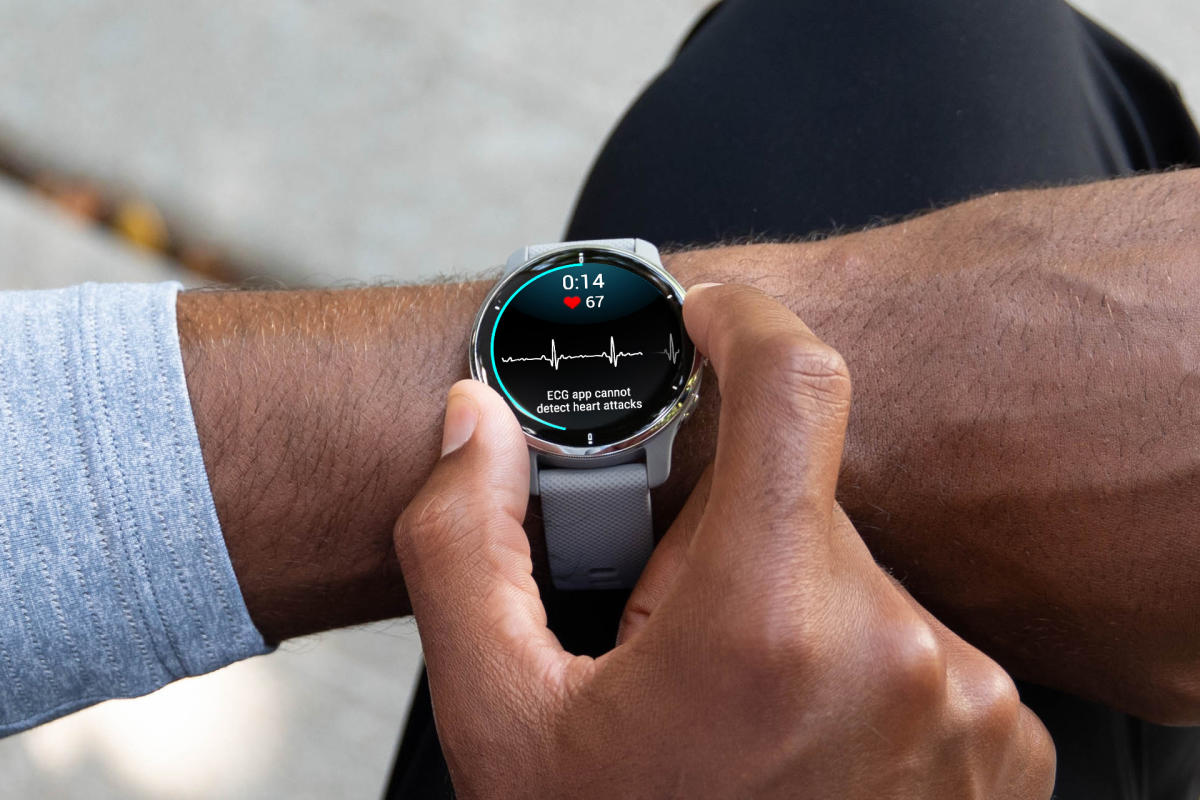
    Garmin’s smartwatches are pretty popular in the United States and Europe, so the multinational company is trying to keep them updated. One of the features that most of Garmin’s smartwatches have been lacking in comparison with the competition is ECG support.

    The ability to measure atrial fibrillation was only available on Garmin Venu 2 Plus, but that’s about to change. The company has just confirmed that the ECG app is coming to more Garmin smartwatches, so if you own any mode from the list below, look for an update that will bring this new feature.

    In a post on Twitter, Garmin revealed that the ECG app is now available for epix Pro, Venu 3, and Fenix 7 Pro smartwatches. Yes, there are a bunch of other Garmin smartwatches that have yet to get the app, but the company told Android Central that “it intends to continue to expand its portfolio of products supporting the ECG app and launch it in new regions in-line with necessary regulatory approval.

  • Apple hints update is coming to fix flickering Watch display issues and more

    Apple hints update is coming to fix flickering Watch display issues and more

    Complaints from the Apple Community webpage and Reddit indicate that some Apple Watch users are having issues with the displays on their timepieces. Judging from the posts, it would appear that the screens on the affected units are flickering when the user raises his/her wrist to fully light up the display when in Always On mode. Another issue being investigated by Apple is one where complications on certain Apple Watch models turn pink when the user’s wrist is raised.
    One Reddit subscriber noted that the flickering issue occurs when a timer is running or the Modular Ultra face is being used. Other complaints sound like this one from an Apple Community subscriber who wrote, “It’s not just you. Series 9 on 10.0.2 here, I’m experiencing the same issue. Split second of screen flickering when raising to wake from AOD. It only happens sometimes, but enough to the point that it bugs me.”

    Based on the posts, it would seem that the flickering issue and the pink complications have been spotted on the new Series 9 watches as well as the Apple Watch Ultra 2. The bug continues to appear even after the latest version of watchOS, 10.0.2, is installed. Apple is expected to release the public version of watchOS 10.1 next week, which might contain a fix that exterminates the bugs.

    In fact, Apple even hinted that an update to fix the problem is on the way. In a memo, Apple told service providers not to repair impacted watches and instead, tell customers that they should keep the software on their Apple Watch up to date. That certainly sounds like Apple is expecting to release a software update soon that will fix the flickering on the Apple Watch screens as well as the color change to the complications on certain watch faces.

    Apple says that users can disable the Always On display as a temporary workaround to fix the flickering. Press the Digital Crown until you see the home screen. From there, go to Settings > Display & Brightness and toggle off the Always On mode. With the Always On display enabled, the screen dims when the user’s wrist is down and gets brighter when the wrist is raised. This is the point when the flickering shows up.

  • Apple could be introducing three new iPad models this coming Tuesday

    Apple could be introducing three new iPad models this coming Tuesday

    Many assumed that after unveiling the new iPhone 15 series, the Apple Watch Series 9, and the Apple Watch Ultra 2 last month, we wouldn’t be seeing Apple release any more hardware in 2023. But there could be one last squeeze of the toothpaste tube left by the gang in Cupertino resulting in an announcement that would reveal three new iPad tablets, according to Supercharged. We could also see a new Apple Pencil with USB-C charging.

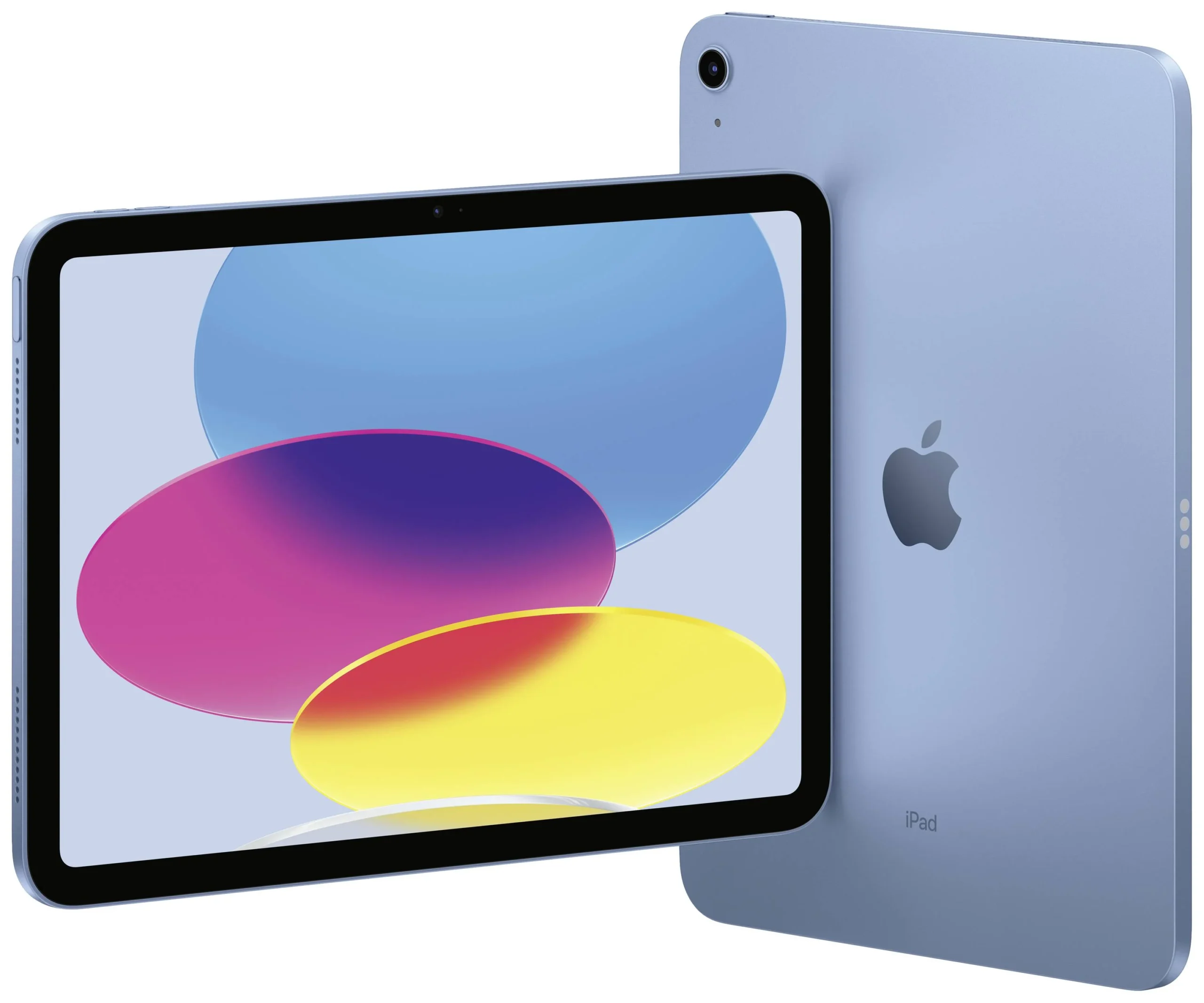
    The report cites a source “familiar with Apple’s media plans” who says that this Tuesday, October 17th, Apple will introduce a new entry-level iPad, an M2-powered iPad Air, and a new iPad mini. The entry-level iPad would be the 11th generation model replacing the 10th generation iPad which was announced in October 2022. The new iPad Air should come with an upgrade in the form of a faster M2 chip. The previous iPad Air, the first to use an M-series chip, was announced in March 2022.

    The new iPad Air, rumored to be announced this Tuesday, will supposedly be powered by a powerful M2 Apple Silicon chip.

    Also rumored to be announced on Tuesday is the iPad mini 7 which could be powered by the A16 Bionic chipset, the same one that currently is used to run the iPhone 15 and iPhone 15 Plus models. Additionally, the new iPad mini 7 will do away with the “jelly scrolling” flaw that causes the left side of the screen to lag while the right side moves at a normal pace. All three tablets are expected to receive minor boosts in specs.

    Apple is not expected to put on a big show for the release of the new iPads as an announcement will be made by the company on YouTube and through its newsroom site. If you hope the announcement will include a new iPad Pro, you’re early. The OLED iPad Pro models are expected to become official during the second half of 2024.

    This makes sense since Apple’s Vision Pro spatial computer will dominate the first half of the year. We expect the new iPad Pro model to be offered with an 11-inch and a 13-inch display.

    Ever since the pandemic ended, tablet sales have dropped. Apple saw a surge in iPad sales when many worked from home and students attended virtual classes. Perhaps an injection of fresh new iPad models will stimulate Apple’s tablet sales.

  • iPhone 15 sales top $42M on opening day

    iPhone 15 sales top $42M on opening day

    Sales of the newly released iPhone model surpassed the VND1-trillion (US$42 million) mark for a second year in a row, despite the economic downturn.

    The iPhone 15 came to Vietnam on Sept. 29, the first time the country was included in Apple’s second round of sales a week after starting in markets like the U.S., India, Singapore, Japan, and Thailand.

    Most Vietnamese retailers said sales were “much better than expected” in what has been a gloomy year for the phone market.

    The Gioi Di Dong sold more than 15,000 for worth VND500 billion, accounting for nearly 50% of the market.

    Other retailers such as FPT Shop, CellPhoneS, ShopDunk, and Hoang Ha Mobile reported sales of 2,000-7,000 each.

    In all, according to statistics from an importer, on Sept. 29 alone, 35,000 iPhone 15s worth more than VND1 trillion were delivered to customers. The phones were sold out within hours.

    FPT Shop did not disclose revenues for the full day, but merely said over 5,000 devices worth VND150 billion were delivered just after midnight.

    CellphoneS delivered 1,500 phones in the first two hours.

    The most popular variant, also the most expensive, has been the Pro Max, which accounted for 50-70% of sales.

    But their sales were 10-20% from last year due to the smaller supply but also because consumers have started to pay more attention to the two regular versions with their eye-catching colors and nearly similar features, according to a CellPhoneS executive.

    Most retailers sold out the 15 Pro and 15 Pro Max in natural titanium color.

    Users only have a choice between blue and black for the 1 TB version. Meanwhile, the 15 and 15 Plus had better sales than their predecessors though the most popular color, pink, is also in short supply.

    Overall, sales on the first day were lower than last year, when the iPhone 14 fetched VND1.5 trillion.

    A Hoang Ha Mobile executive said the number of devices allocated to the country by Apple was not as high as last year.

    The color options were also low, leading to the most popular models soon selling out, he said.

    Retailers still have iPhone 15 devices in stock, mostly the regular versions and less popular colors like black.

  • Dutch competition regulator rejects Apple’s objections to $53 million in fines

    Dutch competition regulator rejects Apple’s objections to $53 million in fines

    Apple may be the favorite phone brand in the Netherlands, but the Dutch regulators lately think little of the iPhone makers.

    The Cupertino giant has faced rejection from the Dutch competition regulator ACM (Authority for Consumers and Markets). Apple objected to fines that currently add up to $53 million, but the Dutch ACM is adamant on the issue.

    Internally, this “objection-rejection” thing has been known from July 13, 2023, when ACM decided to say “No!” to Apple’s objections, but it has only now been published.

    Apple is ready to take this to court: “We disagree with the ACM’s original order, which degrades investment incentives and is not in the best interests of our users’ privacy or data security. As the ACM has denied our administrative appeal, we will appeal to the Netherlands courts”, Apple told Reuters.

    The ACM vs. Apple beef in the Netherlands is a long-standing dispute over… dating apps in the App Store. The problem Dutch authorities saw in the way Apple was conducting its business was due to it not allowing alternative payment systems for Dutch dating apps. That’s all they wanted – an alternative payment system to be allowed on the App Store, because Dutch people were not happy with the commission fee that the App Store takes on purchases.

    The ACM says that Apple has now complied with “most of its demands”, but there’s an additional – undisclosed one – that they haven’t complied with.

    It’s still unknown what’s the character of that final order that Apple failed to comply with, but the ACM regulator has promised to publish details should it win in court.

  • iPhone 15 prices plunge 20% in three days

    iPhone 15 prices plunge 20% in three days

    An iPhone 15 Pro Max brought from overseas is now sold at around VND40 million (US$1,650) in Vietnam, down 20% in three days.

    Smartphone shops in Hanoi and Ho Chi Minh City on September 26 offered the VND40 million price for 256GB storage option. Higher storage options of 512GB and 1TB cost VND45 million and VND58 million, respectively.

    Traders queued up to buy the product at Apple stores in Singapore and Thailand and brought them to Vietnam unofficially.

    The first ones were available on Friday last week, one week before they are sold officially in Vietnam, at prices around VND70 million, or nearly 50% higher than official prices in Vietnam.

    Nguyen Hieu, owner of an unofficial Apple shop in Hanoi, said that he had anticipated the drop in prices this year as the iPhone is sold in Vietnam only one week later than Apple’s tier-1 markets, compared to several weeks in previous years.

    He only bought 20 iPhone 15s to sell in the last three days.

    Retail chains are reporting a shortage of the most expensive option, the iPhone 15 Pro Max, due to high demand from preorders.

    Customers will have to wait until the end of October for more supply, retailers said.

  • Vietnamese struggle to buy iPhones in Singapore, Thailand

    Vietnamese struggle to buy iPhones in Singapore, Thailand

    As Thailand was selected to be among Apple’s tier-1 markets for the second year, many Vietnamese traders chose the country, believing that there would be less competition in line. But it turned out that too many people had the same idea. Dinh Cong, a tech connoisseur in Ho Chi Minh City, said that things were “chaos” as too many people showed up at Thailand’s Apple Stores.

    Apple Stores at Bangkok’s Central World and Iconsiam gave the top queuers wrist bands on Thursday afternoon and then cleared the crowd. Trader Tuan Anh said that this was an organizational improvement from, last year, showing that early queuers and customers who pre-ordered would be prioritized.

    But Thanh Tung in the northern province of Quang Ninh said that even though he was the 20th queuer, the store said there were no iPhone 15 Pro Max models available after the few first customers. Vietnamese traders most hunt the Pro Max option as they can sell them in Vietnam at up to VND70 million ($2,872), 49% higher than Apple’s official prices.

    “Many had to leave empty-handed due to the limited stock,” Tung said.

    In Singapore, many people showed up from 5 a.m. at the Apple Store on Orchard Road.

    “Most were from Vietnam,” said trader Minh Khoi, who was among the queuers. By opening time, hundreds were seen at the store. Khoi said that supply could not meet demand, and the Pro Max option ran out after the first 50 customers.

    “Traders were willing to pay a VND10 million ($410.3) difference whenever someone came out of the store with a Pro Max.”

    Tuan Thanh, an iPhone seller in HCMC, said that his group was divided into three to gather enough iPhone 15s for customers who have pre-ordered.

    Although the earliest iPhone 15 Pro Max models in Vietnam were sold at VND60-70 million, their prices quickly dropped,.