Retail News CRM

Category: Electronics

Retail News Asia is committed to providing both local and global retailers with the latest Electronics news throughout the Asian market. This on a daily base.

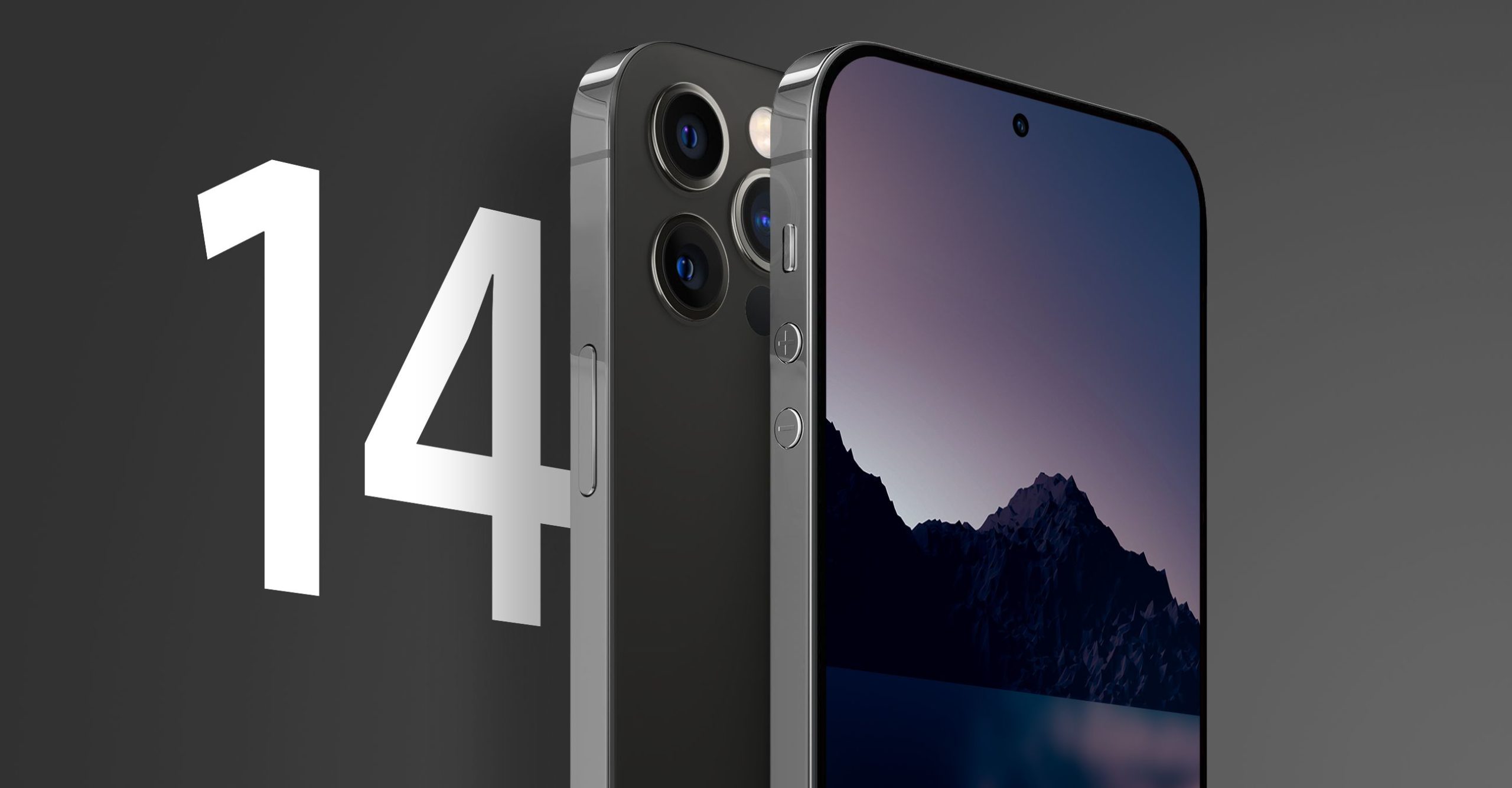
  • iPhone 14 Pro Max price down 24%

    iPhone 14 Pro Max price down 24%

    After 10 months of being sold in Vietnam, iPhone 14 Pro Max has seen its selling price fall by 24% to VND25.7 million (US$1,089).

    In early August, some Apple authorized resellers (AARs) in Vietnam lowered the price of iPhone 14 Pro Max to less than VND26 million, the lowest since its launch in October 2022.

    Di Dong Viet is selling iPhone 14 Pro Max for VND25.7 million, Hoang Ha Mobile for VND25.9 million, CellphoneS and FPT Shop for VND26.4 million, and The Gioi Di Dong (Mobile World) for VND26.7 million.

    The current price of iPhone 14 Pro Max at AARs is some VND5 million lower than the smartphone sold at Apple Store Online Vietnam.

    Phung Phuong, a manager of Di Dong Viet, said the price decline stemmed from both Apple’s assistance given to AARs and their own efforts.

    Besides iPhone 14 Pro Max, other models of Apple have seen selling prices drop by VND300,000-500,000 per unit. The prices of iPhone 14, iPhone 14 Plus, and iPhone 14 Pro currently are at least VND18.5 million, VND21 million and VND23.6 million, respectively.

    The manager of a big AAR said the prices of iPhone 14 models have decreased the most drastically.

    After 10 months of being sold in Vietnam, the price of iPhone 13 Pro Max declined by 15.7% to VND26.9 million from VND31.9 million.

    The third quarter is always a quiet period for the market as users wait for a new model of iPhone, usually launched in September and sold in October in Vietnam.

    However, this year the price competition has become more intense, forcing AARs to offer big discounts to attract users.

    “This may be the bottom price of iPhone 14 Pro Max, and the price race is showing signs of ending,” a manager of Hoang Ha Mobile said.

    In addition to smartphones, AARs have lowered selling prices of other Apple products by VND0.5-1 million per unit to lure customers before the new school year starts in September.

    This year, AARs in Vietnam not only compete with each other but also with Apple when its online store is offering students many incentives and promotions.

  • iPhone 14 users report battery degradation after less than a year of usage

    iPhone 14 users report battery degradation after less than a year of usage

    A full year hasn’t passed since the iPhone 14 hit the stores (it went on sale on September 16, 2022), but users are already reporting an issue with the battery.

    Complaints about battery degradation are stacking up on social media. While complaints against tech giant products are not something we’ve never seen before, some users are reporting numbers south of 90% on the battery health status of an 11-month-old phone.

    But the level of degradation reported online may be within the limits and specifications expected out of an iPhone’s battery. Battery performance is not constant and it sure changes over time, especially with heavy usage or when exposing the phone to high temperatures. Still, iPhone 14 users appear unhappy with their phones’ battery health.

    Sam Kohl from AppleTrack is one of those unlucky users that experienced the degraded battery phenomenon first handedly. In a tweet, he presents a screenshot from his own device that shows the battery health status to be 90%. “I’ve had my iPhone 14 Pro for LESS than a year…this is actually unacceptable”, he says and ends the disclosure with an angry face emoji.Some iPhone 14 users are reporting even worse battery health scores than that – in the 87% area. “Battery capacity is very annoying. It has become impossible to use the same iPhone for 2 years without changing the battery”, observe annoyed iPhone owners. Other commenters, on the contrary, enjoy 99% and 100% figures: “Well, mine is still at 100 %. So I don’t know what’s the issue with yours. And well, I use only original Apple products like charging cables. They may be more expensive but don’t damage your hardware”.

    Here’s what Apple themselves have to say on the battery performance topic:

    Think of one charge cycle as fully charging and discharging your phone once (though not necessarily in one go). If 500 complete charge cycles result in a capacity of at least 80%, it’s not too far-fetched to expect that 250 cycles should get you at 90% or more. A user who bought their iPhone 14 on release day and has charged it every night since then may be at 320 cycles already, as of this writing. And an iPhone battery at 90% health after 320 cycles is actually performing within specs.

    Another factor that shortens battery health is exposure to high temperatures (like leaving a phone in a car on a hot summer day). With summer being unusually hot in many parts of the world, it’s not impossible to have that play a role as well. Apart from that, lithium-ion batteries chemically age: the amount of charge they can hold diminishes, resulting in shorter amounts of time before a device needs to be recharged.

    Whatever the reason behind these numerous battery-related issues, the unfortunate owners of underperforming iPhone 14 phones could soon be faced with the choice of either getting a battery replacement or… yes, switching to the iPhone 15, which is to debut in September.

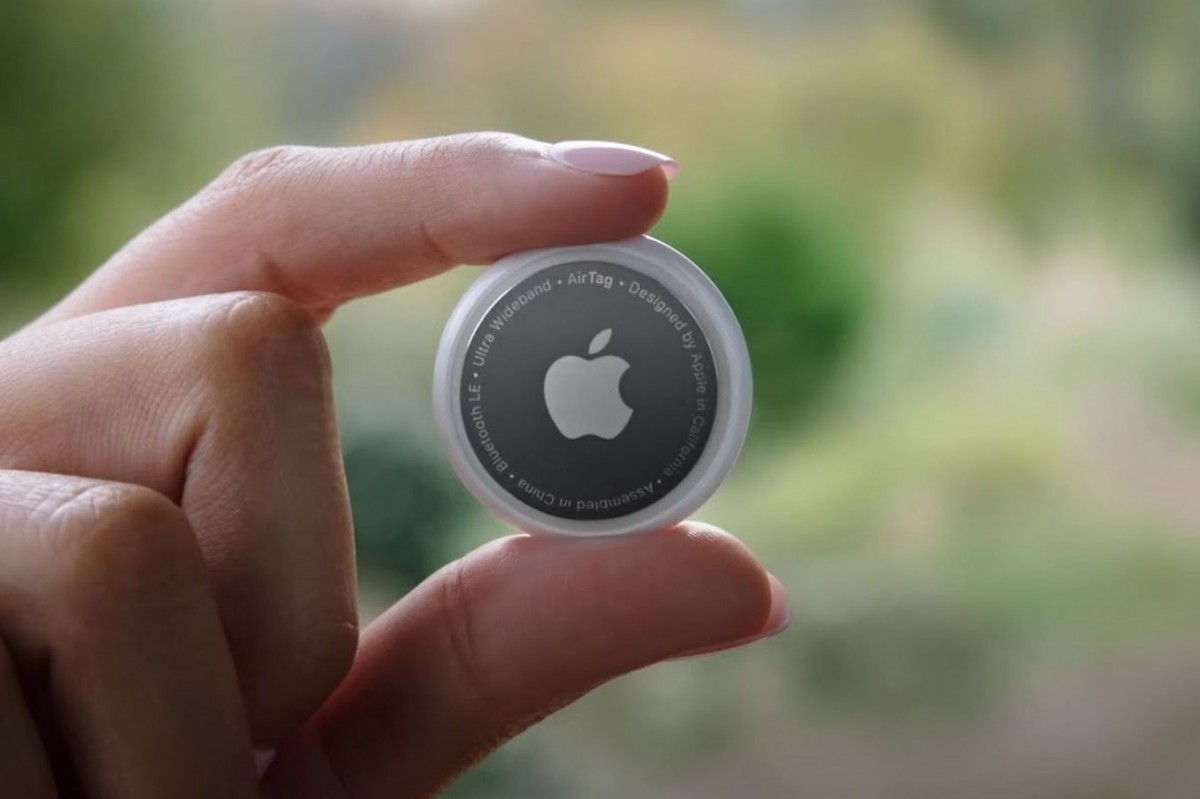
  • Apple is working on an AirTag 2

    Apple is working on an AirTag 2

    Commercially released more than two years ago, the AirTag tracking device is probably the least discussed product in Apple’s current portfolio, especially if you choose to ignore news stories and reports tackling various security issues and privacy concerns among both existing users and prospective buyers waiting for some “fix.”

    While it’s unclear if the AirTag stalking problem will ever be resolved (or even if it can be resolved satisfactorily), Apple is believed to be working on a sequel to the original 2021 edition that could see daylight as early as late 2024.
    That’s… still pretty distant, leaving a lot of room for a change of plans (or ten), and of course, today’s AirTag 2 information doesn’t come from an official source either. Ming-Chi Kuo’s new “prediction” of a “4Q24” mass production start doesn’t even seem particularly firm, and although the reputable analyst’s inside sources are more often than not right on the money, this rumor feels like a guesstimate first and foremost based on the OG AirTag’s sales figures so far.

    These are obviously not part of the public domain, but Kuo has reason to believe they’ve proven strong enough over the last year or so to justify the development of a second generation.

    Because the AirTag 2 is likely to go on sale either during the final calendar quarter of next year or sometime in the opening quarter of 2025, it’s virtually impossible to make any confident predictions regarding its specific features, capabilities, and potential upgrades over the first generation.
    For what it’s worth, Ming-Chi Kuo also “believes” (which sounds like another hunch rather than concrete info gathered from supply chain insiders) that the AirTag 2 will be used (alongside other devices) by Apple to create a new spatial computing “ecosystem” with the Vision Pro headset at its center.
    No, we’re not entirely sure exactly what that means either, but it’s safe to assume that the AirTag 2 will be deeply “integrated” and closely coordinated with the Vision Pro… whenever both products actually become available for the masses.
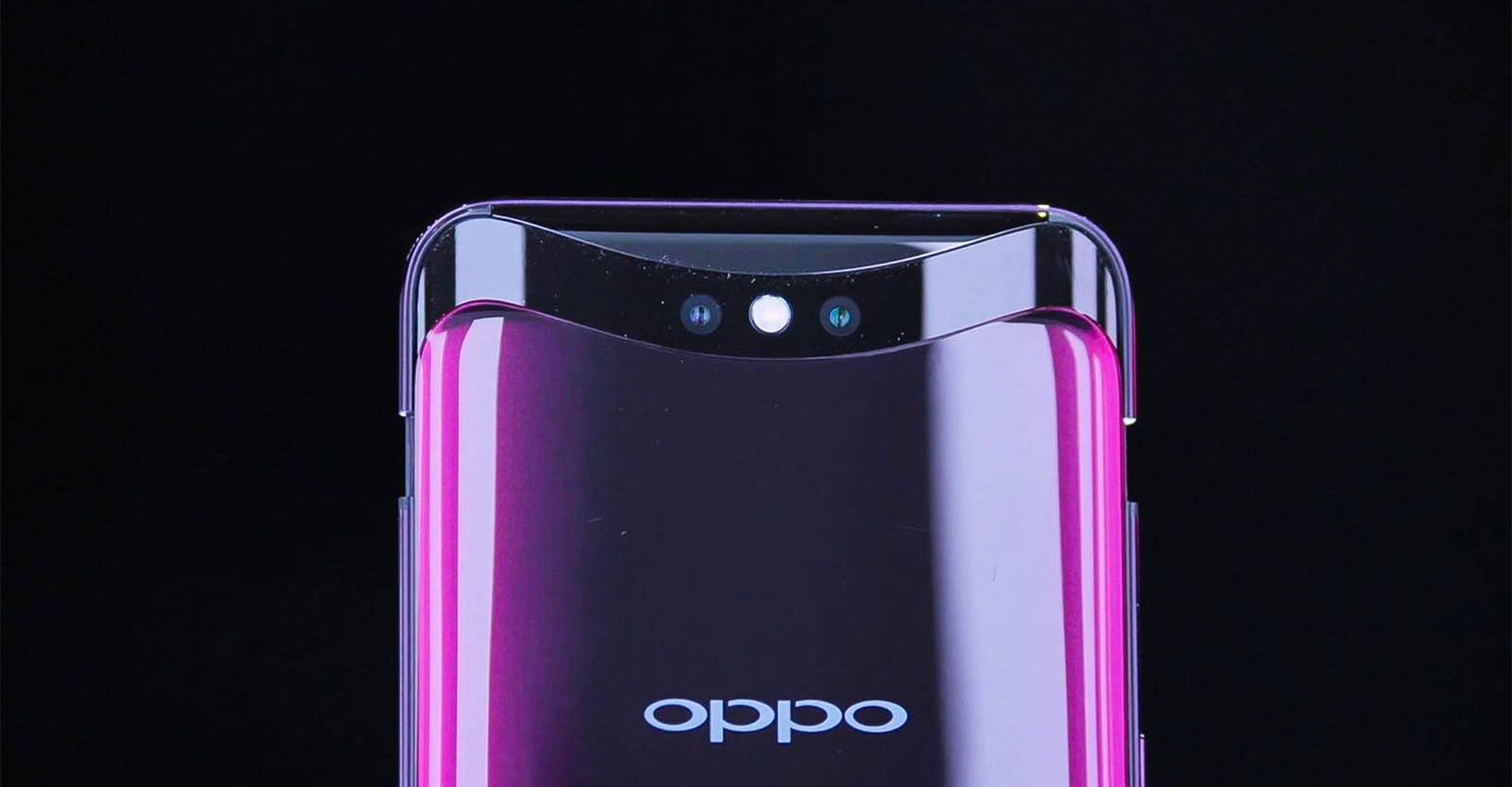
  • OPPO to exit France as distributor ceases operation

    OPPO to exit France as distributor ceases operation

    2023 has been a steep slalom for OPPO in Europe. In late March there were rumors that OPPO will leave four EU states, then the company denied this. Some four months later, OPPO might be leaving France for real.

    A report from SamMobile references an article from French outlet Frandroid: Yang Technology, the exclusive distributor of OPPO in France, announced that “it will cease its activities”.

    Earlier this year tipster Max Jambor tweeted that both OPPO and OnePlus are to withdraw from the following European countries: Netherlands, France, UK and Germany. An immediately issued statement by a OnePlus official refuted the tipster’s info and noted that “OPPO and OnePlus are committed to all the existing European markets”.

    Then came May, when it was reported that the German OPPO website was still live, but had turned into a ‘ghost town’ with no new posts, information or updates. That’s on par with the fact that the OnePlus 11 did not launch in Germany because of a patent dispute between Nokia and OnePlus.

    The beef between OPPO and Nokia was taken to court, where the Chinese brand actually won. A judge in the Paris Court of Justice has ruled that Nokia’s patents are considered “invalid” due to a “lack of novelty”. The trial at first instance has been won by OPPO, but most probably Nokia will appeal this Paris decision. Nevertheless, OPPO has decided to take a step back and apparently cut ties with France, while staying ‘on hold’ in Germany.

    It’s been awfully quiet on OPPO’s social media in France and their Instagram account. The brand used to share a minimum of three posts per week, but for the last 9 weeks, the sum is… zero. Social media activity is not a serious activity criterion, but it’s not to be underestimated in light of recent events

    This new state of affairs means that it will soon no longer be possible for people in France to buy OPPO smartphones straight from the official distributor, but instead will have to rely on resellers. However, there’s a statement from OPPO that their users in France will be able to access after-sales services and receive future OS updates.

  • Samsung and Microsoft team up to offer improved phone security for enterprises

    Samsung and Microsoft team up to offer improved phone security for enterprises

    Samsung and Microsoft have just announced they signed a strategic partnership to enhance phone security for business customers. The new solution is called “device attestation” and it’s supposed to ensure a device’s identity and health, verifying that it has not been compromised.

    Device attestation is now available on Samsung Galaxy devices and combined with protection from Microsoft Intune to add enhanced security and flexibility. Aimed at enterprises, the new solution is an extra layer of protection against compromised devices falsely claiming to be known and healthy, gaining access to sensitive corporate data.

    According to Samsung, device attestation is supported on select Galaxy smartphones and tablets, including “Security by Knox” devices with Android 10 or later. The company also notes that in order to be eligible for the solution, devices must have run Android 9 or later at the time of launch.

    “Samsung is committed to meaningful innovations that are as secure as they are versatile and optimized. As work habits evolve and people are working from virtually anywhere on any device, we are paving the way for the future of enterprise device security and democratizing the means for businesses to better protect their information,” said KC Choi, EVP and Head of Global Mobile B2B Team, MX Business at Samsung Electronics.

    Last but not least, the solution provided by the two giants works on both managed and unmanaged devices regardless of ownership. This is unusual since traditional device attestation mainly works on managed devices because it is server-based and requires network connectivity.

    Since this is a mobile hardware-backed attestation, enterprises will be able to verify a device’s integrity and allow access to the corporate system whether it’s managed or unmanaged. Furthermore, the user experience is also streamlined to make it easier for employees to bring their personal devices to work and safely access the corporate system without extra security steps.

  • Apple releases iOS 16.6 to patch several software flaws some of which have been actively exploited

    Apple releases iOS 16.6 to patch several software flaws some of which have been actively exploited

    Apple has released iOS 16.6 for the iPhone and iPadOS 16.6 for, well, the iPad. The updates will patch several vulnerabilities including one that impacts the Apple Neural Engine. The latter delivers on-device natural language processing and image analysis faster and with more energy efficiency than the CPU or GPU. Apple says that an app might be able to  execute arbitrary code with kernel privileges which means an attacker could run any command on a targeted iPhone or iPad.

    This patch is heading to iPhone 8 and later, iPad Pro (3rd generation) and later, iPad Air (3rd generation) and later, and iPad mini (5th generation). A vulnerability on the Find My app could allow sensitive location information to be divulged via an app. This patch will be available to the iPhone 8 and later, iPad Pro (all models), iPad Air 3rd generation and later, iPad 5th generation and later, and iPad mini 5th generation and later.

    Several patches for the Kernel are part of the update. This is the core part of an operating system. With one flaw, Apple says it is aware of reports that the vulnerability has been actively exploited on versions of iOS released before iOS 15.7.1. With this vulnerability, “an app may be able to modify sensitive kernel state” allowing the attackers to manipulate how the operating system runs.

    Other possible attacks against the iOS and iPadOS kernels listed by Apple include one that could allow the attackers to elevate privileges giving them the ability to do more than standard users. Another flaw could lead to a denial-of-service attack that could prevent users from accessing the features and apps they want to use. And another vulnerability can give an attacker root privileges. This could allow an attacker to create a backdoor, add a trojan, or delete any information on an iPhone or iPad.
    There are two vulnerabilities listed for the WebKit browser engine including one that has been actively exploited according to reports that Apple has become aware of. With these security issues, it is a good idea to install the update now. Go to Settings > General > Software Update and follow the directions. Other updates available today include watchOS 9.6, macOS 13.5, and tvOS 16.6.
  • China’s Xiaomi bets bigger on India retail stores amid Samsung rivalry

    China’s Xiaomi bets bigger on India retail stores amid Samsung rivalry

    China’s Xiaomi 1810.HK will focus on boosting its India sales from retail outlets after years of big bets on e-commerce, its India president said, as the company seeks to revive smartphone sales after falling behind South Korea’s Samsung 005930.KS.

    E-commerce sales in India via Amazon AMZN.O and Walmart’s WMT.N Flipkart have surged in recent years, helping Xiaomi and others expand in one of the world’s fastest-growing markets, with 600 million smartphone users.

    But while 44% of India’s smartphone sales are now online, the brick-and-mortar segment remains the bigger play and Xiaomi expects it to grow further.

    “Our market position in offline is substantially lower than what it is online,” Xiaomi’s India head, Muralikrishnan B., said in an interview on Friday. “Offline is where you have other competitors who have been executing fairly well and have a larger market share.”

    Just 34% of Xiaomi’s India unit sales this year have come from retail stores, with the rest through websites that have long been its dominant sales generator, data from Hong Kong-based Counterpoint Research shows. Samsung, in contrast, gets 57% of its sales from stores.

    Xiaomi plans to expand its store network beyond the current 18,000 and increasingly partner with phone vendors to offer other products, such as Xiaomi TVs or security cameras, where Muralikrishnan said competition is less intense.

    He said Xiaomi found some partner stores that put its bright orange branding outside shops were displaying rival brands more prominently inside, a marketing issue the company would address.

    Xiaomi’s offline push comes months after it lost its leadership position to Samsung, which had a much bigger portfolio of premium phones now in vogue. The South Korean giant has a 20% market share in India, while Xiaomi, which historically focussed on budget phones, has 16%.

    “Offline remains a key platform as India embraces the premiumization trend,” said Counterpoint analyst Tarun Pathak. “Consumers spending more would like to have the look and feel of the premium product.”

    Xiaomi plans to hire more store promoters – salespeople who lure, pitch and sell phones to prospective buyers inside outlets. It targets tripling the count to 12,000 promoters by the end of next year from early 2023 levels, Muralikrishnan said.

    Another significant India challenge for Xiaomi is a federal agency’s $673 million freeze on its bank assets since last year. The agency alleges Xiaomi made illegal remittances to foreign entities in the name of royalties. The company denies wrongdoing.

    “We’ll continue to be confident … that ultimately our position will be heard and validated,” Muralikrishnan said.

  • Android phones will soon try to entice users to install the latest update

    Android phones will soon try to entice users to install the latest update

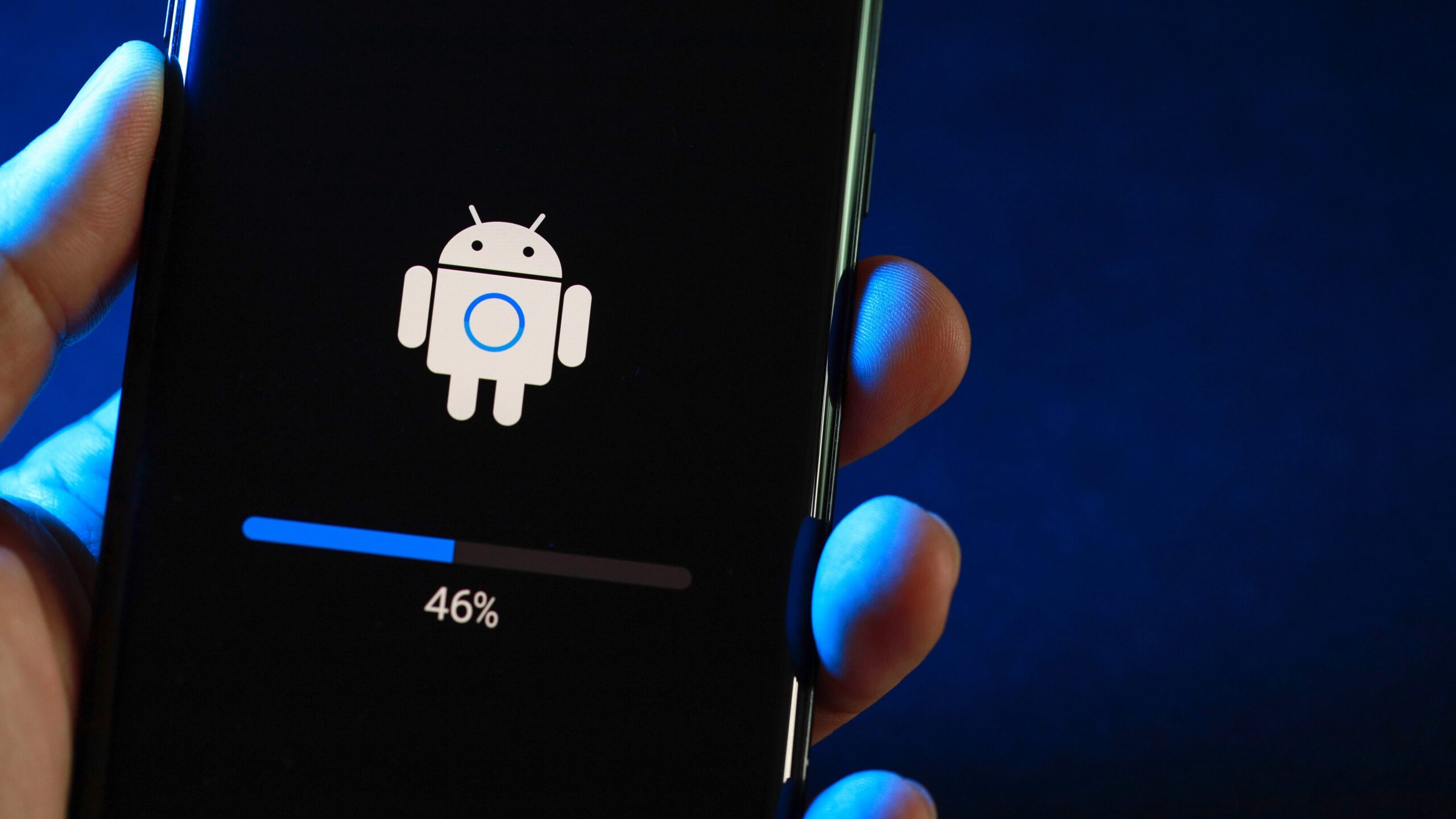
    Google really wants you to install the latest Android update whenever it is released. While the company can’t twist your arm, Google is asking Android phone manufacturers to add a new feature called Android Upgrade Invite to their phones. Google says that the Android Upgrade Invitation is a “user flow that showcases the key new features included in the current available major Android OS upgrade.” It is “intended to help convince users to upgrade their device to the latest OS version.”

    As noted, the invitation can be tapped on by Android users to show them the new features and capabilities they will receive by upgrading to a new version of Android. The update can even be installed from the flow. The user flow is the path taken by an app user to complete a task such as the steps taken on an app to complete the purchase of a product. In this case, the task is to get an Android user to install the latest version of the platform.

    The invitation can be sent out automatically when a major update is detected (available on Android devices that use Google’s OTA ‘over the air’ update services and have Google Mobile Services). Or, the invitation can be sent out manually by the manufacturer. The manufacturers will have the ability to remove features from the user flow that are not offered on their Android skin, change the text if necessary, and modify the animations and colors to match their branding.
    We really can’t say how much the Android Upgrade Invite will change the fragmented world of Android updates. As of May 30th, the latest stable version of Android, Android 13, was on only 14.7% of active Android devices. But this low number has more to do with the various number of Android manufacturers and devices that can be purchased in the marketplace. On the other hand, by reminding some Android users who might not be as knowledgeable about the platform that an update is available, the feature could hike the percentage of users running the latest build.
    One thing that the Android Upgrade Invite will do is give more users a better idea of what they can expect when installing the update instead of trying to decipher a changelist provided by Google.
  • Alleged Foxconn employee reveals three possible colors for non-Pro iPhone 15 line

    Alleged Foxconn employee reveals three possible colors for non-Pro iPhone 15 line

    The possible Foxconn employee’s Weibo post, when translated, says “Our workshop is a 15 ordinary model with an extra Green, light Yellow, and Pink to make it look better and a c port  is added to the smart island.” The post seems to have lost something in translation, but we can assume that what the post says is that Foxconn is working on the iPhone 15 in additional Green, light Yellow, and Pink. Two new features are observed on the upcoming basic iPhone model, the USB-C port and the Dynamic Island.
    Foxconn is the contract manufacturer hired by Apple to assemble many of its devices including some iPhone models. Several leaks about upcoming Apple devices are supposedly leaked by employees working with such contract manufacturers as they might know intimate details of these devices seeing as their job is to assemble them all day.
    We’ve seen plenty of rumors about possible colors for the iPhone 15 and iPhone 15 Pro models during the last few months and nearly all of them mention a Pink color option for the iPhone 15 and iPhone 15 Plus.
    Now that we’ve translated the Google Translation, let’s talk about some of the other new features coming to the non-Pro iPhone models this year. We can start with the 48MP image sensor that will back the Wide camera on both the iPhone 15 and iPhone 15 Plus. Both devices will also get a hand-me-down chipset as the 4nm (which is really an enhanced 5nm process node) A16 Bionic will be powering these units after driving the iPhone 14 Pro and iPhone 14 Pro Max. Larger batteries are also rumored to be onboard.
    The iPhone 15 Pro models will feature a titanium chassis, the 3nm A17 Bionic SoC (making them the only phones to use a 3nm chipset this year), larger batteries, and the aforementioned USB-C port. The iPhone 15 Pro Max should be equipped with a periscope lens making it the first iPhone ever to have this feature. Optical zoom on the unit will go from 3x to 5x-6x thanks to the periscope lens which will be exclusive to the top-of-the-line model.
    We expect the iPhone 15, iPhone 15 Plus, the iPhone 15 Pro, and the iPhone 15 Pro Max to be introduced in early September.
  • Wi-Fi is old school; get ready for faster, more secure Li-Fi

    Wi-Fi is old school; get ready for faster, more secure Li-Fi

    Wi-Fi might be on the way out even though Wi-Fi 7 is on the way in. The IEEE standards body that oversees Wi-Fi has released the IEEE 802.11bb light communications standard that will cover the emerging Li-Fi technology. Instead of using wireless network signals, Li-Fi uses invisible (to the human eye, anyway) infrared light to deliver light-based wireless optical connectivity at speeds up to 100 times faster than Wi-Fi.
    Light can deliver signals free of radio interference and Li-Fi already has a competing standard, the International Telecommunication Union’s G.9991. The Verge notes that this standard is used with data-beaming bulbs from Signify. Another company called pureLiFi released the Light Antenna One system in February which already meets 802.11bb standards. This is a module that could fit into smartphones and the manufacturer claims that it can deliver data speeds exceeding 1Gbps.
    However, Light Antenna One is rated to communicate with devices less than 10 feet away and when transmitting back it has only a 24-degree field of view. Still, the manufacturer of the Light Antenna One says that it is ready “to enable mass integration of Li-Fi for the first time.” Despite the 1Gbps claim from pureLiFi, download data speeds for Li-Fi are said to be as high as 224Gbps which tops the average 40Gbps download speed expected for Wi-Fi 7.
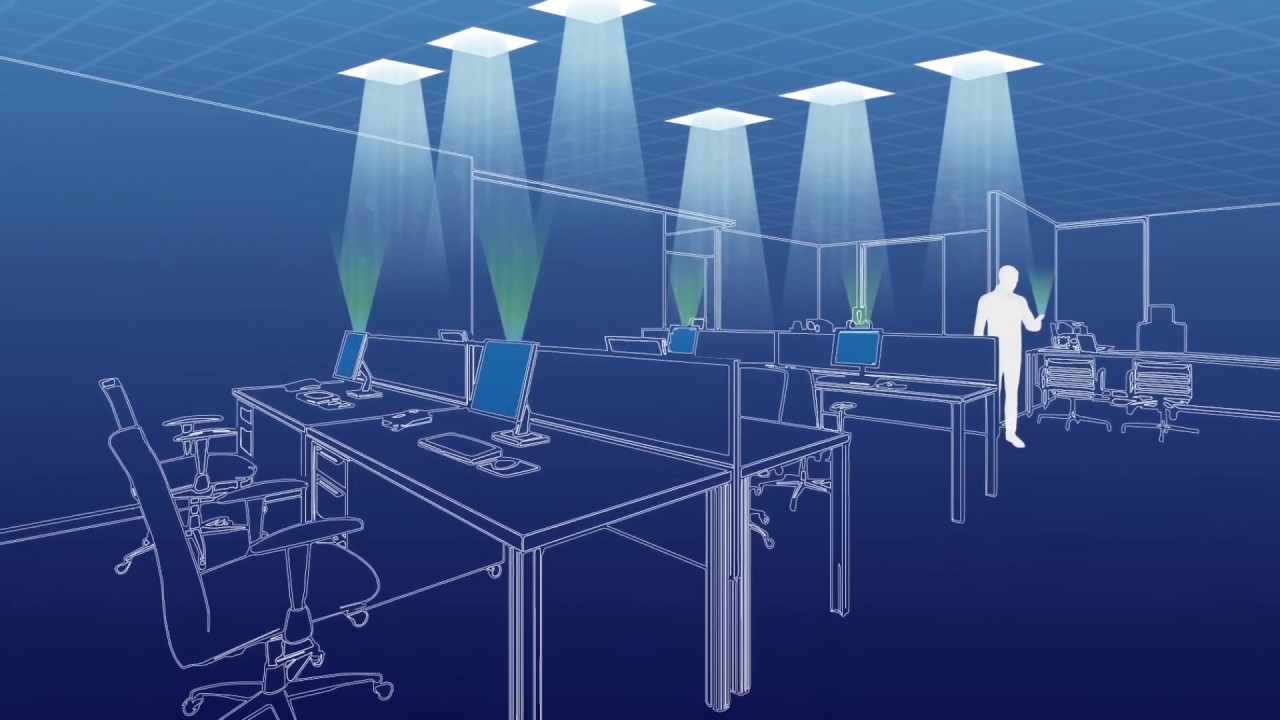
    Some of the advantages of Li-Fi includes better security as signals are less likely to leak through walls. Li-Fi transmitters can be easily installed in light fixtures used in offices, and Li-Fi’s higher data speeds certainly would deliver the fast connectivity that Augmented Reality, Virtual Reality, and gaming devices could benefit from. And besides the faster download speeds, Li-Fi promises to deliver low latencies.
    This is just the beginning of Li-Fi and in a few years, we might be talking about the technology with the same familiarity we use when talking about Wi-Fi.
  • iPad Air with boosted specs is apparently right around the corner

    iPad Air with boosted specs is apparently right around the corner

    The current iPad Air came out in March 2022 and Apple is already contemplating a new model for this year, per Bloomberg journalist Mark Gurman.
    In the latest edition of his weekly Power On newsletter, Gurman says that Apple could announce the first Mac computers with the rumored M3 chip in October. He thinks Apple could reveal a new iMac, 13-inch MacBook Air, and 13-inch MacBook Pro in October.
    He also says that Apple is working on a new iPad Air model. He didn’t go into the specifics and only revealed that the model could feature boosted specs. He had previously said that the spec bump would be minor.
    The iPad Air 2022 has a 10.9 inches LCD screen, the M1 chip, and single main and front-facing cameras.
    If we were to speculate, we’d say that the new iPad Air will have the M2 chip that powers the iPad Pros and maybe a Thunderbolt port.

    Gurman has also said that Apple is unlikely to reveal new iPad Pros this year. Instead, the next iteration will probably arrive next year. The 2024 iPad Pros are rumored to have OLED displays and will allegedly be powered by the M3 chip.

    As for the M3 chip, it will be based on TSMC’s 3nm process, which would make it more powerful and power efficient than the M2, which is already insanely fast. The fabrication process allows for a higher-density chip, enabling manufacturers to fit more cores into a processor.
    It’s not clear whether these October products will be announced through a press release or if Apple will hold a dedicated event for them.
    Before that, in September, the company is expected to reveal the next crop of iPhones: iPhone 15, 15 Plus, 15 Pro, and 15 Pro Max. Like the M3 chip, the Pro model’s A17 chip will also be manufactured on the 3nm node.
  • Apple paying TSMC special rate for 3nm A17 Bionic

    Apple paying TSMC special rate for 3nm A17 Bionic

    TSMC’s yield rate on its 3nm production is said to be at 55%. At that rate, a bit less than half of the silicon wafers used to produce Apple’s A17 Bionic and M3 chips are frisbees or extra-large drink coasters. Remember, the iPhone 15 Pro and iPhone 15 Pro Max will be the only smartphones powered by a 3nm chipset this year due to the high price of the wafers.
    But Apple reportedly has worked out a deal with TSMC and will pay only for known good die rather than the $17,000 per wafer price. But Brett Simpson, senior analyst at Arete Research, provided EE Times with a report in which he said that once yields get to 70%, TSMC will put its most lucrative client back on standard wafer prices.
    Simpson wrote, “We think TSMC will move to normal wafer-based pricing on N3 with Apple during the first half of 2024, at around $16-17K average selling prices. At present, we believe N3 yields at TSMC for A17 and M3 processors are at around 55% [a healthy level at this stage in N3 development], and TSMC looks on schedule to boost yields by around 5+ points each quarter.”
    The report from Arete Research says that the A17 Bionic requires 82 mask layers and with a die size in the range of 100-110 square mm, each wafer can yield 620 chips with a wafer cycle time of four months. That’s the time it takes a wafer lot (usually 25 wafers) to move from start to finish in a fab. The report added that the M3 chip is likely to be around 135-150 mm square die size and yield up to 450 chips per wafer.

    The first generation 3nm chips from the foundry are using the N3B process node for the A17 Bionic. In 2024, Apple might switch to the N3E node for the A17 Bionic which will have lower production costs and higher yields. The only downside, according to one tipster, is that it supposedly delivers less of a performance increase than the N3B node delivers.

    This is a rumor, but even so, it isn’t clear whether Apple would stick with the N3B node to manufacture the A17 Bionic and M3, or switch to the less-expensive but slightly less impressive N3E node. If Apple decides to go with the N3E node, you might see prospective iPhone 15 Pro and iPhone 15 Pro Max buyers trying to figure out which variant of the A17 Bionic SoC is inside the phone they are about to buy.
    TSMC CEO C.C. Wei said during a conference call with analysts, “Our 3-nm technology is the first in the semiconductor industry to high-volume production with good yield. As our customers’ demand for N3 (3nm) exceeds our ability to supply, we expect N3 to be fully utilized in 2023, supported by both HPC and smartphone applications. Sizable N3 revenue contribution is expected to start in the third quarter, and N3 will contribute a mid-single–digit percentage of our total wafer revenue in 2023.”

    TSMC will start 2nm production in 2025

    Mehdi Hosseini, senior equity research analyst with Susquehanna International Group, says that in the battle between TSMC and Samsung Foundry, TSMC remains on top. “TSMC, in our view, remains the preferred foundry choice for leading-edge nodes as Samsung Foundry has yet to demonstrate a stable leading-edge process technology, all while IFS [Intel Foundry Services] is years away from offering a competitive solution,” he wrote.
    In the foundry business, you don’t get a second to look back at your accomplishments. TSMC says that N2 production will start in 2025. TSMC’s Wei states, “At N2, we are observing a high level of customer interest and engagement. Our 2-nm technology will be the most advanced semiconductor technology in the industry in both density and energy efficiency when it is introduced and will further extend our technology leadership well into the future.”
    The recent chip inventory correction has been worse than TSMC expected and the company said that it might report a drop in annual revenue (for 2023) which would be the first drop in a decade. The average inventory holdings for TSMC’s fabless clients (chip designers that don’t own a factory and turn to TSMC to make their chips) is 92 days. During Q4 of 2022, Nvidia had over 200 days of inventory with Marvell around 180 days and Qualcomm with about 160 days of inventory.
  • Intel to pour more investment in Vietnam

    Intel to pour more investment in Vietnam

    Intel Corporation will continue to invest in Vietnam, Kim Huat Ooi, Vice President in Manufacturing, Supply Chain and Operations, and General Manager of Intel Products Vietnam told Tuoi Tre (Youth) Newspaper.

    The year 2022 has affirmed the importance of Vietnam to the U.S. semiconductor giant and vice versa, he said, adding that these performance and efficiency results underpin the need to inject more capital into the Southeast Asian country.

    By the end of 2021, the Intel Corporation had injected a total of $1.5 billion in Vietnam and it wants to keep investing and that is certainly what Intel will do, he said.

    Intel Products Vietnam (IPV) is now the largest of the four factories in terms of assembly and testing, he noted.

    Regarding the possibility that IPV will be upgraded to participate in more stages of the chip production process, he said that their current plan is to focus on packaging and testing.

    To attract more investors, it is necessary for the Vietnamese government to review the current business support programmes, especially the preferential tax rates, he said, elaborating that other countries such as the Philippines, Malaysia and Indonesia are making similar moves.

    These countries and Vietnam have focused on using corporate income tax programmes to support and attract investors. He cited the U.S. and European chip laws that have been approved as typical examples.

    The modernisation of incentive programmes to support businesses will be an essential action that the Government of Vietnam needs to adopt to assist businesses, along with the advantages of labour costs and political stability.

    According to Kim, the number of foreign companies in the Southeast Asian country will increase in the future. He also highlighted the necessity of solving such problems as government incentives and streamlining administrative procedures.

    The current model that businesses are moving towards must be resilient and geographically balanced, he added.

  • Vision Pro’ will not immediately impact Apple

    Vision Pro’ will not immediately impact Apple

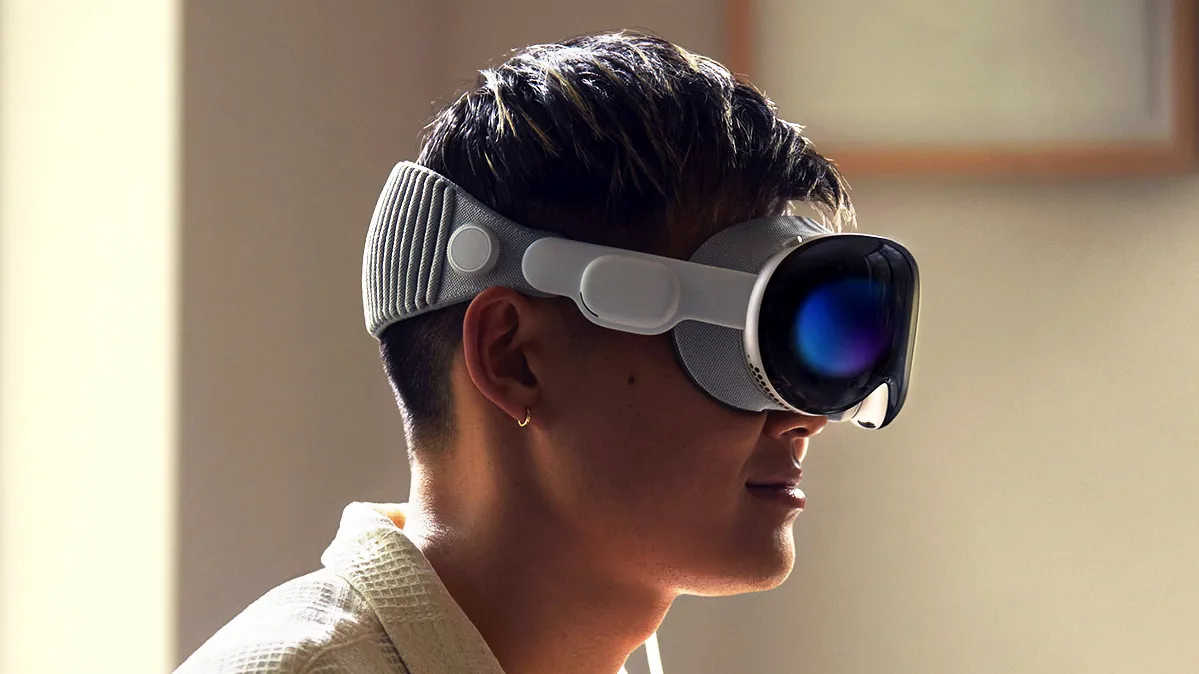
    Last month Apple unveiled its Vision Pro spatial computer and before the video of the new device was streamed to the world, many started to compare the introduction of the mixed reality device to that day in January 2007 when Steve Jobs masterfully hosted the introduction of the iPhone. Like the iPhone, the Vision Pro isn’t creating a new product category but is taking the category to a previously unseen level.
    But when it comes to the impact that Vision Pro will have on the world and Apple, that’s where the comparisons end. At least for now. The latest edition of Power On from Bloomberg’s Mark Gurman takes a look at some of Apple’s hit products and how they affected Apple’s overall revenue. For example, the iPod was launched in 2001 and by 2004, it was accounting for 16% of the company’s top line. By the time the iPhone was announced in 2007, the iPod was bringing in $8 billion a year which worked out to 40% of Apple’s gross.
    As Gurman notes, the iPhone, despite being an AT&T exclusive, still sold 10 million units during its first full year and the device contributed a third of Apple’s revenue by 2009. The iPad immediately contributed 18% of Apple’s gross in 2011, the year following the tablet’s initial launch. And the Apple Watch, which started life available in only 9 countries, is now part of a business segment that includes the AirPods and other products and brings about $40 billion into Apple’s coffers annually.
    And as far as the impact on society, nothing can touch the immediate response to the iPhone. The smartphone quickly became the most indispensable tech tool in the world. But the Vision Pro is a much different animal. While the iPhone was first considered pricey when it was introduced, the Vision Pro starts at a whopping $3,499. And while the Vision Pro offers some cool features, most of the applications it delivers can be found on the iPhone.
    Sure, Vision Pro gives you options to manipulate the environment and/or the datat you’re viewing but you’re paying a heavy price, and not just financially. The battery lasts only a couple of hours and unless you want to carry extra battery packs with you, Apple’s spatial computer is not yet ready, not even close, to replacing the iPhone.
    That’s not to say that the Vision Pro won’t sell. The original plans called for more than a million units to be sold in the first year. But the Financial Times recently reported that Apple isn’t pleased with the low yields Sony has had producing the micro-OLED displays for the product. Other production issues will limit the number of Vision Pro units assembled in the first year to 400,000 which means that the product will be hard to find.
    While Apple is reportedly working on a lower-priced spatial computer that might not have all of the features that the Vision Pro offers, I have to agree with Bloomberg’s Gurman when he says that most consumers will stick with their iPhone until Apple can reduce the Vision Pro to the size of a pair of glasses. Almost everybody who watches the tech world either as a writer or consumer has assumed that the next big thing for Apple after the iPhone would be a pair of glasses that would offer the features and functionality of the iPhone, but worn on the user’s face.
    Again, a product like AR smart glasses has always been assumed to be the endgame for Apple and not much has changed even with the appearance of the Vision Pro. Check out the AR features of the headset and the way the app icons appear and are selected with a look. TF International analyst Ming-Chi Kuo says not to expect Apple to release AR glasses until 2026-2027 at the earliest. That timeline might be too ambitious but Apple has taken the first step with this new device. Just don’t expect the Vision Pro to have the same impact on Apple and society as the iPhone.
  • Samsung reportedly delays its extended reality device up to six months because of Apple

    Samsung reportedly delays its extended reality device up to six months because of Apple

    Samsung has delayed production of its mixed reality AR/VR headset until sometime in the middle of 2024. And you can put the blame for the delay squarely on Apple and its Vision Pro AR/VR headset, uh, excuse me, spatial computer. An internal Samsung memo cited by SBS Biz says, “…we decided to review all internal specifications and performance, such as the design and panel of the new XR (extended reality) product.”
    So why is Samsung taking its mixed-reality headset back to the drawing board? Apparently, Sammy was so impressed by Apple’s Vision Pro presentation at WWDC that it decided that some design changes and other revisions were in order. Among the changes that Samsung is expected to make include the addition of higher resolution displays and the use of faster chips to improve performance. Samsung plans on equipping the device with a Snapdragon chip and Google is developing the operating system which will most likely be based on Android.
    Samsung has reportedly informed its panel suppliers of the delay. Originally, test production of the headset was to start at the end of this year with mass production of Samsung’s XR device scheduled to start in early 2024. Now we are looking at a three to six-month delay that could result in mass production of the product starting around the middle of this year.
    The delay does prove that Samsung’s target here is Apple and its $3499 Vision Pro, not Meta and the upcoming Quest 3. Samsung’s decision to revise its XR device to make it even better might not only have to do with what Samsung saw in the Vision Pro preview but could also be a decision based on the trouble Apple is having producing the Vision Pro. Where Apple originally hoped to build one million units of the device this year, the actual number of units produced could be under 400,000 according to a recent Financial Times report.
    This shortfall might give Samsung an incentive to design a device that is more likely to compete against the Vision Pro and satisfy early adapters who won’t be able to find the Vision Pro after its release. Based on the report out of South Korea, it seems that even Samsung believes that the only way it can compete with Apple’s spatial computer is to improve its own product before it is released.