Category: Electronics

Retail News Asia is committed to providing both local and global retailers with the latest Electronics news throughout the Asian market. This on a daily base.

  • Xiaomi patents an all edge curved screen phone

    Xiaomi patents an all edge curved screen phone

    Some trends in the tech world just don’t want to fade away, and one of those is the endless desire to curve screen edges. It all started with the Galaxy Note Edge in 2014, but it wasn’t until the Samsung Galaxy S6 Edge that the trend gained popularity.

    With time, however, curved displays started feeling more like a cumbersome gimmick than the beautiful innovation it was meant to be and its flame dwindled in the wind of progress. In recent years, the feature has boiled down to just a slight curve in flagship devices.

    Having said that, it would seem some mobile phone manufacturers out there are trying to light the fire once again. In February this year, Xiaomi patented a design with an 88˚ curved screen, covering almost everything besides the edges and the back. Now the company pushes the idea of the curved display even further to the extreme.

    The new patent envisions a waterfall display that envelops all four sides including the edges, which is much more difficult to achieve. The additional screen real estate could probably be used for displaying notifications, battery status, or other general information. There is also a possibility that pressure sensitivity could be added for additional functionality thanks to the whole lack of buttons thing.

    As the patent shows, Xiaomi has not only stretched the screen to hug all of the device’s front but has also removed all ports and buttons on the sides. What’s more, you won’t find any camera cutouts or notches to disrupt the beautiful flawlessness of the panel.

    How will you take selfies, you ask? Well, Xiaomi is one of the first to start experimenting with under-display cameras and has reached its third variation of that technology. The company is expected to release the Xiaomi Mi Mix 4 this year, which is rumored to have one.

    The back of the patеnted phone also features a peculiar design. We can see the large cutout for the camera, but there is also one right below it that doesn’t portray any clear purpose.

    Nevertheless, it is doubtful that such extreme designs will come back in fashion. They are not practical in more ways than one, and users seem to have lost interest in them. On the other hand, the idea of port- and buttonless mobile devices is starting to creep up, and it might not be too long until it becomes the new mainstream approach.
  • Oppo may enter the gaming smartphone market

    Oppo may enter the gaming smartphone market

    Asian handset manufacturers like to be in the front lines when it comes to new technology, so it’s no wonder that many of them have already jumped on the mobile gaming bandwagon. What’s surprising is that there are still brands that haven’t yet entered the gaming smartphone market, even though it’s still considered a niche category.

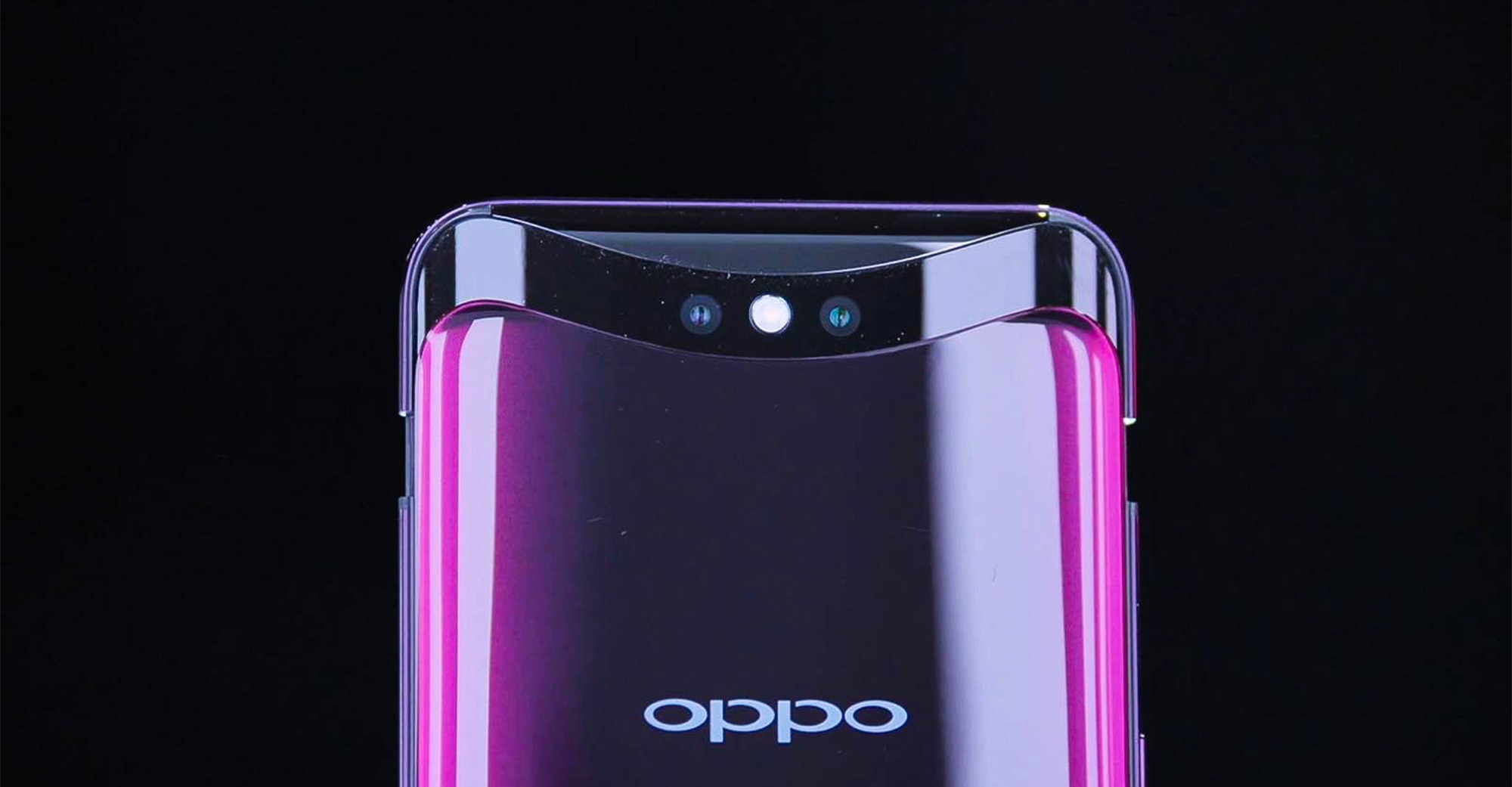
    In any case, we’ve just learned that at least one of the companies that hasn’t yet launched a gaming smartphone is about to join the fray, Oppo. The Chinese company is working on a gaming smartphone that strongly resembles the Asus ROG Phone 5.

    The phone was spotted on the European Union Intellectual Property Office (EUIPO), but apart from some renders, there’s really no information about the unannounced gaming smartphone.

    On the bright side, the pictures reveal quite a few things about the phone, such as the quad-camera setup, the bezel-less display, and the 3.5mm audio jack at the bottom. Although these images prove that the phone exists (even if just as a project), it’s not 100% certain that Oppo will go ahead with the launch. Time will tell whether or not Oppo will pick up the pace and join other brands that have already launched at least one gaming smartphone, such as Asus, Lenovo, Razer and Xiaomi.

  • Samsung to sell business that made a specific iPhone component

    Samsung to sell business that made a specific iPhone component

    Apple does depend on Samsung to supply it with certain iPhone components although Apple has made a point of trying to reduce its reliance on its rival over the last few years. But there is a business that Samsung plans on exiting over the next year forcing Apple to change the mix of suppliers for rigid-flexible printed circuit boards (RFPCB). According to TheElec, Samsung will provide Apple with only 30% of the RFPCB that will be used on this year’s iPhone 13 series.
    As a result of Samsung’s decision to stop production of the component in November, South Korea’s BH will deliver approximately 55% of the RFPCB ordered by Apple with Youngpoong Electronics expected to chip in roughly 15% of the total. In 2022, BH could be called on to supply Apple with 70% of its RFPCB needs with the remaining 30% coming from Youngpoong Electronics.
    The component is used to connect the main circuit board with the phone’s OLED panel. Being rigid and flexible might sound like a contradiction, but the combination helps companies like Apple more easily design their products. Compared to FPCB, RFPCB sends electric signals faster but is more expensive.
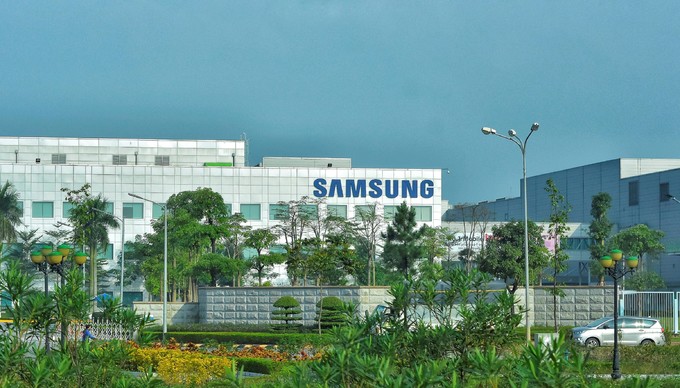
    Samsung’s RFPCB production facilities are located in Vietnam and the company could start the sales process in August. Samsung is apparently planning to sell the unit in two parts. The business has been losing 50 billion won ($44.2 million USD) a year. Samsung originally planned on disposing of the division last year but decided to keep production going for another year.
  • Details of new upper mid-range Samsung chip emerge

    Details of new upper mid-range Samsung chip emerge

    Samsung appears to be testing a midrange Exynos chipset. Dutch website Galaxy Club has reported the existence of a new chip with the model number S5E8825.

    The Exynos 2100 that fuels the Galaxy S21 is known by the model number S5E9840 and its successor, colloquially being referred to as the Exynos 2200, is apparently the S5E9925.

    Previously, leaker Ice Universe had said that Samsung would release three chips this year: a flagship Exynos 22xx SoC, a mid-tier 12xx processor, and an entry-level 8xx silicone. Judging by the model name, it seems that the newly discovered S5E8825 is a midrange chip that Samsung might call Exynos 1200. It looks like it will slot below the Exynos 2100.

    In the past, it was relatively easy to differentiate between premium and mid-range chips. The Exynos 990, which powered the Galaxy S20 series, was known as the S5E9830, and the Exynos 9820 that underpinned the Galaxy S10 series had the model number S5E9820. Mid-tier Galaxy A50’s Exynos 9610 had the model number S5E9610.

    Starting last year, Samsung stopped using its proprietary Mongoose cores and adopted Arm’s designs instead. That could be why it has slightly changed the model name nomenclature too as the models seem more aligned now.

    The Exynos 1200 will presumably succeed the Exynos 1080 – a 5nm mid-tier chip that was announced late last year. It seems to be in the advanced stages of development as it is allegedly undergoing extensive testing.

    The chip reportedly has a built-in 5G modem and per a separate report, it may come with an AMD GPU. If a recent report that doesn’t come from a verifiable source is to go by, this new processor could use Arm’s Cortex X1 as the main core.

    As good as that sounds, Samsung may not use the Exynos 1200 for its phones and instead sell it to Chinese smartphone makers, as was the case with the Exynos 1080.

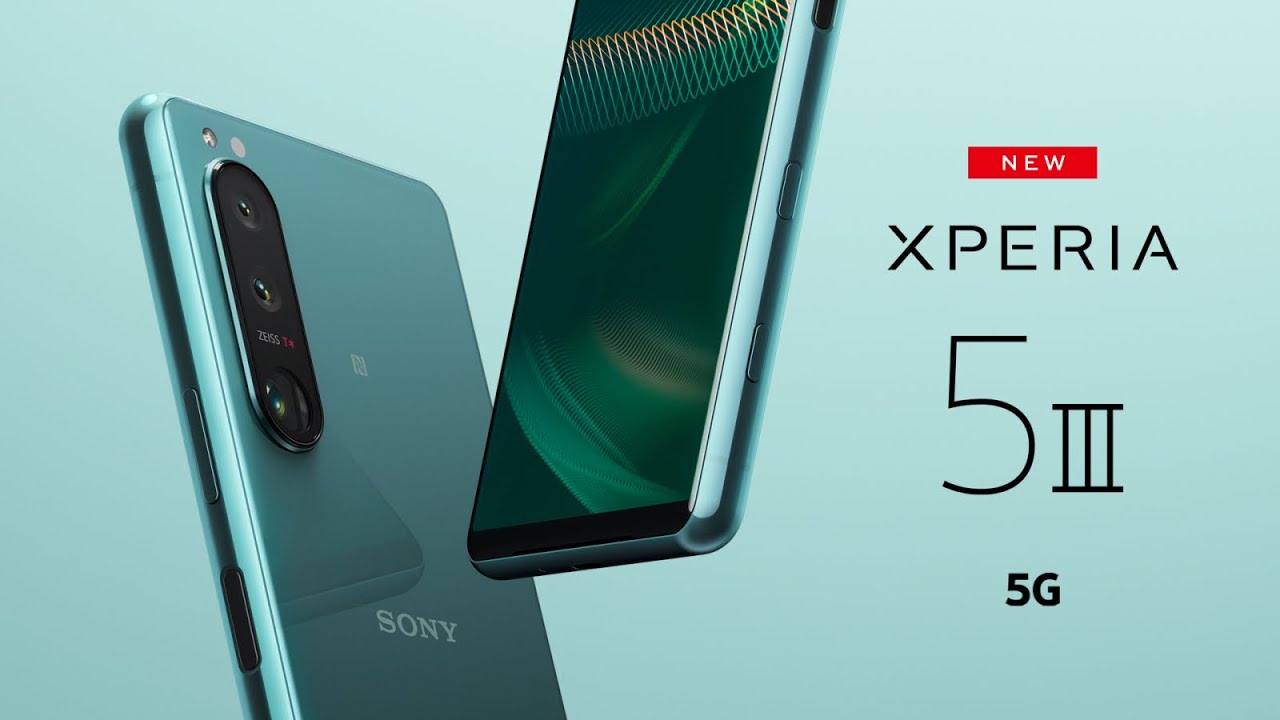
  • Sony Xperia 5 III coming to Europe in September and it won’t be cheap

    Sony Xperia 5 III coming to Europe in September and it won’t be cheap

    Sony announced that it will bring the Xperia 1 III in the United States in late September, but didn’t mention anything about the Xperia 5 III, the former’s cheaper brother. That could mean a few different things like maybe Sony isn’t sure when it will be able to bring it to the US, or perhaps it has no intention to sell it in North America.

    Either way, we at least have an idea about how much the Xperia 5 III will cost in the US. The company’s European branch revealed that the Xperia 1 III and Xperia 5 III will be launched in Europe for €1.300 and €1000, respectively.

    Considering the Japanese company has already opened Xperia 1 III pre-orders in the US and the phone is priced at $1,300, it’s safe to assume that the Xperia 5 III will sell for $1,000 in case Sony decides to bring it to the States.

    Just like the Xperia 1 III, the Xperia 5 III will be shipped in Europe from September. This one will be available in Black and Green, but additional colors may be introduced after the phone’s market launch.

    The Xperia III 5 is a top-tier smartphone powered by a Qualcomm Snapdragon 888 5G processor, paired with either 8GB RAM and 128GB storage, or 8GB RAM and 256GB storage. Also, the smartphone boasts a stunning 6.1-inch OLED FHD+ display featuring Corning Gorilla Glass 6 coating.

    However, one of the phone’s main selling points is the triple camera setup (12MP+12MP+12MP). Along with the Xperia 1 III, the Xperia 5 III is the world’s first smartphone with a variable telephoto lens paired with a dual PD sensor. Not to mention that the camera features Zeiss optics and a brand new AI super-resolution zoom technology.

    As far as the battery goes, Sony claims the 4,500 mAh battery can charge up to 50% of capacity in 30 minutes with the 30W charger that comes with the phone.

  • Vivo files a patent application for a detachable flying smartphone camera

    Vivo files a patent application for a detachable flying smartphone camera

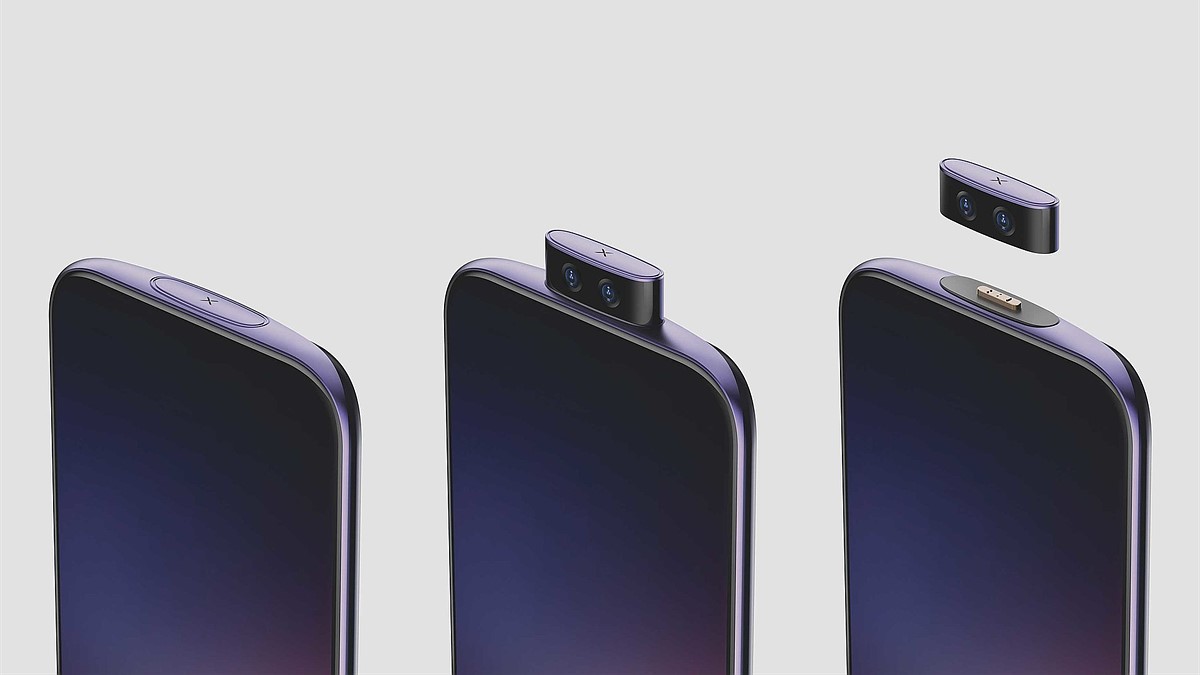
    Vivo has filed a patent for a flying smartphone camera. You read that right, the camera disconnects from the phone and takes to the air to provide the user with unusual photo opportunities to take snapshots and video from. The camera module features four propellers, two dual cameras, three infrared proximity sensors and an extra battery.
    While in flight, the proximity sensors are used to prevent the flying camera module from crashing into other items that have escaped gravity by calculating the distance from a possible hazard to prevent mid-air collisions. Once in the air, the “flight camera” will be able to change positions and we expect to see one camera at the front of the module with another at the top.
    The patent application was filed with the World Intellectual Property Organization (WIPO) and while camera drones are not new, Vivo is the first manufacturer to have a flying camera drone fit into the body of a smartphone. But there is a caveat. To make the camera module fit inside a phone, it has to be made smaller and lighter which means that it can be blown off track because of the wind which can also make images appear shaky.
    The vast majority of smartphone innovations have been coming from Chinese-based smartphone brands. But keep in mind that just because Vivo seeks to patent a flying camera for a smartphone, that doesn’t mean that such a product is coming soon.
  • Samsung to launch another mid-range 5G smartphone in Europe

    Samsung to launch another mid-range 5G smartphone in Europe

    After Galaxy A52 and A72, Samsung plans to launch yet another mid-range smartphone in Europe, which is supposed to bring 5G to the masses. The unannounced phone is known as Galaxy M52 and it’s likely to be cheaper than the other two Galaxy A series phones.

    Based on a benchmark spotted by GalaxyClub, the upcoming Galaxy M52 will be equipped with Qualcomm’s Snapdragon 778G processor. It’s the same chipset that will be used by Honor inside its 50 series, so it’s bound to be good enough for a mid-range phone.

    Apart from its chipset, we also know that the Galaxy M52 will pack a 64-megapixel main camera, complemented by a secondary 32-megapixel camera in the front. There’s no info yet about the size of the display, but the phone is expected to feature a massive battery, just like the predecessor.

    It’s too early to talk about price, but it looks like information about color variants has already leaked, so we’re happy to let Samsung fans know that the Galaxy M52 will be available in at least three different colors: black, blue, and white.

  • Intel CEO says chip shortage will continue throughout this year

    Intel CEO says chip shortage will continue throughout this year

    As many of you know, we are in the middle of a chip shortage that has been impacting automobile and consumer electronic manufacturers. Intel CEO Pat Gelsinger sees the shortage continuing throughout the remainder of this year, bottoming out during the second half of 2021 before things start to improve. In fact, the executive doesn’t expect the supply-demand picture to return to normal until 2023.

    Gelsinger said, “I don’t expect the chip industry is back to a healthy supply-demand situation until ’23. For a variety of industries, I think it’s still getting worse before it gets better.” Last month, we told you that the lead time, the time it takes between placing an order for semiconductors and actually receiving them, hit 17 weeks in April; that was the longest lead time recorded by Susquehanna Financial since 2017 and was a big jump compared to the previous year’s 12.53 figure.

    Unlike fabless manufacturers like Apple, Qualcomm, MediaTek, and others, Intel owns its own factories (aka fabs, short for fabrication plants). A company like Apple designs its own chips, but without the means to manufacture them itself, the company turns to the world’s largest contract foundry, Taiwan Semiconductor Manufacturing Company, Limited (TSMC Ltd.) to produce them.

    Gelsinger says that thanks to Intel’s ownership of its fabs, it is more able to keep up with demand for chips than those who are outsourcing production to another foundry. The executive says that demand for chips will continue to be strong over the next 10 years thanks to expected growth in demand for 5G smartphones, AI, and electric vehicles. Intel’s CEO is on the side of those industry executives who see the current demand for chips continuing into the future.

    Other executives don’t believe that the industry can sustain the growth of more than 5% on an annual basis. Broadcom Inc. CEO Hock Tan is one such executive. Even though his firm reported a 15% revenue hike for its latest quarter, Tan says chip production is a mature industry that will revert back to low growth.

    There is no denying though, how important chips are to the global economy. The U.S. leads the way in the sales and design of chips although production is led by Taiwan’s TSMC and South Korea’s Samsung. TSMC will be opening at least one fab in Arizona no later than 2024.

  • Huawei to reportedly build its own chipsets in Wuhan starting next year

    Huawei to reportedly build its own chipsets in Wuhan starting next year

    In May 2019, the U.S., claiming security issues, placed Chinese phone manufacturer Huawei on the entity list. As a result, Huawei was no longer able to access the U.S. supply chain that it had spent over $18 billion on during the previous year, and was even banned from using software developed by Google. Exactly one year later, the U.S. Commerce Department made a change in export rules preventing foundries using American technology from shipping cutting-edge chips to Huawei without a license.

    Since the U.S. export rule change prevented Huawei’s contract foundry TSMC from shipping to the Chinese manufacturer the powerful 5nm Kirin chips that Huawei had designed itself, there had been talk about Huawei manufacturing its own chipsets. Like most major consumer electronics firms including Apple, Huawei farms out its chip designs to contract foundries like TSMC and the latter builds the actual chips using its fabs.

    Prior to the U.S. ban on chip deliveries to Huawei, the latter was TSMC’s second-largest customer behind Apple. Since being placed on the entity list, Huawei has learned to make its own software and hardware to replace parts of the supply chain it can no longer obtain such as the Google licensed version of Android (replaced by Huawei’s HarmonyOS, and Huawei Mobile Services).

    Industry sources are calling for Huawei to turn on the “start” button for its own wafer fab in Wuhan. Production is expected to start in phases beginning in 2022. Huawei’s HiSilicon unit certainly has the capability to design high-powered chips like the 5nm Kirin 9000. Wafers, made from silicon, go through several processes before getting sliced up and packaged to become individual chipsets.

  • Google is still being unclear on support for the new Wear OS

    Google is still being unclear on support for the new Wear OS

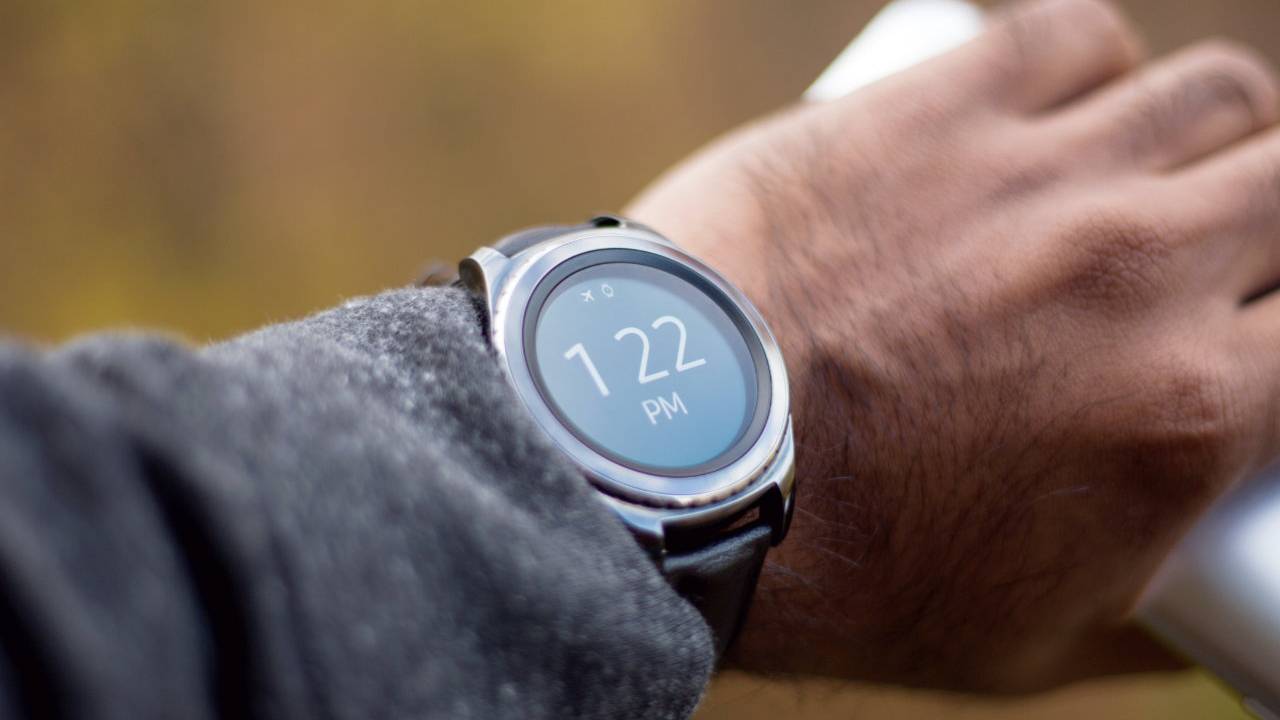
    It became clear how uncertain the future of current smartwatches is with the new Wear OS by Google and Samsung. We initially thought that the wearables we have now are not equipped with the horsepower to support the update.

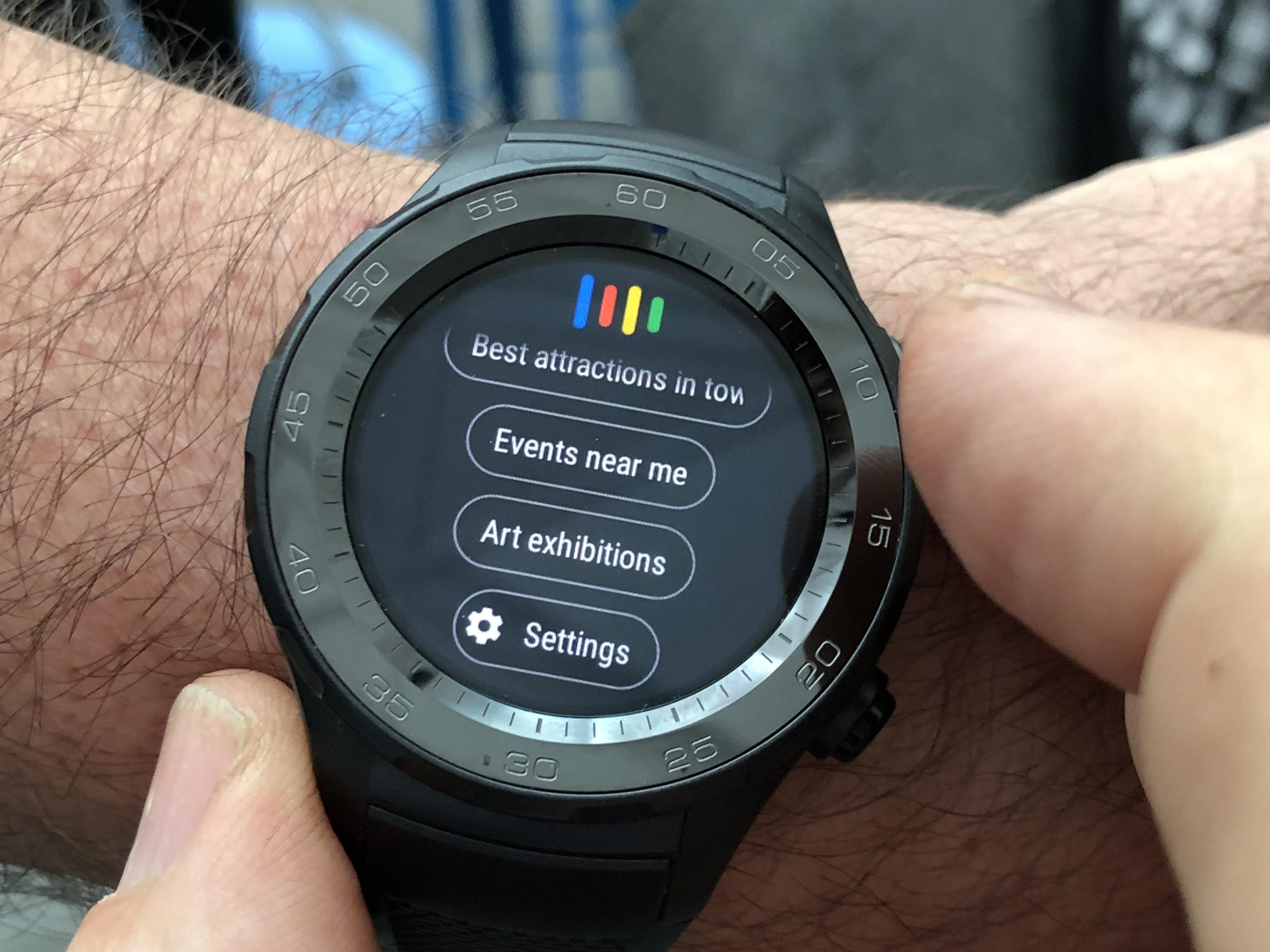
    In a recent report from Qualcomm, however, we found out that is not the case. The chipset manufacturer confirmed the Snapdragon Wear 3100 and Snapdragon Wear 4100/4100+ have what it takes to run Wear OS 3.0.

    This then begs the question, why so many of the devices out now are not confirmed to receive it? One example is the Fossil Gen 5. The company recently opened up and stated that none of their intelligent timepieces will be getting the upgrade to the next version of Wear OS. Unfortunately, no further reasoning was given after that announcement which only arose further suspicion.

    On the other hand, wearables like the TicWatch Pro 3 have a decent chance to make the transition, as we got a leaked conversation with a representative from their customer support earlier this month. Although, given the source, the information does not carry much weight and leaves us with little reassurance.

    “User experience is a top priority for us. We have not confirmed eligibility or timeline on whether any Wear OS smartwatch will update to the new unified platform. There are many technical requirements in order to run the unified platform that ensures all components of the user experience are optimized.”

    If we translate this message, it seems Google has very politely disagreed with Qualcomm’s statement. The big G is basically saying there is no guarantee current Wear OS devices can comfortably handle it. Despite that, the tone and wording do leave room for possibility and dare I say… hope.

    Nevertheless, it seems Googe is being very tight with their plans and details on the topic. Your best course of action would probably be to wait a little while for the air to clear up if you are in the market for a new wrist buddy.

  • Apple may use AirPods to track health data

    Apple may use AirPods to track health data

    Apple’s Vice President of Technology, Kevin Lynch, recently held a lengthy interview regarding the company’s advancements and aspirations within the health sphere.

    In 2014, Apple came out with the Apple Health app to allow users to track and record their heart rate, which was first collected with the original Apple Watch. However, Apple quickly realized the potential in fusing this software with its constantly improving hardware, to bring a whole slew of personal health data to people’s fingertips—and it’s been expanding ever since.

    One of the new sensor-equipped gadgets to bring health-relevant data to users may be none other than Apple’s AirPods, as Lynch slipped to the TechCrunch reporter near the end of yesterday’s interview.

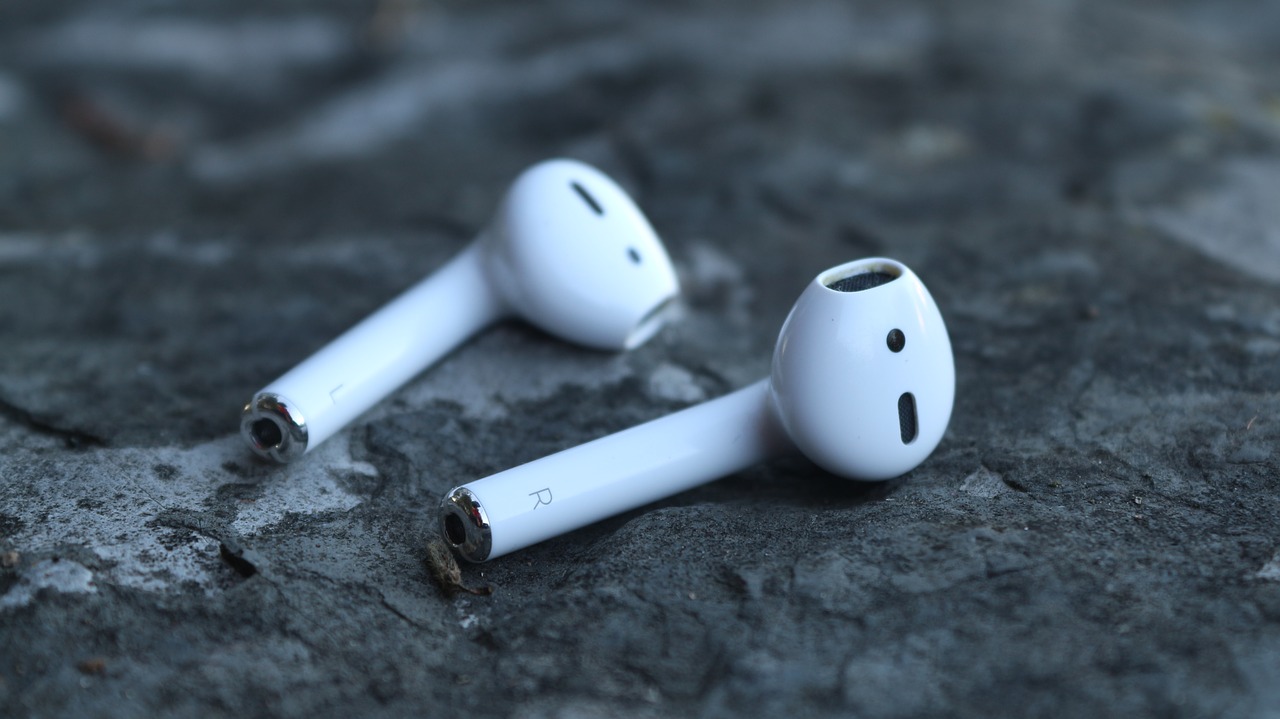
    The latest model of the AirPod earbuds, the AirPods Pro, already feature a pair of dual optical sensors, a motion-detecting accelerometer, a speech-detecting accelerometer, and a force sensor, all inside the tiny chasse fitted inside the ear.

    While we don’t know of any new sensors coming to AirPods Pro in the near future, these existing ones could well be leveraged to monitor a variety of things related to one’s overall health, just like the iPhone and Apple Watch already do.

    Supporting this new information is a Bloomberg report from last month, which promises that next year’s second-generation AirPods Pro are going to have their motion sensors updated with particular attention to fitness tracking. Once they do, this data is sure to be integrated into the Health App—which would be another growth spurt for Apple’s evolving health system.

    Reliable Apple analyst Ming-Chi Kuo has also reported similar information in a separate statement in the past. Kevin Lynch hinted that Apple sees lots of potential for leveraging as many devices as possible to monitor health data—and is likely going to be adding AirPods to the mix.

    Apple’s entire health-monitoring ecosystem all started with a heart rate monitor integrated into the Apple Watch, and a consequent iPhone app developed to easily deliver users that information.

    At first, we were showing people their heart rate, and you could look at it — we were using it for calorimetry. But some users actually were looking at their heart rate when they weren’t working out, and noticed it was high. They would go talk to their doctor, and the doctor would find a heart issue, and we would start getting letters about this. We still get letters today about our work in the space, which is amazing. But some of those early letters were clueing us into ‘Wait, we could actually look for that ourselves in the background’.

    Since then, the existing fusion of Apple’s technologies has come a long, long way. It now not only simply tracks your heart rate, but matches it to your currently assessed level of activity, and comparing that to known health data, can notify you if you have a dangerously low or high heart rate.

    >Of course, that’s only the beginning. Leveraging Apple’s devices, the Health app can also keep track of your activity intensity, calorie burn, metabolic rate—it can even take your sleep metrics. This means that you can monitor your blood oxygen levels during sleep, track how much time you spend asleep, as well as your sleeping respiratory rate.

    We’ll also be seeing mobility metrics being taken later this year, tracked in terms of “walking steadiness,” which assesses your balance, strength, step symmetry, and gait. It will let you know if it detects a lack of balance or symmetry in your walk, or other abnormalities, and let you know if you are at an increased risk of falling.

    With iOS 15 this year, the Health app will also be able to track your food and calorie intake for you. It will also allow you to share your health data both privately (with loved ones worried about your health, for example), or publicly, such as with your doctor.

    There is even talk of a blood sugar monitor coming to the Apple Watch, although it has been confirmed that we’ll have to wait until after the Apple Watch 7 to see it. A temperature sensor may also be coming with the Apple Watch Explorer/Adventure Edition in 2022.

    All of this has become possible in the span of only a few years, but Apple is clearly already looking towards the future for more possibilities and ways to expand its health monitoring services.

  • Qualcomm sheds light on which smartwatches support Google’s new Wear OS

    Qualcomm sheds light on which smartwatches support Google’s new Wear OS

    The reveal of a new Wear OS fully supported by Samsung was a big surprise for the wearable industry. In fact, it was such as surprise that many smartwatch manufacturers don’t know whether or not their products support the platform that’s said to combine the best of Wear OS and Tizen.

    Not even Google was willing to offer a straight answer when asked which of the current smartwatches can be upgraded to Wear OS 3.0, and which ones will remain on their current version of the OS.

    Qualcomm on the other hand has been more generous and shared some info on the matter. XDA reports that a spokesperson for Qualcomm confirmed that Snapdragon Wear 3100 and Snapdragon Wear 4100/4100+ are the only chipsets that would be able to run the new Wear OS 3.0.

    We are working with Google on bringing Wear OS 3.0 to Snapdragon Wear 4100+ and 4100 platforms. Snapdragon Wear 3100, 4100+ and 4100 platforms are capable of supporting Wear OS 3.0, but we are not discussing any specifics at this time.

    Although that doesn’t necessarily mean that all smartwatches equipped with these specific chipsets will receive the Wear OS 3.0 upgrade, at least we know which ones are more likely to be updated.

    Of course, if you’re using a Fossil smartwatch, then you already know you won’t be getting the new Wear OS 3.0 update, as the company has already issued an official statement on the matter not long ago.

  • Foxconn Invests $36 Million In EV Partnership With Gigasolar

    Foxconn Invests $36 Million In EV Partnership With Gigasolar

    Taiwan’s Foxconn said a subsidiary has invested T$995.2 million ($36 million) in Gigasolar Materials Corp to develop electric vehicle (EV) battery materials.

    Foxconn, Apple’s main iPhone maker, said the investment via a private placement through a Taiwan-based subsidiary will make it the second-largest shareholder in Gigasolar, known for manufacturing solar cell materials.

    The two companies will jointly develop materials for electric cars, Foxconn said in a statement on Tuesday.

    Foxconn has identified electric vehicles as a key new business and has struck several deals with companies, including Italian carmaker Stellantis and Thailand’s state-run energy group PTT.

    The Taiwanese company aims to provide components or services to 10% of the world’s electric cars by 2025 to 2027, Foxconn chairman Liu Young-way said in October, vowing to lower manufacturing and other costs with its assembling know-how as the world’s largest contract electronics manufacturer.

  • Apple manipulated App Store search to favor its own apps over the competition

    Apple manipulated App Store search to favor its own apps over the competition

    Back in 2019, after investigations done by the New York Times and the Wall Street Journal, it appeared that Apple was ranking its own apps ahead of competitors’ similar apps in the App Store search feature. This is an issue that lawmakers are seriously concerned with and it has been associated with other companies that sell their own products alongside third-party brands such as Google and Amazon. Apple denied that it had done anything wrong. The company pointed to a secret algorithm it uses with 42 variables to prevent it from manipulating the App Store search results.

    But now it appears that Apple did boost App Store search results. Email that was released during the Epic vs. Apple lawsuit showed that the tech giant apparently admitted that it had boosted the placement of its own Files app above listings for the competition during a time period that lasted 11 months. Apple app search lead Debankur Naskar hinted that some hanky panky was going on at Apple when he wrote in an email “We are removing the manual boost and the search results should be more relevant now.”

    Naskar was responding to an email from Epic Games CEO Tim Sweeney who was a major Apple partner at the time. Sweeney had “confronted” Apple after the latter’s Files app landed first in the App Store’s search results when he searched for Dropbox. While you might not be able to tell the executive’s tone from written words, you can imagine Sweeney sounding incredulous when he emailed Apple to say that “Dropbox wasn’t even visible on the first page of search results.”

    Apple explained away the issue by telling The Verge that its Files app had a Dropbox integration. Thus, Apple included “Dropbox” in the metadata for its Files app and as a result, Files was always ranked ahead of Dropbox. This response doesn’t match Naskar’s comments about “removing the manual boost.”

    Dropbox has been a problem for Apple going back to 2009 when then Apple CEO Steve Jobs said that iCloud would help kill off Dropbox after Jobs could not convince Dropbox CEO Drew Houston to sell what was then a start-up company to Apple.

    One engineer at Apple changed the algorithm for App Store search in July 2019 dropping the placement of Apple’s own app in the search results. The New York Times back in September 2019 showed how those searching the App Store for “music” would see streamer Spotify at the top of the list with Pandora eighth. Repeating the same search in 2016 resulted in Apple Music appearing at the top of the list with Spotify fourth.

    Two years later, the top six results under “music” consisted of Apple’s own music-based apps. Pandora remained in eighth place. By December 2018, the first eight search results were all for Apple’s own apps, some unrelated to music: (Apple Music, Garage Band, iTunes Remote, Music Memos, Logic Remote, iTunes Store, iMovie, Clips) while Spotify was number 23.

    After Spotify complained to European regulators, the results for April 2019 were much different with iTunes and Apple Music numbers 1-2, but with Spotify fourth and YouTube Music fifth. Apple had no other apps appearing under a search in the App Store under “music.”

    Apple released a statement to The Verge that says, “We created the App Store to be a safe and trusted place for customers to discover and download apps, and a great business opportunity for all developers. App Store Search has only one goal — to get customers what they are looking for. We do that in a way that is fair to all developers and we do not advantage our apps over those of any developer or competitor. Today, developers have many options for distributing their apps and that’s why we work hard to make it easy, fair and a great opportunity for them to develop apps for our customers around the world.”

  • Apple previews tech for passwordless website sign-up using just Face ID or Touch ID

    Apple previews tech for passwordless website sign-up using just Face ID or Touch ID

    Apple is set on making things simple for its users and now, a new feature announced during a developer session will make it possible for your to sign up on websites using just Face ID or Touch ID, no passwords required.

    The developer session is part of the WWDC 2021, and introduces the new technology in order to make the user experience more intuitive while at the same time, assuring security.

    The new tech is called Passkeys and will make it possible for you to sign up for services and websites without the need for a password. Of course, the website will have to support this new tech, and when you enter your username of choice during the signup process, you will be able to use Face ID or Touch ID to authenticate yourself.

    iPhone, iPad, and Macs will have this tech in a preview coming later this year, and it will be off by default.

    Passkeys is a part of the iCloud keychain, providing a secure method for authentication and at the same time, protecting you against phishing attacks. However, if you use other devices apart from Apple ones, you may still need to use passwords.