Category: Electronics

Retail News Asia is committed to providing both local and global retailers with the latest Electronics news throughout the Asian market. This on a daily base.

  • Vietnam electronics tycoon sets up new investment group

    Vietnam electronics tycoon sets up new investment group

    Pham Van Tam, the founder of electronics firm Asanzo, has set up the Winsan Group, a $43 million enterprise to invest in electronics, dental, and food ventures.

    Tam recently announced a new role as chairman of the Winsan Group Investment Joint Stock Company, which will function as a financial investment company for small and medium enterprises (SMEs).

    Winsan is like a ‘power pump’ for businesses that have great potential for scaling but lack financial resources and management experience, he said.

    Unlike the model launched by Asanzo last year with a focus on electronics and hardware startups, Winsan expands the portfolio to other areas including dentistry, consumables, and food and beverages.

    In addition to funding, the group will also support SMEs to recruit talented employees and leading experts for senior positions, facilitating breakthroughs and reducing the failure rate in a competitive market.

    Tam said that Winsan was a step towards expanding the ecosystem out of household electronics. The name Winsan is inspired by the term win-win concept in modern business, hoping to bring victory for both sides when cooperating, he explained.

    The company’s initial capital is estimated at VND1 trillion ($43 million), 70 percent of which will be invested in technology – electronics businesses.

    In the first phase, we will select SMEs with products serving the majority of average consumers, low-income employees. This tight criterion will help optimize capital investments, Tam said.

    Industrial real estate and logistics are also important investment portfolios that Winsan will promote in the near future, he added.

    E-commerce presents great opportunities amid the ongoing Covid-19 pandemic, creating added momentum for industrial real estate and logistics to meet the need to lease factories and warehouses. The shift by multinationals to produce in Vietnam is another positive sign, he said.

    The Asanzo founder said that he’d been covering the investment group model for about three years as he witnessed the increase in business efficiency when empowering young directors to manage production.

    Many of these people are trained abroad in the corporate governance of developed industries with the capacity to formulate medium and long-term strategies. In addition to capable personnel, market data analysis helps accurately forecast business situations, reduce inventory lines, and cut costs while ensuring a proactive supply of goods corresponding to market demand.

    At first traditional distributors complained about challenging import regulations when applying new quality and processes. But after a while, they found that these adjustments bring positive effects. The goods are shipped quickly and meet customers’ taste, creating satisfaction on both sides, Tam said.

    Tam also appreciated young talents when interacting with them through start-up projects, like the Startup Viet competition organized by VnExpress, which urged him to establish this investment model instead of concentrating on just one enterprise.

    Tam also aims to draw in foreign partners who have worked with Asanzo for several years, thereby creating a large-scale investment fund, accessing and supporting a variety of business models.

    With a strong capital base, we will enhance the search for suitable products with local elements, understanding local consumers, then create new brands that make a real mark on the market.
  • Samsung’s Galaxy Z Fold 2 5G is proving even more popular than expected

    Samsung’s Galaxy Z Fold 2 5G is proving even more popular than expected

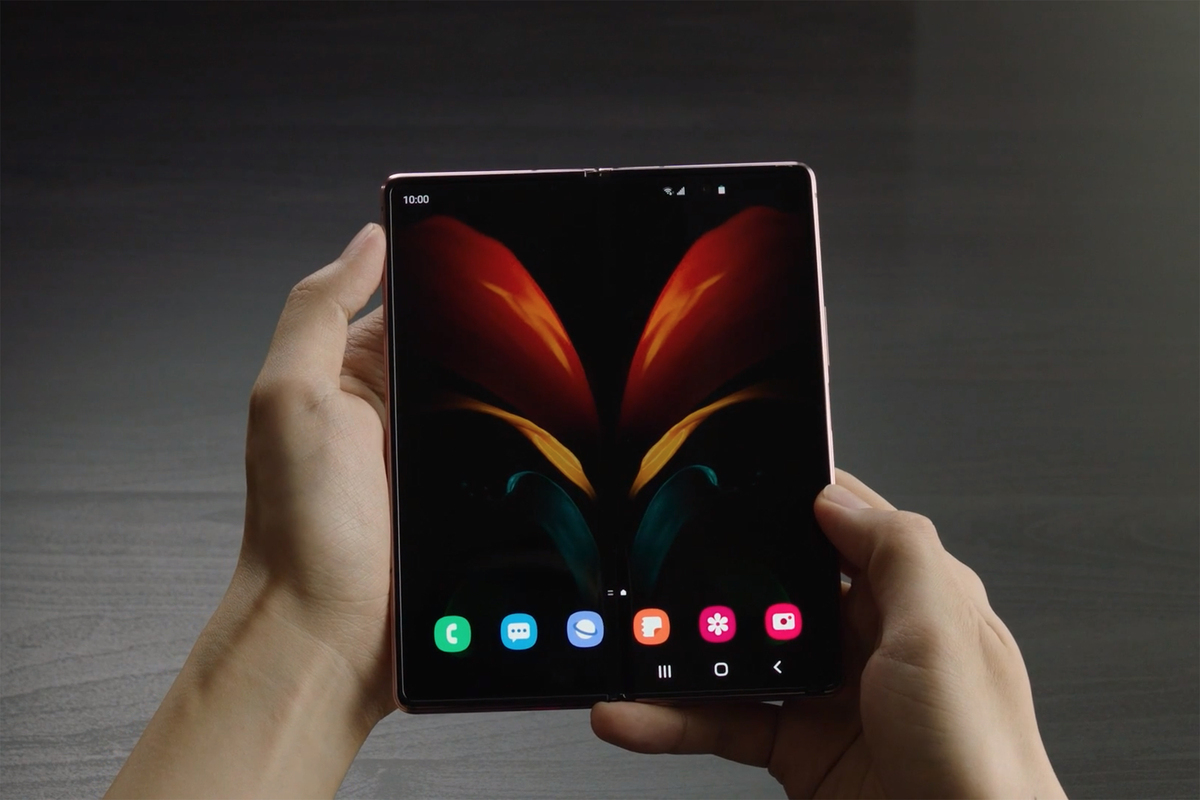
    Priced at $2,000 in the US, the 5G-enabled Galaxy Z Fold 2 is not what we’d call widely accessible to the masses. But even though 2020 has been a tough year for high-end, high-priced smartphones in general and Samsung flagships in particular, this foldable beaut is sure shaping up to be a smash hit, at least by early foldable market standards.

    Forecasted ahead of its official announcement to rack up around 500,000 unit sales by the end of 2020 and tipped to cross 800,000 units manufactured in that same timeframe just last week, the Galaxy Z Fold 2 5G is today estimated to reach an “initial volume” of 10,000 copies or so in South Korea.

    That may not sound like an impressive number by itself, not to mention when you compare it to the other two figures above, but apparently, it’s triple the initial regional volume of the original Galaxy Fold last year. It’s also important to keep in mind that while Samsung cares a lot about its domestic market, this is only one of many major countries where the Galaxy Z Fold 2 5G could sell like hotcakes compared to its predecessor.

    In other markets, starting with the US, show a similarly “positive reaction” as the one reported in the tech giant’s homeland, the foldable device may well exceed 500,000 or even 800,000 shipments this year. More importantly, Samsung is proving by allotting three times as many second-gen Z Folds than OG Galaxy Folds to major South Korean carriers and independent stores that it can produce a significantly higher number of foldable smartphones during these challenging times for the mobile industry, contrary to rampant speculation from a few months back.

    At least for now, there are no reasons to expect substantial delays or particularly long shipping times for early adopters. That is, as long as you’re not looking to buy the luxury Thom Browne Edition.

    Believe it or not, around 230,000 people in Samsung’s homeland applied for a bank-breaking purchase in just two days, which means a lot of potential buyers will end up feeling terribly disappointed at missing their chance to spend the rough equivalent of $3,330 on, well, a phone.

    There are only 5,000 copies of this thing prepared to be distributed worldwide, mind you, including a measly 1,000 in South Korea. The Galaxy Z Fold 2 Thom Browne Edition is not up for grabs stateside yet, but as far as the standard version is concerned, you still have until September 18 to pre-order your copy in a Mystic Black or Mystic Bronze color.

  • Apple Singapore’s floating store opens this week

    Apple Singapore’s floating store opens this week

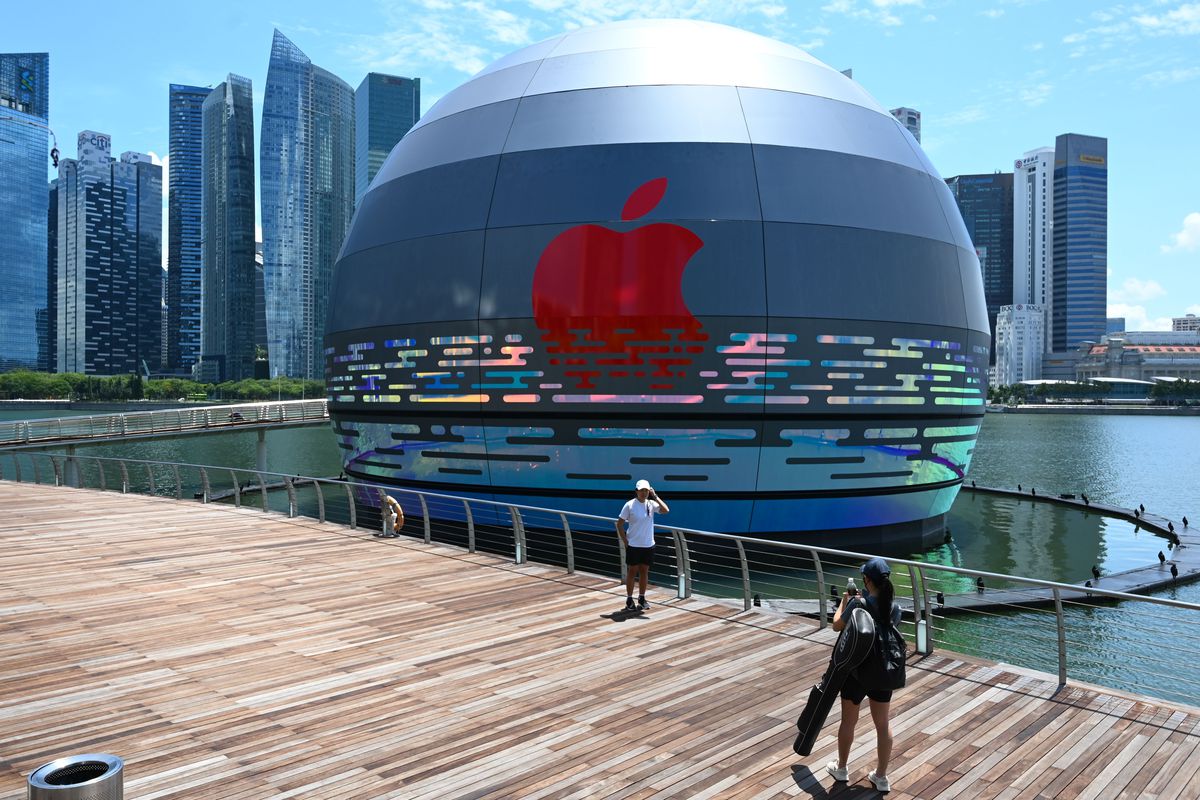
    Apple’s most ambitious store project yet will open its doors to the public this Thursday, a round structure that appears to float on Singapore’s harbor.

    The spherical shaped store features an all-glass dome structure above the waterline, with 114 panes of glass, affording 360-degree panoramic views of the city.

    Inspired by the Pantheon in Rome, an oculus is built at the apex of the dome, letting a ray of light flood the interior. Custom baffles, which are uniquely shaped, helps counter sun angles and create a nighttime lighting effect, according to Apple.

    Indoor trees are placed in a circular line, “providing additional shading and soft shadows through the foliage”.

    “We couldn’t be more excited to open the breathtaking Apple Marina Bay Sands in Singapore, building on our commitment to this special place that began more than 40 years ago,” said Deirdre O’Brien, senior VP of Retail + People at Apple.

    “Our passionate and talented team is ready to welcome this community to our new store and deliver the care and support that our customers around the world love.”

    Apple Marina Bay Sands houses The Forum meeting pace and a giant video wall, where Today at Apple sessions featuring Singapore’s artists and creators will be held. Apple’s first underground ‘Boardroom’ located on the lower level beneath the waterline is where entrepreneurs and developers can receive training and advice from the Apple team.

    On the opening date, store capacity will be limited and access will be by appointment only. Temperature checks will be taken, masks required and social distancing enforced.

  • Japan Display to sell LCD factory to Sharp and use the cash to pay back Apple

    Japan Display to sell LCD factory to Sharp and use the cash to pay back Apple

    Back in 2014-2015, Japan Display (JDI) was considered to be Apple’s major smartphone display supplier. At that time, the iPhone 6 and the iPhone 6 Plus were bringing larger-sized LCD screens to iPhone users. The original 3.5-inch display found on the first iPhone models rose to 4-inches with the iPhone 5 and to 4.7-inches on the iPhone 6. The iPhone 6 Plus carries a screen size of 5.5-inches and those sizes remained the same until 2017’s iPhone X weighed in with a 5.8-inch OLED screen.

    The iPhone X was the beginning of the end of Japan Display’s importance to the iPhone since the supplier was late to embrace OLED. JDI borrowed $1.5 billion from Apple to build a new LCD plant. With smartphone manufacturers-including Apple-turning away from LCD, JDI’s new factory was running at only 50% of capacity. Friday Japan Display announced that it will sell a smartphone display factory and the land it sits on to Sharp for 41.2 billion yen (the equivalent of $386 million). The Hakusan LCD factory along with equipment that will be sold to a customer believed to be Apple, will bring Japan Display $668 million while at the same time cutting excess capacity that has negatively impacted its earnings. This specific factory has been idle since 2019.

    The facility was supposed to have been sold by the end of this past March but the global pandemic caused the plans to change. When the factory was built, Apple covered most of the 170 billion yen cost ($1.61 billion USD) of the facility. Production started in late 2016 with up to seven million smartphone panels manufactured each month. As time went on, the number of panels churned out by the factory declined on a monthly basis. Japan Display will use the funds it receives from the sale of the plant to pay back Apple for the prepayment it made toward the facility.

    Sharp, which is owned by iPhone assembler Foxconn, will rent the necessary equipment from Apple that will allow it to produce LCD displays for older iPhone models. Sharp also expects to use the facility for developing and producing the next generation of displays including microLED screens which use millions of tiny light-emitting-diodes to produce a sharp display (no pun intended). Sharp does plan to spin-off its LCD panel business in October.

    Japan Display has lost money in 11 consecutive quarters and the company does produce the AMOLED displays that grace the Apple Watch.

  • Apple to opens online sales in India

    Apple to opens online sales in India

    Tech giant Apple will launch an e-commerce store in India next month, according to a report by Bloomberg News.

    The firm will be timing its launch to begin trading in time for India’s busiest spending season, the Diwali festival. It follows CEO Tim Cook’s statement several months ago that Apple will start retailing within the territory next year.

    The firm’s smartphones are currently retailed via third parties within India, including existing online channels under Amazon and Walmart-owned Flipkart.

    Roughly a third of India’s 1 billion wireless subscribers do not use smartphones, representing a huge potential market for industry players in a region offering low pay rates to workers in manufacturing.

    A raft of Apple products are already being produced in southern India.

  • Samsung phone sales down

    Samsung phone sales down

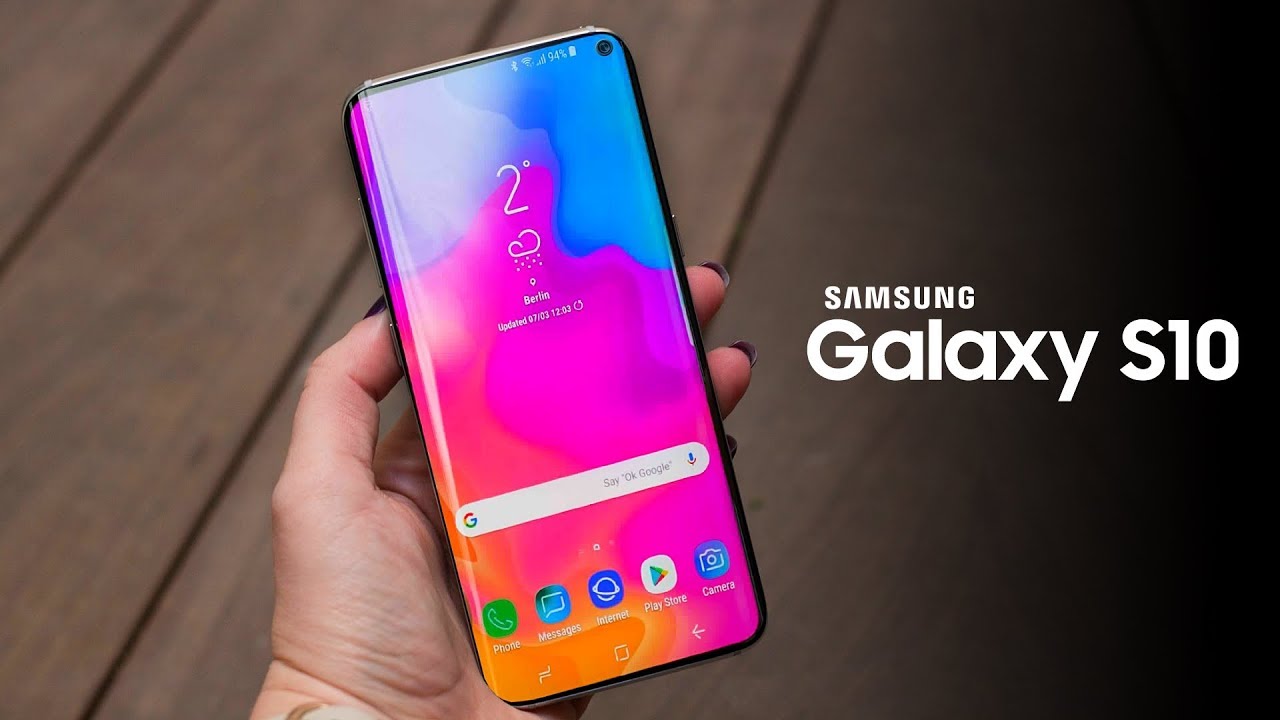
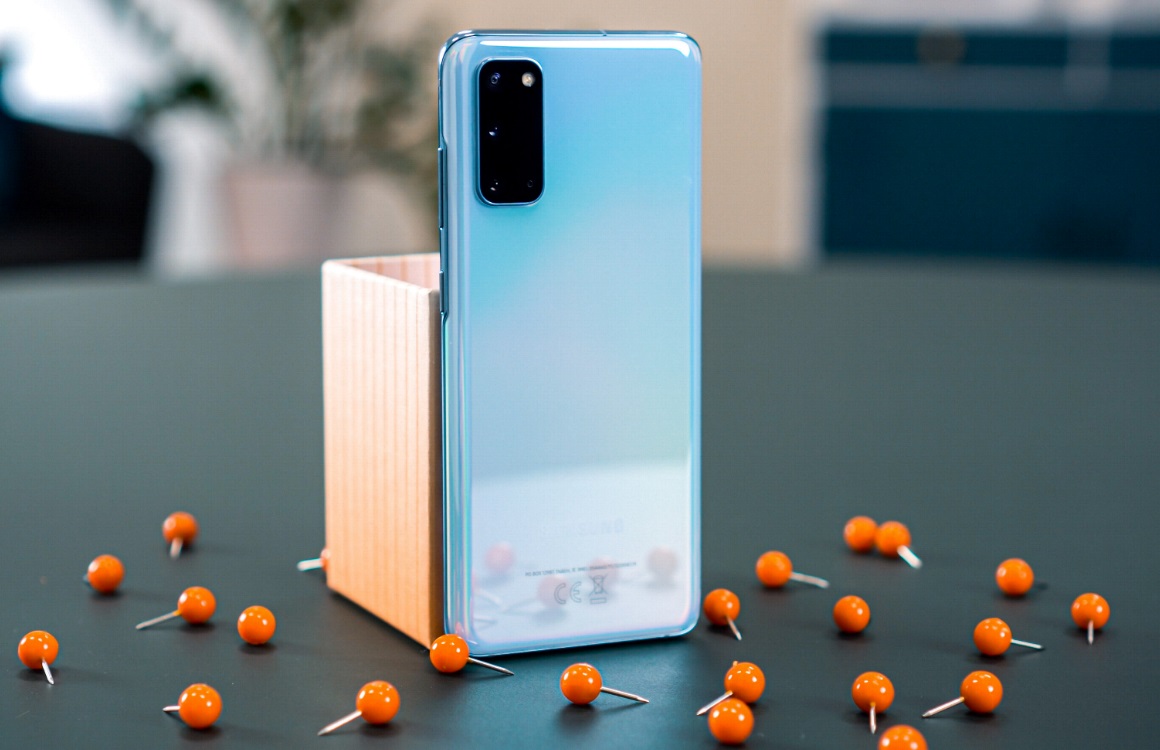
    Samsung Electronics remained the top smartphone vendor in the second quarter of the year despite suffering a sharp decline in sales.

    Samsung sold 54.75 million smartphones in the April-June period to take an 18.6-per-cent market share, according to market researcher Gartner.

    Its second-quarter sales suffered a 27.1-per-cent year-on-year decline, the largest drop among the top five smartphone brands, Gartner added.

    “The Covid-19 pandemic continued to negatively affect Samsung’s performance in the second quarter of 2020,” said Anshul Gupta, senior research director at Gartner. “Demand for its flagship S Series smartphones did little to revive its smartphone sales globally.”

    China’s Huawei Technologies came a close second with an 18.4-per-cent market share after it sold 54.12 million smartphones in the second quarter, down 6.8 percent from a year ago.

    “Huawei’s performance in China helped it avoid a worse quarterly performance,” Gartner said.

    US tech titan Apple was third with a 13-per-cent market share after it sold 38 million iPhones in the second quarter, down 0.4 percent from a year earlier.

    Chinese brands Xiaomi and Oppo took the fourth and fifth spots in the global smartphone sales rankings, respectively, Gartner said.

    The global smartphone sales in the second quarter dropped 20.4 percent year-on-year to 295 million units, according to Gartner, as the Covid-19 pandemic continued to undermine the mobile phone industry.

  • Xiaomi Hires From Credit Suisse for CFO Role

    Xiaomi Hires From Credit Suisse for CFO Role

    The banker replaces Chew Show Zi, who will become president of Xiaomi’s international operations. Chinese consumer electronics company Xiaomi has hired Alain Lam as its new chief financial officer, according to people familiar with the matter.

    Lam was previously the head of technology for Credit Suisse’s investment banking and capital markets group in Asia Pacific. He has over two decades of experience at Morgan Stanley and Credit Suisse, with stints in New York, London, Silicon Valley, and Hong Kong. He worked on more than 140 transactions with an aggregate value of more than $60 billion, including the public listings of Alibaba Group, Google, and Pinduoduo.

    With his appointment, Xiaomi is expected to create new revenue streams from companies in its vast ecosystem and portfolio of startups.

    Founded in 2010, Xiaomi is currently the world’s fourth-largest smartphone brand, and has an established consumer IoT platform, with products ranging from smart air filters to rice cookers.

    Xiaomi has recently been growing its consumer finance unit to compete with other Chinese technology players that have entered the space. Its financial product portfolio includes consumer loans, supply chain finance, fintech, third-party payments, online insurance, and digital banking. Earlier this year, Chinese regulators gave the firm the green light to establish a consumer finance company in Chongqing, from where it is expected to roll out services across the country.

    The company has also been eyeing fintech markets abroad: in December, the smart-device maker also launched consumer lending services in India, currently, it’s the biggest market outside China. The same month, it also announced that it partnered with AMTD Group, SP Group and Funding Societies to apply for a digital wholesale banking license in Singapore. In April, Airstar – the virtual bank it runs with AMTD – rolled out pilot operations in Hong Kong.

    According to the source who leaked the news, Credit Suisse named Allan Chu as a replacement for Lam. An internal note said he will report to Zeth Hung and Edwin Low, co-heads of Credit Suisse’s investment banking and capital markets group in Asia Pacific.

    Chu is a managing director in Credit Suisse’s APAC Investment Banking & Capital Markets Department and the co-head of Corporate Finance, Greater China, responsible for originating and executing corporate finance transactions in the Greater China region.

  • Anonymous sources say that more U.S. Apple Stores will reopen this month

    Anonymous sources say that more U.S. Apple Stores will reopen this month

    Besides delaying the release of the 5G Apple iPhone 12 family, COVID-19 has also interfered with Apple’s retail stores. Back in January, Apple started closing retail locations in China.  By the following month, all 42 Apple Stores in the country were closed only to reopen a month later. But as the virus made it’s way west, Apple shut all of its stores outside of China by the middle of March. Quite optimistically, the tech giant at first hoped to reopen them on March 27th. But it wasn’t until May that Apple started turning the lights back on inside its U.S. retail locations.

    But this is 2020 so of course, that wasn’t the end of the story. As May was coming to a close, protesters looted several state-side Apple Stores following the police-related death of George Floyd. What the looters didn’t know was those iPhone units snatched from an Apple Store won’t work. One store in Minneapolis was looted, boarded up, looted again, and boarded up again. Another store in Portland had tall windows smashed on all sides just two days after reopening from the COVID-19 shutdown. At that point, of the 271 U.S. Apple Stores, 140 had reopened.

    Apple plans on reopening a small number of U.S. Apple Stores late this month. These locations had closed due to the uptrend of coronavirus cases in certain markets. People with knowledge of the situation say that for the immediate future, the stores will operate on an appointment-only basis. The sources say that employees have been informed by Apple of its plans; the company says that the stores will each follow local guidelines to determine the maximum number of shoppers allowed inside at one time and the social distancing required. During the peak of the pandemic with most U.S. stores shuttered, some Apple Store employees ended up handling technical support calls from home while others continued to get paid while waiting around for the store they worked at to reopen.

    Apple would surely like to have most of its retail store infrastructure at full strength as it prepares to introduce some new devices for the fall including the first 5G iPhone models, a new tablet, and the next Apple Watch.

  • Blackberries May be Coming Back to Banking

    Blackberries May be Coming Back to Banking

    The banker’s best-loved gadget may be making a return from the dead – thanks in part to the pandemic sending millions of workers into work-from-home arrangements.

    Blackberry smartphones were phased out at banks years ago – Credit Suisse’s finance chief David Mathers was openly unhappy about his boss, Tidjane Thiam, taking his away in 2017. The brand has been left for dead several times after Blackberry left the phone business in 2016.

    Now, a Texan technology start-up plans to roll it out again, on an Android operating system with 5G connectivity, by next June, it said in a statement. The company, Onwardmobility, inked a pact with BlackBerry as well as a Foxconn subsidiary to offer the device in North America and Europe.

    The key draw of Blackberry – a physical keyboard – endeared it to bankers (as well as journalists) – so much so that it was colloquially known as a Crackberry. Blackberry, the company, licensed the brand out to TCL, but the Chinese provider abandoned it earlier this year.

    By that time, financial service firms had decommissioned the technology (after prying them from the reluctant hands of bankers like Mathers). First manufactured by Research in Motion (RIM), the Blackberry was gradually eclipsed by Apple’s iPhone, launched in 2007. Efforts to reinvent with Blackberry with features like a touchscreen, or without the physical keyboard, foundered.

    Blackberry gave up its own software in favor of Android, but ended up ditching phones altogether in favor of security software. The move relegated the Blackberry to zombie status, something Onwardmobility wants to change.

    Enterprise professionals are eager for secure 5G devices that enable productivity, without sacrificing the user experience, Onward CEO Peter Franklin said. The company hopes the increasing number of office staff working from home and cybersecurity needs will spur demand for the devices.

  • Lost Samsung phones can now be found even if offline

    Lost Samsung phones can now be found even if offline

    If you own a Samsung phone and have misplaced the device, the Find My Mobile feature will help you get back together with the handset. And you can even unlock your device with Find My Mobile even if you’ve forgotten your password, PIN, or pattern. The missing device must be signed in to your Samsung account. But what if the missing device is offline?

    XDA’s Max Weinbach disseminated a tweet last night after noticing that Samsung had added a new feature to Find My Mobile; the new feature depends on other Galaxy owners to help find the missing device. According to a screenshot shared by Weinbach, this offline tracking is enabled by going to the Offline finding page and toggling on the switch at the top of the page. According to Samsung, “This will allow your phone to be found by other people’s Galaxy devices even when it’s not connected to a network. It will also allow your phone to be used to scan for lost Galaxy devices that may be nearby. You can also find watches and earbuds if this was the last device they connected to.”

    In other words, if your missing phone is offline, it still will show up on another Galaxy owner’s phone if it is nearby. And that means that if someone else has a Galaxy phone that is lost and offline, it will show up on your phone if the missing device is close to you.

    Apple beat Samsung to the punch as iPhone users running iOS 13 have had the ability to find a missing iPhone that is offline. This is possible as long as the handset is powered on. Using Bluetooth, your missing offline iPhone can be found. To enable this on your iPhone (again, running iOS 13 or later), go to Settings > Tap your name at the top of the screen > Tap on Find My > Tap Find My iPhone > Toggle on Find My iPhone > Enable offline finding > Send Last Location.

  • Apple hits two trillion in valuation

    Apple hits two trillion in valuation

    August 2nd, 2018 was a red-letter day for Apple. The little company that was founded by Steve Wosniak and Steve Jobs in April 1976, was worth $1 trillion making it the first public company in the U.S. to hit that figure. And now here we are again, two iPhone cycles later, and the company has become the first publicly traded U.S. firm with a valuation of $2 trillion. However, by the end of the day, Apple’s valuation had fallen back under the two trillion dollar mark.

    Apple closed at $224.37 on March 23rd when the pandemic first started making its presence known in the U.S. At today’s close of $462.83, the stock has more than doubled in almost five months. Just last month, Apple’s valuation surpassed that of state-owned oil giant Saudi Aramco making the tech giant the most valuable publicly traded company in the world. Hitting the $2 trillion mark comes after Apple reported record revenue of $59.7 billion during its fiscal third-quarter earnings report released on July 30th.

    Analysts are calling the 60% gain in Apple’s stock price this year more proof of the outstanding leadership provided by Apple CEO Tim Cook. Part of the reason that the iPhone manufacturer has a rich stock price is that the company is trading less like a tech hardware outfit and more like a sexy software firm. You can see that in Apple’s price-to-earnings ratio (PE) which shows that the company is trading at 33 times earnings. Edward James analyst Logan Purk says, “Over the past four months, the market has really been valuing Apple as a software company. The services business is growing nicely — it seems to give them a multiple over 30, and gives them all the credit in the world for this subscription business. They’re starting to get compared to some really big software heavyweights.” For example, software leader Microsoft trades at 36 times earnings while Amazon’s stock has a PE over 123.

    Tim Cook should get much credit for this. Back in 2015, the year that iPhone shipments peaked, the company decided that instead of trying to focus on selling new iPhone models, it would be able to obtain higher profit margins by selling recurring subscriptions to a large number of iPhone users worldwide. Apple set a goal of doubling its Services revenue from the $25 billion earned in the fiscal year 2016 to $50 billion by this fiscal year. And three quarters into fiscal 2020, the company has generated $39.2 billion in Services revenue; barring a major global economic meltdown in the current quarter, Apple should hit at least $50 billion in Services revenue for this fiscal year.

    The Services unit includes ApplePay, the App Store, iCloud, iTunes, Apple Arcade, Apple TV+, Apple News+, AppleCare+, Apple Music, and more. There are about 1 billion active iPhone users that the company is mining for gold.

    The stock hike helps Apple executives’ restrictive stock units (RSU) gain in value and recently Tim Cook joined the billionaire’s club. It has been a heady rise for Cook who joined Apple in March 1988 as a Senior Vice President. In January 2009, Steve Jobs took a leave of absence leaving Cook in charge. After the ailing Jobs returned, his deteriorating condition forced him to step down for good and in August 2011, Cook once again took the CEO position. The executive has had that position over the last nine years running and during that time, Apple’s valuation has soared from $348 billion to $1.9 billion.

    Later this month, Apple will split its shares 4 for 1. That means that an investor with 100 shares of Apple that currently trades at $462.83, will own 400 shares trading at (approximately) $115.71.

  • Samsung denies moving part of Vietnam smartphone production to India

    Samsung denies moving part of Vietnam smartphone production to India

    Samsung has rebutted reports it plans to shift part of its smartphone production in Vietnam to India, saying the former will continue to be the group’s major manufacturing base.

    Samsung Vietnam said in a statement that its smartphone manufacturing factories in the northern provinces of Bac Ninh and Thai Nguyen are operating as usual.

    Vietnam will always be Samsung’s important production base in the world, it stated on Tuesday, adding that reports on the shift to India are “unfounded.”

    The statement came after India’s Economic Times on August 17 reported that Samsung “may shift a major part of its smartphone production to India from Vietnam and other countries,” citing sources.

    The report said the South Korean conglomerate had submitted estimates of making smartphones worth over $40 billion in the next five years to the Indian government.

    “Samsung is likely to diversify its production lines for making smartphones to India under the PLI (Production Linked Incentive) scheme and this will have an impact in its existing capabilities across various countries like Vietnam,” the English-language daily quoted a source “familiar with the matter” as saying.

    About half of Samsung’s smartphones are produced in Vietnam, where it has invested over $17 billion so far. Its first plant in the country was built in 2008.

  • Huawei says existing devices will continue receiving Android updates

    Huawei says existing devices will continue receiving Android updates

    Huawei has confirmed that its devices will continue to receive software and security updates, reports Huawei Central. Last year, Google stopped providing non-public software to the company to comply with a US blacklist.

    The company was provided a temporary relief which allowed it to provide software updates to its existing phones. Handsets launched after the trade ban come with an open-source version of Android and lack key services and apps.

    The temporary general license expired recently and this raised speculations that older Huawei and Honor phones would stop receiving Android updates from Google.

    Huawei says that phones that were released before it was put on the entity list have not been impacted and will keep getting updates.

    As for the new devices which do not feature Google Mobile Services (GMS), updates will be managed through Huawei’s AppGallery. Google had previously said it would keep providing updates as long as the government lets it do so. There is no indication from its side that it will continue sending out updates now that the temporary general license has expired.

    The Commerce Department recently said that the license will not be extended.

    The US shows no intention of letting Huawei off easily as is evident by a recent move that aims to make it even harder for the company to source chips. The company recently said it could no longer make its own chips because of restrictions imposed by the US government and that the Mate 40 will be its last phone to have a Kirin chip.

    Later this year, the manufacturer is expected to launch its first phone with Harmony OS, its own operating system.

  • Epic Games dares to challenge the 30% Apple Tax and gets its developer account closed in return

    Epic Games dares to challenge the 30% Apple Tax and gets its developer account closed in return

    Apple and Fortnite developer Epic Games are in the middle of a, well, epic battle. The fight is over Apple’s in-app payment system and the 30% cut that the company takes on in-app payments. Apple says that it will revoke Epic Games’ developer privileges by shutting its accounts starting later this month. Last week, Apple told the developer to “remove the ‘Epic direct payment feature’ that bypasses Apple’s in-app payment system which counts seven beans for Epic and three for Apple with each purchase. On Epic’s website, the developer wrote, “Apple is keeping prices high so they can collect 30% of your payments, and is blocking.

    Epic, very publicly, is revealing what is going on. A Tweet disseminated by the game developer revealed that Apple has removed Fortnite from the App Store and will terminate its developer accounts on Friday, August 28th. Epic will not have access to iOS or Mac developer tools starting on that date. Epic filed a lawsuit today seeking a Temporary Restraining Order against Apple; the suit requests that the latter be restrained “from removing, de-listing, refusing to list or otherwise making unavailable the app Fortnite, including any update thereof, from the App Store on the basis that Fortnite offers in-app payment processing through means other than Apple’s In-App Purchase…”

    Epic’s Preliminary Statement included with its court filing explains everything from Epic’s point of view. It says, “Apple has for years used its complete monopoly over the distribution of apps to the billion users of iOS, the Apple operating system running on all iPhones and iPads, to coerce app developers into using Apple’s payment platform, In-App Purchase (IAP) for all in-app purchases of digital content used in their apps. By tying IAP to app distribution, Apple eliminates all competition in the market for in-app payment processing, allowing it to impose an exorbitant 30% “app tax” on all in-app purchases of in-app content.”

    The filing goes into more detail as Epic explains what took place earlier this month. “Just over two weeks ago, Apple’s CEO Tim Cook was asked during a Congressional hearing whether Apple has “ever retaliated against or disadvantaged a developer who went public about their frustrations with the App Store”. Mr. Cook testified, “We do not retaliate or bully people. It’s strongly against our company culture.” But Apple has done just that. When Epic gave users of its app Fortnite a choice of how they wanted to make purchases, Apple retaliated by removing Fortnite from its App Store. Then when Epic sued Apple to break its monopoly on app stores and in-app payments, Apple retaliated ferociously. It told Epic that by August 28, Apple will cut off Epic’s access to all development tools necessary to create software for Apple’s platforms—including for the Unreal Engine Epic offers to third-party developers, which Apple has never claimed violated any Apple policy.”

    Apple has said that it is willing to work with Epic but the developer notes that “Apple’s actions will irreparably damage Epic’s reputation among Fortnite users and be catastrophic for the future of the separate Unreal Engine business.” The optics just do not look good for Apple especially since the App Store and the tech giant’s 30% cut are under the regulatory microscope in the states and Europe.

    Epic believes that it is “likely to succeed on the merits of its claims,” but is asking for the restraining order anyway. That is because it is concerned that it will be irreparably harmed before the court reaches a final decision. It should also be pointed out that Epic is not asking for monetary damages, nor it is asking for a ruling that would favor it above other companies. What Epic is asking for is “injunctive relief to allow fair competition in these two key markets that directly affect hundreds of millions of consumers and tens of thousands, if not more, of third-party app developers.”