Category: Electronics

Retail News Asia is committed to providing both local and global retailers with the latest Electronics news throughout the Asian market. This on a daily base.

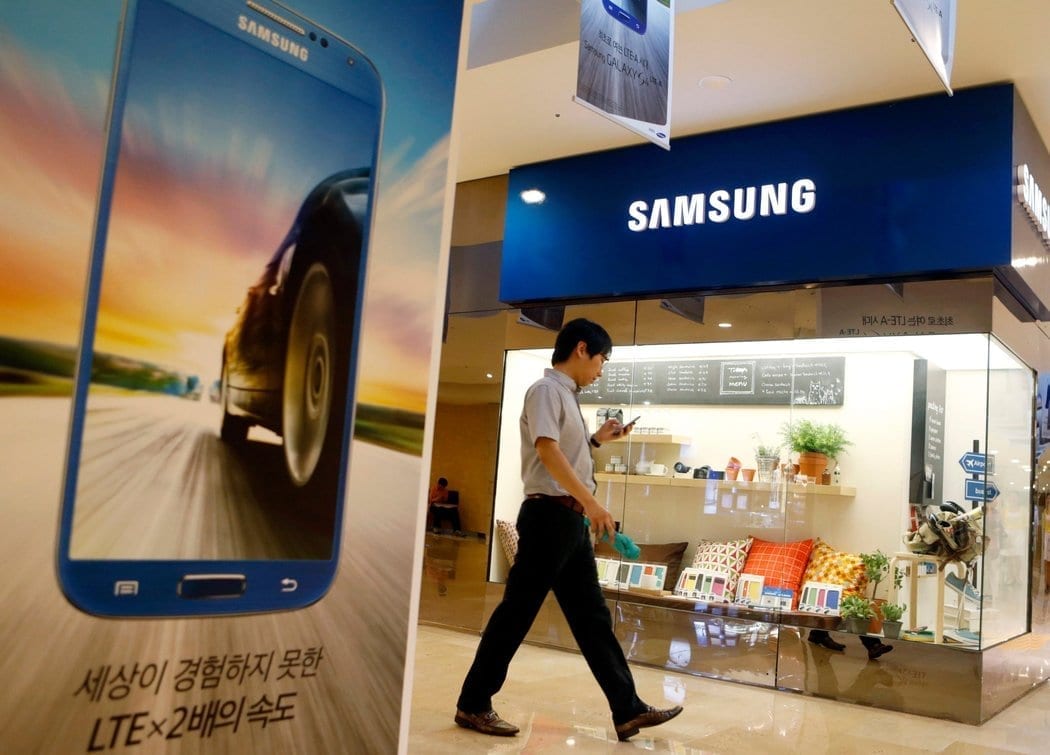
  • Samsung unveils Samsung Infinity experiential concept in Seoul

    Samsung unveils Samsung Infinity experiential concept in Seoul

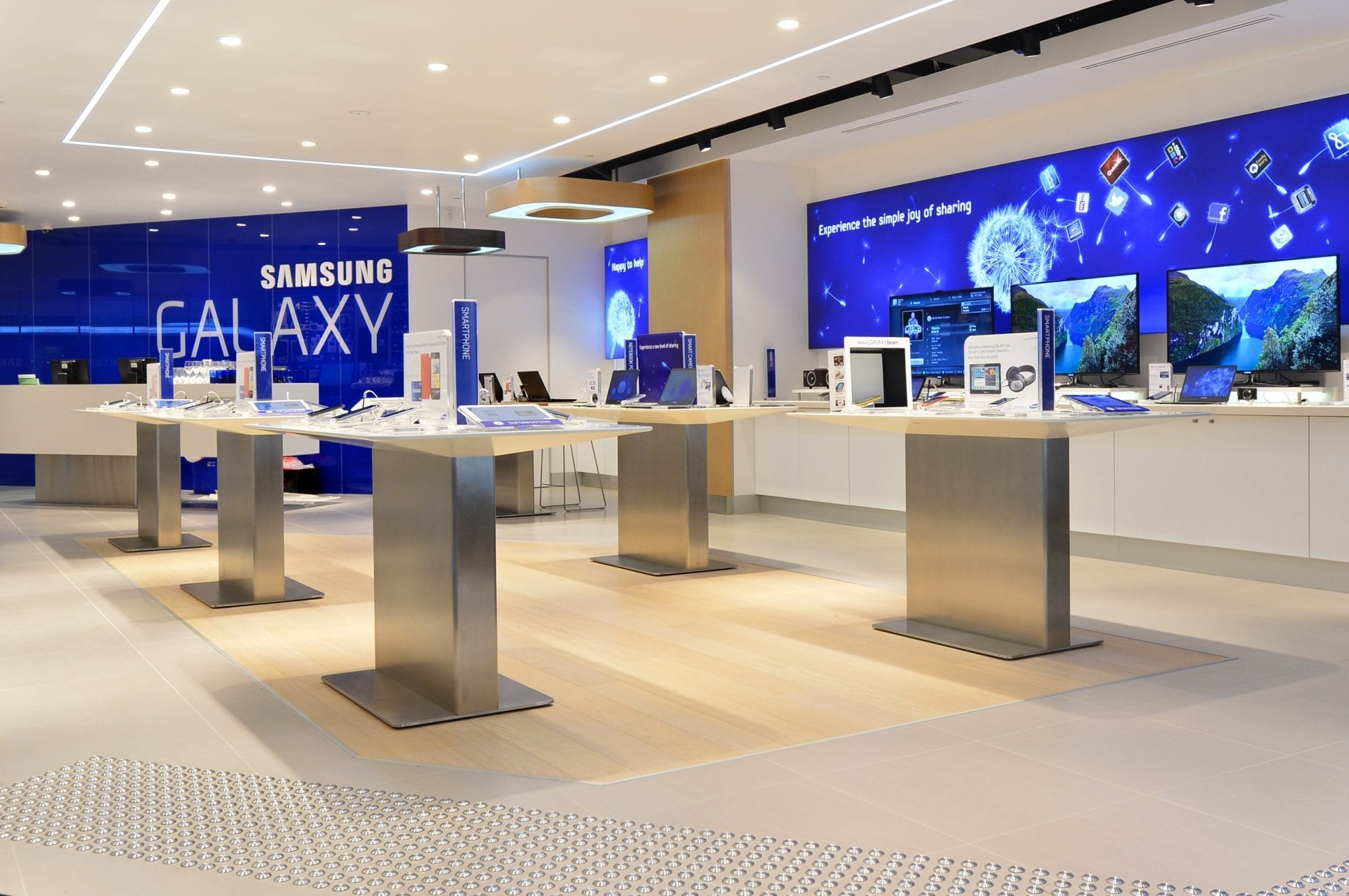
    Samsung has created an experiential concept store in south Seoul, dubbed Samsung Infinity, showcasing its products across multiple categories.

    Located inside the premium department store OMA’s Galleria in Seoul, the experience center spans four stories, with a 4000sqm floor area. Designed by JHP, Samsung Infinity features a futuristic concept which some customers have described as “something out of the science fiction series Devs”.

    A wide range of Samsung products is displayed there, ranging from ‘super smartphones’ and appliances to electric cars and even ‘digital fashion’.

    Samsung Infinity also houses a giant glass sculpture called Infiniti Tower standing in a three-story atrium in the heart of the center.

    “I recall going in but then walking immediately out again only to look at my watch and find that two hours had passed,” a customer said when visiting the center. “I felt elated, entranced and in something of a state of ecstasy,” they enthused.

    “We designed it… but emotionally we are still coming to terms with what we have created,’ says Steve Collis, CEO at JHP.

  • Apple iPhone production in India shuts down due to dispute with China

    Apple iPhone production in India shuts down due to dispute with China

    Battles along the India-China border last month left 20 Indians dead, and as we told you at the time, negatively impacted iPhone production in and shipments to India. Indian authorities were blocking shipments from China into India. This left Apple iPhone components held up at Indian ports and a lobby group representing U.S. companies in India wrote the country’s commerce minister to state that holding up shipments from China could dissuade U.S. firms from doing business in the country.

    India continues to make things difficult and is still blocking exports from China. Three sources inside India told Reuters that because Apple contract manufacturer Foxconn cannot receive supplies to its two factories in South India, hundreds of Foxconn employees had no work to do this week. Apple started manufacturing certain iPhone models in India starting with the OG iPhone SE. It now makes newer phones like the iPhone XR in India; by producing handsets in India, Apple is able to keep the country from imposing an import tax on them. Keeping the price of these phones down is important to the average Indian consumer; while it is the second-largest smartphone market in the world, India remains a developing country and for the most part, consumers there need to limit their phone purchases to low and mid-range models. Saving $100 to $200 by avoiding an import tax is a big deal to consumers in the market

    More than 150 shipments to Foxconn’s Indian facilities from its factories in China said to contain smartphones and other electronic parts, have been stuck at the port of Chennai and some are being cleared now. The manufacturer’s two plants in India are located in Tamil Nadu and Andhra Pradesh state. Besides assembling certain  Apple iPhone models in the country, the factories assemble some Xiaomi handsets; the latter’s value for money pricing plays very well in India. The plants have thousands of Indians on the payroll and many of them live in accommodations provided to them by Foxconn.

    One source discussing the matter with Reuters said, “Foxconn was in a very bad state … lots of workers stayed at the dormitory because there was no work.” Meanwhile, the Indian foreign ministry did not respond to a request by Reuters for comment. Two ministry officials did say that the extra scrutiny given all shipments imported into India are only temporary and will soon come to an end. One official in India said, “We cannot keep checking 100% of shipments forever … Shipments of non-Chinese companies being impacted will be cleared on priority.” Interestingly, customs has held back these shipments without a formal order.

    The delays to imports from China are hitting India at a time when the supply chain is still impacted by the coronavirus. U.S.-India lobby groups are asking the government to intervene. Today, China’s commerce ministry said that it hoped that India would stop its discriminatory action against Chinese companies ASAP. The country recently banned 59 Chinese apps including wildly popular short-form video app TikTok.

    As the planet’s second-largest smartphone market, the border battle between the two countries might have a negative impact on some of the top Chinese smartphone brands in India. Xiaomi’s 30% slice of the Indian smartphone phone might not be hurt that much because the brand delivers handsets at a good price and with good specs. Samsung could be the biggest beneficiary of this squabble since it is not a Chinese brand and the Galaxy A models feature viable cameras and long battery lives at a very reasonable price. The Samsung Galaxy A10 with 2GB of memory and 32GB of storage is priced at the equivalent of $109 USD.

    For now, production of iPhone models in India are held up by this dispute as Foxconn employees get an extended vacation.

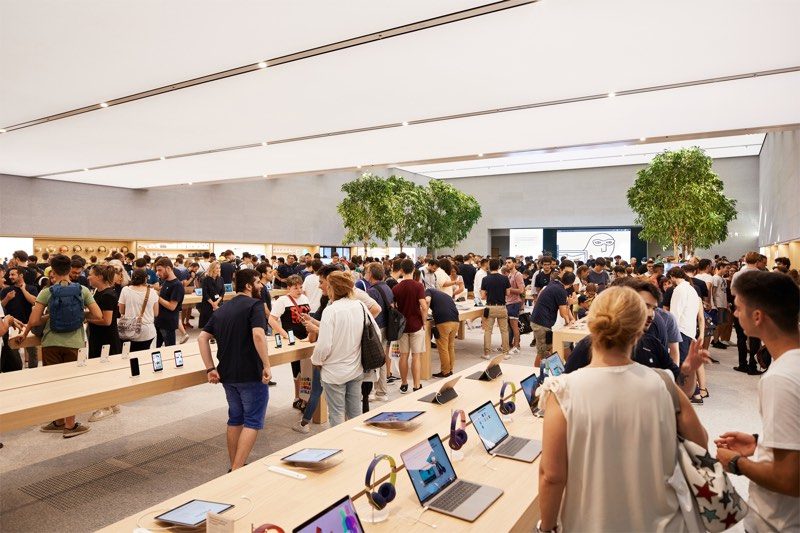
  • Apple closes 30 more U.S. Apple Stores including all locations in Florida

    Apple closes 30 more U.S. Apple Stores including all locations in Florida

    As the number of coronavirus cases reported daily in several states starts to shoot back up, Apple is beginning to close more of its physical Apple Stores. Just a week ago, we told you that Apple was temporarily turning the lights off in 14 additional locations in Florida. We posted that article on June 25th and two days later the state hit a peak of 9,585 new cases announced.

    Other states are hitting the pause button on reopening plans and today Apple said that 30 more brick and mortar stores in the U.S. will be closed. 77 Apple Stores have reclosed over the last few weeks. With the remaining two Florida-based Apple Stores turning the lights off and locking the doors today, all physical Apple Stores in the Sunshine State have now been shuttered.

    Besides the stores in Florida, locations near Los Angeles have also been closed. On Wednesday, the company said that Apple Stores in Florida, Mississippi, Texas, and Utah were closed immediately. Stores in other states such as Alabama, California, Georgia, Idaho, Louisiana, Nevada, and Oklahoma will close on Thursday. By tomorrow, 77 or 28% of the 271 U.S. Apple Stores in the country will not be open. An Apple spokesman says, “Due to current COVID-19 conditions in some of the communities we serve, we are temporarily closing stores in these areas. We take this step with an abundance of caution as we closely monitor the situation and we look forward to having our teams and customers back as soon as possible.”

    Apple is taking precautions even in stores that remain open. At some stores, all business is being conducted curbside while at other locations customers need to make an appointment to go inside. At the latter stores, when customers arrive for their appointment. they will have their temperature checked and will be forced to wear a mask; social distancing is practiced as each customer must be separated by at least six feet.

    The Apple Stores that closed today include St. Johns Town Center, University Town Center in Florida; Renaissance at Colony Park in Mississippi; Barton Creek, Domain Northside, La Cantera, North Star, Knox Street, Northpark Center, Galleria Dallas, Ciello Vista Mall, Southlake Town Square, University Park Village in Texas.

    The Apple Stores that will close Thursday include The Summit in Alabama; Glendale Galleria, Northridge, Pasadena, The Grove, Third St. Promenade, Century City, Manhattan Village, Beverly Center, Sherman Oaks, Topanga, Los Cerritos, The Americana at Brand, Valencia Town Center, Victoria Gardens, The Oaks, The Summit in California; Cumberland Mall, Perimeter, Lenox Square, Avalon, Mall of Georgia in Georgia; Boise Towne Square in Idaho; Baton Rouge, Lakeside Shopping Center in Louisiana; Fashion Show, The Forum Shops, Town Square, Summerlin in Nevada; Penn Square, Woodland Hills in Oklahoma.

    So what can a consumer expect when visiting an Apple Store in the U.S. that has been reopened and remains so? Apple explains that “Before you enter an Apple Store, we will take your temperature using a thermometer that does not touch the skin to ensure that it measures below 37.5° C (99.5° F). No data from this procedure will be recorded. Prior to your store visit, please ask yourself the following health-related questions: Do I currently have a fever, chills, muscle or body aches? Do I currently have a cough or am I experiencing any respiratory issues? Do I have a headache, sore throat, runny nose, or congestion? Am I experiencing any nausea, vomiting, or diarrhea? Have I been in contact with any suspected or confirmed cases of COVID-19 in the last 14 days? If you answered YES to any of these please visit at a later date. You can get all the same great products and services from our online store with free no-contact delivery, and one-on-one shopping help from a Specialist via Chat, or by calling 1‑800‑MY‑APPLE. Shop Apple Store online.”

    Overseas where the coronavirus isn’t making a comeback, Apple is able to keep its stores open in most countries.
  • Bang & Olufsen introduces new Beoplay E8 Sport premium earbuds

    Bang & Olufsen introduces new Beoplay E8 Sport premium earbuds

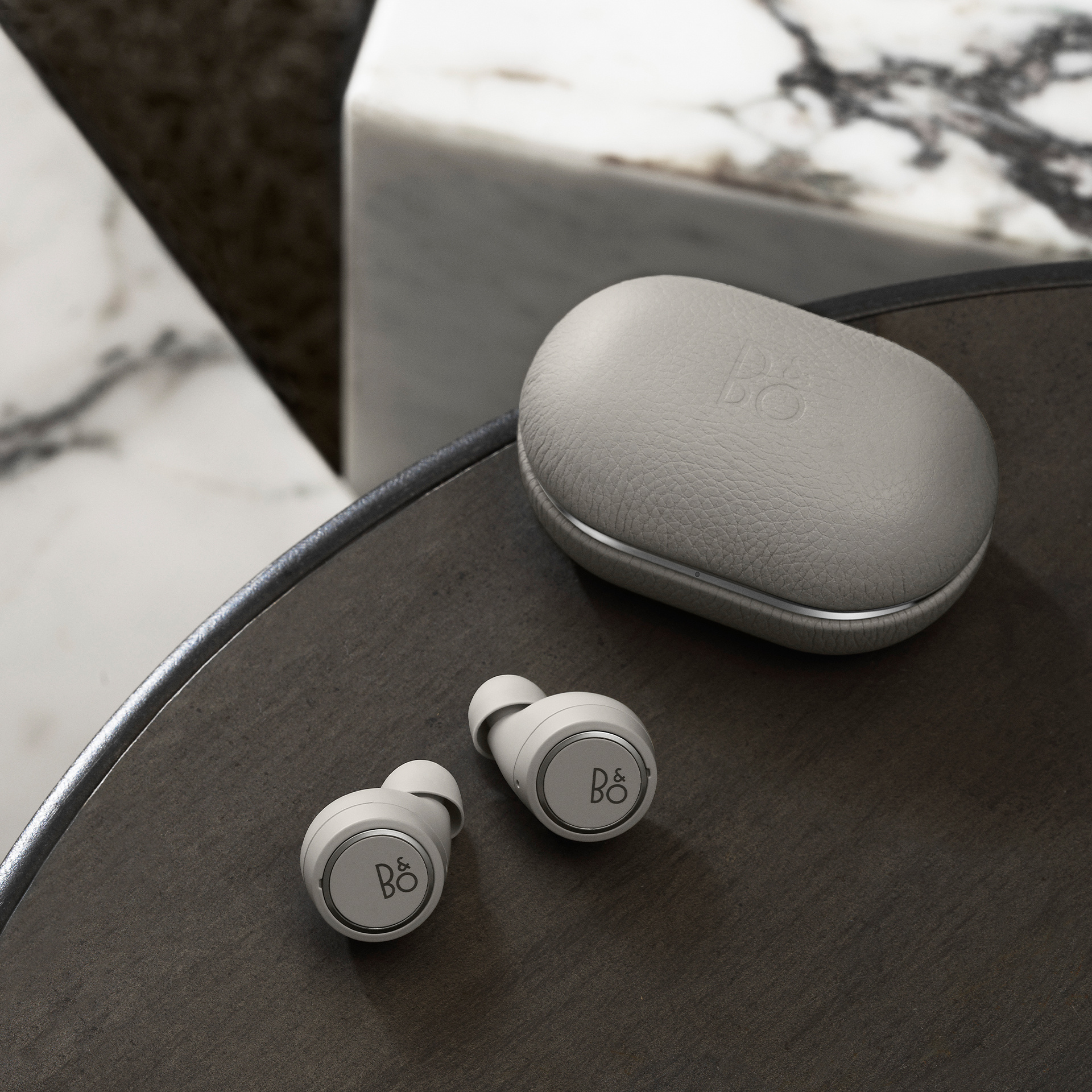
    Bang & Olufsen, the premium brand that brings us all sorts of expensive audio products, has just revealed a pair of wireless earbuds – the Beoplay E8 Sports. Unsurprisingly, they look premium and are quite pricy at no less than $350

    The Beoplay E8 Sport offer around 7 hours of battery life, but thanks to the charging case, you’ll be able to get up to 30 hours. Equally important is the fact that the earbuds are waterproof down to one meter for 30 minutes (IP57 certification) and sweat resistant.

    The earbuds benefit from the latest Bluetooth 5.1 and Qualcomm aptX technologies. It’s standard procedure for designers to add touch controls to earbuds and Beoplay E8 Sport are no exception. You’ll be able to take calls, play and stop music, or even activate B&O’s Transparency Mode when you need to hear what’s happening around you.

    The Beoplay E8 Sport earphones feature four built-in mics for a state-of-the-art noise-canceling experience. The earbuds come with a charging case with built-in wireless charging, but a charging pad is available for purchase separately for $125. Bang & Olufsen’s new premium earbuds will start shipping on July 9.

  • Singapore electronics upcycler Reebelo raises US$1.25 million

    Singapore electronics upcycler Reebelo raises US$1.25 million

    Singaporean refurbished-electronics marketplace Reebelo has raised a US$1.25 million seed round led by June Fund, with participation from Antler.

    The funds will be used to speed the firm’s expansion by supporting new marketing and operations hires as the business extends further into Asia-Pacific markets.

    “We are strong believers and investors in circular commerce,” said June managing partner David Rosskamp, who is joining Reebelo’s board. “What it ultimately stands for is a different form of consumption, with a more sustainable and often fairer way. Reebelo’s team is following this mission with passion and focus.

    “Supporting Reebelo to build up a central electronics trading infrastructure ideally mirrors our investment theses, and we are happy to invest at an earlier stage than we usually do.”

    The firm acts to reduce consumer-electronics waste and has a strong sustainability focus, selling checked and refurbished devices at prices up to 70-per-cent less than brand new models. It also purchases second-hand devices to be refurbished and resold.

  • Apple Glass won’t need prescription lenses according to a new patent

    Apple Glass won’t need prescription lenses according to a new patent

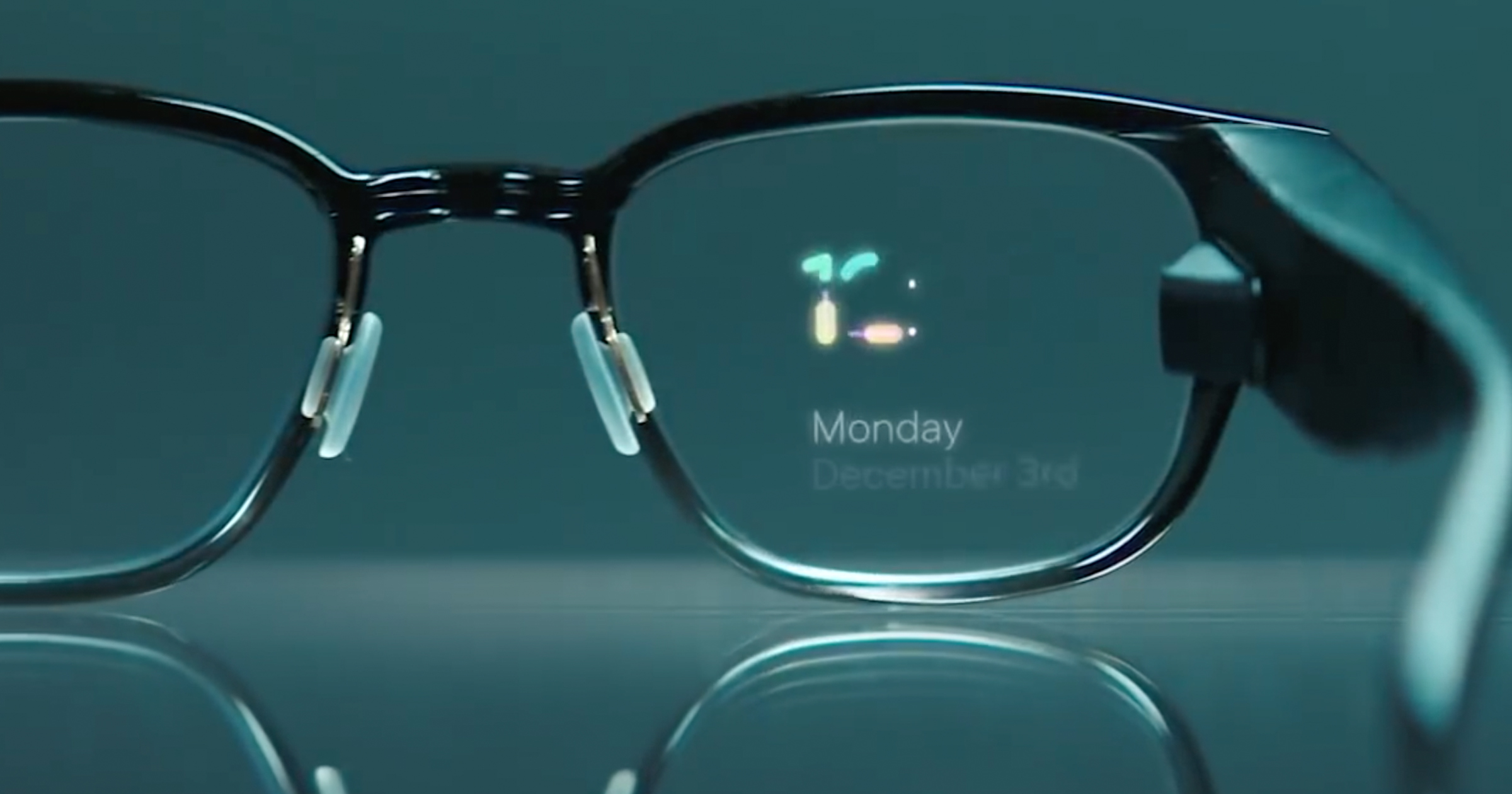
    Imagine wearing a pair of glasses that automatically adjusts to your eyes in order to correct any deficiencies; instead of wearing prescription lenses, the lenses would automatically make the necessary changes. Today, the U.S. Patent and Trademark Office (USPTO) awarded a patent to Apple for technology that would allow self-correcting lenses to be used on the rumored Apple Glass AR eyewear. The system seen in the patent illustrations shows a smartphone (like an iPhone) sliding into a frame. This would place the phone directly in front of the users’ eyes and allow it to plug into internal connectors so that it can be used as a display.

    Apple has used the title of the patent, “Head-mounted display apparatus for retaining a portable electronic device with a display,” multiple times with each use adding another change to the design. The latest version of the patent deals with a system to change the position and configuration of the device’s optical components in line with the user’s prescription. The beauty of this is that it would allow the user to wear the headset without having to put it on top of corrective lenses or contact lenses. Besides adjusting the lens configuration to make up for the user’s prescription, the display can be adjusted to make images look clearer; this can be accomplished by changing the position of images on the lens and resizing content. Right now, however, it doesn’t appear that Apple Glass will be available with tinted lenses for a sunglasses variant.

    The processing power required for the lenses to be automatically adjusted would come from a paired iPhone. In fact, like the original Apple Watch models which relied on a nearby iPhone to run many of the features on the timepiece, the first versions of Apple Glass will likewise obtain processing power from an iPhone. Eventually, it is hoped that Apple Glass users will be able to leave their iPhones at home and still have the AR shades handle tasks using on-demand processing.

    Apple Glass is expected to be unveiled next year. Last month, tipster Jon Prosser disseminated some leaks revealing that Apple Glass will look like a traditional pair of glasses with options for prescription lenses. This would indicate that the self-adjusting lenses won’t be offered by Apple for the first version of the device. Prosser says that the device will cost $499 and while prototypes of the glasses have a plastic build, a version with metal frames will eventually be available. While there will be no cameras mounted on Apple Glass, the wearable will have a LiDAR time-of-flight depth sensor. First employed by Apple on the 2020 iPad Pro models, the sensor computes how long it takes for infrared light to bounce off of a subject and return to the device. With this information, more precise depth measurements can be calculated and used for enhanced bokeh blurs on portraits, improved AR capabilities, and more.

    The camera available on Google Glasses became a controversial topic since users could snap photos of people without their knowledge. This led some bars to throw out patrons wearing Google Glasses and owners of the device were unceremoniously given the nickname “Glassholes.” Additionally, several movie chains, afraid that Google Glasses were being used to record bootlegs of newly released films, would not allow anyone wearing Google Glass to enter the theater. To prevent a repeat of this happening, Apple is reportedly going to employ a depth sensor only on Apple Glass.

    Prosser says that Apple Glass buyers will get a plastic stand right out of the box for wireless charging. A dedicated UI called “Starboard” will use gestures on the frames or via the LiDAR sensor.

  • Some of Apple’s staff is returning to work at its offices

    Some of Apple’s staff is returning to work at its offices

    With the beginning of next week, June 15, Apple will have some of its employees return to work at its headquarters in Cupertino. According to sources, the company has informed its staff that this will only apply for a small number of employees, while most won’t have to return to their offices for at least a few more months.

    The very limited “phase 1” of bringing Apple employees back to HQ will only allow them in the offices on certain days, depending on the nature of their jobs, as the company wrote in a recent internal memo to its staff, promising more details later through the month.

    In the memo, the company has stated that only a limited number of people will be allowed in buildings and other work areas at the same time. Social distancing and mandatory temperature checks will be required every day. Sources also note that Apple strongly encouraged its staff to take Covid-19 tests provided by it, either at home or on-site, before visiting its headquarters. In addition, face masks will be required at all times, in all of Apple’s offices and campus locations.

    As the coronavirus pandemic took over the world, Apple, like many businesses, had to close its retail stores and offices, with some employees continuing to work from home, as long as their position allowed for it. Last month the company began gradually opening its retail stores again, and alternatively introduced Apple Store Online.

    Likely thanks to the lockdown, April showed Apple’s strongest growth for its App Store since late 2017, and was the fourth consecutive month of increasing App Store downloads for the Cupertino giant. App Store purchases for the iPad, in particular, hit a record $2.1 billion in the first quarter of 2020, as people were staying at home, with many relying on apps for work, entertainment and education.

  • Amazon is making Alexa even more powerful with a slew of new features

    Amazon is making Alexa even more powerful with a slew of new features

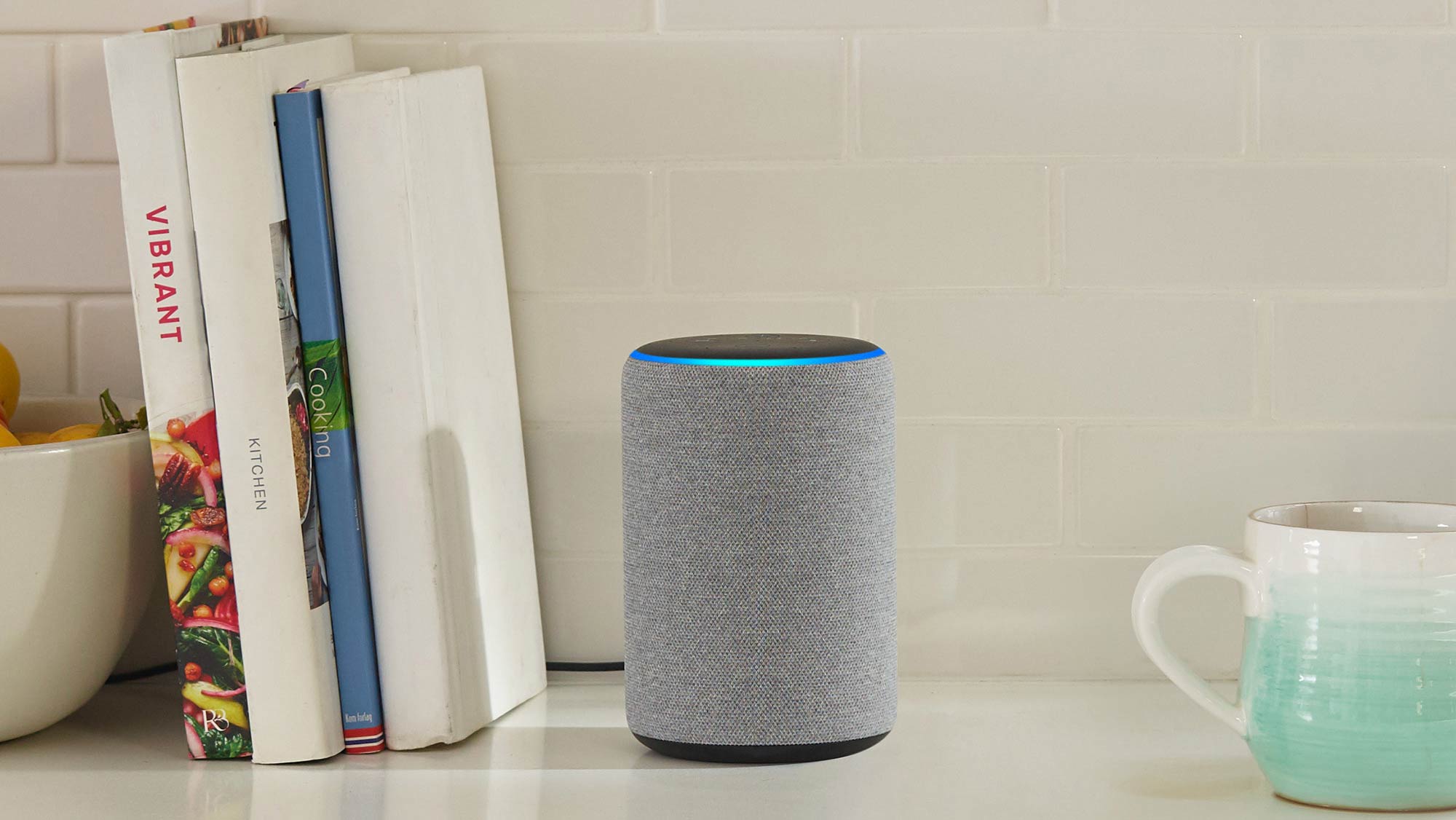
    When it comes to smart speakers, Amazon dominates the US market with its Alexa-powered Echo devices. According to a report published early this year by eMarketer, nearly 70% of US smart speaker users will own an Echo in 2020, down from 73% last year.

    The more reason for Amazon to continue to improve Alexa, its personal digital assistant powering many home devices in the United States. Amazon announced recently a host of new features that are now available in Alexa or will be in the coming weeks. Here are some of the most important new Alexa features recently introduced by Amazon:

    • Drop In for all of your devices – customers can now use group Drop In to instantly connect all of their Echo devices into a group conversation. Simply say, “Alexa, drop in on all devices” to start an audio intercom call to have conversations like “what should we have for dinner?” or “does anyone want anything from grocery store?”
    • Reminders on all devices – customers in the U.S. can now set reminders to play across all their Alexa devices, a frequently requested feature. In the Alexa app, customers can choose “All devices” when creating an individual reminder or enable the feature for all reminders by going to Settings > Reminders and opting into “Announce on all devices.”
    • Photo sharing and reactions – you can easily share photos with your Alexa contacts from your Echo Show and the Alexa app. Now, when someone shares a photo with you, you can send a reaction back by choosing one of three animated emoji options, including “laugh,” “love,” and “wow.”
    • Daily Music Pick – Amazon Music revealed Daily Music Pick, a new Alexa feature in which artists provide customers with daily music recommendations. Just say “Alexa, play the Daily Music Pick” and each day a new artist will select a song, album, or playlist that they’ve been enjoying at home.

    Besides these new features, Amazon announced that Echo Auto is making its way to Australia and that Alexa is now available for Volkswagen Golf 8 owners in the UK, Germany, France, Italy, and Spain. Also, Lenovo Smart Tab M10 FHD Plus (2nd Gen) and Sonos Arc, a new premium smart soundbar launching on June 10, will be getting Alexa built-in.

  • Apple takes action to close most U.S. stores after looting occurs

    Apple takes action to close most U.S. stores after looting occurs

    Some Apple Stores were looted last night as the U.S. suffered through another night of violent protests related to the death of George Floyd. Floyd was killed when a Minneapolis police officer put his knee into the man’s neck for nine minutes even though he was handcuffed, compliant with all of the officers’ demands, and no longer a threat. All four officers were fired and one charged with third-degree murder.

    To protect its employees from the violence, Apple has decided to temporarily close some of its brick and mortar locations. These stores had only recently reopened after being shut down because of the coronavirus pandemic. Apple Stores that were damaged or looted included locations in Portland, Philadelphia, Brooklyn, Salt Lake City, Los Angeles, Charleston, Washington, D.C., Scottsdale, and San Francisco. Some of the stores that were heavily damaged are closed indefinitely while others will reopen on Monday. Apple today said, “With the health and safety of our teams in mind, we’ve made the decision to keep a number of our stores in the US closed on Sunday.”

    One Twitter subscriber named Brian Mitchel tweeted about the Apple Store Uptown located in Minneapolis. The store was looted, boarded up, looted again, and boarded up again. In Portland, the Apple Store at Pioneer Place had tall windows smashed on all sides. This location had just reopened two days ago and it now will take some time to repair the store to make it safe for customers. Video from Portland’s KOIN 12 shows people running into the aforementioned Apple Store and running out with boxes of iPhones and iMacs in their hands.

    What the looters probably don’t know is that the iPhones that they steal from looted stores won’t work. Since 2016, demo iPhones in a particular Apple Store do not work if removed from that store. In the latter situation, these demo units will only respond to “Find My iPhone.”

    Out of the 271 U.S. Apple Stores, 140 stores had reopened over the last couple of weeks. It isn’t clear whether the violence will delay the reopening of the remaining 131 locations. Apple’s retail chief Deirdre O’Brien said earlier this month that “Our new social distance protocol allows for a limited number of visitors in the store at one time so there may be a delay for walk-in customers. We recommend, where possible, customers buy online for contactless delivery or in-store pickup.”

    If you decide to visit an open Apple Store, O’Brien says, “In every store, we’re focused on limiting occupancy and giving everybody lots of room, and renewing our focus on one‑on‑one, personalized service at the Genius Bar and throughout the store. We’re also taking some additional steps in most places. Face coverings will be required for all of our teams and customers, and we will provide them to customers who don’t bring their own. Temperature checks will be conducted at the door, and posted health questions will screen for those with symptoms — like cough or fever — or who have had recent exposure to someone infected with COVID‑19. Throughout the day, we’re conducting enhanced deep cleanings that place special emphasis on all surfaces, display products, and highly trafficked areas.”

    Because of the COVID-19 pandemic, the fiscal third quarter for Apple was looking glum even before the looting forced the company to close most U.S. Apple Stores today. And again, stores with extensive damage are going to be closed for some time.

  • Apple 12 Is Likely to Arrive Much Later

    Apple 12 Is Likely to Arrive Much Later

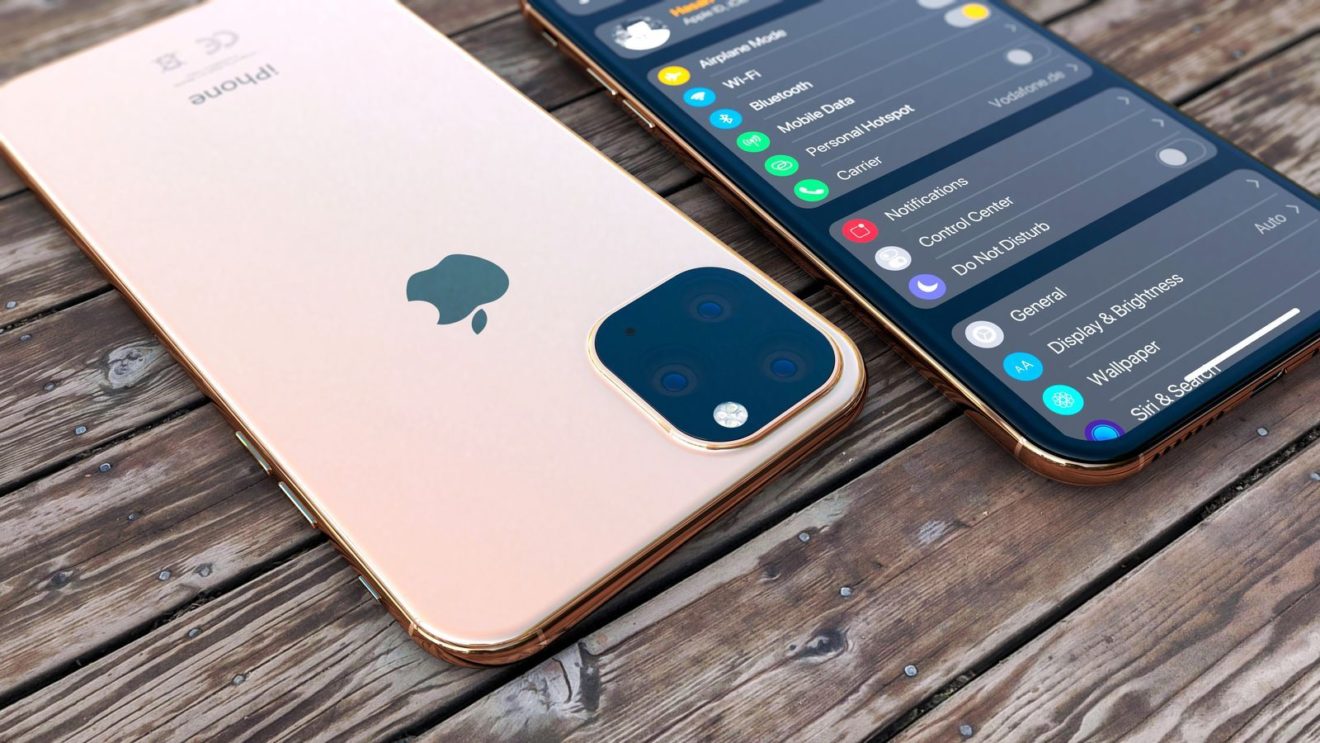
    Over the years, we have come to expect that each new generation of Apple products usually comes sometime in September. Everyone thought that the same thing would happen with the upcoming Apple 12 lineup.

    If you tend to follow the news regarding Apple phones, you might already know that the new Apple 12 models are set to be released within the usual September and October timeframe, with slight differences depending on location.

    However, this might not turn out to be the case if the latest rumors are to be believed. According to MacRumors.com, the forthcoming iPhone 12 models are likely to arrive a little later. They are basing this on the production schedules for the 6.1-inch iPhone 12 Max and iPhone 12 Pro, which have the two phones set for production in July and August.

    Production schedules influence the release date greatly, and these seem to show that Apple won’t have enough time to release the phones in September. However, even if they were able to release these two phones in the usual timeframe, it seems that the smaller iPhone 12 with the 5.4-inch display and the massive 6.7-inch iPhone 12 Pro Max are set for production in August and September.

    Looking at these rumors, it seems likely that Apple will release all four models at different dates. The iPhone 12 Pro and iPhone 12 Max could come out in the usual timeframe, while the base model, iPhone 12, and the most expensive one, iPhone 12 Pro Max, could come out in November, or later.

    If that were to happen, it would be the first time for Apple to release its main models later than usual. In fact, it would be the first time in almost an entire decade.

    The displays are the likely culprits for the delay. The new iPhone 12 Pro and iPhone 12 Max are supposed to have separate touch screen layers that are easy to acquire from suppliers, but the iPhone 12 and iPhone 12 Pro Max are likely to feature a different technology called Y-OCTA.

    Even though this is the likely reason for a later release date, it’s still good news because the technology will allow for thinner panels. This will likely result in more accurate colors and thinner bezels. More importantly, it could result in a 120Hz display. Many smartphone manufacturers are already using 120Hz displays as they create a much smoother user experience.

    For example, if you are an avid gamer or an online casino aficionado, you would have a tremendously improved experience. This would be akin to what PC gamers tend to get from monitors with higher refresh rates. That way, if you were to play slots found on Japanslots.com, the experience would be a lot smoother than if you were using a standard 60Hz display.

    So, that one extra month of waiting could end up being a good thing. Naturally, the release dates are still only rumors and we could still get all the new Apple models much sooner. Only time will tell.

  • Since Huawei can’t use the top video sharing service

    Since Huawei can’t use the top video sharing service

    A bit over a year ago, the U.S. Commerce Department placed Huawei on its Entity List preventing the company from accessing its U.S. supply chain. This prevents the manufacturer from licensing Google Mobile Services and installing core Google apps on its phones. The company also cannot install apps like the Play Store, Gmail, Search, Maps, and Drive. This doesn’t matter inside China where most of Google’s apps are banned anyway, but it could affect demand for the global versions of the company’s handsets.

    Huawei has been using an open-source version of Android and debuted its own Huawei Mobile Services with the recently released P40 series. HMS features Huawei’s own AppGallery app storefront which includes the Petal Search app. The latter has a cool feature that allows users to search for a particular app. If an app cannot be found in AppGallery, Petal Search will find a third-party app store that lists the app and provides a link to install it. This will also work with apps developed by U.S. companies such as Snapchat and Instagram giving owners of Huawei phones a way around the Commerce Department’s ban.

    Another one of Google’s popular apps that is not allowed to be installed on Huawei’s phones is YouTube. Google acquired the video streaming app in October 2006 for $1.65 billion in Google stock. As with everything else that the U.S. Commerce Department bans Huawei from, the Chinese manufacturer has been searching for a replacement that is out of reach of the Trump administration. The video-sharing tech platform located in France has signed a deal with Huawei Video. Through this new partnership, DailyMotion’s video player technology has been integrated with the Huawei Video app. Dailymotion, for those unaware, is the second-largest video sharing platform in the world behind YouTube.

    The technology package includes a robust white-label video player, a large volume of international and local video content via Dailymotion’s API as well as a strong monetization solution of the video inventory. In other words, Huawei users will have access to a large selection of videos that can be monetized by including ads with a video. The decision about monetizing content is up to Dailymotion’s video creators. Dailymotion says, “Committed to supporting renowned global publishers like Huawei Video, Dailymotion believes that its video technology solutions will continue to enrich the content of publishers, to expand their digital footprint and reach a global audience.”  It might not be the same content found on YouTube, but the Dailymotion app might include plenty of European content that should find favor among owners of the global variants of Huawei handsets.

    The international and local content available from Dailymotion is expected to broaden the audience for the Huawei Video app. Stéphane Godin, Dailymotion’s, Chief Content Officer said, “Thanks to all our premium partners, Dailymotion is able to distribute a large amount of videos and playlists to third-party publishers. We are proud to collaborate with Huawei to make all of our content catalog reach new premium audiences.” A Huawei executive also chimed in; Jervis Su, Vice President of Mobile Services, Huawei Consumer Business Group stated, “We’re pleased to offer our Huawei Video service so that people across the globe can easily explore thousands of videos and movies available from our partners, including Dailymotion, anywhere and anytime. We are committed to bringing more choice to consumers. We also hope it will bring some joy to all of their lives at this time.”

    The U.S. considers Huawei to be a national security threat due to a perceived tie to the communist Chinese government. Administration officials believe that Huawei’s gear contains backdoors that collect data from consumers and corporations and sends it to Beijing. Huawei has repeatedly denied these allegations.

  • Samsung together with Facebook help Indian SMEs go live online

    Samsung together with Facebook help Indian SMEs go live online

    Samsung and Facebook have partnered up in India to train retailers to expand into e-commerce via social media platforms such as Instagram and WhatsApp.

    More than 800 retailers have undergone training sessions, with many more expected to participate in the near future.

    “Our partnership with Facebook is helping a large number of our retail partners go digital in a big way,” said Samsung India senior VP mobile business Mohandeep Singh. “By leveraging the Facebook training, our retail partners will be able to discover and target local consumers digitally.”

    The training by Samsung and Facebook most specifically targets offline retailers of Samsung products to set up business pages and accounts on Facebook’s various platforms.

    “The presence of local Samsung retailers on Facebook, Instagram, and WhatsApp will help consumers reach out to their local retailers for more information about their desired Galaxy smartphone, and shop for Galaxy smartphones on the platform of their choice,” read an official statement from Samsung.

  • cand JD use big data to design ‘C2M Mobile Phone’

    cand JD use big data to design ‘C2M Mobile Phone’

    Chinese e-commerce giant JD and device manufacturer Xiaomi sold 10,000 units of a jointly-produced mobile phone within 11 minutes.

    The Redmi K30 5G Racing phone was developed by Xiaomi based on customer insights generated from big data provided by JD. Sales volume passed RMB2 million (US$280,500) within two minutes, with the unit price at RMB1999 ($280).

    More than 20,000 phones were sold within the day.

    JD’s data revealed that most customers within the price range were females with higher educational backgrounds and above-average demand for device functions and CPU. The phone was designed with an upgraded CPU and with a mint green color tone, shown by the data to be more attractive to female customers. JD’s data also supported the marketing strategy of the product, targeting around 1.2 million customers likely planning to replace their phones within two months.

    “We have great confidence in the new C2M product,” said Xiaomi China VP Weibing Lu. “JD has been an important partner for Xiaomi, and we will work closely with JD on more C2M products in the future to better serve our customers.”

    “JD has been continuously working on C2M products with our brand partners, and the Redmi K30 5G Racing version is the collective effort of JD, Xiaomi, and Qualcomm,” said JD Mobile Devices president Daniel Tan.

    “C2M enables customers’ demands to directly reach upstream supply chain players, helping to optimize supply chain efficiency and reduce costs. This model enables us to keep improving the shopping experience.”

  • HTC U Ear true wireless earbuds seen on FCC’s website

    HTC U Ear true wireless earbuds seen on FCC’s website

    HTC is gearing up to join the insanely competitive wireless earbuds market. The company’s debut wireless hearables, the HTC U Ear have been spotted on FCC, implying that they could be here anytime.

    In addition to revealing the name of the wireless earphones, the listing also contains images that give us a good look at them. Design-wise, they bear a lot of resemblance to the Apple AirPods. They have a glossy black finish and come in a cube-shaped box. Although the USB-C charging port can be seen in the images, we don’t know if wireless charging will also be supported. It also looks like they will ship with a USB A-to-C cable.
    The true wireless headsets market is currently dominated by Apple. However, just cloning AirPods wouldn’t necessarily work for HTC. Back in 2010, HTC acquired a major stake in Beats Electronics to help with smartphone sales. However, nothing much came out of the deal, and by 2013, the company had sold back its stake.
    Later on, Apple bought Beats, and the acquisition totally paid off. In fact, it’s believed that the takeover helped Apple gain an insight into the Bluetooth headphones market trends, which ultimately resulted in the birth of the AirPods and the jack-less iPhone.
    The success of AirPods has led rivals to create similar products of their own. Google, Amazon, and Microsoft have all jumped the bandwagon, and OnePlus is also expected to follow suit.
    Microsoft, Apple, and Google also use their software to their advantage. For instance, the Surface Earbuds offer Office 365 integration, and the Pixel Buds 2 provide hands-free activation of Google Assistant and live language translation. Amazon’s Echo buds feature always-on Alexa and are priced aggressively.
    Thus, unless the HTC U Earbuds offer something that makes them stand out and are priced competitively, they will be just another pair of wireless earbuds.
  • Apple to reopen 25 U.S. Apple Stores this coming week

    Apple to reopen 25 U.S. Apple Stores this coming week

    Deirdre O’Brien, Apple’s Senior VP of Retail + People, published an open letter today on Apple’s website. In the letter, O’Brien notes that nearly 100 Apple Stores around the world have reopened. First, let’s have a little recap. The company was one of the first insides of China to take action right away, and by using social distancing Apple was able to slow the spread of the virus. Apple has continued to develop a set of rules that it has stuck within China and elsewhere, and this has allowed it to safely keep its stores open for months. It plans on bringing over these rules to the U.S.

    On March 13th, Apple reopened its retail stores in China, and on April 18th it opened its one location in South Korea. Last Monday, an Apple Store in Idaho became the first in the states to turn the lights back on again and as of today, there are 99 brick and mortar Apple Stores open for business. In the coming week, there will be 25 more U.S. stores re-opening along with 12 in Canada and 10 in Italy.

    O’Brien says, “Our commitment is to only move forward with a reopening once we’re confident we can safely return to serving customers from our stores. We look at every available piece of data — including local cases, near and long‑term trends, and guidance from national and local health officials. These are not decisions we rush into — and a store opening in no way means that we won’t take the preventative step of closing it again should local conditions warrant.

    You can check the status of any Apple Store by going to this website and typing in the store’s zip code. Each reopened store will limit the occupancy and make sure that everyone has sufficient room. The Genius Bar will focus on one-to-one personalized service. Team members and customers will be required to wear face masks and those without a mask will be provided one by Apple. Customers will have their temperatures taken at the door and posted health questions will screen for those with a fever or a cough, or who had recent exposure to someone affected. During the day Apple will allow the stores to be deep cleaned with “special emphasis on all surfaces, display products, and highly trafficked areas.” And many Apple Stores will provide curbside pick-up and drop off. Online orders can be picked up from an Apple Store or shipped to a home address. As O’Brien wrote, “you can continue to find the same excellent standard of customer service and support online and over the phone to help you with any questions you might have.”

    The executive in charge of the Apple Store, Deirde goes on to add, “The response to COVID‑19 is still ongoing, and we recognize that the road back will have its twists and turns. But whatever challenges lie ahead, COVID‑19 has only reinforced our faith in people — in our teams, in our customers, in our communities. Down the road, when we reflect on COVID‑19, we should always remember how so many people around the world put the well‑being of others at the center of their daily lives. At Apple, we plan to carry those values forward, and we will always put the health and safety of our customers and teams above all else.

    Thank you for all you’re doing to support the COVID‑19 response — whether that’s volunteering, donating, sharing gratitude for our medical workers, or maintaining social distance to protect the health of our communities.”

    Apple has 510 Apple Stores worldwide with 271 of them located in the United States.