Category: Electronics

Retail News Asia is committed to providing both local and global retailers with the latest Electronics news throughout the Asian market. This on a daily base.

  • Samsung tops Vietnamese smartphone market

    Samsung tops Vietnamese smartphone market

    Samsung increased its market share to 33 percent in the second quarter to become the largest smartphone brand in Vietnam. Despite the impact of the Covid-19 pandemic, the South Korean firm increased its sales by 4 percent year-on-year, Singaporean technology market analysis firm Canalys said in a recent report.

    China’s Oppo and Vivo followed with 17 percent and 12 percent share of the market, respectively. But their sales trends diverged wildly, with Oppo’s falling by 26 percent and Vivo’s increasing by 246 percent. VinSmart, a subsidiary of Vietnam’s largest listed company, Vingroup, was fourth with an 11 percent market share. It had launched its first product at the end of 2018, and produced its first 5G smartphones in collaboration with U.S. chip giant Qualcomm last month. VinSmart is focusing on the low-end segment with 12 offerings all priced at below VND5 million ($212).

    China’s Realme was in fifth place with a market share of 9 percent after growing at 63 percent. According to We Are Social, a social media marketing and advertising agency, around 75 million people, or almost 80 percent of the country’s population, use smartphones.

  • Tencent profit beats expectations after strong demand for games

    Tencent profit beats expectations after strong demand for games

    Chinese gaming and social media giant Tencent Holdings said second-quarter net profit rose 37 percent, beating market estimates, on higher demand for its video games as coronavirus put a dent in other entertainment options.

    Revenue from online games, which accounts for one-third of total sales, jumped 40 percent in the quarter, primarily driven by smartphone games including Peacekeeper Elite and Honour of Kings. That offset a continued decline in desktop games.

    Social networks, fintech and business services, and social advertising revenues all grew by nearly 30 percent.

    Media advertising revenues fell by 25 percent however, “as a result of weak brand advertising demand amid the challenging macro environment”, and delayed content production and releases.

    The world’s largest gaming firm by revenue booked a US$4.8 billion profit for the three months through June. Revenue rose 29 percent to $16.5 billion.

    The results come a few days after the US said it would ban WeChat-related transactions in the country.

    Tencent, which owns the Chinese messaging app, is under pressure to address concerns about the impact of the ban and outline its plans to mitigate any fallout.

    The company has also postponed a blockbuster release of “Dungeon and Fighter Mobile” game planned for August 12, citing upgrades needed to the game’s addiction prevention system.

  • Apple Glass could put you anywhere in the world

    Apple Glass could put you anywhere in the world

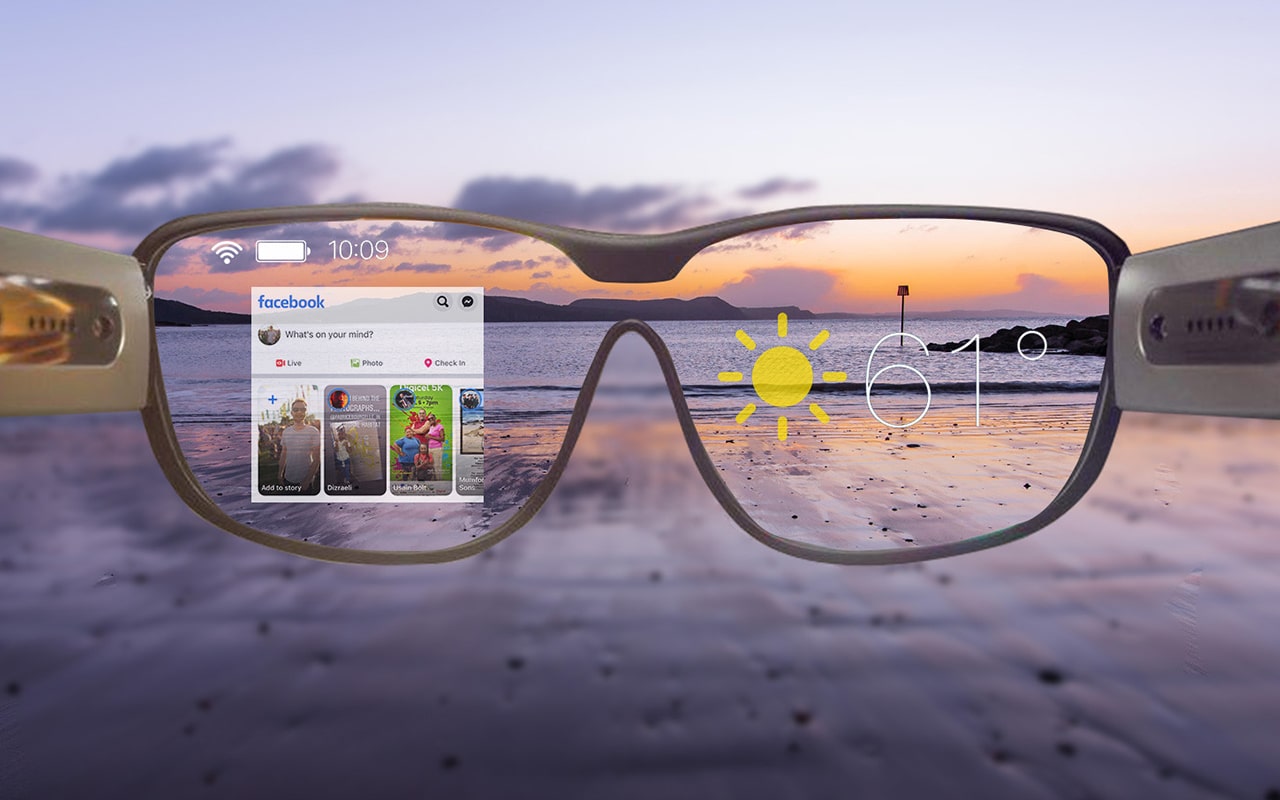
    Apple is considering a system that will allow the wearer of Apple Glass or another Apple-made headset to choose the background that will appear when someone is standing in front of them. The technology is similar to the “green-screen” used on television shows and movies that make it look as though an actor is somewhere else rather than standing in front of a screen on a studio lot.

    Unlike the 2D system used by Skype and Zoom, Apple’s patent application envisions the use of a 3D system that lets the Apple Glass user replace the background of a subject while he or she is moving and walking around. As Apple’s patent application notes, “Low latency is a key element required to achieve great immersion (often called “Presence”). The color keying processing which is embedded in the Head-mounted display (HMD) detects the selected range of color and mixes in the virtual content coming from the HMD itself or from an external source such as a connected computer. Virtual content can also be composited on top of the color-keyed area to allow mixed-reality content occluding real-life objects.”

    The patent application was filed in February and published today by the U.S. Patent and Trademark Office (USPTO). It is titled “Low latency chroma keying embedded in a head-mounted display for mixed reality.” The low latency used with this system is important because it allows the processing to be done at a speed that prevents users from getting ill when viewing the fake backdrop stutter and lag. And the low latency is made possible by embedding the processor inside the HMD.

    Interestingly, the current thought is that at least in the early days of Apple Glass, users will need to pair the wearable with an iPhone and allow the handset’s processor to do the heavy lifting. That is what Apple first did with the Apple Watch; the latter originally required the processor from a user’s iPhone to run most features before Apple released a standalone version of the timepiece. As a result, the technology mentioned in the patent might not be employed on Apple Glass until the third-generation of the AR glasses or later.

    The patent application explains that “The system achieves mixed reality by having a user look at a display through wide-angle lenses (with a field-of-view of 110 degrees or more). Two cameras located behind the HMD display capture the environment from viewpoints located a few centimeters in front of each eye.”

    If you don’t mind the patent jargon, Apple says, “While chroma keying is usually a post-production effect or done live with dedicated equipment/software, it can be applied in the context of augmented reality (AR) headsets, also referred to as mixed reality (MR), where virtual elements are composited in real-time into the real-world environment seen by the user through the head-mounted display. One example is a crane simulator where the controls would be real objects and where a color screen would be replaced by a virtual crane and a virtual environment. Another example would be a social MR experience using a color screen that covers the whole field of view and only the user’s hands and/or body are not replaced by virtual content (unless their color is the same as the screen). This example application is sometimes classified as virtual reality (VR) but for simplicity, we here consider it as augmented reality (AR).”

    As with any patent application filed by the company, or even with a patent received by the tech giant, there is no guarantee that Apple will actually use the patented technology. Apple applies for and receives a large number of patients each year and while some are for innovative technologies actually employed by the firm, some ideas are just patented to protect Apple from the competition.

  • Long time Apple marketing chief Phil Schiller is replaced

    Long time Apple marketing chief Phil Schiller is replaced

    Apple has announced that its long-time marketing chief Phil Schiller is leaving his current position and is being replaced by Greg Joswiak. The 60-year old Schiller, whose exact title was Senior Vice President of Worldwide Marketing, joined Apple in 1987. In 1993 he left to join FirePower Systems and in 1995, he moved to Macromedia. He returned to Apple in 1997. He now becomes an Apple Fellow and will continue to run the App Store and Apple Events. Under his new position, he will continue to report to CEO Tim Cook.

    Speaking of Cook, Apple’s Chief Executive said, “Phil has helped make Apple the company it is today and his contributions are broad, vast, and run deep. In this new role, he will continue to provide the incredible thought partnership and guidance that have defined his decades at Apple. Joz’s many years of leadership in the Product Marketing organization make him perfectly suited to this new role and will ensure a seamless transition at a moment when the team is engaged in such important and exciting work. I’m thrilled that the whole executive team will benefit from his collaboration, ideas, and energy.”

    Schiller recently helped Apple plan and prepare for the virtual presentation of WWDC 2020. The Developers Conference was streamed online this year because of the coronavirus, and Apple put on an amazingly polished show. Schiller has seen just about everything during his years at Apple; he was featured prominently in many new product announcements even taking a phone call from Steve Jobs during the 2007 unveiling of the original iPhone.With Steve Jobs on medical leave in 2009, Schiller unveiled the iPhone 3GS. He also worked at Apple on marketing the of products like the iMac, MacBook, MacBook Pro, iPod, macOS and subsequent devices. He’s also credited with coming up with the click wheel interface used on the iPod.

    “It has been a dream come true for me to work at Apple, on so many products I love, with all of these great friends — Steve, Tim, and so many more,” Schiller said. “I first started at Apple when I was 27, this year I turned 60 and it is time for some planned changes in my life. I’ll keep working here as long as they will have me, I bleed six colors, but I also want to make some time in the years ahead for my family, friends, and a few personal projects I care deeply about.”

    Replacing Schiller as the SVP of Worldwide Marketing, as we mentioned at the beginning of this article, is Greg (Joz) Joswiak. During the past four years, he has been the vice president of Worldwide Product Marketing and has over 20 years of experience working at Apple handling product management and product marketing for several “breakthrough products including the original iPod and iPhone.” Apple says that he will be “responsible for Apple’s product management and product marketing, developer relations, market research, business management, as well as education, enterprise, and international marketing.”

    This should be an interesting time for Joswiak with Apple set to release four new iPhone models at the same time, all of them expected to connect to 5G signals for the first time. And Apple could be introducing its first Apple Glass headset, a completely new product, as soon as this year. Other rumored products that Joswiak could be in charge of marketing include wireless charging pad AirPower and Apple’s Ultra-wideband tracking system Apple Tags.

  • Despite strength from Huawei, smartphone shipments are expected to drop in China

    Despite strength from Huawei, smartphone shipments are expected to drop in China

    The world’s largest smartphone market is going to report a drop in shipments during the current quarter. The report states that the Q3 decline will show up both year-over-year and month-over-month (aka sequentially) and would appear following a huge sequential second-quarter surge of 104.6%. The strong smartphone market in China during the three months covering April through June was fueled by the lessening of negative impacts from the coronavirus, economic stimulus measures, and the launch of new handset models. While the growth in second-quarter smartphone shipments was in triple digits compared to Q1 deliveries, on a year-over-year basis the Q2 growth in smartphone shipments was a puny 1.4%.

    The top five smartphone manufacturers based on shipments in the country during Q2 were Huawei, Vivo, Oppo, Xiaomi, and Apple. The top five were responsible for 98.1% of smartphone deliveries in China from April through June, up 1.4 percentage points from the previous quarter. For the current quarter, Digitimes expects smartphone shipments in China to contract 7.9% as some of the effects of the stimulus measures imposed in the country have started to fade.

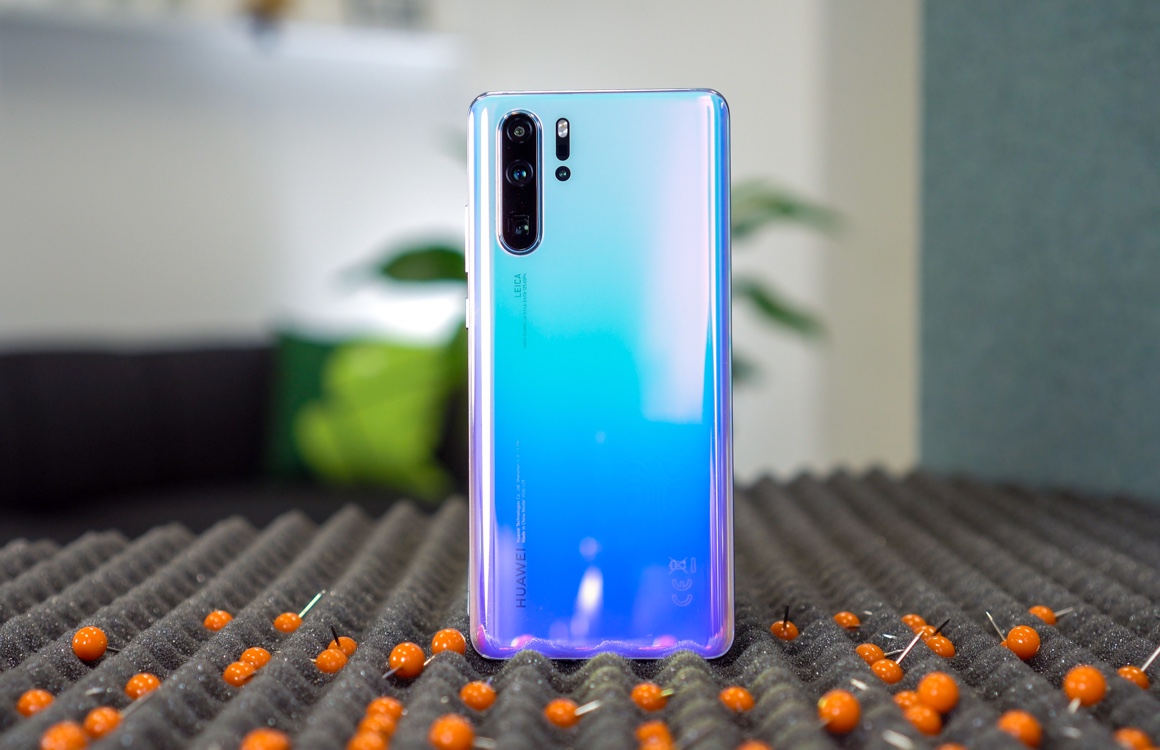
    Despite the expected decline in shipments, Huawei’s shipments are supposed to remain strong in the current quarter. During Q2, research firm Canalys said that Huawei overtook Samsung to become the largest smartphone manufacturer globally. In 2016, the head of Huawei’s consumer division, Richard Yu, predicted that Huawei would become the top smartphone manufacturer in the world by 2021. Despite losing access to its U.S. supply chain and the Google ecosystem, Huawei has become number one thanks to its own rapidly growing Huawei Mobile Services.

    700 million people are using Huawei’s ecosystem and with that number growing, Huawei is expected to own nearly half of the Chinese smartphone market during the third quarter.

  • Suning shutting half of its Laox store footprint in Japan

    Suning shutting half of its Laox store footprint in Japan

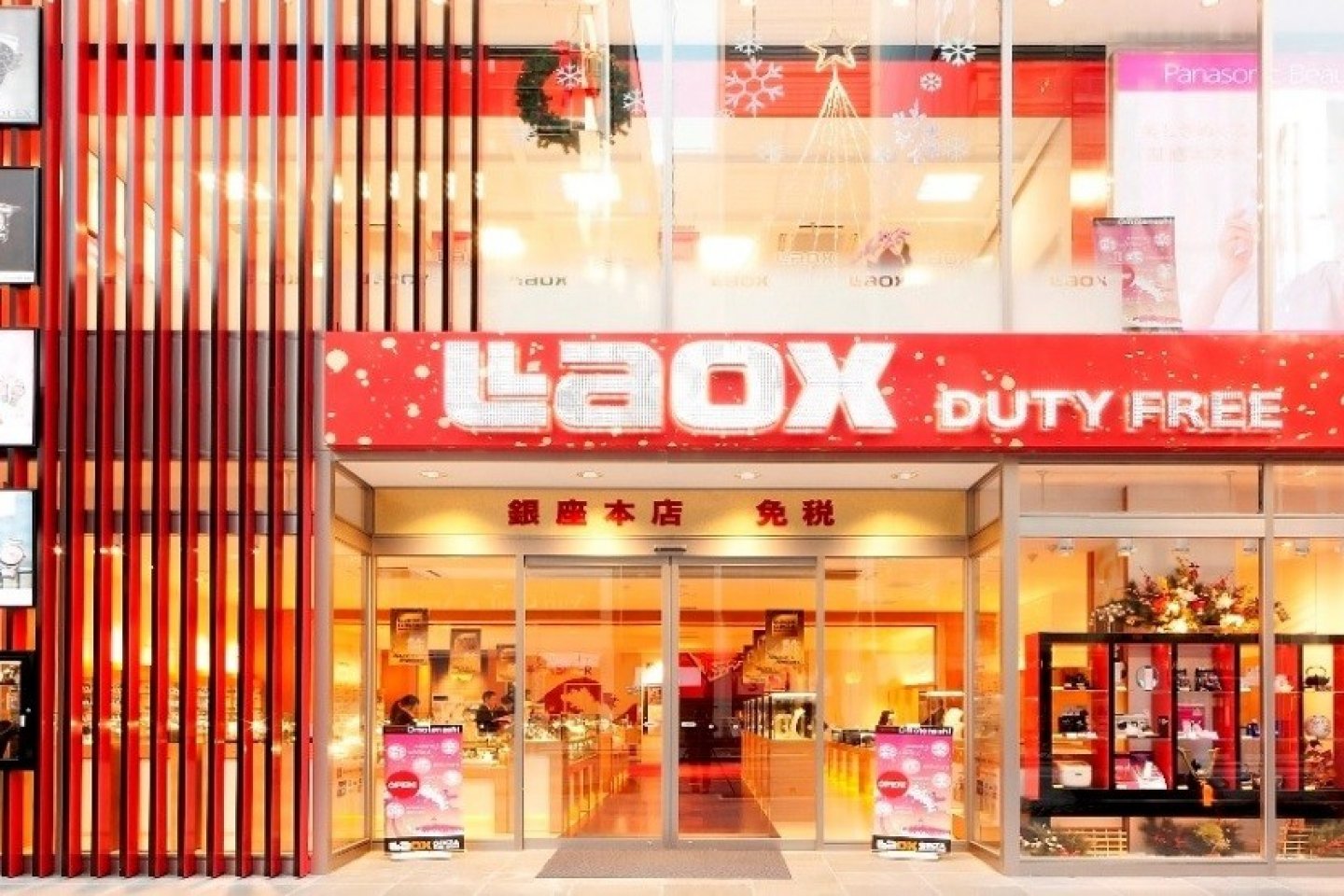
    Japanese electronics retailer Laox is to shut half of its stores in Japan as its customer base dried up due to Covid-19 social-distancing.

    Laox is managed by Chinese electronics giant Suning and the duty-free stores had been a popular location for Chinese tourists looking for Japanese appliances.

    The significant drop in the number of foreign tourists, especially those from China, has forced the company to close 12 outlets in the country to cut costs and improve cash flow.

    The 12 stores will include locations in Hokkaido, Kyushu, Tokyo and Okinawa.

    Since February, the company has twice called on staff to apply for voluntary retirement to restructure due to the financial impact of the pandemic. Laox recorded a net loss of US$18.1 billion for the March quarter.

  • Qualcomm unveils Quick Charge 5: batteries go from 0 to 50% in just five minutes

    Qualcomm unveils Quick Charge 5: batteries go from 0 to 50% in just five minutes

    Waiting too long for the battery powering your phone to charge? Qualcomm introduced Quick Charge 5. The technology will allow users to charge the batteries that power their phones from 0% to 50% in only five minutes. So let’s imagine that you need your phone for work. But you spent all night on Peacock streaming Law and Order episodes and now your battery is as alive as the clientele inside the nursing home down the street. In just five minutes you can have your battery at 50% which should keep you up and running while discussing a new contract with your biggest client. Wait an extra ten minutes (for a total of 15 minutes) and your handset will be fully charged. Quick Charge 5 supports charging at 100W and faster.

    Qualcomm says that its new fast-charging system “delivers unprecedented mobile phone charging speed and efficiency improvements compared to previous versions while enabling new battery technology, accessories, and safety features. The world’s first commercially viable fast charging platform to support more than 100W charging power in a smartphone, Quick Charge 5 is engineered to allow users to charge devices from 0 to 50 percent battery power in just five minutes – representing the fastest mobile phone charging capabilities available.” You might recall that last year Xiaomi introduced its 100W “Mi Charge Turbo” that will fully charge a 4000mAh battery in 17 minutes. Xiaomi’s quick charging technology is compatible with Qualcomm’s Quick Charge as are systems offered by Motorola (TurboPower), Samsung (Adaptive Fast Charging), ASUS (BoostMaster) and Vivo (Dual-Engine Fast Charging).

    Quick Charge 5 will also feature Qualcomm Battery Saver and the new Qualcomm Smart Identification of Adapter Capabilities technology. Both will increase the life cycle of a battery and make it more efficient. Qualcomm has come a long way since Quick Charge 1. Early in 2013, we pointed out that the technology was improving charging speeds by up to 40% on phones like the Droid DNA, the Lumia 920, and the Nexus 4. These phones would normally have taken over four hours to fully charge and Quick Charge 1 reduced that to under three hours. The new version of Quick Charge charges up to four times faster than the previous generation of the technology.

    Of course, charging times have been greatly reduced since then and Quick Charge 5 carries 10 times the power delivery carried in Quick Charge 1. It also is 70% more efficient than Quick Charge 4. Helping to drive the latest iteration of Quick Charge are the latest and next-generation management power management integrated circuits (PMIC), the Qualcomm SMB1396 and the Qualcomm SMB1398. Quick Charge, says Qualcomm, is available on more than 1,200 mobile devices, accessories, and controllers.

    Right now, Quick Charge 5 is being tested by Qualcomm customers and should start to appear on devices running the Snapdragon 865 and Snapdragon 865+ Mobile Platforms during the current quarter which runs through September. It also will work on future premium and high-end Snapdragon chipsets. Ev Roach, VP Product Management, Qualcomm Technologies, Inc. states,”Quick Charge 5, our fastest and most versatile charging solution, will enable consumers to enjoy their devices for longer periods of time, without worrying about the time required to recharge. We are proud to expand our technology portfolio and make accessible 100W+ charging a commercial reality. We work closely with manufacturers to create industry-leading devices that meet consumers’ demand for more immersive and accessible mobile experiences.”

    Battery life is improving as smartphone batteries get larger and larger. But that is only half of the story. Large capacity batteries are great and certain phones can go as long as three days on a single charge. But without a fast-charging system, they can take a long time to replenish the power inside the component. And that is where Qualcomm’s Quick Charge comes in, helping to improve a phone user’s overall experience.

  • Apple is assembling a top-of-the-line iPhone in India for the first time

    Apple is assembling a top-of-the-line iPhone in India for the first time

    Two weeks ago we told you that Apple’s largest manufacturing partner Foxconn plans to invest the princely sum of $1 billion to increase the production of the iPhone in India. The latter is the second-largest smartphone market in the world after China, although it does remain a developing country. As a result, lower-priced phones sell the best including Xiaomi’s value for money handsets and Samsung’s Galaxy A series. The iPhone? It’s considered a luxury item in the country.

    By producing the iPhone in India, Apple avoids paying a hefty 22% import tax on units shipped into the country from China. And locally made iPhones fit in with Prime Minister Narendra Modi’s Make in India initiative that favors products made in, well, India. In the country, contract manufacturer Wistron assembles 2016’s iPhone 7 in Bengaluru while in Chennai, Foxconn makes the iPhone XR. By sticking with older models, Apple is able to sell iPhones to Indian consumers at a more affordable price.

    For some years there has been talk about Apple producing some of its higher-priced current models in India and India.com notes that on Friday, India’s Commerce and Industry Minister Piyush Goyal said that the tech giant has started to make the iPhone 11 at a Foxconn facility in India. While the phone is the lowest priced among Apple’s current flagship phones, Goyal proudly said in a tweet, “Significant boost to Make in India! Apple has started manufacturing iPhone 11 in India, bringing a top-of-the-line model for the first time in the country”

    In India, some iPhone 11 units that were produced in the country are available in retail stores. The lockdown that was ordered due to the coronavirus delayed these units from reaching store shelves but they are now slowly making their way there. However, the locally made iPhone 11 still has the same prohibitive (for Indians) manufacturer’s retail price listed as found on the units imported from China. Anonymous sources say that Apple has asked its supply chain in China to ship components to India for the iPhone SE (2020). The most affordable phone in the iPhone lineup, the device is tailor-made for Indian consumers who cannot afford any model in the iPhone 11 line.

    An import tax and the Phase One agreement signed by both countries saved Chinese manufacturers (and companies that assemble their phones in China-like Apple) from having to eat a tax or pass it on to their customers in the form of higher prices. While moving some production out of China was a subject that Apple reportedly had on the table for some time, last year there were some reports stating that the tech giant was looking to move 20% of handset production out of China. India would be the obvious choice although there are questions about whether Apple can put together a supply chain that can provide it with parts in the quantity and quality that Apple needs. The second-largest iPhone assembler, Pegatron, will join Foxconn and Wistron in India according to the latest rumors.

    There are over half-a-billion smartphone users in India, but the country had a Gross National Income per capita of $7,680 as of 2018 according to the World Bank; which compares to over $63,000 in the U.S. Thus, premium handset sales are far fewer in India. Apple is the leader in that category while Xiaomi is the top smartphone manufacturer in the country. During the second quarter, the top five smartphone vendors in India were Xiaomi, Vivo, Samsung, Oppo, and Realme. Because of the COVID-19 pandemic, the number of handsets delivered to the country declined almost in half from 33 million in the second quarter of 2019 to 17.3 million during this year’s quarter.

  • Opening date revealed for Apple Thailand’s second Bangkok store

    Opening date revealed for Apple Thailand’s second Bangkok store

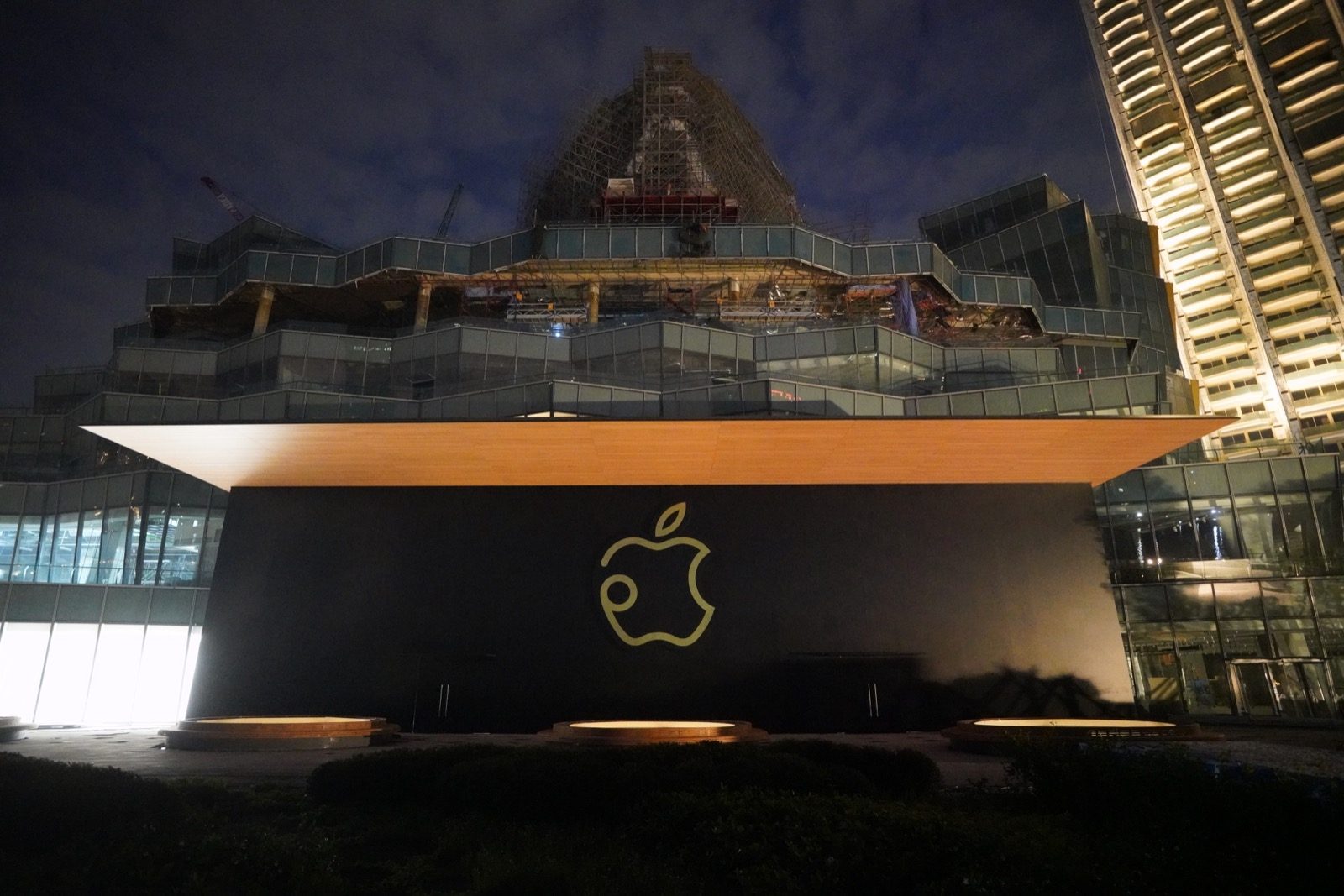
    Apple Thailand’s second retail store in Bangkok will open at the CentralWorld shopping center this week. A reliable local source says the opening date is scheduled for Friday, July 31. However, Apple’s Thai website has posted a colorful version of the brand’s logo with Thai lettering inside, teasing that the Apple CentralWorld store is “coming soon”.

    The website also features a tagline ‘Intersection of the creative idea and inspiration’, which refers to the Ratchaprasong intersection where Apple’s new space is located.

    Earlier this year, photos of the Apple Thailand’s second store were leaked on Twitter, showing a preview of what the store will look like. Apple Thailand’s second store features a unique design with a whirling cylinder of glass and curved timber radiating in concentric circles. It is located on part of a large courtyard outside the mall.

    The Apple CentralWorld store reflects the brand’s confidence in the Thai market, despite the Covid-19 situation in the country.

    Apple Thailand opened its first store at the IconSiam shopping center in Bangkok in November 2018.

  • Apple commits to reach carbon neutrality by latest 2030

    Apple commits to reach carbon neutrality by latest 2030

    Joining the growing list of businesses creating sustainable roadmaps to fuel future growth, technology giant Apple has committed to reaching carbon neutrality in its supply chain and production by 2030.

    Apple is already carbon neutral in its global corporate operations, but with this commitment, Apple will be removing 75 percent of its total carbon footprint while offsetting the remaining 25 percent with carbon removal solutions.

    “Businesses have a profound opportunity to help build a more sustainable future, one born of our common concern for the planet we share,” said Apple CEO Tim Cook.

    “Climate action can be the foundation for a new era of innovative potential, job creation, and durable economic growth. With our commitment to carbon neutrality, we hope to be a ripple in the pond that creates a much larger change.”

    Moving forward, Apple will lower its emissions through a number of initiatives, including a low carbon product design, investments in expanding energy efficiency, a continued focus on utilizing renewable energy, process, and material innovations, and the removal of carbon emissions.

    “We’re proud of our environmental journey and the ambitious roadmap we have set for the future,” said Apple’s VP of environment, policy, and social initiatives Lisa Jackson.

    The shift will be supported by Apple’s $100 million Racial Equity and Justice Initiative, which focuses on addressing education, economic equality, and criminal justice reform.

    “Systemic racism and climate change are not separate issues, and they will not abide by separate solutions,” Jackson said.

    “We have a generational opportunity to help build a greener and more just economy, one where we develop whole new industries in the pursuit of giving the next generation a planet worth calling home.”

    Apple’s ten-year commitment mirrors that of many of its contemporaries, with Microsoft announcing in January not only would it be carbon negative by 2030, but it would retroactively remove all carbon it had emitted since the business’ founding in 1975 by 2050.

    Swedish furniture firm Ikea, as well, is looking to become climate positive, or carbon-neutral, by 2030. The end goal is for all Ikea products to become 100 percent circular, using renewables and recycled materials.

    “That means we will reduce more greenhouse gas emissions than our value chain emits while growing the Ikea business,” Ikea said.

    “Our responsibility stretches across the entire value chain of our business: from the materials we use, manufacturing and transporting of products, our stores, customer travel and home deliveries, product use in customers’ homes and product end-of-life.

    “By taking a scientific approach and working together with our partners, suppliers, and customers around the world, we will make it happen!”

    And just last week, global retail marketplace and tech business Amazon announced a partnership with the We Mean Business coalition to further the Climate Pledge – an Amazon co-founder.
  • Apple defends its 30% cut of in-app purchases

    Apple defends its 30% cut of in-app purchases

    This coming Monday the CEOs of Apple, Alphabet, Amazon, and Facebook will testify before the U.S. House Judiciary Antitrust Subcommittee. Each of the four firms is being investigated for alleged anti-competitive behavior. Alphabet is Google’s parent company and Google is being accused of putting its products ahead of the competition when it comes to search results. It also is accused of forcing phone manufacturers to use Google Search and Chrome as the default search engine and browser on phones using the licensed version of Android. Amazon’s large share of the e-commerce market is under scrutiny and Facebook has a large share of the social networking scene.

    And that leaves Apple. The company is being investigated for taking a 30% cut of in-app payments and subscriptions made through the App Store (although the cut on subscriptions drops to 15% after the first year). Because Apple doesn’t allow iOS users to sideload apps from third-party app stores, it forces users to pay Apple’s prices for apps. The so-called 30% Apple Tax has led companies like Spotify and Netflix to stop accepting new subscribers from the App Store. And to make matters worse, Spotify competes directly with Apple’s own Apple Music app.

    The App Store is part of Apple’s fast-growing Services unit. After the number of iPhones it shipped peaked in fiscal 2015, the company decided that it would be a shrewd move to concentrate on a large number of active iPhone users worldwide. Apple could continue to generate profits from these consumers even without selling them a new iPhone by having them sign up for a service with a recurring subscription plan. Apple set a goal to hit $50 billion in Services revenue by fiscal 2020 from the $25 billion it took in during fiscal 2016. So far, halfway through fiscal 2020, Apple is on track to take in $52 billion in services revenue for the year. This unit includes Apple Music, Apple Pay, Apple News+, Apple Arcade, iCloud, iTunes, Apple Care+, the App Store, and more. Speaking of the App Store, it brings in twice the revenue of the Android app storefront, the Google Play Store.

    It is estimated that the App Store brings in $15 billion in revenue for Apple annually which is approximate twice the haul brought in by the Google Play Store despite the much larger share of the smartphone market that is owned by Android. The latter has approximately 85% of the connected handset market, but still, it trails badly when it comes to collecting revenue from its app storefront.

    The Wall Street Journal published Apple’s defense and the tech giant says that it does not run a monopoly. Instead, it says that the revenue it takes in from the App Store comes from a small percentage of the two million apps that are available from the store. One argument that Apple often cites on its behalf is that the 30% it charges is still cheaper than what software developers were paying to distribute their products to stores prior to the 2008 launch of the App Store.

    Apple decided to run a comparison study that sought to compare the App Store with other “digital marketplaces” including ones run by Amazon, Microsoft, Uber, and Walmart. Economists at Analysis Group, commissioned by Apple, came to the conclusion that the 30% cut charged by Apple is in line with the cut taken by Google and other peers. It is below 37% and 31% cuts taken by ticket sellers StubHub and Ticketmaster, respectively.

    European competition attorney Damien Geradin, who co-authored a study on this topic a couple of months ago, said that the App Store fee structure is “uneven.” He notes that while apps like Tinder pay 30% of their App Store sales to Apple, Uber and Airbnb don’t pay anything. “Problems are much deeper than the 30%,” he said.

  • The world’s second largest smartphone market sees shipments drop in half during Q2

    The world’s second largest smartphone market sees shipments drop in half during Q2

    A double whammy negatively impacted the second-largest smartphone market in the world during the second quarter of the year. The global outbreak of coronavirus led to the shutdown of smartphone production in the country. And the demand for handsets dropped sharply as retailers both online and offline were not allowed to sell them. This was the case in India until the middle of May; that means that COVID-19 affected smartphone supply and demand in India for half of Q2.

    Xiaomi, with its value for money approach that is tailor-made for a developing country like India, remained the top smartphone manufacturer in the market during the second quarter. Even though shipments, at 5.3 million units, declined 48% year-over-year (the company shipped 10.3 million phones during the same quarter last year), Xiaomi’s market share barely declined from 31.3% during Q2 2019 to 30.9% during this year’s second quarter.

    Vivo was second during Q2 after delivering 3.7 million phones during the three months. Even with a 36% decline in the number of phones shipped, the manufacturer’s market share rose from 17.5% to 21.3% from April through June of this year. Samsung saw phone shipments in India declined by 60% on an annual basis as the number of phones it delivered dropped from 7.3 million to 2.9 million. Even the popular Galaxy A series couldn’t stop the bleeding as Sammy saw its slice of the Indian smartphone market decline from 22.1% to 16.8%.

    Oppo finished fourth for the quarter with a 27% decline in shipments from 3 million to 2.2 million, allowing the company to expand its market share from 9.2% to 12.9%. And in fifth place during the quarter was Realme. The latter shipped 1.7 million phones during the three months, one million or 35% fewer than during the same quarter last year. Realme owned 10% of the Indian smartphone market in Q2, which was up from the 8.1% share it had during Q2 of 2019.

    Canalys Analyst Madhumita Chaudhary said, “While vendors witnessed a crest in sales as soon as markets opened, production facilities struggled with staffing shortages on top of new regulations around manufacturing, resulting in lower production output. The fluidity of the lockdown situation across India has had a deep-rooted effect on vendors’ go-to-market strategies. Xiaomi and Vivo have undertaken an O2O (offline-to-online) strategy to support their massive offline network. Online channels, too, while seeing a positive effect of the pandemic on market share, have seen sales decline considerably.”

    What might negatively impact Chinese phone manufacturers like Xiaomi, Vivo, Oppo, and Realme in India during the current quarter is a border skirmish between the two countries. 20 Indian soldiers were killed by the Chinese and India started holding up shipments from China into the country. Canalys says that 96% of all smartphones sold in India last year were made locally. Despite this, Canalys analyst Adwait Mardikar notes that the lure of lower pricing on phones from Chinese companies like Xiaomi will help those manufacturers sell their wares in India. He says, “Vendors are driving the message of ‘Made in India’ to consumers and are eager to position their brand as ‘India-first.’ Despite the sentiment, the effect on Xiaomi, Oppo, Vivo, and Realme is likely to be minimal, as alternatives by Samsung, Nokia, or even Apple are hardly price-competitive.” Canalys analyst Chaudhary says that manufacturers are hoping that new 5G handsets lead to increased sales. He noted that “The transition to 5G is the next big opportunity, and Jio’s announcement of readiness to deploy 5G, as soon as spectrum is made available, has provided a ray of hope to most vendors who have been beaten by the current pandemic.”

    Speaking of Apple, the company turned in the best performance out of India’s top 10 smartphone manufacturers with a 20% year-over-year decline in shipments. The number of iPhones delivered in India was slightly over 250,000 units. Even though pricing makes iPhones luxury items in China, another iPhone assembler is working on building a new plant in India joining Foxconn and Wistron. Bloomberg reports that Pegatron, the second-largest iPhone assembler in China after Foxconn, will eventually start producing iPhone models in India. Apple is looking to move up to 20% of iPhone production out of China to avoid the possibility of tariffs in the future as the tense relationship between the U.S. and China continues.

    Overall for the quarter, 17.3 million handsets were shipped in India down 48% from the 33 million that were delivered during the same quarter last year.

  • Apple could be fined up to $26 billion as EU investigates Siri

    Apple could be fined up to $26 billion as EU investigates Siri

    Children are told often that when they fall off their bikes, the best thing to do is to get right back on them and ride again. And the same advice is apparently taught to adults.  Take   European Union Competition Commissioner Margrethe Vestager. Just yesterday Vestager had a ruling go against her as a lower European Union court in Luxembourg found in favor of Apple in a case involving $14.9 billion in back taxes that the EU claimed that Apple owed Ireland. From 1991-to 2005, Apple paid little to no taxes on profits it made doing business in the country.

    But Vestager has climbed back on the horse and is looking for information from 400 companies to see if there are any issues with voice assistants such as Apple’s Siri, Google’s Assistant, and Amazon’s Alexa that could result in the filing of antitrust charges. Such inquiries have to lead to cases and hefty fines imposed against other industries including energy, financial, and pharmaceutical firms.

    Vestager told a news conference that by seeking information from 400 companies, it gives Apple, Amazon, and Google the message that the EU is watching them closely to make sure that they toe the line. The commissioner said that the UK became interested in investigating the voice assistants because of the large amount of consumer data used in “Internet of Things” devices. the EU wants to make sure that the leading players in the voice assistants game don’t use their control of this data to break rules, prevent competition, and harm rivals. Vestager said, “Interoperability is of the essence if we want to make this market accessible.”

    If the EU finds that one of the companies’ voice assistants broke rules regarding competition, it can be fined up to 10% of its global revenue. For example, Apple had revenue of approximately $260 billion for its latest fiscal year. That means that it could be fined as much as $26 billion if found to have broken EU rules.

    There is no guarantee that Vestager and her team will find any issues that require the EU courts to get involved. And it will probably take some time to complete the investigation. So with this in mind, all we can add at this juncture is “stay tuned.”

  • Apple releases iOS and iPadOS 13.6 with CarKey, bug fixes, and more

    Apple releases iOS and iPadOS 13.6 with CarKey, bug fixes, and more

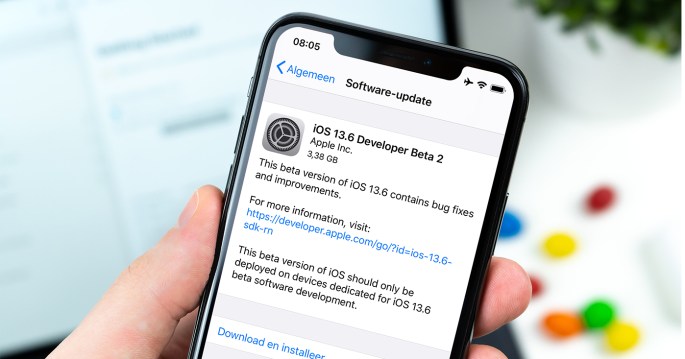
    Even as the iOS 14 public beta remains in its early days, Apple today released iOS and iPadOS 13.6. With the update, users can decide to download iOS and iPadOS updates but not install them. Or, users can decide to download iOS and iPadOS updates and install them overnight. The devices taking advantage of the automatic software updates must be charging and connected to the internet via Wi-Fi to finish updating. You can customize this feature by going to Settings > General > Software Update > Customize Automatic Updates

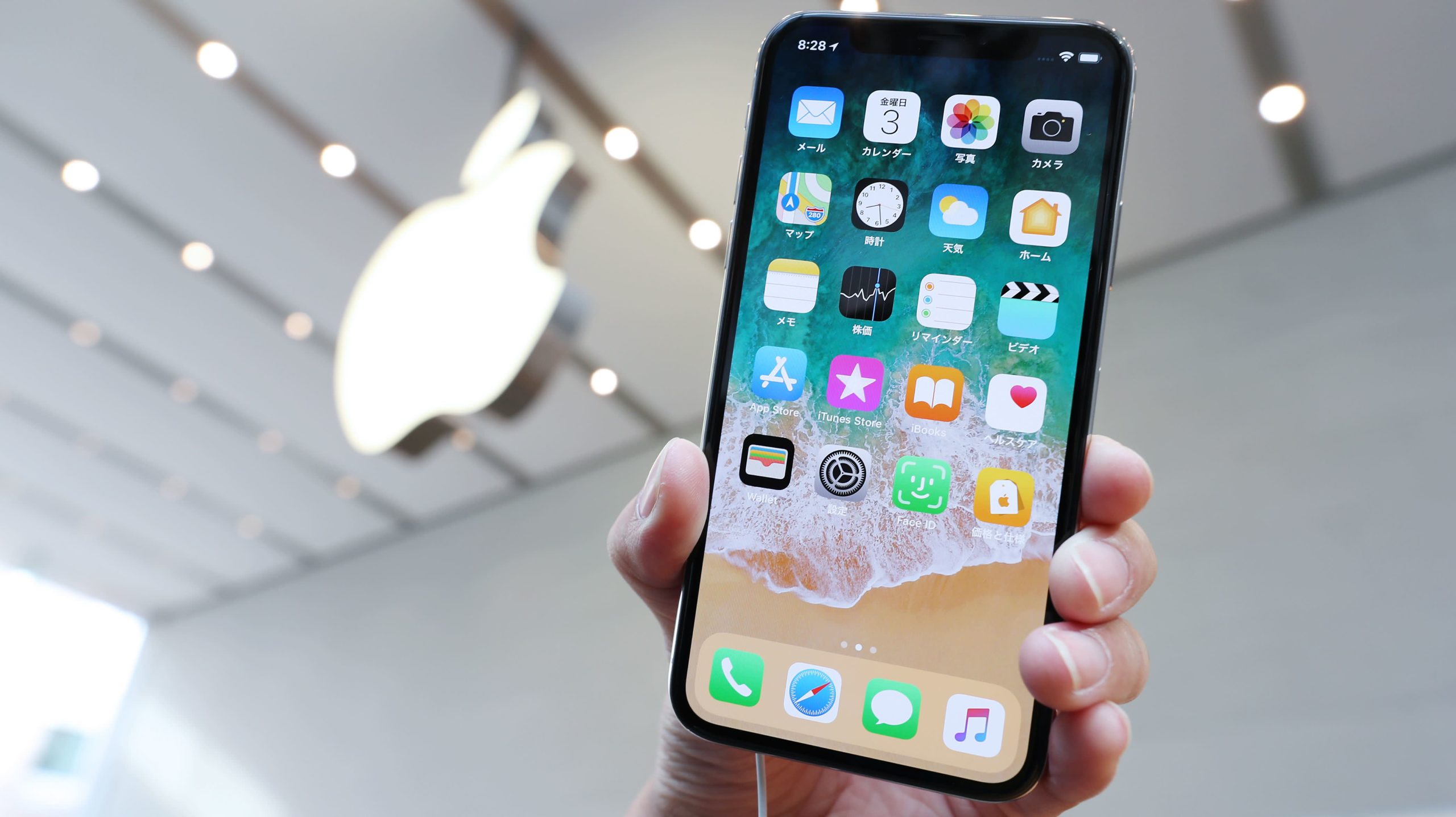
    The update adds new categories in the health app for symptoms that come up in the Cycle Tracking and ECG apps. It also adds new symptoms including fever, chills, sore throat, or coughing, and allows iOS and iPadOS users to share these symptoms with third-party apps. The iOS 13.6 update also adds audio features to the Apple News+ subscription app for the iPhone and iPad. It also enables the CarKey feature for the iPhone. This allows you to control a compatible automobile using your handset. Apple just posted a new support page. The key is added to the iOS Wallet app and the feature will also work with the Apple Watch Series 5. CarKey is available for the iPhone SE (2nd generation), iPhone 11 Pro, iPhone 11 Pro Max, iPhone 11, iPhone XS, iPhone XS Max and the iPhone XR.

    Check out the support page to see how to set up the feature. If you use Express Mode you can put your iPhone near the car door to unlock it. And placing the iPhone near the car’s key reader will start the engine. If you turn off the Express Mode, you will have to authenticate every time you want to use your phone as a car key. Even if your iPhone battery needs to be charged, in ExpressMode it still will be able to run CarKey for up to five hours after it starts using power reserve. And you can share your digital keys with someone you trust by sending it to them via iMessage. The other party must have a compatible iPhone.

    The update also adds FaceTime to users in the United Arab Emirates (UAE). The country had banned the video chat app and even with today’s update, Apple failed to mention this in its support notes. The update also exterminates some bugs including one that drained users’ batteries after the iOS 13.5 and iOS 13.5.1 updates.

    Right now, the first Apple iOS 14 public beta is available for those who don’t mind taking a risk. Beta software is usually buggy and the battery life might suffer; as a result, you probably do not want to install the first public beta on your daily driver. The lure of new features this year is irresistible, however, and includes Android-style widgets, the App Library that separates apps by category and allows users to search for apps by name. It is the closest that iOS users have to an app drawer at the moment.

    With iOS 14, Siri’s UI no longer covers the entire screen and the digital assistant reportedly gets smarter. And incoming phone calls no longer hijack the entire screen and are greatly reduced to a small notification banner at the top of the screen. And App Clips allows an iPhone user to use a third-party app that he or she has yet to install. This is done by scanning a QR code or using an NFC signal to open only the necessary part of an app required to complete a task.

    If you feel tempted to install the iOS 14 public beta, keep in mind that the final version of the operating system will probably be ready in September. That is pnly a couple of months away.

  • Apple helps Samsung report stronger than expected Q2 earnings estimate

    Apple helps Samsung report stronger than expected Q2 earnings estimate

    Recently Samsung revealed what its second-quarter earnings numbers should look like when it soon reports the final figures. The manufacturer says that it expects to report a 7% annual decline in second-quarter revenue to 52 trillion Korean won. At current exchange rates, that works out to $46 billion U.S. dollars. Operating profit for the three months ended June is estimated at 8.1 trillion Korean won ($6.6 billion USD), up 23% year-over-year.

    The results topped analysts’ consensus estimates of 51 trillion won in revenue and operating earnings of 6.5 trillion won. Helping Sammy top the analysts’ forecasts was a one-time payment of $950 million that the company received from Apple. DSCC says that the money was due to Samsung when Apple purchased fewer OLED panels from the company than called for by the terms of their contract. Thanks to this payment, Samsung’s display devices unit reported a profit for the quarter instead of a loss. During the same quarter last year, Apple reportedly paid Samsung $770 million for a shortfall in orders for OLED panels. The contract required Samsung to deliver 100 million panels at approximately $70 a pop.

    Apple has been trying to reduce its dependence on Samsung as an iPhone supplier. After all, does Coke buy cola syrup from Pepsi? Samsung has been Apple’s largest supplier of OLED panels for the iPhone and Apple has been looking to add glass from LG and Beijing Oriental Electronics (BOE). However, earlier this year it was alleged that BOE had failed a quality test conducted by Apple. Ironically, BOE reportedly failed a quality test conducted by Samsung who is supposedly considering the company’s OLED displays for the 2021 Galaxy S21 flagship models.

    Samsung’s semiconductor business saw strong demand for memory chips used by cloud computing companies looking to expand their capacity as more people are forced to work from home. With prices for DRAM and NAND flash memory chips on the rise, Samsung earned an estimated 5 trillion Korean won during Q2. Samsung’s mobile and consumer businesses were hurt by the pandemic during the three months, but results were not as bad as expected. Still, the company’s flagship Galaxy S20 series is doing poorly in the states trailing the numbers put up by the Galaxy S10 and Galaxy S9 lines in 2019 and 2018 respectively. On August 5th, Samsung is expected to introduce the Galaxy Note 20 line. We also should see in the near future the Galaxy Z Note 2 and the Galaxy Z Flip 5G foldable.

    Sammy’s troubles at the cash register could be seen in other data. In April and May Huawei became the top smartphone manufacturer in the world. May’s numbers showed the Chinese manufacturer with a hair-thin lead over Samsung; Huawei was responsible for 19.7% of global smartphone shipments in May compared to Samsung’s 19.6%. What might really hurt Samsung in the U.S. is the ravaged economy. Millions of Americans remain out of work and money that normally could be used to purchase an expensive handset now must be used to put food on the table.

    The full second-quarter earnings report will be released sometime later this month. As for Apple, the flip side of the coin is that when it reports its fiscal third-quarter earnings on July 30th, it will have to account for the payment to Samsung somewhere in its financial report. Most investors are able to shrug their shoulders at one-time payments like this so it shouldn’t have an effect on Apple. The only negative is that Apple can’t seem to end its addiction to Samsung.