Category: Electronics

Retail News Asia is committed to providing both local and global retailers with the latest Electronics news throughout the Asian market. This on a daily base.

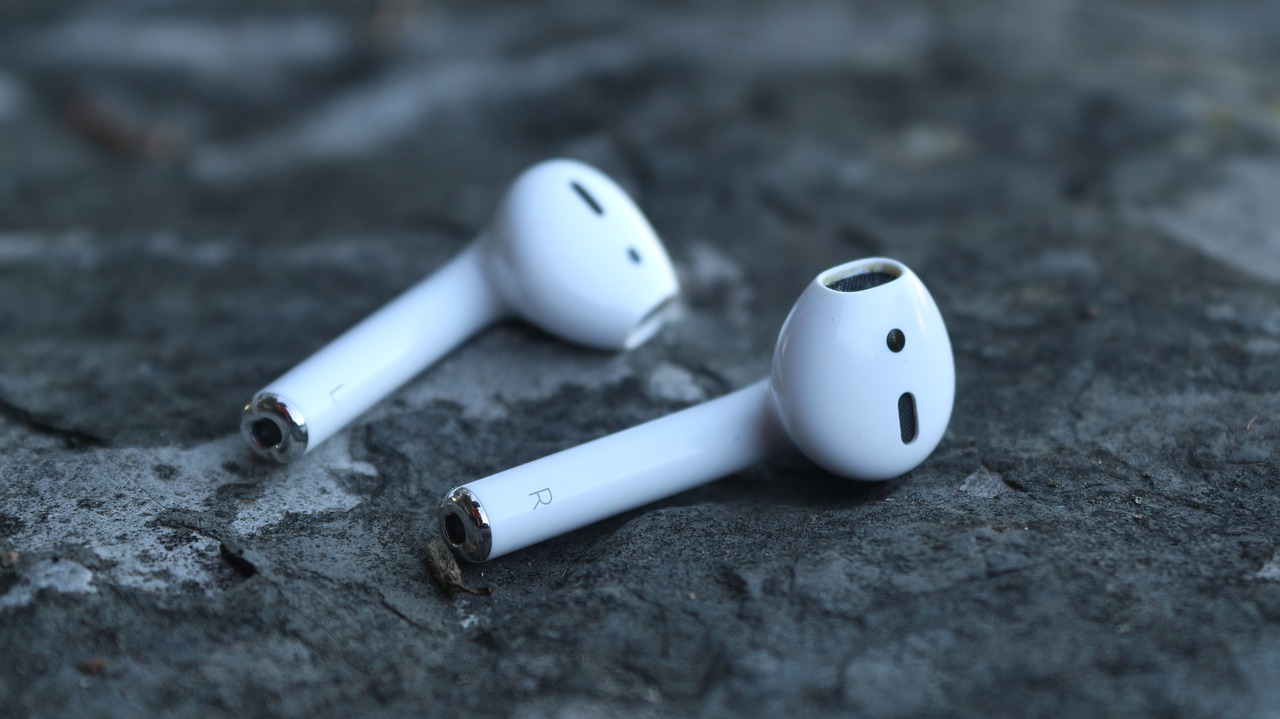
  • Apple’s manufacturers gearing up production of new iPad and AirPods hardware

    Apple’s manufacturers gearing up production of new iPad and AirPods hardware

    Apple’s March 25 event is around the corner and naturally, rumors about it are abundant. The event is expected to be focused on new services but its almost inevitable that there will be a hardware release or two, even if there won’t be any dedicated time for them during the presentations. The latest news coming from distant Taiwan seems to confirm that. Some of Apple’s part suppliers are preparing to ramp up production of components for new products.

    Flexium Interconnect and Zhen Ding Technology are manufacturers of flexible PCB (printed circuit boards) that are reportedly starting production of PCBs for a new iPad model. Rumors are that Apple is going to refresh its iPad Mini. The last model of the line came out in 2015, so it’s long overdue for an overhaul. The revamp is expected to be primarily internal, however, so expect a familiar looking iPad with a more powerful chip.

    Both part suppliers are also providing components for the current line of iPhones. The release of a new iPad comes as a blessing for them since both saw their orders reduced after demand for the iPhones was weaker than anticipated.

    At the same time, two other companies, Compeq Manufacturing and Unitech PCB, are now working on rigid-flex boards for the yet unannounced AirPods, according to sources within the industry. Tech insiders are still divided whether Apple is going to introduce the AirPods 2, or a less meaningful refresh of its popular earbuds that may consist only of a new wireless-charging case.

    If Apple does indeed announce new hardware products on March 25, preorders will likely begin either on the same day or within a week. If you’ve been itching for a new Apple gadget for a while, the time has almost come!

  • Xiaomi Pocophone F1 Lite could launch soon

    Xiaomi Pocophone F1 Lite could launch soon

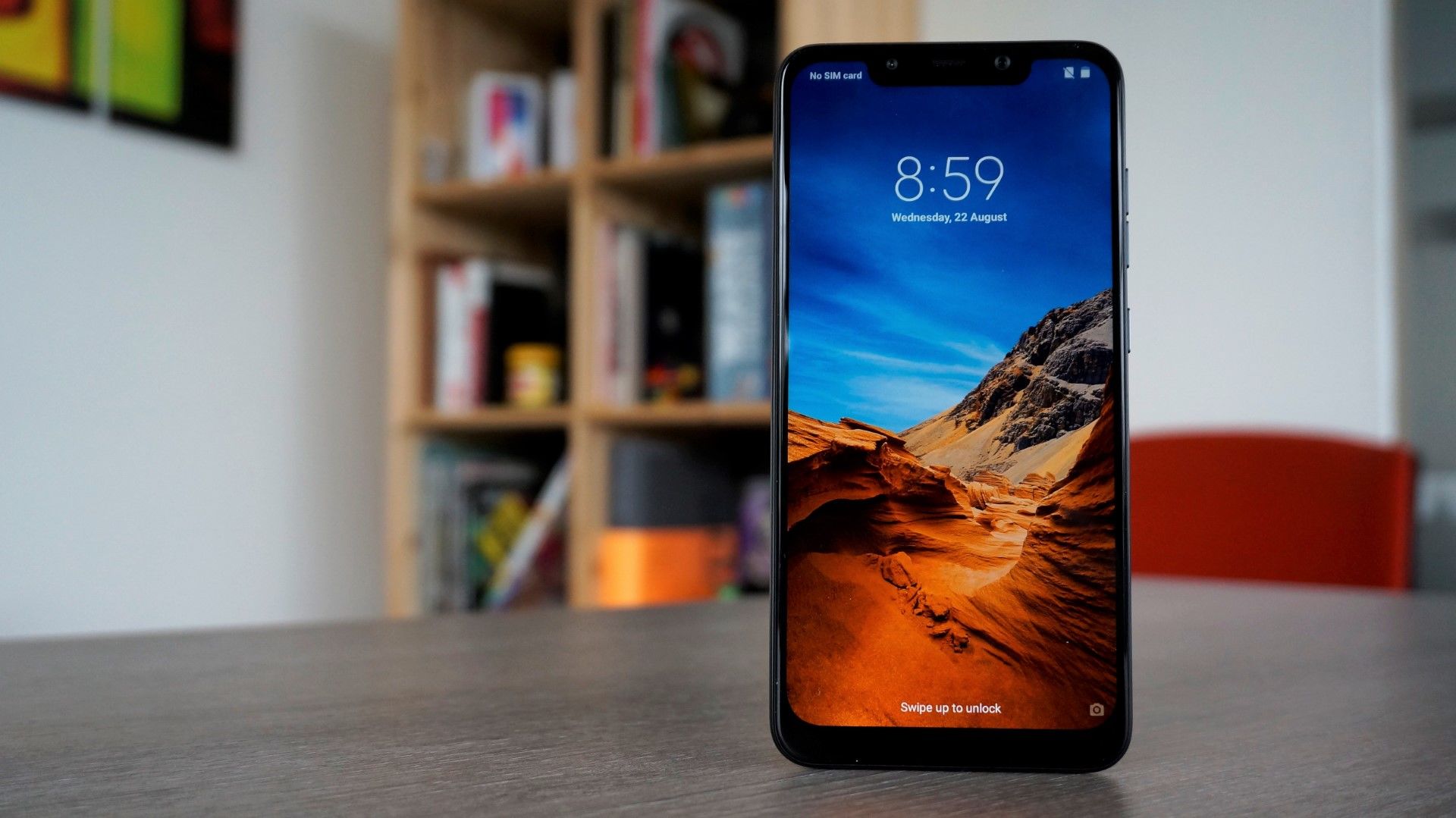
    The Pocophone F1 is one of the most competitively-priced smartphones out there. It offers Qualcomm’s Snapdragon 845, 6GB of RAM, and 64GB of storage for just €329/$389. But not everyone can afford to spend that on a smartphone, and it now seems as though a solution might be on the way. From the look of two Geekbench listings, Xiaomi sub-brand Pocophone is developing a slightly less powerful device that will be offered to consumers at a much lower price. Rather than including the high-end Snapdragon 845, the device looks set to adopt Qualcomm’s mid-range Snapdragon 660.

    This chip has already been succeeded by the newer Snapdragon 670 and 675 but should still provide decent levels of performance. In fact, Xiaomi recently used it inside the Redmi Note 7 and the Android One-powered Xiaomi Mi A2.

    The smartphone, which is codenamed ‘Uranus,’ also includes a respectable 4GB of RAM and Android 9 Pie straight out of the box. As for external features, the notched display and 3.5mm headphone jack will probably both be retained. Xiaomi may also keep the second rear camera, although a downgrade to the sensor is likely.

    At the moment, it’s unclear when this smartphone will hit shelves across the globe. But pricing wise, Xiaomi could easily price this device below $200. After all, the Redmi Note 7 mentioned above costs just €179 ($202) in Asia.

  • iPhone 11 running iOS 13 with Dark Mode pictured

    iPhone 11 running iOS 13 with Dark Mode pictured

    After many years, the reign of LCD technology in the mobile world seems to be coming to an end. With the price of OLED displays steadily decreasing over the past couple of years, more and more companies are willing to implement the technology even in mid-range offerings. This hardware trend is also affecting the development of apps, games, and even the two major mobile operating systems. Thanks to the ability of OLED panels to completely turn off black pixels, more developers are realising the potential Dark Mode has when combined with the new technology. Not that there hasn’t been apps and themes in the past that have made everything on our smartphones darker, but now that OLED technology is becoming increasingly commonplace, companies are really getting into designing interfaces that are better suited for night-time use. Pretty much all major companies, including Google, Samsung, and Apple, are going to offer built-in Dark or Night modes on their devices starting this year.

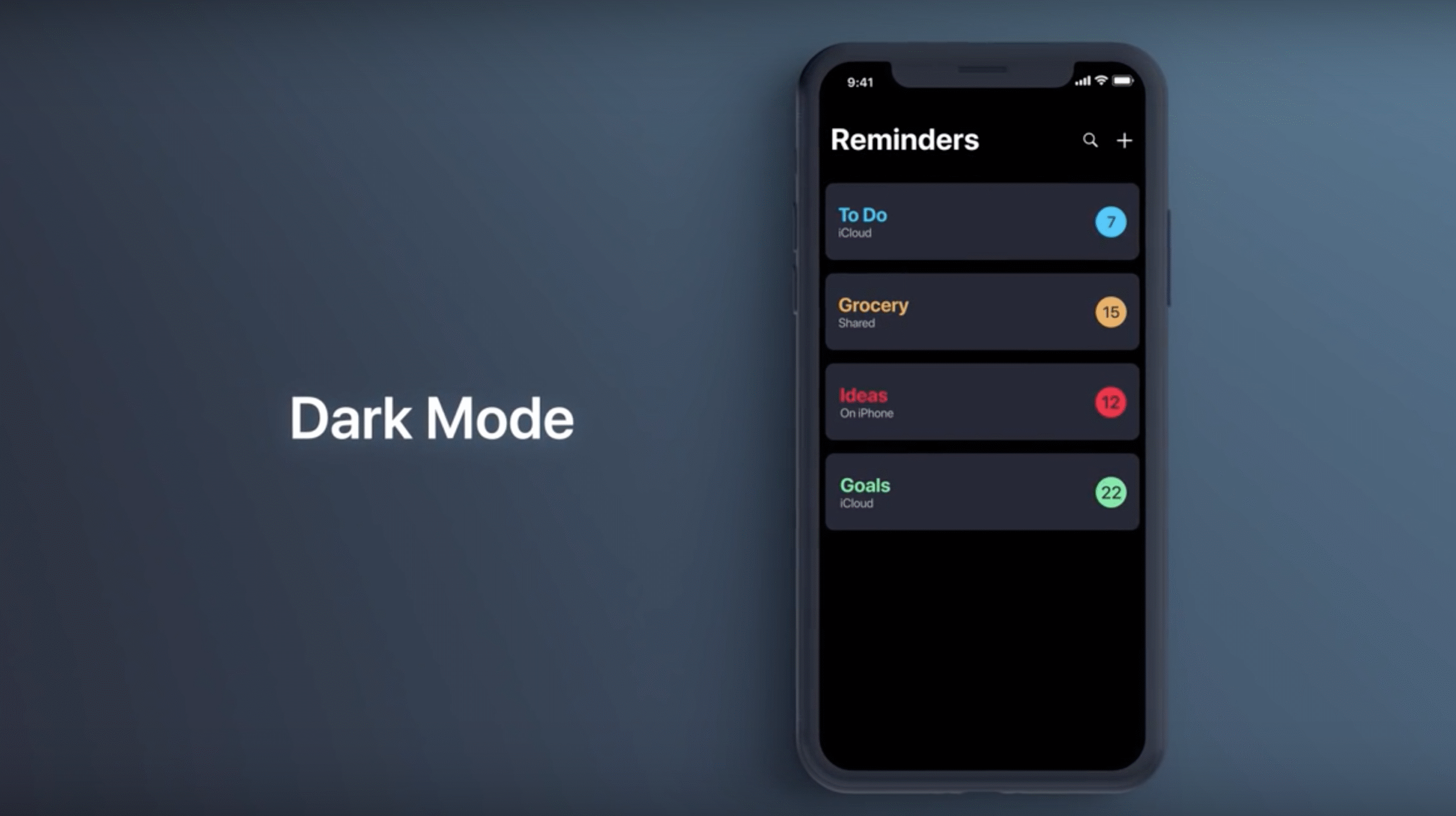
    Android Pie and Samsung’s One UI have already flipped the switch, while Apple is widely rumored to be working on such a mode for iOS 13. With this in mind, and having seen the new Dark Modes on Android Pie and One UI, we thought we’d let the creative juices flow and imagine what it could look like in iOS 13, on the iPhone XI (or iPhone 11, because maybe Roman numerals were an anniversary-only thing for Apple).

    iOS 13 will have a dedicated Dark Mode

    We’ve subtly redesigned the iconography of iOS to fit in with Dark Mode. We’re sure we’ve broken some Apple design guidelines in the process.
    Looking at the standard iOS icon set, we felt like it wasn’t perfectly suited for Dark Mode. After all, it was tailored with iOS’s colorful aesthetic in mind. That’s why we decided to subtly redesign the icons to feature dark backgrounds while maintaining their color identity. For example, the Mail and Facetime icons, which otherwise feature white pictograms against a colorful background, have been imbued with color and placed against a dark background. This helps retain their color identity and makes them easier to find on the screen, all the while playing into the aesthetic of Dark Mode. Of course, we wouldn’t hold our breath for Apple to actually redesign the iconography of iOS in this way, but we think it looks good nonetheless.

    Given how often people reach for their phones before bed, right after waking up, and countless times in between, not getting your retinas obliterated by glaring white light at all times may be the way to go. Taking into account recent rumors that Apple may shift to OLED for all of its future iPhones, including “budget” offerings, building a night mode directly into iOS 13 makes a lot of sense. Users seem to agree with this sentiment, as one of our recent polls suggests. The vast majority of voters (over 91%) said that they were excited about Apple’s upcoming, system-wide Dark Mode in iOS 13, while only a tiny fraction said they didn’t care much about it.

    Apple last year introduced Dark Mode in macOS Mojave and is almost definitely going to mimic the idea in the next iteration of iOS. Speaking of that, iOS 13 is the next major update of Apple’s mobile operating system and it may debut alongside the iPhone XI in September, though there’s a chance that we may see it even earlier in beta form. The previous iteration, iOS 12, was released to the public on September 12 last year, though numerous beta versions were made available to developers and enthusiasts alike starting as early as June.
  • Sony MDR-HW300K wireless headphones are 35% off

    Sony MDR-HW300K wireless headphones are 35% off

    Are you looking to buy a nice new pair of wireless headphones? If so, you might want to check out this deal. There’s a 35% discount for Sony’s MDR-HW300K Bluetooth headphones. This model typically retails for $100 at Amazon, but right now, you can grab a brand new pair for $65 at Woot.

    The MDR-HW300K has a driver size of 40mm. The system transmits an uncompressed 2.4 GHz signal to reduce unwanted interference while the real-time automatic channel tuning prevents signal degradation. These features allow the system to deliver high-quality sound without outside interference. Aside from sounding great, the set is also extremely comfortable and stylish thanks to the light-weight, adjustable padded headband and swivel style ear-cup design. The cans are advertised as lasting up to 10 hours between charges.

    If this deal interests you, feel free to follow the above link to Woot. Shipping is free, and a 1-year warranty is included.

  • Google has yet to fix a serious issue with the Pixel 3 and Pixel 3 XL

    Google has yet to fix a serious issue with the Pixel 3 and Pixel 3 XL

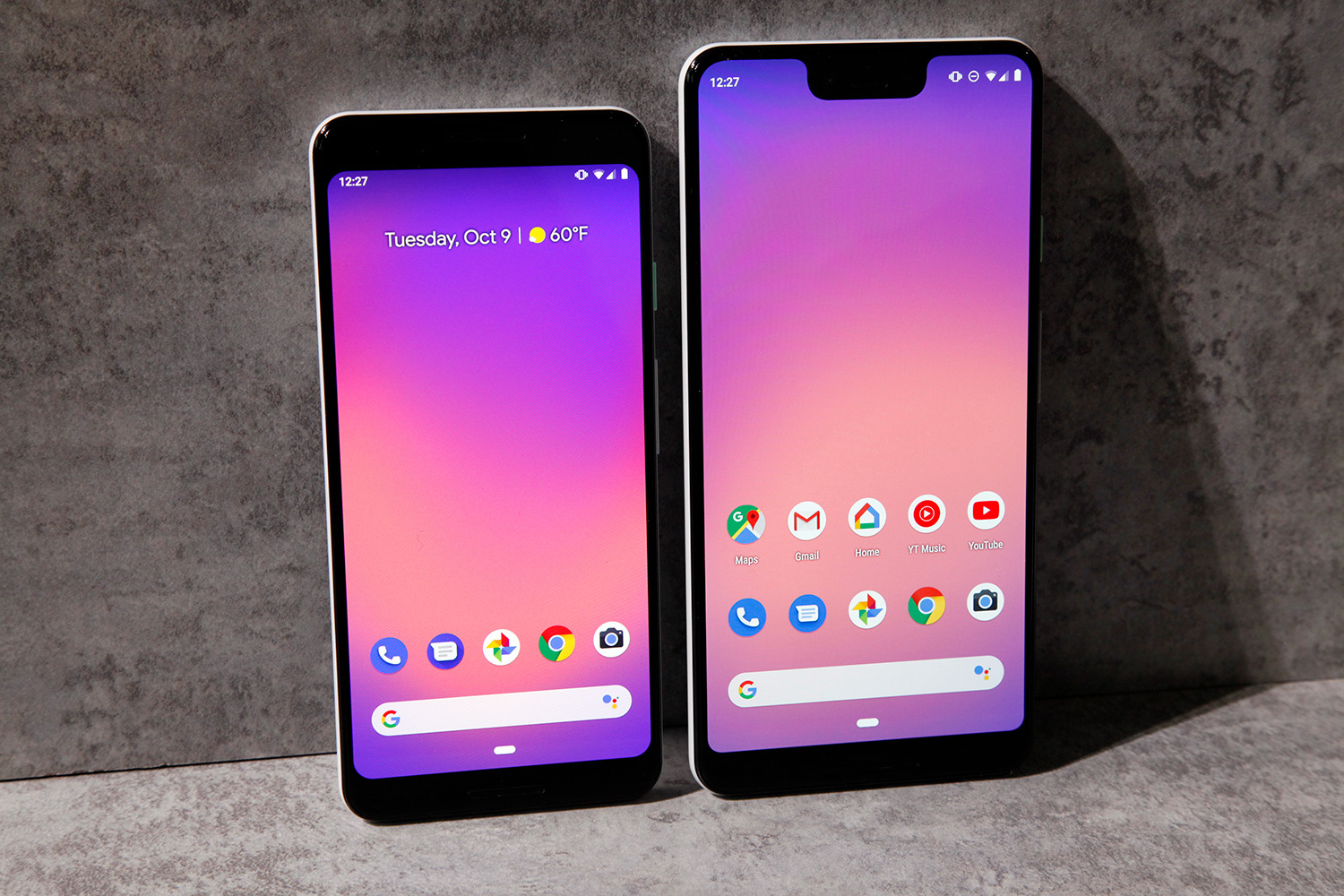
    Back in December, we told you that several Google Pixel 3 and Pixel 3 XL users were having an issue getting the person on the other end of a phone call to hear them properly. The Pixel series has been notorious for having a number of problems out of the box that are fixed by a subsequent software update. You might recall that the Pixel 2 and Pixel 2 XL had so many issues out of the gate that a law firm was recruiting users of the 2017 models to join a class action suit against Google, LG and HTC.

    According to Android Authority, it appears that Google never got around to fixing the problem with phone call connectivity with the 20218 Pixels. On the Google Product Forums are the posts that we discussed in our original story. But newer comments have been posted as recently as last month. It seems that when a Pixel 3 or Pixel 3 XL user is on a regular phone call, the person on the other end of the line is hearing an echo, choppy audio that cuts off words, silence, and more.

    Some troubleshooting tips (factory reset, going into safe mode, switching to 3G from 4G) failed to resolve the issue for everyone, which puts the ball back squarely in Google’s court. Hopefully there will soon be a software update disseminated that will allow those engaged in a phone call with an affected unit to hear the Pixel owner’s voice crystal clear.

  • The Galaxy S10 series set new pre-order records

    The Galaxy S10 series set new pre-order records

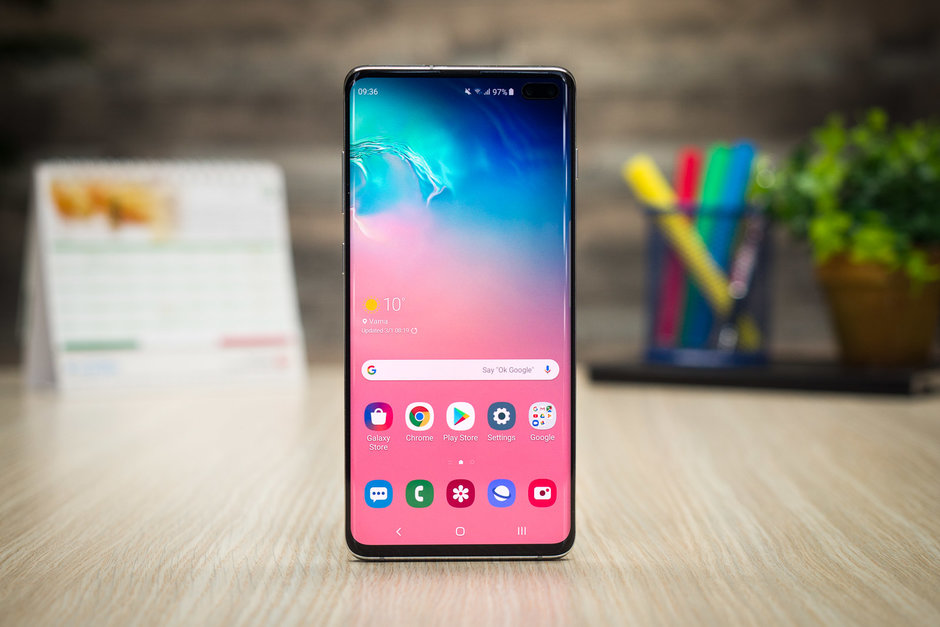
    The Samsung Galaxy S10 series apparently experienced a pretty sluggish start in South Korea. Globally, though, demand for the devices has proven to be quite high. So high, in fact, that the Galaxy S10 series has set new pre-order records for the US and the UK.

    In both markets, the Galaxy S10+ proved to be the most popular model of all with a sales share of 57%. The Galaxy S10 and Galaxy S10e, on the other hand, accounted for the remaining 43%. However, it’s unclear which of these two proved to be the most popular.

    As for colors, UK consumers largely favored the new Prism Black option – it accounted for a whopping 47% of pre-orders. The color preference of US consumers wasn’t specified but lack of stock suggests that Prism White was the general favorite.

    Unfortunately, no specific pre-order numbers were provided. But the records do suggest the Galaxy S10 series could be just what Samsung needs to maintain its number one position throughout the rest of the year. The news also bodes well for the recently-revised shipment estimates by Ming-Chi Kuo. For those of you that may be unaware, the popular analyst recently increased his Galaxy S10 sales predictions to between 40 and 45 million units as a result of popular demand.

  • The Motorola Moto G7 Power & G7 Play finally have release dates

    The Motorola Moto G7 Power & G7 Play finally have release dates

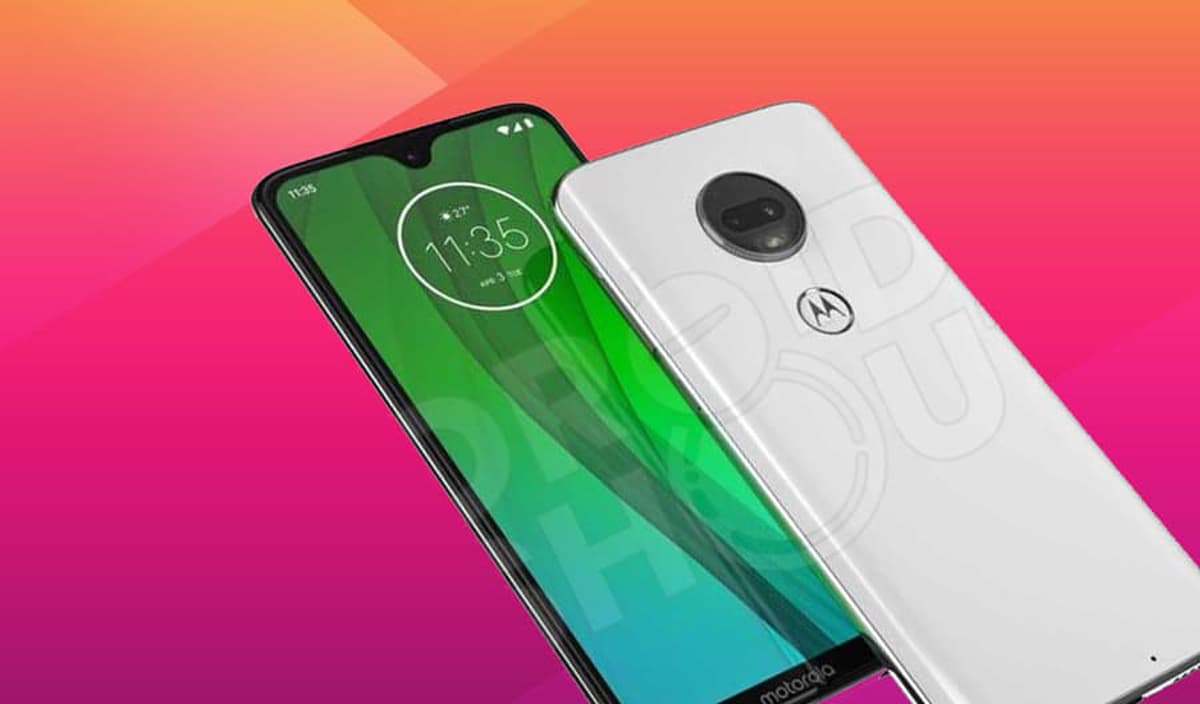
    The Motorola Moto G7 Play and Moto G7 Power will soon be available on US store shelves, the Chicago-based brand has announced. Once released, they will join the $299 Moto G7 which launched earlier this month.The Moto G7 Power, on the one hand, will be available to pre-order later this week on March 15. Shipments of the device will then kick off just seven days later on March 22. The Moto G7 Play, on the other hand, won’t be released until April 5. However, if you wish to get your hands on it that day, the budget offering will be available to pre-order one week earlier on March 29.

    As previously revealed, the Moto G7 power will cost just $249 when released later this month. At that price, consumers gain access to Qualcomm’s Snapdragon 632, a large 6.2-inch display, and a huge 5,000mAh battery which produces the best battery life we’ve ever tested. If the Moto G7 Power is a bit too pricey for you, the Moto G7 Play will be available for just $199. This offering maintains the same processor but shrinks the display to 5.7-inches. The battery is also quite a bit smaller at 3,000mAh. The Moto G7 Power & Moto G7 Play will both be available to pre-order and purchase through Motorola.com and Amazon. Select US retailers including Best Buy and B&H Photo will also offer the devices once released. Both models should be compatible with all US carriers.

  • Huawei Mate 20 sales achievement proves the company doesn’t need the US

    Huawei Mate 20 sales achievement proves the company doesn’t need the US

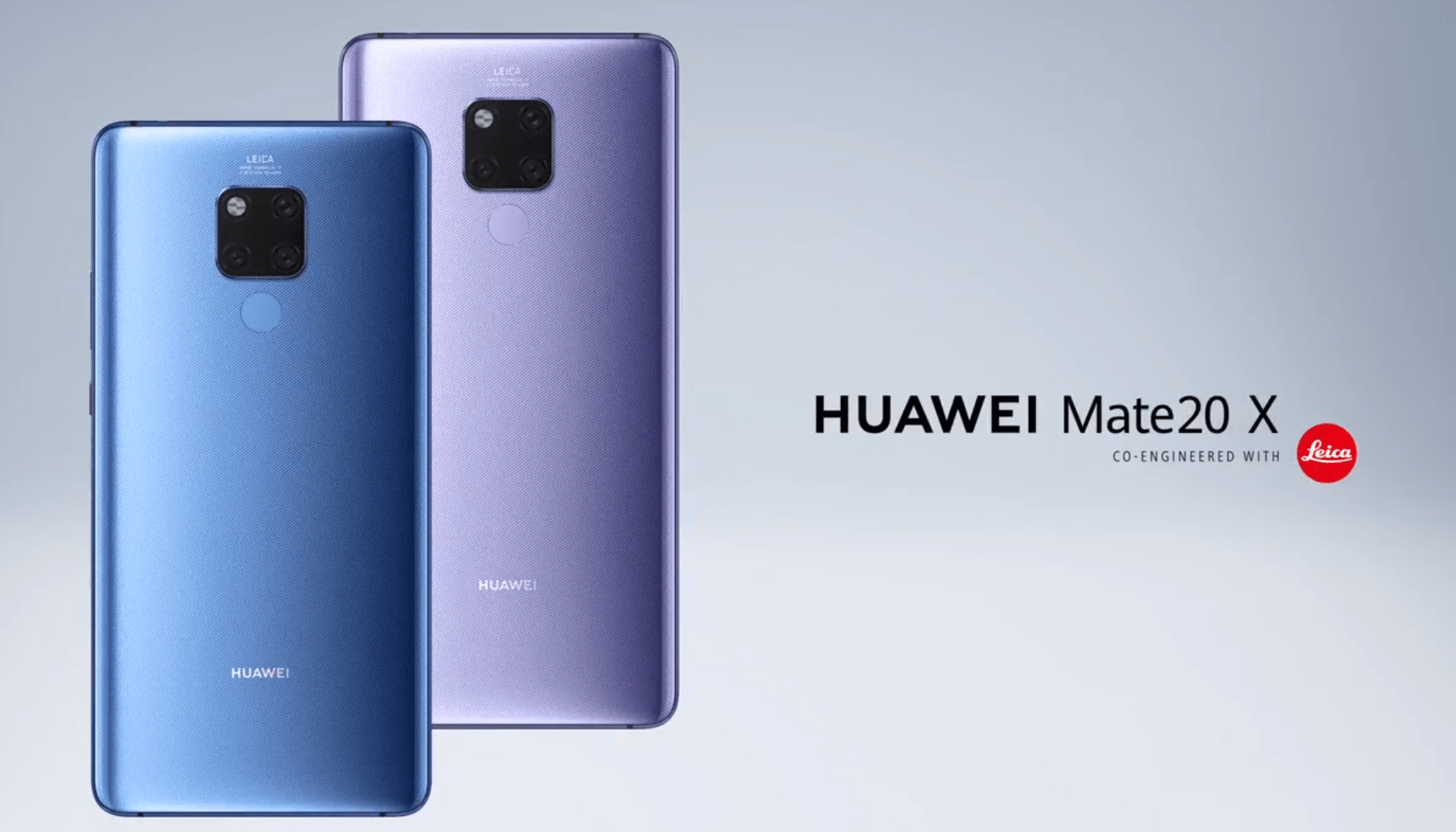
    With a little over two weeks left until Huawei will finally take the wraps off the P30 flagship series, the company is mainly busy building hype around a quad camera setup that might take mobile zoom photography to a whole new level of excellence. But at the same time, the world’s second-largest smartphone vendor continues to boast impressive achievements on its way to the global market’s first place. Despite not being officially available in the US, which remains one of the world’s biggest and most profitable smartphone markets, the Huawei Mate 20 “Series” has managed to rack up a grand total of 10 million shipments in just four and a half months. That’s obviously not the first time one of the company’s flagship families has reached 10 million unit sales, but the P20 and Mate 10 got to that number pretty much simultaneously back in August 2018.

    While the P20/P20 Pro duo needed roughly five months on store shelves to cross the milestone, the Mate 10 and Mate 10 Pro were nowhere near as popular, taking twice as long to score a combined 10 million shipments. And yes, we’re talking about the same Huawei Mate 10 Pro that you could buy unlocked from a number of authorized US retailers with a valid warranty included.<where more or less reliable vendors can hook you up with "international" stock at decent prices, but with no warranty. What this all suggests is that Huawei really doesn't need the US to succeed. The Chinese tech giant is huge in Asia, growing at a crazy pace in Europe, and even decently popular in Canada, where the Mate 20 Pro is sold through major carriers like Rogers, Bell, and Telus. If the company continues its progress in both the high-end and mid-range categories, there's definitely a good chance the smartphone market will have a new leader soon.

  • Samsung patent reveals its next foldable smartphone

    Samsung patent reveals its next foldable smartphone

    Two major smartphone vendors, Samsung and Huawei, revealed their first foldable phones – Samsung Galaxy Foldand Huawei Mate X. Although both are based on the same foldable concept, they’re using different technology, which led to some rivalries between the companies and their fans, of course.

    Specs aside, the major difference between these two smartphones is the way their displays fold. First off, we have the Samsung Galaxy Fold, which features a big display that folds to the inside of the device. Secondly, there’s the Huawei Mate X which folds outward, with the part of the display that becomes the back side of the folded phone turning off.

    Many say that Huawei’s solution is much better in terms of design, even though the Chinese company’s foldable smartphone is prone to scratches due to the design. Samsung and Huawei have been arguing about who’s got the best overall foldable smartphone design, but that might not last too long.

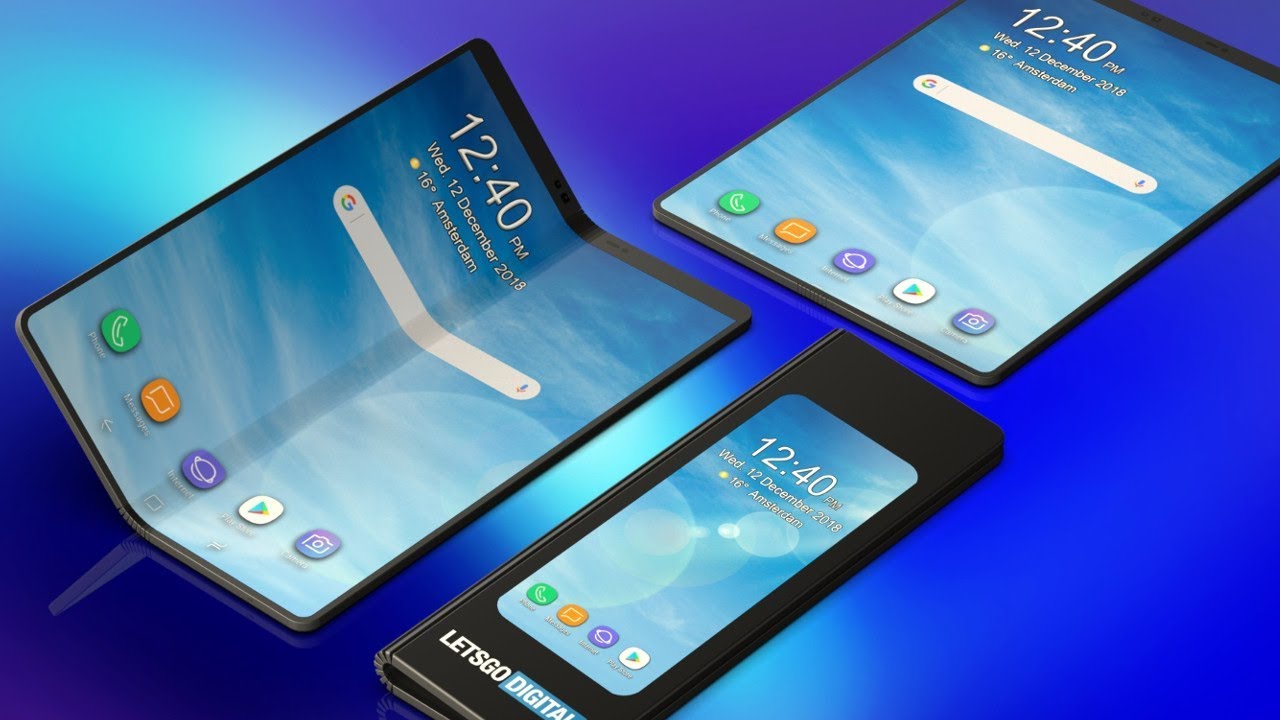
    Samsung is reportedly readying two other foldable smartphones, one of which will feature the same foldable design as the Mate X. One of Samsung’s patents spotted by LetsGoDigital reveals what the upcoming Samsung foldable smartphone might look like.

    It’s definitely a step up from the current model, the Galaxy Fold since it comes with a flexible segment in the middle that makes it possible to close it seamlessly when completely unfolded. The images also reveal some sort of slide that works like a lock to make sure that the phone remains flat when opened.

    This removes the need of having to implement a more sturdy hinge to keep the phone completely flat when you open it. If Samsung does plan to launch such a device, it will be the company’s first foldable smartphone to feature an outward-facing display, in the same vein as Huawei’s Mate X.

    picture by: letsgodigital.org

  • Motorola’s smartphones could soon remove almost every bezel

    Motorola’s smartphones could soon remove almost every bezel

    The Motorola Moto E, Moto G, and Moto Z smartphone lineups could eventually adopt displays that feature almost no bezel, a new patent suggests. Submitted late last year and published earlier this month, parent company Lenovo describes a total of eight smartphone designs range from ‘Model A’ to ‘Model H.’ The first three models focus on different front panel looks which could be used in the near future. The second set of devices, on the other hand, describes different rear designs.

    Starting with Models A, B, and C, these all sport rear panels that resemble current-gen Motorola devices thanks to large circle-shaped camera modules and rear-facing fingerprint scanners. In the case of ‘Model A,’ this rear design is paired with a thick chin up front and a small notch above the display. Overall, the device resembles the recently-announced Moto G7 quite closely.
    Moving on to ‘Model B,’ this smartphone sports a slimmer chin along with the same notch. As a result, the device is reminiscent of the upcoming Moto Z4 Play. ‘Model C,’ however, appears to depict what Motorola’s smartphones will look like in the future. Like the previous two, it maintains the waterdrop-like notch above the display. This time, though, the side and bottom bezels are basically non-existent.
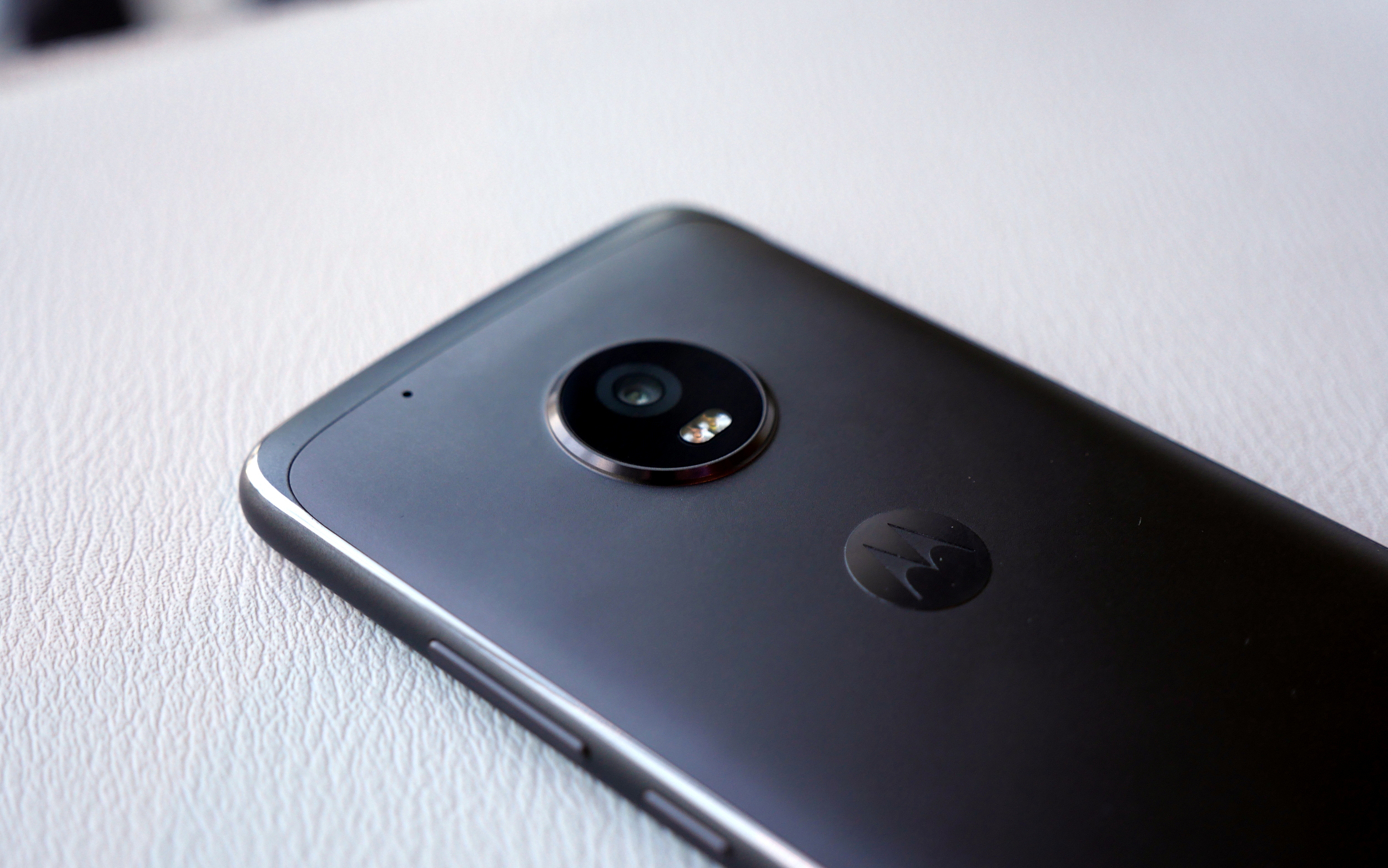
    Taking a look at the remaining models, these all depict different rear setups. Models ‘D’ and ‘E’ resemble slightly updated versions of current Moto Z and Moto P-series devices. Models ‘F’ and ‘H,’ on the other hand, showcase horizontally-aligned cameras that sit in the top-left corner, a design that hasn’t been seen on Motorola smartphones. When it comes to the remaining ‘Model G,’ this rear design resembles the look of older Moto devices by boasting a much smaller camera that sits in the center, just above the LED flash and the Motorola logo.
    Because Motorola no longer competes in the flagship segment, it could be a while until the brand’s mid-range offerings embrace the bezel-less look depicted by Model C. The alternative rear looks, however, could appear in the near future.
  • Facebook’s massive outage helped a rival app gaining millions of new users

    Facebook’s massive outage helped a rival app gaining millions of new users

    If you’re bothered by Facebook’s notoriously shady data harvesting methods and various other controversies surrounding the privacy and security of the social networking titan’s user base, it’s probably not a good idea to switch to Instagram. But there are actually many competing services and platforms on the market that Mark Zuckerberg does not own.

    One instant messaging app that has been growing at a pretty impressive pace for the past few years noticed a particularly large boost to its user numbers yesterday. According to its founder, Pavel Durov, a whopping 3 million people signed up for new Telegram accounts “within the last 24 hours.” It’s safe to assume that doesn’t happen every day for an IM and VoIP service that boasted a grand total of 200 million monthly active users around a year ago.

    While Durov doesn’t spell it out for us on his personal Telegram channel, the surge in sign-ups is naturally believed to be connected with Facebook’s most recent worldwide outage. A massive number of Facebook, Instagram, and WhatsApp users reported problems logging in to their accounts yesterday, and incredibly enough, the main social networking platform is still down for some people.

    Even though that seemed to boost the action (and jokes) on Twitter, where Facebook itself confirmed the issues, Pavel Durov suggests his app may have had more to gain thanks to its “true privacy and unlimited space for everyone.” Then again, Telegram had its fair share of scandals and controversies back in the day as well, disappearing from the iOS App Store at one point due to suspicions of rampant child pornography content spreading.

    The app is also banned in countries like Russia and China, although the reason for that might actually convince more people in the Western Hemisphere to switch from Facebook or WhatsApp to Telegram. Namely, a strict policy on sharing user information with government authorities.

  • Smartphone brand Realme expanding in Southeast Asia

    Smartphone brand Realme expanding in Southeast Asia

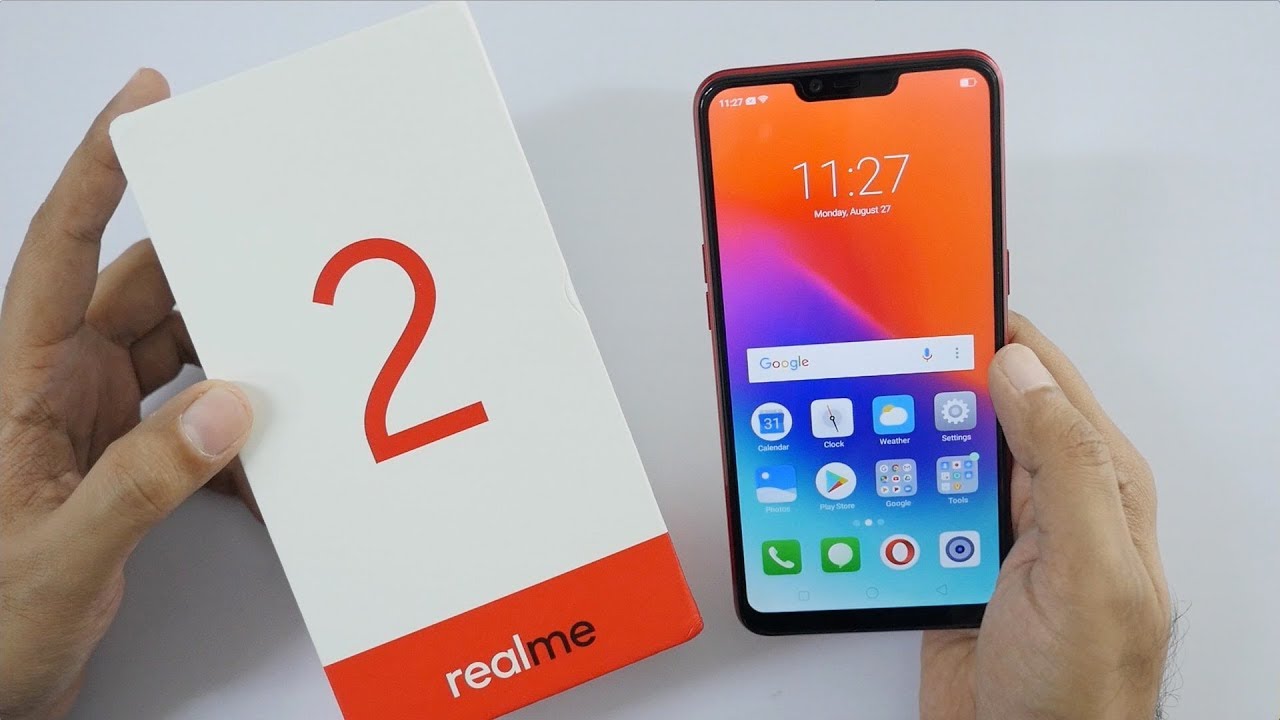
    BBK Electronics’ budget smartphone brand Realme is eyeing expansion into Southeast Asia, Africa and Europe.

    The company’s online distribution strategy has brought it success in the Indian market and makes broader expansion possible, according to Realme global CEO Sky Li Bingzhong.

    “The company’s asset-light operations and focus on online sales allow it to keep costs low. That way, more young consumers can afford its products, which makes the brand more competitive in the market,” said Li.

    Realme launched in India in May last year with handsets priced at INR8,990 (US$129) – becoming the second top-selling smartphone brand during the Diwali festival season from October to November. The brand has joined a number of Chinese phone manufacturers seeking to build strength in the Indian market as they challenge more established international competitors in more saturated markets.

    BBK also owns the Oppo, Vivo and OnePlus brands, selling mid- to high-end models. Independent Realme runs its own R&D operations, but partners with Oppo in smartphone production. Its expansion moves are indicative of Chinese phone manufacturers’ larger strategy to deploy varying brands that each target specific markets globally.

  • First Lenovo Legion store in Philippines

    First Lenovo Legion store in Philippines

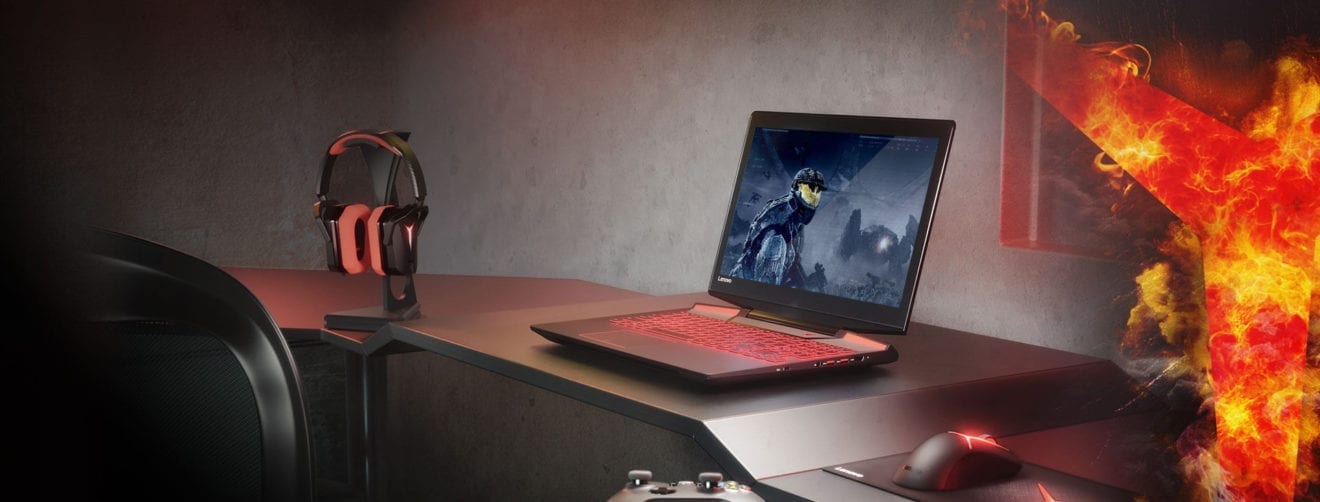
    The first Lenovo Legion concept store in the Philippines has opened as the tech company strengthens its gaming business.

    The Quezon City outlet, at less than 40sqm on the fourth floor of the Annex Building, showcases the brand’s Legion gaming machines in a setting that allows customers to personally examine and experience the products. Lenovo intends to host mini tournaments at the venue to “engage the local gaming community,” according to its statement on the opening.

    Lenovo Philippines GM Michael Ngan expressed the firm’s intentions to open as many such stores in the territory as possible, depending on available spaces, with a possible four outlets planned for this year. He added that the Philippines is seen as a strong growth space for the company’s Lenovo Legion gaming sub-brand. He hinted that the firm’s Legion of Champions e-sports tournament may be held in the Philippines.

    “We’ve had a lot of customers asking why don’t we host in the Philippines … so I’m lobbying that we can have the opportunity to host the fourth edition here in Manila,” he said.

  • Apple sales and profit slip

    Apple sales and profit slip

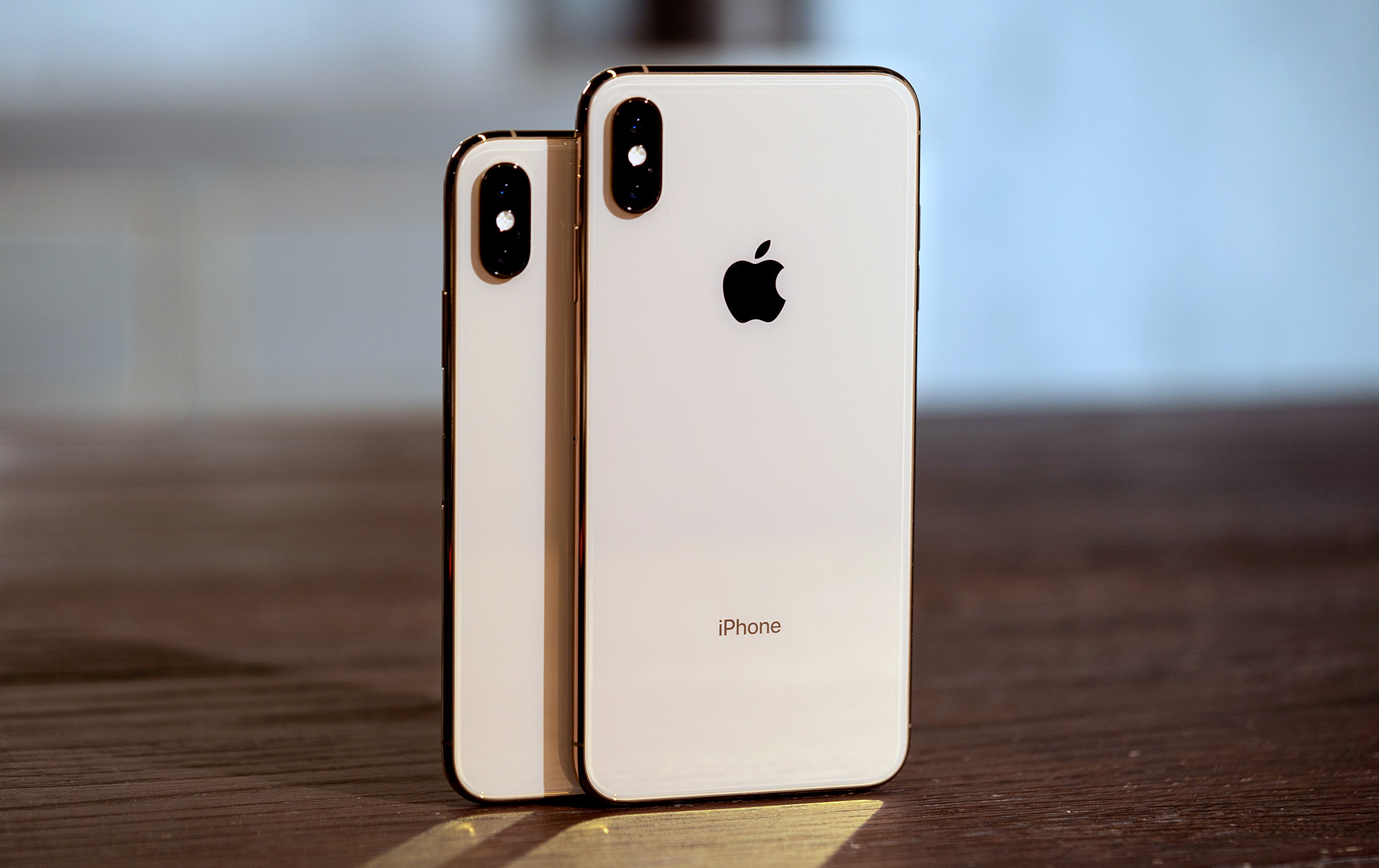
    Tumbling iPhone demand drove an uncharacteristic decline in Apple sales in the first quarter, trimming back its profit for the period.

    Sales of its iPhone range slumped 15 per cent year on year, and although burgeoning revenue from services like digital media subscriptions – up 19 per cent to a new high of US$10.9 billion – and other products compensated, total sales were down 5 per cent to $84.3 billion.

    Sales in China slumped 26.6 per cent during the period.

    Net income fell by $100 million, from $20.065 billion in the December 2017 quarter to $19.965 billion in the latest quarter. While the company championed setting “an all-time earnings per share record” that was a consequence of a share buyback program reducing the share pool rather than an improved bottom line.

    Commenting on the results, GlobalData Retail MD Neil Saunders said while Apple is still a money-making machine, the sales decline “symbolises a company that is starting to run out of steam”.

    “In our view, this is something to be corrected, not least because Apple is a costly company to run and it relies on strong revenue growth to drive up the bottom line. As this quarter’s figures show, failure to achieve that results in profit erosion.”

    Saunders said the slowdown in iPhone sales reflected Apple’s inability to come up with meaningful and valuable innovations that wow consumers.

    “The latest iPhones might be works of art from an engineering perspective, but they are essentially incremental products that lack the excitement and newness of earlier models. With the higher price points of top-end models, consumers expect a lot more for their money. The blunt truth is, Apple’s latest line up of phones doesn’t do that much more than the generations that came before.”

    He said the slowdown in China is a problem Apple shares with many other companies.

    “The country is suffering from more sluggish consumer demand which has put the brakes on retail growth rates across many sectors. However, the issue for Apple is that this has coincided with a rise in competition from local phones and devices which has helped to eat into its own growth. In short, China is no longer the engine of growth for Apple that it once was and this makes Apple uncomfortably more reliant on mature markets to drive revenues. Some of those markets, like Europe, are also not delivering – thanks to very high price points and consumers that are hesitant to spend on big-ticket items.”

    From must have to might buy

    Saunders said Apple’s iPads and some of its Macs are good, quality items, however they are simply not impressing the market and Apple is losing its lustre in terms of producing compelling products.

    “In our view, Apple has moved from a position of ‘must have this and must have it now’ to ‘might buy this at some point in the future’. Price increases may mitigate this but, ultimately, such a shift can only ever result in a softer sales performance.”

    While services are performing well, Saunders said Apple must push much harder.

    “Amazon is successfully creating an ecosystem of services through Prime. Apple needs to do something similar by building on its Apple Music subscription and its App Store offering. Movies and television content are also needed to propel sales.

    “In our view, Apple should seriously consider a big acquisition such as Netflix. Content is a big growth area and is becoming increasingly linked to devices. Apple needs to play more heavily in this space both to generate new opportunities but also to defend its own device business.”

    While Apple remains a solid and financially successful company, he said, a lack of serious and significant innovation means it runs the risk of diluting future earnings.

    “Apple thrives off serving a mass market; at the moment its moves to provide more expensive items to fewer people will ultimately do further harm to the bottom line. The clear blue water that once existed between Apple and its rivals is much diminished. The company has time to reopen the gap, but to do so, it needs to pull something new and unique out of its hat sooner, rather than later.”

    Cook’s positive spin

    Apple CEO Tim Cook delivered a positive spin on the results: “While it was disappointing to miss our revenue guidance, we manage Apple for the long term, and this quarter’s results demonstrate that the underlying strength of our business runs deep and wide. Our active installed base of devices reached an all-time high of 1.4 billion in the first quarter, growing in each of our geographic segments. That’s a great testament to the satisfaction and loyalty of our customers, and it’s driving our services business to new records thanks to our large and fast-growing ecosystem.”

    At the end of the quarter, Apple’s net cash balance was $130 billion.
  • Razer launches country HQ in Malaysia, looks to groom next gen tech talent

    Razer launches country HQ in Malaysia, looks to groom next gen tech talent

    Shortly after it announced the construction of a new Southeast Asia headquarters, Razer has unveiled its new country headquarters in Malaysia which will house over 280 employees. The investment strengthens Malaysia as Razer’s regional center of fintech innovation, e-sports excellence and talent development.

    Razer aims to position itself as a fintech leader in Malaysia, with one of its initiatives being a partnership with property development company UOA Group to digitise and integrate its carpark payment system into the Razer Pay app. Upon completion, carpark users can settle their parking fees using the Razer Pay app without waiting in queues. It is also working with merchants in Bangsar South to accept Razer Pay

    As part of its e-sports initiatives, Razer will share its expertise in the field with the Malaysian gaming community. This includes coordinating with industry partners to drive gaming events in the country, bringing the gaming community together and looking to support Team Malaysia for esports at SEA Games 2019.

    Razer will also work with the government and industry partners to develop the next generation of tech talent in Malaysia. It will collaborate with institutes of higher learning, provide training and mentorship programs and offer exchange programs across the regional Razer offices.

    The world now demands a high level of innovative thinking and entrepreneurial mindsets, and Razer will help nurture the future technology leaders of Malaysia.

    “Razer will be investing in Malaysia as a hub for our fintech efforts in Southeast Asia,” says Min-Liang Tan, co-founder and CEO of Razer. “It is the first country in the world to be ready for Razer Pay, and we see the Razer Malaysia office as a natural springboard for our fintech efforts in the region.”

    Last year, Razer launched its e-wallet app for youth and Millennials in Malaysia and claimed to have signed up 500,000 users in less than a week. This month, Razer Pay has been expanded with major new features such as in-app coupons, instant messaging, and an enhanced e-wallet experience.

    Razer has collaborated with Malaysia’s household brands to bring exciting offers to consumers. 7-Eleven is offering RM5 coupons and Kenny Rogers Roasters will offer RM10 coupons to Razer Pay users. U Mobile will also organize weekly contests with prizes such as the Razer Phone 2. Merchants operating in Bangsar South will also start accepting Razer Pay. These merchants will also begin to offer rewards programs enabled by Razer Pay, such as coupons and flash sales to help customers save time and money.