Category: Electronics

Retail News Asia is committed to providing both local and global retailers with the latest Electronics news throughout the Asian market. This on a daily base.

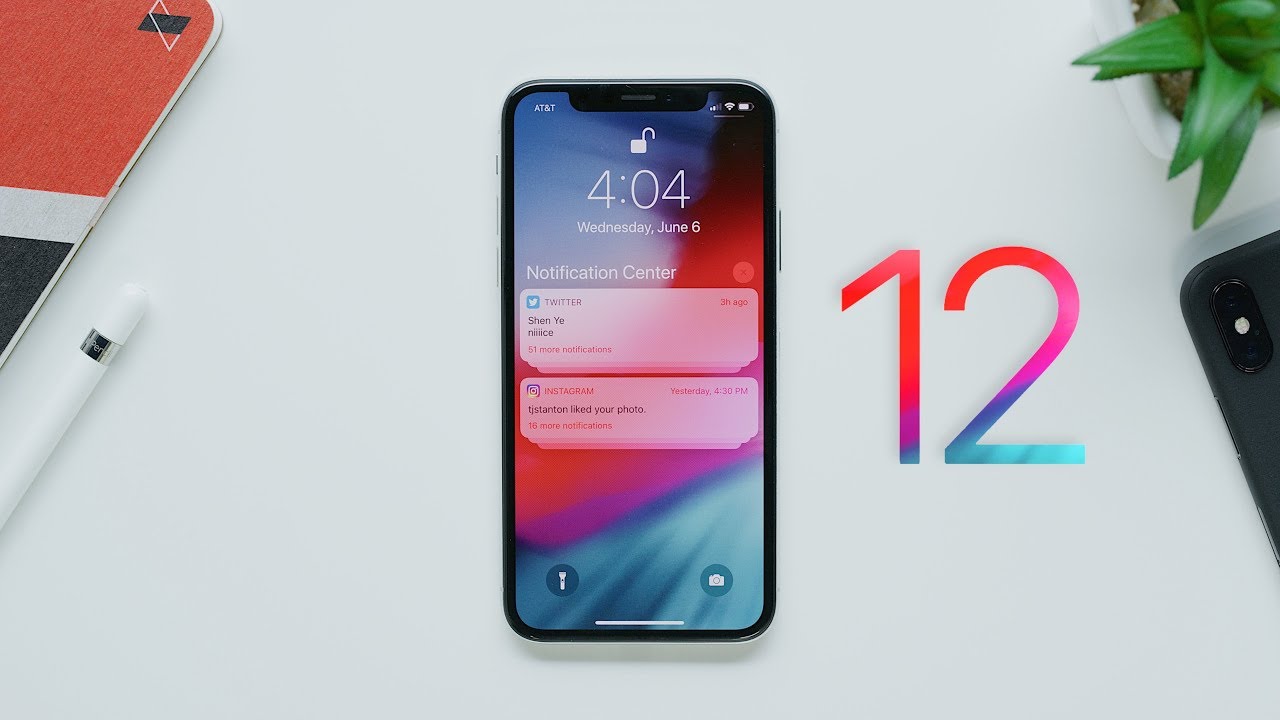
  • iOS 12 bringing iPad Pro support for unlikely accessories

    iOS 12 bringing iPad Pro support for unlikely accessories

    Apple has a pretty clear strategy for its iPad lineup with an option available at every price point from $329 up to infinity as well as having a handful of screen size options. Apple’s status in the tablet market means there’s no shortage of accessories, but in a surprise move Apple added native support for the Logitech Crayon for the 9.7-inch iPad and now support is coming to more devices.

    Apparently the next version of iOS 12 will bring support for the Logitech Crayon to “the iPad Pros.” Unfortunately, it’s not clear if Patel was referring to the new iPad Pros or the entire lineup of iPad Pros, which is an important distinction given the trouble users could have sorting out Apple Pencil support on different iPads. The suspicion is that Apple will be releasing a new version of iOS 12 on Monday to add support for the various subscription services expected to be announced.
    While on the surface, this seems like a good thing since the idea behind the Crayon is that it just works on an iPad right after you turn it on without needing to do anything else, and bringing support to more devices beyond the $329 iPad seems like a plus. The odd thing about it is that the plan would be to add support just for the iPad Pro lineup. The Crayon is designed for the education market (it’s actually not available for purchase outside of Apple’s Education channel.) The reason it only supported the cheapest iPad was because that’s the device also designed for the education market.
  • Microsoft app works in reverse sending content links to your Phone

    Microsoft app works in reverse sending content links to your Phone

    Instead of having to email content from your Android phone to your Windows PC, Microsoft’s Your Phone app automatically shares photos, texts and other content from your handset to that box on your desk. And according to MS Poweruser, you can send content links the other way from your PC to your phone. Doing this requires the use of the native share button on Microsoft Edge and Firefox.
    You will receive a notification when the link hits your phone. Tap it, and the content will open in the Microsoft Edge browser for Android. To arrange this, you need to install Microsoft’s Your Phone Companion app on your Android handset and the Microsoft Edge browser app. You then need to install the Your Phone app on your Windows 10 PC. Sign in using a Microsoft account, agree to some permission requests, and you have helped your PC and Android phone become friends.
    Suppose you were on your PC, watching one of our reviews on YouTube, and wanted to send a link to your phone so you can quickly find it later when you’re out. While the video is up on the PC, click on the three dot overflow menu on the right side of the address box. From there, tap on share and then Your Phone. You will receive the aforementioned notification on your phone. Tap on it, and the content will open in the Edge app on the handset.
    This setup will also allow you to send web pages from your desktop to your phone, along with some other content that you are viewing on the desktop Edge browser. And don’t forget that the original idea of the Your Phone hook up is to send texts and photos from your phone to your Windows 10 PC.
  • Firefox latest update makes it a much better browser for iPad users

    Firefox latest update makes it a much better browser for iPad users

    If you’re using Firefox on your iPad, you’ll be pleased to know that Mozilla is now making your life much easier. Since the iPad offers a bigger display than the iPhone, which means you can use it differently like for example watch a video and browse the Internet.

    In order for that to work, your browser must support split screen, a feature that allows you to have two apps side-by-side making it easy for you to share links or take notes without having to switch back and forth between apps. The latest Firefox update enables iPad users to divide the screen between the browser and another app like Google Maps or Slack.

    Besides split screen support, Mozilla also included some quality of life improvements, such as better tab management, easier to access Private Browsing, and keyboard shortcuts.

    After the update, you’ll notice that Firefox will display tabs like tiles, which makes it easier to see them. Also, whenever you try to get to a private page on an iOS device, you usually have to go through a couple of steps, but the latest version puts Private Browsing in the lower left corner of the browser window so that you can access it with just one click.

    Now, if you’re using an external keyboard with your iPad, you’ll be happy to learn that you can hold down the command key on your tablet to show keyboard shortcuts. Mozilla has implemented some shortcuts exactly as they are on the Mac, so you might be familiar with many of them. There’s also another feature introduced which will allow you to send tabs between devices without having to leave the browser, but you will need a Firefox account for that.

    Last but not least, a much-requested feature is now being implemented in Firefox, but only to some extent. Since iOS doesn’t allow Mozilla to enable users to set Firefox as the default browser, the developers have found a way to allow them to set it as default browser when they open email links from Microsoft Outlook.

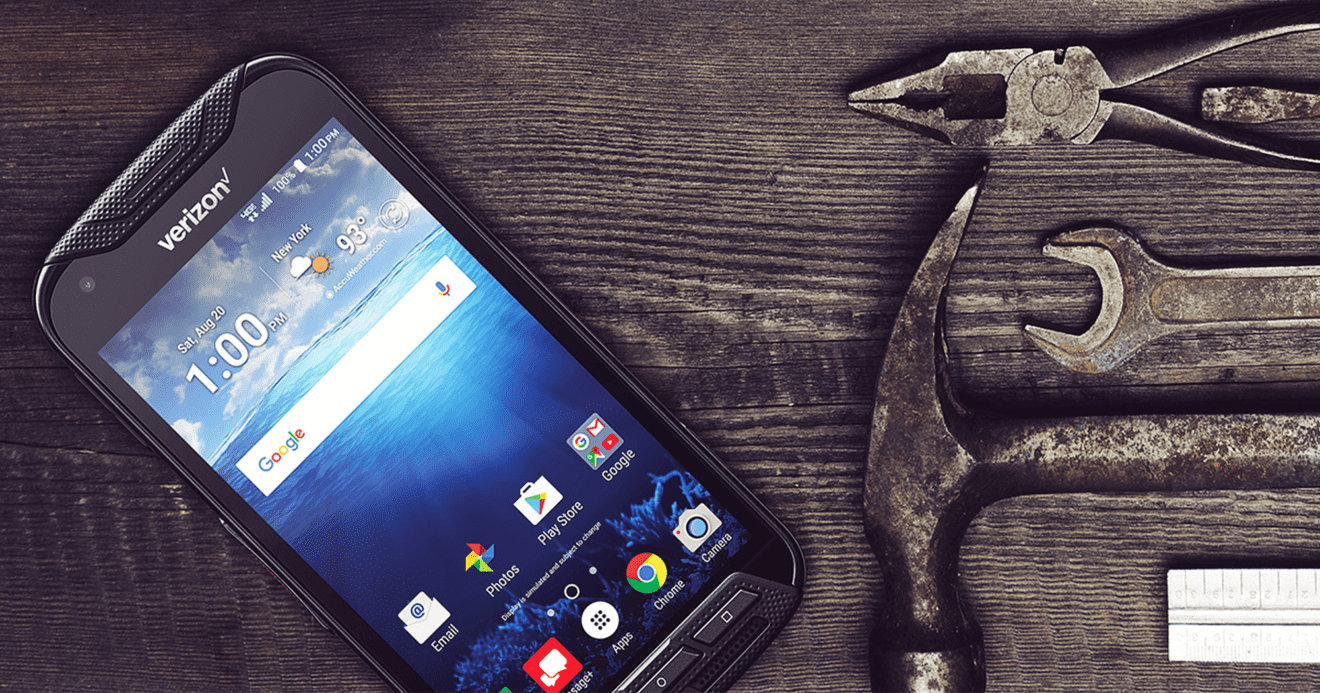
  • Military-grade rugged Kyocera DuraForce PRO 2

    Military-grade rugged Kyocera DuraForce PRO 2

    Kyocera’s DuraForce PRO 2 is not a new phone and AT&T is not the first carrier that sells it in the United States. Verizon has already added the rugged smartphone to its offering back in November, but AT&T is doing it a little bit differently.

    First off, the DuraForce PRO 2 is an unusual smartphone in the fact that it features IP68 waterproof and dustproof certification and Military Standard 810G for protection against shock, vibration, temperature extremes, blowing rain, low pressure, solar radiation, salt fog, humidity, immersion, temperature shock, and icing or freezing rain. On top of that, the phone’s display is protected by Dragontrail PRO, a scratch and crack-resistant glass.

    However, Kyocera and AT&T announced that the phone is also FirstNet Ready, which means it’s been tested and certified to work on FirstNet, the nationwide public safety broadband communications platform. This makes the Kyocera DuraForce PRO 2 perfect for first responders and those critical to their emergency response.

    DuraForce PRO 2 includes HD Voice and Wi-Fi calling support, as well as dual front speakers and four noise-canceling mics that feature Qualcomm’s Fluence PRO technology. The latter makes Enhanced Push-To-Talk (EPTT) calls, speakerphone use, music, and calls crystal clear regardless of background noise.

    The ultra-rugged smartphone includes enhanced security features like a biometric fingerprint sensor. It’s not an in-display or rear-mounted fingerprint sensor, as Kyocera put it under the power button.

    Unlike previous Kyocera ultra-rugged smartphones that don’t focus on hardware, the DuraForce 2 PRO comes with double the amount of memory: 4GB RAM and 64GB internal memory. Also, the back side features a dual-camera setup.

    As far as the pricing goes, Kyocera DuraForce PRO 2 is now available for purchase for just $15 per month on AT&T Next pricing (for 30 months), $170 with a two-year agreement or $445 outright. Of course, the phone comes with a two-year standard warranty.

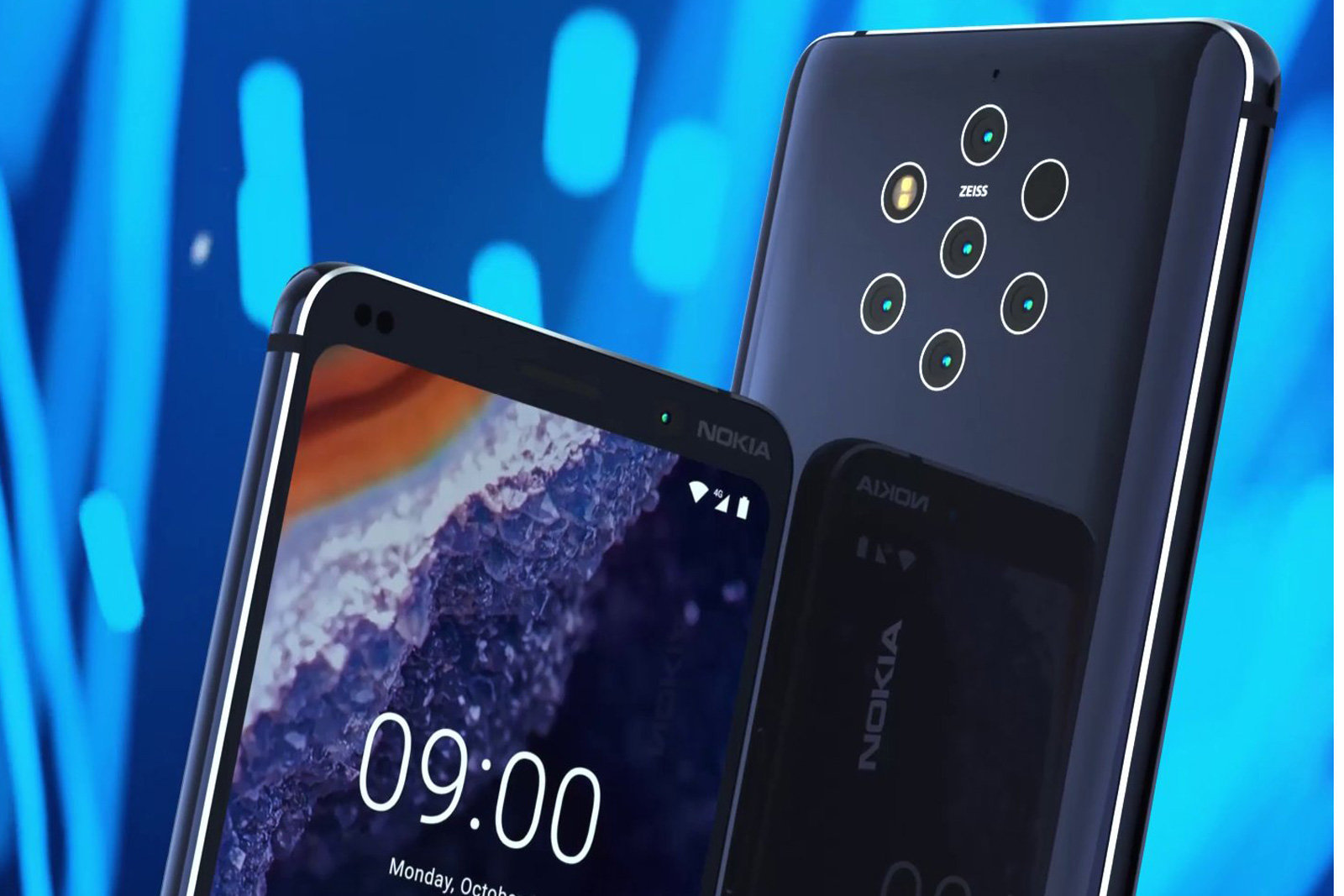
  • Some Nokia phones were spotted sending user data to China

    Some Nokia phones were spotted sending user data to China

    HMD Global has managed the Nokia smartphone brand impressively well since it took over in December 2016, but now the Finnish company has found itself in hot water. In a report published earlier today, Norway’s public broadcaster NRK claims to have found proof that certain Nokia smartphone have been transmitting unencrypted user information to China. Allegedly, on-device data such as GPS location, the device serial number, and even the user’s phone number were being transmitted back to a Chinese server.

    The server in question was under the domain “vnet.cn,” which is reportedly managed by state-owned carrier China Telecom. From the look of things, every time the Nokia 7 Plus units were powered on, data would immediately be transferred over to the server. Similarly, simply turning on the display or unlocking the device would trigger the same process.
    Fortunately for consumers, this issue was present only a “single batch” of Nokia 7 Plus units. Presumably, the smartphones were initially intended for the Chinese market but ultimately made it into the hands of European consumers. Moreover, since the issue has been raised, HMD Global has removed the infringing files from the devices.
  • New AirPower image found on Apple’s website

    New AirPower image found on Apple’s website

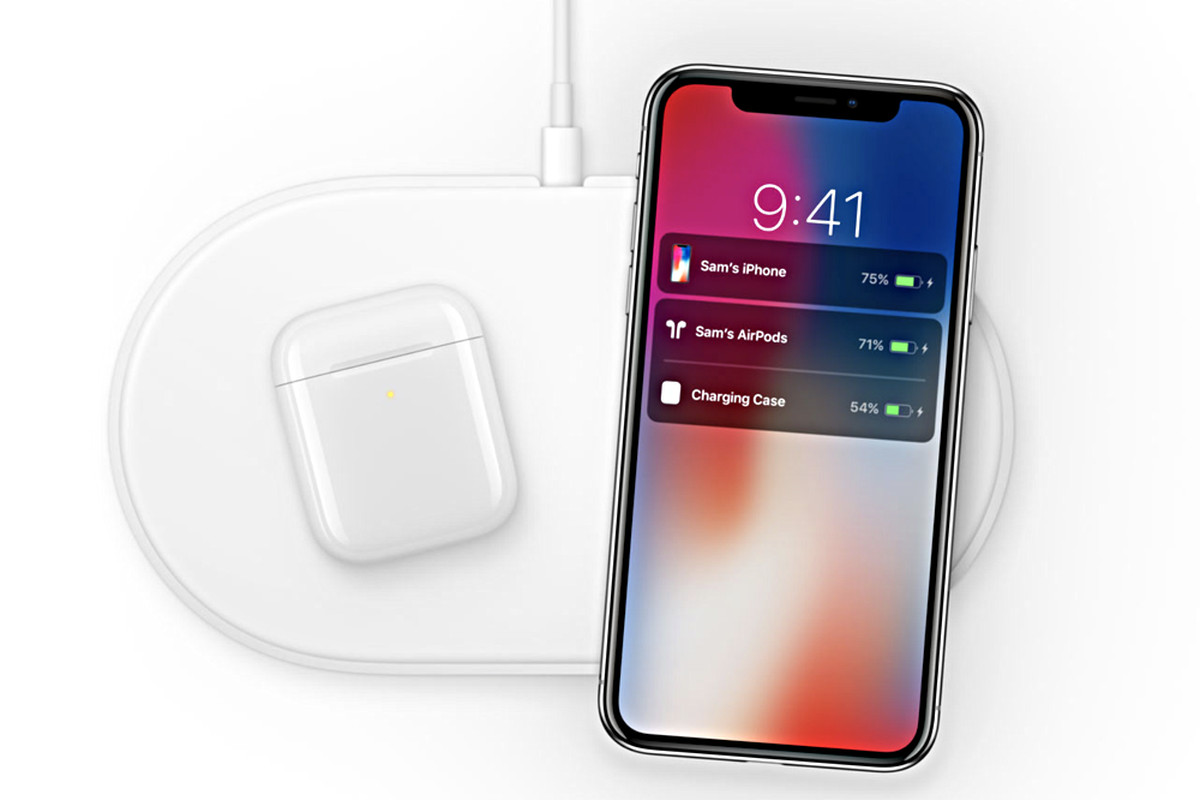
    It’s been over one year and a half since Apple first announced AirPower, the infamous wireless charging pad which still hasn’t been released, despite the promise of a launch during 2018. Reports and rumors about the status of AirPower have been floating around for months, with many now speculating that Apple will announce it sometime this week. Rather unsurprisingly, Apple has made no official statement on the matter, but now a new finding on the company’s website suggests AirPower could be just around the corner.

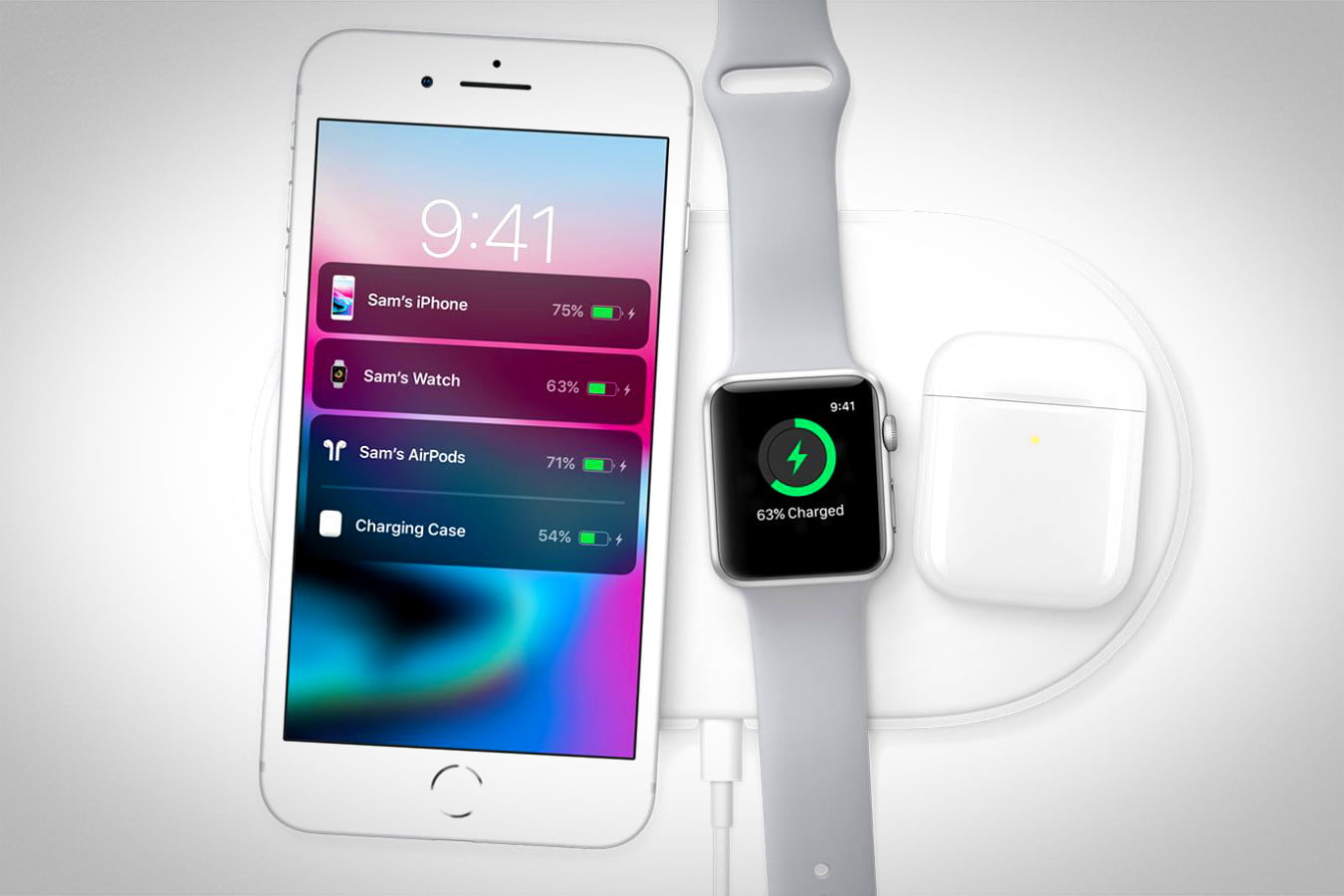
    The new AirPower image on Apple’s website

    Yesterday, when Apple updated the AirPods page on its website following the announcement of an improved pair, the company proceeded to remove all references to AirPower – it even removed the old marketing image showing AirPower charging an iPhone X and a pair of AirPods.  A replacement image is yet to be added to the page, but as it turns out, there is actually a new, never-before-seen official AirPower image hidden within the source code of Apple’s Australian website.

    Overall, the new press image is pretty similar to the original. This time around, though, Apple has replaced the iPhone X with a newer iPhone XS. Another tiny detail which has changed is the device owner’s name – it was previously Sam but is now David. Presumably, this new AirPower image will be used once the charging pad is officially introduced. The expectation was that it’d debut today, but Apple appears to have paused its announcements for the time.

    When will Apple actually release AirPower?

    At this rate, it’s unclear when Apple will announce its highly-anticipated wireless charger. There do, however, appear to be three options. The first option, and one which could be considered wishful thinking, is an announcement tomorrow. Apple successfully created hype earlier this week with iPad, iMac, and AirPods announcements on Monday, Tuesday, and Wednesday respectively. Then, earlier today a number of iPad Air and iPad Mini reviews dropped, hogging the limelight for the day. In order to complete the week, Apple could schedule an AirPower unveiling for tomorrow, guaranteeing itself another day in the headlines

    The second option is an announcement at Monday’s event. This is certainly possible but does seem pretty unlikely at this point. The focus of next week’s press event is Apple’s upcoming subscription services, and by announcing its newest hardware products this week, the company has successfully removed any potential distractions from the big day. But AirPower, rather naturally, would prove to be a pretty big one.

    The last option is an announcement later this year. When exactly remains a bit of a mystery, but the company could either launch it at WWDC or at its iPhone event in September, or choose to release it quietly on any given day.

    What key features will AirPower offer?

    In terms of what AirPower actually has to offer – aside from its integration within Apple’s ecosystem – the charging mat should offer the ability to wirelessly charge up to three devices simultaneously.

    This means that keen Apple users out there looking to purchase the charging pad will be able to charge their iPhone 8 (or newer) alongside an Apple Watch Series 3 (or newer) and a pair of AirPods – as long as the new wireless charging case has been purchased.

    As for pricing, no official details have been provided yet. However, rumors do point towards a retail price in the region of $150, although this is pure speculation at the moment and the final price could be either higher or lower.
  • Apple can make you forget about the new AirPods with new Beats headphones

    Apple can make you forget about the new AirPods with new Beats headphones

    Apple isn’t known for its costly acquisitions, generally focusing on buying small companies that can add valuable resources to new areas of development for the Cupertino-based tech giant without entailing a great risk from a return on investment standpoint. But the iPhone and iPad makers actually splashed the cash on Beats Electronics back in 2014, acquiring Dr. Dre’s buzzworthy audio device outfit in exchange for a whopping $3 billion.

    While we will obviously never know exactly how much Apple has gained or lost as a result of this extravagant purchase in its immediate aftermath, the future of the Beats brand appeared to hang in the balance as there were no new products released under the once fruitful label for the entirety of last year. But fret not, Dre fans, as a redesigned Powerbeats version is expected out pretty soon.

    AirPods rival or something for a different target audience?

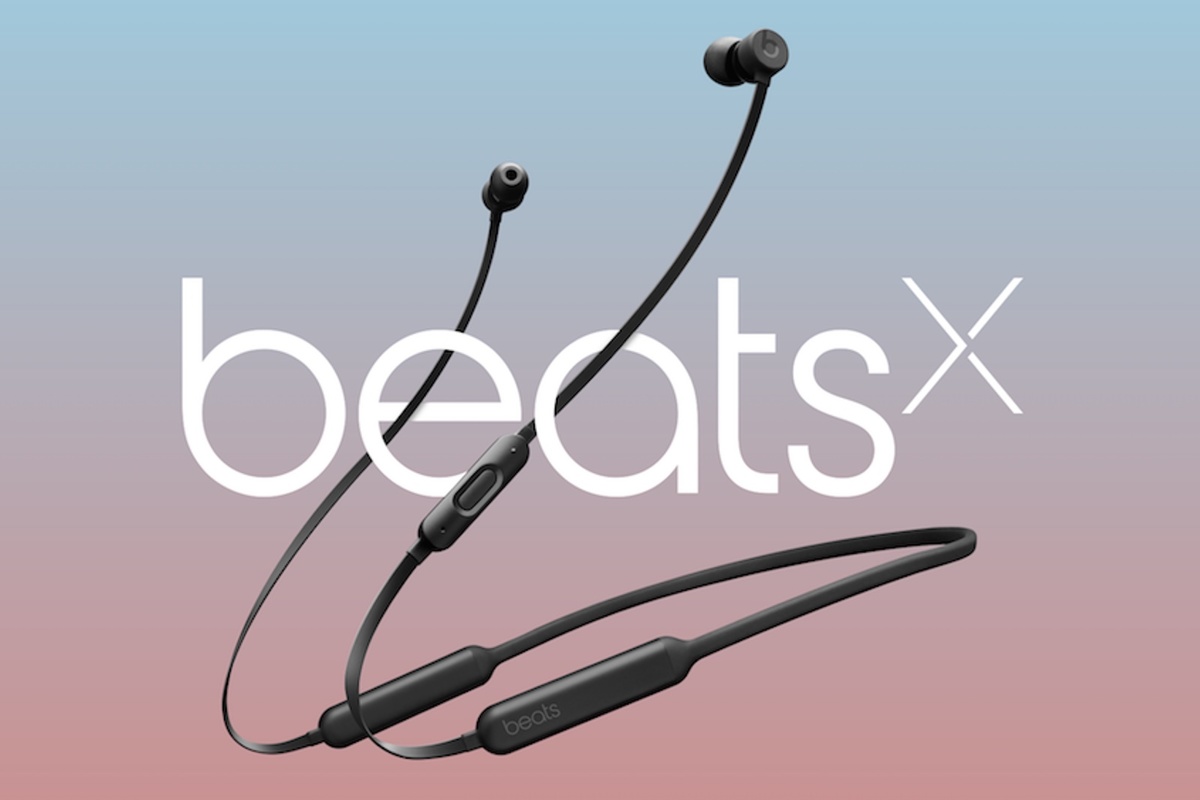
    There are plenty of popular Beats-branded wireless headphones already on the market, ranging from the $120 BeatsX all the way up to the $350 Beats Studio3, but one thing that’s missing is a “true wireless” option. The reason for that is simple, as Apple probably didn’t want anything to steal attention away or reduce the appeal of its first-generation AirPods.
    With a second edition now out and about, and many signs the AirPods are a runaway success, the company might finally feel confident enough to expand its already vast lineup of audio products. Enter a sequel for the $200 Beats Powerbeats3 that’s expected to cut the cord altogether and make it even harder for the likes of Google and Samsung to compete on the Apple-dominated “hearables” scene.
    Instead of thinking about the Powerbeats4 (name obviously unconfirmed) as better or worse than the 2019 AirPods generation, you should just regard them as different products. Rumor has it the new, completely wire-free Beats Powerbeats could “borrow” the H1 chip of the freshly upgraded AirPods, as well as the hands-free “Hey Siri” capabilities. But water resistance, better bass, and a more ergonomic design focused on keeping these things snug in your ears at all times, might be added to the mix.
    That… arguably makes the impending Beats product sound superior to the 2019 AirPods, although we clearly don’t have the full story yet. There’s no mention of wireless charging support, while battery life is presumed but not guaranteed to be better. Perhaps most importantly, we have no idea how the reimagined Powerbeats will actually look. We know the cable keeping the Powerbeats3 together will disappear, but absolutely nothing else, which suggests this sequel might be more about functionality and outdoor endurance than fashion.

    It’s all about the money

    We’re sorry to break it to you, but Beats headphones are not generally what we’d call affordable. The sporty Powerbeats3 are (typically) pricier than the stylish Apple-branded AirPods, although unlike those market-leading bad boys, these slightly less successful wireless audio accessories routinely go on sale at massive discounts. At the time of this writing, for instance, they’re just $99.99 at Best Buy after a 50 percent markdown that’s actually become a common occurrence in recent months.
    That probably signals a follow-up effort is indeed right around the corner, but it also suggests it won’t be a very good idea to purchase said sequel straight off the bat. That being said, whether or not the Powerbeats4 will be better than the AirPods 2, a starting price of more than $200 is likely to put off a large number of potentially early adopters. The question is can Apple deliver all the aforementioned upgrades over the Beats Powerbeats3 and refrain from adding a premium of, say, 50 bucks? We’ll apparently see about that in just a few weeks or so.
  • Mobile-only Netflix and chill could be coming soon

    Mobile-only Netflix and chill could be coming soon

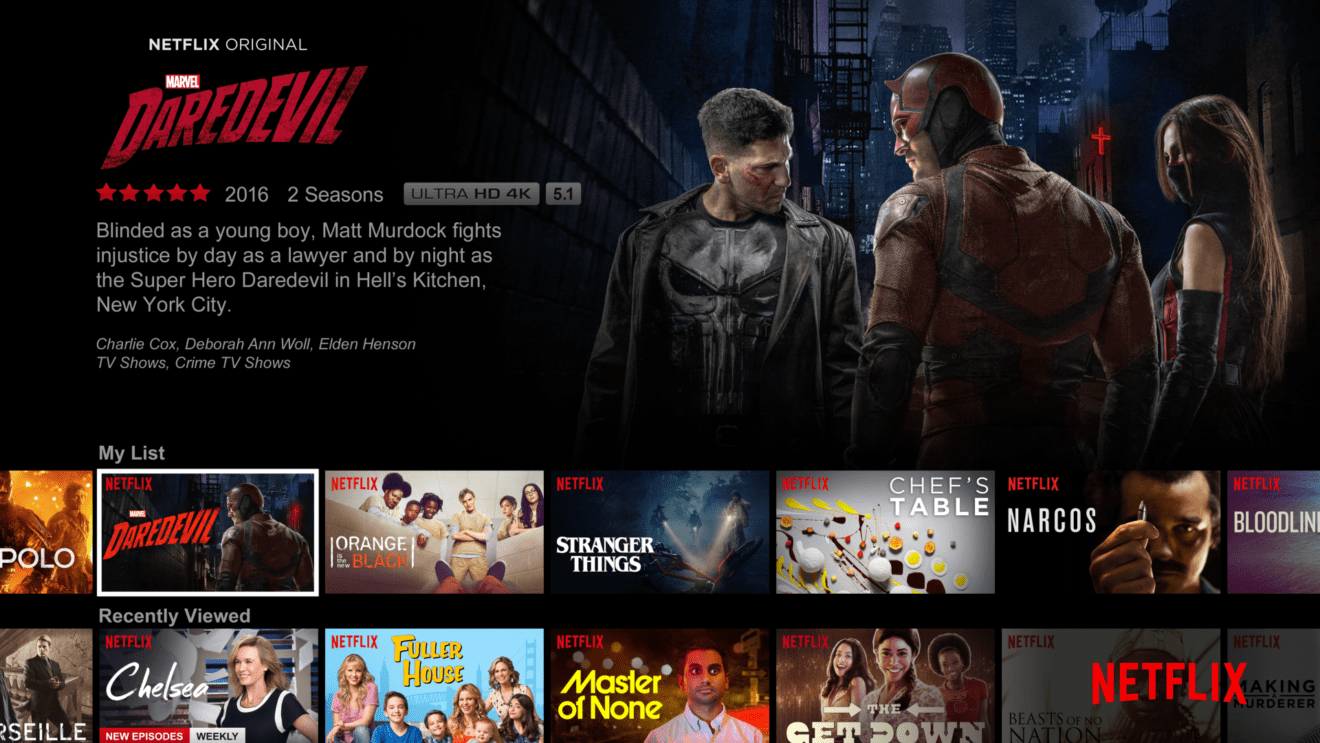
    While it doesn’t look like Apple will be unveiling a true Netflix-rivaling video streaming service next week after all, the global masters of “chill” and great encouragers of the binge-watching phenomenon are still in a constant pursuit of new subscribers. After wrapping up last year with a record 139 million paying members around the world, a number expected to grow to 148 million people by the end of 2019’s first quarter, Netflix is reportedly testing the budget-friendly waters as a way to further accelerate its growth pace.

    Netflix has recently kicked off a regional experiment in which a small number of users can get a cheaper tier of service accessible only on a single mobile device at once. This smartphone-exclusive plan is priced at the local equivalent of roughly $3.60 a month, compared to the $7.30 or so “Basic” plan that’s the most affordable option widely available in India at the moment.

    Regional tests, global deployment?

    What’s interesting is that Netflix hasn’t denied the report (it wouldn’t have mattered anyway), supplying a fairly standard press statement about how “different options in select countries” will continue to be tested in the near future to find the best ways of delivering premium content on mobile devices “for a lower price.” While the company is highlighting that “not everyone will see these options and we may never roll out these specific plans beyond the tests”, something tells us this particular experiment means more than others conducted relatively recently

    For one thing, India is a much larger market than Malaysia, where Netflix ran somewhat similar tests a few months back. It’s a larger market for smartphones and video streaming platforms as well. As such, Netflix is facing tough competition at insanely low price points. Amazon, for instance, offers Prime Video subscriptions starting as low as $2 (Rs 129) in the country.

    While these types of services are generally costlier in the US, it’s becoming harder and harder for Netflix to fend off the likes of Hulu, not to mention the looming Disney+ threat. Of course, US prices actually went up not that long ago, which is perhaps yet another reason why a new entry-level plan makes perfect sense.

    But is mobile-only streaming something people actually want?

    Well, that’s what tests are for. In theory, the concept is certainly sound, but at the same time, the downsides are obvious. You also have to wonder exactly what audience Netflix is thinking of catering to here. If we’re talking high-end smartphone users, you have to imagine someone willing to pay, say, $800 or $1,000 on a new handset can afford one of Netflix’s pricier service tiers as well.

    It’s also essential to point out that what Netflix is reportedly testing is a mobile-only plan with standard definition (SD) content playing support. That doesn’t sound like something high-end smartphone users would show any interest in. Then again, mid-range and even low-end mobile devices have grown bigger and bigger in recent years, supporting a relatively comfortable streaming experience on the fly.

    That’s probably the audience Netflix is targeting with this potential move, but it remains to be seen if it’s a large enough group of people to justify a global or even regional rollout.

    Stateside, the cheapest Netflix plan currently sets you back $9 a month with SD streaming capabilities on a single screen (be it small or large) at once. The Standard and Premium options are $13 and $16 respectively, while Hulu is available at $11.99 without ads, $5.99 with commercials, or $0 for Spotify Premium subscribers. Yup, Netflix definitely needs to change something to keep those subscriber numbers up. Going after mobile users on tight budgets is certainly worth a shot.

  • Xiaomi Mi Band 4 could include major Apple Watch features

    Xiaomi Mi Band 4 could include major Apple Watch features

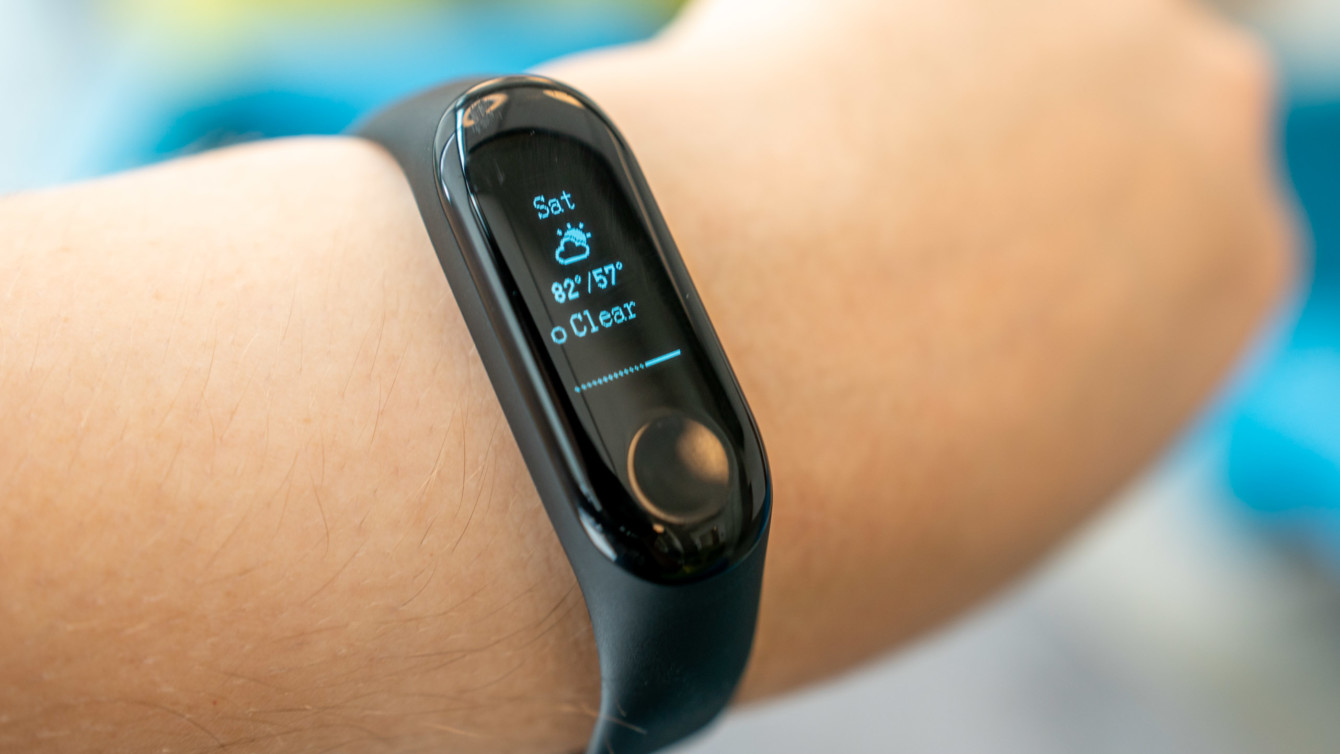
    A few days ago, we told you that Xiaomi will release the Mi Band 4 fitness tracker sometime this year. An executive from Huami, the company that is the source of Xiaomi’s wearables, said that the Mi Band 3 is still selling in big numbers and that there is no reason for Xiaomi to launch the next generation model at this point. We should point out that the Mi Band traditionally has sold well because of its low price. For example, the Mi Band 3 is offered by Amazon in the U.S. for $33.53.

    While Xiaomi has been tight lipped about any new features we might find on the Mi Band 4, we do have some specs to pass along. We spotted a certification from the Bluetooth SIG (Special Interest Group) revealing that the next generation of the fitness band will sport Bluetooth 5.0 LE (Low Energy). That is an upgrade from the current model’s use of Bluetooth 4.2 LE and indicates that the Mi Band 4 will offer improved connectivity. In addition, the Bluetooth Launch Studio web site indicates that the Mi Band 4 will feature NFC connectivity as well, at least in some markets.

    Two different variants of the device were listed on the site and the one with the model number of XMSH08HM will include NFC; the other, listed as XMSH07HM, will not. The model with NFC could include support for the company’s Xiaomi Pay mobile payment service.

    The Mi Band 4 could include an electrocardiogram sensor to watch for abnormal heart rhythms

    There is also speculation that like the Apple Watch series 4 smartwatch, the Xiaomi Mi Band 4 will come with an electrocardiogram (ECG) monitor that will detect abnormal heart rhythms. This is mainly used to alert users to the possibility that they are suffering from atrial fibrillation (AFib), which can lead to strokes, blood clots, heart disease and death. Including an ECG monitor with a low priced fitness ban could make the Mi Band 4 even more popular than its hot selling predecessor, especially if the feature is as accurate as the one on Apple’s timepiece. There is also speculation that the Mi 4 will be equipped with better activity tracking features and a larger, color display.

    The Xiaomi Mi Band 3 has been such a hit that globally it has challenged the Apple Watch for the top spot among wearable devices based on shipments. As long as Xiaomi adds new features to its next-gen fitness band without substantially hiking the price, we can expect the Mi Band 4 to be just as popular as the current iteration of the product. Speaking of which, the Mi Band 3 comes with an OLED touchscreen and is waterproof to a depth of 164 feet. It will monitor physical activities, count your steps, watch your heart rate, track your sleep, display SMS messages and those from certain apps (like WhatsApp), and allow you to accept or reject incoming calls. The battery will run as long as 20 days with the heart rate monitor off, and 3 to 9 days with the monitor on. We would expect to see all of these features, some of them improved, carry over to the Mi Band 4.

    Xiaomi launched the first Mi Band in July 2014, and followed it up with the sequel two years later. The Mi Band 3 was released last May, which means that we could be only a couple of months away from seeing the Mi 4 hit the marketplace.

  • Huawei Mate 30 line can be first to use chips made with new energy technology

    Huawei Mate 30 line can be first to use chips made with new energy technology

    Extreme Ultraviolet lithography (EUV) uses light to etch out the layout of transistors and other components on a silicon wafer. Consider that today’s modern chipsets employ billions of transistors on a single chip. If you think that this is an over exaggeration, the Apple A12X chipset used on the the 2018 iPad Pro tablets feature 10 billion transistors. And that is without the use of EUV. The latter technology will make the placement of these transistors more precise, allowing for a 20% increase in the density of transistors on a chip, making these components more powerful with less energy consumption.

    The first smartphone chip to use EUV will most likely be Huawei’s Kirin 985 SoC, which will be fabricated by TSMC. The latter was the first to roll out chips using the 7nm process, an improvement from the previous generation of 10nm chips. That change alone, which signifies denser deployment of transistors, brings more power and less energy consumption to the newest smartphones; add in the capabilities of EUV and the next generation of chips will be faster while conserving more battery life.

    EUV will really show its worth in succeeding generations of chips (5nm and forward) because on 7nm chips, it really doesn’t show its true potential. So while Moore’s law, the observation made by former Intel CEO Gordon Moore that the number of transistors on a chip doubles every other year, might soon reach its physical limitations, EUV will help chip designers and manufacturers draw up and produce the components that will make current phones seem slow and inefficient in comparison.

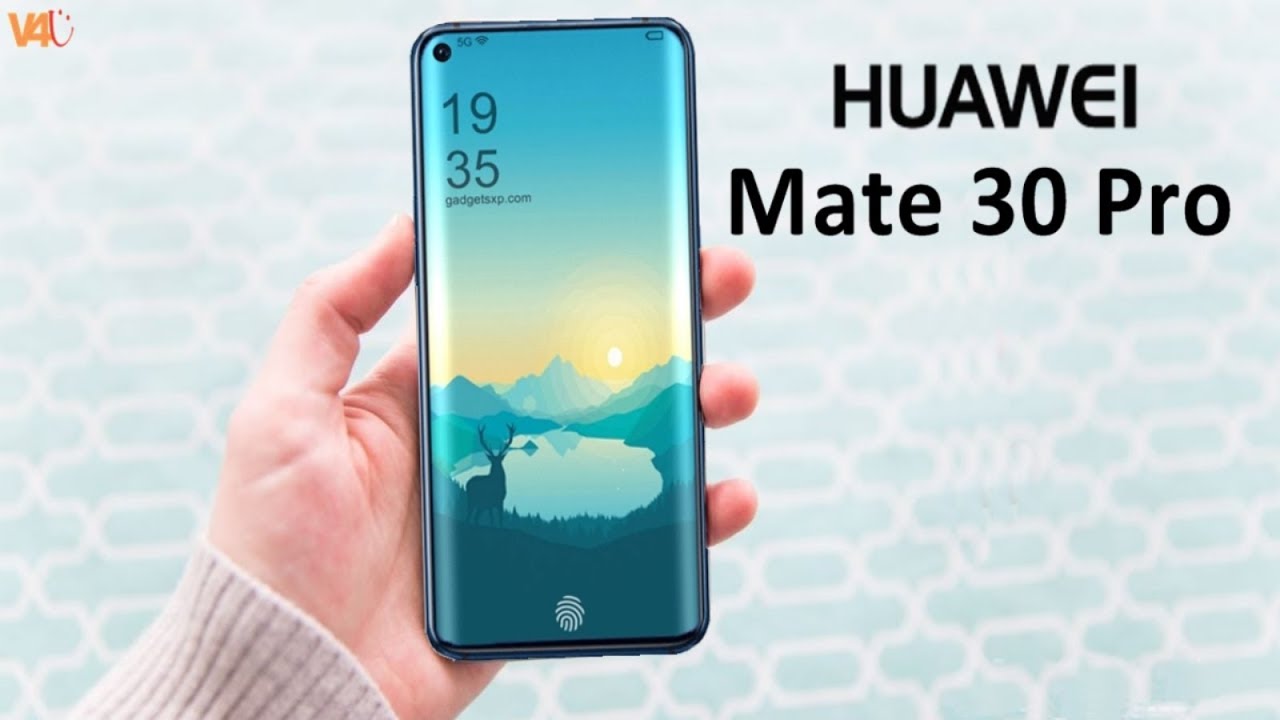
    We could see the Kirin 985 chipset hit the market sometime during the first half of this year. The Kirin 985 will arrive too late for the soon to be unveiled Huawei P30 series, which will be unveiled on March 26th and launch on April 5th, powered by the Kirin 980. Perhaps we will see the Kirin 985 SoC make its debut on the Huawei Mate 30 range due out later this year.

  • Netflix CEO leaks that a major redesign is on the horizon

    Netflix CEO leaks that a major redesign is on the horizon

    Remember when watching a movie from Netflix meant going online your desktop computer, ordering the number of videos that you subscribed to, and waited for them to arrive in the mail while you sent back those discs you already viewed? Back then, Netflix spent a lot of money on distribution centers, and its big claim to fame was that you never paid late fees, the bane of procrastinators around the world.

    But once Netflix went digital and launched its mobile apps, the company really took off. And to its credit, Netflix often updates its app to make the whole streaming video content experience more enjoyable for subscribers. According to Mobile Syrup, Netflix CEO Reed Hastings is thinking of releasing a major update that would replace the current grid-like UI with a magazine-style layout. The executive says that the current layout showing small boxes with images from each video in its library reminds him of “classified ads.” Instead, Hastings says that Netflix should be “gloriously laid out” like a magazine in order to spur “visual interest.”

    But even though Hastings wants to see such a change, Netflix vice president of product and studio design Steve Johnson says that the current grid system used by the video streamer has become iconic and makes it easier for people to use Netflix. Johnson said, “What we’re finding is the way that the grid is set up is actually working relatively well around the world.” However, a company’s CEO outranks a VP of product and studio design. So Johnson diplomatically notes that “Now that I’ve said that it’s working, I don’t think it’s working forever. And I think that we need to go deeper and we are going deeper.”

    Netflix is testing is testing a number of UI changes including one that increases the size of movie titles on Friday nights, when the app is used most often. He also said that Netflix could figure out your viewing routine and if you’re in the middle of watching a particular television series, it could start up the next episode immediately when you open the app. Netflix director of TV product innovation, Cameron Johnson, admits that less than 50% of the new features Netflix tries are successful. But he quickly added that the company learns from every test conducted and that keeps improving the service.

  • Xiaomi preparing two in-screen fingerprint Android One phones

    Xiaomi preparing two in-screen fingerprint Android One phones

    The Xiaomi Mi A1 became almost an overnight success when it was released back in September of 2017. So much so, that Xiaomi followed it up with the Mi A2 and Mi A2 Lite last summer. And now, as revealed by XDA Developers, the Chinese brand is preparing a third-generation of the lineup.

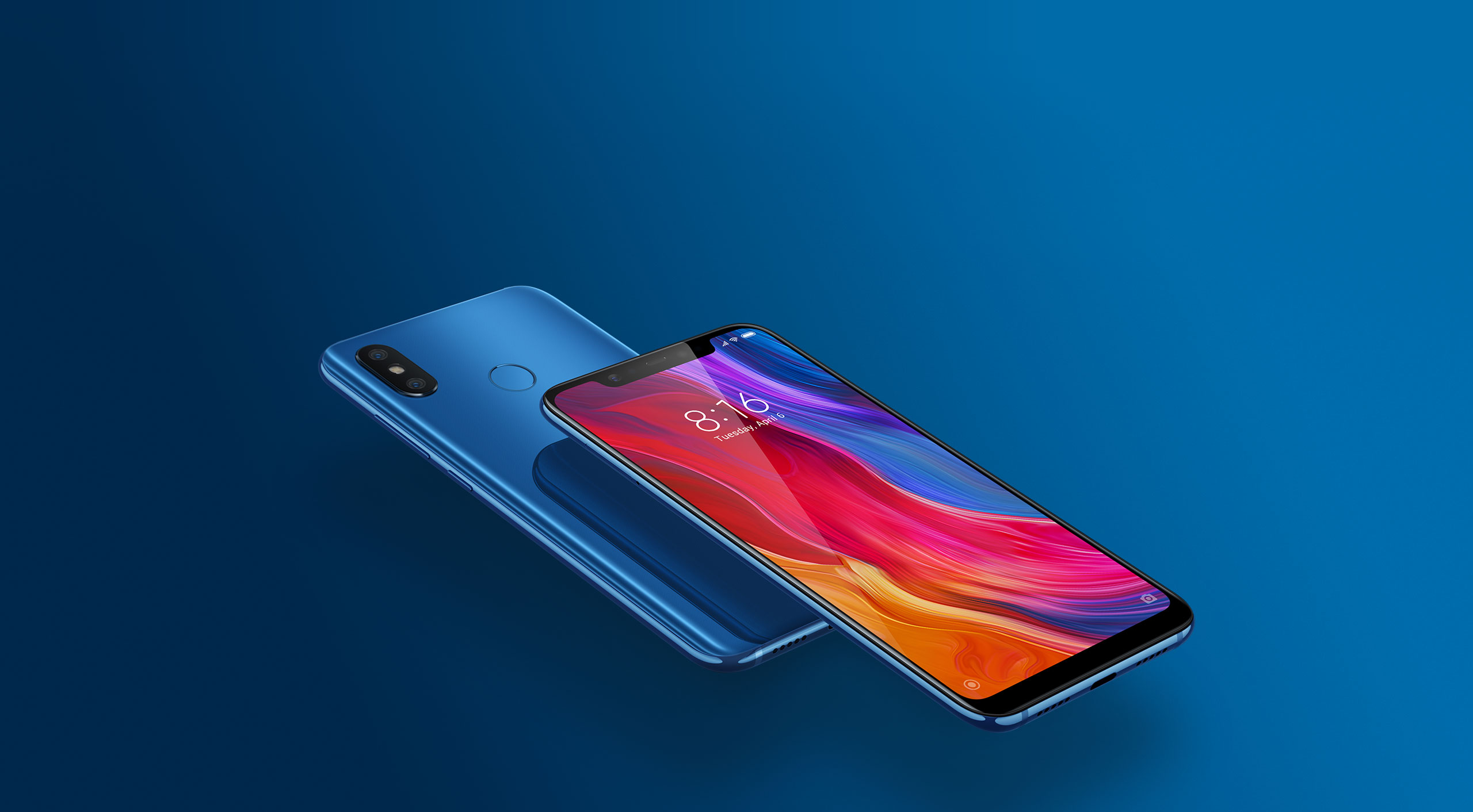
    Codenamed ‘bamboo_sprout’ and ‘cosmos_sprout’ – all Android One smartphones include the ‘sprout’ suffix in their codenames – the new devices are expected to launch later this year commercially as the Xiaomi Mi A3 and Mi A3 Lite. From what can be gathered, both smartphones are currently being tested with ‘fod.’ In Xiaomi terms, this stands for an in-display fingerprint scanner, something that would probably be capture the attention of consumers.

    Nowadays, the general consensus is that traditional fingerprint scanners like the ones found on the Mi A2 series are much quicker and precise than in-screen implementations, especially optical in-display ones. But to regular consumers who don’t know too much about tech, the newer solutions are much more futuristic, hence why Xiaomi is probably looking to include them on the Mi A3 lineup.

    The specifications of these two devices remain a bit of a mystery at the moment. However, XDA Developers reports that both smartphones will come equipped with 32-megapixel selfie snappers.These will probably be contained inside small, waterdrop-like notches – almost every phone Xiaomi launches now includes this design feature.

    As for a release date, the Xiaomi Mi A3 and Mi A3 Lite will probably be announced in late May or early June prior to a launch soon after. Pricing hasn’t yet been revealed.

  • Apple’s new iPod Touch might be announced somewhere this week

    Apple’s new iPod Touch might be announced somewhere this week

    As Apple has done in the past prior to product launches, yesterday the company shut down its online store for a few hours. When it reopened, an updated iPad Mini and an all-new iPad Air were introduced.Earlier today, in a very unexpected move, the Apple Store was updated yet again. But rather than closing and then reopening it, the Cupertino giant simply added its improved iMac computers to the website. Now, according to MacRumors, it seems Apple may have yet another product update planned for tomorrow.

    The iPod Touch could be Apple’s third announcement this week

    Earlier this month, MacRumors received a tip claiming that Apple would announce new products on March 18th, March 19th, and March 20th. The first day would see the debut of new iPads, while the second would see the introduction of new iMacs. This has proven to be accurate thus far and, as a result, means the information about the third day is likely correct too. “What will Apple be announcing tomorrow?” You may be asking.

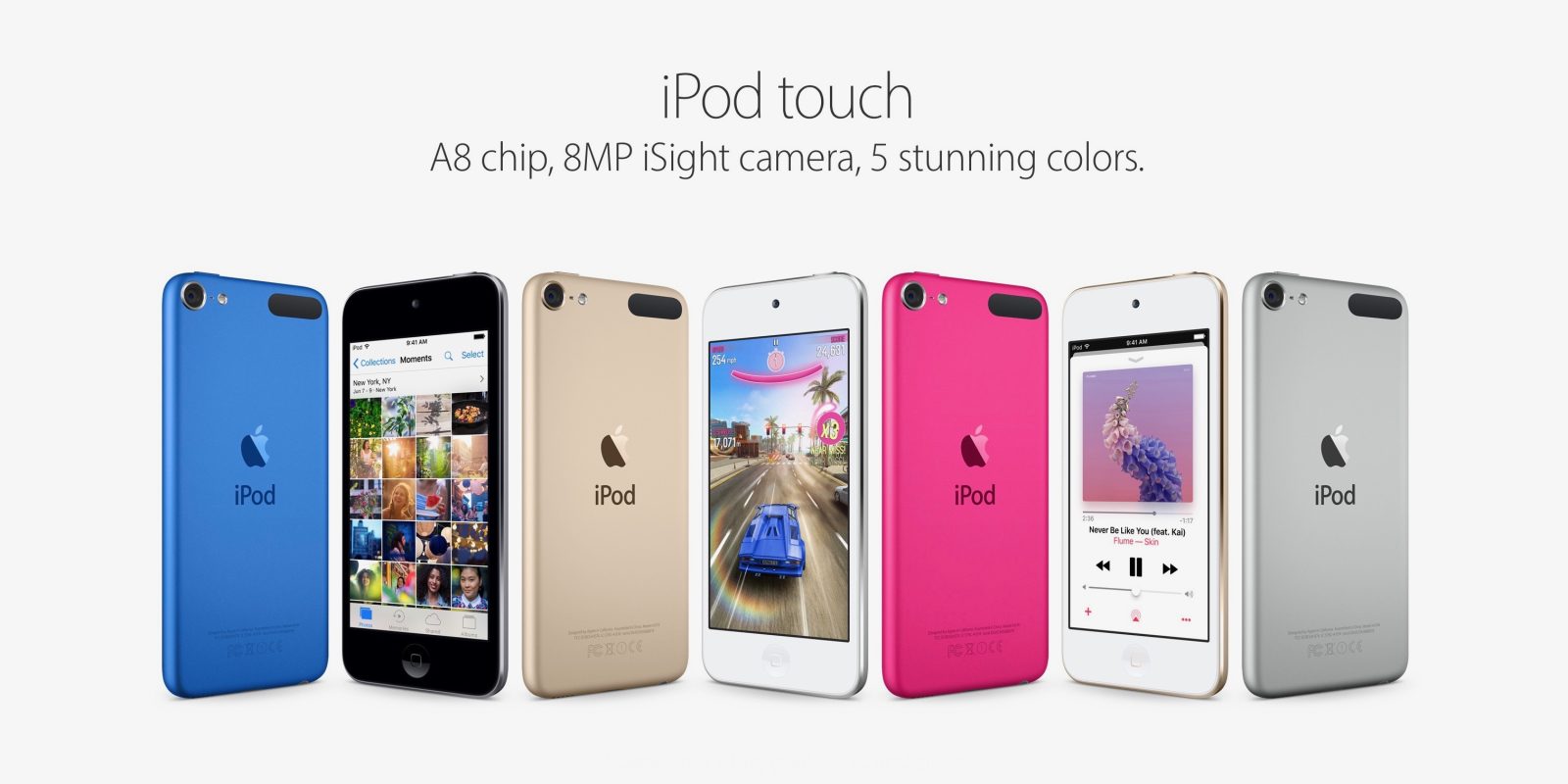
    Well, according to the tip, it’ll be an all-new iPod Touch. The current-gen iPod Touch dates back to June 2015 and is in dire need of a refresh. The model on sale now sports a tiny 4-inch Retina Display paired with an 8-megapixel rear camera and the aging Apple A8 processor. It’s also one of the few remaining Apple products to sport the company’s iconic home button but no Touch ID.

    Larger display, better processor, perhaps no headphone jack

    Considering Apple’s current focus on larger devices, the new iPod Touch will probably introduce a bigger display. The exact dimensions remain a mystery at the moment, but Apple’s new product might borrow the 4.7-inch display found on the iPhone 7 and iPhone 8. After all, this would avoid any unnecessary costs. Another big upgrade will presumably happen on the inside. In order to guarantee Apple’s usual 4-5 years of software updates, the new iPod Touch might adopt either the Apple A10 Fusion or the Apple A11 Bionic chip. The newer A12 Bionic is a possibility too, but this would probably increase the product’s cost too much.

    Like many of Apple’s other devices, there’s a strong possibility the next-gen iPod Touch will ditch the 3.5mm headphone jack. However, it should finally gain Touch ID, allowing for secure mobile payments, and receive a new set of updated cameras.

    Could the new iPod Touch focus on gaming?

    Once again, Apple’s next-gen iPod Touch will probably focus on music. But a recent trademark application revealed that Apple might also promote its mobile gaming capabilities. Over the years, iTunes and Apple Music support has become less of a selling point and more of a standard. As a result, the new iPod Touch might be marketed as a low-cost mobile gaming device instead.Interest in such a device will probably be quite limited initially, but the market does have potential for growth.

    Over the past few years, gaming smartphones have become much more popular and the market is gradually being flooded with them. Even Nintendo is said to be considering a gaming smartphone of its own, which means now could be the perfect opportunity for Apple to enter the market with a new iPod Touch.

    iPod Touch (7th-gen) release date and pricing

    If Apple does announce a 7th generation iPod Touch tomorrow, pre-orders will probably commence immediately prior to a release next week. Pricing does remain a bit of a mystery at the moment, but Apple could potentially stick with its current iPod Touch price points – the 32GB version retails for $199 while the 128GB model costs $299. The new iPod Touch should be available in an extensive range of colors, like the current-gen model. Apple could either keep the current iPod Touch finishes or adopt the iPhone XR’s colors.

  • Apple to announce AirPower and AirPods wireless charging case

    Apple to announce AirPower and AirPods wireless charging case

    According to Max Weinbach, Apple’s seventh-generation iPod Touch will make its international debut sometime tomorrow. Once again, specifics about the product weren’t provided but this announcement info does coincide with a previous rumor from earlier today. After the iPod’s announcement, Apple could proceed with the unveiling of two other products. Weinbach’s sources acknowledged that they haven’t worked on AirPower or the AirPods wireless charging case directly.

    However, they did confirm the possibility of these products launching later on this week. If Apple’s strategy so far is anything to go by, the AirPower charging mat will probably be announced on Thursday. This will presumably be followed in Friday by the debut of the AirPods wireless charging case. But if Apple wishes to cut the week short, it could announce both products simultaneously.

    As a further indication of Apple’s plans to launch AirPower soon, recent changes to the iOS 12.2 beta have resulted in “significant” modifications to the wireless charging code. More specifically, the operating system now includes the code “responsible for identifying that two devices are charging on the same mat,” something AirPower will support.

    Apple’s AirPods 2 might still be months away

    As you may have noticed, there has been no mention of AirPods 2. Unfortunately, this is because the sources believe Apple’s next-gen wearable won’t launch until September alongside the iPhone 11 series. Rumor has it that AirPods 2 will look fairly identical to the originals. But in the hope of improving grip and reducing slipperiness, Apple is believed to be preparing a new frosted glass-like coating. This same coating may be present on the 2019 iPhone series.

    The new AirPods should introduce always-on Siri – which will give users the option of activating Siri with the words ‘Hey, Siri’ – and some kind of water resistance. The updated accessory may also feature some health-related features such as a built-in heart rate monitor. Also expected from AirPods 2 is Apple’s W2 Bluetooth connectivity chip.

    This halves power consumption with respect to the W1 chip and should result in big battery life improvements. Better overall sound quality is likely too.

    What does Apple have left for its March 25 event?

    After what could potentially be an entire week dedicated to hardware, next Monday Apple is holding the “It’s show time” press event. And, as revealed by Weinbach’s sources, there will be no hardware announcements. Instead, the company will focus entirely on its new services. The main star next week is expected to be Apple’s highly-anticipated news-aggregating subscription service.

    For a rumored price of $10 per month, consumers will gain access to a range of premium new content provided by a wide range of suppliers. Reportedly, this new service will be available to iPhone, iPad, and Mac users through the existing Apple News app.

  • Change to AppleCare+ helps most of us using an Apple Pencil

    Change to AppleCare+ helps most of us using an Apple Pencil

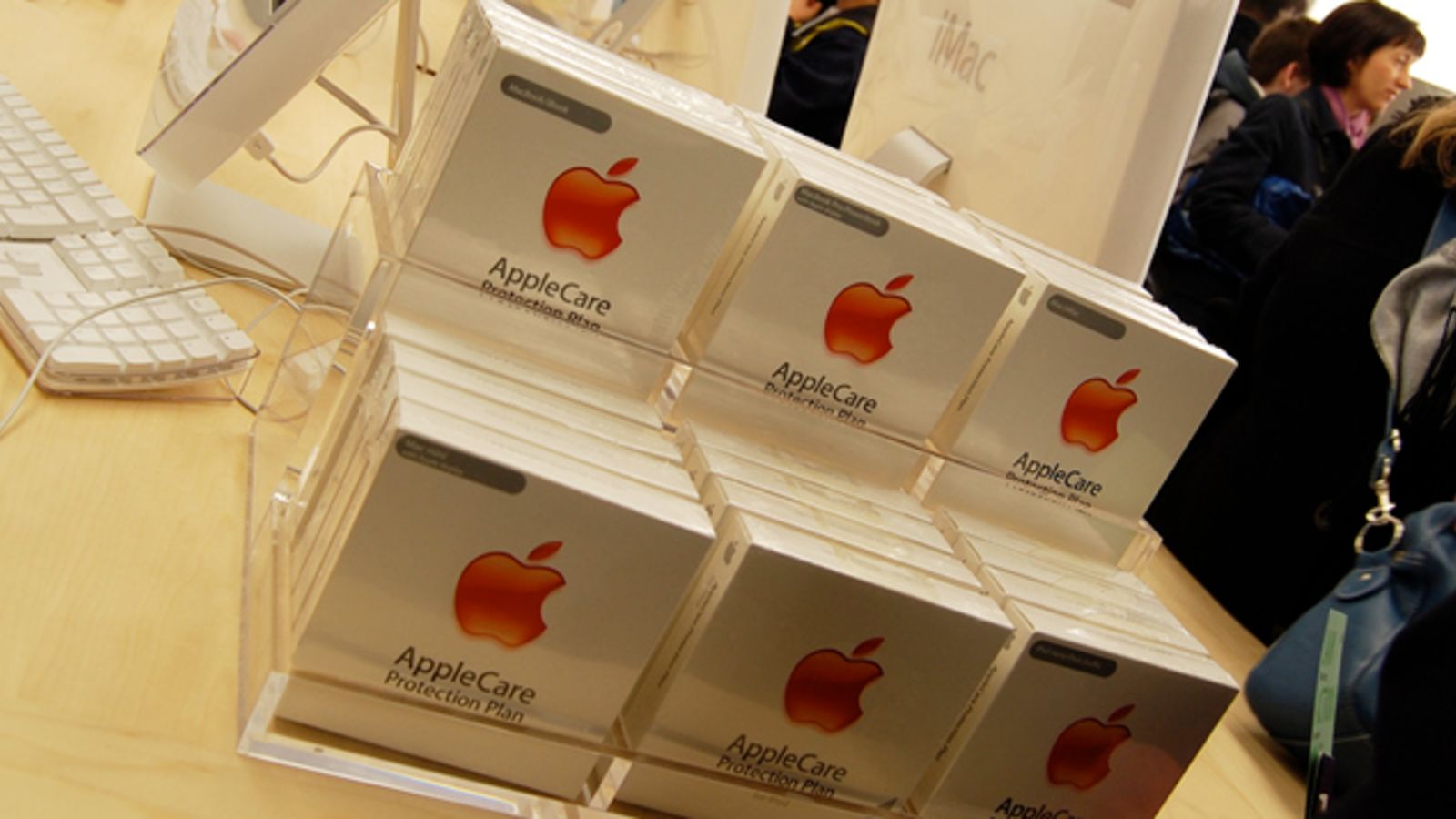
    Apple used to demand that an Apple Pencil be purchased at the same time as an iPad in order to allow the accessory to qualify for AppleCare+ protection. According to MacRumors, this is no longer the case. For example, if you own an Apple iPad that is covered by AppleCare+, any first or second generation Apple Pencil you’ve purchased will be covered by the plan even if you bought the Apple Pencil separately from the tablet. So if you have AppleCare+ for iPad, you will be covered if your Apple Pencil sustains accidental damage up to two times a year. Both times, all you will have to lay out is $29 plus tax for each repair.

    And Apple Care+ will be in effect for two years from the date that the plan is purchased. If you buy an iPad, you have up to 60 days after your purchase to add AppleCare+ (the date of the Apple Pencil purchase doesn’t seem to matter). If you have to return your iPad because of accidental damage, it will cost you $49 plus tax.

    This news comes after Apple introduced a couple of iPads this morning. The new iPad Air and the new iPad mini both support the first-gen Apple Pencil only. The cost of AppleCare+ for both new tablets is $69 (more on this below), and this will include coverage for the first generation Apple Pencil regardless of whether you purchased the accessory with the tablet or not. For those who take their iPads with them wherever they go, it might make sense to have the device protected from accidental damage.

    AppleCare+ for iPad covers hardware damage to your iPad, the battery, the AirPort, included USB cable and power adapter, the battery, and the Apple Pencil. It also gives you 24/7 priority access to Apple experts through a chat or a phone call. You can mail in your repair using a prepaid mailing box provided by Apple, or bring it in to the nearest Apple Store or authorized repair center. And you will also be entitled to express replacement service.

    AppleCare+ for iPad can help protect your investment

    Apple Care+ for iPad will also provide answers to questions you might have on how to run certain aspects of iOS and iCloud, how to connect to wireless networks, and questions you might have about certain Apple branded apps such as FaceTime, Keynote, Numbers, Pages and more. The cost of AppleCare+ for 9.7-inch and 7.9-inch iPads (including the new iPad Air and iPad mini) is $69 or $3.49 a month over 24 months. For iPad Pro units, the cost is $129 or $5.99 a month over 24 months. Considering the cost of your new iPad, iPad mini or iPad Pro, it might not be such a bad idea to spend the money to protect your investment.

    And since Apple has made the change in AppleCare+ coverage for the Apple Pencil, we would be remiss if we didn’t tell you that the first generation accessory costs $99.99 while the second-generation variant is priced at $129.99. The latter is compatible with the 11-inch and 12.9-inch iPad Pro models that were released last year. The former is supported by the new tablets announced today along with the 9.7-inch iPad launched last year (6th generation), the first and second generation iPad Pro models, the 10.5-inch iPad Pro and the 9.7-inch iPad Pro.

    Since AppleCare+ is considered part of Apple’s services unit, Apple is counting on increased revenue from these plans to help boost services revenue to $50 billion by 2020. The unit had revenue of $25 billion in 2016, and also includes ApplePay, the App Store, Apple Music, iTunes and more. It is the second largest revenue generator for Apple following the iPhone, and is the most profitable part of the company.