Category: Electronics

Retail News Asia is committed to providing both local and global retailers with the latest Electronics news throughout the Asian market. This on a daily base.

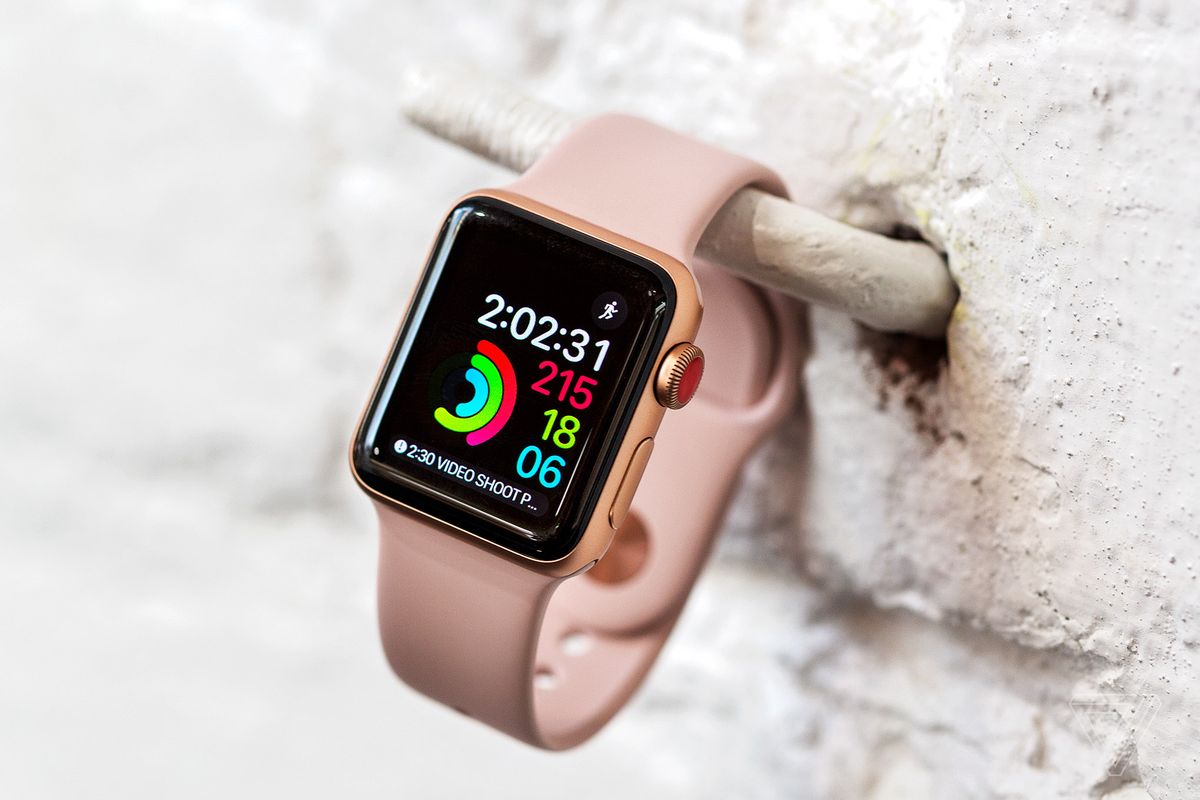
  • Important change for next-gen Apple Watch Screen

    Important change for next-gen Apple Watch Screen

    It’s a little premature to make anything more than educated guesses regarding the key selling points and major new features of an Apple Watch Series 5 expected out sometime in the fall. But it’s certainly not too early for the manufacturer of the world’s most popular smartwatch family to line up its component suppliers and lay out some general production plans.

    While these are obviously rarely made public, we can typically rely on inside sources to spill the beans for reputable news organizations like Reuters. These often rock-solid informants are claiming Apple has reached a deal with Japan Display that represents a major breakthrough for the financially struggling screen manufacturer. The company, which is a long-time Apple partner, should start supplying OLED panels for the Apple Watch lineup at some point “later this year.”

    Even though there’s absolutely nothing wrong with the Apple Watch Series 4 screen, supply chain competition is always good, generally driving progress and innovation forward at a much faster pace than when a company holds a monopoly on one or several essential components. Unless we’re talking about Samsung, which has managed to exclusively take care of the iPhone X, XS, and XS Max OLED panels while maintaining an impressively high standard of quality and performance.

    By the way, you might be surprised to hear Samsung doesn’t also handle the production of the small but sharp OLED display on the Apple Watch Series 4. That’s actually LG’s business, which is soon expected to be shared with Japan Display. If and when that happens, Apple’s bill of materials could go down, as increased competition among suppliers has a tendency of impacting component prices.

    In other words, LG is likely to charge less for its Apple Watch Series 5 screens than those of the next-gen wearable’s predecessor, as Japan Display finally joins the OLED supply game. This company, which was born as an LCD technology joint venture by Sony, Toshiba, and Hitachi, realized the full potential of OLED (organic light-emitting diode) panels a little too late, staying focused on liquid-crystal displays past their prime. While Japan Display’s financial troubles are far from over, any OLED partnership with Apple would provide a welcome boost to a fledgling business division.

    What it means for future iPhones

    In short, not much. After all, it’s taken LG a long time to start supplying a small number of OLED iPhone screens. Meanwhile, Apple’s two 2019 and three 2020 OLED iPhones are all expected to primarily use Samsung-made displays. That’s obviously because the world’s largest smartphone vendor makes the most sophisticated handset panels out there, lightyears ahead of LG or Japan Display’s alternatives.

    Therefore, as much as Apple would like to further diversify its iPhone supply chain and reduce the company’s reliance on its Korea-based arch-rival, quality trumps any discounts Samsung’s display-making rivals could offer. Basically, unless Apple plans to release a lower-quality, lower-cost OLED iPhone variant in the near future, Japan Display is facing quite an uphill battle here.

    The same goes for LG, although the backup supplier could earn a slightly larger share of 2019 and 2020 OLED iPhone orders, offsetting its Apple Watch losses caused by Japan Display’s newly reported “breakthrough.”

    In theory, all these possible changes and shifts of suppliers could yield lower retail prices for future Apple Watch and iPhone generations, but knowing how the Cupertino-based tech giant typically operates, we wouldn’t hold our breath. After all, the best way to make up for shrinking sales numbers is to jack up profit margins.

  • WhatsApp is now rolling out a renewed privacy feature

    WhatsApp is now rolling out a renewed privacy feature

    Groups are a vital part of WhatsApp, although as the Facebook-owned messaging platform has grown in popularity so has the number of unwanted group chats. But today, after testing them for a while on iOS, WhatsApp is rolling out new privacy settings which should help control this.

    Until now, group admins could add any WhatsApp user to a group without needing their consent – the only requirement being that the user is a contact in the admin’s phone. As part of this latest rollout, though, WhatsApp users will now be able to choose which people can add them to groups.

    In order to access the new feature, users need to simply head over to the Settings menu within WhatsApp and tap Accounts. Then a quick tap on Privacy and later Groups will present users with the choice of three options: ‘Everyone,’ ‘My Contacts,’ or ‘Nobody.’ Each one is pretty self-explanatory with ‘Nobody’ meaning users will have to approve every single group with ‘Everyone’ allows users to leave their group invitations completely open, as they are today.

    WhatsApp’s latest privacy feature will begin rollout out today to a select number of users before expanding globally across the coming weeks.

  • Motorola’s preparing an insane looking quadruple-camera phone

    Motorola’s preparing an insane looking quadruple-camera phone

    Just two days after the design of Motorola’s first ever triple-camera smartphone was revealed, tipster Steve Hemmerstoffer is back with yet another Motorola-branded device. This time, though, it sports a whopping four rear cameras and presents a very unique design.

    Over the past couple of years, Motorola has developed two clear design languages – Moto smartphones boast circle-shaped camera modules on the rear while One-branded devices feature vertical camera setups in the corner. But this yet-to-be-named model doesn’t fit in anywhere.

    Rather than adopting Motorola’s usual camera setups, the smartphone boasts an array of sensors which are arranged into a square – some could argue that the device resembles Huawei’s Mate 20 Pro because of this. These cameras sit directly above a large Motorola logo and, together, are contained within a large rectangular bump.

    This huge camera module sits in the center of the phone’s rear panel, which itself may be carved out of brushed aluminum rather than glass. The cameras are accompanied by a dual-LED flash and ‘48MP’ branding which suggests the primary sensor will sport a 48-megapixel resolution, like the one expected on the Motorola One Vision.

    Details about the remaining cameras remain unclear at the moment, but Motorola could potentially fit the phone with a wide-angle camera and a telephoto alternative. The remaining fourth camera could then be one of three: a depth sensor, a monochrome sensor, or a Time-of-Flight sensor.

    Yes, there’s a headphone jack too

    Like the Motorola One Vision and One Vision Plus which have already leaked, this Motorola device sports a large 6.2-inch display. There are, however, some very important changes.

    At first glance, the most noticeable difference is the lack of a cutout in the top-left corner. On the One Vision devices, Motorola uses this to house the selfie camera but on this particular smartphone, the Lenovo-owned brand has reverted back to the trusty U-shaped notch. This is paired with thin side bezels, a slightly thicker one above the display, and a larger chin below which is home to the Motorola branding. Also present is an in-display fingerprint scanner.

    Another key difference that may not be as noticeable in the renders is the different aspect ratio. The upcoming Motorola One devices sport extra-tall 21:9 displays, but this smartphone appears to boast a much more traditional 19:9 panel. This results in a device which is slightly wider but much shorter.

    Elsewhere, users can expect a USB Type-C port and a 3.5mm headphone jack along the bottom. Up top sits a SIM card tray and a speaker, while along the right side of the frame is a volume rocker and a power button. The left side of the phone is bare.

    This could be an iPhone XR & Galaxy S10e competitor

    This unknown Motorola smartphone will presumably be announced sometime later this quarter alongside the brand’s other devices – it’s currently working on the two One Vision devices mentioned above in addition to the Moto Z4 and Moto Z4 Play.

    The internal specifications of this device currently remain a mystery, but the 48-megapixel resolution of the rear camera does give us an indication of how the phone will be positioned. After all, this sensor has become popular among mid-range devices lately and is even expected to make its way into the OnePlus 7.

    This factor, combined with everything else the smartphone has to offer suggests it could be positioned as a Galaxy S10e and iPhone XR competitor, or perhaps just below these models at a cost of around $600 to $650. A premium model designed to compete with the Galaxy S10+ and iPhone XS Max does seem unlikely, though, considering Motorola exited that segment last year.

  • Google will allow Pixel owners to customize the icons

    Google will allow Pixel owners to customize the icons

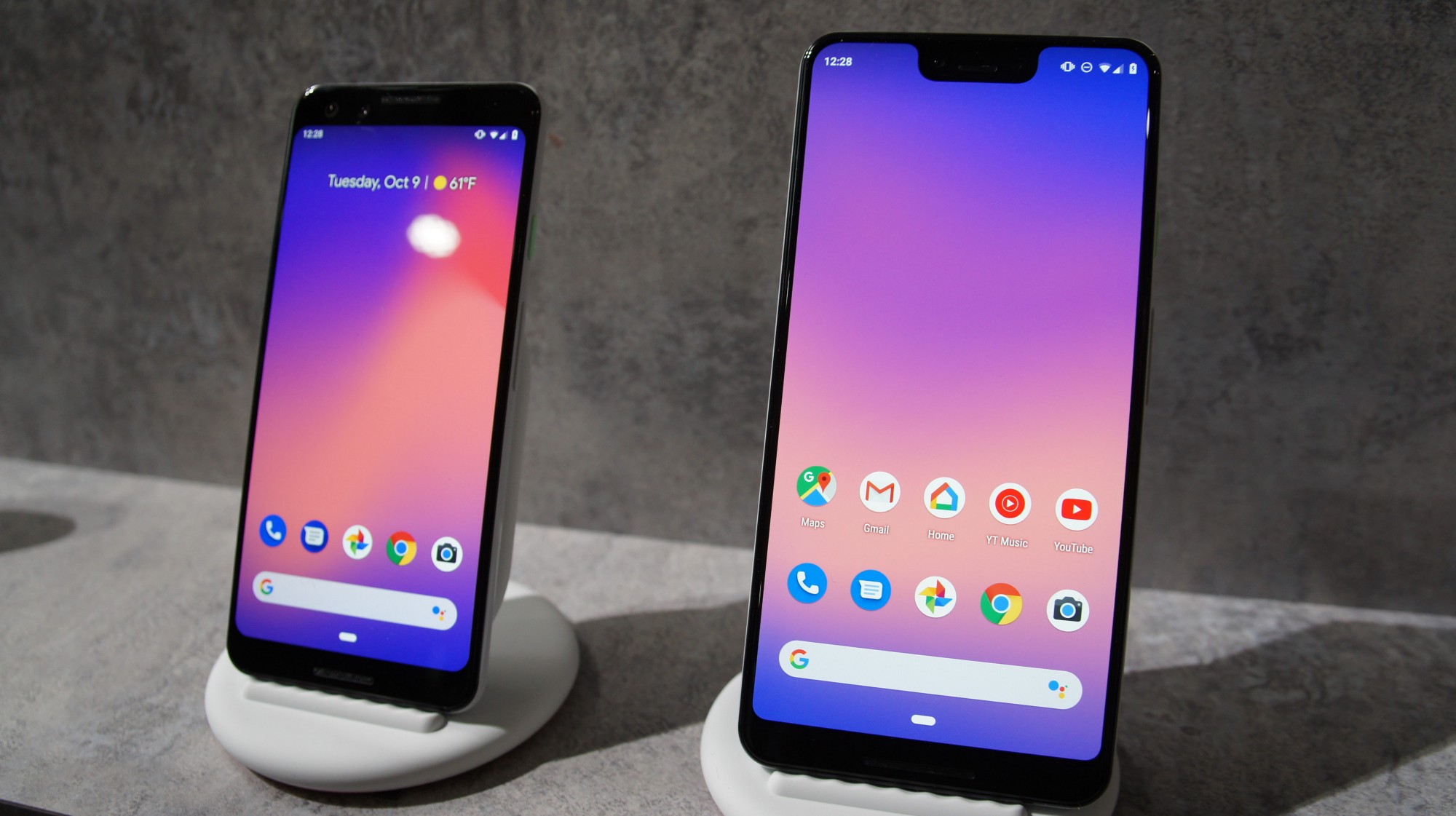
    It appears that Pixel users will soon get more customization options for their phones. XDA opened the product image for the Google Pixel 3 XL in the Android Q Beta 2 update revealing that a future app called Pixel Themes will eventually be listed in the Google Play Store. The themes will allow users to change the colors, icon shapes and fonts used on Pixel handsets.

    Right now, Pixel Themes is a “stub,” or an empty shell of an app already pre-installed in the Google Play Store. This is done so that when the time is right, the app can be instantly launched in the Play Store. There was some code found in the stub that contains previews of what each theme will look like. Three different themes were discovered:

    • Anthony: Rounded or Squircle shaped icons, Black accent, Rubik font.
    • Johanna: Filled icons, Green accent, Arvo and Lato font.
    • Reiko: Circular/Teardrop shaped icons, Purple accent, Arbutus font.

    These are the customization overlays that will be available from the Pixel Themes app

    When the app is ready to launch, you’ll find it in the Google Play Store right here. Until that day comes, clicking on this link will show you nothing more than an error message. And we would be remiss if we didn’t point out that Pixel Themes will use overlays to make the changes based on the theme selected. It also appears that Pixel users will get a small selection of new wallpapers to choose from once this app officially is released.

    With the app, users will be able to change icon shapes in additional locations related to the Settings, SystemUI, and Android framework. That can be seen from the image below.

  • Call Screen support is officially coming to Motorola One

    Call Screen support is officially coming to Motorola One

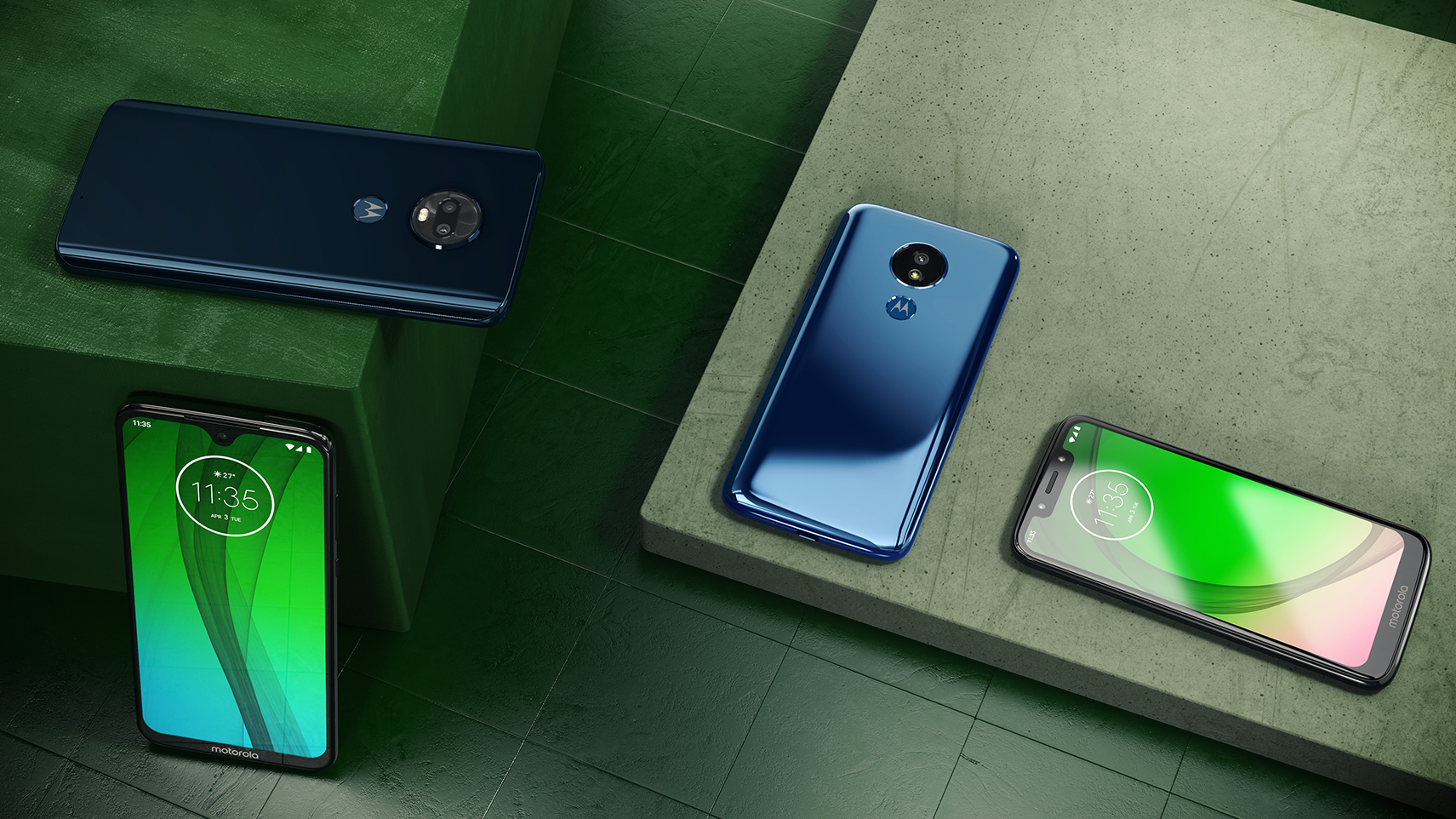
    Motorola has today announced that Google’s Call Screen feature is coming to the Moto G7 family and the Motorola One lineup. Until today, the feature was exclusively available on Google’s Pixel smartphones.

    Call Screen basically lets you use the Google Assistant to screen incoming phone calls, with the idea being that it’ll help avoid any scammers or unwanted callers. If you choose to use the feature, the Google Assistant will first ask callers why they are calling and relay the ongoing conversation in real-time on the screen. If you wish to answer the call yourself, you can do so at any time. Alternatively, you can choose to hang up or select another response such as “Is it urgent?” or “Tell me more.”

    Motorola says that it already “began rolling out,” although it didn’t specify when or how long it will take. Nevertheless, these things typically take a couple of weeks before everyone receives the update so if you own a Moto G7, Moto G7 Power, Moto G7 Play, Motorola One, or Motorola One Power be sure to be on the lookout.

    This feature’s release was hinted at as recently as yesterday by an update to Google’s Phone app. It also contained references to support for Nokia smartphones, which means these devices will likely be the next ones to receive the feature. However, as things stand, nothing has been announced officially.

  • Logitech unveils affordable Smart Keyboard alternatives for Apple iPad PROs

    Logitech unveils affordable Smart Keyboard alternatives for Apple iPad PROs

    Logitech makes some of the best third-party accessories for iPhones and iPads, a few of which can even be purchased directly from Apple at very competitive prices. Just think of the $69.95 Logitech Crayon, which substantially undercuts the $99 and up Apple Pencil. Or the $69.95 Logitech Powered wireless charging stand, or $130 and up Logitech Slim Combos with detachable keyboards for previous-generation iPad Pros

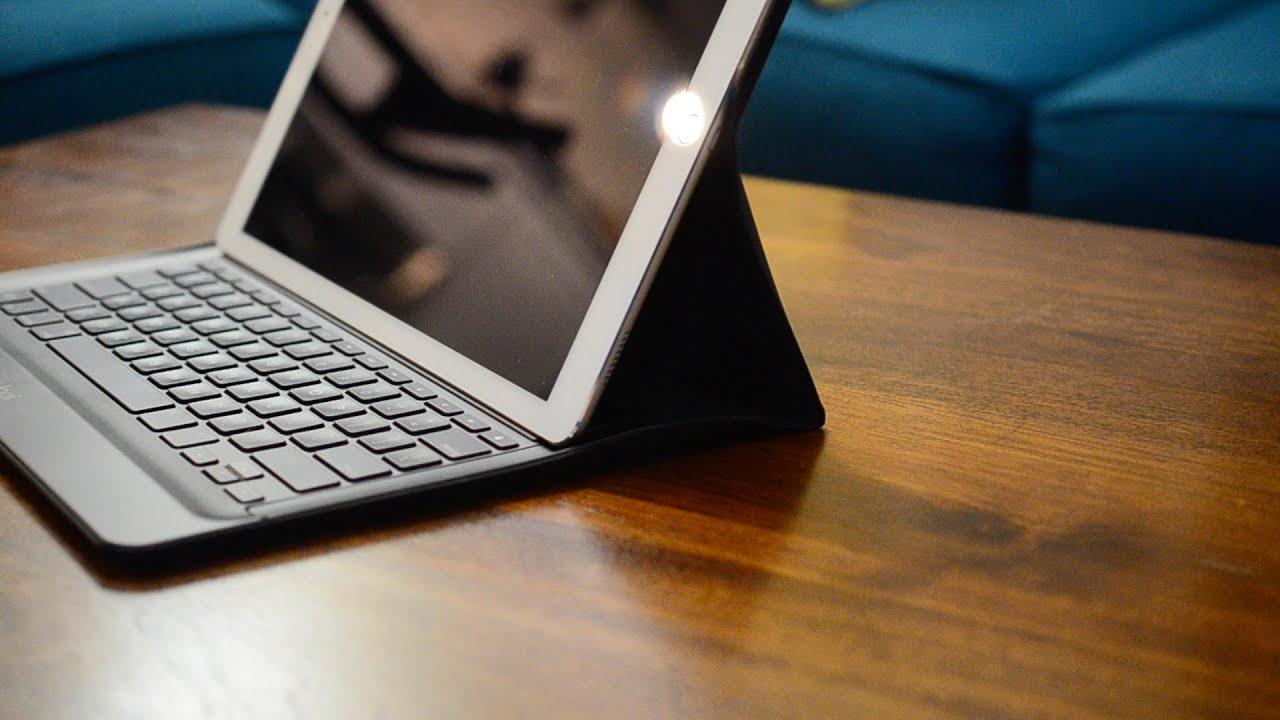
    Oddly enough, Logitech still doesn’t sell any keyboard accessories tailor-made for Apple’s newest iPad Pro models, but that’s finally set to change later this month. The Slim Folio Pro looks and sounds extremely similar to the first-party Smart Keyboard Folio, starting however at only $119.99. That’s a whopping 60 bucks cheaper than Apple’s own 11-inch option, while the Logitech Slim Folio Pro for 2018’s 12.9-inch iPad Pro will cost $129.99, compared to the $199 price tag of its Apple-made counterpart.

    Impressively enough, it doesn’t seem like Logitech has had to cut many corners or make any big compromises to go this low in terms of retail prices, as the Slim Folio Pro ticks all the essential boxes of a robust “all-in-one case”… and then some. You get both front and back protection against scuffs, scratches, and spills for your new 11 or 12.9-inch iPad Pro, an “edge-to-edge” backlit keyboard design aimed at stellar productivity, and even a special magnetic latch to safely store your Apple Pencil when not in use.

    Without a doubt, the best thing about this overall top-notch Smart Keyboard alternative is its battery life, rated at “up to three months” on a single charge. The Slim Folio Pro is also pretty versatile, enabling comfortable typing, sketching, and reading experiences by propping up your iPad Pro, sliding underneath it, or effortlessly folding back.

    The only possible drawback is the use of Bluetooth technology to wirelessly connect to Apple’s latest powerhouses rather than leveraging their magnetic Smart Connectors. But Bluetooth keyboards can be reliable too, so if you want to save a few bucks, you should definitely consider the Logitech Slim Folio Pro… when it actually goes on sale.

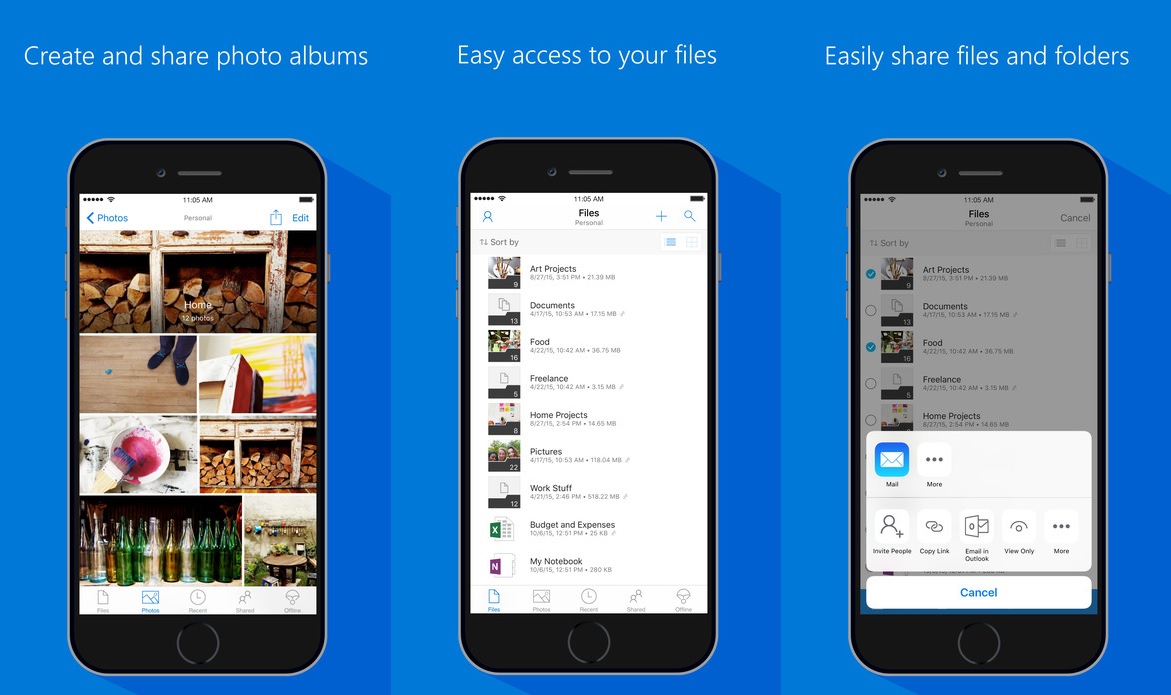
  • OneDrive for iOS update brings deeper functionality

    OneDrive for iOS update brings deeper functionality

    In between bug squashing and adding new features, OneDrive benefits from a steady flow of updates meant to enhance user experience. The latest update brings support for specific features aimed at iPhone users like Siri Shortcuts. You can turn on shortcuts by heading to Settings / Siri & Search, which will allow you to use your voice for various tasks.

    For example, you can say “Hey Siri, scan a business card” and the app should do it for you. Of course, you can scan anything from a document or photo to a whiteboard if the need arises. But Siri Shortcuts is not the only new addition to this OneDrive build.

    The official changelog mentions that the VoiceOver experience in the Shared paged has been fine-tuned, which means it should now behave a little more human and more accessible. Also, a minor issue in the iMessage where the app’s icons were showing up pixelated has been addressed.

    The final change introduced in the update targets business users, but something rather minor. The name of the Sites view has been changed to Libraries, but that’s about all there is, the feature should work the same.

  • Google’s mobile payment service expands to more banks

    Google’s mobile payment service expands to more banks

    If you’re anxious to use Google Pay, but can’t because your bank doesn’t yet support the mobile payment service, you’ll be happy to know that Google is working hard to bring the product to as many consumers as possible. At least in the United States.

    We’re back with the monthly list of banks and credit unions that are about to receive Google Pay support, and this time there are only 15 of them. If your bank is among them, but you still can’t use the service, then give a few days. Without further ado, here is the full list of banks and financial institutions that should now offer Google Pay support.

    American State Bank & Trust Company, Commercial Bank, Community First Bank of Indiana, First National Bank of Paragould, Generations Bank (AR), Generations Bank (NY), Greensboro Municipal Federal Credit Union, Harvard State Bank, Heartland State Bank, Minnesota National Bank, People’s Bank of Commerce, PrimeWay Federal Credit Union, Spring Bank, Tampa State Bank, Walden Savings Bank, and Zellco Federal Credit Union.

    To find out if your bank or card works for in-store purchases with Google Pay on your phone, you should check out the full list from the service’s support site.

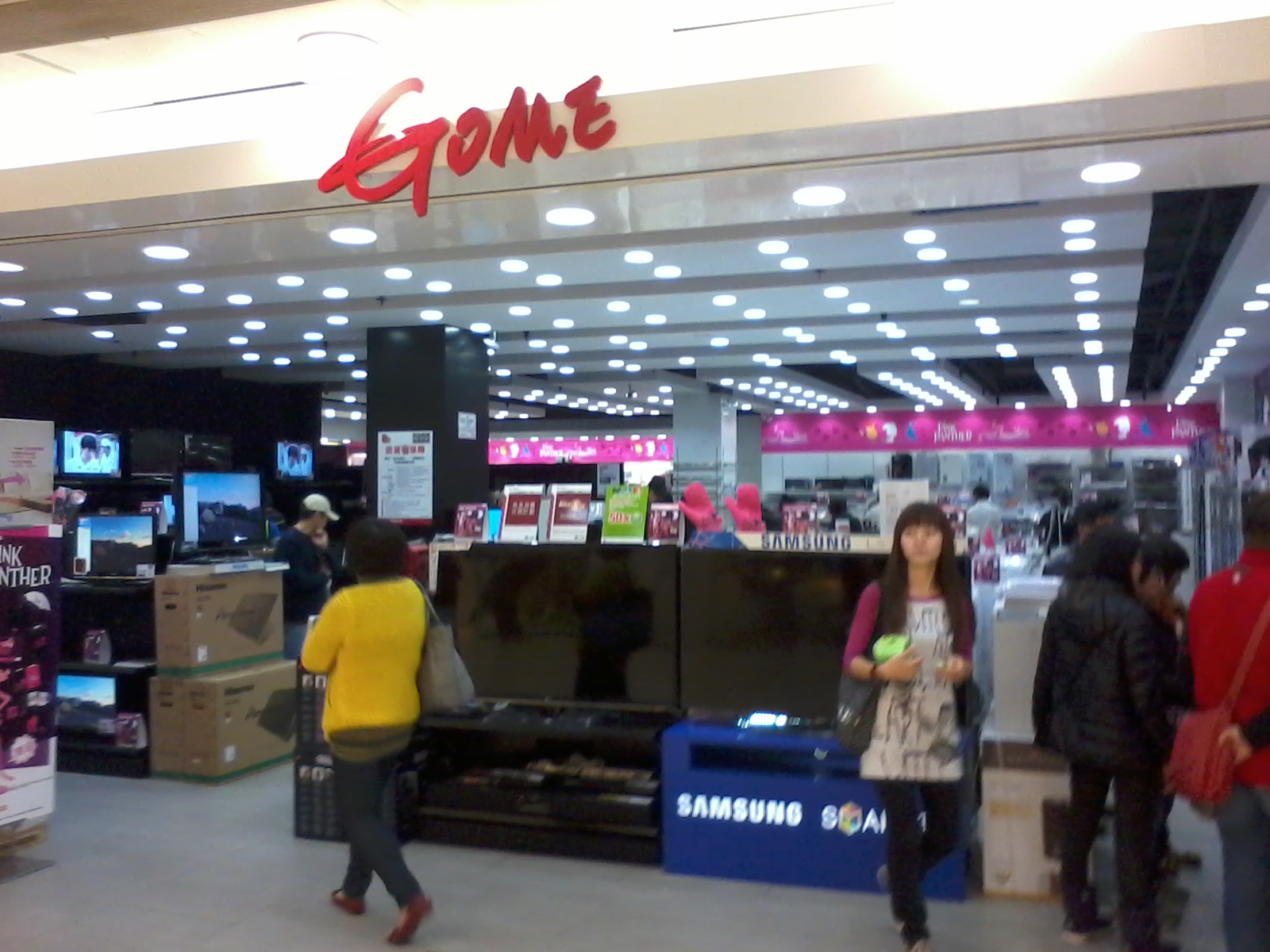
  • Gome Retail’s loss soars tenfold After Restructuring

    Gome Retail’s loss soars tenfold After Restructuring

    Gome Retail’s loss tenfold last year to RMB4.887 billion (US$728 million), compared with RMB450 million in the previous year.

    The loss – projected early last month in a profit warning – was largely due to massive write downs as the once brick-and-mortar based retailer continued its transformation into a New-Retail-era business, with its focus moving online. On a day-to-day trading basis, the company has almost broken even.

    During the reporting period, GMV (gross merchandise volume) from its ME Shop increased by 368 per cent, while GMV from new businesses such as home solution and integration of kitchen cabinets with electrical appliances increased by 116 per cent and from smart products by 89 per cent. Services GMV rose by 51 per cent.

    “The booming new business indicates that the group’s strategic transformation is progressing well,” the company said in an earnings statement.

    Overall sales revenue fell 10 per cent to RMB64.356 billion, and consolidated gross profit margin of 16.8 per cent was down on the 18.26 per cent of 2017.

    “Looking forward, Gome will continue to focus on major large-scale integrated flagship store projects in the first- and second-tier cities in an effort to provide one-stop comprehensive household solution, from home appliance to decoration, construction and household services,” the Hong Kong-listed company said.

    The group expects to open 16 large-scale integrated flagship stores and 200 home-decoration materials and home furnishing shops this year.

    “Gome will step up the output of its supply-chain service in the third- to sixth-tier cities to achieve swift development of store coverage in county-level cities, with an emphasis on franchising. It is expected that 500 franchise “new retail stores” and 200 self-operating county-level stores will be opened this year.”

  • Over 1 million Xiaomi Mi 9 units have already shipped worldwide

    Over 1 million Xiaomi Mi 9 units have already shipped worldwide

    Just over one month after the Mi 9 flagship was first announced, Chinese smartphone brand Xiaomi has today revealed that it has already shipped over one million units of its latest premium device.

    The majority of these devices were undoubtedly supplied to consumers in China, where Xiaomi conducts roughly 60% of its business and where the smartphone was made available to purchase just days after its unveiling. Europe, however, is becoming increasingly important for Xiaomi – sales surged over 415% in the region last year – and likely played a big role in the phone’s short-term success.

    The Xiaomi Mi 9, which retails at just €449 across Europe, offers a variety of impressive features such as a large 6.4-inch AMOLED display manufactured by Samsung, Qualcomm’s Snapdragon 855, up to 128GB of storage, and as much as 8GB of RAM. The smartphone also includes a 3,300mAh battery, support for extremely fast 20W wireless charging, and Android 9 Pie straight out of the box.

    Alongside the Mi 9, Xiaomi also sells two other devices in the form of the cheaper Mi 9 SE and the more expensive Mi 9 Explorer Edition. The sales figures for these two models weren’t broken down, but Xiaomi did confirm that they push the total number of Mi 9 sales to 1.5 million units, an even bigger achievement for the low-cost brand.

  • Rimowa x Bang & Olufsen crossover link between Adventure and Sound

    Rimowa x Bang & Olufsen crossover link between Adventure and Sound

    Rimowa has announced its first collaboration with luxury audio and lifestyle brand Bang & Olufsen.

    In their first Rimowa x Bang & Olufsen crossover, the two firms have created a pair of limited-edition Beoplay H9i headphones designed to characterise the brands unique approach to style, fashion and functionality.

    “Rimowa and Bang & Olufsen share a passionate approach to purposeful and elegant design,” said Rimowa CEO Alexandre Arnault. “Both of them celebrate aluminium in their products. To strengthen the natural relationship between sound and travel, we have proudly partnered to create the Rimowa x Bang & Olufsen Beoplay H9i headphones.”

    “For more than 90 years, Bang & Olufsen has striven to be more than an audio company, a brand that stimulates people’s lives through a passion for sound, design and craftsmanship,” said Bang & Olufsen executive VP, brand and markets, John Mollanger.

    “With Rimowa being much more than a luggage company – a brand that makes travel an art and that disrupts its own marketplace – we are honoured and proud to have an ideal partner. The first materialisation of our collaboration, the Rimowa edition of our flagship Beoplay H9i headphones and exclusive Rimowa carrying case, will make the world travel at the speed of sound.”

    The limited edition headphones will be available at HKD7250 (US$923.50) starting April 15 in select Rimowa and Bang & Olufsen stores as well as online at bang-olufsen.com.

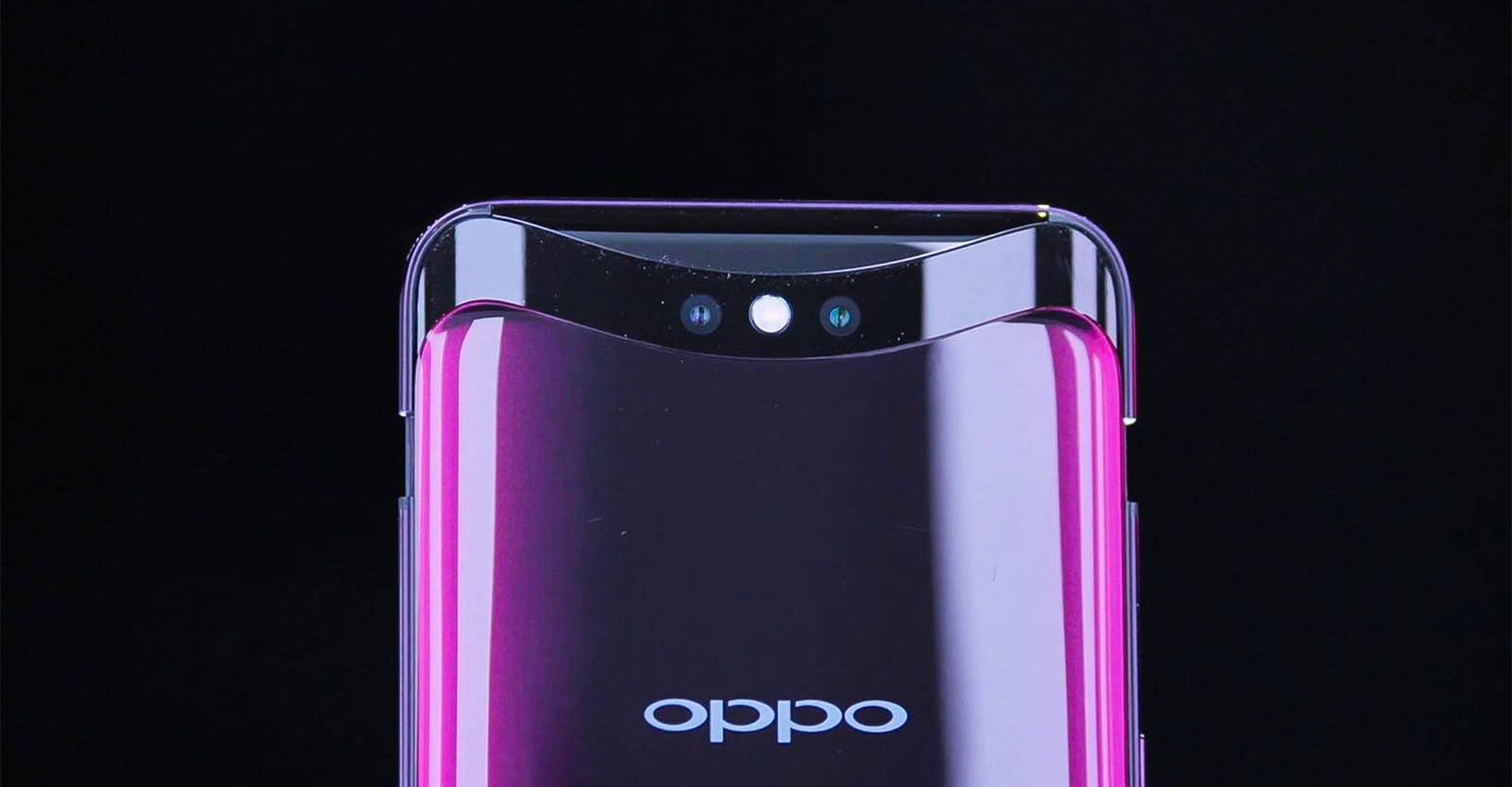
  • Oppo request patent on new slider design

    Oppo request patent on new slider design

    The European Union Intellectual Property Office (EUIPO) has published a patent awarded to Chinese phone manufacturer Oppo. The company’s Oppo Find X was the first smartphone to feature a slider design; the slider hides the front-facing camera and dual rear cameras until needed. Now, Oppo’s new slider design includes dual cameras that are mounted on the back of the phone, never hidden from view. Meanwhile, the slider holds a pair of front-facing selfie cameras.

    Just the other day, we showed you a case render for a phone called the Oppo Reno, which will be unveiled on April 10th. To give the phone a high screen-to-body-ratio without relying on a notch (which is really the reason for all of the sliders, punch-holes, pop-up cameras and side panels we’re seeing on new handsets these days), the Oppo Reno uses a wedge that mechanically rises from the top of the device.

    The illustrations that accompany the patent show a phone using the newly patented slider, but also don’t show a fingerprint scanner. This could be related to the fact that the patent has nothing to do with that feature, or it could indicate that Oppo plans on equipping a phone using the patented new slider design, with an in-display fingerprint scanner.

    The patent was initially filed in January, was registered and published today. It expires on January 30, 2024.

  • Huawei says half of its flagships could have foldable displays by 2021

    Huawei says half of its flagships could have foldable displays by 2021

    Huawei is betting pretty heavily on foldable smartphones and in a recent interview the CEO of the company’s Consumer Business Group, Richard Yu, revealed Huawei’s short-term expectations for the new device format. Because the foldable segment is so new, Huawei’s primary focus at the moment is the recently-announced Mate X, which will go on sale in June. This device, as the company openly admits, is rather expensive but as foldable devices start to gain traction Huawei expects pricing to begin falling. In fact, in just two years’ time, Huawei’s foldable flagships should cost no more than regular smartphones.

    This gradual drop in price will also result in Huawei bringing more devices to the market and, by 2021, half of the smartphone giant’s flagship offerings could sport foldable displays, with one of these being a compact device that’s smaller than both the Huawei Mate X and Huawei P30 Pro.

    Obviously, foldable devices will become increasingly more important to Huawei in the years to come. The company does, however, recognize that not everyone will be interested in the new format and that some will prefer traditional smartphones. This would suggest that regular devices, like the ones in our hands today, will be sticking around for quite some time and are under no threat at the moment.

  • Microsoft’s foldable ‘Surface Phone’ could be back

    Microsoft’s foldable ‘Surface Phone’ could be back

    The foldable Microsoft device that was dubbed “Project Andromeda” and believed to be the Surface Phone, was put on hold last summer by Microsoft. But a recent patent published by the World Intellectual Property Organization (WIPO) spotted by Windows United (via MSPoweruser) focuses on the hinge that could be used on the device. The hinge will allow the Surface Phone to be used like a laptop in landscape orientation; one display on top would be used as the screen with the bottom display used as a virtual QWERTY keyboard.
    The hinge also allows the display to rotate a full 360 degrees, and lets the user turn the device into a mobile phone. An illustration that was part of the patent application shows how a user can open the fold just a tad to see notifications and reminders. In general, the illustrations show how complex the hinge is, something that can be deduced just by reading some of the application.
    Late last year technology writer Brad Sams said that Microsoft’s plan is to release the foldable product near the end of this year. However, Sams says that it will be larger than previous renders showed, and may not be pocketable after all. Still, if the device offer telephonic capabilities and uses a version of Windows 10, it could be a big hit for the gang in Redmond.
  • LINE FRIENDS to expand its business in China throughstrategic partnership with Xiaomi

    LINE FRIENDS to expand its business in China throughstrategic partnership with Xiaomi

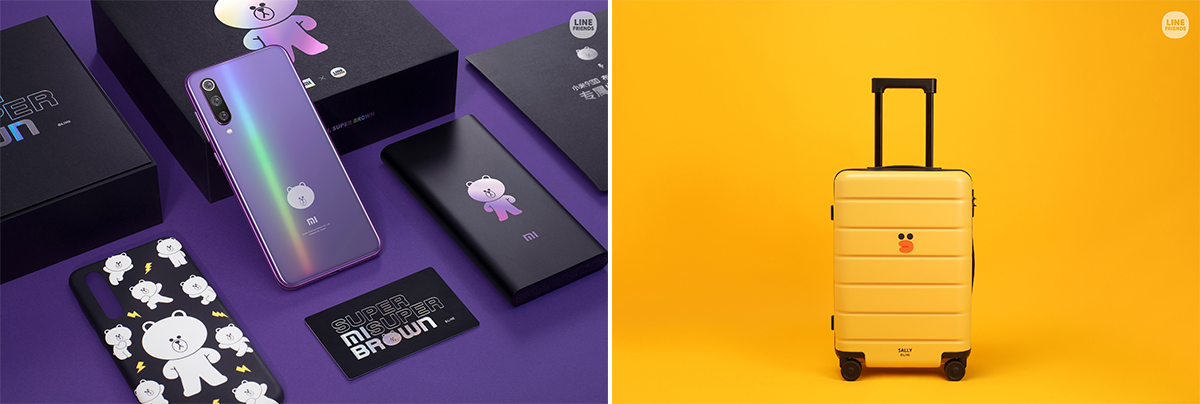
    LINE FRIENDS announced that it has formed a strategic partnership with the Chinese IT giant, Xiaomi and will launch the ‘MI9 SE BROWN EDITION’ package under the concept of ‘SUPER MI, SUPER BROWN’ in China on April 9.

    The first collaboration under the strategic partnership, ‘MI9 SE BROWN EDITION’ has garnered explosive responses from both local and global media as well as consumers after it was presented at the media event hosted by Xiaomi and personal social media account of Xiaomi CEO, Lei Jun on April 1 prior to the official release.

    ‘MI9 SE BROWN EDITION’ will be released at Xiaomi’s official stores on April 9, and LINE FRIENDS will expand the partnership with Xiaomi to launch a wider array of collaborative products with its character IPs.