Category: Electronics

Retail News Asia is committed to providing both local and global retailers with the latest Electronics news throughout the Asian market. This on a daily base.

  • Twitter makes a change in Limiting your Followers

    Twitter makes a change in Limiting your Followers

    In an effort to stop spammers from taking over Twitter, the social media app is limiting the number of followers that can be added to an account on a single day. Previously that number was 1,000 and a tweet from the Twitter Safety account reveals that the new cap is 400. This is supposed to prevent spammers from adding a large number of followers and then deleting them in a “bulk, aggressive or indiscriminate manner” that violates Twitter’s rules.

    By adding all these followers, spammers hope that the majority will follow them back. Those that do will soon find a number of spams in their timeline. Those that don’t will soon be unfollowed by the spammers. This is a cycle that continues over and over again. In a series of tweets, Twitter’s Yoel Roth explains that lowering the number of followers a day from 1,000 to 400 won’t stop the spammers, but it will slow them down. The 400 limit will “make each spam account less effective, slower, and more expensive to operate.”

    Roth adds that Twitter decided to make the new cap 400 because it allows people to follow the accounts they’re interested in while it stops the most spam. Almost half of the accounts that were following 400 Twitter users per day were engaged in churning, which is defined as “repeatedly following and unfollowing the same accounts” in an attempt to grow the number of followers that a Twitter subscriber has. He adds that 99.87% of Twitter use will be unaffected by this new rule.

  • Poptel V9, the largest videophone with Android

    Poptel V9, the largest videophone with Android

    It’s not often that a videophone comes along, let alone one with a huge, Android-driven display, but the ever-enterprising Poptel just introduced the intriguing V9 to cover that homey dream. Equipped with a SIM card slot, the Poptel V9 nevertheless lets you take calls the old-fashioned way, like on home phones of yesteryear by simply picking up the receiver. Needless to say, it is rechargeable, so you can roam with it freely around the house and even outside in the yard or down the street.

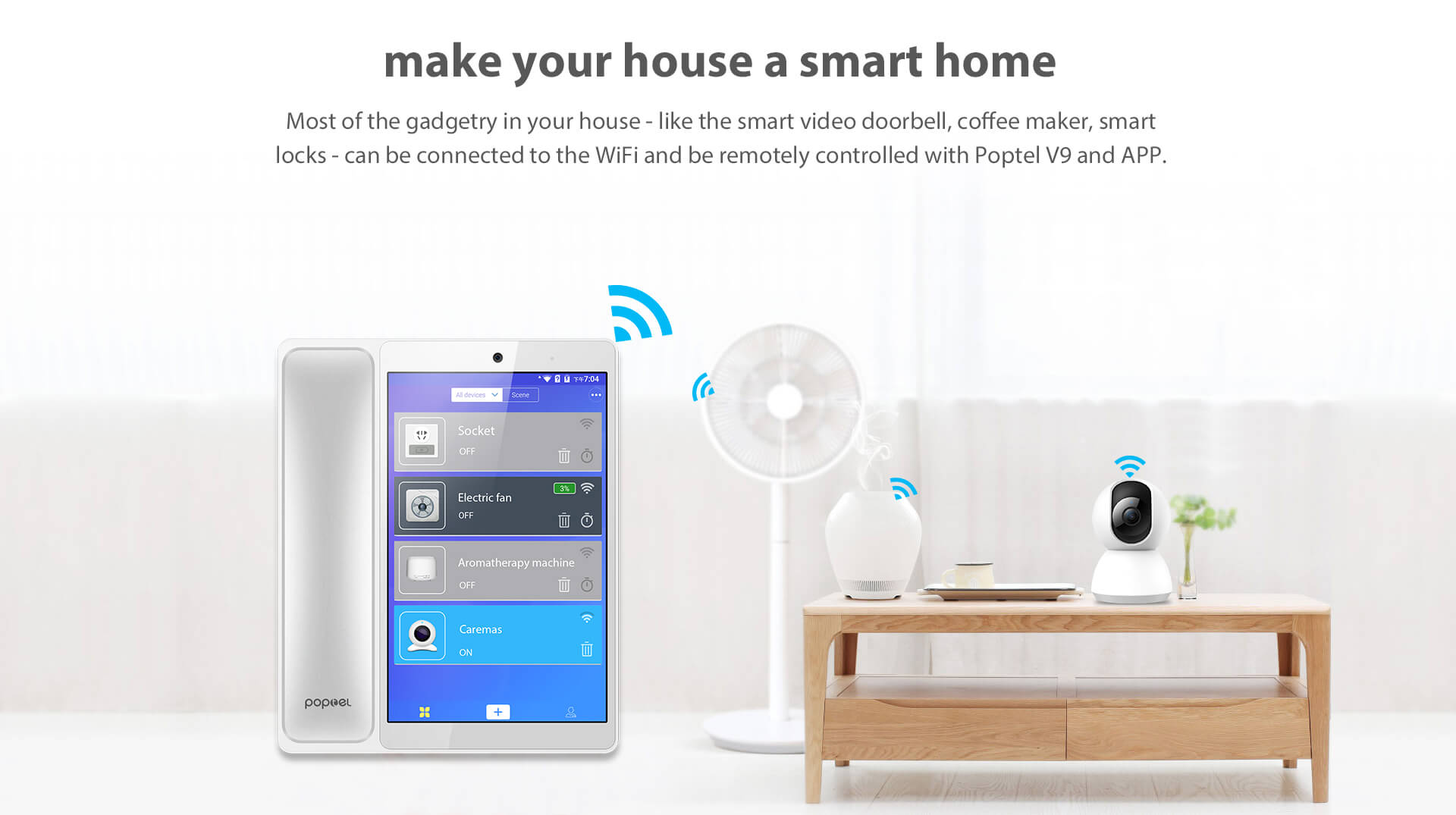
    The biggest asset of the Poptel V9, however, is its screen – literally. Equipped with a tablet-sized display, it is the biggest among all videophones with Android and allows you to gobble media content, glean caller info, use it as a digital clock and picture frame, or control your smart home appliances from the touchscreen.

    That last feature is an extra added value when it comes to the eventual home security cameras you outfitted your house with, as it can display what they are showing at any given time. Is dinner ready, where exactly did the FedEx guy leave your package on the porch, and why is the neighbor’s dog pissing on the lawn again are all pressing questions one can answer with the Poptel V9 videophone and a streaming camera.

    The specifications of the device are in line with its extremely affordable $130 price tag – 2GB RAM/16GB of storage space for apps, and 5MP front-facing camera for video chat, but that sweet 8″ display is what makes it the largest Android-laden videophone in an admittedly narrow category. The only ho-hum part is the 1800mAh battery pack and the 300 mAh one in the receiver that is good for about 3 hours of talking but you shouldn’t be yapping more than that daily anyway, you social butterfly, you.

    The SIM slot is neighboring a microSD card on for storage expansion should you need the V9 to cycle more photos than the ones you uploaded for picture-framing duties. Poptel puts an extraordinary focus on the smart home supervisory abilities of its new videophone, and with a good reason. You can prop the V9 on the kitchen table, discuss that YouTube recipe video that worked so well for the neighbor the other night, and at the same time run the robotic vacuum cleaner upstairs, check out who’s ringing at the video doorbell, turn on the floodlight outside to see them clear, and if it’s the neighbor, command the app-controlled coffee maker to start pouring a brew.

    In addition, you can control the lighting, thermostat, AC unit, smart locks, or any other home automation gizmo you have equipped your house with from the comfort of your own videophone. It’s the 90s family soap opera dream come true in a quirky, refreshingly old-fashioned looks with a modern twist. At $130, just the retro experience of walking around the house with a receiver sounds like a steal when we add the Android media machine it is attached to.

  • Apple could end up buying 5G modem chips from unlikely sources

    Apple could end up buying 5G modem chips from unlikely sources

    You might know that Huawei manufacturers handsets and networking equipment. At the end of last year, it was the third largest smartphone company in the world and the top provider of networking gear. What you might not know is that Huawei designs its own chips. Its Hi-Silicon unit created the Kirin 980 SoC which is currently found powering up the Huawei Mate 20 Pro and the Huawei P30 series. It also will be used to drive the foldable Huawei Mate X. While Huawei designs the chips, they are actually manufactured by TSMC.

    Now as we discussed yesterday, Apple is relying on Intel to have its XMM 8160 5G modem chip ready in time for its 2020 iPhone models. There are conflicting reports about whether Intel will deliver the component in time, and as a result, we have seen rumors that a 5G iPhone might not surface until 2021. Intel says that it will be shipping the chip later this year, but just in case there is a problem, Apple has found an unlikely friend in Huawei.

    Huawei would consider selling its 5G Balong 5000 modem chips to Apple. The report cites a source who has “knowledge of the situation.” This is an unusual thing for Huawei to do considering that an executive said earlier this year that “Balong is mainly for supporting Huawei’s smart products, such as phones and IoT products, and is currently for Huawei’s internal use only.” It also seems strange considering that Huawei is looking to leapfrog over both Apple and Samsung to become the global leader in smartphones by 2020.

    Apple could turn to Qualcomm, but that is unlikely to happen since both firms have been squaring off in court over patent infringements, antitrust claims, and royalty payments, In fact, a week from today a courtroom in San Diego will host a multi-billion dollar trial between Apple, its contract manufacturers like Foxconn and Wistron, and Qualcomm. At stake are unpaid royalties amounting to billions of dollars. Qualcomm CEO Steve Mollenkopf said back in November that his company was “on the doorstep” of resolving its differences with Apple; we now know that this was not the case.

    While it seems that Huawei would be “open” to selling Apple its 5G modem chips, the other side of the equation is whether the gang in Cupertino would be willing to buy them. During the FTC v. Qualcomm case, Apple supply chain executive Tony Blevins testified that Apple was considering the use of 5G modem chips from Samsung or MediaTekfor the iPhone. Even though Apple currently uses only Intel modem chips for its handsets, Blevins talked on the stand about “Project Antique.” This was Apple’s attempt to find a second supplier to provide it with modem chips. As Blevins noted, “No offense to (Intel) but we don’t want to be single supplier with them. We wanted both Qualcomm and (Intel) in the mix.”

    Huawei’s Balong 5000 modem chip supports both mmWave and sub-6GHz 5G networks. It also is compatible with 4G LTE, 3G, and 2G networks. The important thing about using Huawei’s modem chip is that Apple could get its hands on it earlier than Intel’s chip and have more time to test a 5G iPhone. The Balong 5000 5G modem chip will debut on Huawei’s first phone to support the next generation of wireless connectivity. That device happens to be the foldable Mate X.

    Apple wouldn’t be the only one in such a partnership to benefit. Huawei would get to widen the use of its chips beyond its own devices, and you can just imagine how much revenue would flow into the company’s coffers. It also might play well in China after U.S. government attacks on Huawei have led some Chinese consumers to unofficially boycott Apple products.

    There is a huge unknown here, and that is how the Trump administration might react. Huawei is considered a threat to U.S. national security and allies have been warned not to use Huawei’s networking gear to build out 5G networks. That’s because the law in China requires a company like Huawei to gather intelligence if requested to do so. Considering that we are talking about the modem chip, a major component in communicating voice and data, there are bound to be concerns about the use of Huawei’s component inside the iPhone.
  • 5G Apple iPhone likely to appear next year

    5G Apple iPhone likely to appear next year

    With several Android manufacturers releasing 5G enabled phones this year (and technically the Moto Z3 with the 5G Moto Mod is the first), Apple iPhone users might wonder when they will have the opportunity to buy a 5G iPhone. We don’t expect it to happen this year, and one analyst said earlier this month that it won’t happen next year either. Timothy Arcuri, who hangs his hat at the Union Bank of Switzerland (UBS), believes that Intel won’t have its 5G modem chip available in time for Apple to introduce a 5G phone in 2020.

    Sure, Apple could turn to Qualcomm to provide it 5G modem chips, but the two firms have been battling each other in court over numerous issues ranging from patent infringement to anti-trust violations. A new trial will start soon in San Diego with Apple and its contract manufacturers seeking billions of dollars from the chip maker. Besides, Qualcomm reportedly refused to sell its 4G LTE modem chips to Apple for the iPhone XS and iPhone XR.

    Those familiar with the situation say that Intel has been missing deadlines as it develops the XMM 8160 5G modem chip. In order for Apple to unveil a 5G iPhone next September, Intel would have to deliver sample parts to Cupertino early this summer and a final version of the chip’s design by early next year. But Intel says that it is fully capable of delivering its 5G modem chip to Apple in time for a 5G iPhone to be launched in 2020.

    Last November, Intel said that it expected to start shipping the XMM 8160 5G modem chip during the second half of this year, and it would appear as though no changes have been made to those plans. In a statement emailed to Fast Company, Intel wrote, “As we said in November 2018, Intel plans to support customer device launches in 2020 with its XMM 8160 5G multimode modem.”

    From 2011-2015, Apple used only Qualcomm modem chips for the iPhone. In 2016 and 2017, both Qualcomm and Intel supplied Apple with modem chips for the iPhone. Last year, with Apple and Qualcomm suing each other, Apple stuck with Intel for the part and expects to do the same this year. Apple is known to be a rather demanding customer (Intel has had three project managers handle its modem business with Apple thus far), and the profits from selling Apple these chips is not overwhelming. But Intel needs the revenue to justify the expense of building 10nm and 7nm fabrication platforms in order to keep up with TSMC. The Intel 7560 modem chips used on the 2018 iPhone models were manufactured using the 14nm process. This means that newer modem chips will contain more transistors than older versions, allowing them to have improved performance and consume less power. But this can also backfire as far as Intel is concerned. As part of its deal with Intel, Apple gets to be first in line to have its chips roll off the assembly line. That means other chip orders that might be more profitable to Intel must wait until Apple’s order is completed.

    Other chip makers like Samsung and MediaTek are apparently not being considered. UBS’ Arcuri says that if Intel’s chip isn’t ready for next year as he believes, neither company would be able to fulfill the order in time to deliver the goods for 2020. Meanwhile, rumors that Apple is designing its own 5G modem chips are apparently true. The company reportedly has 1,000 to 1,200 engineers developing such a component. Additionally, Apple has allegedly hired RF engineers from both Qualcomm and Intel who are said to be toiling away in San Diego. Any modem chip designed by Apple would have to be manufactured by a company with production capabilities like TSMC or Samsung. A self-designed 5G modem chip for the iPhone would probably not be found on the device until 2021 at the earliest.

  • Asus tipped to launch second-generation ROG gaming smartphone

    Asus tipped to launch second-generation ROG gaming smartphone

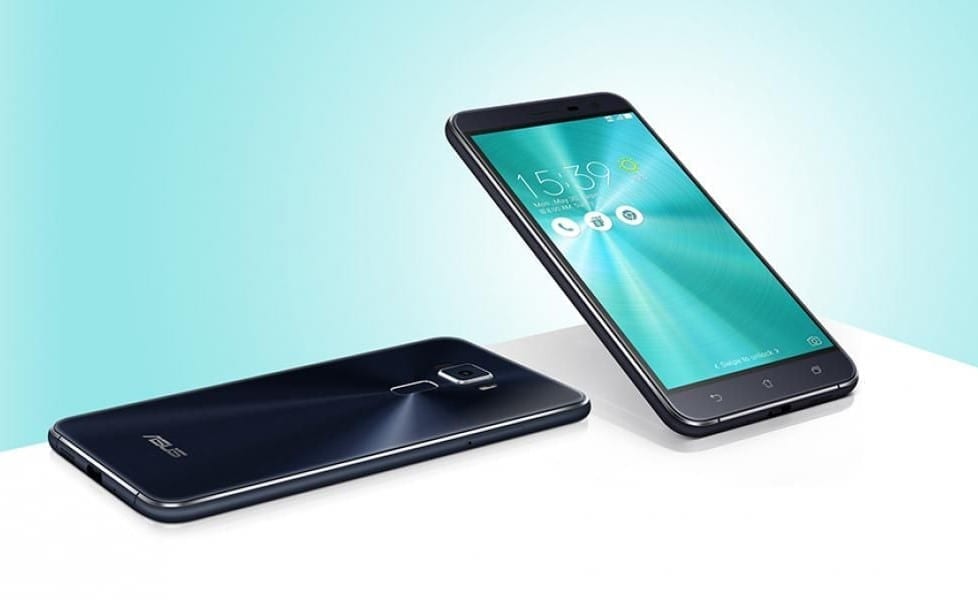
    The ROG Phone, Asus’ first gaming smartphone was quite expensive at launch, even when compared to other flagships released on the market around the same time. The cheapest Asus ROG Phone could be yours for $900 in the United States, while the most expensive model, which packs 512GB storage, was priced at $1,100 outright.

    Apparently, Asus plans to launch a sequel later this year, but the company will mainly focus on the Chinese market this time. Digitimes reports the second-generation ROG Phone will be launched in Q3 2019, and that Asus will team up with Tencent to advertise the flagship in China.

    Back in December, Asus outlined its new strategy to focus on gaming and premium smartphones rather than entry-level and mid-range models, which is meant to reduce the losses of its smartphone business.

    The report also claims Asus has a big chance of revitalizing its smartphone division if the partnership with Tencent goes through, even though gaming smartphones remain niche products that don’t generate significant profits.

    Although Asus plans to focus on the Chinese market with the next ROG Phone, there’s no reason not to sell the device in other markets like Europe and the United States.

  • Apple’s Melbourne flagship Delay Due to Cultural Reasons

    Apple’s Melbourne flagship Delay Due to Cultural Reasons

    The Andrews Labor Government has said it will launch a review of Melbourne’s Federation Square after Heritage Victoria blocked the construction of an Apple flagship on the site, citing adverse effects on the square’s cultural heritage.

    The plan, which would have seen the three-storey Yarra building demolished to make room for the tech flagship, was denied on Friday when the Heritage Victoria deemed the construction would cause “an unacceptable and irreversible detrimental impact on the cultural heritage significance of Federation Square.”

    Apple said it was disappointed by the decision, but would remain committed to customers in Melbourne and Australia.

    The tech retailer currently runs five stores across Melbourne, in Chadstone Shopping Centre, Highpoint Shopping Centre, Westfield Southland, Westfield Doncaster, and Westfield Fountain Gate.

    Victorian minister for tourism, sport and major events Martin Pakula said the of Federation Square will examine how it looks, how it is funded and how it operates in an effort to ensure it continues to stand out as an attraction to Melbourne.

    “Since its opening in 2002, Federation Square has hosted creative events and world leading attractions,” Pakula said.

    “The review will ensure this much-loved space can thrive as a civic, cultural and commercial hub for years to come.”

    After the 2017 plan for an Apple flagship was put through without public consultation, Victorians will be given the opportunity to have their say in the review, which is set to be completed by the end of 2019.

    Victorian shadow minister for planning and heritage Tim Smith said the decision was a “humiliation” for the state government on Twitter.

    “After years of secret negotiations, with one of the world’s iconic brands, Apple, Daniel Andrews has been forced into a cringe worthy climb-down because his ministers didn’t do their due diligence,” Smith said.

    Smith also called on Heritage Victoria for having fast-tracked such a nomination when it is “often missing in action when it comes to protecting heritage homes.”

  • Samsung launches its first 5G smartphone

    Samsung launches its first 5G smartphone

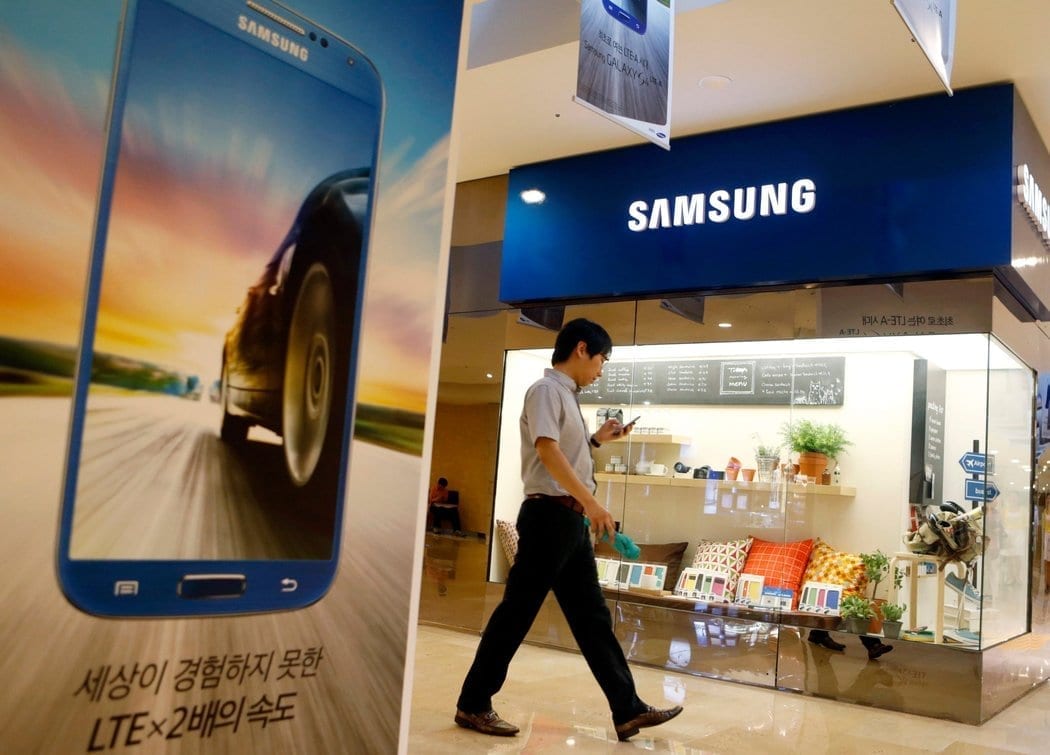
    To coincide with Friday’s launch of commercial 5G services by South Korea’s major mobile operators, Samsung has launched its first 5G smartphone.

    The Samsung Galaxy S10 5G, which is currently exclusively available for purchase in South Korea, has been designed to support speeds of up to 2Gbps download and 150Mbps upload by taking advantage of 5G features including 4X4 MIMO and up to seven-carrier aggregation.

    The device also supports Wi-Fi speeds of up to 1.2Gbps symmetrical by incorporating the latest Wi-Fi standards.

    It sports a 6.7-inch dynamic AMOLED display with an edge-to-edge screen, a hexa camera equipped with a neural processing unit and a 4,500mAh battery with Fast Wireless Charging 2.0 capability.

    Samsung has meanwhile announced that its 5G multi-mode chipsets are now in mass production for premium mobile devices.

    The three chips in the Exynos range, including a single-chip tranceiver, modem and supply modualator solution, are capable of supporting 5G new radio sub-6 GHz spectrum and legacy radio access technologies.

    “Samsung has been an innovator in mobile communication technologies with a strong portfolio of market-proven solutions, and we are well-prepared to extend our leadership into 5G,” Samsung Electronics president of System LSI Business Inyup Kang said.

    “Our multi-mode solutions… will together enable powerful yet energy-efficient 5G performance along with the network versatility that allows users to stay connected wherever they are.”

  • Focals smartglasses could give us a glimpse at Apple’s next big thing

    Focals smartglasses could give us a glimpse at Apple’s next big thing

    North’s Focals smartglasses look nothing like the original version of Google Glass, which is a good thing. In fact, if you didn’t know any better, you’d think that they were just an ordinary pair of spectacles. But Focals feature Alexa integration allowing you to hear the latest news, view the weather forecast, stream music, control the smart appliances in your home, and more. The glasses will also show you upcoming appointments from your calendar, let you arrange for an Uber, send a text and navigate with turn-by-turn directions. Focals can be controlled through the use of the ring-like “Loop” which is a four-directional joystick that you wear on your finger to interact with the glasses.

    Focals were launched last October and are priced at $599 and up. Prescription lenses cost an additional $200. Personal sizing is required, which means that if you want to buy a pair, you will have to visit one of the company’s showrooms in Brooklyn or Toronto. There are also pop-up locations where this can be done. For example, from today through April 9th, the company can fit you in San Francisco. April 10th and 11th, a pop-up location will be open in Santa Clara. You can book an appointment for any of the locations through the Focals web site.

    The Focals smartglasses have limited functionality; the company says that it did this so that users won’t be distracted from the things right in front of them. But that doesn’t mean that new functions aren’t being added. Thanks to a new update, when a Focals wearer is listening to streaming music from Spotify, he/she can now skip a song, adjust the volume of a connected device like a phone or speaker, and see the title of the song and the name of the artist. And the volume of the music can be controlled even when the display is off, by using the Loop. The update also gives Focals the ability to recommend the fastest transit route for a user’s morning and evening commutes, and the it will also show any delays. The device will calculate an Estimated Time of Arrival (ETA) and share it with the user’s contacts.

    With a feature called Rewind, the Focals smartglasses can be used to make a voice recording of a meeting. Afterwards, North will send out an email containing a transcript of the meeting along with a recording of the get together. Since Focals are made to the exact specifications of the wearer, it isn’t easy just to take them off and give the glasses to a friend to check them out. So North came up with something it calls Lenscast. The latter puts your Focals’ display on top of the live camera feed from your smartphone to show others how Focals work. The glasses use Bluetooth to pair with your iOS or Android phone, and charge using a special carrying case.

    Last month, reliable Apple analyst Ming-Chi Kuo of TF International said that he expects mass production of the company’s AR glasses to begin no later than the second quarter of 2020. At least with the first version of the device, Apple is reportedly going to play it safe by having its glasses access the processor, GPS, memory chip and other components belonging to a user’s iPhone.

    Many consider smartglasses to be the next big thing. Nearly two years ago, analyst Gene Munster said that the wearable will be bigger than the iPhone.

  • Get incredible Google Home Hub discounts

    Get incredible Google Home Hub discounts

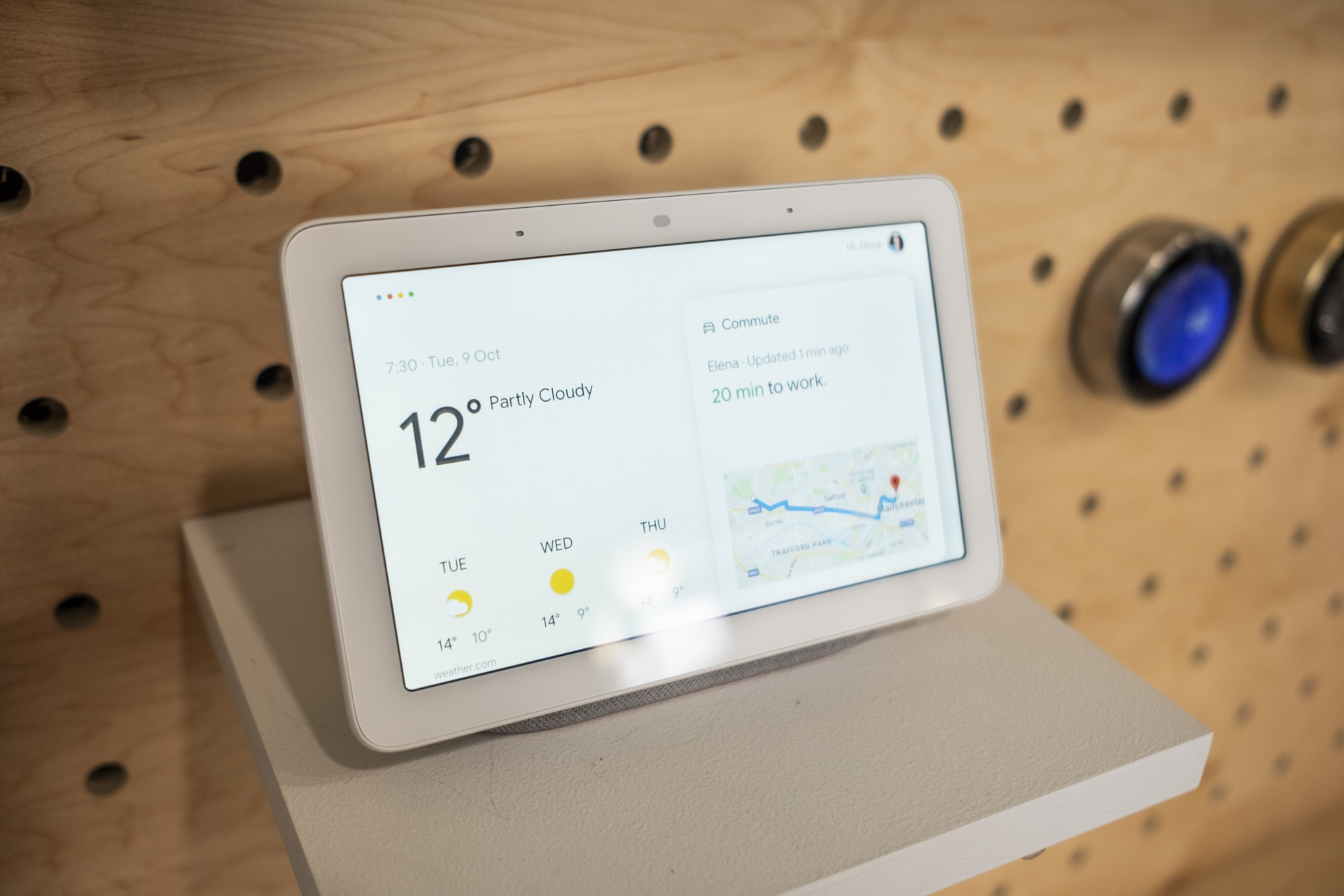
    Even though it earned pretty good reviews after seeing daylight just six months ago and presumably contributed to Google’s thriving smart speaker sales numbers during the final quarter of 2018, the Home Hub has been massively discounted lately more times than we can count on the fingers of one hand.

    Right now, the Google Assistant-powered smart display is back up to its $149 list price at both its manufacturer’s official US e-store and third-party retailers like Best Buy, but one self-described “social shopping marketplace” has this extremely versatile and convenient product on sale at a big markdown yet again.

    The “catch” is you need to purchase two units to save a frankly unbelievable amount of money. Basically, you’re looking at a two-for-one or buy-one-get-one-free type of deal, as this heavily discounted Google Home Hub two-pack in black currently costs $153.95, or a hair over the aforementioned regular price of a single device. You’ll want to hurry, though, as the promotion, also known as a power deal in MassGenie user lingo, is set to expire within just four hours of the time of this writing.

    If you’d like to get something nice for yourself and a friend, a family member, or a special someone, today’s super-limited offer effectively brings the price of a Google Home Hub down to $77. Meanwhile, for only three extra bucks, you can purchase just the one smart display in your choice of Chalk or Charcoal paint jobs, although you have even less time to jump on that particular deal.

    For those unfamiliar with what this bad boy can do, suffice to say it’s essentially a smart speaker with a touchscreen… and smart home hub capabilities. You can watch YouTube videos, stream music, control various smart home accessories, and get answers to your most burning questions, all without ever lifting a finger.

  • Will last night’s GPS date-based rollover ?

    Will last night’s GPS date-based rollover ?

    Most likely you won’t be affected, but due to the strange way that Global Positioning Systems (GPS) measure time, some devices were at risk of being reset yesterday at 7:59 pm EDT. GPS systems affected could be reset back to January 6th, 1980. This is a risk because devices using GPS measure time by counting weeks, but they only have enough storage to count 1,024 weeks (nearly 20 years).

    The last time GPS systems were in this position was back in August 1999. Most of the public had never even heard of GPS back then, and it wasn’t until apps like Google Maps brought GPS into consumers’ hands that the public became aware of it.

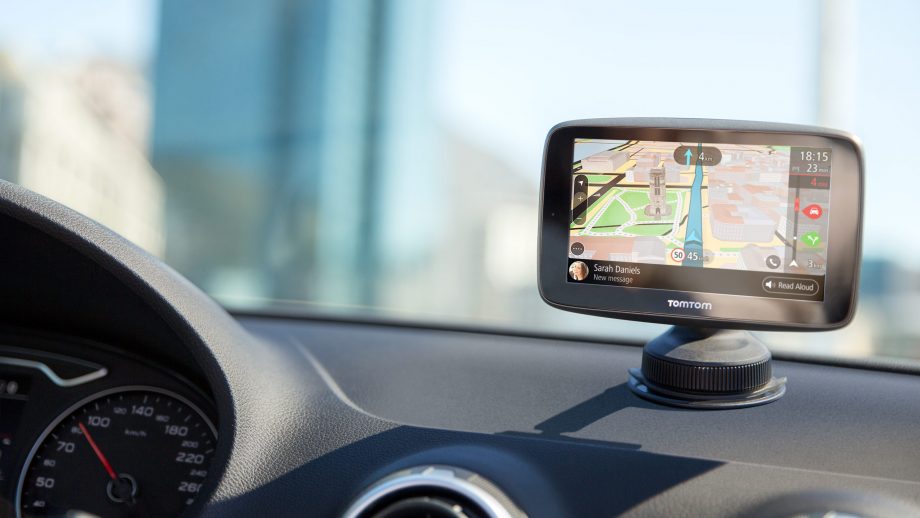
    We wouldn’t be too consumed with angst. The Department of Homeland Security’s Cyber and Infrastructure division says that as long as your device is less than ten years old, or if you have updated this device over the years, your GPS driven app should be safe to use. In other words, if you are using a 2008 T-Mobile G1 as your daily driver for some reason, and never installed any Google Maps updates, the app might not be of much help today. Mapping and navigation firm TomTom said on its website that those who frequently update their devices have nothing to worry about, but others could find it impossible to navigate using GPS.

    The DHS’ Cyber and Infrastructure unit notes that “A nanosecond error in GPS Time can equate to one foot of position (ranging) error.” In other words, if you are counting on a GPS driven device or app to get you from point “A” to point “B,” blindly following the directions on an affected device could land you at point “C.”

    Many industries depend on GPS these days, including some that weren’t around ten years ago like ride sharing (Uber, Lyft). Considering how much more important GPS is to the global economy these days, newer devices have been updated and can now count weeks using 13 bits of data instead of 10. This means that you shouldn’t have to worry about the GPS on your mobile device resetting until 2176.

  • Samsung forecasts massive Q1 profit decline

    Samsung forecasts massive Q1 profit decline

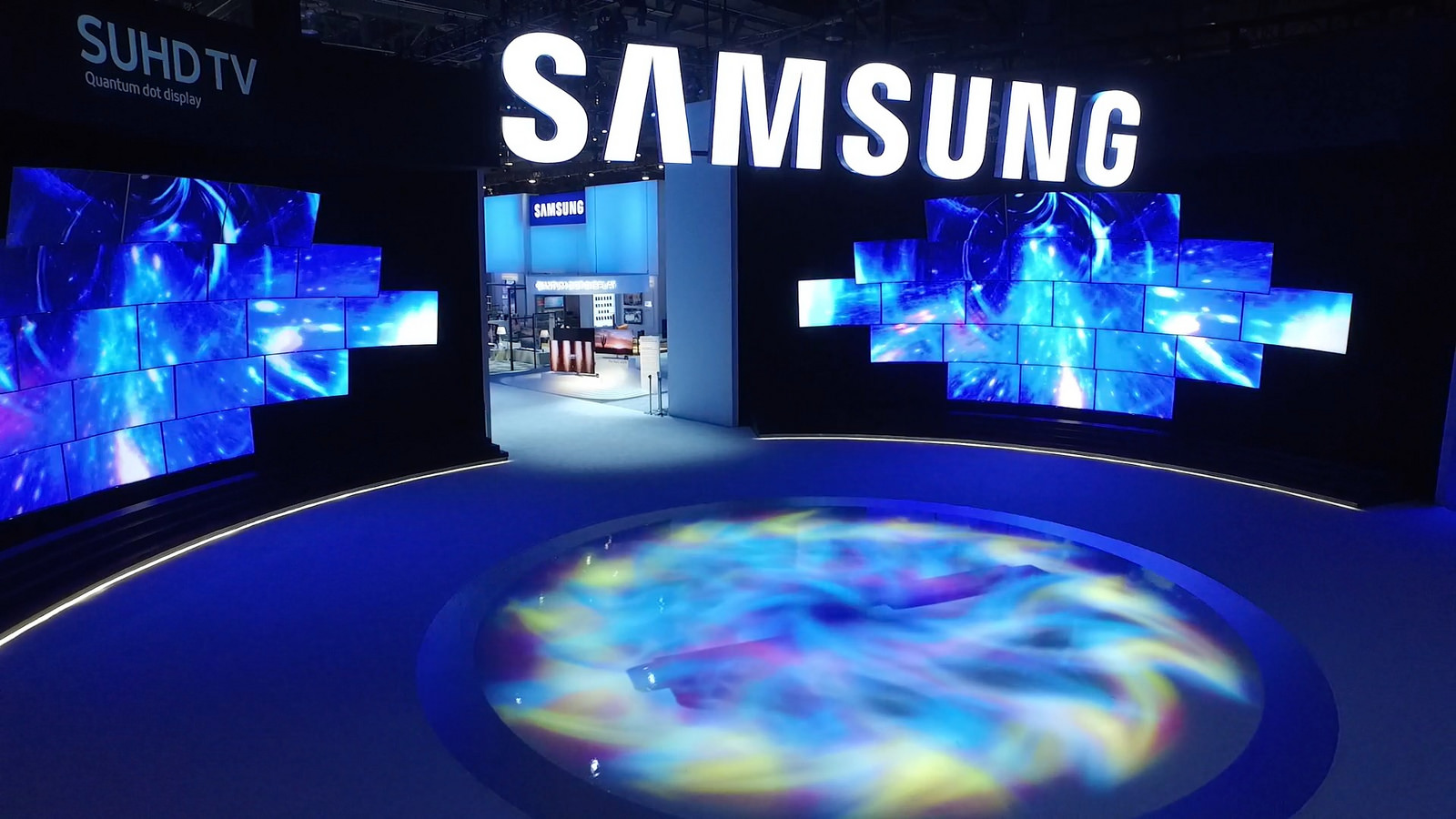
    Samsung is not only the world’s top smartphone vendor, but also the number one chipmaker and the largest television manufacturer out there. Despite all these incredible accomplishments and supremacy over several branches of the tech industry, the company seems to be going through somewhat of a rough patch.

    While we’re obviously not talking about the kind of trouble LG or Sony’s mobile divisions have been facing for a number of years now, it’s certainly worrying when quarterly profits go down 60 percent over the course of 12 months. Samsung’s full Q1 2019 financial results are not in yet, but if today’s earnings guidance pans out (which usually appears to be the case), consolidated sales for this January – March timeframe will circle 52 trillion Korean won, with operating profit sitting at around 6.2 trillion won.

    Those figures roughly equate to $45.7 billion and $5.5 billion respectively today, comparing rather unfavorably to over 60 trillion won in revenue and nearly 16 trillion won in profits reported this time last year for 2018’s first calendar quarter. The estimated Q1 2019 sales and profit scores are also down 12 and 42 percent respectively from Q4 2018, which was hardly considered a good quarter for Samsung.

    Until the tech giant releases the final, detailed numbers for 2019’s first 90 days later this month, breaking down the results by individual business, we can make several educated guesses as to what went “wrong” this past quarter. For starters, the company’s global smartphone shipments have been declining for a few quarters, and the Galaxy S10 family was probably released a little too late to reverse that trend. Or perhaps the newest flagships are not significantly more popular than their predecessors after all.

    Meanwhile, it’s important to point out that Samsung’s semiconductor business proved by far the most profitable among the company’s different branches lately, losing quite a bit of steam as demand for memory chips continues to drop. Samsung basically sells its chips to every major smartphone vendor today, so the market slowdown has impacted the company in a number of ways. Last but not least, weak iPhone sales probably took a toll on Samsung’s financials from an OLED display supply standpoint as well. Of course, at the end of the day quarter, the Korea-based tech giant still earned $5.5 billion, which is certainly nothing to sneeze at.

  • Apple poached one of Google’s best AI specialists recently

    Apple poached one of Google’s best AI specialists recently

    We all get to see changes in market share percentages, sales numbers and all sorts of data showing how competing companies on the mobile market exchange blows all over the world. In California’s Silicon Valley there is another, less covered fight going on between the tech giants that call it home: the war for talent. There are only a few people at the top of each field and if you want to be the best, you have to get them.

    It seems that Apple did just that last month, CNBC reports, as it managed to bring a very important specialist to Cupertino. His name is Ian Goodfellow and for the last two years, he was a Senior Staff Research Scientist with a focus on machine learning at Google. Since March, however, he’s the Director of Machine Learning in the Special Projects Group at Apple, according to his LinkedIn profile.

    Just by comparing the two titles, Senior Staff versus Director, you get an idea about why Ian might have taken the job at Apple. Of course, we have no doubt that the new position came with a significant salary bump as well. Which seems completely justified considering his expertise. According to his own summary, Goodfellow is “an industry leader in machine learning”, and while that might sound a bit cocky, it’s not wrong. Ian has co-authored tens of publications about machine learning, including the book Deep Learning. He’s also invented multiple machine-learning algorithms that we’re not even going to try to describe here.

    As you might have noticed if you’re following closely the mobile technology scene, AI and machine learning are already deeply integrated within smartphones and other gadgets. This makes it harder to guess what exactly is Ian going to work on as part of Apple’s Special Projects Group. Is he tasked with the development of a brand new product? Is the “special project” making Siri actually useful? Are we going to see even more AI in Apple’s upcoming smartphone cameras? With a company the size of Apple, the possibilities are endless.

    It will take months, if not years before we see the results of Mr. Goodfellow’s work at Apple, but one thing is certain, the move is a huge win for Apple and an equally huge loss for Google. It’s not like AI geniuses are dime a dozen. At least we shouldn’t see any regression in Google Assistant if that’s any consolation.

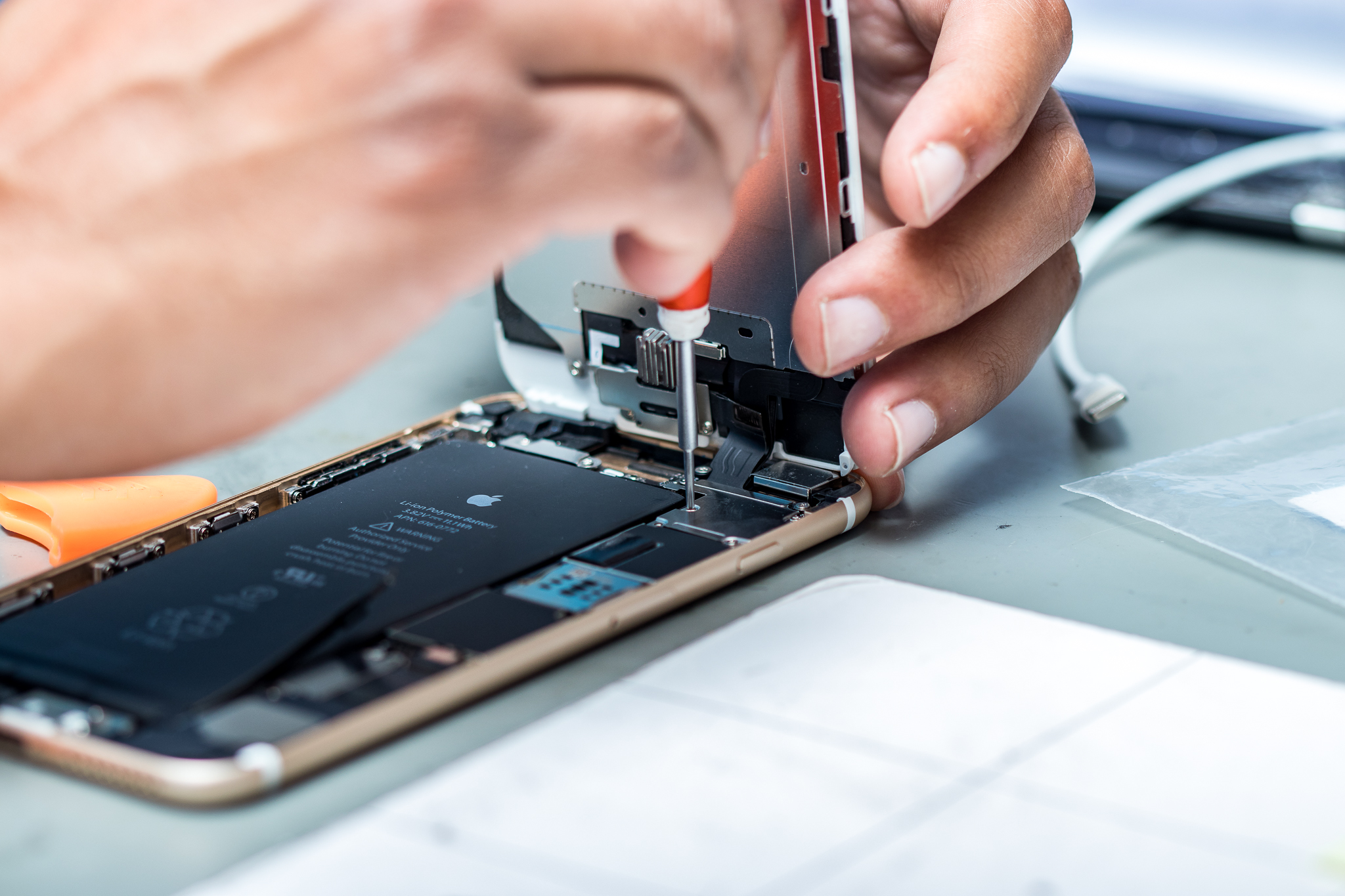
  • Apple ‘fixed’ thousands of fake iPhones

    Apple ‘fixed’ thousands of fake iPhones

    Counterfeit goods are a big problem for any established brand, but when Apple is involved, you know that there will be both demand and supply through the roof given the iPhone role as a status symbol, especially in Asia where most of the fake goods originate from.

    Two Chinese students in Oregon,  Yangyang Zhou, and Quan Jiang, have been running a fake iPhone repair scheme since 2017, it turns out, defrauding Apple of $895,800 in total, according to the company’s estimates. They had bulk shipments of counterfeit handsets shipped to them from China, and submitted those to Apple as “iPhone won’t power on” cases, both online and in stores. The replacement phones were then shipped back to the source in China who deposited money into Jiang mother’s account he had access to in the States.

    Apple “repaired” (most likely just swapped them for refurbished ones) and returned 1,493 of the more than three thousand fake iPhones that were sent to its service before it got an alert that something was amiss on a grand scale. When the situation was raised with Apple’s fraud department in the summer of 2017, they sent Jiang two cease-and-desist orders to stop the scheme but got no response, presumably since the notices were sent to Zhou’s listed address.

    It’s not clear if the fraud alert came within Apple, or the port authorities that have been investigating suspicious bulk iPhone shipments from China since the spring of 2017 but in any case, the scheme started falling apart for the two Chinese on an engineering student visa. Zhou’s lawyer claims that his client will be “vindicated” as he did not know that the iPhones sent to him from China were counterfeit, and thought he was simply taking a cut for a service.

    Ditto for Jiang, who has been accused of wire fraud, as well as trafficking in counterfeit devices, so we’ll see if Apple manages to retrieve anything from the scheme, considering that the repaired real iPhones have already been sent to the vast Chinese prairies.

  • Android Q will bring an iconic Apple iPhone feature

    Android Q will bring an iconic Apple iPhone feature

    Introduced in 2015 with the Apple iPhone 6s and iPhone 6s Plus, 3D Touch allows iOS users to press the screen to see previews, details, and shortcuts. Some applications allow users to Peek and Pop. For example, you can get a preview of an address in the Maps app. That’s a “Peek.” Applying a little harder force will “Pop” you into the app. Note that for technical reasons related to the Liquid Retina display on the iPhone XR, that model does not feature 3D Touch.

    In Android 8 Oreo, Google added a long press gesture that allows Android users to see shortcuts related to certain apps. That feature was continued on Android 9 Pie. For example, press hard on the YouTube icon in either build, and you’ll see shortcut options that can take you to the app’s search feature, and a list of your YouTube subscriptions. Documentation for Android Q reveals that the next Android build will allow users to see the same information, only faster, with a “deep press.”

    Found inside documentation for MotionEvents is a statement that says a touch on the touchscreen can be classified as a “deep press” when a user presses harder on the screen intentionally. This will “accelerate the long press behavior.” In other words, a “deep press” will reveal the same information as a long press, only quicker. Unlike 3D Touch, it doesn’t appear that Android devices will be able to distinguish between a light press, a medium press, and a hard press.

    Google could turn to algorithms to determine whether a user is using enough force to count a touch as a “deep press.” Or, the new feature might require specialized hardware. Either way, we could hear more about this during Google I/O. The annual developer conference will run from May 7th through May 9th. During the conference, Google traditionally reveals new features that will be found on the upcoming Android build.

    Just the other day, Google disseminated the second beta preview for Android Q. This included a foldable device emulator to help developers see how their apps will look on one of the new foldable phones that will be released soon. That includes the Samsung Galaxy Fold, due out on April 26th, and the Huawei Mate X. That model will be launched sometime this summer. Another feature called Bubbles allows you to take the functionality of certain apps with you from screen to screen on Android Q.

    Google plans on releasing six beta versions of Android Q with the final version scheduled to drop during the third quarter. If you have a Pixel handset, you can quickly sign up to receive the Android Q beta versions OTA. Simply head to the Android Beta for Pixel website and click on the Devices tab. Scroll down to “Your Eligible Devices” and tap the Opt-in button. Expect to wait up to 24 hours before the update arrives. When you’re ready to return to the public version of Android, repeat the process and tap on the Opt-out button. Keep in mind that the beta versions of Android are unstable and many of the features that you might depend on could fail to work. As a result, you might want to think twice before signing up to receive the Android Q beta previews.

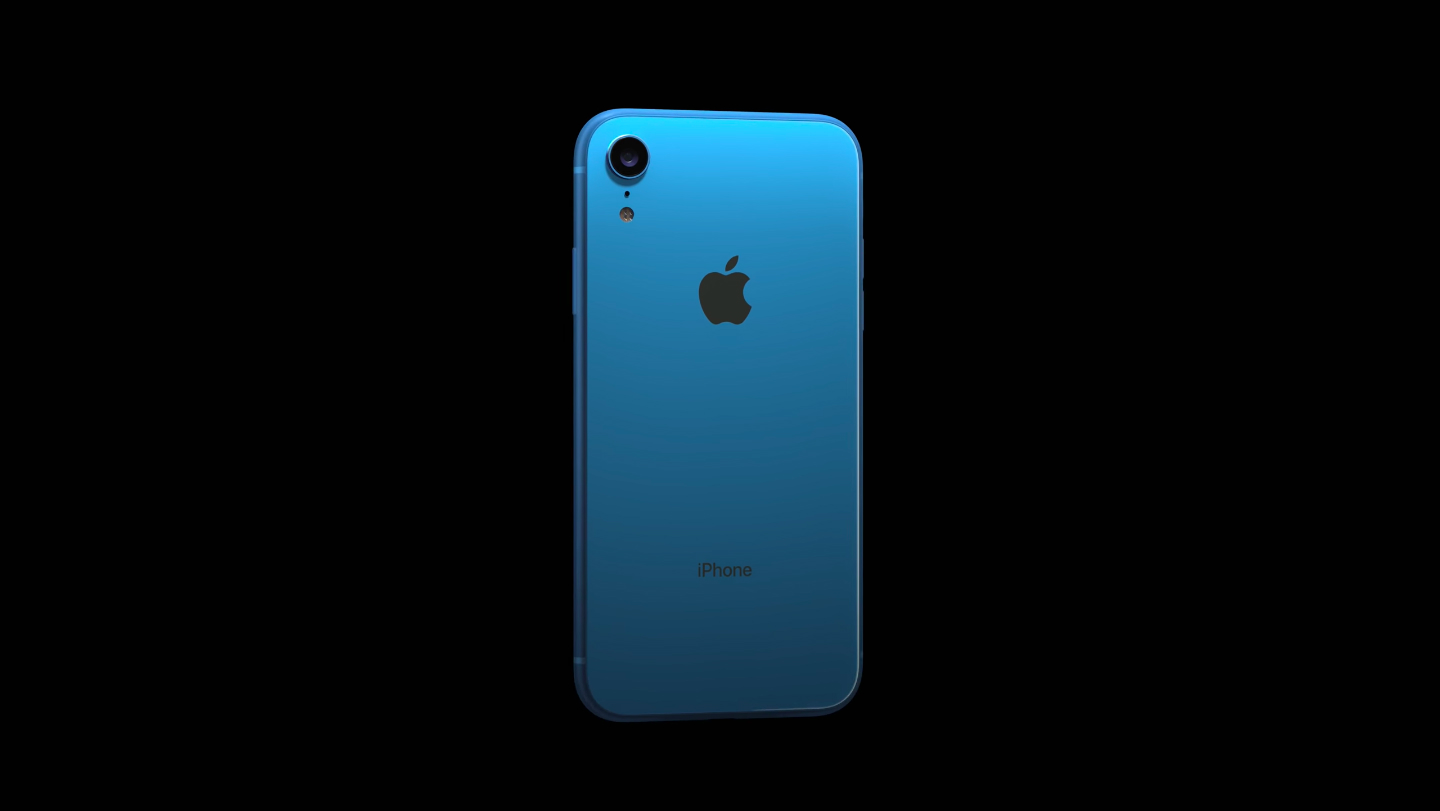
  • Massive iPhone XR price cut in India

    Massive iPhone XR price cut in India

    While Apple continues to dominate the paramount US smartphone market in terms of both sales numbers and profits, the company’s trouble across two other key regions seems to be intensifying rather than ameliorating. Of course, the Cupertino-based tech giant is not sitting idly by as the likes of Huawei, Xiaomi, and even OnePlus are rendering its brand irrelevant in China and India, fighting back with long overdue price cuts.

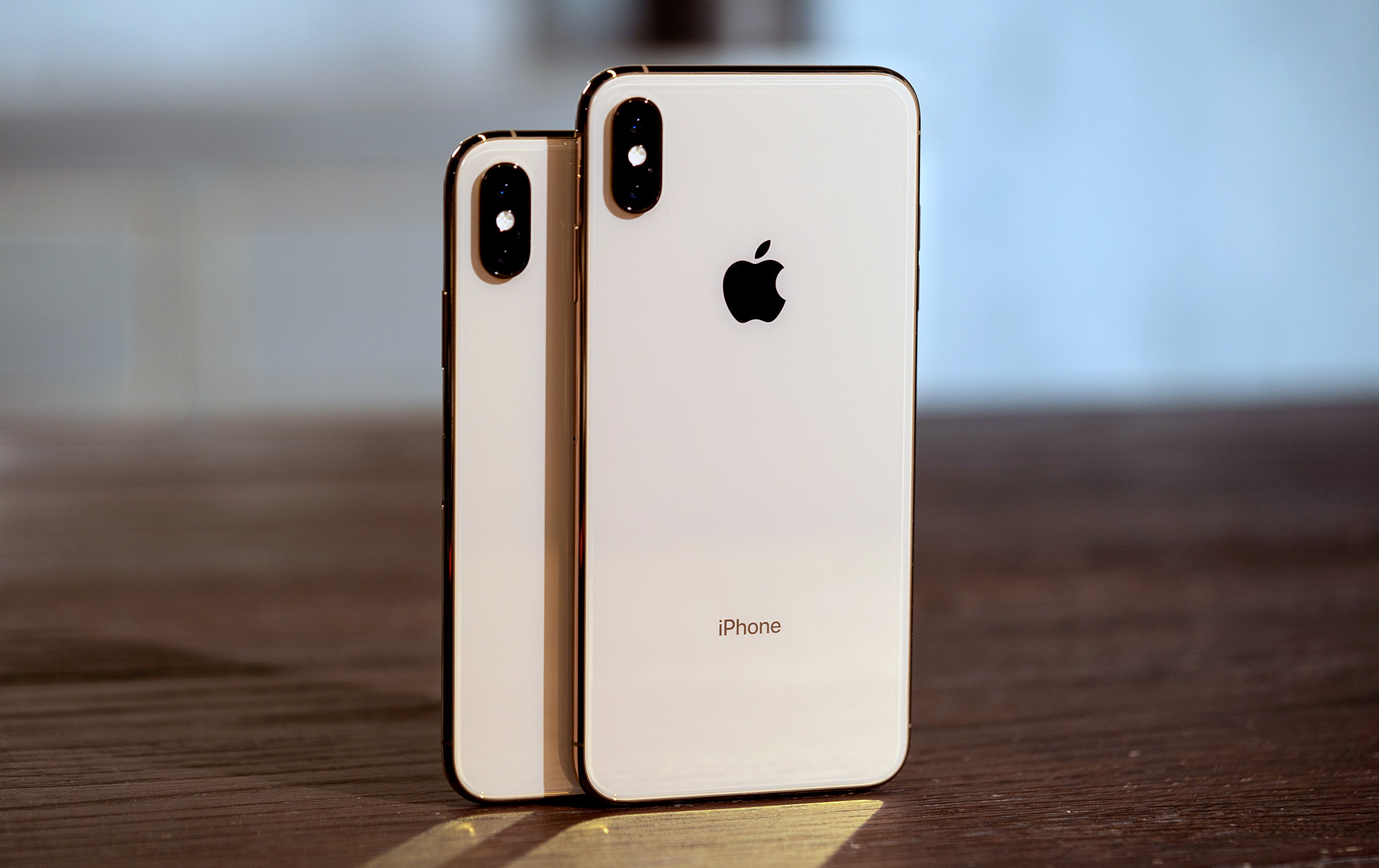
    Following an unprecedented such move in the world’s largest smartphone market a few months back, Apple is reportedly discounting the iPhone XR in India right now by the equivalent of several hundred US dollars. Namely, a whopping $250 or so (17,000 rupees), which actually doesn’t make the company’s entry-level 2018 iPhone model quite as affordable as you might imagine.

    That’s because the iPhone XR was released in the region at a starting price of Rs. 76,900, equating to more than $1,100, which sounds ridiculous even by Apple’s standards. After the new discount is applied, the LCD-sporting 6.1-incher will cost Rs. 59,900 at authorized retail partners, which converts to $870 or so. That’s still more than what US buyers are typically charged, although the comparison is obviously not entirely fair.

    At the same time, it’s definitely worth pointing out that the Samsung Galaxy S10e starts at a lower recommended price of around 56,000 rupees ($810), no deals needed. As for the OnePlus 6T, which is one of the most popular “premium” handsets in India, it’s pretty obvious Apple has no intention to go as low as 38,000 rupees ($550) anytime soon.

    Still, this regional iPhone XR price cut could be the beginning of a beautiful global comeback for a company that must find ways to stop its recent sales decline. More iPhone discounts are likely to come to India in the near future as Apple ramps up local production of both lower-end and ultra-high-end models like the XS and XS Max. Speaking of, the iPhone XS Max continues to go for a preposterous $1,600 or so (Rs. 109,900) in a 64GB configuration. No wonder a measly 1.7 million iPhones were shipped in total in India last year.