Category: Electronics

Retail News Asia is committed to providing both local and global retailers with the latest Electronics news throughout the Asian market. This on a daily base.

  • Nokia 9 PureView update fixes one issue and Creates a new One

    Nokia 9 PureView update fixes one issue and Creates a new One

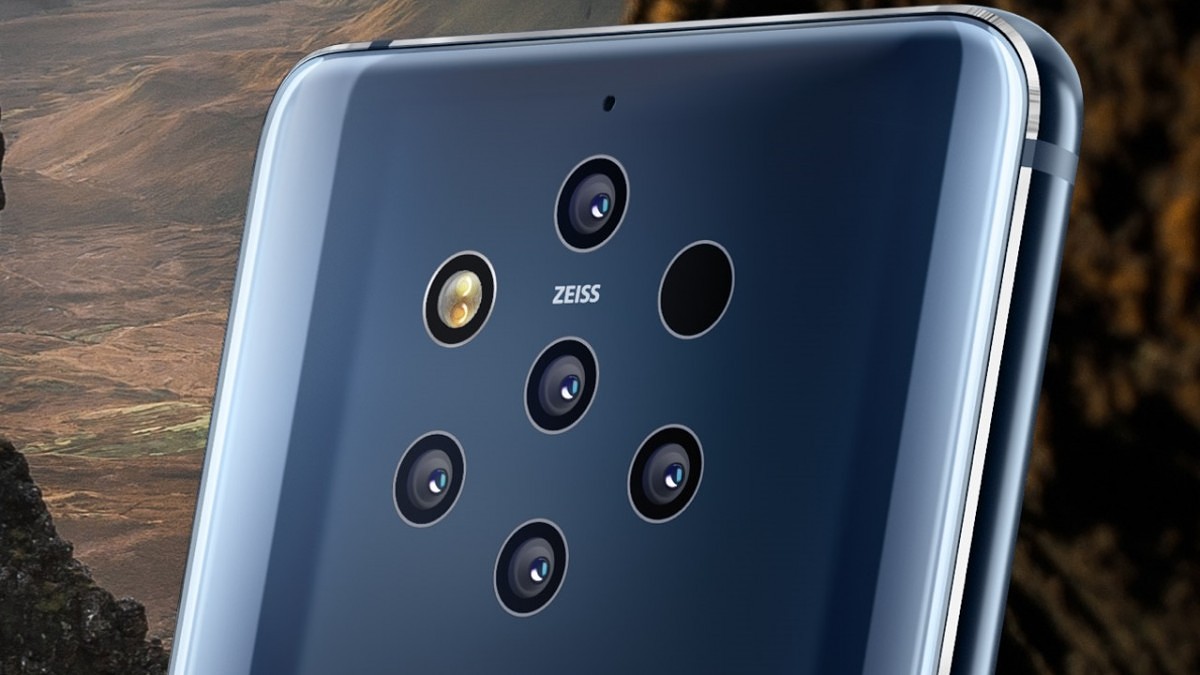
    Last week, the Nokia 9 PureView received a software update which was meant to fix the unreliable fingerprint sensor. And while bad reads are now far less frequent, we won’t go as far as to say that the fingerprint reader works better. Over the weekend, reports emerged on Twitter that after the update, users were able to unlock the Nokia 9 with unregistered fingerprints. Naturally, we put our unit to the test as well. Unfortunately, we can confirm that it is possible to unlock it with an unregistered finger.

    The false positive appears to be somewhat random, it’s not just the phone mistaking another fingerprint for the real one consistently. There’s no way to always force the error, but it didn’t take too much time before we were successful with our attempts. This means that if someone gets a hold of your phone they’ll likely be able to unlock it eventually. The most likely explanation for the vulnerability seems to be that Nokia tweaked the fingerprint reader algorithms to give a positive read with less certainty of a match.

    Original article:

    You might have read our review of the Nokia 9 PureView from earlier this month and noticed that we gave the phone a score of “4” out of 10. We discovered that the optical in-display fingerprint scanner would not always register our attempts to unlock the phone. Sometimes it requested that we press harder, or told us to try again. But help is on the way to those Nokia 9 PureView owners who have suffered from the same problems.

    A tweet disseminated on Friday by HMD chief product officer Juho Sarvikas revealed that an update is being pushed out to improve the in-display biometric reader on the phone. The message suggests that after the update is installed, Nokia 9 PureView users should register their fingerprints again for the “best experience.” The executive also notes that while the update is being sent out in stages, it is already available in most markets.

    One Nokia 9 PureView owner who already received the 250.4MB update says that he saw a big improvement after installing it; he was able to unlock the phone using the in-display fingerprint scanner 9 times out of 10 without having to press hard. The update also improves the quality of photographs taken with the phone’s cameras and speeds up the processing of such photos. It also boosts the color accuracy and contrast of the display and includes the April Android security patch.

    If you own the device and have yet to receive the update, you can always try the face unlock option to open the handset. However, as we pointed out in our review, it is not as secure as the fingerprint scanner and can’t be used to validate payments. In addition, facial recognition on the Nokia 9 PureView is not only slow, but is also a hit or miss proposition. Using a PIN might be the best bet until the update is received.
  • Bose brings AirPlay 2 support to Alexa-enabled smart speakers

    Bose brings AirPlay 2 support to Alexa-enabled smart speakers

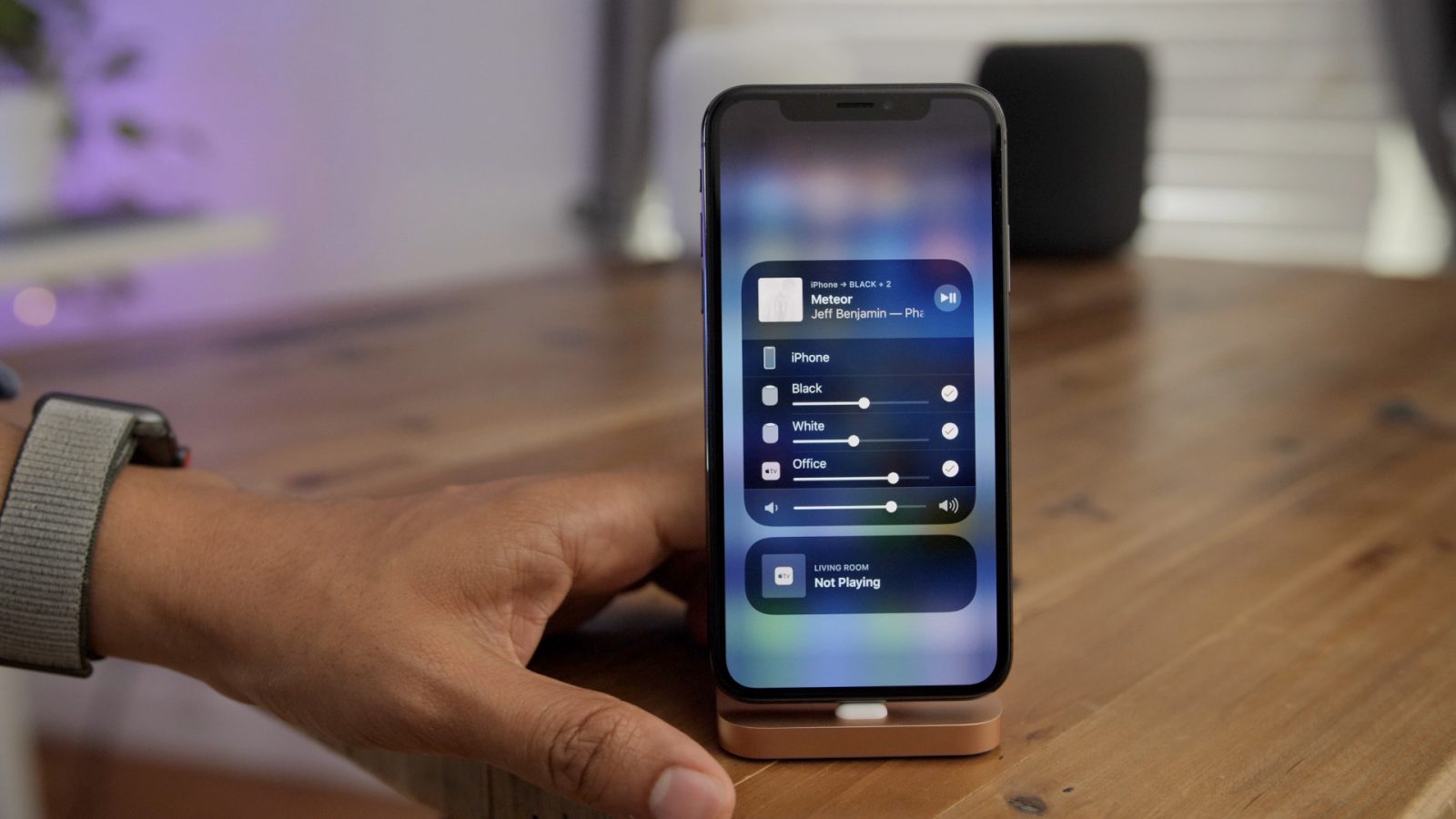
    Bose announced last week that owners of its smart speakers will be able to enjoy AirPlay 2 support after the last update is installed. This is quite unexpected considering that Bose’s products weren’t among the third-party AirPlay 2 speakers list published by Apple.

    In any case, if you own a Bose Home Speaker 500 and installed the latest firmware update, which is deployed OTA (over the air) automatically, you’ll benefit from AirPlay 2 support. Besides smart speakers, Bose confirmed Soundbar 500 and Soundbar 700 are getting the same improvement as well.

    With AirPlay 2 support, those who own an Apple device will be able to stream music, podcasts and audio to the Bose products mentioned above, including Apple Music.

    Last but not least, Bose announced that it’s working hard to bring AirPlay 2 support to SoundTouch customers, although the US company didn’t offer a timeline for the release. Well, if you own a SoundTouch speaker, at least you now know that something nice will come to you at some point.

  • Producers of flexible and punch-hole AMOLED displays Facing Roadblocks

    Producers of flexible and punch-hole AMOLED displays Facing Roadblocks

    Flat panel display producers in China are eager to start selling flexible AMOLED displays, and AMOLED displays with punch-holes. At this year’s China Information Technology Expo 2019 (CITE), which wrapped up earlier this month, companies like BOE Technology, Visionox, Tianma Microelectronics, Everdisplay Technology and China Star Optoelectronics Technology (CSOT) displayed their flexible screens for use in foldable phones. Also showing off its flexible AMOLED panels was Royole, which uses the screens for its own foldable FlexPai smartphone.

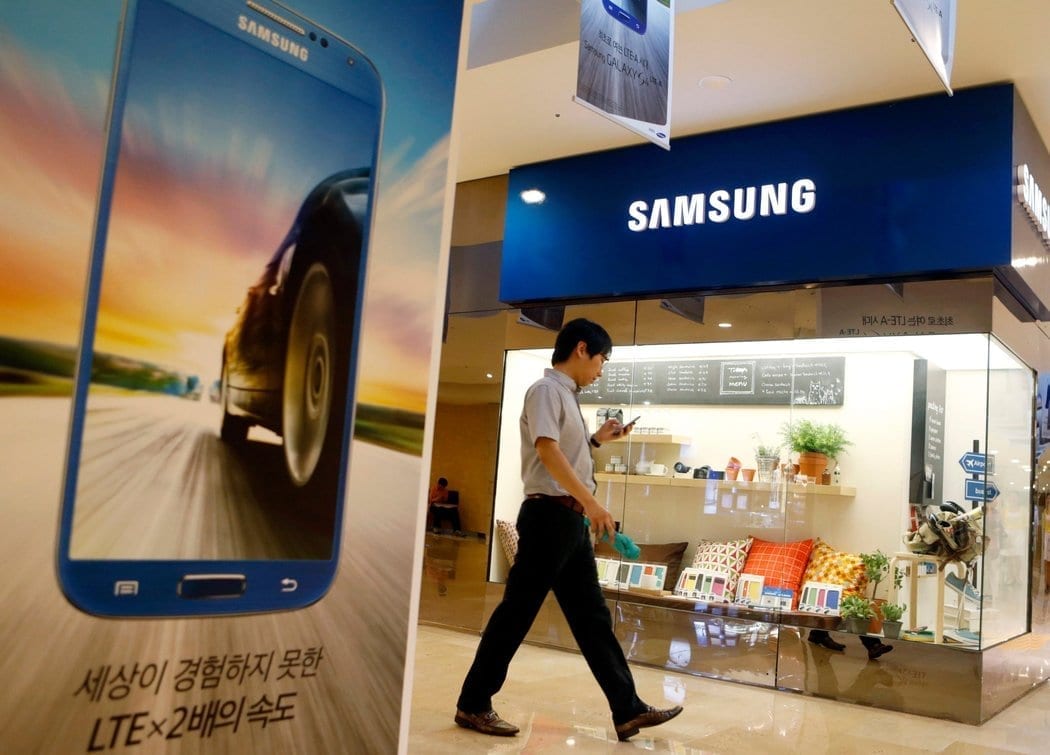
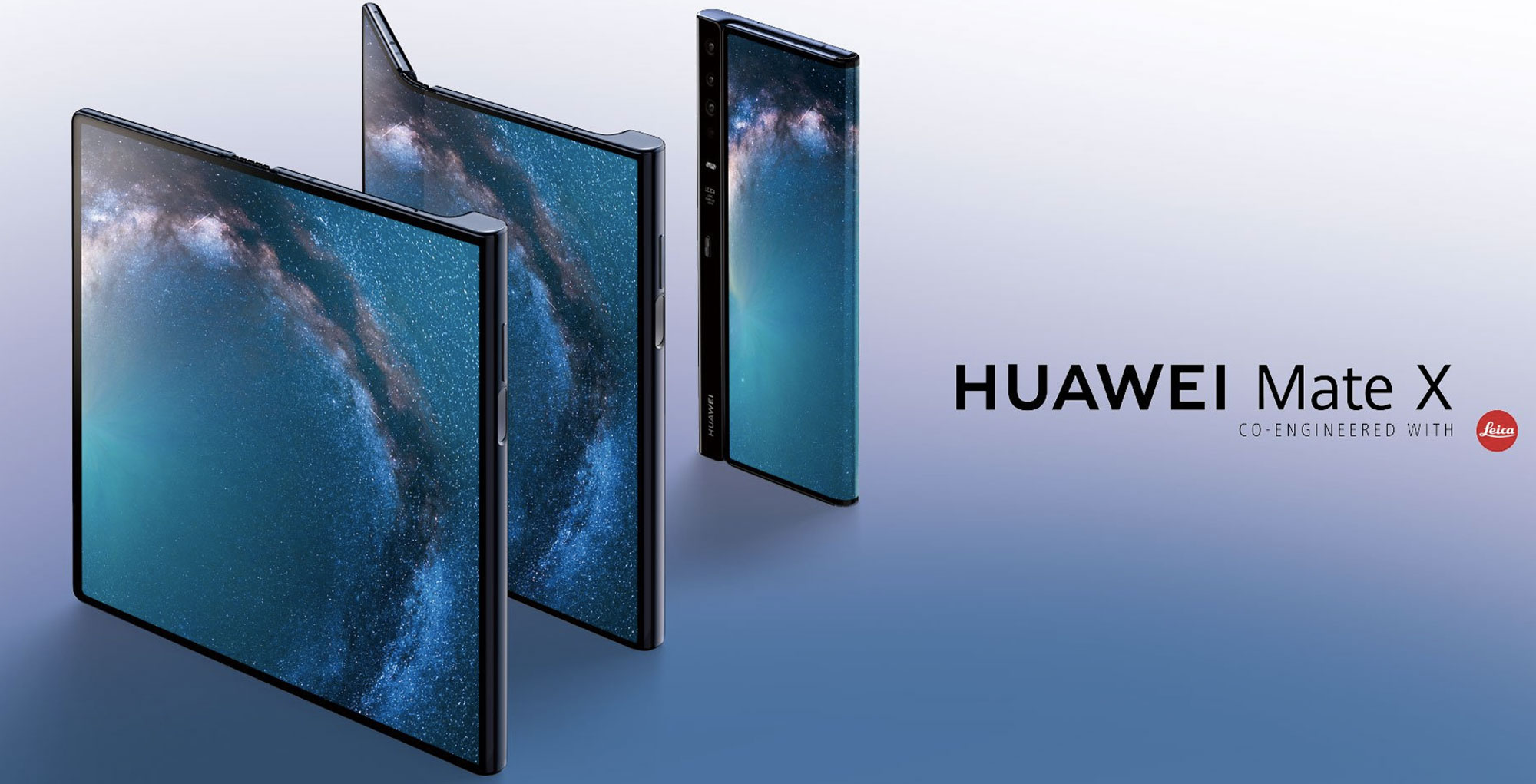
    All of these manufacturers are monitoring what is going on with Samsung and its Galaxy Fold device. Earlier today, the company delayed the U.S. launch of its foldable phone by at least one month due to issues with the interior display and the hinge. The Huawei Mate X outward folding device is expected to launch later this year. Other companies that could release a foldable phone in 2019 include Oppo, TCL, Motorola and Xiaomi.µ

    Meanwhile, companies turning out smartphone displays in China are now offering punch-hole panels with resolutions as high as 1080p (Full HD). The punch-hole is a small opening punched into a display allowing a front-facing selfie camera to be housed inside a phone’s screen. Some phones, like the Samsung Galaxy S10+, have two punch-holes in the screen for a dual selfie camera setup. The use of the punch-hole allows phone manufacturers to offer handsets with a high screen-to-body ratio and thin bezels without the use of a notch.

    CSOT is said to be shipping through hole and blind hole panels to Samsung. The latter has a punch-hole that goes completely through the display to the other side, while the latter has a hole that is drilled down to a certain depth. The company also showed off its self illuminating displays, while Tianma exhibited a back-lit smartphone panel. Both of these depend on mini-LEDs as a source of light. These are light emitting diodes that are smaller than 100 micrometers.

  • Samsung to gather all Galaxy Fold units sent out to reporters

    Samsung to gather all Galaxy Fold units sent out to reporters

    Samsung’s first smartphone with a foldable display is writing history, no doubt about it. What will this segment of the tech industry archives say exactly, is still uncertain. It seems like every day we get a new development in the saga of the Galaxy Fold.

    First, reviewers around the world got Galaxy Fold units ahead of the launch, as is tradition, to give users insights about how the new device feels to use. The initial feedback was mostly positive. Reporters said that the hinge mechanism is durable and satisfying to use and the crease in the display is barely visible when handling the device. That raised hopes among consumers that the Galaxy Fold is more than a prototype that Samsung has decided to sell to a few customers.

    But that joy was short-lived, at least for some of the testers. Pictures of damaged displays started showing up on Twitter and while some were caused by the users which mistakenly tried to peel a layer of the display, others were of no fault of the person handling the Galaxy Fold.

    Samsung has handled the situation as best as possible. Damaged units were replaced almost immediately, but now the company is going even further. Yesterday, Samsung announced that it is postponing the release of the Galaxy Fold to give itself time to investigate the various issues the device had and hopefully come up with ways to prevent them.

    Naturally, in order to investigate, Samsung needs to get said units. The move is already underway. Sources familiar with the situation have said that Samsung is going to retrieve all units that it sent out to reviewers in order to take a thorough look at them. So far, none of the reviewers with working units has mentioned that they’ve had to part ways with their Galaxy Fold.

    As soon as the Galaxy Fold was announced and the tech behind its foldable display was explained, concerns were raised about its durability. In order for the display to be able to bend, Samsung had to ditch the battle proven Gorilla Glass and go for something softer, in this case, plastic. The Galaxy Fold’s in-folding design provides some protection for the large inner display, but there are a couple of caveats that have proven to be a weakness for the device.

    One is the small gap that’s left between the two panels when the phone is closed. While it’s not a large one, it’s enough to get random small objects that might be lurking in your pocket stuck in the fold of the display, causing scratches or potentially even damaging the OLED panel under the protective plastic.

    The other is the area between the hinge and the display, which also appears to be a lucrative spot for unwanted debris to sneak into. Then once you unfold the display whatever is stuck under it starts putting pressure on the display matrix and can easily damage it, which was the case with one of the devices sent to reporters.

    Now all that’s left to see is how long the launch of the Galaxy Fold will be delayed and what changes Samsung is going to make. With units initially expected to start shipping around April 26, it’s obvious that a large number are already manufactured and waiting in storage somewhere. Making any design changes at this point will be a costly and slow process. On the other hand, Samsung can’t afford to send devices that might break within a week to customers that are paying $2000 for them. We’ll see how this situation unfolds (pun intended) as it might be one of the most difficult things Samsung has had to deal with since the Note 7 fiasco.

  • The Huawei Mate X won’t be Delayed

    The Huawei Mate X won’t be Delayed

    The Samsung Galaxy Fold has been delayed indefinitely following a number of display issues, but it seems as though the Huawei Mate X is still on track for a release in June.

    Following Samsung’s announcement yesterday, rumors began floating around about a potential Huawei Mate X delay until September in order to iron out any issues and ensure a high level of durability, but today sources within the Chinese company have confirmed to Phoenix Technology that reports suggesting this are false and simply rumors. They went on to state that the company’s foldable flagship will be made available to purchase in June, as previously announced.

    The Huawei Mate X’s design did raise some durability questions when first unveiled. After all, it leaves the flexible OLED panel exposed at all times, thus making the plastic coating on top more prone to scratching. Nevertheless, Huawei seems confident in its design and apparently sees no reason for a delay.

    Samsung’s Galaxy Fold, on the other hand, seemingly presented a much sleeker and studier design from the get-go. However, the South Korean giant’s initial findings suggest the “impact on the top and bottom exposed areas of the hinge” could be the cause of the display issues. In one instance, “substances found inside the device” also affected the performance of the display.

  • Apple’s 5G iPhone Using Samsung Modems to be released in 2020

    Apple’s 5G iPhone Using Samsung Modems to be released in 2020

    In one fell swoop, Apple cut the Gordian knot of 5G modem supply and it is smooth sailing from here, as it paid Qualcomm undisclosed amount to settle the patent litigation and secure a multi-year contract for 5G iPhones.

    “It’s personal. I don’t see anybody who can bridge this gap,” tipped the WSJ recently about Apple and Qualcomm CEOs relationship but the big boys ironed out their differences quickly. Apple could have tried Intel, Samsung or Huawei, but each of those choices comes with drawbacks.

    Intel threw in the towel on 5G modem development when it learned that Qualcomm resolved its patent issues with Apple, while America’s homeland security institutions would balk at Huawei’s involvement due to geopolitical considerations. Despite all rumors, Huawei company reps said during its Analyst Summit 2019 yesterday that they have “no communication with Apple on 5G modems.”

    Samsung, on the other hand, simply can’t make enough of its own 5G modems to exclusively supply huge customer like Apple. It recently declined Apple’s advances for its Exynos 5100 5G modem. Not only does the company need its production for the Galaxy S10 5G that is now shipping, but it could very well need it for the Note 10 Pro, too, and others down the line.  According to one “electronics industry official” there:

    Apple inquired about the supply of 5G modem chip from Samsung Electronics System LSI division. However, we know that Samsung Electronics System LSI answered that the supply volume of its smartphone 5G modem chip is insufficient.

    Well, the most renowned Apple supply chain analyst, Ming-Chi Kuo of TF International Securities, has spoken, and Apple will seemingly hedge its Qualcomm bets with Samsung as a side dish. If you are wondering why, Apple is most likely planning to use the more advanced Qualcomm modems in placed where mmWave spectrum 5G networks are being established, while Samsung’s likely cheaper solution will remain for the sub-6 GHz crowd.

    Apart from all these juicy dual supplier predictions, Ming-Chi Kuo is advocating for a fall 2020 release date of the future 5G iPhones. That’s the same timeframe as before but this time around, Apple is in a position to use the best that the 5G market can offer without triggering the NSA, CIA and other three-letter agencies’ wrath.

    South Korea just launched its nationwide 5G network, with the Galaxy S10 5G being its poster child. Upon the phone’s release there, Korea will have all of its largest networks offering 5G plans. In fact, Korea Telecom announced three 5G price tiers. Among those, there is a “Super Plan” that offers truly unlimited 5G data without speed caps, and this one will go for the equivalent of $70, a pretty good price no matter how you slice it. In fact, the Super 5G Plan is somewhat cheaper than the current unlimited 4G LTE plans in Korea, so the 5G future seems bright, and we are expecting more and more 5G handsets to enter the fray this year, especially towards the tail end of 2019.

    A true nationwide shift to 5G networks is not happening this year in the US anyway, so iPhone users won’t be missing all that much until then. Next year, however, most of the flagship phones of the spring season will probably have some sort of 5G connectivity support, be it with a Qualcomm, Samsung or Huawei modem, and Apple could feel the pinch in that regard.

    Had Apple gone alone in developing a 5G modem, either by acquiring Intel’s wireless modem assets, or starting from scratch, it would have taken it years to reach a sufficiently good unit that is worthy to put in millions of iPhones. Wireless connectivity modems are perhaps the most complex of chips in a phone, and 5G ones require so much filters and software control to avoid interference and still be backwards compatible that this option would have meant either a lot of extra expenses for Apple in order to deliver a 5G iPhone in 2020, or falling behind the competition by launching one that is a cycle or two behind.

    “Apple knows our phone number, we are still in San Diego,” tipped Qualcomm recently, giving a glimmer of 5G hope, and patching thing up with Qualcomm turned to be the smartest solution, just as we expected. There you have it – Apple resolves the bad blood between the companies, Qualcomm is likely to assist it with the 5G push, and Samsung will be its sidekick. The 5G future is so bright, we have to wear shades. According to Kuo, the launch of the 5G iPhone is expected to unleash a big upgrade cycle for Apple, and he upped his forecast for iPhones sold in 2020 to the whopping 200 million, from the current 190 million prognosis.

  • Qualcomm’s next Snapdragon processor could take 5G mainstream Easily

    Qualcomm’s next Snapdragon processor could take 5G mainstream Easily

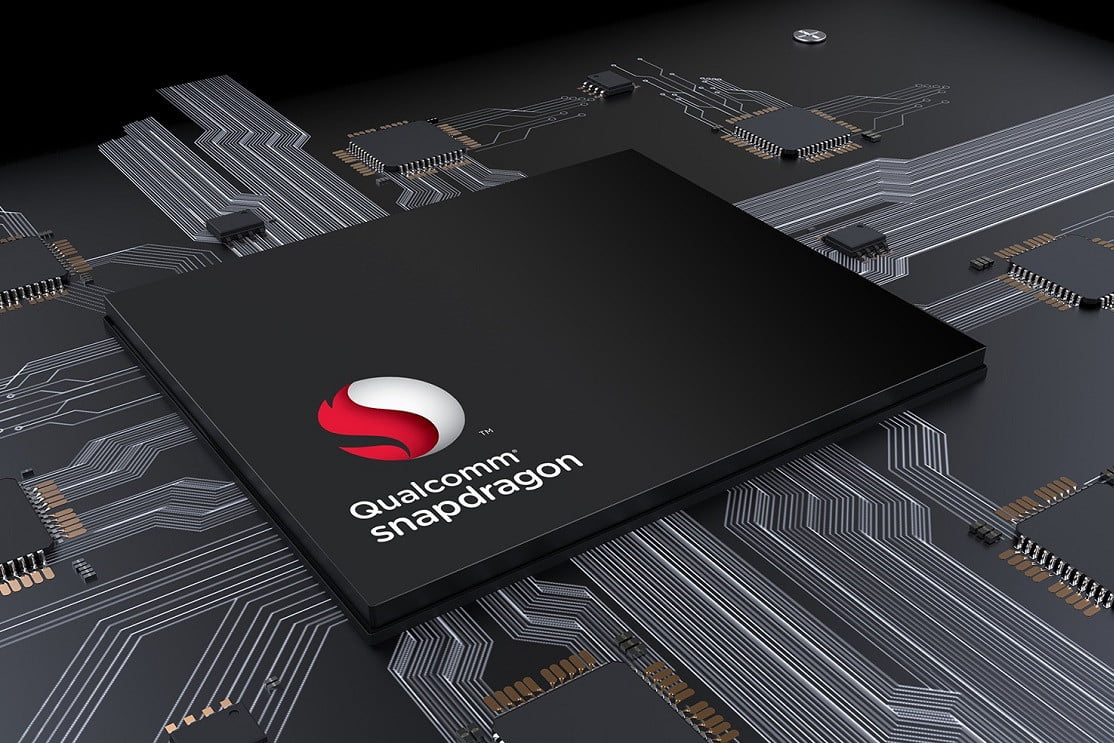
    Support for 5G networks is currently limited to a handful of flagship devices such as the Galaxy S10 5G, LG V50 ThinQ 5G, and Huawei Mate 20 X 5G. This situation is unlikely to change anytime soon, but in order to boost the adoption rate, Qualcomm is apparently developing a 5G-ready chip that’ll make its way into future mid-range smartphones.

    Dubbed the Snapdragon 735, the upcoming chip is expected to succeed the recently-announced Snapdragon 730. Like Qualcomm’s flagship processors, this new one will reportedly be manufactured on the 7-nanometer manufacturing process. Concrete details about this are yet to be revealed, but compared to the older Snapdragon 710 it should result in a performance boost of up to 20% and an increase of 50% in terms of efficiency. Additionally, efficiency gains of up to 20% are to be expected over the Snapdragon 730.

    As mentioned above, the Snapdragon 735 will introduce support for 5G networks. But rather than utilizing the separate Snapdragon X50 modem found inside the Galaxy S10 5G, the Snapdragon 735 will apparently use an integrated 5G modem. This should result in thinner and lighter 5G smartphones. It should also reduce the overall cost associated with the technology.

    Moving on to some of the more technical details, the included CPU will boast an octa-core 1+1+6 setup. This will include six efficiency cores clocked at 1.6GHz, a slightly faster one at 2.4GHz, and a high-performance core clocked at 2.9GHz. There will also be an upgraded GPU in the form of the Adreno 620.

    Lastly, the Snapdragon 735 should allow manufacturers to build mid-range smartphones with as much as 12GB of RAM. Additionally, the chip will support 21:9 displays with 3360x1440p resolutions, 4K video recording at 60FPS, and a dedicated NPU that’ll help with AI features.

    The Qualcomm Snapdragon 735 is expected to arrive during the final quarter of this year, perhaps alongside the flagship Snapdragon 865. In terms of a release, the first Snapdragon 735-powered devices should arrive during the first half of 2020.

  • Huawei continues to close in on Samsung with impressive Sales Results

    Huawei continues to close in on Samsung with impressive Sales Results

    2018 has been something of a roller coaster for Huawei, the highly controversial telecommunications equipment vendor that also somehow managed to beat Apple for second place in global smartphone shipments for two consecutive quarters. Ultimately, the China-based tech giant ranked third overall in the mobile device market last year, selling however a colossal 206 million units or so around the world, up from “only” 153 million in 2017.

    While market research firms like Strategy Analytics and the International Data Corporation (IDC) are not yet ready to release their full Q1 2019 reports, Huawei has just confirmed another impressive new set of numbers that puts the company on track to substantially narrowing the gap to Samsung by the end of the year and possibly reaching its most ambitious goal yet in 2020.

    No less than 59 million Huawei smartphones were shipped between January and March 2019 worldwide, up a staggering 50 percent or so from the 39 million third-party estimate of Q1 2018. That should be enough to open a big gap between the Chinese company and Apple, since only around 52 million iPhones were sold globally during Q1 2018, a number most analysts expect to take a bit of a plunge when 2019’s first-quarter reports start rolling in.

    It will then be pretty much impossible for Apple to catch up to the market’s silver medalist, as iPhone shipments may need a couple more quarters to start recovering, while Huawei’s figures are expected to continue growing. In total, Huawei could sell anywhere between 250 and 260 million units in 2019, which probably won’t be enough to secure the company first place over Samsung, but it might hint at a new leader next year.

    Until then, we should point out Huawei’s substantial boost in Q1 smartphone volumes crucially contributed to overall revenues of close to $27 billion, representing a 39 percent year-on-year jump. Incredibly enough, the company reported massive growth for its carrier and enterprise business departments, as well as the consumer electronics group, expecting all three divisions to post double digit increases in revenue throughout 2019. That means both smartphone and 5G equipment sales are going well, despite strong opposition from the US government.

  • Apple had a Plan to end Qualcomm’s licensing policies

    Apple had a Plan to end Qualcomm’s licensing policies

    When Apple agreed to use only Qualcomm’s modem chips for the iPhone, it worked out an annual $1 billion “incentive fee” that it would receive from the chip maker. But there was an important condition. If Apple decided to use a second modem chip supplier, it would have to pay Qualcomm back the “incentive fees” it received. Apple then attended a hearing held by the South Korea Fair Trade Commission and spoke out against Qualcomm’s chip licensing practices. As a result, the $1 billion checks stopped. At the same time, Qualcomm learned that Apple was planning on using Qualcomm and Intel modem chips for the iPhone 7.

    In January 2017, Apple sued Qualcomm over the $1 billion checks it was no longer receiving, setting off a chain reaction of lawsuits filed by both sides against each other. But that is all water under the bridge following the settlement that both companies agreed to last week. All lawsuits are dropped, and Apple will pay Qualcomm an undisclosed amount. Apple now has a six-year licensing agreement with Qualcomm and a multi-year pact that will guarantee it modem chips from the San Diego based chip maker. According to one analyst, Apple could be paying Qualcomm as much as $9 per iPhone for the component.

    During the two years before the settlement, Apple publicly derided the quality of Qualcomm’s modem chips while in private it called them “the best.” These complementary comments were made by Apple executives in memos that also praised Qualcomm’s “unique patent share” and “significant (intellectual property) holdings.” The memos were obtained by Qualcomm during the discovery process. That is when both parties in a lawsuit hand over evidence to each other before a trial starts.

    Apple called Qualcomm’s chips worthless in arguments it made to lawmakers, regulators, judges, and juries while privately raving about the company’s components. This has many wondering how deeply Apple believed what it was saying when it tried to get courts to change the methods that Qualcomm uses to sell its chips. Apple’s true feelings about Qualcomm might explain why it might be paying Qualcomm as much as $9 per iPhone for its chips.

    Previously, Apple derided Qualcomm’s royalty deals that force phone manufacturers to pay a percentage of the retail price of each phone sold. In fact, just before the settlement was announced, Apple and Qualcomm were squaring off in a San Diego courtroom with billions of dollars in play. On Tuesday, during his opening statements, Apple’s attorney (Ruffin Cordell from Fish & Richardson) was trying to prove that the iPhone didn’t rely on Qualcomm’s component. He did this by pointing out that an iPhone can function using a Wi-Fi connection. And Apple has wondered in the past why Qualcomm should receive royalties for parts of a phone that it has nothing to do with.

    Apple’s attorney also pointed out Tuesday that licensing deals Apple made with Ericsson and Huawei were for twice the number of patents that Apple licensed from Qualcomm, but for a small percentage of what Apple was paying the chip supplier. However, an internal Apple document later obtained by Qualcomm showed that Apple licensed less expensive patents on purpose in order to create evidence that showed how much more Qualcomm was seeking to license its patents.-

    “While it’s very common for companies who are engaged in legal disputes to play hardball, the disclosure of these documents is very unsettling. It potentially reveals that Apple was engaging in a bad faith argument both in front of antitrust enforcers as well as the legal courts about the actual value and nature of Qualcomm’s patented innovation.”-Adam Mossoff, law professor at George Mason University, director of the Center for the Protection of Intellectual Property

    Documents received by Qualcomm during discovery revealed that Apple had planned on suing Qualcomm as far back as 2014; the tech giant decided to wait so it could continue to collect the billion-dollar payments from the chip maker. One document, produced by Apple six months before it lobbed the first salvo in their court battles, revealed Apple’s game plan to reduce the amount of the royalties it was paying to Qualcomm. Apple would “hurt Qualcomm financially,” and “put Qualcomm’s licensing model at risk.”

    Qualcomm’s licensing model is at risk, but not necessarily because of Apple. Earlier this year the Federal Trade Commission and Qualcomm squared off in a non-jury trial held before Judge Lucy Koh. Apple did have some executives testify against Qualcomm’s licensing practices, but other phone manufacturers did so as well. If Judge Koh, who presided over the Apple v. Samsung patent trial, rules in favor of the FTC, Qualcomm might have to change the way it sells its chips.

  • Microsoft to bring its best car racing game to Phones

    Microsoft to bring its best car racing game to Phones

    Microsoft has just announced that its best car racing franchise will make its debut on mobile later this year. The game is called Forza Street and seems to be part of Microsoft’s best-selling racing franchise, and, more importantly, will be free-to-play.

    As a matter of fact, Microsoft confirmed Forza Street is now available as a free-to-play title for Windows 10 users, so if you don’t want to wait for the mobile version, you can start playing right away after you download it from the Microsoft Store.

    Forza Street takes players to the streets of Miami where they can enter the ultimate street racing scene to win the car collection of their dreams. Simply pick an event, choose your car, and race for fame.The game allows players to collect and upgrade iconic cars, from classic to modern sport and retro supercars. Microsoft promises “streamlined controls,” but the best thing about Forza Street is that you’ll be able to race anytime, anywhere, assuming you have an Internet connection. You can even squeeze in a quick one-minute race while waiting for your bus, or get immersed in an endless story with multiple ways of achieving victory.

    It’s quite interesting to see Microsoft giving a damn about mobile gaming, not to mention that the Forza series includes some of the best arcade racing games of all time. Hopefully, Forza Street will follow in the footsteps of its predecessors – Forza Motorsport and Forza Horizon, and provide an immersive car racing experience.

  • Apple may be prepping to make your iPad a “Sidescreen”

    Apple may be prepping to make your iPad a “Sidescreen”

    Apple loves to talk about the displays it has in its devices, be it the color gamut, refresh rate, lamination to minimize the space between the glass and display tech, etc. Apple is very proud of its displays, no doubt about it. Apple has also been working to integrate iOS devices with Macs a bit more with features like Handoff. Now, Apple is rumored to be bringing a new interesting feature for those with iPads and Macs.

    According to new reports, Apple is working on a new feature codenamed “Sidecar” which will allow Mac users to set up their iPad as a second display to extend their desktop. The feature is said to be coming in Mac 10.15, although it may also need iOS 13 on your iPad to work properly. The option will be triggered via the Mac by hovering over the green “maximize” button on a Mac window. The benefit is pretty easy to see: what’s on your Mac screen will be duplicated on your iPad allowing you to use the touchscreen to manipulate and annotate as needed.

    The details will be made more clear at WWDC in June, but there are some questions that need answering in terms of this Sidecar feature. First of all is whether it will be wireless or not. It seems likely that Apple would want it to be wireless and not need to worry about a USB cable, but at the same time Apple is very fond of its dongle business. Also, it doesn’t sound like this will be a way to extend your Mac desktop like a second display could be. It sounds more like a mirroring feature, but being able to extend a desktop onto an iPad would be pretty nice too.

    Lastly, there’s the question about what will happen to the current solutions that offer similar capabilities, like Luna Display. Apple has a history of duplicating features that users got from apps, and the fate of those apps is usually not too good.

  • iPhone XE might be the true compact Apple phone

    iPhone XE might be the true compact Apple phone

    The iPhone SE was originally launched over three years ago, and officially discontinued in 2018. With its 4-inch display, the SE was a tiny offshoot in a world of ever-increasing screen sizes. And even though it struck success on its own terms—perhaps relative to the size of its footprint, but success nonetheless—the iPhone SE never got a second chance.

    Rumors about a successor to Apple’s tiny iPhone have been floating around basically since the first model came out. Alleged factory drawings, screen protectors, and even cases from a major brand were leaked online, all suggesting that the launch of the iPhone SE 2 was just around the bend. Unfortunately for people who wanted a smaller phone, the bend came and went and there was no sign of the SE 2. In fact, it seemed, Apple had no intentions of reiterating the concept of an ultra-compact phone with high-end specs.

    There’s a new light of hope, however, as a new report claims that Apple is actually working on a spiritual successor to the SE, dubbed the iPhone XE. The publication claims that it has a source “closely associated with Foxconn’s manufacturing facility in India,” where it’s getting the information from.

    According to said source, the iPhone XE will feature an iPhone XS-style design with a 4.8-inch OLED display, topped of with a notch. It will also have Face ID, just like its larger brethren, but no glass back. Instead, the XE will reportedly sport an aluminum back (just like in the good ol’ days), which means no wireless charging.

    PC Tablet’s source further claims that the new ultra-compact iPhone model will sport a single main camera, equipped with a 12MP sensor and an f/1.8 lens. As far as internals go, the report says that the iPhone XE will be powered by Apple’s A12 Bionic chip, but provides no other details.

    Another interesting tidbit is that the report claims that the new iPhone model will be made made in India, at a manufacturing facility of Apple’s manufacturing partner, Wistron. Though we haven’t been able to confirm all the claims made in this report, the fact that it comes from an Indian publication, combined with the claim that the information is coming from a source in Foxconn’s manufacturing facility in India, as well as the plethora of rumors that Apple is considering to start flagship production in India, give some credibility to the report.

    If the iPhone XE is, indeed, a real project that’s slated for release later this year, then we should hear a lot more about it in the coming weeks and months. Until then, are you excited at the premise of a much smaller iPhone model, or are you just fine with what’s currently on offer? Tell us in the comments below!

  • The Apple-Qualcomm deal instantly kills 5G competitor

    The Apple-Qualcomm deal instantly kills 5G competitor

    As we heard earlier today, the Apple-Qualcomm battle has ended. With those two companies making up, there were likely to be repercussions around the mobile world, but we didn’t really expect the fallout to come so quickly. With Apple and Qualcomm striking a deal, Intel has announced that it will be quitting the mobile game.

    Or at least, Intel said it will be exiting the smartphone 5G modem business. Intel put out a press release saying that it would continue to support its 4G modems, but it was cancelling its plans for 5G modems for smartphones, which were originally scheduled to be ready in 2020. Intel said it would still be investing in 5G infrastructure and making 5G modems for laptops and Internet of Things devices.

    Intel didn’t mention Apple or Qualcomm in the press release, but the timing of the announcement is almost certainly no coincidence. Part of Apple’s settlement with Qualcomm was to sign a new exclusive six-year deal for iOS devices to use Qualcomm modems. Intel might have been able to keep going with Android devices, but losing the Apple money seems to have been too much.

    While the Apple-Qualcomm deal wouldn’t have impacted Intel’s efforts in mobile processors, we can’t say we weren’t hoping a bit that Intel would give up on that business too. Intel’s mobile processors in smartphones have been pretty bad, but to be fair their tablet efforts have gotten (somewhat) better. Still Intel has a long way to go before it’s considered a major player in mobile.

  • Could Samsung Internet actually be killing Chrome on mobile?

    Could Samsung Internet actually be killing Chrome on mobile?

    Chrome is the most popular Internet browser in the world. It’s cross-platform, it syncs effortlessly across devices, it’s fast and capable, and it comes with every Android handset, ready to rock. It’s so widely preferred by users that Android manufacturers kind of gave up on developing their own browsers and just release their phones with nothing but Chrome.

    Well, most of them.

    Through the years, Samsung has persisted and kept developing its Samsung Internet browser — an app that was once a laggy mess — and has managed to make a fast, powerful browser that supports a lot of useful plugins and works in unison with other elements across the One UI interface.

    We thought we’d ask you — do you prefer Samsung Internet over Chrome? And it turns out the result is almost 50/50! Not only that, some people report that they are on another Android phone, but make it a point to go to the Play Store and download the Samsung Internet browser.

  • iPad Pro and a car, you should be looking into the Apple Pencil 2

    iPad Pro and a car, you should be looking into the Apple Pencil 2

    Apart from being pretty expensive, at $129, we really couldn’t find anything wrong with the second-generation Apple Pencil shortly after the upgraded writing accessory was unveiled alongside a new iPad Pro duo last fall. But that’s only because we didn’t think to test the functionality of the Apple Pencil 2 around a car’s keyless entry solution. Wait, what?

    We know you may have trouble believing this, but while Amazon is testing delivery by self-driving robots and Elon Musk wants to send humans to Mars, Apple seems to have recently added a note to its support webpages highlighting some decidedly weird signal interference issues between the company’s newest Apple Pencil and car key fobs.

    Although this is a very specific problem a small number of users is likely to sporadically encounter in a particular situation, it still shouldn’t happen in 2019. Basically, the wireless charging capabilities of the Apple Pencil 2 can interfere with the signal sent from a car’s keyless entry device to your automobile, making it impossible to unlock your car without a key.

    Fortunately, there’s an easy workaround you can employ whenever the aforementioned issue might crop up, as storing the Apple Pencil separately from your iPad Pro should eliminate the bizarre signal interference. You could also try to put some distance between the iPad Pro used to juice up the refreshed Apple Pencil and your key fob, although Apple’s support documents do not specify how far you need to keep the two away from each other to stop this abnormal behavior from happening.

    On the bright side, the very root of the problem appears to be connected to the charging functionality of the Apple Pencil 2, so storing the stylus while fully charged alongside a 2018 iPad Pro should not interfere with car key fob signals in any way. Bottom line, this really doesn’t sound like a big deal and something tells us Apple isn’t going to bother trying to fix the glitch. But it’s still a curious thing we never expected to hear about in this day and age.