Category: Electronics

Retail News Asia is committed to providing both local and global retailers with the latest Electronics news throughout the Asian market. This on a daily base.

  • The Motorola One Vision Will be Announced Soon

    The Motorola One Vision Will be Announced Soon

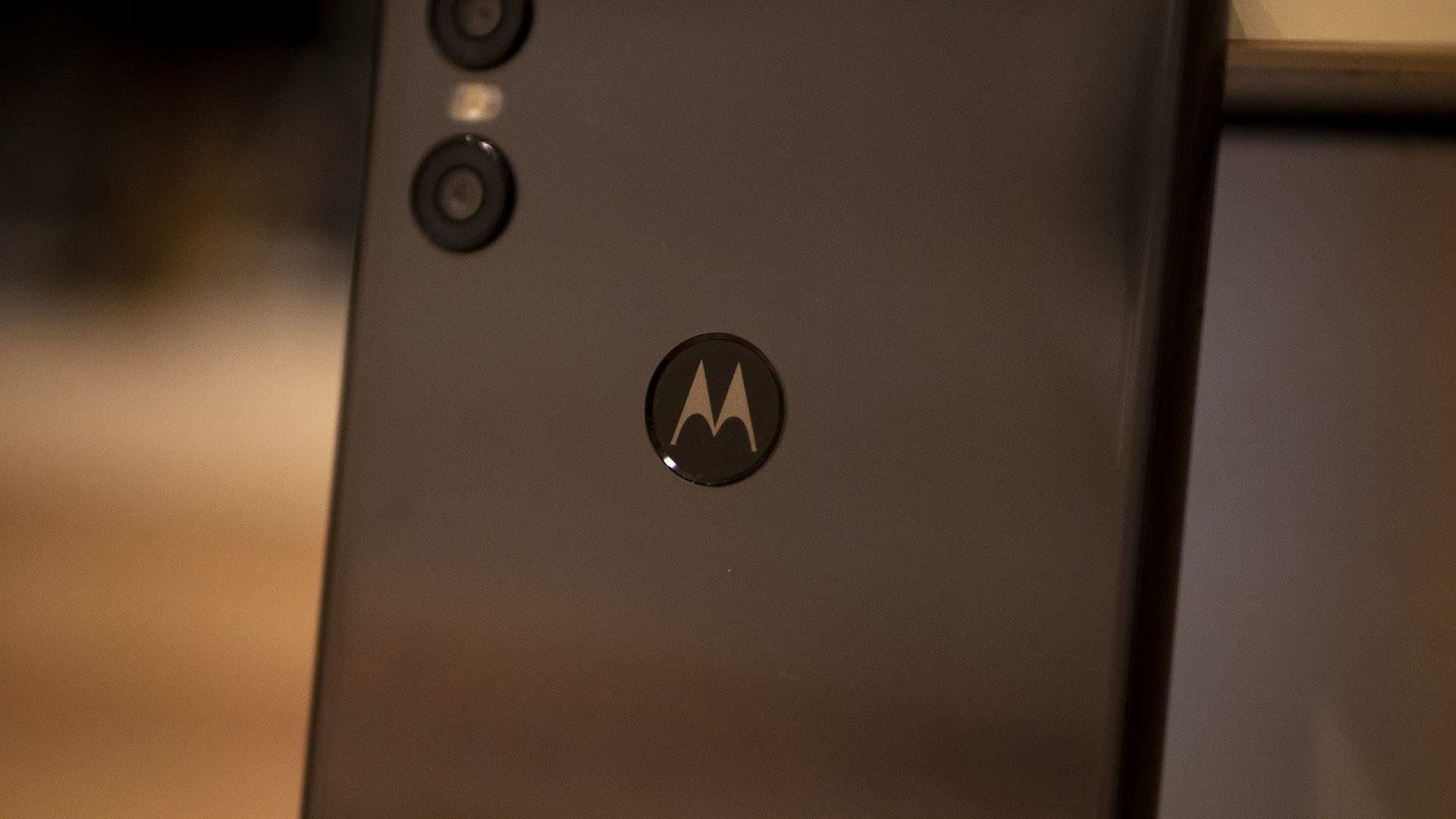
    Motorola has released a total of three Android One smartphones since 2017 – the Motorola One, One Power, and Moto X4 – but soon this list could expand with the launch of the Motorola One Vision.According to one Twitter user with a seemingly solid track record, the Motorola One Vision will make its official debut at an event held in São Paulo, Brazil on May 15th. To further back up his claim, an official-looking invite to the event was provided.

    Brazil isn’t typically the first place manufacturers head to for device announcements, but for Motorola it’s nothing out of the ordinary. Since mid-2014, the Chicago-based brand has been the second-largest smartphone vendor in Brazil behind Samsung. Most of this success is down to the budget Moto G and Moto E lineups, but from the look of things Motorola now wants to increase its sales in the mid-range segment.

    As specified by recent leaks, the Motorola One Vision should arrive equipped with a large 6.2-inch display that boasts a tall 21:9 aspect ratio and a small cut out in the top corner. It’s unclear at the moment what kind of selfie camera the latter will house, but rumor has it the smartphone will come equipped with a 48-megapixel sensor on the rear that’ll be paired with a dedicated depth sensor.

    On the internal side of things, the One Vision looks set to be Motorola’s first smartphone with a Samsung processor in side. Specifically, the Exynos 9610 that was recently used inside the Galaxy A50 was rumored. Performance-wise, this should be on par with the Snapdragon 660.

    Also to be expected is stock Android 9 Pie and a decent 3,500mAh battery. Additionally, 3GB of RAM and 32GB of storage are expected, although variants with 4GB of RAM and either 64GB or 128GB are said to be on the way too.

    Lastly, regarding the pricing and availability, the Motorola One Vision will apparently be sold in both Blue and Gold and could potentially be sold in the US in addition to Europe, Latin America, and China. The smartphone’s pricing currently remains a mystery, but this device could potentially replace the original Motorola One which means a $399 price tag seems likely.

  • The OnePlus 7 Pro in Nebula Blue and Mirror Grey

    The OnePlus 7 Pro in Nebula Blue and Mirror Grey

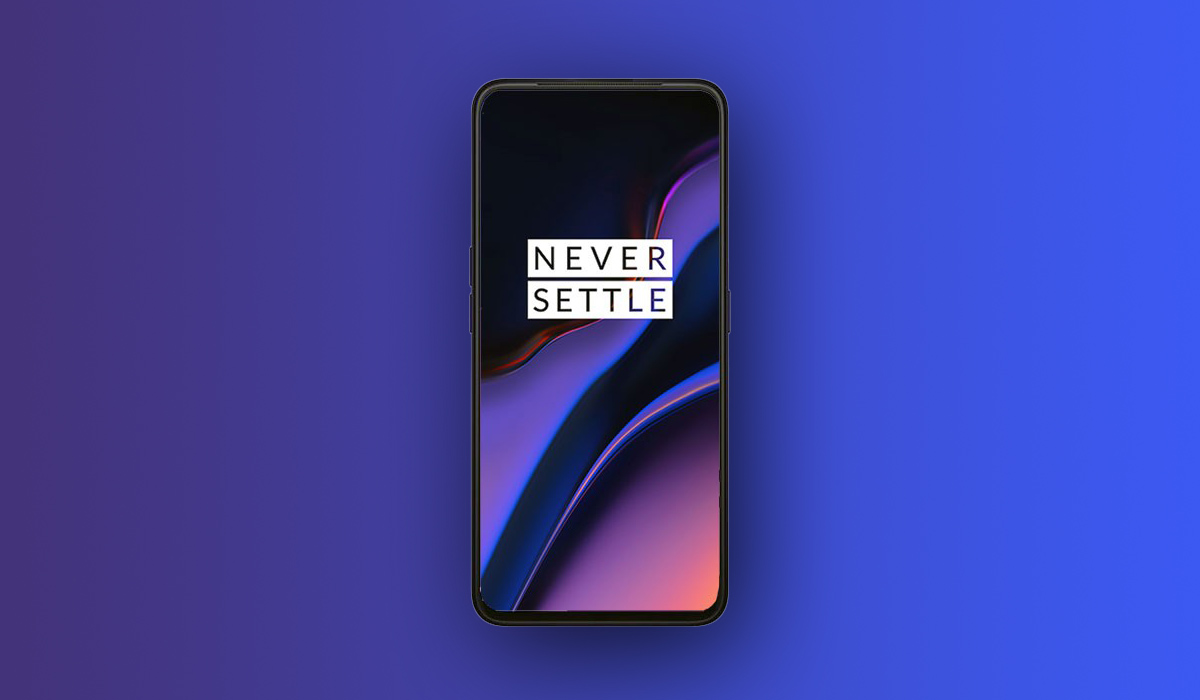
    Hours after OnePlus teased its 2019 flagship’s camera with a cover story shoot for Harper’s Bazaar India, official OnePlus 7 Pro press renders have leaked out online showing the triple-camera setup that was used and the rest of the phone’s sleek design.

    First published by the folks over at WinFuture and followed shortly after by unwatermarked versions courtesy of Ishan Agarwal, the press renders revealed today essentially confirm all other leaks and rumors.

    The OnePlus 7 Pro, as mentioned above, carries a new triple-camera setup on the rear which is aligned vertically and sits just above the dual-tone LED flash and the OnePlus logo. Regarding the actual sensors, rumor has it the flagship will sport a 48-megapixel primary camera that supports a wide f/1.6 aperture for improved low-light photography. Additionally, both OIS (optical image stabilization) and EIS (electronic image stabilization) are said to be present.

    Joining this primary snapper should be a new 16-megapixel super-wide-angle camera, similar to the one found on recent Samsung and LG flagships. Also present will be an 8-megapixel telephoto alternative which supports 3x optical zoom, as confirmed by OnePlus recently.

    Corroborated by today’s renders is the fact that the rear panel of the OnePlus 7 Pro will be carved out of a single slab of glass. In terms of colors, the renders that have leaked show the Mirror Grey and gradient Nebula Blue finishes, although a third brown option is rumored.

    Over on the front of OnePlus’ next flagship sits a huge 6.7-inch display that sports a 19.5:9 aspect ratio and a 3120 x 1440p (QHD+) resolution. This is paired with an extremely thin chin, almost no upper bezel, and virtually unnoticeable side bezels, the latter of which is party due to the display’s curved edges.

    Such a high screen-to-body ratio essentially results in the smartphone of many people’s dreams. However, it does come with one major drawback; there’s no room for the front-facing camera. Fortunately, OnePlus has a solution for this. Rather than removing the sensor entirely, the Chinese brand has chosen to equip the OnePlus 7 Pro with a small pop-out module on top. This isn’t visible in today’s renders but it’s rumored to house a 16-megapixel selfie snapper.

    Circling back to the OnePlus 7 Pro’s display, as confirmed recently it supports refresh rates of up to 90Hz. Depending on the content that is being shown, the display will automatically adjust the refresh rate to what it deems necessary, essentially improving the overall user experience while minimizing the impact on battery life. OnePlus is calling this technology Fluid AMOLED and it’ll be paired with an in-screen fingerprint scanner.

    Like most 2019 flagship smartphones, the OnePlus 7 Pro will arrive powered by Qualcomm’s Snapdragon 855 which will be paired with 6GB of RAM and 128GB of storage as standard. However, if this isn’t enough, variants with 8GB of RAM and double the storage will also be available in addition to a 12GB of RAM model.

    Unsurprisingly, the flagship will ship with Android 9 Pie and the latest version of Oxygen OS straight out of the box. It’ll also include a 4,000mAh battery and support OnePlus’ 30W fast charging technology. Those interested will be able to purchase a version with 5G support too, although this will be limited to certain markets.

    Speaking of availability, the 4G version of the OnePlus 7 Pro 4G should be available in all markets where OnePlus currently operates shortly after its announcement on May 14th. Additionally, T-Mobile is expected to carry the device in the US. Regarding its pricing, the 6/128GB variant is expected to start at $699/€699 while a recent leakpointed towards a $749/€749 for the 8/256GB model. Lastly, the 12/256GB offering is expected to cost $819/€819.

  • Samsung Galaxy Note 10 Going back to a Curvy Display

    Samsung Galaxy Note 10 Going back to a Curvy Display

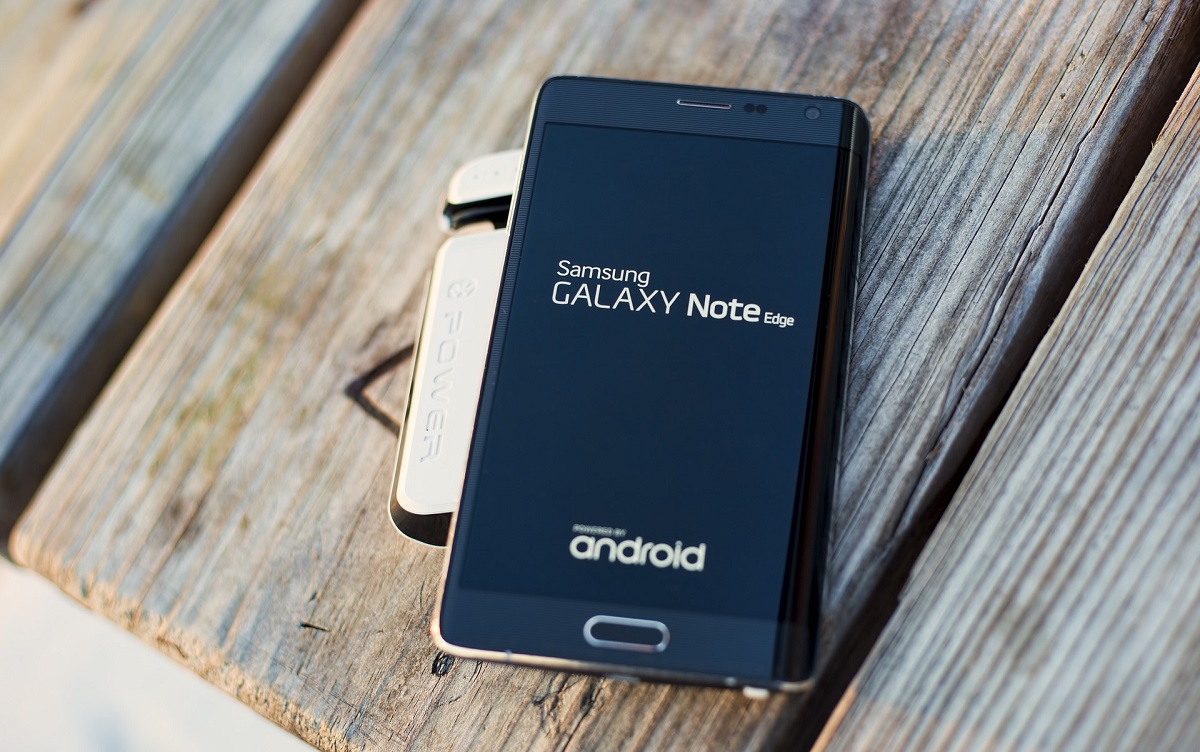
    Ever since the debut of the Galaxy Note Edge, curved displays have been a trademark of Samsung flagship phones. And although in recent years the company seemed to be moving away from the extreme slanted edges of the aforementioned model and some of its successors, the upcoming Galaxy Note 10 may actually draw inspiration from Samsung’s older designs.

    The Samsung Galaxy Note 9 and Galaxy S10 and S10+ have very subtly curved displays that serve mostly to accentuate the extremely thin side bezels and as an excuse for the Edge Screen to exist. With the initial “wow” factor of the curved design gone, it made sense for Samsung to dial back the exaggerated contours in favor of a more restrained look.

    All that said, according to resourceful leakster @UniverseIce, the Samsung Galaxy Note 10 may flaunt a “more aggressively curved display than the Note 7.” The unfortunate Galaxy Note 7 didn’t have an extremely curved screen, at least when compared to some older designs, so it would be interesting to see what the Samsung does with the Note 10. If the company is going back to displays with more pronounced curved edges, we’re hoping that it does so with a clear idea of how to enrich the user experience. When the Galaxy Note Edge launched, its slanted screen was certainly new and different from anything else on the market, but the company itself later proved that the functional aspects of the Edge display can be successfully replicated on more subtly curved designs.

    Another interesting remark that Ice Universe makes is that “more than one brand” will follow Samsung’s example and launch a device with a “more aggressively curved display.” This trend didn’t really take off in the past, but if the Note 10 does, indeed, do something very creative or convenient with this rumored design, then more companies may follow suit. We’ve been hearing rumors the OnePlus 7 may have a curved screen, though they are conflicting.

    Earlier this year, we envisioned what the Samsung Galaxy Note 10 may look like, based on rumors and preliminary information. We suggested that the Note 10 might have a hole-punch selfie camera, akin to that of the Galaxy S10+. However, Ice Universe later told us that he expects the Note 10 to have a smaller camera opening than the Galaxy S10. He didn’t specify whether that means a single front-facing camera or just a smaller opening for the two lenses.

    Last month, Ice Universe tweeted: “Da Vinci is symmetrical.” This may seem cryptic at first, but since the Galaxy Note 10 is codenamed Da Vinci, this could be a hint that the phone’s front-facing camera may be centered, rather than offset like on the Galaxy S10. Many people wanted the S10 models to have centered selfie-cameras—if only for symmetry’s sake—and this may actually happen with the Note 10.

    What do you make of all this? Do you miss the more rounded screen edges that some Samsung phones had in the past, or are you just fine with the more subtle designs of the past couple of generations? What about the screen camera punch-hole? Centered or offset to the right? Yes, we know, you’d rather it disappeared for good, but that’s not happening this year, apparently. Tell us what you think in the comments below!

  • Apple to open Beats Powerbeats Pro Orders

    Apple to open Beats Powerbeats Pro Orders

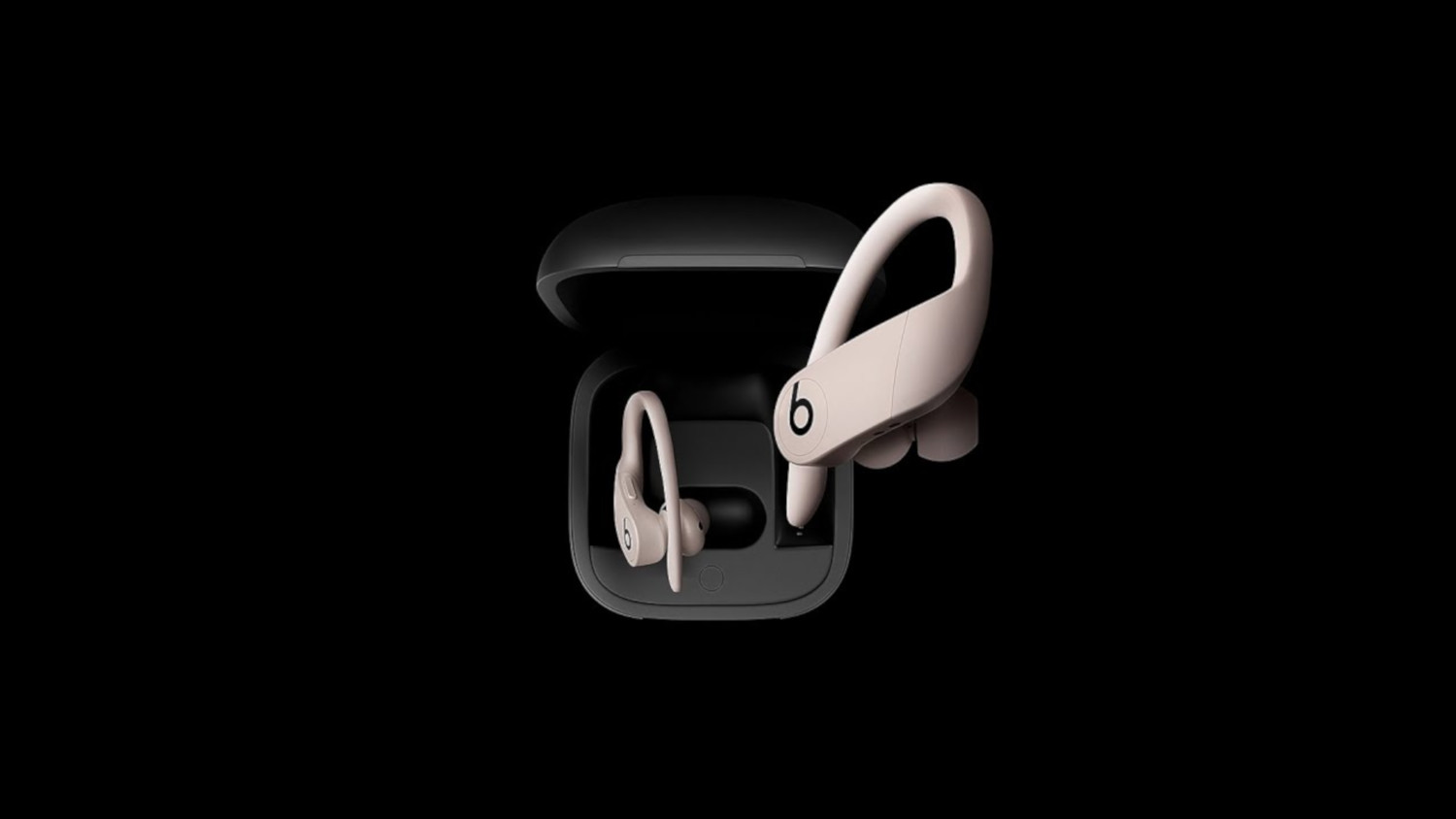
    Unveiled early this month, the Beats Powerbeats Pro earphones will make their debut on the market in May. However, Apple didn’t say when exactly customers will be able to purchase the earphones, but it did confirm they will be available for $250.

    The Powerbeats Pro will be up for pre-order in the United States and Canada starting May 3 for the price mentioned above. Also, those who want to wait get the earphones directly from the stores will be able to do so beginning May 10.

    Apple also announced that only the Powerbeats Pro in Black will be available for purchase in May, while the Ivory, Moss and Navy will go on sale “this summer.” Of course, price and specs remain the same for all color options.

    Speaking of specs, the Powerbeats Pro are equipped with the same Apple H1 chipset that comes inside the AirPods 2 and offers up to 9 hours of battery life (charge 5 minutes for up to 1.5 hours of battery life). They’re sweat and water resistant, and feature full “Hey Siri” support on iOS devices, as well as voice capability with the push of a button.

    The earphones come with charging case and a lightning to USB-A charging cable. You’ll also notice that the earphones feature volume and track controls on each earbud so you can play both sides on just one at a time.

  • The HTC Exodus 1 blockchain phone is getting a second generation

    The HTC Exodus 1 blockchain phone is getting a second generation

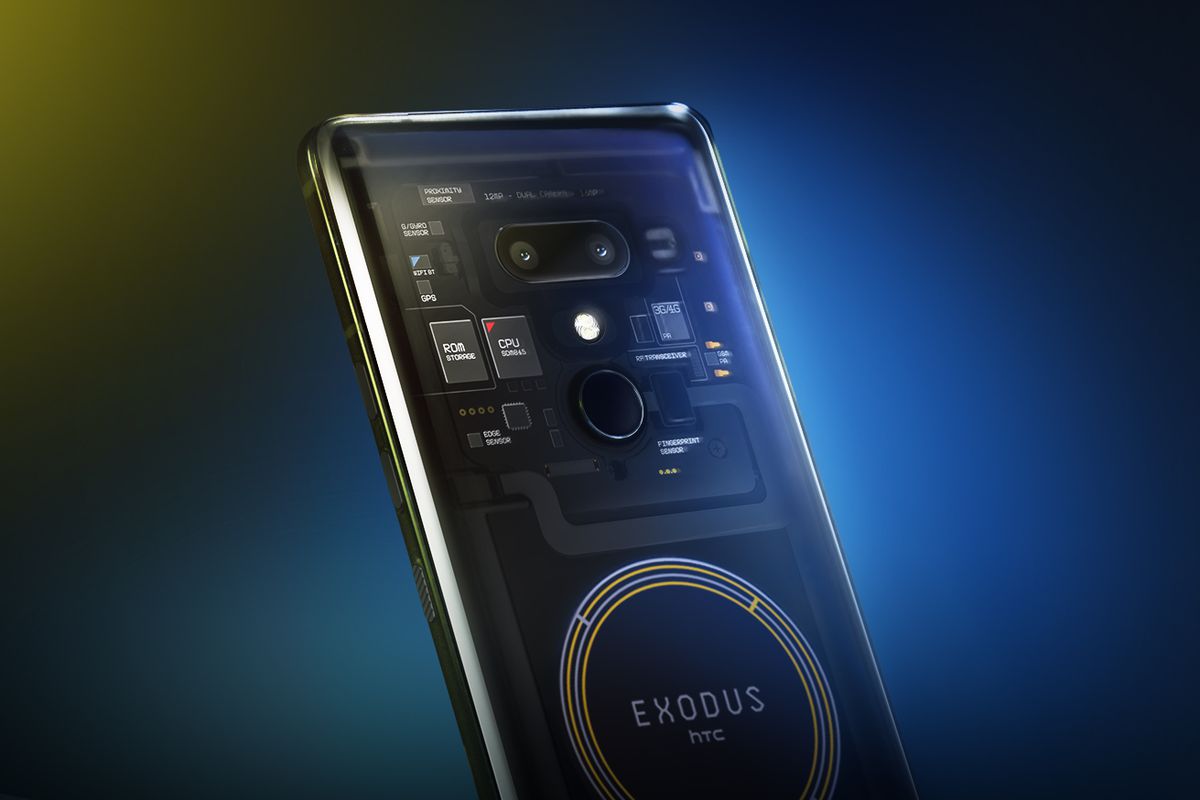
    If you don’t remember the HTC Exodus 1 don’t worry, you’re probably not alone. The $699 flagship-level device was announced last October and represents HTC’s first attempt at a so-called blockchain-powered smartphone.

    This unique focus undoubtedly limits the product’s appeal quite heavily. In fact, for the first few months the smartphone could only be purchased using cryptocurrencies. HTC, nevertheless, still seems pretty pleased with how it performed – the smartphone has already met the company’s sales target – and has now confirmed that a second-generation device is indeed on the way.

    According to the person leading HTC’s blockchain efforts, Chief Decentralized Officer Phil Chen, the Exodus 2 will be released before the end of 2019 in the hope of boosting both the brand’s blockchain ecosystem and smartphone sales. Specifics about the design or specs weren’t provided, but it seems likely that it’ll be based on the company’s next-gen flagship.

    Regarding features, the current-gen Exodus 1 focuses primarily on the management of cryptocurrencies and virtualized personal electronics wallets. But with the new phone, blockchain support will be extended to include other areas such as browsing, messaging, and even social media.

  • Telephoto zoom cameras are Fantastic

    Telephoto zoom cameras are Fantastic

    But here’s the thing: all of these additional cameras are not necessarily better cameras. A monochrome secondary camera is more sensitive to light, but it shoots in black and white only. A wide-angle second cam has a wider field of view, but noticeably distorts images. And those tiny cameras for collecting depth information, well, we’re not even sure if they do anything.

    Telephoto lens cameras – the kind that Apple popularized with the iPhone 7 Plus – can be useful in many cases, but they aren’t perfect either. Here’s why.

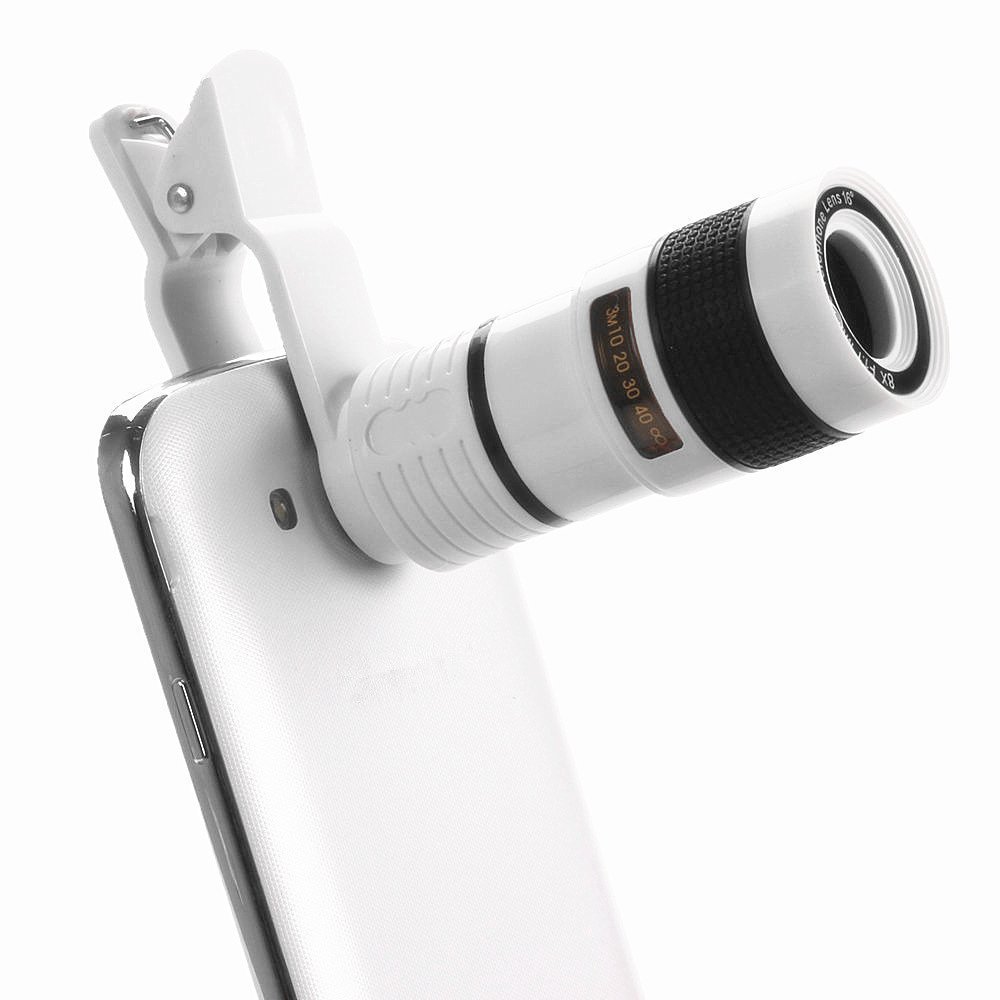
    Telephoto cameras on smartphones are great at two things. One is that they let you zoom in on your subject without as much degradation in quality as digital zoom would otherwise introduce. We’ve seen phones with 2x zoom, 3x zoom, and even 5x telephoto zoom in the recently announced Huawei P30 Pro. Secondly, telephoto cameras have a narrower field of view, which makes them ideal for portraits – their optical properties introduce less lens distortion and allow for a narrower, thus less distracting background.

    In photography, lenses tend to fall under two general categories: zoom lenses and prime lenses. Zoom lenses have an actual lens element that physically moves to magnify your subject. This is called optical zoom. In contrast, prime lenses are fixed and can’t zoom optically. Practically all cameras in modern smartphones, including telephoto ones, use prime lenses since they’re smaller and easier to make. Yes, you do get actual zoom with your phone’s telephoto camera relatively to its main one, but only at a fixed point.

    What this means is that if your phone has a 2x zoom telephoto cam, photos shot at anything between 1x and 1.9x will be zoomed digitally, as if your phone didn’t have a telephoto camera at all. Only photos at 2x and beyond will take advantage of the phone’s telephoto lens. That’s better than nothing, of course, but it’s easy for an inexperienced user to wrongly assume that their phone’s telephoto hardware is of benefit every single time they zoom in. That’s not the case, sadly.

    In most cases, a bigger camera sensor is a better camera sensor. Its greater surface area lets it absorb more light, and having more light translates into better photos with more detail and less noise. But telephoto cameras on phones tend to use smaller image sensors – ones that pick up less light and are more susceptible to digital noise. They have to in order to achieve the level of magnification their telephoto lens is designed for without the camera module sticking out too much.

    Because of this, telephoto cameras rarely work in low-light situations. When the phone’s camera software detects that the light in the frame is insufficient, it will not use its telephoto cam for zooming. Instead, it will only do digital zoom with its main camera, and you might not even notice until you later take a closer look at your suspiciously fuzzy-looking photos.

    I remember how when I got to test the iPhone 7 Plus for the first time, I tried taking some artsy photos of rain droplets on a flower’s petals. I did 2x zoom, assuming that the telephoto lens would let me get a much more detailed shot. I was wrong.

    While a typical smartphone camera can focus on an object as close as 3 inches away from it, the telephoto cameras on all phones I’ve tested through the years have needed to be at least 1-2 feet away from anything to focus on it. If you’re too close and zoom in, your phone will simply do digital zoom with its main camera instead of using its telephoto lens. Again, your phone will give you no indication that you’re not zooming with the telephoto lens for the shot.

    The purpose of this brief article is to expose the fundamental flaws in phones’ telephoto cameras (and there’s more of them) – as I’m sure that knowing what they can and can’t do will make you a better photographer. Convincing anyone that there’s no point in having a telephoto lens was never my intention. On the contrary, I’m strongly in favor of phones having additional cameras – telephoto, wide-angle, whatever – as it’s one of the few realistic ways of improving a phone’s photographic potential without ruining its design and appearance.

    Still, I wish that the limitations of these lenses were made clearer to the user – in both the flashy ads we’re bombarded by and in the camera apps of our phones. But perhaps that could be just me. Anyway, let me know in the comments below if you learned something new.
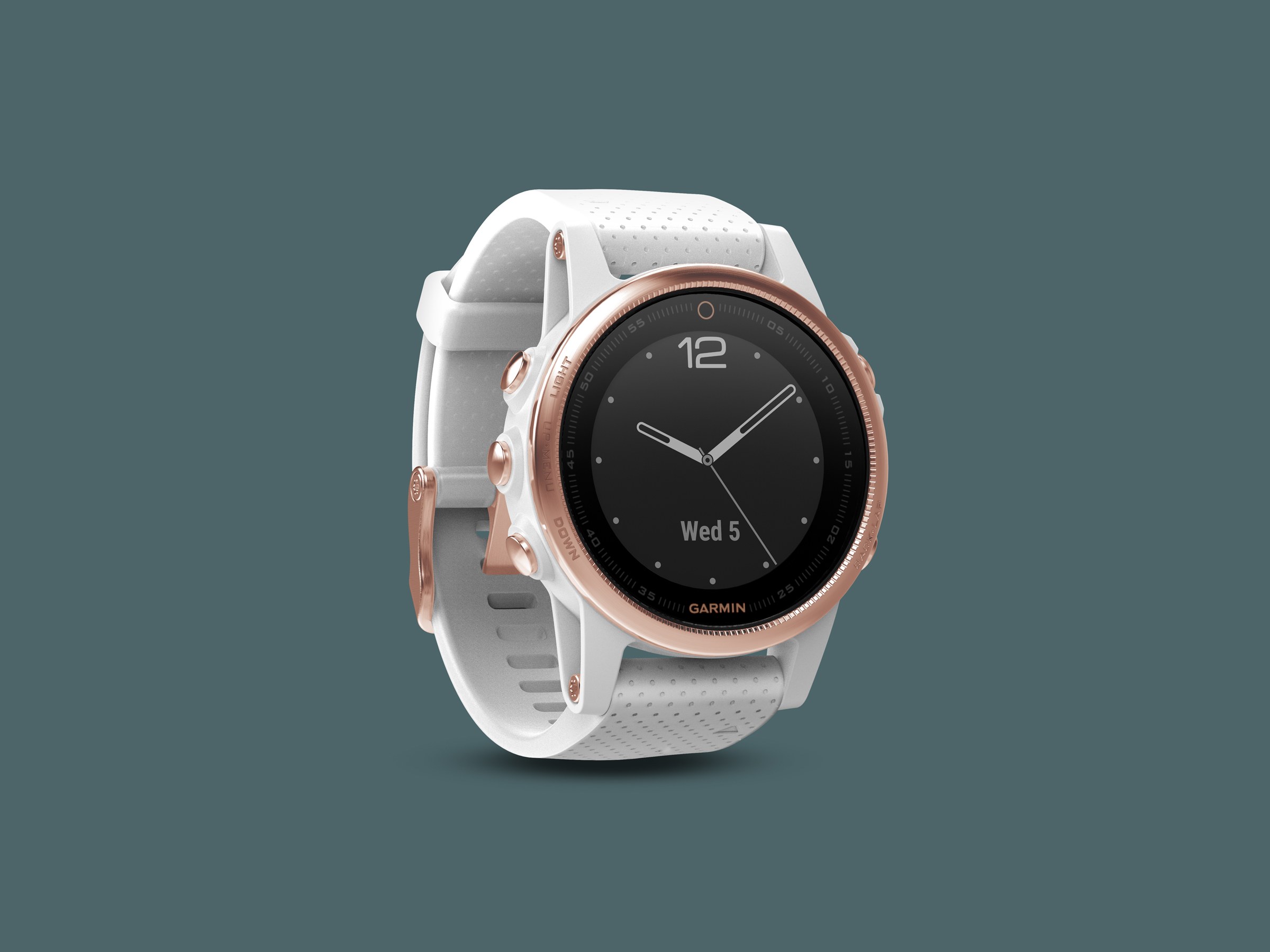
  • Garmin expands Forerunner line with five new GPS models

    Garmin expands Forerunner line with five new GPS models

    While Garmin makes all kinds of wearable devices, ranging from super-basic activity trackers to luxury smartwatches, its central focus remains on so-called GPS running watches, designed to take on the likes of the Fitbit Versa rather than the global market-leading Apple Watch family.

    But not all athletes have the same passion, drive, and needs, which is why Garmin is today vastly expanding the Forerunner lineup with five new models ranging in price from $199.99 to $599.99. These are joining the entry-level $100 Forerunner 25, mid-range $350 Forerunner 735XT, and a $450 Forerunner 645 Music that lets you store your favorite tunes directly on your wrist, as well as supporting contactless payments.

    Obviously, the newly unveiled Garmin Forerunner 45 and Forerunner 45S come with no such advanced features, although their built-in heart rate monitor and standalone GPS functionality are arguably enough to justify a $200 price tag. In case you’re wondering, the main difference between these two models is the smaller 39 mm case of the 45S (compared to a 42-milimeter “standard” Forerunner 45 variant).

    Not exactly the world’s most stylish wearable products, the Forerunner 45 series also comes with “chemically strengthened” glass, a silicone strap, relatively small display, top-notch water resistance, lengthy battery life (up to 7 days in “smartwatch mode”), and all the elementary fitness tracking features a casual runner would ever need.

    At $350, the Garmin Forerunner 245 Music adds the ability to hold up to 500 songs into the equation, as well as more “advanced features to help runners improve.” Basically, you can get personalized recommendations on smarter ways to train and recover after intense workouts, not to mention a larger and sharper screen, stronger Gorilla Glass 3 lens protection, and improved battery life in “GPS mode.” There’s also a non-Music Forerunner 245 version available in exchange for $299.99.

    Last but certainly not least, the $600 Garmin Forerunner 945 is purportedly “made for the driven, the qualifiers, and the elite”, holding up to 1,000 songs (with both Spotify and Deezer support), while aiming to take your training to the next level with all the state-of-the-art activity tracking technologies and sensors available today, from VO2 Max to Pulse Ox and a bunch of complex performance monitoring tools.

    The Forerunner 945 can keep the lights on for up to two weeks on a single charge with the GPS switched off, while supporting wrist payments and boasting an extra-robust body with Gorilla Glass DX protection.

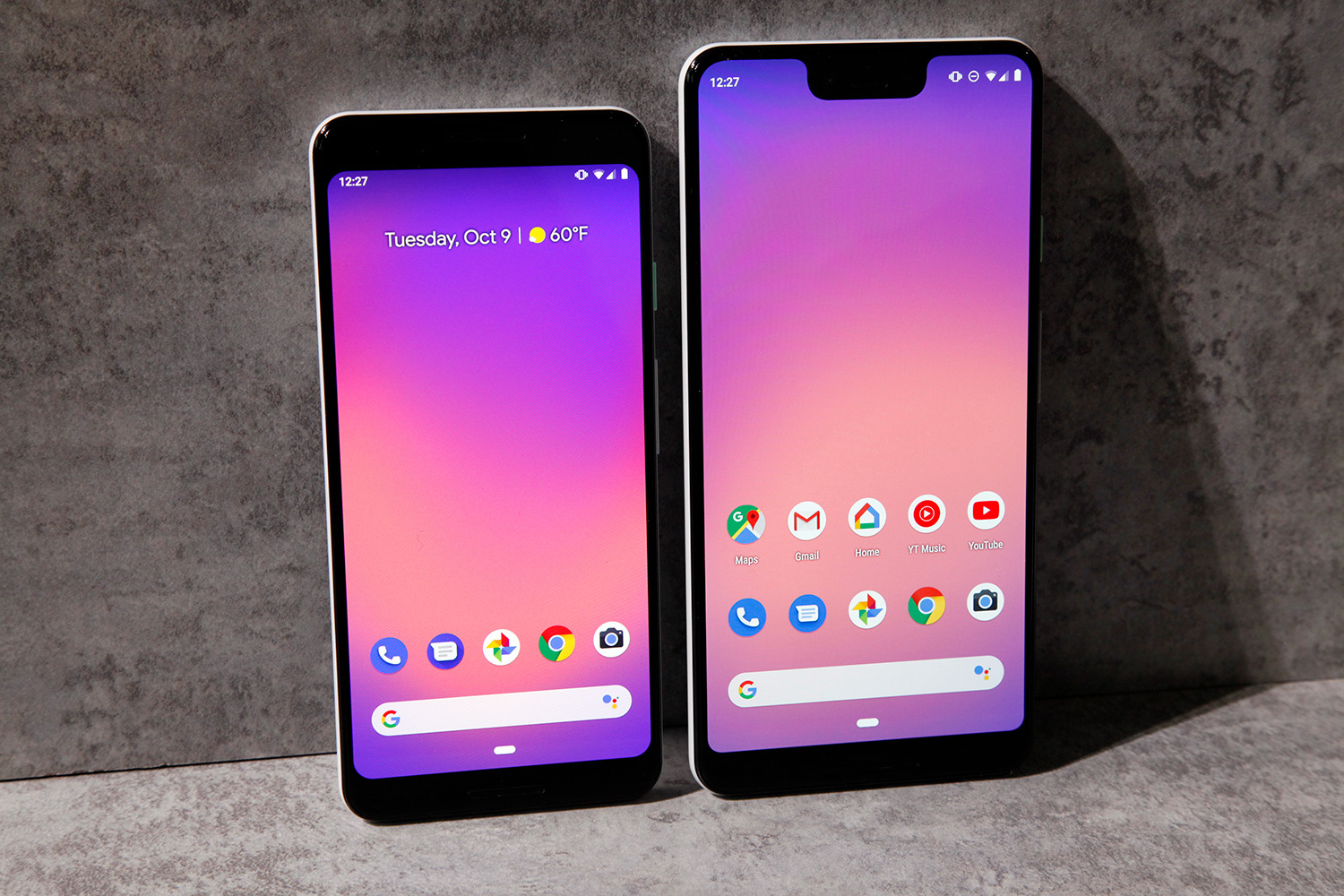
  • Google struggled to sell Pixel 3 smartphones

    Google struggled to sell Pixel 3 smartphones

    Apple, Samsung, LG, Sony, HTC… The list of smartphone manufacturers that have experienced a decline in sales at some point throughout the past year is already pretty long but today it grew by one.

    During Alphabet’s earnings call earlier today, the company’s Chief Financial Officer Ruth Porat revealed that Google experienced a year-on-year decline in Pixel smartphones sales during the first quarter of 2019. Specific numbers weren’t provided, but the negative results do appear to have dragged down the company’s hardware business as a whole.

    Regarding the cause of this drop, Google didn’t mention any concrete details but it did highlight the general “pressures in the premium smartphone industry” at the moment. Moreover, it noted the “heavy promotional activity” by competitors which have been struggling to keep sales up recently.

    Another factor that wasn’t mentioned but one that may have negatively affected Pixel 3 smartphone sales is design. Although Google’s smartphone cameras have once again received almost universal praise, the larger Pixel 3 XL has been heavily criticized since before it even launched due to the large notch and huge chin that it features.

    The Google Pixel 3 and Pixel 3 XL were also plagued with memory management issues, something that affected day-to-day use by prematurely closing apps running in the background.

    Despite the lack of Pixel sales, Google pointed out that it was pleased with the “momentum for Assistant-enabled home devices, particularly the Home Hub and Mini devices.” It also mentioned plans for hardware announcements on May 7th at Google I/O, essentially confirming the Pixel 3a’s debut at the event.

    The Google Pixel 3a and Pixel 3a XL, for those of you that don’t already know, are expected to represent Google’s first entries in the mid-range smartphone segment. Building upon the reputation of flagship Pixels, both Pixel 3a smartphones are expected to carry the same rear camera as the Pixel 3 and support software features such as Night Sight. But in order to keep costs down, a number of modifications have been made internally.

    Rather than utilizing Qualcomm’s flagship-level Snapdragon 845, the Pixel 3a duo is expected to include the Snapdragon 670 which will be paired with 4GB of RAM and either 32GB or 64GB of internal storage. This will then be accompanied by stock Android 9 Pie, eSIM support, Google’s dedicated Titan M security chip, and the Active Edge squeezable frame. The smartphones also look set to support 18W fast charging. Speaking of which, the 5.6-inch Pixel 3a will carry a 3,000mAh battery while the 6-inch Pixel 3a XL should feature a larger cell, although its capacity is yet to be specified.

    Pre-orders for the Google Pixel 3a and Pixel 3a XL are expected to commence immediately after their announcement at Google I/O next week. Regarding official pricing, US market details are yet to leak. However, previous information has pointed towards price points of $400/€450 for the Pixel 3a and $500/€550 for the Pixel 3a XL.

    In terms of availability, the devices were previously rumored to be Verizon exclusives. However, more recent reports suggest T-Mobile will also carry them. And for those of you out there that aren’t fans of carriers, the smartphones should be sold unlocked via the Google Store too.

    At the price points mentioned above, the Pixel 3a and Pixel 3a XL probably won’t become runaway successes. But with Google’s smartphone business currently struggling, a boost from the mid-range segment could be all it needs to get back on track.

  • Google Assistant brings its bedtime stories to Smartphones

    Google Assistant brings its bedtime stories to Smartphones

    One of the major Google Assistant features aimed at children, the ability to tell them stories, made its way to Google Home smart speakers about two years ago. Starting this weekend, the so-called Tell Me a Story feature, which is available in English, will be coming to Android and iOS phones in the US, UK, Canada, Australia and India.

    To activate the feature, simply say “Hey Google, tell me a story,” but you can also use the “Hey Google, tell me a bedtime story” if you want to get your kids ready for bed. Before you’ll be able to do that, make sure that you have the latest version of Google Play Books for Android or iOS installed.

    In addition to being able to listen to bedtime stories, families in the United States will be given access to a feature called read along, which is available on all Google Home smart speakers, including Home, Mini, Max, and Hub. Thanks to this feature, your bedtime stories will be more immersive since Google Assistant will add sound effects as you read select Disney Little Golden Books aloud, such as Coco, The Three Little Pigs, Alice in Wonderland, and many more.

    If you want to use read along, you’ll have to use a different command: “Hey Google, let’s read along.” You’ll also be able to ask Google Assistant to read an audiobook on Google Play by saying “Hey Google,” and you’ll hear a free sample if you don’t already own the audiobook.

    Keep in mind that audiobooks are available on Google Assistant in English in the US, Australia, Canada and Great Britain, in addition to German and Japanese.

  • Xiaomi India plans 10,000 New Stores

    Xiaomi India plans 10,000 New Stores

    Xiaomi India will open 10,000 outlets in a bid to lock down its dominance over Samsung in the territory.

    The Chinese-headquartered company also announced last week that it expects 50 per cent of its business to be generated by trading offline by the end of this year.

    “About two years ago, we realised that while we had a 50 per cent share in online sales, our offline presence was negligible,” said Xiaomi VP and MD Manu Jain. “That’s when we started our offline expansion.”

    The firm opened in India as an online-only brand about five years ago. Its new “Mi Studio” retail format will join Xiaomi’s more than 6000 existing outlets in other categories, including Mi Homes, Mi Preferred Partners and Mi Stores.

    The firm opened 500 outlets in one day in India last October.

    Xiaomi is already ahead of Samsung in smartphone sales, with a 28.9 per cent share as of December last year, compared with Samsung’s 18.7 per cent.

    “Mi Studios aim to offer premium brand experience in 50 top cities,” said Jain. “This format is an optimised version of Mi Homes replicating the same design and displaying modern, minimalist interiors.”

    Two of the new 400–600sqft Mi Studios outlets have already been set up in Bengaluru and Mumbai.

    Xiaomi has also recently entered the Romanian market with a new flagship Mi Store in Bucharest. The Mega Mall Bucharest outlet sells the full range of Xiaomi products, including smartphones, headsets, electric scooters, and home appliances.

  • Google launches its health-tracking app For Iphones

    Google launches its health-tracking app For Iphones

    Google Fit, the health-tracking app that made its debut on Android four years ago, has now been released on iOS. The app has gone through multiple overhauls since its launch back in 2014, but the last major update released last year made it extremely simply to use.

    Starting today, iOS users will be able to track their Heart Points and Move Minutes, the best way to build smarter, healthier habits throughout the day. Google Fit awards users so-called Move Minutes and Heart Points the more they move and the more intensely they move. Based on the scores, you’ll be closer to reach the recommended amount of weekly physical activity and reap the health benefits.

    It’s purely motivational, but very helpful if you’re trying to exercise but don’t find the courage to do it regularly. More importantly, Google Fit allows users to track their progress throughout the day using various apps.

    For example, app connected to Apple Health, such as Sleep Cycle, Nike Run Club and Headspace, can be synced with Google Fit to offer a more holistic view of your health. You’ll also be able to see how many Heart Points and Move Minutes you earn through other activities.

    Moreover, if own an Apple Watch as well, Google Fit will keep track of all your workout sessions too. Just don’t forget to check the app’s journal to see what you need to do to sleep better and get more active. You can download Google Fit for iOS right now via the App Store.

  • First 5G Apple iPad Pro won’t arrive Soon

    First 5G Apple iPad Pro won’t arrive Soon

    Most of the talk about Apple and 5G revolves around the iPhone. Now that the settlement with Qualcomm has apparently resulted in a multi-year deal that supplies Apple with 5G modem chips (neither side has discussed this officially), we can expect Apple to launch a 5G iPhone by next year. But what about the Apple iPad? After all, the Wi-Fi + Cellular version of the iOS-powered tablet can connect to a wireless carrier’s 4G LTE network.

    The answer to that question comes from TF International’s reliable Apple analyst Ming-Chi Kuo as cited by the Economic Daily News. According to his report, Kuo expects to see the first 5G iPad shipped no earlier than 2021. Meanwhile, the analyst says that two new iPad Pro models will be in mass production during the fourth quarter of this year to the first quarter of 2020. The units will have the same 11-inch and 12.9-inch screen sizes that the current model’s sport, but will not offer support for 5G connectivity.

    Besides adding 5G modem chips to the iPad Pro in 2021 or later, Kuo expects Apple to employ an LCP (liquid crystal polymer) soft board at the same time. This will reduce signal loss and improve networking performance. Kuo says that because the iPad Pro is used as a business productivity tool and for entertainment, the slate needs to offer better connectivity than the iPhone. The new soft board will allow Apple to attach the iPad Pro’s antennas to the motherboard, improving the user experience of the device. The report adds that Murata will be one of the companies supplying Apple with the LCP soft board. The firm already supplies soft boards to Apple for the iPhone.

    The most recent versions of the iPad Pro, launched late last year, featured a big change in the design of the tablet. Gone was the home button and Touch ID, replaced with a TrueDepth Camera and Face ID (which works regardless of how the tablet is being held). The bezels are thinner resulting in an edge-to-edge Liquid Retina (LCD) display. Using magnets, the second generation Apple Pencil can stick to the side of the tablet and charge up at the same time. Measuring only 5.9mm high, the latest iPad Pro models are sleek and thin.

    As we passed along to you the other day, there are rumors that Apple will add mouse and trackpad support for the iPad Pro with iOS 13. This could help some see the iPad Pro as a legitimate laptop replacement (Apple notes that the iPad Pro is faster than 92% of “portable PCs”). Apple’s high-end tablet line competes with Microsoft’s Surface Pro in the premium tablet niche, but the latter has the advantage of running on Windows 10 and supporting the wireless Surface Mobile Mouse that connects via Bluetooth.

    It is interesting that in the discussions about 5G, the tablet market has been overlooked. The next generation of wireless connectivity will bring data speeds as fast as 10 times that achieved on 4G LTE networks. With the faster speeds, movies that take minutes to download now will load in seconds. It also will bring about new innovations, services, and businesses that we can’t even imagine right now. For example, when 4G LTE service became widespread, it led to the creation of the ride-sharing industry and the two multi-billion dollar companies that are leaders in the industry (Uber and Lyft). 5G networks will also help cars drive by themselves as the Internet of Things becomes the Internet of Many More Things.

  • LG Acquires Avon

    LG Acquires Avon

    LG Household & Health Care has acquired Avon North America in a US$125 million deal with an affiliate of Cerberus Capital Management.

    LG H&H holds a strong market position in South Korea’s consumer goods industry, one of the world’s largest beauty markets, with more than $13.1 billion in sales last year. It currently distributes a number of its brands in the US, including Belif and The History of Whoo.

    The addition of Avon’s brand, products, employee base and network of 250,000 sales representatives throughout North America is expected to support LG H&H’s international growth strategies.

    “We recognise Avon North America’s strong brand, leading market position in the region, and talented employees and representatives,” said LG Household & Health Care CEO Suk Cha. “Avon North America’s innovative social selling model builds deep connections with customers and we are excited to leverage this as we continue to expand. We look forward to building on Avon North America’s success to drive customer engagement and long-term growth in this market.”

    “LG H&H respects and admires our strong community of representatives, and supports our mission to empower women through economic opportunity,” said Avon North America CEO Laurie Ann Goldman.

    The transaction is expected to close on September 30 and is subject to certain customary closing conditions, including regulatory approvals in the US.

  • Roadmap reveals the Transition for an Android browser will Happen

    Roadmap reveals the Transition for an Android browser will Happen

    Back last summer, we told you that Mozilla is working on a new Android browser called Fenix. The app will eventually replace Firefox for Android and a support document posted by Mozilla offers something of a roadmap for this transition. After the Firefox browser app for Android receives Firefox68 in July, future updates will only carry security patches and bug fixes. The Firefox browser will be moved to the Extended Support Release (ESR) branch where Mozilla can manage engineering, testing, and release builds until Firefox reaches EOL (End-of-life) status.
    As we said, the Fenix browser will replace Firefox, but not until Mozilla is sure that Fenix has reached “migration readiness status.” So Firefox will continue to be kept secure and supported until Mozilla is sure that its new browser is ready to receive the migration of Firefox users. Based on the timeline created by the not for profit developer, Firefox will be kept alive until sometime next year.
    The timeline for Firefox, calls for an update to version 67 on May 14th, 2019 followed by the Firefox68 update to be disseminated on July 9th. After being moved to the ESR branch, the browser app will be updated in September, October, and December (again, these updates are for security and bug fixes only). As soon as Fenix is ready to receive those using the legacy version of Firefox, support for the latter will come to an end.
    Fenix was built from scratch; it will feature a brand new UI. Like Samsung’s OneUI interface, the most used elements will be found on the bottom of the screen. Swiping up on the display will show more available actions, and once you’re finished browsing on Fenix, open tabs are saved in a bundle called “sessions.” When the browser is in use, active tabs can be manually saved in sessions.
    Mozilla once said that “Fenix is not your parent’s Android browser.” We won’t know how accurate that statement is until the app is ready for prime time next year.
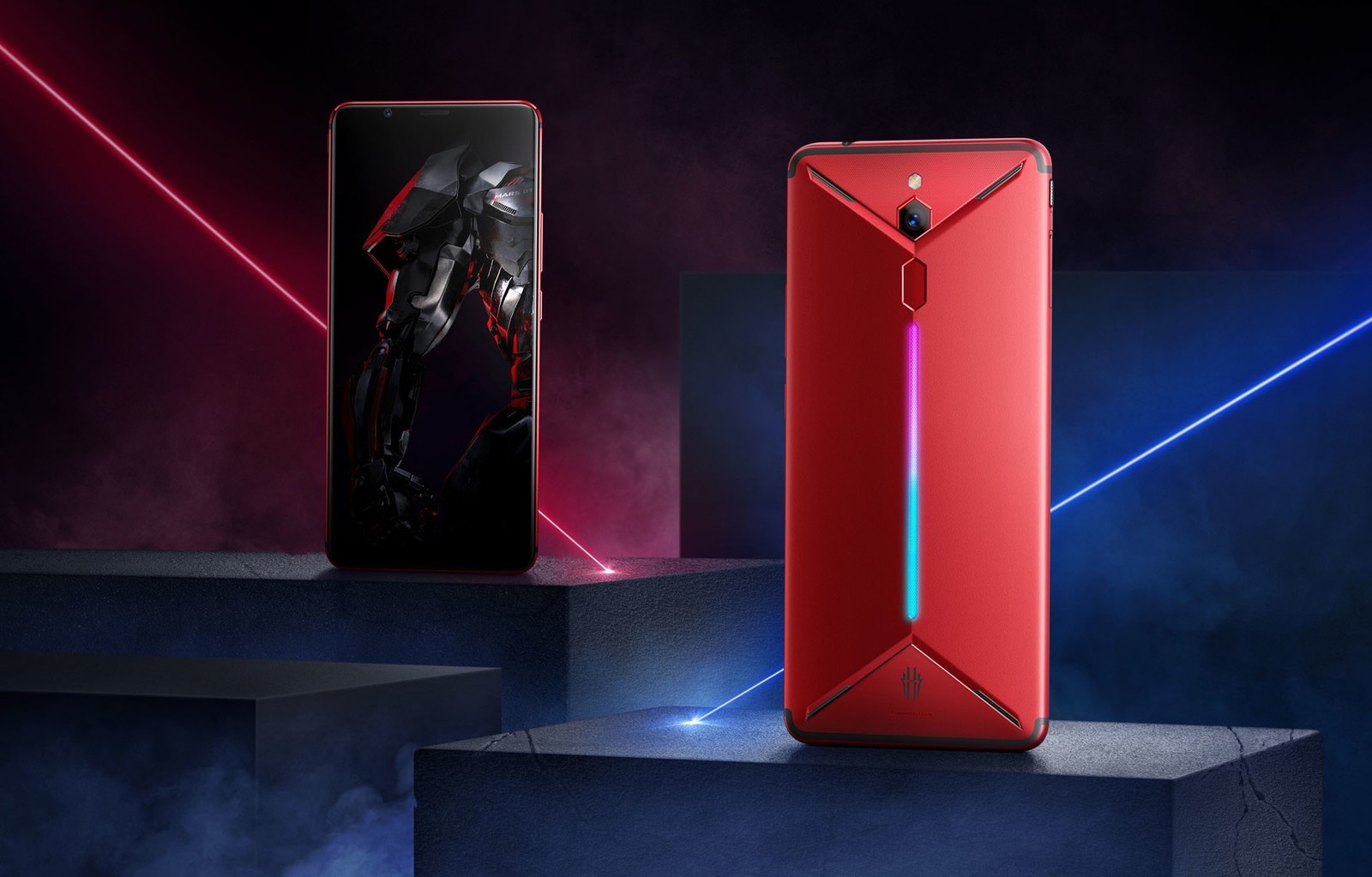
  • Nubia’s new Gaming handset has Fresh Features

    Nubia’s new Gaming handset has Fresh Features

    Remember when there was all that concern about the Qualcomm Snapdragon 810 SoC overheating? The fear was so real that Samsung decided to power the Galaxy S6 line with its own Exynos 7420 chipset, even in the U.S. where it usually equips its phones with a Snapdragon chip. Some manufacturers started using small (.6mm) heat pipes in order to dissipate the heat generated inside a smartphone.

    Nubia announced the first smartphone to be equipped with a cooling fan, the Red Magic 3 gaming phone. To keep the handset’s internals cool, the device combines what the company calls “state-of-the-art liquid cooling technology” with an internal fan. Nubia says that this combination increases heat transfer by 500%; not only does this keep the phone cool in the user’s hand, it also boosts the performance of the device providing a smoother experience.

    While the Nubia Red Magic 3 will launch on May 3rd in China, it also will be available next month in the U.S., Canada and Europe (including the U.K.). Pricing has not yet been announced, but the phone does feature high-end specs. The device comes with a 6.65-inch AMOLED screen with an FHD+ resolution. With a refresh rate of 90Hz (most phones refresh at 60Hz) the Red Magic 3 will offer users smooth gameplay. The Snapdragon 855 Mobile Platform is under the hood, and there will be three different memory/storage configurations (6GB RAM/128GB storage, 8GB RAM/128GB storage and 12GB RAM/256GB storage). In addition, the phone features dual front-facing stereo speakers, DTS:X and 3D sound. This creates a “cinematic soundscape” with or without headphones. Instead of having to use a gamepad accessory, the handset has touch-sensitive shoulders that can be customized.

    The Red Magic 3 is more than just a gaming phone. It happens to be pre-installed with a nearly stock version of Android 9 Pie. On the back is a 48MP camera using Sony’s IMX586 sensor, and in front is a 16MP selfie snapper. With a 5000mAh battery inside, you won’t have to worry about finding an outlet in the middle of the day, and perhaps the next day as well. And if you happen to be an ardant gamer, the RedMagicGameSpace2.0 dashboard allows you to quick-launch games, optimize settings and the fan speeds, check the temperature inside the phone, and record in-game videos. It also allows you to block notifications so that you can enjoy uninterrupted game play. The Red Magic 3 will be available in Black or Red.

    Starting tomorrow, April 29th, consumers can sign up to win an opportunity to unbox the Red Magic 3 by visiting this website. Three first prize winners will receive the Red Magic 3 before the release date, and will get to do a live unboxing and hands-on over the Red Magic website and Nubia’s social media channels. Three second prize winners will have the opportunity to buy the Red Magic 3 at 50% off and four third prize winners get to take 20% off the price of the phone.

    Back in February, Nubia launched the Red Magic Mars gaming phone in the U.S. That model features a 6-inch LCD screen with a 1080 x 2160 resolution. While Nubia called this device a gaming phone and a daily driver in one unit (which it also says about the Red Magic 3), the $399 price surely caught the eye of smartphone buyers in the states. We don’t know the price of the Red Magic 3 yet; if Nubia keeps it low, it will be hard for U.S. consumers, unlike the phone, to keep cool.