Category: Electronics

Retail News Asia is committed to providing both local and global retailers with the latest Electronics news throughout the Asian market. This on a daily base.

  • Asus delivers Android 9.0 Pie to another ZenFone smartphone

    Asus delivers Android 9.0 Pie to another ZenFone smartphone

    Asus promised a few months ago that it will update some of its ZenFone smartphones to Android 9.0 Pie, but only partially delivered. Today is the day that another part of the promise is fulfilled, as the ZenFone Max M2 is now receiving the long-awaited Android 9.0 Pie update.

    Initially slated for an April 15 rollout, the Asus ZenFone Max M2 Android 9.0 Pie update is now being deployed in the United States. If you own the budget-friendly smartphone, you can head Settings / System / System updates and check if there’s a new firmware available.

    Besides all the changes that Android 9.0 Pie brings, the update adds the May security patch and a new version of the Google Mobile Services (GMS). As Asus points out, the servers are pushing the update in batches, so it may take some days for everyone to receive it.

    Asus announced two months ago that two other ZenFone smartphones aside from the ZenFone Max M2 will receive Android 9.0 Pie updates by mid-April: ZenFone Max Pro M1 and ZenFone Max Pro M2.

    As a matter of fact, the majority of ZenFone 4 and ZenFone 5 smartphones are expected to receive Android 9.0 Pie updates this. Of course, the ROG Phone will get the software upgrade as well, we just don’t know when.

  • B&O’s refreshed Beoplay H9 headphones come with Killer Features

    B&O’s refreshed Beoplay H9 headphones come with Killer Features

    After (narrowly) beating Apple to the punch with super-expensive “truly wireless” earbuds supporting wireless charging functionality, Bang & Olufsen is shifting its attention to the premium Beoplay line of wireless over-ear headphones to release a refreshed H9 model. This is already available in the US at the same price as its H9i predecessor, bringing a couple of important upgrades to the table.

    First, there’s a new dedicated button allowing B&O Beoplay H9 users to summon Google Assistant and get it to do stuff by voice commands. The built-in digital assistant does not replace touch controls altogether, though, so you can still use gestures directly on the ear cups to seamlessly navigate your listening experience.
    The other major improvement comes in the battery life department, where the Beoplay H9 headphones are making a pretty ambitious promise. Namely, you should be able to squeeze up to a whopping 25 hours of uninterrupted play time from these bad boys, compared to the “modest” 18-hour maximum endurance advertised for the H9i. What’s impressive is that Bang & Olufsen has somehow managed to make this leap while retaining the exact dimensions and weight of the H9i.
    Speaking of things retained, the Beoplay H9 features the same old (and great) active noise cancellation technology, “expertly tuned” acoustics performance, and Transparency Mode functionality for when you don’t want to feel isolated from your surroundings. Available in Matte Black and Argilla Bright colors with the super-premium build quality and a self-proclaimed focus on craft, the H9 headphones are priced at $500, which is certainly not affordable… but also not shocking.
    Just like the H9i, the Google Assistant-enabled H9 have a pretty clear target audience that cares more about B&O brand recognition and stature than objectively comparing the value for money delivered by these headphones with those of the cheaper Bose QuietComfort 35 II or Sony WH1000XM3.
  • Huawei is now looking to capture the 5G chipset market

    Huawei is now looking to capture the 5G chipset market

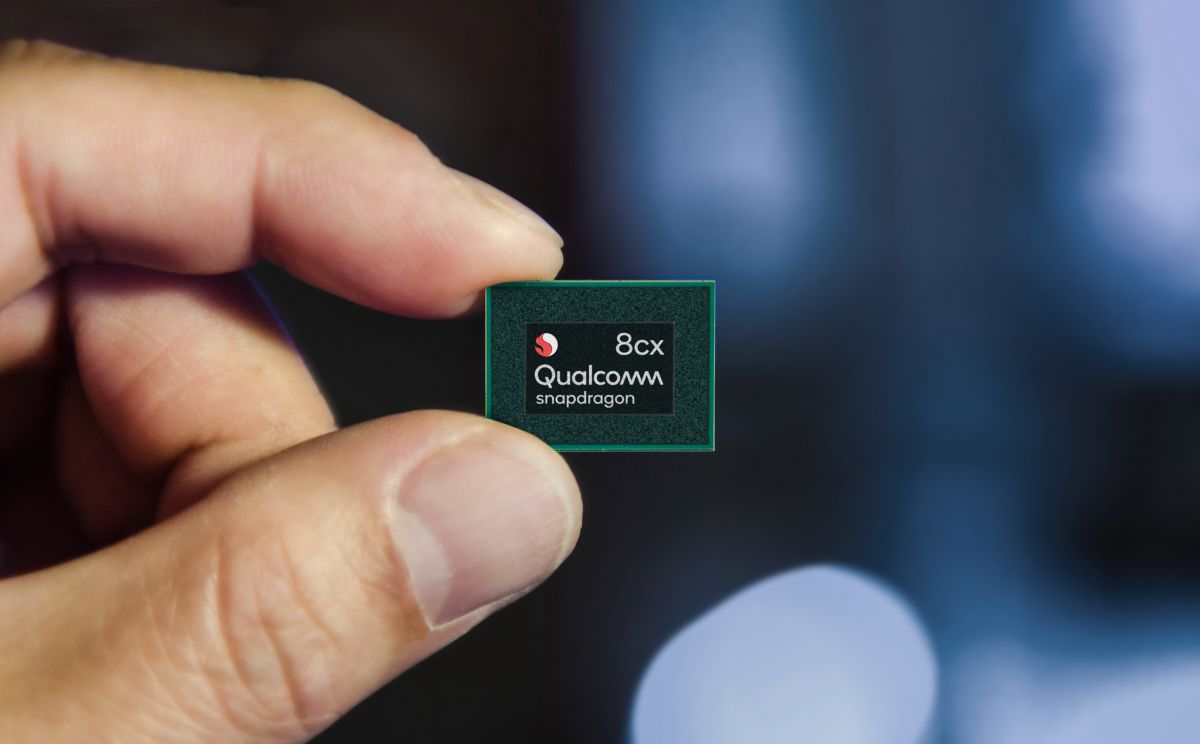
    While Huawei and 70 of its affiliated companies now need U.S. government approval to buy parts from the U.S., the company doesn’t have to worry about accessing SoCs from San Diego based Qualcomm. That’s because Huawei designs its own chips for the firm’s high-end handsets. The next such chip, the Hi-Silicon Kirin 985, is due out in the second half of this year. The Kirin 985 is designed for Huawei’s 4G LTE phones. However, the chip can be outfitted with Huawei’s own Balong 5G modem; this will allow phones powered by the Kirin 985 to connect to mobile 5G sub 6GHz networks.

    The Kirin 985 chipset with the 5G Balong modem will first appear on the Huawei Mate 30 line due out in the fourth quarter of this year. The chip will be manufactured by TSMC using the 7nm+ mode, with trial production runs scheduled for this quarter. By the third quarter of this year, the Kirin 985 should be rolling off of TSMC’s assembly lines in volume.

    Following the release of the Kirin 985, Huawei is expected to introduce 5G SoCs that comes with an integrated 5G modem. These chips are expected to roll out sometime between late 2019 and early 2020. Early next year, Huawei is also planning on offering chips that will be used on smartphones supporting mmWave 5G connectivity. The latter uses very high-frequency radio signals in the 24GHz to the 90GHz range. While mmWave 5G speeds could be faster than those achieved over sub 6GHz airwaves, the wavelengths are shorter. As a result, it will take less time to build out a nationwide 5G network using sub 6GHz. This is why T-Mobile expects to be first in the states with a coast-to-coast 5G platform next year using sub 6GHz only.

    Huawei’s Hi-Silicon unit plans to compete with Qualcomm to become one of the top two suppliers of 5G SoCs to phone manufacturers. The report notes that MediaTek will have a 5G chipset for sub 6GHz smartphones before the end of this year. It also expects Apple to design a 5G SoC in time for the launch of the 2020 iPhone models.

    Huawei’s road map is not unique. Other global chip designers are said to be creating chipsets for mobile devices that can be produced with a 4G or 5G modem chip as the slow migration from 4G to 5G begins. These firms will start offering 5G SoCs with integrated 5G modem chips as well as chips supporting mmWave 5G next year.

    Interestingly, Huawei offered to sell Apple its Balong 5G modem chip last month. This came at a time when Apple was unsure about which company it would source the component from. Due to its legal battles with Qualcomm, Apple appeared committed to using 5G modem chips that were being developed by Intel. Still, there were questions about whether Intel could deliver them in time for a 2020 launch, which led Apple to talk with Samsung and MediaTek. Finally, the company reached a settlement with Qualcomm that included a multi-year supply deal for the chipmaker’s 5G smartphone modem.

    Huawei’s first 5G phone, barring any Galaxy Fold-like delays, will be the Mate X. This is a foldable phone that folds out instead of in like Samsung’s device does. The Mate X will use the same Kirin 980 SoC found on the current P30 line but will include a 5G Balong 5000 modem chip. The $2,600 device will probably not be seen in the U.S. since President Trump is expected to sign order soon that will ban Huawei products from entering the states.

  • DJI Osmo Action Camera Captures Every Adventure in Stunning 4K Detail

    DJI Osmo Action Camera Captures Every Adventure in Stunning 4K Detail

    DJI, the world’s leader in civilian drones and creative camera technology, building on its heritage of advanced image stabilization, takes a bold new direction with the Osmo Action camera. Utilizing DJI’s unparalleled experience with capturing smooth and stable videos in the most demanding environments, Osmo Action is as rugged as it is sophisticated, opening worlds of creative potential for professionals and adventure seekers alike.

    “DJI has always pushed the limits of technology, and the content creators who love our products made clear they wanted us to push the limits of their creative potential too. Osmo Action is our cutting-edge answer to what the creative community demands. Exceptional image quality and stabilization in a unique and durable new form factor, with dual color screens and seamless software integration. For all types of creators who push their gear to the limits, Osmo Action sets the new standard,” said Roger Luo, DJI President. “Whether you are capturing aerial content with Mavic 2, incredibly smooth content with Osmo Pocket, or heart-racing footage with Osmo Action, DJI offers a full suite of products for your creative needs.”

    Rugged construction and intuitive design

    A compact yet durable design makes Osmo Action the ideal camera for life’s adventures. Constructed to handle extreme conditions with ease, Osmo Action is dustproof, shockproof[1], waterproof[2] and has the ability to operate in sub-freezing temperatures[3]. Osmo Action utilizes color screens on both the front and back, a unique design feature that allows for more convenient scene composition while on the move. The 2.25-inch rear touchscreen employs a water and fingerprint repelling coating, and the 1.4-inch front screen makes vlogging and selfies easier than ever before. With a brightness of 750-nits, Osmo Action can be used in harsh lighting conditions including direct sunlight.

    Osmo Action’s interactive user interface, Action OS, combines a streamlined and functional physical design with flexible operation. Power on, initiate recording, and rotate through the video and photo capture modes in the blink of an eye with three dedicated buttons. Never miss a moment with the help of SnapShot, which allows Osmo Action to turn on and begin recording in under two seconds by pressing the shutter button once.

    Advanced technology with exceptional image quality

    A 1/2.3-inch sensor records 12-megapixel photos and 4K video up to 60fps at 100Mbps in stunning detail, assuring high-quality footage. A three-glass aspherical lens design records low-distortion content and aids in reducing warping effects for improved scenes. The lens cap is finished with two layers of anti-fingerprint coating to keep the shot clean during use, as well as an anti-reflective coating to reduce the unwanted effects of lens glare, giving users more flexibility to shoot in bright conditions.

    Incorporating over a decade of experience creating three-axis mechanical gimbals, Osmo Action is the first DJI handheld camera to include RockSteady, DJI’s Electronic Image Stabilization (EIS) technology. High-performance stabilization algorithms work in conjunction with EIS to record every movement in smooth, stable, high-quality video, even when recording 4K/60fps. Additionally, Osmo Action is capable of High Dynamic Range (HDR) video in 4K/30fps, delivering an additional three stops of dynamic range to the scene, natural transitions between light and dark areas, and rich details that are often lost in complex lighting conditions. Osmo Action has a removable battery with a run time of 93 minutes recording at 4K/30fps with RockSteady enabled, and 135 minutes recording at 1080p/30fps without RockSteady. Dual microphones let users take advantage of Osmo Action’s Voice Control, and a speaker ensures outstanding playback quality.

    Creative, intelligent features

    A staple in DJI’s product lineup, Osmo Action offers a wide variety of highly creative features built into the camera which users can access with a few simple taps. While recording, choose between:

    • Slo-mo: 8x slow motion in 1080p 240fps or 4x slow motion in 1080p 120fps creates a visually appealing effect when documenting action-packed scenes.
    • Timelapse: If the user is looking to turn minutes into seconds, Timelapse is perfect for capturing unique content with the effect of the world moving faster.
    • Custom Exposure settings: Shoot for the stars with manual and semi-automatic settings that allow up to 120 seconds of exposure, perfect for capturing the night sky.

    Unlocking Osmo Action’s full potential[4]

    Using the recently released DJI Mimo app, connect Osmo Action to your mobile device with Wi-Fi or Bluetooth for added functionality, including a live feed of the camera, multiple story templates, in-app quick editing, and more. An ecosystem of accessories helps unleash all the possibilities of Osmo Action including:

    • Camera Frame Kit: Included with Osmo Action, the Camera Frame Kit offers a universal mount for additional accessories and a window for the LED indicator to show camera status in real time while protecting the device.
    • Adhesive Mounts: Attach Osmo Action to flat or curved surfaces including skateboards, bikes, helmets, and more to capture fast-paced moments. Both the curved and flat adhesive mounts are included with Osmo Action.
    • Waterproof Case: The waterproof case protects the device at depths down to 60 meters while providing a clear image using high-strength glass.
    • 3.5mm Adapter: The 3.5mm adapter offers users the ability to connect an external mic for professional sound recording.
    • Extension Rod: Capture unique angles using the Extension Rod, which features a rotatable phone holder and a ¼-inch screw adapter.
    • Floating Handle: The Floating Handle offers a comfortable grip for Osmo Action and keeps it floating when shooting in water.
    • Filters: Osmo Action comes with Neutral Density (ND), Polarizer, and underwater filters. ND filters (ND4, ND8, ND16, and ND32) reduce light exposure in various environments, while Polarizer filters reduce reflections and increase color saturation for a more appealing image. Orange Seawater and Purple Freshwater filters restore the natural color of underwater scenes.
    • Charging Hub: Charge up to three batteries simultaneously in less than 130 minutes.

    Price and Availability

    Osmo Action retails for $2,999 HKD and will start shipping immediately after the announcement on May 16 at store.dji.com and from authorized dealers on May 22. For more information on all the new features and capabilities of Osmo Action, please visit https://www.dji.com/osmo-action.

    DJI Care Refresh

    DJI Care Refresh is now available for Osmo Action. For an additional $299 HKD, DJI Care Refresh offers comprehensive coverage as well as up to two replacement units within one year. Receive your replacement even sooner with DJI Care Refresh Express. DJI Care Refresh also includes VIP after-sales support and free two-way shipping. For a full list of details, please visit https://www.dji.com/service/djicare-refresh.

  • The world’s first 1TB microSD card is on Sale

    The world’s first 1TB microSD card is on Sale

    Just in case you needed further proof the mobile tech industry is making incredible progress at breakneck speed nowadays, you might recall Samsung’s first ever “terabyte-ready” phone was only unveiled last fall. The Galaxy Note 9 offered 512 gigs of internal storage space, supporting up to 512 more by accommodating a new first-party microSD card option.

    But then the Galaxy S10+ took things to the next level in a special Performance Edition, starting at a full terabyte of digital hoarding room while naturally also supporting external expansion. And now there’s an easy way to make the ultra-high-end model a two terabyte device with the help of the world’s first 1TB memory card. This comes from SanDisk (who else?), finally going on sale today in the US after a formal announcement several months back.

    By “easy”, of course, we don’t mean it’s affordable by any stretch of the imagination to obtain a phone capable of storing 2TB of data in total. In addition to the $1,600 you need to pay for an unlocked S10+ Performance Edition, the 1TB SanDisk Extreme UHS-I microSD card will cost you an extra $449.99 right now. Believe it or not, that’s actually 50 bucks lower than the recommended price point initially announced by SanDisk. At the same time, it’s a whopping $250 more than what the memory-specialized company typically charges for a 512 gig Extreme model.

    Naturally, speeds are just as important as capacity, and unsurprisingly, this bad boy shines in that particular department as well, with up to 160MB/s read and maximum 90MB/s write velocity. Both Full HD and 4K Ultra HD video clips are supported, although you’ll have to capture quite a lot of high-quality footage to exceed the internal limit of a 1TB, 512GB, or even 256GB high-end smartphone.

    Available from SanDisk’s own website and B&H Photo Video at the time of this writing, the 1TB Extreme microSD card is also listed as “currently unavailable” on Amazon and “sold out” at Best Buy, where it’s actually priced at $429.99 after a $70 discount.

  • The Galaxy Note 10 Will be Sold in 6 Colors

    The Galaxy Note 10 Will be Sold in 6 Colors

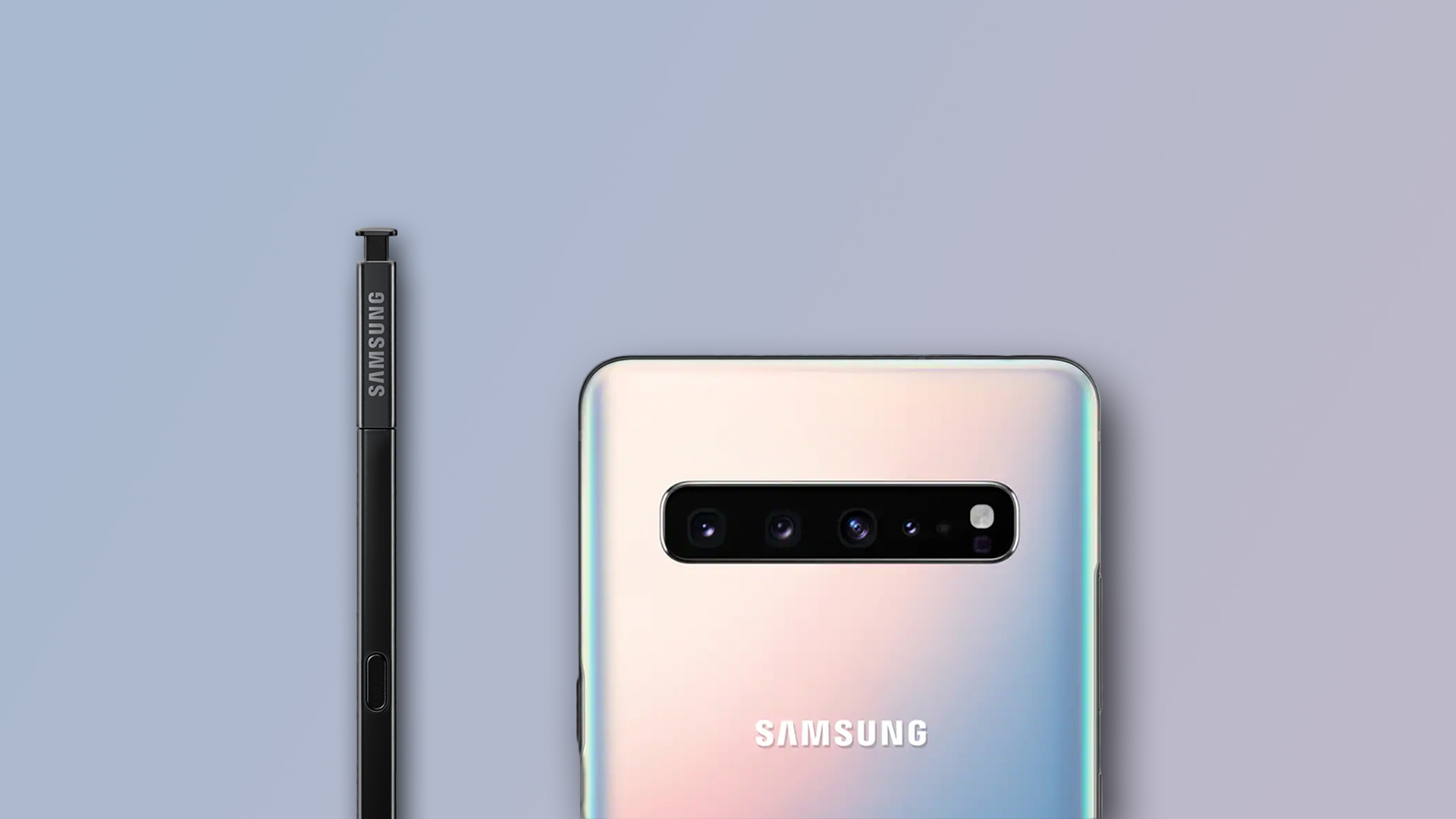
    The Galaxy Note 10 will arrive this summer packed full of flagship features and specs, and according to MySmartPrice, Samsung hopes to pair all of this with an extensive range of colors. The Galaxy Note 8 and Galaxy Note 9 both launched initially in a range of four colors which were subject to availability. But with this year’s Galaxy Note 10, Samsung is reportedly preparing a grand total of five finishes that’ll include both old and new colors.

    Borrowing from the Galaxy S10 that Samsung released earlier this year, the Galaxy Note 10 will reportedly be available in Prism Black, Prism White, and Flaming Pink upon launch. It’s unclear if other Galaxy S10 colors will be used at a later date, but the possibility certainly exists.

    Like the Galaxy Note 9 that precedes it, Samsung’s next flagship is also set to be sold in a Cloud Silver finish. Completing the lineup will apparently be an all-new red color. Curiously, Samsung was planning a red variant of the Galaxy S10 but ultimately scrapped it ahead of launch.

    As per usual, the availability of the Galaxy Note 10 colors mentioned above will vary by market and storage configuration. Moreover, it’s worth pointing out the fact that Samsung could still choose to cancel or delay certain finishes prior to the flagship’s announcement. Nevertheless, as things stand the Prism Black, Prism White, Flamingo Pink, and Cloud Silver versions are set to be sold internationally, while the red model will be available in just a handful of markets.

    Following in the footsteps of the Galaxy S10 series, the Galaxy Note 10 is expected to arrive powered by Qualcomm’s Snapdragon 855 in the US and the Exynos 9820 over in Europe and many other markets.

    Presumably, these high-end chipsets will arrive paired with 8GB of RAM and 128GB of storage as standard. However, if this configuration isn’t sufficient, other variants with up to 12GB of RAM and 1TB of storage are extremely likely. Accompanying all of this should be Android 9 Pie paired with Samsung’s One UI custom interface and a large 6.3-inch curved AMOLED display. Speaking of which, this is expected to retain the slim bezels and punch hole found on the Galaxy S10 line. Over on the rear of the Galaxy Note 10 is expected to set a minimum of three rear cameras rather than the two found on last year’s model. There is, however, a strong possibility Samsung will add a fourth camera to the setup.

    If this happens, consumers can expect to find a 12-megapixel variable aperture camera accompanied by a second 12-megapixel sensor paired with a 2x telephoto zoom lens. The flagship is also set to benefit from a 16-megapixel ultra-wide-angle camera that’ll give users the ability to capture more in their photos, and a dedicated Time-of-Flight sensor which should provide depth data for improved bokeh imagery and more accurate AR content.

    In addition to the regular Galaxy Note 10, which itself will also be accompanied by a 5G variant, Samsung is reportedly preparing a Galaxy Note 10 Pro and Note 10 Pro 5G. These two devices are set to look identical to the regular Galaxy Note 10 models, but will apparently feature massive 6.7-inch AMOLED displays and huge 4,500mAh batteries.

    Rumor has it the smartphones will also feature two front-facing cameras and potentially more storage and RAM as standard.

  • Amazon’s Alexa Guard Arrived to Guard your Home

    Amazon’s Alexa Guard Arrived to Guard your Home

    Even though music streaming remains the primary use case for Amazon and Google’s insanely popular smart speakers, it goes without saying Alexa and Google Assistant can do many other cool, innovative, and practical things simply by listening to your voice. The Echo lineup arguably maintains its superiority in the living room, hiding plenty of neat smart home tricks up its sleeve, the latest of which is specifically designed to keep an eye on things while you’re away.

    Formally unveiled way back in September and made available by invitation only a couple of months after that, the very ingenious Alexa Guard feature is now rolling out more widely in the US at last. All you have to do to activate this functionality is remember to say “Alexa, I’m leaving” every single time you exit the premises of your house and want your digital assistant to keep its virtual ear to the ground.

    After setting Guard to “away mode” with the aforementioned magic phrase, your Echo device will stay alert and send notifications to your phone if it detects the sound of smoke alarms, carbon monoxide alarms, or glass breaking. Obviously, you shouldn’t panic as soon as you get a “smart alert”, and instead try to determine if the danger detected by Alexa is actual cause for concern by listening to a 10-second audio recording from your house or even “drop in” on your Echo remotely to check exactly what its microphone is picking up.

    By no means a replacement for a real security system, Alexa Guard can enhance the capabilities of popular setups from Ring and ADT, while also working in tandem with connected smart lights to discourage burglary attempts. Most importantly, the feature naturally doesn’t cost a thing. The latest version of the mobile Alexa app lets you enable it from the “Settings” menu, where you’ll find a Guard-dedicated subsection containing simple step-by-step setup instructions.

  • CES 2019 Gadgets that will define the online casinos of tomorrow

    CES 2019 Gadgets that will define the online casinos of tomorrow

    Consumer Electronics Show or CES serves as the best time of the year when manufacturers and developers all over the world get to showcase their greatest and latest technologies. And none of them disappointed this time around as well, especially with regard to the developments in the augmented in virtual reality technologies, and their application in the gaming industry of tomorrow.

    Right from the latest VR headsets to the system peripherals that are going to completely transform the way we interact with our surroundings in virtual reality, there were all kinds of impressive offerings in the CES 2019. You could very well see how the future of online slots and various other online casino games is going to unfold in the times to come. Let’s take you through some of the best AR and VR tech products that were showcased in this year’s edition of CES.

    Oculus Quest

    Nothing denying the fact that Oculus Rift is an excellent option for virtual reality enthusiasts, but we all know that it needs continuous tethering to a PC to be able to enjoy it. Oculus Quest does away with that requirement. It’s an all-in-one gaming headset which is absolutely wireless, enabling players to enjoy the VR games to the fullest, even while being on the move.

    Once you set up Oculus Quest with the help of the oculus mobile app, it can start tracking your movements without the need of any external cameras. It instead uses the camera situated on the headset’s front, implying that you’ll be able to play anywhere you like as long as the place has room for the two controllers and the headset. It’s not without a reason that Time.com has called Oculus Quest the Virtual Reality’s best bet yet.  Furthermore, you can operate Oculus Quest both from the sitting and standing positions. Although it lacks the power of Vive or Rift, the PC-powered headsets, the Quest still supports some of the highly popular VR games, including The Climb and Moss.

    Vivo Pro Eye

    This one’s a premium VR headset which is a version better than the earlier one, after integrating the Tobii eye-tracking technology. With Vivo Pro Eye headset you can enjoy an even more immersive VR experience, and get to navigate menus and execute all kinds of functions using nothing but your gaze. The headset is already being used in popular apps such as Major League Baseball’s Home Run Derby VR. It’s also expected to make it easier for businesses to use eye-tracking technology with minimum resources.

    3D Rudder for Playstation VR

    With PlayStation VR you can explore your virtual environment in 360° and PlayStation has done an excellent job in making this experience very realistic. However, people felt that something was slightly off as they were unable to use their feet in this environment. The 3D Rudder for PlayStation VR is meant to fix this problem, and allow the players to apply pressure, spin or tilt using their feet, and move around freely inside their favourite VR environments.


  • HTC experienced massive losses during the First Months

    HTC experienced massive losses during the First Months

    HTC’s revenue numbers continued to drop massively between January and March 2019, and to no surprise today the company has confirmed that it experienced massive financial losses throughout the period.

    Despite seeing an improved gross margin of 14.7% during the quarter – a year earlier HTC’s gross margin was -3.1% – the Taiwan-based company still experienced a worse-than-expected loss of NT$ 2.73 billion ($87.68 million). The primary cause of this huge loss was HTC’s operating expenses, which essentially skyrocketed throughout the first three months of the year. In fact, within the space of 12 months, the company’s operating margin has gone from an awful -58.9% to an absolutely horrendous -92.9%, which means, at the moment, HTC is spending almost double what it earns.

    Overall, the company generated NT$ 2.94 billion ($94.45 million) in revenue throughout the quarter. The strong performance of HTC’s VR headsets appears to have been the primary source of income, although the company’s smartphone sales did also play an important role.

    Looking towards the second quarter of the year, HTC’s newly-announced Exodus 1s blockchain smartphone and the HTC 5G Hub are expected to positively affect the company’s finances. Both the Vive Pro Eye and Vive Focus Plus headsets are set to boost HTC’s sales too, all of which will lead up to the company’s 5G flagship during the second half of the year, as well as a couple of mid-range smartphones.

  • SK-II brings Future X Smart Store to Singapore

    SK-II brings Future X Smart Store to Singapore

    Japanese beauty brand SK-II has partnered with The Shilla Duty-Free to bring Future X Smart Store to Changi airport. According to SK-II, the smart store merges the latest digital technology with in-store experience to deliver “a convenient and pressure-free shopping experience”.

    “Travellers from all over the world now have the chance to experience the brand’s unique physical retail concept, merging the latest digital technologies with in-store elements to provide travelers with a convenient and pressure-free way to shop for skincare,” the brand said in a statement.

    The store consists of physical features such as the Discovery Bar, smart product scan and ‘Skincare GPS’ that help time-conscious travelers locate, learn about and buy SK-II products in the shortest time possible.

    At the Discovery Bar, consumers will learn more about SK-II’s range of skincare products at the touch of a button.

    The smart product scan tool uses advanced image-recognition technology to help customers locate products quickly. By scanning the SK-II product images they download to their mobile devices, travelers will be directed to the location of their desired product.

    The Skincare GPS facility lights up the location of the product on the store shelf to make it quicker and easier for shoppers to find items.

    The smart store is a part of SK-II’s foray into retail innovation “and the start of a global transformation to connect with a new generation of consumers who are yearning for more meaningful experiences with the brands”, the company said.

    SK-II has launched Future X Smart Stores in Tokyo, Shanghai, and Singapore.

  • Apple India shortlists first flagship store Presence

    Apple India shortlists first flagship store Presence

    Tech retailer Apple may be close to opening its first retail outlet in India. People familiar with the plans said Apple India will decide within weeks on a premium location in Mumbai from a shortlist it is examining now. The hardware manufacturer has previously been unable to open in the territory due to regulations governing local sourcing, which prompted Apple to shift some manufacturing to India. The move will also result in the removal of the 20 percent tariff currently placed on iPhones because they are imported.

    While local preferences are for cheaper Chinese handsets, India still represents a vast potential market for Apple as it loses ground in China.

    “India is a very important market in the long term,” said Apple CEO Tim Cook. “It’s a challenging market in the short term, but we’re learning a lot. We plan on going in there with sort of all of our might.”

    With India currently being the fastest-growing smartphone market in the world, Apple has placed greater emphasis on gaining market traction there in recent years. A new country chief was named last November after previous efforts yielded disappointing results. The firm now commands an estimated 1 percent of the country’s smartphone market.

    “Its own retail store might be just what Apple requires to reinforce its premium image,” said Rushabh Doshi, an analyst at global research firm Canalys. “A store just before the next launch will be the perfect timing for Apple to restart its Indian growth story.”

  • Apple looks to open its first store in India

    Apple looks to open its first store in India

    India is a great place for certain phone manufacturers to sell their products, and for others, it is a contradiction that is hard to figure out. With approximately 1.4 billion people in the country, it is the second largest smartphone market in the world after China. But with a per capita income in the country of $1,670 as of 2016, the consumers in the country usually favor lower priced handsets. That explains the success that Xiaomi, with its value for money policy, has had in the country.

    Apple’s business in India has been driven by demand for lower-priced models like the discontinued iPhone SE. To avoid a 20% tariff on imported phones, Apple had manufactured the iPhone SE in India and still produces older devices such as the iPhone 6s and iPhone 7 in the country.  Starting this year, it will also manufacture some of its high-end handsets in the region. Contract manufacturer Foxconn is said to be running quality tests of the iPhone XR in India with mass production of the device expected to start soon.

    More than ever, Apple is looking toward India to generate sales in light of the troubles the company has had over the last year selling iPhones in China. But business now is not booming. Research firm Canalys recently reported that during the first quarter of 2019, iPhone shipments in India declined by 75% year-over-year leaving the firm with just 1% of the country’s smartphone market. But Apple CEO Tim Cook is optimistic. He said during last week’s earnings call that “We have made some adjustments in India and we’ve seen preliminarily some better results there.”

    To help generate sales in India, Apple is planning to open its very first retail store in the market. Expanding the local production of iPhone models in the country is expected to help pave the way for government approval of India’s first Apple Store. The green light could come at the end of this month or early next month when a new government takes over in the country. Canalys analyst Rushabh Doshi says that opening a store before the launch of the 2019 iPhone models later this year will help Apple “restart its Indian growth story.” Doshi says that Apple is caught in a bind in India. On one hand, it wants to lower its prices in order to compete with the likes of Xiaomi and Vivo, but it also wants to maintain its “premium” image.

    “India is a very important market in the long term. It’s a challenging market in the short term, but we’re learning a lot. We plan on going in there with sort of all of our might.”-Tim Cook, CEO, Apple

    Still, last month Apple cut the price of the “more affordable” iPhone XR in the country by 17,000 rupees (equivalent to $244 USD). That phone is now priced in India for 59,000 rupees ($846 at current exchange rates).

    Apple is apparently planning to open its first Apple Store in India at one of several upscale locations in Mumbai, according to anonymous sources cited in the report. Apple will decide on the exact location in the next few weeks. No matter which location it selects, the Indian Apple Store will be in a prestigious area of the country comparable with Apple’s Fifth Avenue store in New York City, the Regent Street location in London and the store on the Champs-Elysees in Paris. This might be part of the game plan designed to keep promoting the iPhone as a premium device in India. But again, for Apple to succeed in the country, it will have to be mindful of its pricing.

  • Huawei’s first phone with a pop-out camera is Out

    Huawei’s first phone with a pop-out camera is Out

    Over the past year or so Huawei has welcomed the notch with open arms. Nowadays, though, most companies are looking for ways to remove it and, as it turns out, Huawei is no different

    Called the Huawei P Smart Z, the company’s latest smartphone represents both it’s newest offering in the budget segment and its first attempt at an all-screen device that includes no notch or cutout.

    Targeting fans of massive displays, the P Smart Z arrives equipped with a huge 6.6-inch LCD display that boasts a 19.5:9 aspect ratio and a Full-HD+ (2340 x 1080p) resolution. As you’d expect, the huge panel is paired with uniform bezels, the only exception being the chin which is slightly thicker. Also present is a pop-out camera, thus marking the first time Huawei has used such a feature.

    Hidden inside the mechanical module is a 16-megapixel selfie camera that offers an f/2.0 aperture. This is paired over on the rear with a vertically-aligned dual-camera setup. Speaking of which, this includes a 16-megapixel f/1.8 camera paired with a dedicated 2-megapixel depth sensor. Also present is an LED flash.

    While on the topic of the rear, it’s worth pointing out that the Huawei P Smart Z follows in the footsteps of Google’s Pixel devices by adopting a dual-tone rear. But rather than using different materials or textures, Huawei has simply opted for slightly different colors.

    Regarding the internal characteristics of this smartphone, the P Smart Z is equipped with a modified version of the Kirin 710 dubbed the Kirin 710F alongside a respectable 4GB of RAM and 64GB of internal storage. Also present is Android 9 Pie straight out of the box along with the EMUI 9.0 overlay and a large 4,000mAh battery.

    The Huawei P Smart Z can be purchased right now in Italy or Spain for €279. Presumably, sales will eventually expand to other internal markets, but these details are yet to be confirmed.

  • Qualcomm shows how important Apple’s business is

    Qualcomm shows how important Apple’s business is

    Last month, just as Apple and Qualcomm were into the opening statements of their billion-dollar trial in San Diego, surprising news was released. Behind the scenes, Apple and Qualcomm had been negotiating a settlement and both companies finally shook hands on a deal. Apple paid the chip maker an undisclosed amount of money; in return, Apple received a 6-year licensing agreement (with a two-year option) and a multi-year chip supply deal.

    It was no secret that Apple was getting desperate for a company to supply it with 5G modem chips for the iPhone. Apple wasn’t totally convinced that Intel, whose 4G LTE modem chips are exclusively used on the 2018 iPhones, could deliver the 5G component in time. In fact, during the FTC v. Qualcomm non-jury trial in January, Apple supply chain executive Tony Blevins testified that the firm had spoken with Samsung and MediaTek about sourcing their 5G modem chips. And even though Intel said early last month that it would ship its chips starting in the second half of this year, Apple still felt compelled to shake hands with Qualcomm. Hours after the agreement was announced, Intel said that it was leaving the mobile 5G modem chip business.

    According to one analyst, Apple will pay Qualcomm as much as $9 for each iPhone it sells with a 5G Qualcomm modem chip. The terms of the settlement obviously benefit Qualcomm greatly, and the company has decided to reward its executives including CEO Steve Mollenkopf. The executive received a bonus consisting of 40,794 shares of Qualcomm stock. The shares are currently valued at over $3.5 million. Not that Mollenkopf was underpaid; last year he took home $20 million according to data from FactSet.

    Other Qualcomm executives received bonuses too, thanks to the settlement with Apple. Company president Cristiano Amon scored $2.14 million in Qualcomm stock and Chief Technical Officer James Thompson was given $1.65 million in company shares. Other beneficiaries included General Counsel Donald Rosenberg and interim CFO David Wise. The pair received $1.22 million and $254,000, respectively. Wise pointed out that other Qualcomm employees will receive higher bonuses too, thanks to the settlement. Investors also have benefited from the deal with Apple (assuming that they weren’t short the stock). The day before it was announced, Qualcomm’s shares closed at $57.18. Yesterday, the stock closed at $85.84, which means that it has soared 50% over the last three weeks.

    The bonuses and the stock surge are both an indication of how important Apple’s business is for Qualcomm. Apple only used Qualcomm’s modem chips on the iPhone from 2011-2015. As a result, Apple demanded and received a $1 billion incentive payment from the chip maker annually. But Apple CEO Tim Cook was upset that Qualcomm was receiving five times more in royalties than it was paying all of its other suppliers combined. Qualcomm’s royalty payments were based on the retail price of the iPhone, and that didn’t make Cook very happy either.

    Apple ended up testifying against Qualcomm at a hearing held by the South Korea Fair Trade Commission. That angered Qualcomm, as did a statement from Apple that it would have to add a second modem chip supplier due to “Qualcomm’s exclusionary conduct.” At the same time, Qualcomm learned that Apple was planning on using Intel modem chips on the iPhone 7 and it stopped sending Apple those $1 billion checks. In return, Apple told its contract manufacturers like Foxconn and Pegatron to stop paying royalties to Qualcomm. Apple sued Qualcomm in January 2017 leading to a number of suits filed by both companies against each other. All of those suits have been withdrawn by Apple and Qualcomm as part of the settlement.

    Now that Apple and Qualcomm are on speaking terms, a 5G iPhone seems a sure bet for 2020.

  • Android Q may have a life-saving feature exclusive to Pixel phones

    Android Q may have a life-saving feature exclusive to Pixel phones

    At Google I/O this year, the company behind Android revealed many new and exciting things coming to the next iteration of the world’s most popular mobile OS. These include native support for foldable devices, system-wide Dark Mode, Smart Replies and Suggestions, and a handful of other features.

    But aside from those, savvy developers have uncovered something else that’s coming with Android Q, and it wasn’t mentioned at this year’s I/O. The folks over at XDA have found lines of code in the Android Q Beta 3, referencing a possible automatic car crash detection feature. The beta has an app called Safety Hub, and strings of code within the app suggest that automatic car crash detection is coming to Android Q, and that it may also be a Pixel-exclusive feature.

    Google is no stranger to introducing Pixel-exclusive features, though they’ve been more on the “bonus” side of things, so to speak. Two prominent examples are the excellent Night Sight mode, baked into the Google camera app, and unlimited Google Photos storage for original quality photo backups, available only to Pixel phone owners. However, more essential features have always managed to make their way into Android skins by other OEMs, so the upcoming car crash detection may start as a Pixel-exclusive thing and become more widely available thereafter.

    It’s currently unclear how Android Q will detect car crashes, though it’s likely going to happen by gathering data from various sensors on the phone. For example, Google could use GPS data to determine whether you’re driving, use the accelerometer to detect when a violent stop occurs, and even rely on the microphone to pick up the sound of the crash. After an accident has been detected, the Safety Hub app could automatically alert emergency services and/or select contacts.

    We have our fingers crossed that future Android Q betas will reveal more about this potentially life-saving feature, and that it won’t be Pixel-exclusive forever.