Category: Electronics

Retail News Asia is committed to providing both local and global retailers with the latest Electronics news throughout the Asian market. This on a daily base.

  • Sonos to bring Google Assistant to its smart speakers

    Sonos to bring Google Assistant to its smart speakers

    The neverending saga regarding Sonos connected speakers and Google Assistant is about to end next week if the American company keeps its most recent promise. After a few years of uncertainty, the situation is about to get out of limbo with Sonos finally delivering Google Assistant support to its high-end speakers.

    As the company announced back in January, the Sonos One and Sonos Beam will receive an update that will make Google Assistant available to users. The information has been confirmed by Sonos in a shareholder letter released ahead of the company’s quarterly earnings call.

    The update that will add Google Assistant support will be available next week in the United States, but Sonos plans to bring it to other markets as well in the “next few months.” Although Sonos’ previous statement confirmed Google Assistant will be added to older speakers as well, the shareholder letter doesn’t include any mentions to these devices.

    We’ll update the story once Google Assistant support hits the Sonos One and Sonos Beam, but if what the US company says it’s true, you should be able to start using Google’s personal digital assistant no later than next week.

  • Connected wearable shipments to hit 239m in 2023

    Connected wearable shipments to hit 239m in 2023

    Global shipments of connected wearables are forecast to grow from 116.8 million units in 2018 to reach 238.5 million units in 2023, representing a CAGR of 15.4%, according to research firm Berg Insights.

    Bluetooth will remain the primary connectivity option in the coming years.

    A total of 67.7 million of the wearables sold in 2023 are forecast to incorporate embedded cellular connectivity, mainly in the smartwatch and telecare and medical device categories.

    The connected fitness & activity tracker segment is led by China’s Xiaomi, which has been successful with its Mi Band fitness tracker. Fitbit, a pioneer in the segment, is still also among the largest vendors in the segment along with Huawei and Garmin.

    In 2018, shipments of connected fitness & activity tracker reached 65 million units.

    This product category is now facing fierce competition from smartwatches that in most cases include activity tracking features. Apple entered the connected wearables market in the second quarter of 2015 and quickly became the leading smartwatch vendor.

    In 2018, Apple accounted for almost half of the total 45.5 million smartwatches sold during the year.

    “Apple continues to hold a firm grip on the smartwatch market and is at the forefront of innovation in the industry,” says Martin Bäckman, IoT Analyst at Berg Insight. The competition has responded with increasingly capable and attractive devices from Wear OS vendors including Fossil, LG, and Huawei as well as from vendors betting on other platforms such as Fitbit and Samsung.

    The smartwatch segment is expected to surpass fitness & activity trackers and become the largest device category within wearable technology in terms of shipments in 2021.

    “Technology advancements, increased consumer awareness and wide availability of devices in different price segments will enable smartwatches to reach shipments of 117.7 million units in 2023,” concludes Bäckman.

    Sales of smart glasses and head-mounted displays have so far been modest, but promising use cases in professional markets as well as in niche consumer markets will enable it to become a sizeable connected wearable device category in the next five years.

    A number of vendors including Daqri, ODG, Epson, Google, Microsoft, Kopin and Vuzix are active in the segment. Standalone VR headsets from companies such as Oculus and HTC aimed for the consumer market are gaining traction and accounted for a large share of the total 1.5 million devices shipped in the segment during 2018.

    Berg Insight forecasts that shipments of smart glasses and head-mounted displays will reach 11.9 million units by 2023.

    Annual shipments of medical devices and mobile telecare/mPERS devices are forecast to grow from 1.8 million devices in 2018 to 6.9 million devices in 2023. The segment includes wearables such as cardiac rhythm management devices, ECG monitors and mobile telecare devices.

    Finally, annual shipments of wearables not covered by the above product categories such as authentication and gestures devices, smart rings, wrist-worn computers and scanners, smart jewelry and connected prosthetics are predicted to grow from 3.0 million units in 2018 to reach 13.0 million units in 2023.

  • Motorola One Vision leak reveals new color option

    Motorola One Vision leak reveals new color option

    We’ve known for a while that Motorola is gearing to release another Android One phone under the name Motorola One Vision. Today, another leak gives us a glimpse at a new color option, which the One Vision will be available in at launch.

    As per earlier leaks, the Motorola One Vision will sport a sizable 6.2-inch display with a 21:9 aspect ratio and a small punch-hole selfie camera in the upper left corner. Around the back, the renders reveal, a dual-camera setup with a 48-megapixel sensor will be taking care of video and stills. There’s no word yet on what function the second camera will serve, though it could very well be used for depth sensing.

    Under the hood, the One Vision is set to be Motorola’s first smartphone that employs a Samsung processor. Specifically, the Exynos 9610, which was recently used in the Galaxy A50, and is about on par with the Snapdragon 660, performance-wise. The Samsung CPU is said to be accompanied by 3 or 4 GB of RAM and a 3,500 mAh battery.

    The newly-leaked renders also reveal a blue color option for the Motorola One Vision, in addition to the brown shade, which was shown in earlier leaks. The phone is slated to make its official debut at an event held in São Paulo, Brazil on May 15th.

  • HTC’s First Smartphone this Year Soon to Arrive

    HTC’s First Smartphone this Year Soon to Arrive

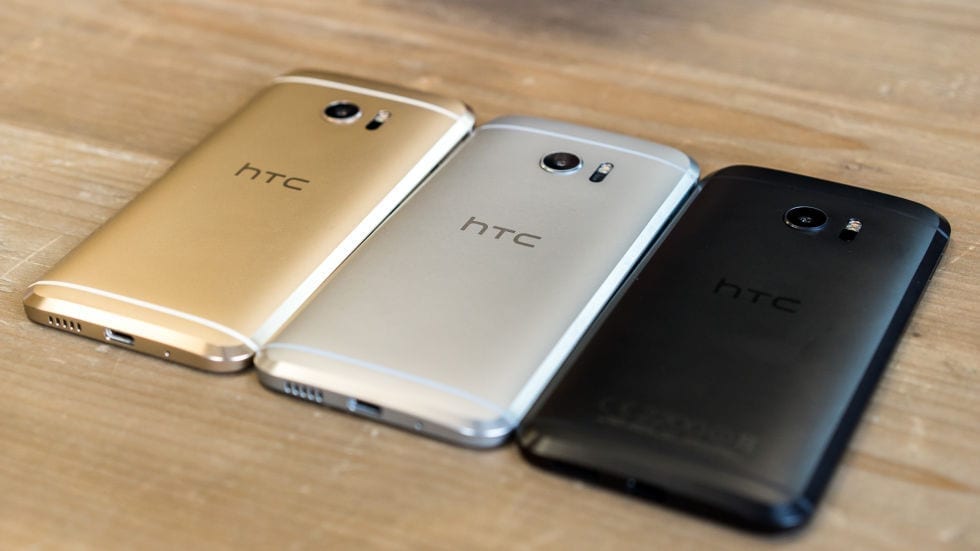
    Back in 2014, when the brand was riding high due to the success of the One (M8), HTC released a total of 30 smartphones. As its struggles began to sink in, this figure dropped and by 2016 HTC was launching just 16 devices per year. Throughout 2018, the company scaled back its business even further with just 7 releases and this year it’s nowhere to be seen, but that could soon change.

    A mysterious HTC smartphone was recently benchmarked under the name ‘HTC 2Q741.’ It’s unclear at this point what kind of features the device will offer, but the Geekbench listing does reveal the presence of MediaTek’s Helio P35 on the inside.

    Combined with 6GB of RAM, this chip scored 897 points on the single-core test and a respectable 4385 points on the multi-core assessment. These results put HTC’s offering on par with rival Snapdragon 630-powered devices such as the Xperia 10 or Nokia 6.1 but behind Snapdragon 632-powered models like the Moto G7 and Moto G7 Power.

    HTC is yet to confirm when this unnamed model will be released, but the Taiwan-based brand is reportedly developing two other models at the moment too. These include a 5G flagship for the second half of the year and an upper-midrange device powered by Qualcomm’s Snapdragon 710.

  • Samsung Galaxy Note 10 Supports 50W Charging

    Samsung Galaxy Note 10 Supports 50W Charging

    Samsung recently released two phones that support 25W fast charging, but you may have missed that because they are not available worldwide. Those are the 5G version of the Galaxy S10 and the Galaxy A70. More Samsung phones may get super-fast charging in the future, starting with this year’s Galaxy Note 10.

    We’ve already heard rumors that the Galaxy Note 10 is likely to great battery life, and it seems like Samsung is also planning to introduce 25W fast charging alongside the increased battery capacity. It’s too early to tell whether the base Note 10 will get super-fast charging, or whether it will be reserved for the “Pro” version only, but prolific leaker Ice Universe claims that the charge speed may actually exceed 25W. We may be talking about 50W, which is the current bar set by the competition.

    OnePlus’s DASH Charge works at 30W, while Oppo’s SuperVOOC charge can hit around 50W, and both have been tested with great results. Similarly, Xiaomi has an insane 100W prototype charging solution that’s said to be able to fully juice up a 4000mAh battery in just 17 minutes. Over the last three years, Samsung has understandably been a bit more careful in regards to battery capacity and charging speeds, as the memory of the ill-fated Galaxy Note 7 still lingers in the public mind.

    The Samsung Galaxy Note 10 and Galaxy Note 10 Pro are likely to launch in mid-August, and if recent rumors are to be believed, they won’t disappoint. The more expensive Pro variant is said to feature the same hexa-camera setup as the Galaxy 10 5G. That includes four cameras on the back (12MP primary with OIS + 12MP telephoto with 2x optical zoom + 16MP ultra-wide angle+ depth sensor) and two selfie snappers in front. The base Galaxy Note 10 will reportedly have a penta-camera setup that includes everything on the Note 10 Pro, except for the depth sensor. The U.S. version of all Note 10 units will be powered by the Snapdragon 855 Mobile Platform, equipped with at least 8GB of memory.

  • Samsung’s Galaxy Home Finally to Arrive

    Samsung’s Galaxy Home Finally to Arrive

    In addition to being the world’s largest handset vendor, Samsung also continues to dominate the TV market while supplying the vast majority of smartphone displays out there and topping global chip sales. The tech giant is a major tablet and smartwatch manufacturer as well, but one industry the company hasn’t been able to crack just yet is ruled by arch-rivals Amazon and Google.

    We’re talking about digital assistants in general and AI-powered smart speakers in particular, like Bixby and the Galaxy Home aren’t exactly considered serious challengers for Google Assistant, Alexa, and their army of standalone devices designed for home use. Of course, a big reason why the Samsung Galaxy Home hasn’t managed to take off might be that it’s still not actually up for grabs anywhere around the world.

    First showcased a whopping nine months ago, the Google Home Max and Apple HomePod rival looked destined for an impending commercial debut several times since then, but unfortunately for Samsung, none of the optimistic rumors floating around materialized. At one point, the company’s own CEO was reportedly quoted as teasing this bad boy’s arrival “by April”, although subsequent statements brought back the vagueness, hinting at a launch in the “first half of 2019.”

    With the HomePod and Google Home Max out for a few years now, not to mention a flurry of lower-end, lower-cost models from both Google and Amazon, it felt late for the Samsung Galaxy Home to join the party even last fall. But while Bixby is still widely derided or, at best, ignored, its recent progress is also undeniable. Apart from handy voice assistance and smart home controls, Samsung’s first in-house smart speaker aims to shine in the audio quality department thanks to premium AKG enhancements. Perhaps that could be its saving grace.

  • iPhone sales declined in every part of the World

    iPhone sales declined in every part of the World

    As Apple confirmed in its two most recent earnings calls, iPhone sales have been consistently down year-on-year since October. The Cupertino giant blamed this primarily on weak demand in China, but recent SEC filings show this isn’t the full story.

    Apple’s recent Form 10-Q filing with the SEC (US Securities and Exchange Commission) contains a detailed breakdown of performance over the past six months by both product category and geographical region.

    iPhone sales, as mentioned above, have been down for the past six months. The Greater China region which includes China, Hong Kong, and Taiwan has undoubtedly impacted Apple’s total shipments the most, but in actual fact, the company has been experiencing “lower iPhone unit sales in all the reportable geographical segments” since October. This has resulted in year-on-year revenue declines for all regions except the Americas (North and South America), with Greater China being the most affected followed by Europe and Japan.

    In almost every geographical segment, Apple’s lower iPhone shipments were partially offset by improved performance in other product categories. For example, in Europe, the company’s Services and Wearables businesses grew significantly, while over in Japan Services and iPad were key. In the Americas, however, strong Services and Wearables performance managed to entirely offset weak iPhone shipments and push year-on-year growth to a decent 4%.

    Taking a look at the company’s performance over the past three months rather than six, it seems as though Apple’s efforts in certain regions are finally beginning to pay off. Other markets, however, seem to be in decline.

    As mentioned by Apple in its recent earnings call, the company noticed improved demand in Greater China towards the end of the quarter. It didn’t elaborate on the matter, but it seems to have translated into slightly better financial results for the brand as, for the three months ending March 31st, the year-on-year sales decline was 22%. This is still pretty major, but it represents an improvement over the -25% average Apple has experienced in the region since October.

    Another region that has improved in Japan. Over the past six months, Apple’s sales have dropped an average of 2%, but throughout the first three months of 2019 sales were actually up 1%. Similarly, the Americas continued to experience growth throughout the past quarter.

    Moving on to Europe and the Rest of Asia Pacific, these two geographical segments didn’t fare as well. Since October, Apple has experienced an average revenue decline in these regions of 4% and 2% respectively. But during the first quarter of the year, these numbers nosedived to 6% and 9% due primarily to even lower iPhone demand.

    Regarding Apple’s performance throughout the rest of 2019, the Cupertino giant now appears confident that it can improve the situation in Greater China and ultimately slow down its year-on-year decline. Nevertheless, it’s still forecasting a drop for this current quarter and, with business in Europe and the Rest of Asia Pacific seemingly struggling, it’ll remain to be seen how Apple handles the situation.

    Towards the end of 2019, Apple’s next-gen iPhones should provide a decent boost to demand. However, analyst Ming-Chi Kuo recently predicted almost no growth. Instead, Kuo expects iPhone sales to pick up towards the end of 2020 as a result of the first 5G models which should feature modems from both Samsung and Qualcomm.

  • HTC’s April Revenue Figures Still Low Despite Efforts

    HTC’s April Revenue Figures Still Low Despite Efforts

    HTC had a pretty rough start to 2019 with record-low revenue numbers in both January and February. Nevertheless, things then started to look more positive in March as HTC’s sales increased dramatically thanks to the popularity of its VR headsets. But as revealed by the company’s latest figures, this resurgence was short-lived.

    Between April 1st and April 30th, HTC generated a total of NT$0.59 billion ($19.07 billion) in revenue. It’s unclear how this figure is split between smartphone and VR sales, but it, unfortunately, represents yet another record-low for the HTC One creators. Comparing the results to previous ones, April’s numbers translate into a big 54.85% month-on-month drop from the NT$1.31 billion ($42.46 billion) it generated in March and also amount to an even bigger 71.77% year-on-year decline.

    Way back in December, HTC stated that its focus for 2019 would be turning a profit and regaining its market share in the smartphone segment. So far, though, the Taiwan-based company has done little to achieve this with zero launches since December and no devices on the horizon. HTC has, however, released the Vive Focus Plus VR headset and launched its Viveport Infinity subscription service.

    Looking to the second half of 2019, HTC is largely expected to announce its first 5G flagship smartphone. Presumably, this will be available to purchase through multiple carriers and will provide a decent boost to the company’s finances. Additionally, rumor has it HTC is negotiating a brand licensing deal in India which could prove beneficial too.

  • New iPhones to feature new antenna structure For Better Indoor Navigation

    New iPhones to feature new antenna structure For Better Indoor Navigation

    With just over four months to go until Apple’s next-gen iPhones are officially introduced, renowned analyst Ming-Chi Kuo is back today with his latest research note which focuses on the antenna technology Apple will use.

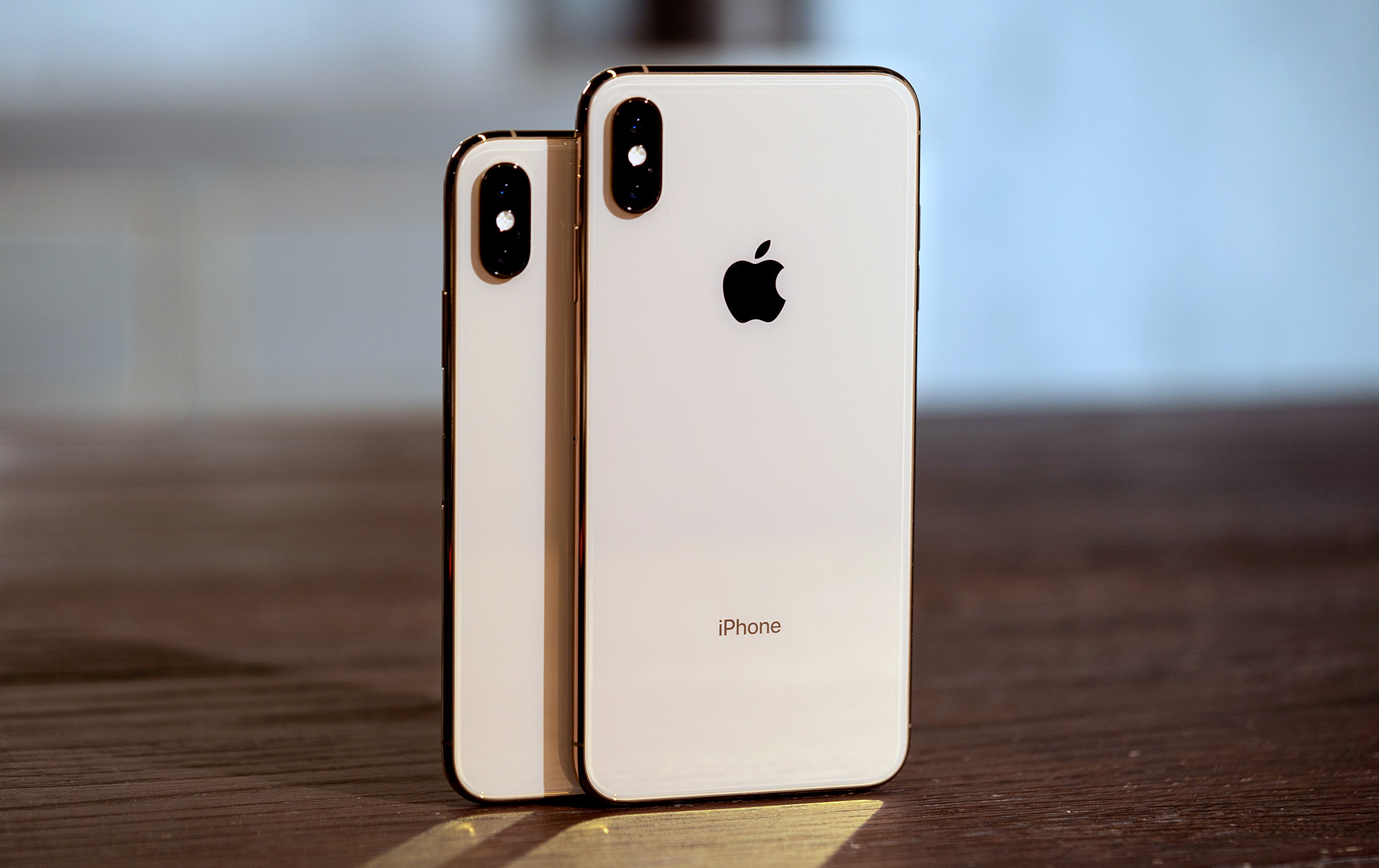
    Inside the iPhone XS, iPhone XS Max, and iPhone XR there are currently two upper antennae and two lower ones, all of which are manufactured from Liquid Crystal Polymer (LCP). According to Kuo, though, the 2019 iPhone series will introduce some major changes to this structure. Specifically, it’s predicted Apple will use a single LCP and modified polyamide (MPI) unit for the upper antenna and three MPI units for the lower ones.

    The reason for this sudden switch to MPI technology reportedly has something to do with production. In his research note, Kuo explains that the current-gen iPhones are being held back by LCP manufacturing issues which cause problems for high-frequency cellular transmission and ultimately affect yield.

    The focus on the modified-PI structure this year should result in similar 4G LTE performance and fewer production problems. Theoretically, the technology is also cheaper to produce, although Kuo believes the overall antenna production costs will rise between 10% and 20% due to new ultra-wideband upgrades that will improve indoor navigation performance. Speaking of which, recent Apple patents suggested the company was working on a feature that’d allow individual store and mall apps to integrate indoor mapping and location tracking.

    Another benefit that’ll come from the switch is a more diverse set of suppliers – Apple will apparently go from having just two suppliers to a total of five. Murata, who is already one of Apple’s suppliers, will continue to supply LCP for the upper antenna, while Flexium, Avary, and ZDT will split orders for the MPI part. Regarding the bottom MPI units, orders look set to be split between Avary, ZDT, and DSBJ. Current LCP supplier Career has been cut from Apple’s order list, according to Kuo, and will not receive new orders for the iPhone, iPad, or Apple Watch this year.

    The focus on MPI this year is a pretty major move for Apple, but according to Ming-Chi Kuo, it’s only temporary. In fact, come next year the Cupertino giant will reportedly switch back to LCP once materials have been improved and production issues resolved. This technology will then be used inside the next-gen iPad Pro models that are due to arrive in Q1 2020 and Apple’s first 5G iPhones later on in the year.

    While on the topic of 5G iPhones, it’s worth pointing out that the modem situation for these has changed quite drastically over the past month. Following Apple’s legal battle with Qualcomm which resulted in the latter refusing to supply the former with modems for its 2018 iPhone series, the expectation was that the Silicon Valley-based company would continue to use Intel modems as it introduced support for the next-generation networks next year.

    Towards the middle of April, however, Apple and Qualcomm surprisingly announced that they had reached a six-year agreement for chips. This quickly led to Intel’s exit from the mobile 5G modem market and now, according to Kuo, Apple will use both Qualcomm and Samsung 5G modems next year.

    Eventually, support for the next-gen networks will also be expanded to the iPad Pro lineup. However, Kuo believes this won’t happen until the tablets are refreshed in 2021.

  • Trump’s threat could lead to higher Apple iPhone prices

    Trump’s threat could lead to higher Apple iPhone prices

    If you live in the U.S., be prepared to pay more for the Apple iPhone. A multi-part tweet disseminated today by President Donald Trump revealed that starting next Friday, $200 billion of Chinese goods imported into the U.S. will be taxed at a 25% rate, up from the current 10%. Trump also noted that $50 billion of hi-tech goods from China that are imported by the U.S. already are taxed at 25%. While the Apple iPhone and other Apple devices have managed to evade the tariff charges, Trump is now talking about taxing hundreds of billions of dollars of additional Chinese products imported into the states, possibly including the iPhone. While Apple designs its products in the U.S., they are assembled by contract manufacturers in China and imported into the U.S.

    Trump could be merely seeking to raise the pressure on China to reach an agreement with the U.S. A negotiating team from the country will travel to Washington this week for a round of talks. This could be the last chance for both nations to reach an agreement and end a trade war that has weakened China’s economy. That weakness has hurt Apple’s business in the country. During the company’s fiscal second quarter, which ran from January through March, Apple saw its sales in China declined by 21.5% from $13.02 billion to $10.22 billion.

    The trade war between the U.S. and China went into high gear last March when the president announced a 25% tariff on $50 billion of Chinese tech products sent to the states. A couple of weeks later, the Chinese retaliated by adding a tax on 128 products imported from the U.S. The Times reported last summer that Trump had told Apple CEO Tim Cook that he would not place a tariff on the iPhone (he uses two of them, one for tweeting), although that report was later denied by the White House.

    So why has Trump decided to engage in a trade war with China? The U.S. has run a large trade deficit with China for years, and while many economists will say that this shows that U.S. consumers are wealthier than their Chinese counterparts and can afford to purchase more goods from that country, the president sees it differently. He views the trade deficit as a scoreboard showing that the U.S. is losing when it comes to trade with China.

    The president also could be losing patience with Apple CEO Tim Apple Cook. Trump has said numerous times that Apple needs to move the production of its products to the U.S., and tweeted last September that Apple could avoid tariffs by moving jobs to the U.S. And in a bizarre episode that has never been explained, back in June of 2017 the president said that he was told by Tim Cook that Apple would build “three big plants, beautiful plants” in the U.S.The president said at the time that he couldn’t say where the factories would be located, or what they would produce. There was a good reason for that; Apple denied that this conversation ever happened. But to illustrate how the president thinks, he had previously told that he wanted Apple to build its best factory in the states “even if it’s only a foot bigger than someplace in China.”

    While the U.S. has been pressing China to buy more American made goods, it also wants the country to stop demanding U.S. trade secrets and technology as a condition for doing business in China. And while there is no doubt that Trump sees the tariffs as a way to twist the arm of Chinese president Xi Jinping, the data indicates that Americans are being hurt by the price hikes being passed on to them because of the tariffs. And if the iPhone ends up on the list of products getting taxed, U.S. consumers will end up paying more for the device. How much more would depend on how much of a tariff Apple would decide to eat.

  • Apple shares Down Since Long

    Apple shares Down Since Long

    Apple reported that it barely topped Wall Street estimates for iPhone and Services revenue during its fiscal second quarter, which ran from January through March. The company took in $31.05 billion from sales of its smartphones during the quarter, barely topping the $31.03 billion that Wall Street expected. Since the end of the fiscal fourth quarter, Apple has stopped revealing how many iPhone units were sold during the period. The revenue figure is a 17% decline from the same quarter last year.

    While iPhone sales have been struggling, Apple has been focusing on its Services business, which includes AppleCare, iTunes, the App Store, Apple Music, Apple News+, Apple TV+ and Apple Arcade (starting this fall). Apple has had a goal of reaching $50 billion in Services revenue, which would double the $25 billion it took in during fiscal 2016. For the fiscal second quarter of 2019, Apple generated $11.45 billion from the Services unit, its second largest and most profitable division. That not only topped the $11.37 billion that Wall Street was looking for, but it was also a 16% boost from the $9.85 billion that the Services unit brought in a year ago. By adding more subscription services such as Apple News+ and Apple TV+, the company is looking to take advantage of an installed base that is now numbered at 1.4 billion devices. Apple had 390 million paid subscriptions during the three months.

    During the quarter, Apple garnered $4.87 billion in iPad revenue. That was a healthy and surprising 22% improvement from the $4 billion that the tablets brought in during the fiscal second quarter of 2018, and beat analysts estimate of $4.21 billion in sales. It also was the highest growth rate for the device in six years. The Wearables unit, which includes the Apple Watch and the AirPods wireless Bluetooth earphones, had $5.13 billion in revenue for the three month period. Last year, the division grossed $3.94 billion. That works out to a strong 30% year-over-year growth rate for the unit and easily topped the $4.79 billion that Wall Street was looking for.

    “Our March quarter results show the continued strength of our installed base of over 1.4 billion active devices, as we set an all-time record for Services, and the strong momentum of our Wearables, Home and Accessories category, which set a new March quarter record. We delivered our strongest iPad growth in six years, and we are as excited as ever about our pipeline of innovative hardware, software, and services. We’re looking forward to sharing more with developers and customers at Apple’s 30th annual Worldwide Developers Conference in June.”-Tim Cook, CEO, Apple

    With the problems that Apple has had in China, where it had to cut iPhone prices at the wholesale and retail levels, sales in the country declined from $13.02 billion to $10.22 billion. Sales rose slightly in the Americas and Japan while declining in Europe and Asia (minus China).

    Overall, Apple earned $58.02 billion in the quarter, down more than $3 billion from the same quarter last year. While net income declined to $11.56 billion from $13.82 billion year-over-year, the $2.46 earnings per share figure topped Wall Street consensus forecasts by a dime.

    Investors ate up the report, along with the news that the company raised its quarterly dividend by 5% to 77 cents a share. While Apple closed the regular trading day at $200.67 a share, down 1.9%, after the report was released the stock rose 4.8% or $9.61 to $210.28 a share. At that price, Apple is worth $987 billion and is closing in on a trillion dollar valuation for the second time.

  • The Nokia 4.2 is now available to pre-order

    The Nokia 4.2 is now available to pre-order

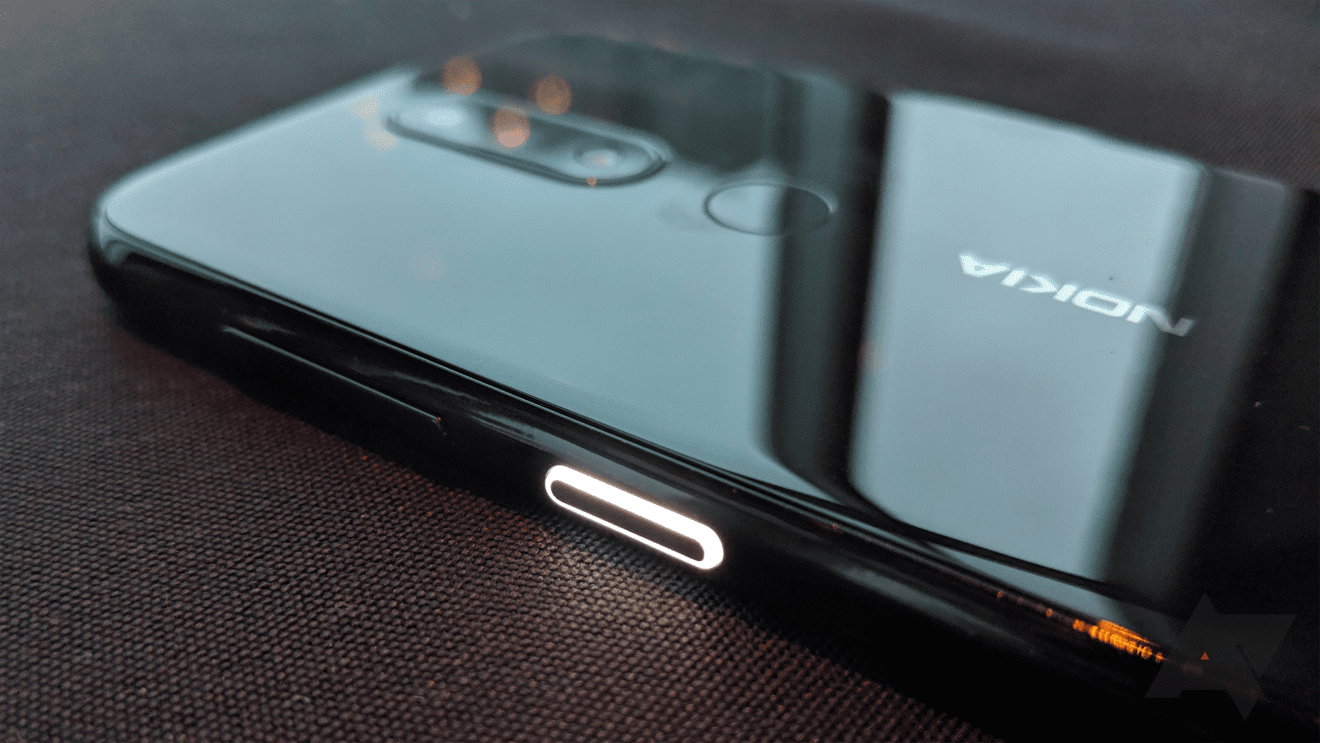
    Two months after unveiling the smartphone at MWC 2019, HMD Global has today announced that the Nokia 4.2 is coming to the United States in two weeks’ time. In anticipation of its release, pre-orders for the smartphone have already been opened up at Amazon and B&H. Best Buy should also start accepting pre-orders today but it is yet to active the page on its website. Shipments for the smartphone are due to commence on May 14. Also, the Nokia 4.2 will be available to purchase in-store at select Best Buy stores starting June 9.

    Regarding its price, the Nokia 4.2 is set to retail at $189 across the U.S. In terms of specifications and features, it offers Qualcomm’s Snapdragon 439 paired with 3GB of RAM and 32GB of storage. This chipset won’t be breaking any records any time soon, but it should certainly provide a decent level of performance for the price.

    Other Nokia 4.2 details include a notched 5.7-inch display and an 8-megapixel selfie camera. The smartphone, which will be available in Black and Pink Sand, also boasts a 13-megapixel rear camera and an additional 2-megapixel depth sensor that should help with background blur. Completing the entire setup is stock Android 9 Pie as part of the Android One program, a 3,000mAh battery, and support for T-Mobile, AT&T, Cricket, and Metro networks.

  • Google adds Tiles to Wear OS To Show Useful Information

    Google adds Tiles to Wear OS To Show Useful Information

    From a totally redesigned UI and battery life improvements to faster Google Pay and bug fixes, no matter how big or small the update there’s no denying Wear OS by Google, as it’s now called, has come a long way since it was first introduced back in 2014 under the Android Wear branding.

    Today, to help improve the overall experience even more, the Silicon Valley-based giant has announced another pretty big update to its wearable-focused OS.

    Around eight months ago, as some of you may remember, a new Wear OS design was introduced that provided users with swipeable access to a variety of things. A swipe from the bottom of the screen showed recent notifications and Quick reply suggestions, while a swipe down displayed a variety of Quick Toggles. Similarly, a swipe over to the left side of the panel brought up the Google Assistant and over on the right sat Google Fit.

    The response to this new design since its launch last summer appears to have been largely positive, and now Google is building upon it with a cool new feature that it’s calling Tiles.

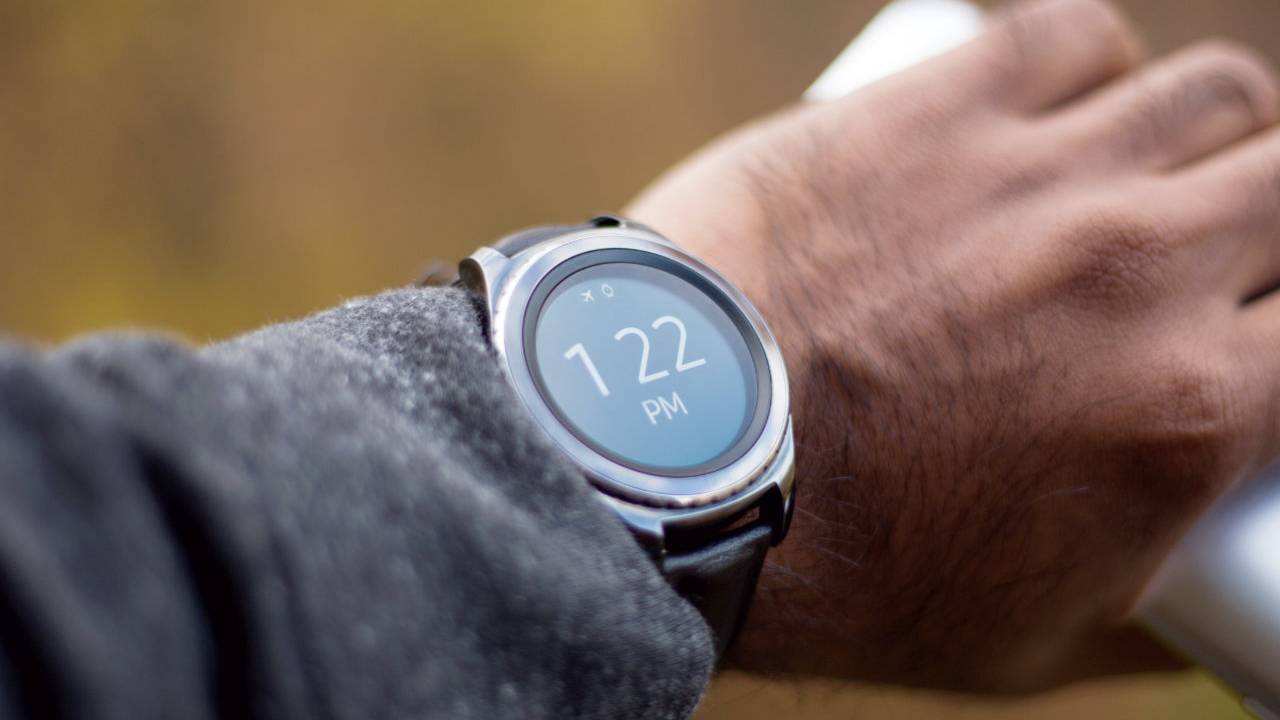
    As the name suggests, Wear OS by Google will soon integrate a number of tile-like cards into its UI that users can easily swipe through to see various bits of information that may interest them. Tiles are accessible by simply swiping to the left and, if users aren’t happy with the default order, they can be rearranged freely by long-pressing them and dragging each one individually until they are in the desired order. Alternatively, smartwatch owners can switch them around inside the Wear OS by Google app on their smartphone.

    According to Google, the initial rollout will include a total of six individual tiles. The first, called Goals, works just like the current Google Fit screen, allowing users to view their daily workout goals and start a physical activity with a simple tap.

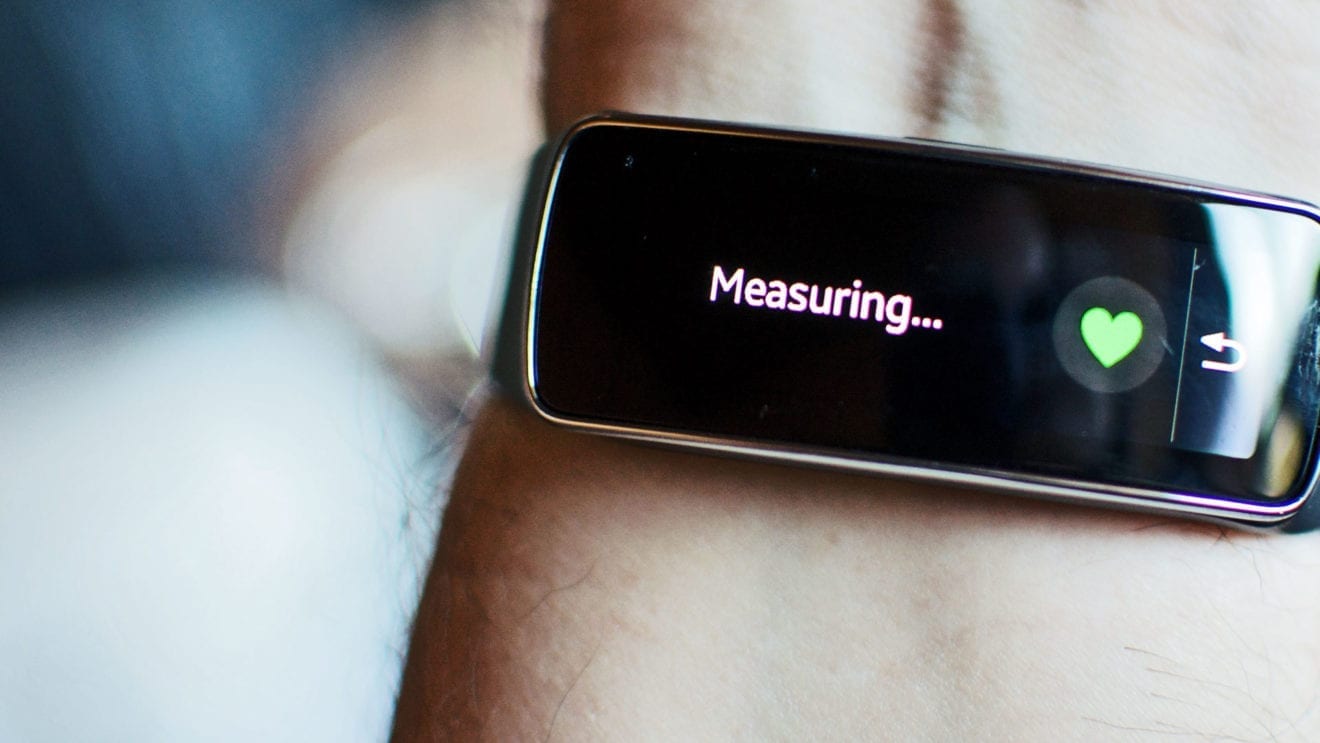
    Another fitness-focused feature comes in the shape of the Heart rate Tile which, as expected, shows users their current heart rate. However, in order to use this one, consumers need a smartwatch with a built-in heart rate monitor. Alternatively, Bluetooth heart rate sensors such as straps can also be used.

    Joining Heart rate will be Next event and Forecast. The former does exactly what it says on the tin by displaying the next event in the calendar, while the latter allows users to prepare for the day by providing the local weather forecast.

    Completing the lineup of Tiles is Headlines which will constantly display the latest news headlines from a variety of different sources throughout the day. Also arriving as part of the update is the Timer tile which, as its name suggests, allows users to quickly set timers on their respective smartwatches.

    The new Tiles feature will begin rolling out to Wear OS watches across the globe over the course of the next month. An exact start date for this is yet to be confirmed, but Google does plan on showing the feature off at Google I/O next week where it’s also expected to announce the Google Pixel 3a and Pixel 3a XL, which will act as the company’s first mid-range smartphones.

    Regarding the future of Tiles, Google has confirmed that, over time,it’ll expand upon the current list of six by introducing new ones that center around different features. Eventually, users should have a Tile for every need.

  • Mi Band 4 about to Arrive

    Mi Band 4 about to Arrive

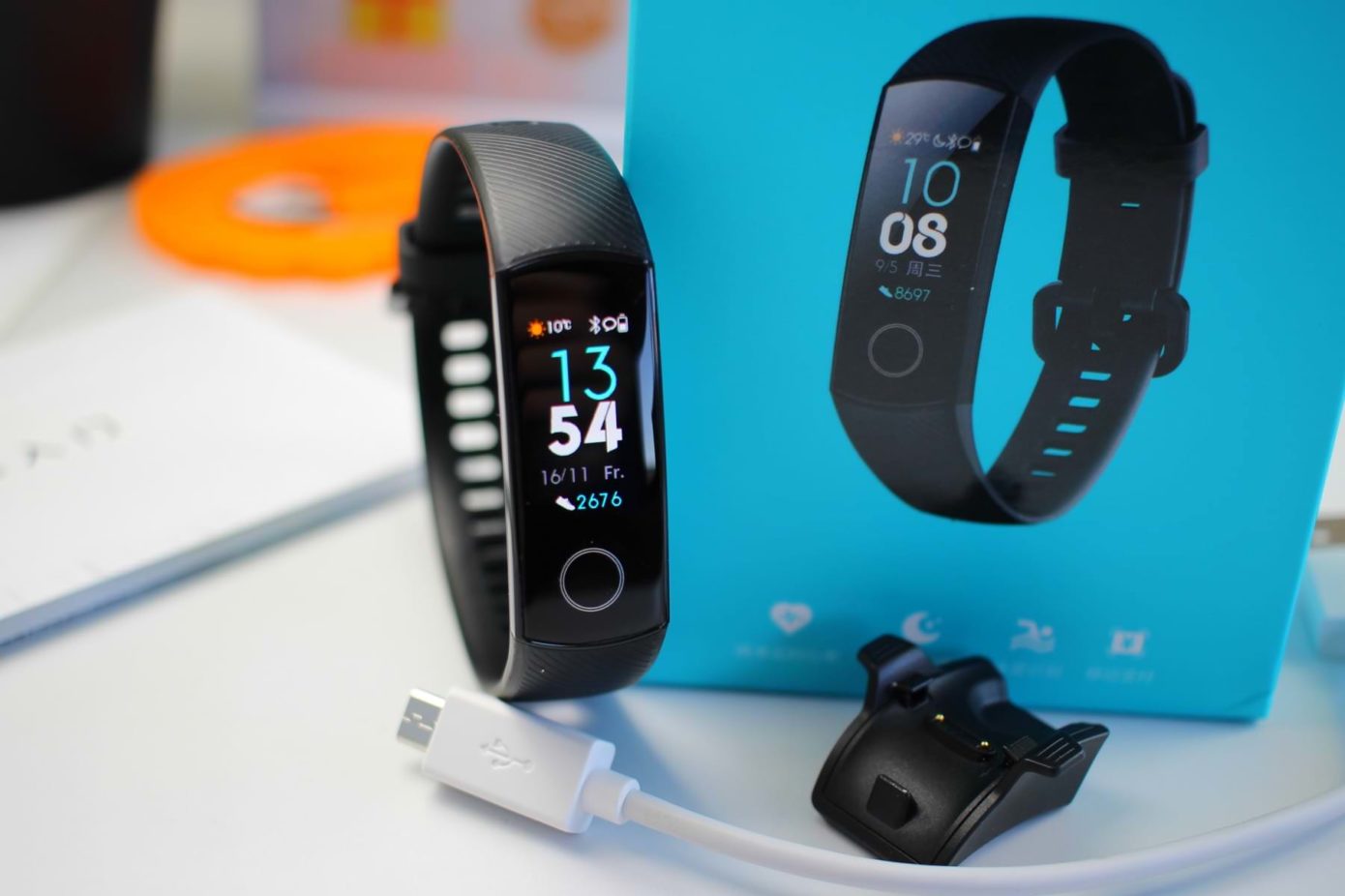
    Back in March, we told you that the Xiaomi Mi Band 3 fitness tracker is selling so briskly, Xiaomi was in no rush to release the sequel. One reason for the heavy demand is the wearable’s low price. Sold for $30 on Amazon, the device measures a user’s heart rate, counts the number of steps he or she has taken, monitors sleep quality and much more.

    But even the Mi Band 3 must step aside for a newer version with even more features. And today, spotted by DroidShout,  one of the two Mi Band 4 variants received certification by Taiwan’s National Communications Commission (NCC).

    The Mi Band 4 that was certified is model number XMSH07HM; this is the unit without NFC support. Another version with the model number XMSH08HM will come with NFC support, most likely so it can be used with the Xiaomi Pay mobile payment service. That model will be sold in China only. Both units received certification in March from the Bluetooth Special Interest Group, revealing that the Mi Band 4 will be equipped with Bluetooth 5.0 LE (Low Energy). The current model uses Bluetooth 4.2 LE.

    The NCC certification included several pictures of the Mi Band 4’s main module. There has been speculation that the Mi Band 4 will come with an electrocardiogram (ECG) scanner, similar to the one on the Apple Watch series 4. This is used to detect conditions like Atrial Fibrillation (AFib), an abnormal heart rhythm that can lead to strokes, blood clots, and death.

    Now that the Mi Band 4 is beginning to get the thumbs up from various organizations, its unveiling and eventual release surely can’t be too far away.

  • New Google Feature will Automatically Delete your Personal Data

    New Google Feature will Automatically Delete your Personal Data

    It isn’t a secret that Google tracks your location, activities and web usage through your phone. By allowing the company to monitor your Location History, Google can recommend a nearby restaurant, and allowing the company access to your personal data makes other Google apps more useful to you. At least that is what Google says. There already is a way for you to manage this information, but in a new blog post that Google published today, the company said that it has received feedback from users who want an easier way to manage or delete their personal data.

    You can already manage this data using your Google Account. On an Android phone, go to Settings > Accounts > your Gmail address > Google Account > Manage your data & personalization. From there you can opt-out of Web & App Activity, Location History, Voice & Audio Activity, Device Information and YouTube Search History. Click on the section titled Manage your activity controls to stop Google from tracking your use of Chrome and other apps.

    But the auto-delete tools that Google announced today will allow you to select how long you want Google to save your personal data. You can choose to save it for 3 months, 18 months, or until you manually delete it. If you pick 3 months or 18 months, any data older than the option you select will automatically be deleted on an ongoing basis.

    “Whether you’re looking for the latest news or the quickest driving route, we aim to make our products helpful for everyone. And when you turn on settings like Location History or Web & App Activity, the data can make Google products more useful for you—like recommending a restaurant that you might enjoy, or helping you pick up where you left off on a previous search. We work to keep your data private and secure, and we’ve heard your feedback that we need to provide simpler ways for you to manage or delete it.”-Google

    This new feature will first be made available for Location History and Web & App Activity and Google will start pushing it out in a few weeks.