Category: Electronics

Retail News Asia is committed to providing both local and global retailers with the latest Electronics news throughout the Asian market. This on a daily base.

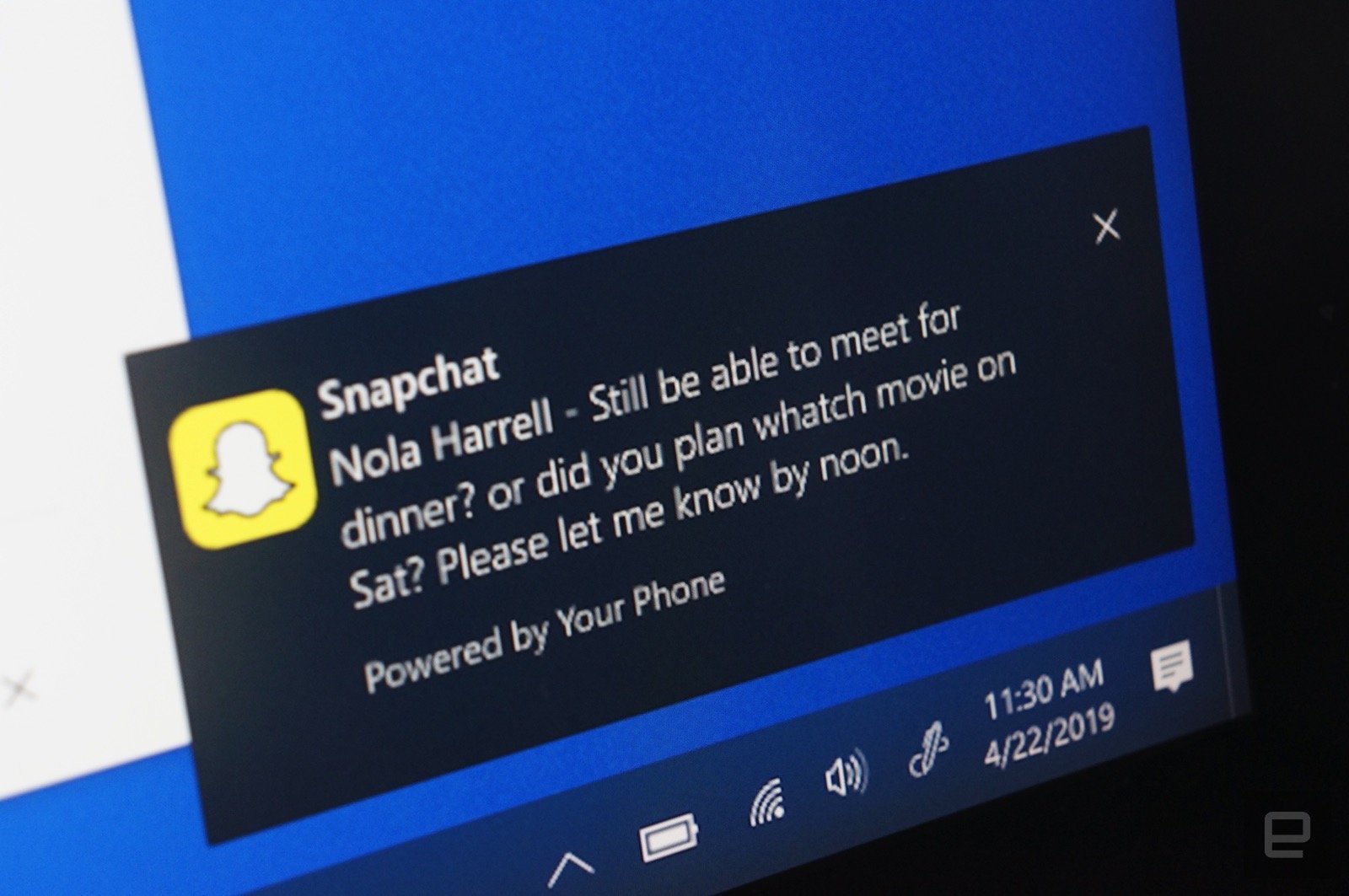
  • View Android Notifications on your Windows 10

    View Android Notifications on your Windows 10

    Last month, we told you that Microsoft was testing phone screen mirroring between Windows 10 and a limited number of Android handsets. The feature uses Wi-FI and Bluetooth to allow Android apps to appear on your Windows 10 PC. Originally, mirroring apps was a function available only for the Samsung Galaxy S8, Samsung Galaxy S8+, Samsung Galaxy S9, and the Samsung Galaxy S9+. Microsoft said that it would expand the list, and they weren’t lying.

    Before we tell you the additional handsets that now support this feature, we do need to tell you that it requires you to install the Your Phone Companion app from the Google Play Store. Microsoft says that the additional phones that now support the mirroring include the OnePlus 6, OnePlus 6T, the Samsung Galaxy S10e, Galaxy S10, Galaxy S10+, Galaxy Note 8 and Galaxy Note 9.

    Besides the mirroring available with the aforementioned phones, the Your Phone Companion app allows your PC to get texts, documents, and photos from any phone running Android 7 and higher. And now, the app will allow you to see phone notifications on your PC screen. Microsoft says that insiders on the 19H1 build will soon receive a preview that brings these notifications from your phone to your desktop in real time. You can decide which apps you will see notifications from on the computer screen, and if you dismiss one from the desktop, it will also disappear from your phone. These new features also will soon appear in the Your Phone Companion app.

    To see phone notifications on your Windows PC, your Android device running Android 7.0 or higher must have 1GB of RAM or more. and the Windows 10 PC must be using build 1803 (RS4) or newer. If notifications are disabled on the computer due to work policies, this feature will not work.

  • Sony’s days in the smartphone Industry are Ending

    Sony’s days in the smartphone Industry are Ending

    Sony has never been able to obtain success in the smartphone industry the way it once controlled the mp3 market, the video game console market, and the television market. Trying to differentiate itself, this year’s Xperia 1 flagship, unveiled at MWC in February, features a 6.5-inch 4K AMOLED display with a 21:9 aspect ratio. Despite what would appear to be a great screen for watching streaming video on, the pricing is sure to turn some away.

    For the second time in six years, a particular hedge fund is building up a stake in Sony hoping to influence its business decisions. Those familiar with the plans say that Third Point LLC, run by Daniel Loeb, is looking to implement its own turnaround strategy for Sony. Loeb’s fund reportedly has $14.5 billion in assets and is believed to be raising money ($500 million to $1 billion) for a fund dedicated to the purchase of more Sony shares.

    The parts of Sony that Third Point wants to take a hard look at include the semiconductor and insurance businesses and the movie studio, which some believe that Amazon and Netflix could be interested in. And while the report from Reuters doesn’t mention the mobile phone business, it most likely would be a division that Loeb would prefer to see Sony jettison. Last month, the company folded its mobile unit into the same business segment that includes its TV, camera and audio products. And a report published in March stated that by next year Sony will cut the head count in its smartphone division in half.

    Jefferies analyst Atul Goyal told clients in a note sent out last week that Sony needs to exit the mobile phone business. Sony will no doubt want to gauge the reception to the Xperia 1 before it decides whether or not to stop producing smartphones. But if Third Point LLC builds a big enough stake in Sony, the decision whether to cut its losses in the smartphone industry might be taken out of the company’s own hands.

  • Samsung Brings inexpensive Galaxy Fit-e fitness trackers

    Samsung Brings inexpensive Galaxy Fit-e fitness trackers

    Unveiled back in February, the Galaxy Fit is likely get a cheaper brother, which hasn’t been officially introduced yet. Samsung was quite vague regarding the Galaxy Fit’s availability saying that Galaxy Fit-e will be launched in Q2 2019, and didn’t offer any details about pricing.

    However, we’ve just learned that the Galaxy Fit-e will be launched in the United States on May 21. Android Pit reports the fitness tracker has already been listed on Samsung Albania website with a price equivalent of just $35.

    The inexpensive Galaxy Fit-e sports a monochrome PMOLED display and a small 70mAh battery that should offer about one week of battery life. The fitness tracker is waterproof (5 ATM) and very light (15g).

    It comes with all the fitness and health specific features, including sleep and pulse tracking, notifications and exercises. Samsung Galaxy Fit-e will be available in three colors: black, white, and yellow.

    Apparently, Samsung Albania jumped the gun on the Galaxy Fit-e since no other Samsung website lists the fitness tracker yet. Also, take the information with a grain of salt until the South Korean company make the Galaxy Fit-e official.

  • Action Launcher 40 released with lots of Features

    Action Launcher 40 released with lots of Features

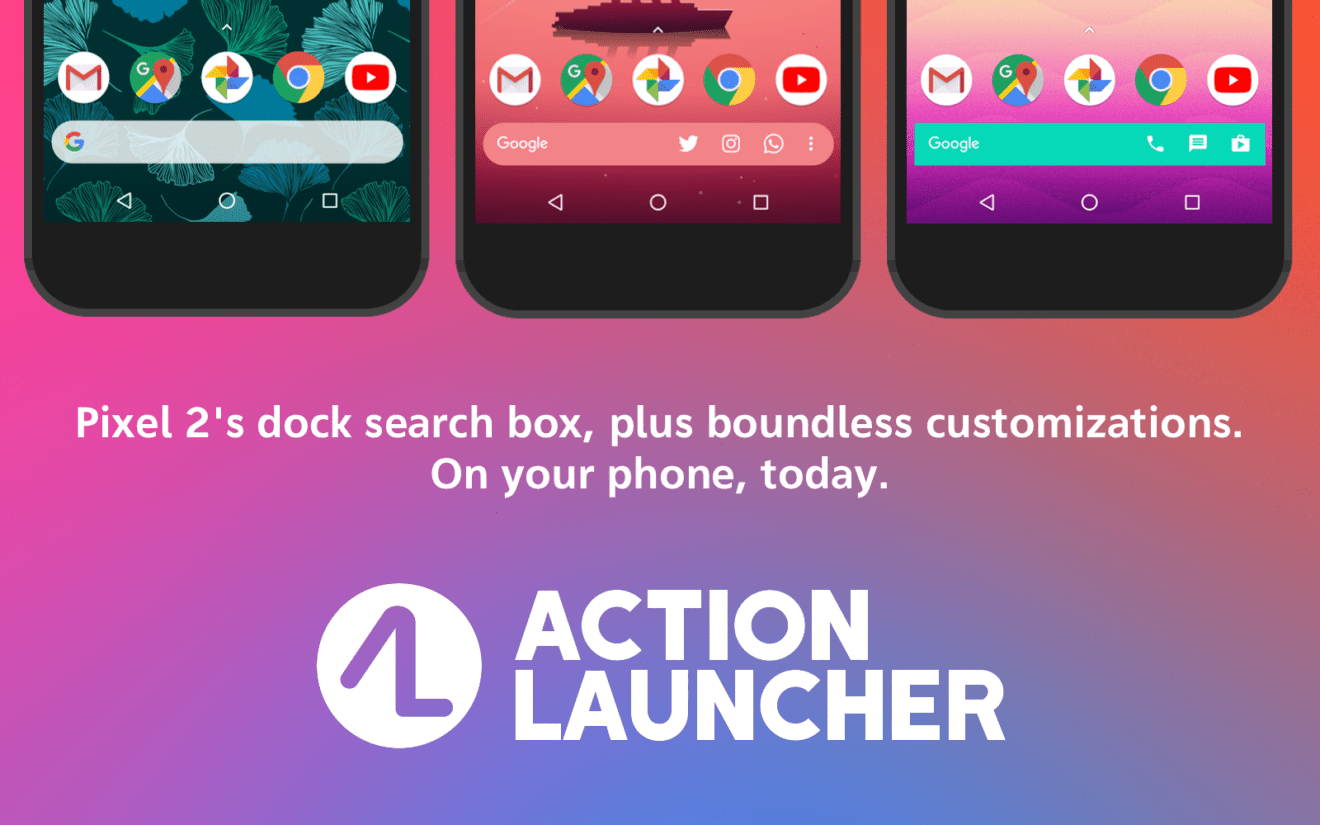
    With more than 5 million download in the Google Play Store, Action Launcher is among the most popular Android launchers. Not only for that reason, developer Chris Lacy has just released a major update that brings Action Launcher to version 40 and introduces a new icon, along with many important improvements.

    The first thing long-time Action Launcher users will notice is the new, colorful icon that’s meant to induce the ideas of customization and accessibility. Now that we’ve done with the design changes, let’s take a look of the more juicy stuff.

    Action Search is a brand new feature that allows users to search across the web deeper than ever. You can now use the new feature to check through your in-app search history and Android and Action Launcher’s settings. Basically, you’ll be able to get to a specific system or Action Launcher directly from the home screen. More importantly, Action Search is available for all users, not just those who purchased the premium version of the app.

    Along with Action Search, the update brings a brand new Action Web Search, which is a “custom built, externally hosted, Action Launcher themed web search solution,” which is meant to provide users with web, news, image and video search results.

    Last but not least, Action Launcher 40 adds the ability to specify the app’s default search engine. So, besides Google and the newly introduced Action Web Search, native support for Bing and DuckDuckGo are now available for users.

    Of course, many under the hood improvements have been implemented as well, including key bug fixes, improvements of app’s boot time, and addressing a major memory leak issue.

  • Google removes apps from the Play Store for Ad fraud

    Google removes apps from the Play Store for Ad fraud

    A successful Android app developer with over half a billion installs to its credit is having its apps removed by Google from the Play Store. DO Global, based in China, has had 46 apps erased from Google’s Android app storefront after an investigation conducted by BuzzFeed found serious issues with the apps. Before Google started taking action against the developer, DO Global had approximately 100 apps in the Google Play Store making this one of the biggest actions ever taken against an app developer by Google. The remaining apps will be removed shortly. DO Global had been a wholly owned subsidiary of well know Chinese internet firm Baidu. But last year, the unit was spun off and Baidu kept a 34% stake.

    The initial report from BuzzFeed said that at least six of the apps from DO Global would click on ads even if the app was not being used. Online security firm Checkpoint, in partnership with BuzzFeed, found the apps loaded with malware that it dubbed PreAMo.That’s because the apps fraudulently clicked on banner ads served up by mobile ad networks Presage, Admob, and Mopub. Checkpoint states that the malware was installed from these six apps a total of 90 million times.

    Some of the apps involved were credited to developers like “Pic Tools Group” and “Photo Artist Studio,” and their true ownership was hidden by DO Global. That’s another violation of Play Store rules. The developer contact information was also different on several of the apps, obfuscating their true owners. The actual titles include apps like RAM Master-Memory Optimizer; Photo Editor-Makeup Camera & Photo Effects and Crashy Cops. DO Global claims that its apps have 250 million monthly active users, and said that its mobile ad platform reaches 800 million people.

    “We fully understand the seriousness of the allegations. Therefore, after reading the reports about our apps, we immediately conducted an internal investigation on this matter. We regret to find irregularities in some of our products’ use of AdMob advertisements. Given this, we fully understand and accept Google’s decision. Moreover, we have actively cooperated with them by doing a thorough examination of every app involved…moving forward, we will strictly follow relevant regulations and continue conducting a comprehensive review of our products. Lastly, during this process, we have caused misunderstandings and great concern due to our being unable to communicate in a timely manner and provide complete information. We offer our sincere apologies.”-DO Global

    In a statement, Google said that it will always investigate malicious behavior by apps. When it finds violations, it will prevent a developer from monetizing an app through AdMob and/or remove an app from the Play Store.

  • KDDI, Terra Drone launch drone asset inspection service

    KDDI, Terra Drone launch drone asset inspection service

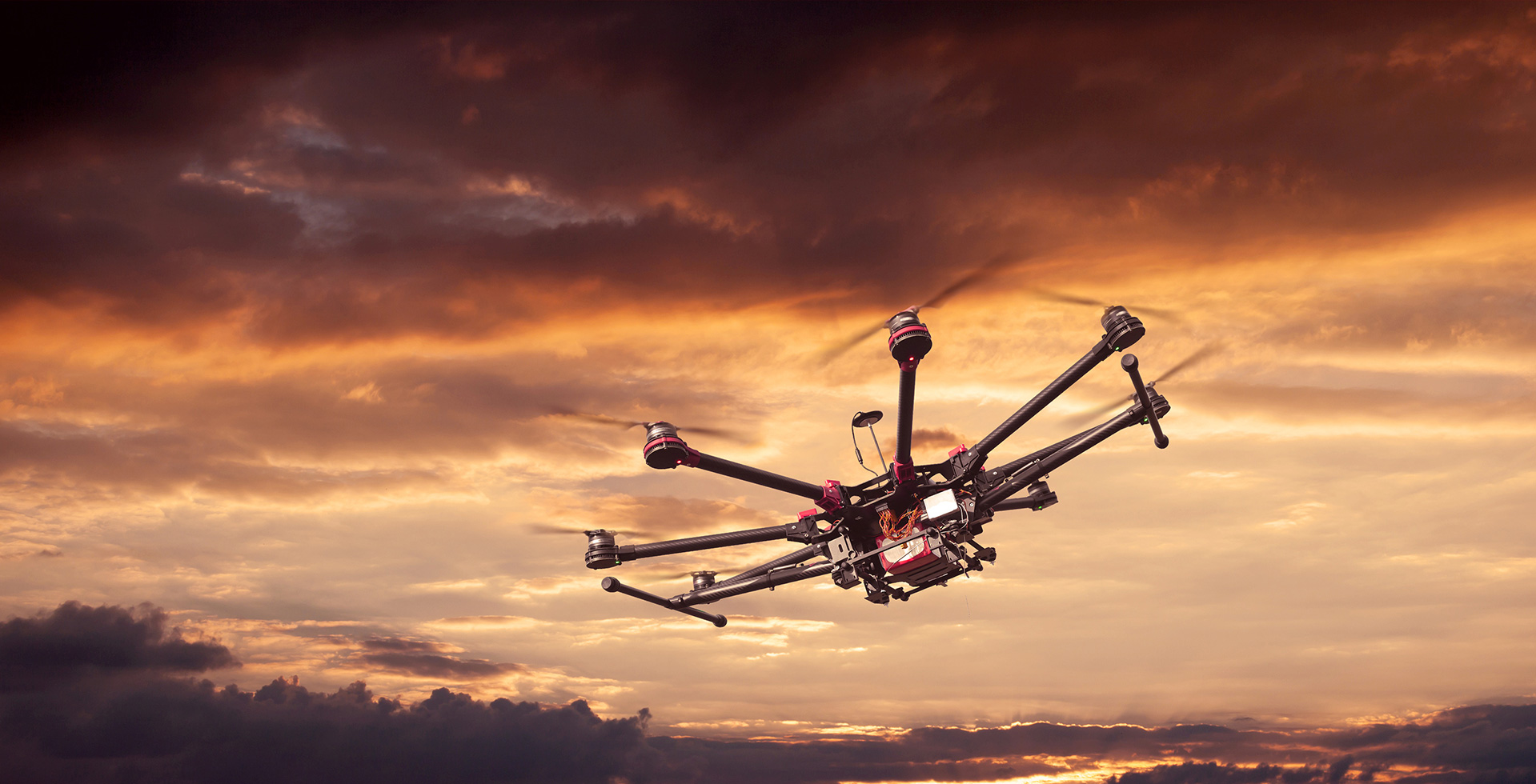
    Japan’s KDDI and industrial drone solutions provider Terra Drone have jointly launched a new drone inspection services for industrial infrastructure.

    The jointly developed solution involves using a drone to generate a 3D, high resolution model of heavy industrial assets such as wind turbines, telecom and transmission steel towers, smokestacks, and bridges.

    The drone will use the model to determine which components should be inspected, allowing the drone to shoot the inspection points from optimal angles and range designated by the Terra Inspection software.

    It uses mobile networks to transmit data back to inspection crews and to allow operators to remotely plan flight paths based on weather databases and maps.

    The solution also has potential applications in areas beyond asset inspection, such as large area surveillance, land surveying or precision farming.

    KDDI and Terra Drone jointly developed the underlying Smart Drone platform, and have developed a number of solutions based on the platform since 2016.

  • Apple’s iPhone XR was the best-selling iPhone in Q2

    Apple’s iPhone XR was the best-selling iPhone in Q2

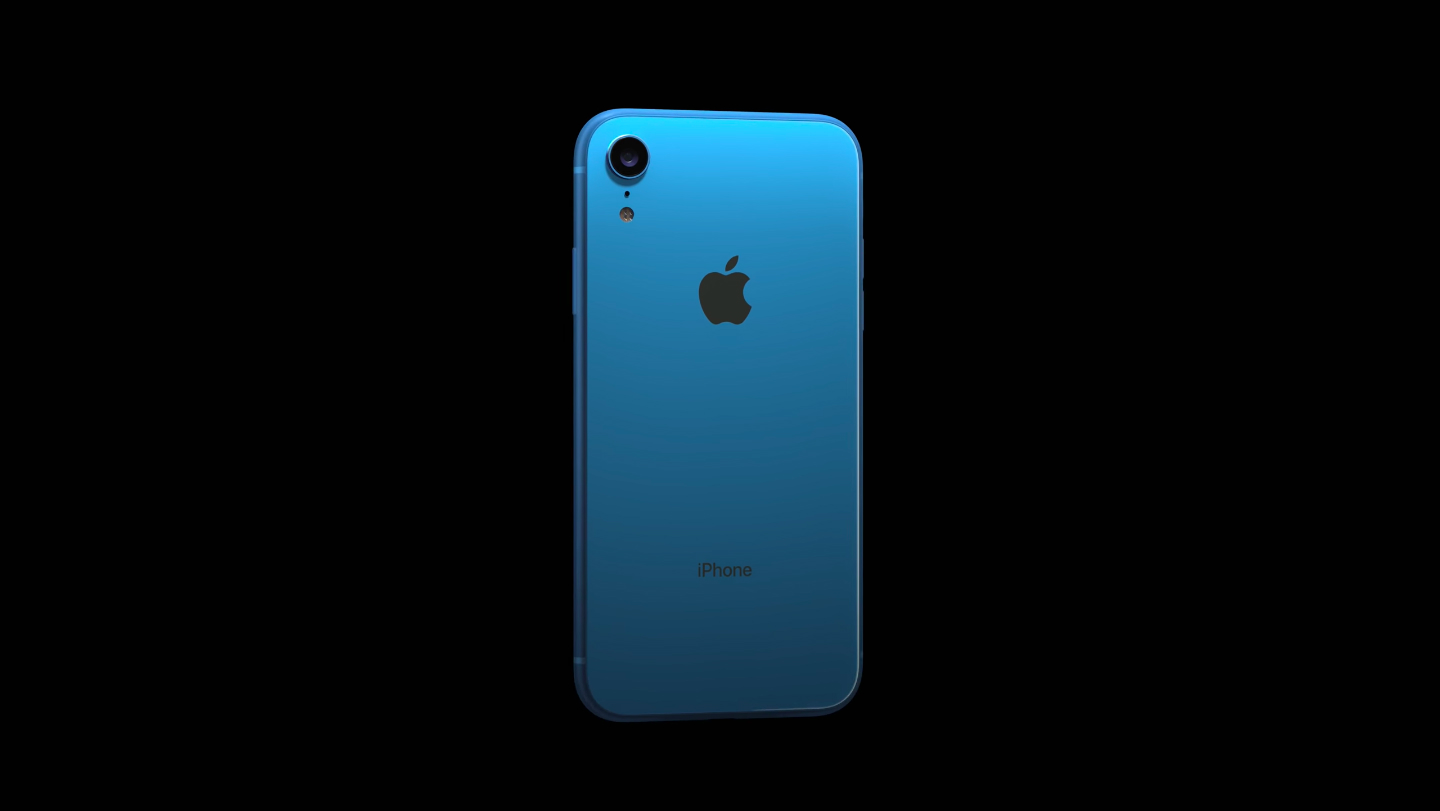
    Although iPhone sales haven’t been living up to Apple’s expectations lately, a recent CIRP report revealed that iPhones were the best-selling devices in the US throughout the first quarter of 2019. And now a new report has revealed which model was the most popular. For the second quarter running, the iPhone XR was the best-selling individual iPhone model in the United States. It accounted for 38% of all US iPhone sales throughout the recent quarter and outsold both the iPhone XS and iPhone XS Max combined by a factor of almost 2:1 – the iPhone XS series accounted for just 21% of sales.

    The remaining 41% of sales were distributed between the iPhone 8 and iPhone 7 lineups. The iPhone 8 Plus and iPhone 7 were the most popular among these, while the iPhone 8 followed closely behind. The iPhone 7 Plus was the least popular by a significant margin, but still managed to sell in numbers that are comparable to those of the iPhone XS.

    During the fourth quarter of 2018, the sales of higher storage tiers are understood to have boosted Apple’s average selling price (ASP) to new heights. But as interest in these devices declined and the iPhone XR became the dominant device, CIRP believes the ASP of iPhones dropped to around $800 last quarter.

    Looking at the second quarter of 2019, the iPhone XR is expected to continue dominating. However, iPhone sales as a whole could lose some ground to Samsung who recently launched the Galaxy S10, Galaxy S10+, and Galaxy S10e.

    During the first quarter the two brands were neck and neck – Apple held a 36% market share while Samsung accounted for 34% of sales – but during this current quarter iPhone sales are set to continue declining while Samsung should finally feel the full effect of the Galaxy S10’s popularity.

    Although Samsung is yet to release official sales figures, its latest flagship smartphones are reportedly outselling last year’s Galaxy S9 lineup by a small margin. Apparently, Galaxy S10 and Galaxy S10+ sales are on par with those of the Galaxy S9 and Galaxy S9+, while the smaller Galaxy S10e is essentially providing a nice boost to Samsung’s total unit sales.

    According to estimates, the Galaxy S10 trio will ship a combined total of 10 million units by the end of this quarter on a global scale. It’s unclear, however what percentage of these will be from the US.

    Continuing into the third quarter of the year, it seems likely that Samsung will continue to dominate the smartphone market. iPhone sales should continue to drop, while Galaxy S10 sales will have lost steam too. However, the South Korean brand is rumored to be preparing a Galaxy Note 10 and Galaxy Note 10 Pro that’ll help boost its performance significantly.

    As for the final quarter of the year, Samsung is expected to return its crown to Apple once again. The latter should release its latest iPhones towards the very end of the third quarter in September, with the full effect of sales being noticeable during the final three months of the year.

    This year, rumors suggest Apple’s iPhone XS and XS Max replacements will adopt triple-camera setups, smaller notches, reverse wireless charging, and a number of other features. The iPhone XR’s successor, on the other hand, should benefit from two rear cameras, Apple’s next-gen processor, and potentially an upgraded screen.

    All three smartphones should ship with iOS 13 straight out of the box. This will introduce a dedicated Dark Mode and a number of other features which are detailed in this article.

  • New features added to the official Google I/O 2019 App

    New features added to the official Google I/O 2019 App

    You know that the annual Google I/O developers conference is just around the corner when the latest Google I/O app becomes available in the Google Play Store. With Google I/O taking place this year from Tuesday, May 7th through Thursday, May 9th, the app is now ready to be installed on your Android phone. Now laid out in Google’s Material Display (bright white backgrounds, Google Sans font), the app allows attendees and the curious alike to view the schedule of sessions for the conference. In fact, those planning on making the trip to Mountain View can reverse seats for each event through the app.

    In addition, the Google I/O app allows attendees to create a schedule that they can view, and set reminders to go off before each session starts. This custom schedule can be synced between a developer’s mobile devices and the Google I/O website. This year, the app also adds events to the user’s personal calendar and allows those attending the conference to view the grounds using Augmented Reality. Individual sessions can now be found by looking under topics and speakers, and the home page will show upcoming events, announcements and more. For those interested in the Keynote, it will take place at 10 am PDT (1 pm EDT) on May 7th.

    With the use of Material Design, Google has added a Dark mode for the app that shows up once the Battery Saver has been enabled on an Android phone. This will change the app from showing black text on a white background to white text on a black background. Dark mode has been added as a feature on many of Google’s core Android apps over the last year and protects users’ eyes from the blinding white background when the app is viewed in the dark.

    When you install the app, make sure it is for the 2019 Google I/O conference. Even though the Google Play Store listing showed that we were installing the 2019 app, we received last year’s app instead.

  • Google launches its health-tracking app for Iphone Users

    Google launches its health-tracking app for Iphone Users

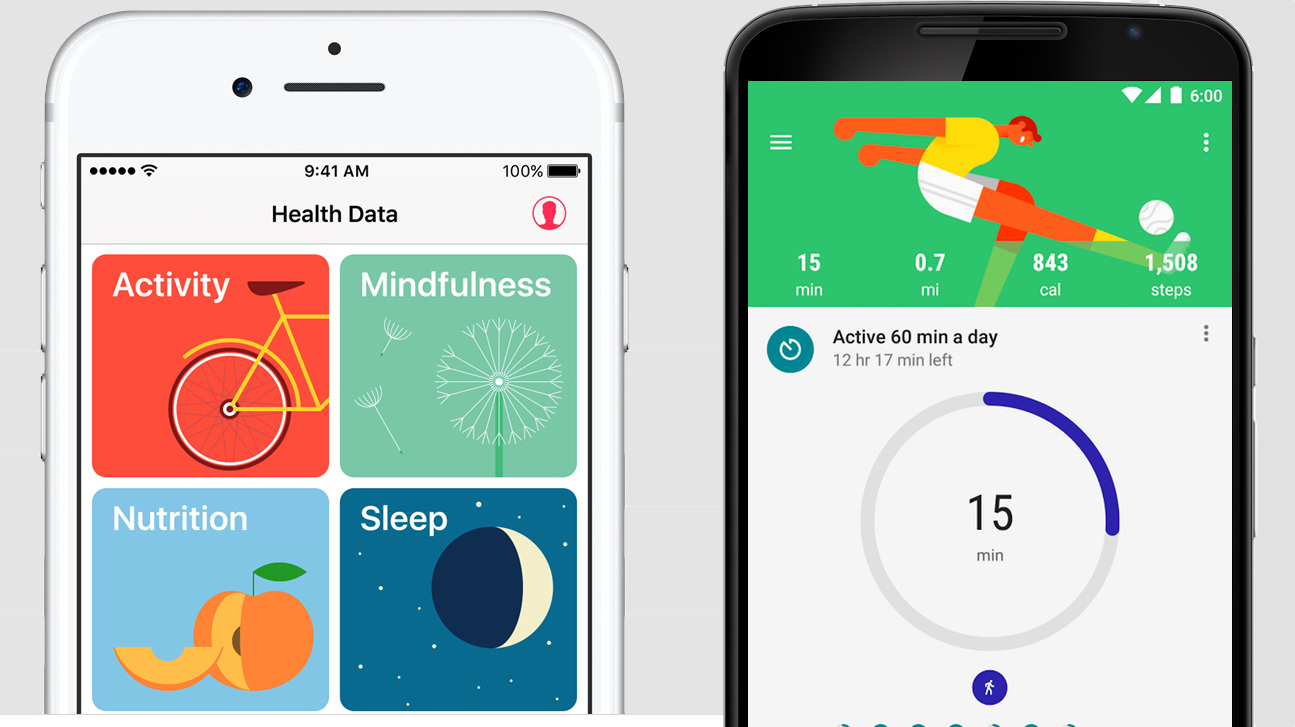
    Google Fit, the health-tracking app that made its debut on Android four years ago, has now been released on iOS. The app has gone through multiple overhauls since its launch back in 2014, but the last major update released last year made it extremely simply to use.

    Starting today, iOS users will be able to track their Heart Points and Move Minutes, the best way to build smarter, healthier habits throughout the day. Google Fit awards users so-called Move Minutes and Heart Points the more they move and the more intensely they move. Based on the scores, you’ll be closer to reach the recommended amount of weekly physical activity and reap the health benefits.

    It’s purely motivational, but very helpful if you’re trying to exercise but don’t find the courage to do it regularly. More importantly, Google Fit allows users to track their progress throughout the day using various apps.

    For example, app connected to Apple Health, such as Sleep Cycle, Nike Run Club and Headspace, can be synced with Google Fit to offer a more holistic view of your health. You’ll also be able to see how many Heart Points and Move Minutes you earn through other activities.

    Moreover, if own an Apple Watch as well, Google Fit will keep track of all your workout sessions too. Just don’t forget to check the app’s journal to see what you need to do to sleep better and get more active. You can download Google Fit for iOS right now via the App Store.

  • Michael Kors launches improved Sofie Heart Rate smartwatch

    Michael Kors launches improved Sofie Heart Rate smartwatch

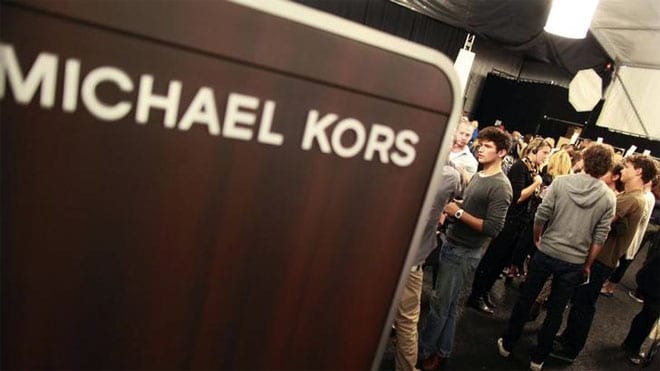
    Michael Kors is expanding its smartwatch offering with an improved version of Sofie, a wearable device that was launched two years ago. The new model, weirdly named Sofie Heart Rate, packs a few new features that the original model lacked, but keeps a similar price.

    The Sofie Heart Rate is available in five colors – Pave Rose Gold, Rose Gold, Silver, Pave Two-Tone, and Gold, for as low as $325. Officially unveiled early this year, Michael Kors’ new smartwatch runs Wear OS and is fully compatible with iPhone and Android phones.

    Unlike the original model, the new Sofie Heart Rate features built-in GPS, NFC (Near Field Communication) payment technology, heart rate tracking, and swimproof technology (water resistant up to 30m). Also, it comes with an AMOLED display, 4GB internal storage, and a 300 mAh battery.

    Design-wise, the smartwatch is made of stainless steel and features interchangeable straps. According to Michael Kors, in addition to the three classic stainless steel platings and the two-tone glitz version models, the Sofie Heart Rate will also be offered in alligator-stamped silicone. Moreover, brown and plum stainless steel platings, along with grey silicone, will be made available this fall.

  • LG Aledgly stopping flagship smartphone production in Korea

    LG Aledgly stopping flagship smartphone production in Korea

    LG’s smartphone business has been struggling for quite some time, but the company is still hopeful of turning a profit. At this point, a sudden uptake in smartphone sales seems unlikely so LG has recently focused on cost-cutting measures, one of which seems to be suspending smartphone production in its home country.

    LG is planning to shift its current Korean smartphone production over to a plant in Vietnam with the objective of helping “turn around the money-losing smartphones division.”

    Currently, LG’s smartphone production plan in South Korea focuses primarily on the production of flagship smartphones. It’s unclear if mid-range and low-end smartphones are also made at the plant, but the production output currently accounts for between 10% and 20% of LG’s total smartphone production.

    LG still has production bases in Brazil, China, India, and Vietnam so this latest development certainly doesn’t mean it’s the end of the road for the South Korean brand. Nevertheless, the company continues to experience declining sales and could soon lose its third-place position in the US to Motorola. And as history has shown us with Sony, it’s almost impossible to achieve profitability without some sort of growth, not matter how much effort is put into cost-cutting.

  • Xiaomi just patented a weird-looking inverted Notch

    Xiaomi just patented a weird-looking inverted Notch

    Since notches first arrive back in 2017, smartphone brands have attempted a range of implementations ranging from wide ones to much subtler water drop alternatives. One thing that hasn’t been attempted, however, is an outward facing one. But Xiaomi’s latest patent suggests it could be working on one.

    In what is presumably an attempt at creating a low-cost smartphone that also presents a notchless display, Xiaomi’s latest patent envisions a smartphone that features minimal bezels and a rather large hump on the very top of the device. This looks exactly like an inverted notch and is home to the in-ear speaker and two selfie cameras.

    On more expensive devices such as the Xiaomi Mi Mix 3, the Chinese brand has chosen to implement a slider design that hides the front-facing cameras and allows for an all-screen design. However, this comes at an added cost that most likely wouldn’t be financially viable in the low-end segment. The company is also rumored to be working on two flagships with pop-up cameras but, once again, this is a costly feature.

    More often than not, patents are a good indication of what’s to come from smartphone brands in the future. But considering the very unusual design that is shown in the included sketches, it seems likely that this particular  patent will never result in a production device.

  • Facebook expects to be hit hard by the FTC

    Facebook expects to be hit hard by the FTC

    After word got out last year that 87 million Facebook members had their profiles sold to political consultant Cambridge Analytica without permission, the Federal Trade Commission started an investigation. After all, this action violated an FTC consent decree that Facebook signed off on back in 2011, promising not to use subscribers’ personal data without consent.

    Facebook announced its first-quarter results today and took a charge of $3 billion to cover an anticipated fine from the Federal Trade Commission (FTC). Neither side has reached an agreement, but clearly, Facebook expects to be spanked pretty hard by the FTC. The company noted in its report that it faces a fine as high as $5 billion from the FTC. The 87 million profiles received by Cambridge Analytica were reportedly used to created profiles of voters used by the 2016 Trump campaign to determine the areas of the country where more money needed to be spent for advertising.

    Facebook also announced today that 2.1 billion people use Facebook, WhatsApp, Messenger or Instagram on a daily basis, and 2.7 billion use one of these members of the Facebook family at least once a month. At the end of the three months that included January through March of this year, Facebook had $45.42 billion in the vault. That’s after the company spent $3.96 billion on capital expenditures during the quarter.

    For the first quarter of 2019, Facebook had $15.1 billion in revenue. That was up 26% from the $12 billion it raked in during the same quarter a year earlier. Net came to $2.4 billion (or 85 cents a share) against $5 billion earned during the first quarter of 2018. But those results include the $3 billion charge. Without the charge, Facebook would have earned $1.89 per share vs. the $1.69 it reported for the first three months last year.

  • Apple AirPods 3 likely to arrive later this Year

    Apple AirPods 3 likely to arrive later this Year

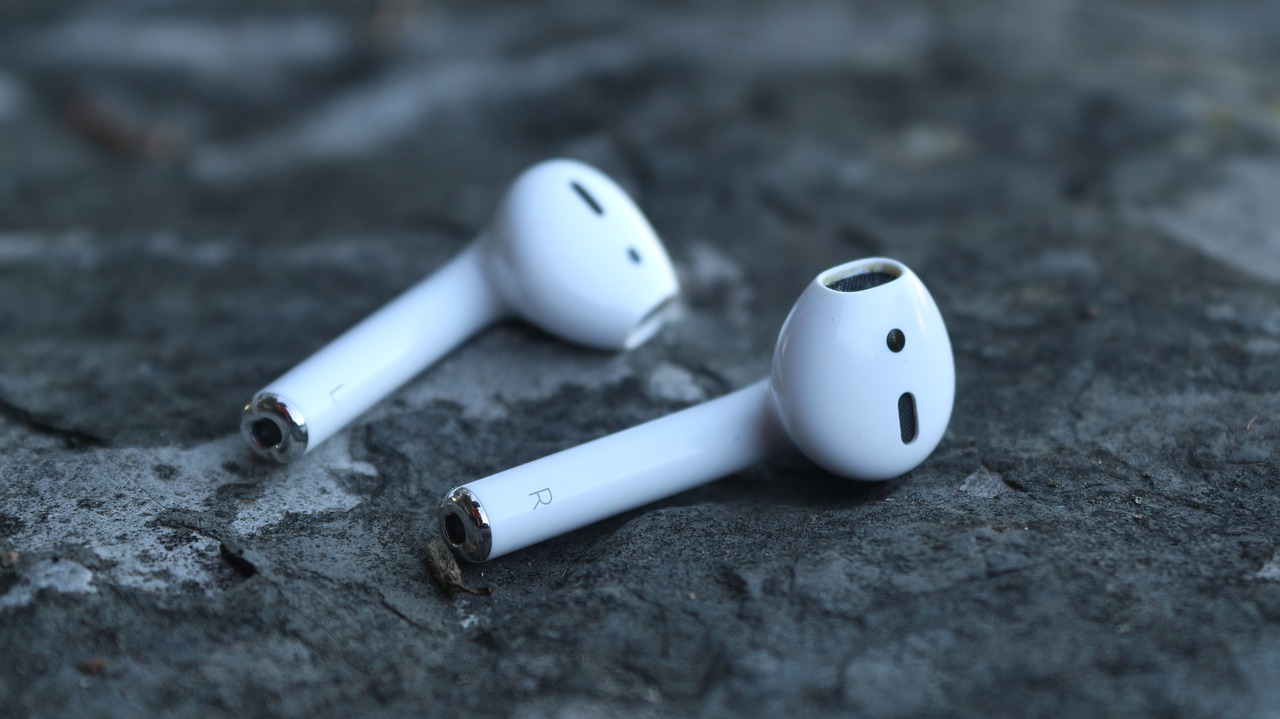
    Five weeks ago, Apple announced a new pair of AirPods. The update was largely welcomed, but it was far from the big upgrade many were hoping for.  According to industry sources, the next-generation AirPods will be manufactured jointly by Taiwan-based Inventec and Chinese company Luxshare Precision. These two aren’t exactly household names but they are the companies in charge of producing the current-gen AirPods.

    In regards to actual features, the details provided by the report are minimal. However, it’s suggested that the primary new feature will be built-in noise cancelation.

    Tipster Steve Hemmerstoffer, for example, accurately predicted back in February that Apple’s AirPods release in March would center around the wireless charging case. The upcoming fall release, on the other hand, will apparently focus on an all-new pair of AirPods that’ll be available in a range of new colors.

    Way back in June of last year, Bloomberg published a report detailing Apple’s plans for a pair of premium AirPods sometime this year. An exact timeline wasn’t provided, but the piece did list a number of potential features that would justify the expected price hike.

    Like today’s report, noise-cancelation was listed as one of the primary additions. This will apparently be accompanied by the introduction of water resistance and some health-related features which could include a built-in heart rate monitor. Apple is also said to be working on extending the range at which AirPods can be used away from a connected device.

    Further rumors and reports have suggested the next-generation AirPods will introduce a subtle redesign. More specifically, a frosted glass-like coating is to be expected. This will apparently improve grip and reduce slipperiness, thus making the new AirPods less prone to falling out of your ears.

    Also expected are the usual internal upgrades which should include a new Bluetooth connectivity chip and improvements to the overall sound quality. A rumor floating around also suggested the next AirPods will support more powerful wireless charging that takes the battery percentage from 0% to 100% in just 15 minutes.

    Apple analyst Ming-Chi Kuo revealed that he now expects Apple to launch two new pairs of AirPods during the ‘4Q19-1Q20’ timeframe, meaning the new accessories could be unveiled at any point between early October 2019 and late March 2020.

    One of these new models will apparently be a small update over the AirPods that are currently on sale. It’s unclear what kind of upgrades this will entail, but Kuo believes the version will maintain the $159 starting price seen today – with the wireless charging case this will presumably rise to $199.

    The second pair, on the other hand, will apparently introduce an ‘all-new design’ that will be accompanied by a higher price tag. Presumably, this means that there will be a wide range of new features including noise cancelation and water resistance, as mentioned above.

    Ming-Chi Kuo expects AirPods shipments to reach a considerable 52 million units in 2019, while this number should then grow even higher in 2020 to 75 million. In order to cope with the increased demand, it’s believed Apple will move to a new system-in-package design for both sets of AirPods that’ll save space, lower costs, and improve production yield rates.

    As pointed out by Bloomberg’s Mark Gurman, the AirPods that Apple launched last month were initially planned for release in September 2018 alongside the iPhone XS and iPhone XR devices. Apple hasn’t officially confirmed this, but it’s rumored to have happened due to issues with the canceled AirPower charging mat. Apparently, the AirPods charging case was meant to utilize proprietary technology, but complications with AirPower forced Apple to rework the accessory using the Qi standard.

    If things had gone as planned, new AirPods launching later this year wouldn’t be out of the question. But considering that, by the end of 2019, Apple’s latest AirPods will have only been on the market for 9 months, it seems highly likely that the AirPods 3 and AirPods 3 Pro will arrive towards the end of Kuo’s release timeframe at the brand’s annual spring event in March, one year after the current-gen AirPods arrived.
  • Google Maps adds real-time info for EV charging stations

    Google Maps adds real-time info for EV charging stations

    There are so many reasons to love Google Maps right now, some of which have very little to do with the core functionality of the world’s most popular web mapping service or the numerous handy navigation features borrowed from Waze over the past few months.

    One extremely convenient thing you’ve been able to do since last fall with Google Maps is easily find electric vehicle (EV) charging stations around the world, and now the feature is further improved to save you some hassle and avoid wasting your time. In addition to just showing you nearby charging stations and helping you reach them by taking the fastest route, the wildly successful app can also provide real-time information on the availability of actual charging ports.

    No more waiting in line for “anywhere between minutes to hours”… unless, of course, you don’t mind taking your chance or don’t have much of a choice of EV charging stations in your area. But if you do, Google Maps will display exactly how many ports are actually available at any given time in stations from Chargemaster, EVgo, and SemaConnect networks. Keep in mind that the expanded functionality is only supported in the US and UK at the moment, with Chargepoint slated to join the aforementioned list of partners “soon.”

    As you can imagine, it’s incredibly easy to locate the closest electric vehicle charging station. You simply enter “ev charging” or “ev charging stations” in the app’s search box, which will bring up a list of relevant places from where you can access the number of available ports, their types and charging speeds, as well as other driver-provided info about a specific station, like photos, ratings, reviews, and questions.

    Don’t forget to update Google Maps on your Android handset or iPhone to the latest version published to Google’s Play Store or Apple’s App Store. The new feature should already be live for users of both mobile operating systems.