Category: Electronics

Retail News Asia is committed to providing both local and global retailers with the latest Electronics news throughout the Asian market. This on a daily base.

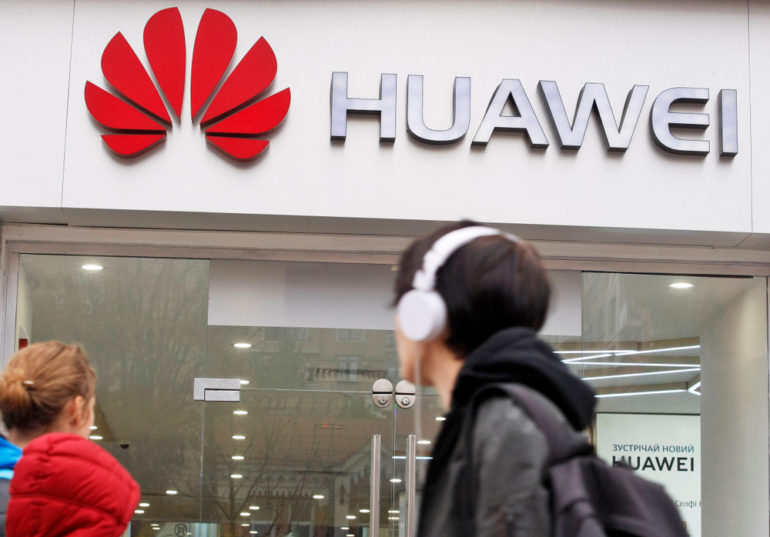
  • Huawei reassesses goal of overtaking Samsung

    Huawei reassesses goal of overtaking Samsung

    Huawei has made no secret of its plans to overtake Samsung as the world’s largest smartphone manufacturer by the first quarter of 2020. But in light of its recent US trade ban, the company is reassessing its goal.

    According to Honor President Zhao Ming, Huawei is currently looking into the possibility of adjusting its internal goals. He says it’s still “too early” to say whether or not the Chinese company is capable of achieving the goals it currently has set, although things aren’t looking too good.

    Per sources familiar with the matter, Taiwanese manufacturer Foxconn that also assembles iPhones and Xiaomi devices recently shut down Huawei production lines. This happened because the company suddenly reduced its orders for new phones in light of weakened demand due to the US ban.

    It’s unclear at this point if Huawei’s production cut is temporary or long-term, but the request could negatively impact Foxconn. After all, the latter reportedly hired lots of new workers earlier this year in order to cope with the growing demand for Huawei’s smartphones.

    On a related note, analyst Ming-Chi Kuo recently forecast a significant drop in sales for Huawei this year. The best-case scenario, which involves launching an Android replacement at some point in the near future, would see Huawei ship between 240 and 250 million smartphones by the end of the year, down from the previous estimates of 270 million devices. However, if the company fails to release an in-house OS by the end of the year, Huawei’s shipments could fall to just 180 million devices.
  • Apple purges iTunes pages on the eve of its demise

    Apple purges iTunes pages on the eve of its demise

    Apple’s arguably most hated piece of legacy software – iTunes – may be killed today at the WWDC keynote, reported Bloomberg over the weekend, and the interesting part is that it won’t be renamed to something else, but different modules will be taking its place instead.

    The iTunes syncing and download service is a relic of the past anyway, and will be phased out as Apple’s CEO Tim Cook will be announcing a move away from the iPhone as the centerpiece of the company’s strategy.

    The Apple Watch will reportedly gain more independence from the iPhone, the iPad will be getting new software that will aim to close the gap with laptops, and Apple will be pushing its new healthcare solutions, according to the report. Anything but the iPhone.

    The transition might not be finished for a couple of years, but this is the strongest push Apple has made toward the unification of its two platforms. Apple and developers can put more effort into one version of things instead of having to build everything twice.

    With Watch OS 6, the company is eventually going to introduce a dedicated App Store, compartmentalize messaging, and add stock utility apps of the everyday type like a calculator or a voice recorder that will make you keep the iPhone in your pocket for longer while using the Watch.

    One of the slower and more cumbersome to use of Apple’s legacy software, the jack-of-all-trades-master-of-none iTunes will be replaced with apps that now duplicate its functionality. Instead of using it for watching videos, or listening to music and podcasts, Apple’s new Music, TV, and Podcasts apps for the Mac will be taking over. What about shuttling files to and from and managing the phone, though, what iTunes used to do?

    Well, those functions will reportedly be taken over by the new Music app, of all things. Apple even started purging the iTunes accounts on Instagram, Facebook and the like, indicating the ancient software’s imminent demise. Good riddance?

  • Huawei’s troubles could hurt the entire smartphone market

    Huawei’s troubles could hurt the entire smartphone market

    After putting on a brave face for the last few weeks and insisting the Chinese company is prepared for whatever US President Trump might throw at it down the line, Huawei has finally acknowledged its incredible recent rise through the ranks of the world’s largest smartphone vendors is likely to slow down.

    But while Apple, Samsung, and Xiaomi are expected to derive important gains from Huawei’s global losses, Canalys is taking a look today at another big potential loser in this extremely complicated equation. The research firm thinks the entire smartphone industry will be hurt by “uncertainties surrounding the US/China trade talks, the US Executive Order signed on 15 May and subsequent developments.”

    Although it’s obviously impossible to project the long-term repercussions of current tensions between the US and Chinese governments, as “subsequent developments” remain up in the air, Canalys is already reducing its 2019 smartphone shipment forecast to 1.35 billion units. That would represent a decrease of 3.1 percent from last year’s total, which in turn marked a worrying decline for an industry that was used to steady, impressive growth until not long ago.

    That essentially stopped when manufacturers got into a rut, failing to innovate like before and convince people to upgrade from their awesome high-end handsets to eerily similar and only slightly awesomer new flagships. With the advent of 5G connectivity and increasingly bolder designs pursuing the foldable and bezelless dreams, analysts are now widely expecting a (slow) recovery of global smartphone sales.

    But if Canalys is right, we may have to wait until 2020 for a boost in shipments. Specifically, this year’s 1.35 billion units are projected to rise to 1.39 billion for a sequential growth of 3.4 percent after consecutive declines of 4.5 and 3.1 percent in 2018 and 2019 respectively.

    Of course, this year’s total is exceptionally volatile and tricky to forecast, greatly depending on whether or not Huawei will ultimately be allowed to continue doing business with US companies. The current assumption is that “restrictions will be imposed stringently” on the Chinese vendor at the end of Trump’s 90-day reprieve, hampering its overseas potential for “some time.”

  • Android Q will improve your phone’s battery life

    Android Q will improve your phone’s battery life

    Nah, we aren’t talking about Google introducing a systemwide Dark Mode in Android Q. No amount of LTE tower pinging, talking on the phone, or any other usual suspect when it comes to wireless radio battery drain can affect your mileage as much as constant Wi-Fi scanning for non-existent networks.

    This thing is a giant power hog, and you should kill it with fire if you have exhausted all the usual culprits for your battery drain. Bonus points: by default, Google tracks you even when Bluetooth and Wi-Fi are off, so if you ditch scanning, you’ll make it harder.

    Type “Improve accuracy” in the settings’ search box, then turn Wi-Fi and Bluetooth scanning off. Type “Locating method” and switch it to “Phone only,” if you need to keep GPS on at all times.

    When playing Pokemon Go, navigating, or any other scenario you need high accuracy for, turn it back on for the sesh if you are adamant to eke out every last drop of your battery juice, yet now Android manages the scanning permissions pretty well itself.

    With Android Pie, Google drastically reduced the number of scan attempts to one every 30 seconds for front apps, and one in 30 minutes for apps that are just sitting in the background. Despite the outcry from developers of indoor location or signal strength measurement apps, Google has decided that the scanning restrictions will remain an integral part of Android Q:

    Once again, thank you for submitting a request. After following up with our product and engineering teams, the request will not be considered at this time. In Q, there is a new developer option to toggle the throttling off for local testing (Needs a rooted device).

    While we feel sorry for devs of apps that can be affected, we can’t wrong Google for deciding to put an end to rogue Wi-fi scanning that drains battery like crazy and was one of the chief culprits behind standby power drains in previous Android versions. Whew.

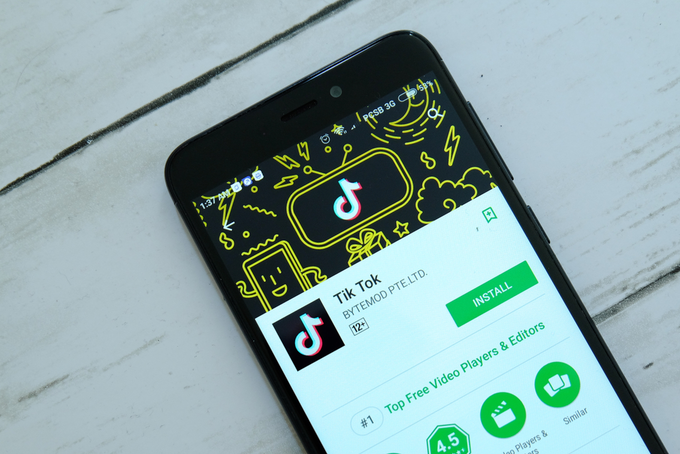
  • A TikTok smartphone is reportedly being developed

    A TikTok smartphone is reportedly being developed

    Amazon created the Fire Phone to promote its services and Facebook partnered with HTC on a dedicated smartphone. Both products turned out to be complete failures, but that isn’t stopping the developers of viral app TikTok from creating their own device.

    Industry sources have claimed TikTok’s owner, ByteDance, is currently developing its own smartphone that’ll arrive pre-installed with the company’s range of apps which also include content aggregation platform TopBuzz and news platform News Republic.

    The smartphone will apparently be created by talent ByteDance acquired earlier this year from Chinese smartphone brand Smartisan. Details about the design and specs haven’t yet been revealed, but the device will most likely focus on the budget segment and teenage users. After all, TikTok is most popular in markets such as India and China, where cheaper devices are the best-sellers.

    It’s unclear at this stage if ByteDance will try to tackle the European and US markets, but if it does so the device could be met with a lukewarm reception just like Amazon and Facebook’s offerings from years ago. After all, why bother buying a TikTok smartphone when you can simply download the app on any other phone?

  • Asus ZenFone 6 first update brings important camera improvements

    Asus ZenFone 6 first update brings important camera improvements

    The ZenFone 6 hasn’t even been released in the United States and Asus is already pushing out a major update that brings important camera enhancements. If you plan on getting one when Asus will launch the ZenFone 6 in the US in July, here is what to expect from the first ZenFone 6 update.

    If you didn’t know, Asus ZenFone 6 packs a so-called motorized flip camera, which allows users to take both selfies or regular photos. It basically acts as both rear and front cameras to ensure that you take the best pictures in every scenario.

    Well, it looks like the ZenFone 6’s camera needs some adjustments, so Asus has decided to address that in the first update, which focuses exactly on this aspect. First and foremost, the camera Super Night Mode and HDR+ Enhanced mode received considerable improvements on image processing speed and image quality.

    Furthermore, the update should add volume key functions, which will allow users to control the flip camera rotation. Basically, you can set the volume key as shutter, zoom, or flip camera in the Asus Camera app settings manually.

    The smart key can now be used as a shutter to take pictures in Camera mode, and the camera rotation stability has been improved as well. Also, the default wallpaper and ringtone have been updated too, while the translation strings in Settings have been optimized.

    According to Asus, its server pushes out the update in batches, which means that it will take some days before everyone will receive the notice. However, you can manually check for it by heading to System settings in the Settings / System.

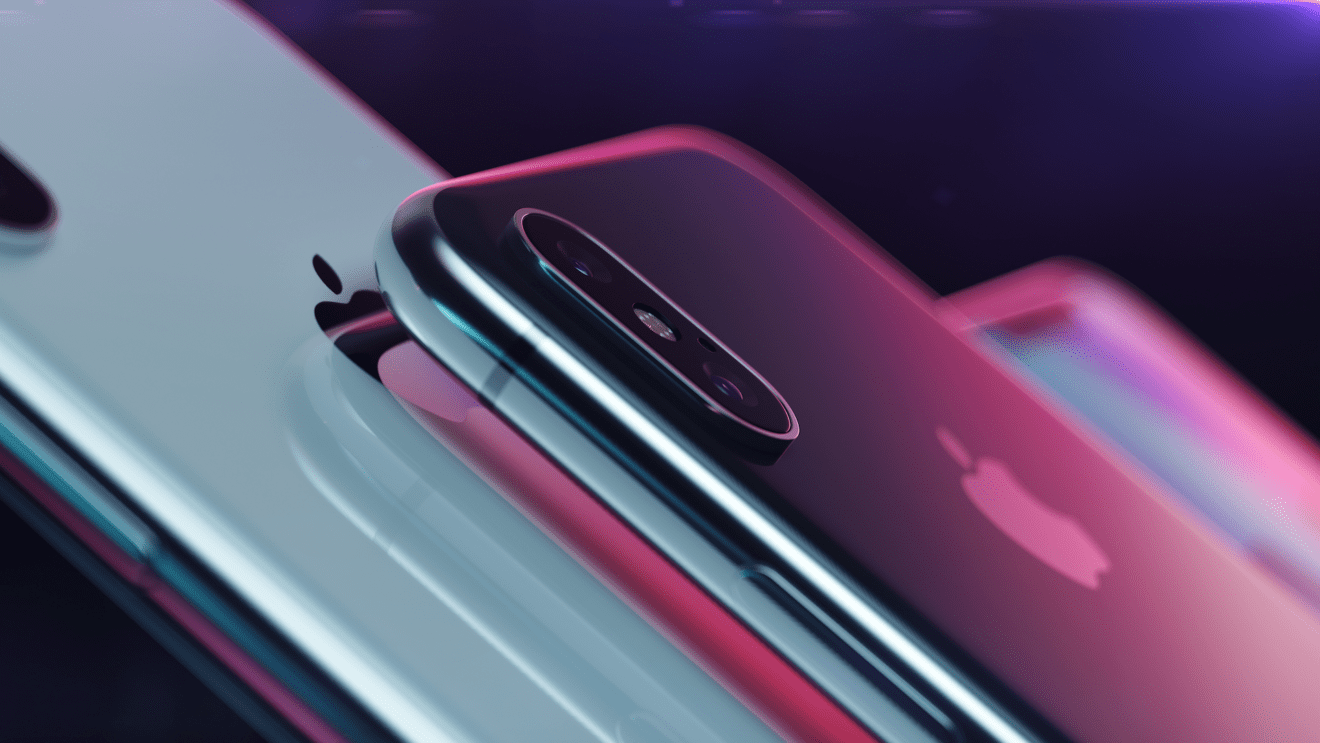
  • iPhones are getting too Big

    iPhones are getting too Big

    Back when Apple’s iPhones were following the iPhone 6 design, they were considerably thinner than they are today. I remember when the immensely hyped iPhone X came out, with its brand new super-luxurious design and everything, the first thought that crossed my mind was: “Wow, that thing is beautiful!” And then that thought was quickly followed by another: “It’s also so… thick?!” because I was comparing it to the One year later, Apple kept the same exact design with the iPhone XS and XS Max, but also released the mainstream XR, which was even bulkier! The iPhone XR is my daily driver, and if I could change anything in it, making it thinner and lighter would have easily been in the top three. I think iPhones have slowly gotten a bit too fat and heavy!

    I came to this realization after playing around with the OnePlus 5T for a few days. Compared to the XR, the OnePlus 5T is about as wide and even taller, but it’s so much thinner and lighter. This made it feel surprisingly good while holding and using it. It also gets thinner towards the edges, which I think is also a good design choice, both from an ergonomic and aesthetic point of view. It’s similar to what Apple’s doing with the iMac, but the iPhone does not have such a curve – it remains “full fat” all the way to the edges. Maybe part of the reason is that iPhones have glass backs now, to facilitate wireless charging, but this also seems to be contributing to the increased thickness and weight.

    The iPhone XR is also very heavy. I wouldn’t call it excessive, but it is very substantial. Some people appreciate their phones having some heft, but there’s a line that shouldn’t be crossed because then the user starts to subconsciously avoid reaching for the phone.

    This brings us back to the beginning and the question of having a thin and light phone versus a thick and heavy phone with better battery life. The iPhone XR does have superb battery life, to the point that I pay almost no attention to my battery levels – I just put it on the charger whenever I remember to do so.

    But you know what: I’d love to trade some of that battery for reduced thickness and weight. There’s just something effortless in handling a phone like the OnePlus 5T; it makes you want to put your hands on it more often, even if you don’t have a specific reason to do so. Now, I can’t switch to OnePlus, because of my broader needs and principles, which are best answered by the Apple ecosystem (plus newer OnePlus phones are also thicker), but I think it’d be great if the next iPhone design cuts out some of the fat for that desirable elegance that was typical of previous generations. Maybe then consumers will start lusting after each new iPhone like they used to.

  • Huawei clarifies Android, SD card support for new and existing phones

    Huawei clarifies Android, SD card support for new and existing phones

    The West’s crusade against Huawei’s phone and 5G businesses has had the world talking about a new tech cold war with China, as the company is being used as a pawn in a larger game by the White House administration.

    Currently, there is a 90-day stay on the marching orders that the government sent to American companies to stop doing any business with Huawei, including providing software as Google does with its mobile operating system.

    This pretty much came as a shock to the hundreds of millions of Huawei users outside of China who learned that in a short while their phones might be hobbled when it comes to Google apps, software, and security updates, quickly losing value.

    We probed Huawei and its Honor subsidiary to clarify what exactly will and won’t work if the trade arguments with China don’t get resolved in due time, and it turns out that the apocalyptic scenarios about SD card support, or a cease of service functioning on existing phones, were a bit overblown.

    As far as future Huawei and Honor phones like an eventual Mate 30 Pro are concerned, though, the situation is pretty much in limbo. Moreover, the Honor 20 Pro didn’t get Google-certified in time before the ban hammer dropped.

  • Second Apple Taiwan store about to Open

    Second Apple Taiwan store about to Open

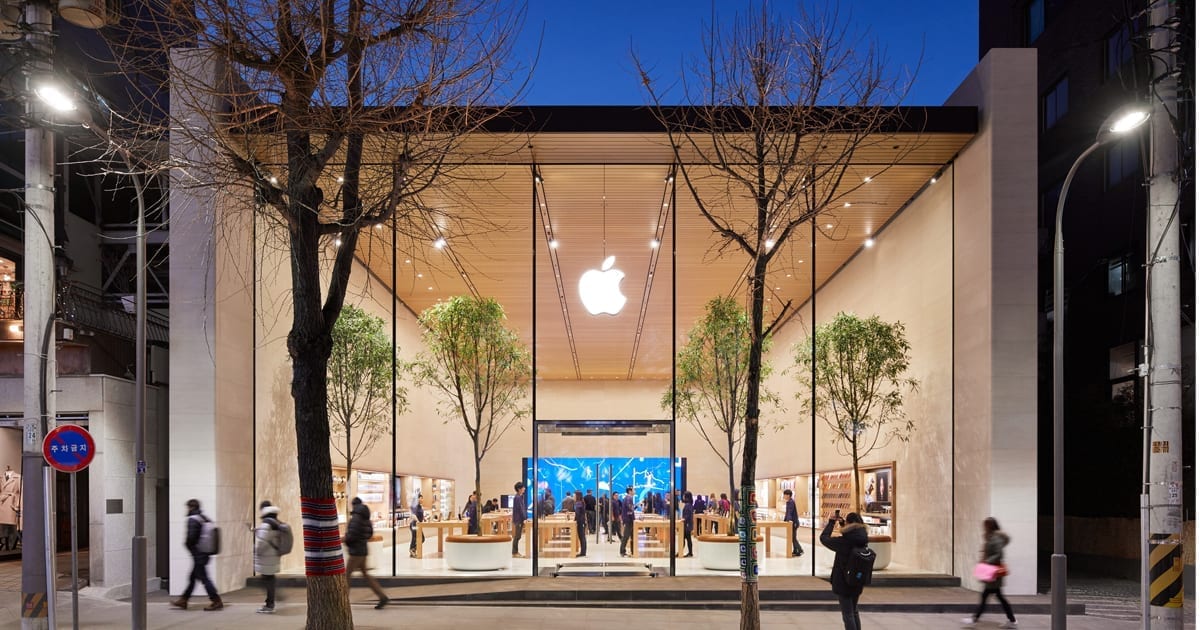
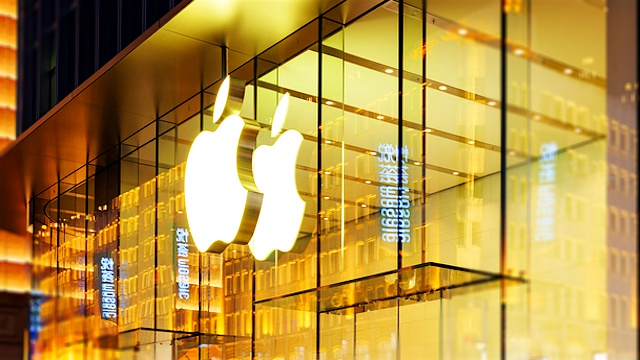
    Apple Taiwan is to open its second store, in Taipei’s Xinyi District.

    The firm is in the early stages of planning, although has released an image of the intended look of the new store that resembles its Chicago flagship.

    Apple’s first official store in Taiwan opened in the Taipei 101 mall, although the majority of its products are sold via its online channel and through local authorized resellers.

    Comments online following the announcement suggested significant hopes that Apple will next open an official store outside Taipei.

    Apple Taiwan issued a teaser image of the new store (above), a rare move for the company, which rarely reveals details of store developments to the press.

  • Huawei barred from using SD memory cards

    Huawei barred from using SD memory cards

    Although Huawei has been given a reprieve from the initial punishment imposed by the United States, it looks like the Chinese company is close to losing its smartphone business, as more US companies announce they unwillingness to continue to work with the world’s number two smartphone vendor.

    The SD Association is the latest company that bars Huawei access to its technology. Apparently, the Chinese company has been removed from the trade group as SD Association must comply with orders from the US Department of Commerce.

    Although customers who own Huawei smartphones can continue to buy SD and microSD cards to use in their devices, future Huawei phones will no longer work with the standard. It’s unclear what will happen, but Huawei has already included proprietary storage cards in some of its latest flagships, which are called Nano Memory Cards.

    Probably not as important as being banned from getting Android OS updates or chipsets from Intel, Qualcomm and AMD, SD Association’s move adds to the major issues that Huawei’s smartphone business is going to have in the coming months.

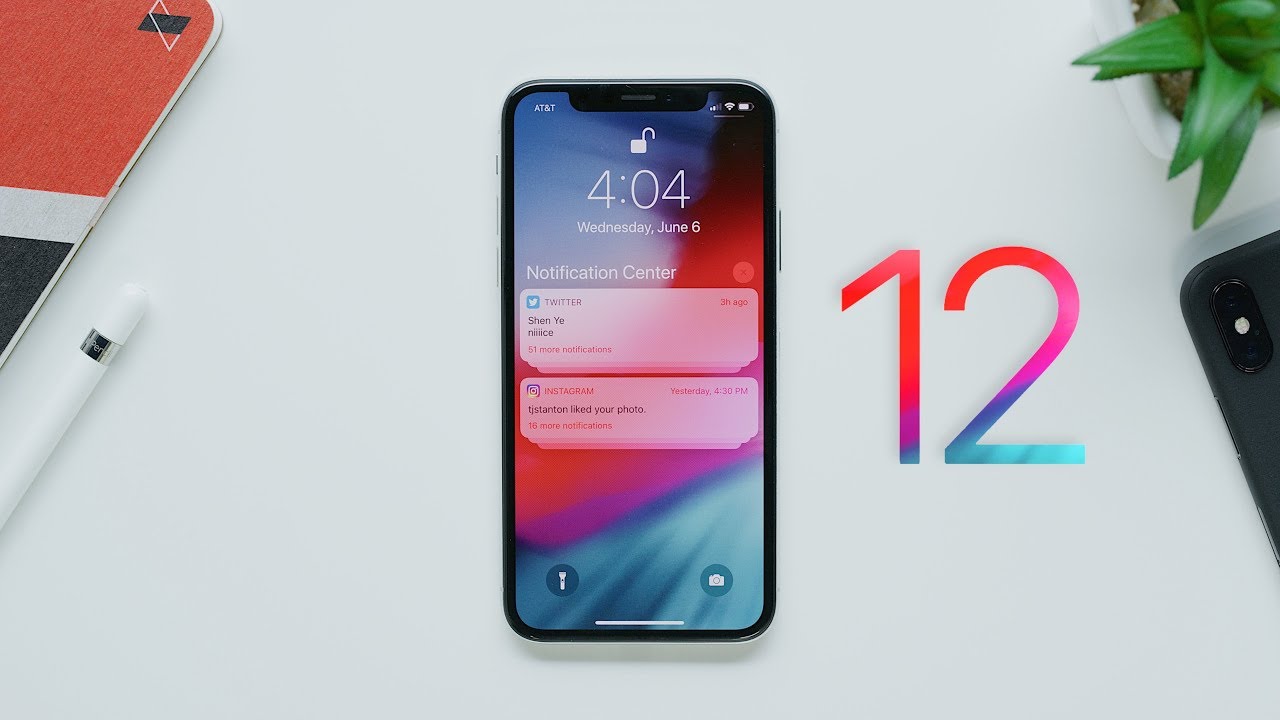
  • Apple iOS 12.3.1 update released to fix iMessage and VoLTE issues

    Apple iOS 12.3.1 update released to fix iMessage and VoLTE issues

    Apple has just released another iOS update, which addresses a couple of issues that many iPhone users have complained of lately. If you’re rocking an iPhone as your daily driver, you should be able to see a notification on your device letting you know that you can download iOS 12.3.1, the latest firmware software released by Apple.

    As far as the contents of the update go, Apple says that iOS 12.3.1, which was released just two weeks after iOS 12.3, addresses an issue that could prevent iPhone users from making or receiving VoLTE (voice over LTE) calls.

    Also, the update fixes many of the problems in the Messages app, including those that could cause messages from unknown senders to pop up in one’s conversation list even though the Filter Unknown Senders option is enabled.

    Another Messages fix should solve another bug with Messages, which could prevent the Report Junk link from appearing in the app’s threads from unknown senders.

    In other news, Apple is gearing up for the next major iOS 13 updates. Keep in mind though that Apple hasn’t yet confirmed anything about iOS 13, so take it with a tint of salt until the update is announced.

  • Samsung Galaxy S10 update adds Night mode improvements

    Samsung Galaxy S10 update adds Night mode improvements

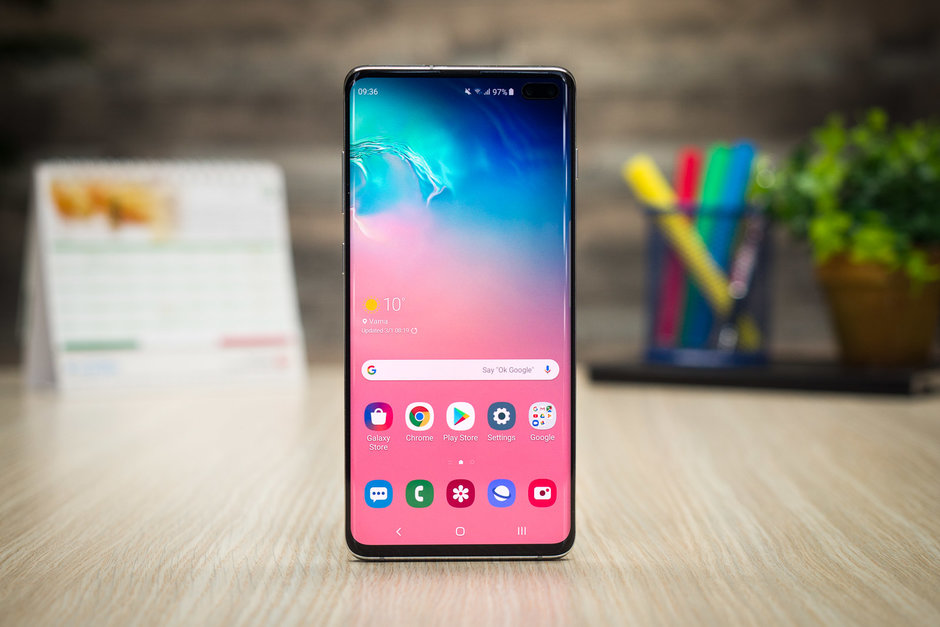
    Samsung continues to improve the Galaxy S10 family with important new features and additional functionality. The upcoming update focuses on camera enhancements by adding a couple of nifty new features, as well as improvements to the phones’ performance when taking night shots.

    As the title says, it appears that the Galaxy S10’s decent Night mode has just been upgraded to very good. According to SamMobile, the May security update improves the Night mode by allowing users to take much cleaner pictures in low-light conditions.

    The differences are quite important as the update reduces noise that sometimes appears in night pictures. Moreover, Galaxy S10 users will now be able to use the Night mode with the ultra-wide camera, and even though noise still pops up in pictures taken with it, they are brighter and more detailed.

    Another important improvement is the fact that you can take Live Focus photos with the telephoto lens, something that was only possible with the Galaxy S10 5G. The new addition will allow users to take bokeh pictures of large objects much easier.

    Now, the update is currently being deployed in Switzerland as May 2019 security patch, but all three Galaxy S10 units should receive it worldwide in the coming days. We don’t have a release date for the United States, so you’ll just have to hope it will be rolled out sooner rather than later.

  • Qualcomm and Intel comply with the White House ban

    Qualcomm and Intel comply with the White House ban

    As if the maker of the world’s most popular mobile operating system cutting you off wasn’t unpleasant enough for Huawei, US chip makers will also be forced to do so, or risk the wrath of the current White House administration.

    Qualcomm, the maker of all things Snapdragon and 4G/5G modems, as well as Broadcom, a supplier of Wi-fi and other connectivity chips, will also have to deal with the administration’s thinly veiled restrictions for doing business with precisely Huawei.

    Intel is in the mix, too, just when Huawei laptops started getting glowing tech reviews for their design, battery longevity, and value-for-money configurations. Infineon, the German modem maker that Intel bought in 2011, has also received marching orders to cut supply to Huawei effective immediately.

    Needless to say, Huawei makes its own mobile processors and has a 5G connectivity modem already in retail devices, so it wouldn’t be as worried about US chip makers shunning its business. Moreover, it has apparently anticipated the chip ban and stockpiled a three-month supply, but Google’s move is potentially much more devastating as it will be hard to find a replacement.

    Not of the Android system per se, as Huawei has been working on an alternative for a while now, but for the apps it launches. On the plus side, excellent phones like the P30 Pro may become much cheaper now. Morbid humor, but Google isn’t cutting Huawei off completely until Android Q rolls in. That is a few short months from now, though, so it will be interesting to follow China’s reaction to this hostile US attitude and Huawei’s ban as collateral damage in the larger trade war between the two nations.

  • Sony launches cheaper noise-canceling wireless headphones

    Sony launches cheaper noise-canceling wireless headphones

    If you’re in the market for a pair of premium noise-canceling headphones, there aren’t a lot of options in the $300-$350 price range. Two companies have distinguished themselves for bringing top-notch products to audiophiles: Bose and Sony.

    Still, if you can’t afford to pay for a pair of Sony WH-1000XM3 or Bose QuietComfort 35 Series II, a new pair of noise-canceling headphones will be available for purchase for a much lower price.

    Sony’s WH-XB900N offer a more accessible alternative for those who need noise-canceling technology. They cost just $250 and offer similar features as the company’s premium 1000XM3 headphones, plus extra bass (hence the XB model name).

    Design-wise, they feature a foldable design and touch panel controls on the headphone housing. Of course, Sony’s WH-XB900N Extra Bass wireless headphones include a built-in microphone for use with Google Assistant. They also pack NFC (Near Field Communication) and Bluetooth connectivity.

    As far as battery life goes, Sony claims its new headphones should offer up to 30 hours of playback time on a single charge. Also, a charge of around 4 hours will keep the headphones powered all day, which is quite impressive.

  • Huawei finally has had enough of U.S. bullying

    Huawei finally has had enough of U.S. bullying

    The Trump administration gave Huawei a temporary license allowing it to source parts and components from U.S. firms for three months. Just last Thursday, the company and 68 of its affiliates were placed on the Commerce Department’s Bureau of Industry and Security (BIS) Entity list. Companies on the list are prevented from sourcing U.S. components and parts without a license issued by the U.S. government. The 90-day reprieve will allow the company to buy supplies from U.S. firms that are “necessary to maintain and support existing and currently fully operational networks and equipment, including software updates and patches.” Google today followed suit, promising to send Android updates to the manufacturer through August 19th.
    Huawei is not exactly jumping up and down over its short-term reprieve. The company said today that it was victimized by U.S. “bullying.” Being placed on the Entity List followed years of accusations from U.S. lawmakers concerned that Huawei was spying, or could be forced to spy on American consumers and corporations on behalf of the communist Chinese government. Amid fears that Huawei devices and networking equipment contain a backdoor that can send intelligence to Beijing, Huawei was declared a threat to U.S. national security as far back as 2012. Over the last year, as global mobile carriers started building out their 5G networks, the Trump administration has continually warned allies not to use the firm’s networking gear. This recommendation has been heeded by Australia, Japan, and New Zealand.
    Last week, Huawei chairman Liang Hua visited the U.K.; regulators in the country are deciding whether to allow the company’s 5G networking equipment to be used there. Liang told the media that Huawei would sign a “no-spy” contract with any country.
    The battle between the U.S. and Huawei escalated earlier this year when the U.S. Department of Justice slapped the company with a 13 count indictment. Huawei, two affiliates (Huawei Device USA and Skycom Tech) and CFO Meng Wanzhou were charged with committing various bank-related crimes. The U.S. said that the company tried to cover up business it did with Iran, violating international economic sanctions placed on the country. At the same time, the U.S. charged the manufacturer with stealing trade secrets from T-Mobile. Huawei was already found guilty in a civil court of stealing parts from the carrier’s Tappy robot used to test smartphones and was ordered to pay T-Mobile nearly $5 million dollars.
    Huawei shipped over 200 million handsets last year and was the second largest smartphone manufacturer in the world during the first quarter of this year. The company hoped to take over the top spot from Samsung next year, but obviously, that is now in question depending on what happens following the three-month reprieve. While Huawei is expected to roll out its own operating system this fall with native support for all Android apps, the company’s Google Play Store replacement won’t include popular American based apps such as YouTube, Twitter, Instagram, and WhatsApp. The question isn’t whether these replacements will go over in China, but whether they will satisfy users outside of Huawei’s home market where it sells 49% of its phones (according to Q1 stats).
    And while Huawei is confident in its ability to replace U.S. hardware, software, and components that it might no longer have access to in 90-days, it still has to replace $11 billion in parts purchased from U.S. companies last year such as Qualcomm, Intel and Micron Technologies. Yes, Huawei designs its own chips, but it uses software from U.S. companies to do this. Chip experts say that Huawei is still a few years away from being totally self-reliant in this area.